Kriechender Rosmarin
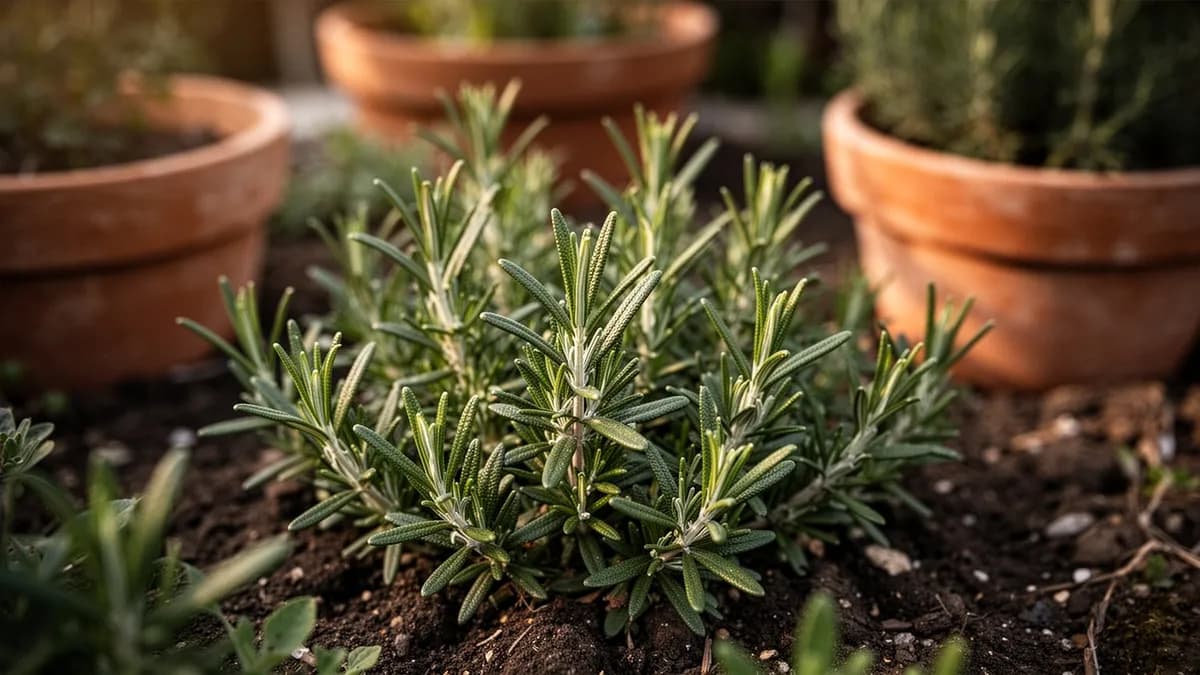
Ein bodennaher Rosmarin, der nur 15 cm hoch wächst, sich aber bis zu 120 cm ausbreitet – ideal zum Herabhängen über Mauern und Hochbeete.





Auf dieser SeiteÜberblick
Kriechender Rosmarin im Überblick
Ein bodennaher Rosmarin, der nur 15 cm hoch wächst, sich aber bis zu 120 cm ausbreitet – ideal zum Herabhängen über Mauern und Hochbeete. Die hängenden Zweige tragen im Frühling blassblau Blüten und besitzen den gleichen harzigen Geschmack wie aufrecht wachsende Sorten. Verwenden Sie ihn in Steingärten, als Bodendecker an Hängen oder in Ampeln für einen mediterranen Effekt.
Wann Kriechender Rosmarin pflanzen
Wie jeder Rosmarin wird auch die kriechende Form am besten vegetativ vermehrt. Nehmen Sie im Spätfrühling bis Hochsommer 10 cm lange halbreife Stecklinge von gesunden hängenden Trieben. Entfernen Sie die unteren Blätter und tauchen Sie die Schnittenden in Bewurzelungshormon. Stecken Sie sie in eine gut drainierende Mischung aus Perlit und Torf und halten Sie Wärme (20 °C) sowie Feuchtigkeit mit einer durchsichtigen Abdeckung aufrecht. Besprühen Sie täglich – Wurzeln sollten sich innerhalb von 6–8 Wochen entwickeln. Absenken ist bei kriechenden Typen besonders einfach – heften Sie einen hängenden Trieb mit einer Drahtklammer auf feuchte Erde und Wurzeln bilden sich an der Kontaktstelle innerhalb von 8 Wochen.
Dein Kriechender Rosmarin-Jahr
Abgestimmt auf Zone 7 · typische Saison · Frost geht um den 2. Apr. und kehrt um den 1. Nov. zurück
Kriechender Rosmarin Mär – Mai pflanzen, Jan – Dez ernten. Beachte die Pflanzmethoden unten und wähle dein Klima für passende Zeiträume.
So baust du Kriechender Rosmarin an
Kriechender Rosmarin ist eine beeindruckende hängende Sorte, die nur 15 cm hoch wächst, sich aber bis zu 120 cm ausbreitet und so einen duftenden, immergrünen Bodendecker oder eine dramatisch herabhängende Bepflanzung über Mauern und Hochbeete bildet. Pflanzen Sie ihn in voller Sonne mit hervorragender Drainage und einem Abstand von 60 cm. Diese Sorte ist weniger winterhart als aufrechte Typen und eignet sich am besten für die Zonen 8–11 oder als Kübelpflanze, die im Winter ins Haus geholt wird.
Wie jeder Rosmarin verlangt auch die kriechende Form vor allem eine perfekte Drainage. Pflanzen Sie in steinigen, sandigen oder kiesigen Boden und lassen Sie die Wurzeln niemals im Wasser stehen. In Hochbeeten und Mauern ist die natürliche Drainage ideal. Gießen Sie tiefgründig, aber selten – lassen Sie die Erde zwischen den Wassergaben abtrocknen. Eine Kiesabdeckung ergänzt die mediterrane Ästhetik und hält die hängenden Triebe vom nassen Boden fern.
Schneiden Sie nach der Blüte leicht zurück, um dichtes Wachstum zu erhalten und kahle, verholzte Mitte zu vermeiden. Der hängende Wuchs macht kriechenden Rosmarin ideal für das Herabhängen über Terrassenmauern, Ampeln und die Ränder großer Gefäße. In kalten Klimazonen kultivieren Sie ihn in Gefäßen, die im Winter an einen frostfreien Ort gebracht werden können. Zimmerpflanzen benötigen maximales Licht und gute Luftzirkulation, um gesund zu bleiben.

8 Pflanzen passen in ein Beet von 120 × 240 cm
Kriechender Rosmarin braucht 60 cm Platz pro Pflanze. Der Planer hält diesen Abstand für dich ein — jede Pflanze, jedes Beet.
Die besten Nachbarn für Kriechender Rosmarin
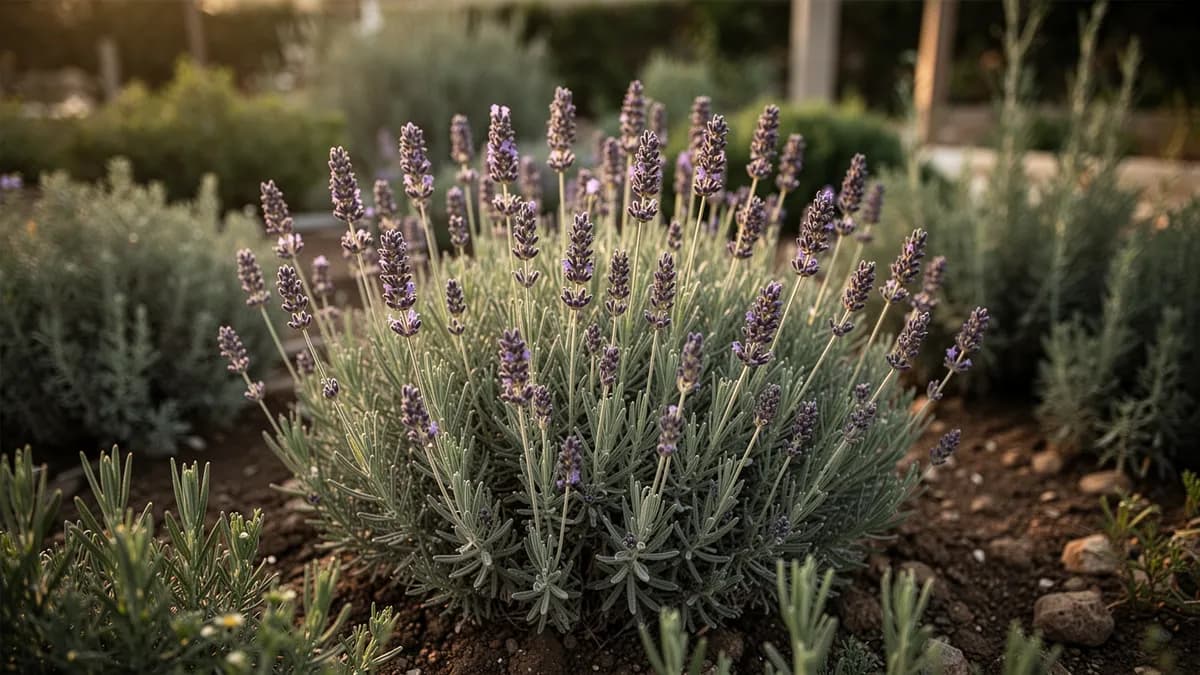
Kriechender Rosmarin bietet bodennahe Schädlingsabwehr, wenn er unter höheren Kulturen gepflanzt wird. Die ätherischen Öle vertreiben Möhrenfliegen, Kohlmotten und Bohnenkäfer. Verwenden Sie ihn als lebende Mulchschicht unter Rosen, wo er Unkraut unterdrückt und gleichzeitig Blattläuse abschreckt. Der ausladende Wuchs füllt Lücken zwischen Trittsteinen und entlang von Wegen und verströmt beim Berühren Duft. Passt gut zu anderen trockenheitstoleranten mediterranen Begleitpflanzen wie Thymian und Lavendel.
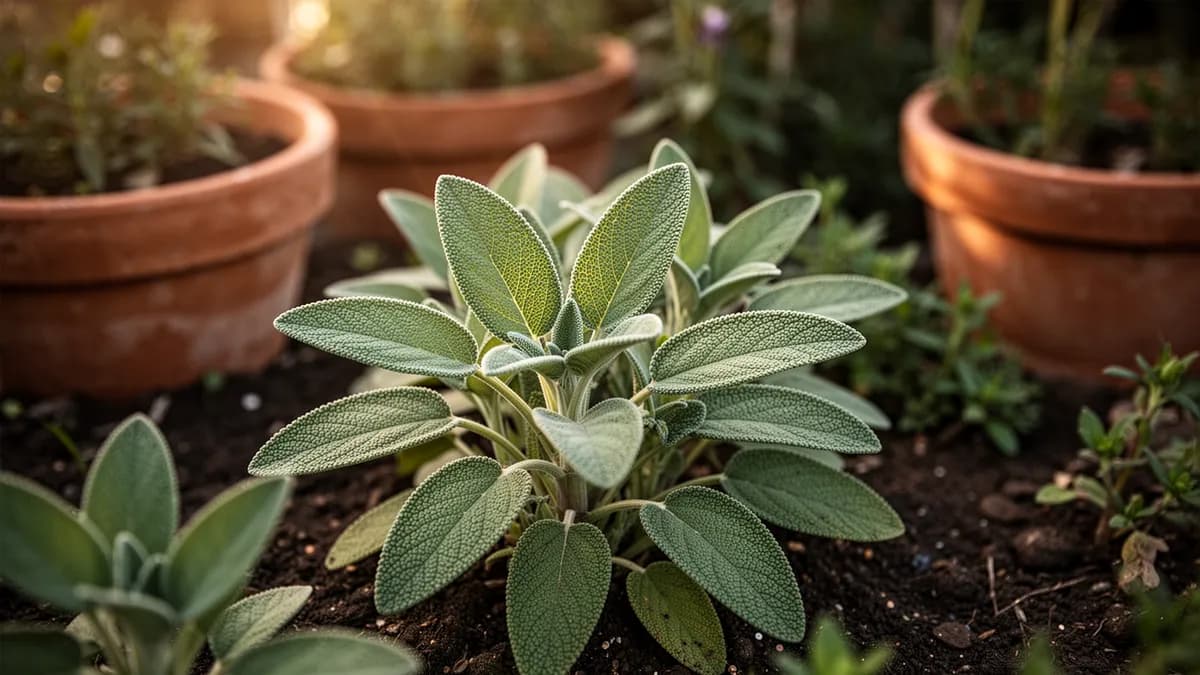
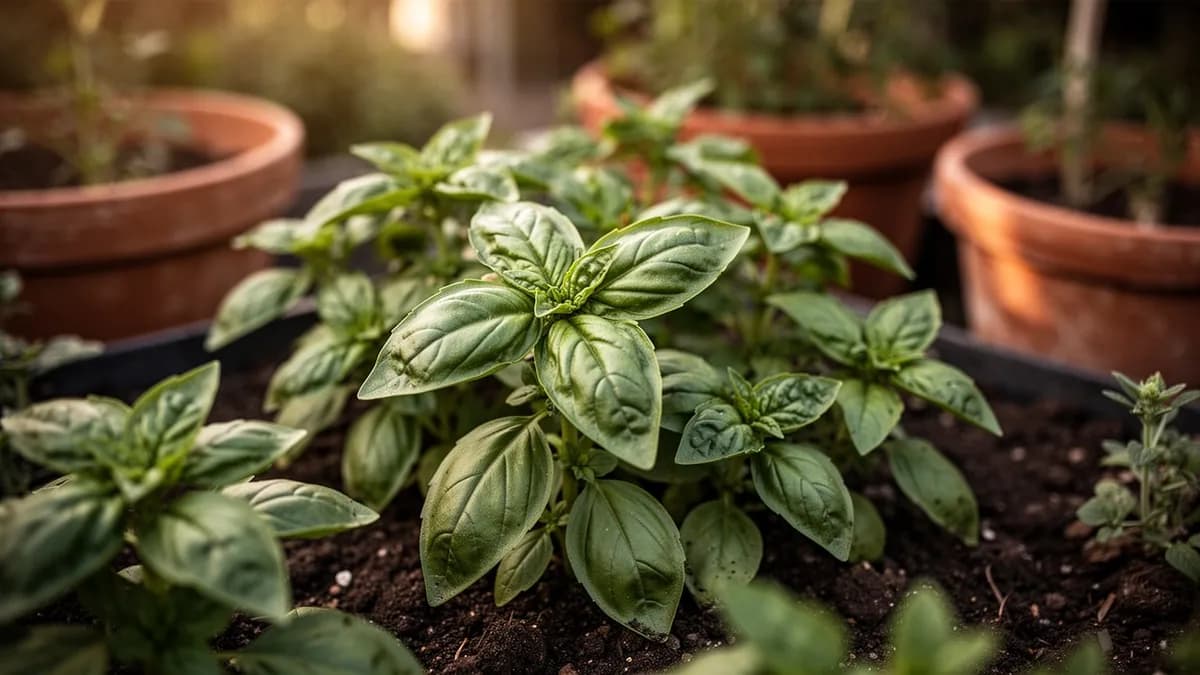
Salbei gehört daneben. Basilikum nicht.
Altes Gärtnerwissen, geprüft an der echten Nachbartabelle von Kriechender Rosmarin — teste jede Pflanze, die du anbaust.
Probiere Kriechender Rosmarin direkt hier im Beet
Ein echtes Planer-Beet, Kriechender Rosmarin steht schon drin. Tippe einen Begleiter an, platziere ihn und sieh, wie die Nachbarschaftsprüfung antwortet — grün für gute Nachbarn, rot bei Streit.


Passende Anbau-Ratgeber
Richtig düngen
Pflanzen Sie in mageren, perfekt drainierten Boden mit einem pH-Wert von 6,0–7,5. Die ideale Mischung für Gefäße besteht aus gleichen Teilen Blumenerde, Perlit und grobem Sand. Im Freiland schweren Boden mit Splitt und Kies verbessern. Minimale Düngung – eine leichte Kompostgabe im Frühling genügt. Überdüngung erzeugt sparrigen, schwachen Wuchs mit vermindertem Aroma. Kübelpflanzen einmal im Frühling mit Langzeitdünger nachdüngen. Hervorragend für Trockenbeete und Gärten im mediterranen Stil.
Winterhärtezone-Kompatibilität
Von der Saat zur Ernte, Schritt für Schritt
Steckling / Vermehrung
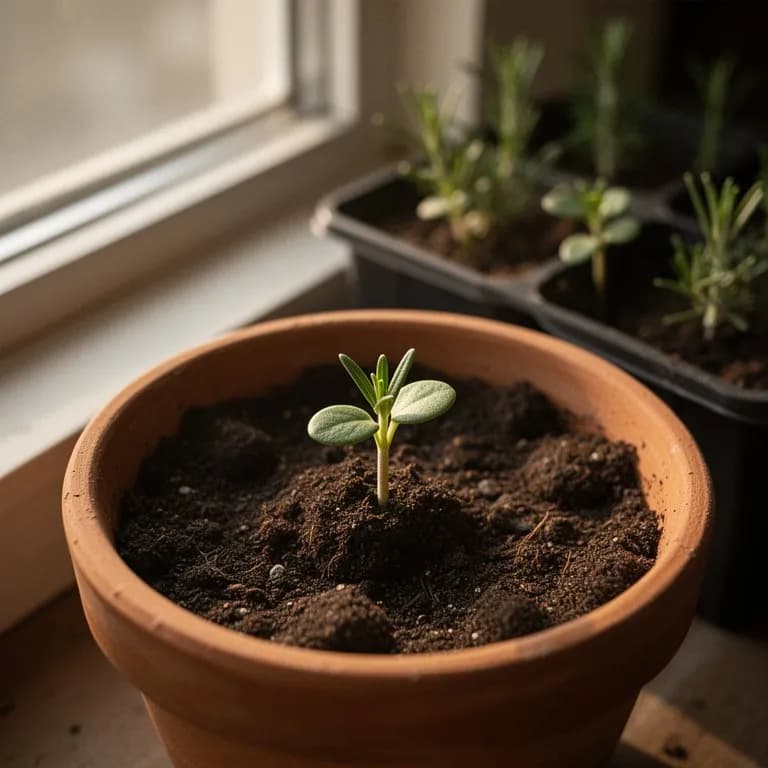
Halbverholzte Stecklinge werden von gesunden Trieben genommen und in ein gut drainierendes Medium gesteckt. Die Bewurzelung beginnt innerhalb von zwei bis vier Wochen unter warmen, feuchten Bedingungen.
Bewurzelter Setzling
Sobald sich ein gesundes Wurzelsystem gebildet hat, wird die junge Pflanze an ihren endgültigen Standort oder in einen größeren Behälter umgepflanzt. Das anfängliche Wachstum ist langsam, während sich die Wurzeln im neuen Boden etablieren.
Vegetatives Wachstum
Die Triebe verlängern sich und entwickeln ihren charakteristischen hängenden Wuchs mit dichtem, nadelförmigem, aromatischem Laub. Die Pflanze breitet sich seitlich aus, anstatt aufrecht zu wachsen.
Erste Blüte
Kleine blassblau bis violette Blüten erscheinen entlang der hängenden Triebe, typischerweise im ersten Frühling nach der Pflanzung. Die Blüten sind für Bienen und andere Bestäuber sehr attraktiv.
Etablierte Ausbreitung
Die Pflanze entwickelt eine verholzte Basis und breitet sich auf eine Fläche von bis zu eineinhalb Metern Breite aus. Hängende Zweige können sechzig Zentimeter oder mehr über Mauern und Kanten herabfallen.
Ausgewachsenes Exemplar
Ein voll ausgereifter kriechender Rosmarin bildet eine dichte, duftende Matte oder einen herabfallenden Vorhang aus immergrünem Laub. Er blüht jeden Frühling üppig und manchmal erneut im Herbst.
Tauchen Sie die Schnittenden in Bewurzelungshormon und halten Sie die Erde gleichmäßig feucht, aber nicht staunass. Eine Feuchtigkeitshaube beschleunigt die Wurzelbildung.
Kriechender Rosmarin Monat für Monat pflegen
Was du jeden Monat für deine Kriechender Rosmarin tun solltest
Oktober
Aktueller MonatOktober: Bringen Sie Kübelpflanzen in Zonen unter 8 ins Haus. Tragen Sie eine leichte Kiesabdeckung um Freilandpflanzen auf, um die Wurzeln zu schützen. Reduzieren Sie das Gießen, da das Wachstum nachlässt.
Immer wissen, was jetzt im Garten zu tun ist
Eine E-Mail zum Monatsanfang: was du jetzt säen, pflanzen und anpacken solltest — für deine Kriechender Rosmarin und alles, was drumherum wächst. Dazu ein kurzer Startkurs, der dich vor den klassischen Fehlern bewahrt.
- Was jetzt zu tun ist
- Passend zu deiner Saison
- Startkurs inklusive
Kriechender Rosmarin ernten
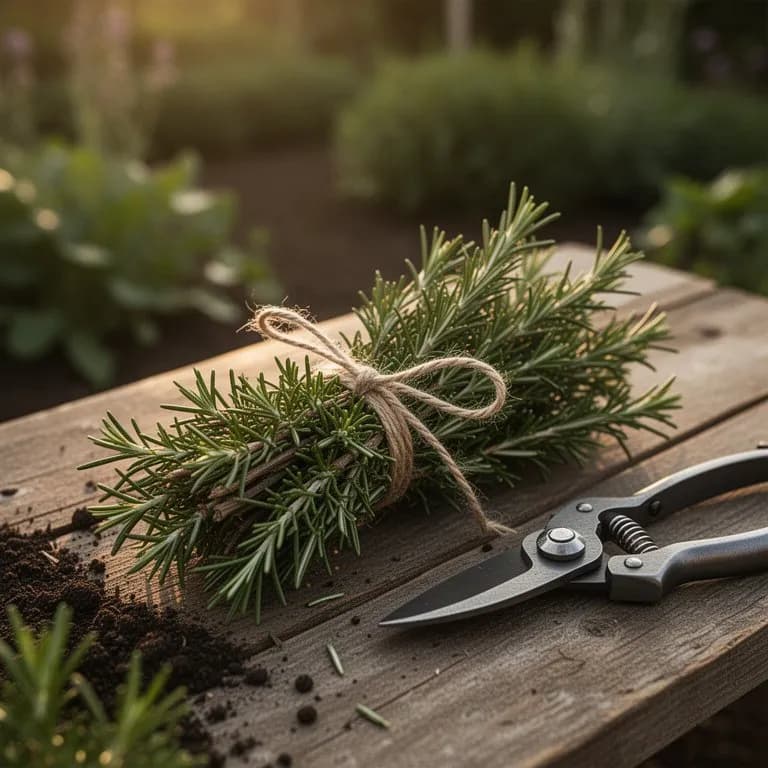
Ernten Sie kriechenden Rosmarin, indem Sie Triebspitzen von 8–10 cm Länge von den äußeren Rändern des hängenden Wuchses abschneiden. Vermeiden Sie es, in dicke, verholzte innere Triebe zu schneiden, da Rosmarin aus altem Holz nicht gut nachwächst. Die hängenden Triebe sind etwas biegsamer als bei aufrechten Sorten, was die Ernte mit einer Schere erleichtert. Der Geschmack entspricht dem aufrechten Rosmarin – harzig, aromatisch und hervorragend zum Kochen. In milden Klimazonen ganzjährig ernten.
angenommen, du pflanzt zu Beginn des Zeitraums — trage dein tatsächliches Datum ein
Ernte Kriechender Rosmarin zügig, dann trägt die Pflanze weiter.
Lagerung & Konservierung
Frischer kriechender Rosmarin hält 2–3 Wochen im Kühlschrank in einem verschlossenen Beutel mit einem feuchten Papiertuch. Trocknen Sie kleine Bündel, indem Sie sie 1–2 Wochen an einem warmen, dunklen Ort aufhängen. Die kleinen, dichten Blätter trocknen schnell und behalten ein ausgezeichnetes Aroma. Streifen Sie die getrockneten Blätter von den Stielen und bewahren Sie sie in luftdichten Gläsern lichtgeschützt bis zu einem Jahr auf. Frieren Sie frische Zweige in Gefrierbeuteln ein, um beim Kochen bequem darauf zugreifen zu können. Legen Sie sie in Olivenöl ein, um ein aromatisiertes Speiseöl herzustellen.
Was schiefgeht — und die Lösung
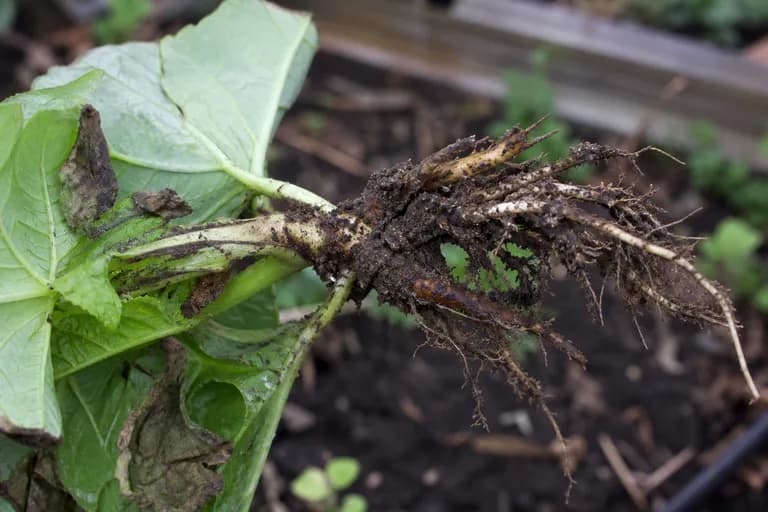
Wurzelfäule
KrankheitBräunung der hängenden Triebspitzen, allmähliches Absterben von der Mitte nach außen, matschiger Wurzelhals bei Untersuchung.
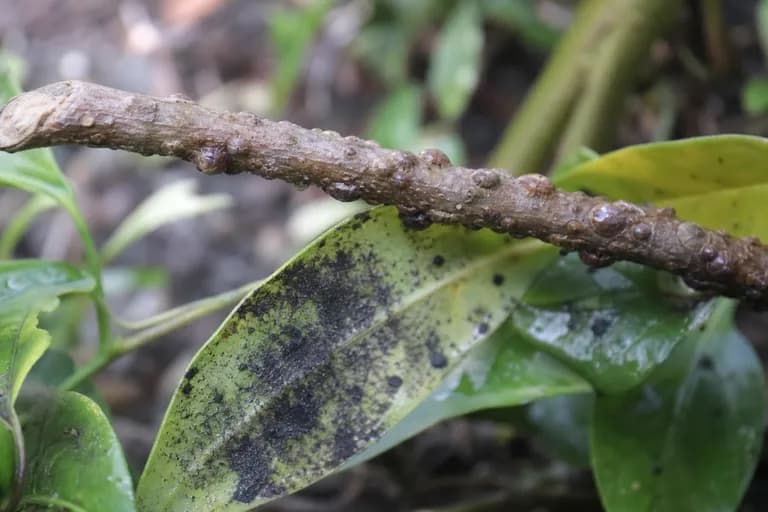
Schildläuse
SchädlingKleine braune oder weiße Erhebungen an Stielen und Blattunterseiten, klebriger Honigtau, Rußtau auf unterem Laub.
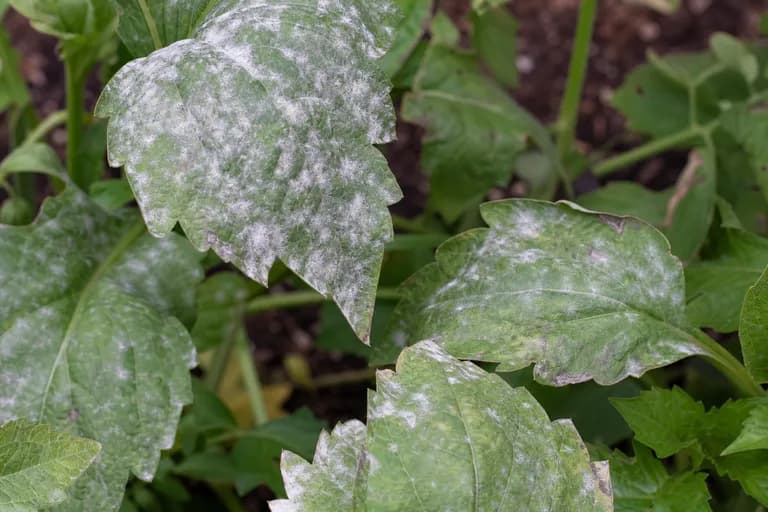
Echter Mehltau
KrankheitWeiße, pudrige Flecken auf Blättern und Stielen, besonders dort, wo hängendes Wachstum dichte, schlecht belüftete Matten bildet.
Fehlerbehebung bei häufigen Problemen
Verholzte, kahle Mitte entsteht bei älteren Pflanzen – verhindern Sie dies durch regelmäßigen leichten Rückschnitt der hängenden Triebspitzen, um die Verzweigung zu fördern. Frostschäden töten die Triebe von den Spitzen her ab; bringen Sie Gefäße vor dem ersten Frost in kalten Zonen ins Haus. Hängende Triebe auf nassem Boden entwickeln Fäulnis – erhöhen Sie sie mit Kies oder positionieren Sie sie über den Rändern von Mauern und Gefäßen. Zimmerpflanzen benötigen im Winter maximales Licht; ergänzen Sie mit Pflanzenlampen, um Vergeilung zu verhindern.
Anbautipps
- Pflanzen Sie in scharf drainierenden Boden, der mit grobem Sand oder Perlit verbessert wurde. Kriechender Rosmarin ist sehr anfällig für Wurzelfäule in schweren, staunassen Böden und geht bei schlechter Drainage schnell ein.
- Wählen Sie einen Standort mit voller Sonneneinstrahlung von mindestens sechs bis acht Stunden täglich. Unzureichendes Licht verursacht sparriges, lückenhaftes Wachstum und verringert die Produktion ätherischer Öle sowie die Geschmacksintensität.
- Gießen Sie tiefgründig, aber selten, und lassen Sie die oberen fünf Zentimeter Erde zwischen den Wassergaben vollständig abtrocknen. Übergießen ist die häufigste Ursache für das Versagen von kriechendem Rosmarin.
- Vermeiden Sie stickstoffreiche Dünger, die weiches, schwaches Wachstum fördern, das anfällig für Schädlinge und Kälteschäden ist. Eine einzige leichte Gabe von ausgewogenem Langzeitdünger im Frühling ist ausreichend.
- Stellen Sie Gefäße erhöht auf oder verwenden Sie Ampeln, um den hängenden Wuchs zur Geltung zu bringen. Stellen Sie sicher, dass Töpfe großzügige Drainagelöcher haben, und verwenden Sie eine kiesige, gut drainierende Topfmischung.
- Schneiden Sie nach der Hauptblütezeit im Spätfrühling leicht zurück, um eine kompakte Form zu erhalten und dichtes Neuwachstum zu fördern. Schneiden Sie niemals in altes, kahles Holz, da Rosmarin aus blattlosen Trieben nicht gut nachwächst.
- Bieten Sie in den USDA-Zonen 7 und 8 Winterschutz, indem Sie den Wurzelbereich mit Kies mulchen und bei starkem Frost mit Gartenvlies abdecken. Bringen Sie Kübelpflanzen an einen geschützten Ort oder ins Haus.
- Vermehren Sie durch halbreife Stecklinge im Spätfrühling oder Frühherbst. Stecklinge von etwa zehn Zentimetern bewurzeln sich in einer Mischung aus Perlit und Torf innerhalb von drei bis vier Wochen.
- Pflanzen Sie als Bodendecker mit einem Abstand von 60 bis 90 Zentimetern, um dem ausladenden Wuchs Rechnung zu tragen. Sie wachsen innerhalb von zwei Jahren zu einer dichten, unkrautunterdrückenden Matte zusammen.
- Überwachen Sie Spinnmilben und Weiße Fliegen, besonders bei Zimmerpflanzen oder während heißer, trockener Perioden. Ein kräftiger Wasserstrahl oder Schmierseifenlösung bekämpft die meisten Befallsarten wirksam.
Bau deine beste Kriechender Rosmarin an — und alles drumherum.
Starte heute kostenlos. Lege deine Beete an, setze deine Kriechender Rosmarin ein und lass PlotMyGarden Timing, Abstände, Begleiter und Erinnerungen von der Saat bis zum Erntekorb übernehmen.
Finde deine Kriechender Rosmarin
Prostratus
Die Standard-Kriechform mit blassblau Blüten und klassisch hängendem Wuchs. Die am weitesten verbreitete kriechende Rosmarin-Sorte.
Irene
Eine wüchsige kriechende Auslese mit tiefblauen Blüten und ausgezeichneter hängender Bedeckung. Etwas kältetoleranter als der Standard-Kriechrosmarin.
Huntington Carpet
Eine extrem flach wachsende Auslese, die sich eng an den Boden schmiegt. Blassblaue Blüten. Hervorragend als echter Bodendecker.
Santa Barbara
Eine kompakte kriechende Sorte mit leuchtend blauen Blüten. Etwas aufrechter als reine Kriechformen, wird bis zu 30 cm hoch.
Eine einzelne kriechende Rosmarinpflanze kostet zwischen drei und acht Euro und kann in geeigneten Klimazonen fünf bis fünfzehn Jahre lang ganzjährig frischen Rosmarin liefern. Bedenkt man, dass ein kleines Päckchen frischer Rosmarin im Supermarkt zwei bis vier Euro kostet, kann eine etablierte Pflanze einem Haushalt über fünfzig Euro pro Jahr einsparen. Ihre Doppelfunktion als Küchenkraut und Ziergewächs-Bodendecker oder Hängepflanze macht separate Landschaftsbepflanzungen überflüssig und bietet zusätzlichen Wert. Die Vermehrung durch Stecklinge ist unkompliziert und ermöglicht es Gärtnern, unbegrenzt neue Pflanzen ohne zusätzliche Kosten zu produzieren.
Schnelle Rezepte

Rosmarin-Olivenöl
5 Minuten plus 2 Wochen ZiehzeitEin duftendes Finish-Öl, das durch Einlegen frischer kriechender Rosmarin-Zweige in hochwertiges natives Olivenöl extra hergestellt wird. Beträufeln Sie damit gegrilltes Gemüse, knuspriges Brot oder Bratkartoffeln für einen sofortigen Geschmacksschub.
4 ZutatenRosmarin-Meersalz-Focaccia
30 Minuten plus 2 Stunden GehzeitEin klassisches italienisches Fladenbrot, belegt mit frischen Rosmarinnadeln und grobem Meersalz. Die ätherischen Öle des kriechenden Rosmarins entfalten sich beim Backen wunderbar und erfüllen die Küche mit einem unwiderstehlichen Duft.
6 ZutatenZitronen-Rosmarin-Hähnchenkeulen
15 Minuten plus 40 Minuten GarzeitSaftige Hähnchenkeulen, gebraten mit Zitrone, Knoblauch und reichlich frischem Rosmarin. Die kriechende Sorte eignet sich hier besonders gut, da die zarten jungen Spitzen weniger holzig sind als bei aufrechtem Rosmarin.
6 ZutatenKulinarische Verwendung
Kriechender Rosmarin hat den gleichen ausgezeichneten Küchengeschmack wie aufrechte Sorten. Verwenden Sie frische Zweige zu Braten, Fisch, Gemüse und Kartoffeln. Die flexiblen hängenden Triebe eignen sich perfekt zum Umwickeln von Bratenstücken vor dem Garen. Hacken Sie frische Blätter in Brotteig, Focaccia und Pizzabelag. Legen Sie sie in Olivenöl zum Brotdippen ein. Verwenden Sie entrindete holzige Stiele als aromatische Spieße zum Grillen. Passt perfekt zu Knoblauch, Zitrone und Olivenöl.
Was drinsteckt
Gesundheitsvorteile
- Enthält Rosmarinsäure, eine starke antioxidative Verbindung, die auf ihre entzündungshemmenden Eigenschaften und ihr Potenzial zur Neutralisierung freier Radikale im Körper untersucht wird.
- Das Rosmarinaroma wird in mehreren vorläufigen Forschungsstudien mit verbesserter kognitiver Leistung und Gedächtnisleistung in Verbindung gebracht.
- Reich an Carnosinsäure, die auf ihre potenziellen neuroprotektiven Wirkungen und ihre Fähigkeit, die Gehirngesundheit zu unterstützen, untersucht wurde.
- In der traditionellen Kräutermedizin wird Rosmarintee zur Unterstützung des Verdauungskomforts und zur Linderung gelegentlicher Blähungen und Verdauungsstörungen verwendet.
- Enthält natürliche antimikrobielle Verbindungen, die auf ihre Fähigkeit untersucht wurden, das Wachstum bestimmter lebensmittelbedingter Krankheitserreger zu hemmen.
- Das ätherische Öl des Rosmarins wird in der Aromatherapie verwendet, um die Wachsamkeit zu fördern, Stress abzubauen und das Wohlbefinden der Atemwege zu unterstützen.
Woher Kriechender Rosmarin stammt
Kriechender Rosmarin (Salvia rosmarinus 'Prostratus') ist eine hängende Kultursorte des gewöhnlichen Rosmarins, beheimatet an den felsigen Kalksteinklippen und küstennahen Buschlandschaften des Mittelmeerraums. Wilder Rosmarin wächst seit Jahrtausenden nachweislich an den Küsten Südeuropas, Nordafrikas und Westasiens und gedeiht unter den harten Bedingungen karger, alkalischer Böden, intensiver Sonneneinstrahlung und salzhaltiger Winde. Die natürlich kriechenden Formen wurden vermutlich zuerst an steilen Meeresklippen in Regionen wie den Balearen, Sardinien und der Südküste Frankreichs beobachtet, wo der niedrige Wuchs Überlebensvorteile gegenüber den unablässigen Küstenstürmen bot.
Die alten Griechen und Römer schätzten Rosmarin sehr und verbanden ihn mit Erinnerung, Treue und dem Jenseits. Griechische Gelehrte steckten sich berichten zufolge Zweige ins Haar, während sie studierten, und das Kraut wurde bei Beerdigungen und Hochzeiten gleichermaßen als Symbol des Gedenkens verbrannt. Die Römer verbreiteten den Rosmarinanbau in ihrem gesamten Reich und brachten ihn nach Britannien und Nordeuropa, wo er im Mittelalter in Klosterkräutergärten kultiviert wurde.
Die spezifische kriechende Form erlangte im zwanzigsten Jahrhundert gärtnerische Anerkennung, als Gärtner und Landschaftsgestalter nach trockenheitstoleranten, pflegeleichten Bodendeckern für mediterrane und Trockengärten suchten. Besonders beliebt wurde sie in Kalifornien, Australien und anderen Regionen mit trockenen Sommern, wo sie sowohl als Zierpflanze als auch als funktionelle Erosionsschutzpflanze dient. Heute wird kriechender Rosmarin weltweit nicht nur für seine kulinarische Verwendung geschätzt, die mit aufrechtem Rosmarin identisch ist, sondern auch für seine Vielseitigkeit in der Landschaftsgestaltung. Er fällt wunderschön über Stützmauern herab, quillt aus erhöhten Gefäßen und Ampeln und bildet einen dichten, aromatischen Bodendecker, der Unkraut unterdrückt und mit seinen üppigen Frühlingsblüten Bestäuberpopulationen unterstützt.
Kriechender Rosmarin: Schon gewusst?
Faszinierende Fakten über Kriechender Rosmarin
Kriechender Rosmarin kann 60–90 Zentimeter über Mauern und Vorsprünge herabfallen und ist damit eines der eindrucksvollsten Hängekräuter in der mediterranen Gartengestaltung.
Kriechender Rosmarin: Fragen & Antworten
Wann sollte ich Kriechender Rosmarin pflanzen?
Was sind gute Begleitpflanzen für Kriechender Rosmarin?
In welchen Winterhärtezonen kann Kriechender Rosmarin wachsen?
Wie viel Sonne braucht Kriechender Rosmarin?
Welchen Abstand sollte ich zwischen Kriechender Rosmarin lassen?
Welche Schädlinge und Krankheiten befallen Kriechender Rosmarin?
Wie lagere ich Kriechender Rosmarin nach der Ernte?
Was sind die besten Kriechender Rosmarin-Sorten zum Anbauen?
Welchen Boden braucht Kriechender Rosmarin?
Was ist der Unterschied zwischen kriechendem Rosmarin und aufrechtem Rosmarin?
Kann kriechender Rosmarin Frost und kalte Winter überstehen?
Wie vermehre ich kriechenden Rosmarin durch Stecklinge?
Warum wird mein kriechender Rosmarin braun und stirbt ab?
Ist kriechender Rosmarin zum Kochen geeignet?
Wie viel Platz braucht kriechender Rosmarin zum Ausbreiten?
Du hast die Theorie gelesen. Jetzt baue sie auf Autopilot an.
Alles, was Kriechender Rosmarin knifflig macht — das Timing, die Abstände, die Begleiter, das Erntefenster — genau das übernimmt PlotMyGarden für dich, für jede Pflanze im Garten.
Ein Plan, der dein Wetter kennt
Standort einmal festlegen. Aussaat-, Dünge- und Erntedaten rund um deinen echten letzten Frosttermin und die Live-Vorhersage — kein Raten mehr nach Saattüte.
Aus dem Abschnitt „Pflanzzeit“Beetplaner per Drag & Drop
Beete auf einem Raster gestalten. Jede Pflanze rastet im richtigen Abstand ein, und du siehst die ganze Saison, bevor du einen Cent für Saatgut ausgibst.
Aus dem Abschnitt „Anbau“Begleiter-Konflikte früh erkannt
Über 200 gute und schlechte Kombinationen werden beim Pflanzen live geprüft — so landet ein saisonruinierender Fehler nie in der Erde.
Aus dem Abschnitt „Begleiter“Erinnerungen, nach denen du wirklich handelst
„Gieß die Bohnen.“ „Heute ernten, bevor's umschlägt.“ Pünktlich, konkret und auf deine echten Pflanzen bezogen.
Aus dem Abschnitt „Ernte“Staffel-Aussaat, geplant
Sechs Wochen ernten statt sechs Tage? Die App verteilt deine Aussaaten automatisch und erinnert dich, wenn der nächste Satz fällig ist.
Aus dem Abschnitt „Pflanzzeit“Ein Verlauf, der schlauer wird
Jede protokollierte Ernte bringt der App deinen Garten bei. Der Plan fürs nächste Jahr startet bei dem, was in deinem Boden wirklich funktioniert hat.
Aus dem Abschnitt „Überblick“Pflanze diese neben Kriechender Rosmarin
Weitere Küchenkräuter
Halte Kriechender Rosmarin von diesen fern
Bau deine beste Kriechender Rosmarin an — und alles drumherum.
Starte heute kostenlos. Lege deine Beete an, setze deine Kriechender Rosmarin ein und lass PlotMyGarden Timing, Abstände, Begleiter und Erinnerungen von der Saat bis zum Erntekorb übernehmen.