Romero Arp
El cultivar de romero más resistente al frío disponible, capaz de sobrevivir inviernos de hasta menos 23 °C con un drenaje adecuado.





En esta páginaResumen
Conoce Romero Arp
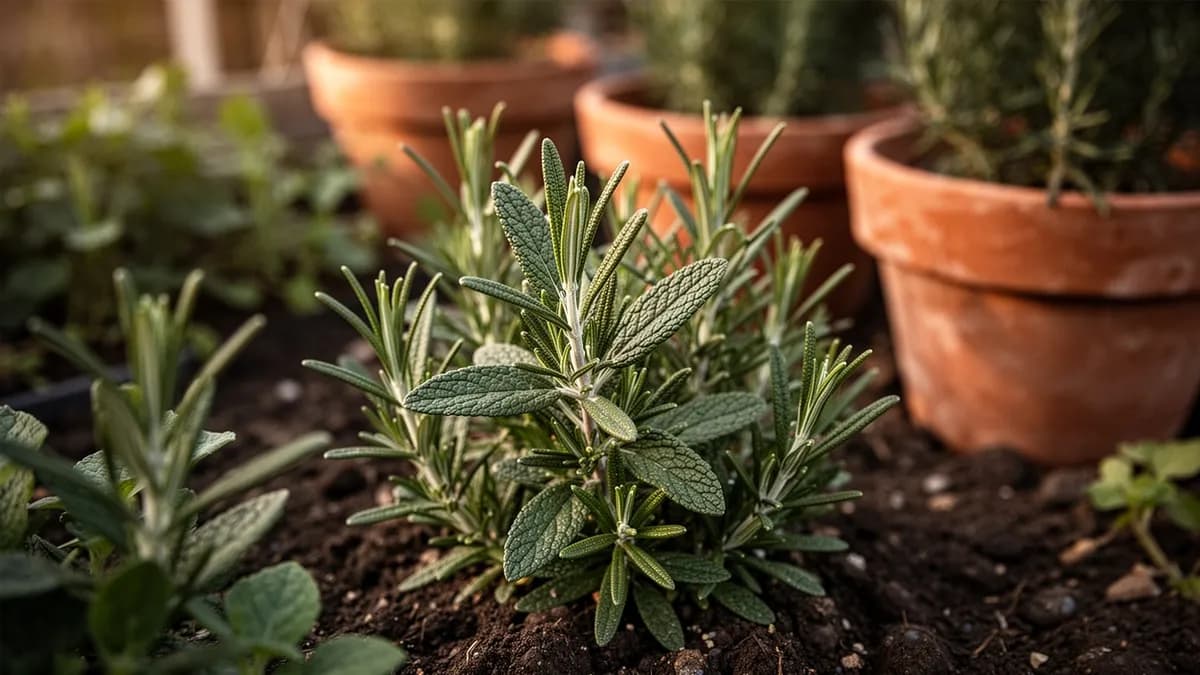
El cultivar de romero más resistente al frío disponible, capaz de sobrevivir inviernos de hasta menos 23 °C con un drenaje adecuado. Descubierto en Arp, Texas, esta variedad tiene hojas verde grisáceo con buen sabor culinario y flores azul claro. Imprescindible para jardineros de las zonas 6 y 7 que deseen cultivar romero como planta perenne al aire libre.
Cuándo plantar Romero Arp
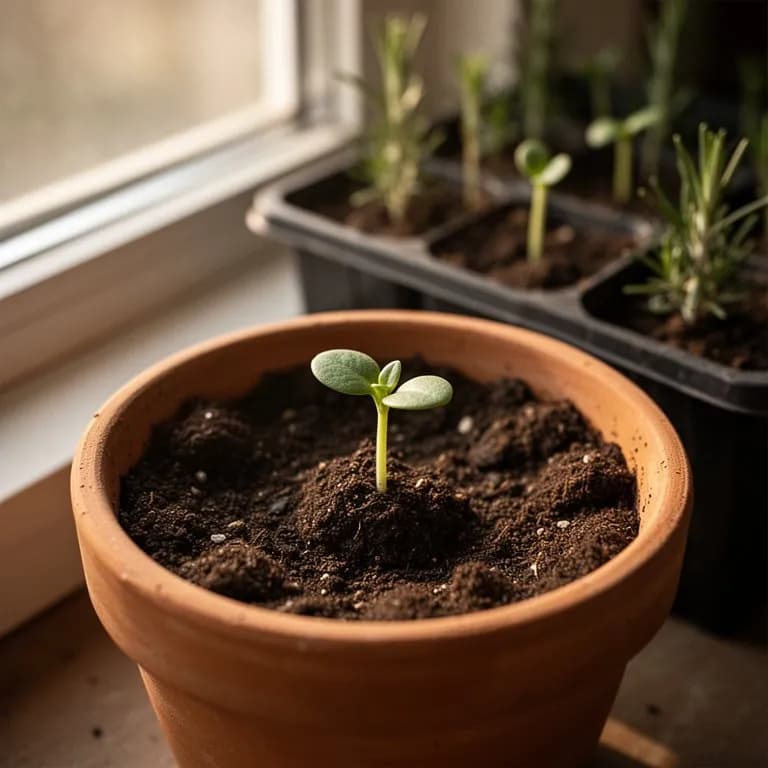
El romero se propaga mejor a partir de esquejes de tallo semimaduro que desde semilla, ya que las semillas son lentas, poco fiables y variables. Tome esquejes de 10 cm del crecimiento de la temporada actual a finales de primavera o a mediados de verano. Elimine las hojas inferiores y sumerja en hormona de enraizamiento. Inserte en una mezcla de perlita y turba, manteniendo cálido (20 °C) y húmedo pero no encharcado. El enraizamiento tarda 4-8 semanas. Alternativamente, acode las ramas bajas fijándolas al suelo húmedo: las raíces se forman en 8-12 semanas. La germinación de semillas tarda 2-4 semanas a 20-25 °C con tasas de éxito muy bajas.
Tu año de Romero Arp
Ajustado a Zona 7 · temporada típica · la helada se va hacia el 2 abr y vuelve hacia el 1 nov
Planta Romero Arp Mar – May y cosecha Ene – Dic. Consulta los métodos de plantación y elige tu clima para adaptar los periodos.
Cómo cultivar Romero Arp
El romero Arp es el cultivar de romero más resistente al frío disponible, capaz de sobrevivir de forma fiable inviernos de hasta -23 °C con un drenaje adecuado, lo que supone un avance fundamental para los jardineros de las zonas 6-7 que desean romero perenne. Descubierto en la localidad de Arp, Texas, esta variedad combina una excelente tolerancia al frío con un buen sabor culinario. Plante en primavera en una ubicación orientada al sur, protegida del viento, con suelo bien drenado.
Un drenaje excelente es el factor más importante para la supervivencia invernal: más plantas de romero en climas fríos mueren por el encharcamiento de las raíces que por las bajas temperaturas en sí. Enmiende los suelos pesados con abundante gravilla, arena gruesa o perlita. Eleve los bancales o plante en pendientes para garantizar que el agua drene lejos de las raíces. Un acolchado de grava alrededor de la base refleja el calor y mantiene la corona seca.
Riegue con moderación una vez establecido. El romero Arp es muy tolerante a la sequía y desarrolla un sabor más intenso cuando se cultiva con escasos recursos. Fertilice mínimamente: una ligera capa de compost en primavera es suficiente. Pode con suavidad después de la floración para mantener la forma, pero nunca corte hasta la madera vieja y desnuda, ya que el romero no regenera desde los tallos viejos. En la zona 6, proporcione un cortavientos invernal y evite las podas tardías que estimulen nuevo crecimiento tierno.
3 plantas caben en un bancal de 120 × 240 cm
Cada Romero Arp pide 75 cm de margen. El planificador guarda ese marco por ti — cada planta, cada bancal.
Los mejores vecinos de Romero Arp
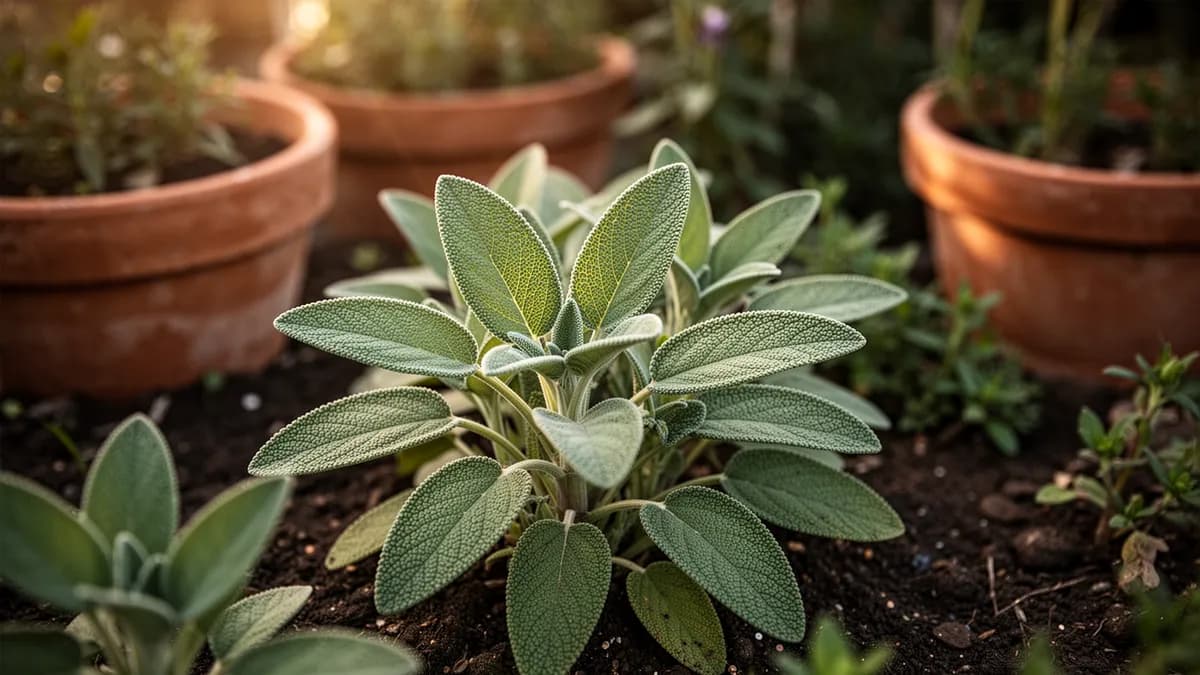
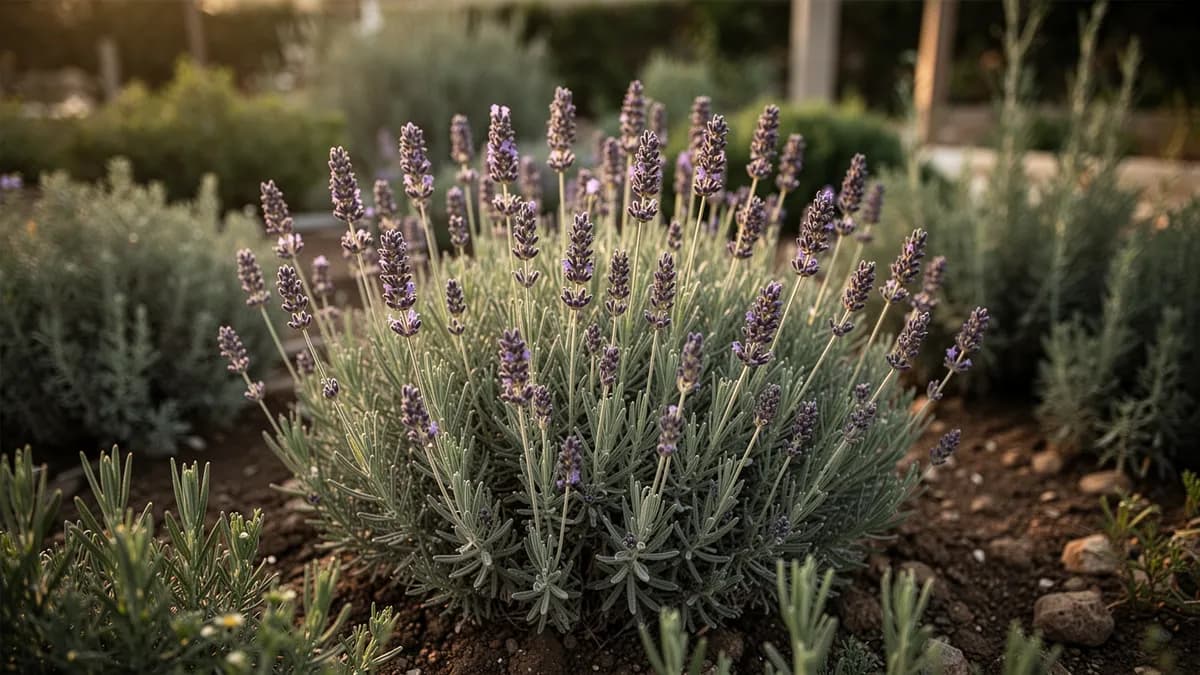
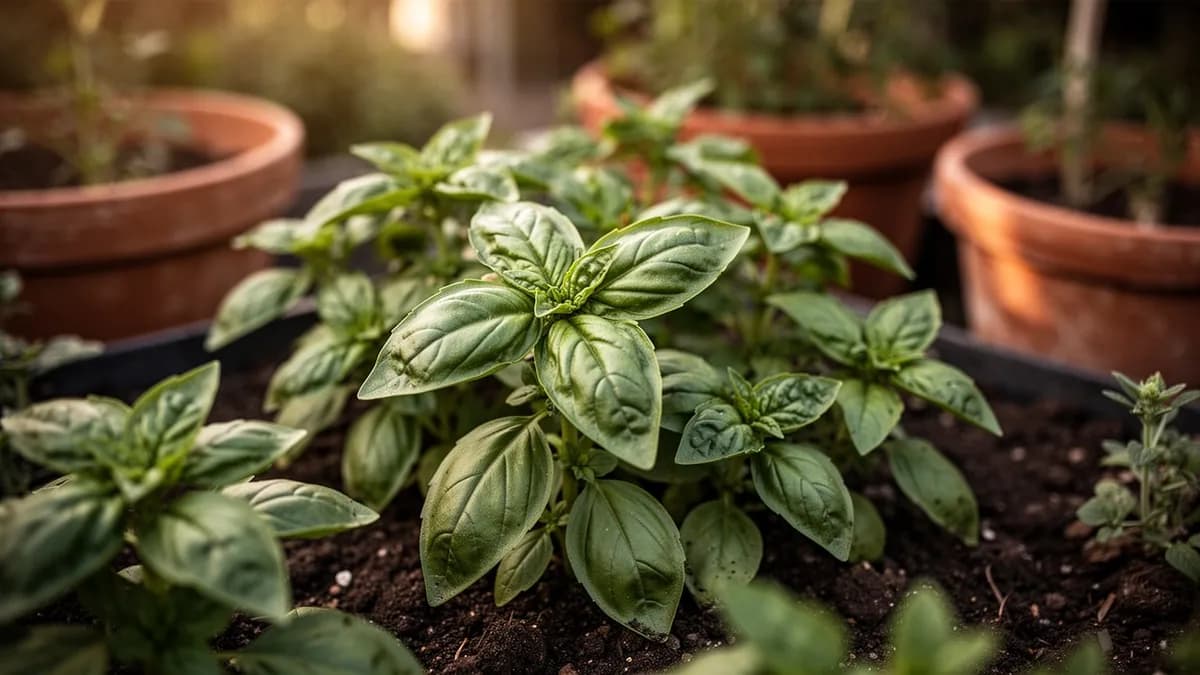
El romero repele la mosca de la zanahoria, las polillas de la col y los escarabajos de las judías con sus potentes aceites aromáticos. Plántelo cerca de brasicas, zanahorias y judías para protección frente a plagas. Los aceites volátiles enmascaran las señales olfativas que las plagas usan para localizar las plantas huésped. Crece bien junto a otras hierbas mediterráneas como la salvia, el tomillo y la lavanda, que comparten requisitos similares de bajo riego y suelo pobre. Evite plantarlo cerca de hierbas que requieren mucha humedad, como la albahaca y la menta.
Salvia va a su lado. Albahaca no.
Saber de huerto de siempre, cotejado con la tabla real de Romero Arp — prueba cualquier planta que cultives.
Prueba Romero Arp en un bancal, aquí mismo
Un bancal real del planificador con Romero Arp ya plantado. Toca una planta compañera para colocarla y mira cómo responde la comprobación de vecinos: verde para buenos vecinos, rojo si hay conflicto.


Guías de cultivo relacionadas
Abónalo bien
Plante en suelo bien drenado, pobre a moderadamente fértil, con pH 6.0-7.5. Enmiende los suelos arcillosos generosamente con gravilla, arena gruesa y perlita. En zonas frías, los bancales elevados con excelente drenaje son esenciales para la supervivencia invernal. Fertilización mínima: una ligera capa de compost en primavera es suficiente. El exceso de nitrógeno produce un crecimiento suave y susceptible al frío. En macetas, use una mezcla de sustrato con 40% de perlita y cubra con una capa de gravilla para el drenaje.
Temperatura ideal
Compatibilidad de zonas de rusticidad
De la semilla a la cosecha, etapa por etapa
Propagación
El romero Arp se propaga de forma más fiable a partir de esquejes de tallo tomados a finales de primavera o principios de verano. Los esquejes enraízan en 14 a 21 días en un sustrato bien drenado con humedad constante.
Establecimiento de plántula
Los esquejes enraizados comienzan a producir nuevo crecimiento y a establecer un sistema radicular más robusto. Las plantas jóvenes son aún tiernas y se benefician de protección frente a temperaturas extremas.
Crecimiento vegetativo
La planta entra en una fase de crecimiento vigoroso, produciendo numerosos tallos erguidos cubiertos de hojas estrechas, aromáticas y verde plateadas. El romero Arp puede alcanzar de 90 cm a 1.2 m de altura y anchura.
Primera floración
En su primer año o a principios del segundo, el romero Arp produce racimos de pequeñas flores de azul pálido a lavanda a lo largo de sus tallos. Las flores son muy atractivas para los polinizadores.
Perenne maduro
La planta se convierte en un arbusto perenne leñoso bien establecido con una copa densa. El romero Arp desarrolla una estructura robusta de tallos leñosos y continúa produciendo follaje aromático durante todo el año.
Dormancia invernal
El crecimiento se ralentiza significativamente durante los meses de invierno. El romero Arp es notablemente resistente al frío, tolerando temperaturas de hasta menos 23 °C (menos 10 °F) una vez establecido.
Sumerja los esquejes en hormona de enraizamiento y manténgalos a la luz indirecta brillante con una cúpula de humedad hasta que desarrollen raíces.
Cuidar Romero Arp mes a mes
Qué hacer cada mes para tu Romero Arp
Octubre
Mes actualTraslade las plantas en maceta a lugares protegidos si se encuentra en zonas más frías que la zona 6. Reduzca el riego a medida que el crecimiento se ralentiza. Limpie los restos caídos alrededor de la base.
Ten claro qué hacer en tu huerto, cada mes
Un correo al empezar cada mes: qué sembrar, plantar y hacer ahora mismo — para tu Romero Arp y todo lo que crece alrededor. Más un breve curso inicial para esquivar los errores clásicos.
- Qué hacer ahora mismo
- Ajustado a tu temporada
- Curso inicial incluido
Cosechar Romero Arp
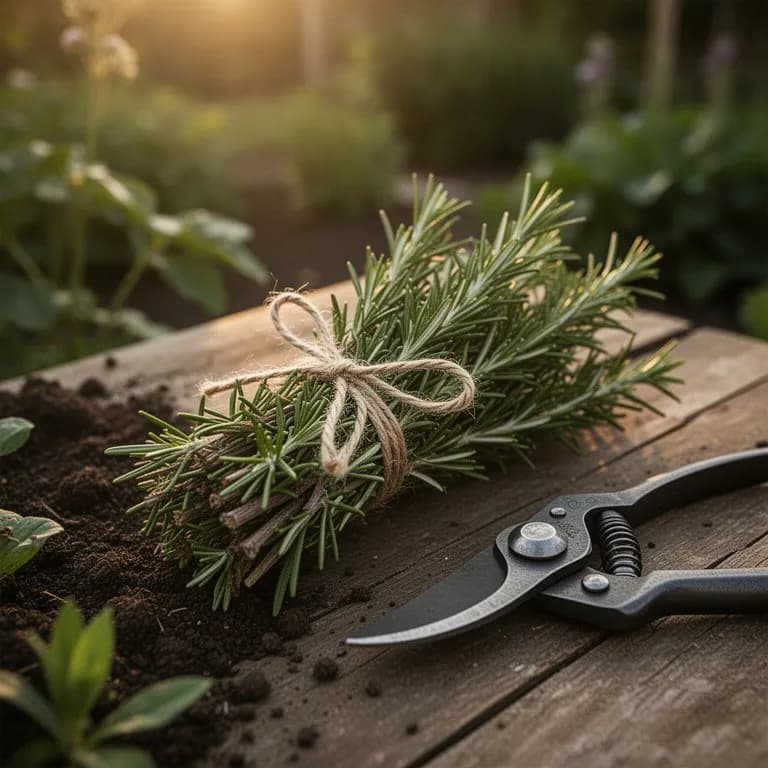
Coseche el romero Arp durante todo el año cortando las puntas de los tallos de 10-15 cm justo por encima de un nudo foliar o una rama lateral. Nunca retire más de un tercio de la planta a la vez. El sabor a pino con ligeras notas alcanforadas es excelente para uso culinario. El crecimiento de primavera tiene el sabor más delicado, mientras que los tallos endurecidos en verano contienen aceites aromáticos más intensos. Evite cosechar a finales de otoño en zonas frías, ya que el nuevo crecimiento necesita tiempo para endurecerse antes del invierno.
se supone que plantas al comenzar el periodo — indica tu fecha real
Cosecha Romero Arp a tiempo y la planta sigue produciendo.
Almacenamiento y conservación
El romero fresco se conserva 2-3 semanas en el refrigerador envuelto holgadamente en papel de cocina húmedo dentro de una bolsa sellada. Para un almacenamiento más prolongado, coloque los tallos en vertical en un vaso de agua sobre la encimera como si fuera un ramo. Séquelo colgando manojos boca abajo durante 1-2 semanas: el romero se seca fácilmente y conserva bien su sabor. Desprenda las hojas secas de los tallos leñosos y guárdelas en tarros herméticos hasta un año. Congele ramitas enteras directamente en bolsas para congelador. Infusiónelo en aceite de oliva, vinagre o licores para obtener condimentos aromatizados.
Qué falla — y cómo solucionarlo
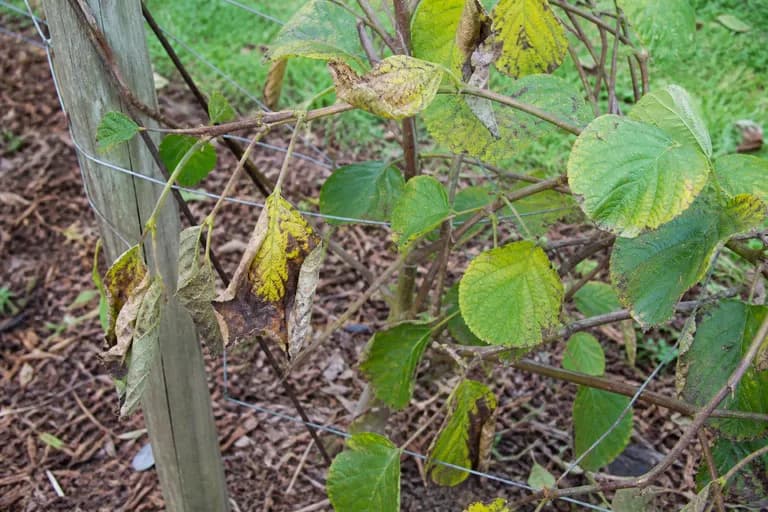
Pudrición de raíces (Phytophthora)
EnfermedadDorado progresivo del follaje desde la base hacia arriba, muerte regresiva de ramas, raíces de aspecto oscuro y blando al examinarlas.
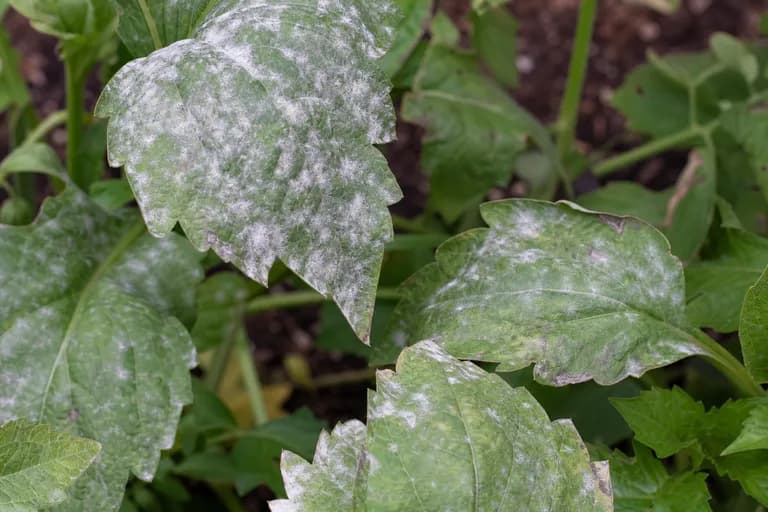
Oídio
EnfermedadRecubrimiento blanco polvoriento en hojas y tallos, especialmente en el crecimiento interior con escasa circulación de aire.
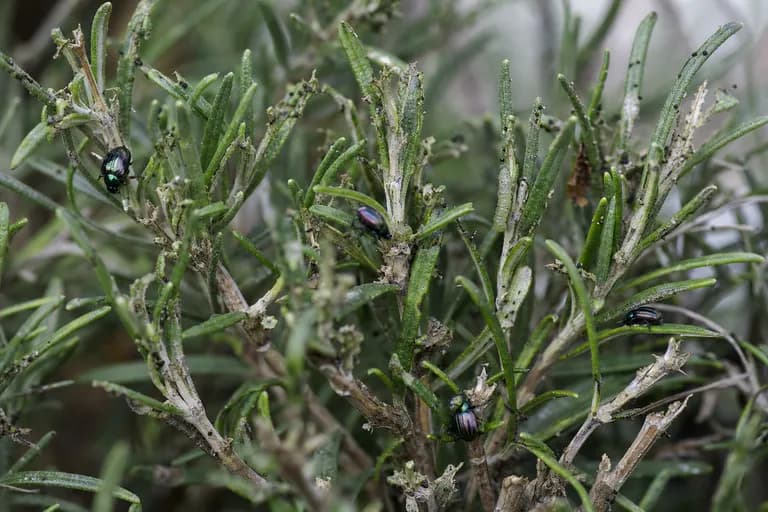
Escarabajo del romero
PlagaEscarabajos de rayas metálicas verdes y moradas y sus larvas grises alimentándose de hojas y puntas de brotes, causando defoliación.
Solución de problemas comunes
La muerte invernal está casi siempre causada por el encharcamiento de raíces y no por las bajas temperaturas: mejorar el drenaje es la estrategia de invernación prioritaria. La muerte regresiva de las puntas de las ramas en inviernos fríos es normal; pode la madera muerta en primavera pero espere a que aparezca nuevo crecimiento para confirmar qué tallos siguen vivos. El crecimiento escaso y ramificado indica luz insuficiente: traslade a pleno sol. La invernación en interior suele fracasar por baja humedad e iluminación insuficiente; use una lámpara de cultivo y pulverice ocasionalmente.
Consejos de cultivo
- Plante el romero Arp en el lugar más soleado disponible, idealmente recibiendo al menos 6 a 8 horas de luz solar directa al día para obtener el mejor sabor y crecimiento.
- Garantice un excelente drenaje del suelo enmendando los suelos arcillosos pesados con arena gruesa, perlita, o plante en bancales elevados. Las raíces del romero se pudren rápidamente en suelos encharcados.
- Riegue abundantemente pero con poca frecuencia, dejando que el suelo se seque por completo entre riegos. El exceso de riego es la causa más común del fracaso del romero.
- Mantenga el pH del suelo entre 6.0 y 7.5. El romero prospera en condiciones ligeramente alcalinas y se beneficia de aplicaciones ocasionales de cal en suelos ácidos.
- Pode con suavidad y regularidad a lo largo de la temporada de cultivo para mantener un porte compacto. Nunca corte más de un tercio de la planta a la vez.
- Evite la fertilización con alto contenido en nitrógeno, que promueve un crecimiento exuberante pero menos aromático. Una ligera aplicación de fertilizante equilibrado en primavera es suficiente.
- En las zonas 6 y más frías, plante el romero Arp cerca de un muro o cimentación orientados al sur para aprovechar el calor reflejado y la protección contra el viento en invierno.
- Mejore la supervivencia invernal acolchando con gravilla o piedra machacada en lugar de acolchado orgánico, que retiene la humedad alrededor de la corona y puede causar podredumbre.
- Propague nuevas plantas a partir de esquejes de 10 a 15 cm tomados a finales de primavera o principios de verano para obtener las mayores tasas de éxito.
- Espacie las plantas de 60 a 90 cm para permitir una circulación de aire adecuada, lo que ayuda a prevenir el oídio y otras enfermedades fúngicas en climas húmedos.
Cultiva tu mejor Romero Arp — y todo lo que la rodea.
Empieza un plan gratis hoy. Diseña tus bancales, coloca tu Romero Arp y deja que PlotMyGarden gestione el momento, el espaciado, las asociaciones y los recordatorios de la semilla a la cesta.
Elige tu Romero Arp
Arp
El estándar de oro en resistencia al frío, capaz de sobrevivir hasta -23 °C. Hojas verde grisáceo de tonalidad más clara que el Tuscan Blue. Buen sabor culinario.
Hill Hardy (Madalene Hill)
Otra selección muy resistente al frío procedente de Texas, ligeramente menos resistente que Arp pero con un porte más compacto y follaje de verde más oscuro.
Salem
Una variedad resistente al frío con crecimiento erguido hasta 120 cm y buena resistencia a enfermedades. Ligeramente menos resistente que Arp pero más vigorosa.
Alcalde
Seleccionada en Nuevo México por su tolerancia al frío y resistencia a la sequía. Buen porte erguido con flores azules y sabor culinario intenso.
Una sola planta de romero Arp, con un coste de entre 5 y 12 euros, puede proporcionar romero fresco durante todo el año por 15 años o más. Con el precio del romero fresco en tiendas de entre 3 y 5 euros por pequeño manojo, una planta cultivada en casa puede ahorrar entre 50 y 100 euros al año. La planta también elimina el desperdicio asociado a comprar más romero del que requiere una receta. El romero seco de su propia cosecha amplía aún más el ahorro, y la propagación de nuevas plantas a partir de esquejes proporciona plantas gratuitas para el jardín o para compartir con vecinos.
Recetas rápidas
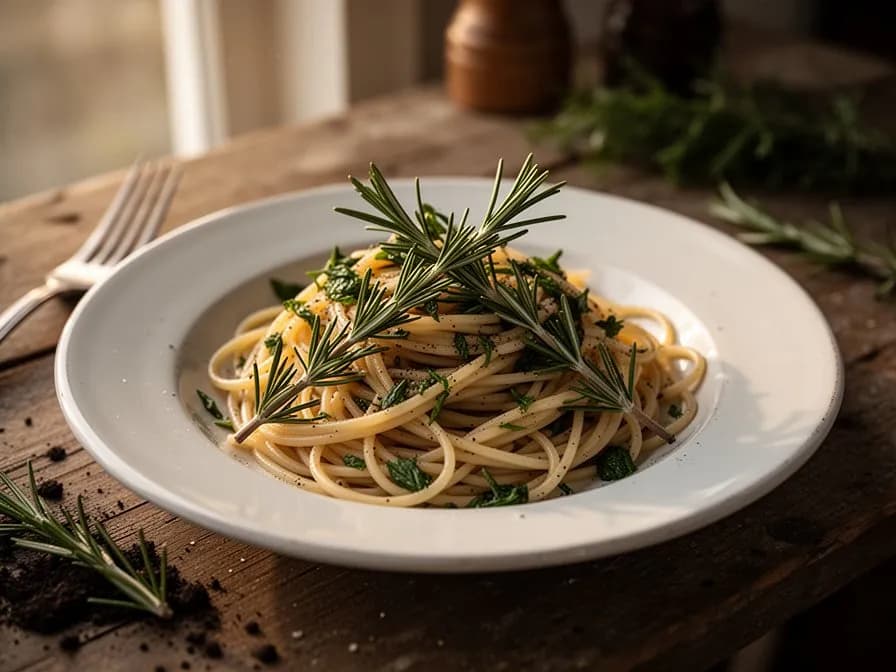
Patatas asadas con romero y ajo
40 minutosPatatas asadas crujientes impregnadas con el intenso sabor del romero Arp fresco y el ajo asado. Un clásico acompañamiento que muestra el aromático y ligeramente resinoso sabor de la hierba.
6 ingredientesGalletas de mantequilla con romero y limón
30 minutos más tiempo de refrigeraciónDelicadas galletas de mantequilla con una fragante combinación de romero fresco y ralladura de limón. Estas elegantes galletas resaltan las notas más dulces y florales del romero Arp.
6 ingredientesPan focaccia con romero
2 horas incluyendo el tiempo de levadoUn esponjoso pan plano italiano enriquecido con aceite de oliva, coronado con ramitas de romero fresco y sal en escamas. El levado lento desarrolla un sabor complejo que combina a la perfección con la aromática hierba.
7 ingredientesUsos culinarios
El romero Arp tiene un buen sabor culinario con las clásicas notas a pino y ligero alcanfor. Úselo fresco o seco con carnes asadas (especialmente cordero, cerdo y pollo), patatas asadas, pan de focaccia y guisos mediterráneos. Desprenda las hojas de los tallos leñosos antes de cocinar, o utilice ramitas enteras como brochetas aromáticas para kebabs a la parrilla. Infusiónelo en aceite de oliva, mantequilla o miel. Es excelente en panes de hierbas, crackers y galletas de mantequilla.
Qué contiene
Beneficios para la salud
- Contiene ácido rosmarínico, un potente compuesto antioxidante que puede ayudar a reducir la inflamación y favorecer la salud cardiovascular.
- Utilizado tradicionalmente para mejorar la memoria y la concentración. Las investigaciones sugieren que el aroma del romero puede mejorar el rendimiento cognitivo y el estado de alerta.
- Rico en ácido carnósico, que ha sido estudiado por sus posibles efectos neuroprotectores y su capacidad para combatir el estrés oxidativo en las células cerebrales.
- Puede favorecer la salud digestiva estimulando la producción de bilis y aliviando la hinchazón, los gases y la indigestión cuando se consume en infusión o como hierba culinaria.
- Contiene compuestos antimicrobianos que han demostrado inhibir el crecimiento de ciertas bacterias y hongos, reforzando la función inmunitaria.
- Los aceites esenciales del romero pueden contribuir a mejorar la circulación y aliviar el dolor muscular cuando se utilizan en preparados tópicos o aromaterapia.
De dónde viene Romero Arp
El romero (Salvia rosmarinus, antes Rosmarinus officinalis) es originario de las pedregosas laderas calizas y los acantilados costeros de la cuenca mediterránea, donde ha prosperado en estado silvestre durante milenios. La planta fue venerada desde la antigüedad por los antiguos griegos, romanos y egipcios, quienes la asociaban con la memoria, la fidelidad y la purificación. Su nombre latino, Rosmarinus, se traduce como rocío del mar, en referencia a su hábitat natural en las costas mediterráneas donde la niebla matinal nutre su aromático follaje. A lo largo de la Europa medieval, el romero se cultivaba en los jardines de los monasterios con fines medicinales y culinarios, y se quemaba como incienso en ceremonias religiosas. El cultivar Arp representa un capítulo significativo en la horticultura americana. En 1972, la destacada herbolaria y horticultura Madalene Hill descubrió una planta de romero excepcionalmente resistente al frío creciendo en un jardín residencial de la pequeña localidad de Arp, Texas. Este ejemplar demostró una notable capacidad para sobrevivir a temperaturas invernales muy por debajo de lo que el romero común podía tolerar. Hill propagó la planta y, junto con su hija Gwen Barclay, la introdujo en el comercio de viveros. El cultivar Arp ganó rápidamente popularidad entre los jardineros de las zonas USDA 6 a 9 que anteriormente no habían podido cultivar romero como perenne fiable. Su introducción amplió el rango geográfico del cultivo del romero en América del Norte en cientos de kilómetros hacia el norte. Hoy en día, el romero Arp sigue siendo uno de los cultivares más recomendados para jardines de hierbas en climas fríos, y es valorado no solo por su resistencia, sino también por su vigoroso crecimiento erguido, su intenso aroma a limón-pino y sus prolíficas flores azul pálido que atraen a los polinizadores durante toda la temporada de crecimiento.
Romero Arp: ¿sabías que?
Datos fascinantes sobre Romero Arp
El romero Arp fue descubierto en 1972 por Madalene Hill en Arp, Texas, y recibe su nombre de la pequeña localidad donde fue hallado creciendo en un jardín.
Romero Arp: preguntas frecuentes
¿Cuándo debo plantar Romero Arp?
¿Cuáles son buenas plantas acompañantes para Romero Arp?
¿En qué zonas de rusticidad puede crecer Romero Arp?
¿Cuánto sol necesita Romero Arp?
¿A qué distancia debo espaciar Romero Arp?
¿Qué plagas y enfermedades afectan a Romero Arp?
¿Cómo almaceno Romero Arp después de la cosecha?
¿Cuáles son las mejores variedades de Romero Arp para cultivar?
¿Qué suelo necesita Romero Arp?
¿Cuánto más resistente al frío es el romero Arp en comparación con otras variedades?
¿Puedo cultivar romero Arp en interior durante el invierno?
¿Por qué mi romero Arp se está poniendo marrón y muriendo?
¿Cuándo y cómo debo cosechar el romero Arp?
¿Cómo propago el romero Arp a partir de esquejes?
¿El romero Arp atrae polinizadores al jardín?
Acabas de leer la teoría. Ahora cultívala en piloto automático.
Todo lo que hace que Romero Arp sea delicado — el momento, el espaciado, las asociaciones, la ventana de cosecha — es justo lo que PlotMyGarden resuelve por ti, para cada planta de tu huerto.
Un plan que conoce tu clima
Indica tu ubicación una vez. Recibe fechas de siembra, abonado y cosecha basadas en tu última helada real y el pronóstico en vivo — sin adivinar con un sobre genérico.
De la sección “Cuándo plantar”Planificador de bancales de arrastrar y soltar
Diseña bancales sobre una cuadrícula. Cada planta encaja con su espaciado correcto y ves toda la temporada antes de gastar un céntimo en semillas.
De la sección “Cultivo”Conflictos de asociación, detectados a tiempo
Más de 200 buenas y malas combinaciones comprobadas en vivo mientras plantas — para que un error que arruine la temporada nunca llegue a la tierra.
De la sección “Asociaciones”Recordatorios que sí vas a seguir
“Riega las judías.” “Recoge hoy antes de que se pase.” Oportunos, concretos y ligados a las plantas que de verdad cultivas.
De la sección “Cosecha”Escalonado, programado
¿Quieres cosechar seis semanas en vez de seis días? Reparte tus siembras automáticamente y te avisa cuando toca el siguiente lote.
De la sección “Cuándo plantar”Un registro que se vuelve más listo
Cada cosecha que registras le enseña tu huerto. El plan del año que viene parte de lo que de verdad funcionó en tu suelo, no en un manual.
De la sección “Resumen”Planta estos junto a Romero Arp
Más Hierbas culinarias
Mantén Romero Arp lejos de estos
Cultiva tu mejor Romero Arp — y todo lo que la rodea.
Empieza un plan gratis hoy. Diseña tus bancales, coloca tu Romero Arp y deja que PlotMyGarden gestione el momento, el espaciado, las asociaciones y los recordatorios de la semilla a la cesta.