Primrose
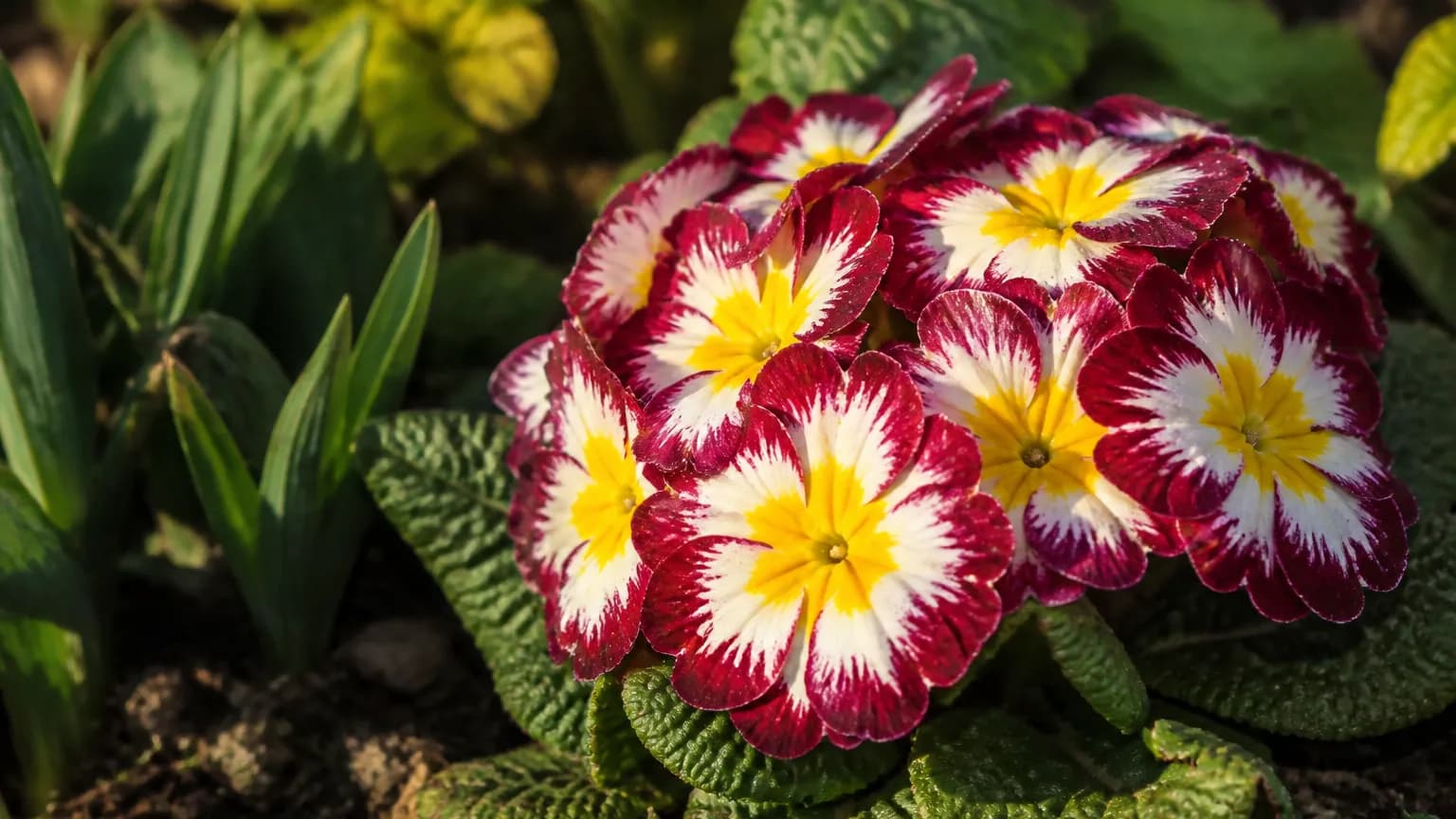
A cheerful spring perennial with clusters of colorful flowers in virtually every shade, perfect for brightening shady borders.





On this pageOverview
Meet Primrose
A cheerful spring perennial with clusters of colorful flowers in virtually every shade, perfect for brightening shady borders. Primroses thrive in cool, moist conditions and may struggle in hot, dry summers without adequate shade and irrigation. Divide overcrowded clumps after flowering to maintain vigor and increase your stock.
When to plant Primrose
Primrose seed needs cold stratification for reliable germination. Sow seeds on the surface of moist compost without covering, as light aids germination. Place in the refrigerator for 3-4 weeks, then move to a bright spot at 15-18°C. Germination takes 2-4 weeks and can be erratic. Alternatively, sow outdoors in autumn and let winter provide natural stratification. Division after flowering is the easiest propagation method—simply pull apart clumps into individual rosettes with roots and replant immediately.
Your Primrose Year
Composed for Zone 7 · typical seasons · frost passes Apr 2, returns Nov 1
Plant Primrose Feb – Mar, Sep – Oct, pick Mar – May. Check the planting methods below and set your climate to personalize these windows.
How to grow Primrose
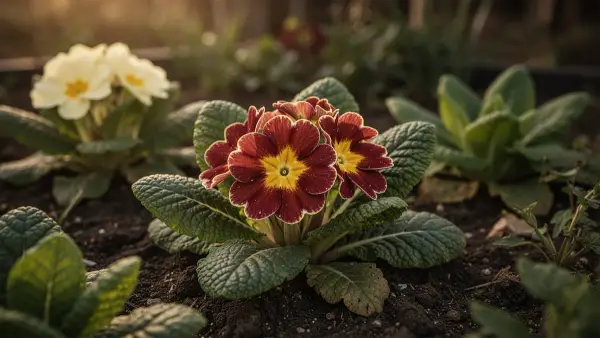
Primroses are the quintessential harbingers of spring, producing clusters of cheerful flowers in nearly every color imaginable from late winter through spring. The common primrose (Primula vulgaris) bears pale yellow flowers in woodland settings, while the countless hybrid primulas offer an explosion of rainbow colors. These low-growing plants reach 15-25cm tall and thrive in cool, moist, shaded conditions.
Plant in autumn or early spring in partial shade with cool, humus-rich, consistently moist soil. Primroses are woodland edge plants that love dappled shade and detest hot, dry conditions. Morning sun with afternoon shade is ideal. Incorporate plenty of leaf mold or compost into the planting area and mulch to conserve moisture. Water regularly during dry spells, as primroses wilt dramatically when drought-stressed.
Divide congested clumps every 2-3 years immediately after flowering. Lift the clump, pull apart into individual rosettes, each with roots attached, and replant in refreshed, compost-enriched soil. This revitalizes tired plantings and provides abundant new plants. Remove spent flowers to tidy the display and prevent unwanted self-seeding.
72 plants fit a 4 × 8 ft bed
Each Primrose wants 20 cm of elbow room. The planner keeps that spacing for you — every plant, every bed.
Primrose's best neighbours
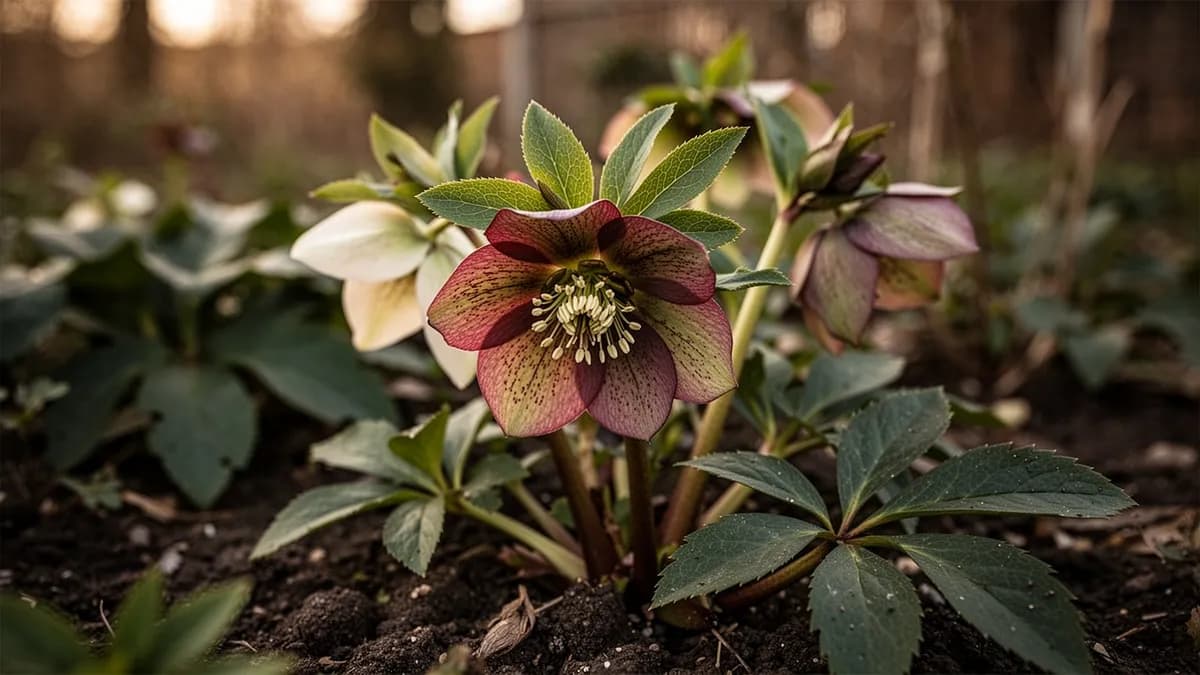
Primroses are natural partners for other spring shade-lovers including hellebores, snowdrops, daffodils, and grape hyacinths. They carpet the ground beautifully beneath deciduous shrubs like viburnums and witch hazels. In shady borders, combine with ferns, hostas, and brunnera for extended seasonal interest. Primroses also mix charmingly with violas, pansies, and forget-me-nots in spring containers and window boxes.
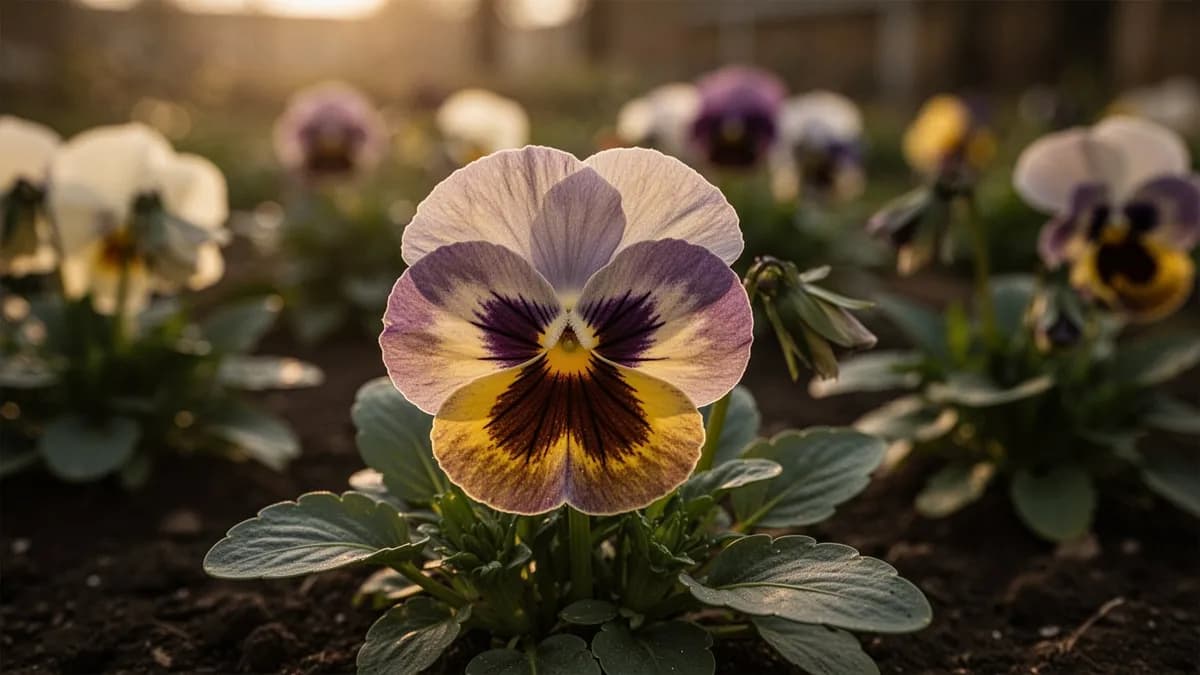
Pansy belongs beside it.
Old growers' knowledge, checked against Primrose's real companion table below — test any plant you're growing.
Try Primrose in a bed — right here
A real planner bed with Primrose already in it. Tap a companion to place it and watch the pairing checks answer — green for good neighbours, red for a clash.


Related growing guides
Feed it well
Primroses demand cool, humus-rich, consistently moist soil with a pH of 6.0-7.0. They thrive in the same conditions as woodland wildflowers—think leaf-mulched soil beneath deciduous trees. Incorporate generous amounts of leaf mold, compost, or well-rotted manure before planting. Mulch annually with leaf mold to maintain soil moisture and organic matter levels. Feed in early spring with a balanced liquid fertilizer as growth resumes. Avoid hot, dry positions and alkaline soils.
Ideal Temperature
Hardiness Zone Compatibility
From seed to harvest, stage by stage
Seed Germination
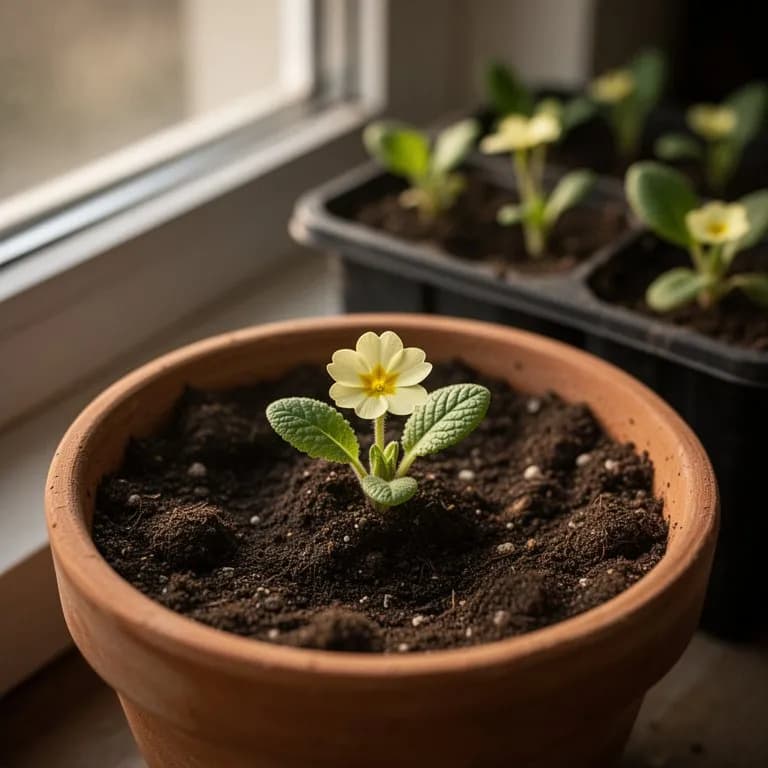
Primrose seeds require light and cool temperatures between 10-15 °C to germinate. Surface-sow on moist compost and do not cover, as light promotes germination. Stratification for two to four weeks in the refrigerator greatly improves germination rates.
Seedling Development
Tiny seedlings develop their first true leaves, which appear crinkled and tongue-shaped. Growth is slow at this stage and seedlings are vulnerable to damping off. Provide good air circulation and avoid waterlogging.
Rosette Formation
The plant develops a dense basal rosette of textured, oblong leaves. The root system expands and the crown thickens. Plants grown from seed typically spend their first year building vegetative strength before flowering.
Bud Formation
Flower buds begin to form at the centre of the rosette as day length increases in late winter. Each bud emerges on a short stalk nestled among the leaves. Cool night temperatures help initiate robust bud development.
Peak Flowering
Primroses produce their signature pale yellow, five-petalled flowers from late winter through mid-spring. Each flower has a darker yellow centre and a faint sweet fragrance. A healthy plant can produce thirty to fifty blooms across the season.
Seed Set and Summer Dormancy
After flowering, pollinated flowers develop small capsules containing numerous fine seeds. As temperatures rise in summer, the plant may go semi-dormant, with outer leaves yellowing. The crown remains alive and will regenerate in autumn.
Autumn Regeneration
Cooler autumn temperatures trigger a flush of fresh new leaves from the crown. This is the ideal time to divide congested clumps and replant divisions. The plant rebuilds energy reserves for the next flowering cycle.
Keep the seed tray consistently moist with a fine mist sprayer and cover loosely with clear plastic to maintain humidity without blocking light.
Caring for Primrose month by month
What to do each month for your Primrose
October
You are herePlant out new primrose seedlings or purchased plants. Work generous amounts of compost or leaf mould into the planting area. Water in well after planting.
Know exactly what to do in your garden — every month
One email at the start of each month: what to sow, plant, and tackle right now — for your Primrose and everything growing around it. Plus a short starter course that helps you dodge the classic mistakes.
- What to do, right now
- Matched to your season
- Starter course included
Harvesting Primrose
Primrose flowers make sweet additions to small spring posies and nosegays. Pick individual flower stems when fully open. The flowers are edible and can be crystallized with egg white and sugar for cake decoration, or added fresh to salads for a mild, slightly sweet flavor. Leaves can also be picked young for salad use, though they are less commonly eaten than the flowers.
assuming you plant when the window opens — set your real date
Pick Primrose promptly and the plant keeps producing.
Storage & Preservation
Primrose flowers press beautifully and retain their bright colors well, making them popular for pressed flower crafts, bookmarks, and botanical art. Press between sheets of absorbent paper under heavy books for 2-3 weeks. For crystallized flowers, brush individual blooms with lightly beaten egg white, dust with fine sugar, and dry on a rack for 24 hours. Store crystallized flowers in an airtight container with parchment between layers.
What goes wrong — and the fix
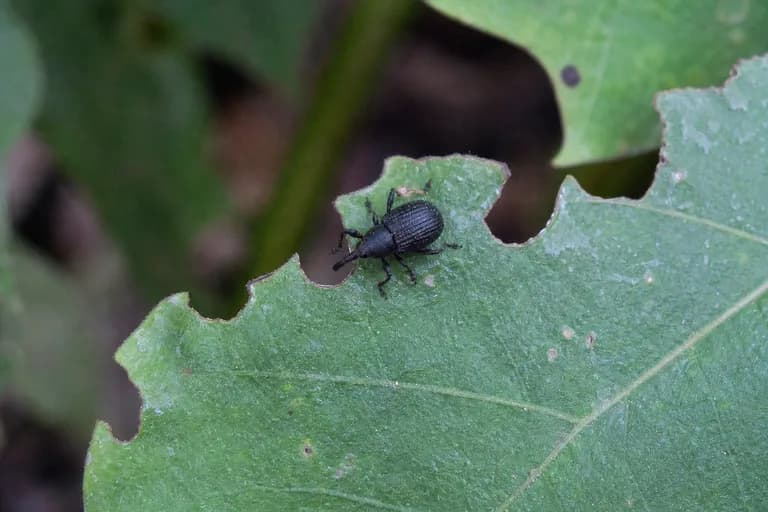
Vine Weevil
PestNotched leaf edges from adult beetles and devastating root destruction by white grubs. Container-grown primroses are especially vulnerable.
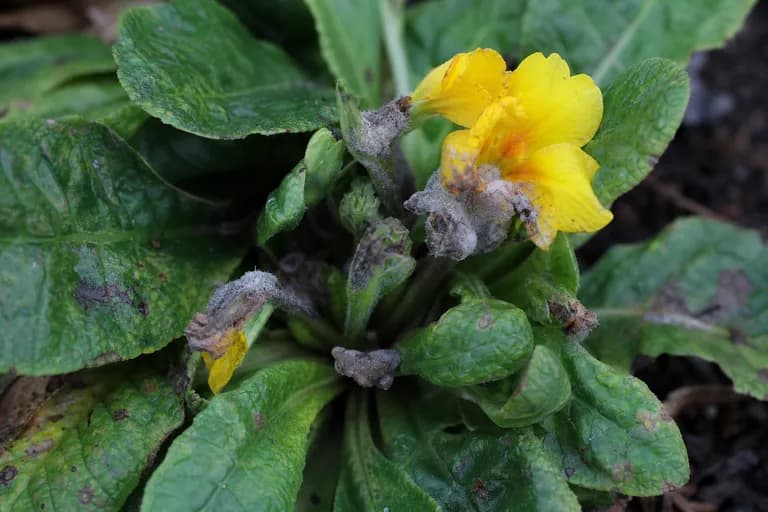
Grey Mold (Botrytis)
DiseaseFuzzy grey mold on leaves and flowers, especially in cool, damp, poorly ventilated conditions. Flower buds may rot before opening.
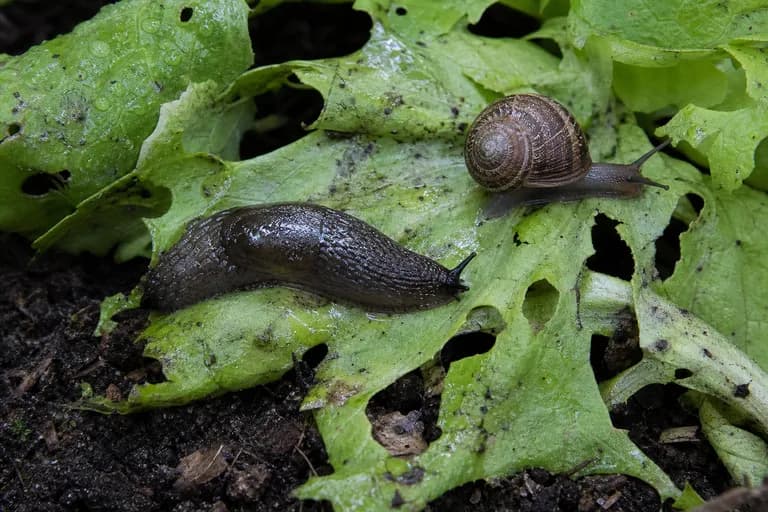
Slugs and Snails
PestRagged holes in leaves and flowers, particularly damaging to young plants in spring. Slime trails visible on foliage.
Troubleshooting Common Problems
Heat stress is the biggest challenge—primroses are cool-climate plants that struggle when temperatures consistently exceed 27°C. Provide deep shade and irrigation in warm climates. Vine weevil is a devastating pest, especially for container plants; apply nematodes preventatively. Overcrowded clumps decline in vigor and flowering—divide every 2-3 years after flowering. In mild winters, primroses may produce sporadic autumn flowers, which is normal and harmless.
Growing Tips
- Plant primroses in partial to full shade with humus-rich, moisture-retentive but well-drained soil for best results. They struggle in heavy clay without amendment.
- Incorporate generous amounts of leaf mould, well-rotted compost, or aged bark into the planting area to replicate the rich woodland floor they naturally inhabit.
- Water consistently during dry spells, especially in spring during flowering, but avoid waterlogging the crown as this promotes rot. Drip irrigation works well.
- Apply a thin mulch of leaf mould or fine bark around plants in late autumn and again in early summer to moderate soil temperature and retain moisture.
- Deadhead spent flowers throughout the blooming season to redirect the plant's energy into producing additional blooms rather than setting seed.
- Divide congested clumps immediately after flowering or in early autumn by carefully lifting the plant and teasing apart individual rosettes with roots attached.
- Protect from slugs and snails, which are particularly attracted to primrose foliage and flowers, using copper barriers, beer traps, or organic slug pellets.
- Avoid high-nitrogen fertilisers which promote lush leaf growth at the expense of flowers. Use a balanced feed or one slightly higher in potassium during bud formation.
- In warmer climates (USDA zone 8 and above), treat primroses as cool-season annuals planted in autumn for winter and early spring flowering, discarding them when heat arrives.
- When growing from seed, sow fresh seed in late summer or stratify stored seed in the refrigerator for three to four weeks before sowing in late winter for best germination.
Grow your best Primrose yet — and everything around it.
Start a free plan today. Lay out your beds, drop in your Primrose, and let PlotMyGarden handle the timing, spacing, companions and reminders from seed to harvest basket.
Pick your Primrose
Primula vulgaris (Wild Primrose)
The beloved native species with pale yellow flowers, perfect for naturalizing in shady borders and woodland gardens.
Primula 'Barnhaven' Doubles
Exquisite double-flowered strains in rich jewel tones, bred by the legendary Barnhaven nursery. Among the finest hybrid primulas.
Primula 'Wanda'
A vigorous hybrid with deep claret-purple flowers and dark-tinged foliage, extremely hardy and reliable year after year.
Primula x polyantha (Polyanthus)
Robust hybrids producing clusters of large flowers on sturdy stems in virtually every color. The most commonly sold bedding primulas.
Once established, primroses self-seed freely and clumps can be divided every three to four years, giving you dozens of new plants at no cost. A single purchased plant can yield ten or more divisions over its lifetime, saving significant money compared to buying bedding plants each spring. The edible flowers also provide a gourmet garnish that would otherwise cost several pounds per punnet at specialist food suppliers.
Quick recipes
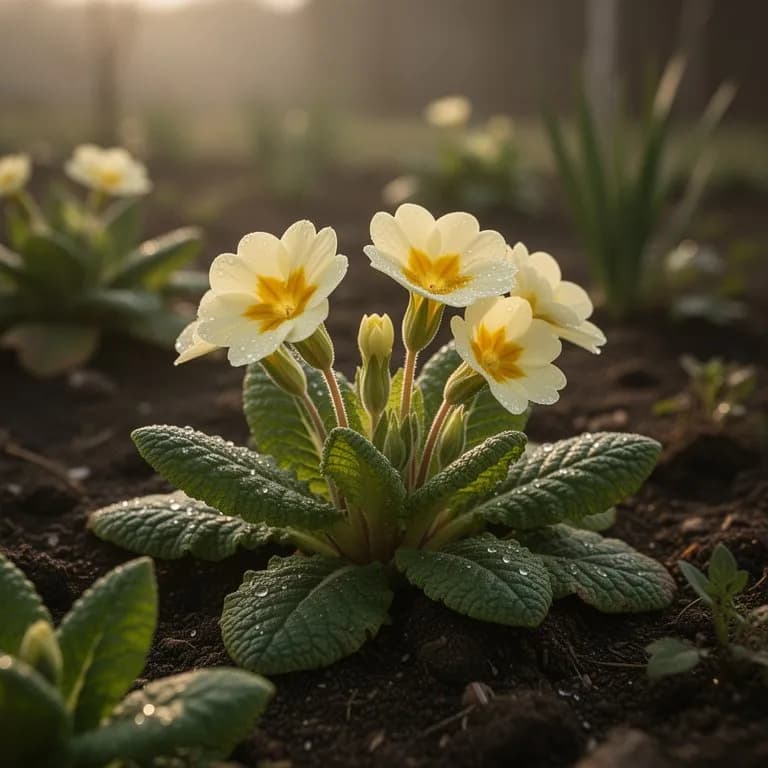
Candied Primrose Flowers
25 minutes plus 24 hours dryingDelicate crystallised primrose blossoms make an elegant decoration for cakes, desserts, and spring pastries. The flowers retain their colour beautifully and keep for several weeks stored in an airtight container.
4 ingredientsPrimrose Flower and Lemon Infusion Tea
10 minutesA soothing herbal tea combining the gentle sweetness of fresh primrose flowers with bright lemon. Traditionally enjoyed as a calming evening drink, this infusion has a light floral aroma and a pale golden colour.
4 ingredientsSpring Primrose Petal Salad
15 minutesA vibrant seasonal salad featuring edible primrose petals tossed with young spring greens, radishes, and a light honey-lemon vinaigrette. The primrose flowers add a subtle sweetness and a striking visual accent.
7 ingredientsWhat's inside
Health Benefits
- Rich in vitamin C, primrose flowers support immune function and collagen synthesis when consumed as part of a varied diet.
- Contains natural salicylates that may provide mild anti-inflammatory and analgesic effects similar to low-dose aspirin.
- Traditional herbal use as a gentle expectorant, with primrose root preparations historically used to help loosen chest congestion.
- The flavonoid content of primrose flowers contributes antioxidant activity that helps neutralise free radicals in the body.
- Primrose flower tea has been used in European folk medicine as a mild sedative to promote relaxation and ease nervous tension.
- Young primrose leaves provide dietary fibre and potassium, supporting digestive regularity and healthy blood pressure levels.
Where Primrose comes from
Primula vulgaris, the common primrose, is native to western and southern Europe, northwest Africa, and parts of southwest Asia. It grows naturally in open woodlands, hedgerows, meadows, and shaded banks, thriving in the dappled light beneath deciduous trees. The species has been treasured for millennia; ancient Greeks used primrose preparations as a remedy for muscular ailments and the Romans considered the plant sacred to the goddess Flora. During the medieval period, European monks cultivated primroses in monastery gardens both for their ornamental beauty and their medicinal properties. Herbalists prescribed primrose root and flower infusions for respiratory complaints, insomnia, and nervous disorders. By the sixteenth and seventeenth centuries, primrose breeding became a popular pursuit among English and European gardeners, leading to the development of the polyanthus types with their taller stems and wider colour range. The auricula primroses became especially prized, with specialist grower societies forming in England and Flanders. Primrose cultivation reached North America with European colonists in the seventeenth century, and the plants naturalised in parts of the Pacific Northwest where the mild, damp climate mirrors their native habitat. Today, hundreds of cultivated varieties exist in colours ranging from the original pale yellow to deep burgundy, blue, pink, and white. Despite their widespread cultivation, wild primrose populations have declined significantly across Europe due to habitat destruction, prompting conservation efforts in many countries. The primrose remains one of the most beloved spring flowers in temperate gardens worldwide, valued for its early bloom, gentle fragrance, and ability to brighten shaded corners of the garden.
Primrose: did you know?
Fascinating facts about Primrose
The name 'primrose' derives from the Latin 'prima rosa', meaning 'first rose', because it is one of the earliest flowers to bloom in spring.
Primrose questions, answered
When should I plant Primrose?
What are good companion plants for Primrose?
What hardiness zones can Primrose grow in?
How much sun does Primrose need?
How far apart should I space Primrose?
What pests and diseases affect Primrose?
How do I store Primrose after harvest?
What are the best Primrose varieties to grow?
What soil does Primrose need?
Are primrose flowers really edible, and which parts of the plant can you eat?
Why are my primrose leaves turning yellow in summer?
How do I grow primroses from seed successfully?
Can primroses grow in full sun or do they need shade?
How often should I divide primrose plants?
What pests and diseases commonly affect primroses?
You just read the theory. Now grow it on autopilot.
Everything that makes Primrose fiddly — the timing, the spacing, the companions, the harvest window — is exactly what PlotMyGarden handles for you, for every plant in your garden.
A plan that knows your weather
Set your location once. Get sow, feed and harvest dates built around your real last-frost date and live forecast — no more guessing from a generic seed packet.
From the “When to plant” sectionDrag-and-drop bed planner
Design beds on a grid. Every plant snaps to its proper spacing, and you can see your whole season laid out before you spend a cent on seed.
From the “Growing guide” sectionCompanion conflicts, caught early
200+ good-and-bad pairings checked live as you plant — so a season-wrecking mistake never makes it into the ground.
From the “Companions” sectionReminders you'll actually act on
“Water the beans.” “Pick today before it turns.” Timely, specific, and tied to the plants you're really growing.
From the “Harvest” sectionSuccession, scheduled
Want a harvest for six weeks, not six days? It spaces your sowings automatically and reminds you when each new block is due.
From the “When to plant” sectionA record that gets smarter
Every harvest you log teaches it your garden. Next year's plan starts from what actually worked in your soil, not a textbook's.
From the “Overview” sectionPlant these alongside Primrose
More Perennials
Grow your best Primrose yet — and everything around it.
Start a free plan today. Lay out your beds, drop in your Primrose, and let PlotMyGarden handle the timing, spacing, companions and reminders from seed to harvest basket.