Poplar Tree
One of the fastest-growing shade trees, capable of adding six to eight feet of height per year in optimal conditions.





On this pageOverview
Meet Poplar Tree
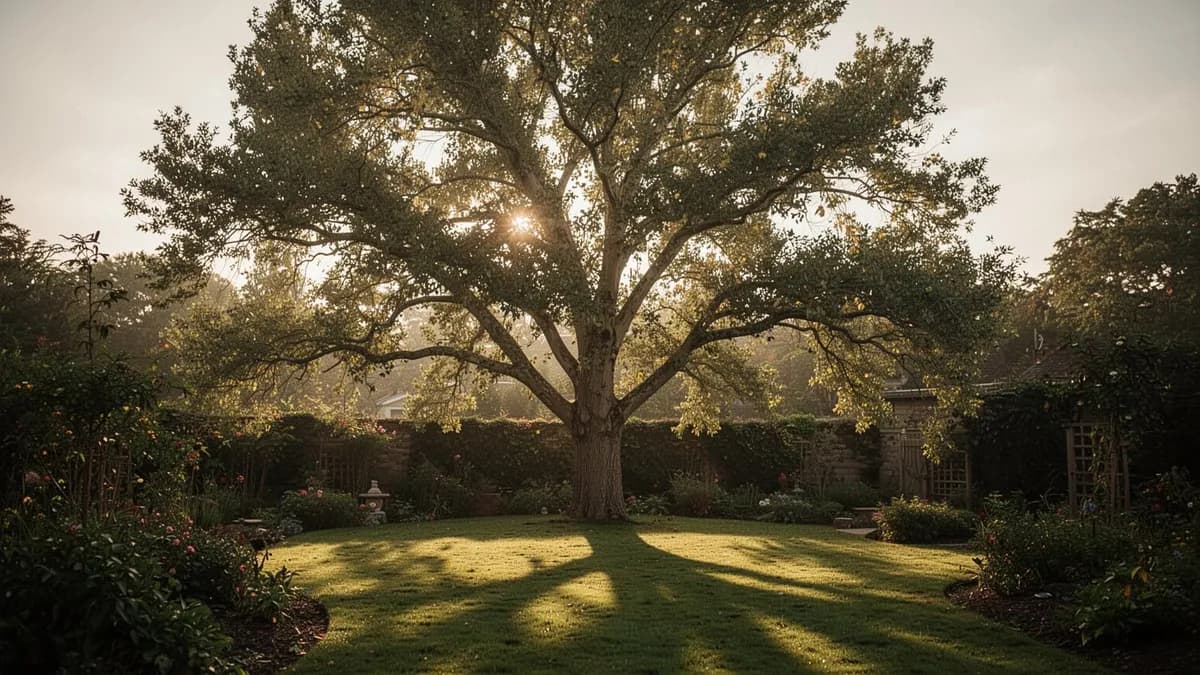
One of the fastest-growing shade trees, capable of adding six to eight feet of height per year in optimal conditions. Poplars are excellent for quick windbreaks and privacy screens but have aggressive surface roots and weak wood prone to breakage. They thrive in moist soil and full sun and are often used for biomass production and short-rotation forestry. Choose male cultivars to avoid the copious cottony seeds that female trees produce in late spring.
When to plant Poplar Tree
Poplars are most easily propagated from hardwood cuttings, which is the standard commercial method. Take 10 to 14 inch cuttings of dormant one-year-old wood in late winter and push them two-thirds deep into moist soil. Rooting occurs in 2 to 4 weeks. This method produces trees identical to the parent and is far faster and more reliable than seed. Poplar seeds are tiny, cottony, and short-lived, requiring immediate sowing on moist bare soil for germination. Named cultivars must be propagated vegetatively.
Your Poplar Tree Year
Composed for Zone 7 · typical seasons · frost passes Apr 2, returns Nov 1
Plant Poplar Tree Mar – Apr, Oct – Nov, pick —. Check the planting methods below and set your climate to personalize these windows.
How to grow Poplar Tree
Plant poplar trees in full sun in moist, well-drained soil for the fastest growth, though they adapt to a wide range of conditions including clay, sand, and loam with a pH of 5.0 to 7.5. Space trees 8 to 15 feet apart for windbreaks or 30 to 40 feet for individual shade trees. Poplars establish with remarkable speed from bare-root whips, hardwood cuttings, or container-grown stock planted in spring.
Water young poplars generously during their first growing season. Even established trees perform best with consistent moisture, though they tolerate moderate drought once their extensive root system develops. Apply mulch over the root zone to retain moisture and suppress weeds. Avoid planting poplars near buildings, foundations, sewer lines, or paved surfaces, as their aggressive surface roots heave pavement and invade pipes.
Prune in late winter to remove dead and damaged wood. Poplars require minimal formative pruning as they develop a strong central leader naturally. For windbreak plantings, no pruning is needed. The trees are relatively short-lived at 30 to 50 years and will eventually need replacement. Choose male clones of cottonless cultivars to avoid the nuisance of cotton-covered seeds that drift in late spring.
Poplar Tree needs more room than a 4 × 8 ft bed gives
Each Poplar Tree wants 800 cm of elbow room. The planner keeps that spacing for you — every plant, every bed.
Poplar Tree's best neighbours
Poplars work best in utilitarian plantings like windbreaks, biomass plots, and riparian buffers rather than ornamental gardens. Interplant with slower-growing, longer-lived species like oaks and maples that will eventually replace the short-lived poplars. In windbreak rows, combine with evergreens like spruce and pine for year-round protection. Shade-tolerant native wildflowers and grasses can naturalize beneath poplar stands. Keep vegetable gardens and ornamental beds well away from aggressive poplar roots.
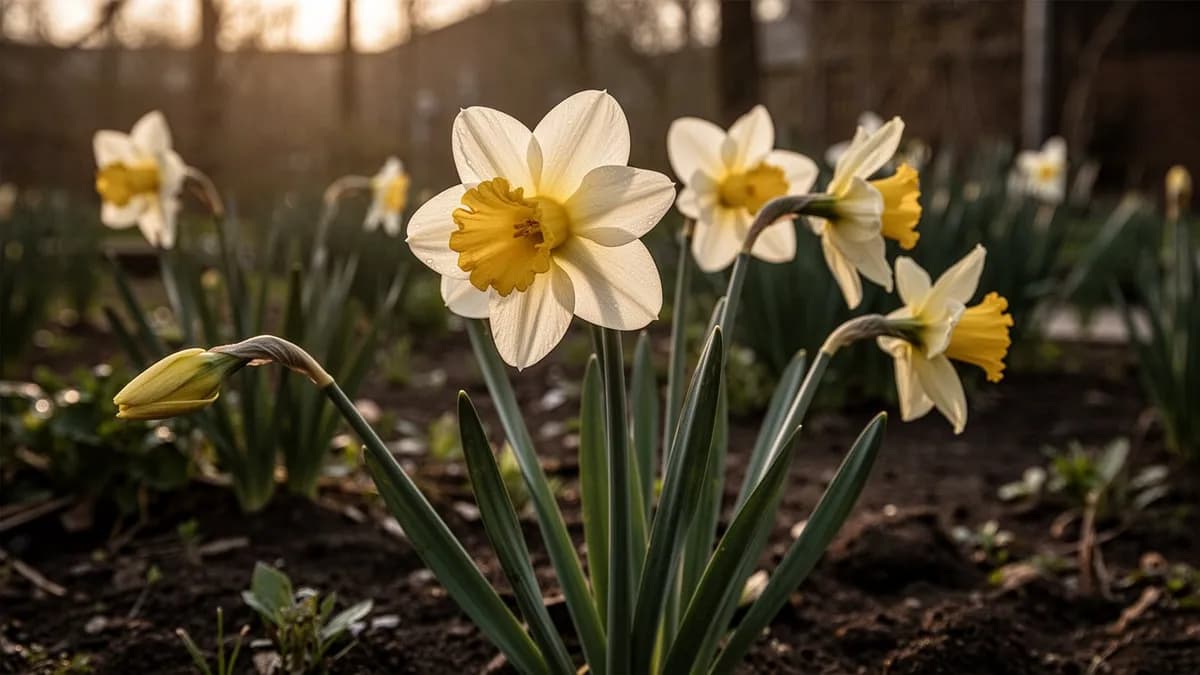
Daffodil belongs beside it. Walnut Tree doesn't.
Old growers' knowledge, checked against Poplar Tree's real companion table below — test any plant you're growing.
Try Poplar Tree in a bed — right here
A real planner bed with Poplar Tree already in it. Tap a companion to place it and watch the pairing checks answer — green for good neighbours, red for a clash.


Related growing guides

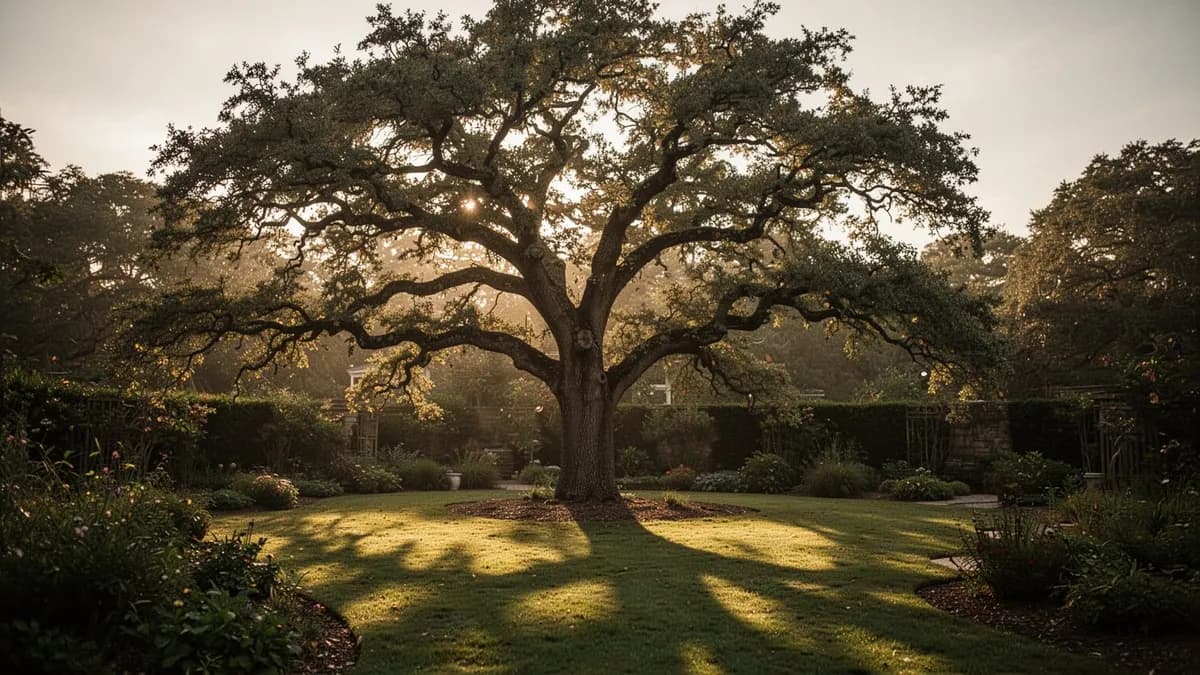
Feed it well
Poplars grow in nearly any soil type from heavy clay to sandy loam with a pH of 5.0 to 7.5. They prefer moist, fertile conditions for maximum growth rate but tolerate poor soils. Young trees in biomass plantings benefit from nitrogen fertilization to maximize growth. In landscape settings, annual compost applications are sufficient. Avoid extremely dry sandy sites unless irrigation is available. Poplars are effective phytoremediation trees, tolerating and extracting soil contaminants in degraded sites.
Ideal Temperature
Hardiness Zone Compatibility
From seed to harvest, stage by stage
Dormancy and Planting
Poplar trees are planted as dormant bare-root whips or hardwood cuttings during late winter to early spring. Hardwood cuttings 25-40 cm long taken from one-year-old wood root readily when inserted into moist soil. During dormancy the tree stores energy in its root system and woody tissue, preparing for the explosive growth that characterizes the genus Populus.
Bud Break and Catkin Emergence
As temperatures rise in early spring, sticky resinous buds swell and burst open, releasing a balsamic fragrance characteristic of many poplar species. Male and female catkins emerge on separate trees (poplars are dioecious) before the leaves fully unfurl. Male catkins are typically reddish and pendulous, while female catkins are greenish and elongate after pollination by wind.
Rapid Vegetative Growth
Poplars enter a phase of exceptionally fast growth, with some species and hybrids adding 2-3 meters of height per year under favorable conditions. The broad, flattened leaves photosynthesize efficiently throughout the long summer days, driving the rapid accumulation of woody biomass. Lateral branches extend the canopy while the central leader maintains strong apical dominance in most species.
Seed Dispersal and Summer Maturation
Female trees release vast quantities of tiny seeds embedded in cottony fluff that drifts on air currents, sometimes travelling several kilometers. This cotton production typically lasts two to three weeks in late spring or early summer. Through mid and late summer, the tree continues to add girth and harden new wood, building structural strength in preparation for autumn winds.
Autumn Color and Leaf Drop
Poplar leaves transform to brilliant golden-yellow as chlorophyll degrades and carotenoid pigments are revealed. The flattened leaf petioles cause the golden leaves to flutter and shimmer in even gentle breezes, creating a luminous display. Nutrients are reabsorbed from the foliage into the woody tissue and roots before the leaves detach and fall, forming a carpet of gold beneath the tree.
Winter Dormancy and Structural Pruning
The tree enters full dormancy with no visible growth. The bare silhouette reveals the branching architecture and makes it easy to identify dead, damaged, or poorly positioned limbs. Roots may continue slow activity when soil temperatures remain above 4 degrees Celsius. Winter storms test the structural integrity of the wood, and any weak branch unions may fail under ice or wind loads.
Plant bare-root stock or hardwood cuttings while fully dormant, before buds begin to swell. Insert cuttings vertically with at least two buds above the soil line. Water deeply at planting and maintain consistent moisture during the first growing season. Space trees 3-5 meters apart for windbreaks or 6-10 meters for individual specimens.
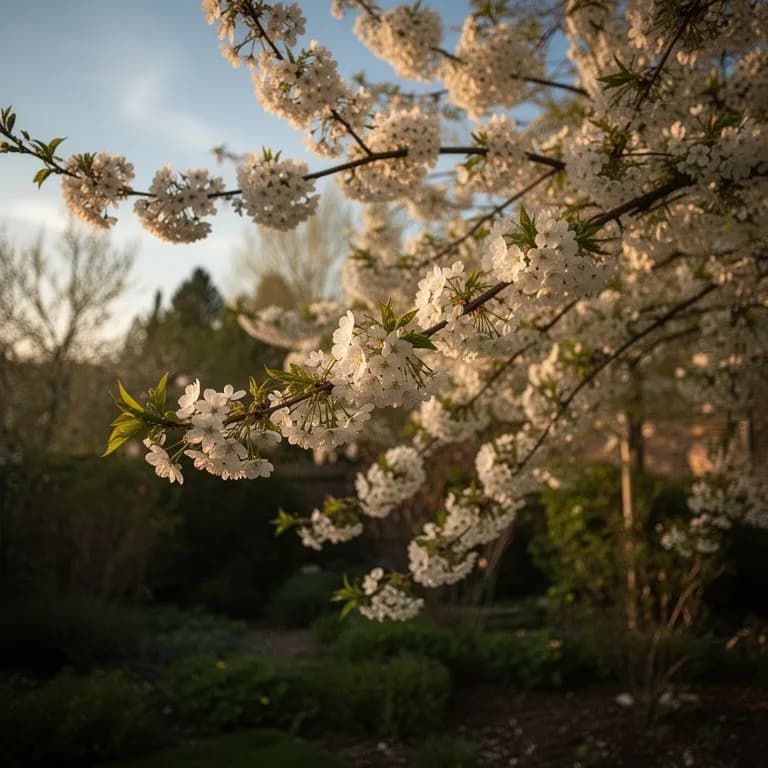
Caring for Poplar Tree month by month
What to do each month for your Poplar Tree
October
You are hereAllow leaf litter to accumulate as natural mulch or rake and add to compost piles. Perform a final deep watering before the ground freezes. Inspect the root flare zone for girdling roots on established trees. Install protective wraps on young trunks to prevent winter sunscald and frost cracking.
Know exactly what to do in your garden — every month
One email at the start of each month: what to sow, plant, and tackle right now — for your Poplar Tree and everything growing around it. Plus a short starter course that helps you dodge the classic mistakes.
- What to do, right now
- Matched to your season
- Starter course included
Harvesting Poplar Tree
Poplars are not grown for edible harvest. The trees are valued for biomass production, fast-growing timber, and windbreak establishment. In short-rotation coppice systems, poplar stands are harvested every 3 to 5 years for wood chips, biofuel, or pulpwood. The soft, lightweight lumber is used for pallets, matchsticks, and low-grade plywood. Poplar buds collected in early spring are used in traditional herbal preparations and produce a resinous substance called balm of Gilead.
assuming you plant when the window opens — set your real date
Pick Poplar Tree promptly and the plant keeps producing.
Storage & Preservation
Poplar lumber is light, soft, and relatively weak, making it unsuitable for structural applications. It should be sawn and air-dried promptly after felling, as the high moisture content leads to rapid deterioration. The wood is useful for paper pulp, matchsticks, pallets, and interior paneling. Poplar wood chips can be used for garden mulch or composting. Poplar buds for herbal use should be collected in late winter before they open and dried or tinctured in oil immediately.
What goes wrong — and the fix
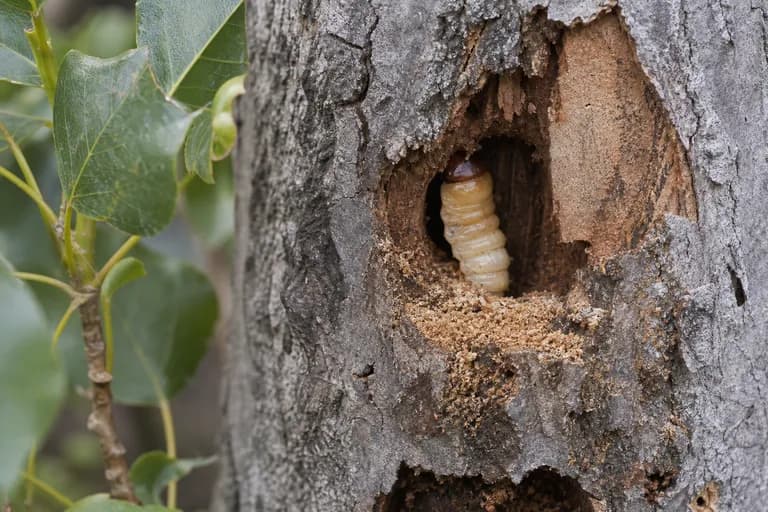
Poplar Borer
PestLarge holes in trunk and main branches with expelled sawdust. Internal tunneling weakens the already brittle wood, increasing storm breakage risk.
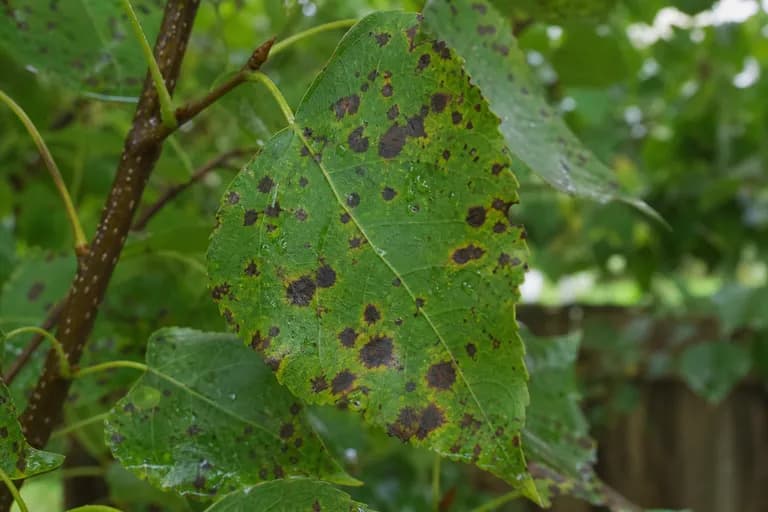
Marssonina Leaf Spot
DiseaseDark brown to black spots on leaves, often with yellow halos. Severe infections cause heavy premature defoliation by midsummer.
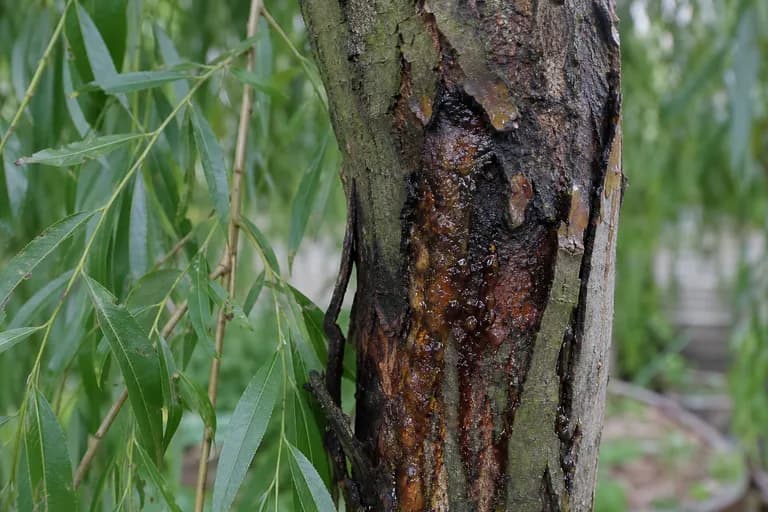
Cytospora Canker
DiseaseSunken, darkened bark areas on branches and trunk that ooze orange or amber sap. Cankers girdle branches causing dieback.
Troubleshooting Common Problems
Weak, brittle wood makes storm damage a chronic issue, with broken branches and even split trunks common after high winds. Aggressive surface roots heave sidewalks, invade sewer lines, and make lawn maintenance difficult. Female trees produce copious cottony seeds that clog window screens and air filters. Most poplar species are short-lived, reaching decline and structural failure within 30 to 50 years. Numerous pest and disease issues cause frequent defoliation and aesthetic decline.
Growing Tips
- Select male clones or cottonless cultivars if you want to avoid the messy cotton seed dispersal produced by female trees in late spring and early summer.
- Plant poplars at least 15 meters away from buildings, foundations, septic systems, and underground utilities because their aggressive root systems actively seek moisture and can damage pipes and pavement.
- Poplars root extremely easily from hardwood cuttings taken in late winter, making them one of the simplest trees to propagate at no cost from existing specimens.
- Provide deep and consistent watering during the first three growing seasons to establish a strong root system, as poplars are among the thirstiest of all temperate trees.
- Apply nitrogen-rich fertilizer in spring to maximize the rapid growth potential, but cease all nitrogen applications by midsummer to allow new wood to harden before winter.
- Remove root suckers regularly if they appear in lawns or garden beds, as many poplar species spread aggressively by suckering and can colonize large areas if left unchecked.
- Prune during winter dormancy only, as summer pruning wounds heal slowly and stimulate excessive sucker growth from the root system and trunk base.
- Plant poplars in rows oriented perpendicular to prevailing winds when establishing windbreaks, spacing trees 3 to 5 meters apart within the row for effective wind reduction.
- Avoid planting brittle species like Lombardy poplar near structures or parking areas, as their weak branch unions are prone to storm breakage and can cause property damage.
- Consider hybrid poplar clones such as Populus deltoides x nigra crosses for the fastest growth rates and best disease resistance in most temperate climates.
Grow your best Poplar Tree yet — and everything around it.
Start a free plan today. Lay out your beds, drop in your Poplar Tree, and let PlotMyGarden handle the timing, spacing, companions and reminders from seed to harvest basket.
Pick your Poplar Tree
Lombardy Poplar (Populus nigra Italica)
Distinctive narrow columnar form used for dramatic vertical accents and fast privacy screens. Very short-lived at 15 to 20 years.
Hybrid Poplar (Populus x canadensis)
Extremely fast-growing hybrids selected for timber and biomass production. Can add 8 feet or more per year in optimal conditions.
Tulip Poplar
Not a true poplar but Liriodendron tulipifera, often confused with poplars. A large native hardwood with tulip-shaped flowers.
Quaking Aspen (Populus tremuloides)
Native poplar with small round leaves that tremble in the slightest breeze. Spectacular golden fall color and white bark. Spreads by suckering.
Poplars provide substantial economic value as windbreaks, reducing home heating costs by 10 to 25 percent through decreased wind exposure. Their fast growth rate means they establish effective shelter within 5 to 8 years, far sooner than most other tree species. Poplar cuttings can be propagated at essentially zero cost from existing trees, and a single mature tree can provide hundreds of cuttings per year. When grown for firewood, a well-managed poplar coppice can produce 10 to 15 cubic meters of fuelwood per hectare annually on a 3 to 5 year rotation cycle, offsetting significant heating fuel expenses.
Quick recipes
Poplar Bud Oil Infusion
30 minutes active, 6 weeks infusionA traditional herbal oil made by infusing the resinous spring buds of balsam poplar in olive oil. The resulting Balm of Gilead oil has been used for centuries as a topical remedy for sore muscles, minor skin irritations, and chapped skin. The buds release salicin and aromatic resins into the oil during the long infusion period.
5 ingredients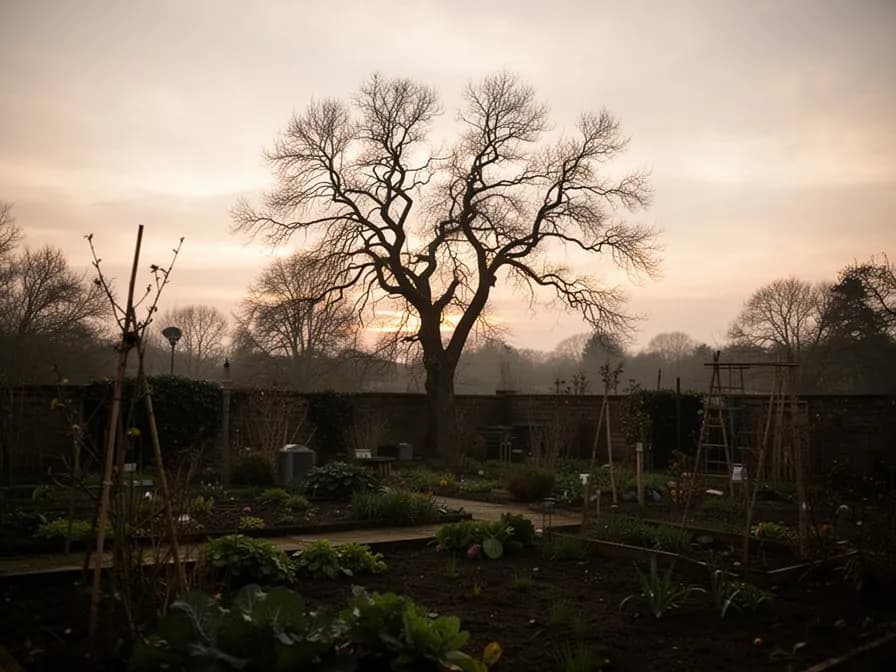
Poplar Bud Salve
45 minutesA soothing herbal salve made from poplar bud-infused oil combined with beeswax. This traditional preparation creates a fragrant balm useful for dry cracked skin, minor cuts, and muscle aches. The natural salicin content provides mild anti-inflammatory properties when applied topically.
5 ingredients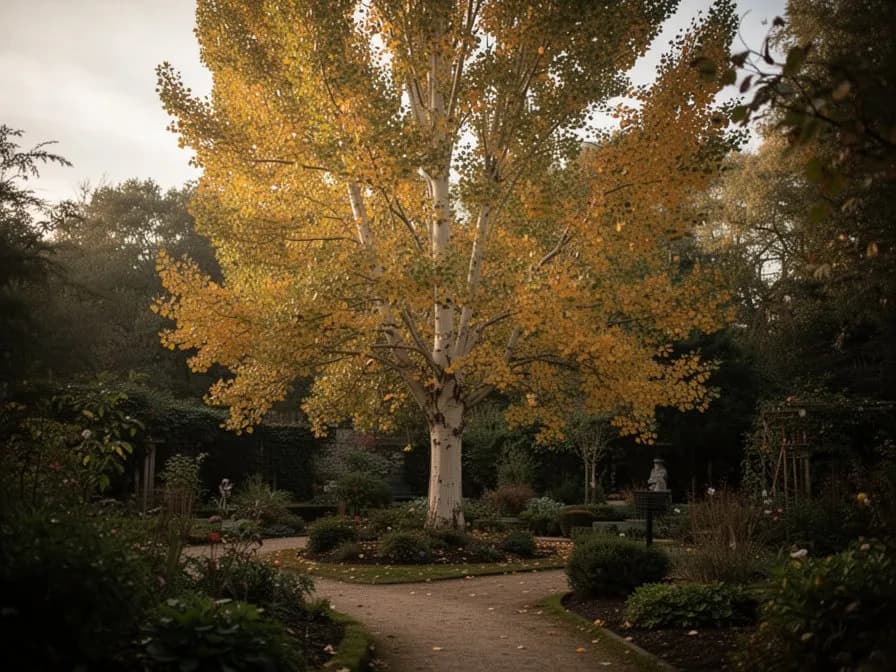
Poplar Bud Tincture
20 minutes active, 4-6 weeks infusionA concentrated herbal tincture made by steeping poplar buds in high-proof alcohol to extract the medicinal resin compounds. This preparation has been used in traditional herbalism as an anti-inflammatory and pain-relieving remedy. The tincture captures the full spectrum of salicin, populin, and flavonoid compounds from the aromatic buds.
5 ingredientsWhat's inside
Health Benefits
- Poplar bud resin contains salicin, a natural compound that the body converts to salicylic acid, providing anti-inflammatory and mild pain-relieving effects similar to aspirin when used in traditional topical preparations.
- Propolis collected by honeybees from poplar buds has been shown in clinical studies to possess antibacterial, antiviral, and antifungal properties, and is widely used in complementary medicine for immune support.
- The presence of large poplar trees in urban environments has been associated with improved air quality, as their extensive leaf surface area filters particulate matter, absorbs gaseous pollutants, and produces significant amounts of oxygen.
- Poplar windbreaks reduce wind speed by 40 to 60 percent across adjacent areas, lowering wind chill effects, reducing soil erosion, and creating more comfortable microclimates for outdoor activity and crop production.
- Phytoremediation plantings of poplars on contaminated sites help remove heavy metals, organic solvents, and excess nutrients from soil and groundwater, reducing human exposure to environmental pollutants in affected communities.
- Research published in environmental health journals has demonstrated that proximity to tree canopy cover, including poplar-dominated riparian corridors, is correlated with reduced stress levels, lower blood pressure, and improved mental well-being in nearby residents.
Where Poplar Tree comes from
The genus Populus encompasses approximately 30 species of fast-growing deciduous trees native to the Northern Hemisphere, spanning North America, Europe, and Asia. Fossils of poplar leaves have been found in geological deposits dating back over 50 million years to the Eocene epoch, making it one of the oldest recognizable broadleaf tree genera still in existence today. In North America, the eastern cottonwood (Populus deltoides) was a vital landmark tree for westward-bound pioneers and indigenous peoples, as its presence reliably indicated the location of surface water in arid landscapes. Plains tribes used cottonwood trunks for the central poles of sun dance lodges, and the inner bark served as emergency fodder for horses during harsh winters. European species such as the black poplar (Populus nigra) and white poplar (Populus alba) were cultivated by the Romans along roads and waterways, and the distinctive columnar Lombardy poplar (Populus nigra Italica) became an iconic landscape tree across the Mediterranean and eventually worldwide after its introduction from northern Italy in the 18th century. Balsam poplars from northern regions provided medicinal resins to indigenous cultures across both continents. Modern poplar cultivation exploded in the 20th century with the development of interspecific hybrid clones, particularly crosses between Populus deltoides and Populus nigra, which combined rapid growth with disease resistance. Today poplars are among the most widely planted trees globally, cultivated for timber, biomass energy, paper pulp, phytoremediation of polluted soils, carbon sequestration, and windbreak protection on agricultural lands across every temperate continent.
Poplar Tree: did you know?
Fascinating facts about Poplar Tree
Poplars are among the fastest-growing trees in temperate climates, with some hybrid clones capable of adding over 3 meters in height and 5 cm in trunk diameter in a single growing season under optimal conditions.
Poplar Tree questions, answered
When should I plant Poplar Tree?
What are good companion plants for Poplar Tree?
What hardiness zones can Poplar Tree grow in?
How much sun does Poplar Tree need?
How far apart should I space Poplar Tree?
What pests and diseases affect Poplar Tree?
How do I store Poplar Tree after harvest?
What are the best Poplar Tree varieties to grow?
What soil does Poplar Tree need?
How fast do poplar trees grow compared to other common landscape trees?
Are poplar tree roots invasive and can they damage foundations or pipes?
How do I stop my poplar tree from producing cotton and seeds?
What is the typical lifespan of a poplar tree?
Can poplar trees be used for firewood and how does the wood burn?
What diseases and pests commonly affect poplar trees?
You just read the theory. Now grow it on autopilot.
Everything that makes Poplar Tree fiddly — the timing, the spacing, the companions, the harvest window — is exactly what PlotMyGarden handles for you, for every plant in your garden.
A plan that knows your weather
Set your location once. Get sow, feed and harvest dates built around your real last-frost date and live forecast — no more guessing from a generic seed packet.
From the “When to plant” sectionDrag-and-drop bed planner
Design beds on a grid. Every plant snaps to its proper spacing, and you can see your whole season laid out before you spend a cent on seed.
From the “Growing guide” sectionCompanion conflicts, caught early
200+ good-and-bad pairings checked live as you plant — so a season-wrecking mistake never makes it into the ground.
From the “Companions” sectionReminders you'll actually act on
“Water the beans.” “Pick today before it turns.” Timely, specific, and tied to the plants you're really growing.
From the “Harvest” sectionSuccession, scheduled
Want a harvest for six weeks, not six days? It spaces your sowings automatically and reminds you when each new block is due.
From the “When to plant” sectionA record that gets smarter
Every harvest you log teaches it your garden. Next year's plan starts from what actually worked in your soil, not a textbook's.
From the “Overview” sectionPlant these alongside Poplar Tree
More Shade Trees

Keep Poplar Tree away from these
Grow your best Poplar Tree yet — and everything around it.
Start a free plan today. Lay out your beds, drop in your Poplar Tree, and let PlotMyGarden handle the timing, spacing, companions and reminders from seed to harvest basket.