Ballonblume
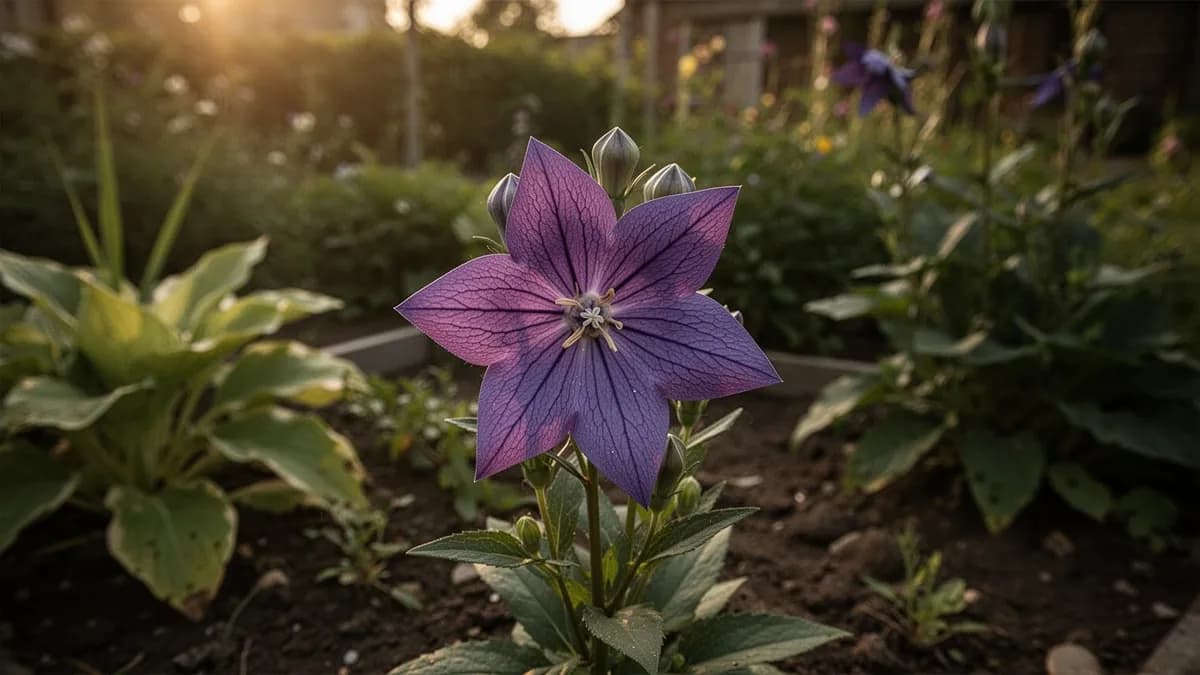
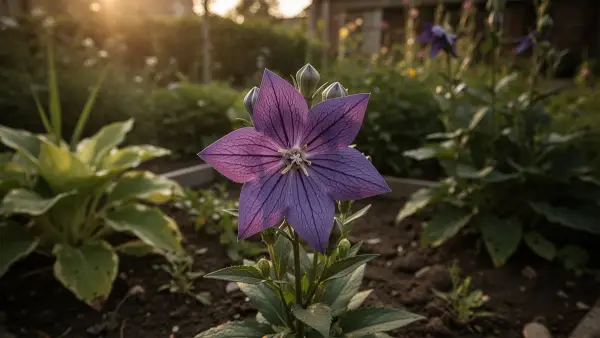
Eine bezaubernde Staude, die nach ihren aufgeblasenen, ballonartigen Knospen benannt ist, die sich zu sternförmigen blauen, rosa oder weißen Glockenblüten öffnen.





Auf dieser SeiteÜberblick
Ballonblume im Überblick
Eine bezaubernde Staude, die nach ihren aufgeblasenen, ballonartigen Knospen benannt ist, die sich zu sternförmigen blauen, rosa oder weißen Glockenblüten öffnen. Die Ballonblume treibt im Frühling spät aus, daher sollte man ihren Standort sorgfältig markieren, um versehentliches Ausgraben zu vermeiden. Einmal etabliert, ist sie langlebig, hirschresistent und pflegeleicht in gut durchlässigem Boden.
Wann Ballonblume pflanzen
Säen Sie die Samen im Frühling auf die Oberfläche feuchter Aussaaterde – sie brauchen Licht zum Keimen. Halten Sie die Temperatur bei 18–21 °C. Die Keimung dauert 14–21 Tage. Pflanzen können bei früher Aussaat bereits im ersten Jahr blühen. Einmal etabliert, nicht teilen oder umpflanzen – die tiefe Pfahlwurzel macht dies nahezu unmöglich.
Dein Ballonblume-Jahr
Abgestimmt auf Zone 7 · typische Saison · Frost geht um den 2. Apr. und kehrt um den 1. Nov. zurück
Ballonblume Mär – Mai pflanzen, Jun – Aug ernten. Beachte die Pflanzmethoden unten und wähle dein Klima für passende Zeiträume.
So baust du Ballonblume an
Die Ballonblume ist eine bezaubernde, langlebige Staude, die nach ihren charakteristischen aufgeblasenen Knospen benannt ist, die an winzige Heißluftballons erinnern, bevor sie sich zu sternförmigen Glockenblüten öffnen. Pflanzen Sie im Frühling mit einem Abstand von 30–45 cm in voller Sonne bis Halbschatten in gut durchlässigem Boden.
Die aufgeblasenen Knospen sind endlos unterhaltsam – Kinder lieben es, sie zu drücken und beim Aufplatzen zuzuschauen. Die sternförmigen Blüten erscheinen in Blau, Rosa oder Weiß vom Frühsommer bis Hochsommer, wobei jede einzelne mehrere Tage hält. Das Entfernen verblühter Blüten fördert die weitere Blütenbildung.
Wichtiger Hinweis: Die Ballonblume treibt im Frühling extrem spät aus und zeigt sich oft erst Ende Mai über der Erde. Markieren Sie ihren Standort deutlich mit einem Pflanzenetikett, um sie beim Gärtnern im zeitigen Frühling nicht versehentlich auszugraben. Einmal etabliert, ist sie bemerkenswert langlebig (20+ Jahre), hirschresistent und pflegeleicht.
32 Pflanzen passen in ein Beet von 120 × 240 cm
Ballonblume braucht 30 cm Platz pro Pflanze. Der Planer hält diesen Abstand für dich ein — jede Pflanze, jedes Beet.
Die besten Nachbarn für Ballonblume
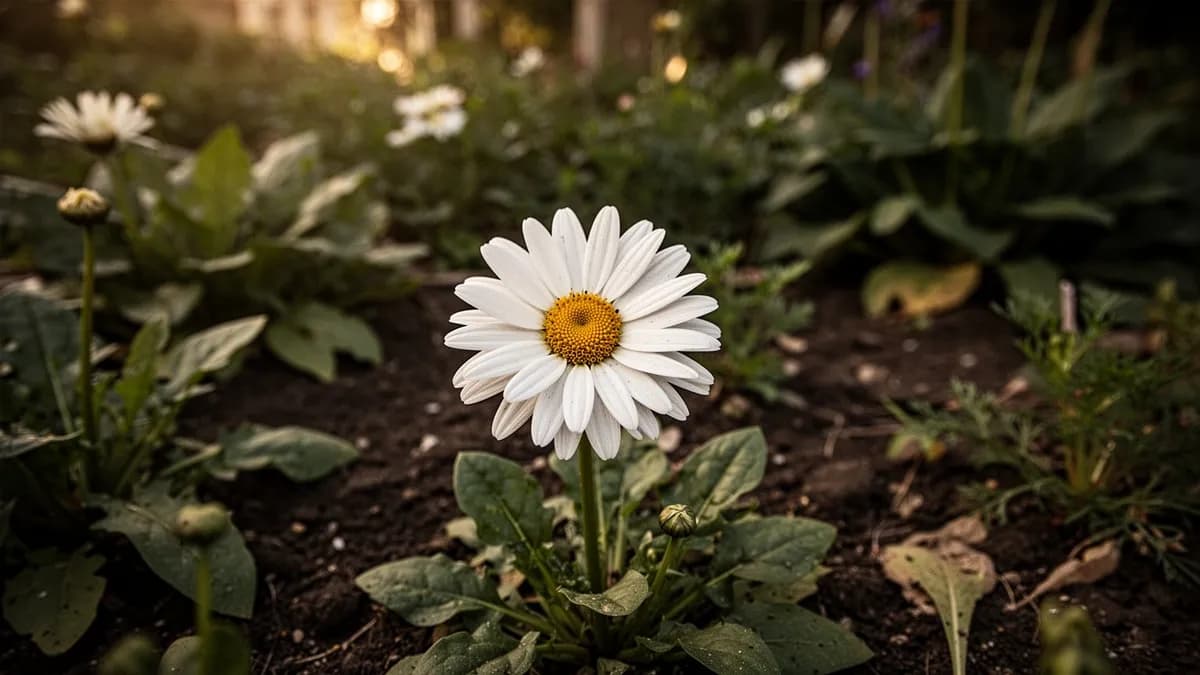
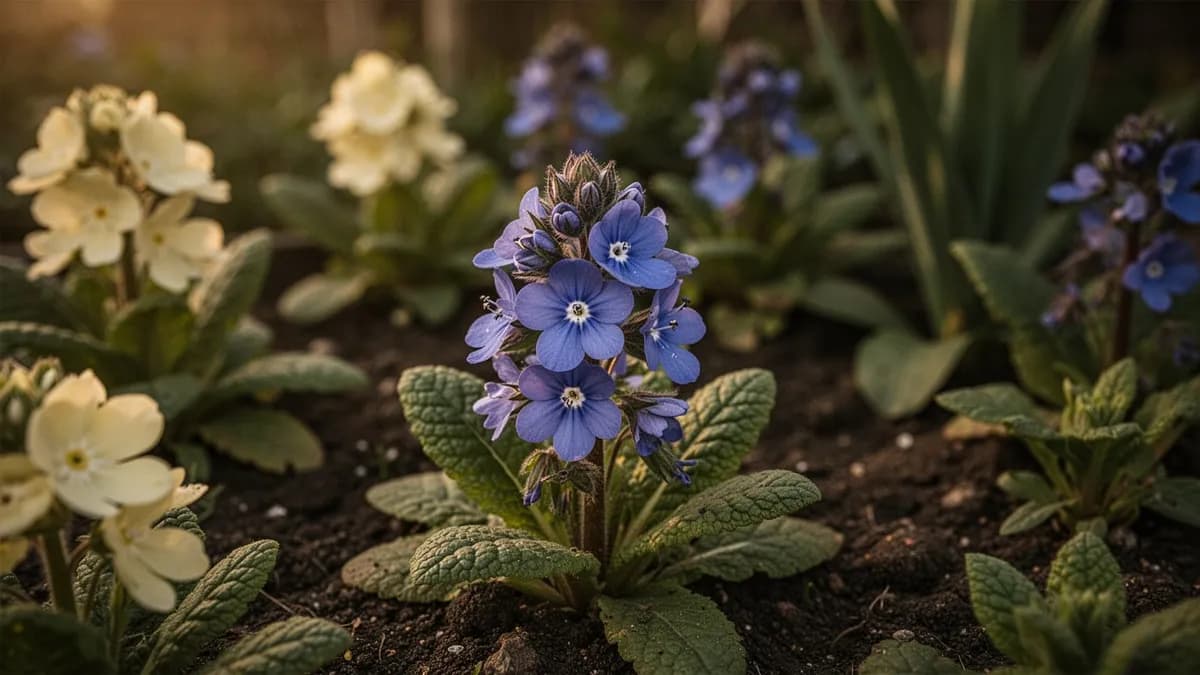
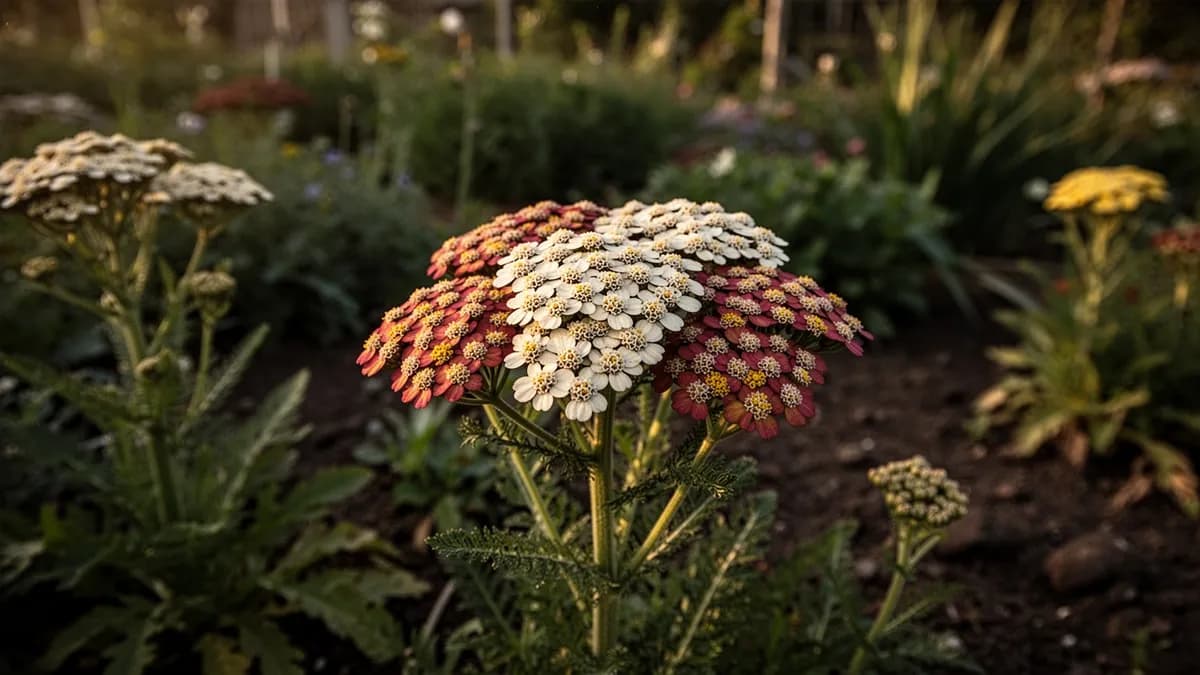
Die Ballonblume passt wunderbar zu Margeriten, Ehrenpreis und Schafgarbe für eine klassische Staudenrabatte. Die blauen Blüten ergänzen goldene Taglilien und gelbes Mädchenauge. Pflanzen Sie sie neben spät austreibende Begleiter, die den Platz füllen, solange die Ballonblume im Frühling noch ruht.
Margerite gehört daneben.
Altes Gärtnerwissen, geprüft an der echten Nachbartabelle von Ballonblume — teste jede Pflanze, die du anbaust.
Probiere Ballonblume direkt hier im Beet
Ein echtes Planer-Beet, Ballonblume steht schon drin. Tippe einen Begleiter an, platziere ihn und sieh, wie die Nachbarschaftsprüfung antwortet — grün für gute Nachbarn, rot bei Streit.


Passende Anbau-Ratgeber
Richtig düngen
Die Ballonblume gedeiht in durchschnittlichem, gut durchlässigem Boden mit einem pH-Wert von 5,5–7,5. Sie verträgt eine Reihe von Bedingungen, verlangt aber gute Drainage. Vermeiden Sie schweren, nassen Lehmboden. Bringen Sie im Frühling einen ausgewogenen Dünger auf. Magere Bedingungen sind in Ordnung – diese Pflanze braucht keinen nährstoffreichen Boden.
Ideale Temperatur
Winterhärtezone-Kompatibilität
Von der Saat zur Ernte, Schritt für Schritt
Stratifikation und Aussaat
Platycodon-Samen profitieren von einer kurzen Kältestratifikation von ein bis zwei Wochen im Kühlschrank vor der Aussaat. Säen Sie die Samen auf die Oberfläche feuchter Aussaaterde und drücken Sie sie leicht an, ohne sie zu bedecken, da sie Licht zum Keimen benötigen. Halten Sie die Temperatur bei 18–21 °C mit gleichmäßiger Feuchtigkeit.
Keimung und Auflaufen
Die Sämlinge erscheinen langsam über zwei bis drei Wochen. Die ersten Blätter sind kleine, runde Keimblätter, gefolgt von schmalen, gezähnten echten Blättern mit blaugrünem Schimmer. Das Wachstum ist in dieser Phase langsam, da die Pflanze ihre Energie in den Aufbau ihres tiefen Pfahlwurzelsystems steckt.
Vegetatives Wachstum und Rosettenbildung
Die Pflanzen entwickeln eine kompakte Rosette aus ovalen bis lanzettförmigen Blättern mit gesägten Rändern. Die Stängel sind kräftig und aufrecht und erreichen je nach Sorte 30–60 cm Höhe. Die fleischige weiße Pfahlwurzel verdickt sich in dieser Phase erheblich und speichert Nährstoffe für zukünftige Saisons.
Ballonknospenbildung
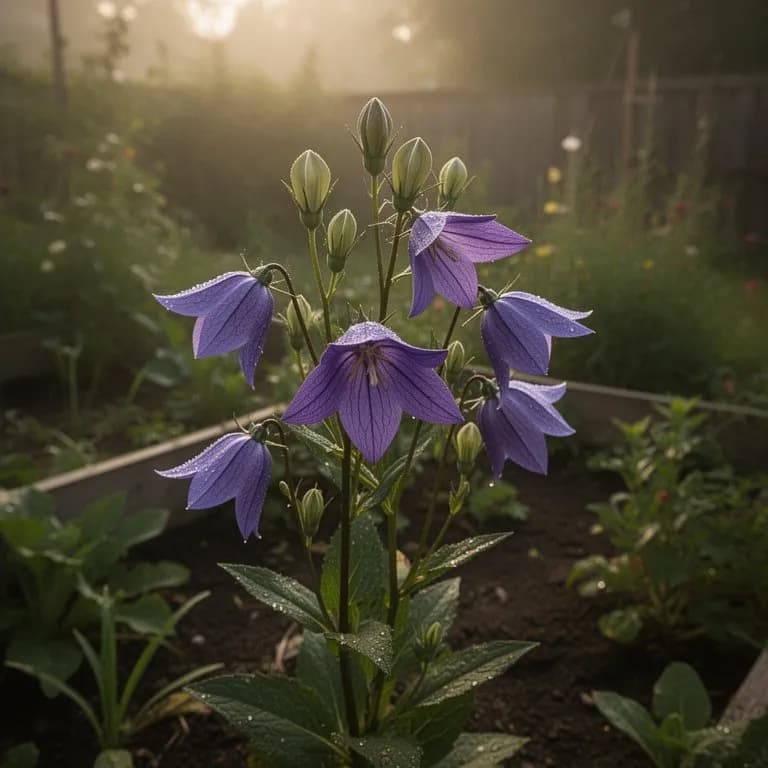
Die charakteristischen ballonförmigen Knospen entwickeln sich an den Spitzen der verzweigten Stängel. Jede Knospe ist ein versiegelter Beutel aus verwachsenen Blütenblättern, der sich mit Luft aufbläht, bevor er sich öffnet. Die Knospen wechseln von Grün zu Andeutungen ihrer endgültigen Blütenfarbe, während sie anschwellen. Dies ist das visuell markanteste Stadium der Pflanze.
Vollblüte
Die Knospen platzen auf und enthüllen fünfzackige, sternförmige Blüten von 5–7 cm Durchmesser in Blauviolett, Weiß oder Rosa. Jede Blüte hält etwa eine Woche, und die Pflanze produziert über sechs bis acht Wochen Gesamtblütezeit bis zum Spätsommer neue Knospen.
Samenbildung und Ruhevorbereitung
Nach der Blüte entwickeln sich aufrechte Samenkapseln, die zu einem papierartigen Braun trocknen. Jede Kapsel enthält zahlreiche kleine schwarze Samen. Das Laub färbt sich im Herbst goldgelb, bevor die Pflanze vollständig zu ihrer fleischigen Pfahlwurzel für die Winterruhe abstirbt. Die Wurzel wächst jedes Jahr unterirdisch weiter.
Die Samen sind sehr klein und die Keimung kann unregelmäßig sein. Säen Sie mehr als benötigt und vereinzeln Sie später. Eine Feuchtigkeitshaube hilft, gleichmäßige Feuchtigkeit zu erhalten, ohne die winzigen Samen zu stören.
Ballonblume Monat für Monat pflegen
Was du jeden Monat für deine Ballonblume tun solltest
Oktober
Aktueller MonatDas Laub färbt sich attraktiv goldgelb. Sammeln Sie getrocknete Samenkapseln zur Samenernte. Lassen Sie das Laub natürlich absterben, da es die Pfahlwurzel für das nächste Jahr nährt. Teilen Sie zu dichte Bestände bei Bedarf vorsichtig.
Immer wissen, was jetzt im Garten zu tun ist
Eine E-Mail zum Monatsanfang: was du jetzt säen, pflanzen und anpacken solltest — für deine Ballonblume und alles, was drumherum wächst. Dazu ein kurzer Startkurs, der dich vor den klassischen Fehlern bewahrt.
- Was jetzt zu tun ist
- Passend zu deiner Saison
- Startkurs inklusive
Ballonblume ernten
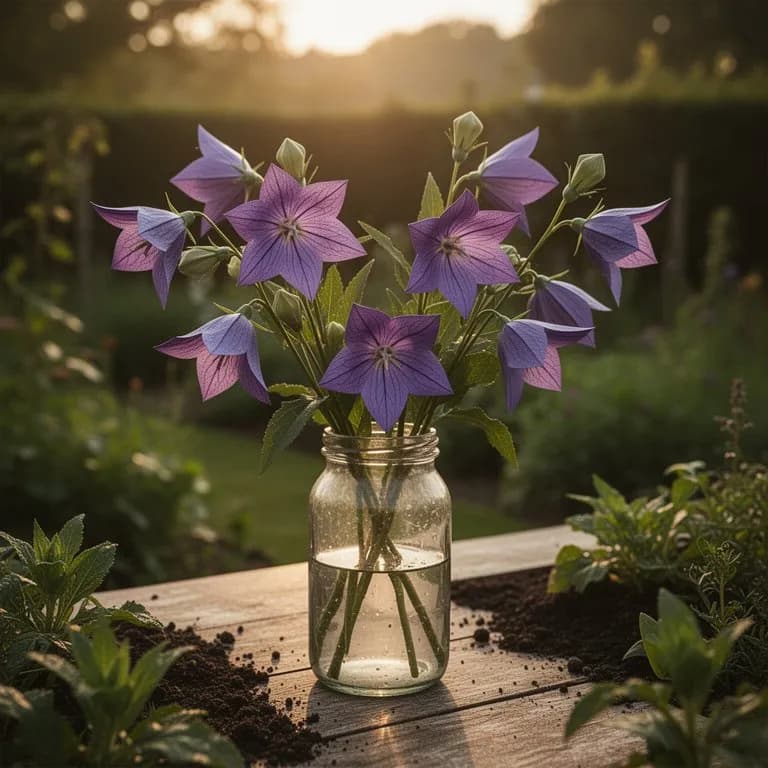
Schneiden Sie Ballonblumenstiele, wenn mehrere Knospen aufgeblasen sind und Farbe zeigen. Die Knospen platzen in der Vase auf – eine entzückende Überraschung in Arrangements. Versiegeln Sie die Schnittstellen mit einer Flamme oder tauchen Sie sie in kochendes Wasser, um den milchigen Saft am Verstopfen zu hindern. Die Blüten halten 5–7 Tage im Wasser.
angenommen, du pflanzt zu Beginn des Zeitraums — trage dein tatsächliches Datum ein
Ernte Ballonblume zügig, dann trägt die Pflanze weiter.
Lagerung & Konservierung
Die Ballonblume ist vollständig winterhart und langlebig. Markieren Sie ihren Standort, bevor sie in die Ruhephase geht. Nicht teilen – sie reagiert empfindlich auf Störungen und hat eine fleischige Pfahlwurzel, die sich nach dem Einwachsen nicht gut verpflanzen lässt. Dauerhaft am Standort belassen.
Was schiefgeht — und die Lösung
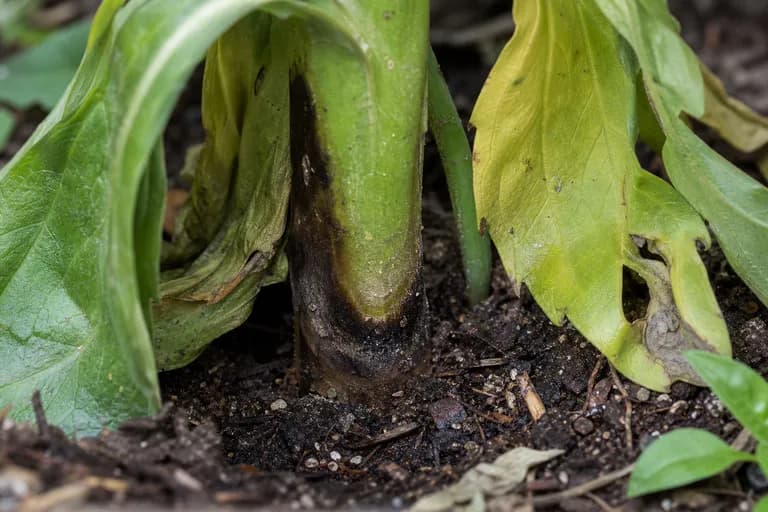
Wurzelhalsfäule
KrankheitDer Wurzelhals wird in nassem, schwerem Boden matschig. Die Pflanzen treiben im Frühling nicht aus.
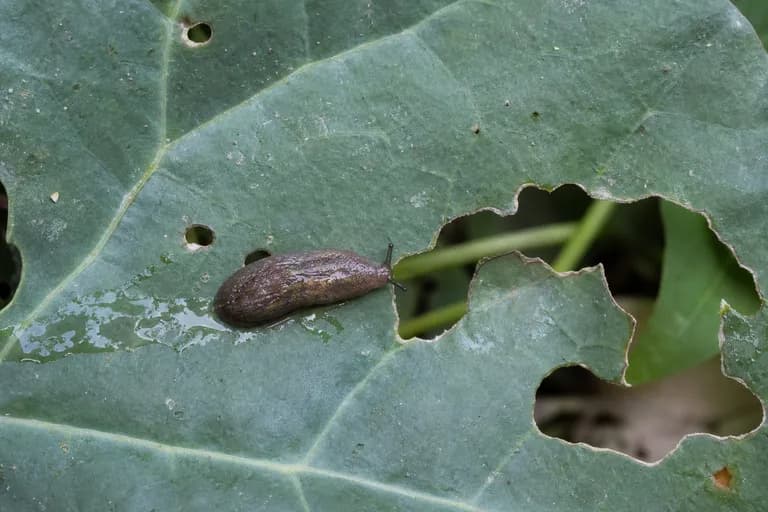
Schnecken
SchädlingLöcher in den austreibenden Blättern im Frühling. Schleimige Spuren.
Fehlerbehebung bei häufigen Problemen
Versehentliches Ausgraben im Frühling ist die häufigste Verlustursache – markieren Sie den Standort deutlich. Die fleischige Pfahlwurzel verträgt kein Umpflanzen, wählen Sie den Pflanzort also sorgfältig. Hohe Sorten benötigen in nährstoffreichem Boden eventuell Stützen. Kürzen Sie Anfang Juni um die Hälfte, um buschigeres, kompakteres Wachstum zu fördern, wenn Umknicken ein Problem ist.
Anbautipps
- Markieren Sie Ihre Platycodon-Standorte im Herbst mit Stäben oder Etiketten, denn die Pflanzen treiben im Frühling extrem spät aus, oft Wochen nach anderen Stauden, und werden leicht durch frühes Graben oder Jäten beschädigt.
- Versuchen Sie niemals, etablierte Platycodon-Pflanzen umzupflanzen oder zu teilen. Die tiefe, fleischige Pfahlwurzel verträgt keine Störung, und beschädigte Wurzeln erholen sich selten. Ziehen Sie stattdessen neue Pflanzen aus Samen oder kaufen Sie Gärtnereiware.
- Sorgen Sie für gut durchlässigen Boden mit einem leicht sauren bis neutralen pH-Wert von 5,5 bis 7,0. Die dicke Pfahlwurzel ist sehr anfällig für Fäulnis in schwerem Lehm oder staunassen Bedingungen, verbessern Sie daher dichte Böden vor dem Pflanzen mit grobem Sand oder Perlite.
- Entspitzen Sie die Triebspitzen einmal im Frühsommer, wenn die Pflanzen etwa 15 cm hoch sind, um buschigeres, kompakteres Wachstum zu fördern und den Bedarf an Stützen zu verringern. Dies ist besonders hilfreich bei höheren Sorten wie Fuji Blue.
- Entfernen Sie verblühte Blüten, indem Sie direkt unterhalb der verwelkten Blüte abschneiden, anstatt den gesamten Stängel zu entfernen. Jeder Stängel produziert mehrere Knospen, und zu tiefes Schneiden entfernt ungeöffnete Blüten weiter unten.
- Wenn Sie für die Wurzelernte (Doraji) anbauen, wählen Sie die Wildart anstelle von Zwergsorten, da die Art größere, kräftigere Pfahlwurzeln produziert. Pflanzen Sie in tief bearbeiteten, lockeren Boden, damit sich die Pfahlwurzel ohne Verzweigung entwickeln kann.
- Weichen Sie frisch geerntete Wurzeln über Nacht in mehrfach gewechseltem kaltem Wasser ein, um die natürliche Bitterkeit der Saponine zu entfernen. Das Aufschlitzen der Wurzeln der Länge nach und Einreiben mit grobem Salz beschleunigt diesen Prozess.
- Ballonblumen sind hirschresistent und werden selten von ernsthaften Schädlings- oder Krankheitsproblemen befallen. Das häufigste Problem ist Wurzelhalsfäule durch übermäßige Feuchtigkeit, die leicht durch ausgezeichnete Drainage und Vermeidung von Überkopfbewässerung verhindert werden kann.
- Ziehen Sie Zwergsorten wie Sentimental Blue oder Astra Blue in Kübeln mit einer sandigen, schnell entwässernden Topferde. Die Kübel sollten mindestens 30 cm tief sein, um die Pfahlwurzel aufzunehmen, und die Pflanzen benötigen in Zonen unter 5 Winterschutz.
- Sammeln Sie Samen von getrockneten Kapseln im Herbst, indem Sie die braunen Samenstände abschneiden und in eine Papiertüte schütteln. Samen keimen am besten, wenn sie frisch sind und vor der Frühjahrsaussaat eine zweiwöchige Kältestratifikation erhalten.
Bau deine beste Ballonblume an — und alles drumherum.
Starte heute kostenlos. Lege deine Beete an, setze deine Ballonblume ein und lass PlotMyGarden Timing, Abstände, Begleiter und Erinnerungen von der Saat bis zum Erntekorb übernehmen.
Finde deine Ballonblume
Platycodon 'Sentimental Blue'
Kompakte 15–20 cm Zwergsorte mit großen blauen Blüten. Perfekt für Steingärten und Kübel.
Platycodon grandiflorus 'Fuji Blue'
Die klassische hohe Sorte mit 60 cm und großen, tiefblauen Blüten. Die Standard-Gartenform.
Platycodon 'Astra'-Serie
Halbgefüllte Blüten in Blau, Rosa und Weiß auf kompakten Pflanzen. Mehr Blütenblätter erzeugen ein volleres Erscheinungsbild.
Platycodon grandiflorus 'Shell Pink'
Zarte muschelrosa Blüten. Eine sanfte Alternative zu den typischen blauen Formen.
Eine einzelne Platycodon-Pflanze kostet 4–8 € als Gärtnerei-Staude und kehrt zuverlässig 10–20 Jahre oder länger ohne Neupflanzungskosten zurück. Getrocknete Doraji-Wurzel wird für 30–60 € pro Kilogramm in koreanischen Lebensmittelgeschäften verkauft, sodass die Ernte von einem kleinen Beet mit 8–10 ausgereiften Pflanzen einen Jahresvorrat dieser Spezialzutat im Wert von 50–80 € liefern kann. Die Pflanzen säen sich zudem sanft selbst aus und liefern jedes Jahr kostenlose neue Pflanzen, die verpflanzt oder mit Gartenfreunden geteilt werden können.
Schnelle Rezepte
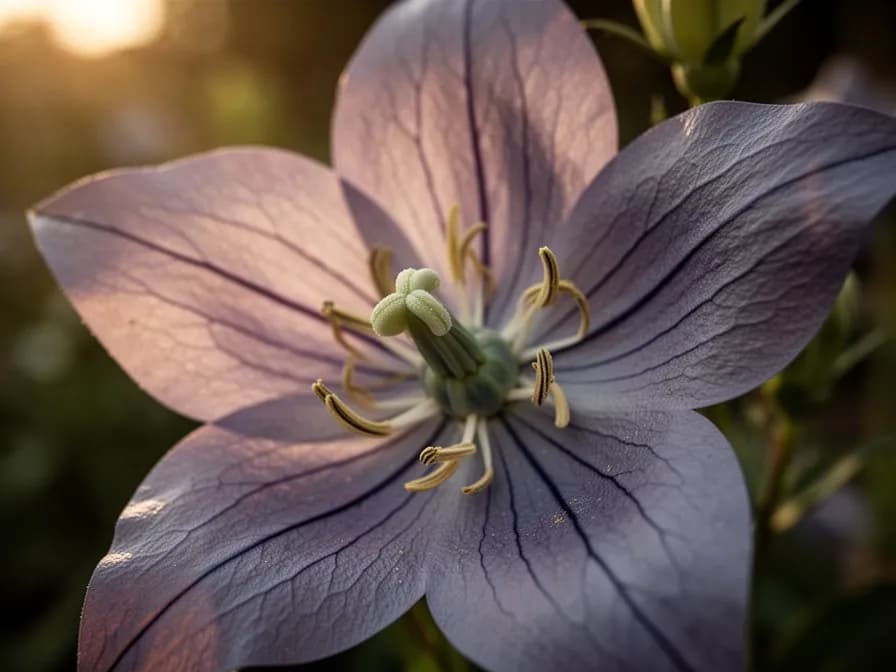
Doraji Namul (Koreanischer gewürzter Glockenblumenwurzel-Salat)
30 Min. plus Einweichen über NachtEin klassisches koreanisches Beilagengericht (Banchan), bei dem geschälte und in Streifen geschnittene Platycodon-Wurzeln über Nacht eingeweicht werden, um die Bitterstoffe zu entfernen, dann kurz blanchiert und mit Sesamöl, Knoblauch, Sojasauce und gerösteten Sesamsamen vermengt werden. Das Ergebnis ist ein mild süßer, angenehm zäher Salat mit erdigen Untertönen, der wunderbar zu gedämpftem Reis und anderen Banchan passt.
8 ZutatenDoraji Cha (Glockenblumenwurzel-Tee)
20 Min. plus TrocknungszeitEin traditioneller koreanischer Kräutertee, aufgebrüht aus getrockneten und geschnittenen Platycodon-Wurzelscheiben. Der Tee hat einen mild bitteren, erdigen Geschmack, der oft mit Honig oder Jujube-Datteln abgemildert wird. Er wird seit Jahrhunderten als wohltuendes Mittel bei Halsschmerzen und Husten getrunken und wird noch heute in koreanischen traditionellen Teehäusern serviert.
5 ZutatenDoraji Japchae (Gebratene Glockenblumenwurzel mit Gemüse)
40 Min.Ein herzhaftes Pfannengericht mit eingeweichten und blanchierten Platycodon-Wurzelstreifen, die mit buntem Gemüse in einer Sesam-Soja-Glasur gebraten werden. Die Glockenblumenwurzel verleiht eine einzigartige knusprig-zähe Textur, die die herzhafte Sauce wunderbar aufnimmt. Dieses Gericht wird oft bei koreanischen Feiertagsmahlzeiten und Festlichkeiten als Teil eines festlichen Buffets serviert.
10 ZutatenWas drinsteckt
Gesundheitsvorteile
- Enthält Platycodin-D-Saponine, die klinisch nachweislich als wirksame Schleimlöser wirken, Schleim aus den Atemwegen lösen und gereizte Kehlen beruhigen.
- Reich an Inulin und anderen präbiotischen Ballaststoffen, die eine gesunde Darm-Mikrobiom-Vielfalt unterstützen und das Wachstum nützlicher Bifidobakterien und Laktobazillen im Verdauungssystem fördern.
- Triterpen-Saponine in der Wurzel zeigen in Laborstudien entzündungshemmende Eigenschaften und können möglicherweise dazu beitragen, chronische Entzündungsmarker bei regelmäßigem Verzehr als Teil einer ausgewogenen Ernährung zu reduzieren.
- Die traditionelle ostasiatische Medizin verwendet Doraji-Wurzel seit über zweitausend Jahren zur Unterstützung der Lungengesundheit, und moderne Forschung hat Verbindungen identifiziert, die bronchiale Epithelzellen vor oxidativem Schaden schützen können.
- Die Wurzel liefert bedeutende Mengen an Kalzium und Kalium, die die Knochenmineraldichte und eine gesunde Blutdruckregulierung unterstützen – besonders wertvoll bei pflanzlicher Ernährung.
- Betulinsäure und verwandte Triterpene in der Platycodon-Wurzel haben in vitro antioxidative Aktivität gezeigt, helfen freie Radikale zu neutralisieren und können die Zellgesundheit langfristig unterstützen.
Woher Ballonblume stammt
Platycodon grandiflorus stammt aus den gemäßigten Graslandschaften und Bergwiesen Ostasiens, wobei sein natürliches Verbreitungsgebiet Nordostchina, die Mandschurei, die Koreanische Halbinsel, Japan und Teile des Russischen Fernen Ostens umfasst. Die Pflanze gedeiht in gut durchlässigen, sandigen oder lehmigen Böden an Hängen und Waldrändern in Höhenlagen bis zu 2000 Metern. Archäologische und schriftliche Belege deuten darauf hin, dass Menschen Platycodon-Wurzeln seit mindestens zweitausend Jahren kultivieren und ernten. Die früheste aufgezeichnete medizinische Verwendung erscheint im Shennong Bencao Jing, einer alten chinesischen Pharmakopöe aus dem ersten Jahrhundert n. Chr., wo die Wurzel (Jiegeng auf Chinesisch) bei Atemwegserkrankungen, Halsentzündungen und als Schleimlöser verschrieben wurde. In Korea wurde die Doraji-Wurzel tief in kulinarische und Volkstraditionen eingebettet. Ländliche Gemeinden sammelten jeden Herbst wilde Wurzeln an Berghängen, eine Praxis, die im beliebten Volkslied Doraji Taryeong gefeiert wird. Die Wurzel wurde als gewürzter Salat (Namul) zubereitet, zu Bibimbap gegeben oder getrocknet und als Tee aufgebrüht, dem eine hustenlindern de und schleimlösende Wirkung nachgesagt wurde. Die koreanische Traditionsmedizin (Hanbang) klassifizierte Doraji als lungenstärkendes Kraut, und es bleibt bis heute eine häufige Zutat in pflanzlichen Rezepturen, die in Apotheken verkauft werden. Japanische Gärtner nahmen die ornamentale Schönheit der Ballonblume (Kikyō) früh in der Gartengeschichte des Landes an. Die fünfblättrige Blüte wurde zu einem der beliebtesten Motive in der japanischen Heraldik, übernommen als Familienwappen von den Akechi, Toki und anderen prominenten Samurai-Clans. Die Blume trägt auch eine symbolische Bedeutung in der japanischen Blumensprache (Hanakotoba) und steht für ewige Liebe und Aufrichtigkeit. Westliche Botaniker beschrieben die Art erstmals im achtzehnten Jahrhundert, und sie wurde in den 1840er Jahren in europäische und nordamerikanische Gärten eingeführt. Moderne Zuchtprogramme haben kompakte Zwergsorten, gefüllte Formen und Farbvarianten in Weiß, Rosa und Tiefblau hervorgebracht und so ihre Beliebtheit als Rabattenstaude in gemäßigten Gärten weltweit erheblich gesteigert.
Ballonblume: Schon gewusst?
Faszinierende Fakten über Ballonblume
Die Ballonblume ist eine der allerletzten Stauden, die im Frühling austreibt – oft zeigt sie erst Ende April oder Mai Wachstum, sodass viele Gärtner fälschlicherweise denken, die Pflanze sei über den Winter eingegangen.
Ballonblume: Fragen & Antworten
Wann sollte ich Ballonblume pflanzen?
Was sind gute Begleitpflanzen für Ballonblume?
In welchen Winterhärtezonen kann Ballonblume wachsen?
Wie viel Sonne braucht Ballonblume?
Welchen Abstand sollte ich zwischen Ballonblume lassen?
Welche Schädlinge und Krankheiten befallen Ballonblume?
Wie lagere ich Ballonblume nach der Ernte?
Was sind die besten Ballonblume-Sorten zum Anbauen?
Welchen Boden braucht Ballonblume?
Warum ist meine Ballonblume im Frühling noch nicht aufgetaucht, obwohl alles andere wächst?
Kann man Ballonblumenwurzeln wirklich essen, und wie bereitet man sie zu?
Sollte ich meine Ballonblume im Herbst zurückschneiden oder über den Winter stehen lassen?
Wie verhindere ich, dass meine hohen Ballonblumen umknicken?
Können Ballonblumen in Kübeln auf dem Balkon oder der Terrasse angebaut werden?
Breiten sich Ballonblumen aggressiv aus oder werden sie im Garten invasiv?
Du hast die Theorie gelesen. Jetzt baue sie auf Autopilot an.
Alles, was Ballonblume knifflig macht — das Timing, die Abstände, die Begleiter, das Erntefenster — genau das übernimmt PlotMyGarden für dich, für jede Pflanze im Garten.
Ein Plan, der dein Wetter kennt
Standort einmal festlegen. Aussaat-, Dünge- und Erntedaten rund um deinen echten letzten Frosttermin und die Live-Vorhersage — kein Raten mehr nach Saattüte.
Aus dem Abschnitt „Pflanzzeit“Beetplaner per Drag & Drop
Beete auf einem Raster gestalten. Jede Pflanze rastet im richtigen Abstand ein, und du siehst die ganze Saison, bevor du einen Cent für Saatgut ausgibst.
Aus dem Abschnitt „Anbau“Begleiter-Konflikte früh erkannt
Über 200 gute und schlechte Kombinationen werden beim Pflanzen live geprüft — so landet ein saisonruinierender Fehler nie in der Erde.
Aus dem Abschnitt „Begleiter“Erinnerungen, nach denen du wirklich handelst
„Gieß die Bohnen.“ „Heute ernten, bevor's umschlägt.“ Pünktlich, konkret und auf deine echten Pflanzen bezogen.
Aus dem Abschnitt „Ernte“Staffel-Aussaat, geplant
Sechs Wochen ernten statt sechs Tage? Die App verteilt deine Aussaaten automatisch und erinnert dich, wenn der nächste Satz fällig ist.
Aus dem Abschnitt „Pflanzzeit“Ein Verlauf, der schlauer wird
Jede protokollierte Ernte bringt der App deinen Garten bei. Der Plan fürs nächste Jahr startet bei dem, was in deinem Boden wirklich funktioniert hat.
Aus dem Abschnitt „Überblick“Pflanze diese neben Ballonblume
Weitere Stauden
Bau deine beste Ballonblume an — und alles drumherum.
Starte heute kostenlos. Lege deine Beete an, setze deine Ballonblume ein und lass PlotMyGarden Timing, Abstände, Begleiter und Erinnerungen von der Saat bis zum Erntekorb übernehmen.