Lance-Leaf Plantain
A common lawn weed that is actually a powerful herbal first aid plant, with ribbed leaves used as a poultice for insect bites and stings.





On this pageOverview
Meet Lance-Leaf Plantain
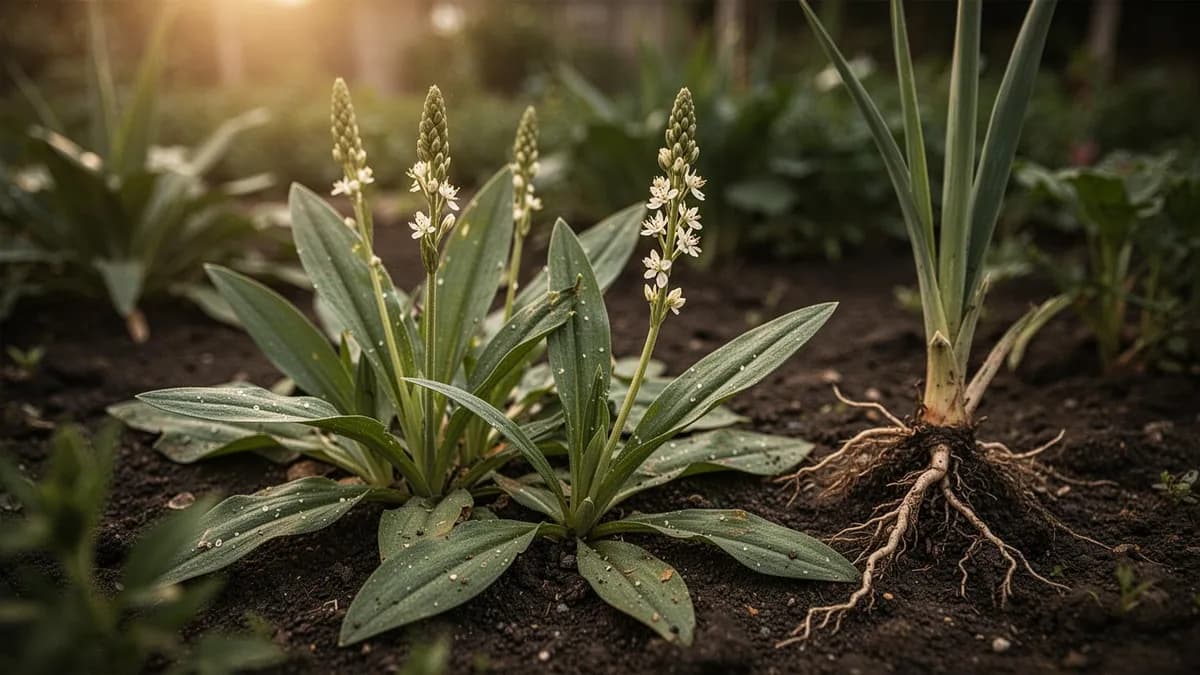
A common lawn weed that is actually a powerful herbal first aid plant, with ribbed leaves used as a poultice for insect bites and stings. Plantain leaves contain allantoin and are chewed or crushed and applied directly to skin irritations for immediate soothing relief. Grow intentionally in a medicinal herb garden or simply identify and harvest from chemical-free lawns.
When to plant Lance-Leaf Plantain
Plantain seeds need no special treatment—scatter on bare, moist soil and they germinate readily in 1-2 weeks. Can be sown at any time during the growing season. Seeds need light for germination, so press into the soil surface without covering. In lawns and paths, plantain establishes itself without any assistance. For intentional cultivation, sprinkle seeds where desired in early spring. Division of established rosettes is also easy. The real challenge is usually preventing plantain rather than growing it.
Your Lance-Leaf Plantain Year
Composed for Zone 7 · typical seasons · frost passes Apr 2, returns Nov 1
Plant Lance-Leaf Plantain Mar – May, pick May – Sep. Check the planting methods below and set your climate to personalize these windows.
How to grow Lance-Leaf Plantain
Lance-leaf plantain is one of the most common and easily overlooked medicinal plants in the world—found in virtually every lawn, path edge, and disturbed ground across temperate regions. This humble rosette-forming perennial with narrow, ribbed leaves and distinctive torpedo-shaped flower heads is actually a powerful herbal first aid plant. Grow intentionally in a medicinal herb garden with any soil in sun to partial shade, spacing 20cm apart.
Plantain requires no special cultivation—it grows effortlessly in any soil from poor gravel to rich loam, in sun or shade, moist or dry conditions. Simply scatter seeds on bare soil and they will establish without further attention. For a more productive medicinal patch, provide moderately fertile, well-drained soil in full sun. The plant forms a flat rosette of narrow, lance-shaped leaves with prominent parallel veins.
The real value of plantain is as a living first aid kit. The fresh leaves contain allantoin (also found in comfrey), mucilage, and tannins that provide immediate relief when applied as a poultice to insect bites, stings, minor cuts, and skin irritations. Simply chew or crush a leaf and apply directly to the affected area. Having a patch of intentionally grown plantain near outdoor activity areas puts this natural remedy within arm's reach.
72 plants fit a 4 × 8 ft bed
Each Lance-Leaf Plantain wants 20 cm of elbow room. The planner keeps that spacing for you — every plant, every bed.
Lance-Leaf Plantain's best neighbours
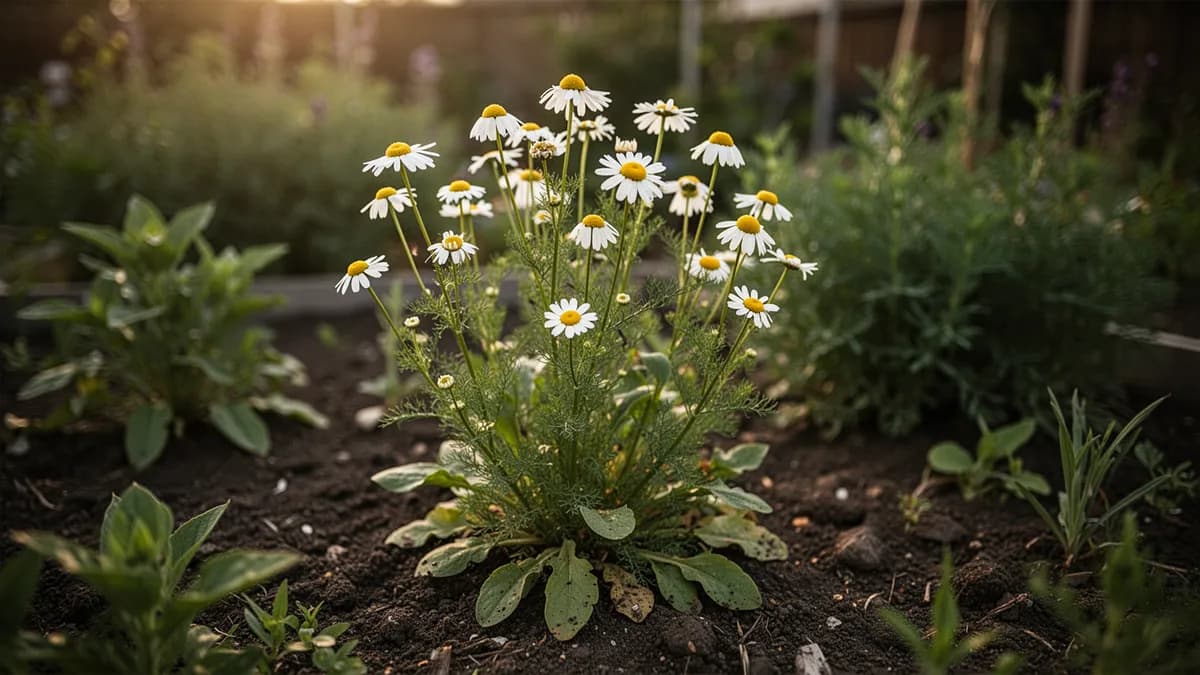
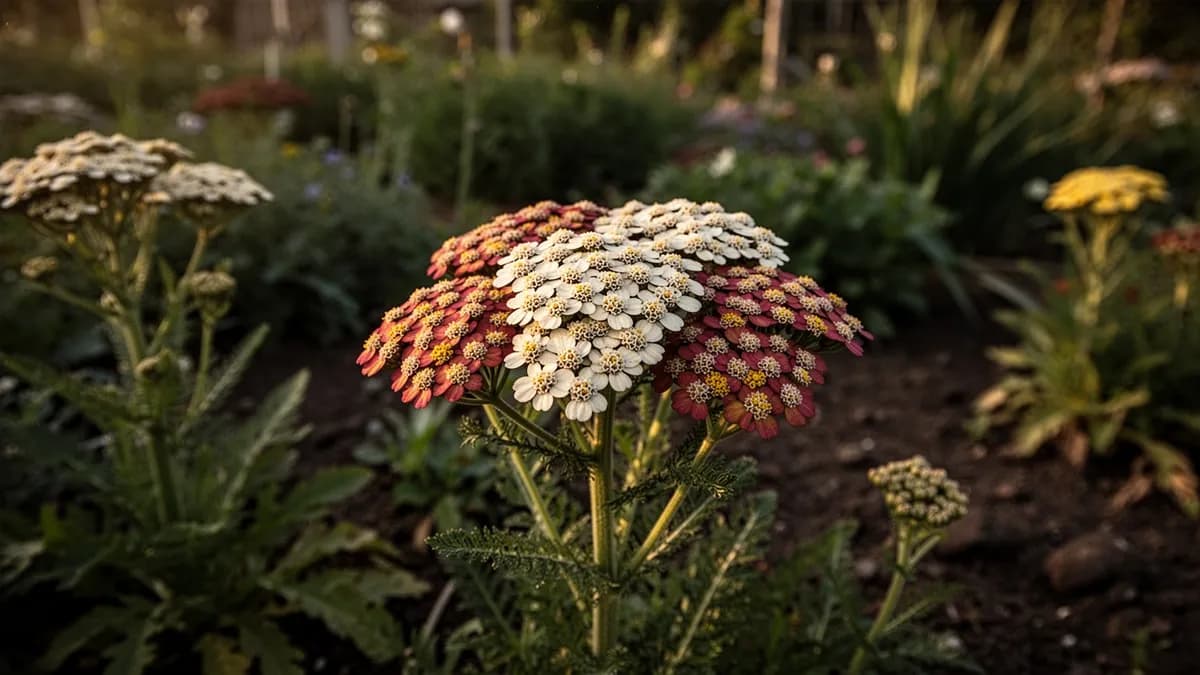
Plantain grows as a ground-level companion beneath virtually any taller plant without causing competition. In wildflower meadows and lawns, it coexists with grasses and other low-growing herbs like clover and self-heal. For a dedicated first aid garden patch, plant alongside other wound-care herbs like yarrow, chamomile, and calendula. Its flat rosette habit allows it to grow in the understory of herb gardens without shading or crowding neighbors.
Chamomile belongs beside it.
Old growers' knowledge, checked against Lance-Leaf Plantain's real companion table below — test any plant you're growing.
Try Lance-Leaf Plantain in a bed — right here
A real planner bed with Lance-Leaf Plantain already in it. Tap a companion to place it and watch the pairing checks answer — green for good neighbours, red for a clash.


Related growing guides
Feed it well
Plantain grows literally anywhere—cracks in pavement, compacted clay, gravel, rich loam, sand, and everything in between. pH tolerance is effectively universal (4.5-8.5). No fertilization is ever needed. For an intentional medicinal patch, average garden soil in sun to partial shade produces the healthiest, most productive plants. The extreme toughness of plantain is its defining characteristic.
Ideal Temperature
Hardiness Zone Compatibility
From seed to harvest, stage by stage
Seed Sowing
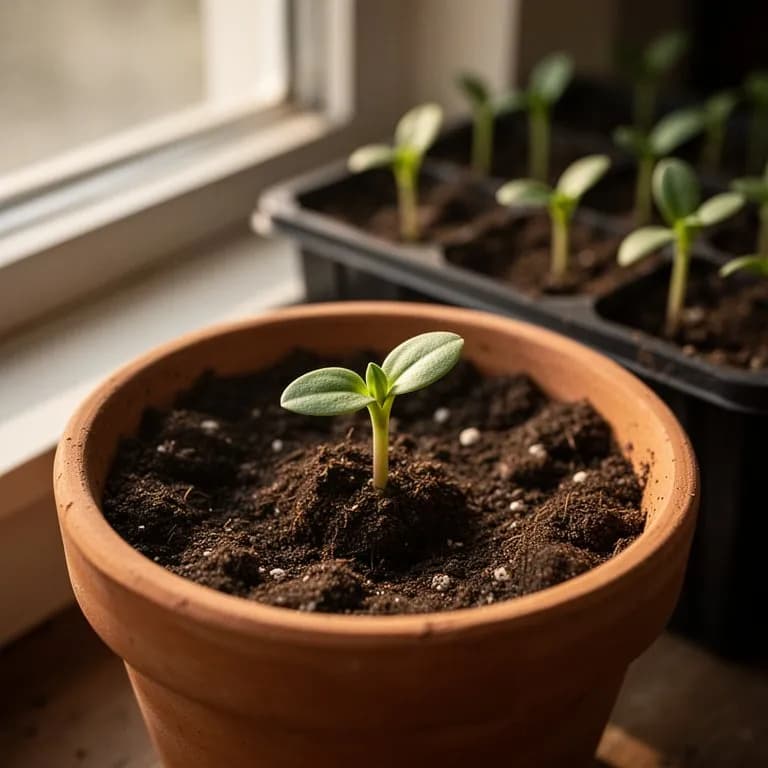
Ribwort plantain seeds are small and need light to germinate. Surface-sow them on prepared moist soil or seed-starting mix and press gently without covering. Seeds can also be cold-stratified in the refrigerator for two weeks before sowing to improve germination rates.
Germination and Seedling Stage
Tiny seedlings emerge with a pair of oval cotyledon leaves followed by the first true leaves, which are narrow and show faint parallel veins. Seedlings grow slowly at this stage and are vulnerable to being outcompeted by faster-growing weeds.
Rosette Establishment
The plant forms its characteristic basal rosette of lance-shaped leaves with prominent parallel ribs. Leaves grow 10-25 cm long and lie relatively flat against the ground. The deep taproot system begins to establish, making the plant increasingly drought-tolerant.
Flower Stalk Development
Wiry, leafless flower stalks emerge from the center of the rosette, growing 20-50 cm tall. Each stalk is topped by a compact, cylindrical to ovoid flower head. The stalks are deeply furrowed and remarkably strong for their slender diameter.
Flowering
The compact flower heads bloom from the bottom upward, producing a distinctive ring of tiny creamy white to pale yellow stamens that ascends the spike over several days. The flowers are wind-pollinated and attract various beneficial insects despite having no petals or fragrance.
Seed Set and Dispersal
After pollination the flower heads turn brown and dry, each containing numerous tiny seeds. The seed capsules split open to release small, dark, boat-shaped seeds that are dispersed by wind and rain. A single flower stalk can produce 200-400 seeds.
Dormancy and Overwintering
As temperatures drop in autumn the outer leaves may die back, but the central rosette and deep taproot persist through winter. In mild climates the plant remains semi-evergreen. The root system continues to store energy for vigorous regrowth the following spring.
Keep the soil surface consistently moist with a fine mist spray. Seeds germinate best at soil temperatures between 10-20°C and may take 10-14 days to sprout.
Caring for Lance-Leaf Plantain month by month
What to do each month for your Lance-Leaf Plantain
October
You are hereCut back spent flower stalks and remove dead outer foliage. Apply a light top-dressing of compost around the base of plants. In cold climates, mulch the crown with straw or leaf litter for winter protection.
Know exactly what to do in your garden — every month
One email at the start of each month: what to sow, plant, and tackle right now — for your Lance-Leaf Plantain and everything growing around it. Plus a short starter course that helps you dodge the classic mistakes.
- What to do, right now
- Matched to your season
- Starter course included
Harvesting Lance-Leaf Plantain
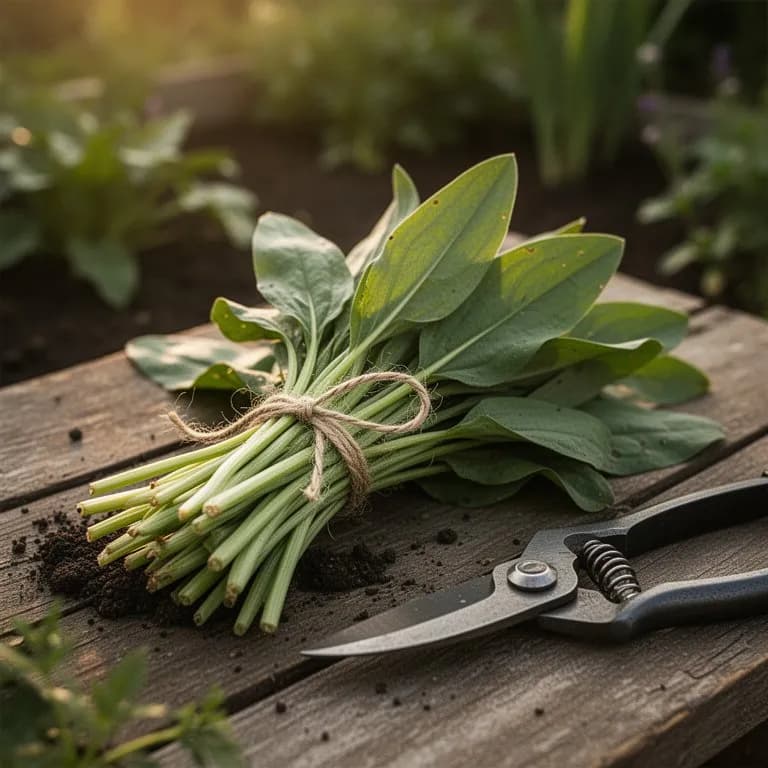
Harvest plantain leaves at any time during the growing season by picking individual leaves from the outer rosette. The youngest leaves are most active medicinally. For immediate first aid use, simply crush or chew a fresh leaf and apply directly to the bite, sting, or minor wound. For drying, harvest leaves in midsummer when they are fully developed. The torpedo-shaped seed heads can be collected for replanting or as a food source for caged birds.
assuming you plant when the window opens — set your real date
Pick Lance-Leaf Plantain promptly and the plant keeps producing.
Storage & Preservation
Dry plantain leaves on screens in a warm, dark area for 5-7 days. Store dried leaves in airtight jars for up to one year. Dried plantain is used in tea blends and as a poultice (reconstituted with water). Make plantain-infused oil by steeping fresh leaves in olive oil for 4-6 weeks—this forms the base for healing salves and balms. Tincture fresh leaves in alcohol for a convenient liquid preparation. Freeze fresh leaves in small bags for emergency poultice use year-round.
What goes wrong — and the fix
Virtually Problem-Free
DiseasePlantain is one of the most resilient plants known. It survives foot traffic, mowing, herbicides, drought, and flood with equal indifference.
Troubleshooting Common Problems
The only problem with plantain is that most gardeners spend their entire gardening career trying to eliminate it from their lawns. Reframing this common 'weed' as a valuable medicinal herb is the key shift. Self-seeding can be prolific—remove seed heads if spread is unwanted. The plants are not traditionally attractive, so place the medicinal patch in a practical rather than ornamental location. Contains no toxic compounds and is safe for all ages.
Growing Tips
- Surface-sow seeds onto moist, firmed soil in spring or autumn and press lightly without covering. Ribwort plantain seeds need light to germinate and typically sprout within 10-14 days at temperatures of 10-20°C.
- Choose a position in full sun to partial shade. Ribwort plantain is highly adaptable and grows in almost any aspect, but leaf production is most vigorous with at least four to six hours of direct sunlight daily.
- Plant in any reasonably well-drained soil. Ribwort plantain tolerates poor, compacted, and slightly acidic to alkaline soils with a pH range of 5.5-7.5, making it one of the most undemanding herbs in the garden.
- Water young plants regularly until the deep taproot establishes, then reduce watering. Established ribwort plantain is remarkably drought-tolerant and rarely needs supplemental irrigation except during prolonged dry spells.
- Harvest outer leaves by cutting or pinching them at the base of the petiole, always leaving the central rosette and at least five inner leaves intact. Regular harvesting encourages fresh new growth from the center.
- Dry harvested leaves in a single layer on racks in a warm, well-ventilated area out of direct sunlight. Leaves are properly dried when they crumble easily, typically within one to two weeks depending on humidity.
- Remove flower stalks promptly if your goal is maximum leaf production, as flowering diverts significant energy from vegetative growth. Leave a few stalks if you want seeds for expanding your patch.
- Divide established clumps every three to four years in early spring by lifting the plant and splitting the rootball into sections with a sharp knife. Replant divisions 15-20 cm apart and water in well.
- Grow ribwort plantain in containers using a standard potting mix in pots at least 20 cm deep to accommodate the taproot. Container plants need more frequent watering but otherwise require minimal care.
- Interplant ribwort plantain with yarrow, clover, and other deep-rooted perennials to create a low-maintenance medicinal meadow strip that improves soil structure and attracts beneficial insects to the garden.
Grow your best Lance-Leaf Plantain yet — and everything around it.
Start a free plan today. Lay out your beds, drop in your Lance-Leaf Plantain, and let PlotMyGarden handle the timing, spacing, companions and reminders from seed to harvest basket.
Pick your Lance-Leaf Plantain
Plantago lanceolata (Lance-Leaf Plantain)
Narrow, ribbed leaves in a rosette. Torpedo-shaped flower heads. The preferred species for herbal use.
Plantago major (Broad-Leaf Plantain)
Wide, rounded leaves with similar medicinal properties. Even more common in lawns. Used interchangeably in herbal practice.
Ribwort plantain is one of the most economical herbs to grow, as it is a hardy perennial that returns year after year with virtually no maintenance. A single packet of seeds costs $2-5 and produces dozens of plants that spread and self-seed freely. Once established, a small patch of 5-10 plants provides a continuous supply of fresh medicinal leaves from spring through autumn. Commercially prepared plantain tea and tinctures retail for $8-15 per package, while dried plantain leaf from herbalists costs $15-30 per 100 g. Growing your own easily saves $50-100 per year if you regularly use plantain for teas, syrups, or first-aid poultices, all from a plant that asks for almost nothing in return.
Quick recipes
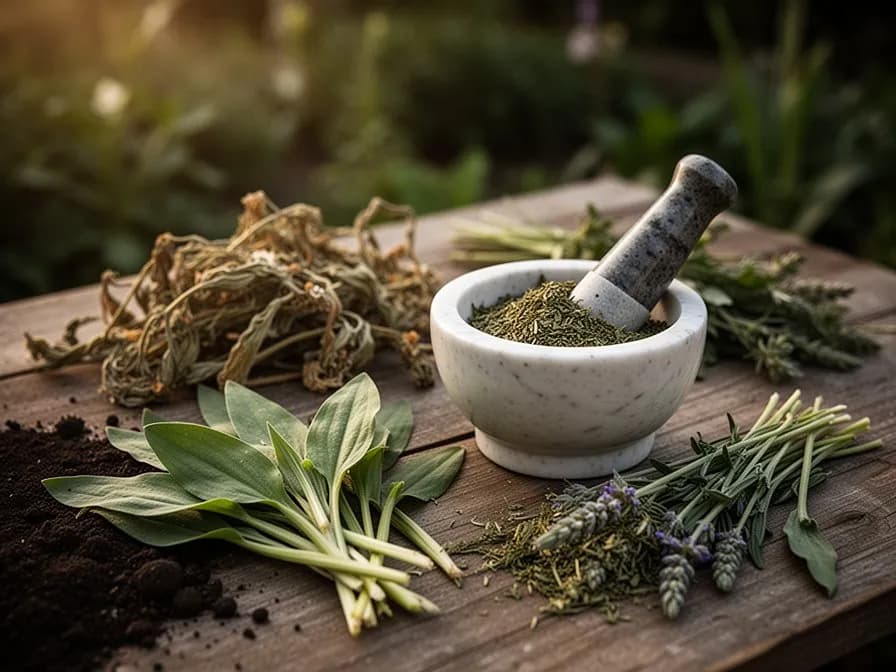
Ribwort Plantain Leaf Tea
10 minutesA soothing herbal tea made from dried ribwort plantain leaves, traditionally used to ease coughs, sore throats, and mild respiratory discomfort. The tea has a mild, slightly grassy flavor with a pleasantly smooth mouthfeel from the natural mucilage content.
5 ingredientsPlantain Leaf Pesto
15 minutesA nutritious twist on classic pesto using young ribwort plantain leaves, which have a mild earthy flavor reminiscent of mushrooms and spinach. This pesto works beautifully on pasta, as a bruschetta topping, or stirred into soups.
7 ingredientsPlantain Cough Syrup
30 minutes active, 4 hours infusingA traditional homemade herbal syrup using ribwort plantain leaves and honey, valued in European folk medicine for soothing dry coughs and irritated throats. The mucilage in the leaves coats and calms inflamed tissue while honey adds antimicrobial properties.
5 ingredientsWhat's inside
Health Benefits
- Soothes coughs and sore throats through its high mucilage content, which forms a protective coating over irritated mucous membranes in the respiratory tract, reducing the urge to cough.
- Possesses anti-inflammatory properties attributed to the iridoid glycosides aucubin and catalpol, which may help reduce swelling and discomfort associated with minor wounds and insect bites.
- Supports wound healing when fresh crushed leaves are applied as a traditional poultice, thanks to antimicrobial compounds that help prevent infection while tannins promote tissue contraction.
- Provides demulcent and expectorant effects that help loosen and expel mucus from the airways, making it a long-established European remedy for bronchitis and upper respiratory congestion.
- Contains antioxidant flavonoids including luteolin and apigenin that help neutralize free radicals and may contribute to overall cellular health and reduced oxidative stress.
- May support digestive health through its mucilage and fiber content, which can soothe mild gastric irritation and promote regular bowel movements when consumed as a tea or food.
Where Lance-Leaf Plantain comes from
Ribwort plantain (Plantago lanceolata) is native to Europe and temperate regions of western Asia, where it has been used as a medicinal and edible herb for thousands of years. Archaeological evidence from Bronze Age sites across Europe shows that plantain seeds were among the plants gathered by early human communities. The ancient Greeks and Romans held plantain in high regard as a wound herb, with Pliny the Elder and the Greek physician Dioscorides both documenting its ability to stem bleeding and promote healing when crushed leaves were applied as a poultice. The Anglo-Saxons considered it one of their nine sacred healing herbs, and it features prominently in the Lacnunga, a tenth-century collection of medical texts and prayers. Throughout the medieval period, ribwort plantain was a staple of monastic herb gardens and apothecary preparations across Europe. Its reputation as a reliable wound herb earned it the common name Wundkraut in German-speaking lands and herbe aux cinq coutures in French, referring to the five prominent veins on its leaves. European colonists and settlers carried plantain to the Americas, Africa, and Australasia, where it naturalised so rapidly that some Indigenous peoples in North America referred to it as white man's footprint, as it appeared wherever European settlers walked. Today Plantago lanceolata grows on every inhabited continent and is valued in modern phytotherapy for its mucilage-rich leaves, which soothe irritated mucous membranes in the throat and respiratory tract. It is officially listed in the European Pharmacopoeia and is an approved herbal medicine in Germany for coughs, bronchitis, and inflammation of the mouth and throat. Research continues to validate its traditional uses, with studies identifying aucubin, catalpol, and acteoside as key bioactive compounds responsible for its anti-inflammatory and antimicrobial effects.
Lance-Leaf Plantain: did you know?
Fascinating facts about Lance-Leaf Plantain
Ribwort plantain was named Herb of the Year in 2014 by the Austrian Theophrastus association, recognizing its long history as one of Europe's most important medicinal plants.
Lance-Leaf Plantain questions, answered
When should I plant Lance-Leaf Plantain?
What are good companion plants for Lance-Leaf Plantain?
What hardiness zones can Lance-Leaf Plantain grow in?
How much sun does Lance-Leaf Plantain need?
How far apart should I space Lance-Leaf Plantain?
What pests and diseases affect Lance-Leaf Plantain?
How do I store Lance-Leaf Plantain after harvest?
What are the best Lance-Leaf Plantain varieties to grow?
What soil does Lance-Leaf Plantain need?
Is ribwort plantain the same as the broadleaf plantain found in lawns?
Can you eat ribwort plantain leaves raw in salads?
How do I use ribwort plantain as a first-aid remedy for insect bites or stings?
Will ribwort plantain spread aggressively and become invasive in my garden?
What growing conditions does ribwort plantain need to thrive?
When is the best time to harvest ribwort plantain for medicinal use?
You just read the theory. Now grow it on autopilot.
Everything that makes Lance-Leaf Plantain fiddly — the timing, the spacing, the companions, the harvest window — is exactly what PlotMyGarden handles for you, for every plant in your garden.
A plan that knows your weather
Set your location once. Get sow, feed and harvest dates built around your real last-frost date and live forecast — no more guessing from a generic seed packet.
From the “When to plant” sectionDrag-and-drop bed planner
Design beds on a grid. Every plant snaps to its proper spacing, and you can see your whole season laid out before you spend a cent on seed.
From the “Growing guide” sectionCompanion conflicts, caught early
200+ good-and-bad pairings checked live as you plant — so a season-wrecking mistake never makes it into the ground.
From the “Companions” sectionReminders you'll actually act on
“Water the beans.” “Pick today before it turns.” Timely, specific, and tied to the plants you're really growing.
From the “Harvest” sectionSuccession, scheduled
Want a harvest for six weeks, not six days? It spaces your sowings automatically and reminds you when each new block is due.
From the “When to plant” sectionA record that gets smarter
Every harvest you log teaches it your garden. Next year's plan starts from what actually worked in your soil, not a textbook's.
From the “Overview” sectionPlant these alongside Lance-Leaf Plantain
More Medicinal Herbs
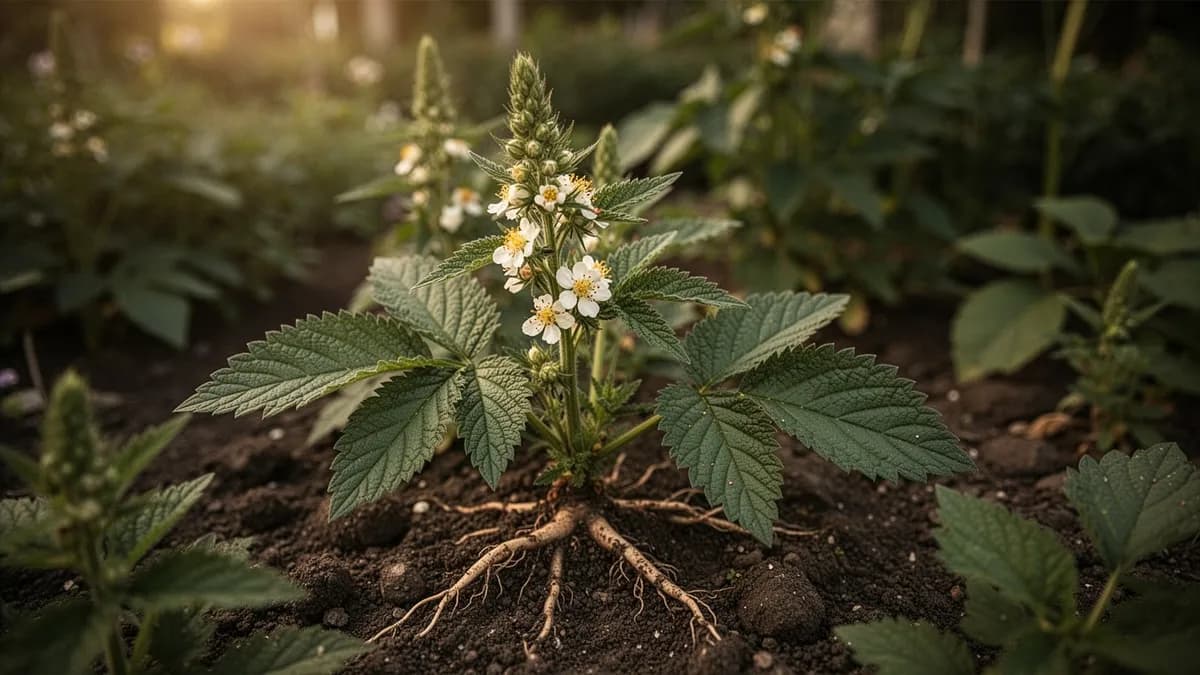
Garden plans featuring Lance-Leaf Plantain
Grow your best Lance-Leaf Plantain yet — and everything around it.
Start a free plan today. Lay out your beds, drop in your Lance-Leaf Plantain, and let PlotMyGarden handle the timing, spacing, companions and reminders from seed to harvest basket.