Caqui
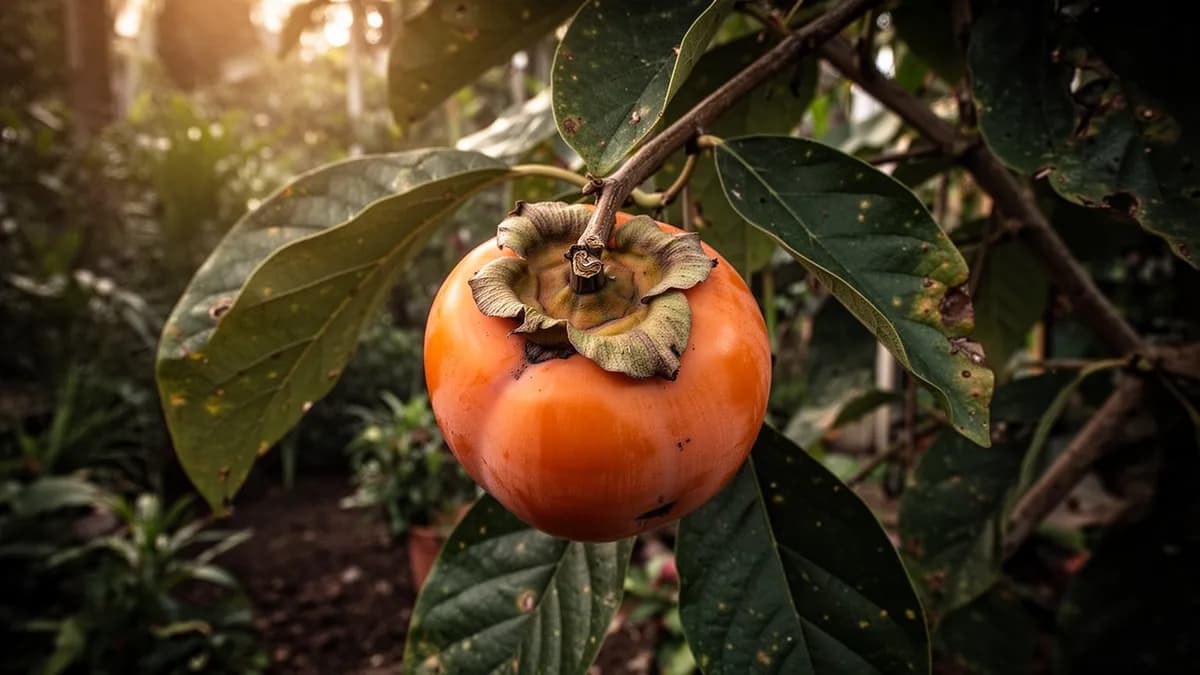
Un árbol frutal asiático que produce frutos de color naranja brillante que cuelgan de forma decorativa en las ramas desnudas durante el otoño.





En esta páginaResumen
Conoce Caqui
Un árbol frutal asiático que produce frutos de color naranja brillante que cuelgan de forma decorativa en las ramas desnudas durante el otoño. Las variedades astringentes como Hachiya deben estar completamente blandas y con textura de gel antes de comerse, mientras que los tipos no astringentes como Fuyu pueden comerse firmes, como una manzana. Los caquis son extraordinariamente fáciles de cuidar y casi no presentan problemas de plagas o enfermedades.
Cuándo plantar Caqui
Las semillas de caqui necesitan una estratificación en frío de sesenta a noventa días antes de plantarlas. Envuelva las semillas limpias en una toalla de papel húmeda dentro de una bolsa cerrada y refrigere. Después de la estratificación, plante a 2.5 centímetros de profundidad en macetas profundas para acomodar la raíz principal. Mantenga una temperatura de 18 a 24 °C con humedad constante. La germinación tarda de dos a seis semanas. Las plántulas desarrollan pronto una raíz principal fuerte, así que trasplante con cuidado. Los árboles nacidos de semilla tardan de tres a siete años en fructificar y pueden no ser fieles al tipo.
Tu año de Caqui
Ajustado a Zona 7 · temporada típica · la helada se va hacia el 2 abr y vuelve hacia el 1 nov
Planta Caqui Mar – Abr y cosecha Oct – Dic. Consulta los métodos de plantación y elige tu clima para adaptar los periodos.
Cómo cultivar Caqui
Los caquis asiáticos son árboles caducifolios de tamaño medio que alcanzan entre cuatro y medio y siete y medio metros de altura, lo que los hace excelentes para huertos familiares y plantaciones ornamentales. Elija un lugar con pleno sol y suelo bien drenado. Plante árboles a raíz desnuda a principios de primavera, mientras aún están en reposo. Abra un hoyo el doble de ancho que el sistema radicular y coloque el árbol a la misma profundidad en que creció en el vivero. Riegue en profundidad después de plantar y cubra con mantillo generosamente.
Los caquis requieren poco mantenimiento una vez establecidos. Riegue con regularidad durante las dos primeras temporadas de crecimiento y luego reduzca a riegos profundos durante los periodos secos. Abone ligeramente a principios de primavera con un fertilizante equilibrado; el exceso de nitrógeno provoca caída de frutos. Los árboles tienen una raíz principal profunda y toleran moderadamente la sequía cuando maduran. Evite alterar el suelo cerca del tronco, ya que los caquis no toleran bien la perturbación de las raíces.
Pode los árboles jóvenes para desarrollar una estructura fuerte de eje central o eje central modificado. Los árboles maduros necesitan una poda mínima, salvo la eliminación de ramas muertas, enfermas o cruzadas. La madera del caqui es frágil y las cargas pesadas de fruta pueden romper ramas, por lo que conviene aclarar los racimos para evitar daños en las ramas. La mayoría de las variedades de caqui asiático son autofértiles, aunque la polinización cruzada puede mejorar el cuajado y la calidad del fruto.
Para Caqui un bancal de 120 × 240 cm se queda corto
Cada Caqui pide 360 cm de margen. El planificador guarda ese marco por ti — cada planta, cada bancal.
Los mejores vecinos de Caqui
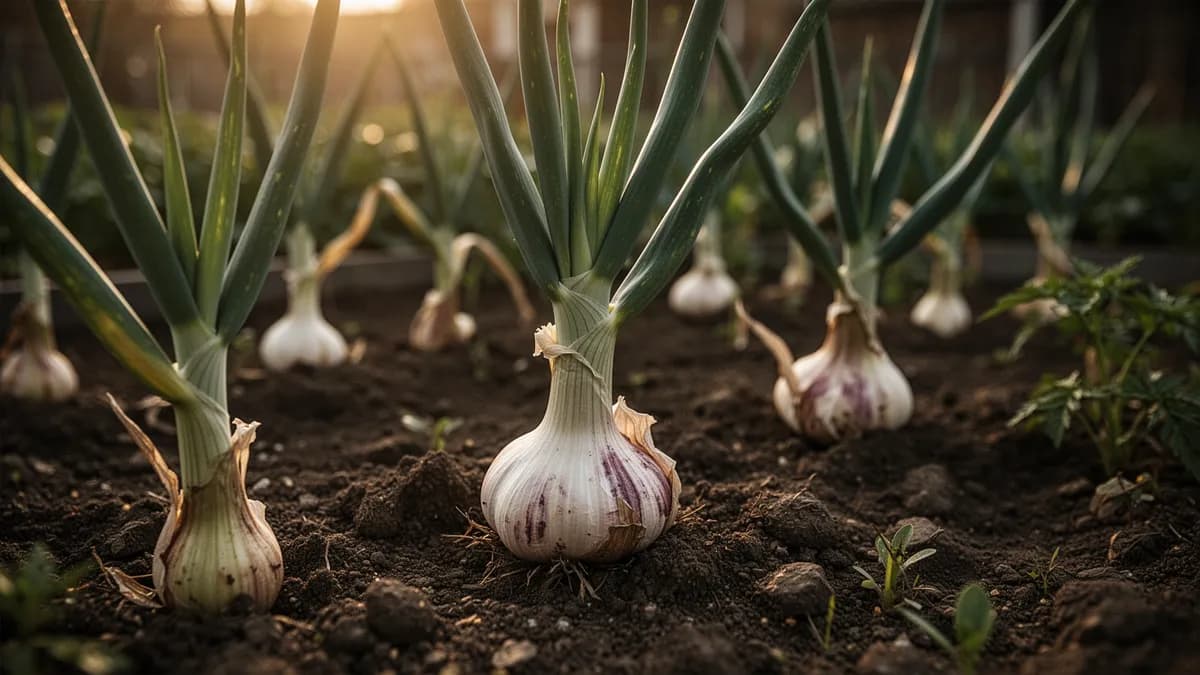
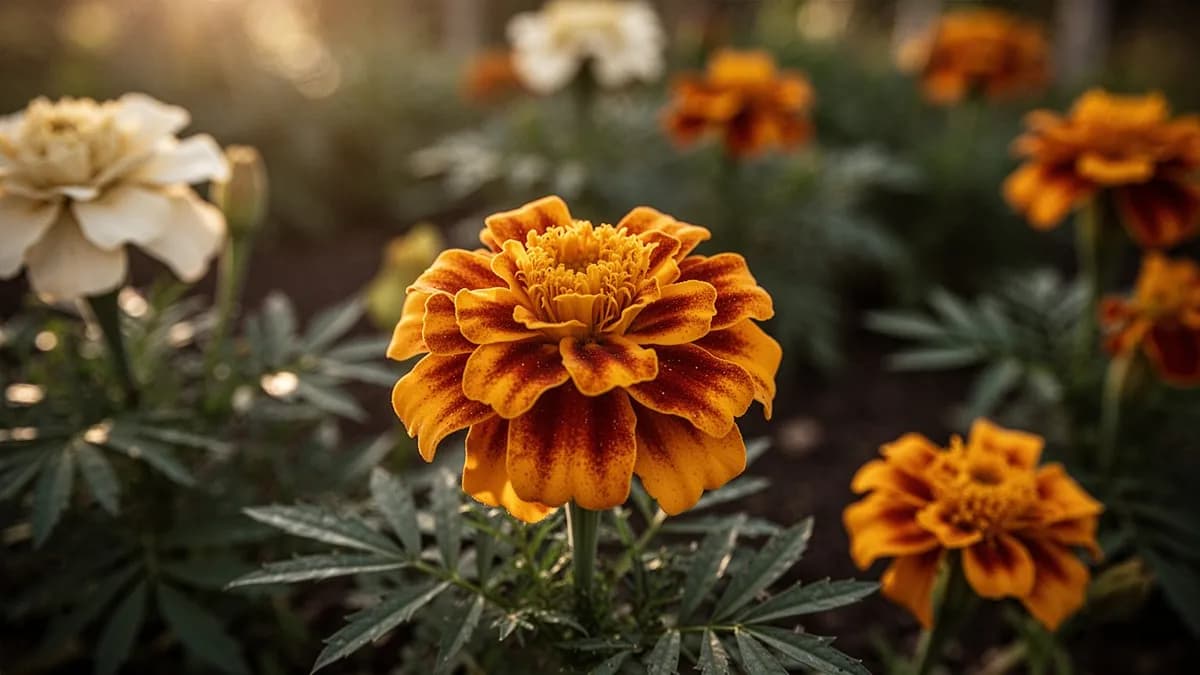
Los caquis se asocian bien con ajo y caléndulas, que pueden ayudar a disuadir a algunas plagas. El trébol u otros cultivos de cobertura fijadores de nitrógeno mejoran la fertilidad del suelo bajo la copa. Evite plantar cultivos de raíces superficiales directamente sobre la zona radicular, ya que los caquis no toleran bien la perturbación de las raíces. Los narcisos y otros bulbos de primavera se naturalizan bien bajo los caquis caducifolios. Sepárelos de otros frutales para evitar el sombreado.
Ajo va a su lado.
Saber de huerto de siempre, cotejado con la tabla real de Caqui — prueba cualquier planta que cultives.
Prueba Caqui en un bancal, aquí mismo
Un bancal real del planificador con Caqui ya plantado. Toca una planta compañera para colocarla y mira cómo responde la comprobación de vecinos: verde para buenos vecinos, rojo si hay conflicto.


Guías de cultivo relacionadas
Abónalo bien
Los caquis se adaptan a una amplia gama de tipos de suelo, desde arenosos hasta arcillosos, con un pH preferido de 6.0 a 7.5. Toleran mejor los suelos pobres que la mayoría de los frutales. Aplique una dosis ligera de fertilizante equilibrado a principios de primavera. Evite el abonado fuerte con nitrógeno, que provoca caída de frutos. El aporte de potasio mejora el color y la dulzura del fruto. El mantillo orgánico alrededor del árbol mejora la calidad del suelo y conserva la humedad.
Temperatura ideal
Compatibilidad de zonas de rusticidad
De la semilla a la cosecha, etapa por etapa
Reposo invernal
Durante el reposo invernal, el árbol pierde las hojas y entra en una fase de descanso. La energía se almacena en las raíces y en la estructura leñosa. Este es el mejor momento para plantar árboles a raíz desnuda y realizar la poda estructural.
Brotación y salida de hojas
A mediados o finales de primavera, las yemas se hinchan y emergen hojas nuevas. Los caquis son de los últimos árboles en brotar, lo que les ayuda a evitar las heladas tardías. El crecimiento es vigoroso una vez que las temperaturas se mantienen por encima de 15 °C.
Floración
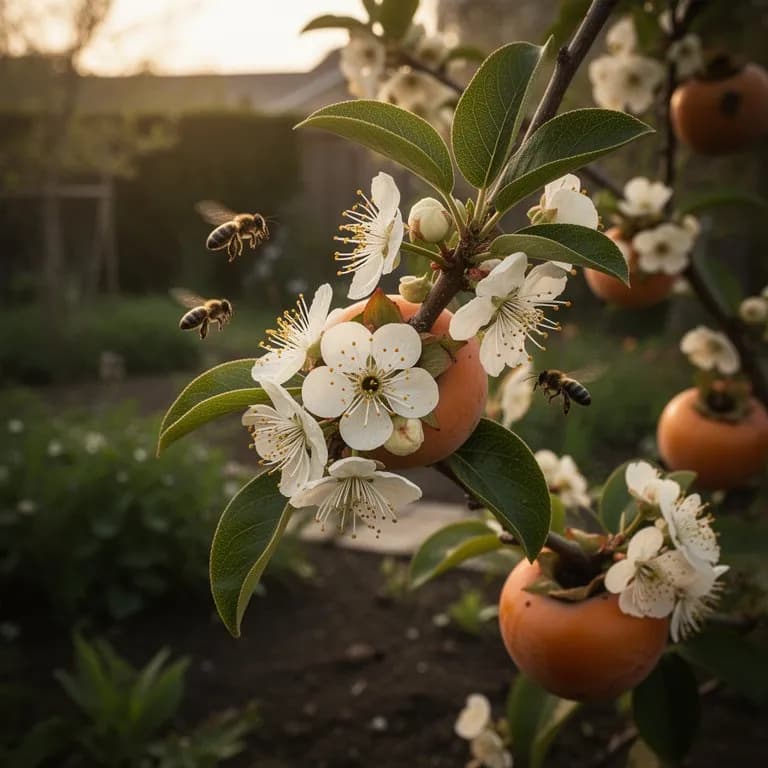
Pequeñas flores blanco cremoso aparecen en las axilas de las hojas a finales de primavera y principios de verano. La mayoría de las variedades cultivadas son autofértiles, aunque un árbol polinizador puede mejorar la producción. Las flores son polinizadas por abejas y otros insectos.
Desarrollo del fruto
Pequeños frutos verdes se desarrollan durante todo el verano, aumentando de tamaño lentamente y cambiando de color. La caída natural de junio aclara la cosecha. El fruto pasa de verde a amarillo anaranjado a medida que avanza la temporada hacia el otoño.
Maduración y cosecha
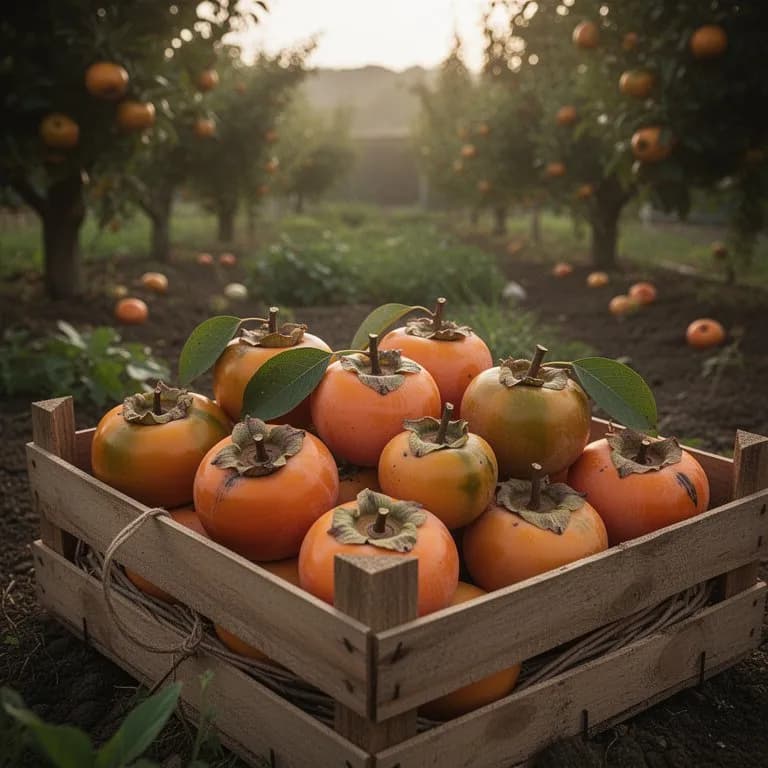
Los frutos alcanzan su color naranja pleno y comienzan a ablandarse desde finales de septiembre hasta noviembre, según la variedad y el clima. Los tipos Hachiya deben estar completamente blandos, casi como gelatina, antes de comerse; los tipos Fuyu pueden comerse firmes. A menudo el fruto permanece en el árbol después de la caída de las hojas, creando una espectacular muestra ornamental.
Aplique aceite en reposo a finales de invierno para sofocar cochinillas y ácaros invernantes antes de la brotación.
Cuidar Caqui mes a mes
Qué hacer cada mes para tu Caqui
Octubre
Mes actualMes de máxima cosecha para la mayoría de las variedades. Coseche los caquis Fuyu mientras estén firmes. Vigile los frutos Hachiya para comprobar que estén completamente blandos; deben sentirse como un globo de agua. Retire del suelo los frutos caídos para evitar la acumulación de plagas y enfermedades.
Ten claro qué hacer en tu huerto, cada mes
Un correo al empezar cada mes: qué sembrar, plantar y hacer ahora mismo — para tu Caqui y todo lo que crece alrededor. Más un breve curso inicial para esquivar los errores clásicos.
- Qué hacer ahora mismo
- Ajustado a tu temporada
- Curso inicial incluido
Cosechar Caqui
El momento de la cosecha depende del tipo de variedad. Las variedades no astringentes como Fuyu pueden recogerse cuando están completamente coloreadas pero aún firmes, y comerse de inmediato como una manzana. Las variedades astringentes como Hachiya deben permanecer en el árbol hasta estar completamente blandas y translúcidas, o bien cosecharse cuando ya tienen color y dejarse madurar a temperatura ambiente. Use tijeras de poda para cortar el tallo y dejar el cáliz adherido. Manipule con mucho cuidado las variedades astringentes maduras, ya que son extremadamente blandas.
se supone que plantas al comenzar el periodo — indica tu fecha real
Cosecha Caqui a tiempo y la planta sigue produciendo.
Almacenamiento y conservación
Los caquis firmes no astringentes se conservan a temperatura ambiente durante una o dos semanas, o refrigerados hasta dos meses. Los caquis astringentes maduros son muy perecederos y deben consumirse en pocos días. Ambos tipos congelan bien; la pulpa puede hacerse puré y congelarse hasta seis meses. Los caquis también pueden secarse enteros o en rodajas para obtener un excelente fruto seco. El producto deshidratado es un dulce tradicional japonés llamado hoshigaki.
Qué falla — y cómo solucionarlo
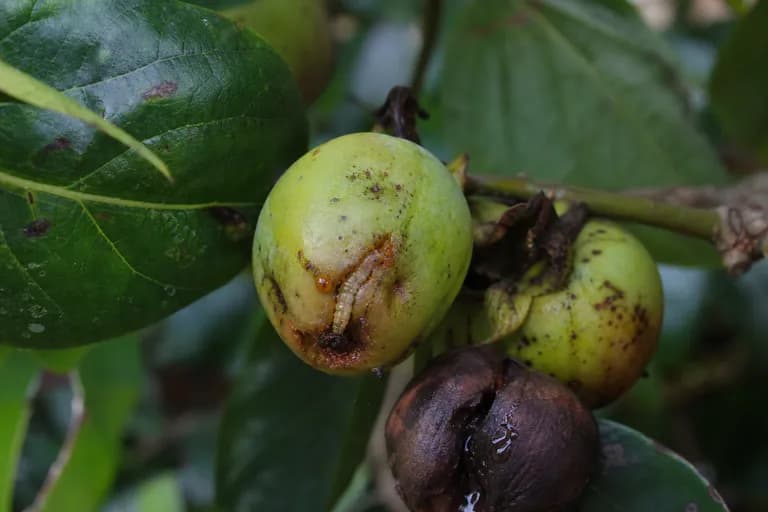
Gusano de la fruta del caqui
PlagaLarvas que perforan los frutos en desarrollo, presencia de serrín en el extremo del tallo, caída prematura del fruto y pudrición de los frutos infestados.
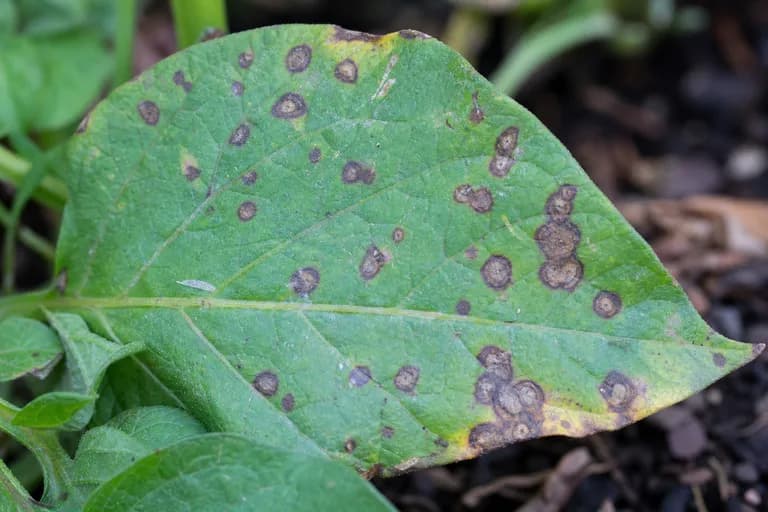
Mancha foliar
EnfermedadManchas circulares oscuras en las hojas, defoliación prematura a finales de verano, menor calidad del fruto y menor vigor del árbol.
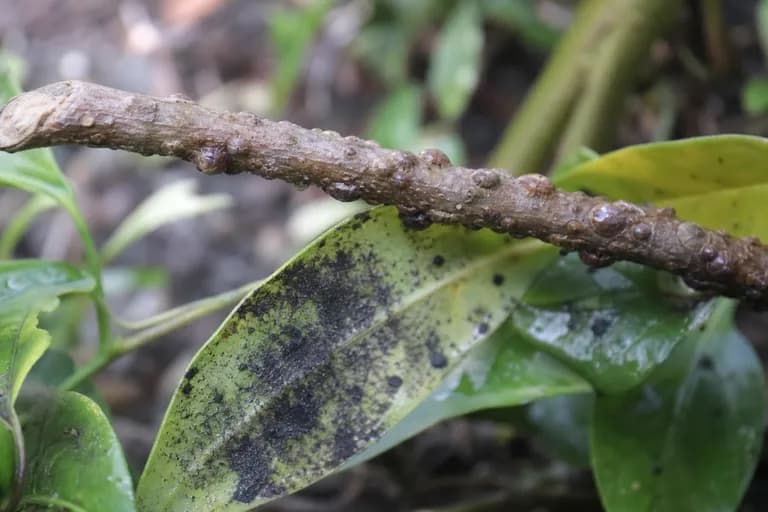
Cochinillas
PlagaPequeñas protuberancias marrones o blancas en ramillas y ramas, producción de melaza, fumagina y debilitamiento del crecimiento de las ramas.
Solución de problemas comunes
La caída de frutos es la queja más común y suele deberse a exceso de riego, fertilización excesiva o polinización incompleta. Comer variedades astringentes antes de que estén totalmente maduras provoca una sensación extremadamente desagradable de sequedad y contracción en la boca por el alto contenido de taninos. La madera es frágil y las ramas pueden romperse bajo cargas pesadas de fruta si no se aclaran. Los caquis se trasplantan mal una vez establecidos debido a su raíz principal profunda. Las aves y los mapaches comen con gusto los frutos maduros.
Consejos de cultivo
- Elija la variedad con cuidado antes de plantar: Fuyu y Jiro no son astringentes y pueden comerse firmes, como una manzana, mientras que Hachiya debe estar completamente blanda y con textura de gel antes de comerse; elegir la variedad equivocada para sus preferencias culinarias puede llevar a la decepción.
- Los caquis tienen raíces frágiles y poco profundas que no toleran la perturbación: una vez plantados, evite cavar o labrar cerca de la zona radicular y mantenga una capa permanente de mantillo hasta la línea de goteo para proteger las raíces finas.
- La mayoría de las variedades de caqui asiático son autofértiles y no necesitan polinizador, pero plantar dos variedades diferentes cerca puede aumentar notablemente el cuajado y el rendimiento, especialmente en climas más frescos donde la actividad de las abejas durante la floración puede ser limitada.
- Los caquis jóvenes necesitan un tutor durante los primeros 2-3 años, ya que su madera es algo frágil y pueden romperse en el punto de injerto con el viento; use una atadura suave en forma de ocho que permita algo de movimiento y, al mismo tiempo, dé soporte.
- No abone en exceso con nitrógeno, ya que favorece un crecimiento vegetativo excesivo a costa de la fructificación y puede causar caída de frutos; una sola aplicación anual de fertilizante equilibrado a principios de primavera, antes de la brotación, suele ser suficiente para árboles establecidos.
- Riegue en profundidad y con poca frecuencia en lugar de superficialmente y a menudo: el riego profundo anima a las raíces a crecer hacia abajo, mejora la resistencia a la sequía y ancla mejor el árbol; busque 30 a 40 litros por semana durante la temporada de crecimiento si no llueve.
- Los caquis son naturalmente resistentes a la mayoría de las plagas y enfermedades graves, lo que los convierte en uno de los frutales que menos pulverizaciones necesitan: los principales problemas son cochinillas, escamas y alguna mancha foliar ocasional, todos manejables con poco esfuerzo.
- Aclarar los frutos a comienzos del verano (dejando una fruta por racimo) mejora el tamaño y la calidad de los frutos restantes, reduce el riesgo de rotura de ramas por exceso de peso y ayuda a prevenir la vecería, cuando los árboles alternan cosechas fuertes y débiles de un año a otro.
- El momento de cosecha es crucial: los caquis Fuyu deben recogerse cuando la piel esté uniformemente de un naranja intenso pero la pulpa siga firme; continúan madurando después de la cosecha a temperatura ambiente. Los tipos Hachiya deben permanecer en el árbol hasta la primera helada, que los ablanda, o cosecharse y madurarse varias semanas a temperatura ambiente.
- En climas fríos, proteja el punto de injerto de los árboles jóvenes durante los primeros 2-3 inviernos envolviendo el tronco inferior con arpillera o cinta protectora para árboles; una vez establecidos, los árboles injertados se vuelven mucho más resistentes al frío, pero el injerto sigue siendo un punto débil potencial en las primeras temporadas.
Cultiva tu mejor Caqui — y todo lo que la rodea.
Empieza un plan gratis hoy. Diseña tus bancales, coloca tu Caqui y deja que PlotMyGarden gestione el momento, el espaciado, las asociaciones y los recordatorios de la semilla a la cesta.
Elige tu Caqui
Fuyu
La variedad no astringente más popular, que produce frutos planos y rechonchos que pueden comerse firmes. Sabor dulce y suave, y muy productiva. Autofértil.
Hachiya
El clásico caqui astringente con frutos grandes y con forma de bellota. Debe estar completamente blando antes de comerse. Extremadamente dulce y sabroso cuando madura. Ideal para hornear.
Jiro
Una variedad no astringente similar a Fuyu, pero algo más grande y con un sabor más dulce y rico. Excelente para comer fresca o secar.
Saijo
Una variedad japonesa astringente considerada la de mejor sabor entre todos los caquis. Frutos pequeños con una pulpa extraordinariamente dulce y rica cuando maduran.
Un solo caqui maduro puede producir 50 a 100 kg o más de fruta por temporada. Con precios típicos de mercado de 4 a 8 € por kilo para caquis frescos, un árbol productivo del jardín puede suponer un ahorro anual de 200 a 800 € o más. Los caquis secos (hoshigaki) pueden venderse en tiendas especializadas a 60 a 130 € por kilo, lo que hace que producirlos en casa sea muy rentable. Con una vida útil de más de 50 años y costes de mantenimiento mínimos una vez establecido, el rendimiento a largo plazo de un caqui es excepcional en comparación con la mayoría de los frutales.
Recetas rápidas
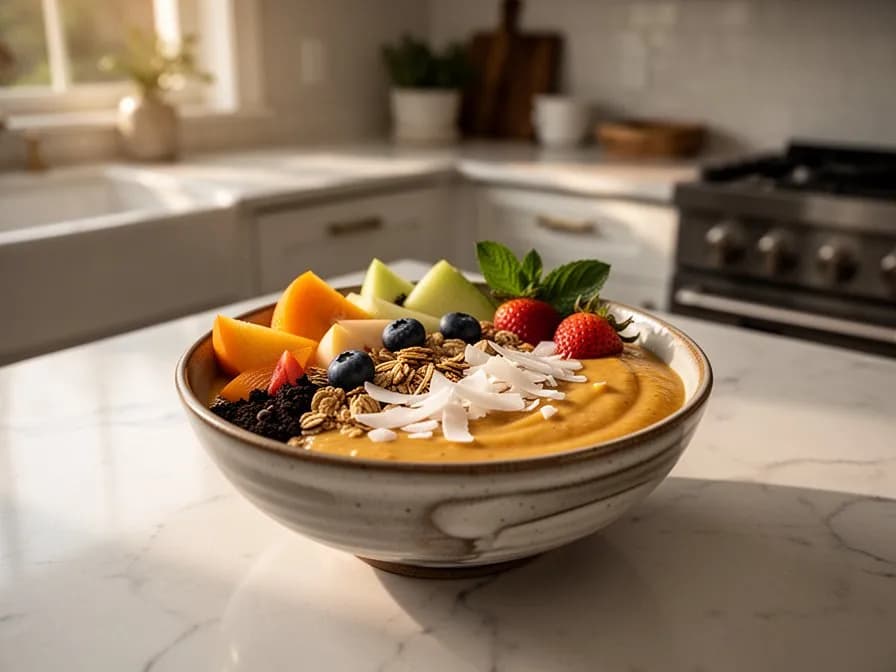
Ensalada de caqui y rúcula con gorgonzola
10 minutosUna espectacular ensalada otoñal que combina la dulzura melosa de los caquis Fuyu maduros con rúcula picante, cremoso gorgonzola y nueces tostadas, aliñada con una sencilla vinagreta balsámica.
8 ingredientesPan de caqui Hachiya
20 minutos de preparación, 60 minutos de horneadoUn pan rápido, húmedo y especiado elaborado con la pulpa de caquis Hachiya plenamente maduros. Similar al pan de plátano en textura, tiene una dulzura rica y melosa y combina de maravilla con queso crema o mantequilla.
10 ingredientesMermelada sencilla de caqui
15 minutos de preparación, 30 minutos de cocciónUna mermelada deliciosa y de sabor profundo elaborada con caquis maduros, especias cálidas y un toque cítrico. Excelente sobre tostadas, mezclada con yogur o servida con quesos curados en una tabla de embutidos.
7 ingredientesUsos culinarios
Los caquis no astringentes se comen frescos, en rodajas en ensaladas o añadidos a tablas de queso. Las variedades astringentes se usan en repostería para preparar pudín de caqui, galletas, panes y pasteles. La pulpa es excelente para mermeladas y mantequilla de fruta. El caqui seco es un dulce muy apreciado en Asia oriental. La fruta combina muy bien con canela, jengibre y nueces. El vinagre de caqui es un condimento tradicional en Corea.
Qué contiene
Beneficios para la salud
- Rico en antioxidantes potentes como beta-caroteno, licopeno y flavonoides, que neutralizan los radicales libres y pueden reducir el riesgo de enfermedades crónicas, incluidos ciertos cánceres y enfermedades cardiovasculares.
- Su alto contenido en fibra apoya la salud digestiva al favorecer el tránsito intestinal regular, alimentar a las bacterias beneficiosas del intestino y ayudar a mantener un peso saludable gracias a una mayor sensación de saciedad.
- Los caquis contienen compuestos que pueden ayudar a reducir el colesterol LDL y la presión arterial, contribuyendo a una mejor salud cardíaca y a un menor riesgo de arterioesclerosis.
- Su contenido notable de vitamina A favorece la salud ocular, ayuda a prevenir la degeneración macular asociada a la edad y mantiene la visión en condiciones de poca luz.
- Compuestos antiinflamatorios como el ácido betulínico y diversos polifenoles pueden reducir la inflamación crónica relacionada con la artritis, la diabetes y otras afecciones inflamatorias.
- Los caquis aportan una cantidad apreciable de vitamina C, que apoya la función inmunitaria, favorece la síntesis de colágeno para la salud de la piel y mejora la absorción de hierro no hemo procedente de alimentos vegetales.
De dónde viene Caqui
El caqui tiene una de las historias más largas y geográficamente diversas de cualquier frutal cultivado. El caqui asiático (Diospyros kaki) se originó en China, donde se cultiva desde hace más de 2.000 años. Los registros escritos de la dinastía Zhou mencionan los caquis como una fuente alimentaria importante, y para la dinastía Tang ya se habían convertido en símbolos de abundancia y buena fortuna. Desde China, su cultivo se extendió a Corea y Japón, donde la fruta quedó profundamente integrada en las tradiciones culinarias y culturales. En Japón, el caqui, conocido como kaki, se convirtió en el símbolo no oficial del otoño, celebrado en la poesía, el arte y las fiestas de la cosecha. Los japoneses desarrollaron el elaborado arte del hoshigaki, un minucioso proceso de secado manual y masaje diario durante semanas para producir una delicia dulce y polvorienta que era muy apreciada por samuráis y nobles por igual.
El contacto europeo con los caquis asiáticos llegó a través de comerciantes portugueses en el siglo XVI, que encontraron la fruta en Japón y llevaron descripciones a Europa. El árbol se introdujo en los jardines botánicos europeos en el siglo XVII, aunque siguió siendo sobre todo una curiosidad ornamental en los climas septentrionales más fríos. Tuvo más éxito en el sur de Europa, especialmente en Italia, España y la región del Cáucaso, donde todavía se cultiva comercialmente.
Norteamérica tiene su propia especie nativa de caqui, Diospyros virginiana, que ha sido utilizada por los pueblos indígenas durante miles de años. Las tribus nativas americanas secaban la fruta, la molían para hacer harina destinada a panes y pudines, y utilizaban la corteza con fines medicinales. Los primeros colonos europeos aprendieron a usar el caqui americano de manos de los pueblos indígenas, y se convirtió en un alimento otoñal básico en la frontera.
Los caquis asiáticos se introdujeron formalmente en California en la década de 1850 y prosperaron en el clima mediterráneo del Valle Central y las regiones costeras. Hoy en día, California sigue siendo el centro de la producción comercial de caqui en Estados Unidos, con predominio de las variedades Hachiya y Fuyu. La fruta ha vivido un resurgimiento notable en los mercados occidentales durante las dos últimas décadas, impulsado por el creciente interés en las cocinas asiáticas y por el auge de los mercados agrícolas, donde las frutas poco comunes y patrimoniales encuentran un público entusiasta.
Caqui: ¿sabías que?
Datos fascinantes sobre Caqui
La palabra 'persimmon' procede de la lengua algonquina de los pueblos nativos americanos y deriva de 'putchamin' o 'pasiminan', que significa 'fruto seco'.
Caqui: preguntas frecuentes
¿Cuándo debo plantar Caqui?
¿Cuáles son buenas plantas acompañantes para Caqui?
¿En qué zonas de rusticidad puede crecer Caqui?
¿Cuánto sol necesita Caqui?
¿A qué distancia debo espaciar Caqui?
¿Qué plagas y enfermedades afectan a Caqui?
¿Cómo almaceno Caqui después de la cosecha?
¿Cuáles son las mejores variedades de Caqui para cultivar?
¿Qué suelo necesita Caqui?
¿Por qué mis caquis saben extremadamente astringentes y me secan la boca?
Mi caqui tiene varios años, pero nunca ha dado frutos. ¿Qué pasa?
¿Cómo sé cuándo cosechar los caquis Hachiya y cuándo los Fuyu?
¿Puedo cultivar un caqui en maceta o en un espacio pequeño?
¿Necesitan mucha poda los caquis?
Acabas de leer la teoría. Ahora cultívala en piloto automático.
Todo lo que hace que Caqui sea delicado — el momento, el espaciado, las asociaciones, la ventana de cosecha — es justo lo que PlotMyGarden resuelve por ti, para cada planta de tu huerto.
Un plan que conoce tu clima
Indica tu ubicación una vez. Recibe fechas de siembra, abonado y cosecha basadas en tu última helada real y el pronóstico en vivo — sin adivinar con un sobre genérico.
De la sección “Cuándo plantar”Planificador de bancales de arrastrar y soltar
Diseña bancales sobre una cuadrícula. Cada planta encaja con su espaciado correcto y ves toda la temporada antes de gastar un céntimo en semillas.
De la sección “Cultivo”Conflictos de asociación, detectados a tiempo
Más de 200 buenas y malas combinaciones comprobadas en vivo mientras plantas — para que un error que arruine la temporada nunca llegue a la tierra.
De la sección “Asociaciones”Recordatorios que sí vas a seguir
“Riega las judías.” “Recoge hoy antes de que se pase.” Oportunos, concretos y ligados a las plantas que de verdad cultivas.
De la sección “Cosecha”Escalonado, programado
¿Quieres cosechar seis semanas en vez de seis días? Reparte tus siembras automáticamente y te avisa cuando toca el siguiente lote.
De la sección “Cuándo plantar”Un registro que se vuelve más listo
Cada cosecha que registras le enseña tu huerto. El plan del año que viene parte de lo que de verdad funcionó en tu suelo, no en un manual.
De la sección “Resumen”Planta estos junto a Caqui
Más Frutas tropicales
Cultiva tu mejor Caqui — y todo lo que la rodea.
Empieza un plan gratis hoy. Diseña tus bancales, coloca tu Caqui y deja que PlotMyGarden gestione el momento, el espaciado, las asociaciones y los recordatorios de la semilla a la cesta.