Scotch Bonnet Pepper
A Caribbean staple with intense heat and distinctive fruity, slightly sweet flavor essential in jerk seasoning.





On this pageOverview
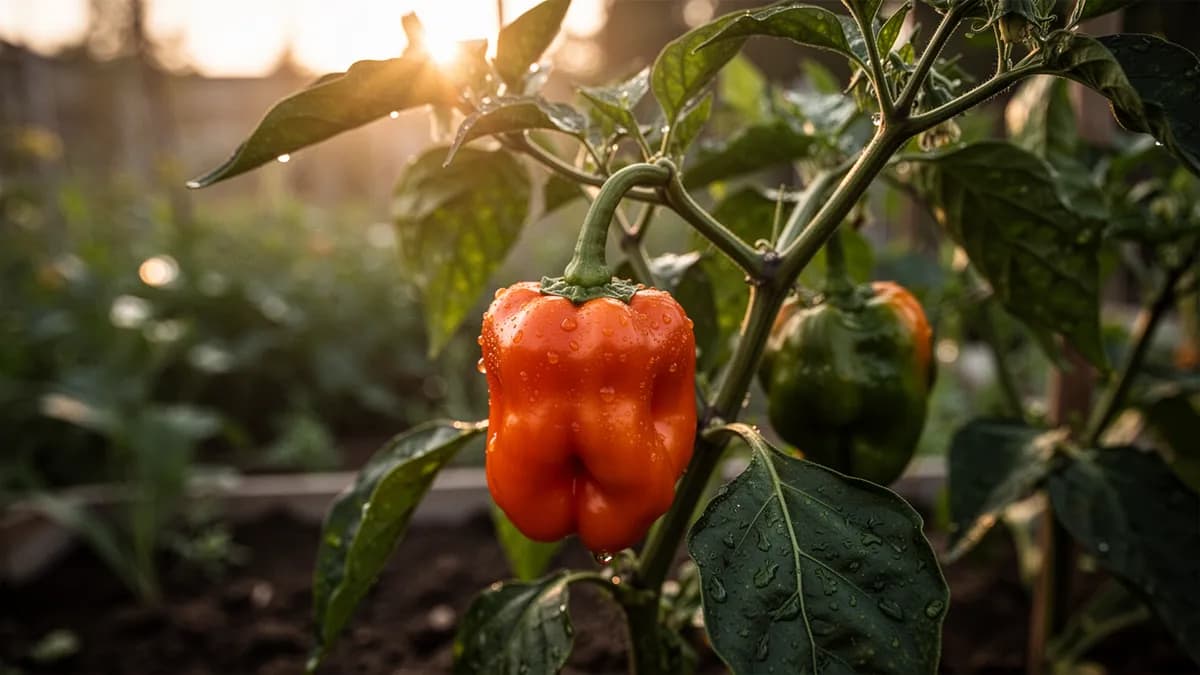
Meet Scotch Bonnet Pepper
A Caribbean staple with intense heat and distinctive fruity, slightly sweet flavor essential in jerk seasoning. Plants need consistent warmth and benefit from starting seeds indoors 10 weeks before transplanting outdoors. Provide fertile, well-drained soil and avoid overwatering to prevent root rot. Fruits ripen from green to yellow, orange, or red depending on variety.
When to plant Scotch Bonnet Pepper
Start scotch bonnet seeds very early, 10-12 weeks before the last frost, in consistently warm conditions. Plant one-quarter inch deep at 85°F using a heat mat. Germination takes 14-21 days and can be erratic. Keep soil consistently moist but not waterlogged. Provide strong light for 14-16 hours daily once seedlings emerge. Pot up as roots fill containers. Harden off for 2 weeks before transplanting when nighttime temperatures are reliably above 60°F. These slow-growing seedlings benefit from bottom heat throughout their indoor growing period.
Your Scotch Bonnet Pepper Year
Composed for Zone 7 · typical seasons · frost passes Apr 2, returns Nov 1
Plant Scotch Bonnet Pepper Jan – May, pick Aug – Oct. Check the planting methods below and set your climate to personalize these windows.
How to grow Scotch Bonnet Pepper
Scotch bonnet peppers are iconic Caribbean chiles with intense heat of 100,000-350,000 Scoville units and a distinctive fruity, slightly sweet flavor essential in jerk seasoning and Caribbean cuisine. Start seeds indoors 10-12 weeks before the last frost as these tropical peppers need a long, warm growing season. Transplant after soil reaches 70°F and nighttime temperatures stay above 60°F.
Plants grow 2-3 feet tall with a bushy, branching habit. Space 24 inches apart in the warmest, sunniest garden location. Water consistently with 1-1.5 inches per week but avoid overwatering. These tropical peppers demand consistent warmth and struggle in cool or cloudy conditions. Black plastic mulch boosts soil temperature and suppresses weeds.
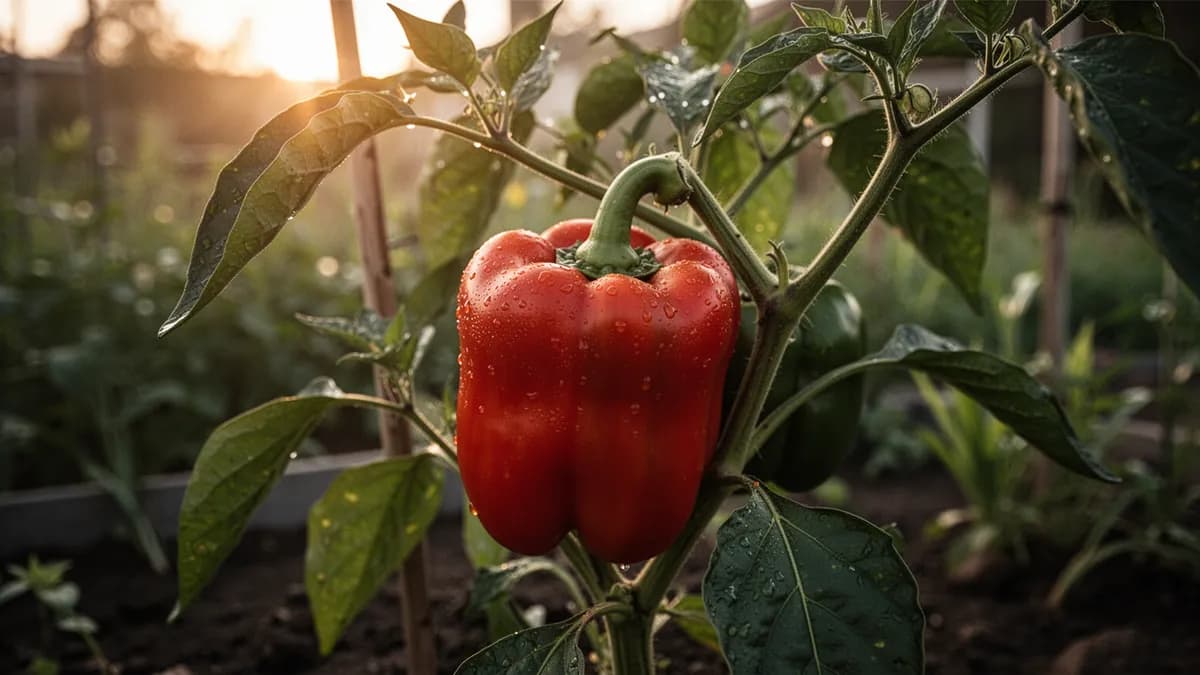
Each plant produces 20-40 lantern-shaped peppers that ripen from green to red, yellow, or orange depending on variety. The distinctive bonnet shape with its pinched bottom gives the pepper its name. Full sun and warm nights above 65°F are essential for good fruit set and flavor development. In cooler climates, grow in containers that can be placed in the warmest microclimates or use season-extending techniques like row covers and cold frames.
8 plants fit a 4 × 8 ft bed
Each Scotch Bonnet Pepper wants 50 cm of elbow room. The planner keeps that spacing for you — every plant, every bed.
Scotch Bonnet Pepper's best neighbours
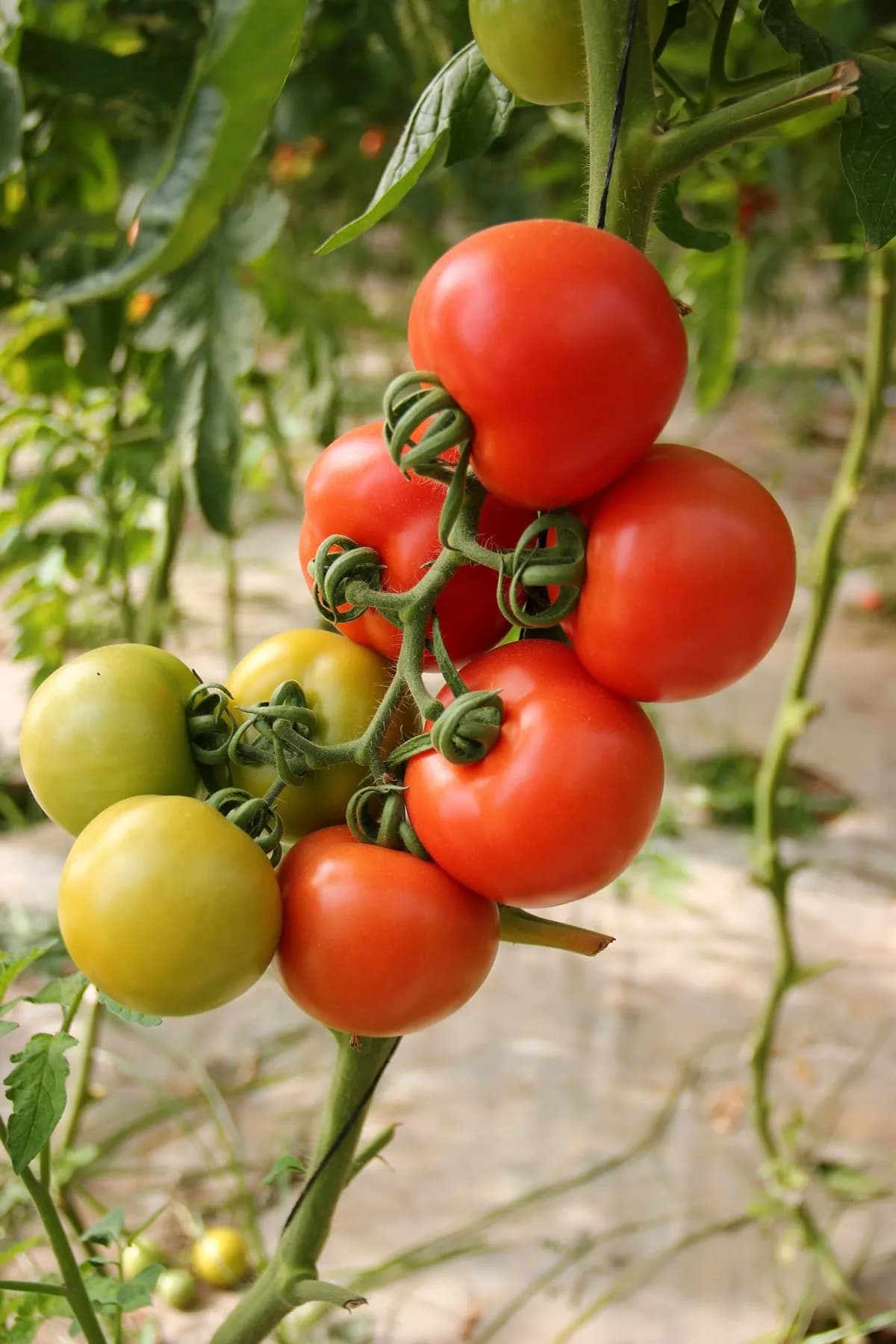
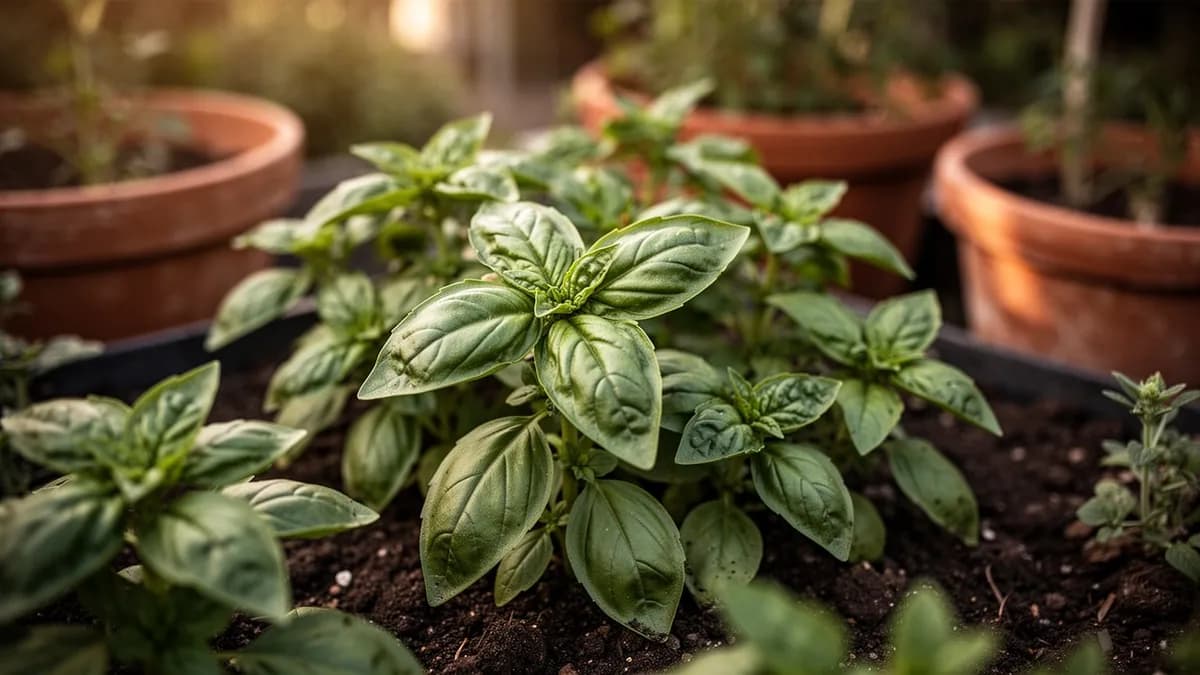
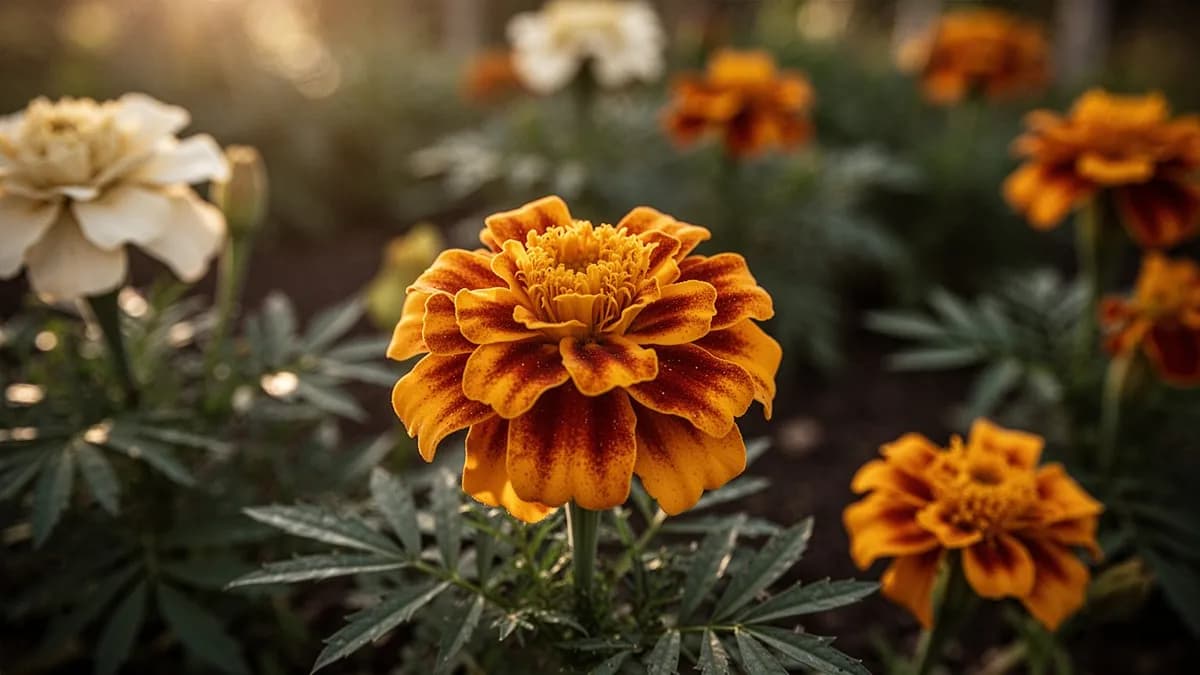
Scotch bonnet peppers thrive alongside other heat-loving crops like tomatoes, eggplant, and okra. Basil is a traditional companion that may improve pepper health and flavor. Marigolds deter aphids and other pests while attracting beneficial insects. In Caribbean kitchen gardens, scotch bonnets are often grown alongside thyme, green onions, and allspice, creating a self-contained jerk seasoning garden. Avoid planting near fennel. Provide the warmest, most sheltered garden location available.
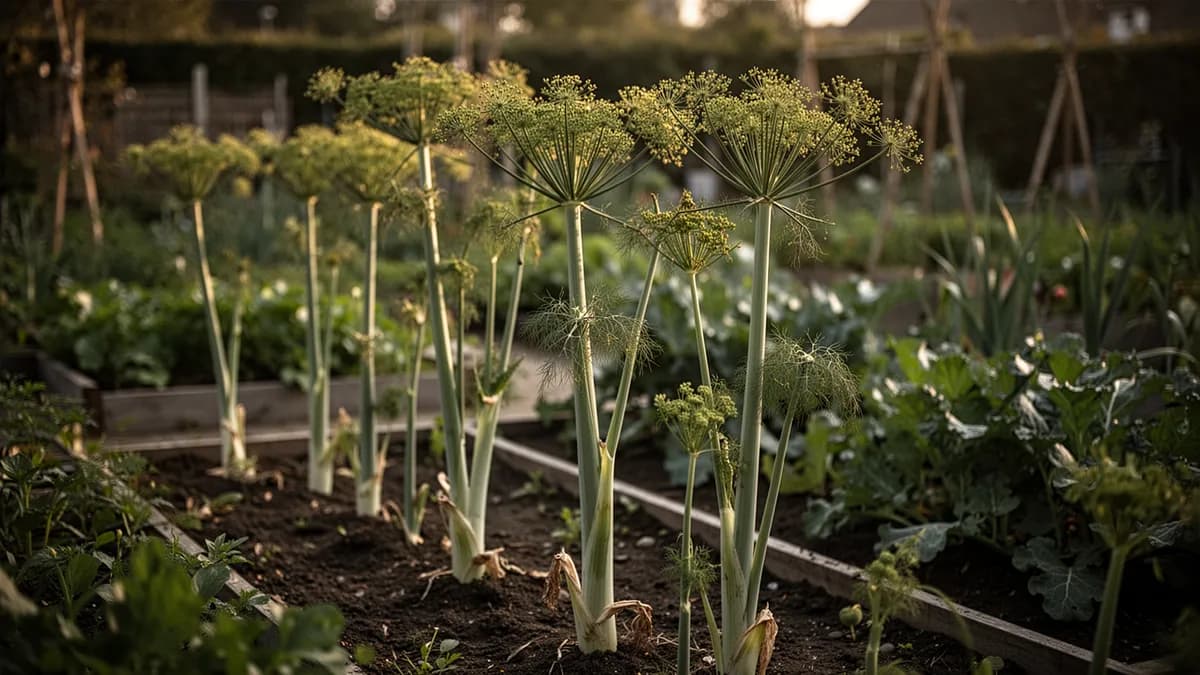
Tomato belongs beside it. Fennel doesn't.
Old growers' knowledge, checked against Scotch Bonnet Pepper's real companion table below — test any plant you're growing.
Try Scotch Bonnet Pepper in a bed — right here
A real planner bed with Scotch Bonnet Pepper already in it. Tap a companion to place it and watch the pairing checks answer — green for good neighbours, red for a clash.


Related growing guides
Feed it well
Scotch bonnet peppers need warm, well-drained soil with a pH of 6.0-6.8. Amend with compost and ensure excellent drainage as these tropical peppers are sensitive to waterlogging. Apply balanced fertilizer at transplanting and side-dress with phosphorus-rich feed when flowering begins. Black plastic mulch warms the soil which is especially beneficial for these heat-loving peppers. Avoid excessive nitrogen which promotes foliage over fruit. In containers, use quality potting mix and feed with liquid fertilizer every 2 weeks during the growing season.
Ideal Temperature
Hardiness Zone Compatibility
From seed to harvest, stage by stage
Seed Germination
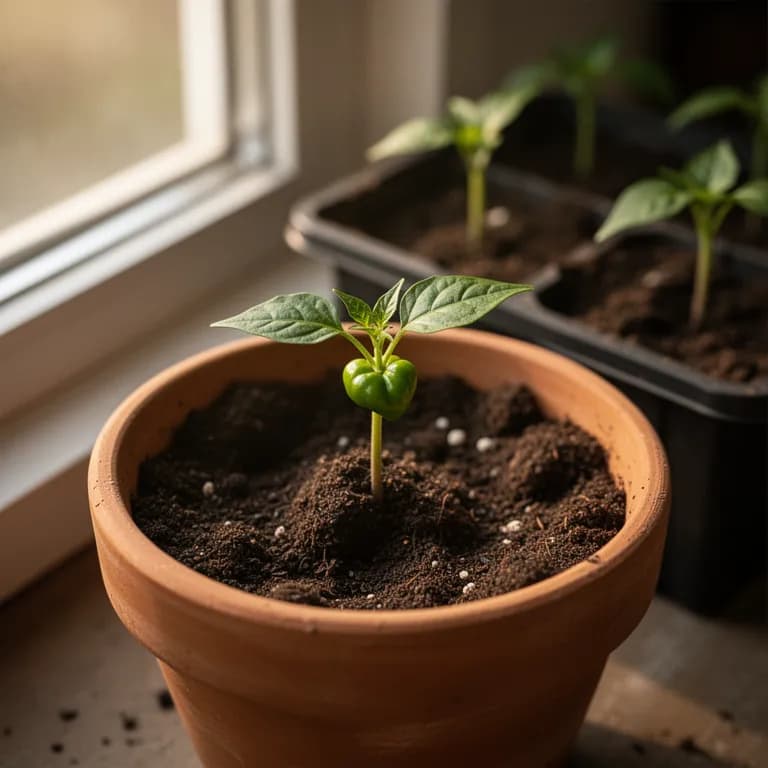
Scotch Bonnet seeds are notoriously slow to germinate, requiring consistent warmth and patience. Seeds need soil temperatures of 27-32°C (80-90°F) for reliable germination, which can take 14-35 days. The tiny radicle root emerges first, followed by a pair of small, elongated cotyledon leaves.
Seedling Development
True leaves develop with a pointed, slightly wrinkled appearance. Growth is slow but steady during this stage as the root system establishes. Seedlings develop their first branching structure and the stems begin to thicken and strengthen.
Vegetative Growth
Plants grow vigorously once summer heat arrives, developing a bushy, branching habit reaching 60-100 cm tall. The dark green foliage becomes dense and the plant forms a sturdy framework to support dozens of heavy fruit. Multiple branching points develop where flowers will soon appear.
Flowering and Fruit Set
Small, white, star-shaped flowers appear at branch junctions, often in clusters. Scotch Bonnets are self-pollinating but benefit from air movement and pollinator visits. Tiny green peppers begin forming almost immediately after successful pollination, displaying their characteristic squashed bonnet shape early on.
Fruit Development
Green peppers swell to their mature size of 3-5 cm across, developing their distinctive bonnet-like ridges and flattened shape. The fruit walls thicken and the interior develops its oil-rich placental tissue containing the capsaicin. Peppers can be harvested green for a sharper, more vegetal heat.
Ripening and Harvest
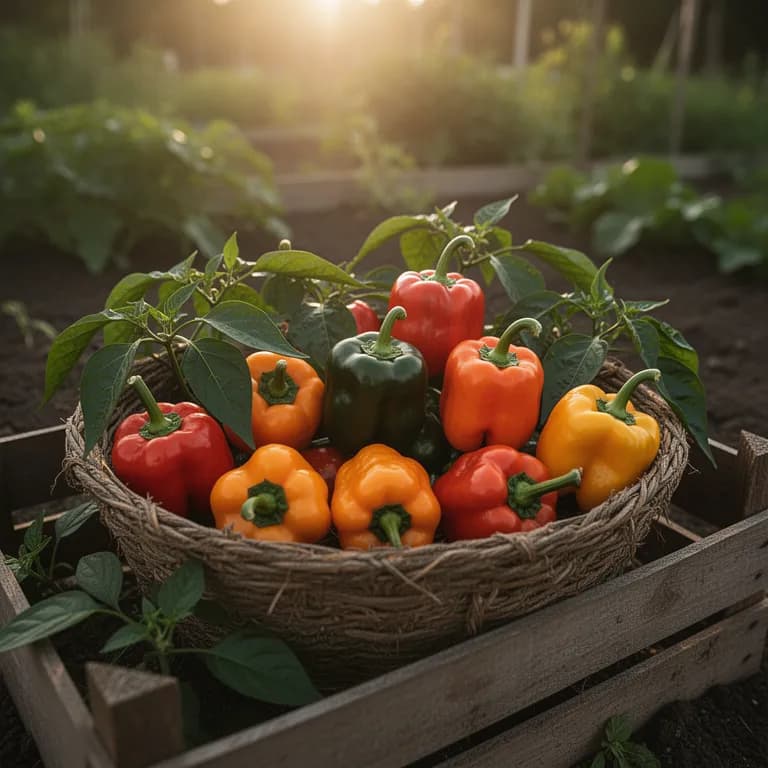
Peppers transition from green to their final color — yellow, orange, red, or chocolate brown depending on the variety — over 7-14 days. Fully ripe Scotch Bonnets develop their signature fruity, tropical aroma alongside intense heat of 100,000-350,000 Scoville Heat Units. Plants continue producing new flowers and fruit simultaneously.
Use a heat mat set to 29°C (85°F) and keep the growing medium consistently moist but never waterlogged. Starting in seed trays with humidity domes dramatically improves germination rates. Do not give up too early — some seeds take a full 5 weeks.
Caring for Scotch Bonnet Pepper month by month
What to do each month for your Scotch Bonnet Pepper
October
You are herePeak harvest in most zones. Pick all peppers before nighttime temperatures drop below 10°C (50°F). Green peppers will ripen off the vine on a sunny windowsill. Process excess harvest into hot sauce, dried flakes, or freeze whole peppers for winter use.
Know exactly what to do in your garden — every month
One email at the start of each month: what to sow, plant, and tackle right now — for your Scotch Bonnet Pepper and everything growing around it. Plus a short starter course that helps you dodge the classic mistakes.
- What to do, right now
- Matched to your season
- Starter course included
Harvesting Scotch Bonnet Pepper
Harvest scotch bonnet peppers when fruits are fully colored and firm with their characteristic bonnet shape well developed. Ripe peppers have the best balance of heat and fruity sweetness. Green scotch bonnets are edible but lack the characteristic flavor. Cut from the plant with scissors, leaving a short stem. Always wear gloves when handling scotch bonnets as the capsaicin oil causes intense burning of skin, eyes, and mucous membranes. Each plant yields 20-40 peppers over the season with peak production in late summer.
assuming you plant when the window opens — set your real date
Pick Scotch Bonnet Pepper promptly and the plant keeps producing.
Storage & Preservation
Fresh scotch bonnet peppers keep in the refrigerator for 2-3 weeks. Freeze whole peppers in bags for year-round use; they grate easily from frozen directly into dishes. Make traditional Caribbean pepper sauce by blending with vinegar, garlic, mustard, and tropical fruits. Dry in a dehydrator for pepper flakes or powder. Scotch bonnets pickled in vinegar with onions and allspice make a fiery condiment. The intense heat means a few peppers go far in preservation. Hot pepper jelly made with scotch bonnets has exceptional fruity flavor.
What goes wrong — and the fix
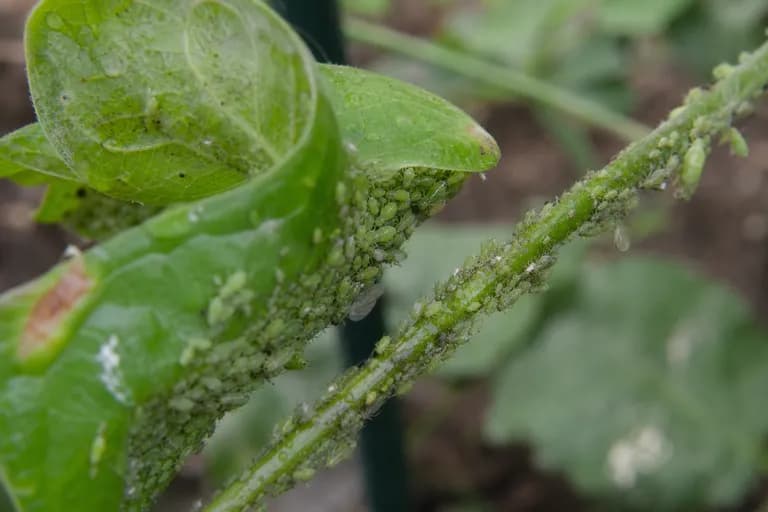
Aphids
PestDense colonies on shoot tips and flower buds causing leaf curling, stunted growth, and reduced fruit production.
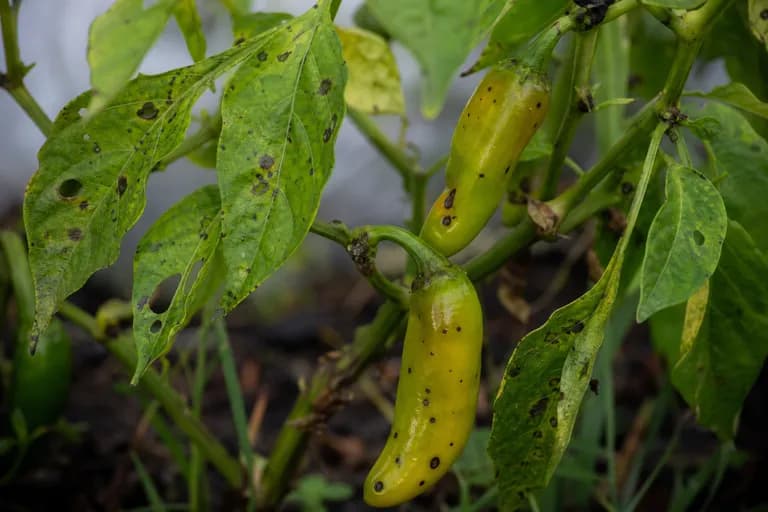
Bacterial Spot
DiseaseSmall, raised, dark spots on leaves and fruits that can coalesce in wet weather causing defoliation and fruit blemishes.
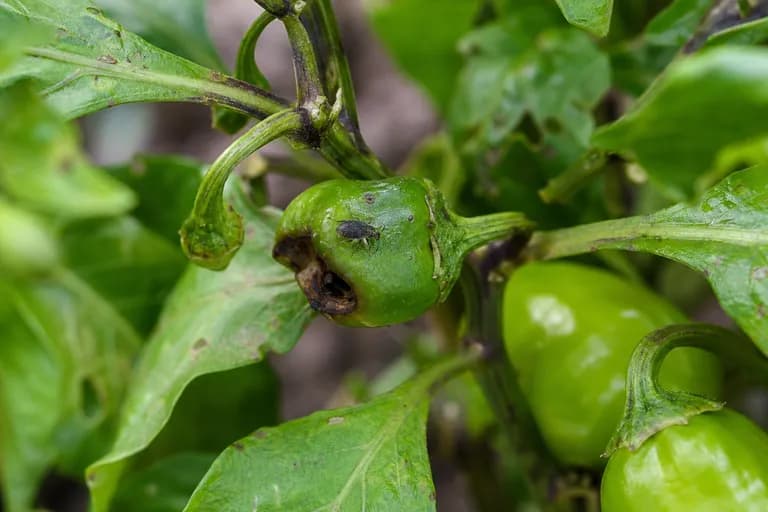
Pepper Weevil
PestTiny beetles puncturing and laying eggs in developing fruits, larvae feeding inside causing premature fruit drop.
Troubleshooting Common Problems
Insufficient heat is the primary challenge outside tropical regions. Scotch bonnets need consistently warm conditions and long seasons to produce well. Use every heat-boosting technique available: black plastic mulch, row covers, warm microclimates, and container growing. Flower drop occurs in temperatures below 60°F or above 95°F. The extreme heat of these peppers demands careful handling; capsaicin burns can be severe. Cross-contamination in the kitchen requires thorough hand washing and dedicated cutting boards.
Growing Tips
- Start seeds extremely early — 10-12 weeks before your last frost date at minimum. Scotch Bonnets have the longest germination and growing season of any common garden pepper, and late-started plants may not ripen fruit before autumn frost arrives in temperate climates.
- Heat mats are essentially mandatory for germination. Scotch Bonnet seeds need consistent soil temperatures of 27-32°C (80-90°F) to germinate reliably. At room temperature (20°C/68°F), germination rates drop below 30% and can take 6 weeks or longer.
- Never transplant outdoors until nighttime temperatures consistently exceed 15°C (60°F). Scotch Bonnets are extremely cold-sensitive — even a single night below 10°C (50°F) can stunt growth for weeks and delay fruiting by a month or more.
- Grow in containers if your summers are short or cool. Use 20-liter (5-gallon) or larger pots with dark-colored sides to absorb heat. Containers can be moved to the warmest microclimate in your garden and brought indoors if cold snaps threaten.
- Do not overfertilize with nitrogen. Excessive nitrogen produces enormous bushy plants with dark green foliage but few flowers and peppers. Once flowering begins, switch to a high-potassium feed (tomato fertilizer) to channel energy into fruit production.
- Consistent watering is critical during flowering and fruit set. Irregular watering causes blossom end rot (dark, sunken spots on the bottom of peppers) and flower drop. Water deeply 2-3 times per week rather than lightly every day.
- Always wear nitrile gloves when harvesting and handling Scotch Bonnets. The capsaicin oil penetrates skin and can cause hours of burning pain, especially if you touch your eyes, nose, or other sensitive areas. Latex gloves are NOT sufficient — capsaicin passes through them.
- Overwinter favorite plants indoors for a head start next year. Cut plants back by half, pot up, and place in a bright south-facing window. Reduce watering to minimal levels. Overwintered Scotch Bonnets produce fruit 4-6 weeks earlier the following season.
Grow your best Scotch Bonnet Pepper yet — and everything around it.
Start a free plan today. Lay out your beds, drop in your Scotch Bonnet Pepper, and let PlotMyGarden handle the timing, spacing, companions and reminders from seed to harvest basket.
Pick your Scotch Bonnet Pepper
Scotch Bonnet Red
Standard bright red variety with intense heat and fruity, slightly sweet flavor. The classic Caribbean cooking pepper.
Scotch Bonnet Yellow
Golden yellow variety with similar heat and a slightly more citrusy flavor profile. Popular in Caribbean pepper sauces.
Scotch Bonnet Chocolate
Dark brown variety with complex, smoky flavor notes in addition to the characteristic heat. Rich, deep flavor.
Scotch Bonnet MOA
Ministry of Agriculture selection from Jamaica with consistent heat and flavor. The benchmark variety for jerk seasoning.
Fresh Scotch Bonnet peppers sell for $8-15 per pound at specialty grocery stores and Caribbean markets, and they are often difficult to find outside urban areas. A single plant producing 30-50 peppers saves $15-40 per season on fresh peppers alone. The savings multiply dramatically when you factor in homemade hot sauce ($6-12 per bottle retail), jerk seasoning ($5-8 per jar), and dried pepper flakes ($8-15 per bag) — all easily made from a home harvest. Growing 3-4 plants can save $60-150 per year while providing a steady supply of this hard-to-find ingredient.
Quick recipes
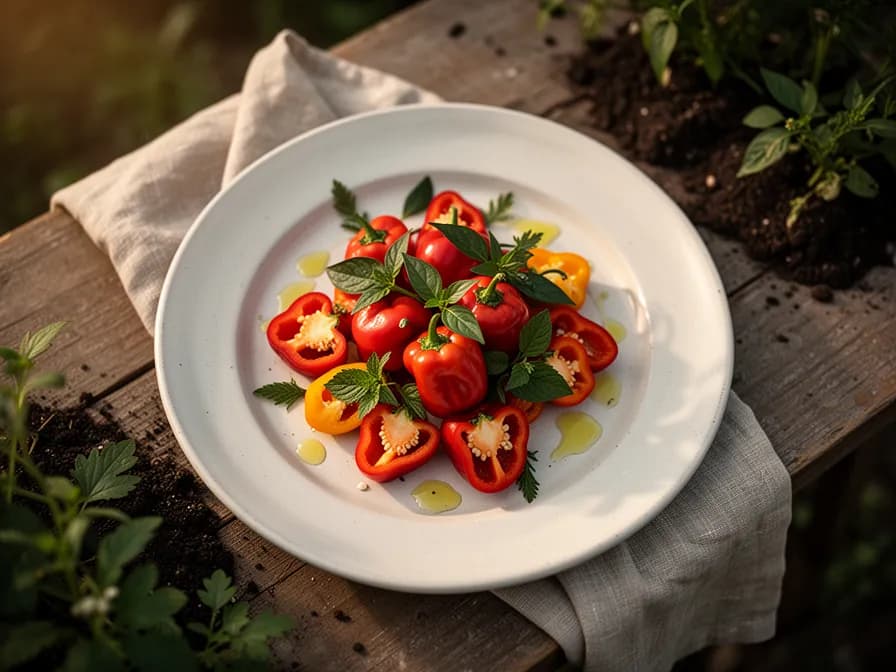
Authentic Jamaican Jerk Marinade
15 minThe soul of Caribbean cooking — a fiery, aromatic marinade that transforms chicken, pork, or fish into smoky, spicy perfection. Scotch Bonnets provide the essential fruity heat that distinguishes true jerk from mere spicy barbecue.
11 ingredientsScotch Bonnet Pepper Sauce
25 minA vibrant Caribbean-style hot sauce bursting with tropical fruit notes and slow-building heat. This versatile condiment works on everything from rice and beans to grilled seafood, and a single batch can last months in the refrigerator.
10 ingredientsPepper Shrimp (Jamaican Street Food)
20 minA beloved Jamaican roadside snack of whole shrimp sauteed with Scotch Bonnets, garlic, and butter until the shells turn pink and the sauce is irresistibly spicy. Eaten with the shells on for maximum flavor and finger-licking satisfaction.
9 ingredientsCulinary Uses
Scotch bonnet peppers are the soul of Caribbean cuisine. They are essential in jerk seasoning, blended with allspice, thyme, and green onions for the iconic Jamaican marinade. Traditional Caribbean pepper sauces combine scotch bonnets with tropical fruits like mango and papaya. Add to curries, rice and peas, and stewed dishes for authentic island flavor. The fruity heat works beautifully with seafood, particularly in Trinidadian curry and Bahamian conch salad. A single scotch bonnet can season an entire pot of soup.
What's inside
Health Benefits
- Capsaicin in Scotch Bonnets has been shown to boost metabolic rate by 5-8% for several hours after consumption, increasing calorie burn and supporting weight management when consumed regularly as part of a balanced diet.
- Exceptionally high in vitamin C — a single Scotch Bonnet provides over 100% of the daily recommended intake, supporting immune defense, collagen production, and iron absorption from plant-based foods.
- Capsaicin acts as a natural analgesic, triggering the release of endorphins and blocking substance P (a pain neurotransmitter). Topical capsaicin creams derived from hot peppers are FDA-approved for arthritis and nerve pain relief.
- Regular consumption of capsaicin-rich peppers has been associated with improved cardiovascular health, including reduced LDL cholesterol, lower blood pressure, and decreased risk of blood clots due to capsaicin's anti-platelet effects.
- Contains powerful antioxidants including beta-carotene, lutein, and zeaxanthin that protect cells from oxidative damage and support eye health, potentially reducing the risk of age-related macular degeneration.
- Studies suggest that capsaicin has antimicrobial properties, inhibiting the growth of harmful bacteria including H. pylori and certain foodborne pathogens — which may explain why hot peppers became culinary staples in tropical regions where food spoilage is a constant challenge.
Where Scotch Bonnet Pepper comes from
The Scotch Bonnet pepper (Capsicum chinense) originated in the lowland Amazon basin of South America, where wild ancestors of the species have been consumed by indigenous peoples for at least 7,000 years. Archaeological evidence from sites in Peru and Ecuador shows that Capsicum chinense was among the earliest domesticated plants in the Americas, cultivated long before the arrival of European colonizers. From its South American homeland, the pepper was carried northward through Central America and into the Caribbean islands by indigenous Arawak and Taino peoples, who prized it as both a food and a medicinal plant.
The arrival of European colonizers in the Caribbean during the late 15th and 16th centuries brought the Scotch Bonnet to global attention. Spanish and Portuguese traders rapidly spread Capsicum chinense varieties along colonial trade routes to West Africa, South and Southeast Asia, and the Pacific Islands, where they were enthusiastically adopted into local cuisines. In Jamaica, Trinidad, Barbados, and across the Caribbean, the Scotch Bonnet became the defining pepper of the region's culinary identity — inseparable from jerk seasoning, pepper sauces, rice and peas, and countless other dishes that form the backbone of Caribbean food culture.
Today, the Scotch Bonnet remains the most important pepper in Caribbean agriculture and cuisine. Jamaica, Trinidad and Tobago, and Guyana are the primary commercial producers, though the pepper is now grown in tropical regions worldwide including West Africa (where it is known by various local names), Central America, and parts of the United States. In recent decades, the growing global interest in hot peppers and Caribbean food culture has elevated the Scotch Bonnet from a regional staple to an internationally sought-after ingredient, prized by chefs and hot sauce makers for its unique combination of extreme heat and complex, fruity flavor.
Scotch Bonnet Pepper: did you know?
Fascinating facts about Scotch Bonnet Pepper
The Scotch Bonnet gets its name from its resemblance to a tam o'shanter hat (also called a Scotch bonnet) — the flattened, ridged shape of the pepper looks like the beret-style cap traditionally worn in Scotland.
Scotch Bonnet Pepper questions, answered
When should I plant Scotch Bonnet Pepper?
What are good companion plants for Scotch Bonnet Pepper?
What hardiness zones can Scotch Bonnet Pepper grow in?
How much sun does Scotch Bonnet Pepper need?
How far apart should I space Scotch Bonnet Pepper?
What pests and diseases affect Scotch Bonnet Pepper?
How do I store Scotch Bonnet Pepper after harvest?
What are the best Scotch Bonnet Pepper varieties to grow?
What soil does Scotch Bonnet Pepper need?
How hot are Scotch Bonnet peppers compared to other peppers?
What is the difference between a Scotch Bonnet and a habanero?
Why are my Scotch Bonnet plants flowering but not setting fruit?
Can I reduce the heat of Scotch Bonnets when cooking?
How do I preserve Scotch Bonnet peppers from a large harvest?
How long does it take to grow Scotch Bonnets from seed to harvest?
You just read the theory. Now grow it on autopilot.
Everything that makes Scotch Bonnet Pepper fiddly — the timing, the spacing, the companions, the harvest window — is exactly what PlotMyGarden handles for you, for every plant in your garden.
A plan that knows your weather
Set your location once. Get sow, feed and harvest dates built around your real last-frost date and live forecast — no more guessing from a generic seed packet.
From the “When to plant” sectionDrag-and-drop bed planner
Design beds on a grid. Every plant snaps to its proper spacing, and you can see your whole season laid out before you spend a cent on seed.
From the “Growing guide” sectionCompanion conflicts, caught early
200+ good-and-bad pairings checked live as you plant — so a season-wrecking mistake never makes it into the ground.
From the “Companions” sectionReminders you'll actually act on
“Water the beans.” “Pick today before it turns.” Timely, specific, and tied to the plants you're really growing.
From the “Harvest” sectionSuccession, scheduled
Want a harvest for six weeks, not six days? It spaces your sowings automatically and reminds you when each new block is due.
From the “When to plant” sectionA record that gets smarter
Every harvest you log teaches it your garden. Next year's plan starts from what actually worked in your soil, not a textbook's.
From the “Overview” sectionPlant these alongside Scotch Bonnet Pepper
More Nightshades
Keep Scotch Bonnet Pepper away from these
Garden plans featuring Scotch Bonnet Pepper
Grow your best Scotch Bonnet Pepper yet — and everything around it.
Start a free plan today. Lay out your beds, drop in your Scotch Bonnet Pepper, and let PlotMyGarden handle the timing, spacing, companions and reminders from seed to harvest basket.