Habanero
Ein extrem scharfer Chili mit einem fruchtigen, tropischen Aromaprofil, das den Gerichten weit mehr als nur reine Schärfe verleiht.





Auf dieser SeiteÜberblick
Habanero im Überblick
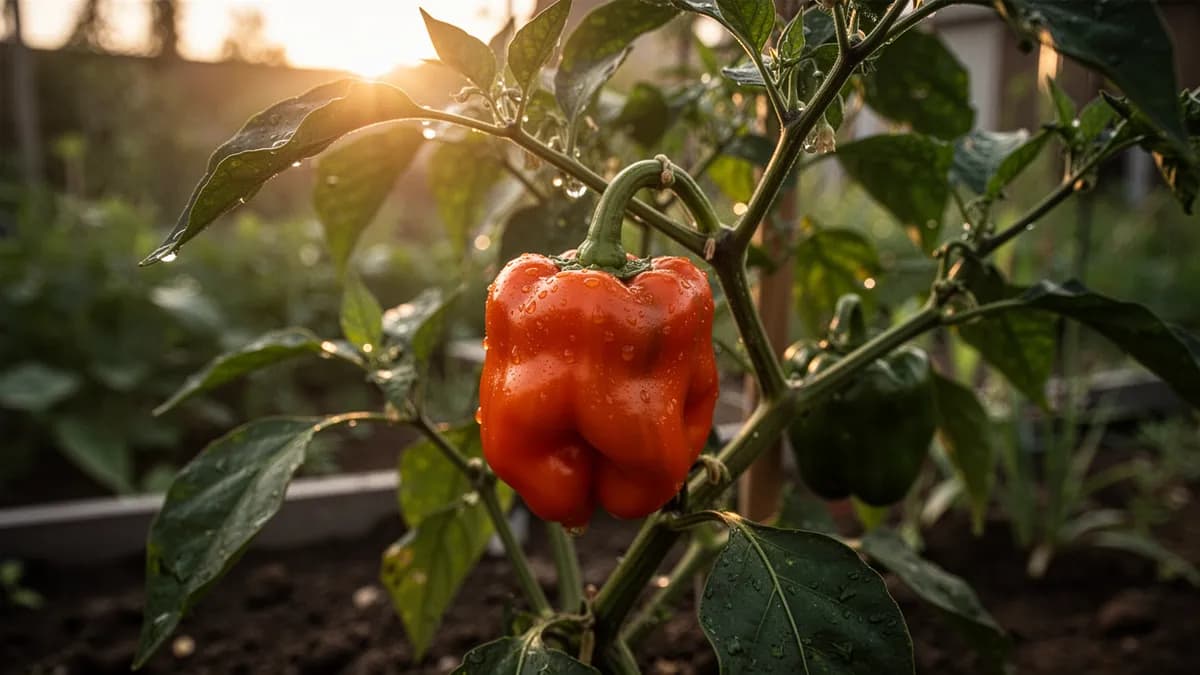
Ein extrem scharfer Chili mit einem fruchtigen, tropischen Aromaprofil, das den Gerichten weit mehr als nur reine Schärfe verleiht. Habaneros benötigen eine lange, warme Vegetationsperiode und profitieren davon, die Samen zehn bis zwölf Wochen vor dem Auspflanzen drinnen vorzuziehen. Tragen Sie beim Umgang mit reifen Früchten Handschuhe, da das Capsaicin Haut- und Augenreizungen verursachen kann. Die Pflanzen sind attraktiv und ertragreich und liefern Dutzende laternenförmiger Früchte in Farben von Orange über Rot bis Schokoladenbraun und Weiß.
Wann Habanero pflanzen
Beginnen Sie mit der Habanero-Aussaat drinnen 10 bis 12 Wochen vor dem letzten Frosttermin, da sie die längste Vorkulturzeit aller gängigen Chilis benötigen. Weichen Sie die Samen 24 Stunden in warmem Wasser ein, bevor Sie sie 6 mm tief in sterile Aussaaterde säen. Sorgen Sie für gleichmäßige Bodenheizung bei 27–32 °C (80–90 °F) mit einer Heizmatte. Die Keimung ist langsam und unregelmäßig und dauert 14 bis 35 Tage. Sobald die Keimlinge erscheinen, bieten Sie täglich 16 Stunden kräftiges Pflanzenlicht. Topfen Sie in einzelne 10-cm-Töpfe um, wenn sich die ersten echten Blätter entwickeln. Härten Sie über 10 bis 14 Tage ab, bevor Sie auspflanzen, da Habaneros kälteempfindlicher sind als Capsicum-annuum-Sorten.
Dein Habanero-Jahr
Abgestimmt auf Zone 7 · typische Saison · Frost geht um den 2. Apr. und kehrt um den 1. Nov. zurück
Habanero Jan – Mai pflanzen, Aug – Okt ernten. Beachte die Pflanzmethoden unten und wähle dein Klima für passende Zeiträume.
So baust du Habanero an
Habaneros sind Capsicum-chinense-Chilis, die von allen gängigen scharfen Chilisorten die längste Vegetationsperiode benötigen – 90 bis 120 Tage vom Auspflanzen bis zur Ernte. Beginnen Sie die Aussaat drinnen 10 bis 12 Wochen vor Ihrem letzten Frosttermin, da die Keimung selbst mit Bodenheizung bei 27–32 °C (80–90 °F) langsam verläuft und 14 bis 21 Tage dauert. Das Einweichen der Samen für 24 Stunden in warmem Wasser oder verdünntem Kamillentee kann die Keimung beschleunigen. Bieten Sie unmittelbar nach dem Auflaufen kräftiges Pflanzenlicht und halten Sie warme Tagestemperaturen von etwa 24–27 °C aufrecht.
Pflanzen Sie erst nach draußen um, wenn die Nachttemperaturen zuverlässig über 16 °C (60 °F) liegen und der Boden sich gründlich erwärmt hat. Habaneros sind kälteempfindlicher als Capsicum-annuum-Sorten und stagnieren bei kühlen Bedingungen. Setzen Sie die Pflanzen mit einem Abstand von 45–60 cm an einen geschützten Standort in voller Sonne. In nördlichen Klimazonen verwenden Sie schwarze Mulchfolie, um den Boden zu erwärmen, und erwägen Sie den Anbau in großen, dunkelfarbigen Kübeln, die Wärme absorbieren.
Habaneros sind Starkzehrer und profitieren von nährstoffreichem Boden, der mit Kompost und einem ausgewogenen Langzeitdünger angereichert ist. Gießen Sie gleichmäßig, vermeiden Sie jedoch Staunässe, die Wurzelkrankheiten begünstigt. Sobald die Pflanzen zu blühen beginnen, wechseln Sie zu einem kaliumreichen Dünger, um die Fruchtentwicklung zu unterstützen. Unter idealen Bedingungen können die Pflanzen 30 bis 50 Früchte pro Saison hervorbringen. Tragen Sie beim Ernten und Verarbeiten der Früchte immer Handschuhe.
10 Pflanzen passen in ein Beet von 120 × 240 cm
Habanero braucht 45 cm Platz pro Pflanze. Der Planer hält diesen Abstand für dich ein — jede Pflanze, jedes Beet.
Die besten Nachbarn für Habanero
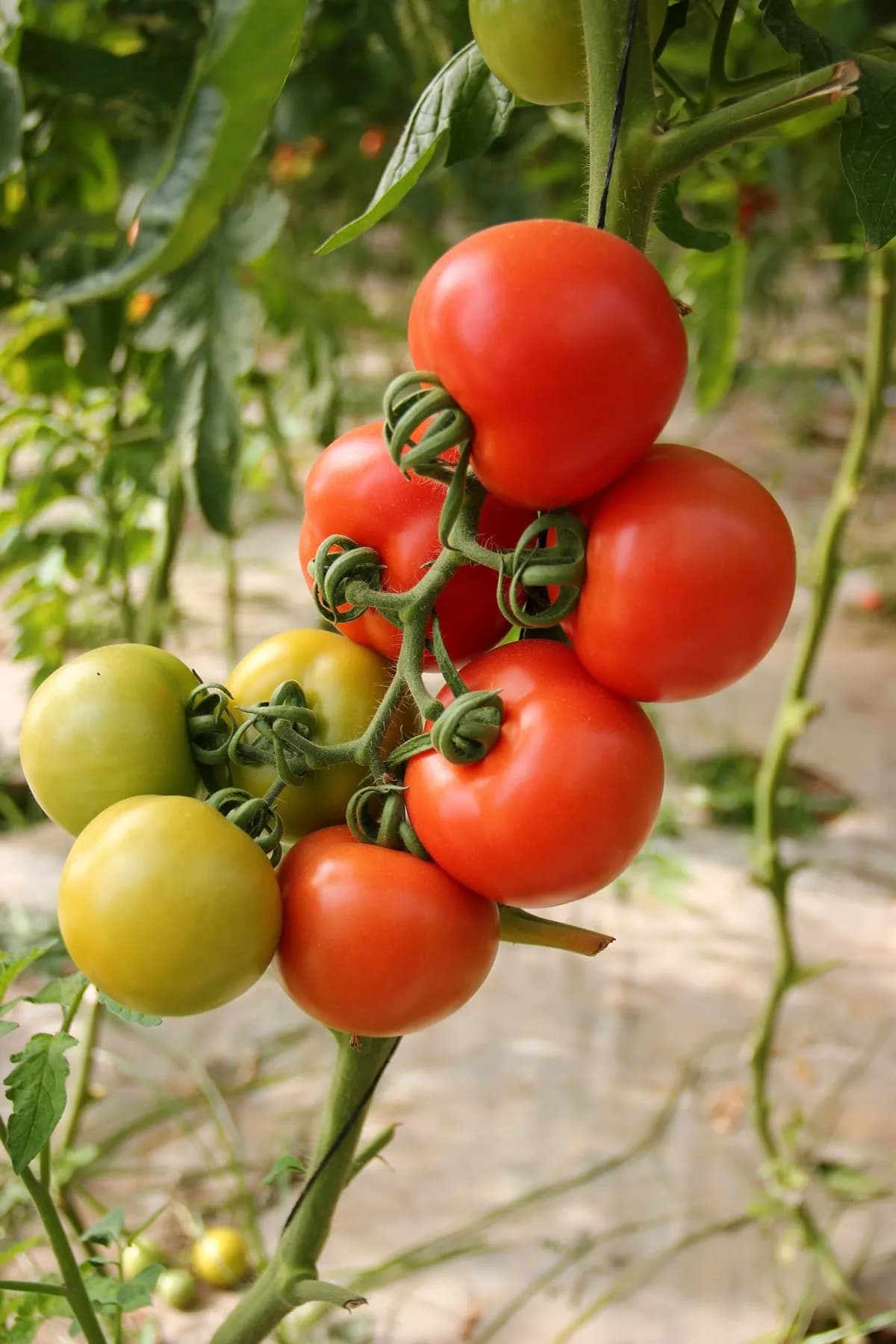
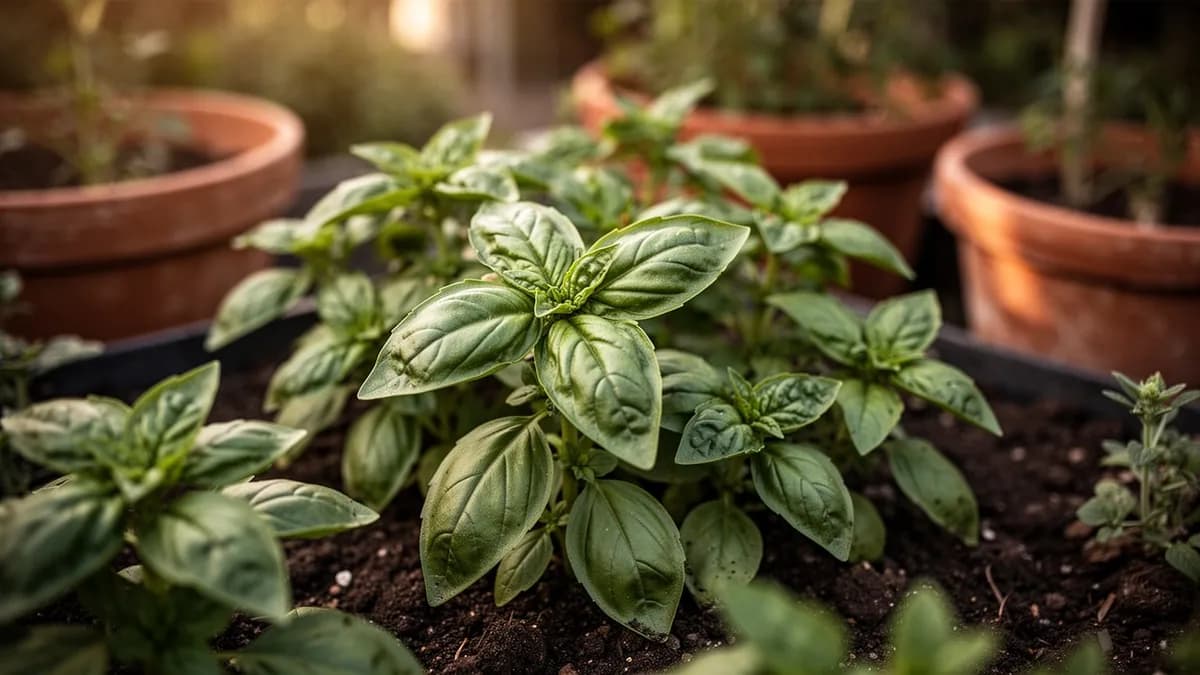
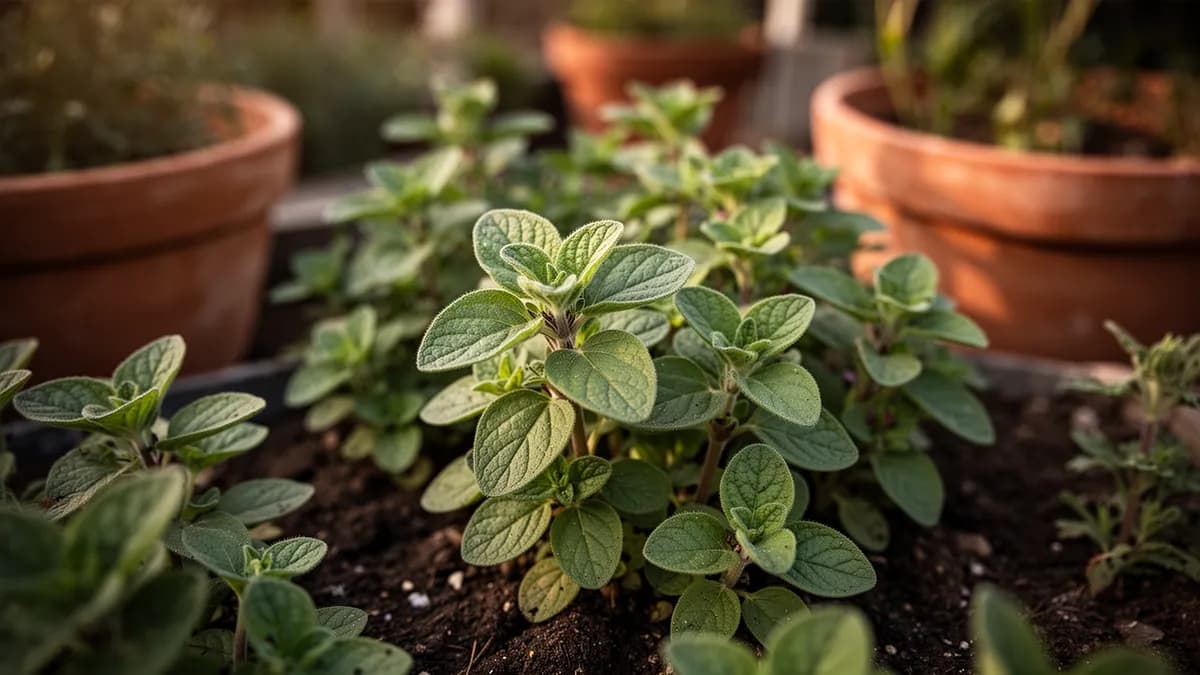
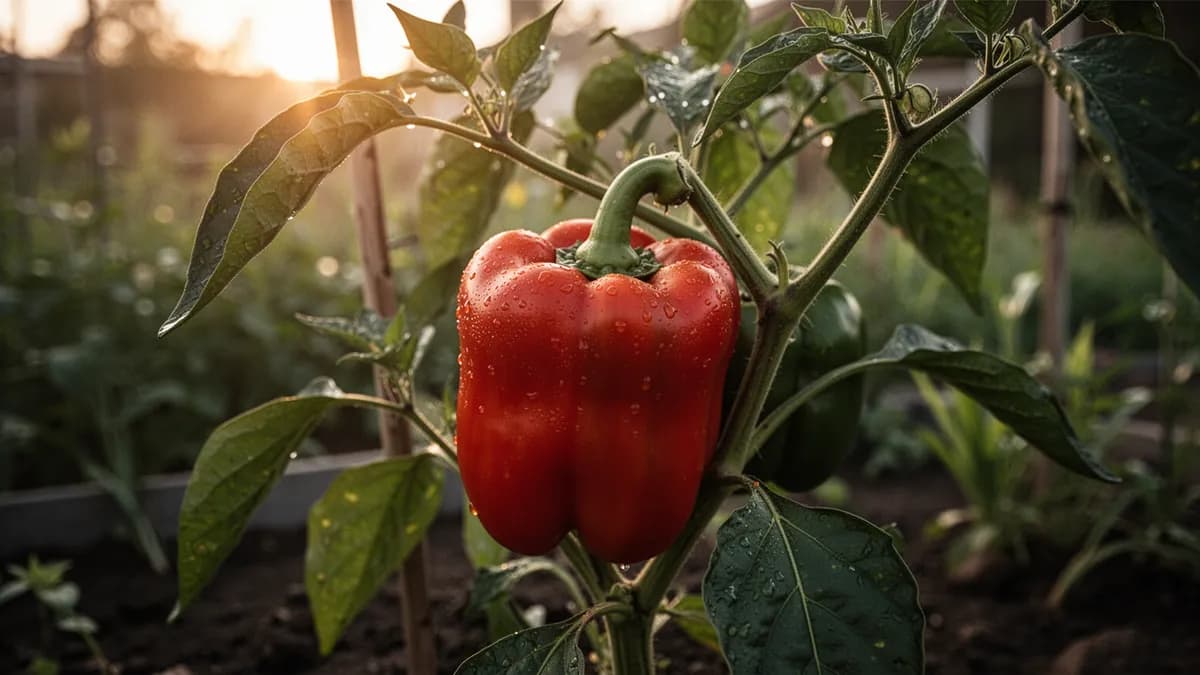
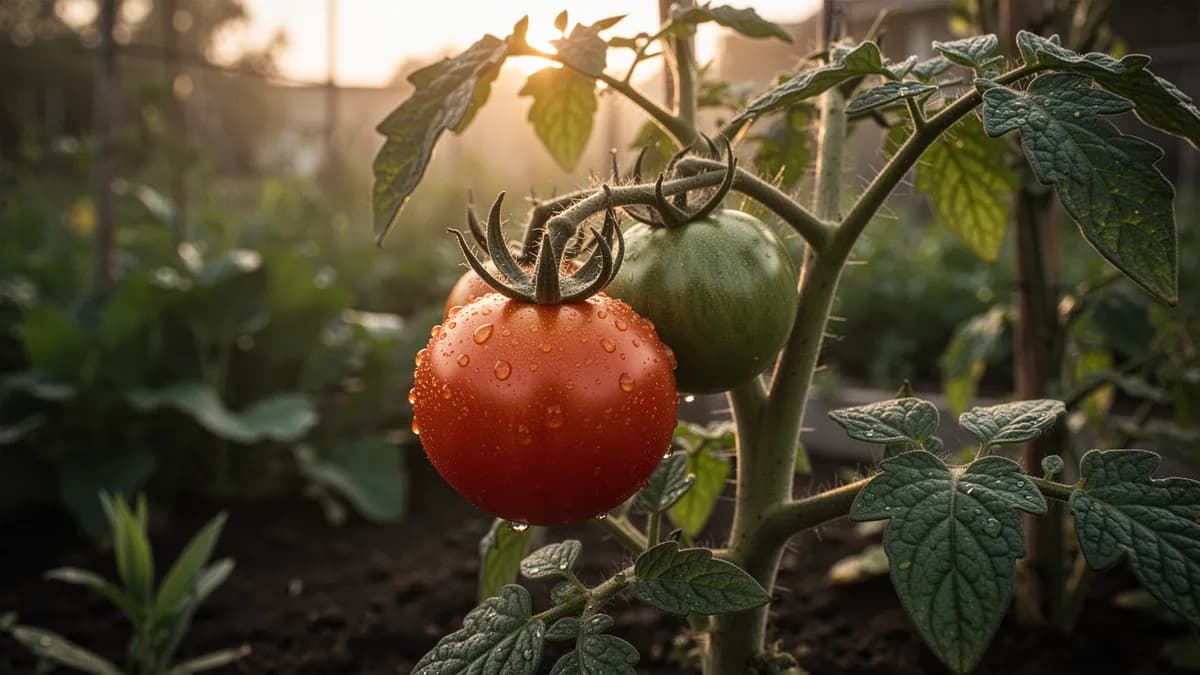
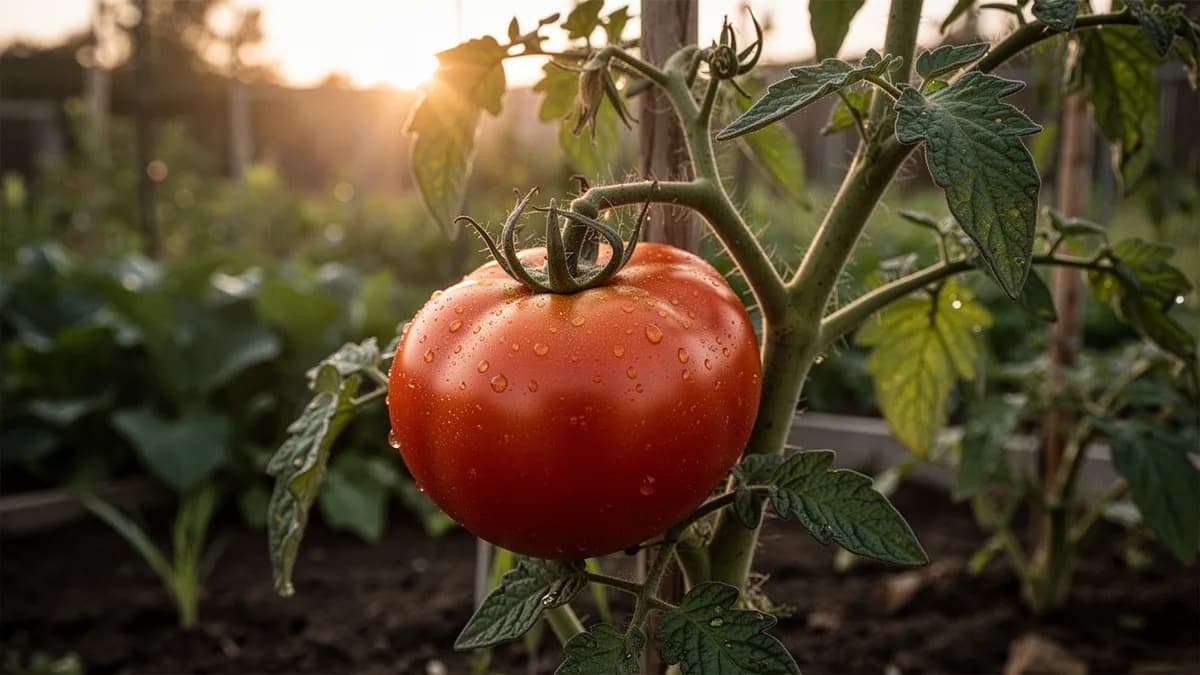
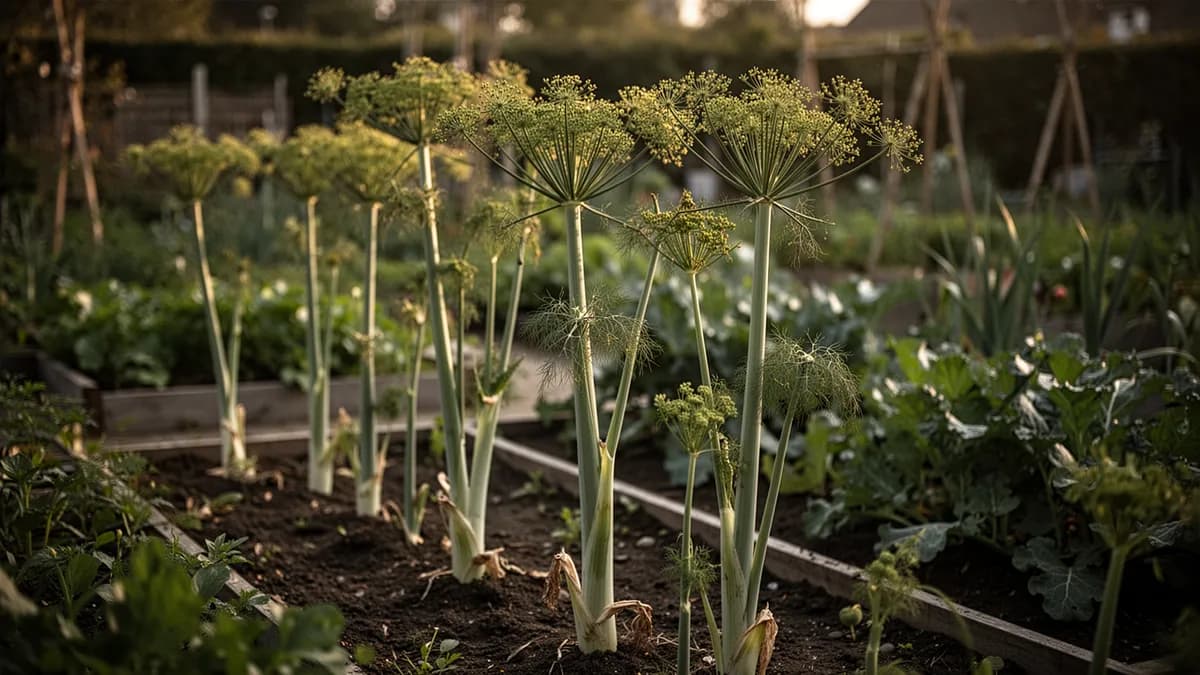
Pflanzen Sie Habaneros neben Tomaten und Basilikum, die ähnliche Wachstumsanforderungen haben und sich gegenseitig bei der Schädlingsabwehr unterstützen. In der Nähe gepflanzter Oregano und Majoran locken Bestäuber an, die für den Fruchtansatz unerlässlich sind. Tagetes sind ausgezeichnete Begleitpflanzen, die Nematoden und Weiße Fliegen aus der Wurzelzone fernhalten. Kapuzinerkresse dienen als Fangpflanzen und locken Blattläuse von den Chilipflanzen weg. Vermeiden Sie das Pflanzen neben Fenchel, der allelopathische Verbindungen produziert, die das Habanero-Wachstum hemmen, und halten Sie Abstand zu Kohlgewächsen, die um Nährstoffe konkurrieren.
Tomate gehört daneben. Fenchel nicht.
Altes Gärtnerwissen, geprüft an der echten Nachbartabelle von Habanero — teste jede Pflanze, die du anbaust.
Probiere Habanero direkt hier im Beet
Ein echtes Planer-Beet, Habanero steht schon drin. Tippe einen Begleiter an, platziere ihn und sieh, wie die Nachbarschaftsprüfung antwortet — grün für gute Nachbarn, rot bei Streit.


Passende Anbau-Ratgeber
Richtig düngen
Habaneros verlangen nährstoffreichen, gut durchlässigen Boden mit einem pH-Wert von 6,0 bis 6,8 und reichlich organischer Substanz. Reichern Sie die Pflanzbeete mit 8 bis 10 cm Kompost und einem ausgewogenen Langzeitdünger vor dem Auspflanzen an. Diese Starkzehrer profitieren von regelmäßiger Düngung mit flüssigem Fischdünger oder Komposttee alle 2 bis 3 Wochen während der Vegetationsperiode. Sobald die Blüte beginnt, erhöhen Sie den Kaliumanteil mit einem Tomatendünger (5-10-10), um Fruchtansatz und Qualität zu steigern. Vermeiden Sie übermäßigen Stickstoff nach der Blüte, der das Blattwachstum auf Kosten der Früchte fördert. Fügen Sie Kalzium über Knochenmehl oder Gips hinzu, um Blütenendfäule vorzubeugen.
Ideale Temperatur
Winterhärtezone-Kompatibilität
Von der Saat zur Ernte, Schritt für Schritt
Keimung
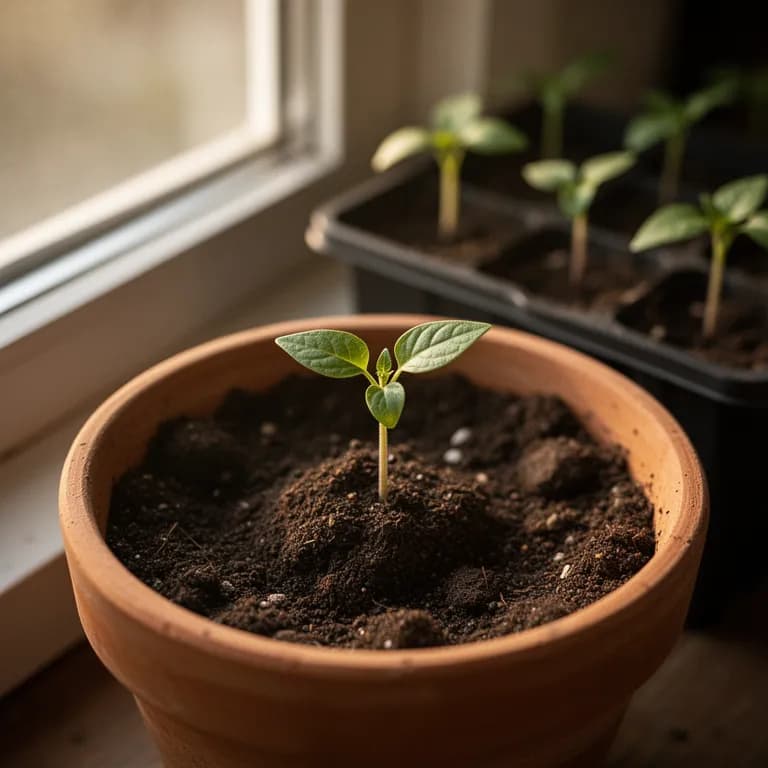
Habanero-Samen sind im Vergleich zu anderen Chilisorten als besonders langsame Keimer bekannt. Unter idealen Bedingungen mit gleichmäßiger Bodenheizung bei 27–32 °C (80–90 °F) erscheint die erste Keimwurzel nach 14 bis 21 Tagen, wobei manche Samen bis zu 35 Tage benötigen. Runde Keimblätter durchbrechen die Erdoberfläche und entfalten sich innerhalb weniger Tage nach dem Erscheinen der Wurzel.
Sämlingsentwicklung
Echte Blätter entwickeln sich mit einer leicht faltigen Textur, die für Capsicum-chinense-Arten charakteristisch ist. Die Sämlinge wachsen langsam aber stetig und bilden einen kräftigen Stängel und ein verzweigtes Wurzelsystem aus. Dieses Stadium wird in den meisten Klimazonen vollständig drinnen unter Pflanzenlampen verbracht, da Habaneros 10 bis 12 Wochen Indoor-Wachstum vor dem Auspflanzen benötigen.
Auspflanzen und vegetatives Wachstum
Nach dem Abhärten werden die Sämlinge in warmen Gartenboden oder große Kübel umgepflanzt. Die Pflanzen etablieren sich bei warmen Bedingungen schnell und entwickeln einen buschigen, verzweigten Wuchs mit dunkelgrünem Laub. Der Stängel verdickt sich und die Pflanze kann eine Höhe von 45 bis 60 cm erreichen, bevor die Blüte einsetzt.
Blüte
Kleine, weiße bis grünlich-weiße Blüten erscheinen an den Verzweigungsstellen, jede mit fünf Blütenblättern. Habanero-Blüten sind selbstbestäubend, profitieren aber von leichtem Schütteln oder Bestäuberbesuchen für einen verbesserten Fruchtansatz. Mehrere Blüten öffnen sich gleichzeitig, wenn die Pflanze in ihre Reproduktionsphase eintritt.
Fruchtentwicklung
Kleine grüne Früchte entwickeln sich rasch aus bestäubten Blüten und nehmen die charakteristische Laternen- oder Haubenform an, die für Capsicum chinense einzigartig ist. Die Früchte wachsen auf 3 bis 6 cm Länge und entwickeln ihre typische faltige Hautstruktur. Die Capsaicinproduktion intensiviert sich mit zunehmender Reife, konzentriert im Plazentagewebe rund um die Samen.
Reifung und Ernte
Die Früchte wechseln von Tiefgrün zu ihrer endgültigen Farbe – brillantes Orange, Rot, Schokoladenbraun oder Weiß je nach Sorte. Die Haut wird glänzend und auf Berührung leicht weich, wenn sie voll ausgereift sind. Der Capsaicingehalt erreicht bei voller Reife seinen Höhepunkt, und das komplexe fruchtige, blumige Aroma, das Habaneros von anderen scharfen Chilis unterscheidet, entfaltet sich vollständig. Die Pflanzen blühen und setzen weiterhin neue Früchte an, während die früheren reifen.
Weichen Sie die Samen 24 Stunden in warmem Wasser oder verdünntem Kamillentee ein, bevor Sie sie aussäen. Verwenden Sie eine Heizmatte, die auf 29 °C (85 °F) eingestellt ist, und halten Sie das Substrat gleichmäßig feucht, aber niemals staunass. Geben Sie nicht zu früh auf bei nicht gekeimten Samen.
Habanero Monat für Monat pflegen
Was du jeden Monat für deine Habanero tun solltest
Oktober
Aktueller MonatFahren Sie mit der Ernte fort, während spätere Früchte reifen. Schützen Sie die Pflanzen in den Klimazonen 7 bis 8 mit Vliesabdeckungen vor frühem Frost, um die Saison zu verlängern. Ernten Sie alle verbleibenden Chilis vor dem ersten starken Frost, einschließlich grüner Früchte, die drinnen nachreifen können.
Immer wissen, was jetzt im Garten zu tun ist
Eine E-Mail zum Monatsanfang: was du jetzt säen, pflanzen und anpacken solltest — für deine Habanero und alles, was drumherum wächst. Dazu ein kurzer Startkurs, der dich vor den klassischen Fehlern bewahrt.
- Was jetzt zu tun ist
- Passend zu deiner Saison
- Startkurs inklusive
Habanero ernten
Habaneros werden typischerweise 90 bis 120 Tage nach dem Auspflanzen geerntet, wenn die Früchte vollständig ausgefärbt und auf Berührung leicht weich sind. Die meisten Sorten wechseln bei der Reife von Grün zu Orange, Rot oder Schokoladenbraun. Für maximale Schärfe und Aromenentwicklung ernten Sie bei voller Reife mit glänzender, straffer Haut. Tragen Sie immer Handschuhe und vermeiden Sie es, Ihr Gesicht oder Ihre Augen während der Ernte zu berühren. Schneiden Sie die Früchte mit einer scharfen Schere oder Gartenschere von der Pflanze und lassen Sie einen kurzen Stielansatz stehen. Regelmäßiges Ernten fördert die fortlaufende Fruchtproduktion.
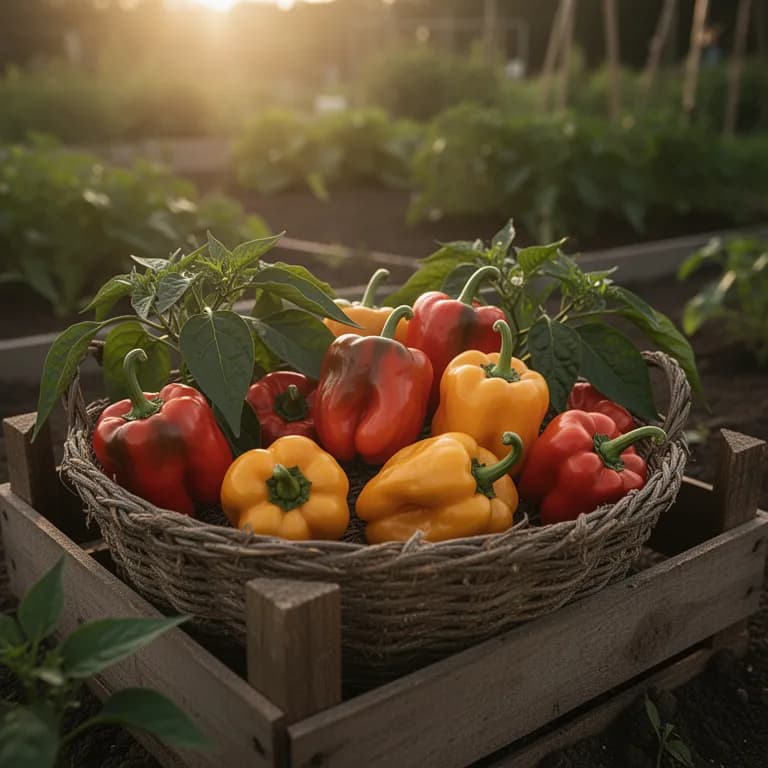
angenommen, du pflanzt zu Beginn des Zeitraums — trage dein tatsächliches Datum ein
Ernte Habanero zügig, dann trägt die Pflanze weiter.
Lagerung & Konservierung
Frische Habaneros halten sich im Kühlschrank 1 bis 2 Wochen in einer Papiertüte. Für die Langzeitkonservierung frieren Sie ganze Chilis auf einem Backblech vor und füllen Sie sie anschließend in Gefrierbeutel um – so halten sie bis zu 12 Monate. Dörren Sie bei 57 °C (135 °F) für 8 bis 12 Stunden, bis sie brüchig sind, und mahlen Sie sie dann zu Pulver als konzentrierte Schärfequelle. Habaneros eignen sich hervorragend für scharfe Soßen, wenn sie mit Essig, Knoblauch und tropischen Früchten wie Mango oder Ananas püriert werden. Fermentierte Habanero-Scharfsoße entwickelt über 1 bis 4 Wochen Fermentation komplexe, würzig-säuerliche Aromen.
Was schiefgeht — und die Lösung
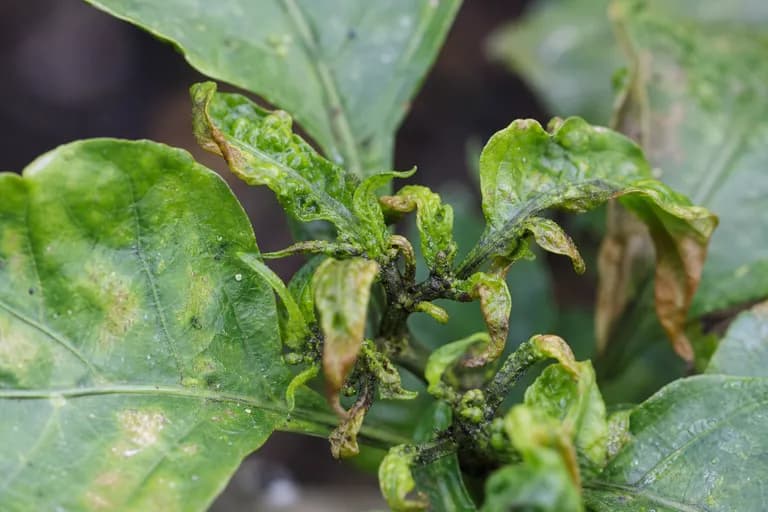
Breitmilben
SchädlingNeue Blätter wachsen verformt, nach unten gerollt und mit einem bronzefarbenen oder glänzenden Erscheinungsbild. Wachstumspunkte werden gestaucht und deformiert. Diese mikroskopisch kleinen Milben sind mit bloßem Auge unsichtbar, was die Diagnose erschwert.
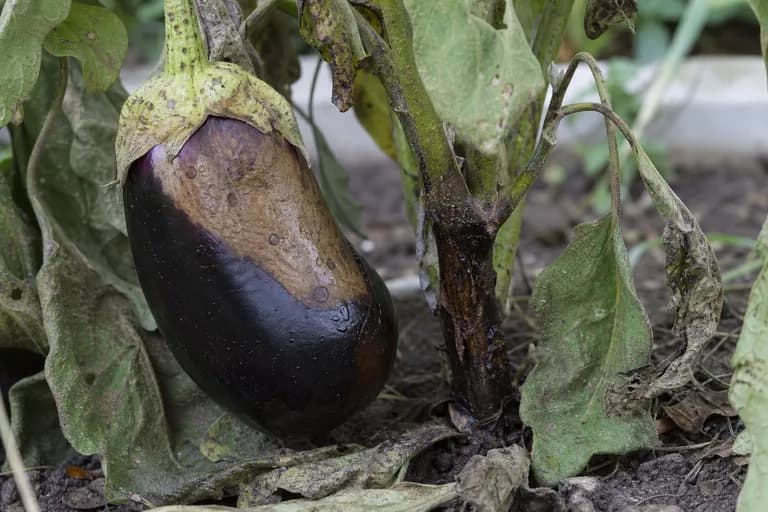
Phytophthora-Fäule
KrankheitDunkle, wässrig durchnässte Läsionen an den Stängeln in Bodennähe, die plötzliches Welken und Zusammenbrechen der Pflanze verursachen. Früchte entwickeln eine dunkle, fettig aussehende Fäulnis. Die Krankheit breitet sich unter warmen, feuchten Bedingungen schnell aus und kann ganze Pflanzungen vernichten.
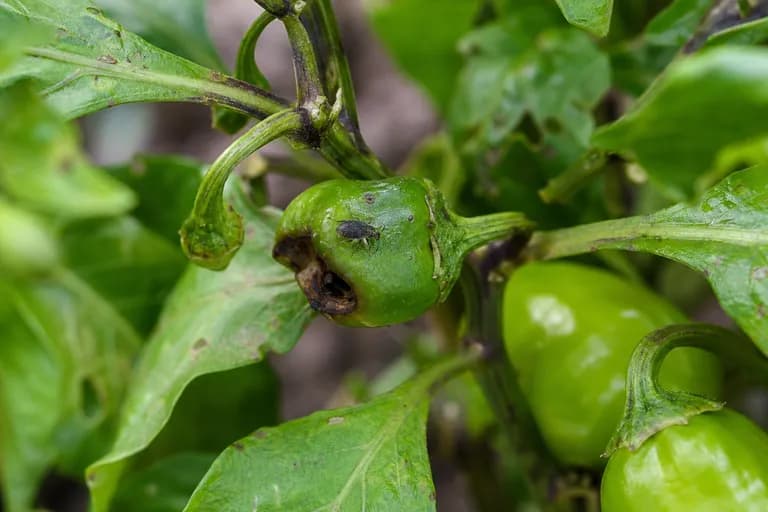
Paprikarüssler
SchädlingKleine dunkle Käfer durchstechen sich entwickelnde Knospen und Früchte, um darin Eier abzulegen. Befallene Früchte fallen vorzeitig ab. Die Larven fressen im Inneren der Frucht an Samen und Fruchtfleisch und verursachen innere Fäulnis, die äußerlich möglicherweise erst beim Fruchtfall sichtbar wird.
Fehlerbehebung bei häufigen Problemen
Die langsame Keimung frustriert viele Hobbygärtner. Verwenden Sie gleichmäßige Bodenheizung bei 27–32 °C und haben Sie Geduld, denn Habanero-Samen können 2 bis 5 Wochen zum Auflaufen brauchen. Blütenabwurf tritt häufig auf, wenn die Temperaturen 35 °C überschreiten oder nachts unter 13 °C fallen. Bieten Sie bei extremer Hitze Nachmittagsschatten. Verkümmertes Wachstum resultiert oft aus zu frühem Auspflanzen in kalten Boden. Warten Sie, bis der Boden wirklich warm ist. Ungleichmäßiges Reifen kann auftreten, wenn die Pflanzen unter Stress stehen – halten Sie gleichmäßige Bewässerung und Düngung aufrecht. Capsaicin-Verbrennungen durch Hautkontakt erfordern sofortiges Waschen mit Spülmittel, da Wasser allein die Öle nicht entfernt.
Anbautipps
- Beginnen Sie absurd früh mit der Aussaat. Habaneros benötigen 10 bis 12 Wochen Indoor-Wachstum vor dem Auspflanzen und dann 90 bis 120 Tage im Garten, um reife Früchte zu produzieren. In nördlichen Klimazonen bedeutet dies, die Aussaat Ende Januar oder Anfang Februar zu starten – weit früher als bei den meisten anderen Gemüsearten.
- Bodenheizung ist für die Keimung unverzichtbar. Ohne eine Heizmatte, die 27–32 °C (80–90 °F) aufrechterhält, können Habanero-Samen 5 Wochen brauchen oder schlicht nicht keimen. Dies ist der wichtigste Einzelfaktor für eine erfolgreiche Anzucht.
- Überstürzen Sie das Auspflanzen nicht. Habaneros sind kälteempfindlicher als Jalapeños, Gemüsepaprika oder andere Capsicum-annuum-Sorten. Warten Sie, bis die Nachttemperaturen zuverlässig 16 °C (60 °F) überschreiten – ein Kälteeinbruch kann das Wachstum dauerhaft hemmen.
- Verwenden Sie schwarze Kübel oder schwarze Mulchfolie, um die Bodenwärme zu maximieren. Habaneros gedeihen in warmen Wurzelzonen deutlich besser, und dunkelfarbige Kübel absorbieren Wärme, die Wachstum und Fruchtproduktion beschleunigt.
- Knipsen Sie die ersten Blütenknospen ab, um die Energie in den Aufbau einer größeren, stärkeren Pflanze umzulenken, bevor Sie den Fruchtansatz zulassen. Dieses Opfer früher Chilis führt zu einer wesentlich größeren Gesamternte über die Saison.
- Bieten Sie Nachmittagsschatten, wenn die Temperaturen 35 °C (95 °F) überschreiten. Obwohl Habaneros Wärme lieben, verursachen extreme Temperaturen über 35 °C Pollensterilität und Blütenabwurf. Ein Schattennetz mit 30 % Reduktion verhindert dies, ohne das Gesamtwachstum zu beeinträchtigen.
- Gießen Sie tief, aber seltener, um ein kräftiges, tiefreichendes Wurzelsystem zu fördern. Häufiges, oberflächliches Gießen erzeugt schwache Oberflächenwurzeln, die anfällig für Hitzestress sind. Lassen Sie die oberen 3 bis 5 cm Erde zwischen den Wassergaben antrocknen.
- Tragen Sie beim Ernten und Verarbeiten von Habaneros immer Nitrilhandschuhe. Capsaicinöl ist unsichtbar, geruchlos und bleibt trotz Waschens stundenlang auf der Haut haften. Eine einzige versehentliche Berührung am Auge nach dem Umgang mit Habaneros verursacht quälende Schmerzen, die 30 bis 60 Minuten anhalten.
Bau deine beste Habanero an — und alles drumherum.
Starte heute kostenlos. Lege deine Beete an, setze deine Habanero ein und lass PlotMyGarden Timing, Abstände, Begleiter und Erinnerungen von der Saat bis zum Erntekorb übernehmen.
Finde deine Habanero
Orange Habanero
Die klassische Sorte mit leuchtend orangen Früchten und intensiver, fruchtiger Schärfe von 100.000 bis 350.000 SHU. Sehr ertragreiche Pflanzen mit laternenförmigen Chilis, die in 90 bis 100 Tagen nach dem Auspflanzen reifen.
Chocolate Habanero
Eine dunkelbraune Variante mit rauchigem, erdigem Aroma und extremer Schärfe, oft schärfer als die orangen Sorten mit 300.000 bis 450.000 SHU. Reift in 100 bis 110 Tagen und verleiht Soßen und Jerk-Gewürzmischungen eine besondere Tiefe.
Red Savina
Eine selektierte Zuchtlinie, die den Guinness-Rekord als schärfster Chili hielt und 580.000 SHU erreichte. Tiefrot gefärbte Früchte mit intensiver, lang anhaltender Schärfe. Benötigt eine lange Saison von über 100 Tagen und warme Bedingungen.
Habanada
Ein schärfefreier Habanero, der gezüchtet wurde, um das fruchtige, blumige Aroma ohne jegliches Capsaicin zu bewahren – 0 SHU. Perfekt für alle, die den Habanero-Geschmack lieben, aber nicht das Brennen. Reift in 85 Tagen.
Eine einzelne Habanero-Pflanze, die 3 bis 5 Euro kostet (oder nur wenige Cent aus Samen), kann über eine Saison 30 bis 50 Chilis produzieren. Frische Habaneros kosten im Handel und auf Wochenmärkten 15 bis 30 Euro pro Kilogramm, und Spezialitätensorten wie der Chocolate Habanero können noch teurer sein. Der Anbau von 3 bis 4 Pflanzen liefert genug Chilis, um mehrere Flaschen handwerklich hergestellte Scharfsoße (im Handel 8 bis 12 Euro pro Flasche) herzustellen, einen Jahresvorrat an getrocknetem Habanero-Pulver (12 bis 20 Euro pro Glas) und reichlich frische Chilis – eine potenzielle Ersparnis von 60 bis 120 Euro pro Saison.
Schnelle Rezepte
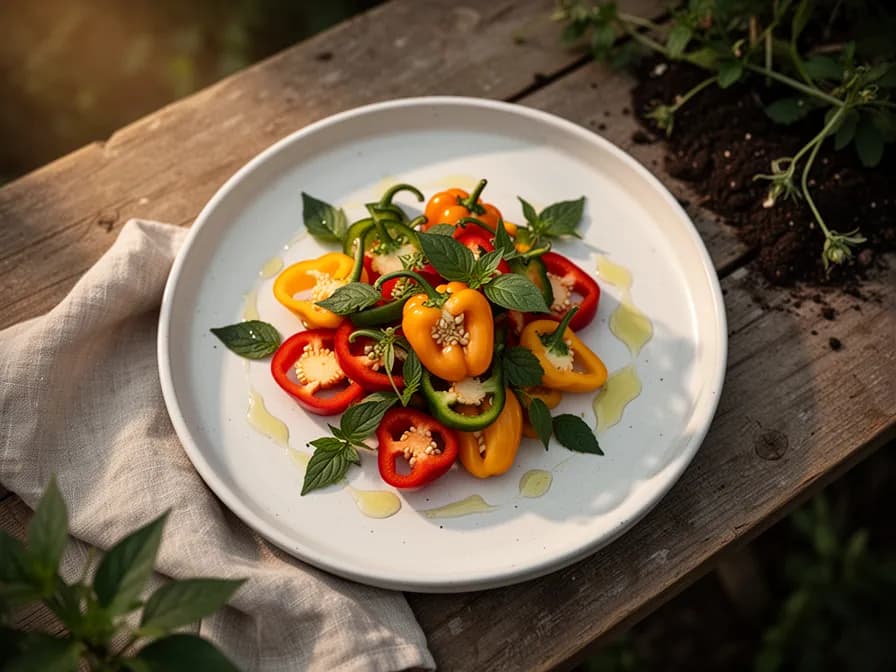
Mango-Habanero-Scharfsoße
25 Min.Eine süße, feurige, tropische Scharfsoße, die die Habanero-Schärfe mit der Süße reifer Mangos und würzigem Essig in Einklang bringt. Dieses vielseitige Würzmittel veredelt gegrilltes Hähnchen, Fisch-Tacos und Reisschüsseln mit seinem komplexen, karibisch inspirierten Geschmacksprofil.
7 ZutatenHabanero-Ananas-Salsa
15 Min.Eine frische, stückige tropische Salsa, bei der die fruchtige Schärfe des Habanero gegen süße Ananas und frischen Koriander spielt. Hervorragend zu Tortillachips, gegrillten Garnelen oder über geschwärztem Fisch gelöffelt.
7 ZutatenYukatekische Habanero-Salsa (Xnipec)
10 Min.Eine authentische yukatekische Rohsalsa, die Habanero mit Bitterorangensaft und eingelegter roter Zwiebel kombiniert – die traditionelle Beilage zu Cochinita Pibil, Panuchos und anderen maya-beeinflussten Gerichten der mexikanischen Halbinsel Yucatán.
6 ZutatenKulinarische Verwendung
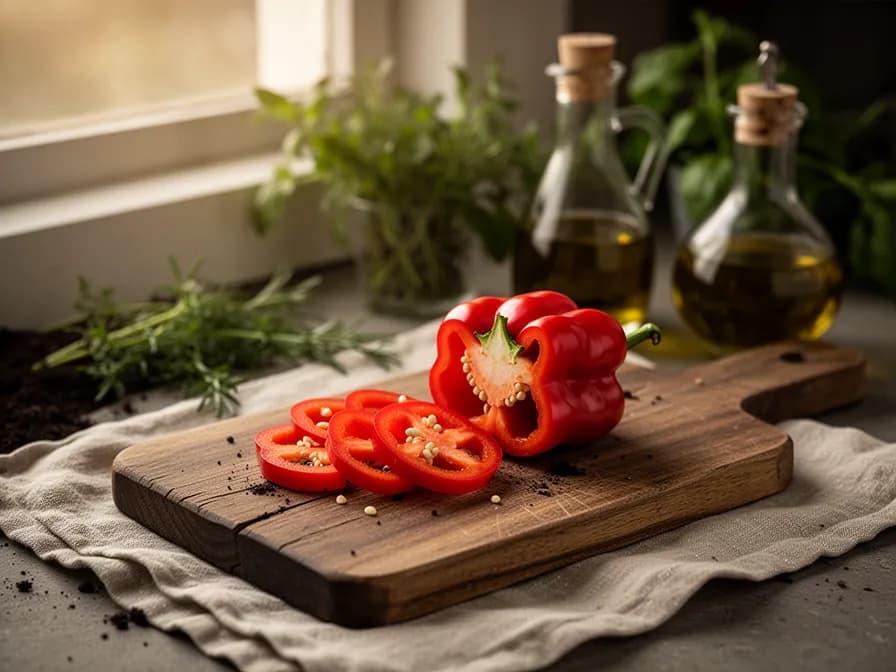
Habaneros liefern eine unverwechselbare fruchtig-tropische Schärfe, die außergewöhnlich gut mit Mango, Ananas und Zitrusfrüchten in der karibischen und yukatekischen Küche harmoniert. Pürieren Sie sie mit Essig und Obst zu einer ausgewogenen scharfen Soße. Geben Sie sie sparsam zu Jerk-Marinaden, Ceviche und Meeresfrüchtegerichten hinzu. Eine kleine Menge fein gehackter Habanero verwandelt Salsas und Guacamole. Die fruchtige Komplexität hebt Habaneros von eindimensionalen Schärfequellen ab.
Was drinsteckt
Gesundheitsvorteile
- Capsaicin hat gut dokumentierte entzündungshemmende Eigenschaften und wird in topischen Schmerzlinderungscremes bei Arthritis, Neuropathie und Muskelkater eingesetzt – dieselbe Verbindung, die das Brennen verursacht, blockiert auch die Übertragung von Schmerzsignalen.
- Außergewöhnlich reich an Vitamin C: Ein einzelner Habanero liefert über 100 % der empfohlenen Tageszufuhr und unterstützt damit die Immunfunktion, die Kollagensynthese und die Eisenaufnahme.
- Forschungsergebnisse deuten darauf hin, dass der Verzehr von Capsaicin den Stoffwechsel vorübergehend um 5 bis 8 % ankurbelt und die Gewichtskontrolle unterstützen kann, indem er den Appetit reduziert und die Fettoxidation erhöht.
- Große epidemiologische Studien haben den regelmäßigen Verzehr scharfer Chilis mit einer 12- bis 14-prozentigen Verringerung der Gesamtsterblichkeit in Verbindung gebracht, insbesondere bei kardiovaskulären und krebsbedingten Todesursachen.
- Enthält bedeutende Antioxidantien einschließlich Beta-Carotin, Capsanthin und Quercetin, die freie Radikale neutralisieren und den mit chronischen Krankheiten verbundenen oxidativen Stress reduzieren können.
- Capsaicin stimuliert die Freisetzung von Endorphinen und Dopamin und erzeugt das bekannte ‚Chili-High', das viele Liebhaber scharfer Speisen beschreiben – ein natürlicher, stimmungsaufhellender Effekt.
Woher Habanero stammt
Der Habanero-Chili (Capsicum chinense) hat seinen Ursprung im Amazonasbecken Südamerikas, wo archäologische Funde zeigen, dass er vor mindestens 8.500 Jahren domestiziert wurde und damit zu den ältesten kultivierten Chilis der Welt gehört. Trotz seines Artnamens ‚chinense' (‚aus China') hat der Habanero keinerlei Verbindung zu China – der Name war ein taxonomischer Irrtum des niederländischen Botanikers Nikolaus Joseph von Jacquin, der 1776 ein Exemplar beschrieb und glaubte, es stamme aus China. Als der Fehler erkannt wurde, war der wissenschaftliche Name bereits etabliert und konnte nach den botanischen Namenskonventionen nicht mehr geändert werden.
Von seinen südamerikanischen Ursprüngen aus verbreitete sich der Habanero lange vor dem europäischen Kontakt durch indigene Handelsnetzwerke in ganz Mittelamerika und der Karibik. Die Maya-Zivilisation auf der Halbinsel Yucatán übernahm den Habanero als zentralen Bestandteil ihrer Küche, und die Region ist bis heute das weltweit führende Anbaugebiet für Habaneros. Der Name ‚Habanero' leitet sich von La Habana (Havanna), der Hauptstadt Kubas, ab, da der Chili während der Kolonialzeit intensiv über die Märkte von Havanna gehandelt wurde, als spanische Schiffe Waren zwischen Yucatán, Kuba und Europa transportierten.
Auf der Halbinsel Yucatán sind Habaneros nicht nur ein Gewürz, sondern ein wesentliches kulturelles Element, das in den Alltag eingewoben ist. Sie erscheinen in praktisch jeder Mahlzeit als Bestandteil frischer Salsas wie Xnipec, gekochter Soßen und eingelegter Zubereitungen. Der Kalkstein-Karstboden der Region, die intensive tropische Sonne und das feuchte Klima sollen Habaneros mit einem komplexeren Geschmacksprofil hervorbringen als anderswo angebaute – ein Konzept, das dem Terroir im Weinbau ähnelt. Mexiko produziert jährlich über 1.500 Tonnen Habaneros, hauptsächlich in den Bundesstaaten Yucatán, Campeche und Quintana Roo.
Der Habanero erlangte in den 1990er- und frühen 2000er-Jahren internationale Aufmerksamkeit, als die Scharfsoßen-Industrie einen regelrechten Boom erlebte. Die Red-Savina-Sorte hielt von 1994 bis 2006 den Guinness-Weltrekord als schärfster Chili, und Scharfsoßen auf Habanero-Basis wurden zu einem weltweiten Phänomen. Obwohl superscharfe Chilis den Habanero in reiner Schärfe inzwischen übertroffen haben, bleibt er der Goldstandard für Geschmack unter den scharfen Chilis, geschätzt für seinen unverwechselbaren fruchtigen, blumigen und leicht rauchigen Charakter, den kein anderer Chili reproduzieren kann.
Habanero: Schon gewusst?
Faszinierende Fakten über Habanero
Der Name ‚Habanero' bedeutet auf Spanisch ‚aus Havanna' und bezieht sich auf die kubanische Hauptstadt, über die diese Chilis historisch gehandelt wurden, obwohl sie tatsächlich vor über 8.500 Jahren im Amazonasbecken Südamerikas entstanden sind.
Habanero: Fragen & Antworten
Wann sollte ich Habanero pflanzen?
Was sind gute Begleitpflanzen für Habanero?
In welchen Winterhärtezonen kann Habanero wachsen?
Wie viel Sonne braucht Habanero?
Welchen Abstand sollte ich zwischen Habanero lassen?
Welche Schädlinge und Krankheiten befallen Habanero?
Wie lagere ich Habanero nach der Ernte?
Was sind die besten Habanero-Sorten zum Anbauen?
Welchen Boden braucht Habanero?
Wie scharf sind Habanero-Chilis im Vergleich zu anderen Sorten?
Warum keimen meine Habanero-Samen nicht?
Kann ich Habaneros in Kübeln anbauen?
Was sollte ich tun, wenn ich Habanero-Öl auf die Haut oder in die Augen bekommen habe?
Warum blühen meine Habanero-Pflanzen, tragen aber keine Früchte?
Kann ich Habaneros essen, wenn sie noch grün sind?
Du hast die Theorie gelesen. Jetzt baue sie auf Autopilot an.
Alles, was Habanero knifflig macht — das Timing, die Abstände, die Begleiter, das Erntefenster — genau das übernimmt PlotMyGarden für dich, für jede Pflanze im Garten.
Ein Plan, der dein Wetter kennt
Standort einmal festlegen. Aussaat-, Dünge- und Erntedaten rund um deinen echten letzten Frosttermin und die Live-Vorhersage — kein Raten mehr nach Saattüte.
Aus dem Abschnitt „Pflanzzeit“Beetplaner per Drag & Drop
Beete auf einem Raster gestalten. Jede Pflanze rastet im richtigen Abstand ein, und du siehst die ganze Saison, bevor du einen Cent für Saatgut ausgibst.
Aus dem Abschnitt „Anbau“Begleiter-Konflikte früh erkannt
Über 200 gute und schlechte Kombinationen werden beim Pflanzen live geprüft — so landet ein saisonruinierender Fehler nie in der Erde.
Aus dem Abschnitt „Begleiter“Erinnerungen, nach denen du wirklich handelst
„Gieß die Bohnen.“ „Heute ernten, bevor's umschlägt.“ Pünktlich, konkret und auf deine echten Pflanzen bezogen.
Aus dem Abschnitt „Ernte“Staffel-Aussaat, geplant
Sechs Wochen ernten statt sechs Tage? Die App verteilt deine Aussaaten automatisch und erinnert dich, wenn der nächste Satz fällig ist.
Aus dem Abschnitt „Pflanzzeit“Ein Verlauf, der schlauer wird
Jede protokollierte Ernte bringt der App deinen Garten bei. Der Plan fürs nächste Jahr startet bei dem, was in deinem Boden wirklich funktioniert hat.
Aus dem Abschnitt „Überblick“Pflanze diese neben Habanero
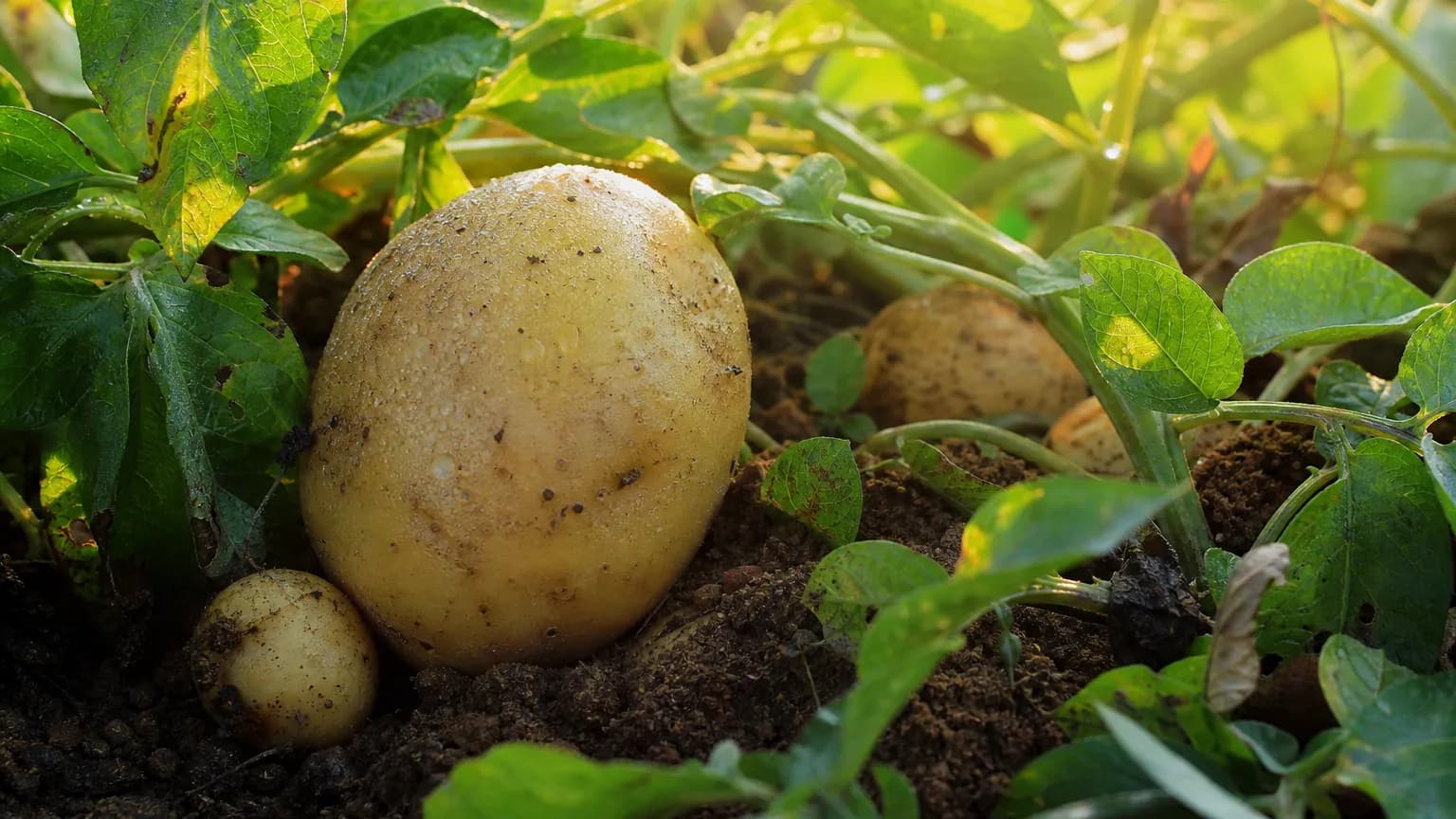
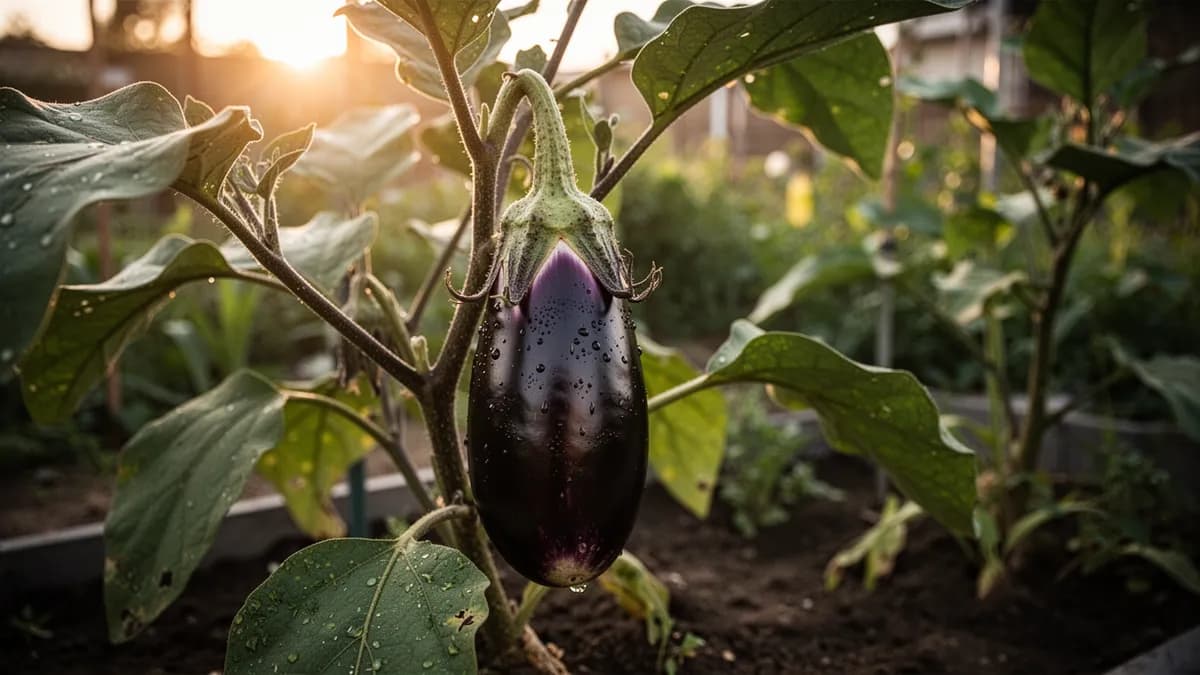
Weitere Nachtschattengewächse
Halte Habanero von diesen fern
Gartenpläne mit Habanero
Bau deine beste Habanero an — und alles drumherum.
Starte heute kostenlos. Lege deine Beete an, setze deine Habanero ein und lass PlotMyGarden Timing, Abstände, Begleiter und Erinnerungen von der Saat bis zum Erntekorb übernehmen.