Pennyroyal
A low-growing, creeping mint with a powerful medicinal scent historically used as an insect repellent and strewing herb.





On this pageOverview
Meet Pennyroyal
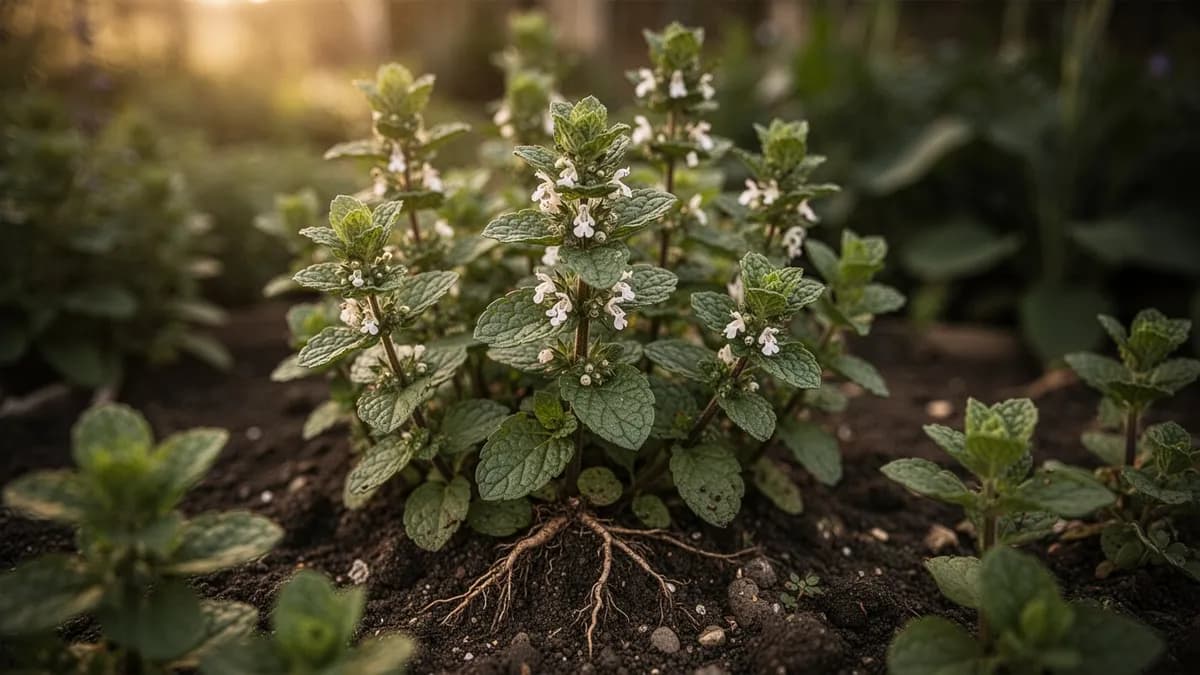
A low-growing, creeping mint with a powerful medicinal scent historically used as an insect repellent and strewing herb. Pennyroyal forms a dense ground cover with small lilac flowers and is best used externally or as a pest-deterrent companion plant. Grow in moist soil with partial shade and contain its spreading habit like other mints.
When to plant Pennyroyal
Sow pennyroyal seeds on the surface of moist seed-starting mix in spring—the tiny seeds need light for germination. Germination takes 2-3 weeks at 18-22°C. Can also direct sow outdoors in late spring. Division of established mats in spring is the easiest and fastest propagation method. Stem cuttings root readily in moist soil. Like all mints, pennyroyal is far easier to propagate vegetatively than from seed.
Your Pennyroyal Year
Composed for Zone 7 · typical seasons · frost passes Apr 2, returns Nov 1
Plant Pennyroyal Mar – May, pick Jun – Aug. Check the planting methods below and set your climate to personalize these windows.
How to grow Pennyroyal
Pennyroyal is a low-growing, creeping member of the mint family with small, oval, intensely aromatic leaves and spikes of pale lilac flowers. Historically used as an insect repellent, strewing herb, and fleabane (the name derives from pulex, Latin for flea), it was once one of the most commonly grown herbs in cottage gardens. Plant in partial shade with moist, well-drained soil, spacing 30cm apart.
Like all mints, pennyroyal spreads by stolons and can become invasive if not contained. Use root barriers or grow in containers. The plant forms a dense, low mat 10-30cm tall that makes an effective aromatic ground cover. It thrives in moist soil but tolerates drier conditions better than most mints.
Important safety note: Pennyroyal contains pulegone, a potent compound that is toxic to the liver in concentrated forms. The essential oil should never be ingested, and internal use of pennyroyal tea or tincture is strongly discouraged. This herb is best used externally only—as a pest-repellent ground cover, in sachets for deterring insects, and as an ornamental aromatic plant.
32 plants fit a 4 × 8 ft bed
Each Pennyroyal wants 30 cm of elbow room. The planner keeps that spacing for you — every plant, every bed.
Pennyroyal's best neighbours
Pennyroyal's insect-repellent properties make it a useful companion for deterring fleas, ants, and mosquitoes around the garden and home. Plant as a ground cover between stepping stones or along paths where foot traffic releases the pest-repellent fragrance. Grow near outdoor seating areas to help deter mosquitoes. In the ornamental garden, it provides a low, aromatic carpet beneath taller plants. Keep away from areas frequented by pets who might chew on the foliage.
Mint belongs beside it.
Old growers' knowledge, checked against Pennyroyal's real companion table below — test any plant you're growing.
Try Pennyroyal in a bed — right here
A real planner bed with Pennyroyal already in it. Tap a companion to place it and watch the pairing checks answer — green for good neighbours, red for a clash.


Related growing guides
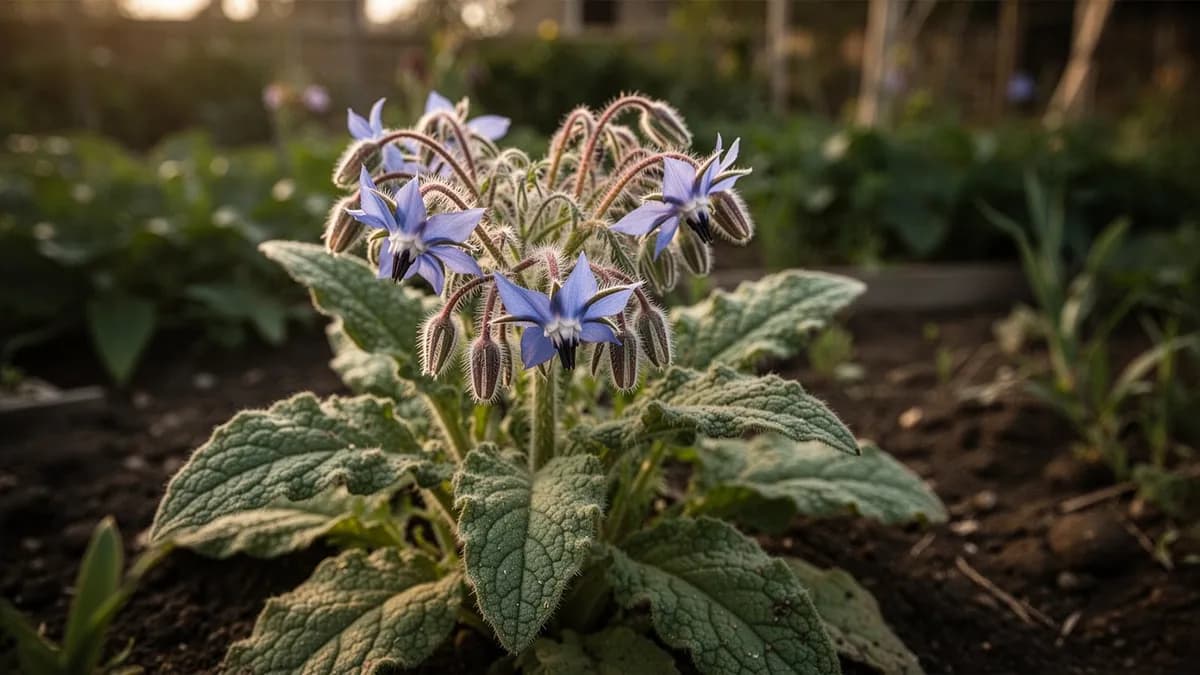
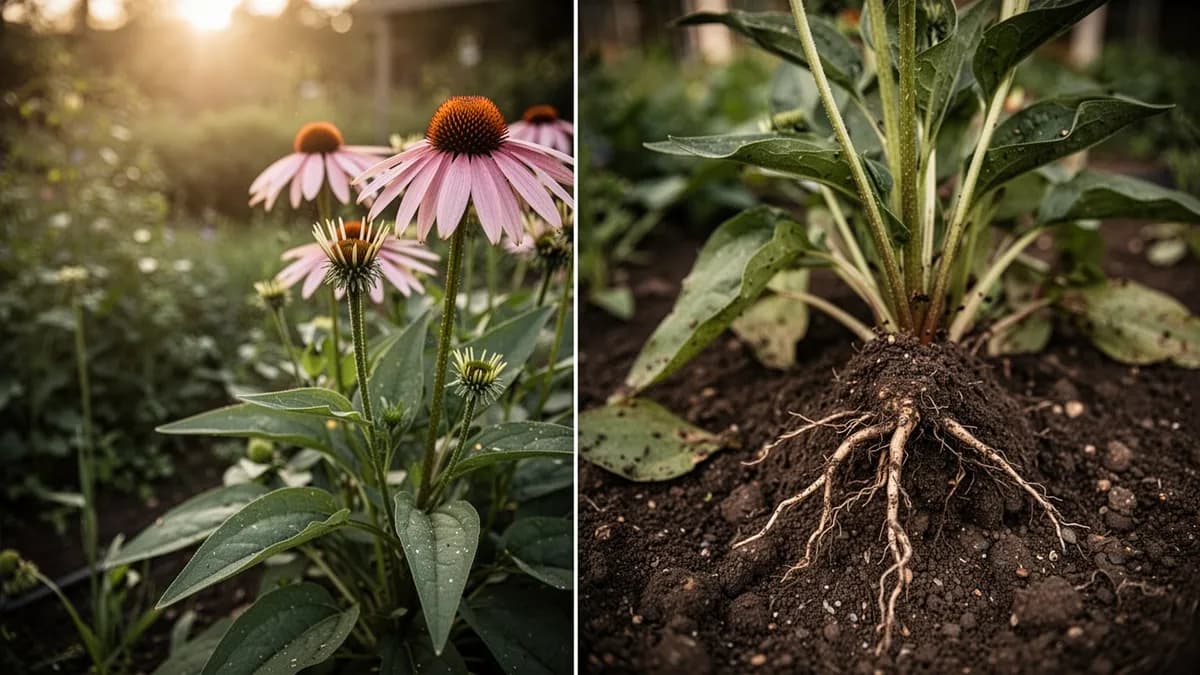
Feed it well
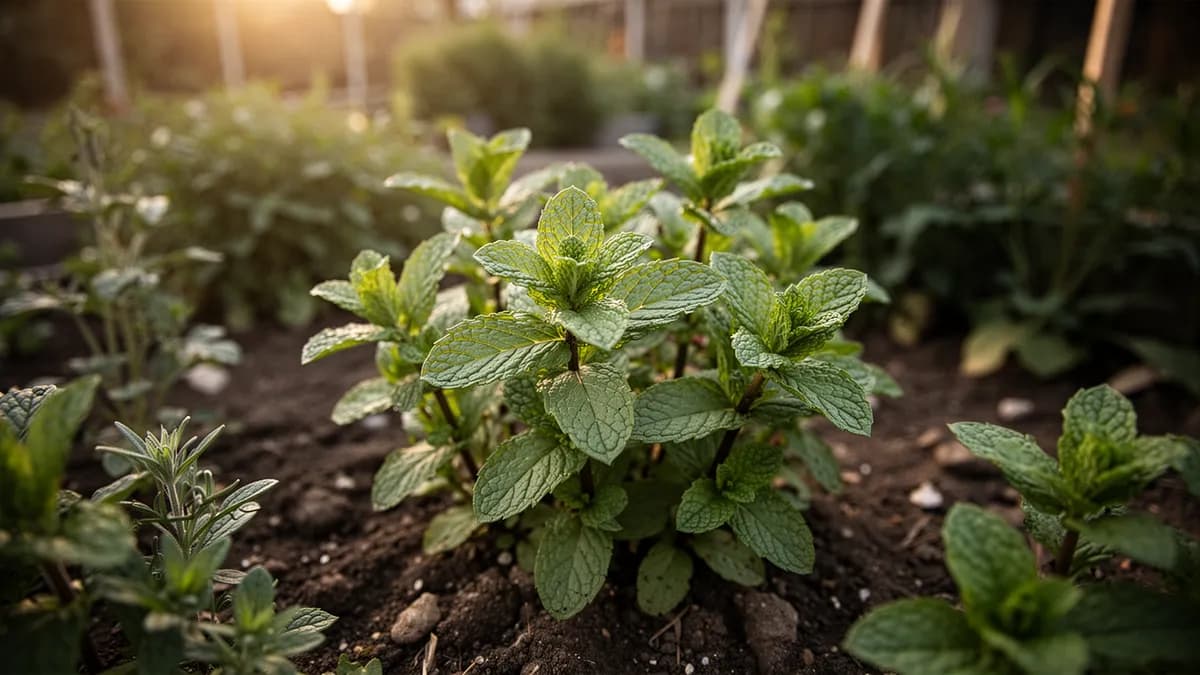
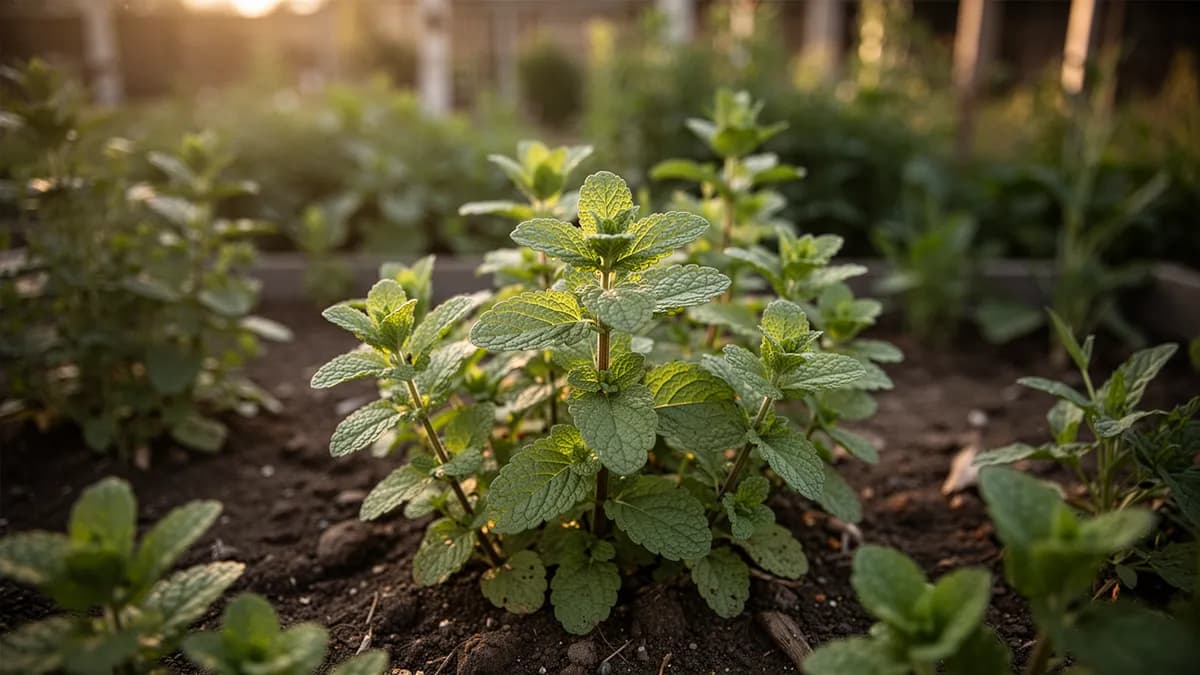
Grow in moist, well-drained soil with pH 5.5-7.5. Pennyroyal is less demanding than many mints, tolerating average soil and some drought. No special fertilization needed—moderate soil fertility is adequate. In containers, use standard potting mix kept evenly moist. The plant's spreading habit makes it an excellent ground cover that suppresses weeds while providing insect-repellent fragrance. Mulch around the edges to maintain moisture.
Ideal Temperature
Hardiness Zone Compatibility
From seed to harvest, stage by stage
Seed Germination
Pennyroyal seeds are extremely small and require light to germinate. Surface-sow onto moist seed-starting mix and press gently without covering. Maintain consistent moisture and a temperature of 15-20°C. Germination is often erratic, taking 10-18 days, and rates are typically lower than other mints.
Seedling Development
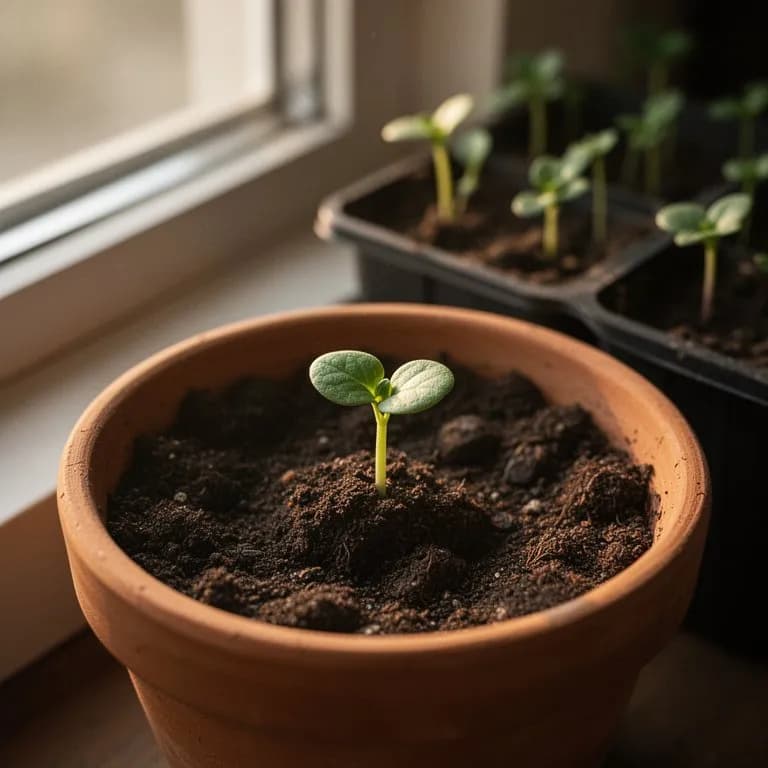
Tiny seedlings emerge with opposite pairs of small, rounded leaves that already carry a faint minty scent when brushed. Growth is slow at this stage and seedlings are vulnerable to damping off. Provide bright but indirect light and maintain even moisture without waterlogging.
Vegetative Spreading
Plants begin to produce characteristic creeping stems (stolons) that root at the nodes, rapidly expanding the plant's footprint. The low-growing, mat-forming habit becomes apparent. Leaves are small, oval, and densely arranged along the stems, releasing a strong minty-pungent aroma when disturbed.
Stem Elongation and Bud Formation
Upright flowering stems emerge from the creeping mat of foliage, reaching 20-40 cm tall. Flower buds form in dense whorls (verticillasters) at intervals along the upper portions of these stems. The plant's aromatic oil concentration peaks just before the flowers fully open.
Flowering
Small, tubular, lilac to lavender-blue flowers open in dense whorls along the flowering stems from midsummer into early autumn. Each whorl contains numerous tiny two-lipped flowers that are highly attractive to bees and other pollinators. The plant continues to spread vegetatively while flowering.
Seed Set and Autumn Decline
After pollination, tiny nutlet seeds develop within the persistent calyces. The upright flowering stems begin to brown and die back. The basal rosettes and creeping stolons remain green longer, continuing to root and spread. Growth slows as day length decreases and temperatures drop.
Winter Dormancy
In cold climates, the above-ground growth dies back partially or completely, with the plant surviving via its network of stolons and shallow roots. In mild climates (USDA zones 7-9), some basal foliage may persist through winter. The plant is hardy to approximately -15°C when established and well-drained.
Use a fine mist sprayer to water seeds, as even gentle watering can displace the tiny seeds. A clear humidity dome helps maintain the constant moisture pennyroyal requires for germination.
Caring for Pennyroyal month by month
What to do each month for your Pennyroyal
October
You are hereCut back spent flowering stems to 5 cm above ground level. Clean up fallen debris around plants. In containers, move potted pennyroyal to a sheltered location or cold frame for winter protection. Apply a light mulch in colder zones.
Know exactly what to do in your garden — every month
One email at the start of each month: what to sow, plant, and tackle right now — for your Pennyroyal and everything growing around it. Plus a short starter course that helps you dodge the classic mistakes.
- What to do, right now
- Matched to your season
- Starter course included
Harvesting Pennyroyal
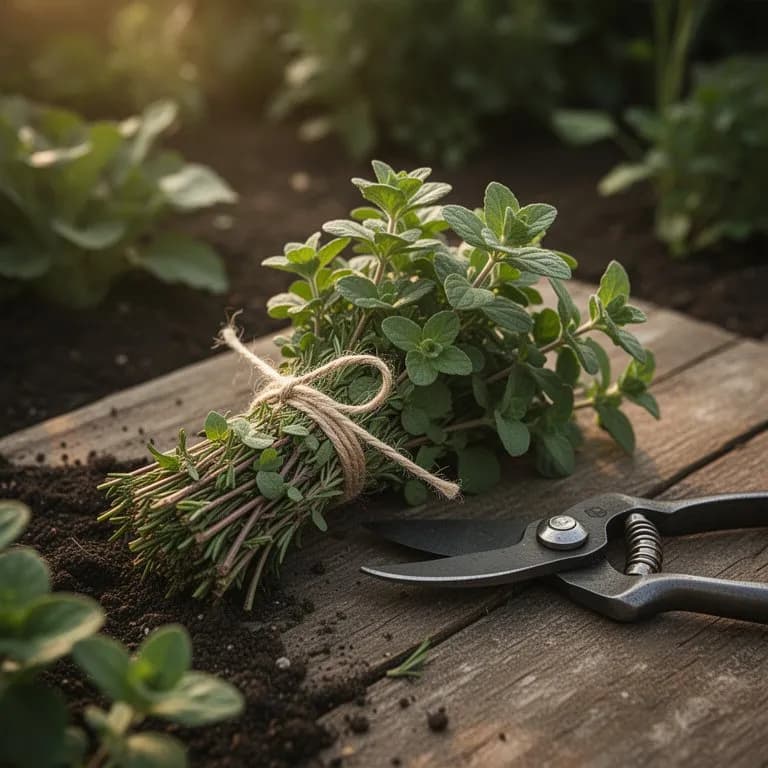
Harvest pennyroyal stems during or just before flowering when pulegone content is at its peak. Cut stems close to the ground—the plant will regrow from the stolons. For insect-repellent sachets, dry the stems and leaves thoroughly. The intense, minty-camphor fragrance is the primary deterrent against fleas, ants, and mosquitoes. Remember: pennyroyal is for external use only. The essential oil is toxic and should never be ingested. Use only as a pest repellent and aromatic garden plant.
assuming you plant when the window opens — set your real date
Pick Pennyroyal promptly and the plant keeps producing.
Storage & Preservation
Dry pennyroyal by hanging small bundles in a warm, dark area for 1-2 weeks. The dried herb retains its strong insect-repellent fragrance well. Store in airtight jars for up to one year. Make insect-repellent sachets by stuffing dried pennyroyal into small cloth bags for placement in drawers, closets, and pet bedding. The dried herb can be scattered where ants are problematic. Do not make tinctures or teas for internal consumption—pulegone is hepatotoxic.
What goes wrong — and the fix
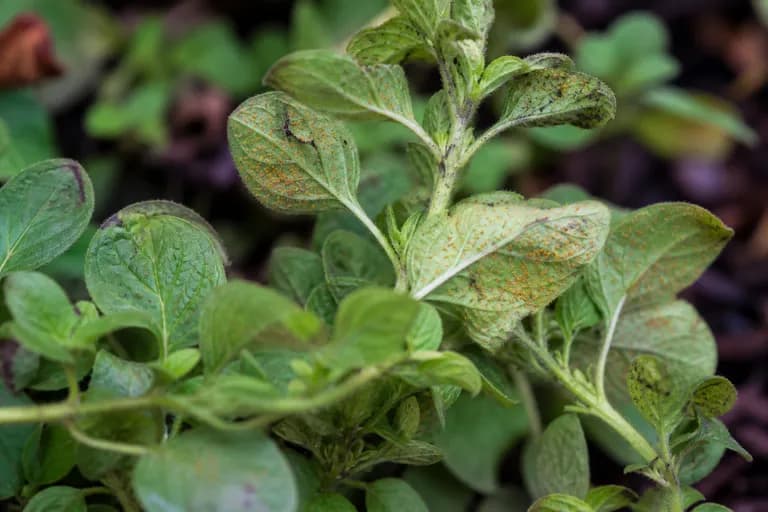
Mint Rust
DiseaseOrange-brown pustules on leaf undersides, yellowing and distorted foliage. Common in mint family plants.
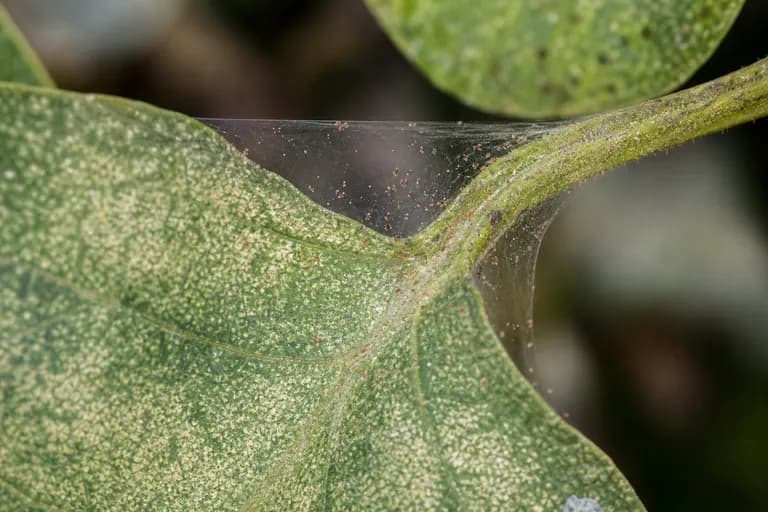
Spider Mites
PestFine stippling on leaves, webbing visible in dry conditions. Somewhat ironic for an insect-repellent plant.
Troubleshooting Common Problems
The primary concern is toxicity—pennyroyal essential oil is dangerous if ingested, and even pennyroyal tea in large quantities can cause liver damage. Educate household members, especially children, about this safety issue. Like all mints, spreading can become aggressive; use root barriers. Less cold-hardy than many mints (zone 5 minimum), so provide winter protection in marginal areas or treat as annual. May die back in harsh winters but usually resprouts from roots.
Growing Tips
- Pennyroyal prefers consistently moist soil and tolerates wetter conditions than most other mints. Plant it in areas with reliable moisture, such as near downspouts, along irrigation lines, or at the base of slopes where water naturally collects.
- Provide full sun to partial shade. Pennyroyal performs well in dappled light and is one of the few aromatic herbs that tolerates up to half-day shade without significant loss of vigour, though full sun produces the most potent essential oils.
- Contain pennyroyal's spread by planting within buried barriers, edging, or containers. Its stolons will root wherever they touch soil, and without boundaries it can quickly colonize large areas of the garden.
- Use pennyroyal as a living ground cover between stepping stones, along pathways, or under garden benches. When stepped on or brushed against, the foliage releases its characteristic strong minty scent and may help deter insects from the area.
- Divide established clumps every 2-3 years in spring or early autumn to maintain vigour and prevent the centre of the patch from dying out. Replant divisions 25-30 cm apart in refreshed soil.
- Avoid heavy fertilization, which produces lush but weakly scented growth. A single light application of balanced organic fertilizer in early spring is sufficient. Pennyroyal performs well in moderately fertile soil.
- Harvest stems before or just as flowers begin to open for the highest concentration of aromatic oils. Cut stems 5-8 cm above ground level to allow regrowth. Two to three harvests per season are typical.
- Keep pennyroyal away from areas where pets or small children play unsupervised. All parts of the plant are toxic if ingested in quantity, and the essential oil is particularly dangerous. Use as a visual and aromatic border plant rather than in high-traffic play zones.
- In cold climates, treat pennyroyal as a semi-perennial. Mulch the crown lightly with straw after the first hard frost. In zones 6 and colder, consider growing in containers that can be moved to a cold frame or unheated garage for winter.
- Pennyroyal is easily propagated from stem cuttings taken in late spring or summer. Place 8-10 cm cuttings in a glass of water on a windowsill; roots will develop within 7-14 days. Transfer to pots or directly to the garden once roots are 3-5 cm long.
Grow your best Pennyroyal yet — and everything around it.
Start a free plan today. Lay out your beds, drop in your Pennyroyal, and let PlotMyGarden handle the timing, spacing, companions and reminders from seed to harvest basket.
Pick your Pennyroyal
Mentha pulegium (European Pennyroyal)
The standard species with creeping habit and pale lilac flowers. Intensely aromatic ground cover.
Hedeoma pulegioides (American Pennyroyal)
An unrelated annual with similar fragrance and traditional uses. Native to eastern North America.
Pennyroyal is one of the most economical herbs to grow, as a single plant or small packet of seeds ($2-4) can cover a large area within one to two seasons through its aggressive stolon-based spreading. A well-established pennyroyal patch provides a renewable supply of dried material for insect-repellent sachets that would cost $5-10 each commercially. Growing your own also eliminates the need for synthetic insect repellents around outdoor living areas. Because pennyroyal propagates so readily from divisions and cuttings, you can share plants freely and never need to purchase more after the initial investment. Over five years, a single starter plant can easily save $50-100 on natural pest-repellent products.
Quick recipes
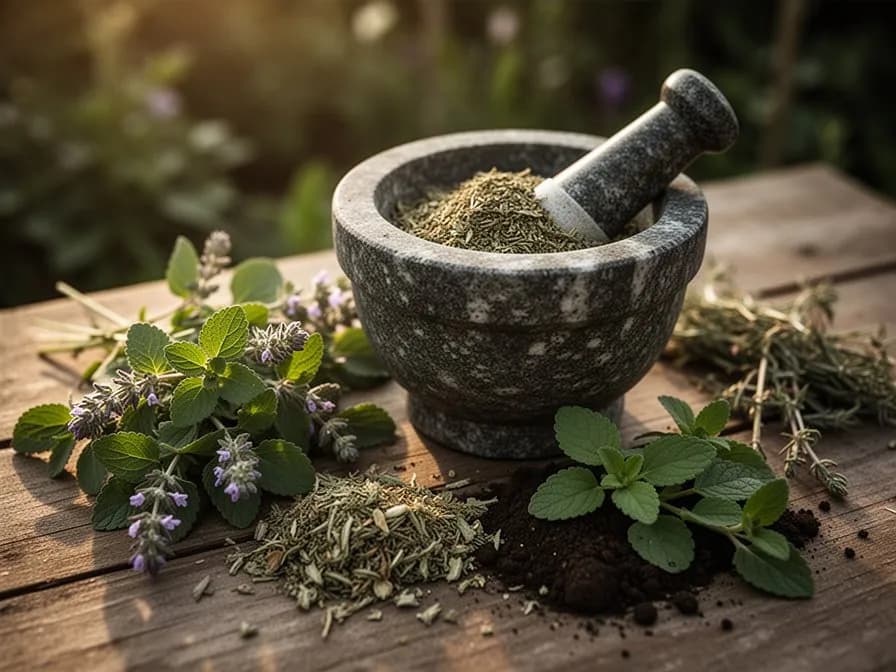
Pennyroyal Flea-Repellent Sachet
15 minutesThese aromatic sachets use dried pennyroyal to naturally deter fleas, moths, and other insects from pet bedding areas, wardrobes, and drawers. The strong minty-pungent scent of pennyroyal has been used for centuries as a natural pest repellent. This is an external, non-ingestible use only — never allow pets or children to chew on or consume the sachets.
5 ingredients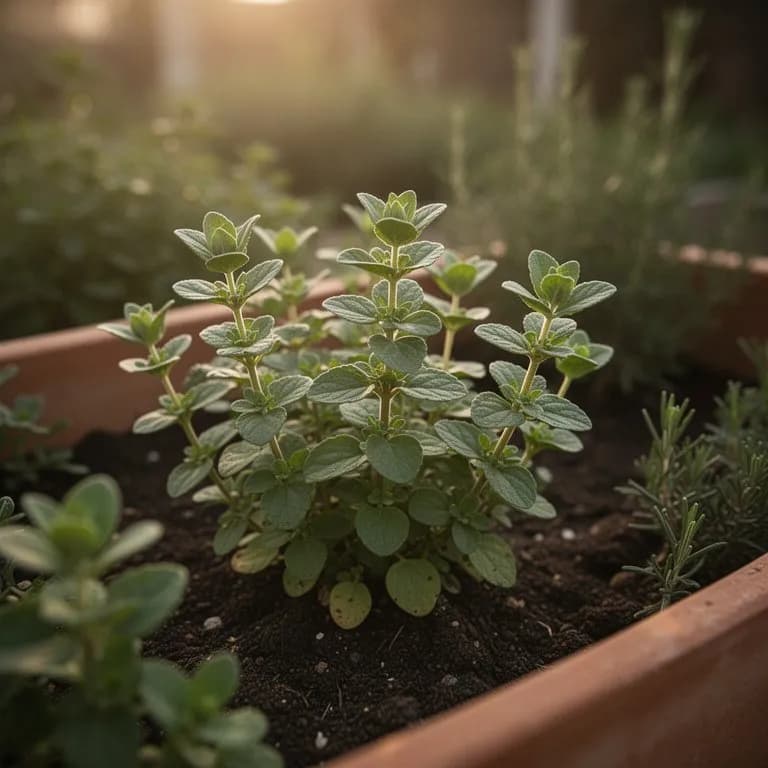
Pennyroyal Insect-Repellent Spray for Outdoor Use
20 minutes + 24 hours steepingA natural spray made from pennyroyal that can be applied to outdoor surfaces, patio furniture, and garden borders to help repel mosquitoes, ants, and flies. This spray is for external environmental use only — do not apply to skin, food surfaces, or areas accessible to pets, as pennyroyal is toxic if ingested by animals or humans.
5 ingredientsPennyroyal Aromatic Foot Soak
10 minutes + 20 minutes soakingA traditional external herbal foot soak using pennyroyal's strong aromatic properties to refresh tired feet. The menthol-like compounds in pennyroyal create a cooling, invigorating sensation. This is strictly for external use on intact skin only — do not use on broken skin, and never drink the soaking water. Discontinue use if any skin irritation occurs.
5 ingredientsWhat's inside
Health Benefits
- WARNING: Pennyroyal is toxic when ingested internally. The essential oil contains pulegone, a potent hepatotoxin that can cause liver failure, seizures, and death even in relatively small amounts. Never consume pennyroyal as a tea, tincture, or food ingredient.
- When used externally as a crushed fresh herb or in diluted preparations, pennyroyal has a long folk history of repelling fleas, mosquitoes, ticks, and other biting insects from the immediate area.
- The strong aromatic compounds released when pennyroyal foliage is bruised may provide a mild decongestant effect through inhalation in well-ventilated outdoor settings, though this should not replace medical treatment.
- Growing pennyroyal as a companion plant near doorways and outdoor living areas may help reduce the presence of ants, flies, and mosquitoes through its volatile aromatic emissions.
- Diluted pennyroyal infusions have been used historically in foot baths for their cooling, refreshing properties, though modern use should exercise caution and avoid any broken skin contact.
- The plant's vigorous ground-covering habit provides ecological health benefits by suppressing weeds, reducing soil erosion, and creating habitat for beneficial ground-dwelling insects in garden settings.
Where Pennyroyal comes from
Pennyroyal (Mentha pulegium) is native to Europe, western Asia, and North Africa, where it grows wild in damp meadows, along stream banks, and on the edges of seasonal pools throughout the Mediterranean basin and across temperate Europe as far north as southern Scandinavia. It favours moist, low-lying ground that experiences periodic flooding, a preference that distinguishes it from most other mints in the wild. The herb has one of the longest documented histories of human use of any member of the mint family. Ancient Egyptians, Greeks, and Romans all employed pennyroyal extensively. The Greek physician Dioscorides catalogued it in his first-century work 'De Materia Medica,' recommending it for a range of ailments. Pliny the Elder wrote that pennyroyal was hung in sleeping rooms to repel fleas, and Roman naturalists noted its ability to purify stagnant water. The herb's flea-repelling reputation gave it both its Latin species name 'pulegium' and its common English name, derived from the Anglo-Norman 'puliol real' meaning 'royal thyme of the fleas.' Throughout the medieval period, pennyroyal held a prominent place in monastery physic gardens across Europe. It appeared in Charlemagne's 'Capitulare de Villis' around 800 CE, a decree listing plants required to be grown in imperial gardens. Medieval herbalists prescribed pennyroyal for digestive complaints and as a strewing herb scattered on floors to freshen rooms and deter insects. English colonists brought pennyroyal to North America, where it naturalized in many eastern states. The American species Hedera hedeoma pulegioides, though a different genus, acquired the same common name due to its similar scent. By the 19th century, advances in chemistry revealed that pennyroyal's primary essential oil component, pulegone, is a potent hepatotoxin, and its internal medicinal use declined sharply. Today, pennyroyal is valued primarily as an ornamental ground cover, a companion plant for natural pest management, and a source of aromatic oil for external insect-repellent formulations, while its internal use is strongly discouraged by modern herbalists and medical authorities.
Pennyroyal: did you know?
Fascinating facts about Pennyroyal
The name 'pulegium' comes from the Latin 'pulex,' meaning flea, because the ancient Romans scattered pennyroyal around their homes and rubbed it on their skin to repel fleas.
Pennyroyal questions, answered
When should I plant Pennyroyal?
What are good companion plants for Pennyroyal?
What hardiness zones can Pennyroyal grow in?
How much sun does Pennyroyal need?
How far apart should I space Pennyroyal?
What pests and diseases affect Pennyroyal?
How do I store Pennyroyal after harvest?
What are the best Pennyroyal varieties to grow?
What soil does Pennyroyal need?
Is pennyroyal safe to use as a culinary herb or tea?
Is pennyroyal safe around pets?
How do I use pennyroyal to repel insects naturally?
How do I prevent pennyroyal from taking over my garden?
Can I grow pennyroyal indoors?
What is the difference between European pennyroyal and American pennyroyal?
You just read the theory. Now grow it on autopilot.
Everything that makes Pennyroyal fiddly — the timing, the spacing, the companions, the harvest window — is exactly what PlotMyGarden handles for you, for every plant in your garden.
A plan that knows your weather
Set your location once. Get sow, feed and harvest dates built around your real last-frost date and live forecast — no more guessing from a generic seed packet.
From the “When to plant” sectionDrag-and-drop bed planner
Design beds on a grid. Every plant snaps to its proper spacing, and you can see your whole season laid out before you spend a cent on seed.
From the “Growing guide” sectionCompanion conflicts, caught early
200+ good-and-bad pairings checked live as you plant — so a season-wrecking mistake never makes it into the ground.
From the “Companions” sectionReminders you'll actually act on
“Water the beans.” “Pick today before it turns.” Timely, specific, and tied to the plants you're really growing.
From the “Harvest” sectionSuccession, scheduled
Want a harvest for six weeks, not six days? It spaces your sowings automatically and reminds you when each new block is due.
From the “When to plant” sectionA record that gets smarter
Every harvest you log teaches it your garden. Next year's plan starts from what actually worked in your soil, not a textbook's.
From the “Overview” sectionPlant these alongside Pennyroyal
More Medicinal Herbs
Grow your best Pennyroyal yet — and everything around it.
Start a free plan today. Lay out your beds, drop in your Pennyroyal, and let PlotMyGarden handle the timing, spacing, companions and reminders from seed to harvest basket.