Pawpaw
typical season: plant Mar – Apr · harvest Sep – Oct · set your climate
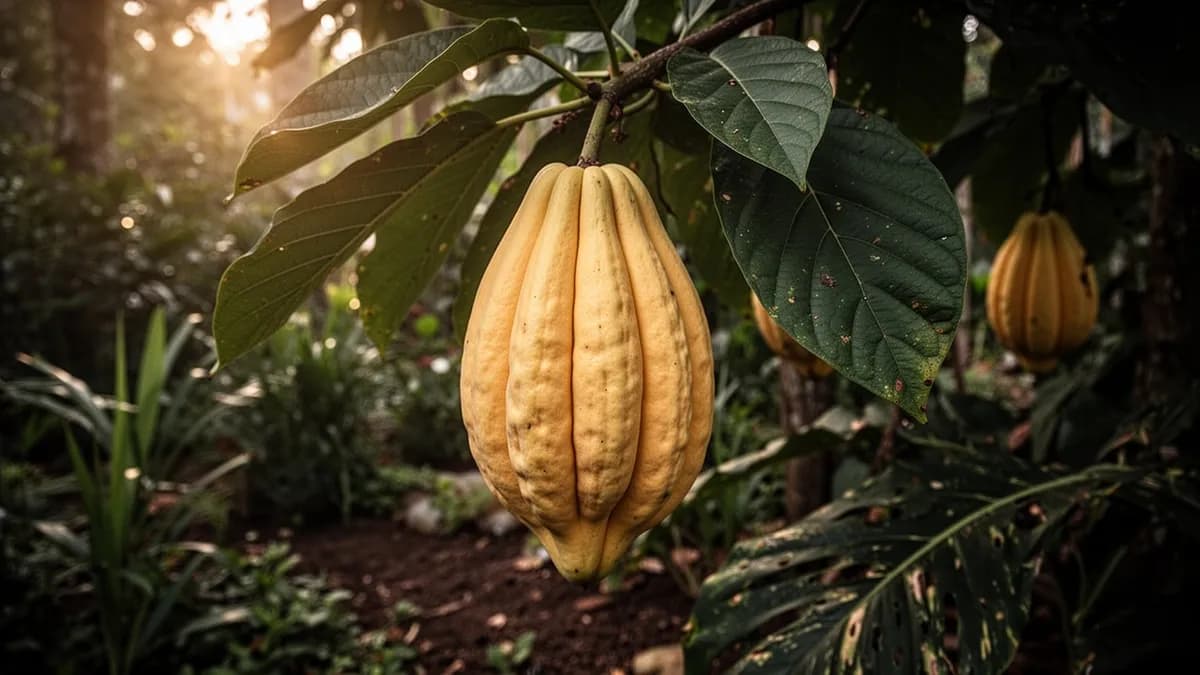
The largest edible fruit native to North America, with custardy, tropical-flavored flesh despite growing in cold temperate climates.
On this pageOverview
Meet Pawpaw
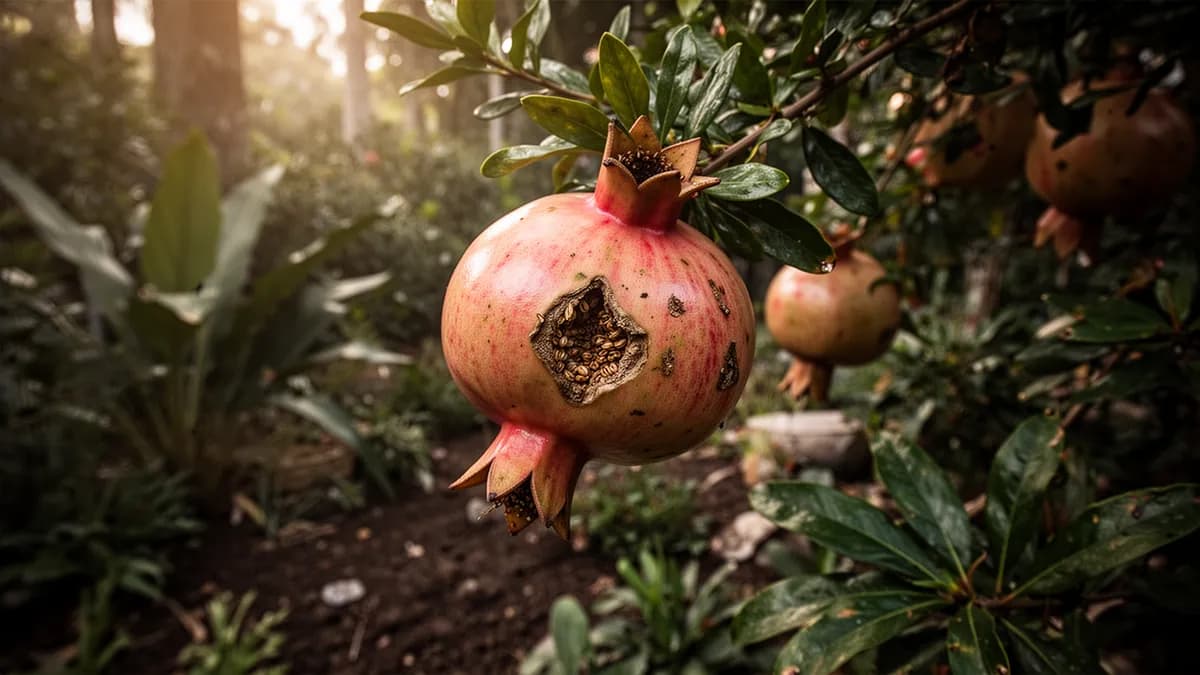
The largest edible fruit native to North America, with custardy, tropical-flavored flesh despite growing in cold temperate climates. Pawpaw trees require cross-pollination and are pollinated by flies and beetles, not bees, so some growers hang rotting meat near the flowers. The fruits are extremely perishable and must be eaten within days of harvest, explaining their absence from grocery stores.
When to plant Pawpaw
Pawpaw seeds require 90 to 120 days of cold, moist stratification to break dormancy. Collect seeds from ripe fruit, clean off all flesh, and place in a sealed bag with damp peat moss in the refrigerator at 32 to 40 degrees Fahrenheit. After stratification, sow seeds 1 inch deep in tall, deep pots to accommodate the long taproot, using a rich, well-draining potting mix. Keep at 75 to 85 degrees Fahrenheit and maintain consistent moisture. Germination takes 2 to 3 weeks after stratification. Seedlings produce a taproot before any above-ground growth appears, so be patient. Provide shade for the first two years. Seedling-grown trees take 5 to 8 years to fruit, while grafted trees may fruit in 3 to 4 years.
Your Pawpaw Year
Composed for Zone 7 · typical seasons · frost passes Apr 2, returns Nov 1
Plant Pawpaw Mar – Apr, pick Sep – Oct. Check the planting methods below and set your climate to personalize these windows.
Picking Pawpaw this season? Its next window opens Mar 1
One email a few days before it opens where you garden and one two weeks before it closes.
One email per milestone, never more than one a week. Unsubscribe with one tap. No account needed.
How to grow Pawpaw
Pawpaw is a deciduous understory tree native to the eastern United States, growing 15 to 25 feet tall in the wild. Despite producing tropical-flavored fruit, it is remarkably cold-hardy, thriving in USDA zones 5 through 9. Young pawpaw trees require shade for the first two years, as direct sunlight can scorch their large, tender leaves. Once established, they fruit best with at least 6 hours of sun, so gradually remove overhead shade as the tree matures.
Pawpaws require a minimum of 400 chill hours below 45 degrees Fahrenheit to break dormancy and set fruit properly. They prefer deep, fertile, well-drained soil with a slightly acidic pH of 5.5 to 7.0. The trees have a deep taproot and do not transplant well once established, so choose the planting site carefully. Water regularly during the first few years, providing 1 to 2 inches per week during the growing season.
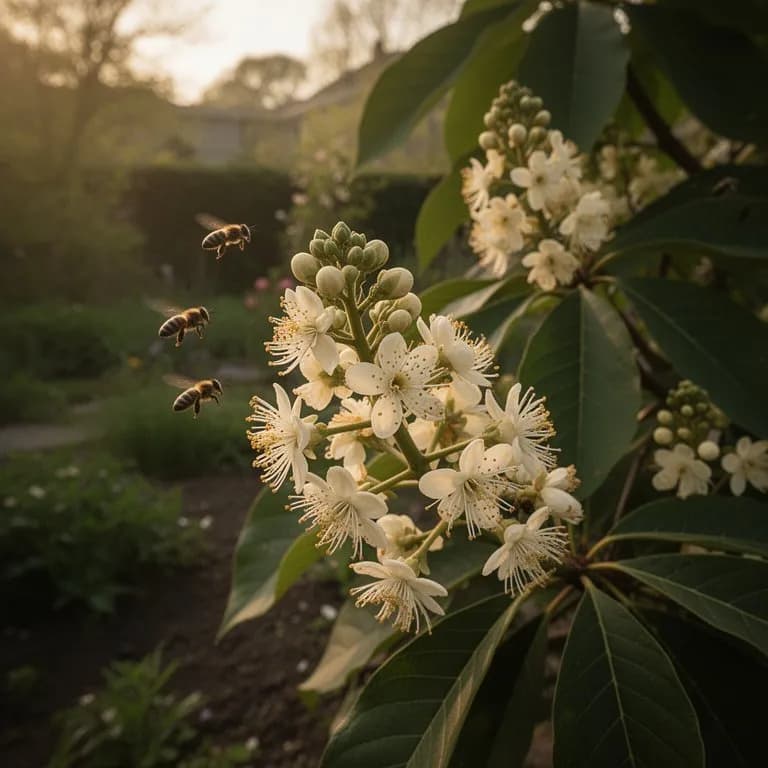
Cross-pollination between two genetically distinct trees is essential for fruit production, so always plant at least two different varieties or seedlings. Pawpaw flowers are pollinated primarily by flies and beetles rather than bees, and fruit set can be improved by hand pollination. Use a small paintbrush to transfer pollen from one tree's flowers to another when the dark maroon blossoms open in spring.
Related growing guides
Feed it well
Pawpaws thrive in deep, fertile, well-drained soil with a slightly acidic to neutral pH of 5.5 to 7.0, similar to conditions found in rich bottomland forests where they grow wild. They prefer loamy soil with high organic matter content. Amend heavy clay soils with compost and coarse organic matter to improve drainage. Apply a balanced organic fertilizer such as 10-10-10 in early spring at a rate of 1 pound per inch of trunk diameter. Supplement with fish emulsion or compost tea during the growing season. Maintain a 4 to 6 inch layer of leaf mulch or wood chips around the root zone, mimicking the forest floor conditions these trees prefer naturally.
Ideal Temperature
Hardiness Zone Compatibility
From seed to harvest, stage by stage
Dormancy and Establishment
Pawpaws are planted as container-grown or bare-root seedlings in early spring. During the first season the tree puts almost all its energy into establishing a deep taproot system rather than producing above-ground growth, so visible progress appears slow. This root investment is critical for long-term drought tolerance and structural stability. Young trees are highly sensitive to full sun exposure and benefit from partial shade during establishment.
Vegetative Growth
Once the taproot is established, typically in the second and third year, the pawpaw begins vigorous above-ground growth, producing the large, drooping, tropical-looking leaves that make the tree ornamentally distinctive. Root suckers may emerge around the base and begin forming the clonal colony structure typical of wild pawpaw patches. Some shade tolerance can be reduced at this stage as the canopy matures.
First Flowering
Pawpaws typically begin flowering in their fifth to eighth year. The dark brownish-maroon flowers emerge on bare branches in early spring before the leaves flush, relying on flies, beetles, and other carrion-attracted insects for pollination. Each flower is perfect (bisexual) but protandrous — the pollen matures before the stigma is receptive — making cross-pollination from another genetically distinct tree essential for reliable fruit set.
Fruit Development
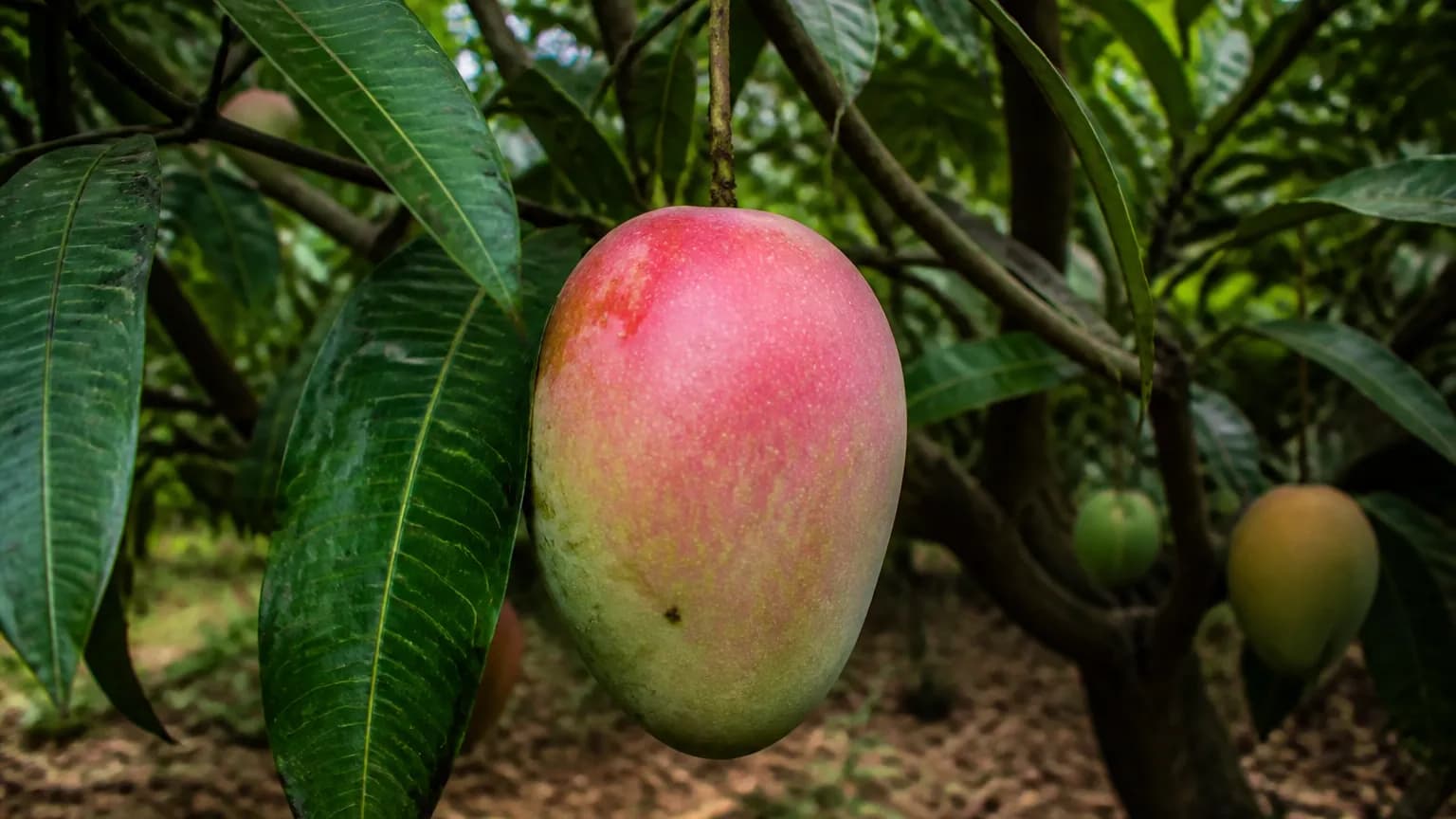
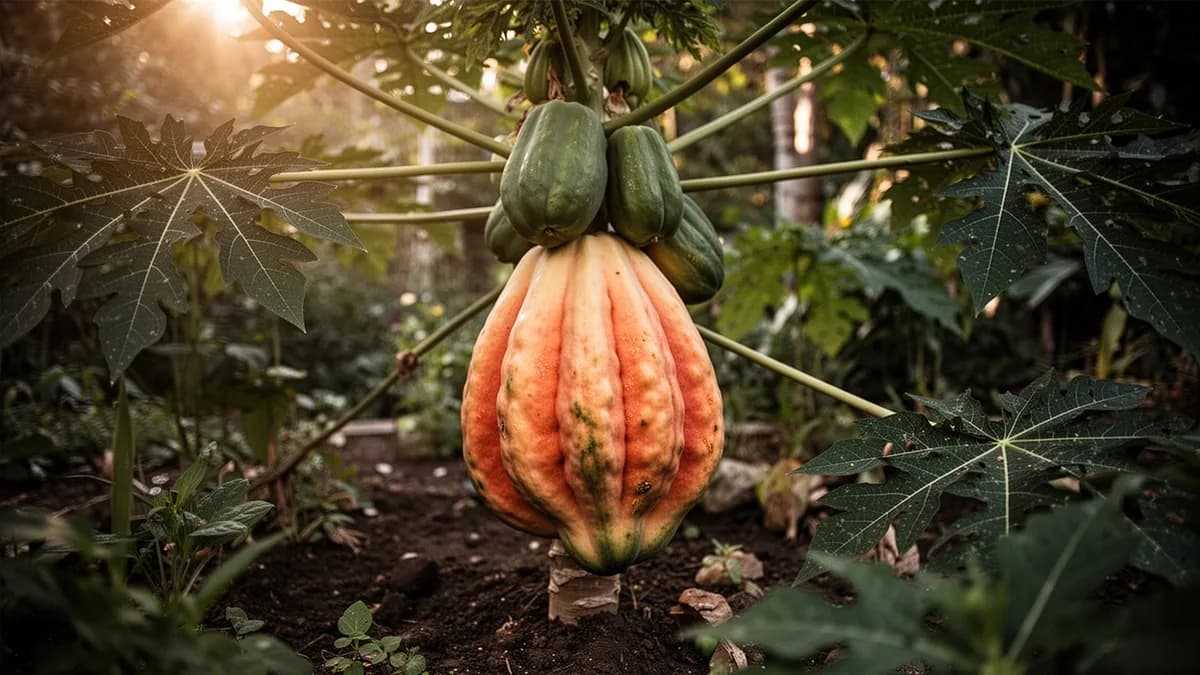
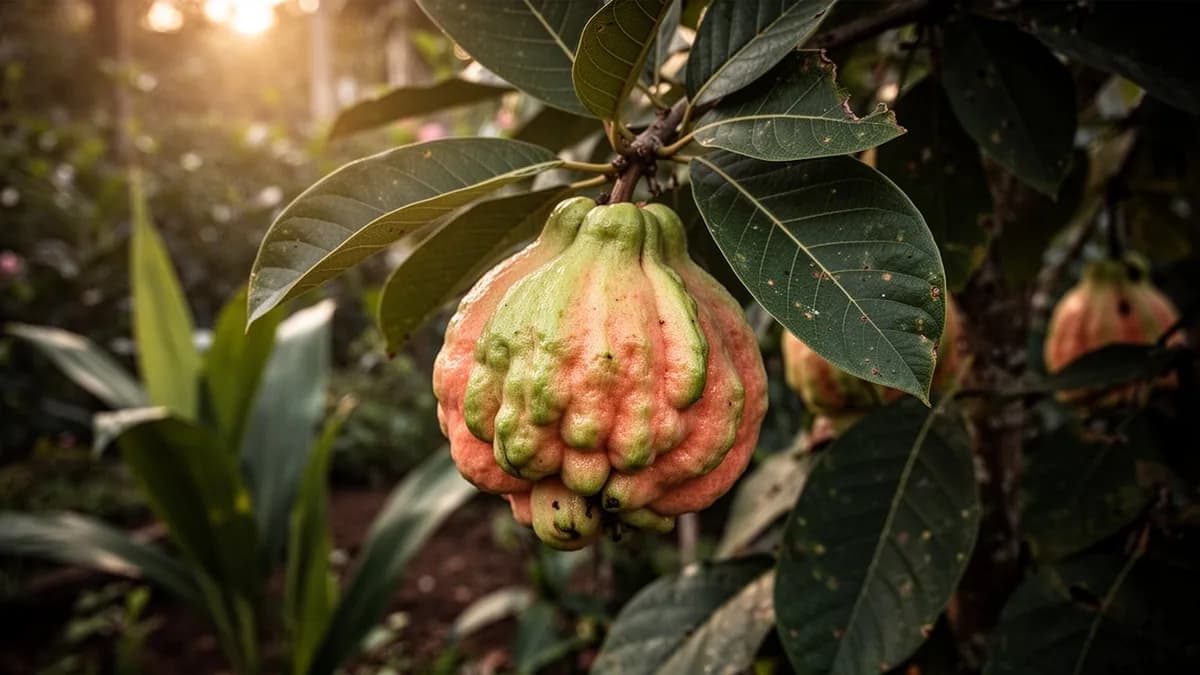
After successful pollination, fruits develop through spring and summer, swelling from small olive-sized fruitlets into the final oblong, mango-like shape. Fruits grow in clusters of two to nine and undergo a natural thinning drop in early summer. The skin transitions from bright green through to a yellowing, slightly soft exterior as ripeness approaches in late summer to autumn.
Harvest and Dormancy
Pawpaws ripen from late summer into mid-autumn depending on variety and climate. Unlike most tree fruits, pawpaws do not ripen well off the tree and must be harvested at near-full ripeness, indicated by the skin beginning to soften and change from bright green to a yellowish-green. Ripe fruit has an extremely short shelf life of two to three days at room temperature but keeps for up to three weeks refrigerated. After harvest the tree enters full dormancy, dropping its large leaves and resting until the following spring.
Provide 50–80% shade cloth over newly planted trees for the first full growing season. Keep the soil consistently moist but never waterlogged. Avoid disturbing the taproot during transplanting — use tall containers or plant in-ground seedlings directly. Do not fertilise in the first season.
Caring for Pawpaw month by month
What to do each month for your Pawpaw
October
You are hereComplete any remaining harvest before the first hard frost. As leaves begin to yellow and drop, assess the tree's overall structure and note any branches to prune during winter dormancy. Begin reducing supplemental watering as the tree enters dormancy. Leave leaf litter around the root zone as natural mulch.
Harvesting Pawpaw
Pawpaw fruits ripen in early to mid-autumn, typically 5 to 7 weeks after the fruit reaches full size. Ripe fruit yields to gentle pressure, similar to a ripe peach, and develops a strong, sweet tropical fragrance. The skin may turn from green to yellowish-green, and dark spots or bruises appear easily on ripe fruit. The best harvesting technique is to cup the fruit gently and twist; if ripe, it will separate easily from the stem. Check trees every day or two during the harvest window, as fruit ripens over a 2 to 3 week period. Fruit that falls to the ground is usually at peak ripeness but may bruise.
Storage & Preservation
Pawpaw fruit is extremely perishable, lasting only 2 to 3 days at room temperature once fully ripe. Refrigeration extends shelf life to about 1 week. For longer storage, scoop out the flesh, remove seeds, and freeze the pulp in airtight containers for up to 6 months. Frozen pawpaw pulp works well in smoothies, ice cream, and baking. The pulp can also be dehydrated into fruit leather, though the flavor changes significantly. Pawpaw does not can well due to its custard-like texture. Some growers make pawpaw butter similar to apple butter, cooking the pulp with sugar and spices for a spreadable preserve.
What goes wrong — and the fix
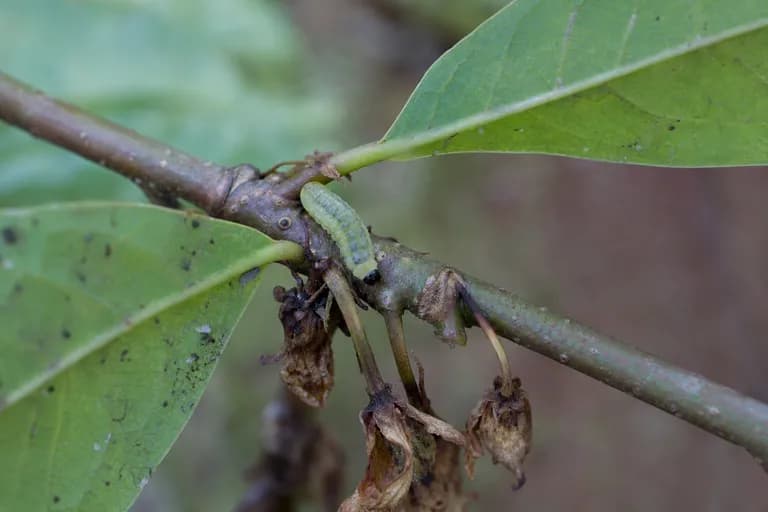
Pawpaw Peduncle Borer
PestLarvae bore into the flower stalks, causing blossoms to drop before fruit can set. Affected flower clusters wilt and detach from the branch. This pest is the primary cause of poor fruit set in some regions.
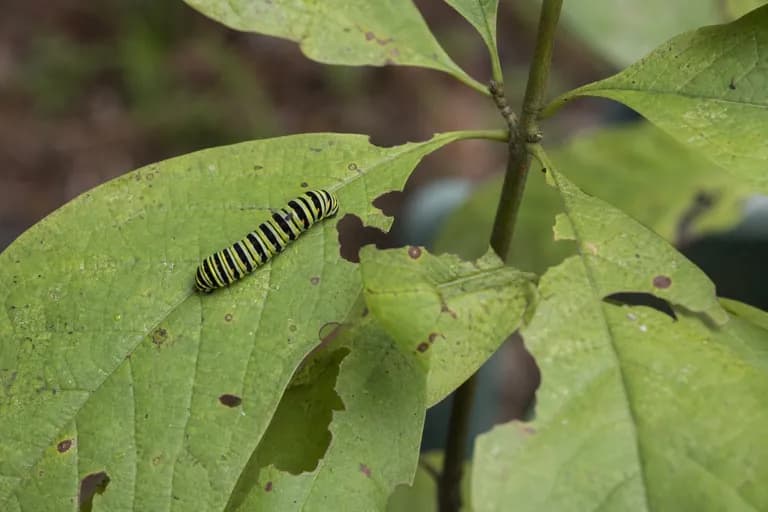
Zebra Swallowtail Caterpillar
PestLarge caterpillars with green and yellow banding feed on leaves, sometimes causing significant defoliation on young trees. Mature trees generally tolerate this feeding without serious harm.
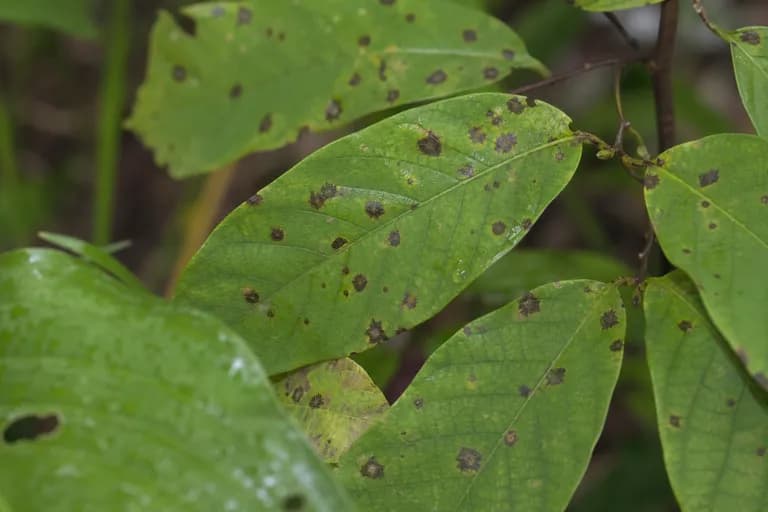
Phyllosticta Leaf Spot
DiseaseDark brown to black spots with lighter centers appear on leaves during warm, humid weather. Severe infections can cause premature leaf drop, reducing the tree's energy reserves for the following season.
Troubleshooting Common Problems
Poor fruit set is the most frequent issue and is almost always caused by inadequate pollination. Plant multiple seedlings or named varieties and consider hand pollination for reliable harvests. Young tree sunburn is common when seedlings are planted in full sun without initial shade protection; provide shade cloth or companion plantings for the first two growing seasons. Slow establishment is normal, as pawpaws develop extensive root systems before putting on significant top growth. Fruit drop in mid-summer usually indicates poor pollination or water stress. Root suckers can spread aggressively; remove unwanted suckers to direct energy to the main trunk unless you want a pawpaw thicket.
Growing Tips
- Always plant at least two genetically distinct pawpaw trees for cross-pollination — trees grown from the same clone or parent will not reliably pollinate each other, resulting in little to no fruit set despite abundant flowering.
- Shade young trees for the first one to two seasons using 50–80% shade cloth suspended above them on a simple frame. Pawpaws evolved as woodland understory plants and young specimens will suffer severe leaf scorch and growth setback if exposed to full sun before their root system is established.
- The taproot of the pawpaw is its most sensitive structure — always purchase container-grown specimens and transplant with minimal root disturbance, or start seeds directly in the ground in their permanent position. Bare-root transplanting frequently results in severe transplant shock.
- Hand-pollination dramatically improves fruit set even when two trees are planted together. Use a small artist's brush to collect pollen from freshly opened flowers (when the central pollen mass is loose and powdery) and transfer it to the sticky stigma of flowers on the adjacent tree each morning during the two-week bloom window.
- Pawpaw fruits ripen unevenly within the same cluster and even within the same tree. Check trees daily from late summer onward and harvest only fruits that yield to gentle pressure — attempting to ripen fully firm fruit off the tree rarely succeeds.
- Freeze surplus pawpaw pulp in labelled zip-lock bags or silicone moulds for up to twelve months. Remove seeds and skin before freezing. Frozen pulp retains the full flavour and nutrition of fresh fruit and thaws perfectly for smoothies, baked goods, and custards throughout the year.
- Root suckers can be a nuisance if you want a single specimen tree, but in an orchard or naturalistic planting they are an asset — each sucker is a clone of the parent that can be carefully dug in autumn with a portion of root attached and transplanted to expand your grove or share with other gardeners.
- Avoid planting pawpaws in low-lying frost pockets. The late-spring flowers emerge before the leaves on bare branches and are among the most frost-sensitive plant structures in the temperate garden, easily killed by brief dips below -2°C that would not harm established leaves. A slight elevation or slope exposure facing away from the midday sun can delay flowering by a few critical days and protect against late frosts.
- Mulch the root zone generously with wood chips or shredded leaves to a depth of 10–15 cm each autumn, keeping mulch clear of the trunk. This mimics the deep woodland leaf litter in which pawpaws naturally thrive, retaining moisture, moderating soil temperature extremes, and gradually building the rich, humus-rich soil structure the trees prefer.
- Pawpaw trees rarely require significant pruning once established, but removing any crossing or inward-pointing branches during full winter dormancy will improve air circulation through the canopy and reduce fungal disease pressure. Maintain an open centre structure by removing any vigorous upright water shoots that shade the fruiting wood.
Pick your Pawpaw
Sunflower
One of the few self-fertile pawpaw varieties, though cross-pollination still improves yields. Produces medium-sized fruit with sweet, rich flavor. Compact tree reaching about 15 feet tall.
Shenandoah
Large fruit averaging 8 to 12 ounces with excellent sweet flavor and smooth, creamy texture. Bred by Neal Peterson through decades of selection. One of the most widely recommended named varieties.
Susquehanna
Produces the largest fruit of the Peterson pawpaw series, often exceeding 1 pound. Sweet, complex flavor with minimal bitterness. The tree is vigorous and highly productive once mature.
Mango
Named for its mango-like flavor profile, this variety produces medium to large fruit with bright yellow flesh. Reliable producer with good disease resistance. Popular in the mid-Atlantic region.
Wabash
Peterson series variety with medium-large fruit and rich, sweet flavor. Good balance between fruit size and tree productivity. Ripens slightly earlier than other Peterson varieties.
A mature, well-established pawpaw tree can yield between 15 and 25 kilograms of fruit per season, with premium pawpaws selling at farmers markets and specialty grocers for $8 to $15 per kilogram where they are available at all. A pair of productive trees can realistically represent $200 to $375 of fresh fruit value annually. Because the fruit is virtually unavailable through conventional retail channels due to its extreme perishability, growing your own is the only practical way most people will ever enjoy fresh pawpaw at full ripeness — making the home-grown value effectively priceless rather than merely economical.
Quick recipes
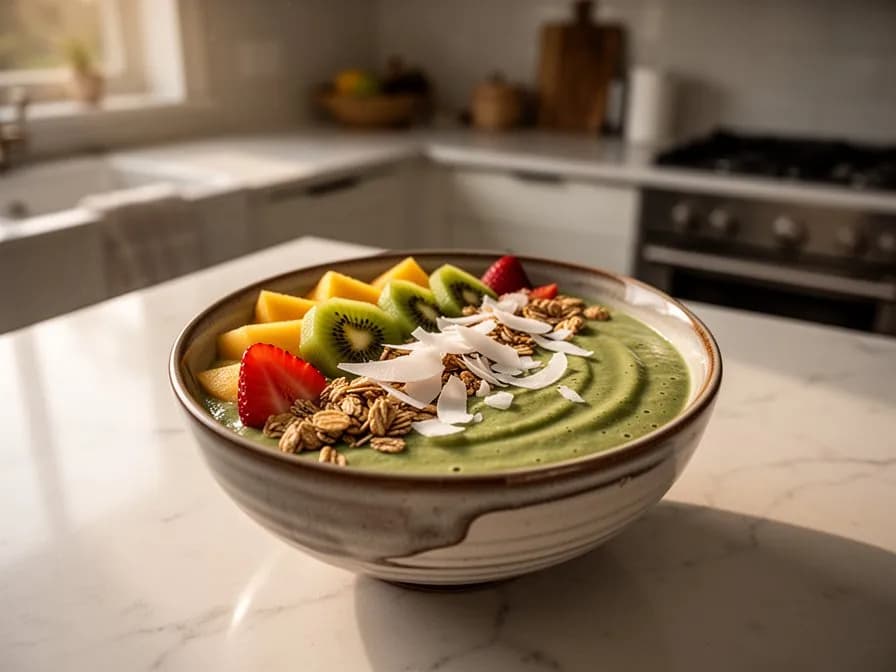
Classic Pawpaw Smoothie
5 minutesA simple, creamy smoothie that showcases the pawpaw's natural custardy richness. Requiring no added sweetener, this is the perfect introduction to pawpaw flavour for the uninitiated.
6 ingredients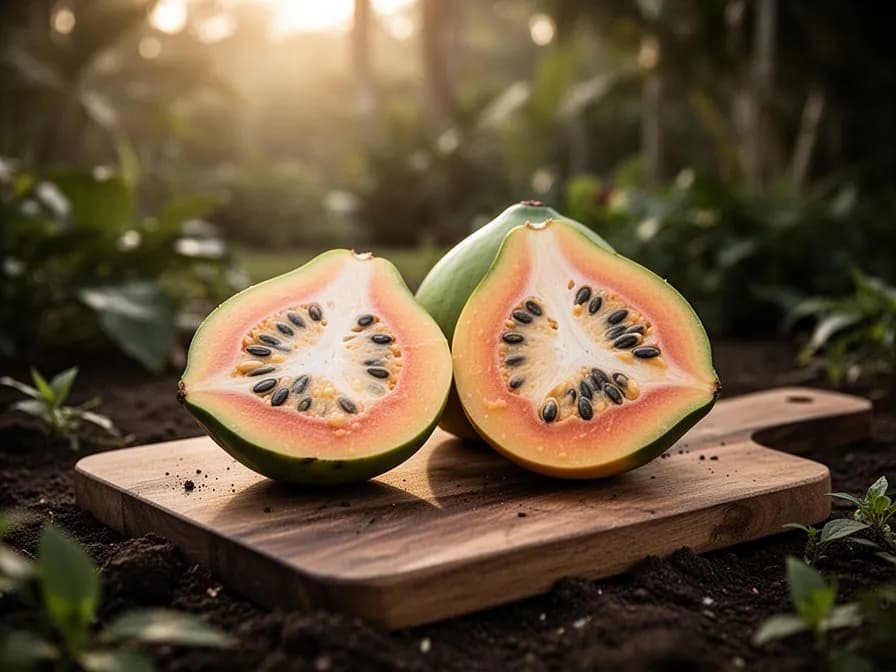
Pawpaw Butter
45 minutesA deeply flavoured fruit butter similar to apple butter, pawpaw butter preserves the harvest for months and is extraordinary spread on toast, swirled into oatmeal, or used as a filling for pastries. This recipe is the best way to process a large harvest quickly.
6 ingredientsFrozen Pawpaw Custard
20 minutes plus 4 hours freezingThe natural texture of pawpaw pulp makes it ideally suited to frozen desserts without the need for an ice cream machine. This no-churn custard captures the fruit at its richest and is the most requested pawpaw preparation at farm stands and festivals across the Ohio River Valley.
6 ingredientsCulinary Uses
Pawpaw flesh is best enjoyed fresh, scooped from the skin with a spoon, savoring its custard-like texture and complex tropical flavor reminiscent of banana, mango, and vanilla. The pulp makes outstanding ice cream, considered by many to be the finest use of the fruit. Pawpaw can replace banana in bread, muffins, and smoothie recipes. It pairs well with cream, yogurt, and mild cheeses. Pawpaw vinaigrette and barbecue sauce are popular among creative cooks. The fruit is also used in craft brewing for pawpaw wheat ales and meads.
What's inside
Health Benefits
- Exceptionally high magnesium content supports muscle function, bone density, and healthy blood pressure regulation, with levels well above those found in most other commonly consumed fruits.
- The acetogenins naturally present in pawpaw leaves, bark, and seeds have shown potent selective cytotoxicity against certain cancer cell lines in laboratory and early clinical studies, making the plant a subject of ongoing pharmaceutical research.
- As the only temperate fruit containing all essential amino acids in meaningful quantities, pawpaw contributes to daily protein requirements in a way that most fruit cannot, supporting tissue repair and immune function.
- The combination of soluble and insoluble dietary fibre supports healthy gut microbiome diversity, improves bowel regularity, and contributes to sustained satiety and blood glucose stability after meals.
- Significant iron content relative to other fruits makes pawpaw a useful dietary supplement for individuals at risk of iron-deficiency anaemia, particularly when consumed alongside vitamin C-rich foods to enhance non-haem iron absorption.
- The zebra swallowtail butterfly depends exclusively on pawpaw as its larval host plant, meaning growing pawpaws at home directly contributes to local pollinator biodiversity and supports the broader ecosystem health of your garden.
Where Pawpaw comes from
The pawpaw (Asimina triloba) carries one of the most fascinating botanical histories of any North American plant, occupying a unique position as a tropical relic stranded in a temperate landscape. Its closest relatives are the cherimoya, soursop, and custard apple — all members of the family Annonaceae, a lineage that evolved in the tropics and subtropics tens of millions of years ago. Fossil evidence suggests that ancestors of the pawpaw were once distributed across a much warmer North America, and as the climate cooled, Asimina triloba retreated southward while somehow retaining cold-hardiness traits that allowed it to survive well into the northern United States.
Long before European contact, Indigenous peoples throughout eastern North America had integrated the pawpaw deeply into their food systems and material culture. Tribes including the Cherokee, Iroquois, Delaware, and Potawatomi harvested wild pawpaw patches each autumn, drying the flesh into cakes for winter storage and using the seeds as hair treatment to repel lice. The fibrous inner bark was woven into fishing nets and used to make cordage. The leaves and bark were employed in traditional medicine for a range of ailments.
Early European explorers encountered the pawpaw with considerable enthusiasm. Hernando de Soto documented Indigenous peoples cultivating pawpaws during his 1541 expedition through the Mississippi Valley. French and Spanish colonists quickly adopted the fruit, and it spread rapidly in popularity among settlers in the Ohio River Valley region, where wild pawpaw patches were so abundant that place names like Paw Paw, West Virginia, and Paw Paw, Michigan preserve the fruit's historical abundance.
American founding fathers were notably fond of the fruit. George Washington cooled pawpaws overnight before eating them as a preferred dessert, and Thomas Jefferson cultivated the tree at Monticello and sent seeds to correspondents in France. Lewis and Clark recorded subsisting on pawpaws for several days during their 1804–1806 expedition when other food supplies ran low.
Despite this rich history and widespread historical enthusiasm, the pawpaw largely disappeared from commercial agriculture in the twentieth century, a victim of its extreme perishability — ripe fruit lasts only two or three days at room temperature — which made it incompatible with the centralised, long-distance supply chains that came to dominate American food systems. Today, a dedicated network of growers, researchers, and enthusiasts centred around organisations like the Pawpaw Foundation and annual events like the Ohio Pawpaw Festival are working to bring this remarkable indigenous fruit back to prominence.
Pawpaw: did you know?
Fascinating facts about Pawpaw
The pawpaw (Asimina triloba) is the largest edible fruit native to North America, with individual fruits capable of reaching 900 grams in weight and 15 cm in length.
Pawpaw questions, answered
When should I plant Pawpaw?
What hardiness zones can Pawpaw grow in?
How much sun does Pawpaw need?
How far apart should I space Pawpaw?
What pests and diseases affect Pawpaw?
How do I store Pawpaw after harvest?
What are the best Pawpaw varieties to grow?
What soil does Pawpaw need?
Why is my pawpaw tree flowering but not producing any fruit?
How do I know when a pawpaw is ripe and ready to pick?
Can I grow a pawpaw from seed collected from store-bought or foraged fruit?
Are any parts of the pawpaw plant toxic or unsafe to eat?
What climate zones can pawpaws grow in and do they need cold winters?
How long does it take a pawpaw tree to produce fruit, and how long will it keep producing?
More Tropical Fruits
Grow your best Pawpaw yet — and everything around it.
Start a free plan today. Lay out your beds, drop in your Pawpaw, and let PlotMyGarden handle the timing, spacing, companions and reminders from seed to harvest basket.
