Edible Papyrus
The ancient Egyptian papyrus plant has edible young shoots and white pithy interior of the stalks that taste mildly sweet.





On this pageOverview
Meet Edible Papyrus
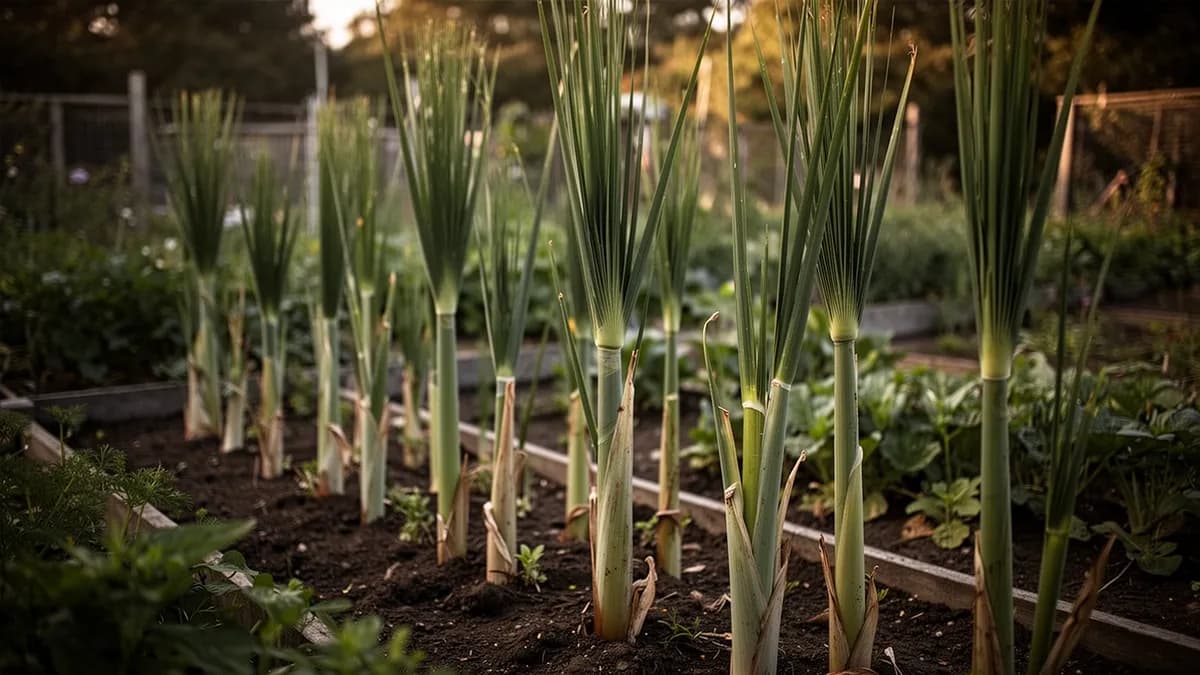
The ancient Egyptian papyrus plant has edible young shoots and white pithy interior of the stalks that taste mildly sweet. Young shoots can be peeled and eaten raw or cooked, with a flavor similar to water chestnuts. Plants need boggy, waterlogged conditions and warm temperatures to thrive. Primarily grown as an ornamental water garden plant, but the edible uses are gaining interest among foraging enthusiasts.
When to plant Edible Papyrus
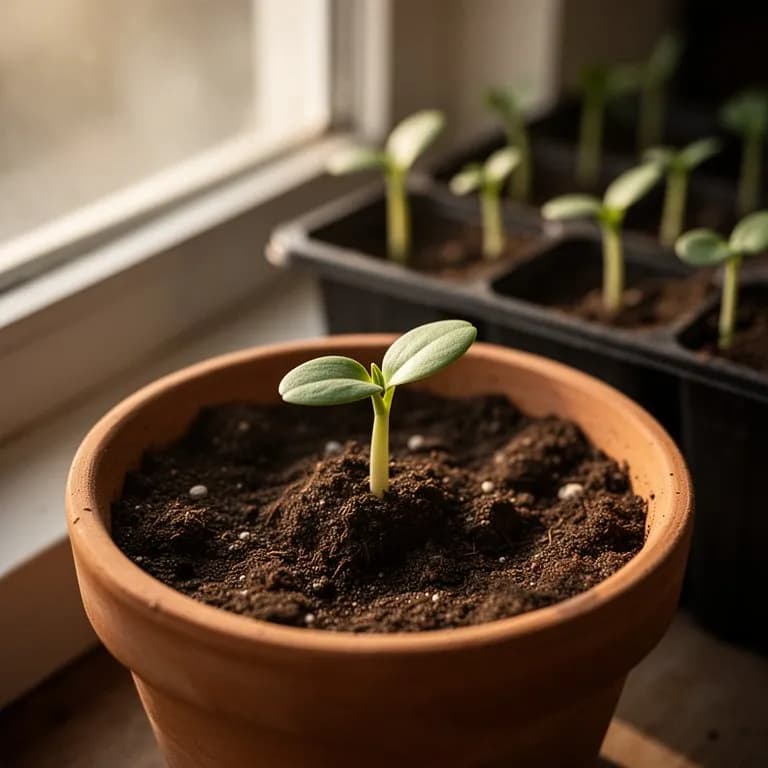
Papyrus is most easily propagated through division of established rhizomes in spring. Cut sections of rhizome with at least two growing points and plant directly in waterlogged soil. Keep divisions constantly wet and in a warm location. Growing from seed is possible but slow and unreliable. Sow seeds on the surface of constantly moist seed-starting mix at 75 to 85 degrees Fahrenheit. Seeds may take several weeks to germinate and seedlings grow slowly for the first few months. Division is strongly preferred for faster establishment.
Your Edible Papyrus Year
Composed for Zone 7 · typical seasons · frost passes Apr 2, returns Nov 1
Plant Edible Papyrus Apr – May, pick Jul – Sep. Check the planting methods below and set your climate to personalize these windows.
How to grow Edible Papyrus
Papyrus is an ancient aquatic plant that requires consistently wet to waterlogged conditions to thrive. Plant rhizome divisions in shallow water or saturated soil along pond margins, in bog gardens, or in large containers without drainage holes. The ideal growing medium is rich, muddy soil with the crown submerged under one to four inches of standing water. Place in full sun to partial shade where temperatures remain above 50 degrees Fahrenheit.
In tropical and subtropical climates, papyrus grows year-round and can reach ten to fifteen feet tall. In cooler regions, grow in large containers that can be brought indoors before frost. Use a deep plastic tub filled with rich potting soil and maintain several inches of water above the soil surface at all times. Feed monthly with an aquatic plant fertilizer during the active growing season.
Papyrus spreads vigorously via thick rhizomes and can become invasive in tropical waterways. In contained garden settings, divide clumps every two to three years to maintain vigor. Cut back dead stalks in late winter to make room for new spring growth. Young shoots emerge from the rhizome in spring and grow rapidly in warm conditions, reaching harvestable size within a few weeks.
8 plants fit a 4 × 8 ft bed
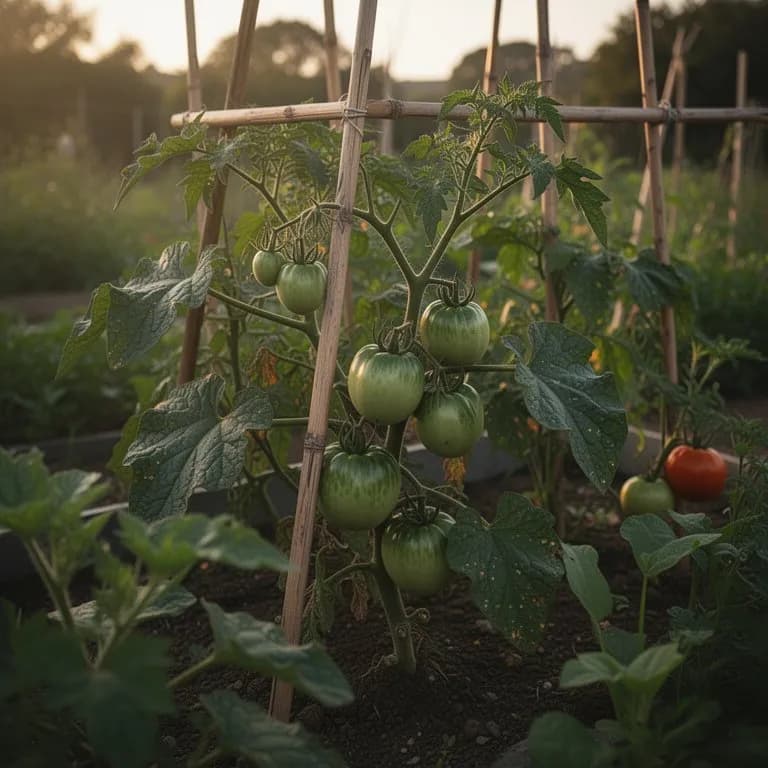
Each Edible Papyrus wants 60 cm of elbow room. The planner keeps that spacing for you — every plant, every bed.
Related growing guides
Feed it well
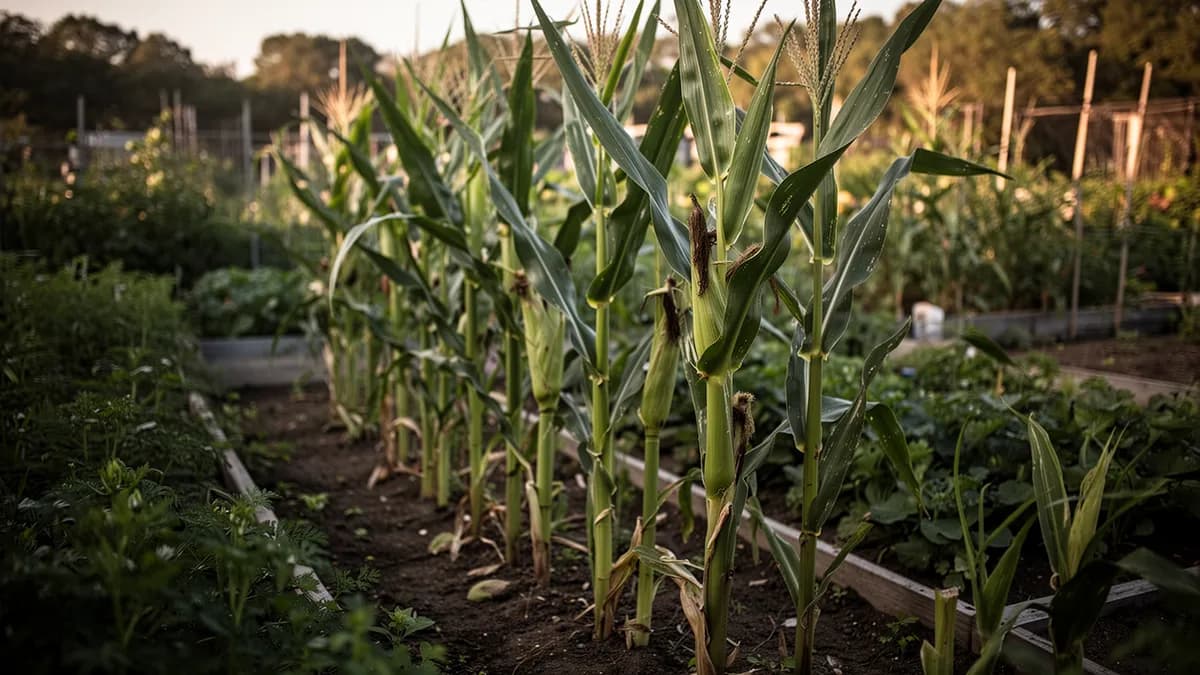
Papyrus requires rich, heavy soil that remains waterlogged at all times. A mixture of clay-based garden soil and compost works well as a growing medium. The soil surface should be covered with one to four inches of standing water throughout the growing season. Feed monthly with balanced aquatic fertilizer tabs pushed into the soil near the roots. In containers, use a heavy potting mix without perlite or vermiculite, as these float. Avoid letting the soil dry out even briefly, as papyrus wilts rapidly without consistent moisture.
Ideal Temperature
Hardiness Zone Compatibility
From seed to harvest, stage by stage
Division and Planting
Papyrus is propagated almost exclusively by rhizome division rather than seed, as seed germination is slow and unreliable. Divisions of mature rhizomes with at least 2-3 growing points are planted in waterlogged soil or submerged containers. New root growth begins within days in warm conditions, and the first pale shoot tips emerge from the rhizome within 7-14 days.
Shoot Emergence
Triangular stems emerge rapidly from the rhizome, growing 2-5 cm per day in warm conditions. The distinctive three-sided stem cross-section is visible from the earliest stages. At this young stage (20-30 cm tall), shoots are at their peak tenderness for culinary harvest — the pith is soft, crisp, and mildly sweet with minimal fiber development.
Rapid Vegetative Growth
Stems elongate dramatically, reaching 1.5-3 meters depending on variety and growing conditions. The underground rhizome network expands rapidly, sending out runners that produce new shoot clusters. The stem pith becomes increasingly fibrous as height increases, transitioning from edible to structural. The rhizome itself continues to accumulate starch reserves throughout this phase.
Flowering and Inflorescence
The iconic umbrella-like inflorescences develop at the top of mature stems, consisting of hundreds of thin ray-like branchlets radiating from a central point. Each branchlet bears tiny spikelets containing the flowers. The dramatic pom-pom appearance is one of the most recognizable silhouettes in the plant kingdom. Flowering signals that the rhizome has reached peak starch content for harvest.
Rhizome Maturation and Harvest
The rhizome network reaches full maturity with maximum starch content. Individual rhizome segments are 3-8 cm in diameter and 15-40 cm long, with a crisp white interior beneath a brown fibrous skin. This is the primary harvest window for the starchy edible rhizome. In tropical climates, the plant is essentially perennial and can be harvested year-round once established, with new growth continuously replacing harvested portions.
Dormancy and Overwintering
In subtropical and warm temperate climates, papyrus enters a semi-dormant phase when temperatures drop below 15°C (59°F). Top growth yellows and dies back, but the rhizome survives underground if it does not freeze. In tropical climates (zones 10-12), there is no true dormancy and the plant grows year-round. In cooler zones, container-grown plants must be brought indoors before frost.
Plant rhizome divisions in heavy loam or clay soil in containers without drainage holes, or directly in pond margins. Maintain 5-15 cm of standing water above the soil surface at all times. Use water at room temperature — cold water shocks tropical rhizomes and delays establishment. Minimum soil temperature for active growth is 20°C (68°F).
Caring for Edible Papyrus month by month
What to do each month for your Edible Papyrus
October
You are hereIn zones 8-9, prepare for overwintering. Move container plants indoors before nighttime temperatures drop below 10°C (50°F). Cut back any frost-damaged stems to the base. In zones 10-12, continue normal care — papyrus remains active. Harvest any remaining mature rhizome segments for the kitchen.
Know exactly what to do in your garden — every month
One email at the start of each month: what to sow, plant, and tackle right now — for your Edible Papyrus and everything growing around it. Plus a short starter course that helps you dodge the classic mistakes.
- What to do, right now
- Matched to your season
- Starter course included
Harvesting Edible Papyrus
Harvest young papyrus shoots when they are 12 to 18 inches tall and still tender. Cut or snap shoots at the base where they emerge from the water or mud. Peel away the tough outer green rind to reveal the soft, white pithy interior. The pith can be eaten raw or cooked. Older stalks become woody and fibrous, so timing is important. Harvest throughout the growing season as new shoots continuously emerge from the rhizome. The flower heads can also be harvested young and cooked like vegetables.
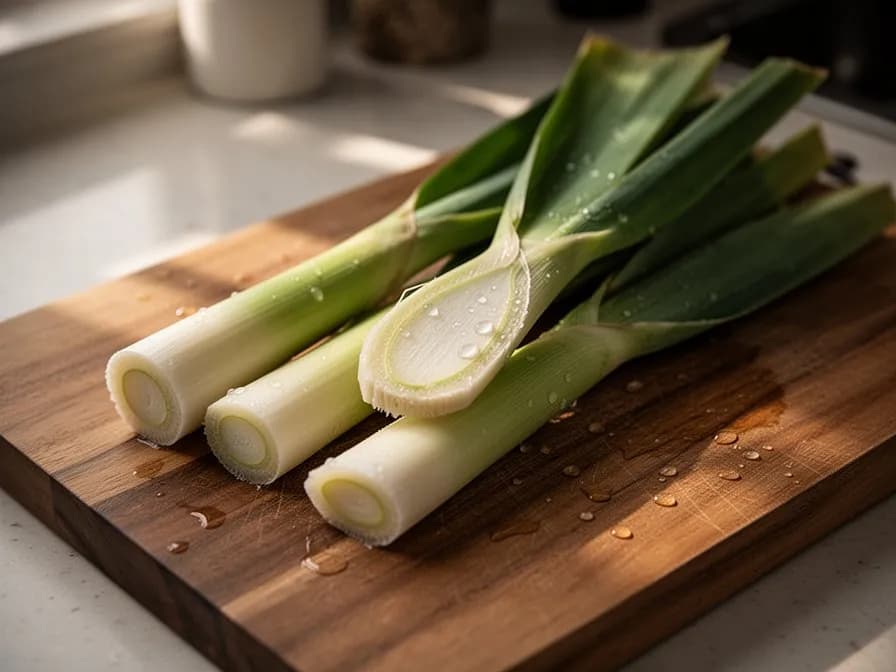
assuming you plant when the window opens — set your real date
Pick Edible Papyrus promptly and the plant keeps producing.
Storage & Preservation
Fresh papyrus shoots are best consumed on the day of harvest as they deteriorate quickly once cut. If needed, store peeled pith in water in the refrigerator for up to two days. The pith can be sliced thinly and dehydrated for longer storage, though the texture changes significantly. Young shoots can be blanched and frozen for up to three months. Pickling the pith in a light vinegar brine extends shelf life to several weeks and adds a pleasant tangy flavor to the mild-tasting vegetable.
What goes wrong — and the fix
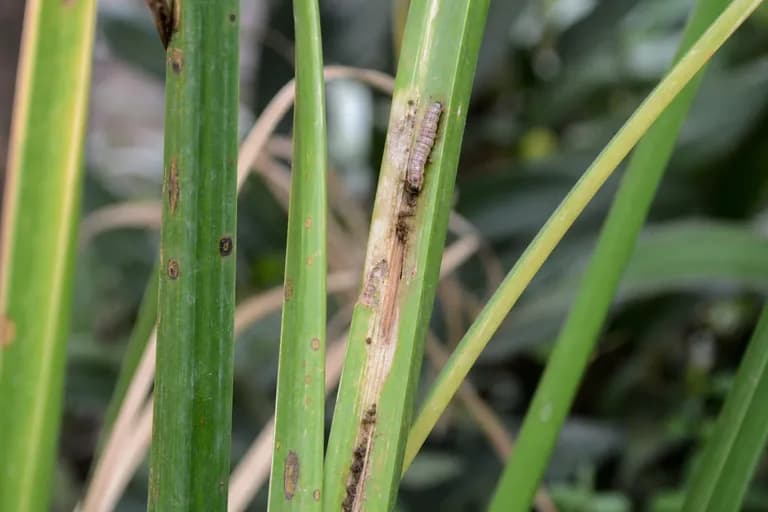
Papyrus Moth
PestLarvae bore into stalks causing wilting and collapse of individual stems. Entry holes with frass visible on stems.
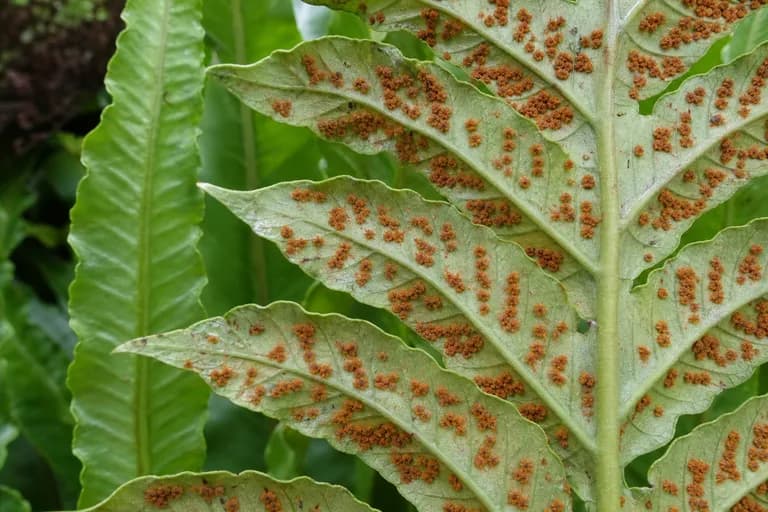
Rust Fungus
DiseaseOrange to brown powdery spots on stems and the umbrella-like flower heads. Heavily infected stems may yellow and weaken.
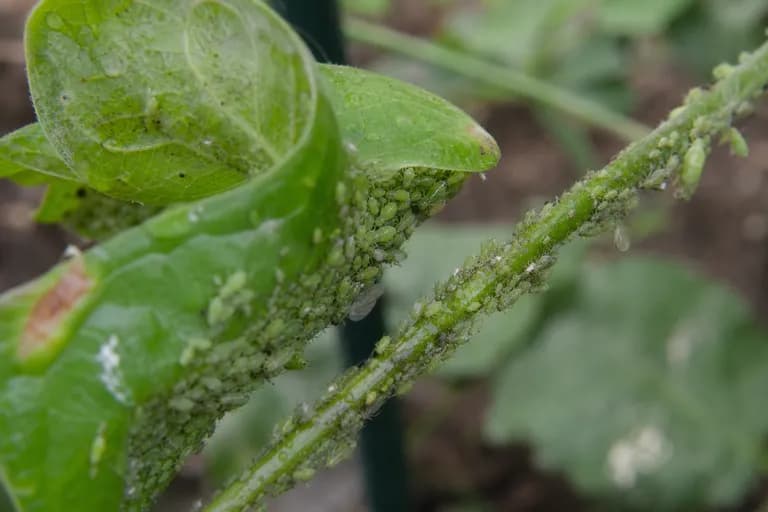
Aphids
PestClusters of small insects on young growing tips and flower heads. Honeydew secretions and sooty mold on stems.
Troubleshooting Common Problems
The most common challenge is maintaining the waterlogged conditions papyrus requires, as even brief dry periods cause rapid wilting and stress. Cold sensitivity limits outdoor growing to frost-free areas. Indoor plants may struggle with low humidity during winter. The vigorous spreading habit requires containment in garden settings to prevent takeover of water features. Tall varieties can be top-heavy and prone to wind damage, requiring sheltered planting locations or sturdy supports.
Growing Tips
- Water is non-negotiable. Papyrus is a true aquatic plant that must have its roots in standing water at all times. Use containers without drainage holes, pond baskets set in water features, or direct planting in bog gardens and pond margins with 5-15 cm of water above the soil surface. Even brief drought causes permanent stem damage.
- Use heavy soil, not potting mix. Plant rhizomes in dense clay loam or a mix of garden soil and clay. Lightweight potting mixes float when submerged and provide insufficient anchorage for tall stems. Avoid any mix containing perlite or vermiculite, which float to the surface in waterlogged conditions.
- Provide the maximum possible sunlight. Papyrus is native to open tropical wetlands and performs best in 8-12 hours of direct sun daily. In partial shade, stems become thin, floppy, and sparse, and rhizome starch accumulation is significantly reduced. If growing indoors in winter, supplement with high-output grow lights.
- Harvest young shoots at 20-30 cm for the best eating quality. At this stage, the pith is soft, crisp, and sweet with minimal fiber. Once stems exceed 50 cm, the pith becomes increasingly fibrous and papery. Regular shoot harvesting also stimulates the rhizome to produce more growing points, increasing overall productivity.
- Protect container water from overheating in summer. Dark-colored containers in full sun can heat water to levels that stress even tropical roots. Use light-colored or insulated containers, or provide shade to the container itself while keeping the foliage in full sun. Water temperatures above 38°C (100°F) damage roots.
- Feed generously during the growing season. Papyrus is a heavy feeder that responds dramatically to fertilization. Use aquatic plant fertilizer tablets pushed into the soil every 2-3 weeks, or liquid feed at each water change. Nitrogen promotes lush stem growth while phosphorus supports rhizome starch accumulation.
- Divide clumps every 2-3 years to maintain vigor and prevent container-bound plants from becoming hopelessly root-bound. Use a sharp spade or serrated knife to cut through the dense rhizome mass. Each division should have at least 2-3 growing points and a fist-sized piece of rhizome.
- In zones 8-9, treat papyrus as a die-back perennial. The top growth will be killed by frost, but the rhizome can survive if insulated with 15-20 cm of mulch and the soil does not freeze solid. Alternatively, lift rhizomes in autumn and store in damp sand indoors at 10-15°C (50-60°F) for replanting in spring.
Grow your best Edible Papyrus yet — and everything around it.
Start a free plan today. Lay out your beds, drop in your Edible Papyrus, and let PlotMyGarden handle the timing, spacing, companions and reminders from seed to harvest basket.
Pick your Edible Papyrus
Cyperus papyrus
The classic tall Egyptian papyrus reaching 10 to 15 feet, with thick stalks providing the most edible pith per stem.
Dwarf Papyrus
A compact variety growing only two to three feet tall, ideal for container growing but producing smaller, thinner edible shoots.
Mexican Papyrus
A related species with similar edible properties that is slightly more cold-tolerant than the Egyptian type.
Fresh papyrus rhizome and shoots are virtually unavailable in Western grocery stores, making home growing the only reliable way to access this ancient food. When occasionally found at specialty African or Asian markets, fresh papyrus rhizome commands $8-15 per pound. A single rhizome division costs $10-20 from aquatic plant nurseries and will produce a self-sustaining clump within one growing season that provides harvests for years. The dual-purpose nature of papyrus — a dramatic ornamental water garden specimen that also produces edible rhizomes and shoots — makes it exceptional value, effectively giving you a stunning 2-3 meter architectural plant and a food crop in one. Container water gardens suitable for papyrus can be set up for $20-40 using large plastic tubs.
Quick recipes
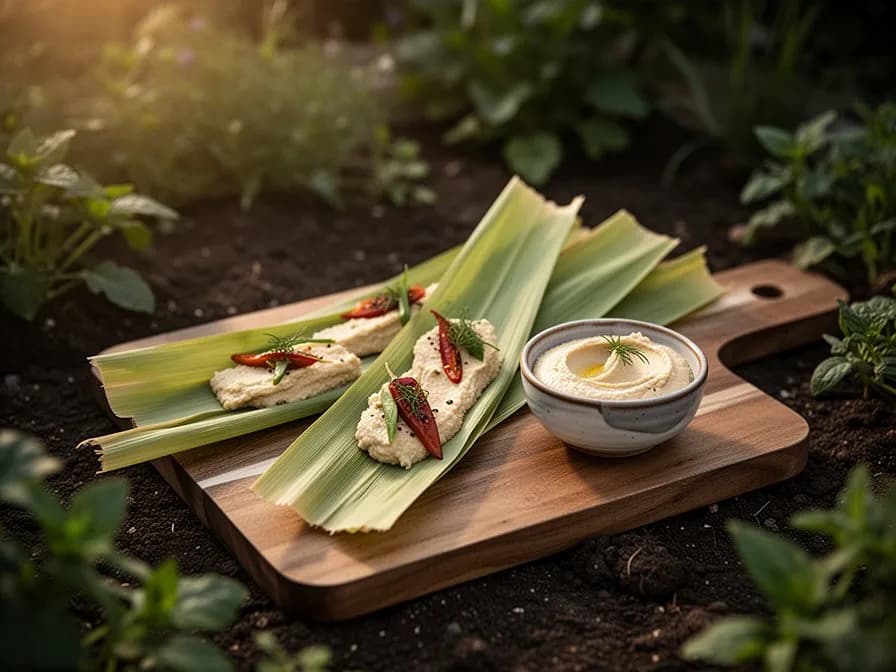
Stir-Fried Papyrus Rhizome with Garlic and Chili
20 minThinly sliced papyrus rhizome stir-fried over high heat with garlic, fresh chili, and a splash of fish sauce. The rhizome retains a satisfying crunch similar to water chestnut and absorbs the savory-spicy aromatics beautifully. A quick, authentic preparation inspired by traditional East African and Southeast Asian cooking.
9 ingredientsGrilled Papyrus Rhizome with Lime and Sea Salt
25 minThick rhizome pieces grilled until charred on the outside and tender-crisp within, finished with a squeeze of fresh lime and flaky sea salt. Grilling caramelizes the natural sugars in the starchy rhizome, producing a smoky sweetness reminiscent of grilled sugarcane. A simple preparation that showcases the ingredient itself.
6 ingredientsPapyrus Shoot and Coconut Soup
30 minTender young papyrus shoots simmered in a fragrant coconut broth with lemongrass, galangal, and kaffir lime leaves. The shoots soften to a texture between bamboo shoot and hearts of palm, absorbing the rich coconut and aromatic flavors. A nourishing soup that bridges traditional African papyrus cuisine with Southeast Asian aromatics.
10 ingredientsCulinary Uses
The white pith of young papyrus stalks has a mild, slightly sweet flavor similar to water chestnuts with a crisp, juicy texture when eaten raw. Peel young shoots and slice the pith thinly for salads or eat as a refreshing snack. The pith can be sauteed briefly with butter and seasoning or added to stir-fries. In ancient Egypt, the rhizomes were also roasted and eaten. Young flower heads can be steamed or boiled as a mild-flavored vegetable accompaniment.
What's inside
Health Benefits
- Papyrus rhizome is a good source of resistant starch, which passes through the upper digestive tract undigested and feeds beneficial bacteria in the colon, supporting gut health, improving insulin sensitivity, and promoting feelings of fullness.
- The high dietary fiber content of both rhizome and young shoots supports healthy digestion, regular bowel movements, and may help lower cholesterol levels by binding bile acids in the intestine.
- Rich in potassium relative to sodium, papyrus rhizome supports healthy blood pressure regulation and proper fluid balance — particularly valuable for those on heart-healthy or low-sodium diets.
- Young papyrus shoots contain moderate levels of vitamin C and various B vitamins, contributing to immune function, energy metabolism, and nervous system health.
- Traditional African medicine has long used papyrus preparations for digestive complaints and as a gentle diuretic, applications consistent with its fiber content and mineral profile.
- As a naturally gluten-free starch source, papyrus rhizome flour offers an alternative carbohydrate for those with celiac disease or gluten sensitivity, similar in use to lotus root flour or water chestnut flour.
Where Edible Papyrus comes from
Cyperus papyrus, the giant paper reed, is native to tropical and subtropical Africa, with its historical range spanning the Nile Valley, the great lakes of East Africa, the Okavango Delta, and the wetlands of West Africa. While most famously known as the source of ancient papyrus paper, the plant has an equally ancient but less celebrated history as a food source.
The edible uses of papyrus predate its use as a writing material by thousands of years. Archaeological evidence from Neolithic sites along the Nile suggests that papyrus rhizomes were gathered and consumed as early as 7000 BCE, making it one of the oldest known gathered foods in the region. The starchy rhizomes provided a reliable carbohydrate source for communities living along waterways, while the tender young shoots offered a fresh vegetable available year-round in tropical climates. Herodotus, Theophrastus, and Pliny the Elder all recorded the Egyptian practice of eating papyrus — describing how the lower portion of the stem was chewed raw for its sweet juice or roasted over fires.
In sub-Saharan Africa, papyrus has remained an important food plant far longer than in Egypt. Communities around Lake Victoria, Lake Chad, and the Okavango Delta have continuously harvested papyrus rhizomes and shoots for millennia. The Luo people of Kenya and the Tonga of Zambia traditionally prepared rhizomes by peeling, slicing, and either eating them raw, boiling them, or drying and grinding them into flour for porridge. During periods of famine, papyrus served as a critical survival food across much of tropical Africa.
Today, there is renewed interest in papyrus as a food crop among permaculture practitioners, aquatic gardeners, and foragers worldwide. Its ability to produce edible rhizomes and shoots while simultaneously purifying water makes it uniquely valuable for integrated aquaculture-agriculture systems. Modern gardeners in zones 8-12 grow papyrus in container water gardens and pond margins, harvesting young shoots and rhizomes while enjoying the spectacular ornamental form of this ancient plant.
Edible Papyrus: did you know?
Fascinating facts about Edible Papyrus
Ancient Egyptians chewed raw papyrus rhizomes and young stems as a daily snack and energy source for millennia — the Greek historian Herodotus documented this practice in the 5th century BCE, noting that Nile Delta communities consumed papyrus as a staple food, not just a writing material.
Edible Papyrus questions, answered
When should I plant Edible Papyrus?
What hardiness zones can Edible Papyrus grow in?
How much sun does Edible Papyrus need?
How far apart should I space Edible Papyrus?
What pests and diseases affect Edible Papyrus?
How do I store Edible Papyrus after harvest?
What are the best Edible Papyrus varieties to grow?
What soil does Edible Papyrus need?
Which parts of papyrus are actually edible?
Can I grow edible papyrus in a temperate climate?
How does papyrus rhizome taste?
Is papyrus invasive if I plant it in my garden pond?
How do I store harvested papyrus rhizome?
Can I grow papyrus from seed?
You just read the theory. Now grow it on autopilot.
Everything that makes Edible Papyrus fiddly — the timing, the spacing, the companions, the harvest window — is exactly what PlotMyGarden handles for you, for every plant in your garden.
A plan that knows your weather
Set your location once. Get sow, feed and harvest dates built around your real last-frost date and live forecast — no more guessing from a generic seed packet.
From the “When to plant” sectionDrag-and-drop bed planner
Design beds on a grid. Every plant snaps to its proper spacing, and you can see your whole season laid out before you spend a cent on seed.
From the “Growing guide” sectionCompanion conflicts, caught early
200+ good-and-bad pairings checked live as you plant — so a season-wrecking mistake never makes it into the ground.
From the “Companions” sectionReminders you'll actually act on
“Water the beans.” “Pick today before it turns.” Timely, specific, and tied to the plants you're really growing.
From the “Harvest” sectionSuccession, scheduled
Want a harvest for six weeks, not six days? It spaces your sowings automatically and reminds you when each new block is due.
From the “When to plant” sectionA record that gets smarter
Every harvest you log teaches it your garden. Next year's plan starts from what actually worked in your soil, not a textbook's.
From the “Overview” sectionMore Stalks & Stems
Grow your best Edible Papyrus yet — and everything around it.
Start a free plan today. Lay out your beds, drop in your Edible Papyrus, and let PlotMyGarden handle the timing, spacing, companions and reminders from seed to harvest basket.