Pak Choi Bebé
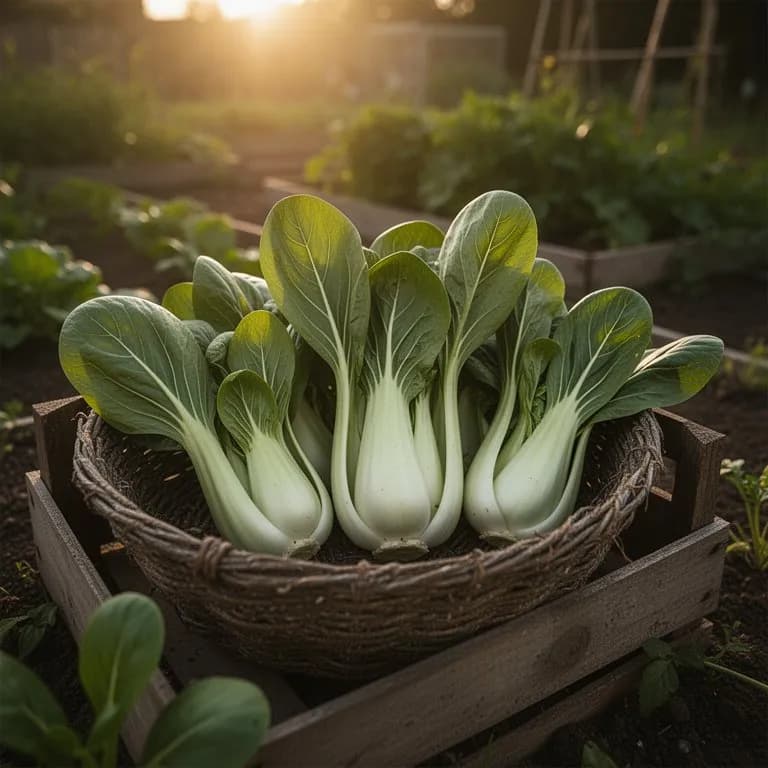
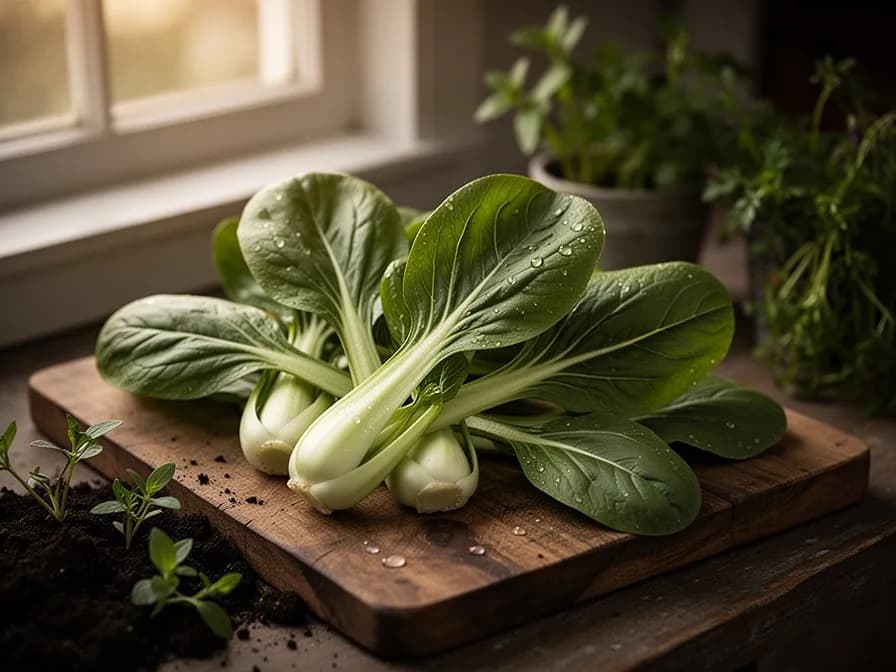
El pak choi bebé o baby bok choy (Brassica rapa var. chinensis) es una versión miniatura del pak choi tradicional, cosechado cuando alcanza apenas 10-15 cm de altura.





En esta páginaResumen
Conoce Pak Choi Bebé
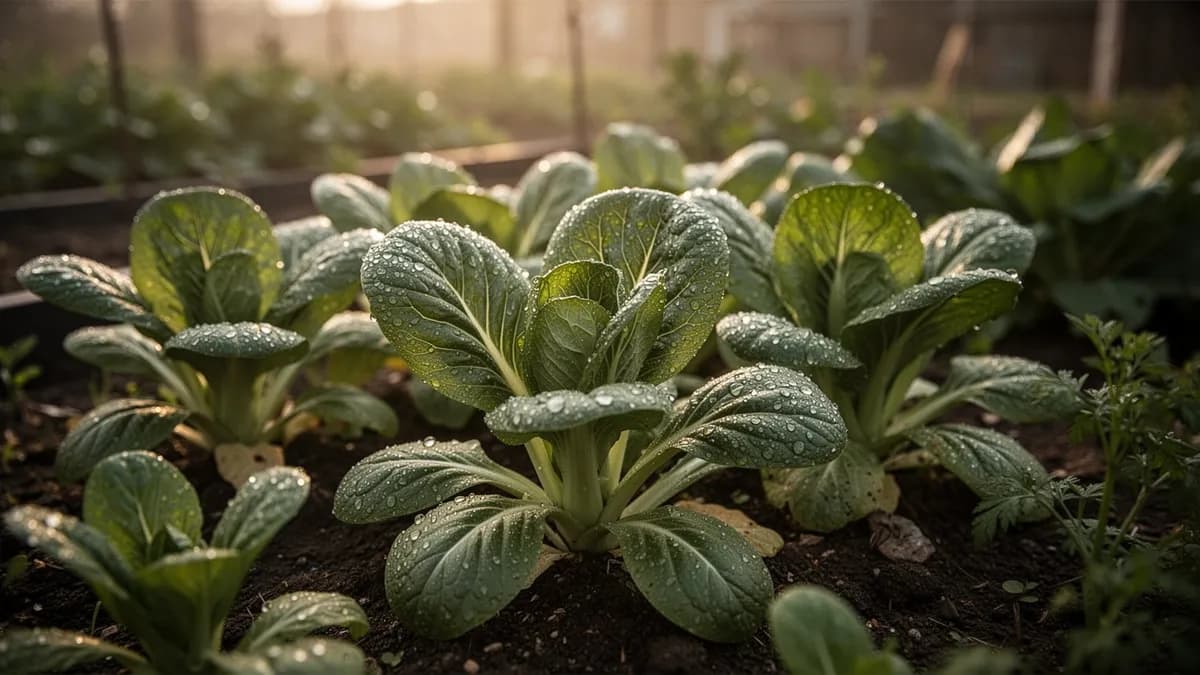
El pak choi bebé o baby bok choy (Brassica rapa var. chinensis) es una versión miniatura del pak choi tradicional, cosechado cuando alcanza apenas 10-15 cm de altura. Originario de China, donde se cultiva desde hace más de 5000 años, destaca por sus pecíolos gruesos, crujientes y jugosos de color verde claro o blanco, coronados por hojas tiernas de verde oscuro. Su ciclo ultra-corto de 30-45 días y su delicado sabor lo convierten en un favorito de la cocina asiática y de los huertos domésticos.
Cuándo plantar Pak Choi Bebé
La siembra directa es el método más rápido y sencillo: depositar las semillas a 0,5-1 cm de profundidad en suelo húmedo y bien preparado. Las semillas germinan en 3-7 días a temperaturas de 10-25 °C. Para adelantar la cosecha en primavera, se pueden sembrar en bandejas de alvéolos 3-4 semanas antes del trasplante, manteniendo el sustrato húmedo y a una temperatura de 15-20 °C. Trasplantar cuando las plántulas tengan 3-4 hojas verdaderas sin disturbar el cepellón.
Tu año de Pak Choi Bebé
Ajustado a Zona 7 · temporada típica · la helada se va hacia el 2 abr y vuelve hacia el 1 nov
Planta Pak Choi Bebé Mar – Abr, Ago – Sep y cosecha Abr – May, Sep – Oct. Consulta los métodos de plantación y elige tu clima para adaptar los periodos.
Cómo cultivar Pak Choi Bebé
El pak choi bebé se siembra directamente en el terreno o en bandejas de alvéolos, depositando las semillas a 0,5-1 cm de profundidad en surcos separados 15-20 cm. Aclarar las plántulas cuando tengan 3-4 hojas dejando 10-15 cm entre plantas. Prefiere temperaturas frescas entre 15 y 22 °C y puede sembrarse desde principios de primavera hasta otoño, evitando los meses más calurosos del verano.
Mantener el suelo constantemente húmedo pero no encharcado, ya que el estrés hídrico provoca hojas duras y amargas y acelera la espigadura. El riego frecuente y ligero es preferible al riego abundante e infrecuente. Aplicar un acolchado orgánico fino para conservar la humedad, mantener frescas las raíces y suprimir las malas hierbas que compiten por nutrientes y luz.
Para un suministro continuo, realizar siembras escalonadas cada 2-3 semanas desde principios de primavera hasta mediados de otoño. En verano, sembrar en semisombra o bajo malla de sombreo al 30-40 % para prevenir la espigadura prematura. El pak choi bebé crece excelentemente en contenedores, jardineras y mesas de cultivo, siendo ideal para balcones y huertos urbanos por su porte compacto y rápido ciclo productivo.
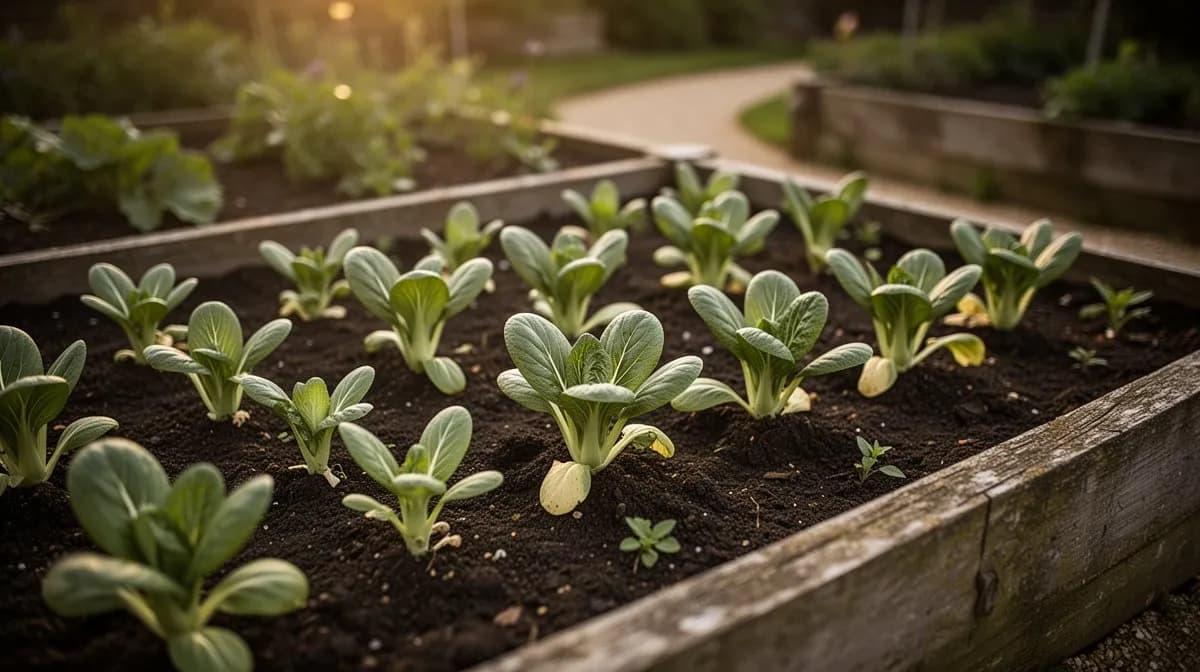
128 plantas caben en un bancal de 120 × 240 cm
Cada Pak Choi Bebé pide 15 cm de margen. El planificador guarda ese marco por ti — cada planta, cada bancal.
Los mejores vecinos de Pak Choi Bebé
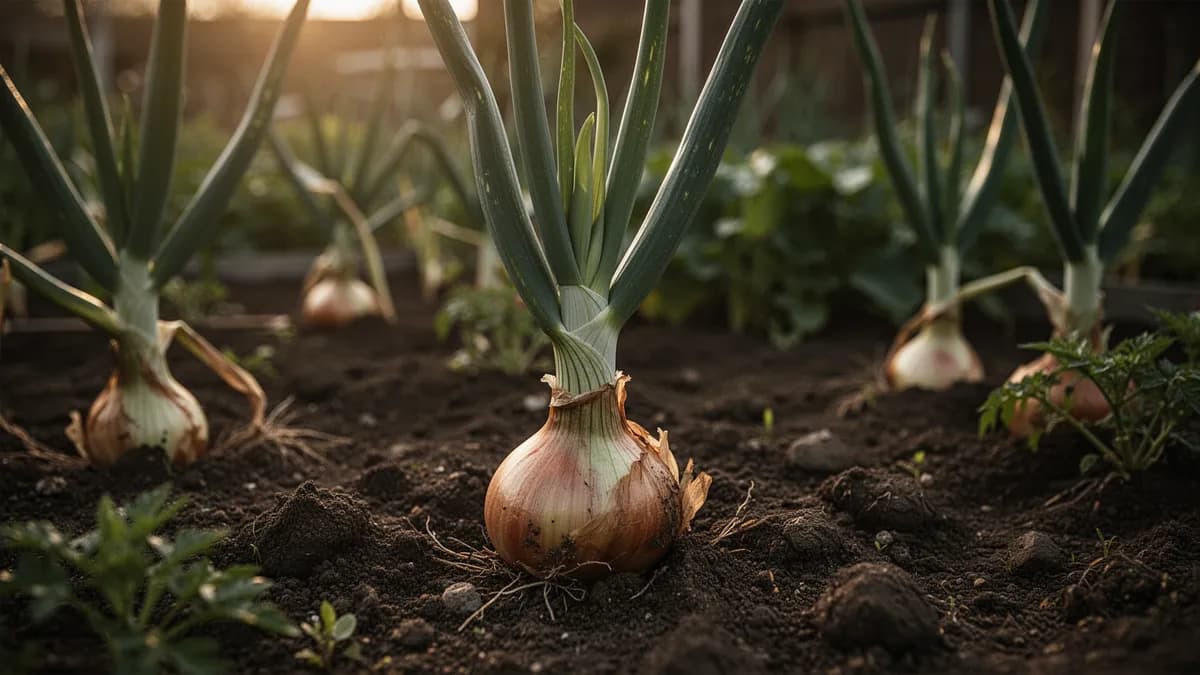
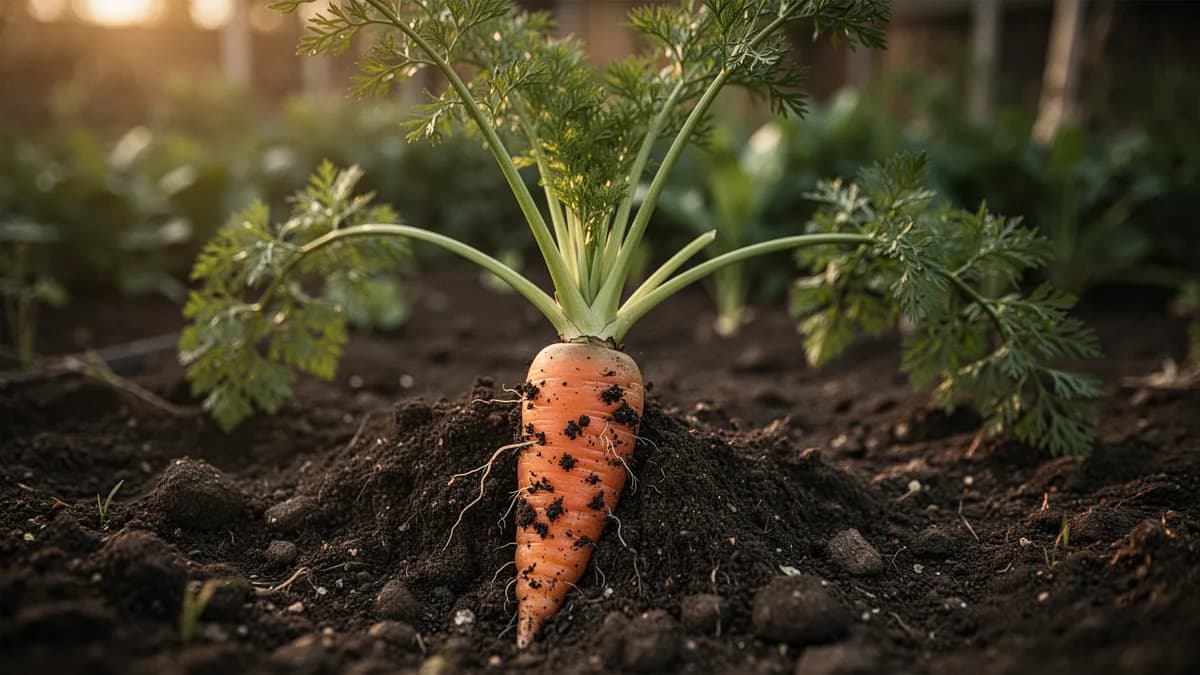
El pak choi bebé se asocia beneficiosamente con zanahorias y cebollas, cuyos olores confunden a las plagas específicas de las crucíferas. Las hierbas aromáticas como el cilantro, el eneldo y la menta plantadas en los bordes del cultivo atraen insectos benéficos y repelen plagas. Evitar plantar junto a otras brassicáceas (col, brócoli, coliflor) para minimizar la propagación de enfermedades y la competencia por los mismos nutrientes del suelo.
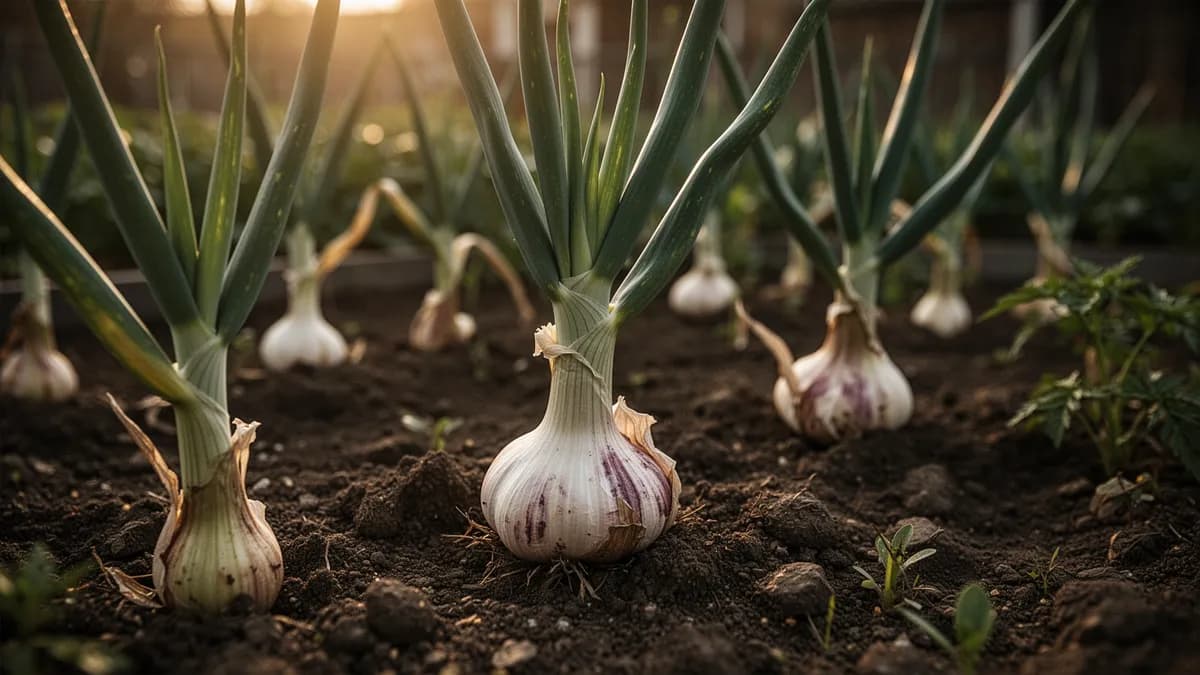
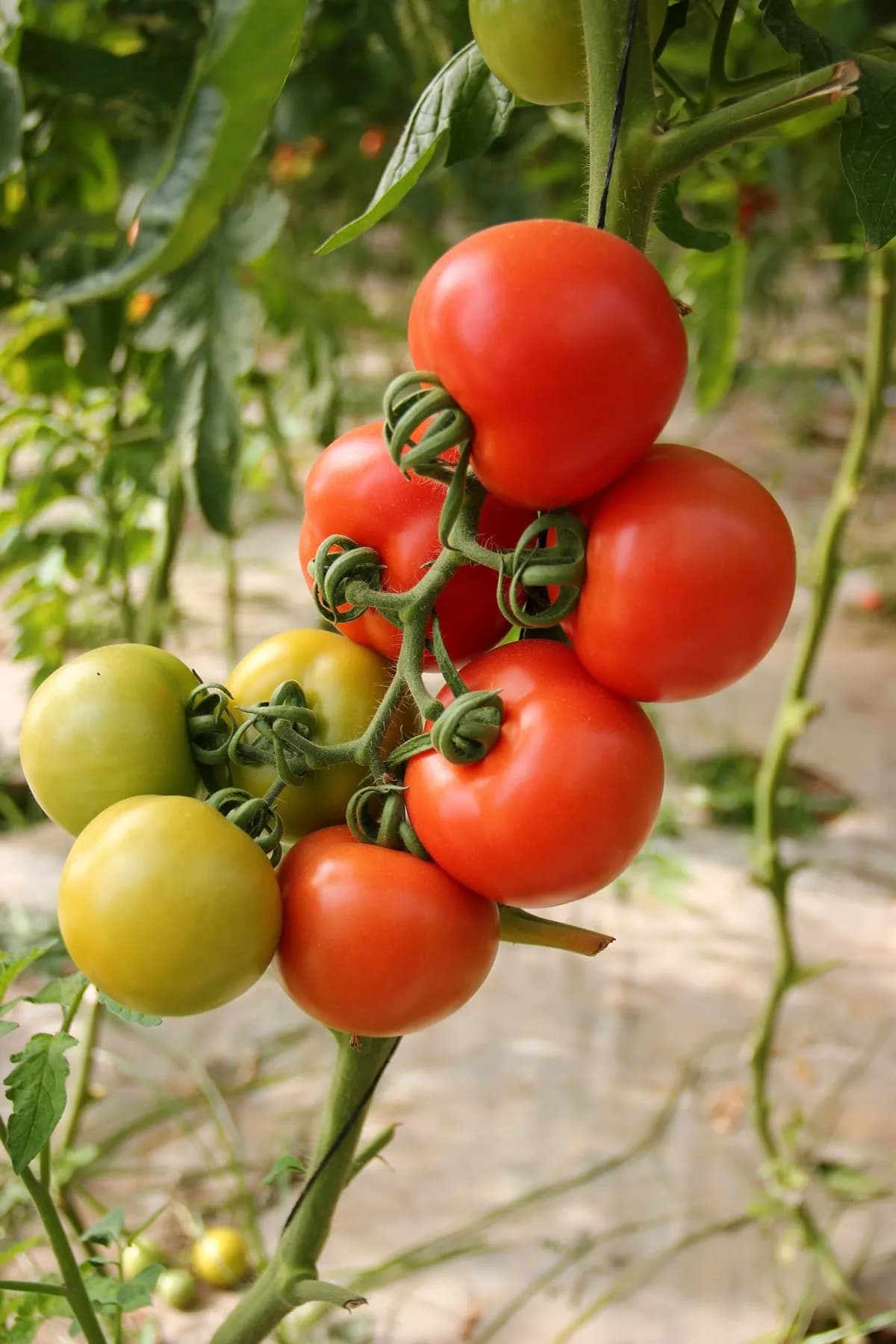
Ajo va a su lado. Tomate no.
Saber de huerto de siempre, cotejado con la tabla real de Pak Choi Bebé — prueba cualquier planta que cultives.
Prueba Pak Choi Bebé en un bancal, aquí mismo
Un bancal real del planificador con Pak Choi Bebé ya plantado. Toca una planta compañera para colocarla y mira cómo responde la comprobación de vecinos: verde para buenos vecinos, rojo si hay conflicto.


Guías de cultivo relacionadas
Abónalo bien
El pak choi bebé prospera en suelos fértiles, sueltos y bien drenados con un pH entre 6,0 y 7,5, ricos en materia orgánica. Incorporar compost bien descompuesto antes de la siembra y aplicar un fertilizante equilibrado rico en nitrógeno al momento de la siembra para estimular el rápido crecimiento foliar. Dado su ciclo ultra-corto, una sola fertilización de fondo suele ser suficiente; evitar el exceso de fertilizante que puede provocar acumulación de nitratos en las hojas.
Temperatura ideal
Compatibilidad de zonas de rusticidad
De la semilla a la cosecha, etapa por etapa
Germinación
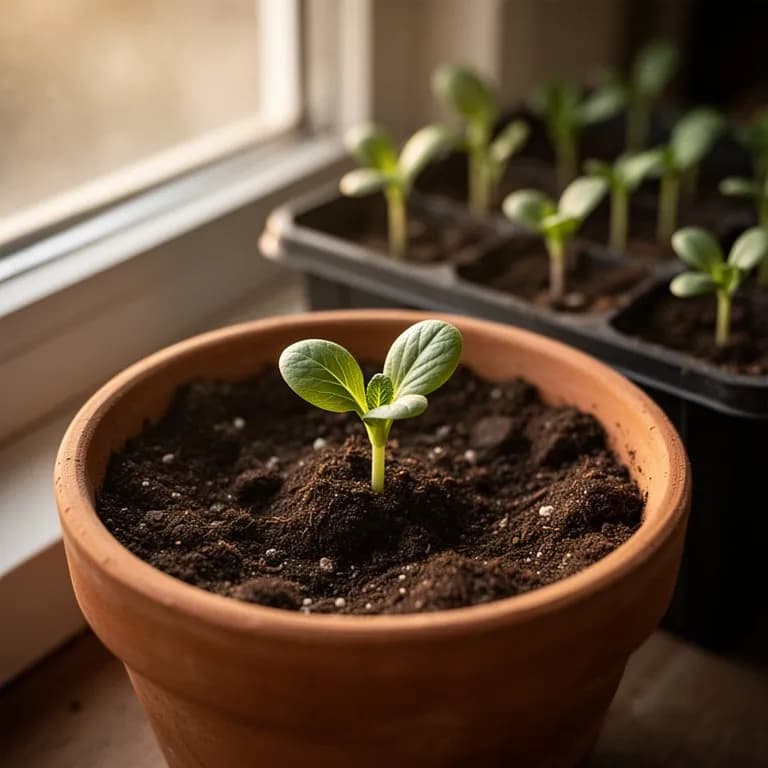
Las semillas redondas y diminutas germinan rápidamente en suelo fresco y húmedo. Los cotiledones aparecen en 4-7 días: pequeños, redondeados y de color verde pálido. Las semillas de pak choi baby son muy finas, así que deben sembrarse a poca profundidad, solo 5-10 mm.
Desarrollo de plántulas
Las primeras hojas verdaderas aparecen con su característica forma de cuchara: láminas verde oscuro sobre pecíolos blancos, lisos y crujientes. El crecimiento es rápido en condiciones frescas, y las plántulas forman enseguida una pequeña roseta compacta. Esta es la etapa ideal para aclarar las plantas demasiado juntas.
Formación de roseta
Las hojas se multiplican rápidamente y la planta forma una roseta compacta y vertical con tallos blancos gruesos y carnosos que se curvan hacia dentro. El contraste entre las hojas verde oscuro brillantes y los pecíolos blancos se vuelve más marcado. La planta alcanza 8-12 cm de ancho.
Etapa de cosecha baby
Las plantas alcanzan su tamaño ideal de cosecha baby con 10-15 cm de altura y 8-12 hojas formando una cabeza compacta con forma de jarrón. Los tallos están en su punto máximo de crujido y las hojas son tiernas con un sabor suave y dulce. Esta es la ventana principal para el pak choi baby: se cosecha toda la cabeza de una sola vez.
Espigado
Si no se cosecha, el tallo central se alarga rápidamente y aparecen pequeñas flores amarillas en tallos ramificados. Una vez que comienza el espigado, las hojas se vuelven duras y amargas y los tallos se vuelven fibrosos. El espigado se desencadena por días largos (más de 13 horas), estrés por calor por encima de 25°C o riego irregular.
Siembra las semillas en la superficie y cúbrelas con una capa fina de compost o vermiculita. Mantén el suelo constantemente húmedo pero nunca encharcado; es mejor una pulverización suave que un riego fuerte que pueda arrastrar o enterrar las semillas pequeñas.
Cuidar Pak Choi Bebé mes a mes
Qué hacer cada mes para tu Pak Choi Bebé
Octubre
Mes actualHarvest autumn-sown baby pak choi at peak quality. Continue sowing under cold frames or in unheated greenhouses for late-season crops. Apply mulch around plants to insulate roots as temperatures drop.
Ten claro qué hacer en tu huerto, cada mes
Un correo al empezar cada mes: qué sembrar, plantar y hacer ahora mismo — para tu Pak Choi Bebé y todo lo que crece alrededor. Más un breve curso inicial para esquivar los errores clásicos.
- Qué hacer ahora mismo
- Ajustado a tu temporada
- Curso inicial incluido
Cosechar Pak Choi Bebé
El pak choi bebé se cosecha entero cortando la planta a nivel del suelo cuando alcanza 10-15 cm de altura, generalmente entre 30 y 45 días después de la siembra. Es preferible cosechar por la mañana temprano cuando las hojas están más turgentes y crujientes. No esperar demasiado, ya que las plantas que superan los 20 cm pierden su ternura característica y los pecíolos se vuelven fibrosos; si se detecta la elongación del tallo central, cosechar inmediatamente antes de que espigue.
se supone que plantas al comenzar el periodo — indica tu fecha real
Cosecha cuando las plantas midan 10-15 cm de alto, normalmente 30-45 días después de la siembra.
Almacenamiento y conservación
El pak choi bebé fresco se conserva en el refrigerador envuelto en papel húmedo dentro de una bolsa perforada durante 5-7 días. Para congelación, escaldar las plantas enteras o cortadas por la mitad durante 1-2 minutos, enfriar rápidamente en agua helada, escurrir bien y congelar en bolsas herméticas hasta 6 meses. También se puede fermentar al estilo kimchi o encurtir en vinagre de arroz para conservar durante varios meses.
Qué falla — y cómo solucionarlo
Mosca de la col (Delia radicum)
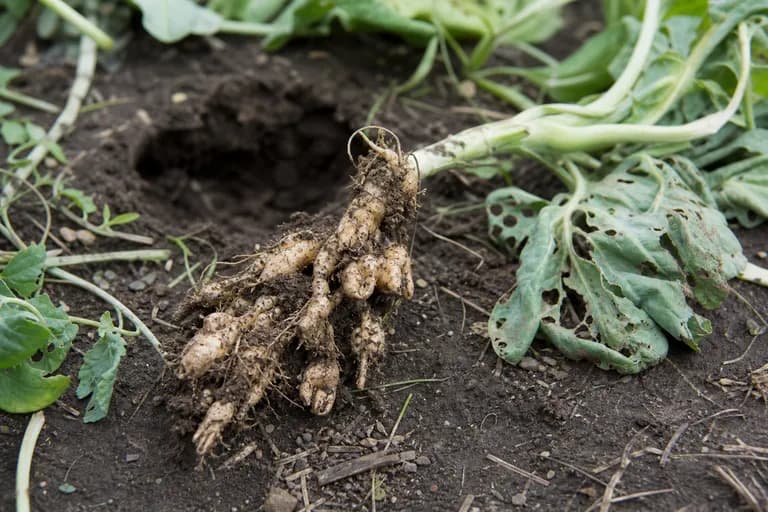
PlagaLas larvas blanquecinas atacan las raíces y la base de los tallos, provocando marchitez súbita, amarillamiento de las hojas y muerte de la planta; al arrancarla se observan las raíces destruidas y malolientes.
Pulguilla de las crucíferas (Phyllotreta spp.)
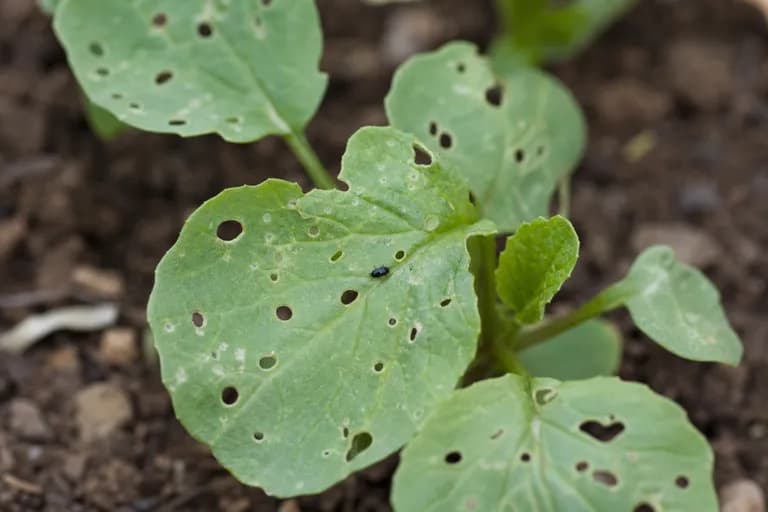
PlagaNumerosos agujeros pequeños y redondos en las hojas causados por diminutos escarabajos saltadores negros, que pueden devastar las plántulas jóvenes en pocos días y debilitar seriamente las plantas adultas.
Podredumbre negra (Xanthomonas campestris)
EnfermedadLesiones en forma de V amarillentas en los márgenes de las hojas que avanzan hacia el centro, los nervios se ennegrecen y las hojas se marchitan progresivamente adquiriendo un aspecto quemado.
Solución de problemas comunes
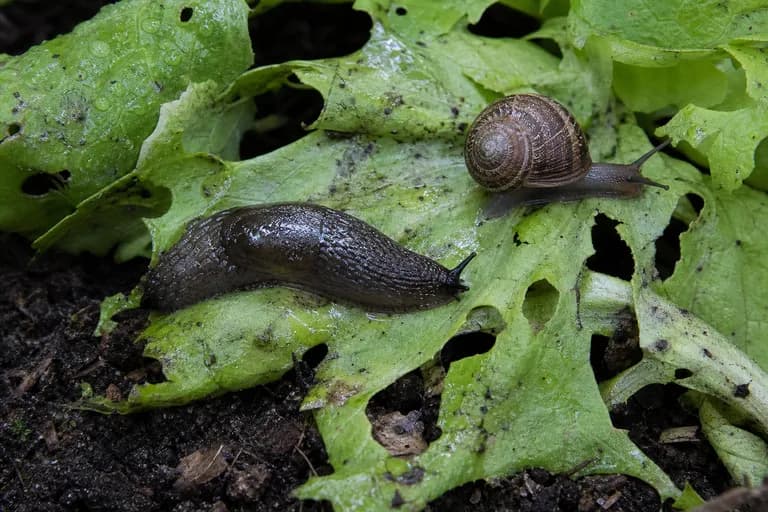
La espigadura prematura (subida a flor) es el problema más frecuente, provocada por temperaturas superiores a 25 °C, estrés hídrico o días largos de verano; prevenirla eligiendo variedades resistentes y proporcionando sombra en épocas calurosas. Las plántulas jóvenes son extremadamente vulnerables a babosas, caracoles y pulguillas, que pueden destruir un semillero completo en una sola noche. El exceso de humedad en el cuello de la planta favorece la pudrición basal, especialmente en plantaciones densas con mala ventilación.
Consejos de cultivo
- Succession sow every 2-3 weeks for a continuous harvest rather than planting all at once. Baby pak choi goes from seed to plate in 30-45 days but also bolts quickly, so staggered plantings ensure you always have heads at the perfect harvest stage.
- Grow baby pak choi as a spring and autumn crop — it struggles badly in midsummer heat and long days. In most climates, aim for March-May and August-October sowings. The autumn crop is often superior, with sweeter flavor and less bolting pressure.
- Space plants just 10-15 cm apart for true baby-sized heads. Closer spacing naturally limits head size and produces the compact, tender plants that restaurants serve. Wider spacing produces larger, less tender heads.
- Cover seedbeds with fine insect mesh from the moment of sowing. Flea beetles are the number one pest of baby pak choi and can riddle young leaves with holes within days. Mesh also deters cabbage root fly and cabbage white butterflies.
- Water consistently and never let the soil dry out completely. Irregular moisture is the primary trigger for premature bolting (alongside heat and long days). Mulch around plants to maintain even soil moisture and cool root temperatures.
- Baby pak choi is one of the best vegetables for container growing. A shallow pot just 15-20 cm deep and 30+ cm wide can hold 4-6 plants. Use quality potting mix, water daily in warm weather, and place in a spot with morning sun and afternoon shade in spring.
- Harvest in the morning when stems are coolest and most crisp. Cut the entire head at soil level with a sharp knife. Baby pak choi wilts rapidly after harvest — submerge stems in cold water immediately and refrigerate for up to a week.
- Try growing baby pak choi as a cut-and-come-again crop for salad leaves. Instead of harvesting the whole head, snip outer leaves at 5-8 cm tall and let the center continue producing. You can get 2-3 cuttings from each plant before it needs replacing.
Cultiva tu mejor Pak Choi Bebé — y todo lo que la rodea.
Empieza un plan gratis hoy. Diseña tus bancales, coloca tu Pak Choi Bebé y deja que PlotMyGarden gestione el momento, el espaciado, las asociaciones y los recordatorios de la semilla a la cesta.
Elige tu Pak Choi Bebé
Shanghai Baby
La variedad miniatura más popular con pecíolos verde claro y suculentos, resistente al frío y muy precoz, madura en 30-35 días y es la preferida en restaurantes asiáticos por su tamaño perfecto para servir individual.
Mei Qing Choi
Variedad compacta de crecimiento vigoroso con pecíolos verdes gruesos y hojas de color verde intenso, buena tolerancia tanto al calor como al frío, madura en 35-40 días.
Toy Choy
Una de las variedades más pequeñas disponibles con rosetas diminutas de apenas 8-10 cm, ideal para cultivo en macetas y bandejas, madura en solo 25-30 días con sabor excepcionalmente tierno.
Win-Win Choi
Híbrido moderno con excelente resistencia a la espigadura y uniformidad de crecimiento, pecíolos blancos crujientes y hojas verde oscuro, adaptado a un amplio rango de temperaturas, madura en 35-45 días.
Baby pak choi is one of the most cost-effective vegetables to grow at home. A single packet of seeds ($2-4) contains 200-500 seeds, enough for an entire season of succession sowings. Meanwhile, baby pak choi sells for $3-6 per small pack (typically 3-4 heads) at supermarkets and $4-8 at farmers markets. Growing from seed, you can produce 50-100 baby heads per season at a cost of pennies each, saving $50-150 compared to buying equivalent quantities. The savings are even greater for organic baby pak choi, which typically commands a 40-60% premium at retail.
Recetas rápidas
Garlic Sesame Baby Pak Choi Stir-Fry
10 minThe simplest and most classic way to cook baby pak choi — halved lengthwise and seared in a smoking-hot wok with garlic and finished with a splash of sesame oil. The stems caramelize while the leaves just wilt, creating a perfect contrast of textures.
7 ingredientes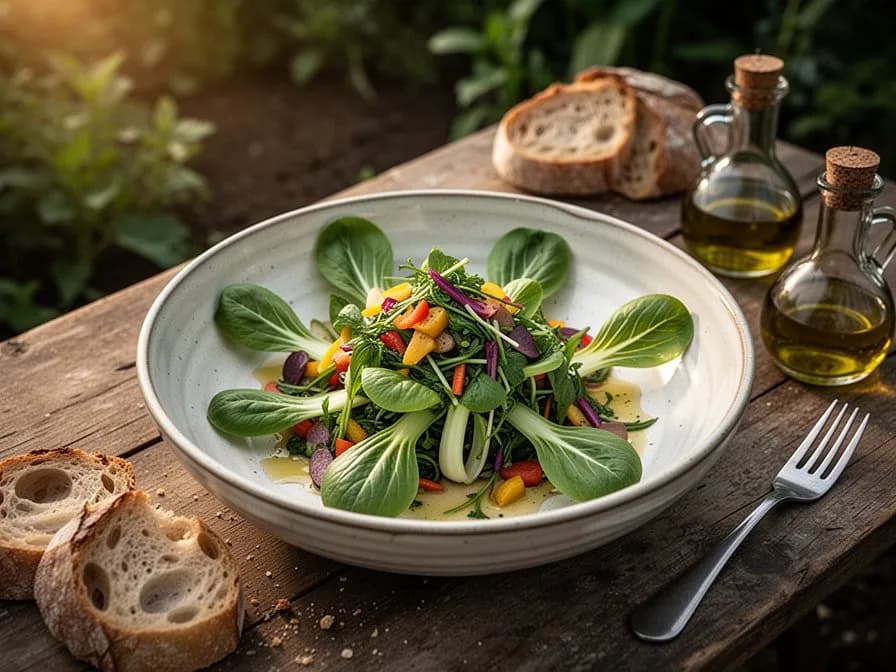
Miso Ginger Broth with Baby Pak Choi
15 minA light, restorative soup where baby pak choi is added in the final minute to retain its vibrant color and crisp-tender texture. The umami-rich miso broth with fresh ginger is both soothing and deeply savory.
8 ingredientesRoasted Baby Pak Choi with Oyster Sauce
20 minHigh-heat roasting transforms baby pak choi — the outer leaves char and crisp while the inner stems steam to silky tenderness. A drizzle of oyster sauce and a scattering of toasted sesame seeds creates a simple side dish with restaurant-quality depth.
7 ingredientesUsos culinarios
El pak choi bebé es exquisito salteado entero o cortado por la mitad en wok con aceite de sésamo, ajo y salsa de soja, manteniéndolo crujiente con una cocción rápida a fuego alto. Se utiliza en sopas asiáticas como ramen, pho y sopa de miso, añadiéndolo al final para conservar su textura. También es delicioso al vapor, gratinado con queso, en ensaladas asiáticas crudas, como guarnición de carnes y pescados, y como ingrediente estrella en dumplings, rollitos de primavera y fideos salteados.
Qué contiene
Beneficios para la salud
- Exceptionally high in beta-carotene (vitamin A), providing 89% of the daily value per 100g — this powerful antioxidant protects eye health, supports immune cell production, and maintains healthy skin and mucous membranes.
- One of the best plant-based sources of highly bioavailable calcium among leafy greens. Unlike spinach, pak choi has very low oxalate levels, meaning your body absorbs about 54% of the calcium present — making it superior to many dairy alternatives for bone health.
- Rich in glucosinolates, sulfur-containing compounds that break down into isothiocyanates including sulforaphane — extensively studied for their ability to activate detoxification enzymes and potentially reduce the risk of several types of cancer.
- Provides 50% of the daily value of vitamin C per 100g, a potent antioxidant that supports collagen synthesis, enhances iron absorption from plant foods, and strengthens the immune system against infections.
- Contains significant amounts of vitamin K (46mcg per 100g), essential for proper blood clotting and calcium regulation in bones. Regular consumption supports long-term bone density and cardiovascular health.
- Extremely low in calories (13 per 100g) while being nutrient-dense, making baby pak choi an ideal food for weight management — you can eat large volumes for negligible caloric intake while receiving substantial vitamins and minerals.
De dónde viene Pak Choi Bebé
Baby pak choi belongs to Brassica rapa subsp. chinensis, one of the oldest cultivated vegetables in human history. Its origins trace back to the river valleys of central and southern China, where wild Brassica rapa populations were first gathered and then deliberately cultivated over 6,000 years ago during the Neolithic period. Archaeological evidence from sites along the Yangtze River delta confirms that early Chinese farmers were among the first people to systematically cultivate leafy greens, and pak choi was at the center of that tradition. Over millennia of selective breeding, Chinese farmers developed dozens of regional varieties — from large, robust types for winter stews to the small, tender baby forms prized in Cantonese cuisine.
Pak choi spread throughout East and Southeast Asia along ancient trade routes, becoming a staple across China, Japan, Korea, the Philippines, Vietnam, and Malaysia. Each culture developed its own preferred varieties and cooking methods — Korean farmers favored larger types for kimchi-like preparations, while Cantonese cooks perfected the art of quick-cooking baby pak choi in searing-hot woks. The vegetable arrived in Europe in the 18th century through Dutch and Portuguese traders who had established colonies in Southeast Asia, though it remained a curiosity in Western gardens for nearly two centuries.
The modern popularity of baby pak choi outside Asia exploded in the late 20th century alongside the global rise of Asian cuisines. Today it is grown commercially on every inhabited continent. China remains the dominant producer by far, but significant commercial cultivation occurs in the Netherlands, the United Kingdom, Australia, and the United States. The development of bolt-resistant, compact cultivars specifically bred for the baby harvest stage — varieties like Mei Qing Choi, Shanghai Baby, and Toy Choi — has made baby pak choi one of the most popular Asian greens for home gardeners worldwide, valued for its speed, ease of growth, and versatility in the kitchen.
Pak Choi Bebé: ¿sabías que?
Datos fascinantes sobre Pak Choi Bebé
Baby pak choi is not a separate species — it is regular pak choi (Brassica rapa subsp. chinensis) harvested at a miniature stage, though certain cultivars like Shanghai Baby and Mei Qing Choi have been bred specifically to produce compact, tender heads at a small size.
Pak Choi Bebé: preguntas frecuentes
¿Cuándo debo plantar Pak Choi Bebé?
¿Cuáles son buenas plantas acompañantes para Pak Choi Bebé?
¿En qué zonas de rusticidad puede crecer Pak Choi Bebé?
¿Cuánto sol necesita Pak Choi Bebé?
¿A qué distancia debo espaciar Pak Choi Bebé?
¿Qué plagas y enfermedades afectan a Pak Choi Bebé?
¿Cómo almaceno Pak Choi Bebé después de la cosecha?
¿Cuáles son las mejores variedades de Pak Choi Bebé para cultivar?
¿Qué suelo necesita Pak Choi Bebé?
Why does my baby pak choi keep bolting before I can harvest it?
What is the difference between pak choi, bok choy, and baby bok choy?
How do I deal with the tiny holes in my baby pak choi leaves?
Can I grow baby pak choi indoors under lights?
Is baby pak choi safe to eat raw in salads?
How cold-hardy is baby pak choi — can it survive frost?
Acabas de leer la teoría. Ahora cultívala en piloto automático.
Todo lo que hace que Pak Choi Bebé sea delicado — el momento, el espaciado, las asociaciones, la ventana de cosecha — es justo lo que PlotMyGarden resuelve por ti, para cada planta de tu huerto.
Un plan que conoce tu clima
Indica tu ubicación una vez. Recibe fechas de siembra, abonado y cosecha basadas en tu última helada real y el pronóstico en vivo — sin adivinar con un sobre genérico.
De la sección “Cuándo plantar”Planificador de bancales de arrastrar y soltar
Diseña bancales sobre una cuadrícula. Cada planta encaja con su espaciado correcto y ves toda la temporada antes de gastar un céntimo en semillas.
De la sección “Cultivo”Conflictos de asociación, detectados a tiempo
Más de 200 buenas y malas combinaciones comprobadas en vivo mientras plantas — para que un error que arruine la temporada nunca llegue a la tierra.
De la sección “Asociaciones”Recordatorios que sí vas a seguir
“Riega las judías.” “Recoge hoy antes de que se pase.” Oportunos, concretos y ligados a las plantas que de verdad cultivas.
De la sección “Cosecha”Escalonado, programado
¿Quieres cosechar seis semanas en vez de seis días? Reparte tus siembras automáticamente y te avisa cuando toca el siguiente lote.
De la sección “Cuándo plantar”Un registro que se vuelve más listo
Cada cosecha que registras le enseña tu huerto. El plan del año que viene parte de lo que de verdad funcionó en tu suelo, no en un manual.
De la sección “Resumen”Planta estos junto a Pak Choi Bebé
Más Hortalizas de hoja
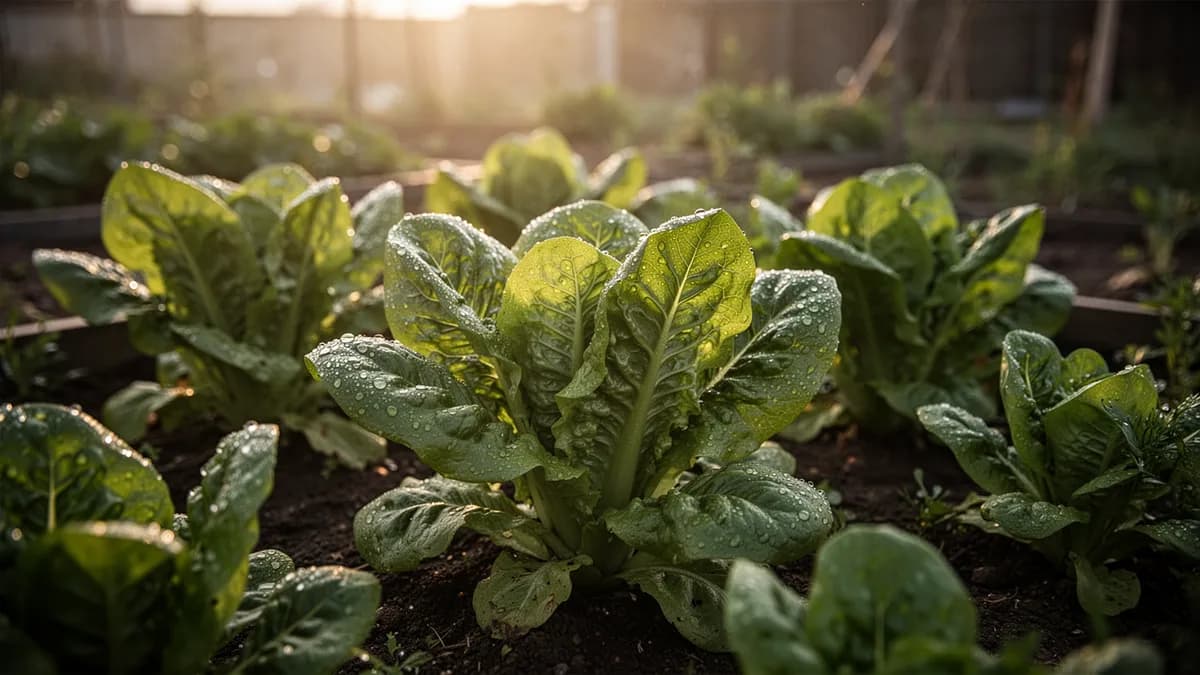
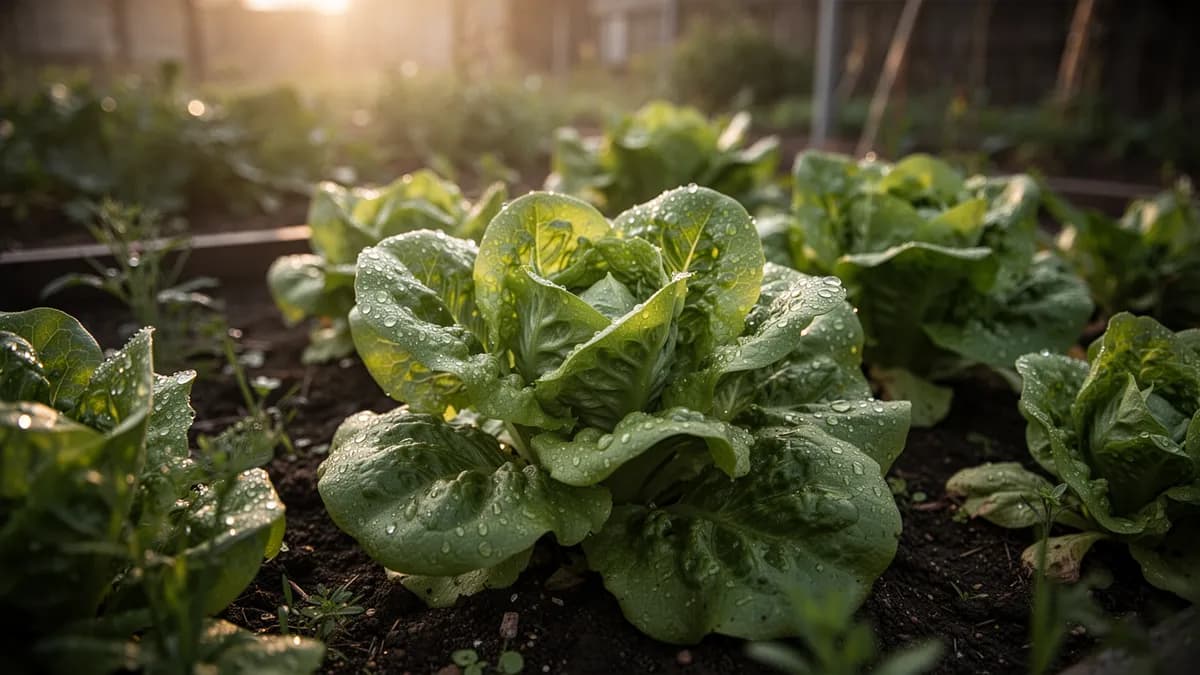
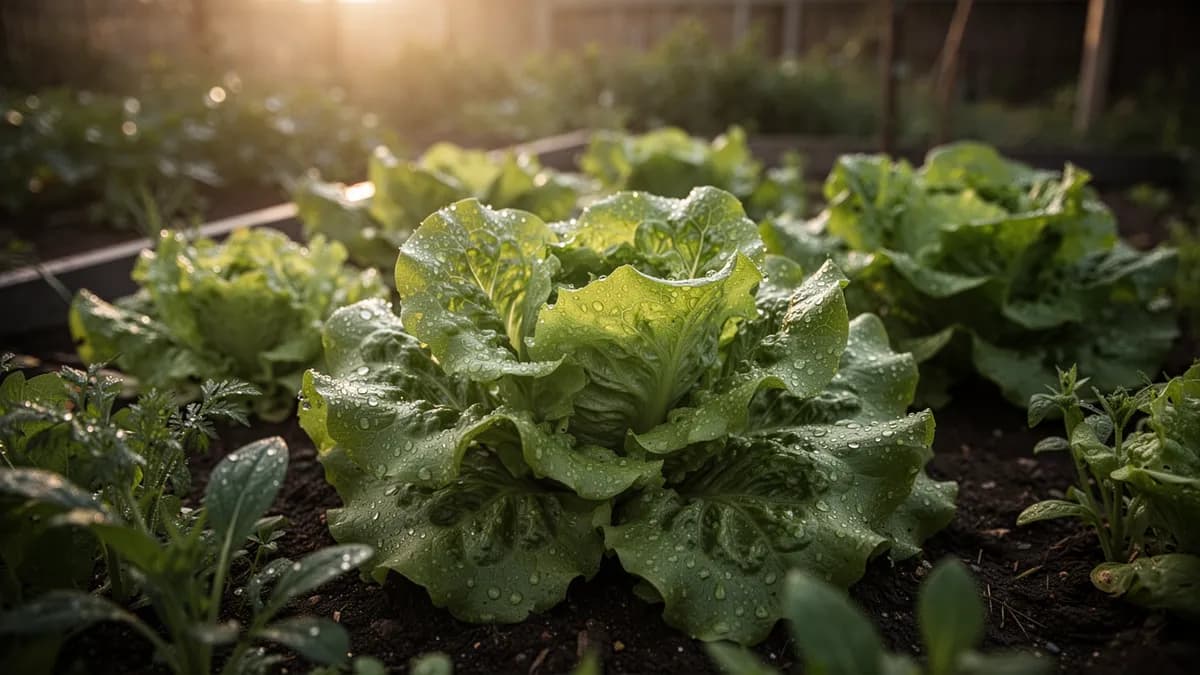
Mantén Pak Choi Bebé lejos de estos
Diseños de jardín con Pak Choi Bebé
Cultiva tu mejor Pak Choi Bebé — y todo lo que la rodea.
Empieza un plan gratis hoy. Diseña tus bancales, coloca tu Pak Choi Bebé y deja que PlotMyGarden gestione el momento, el espaciado, las asociaciones y los recordatorios de la semilla a la cesta.