Mandarin Orange
A loose-skinned citrus that peels easily, with sweet, aromatic segments perfect for snacking and lunchboxes.





On this pageOverview
Meet Mandarin Orange
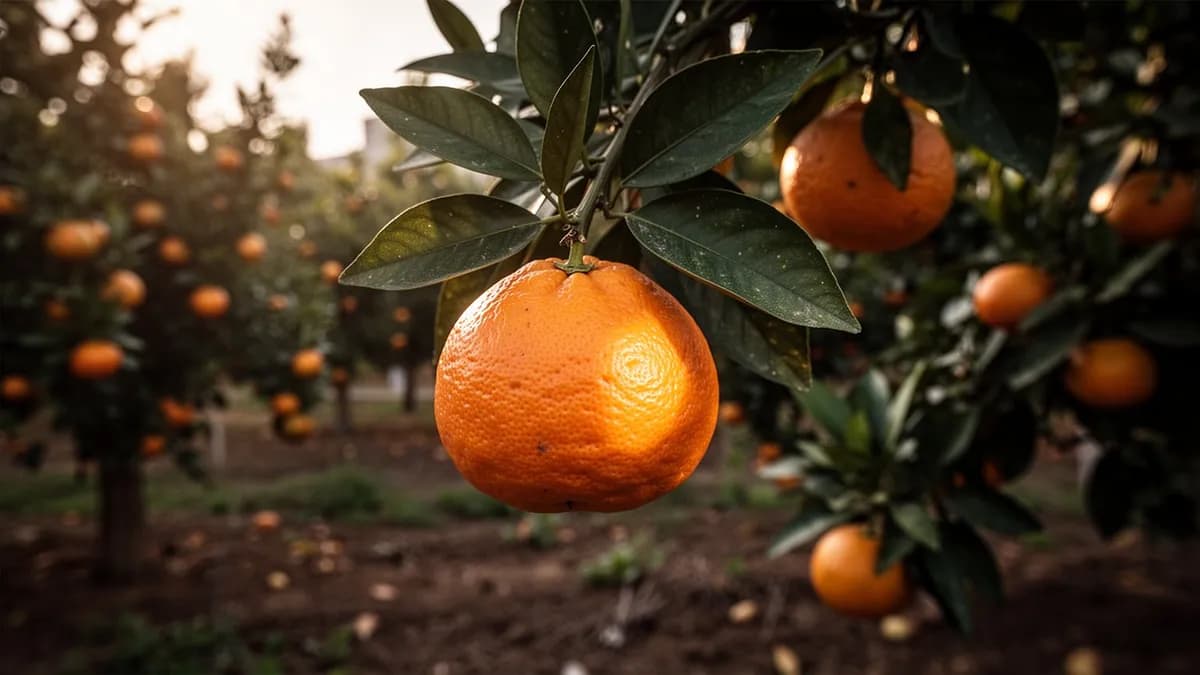
A loose-skinned citrus that peels easily, with sweet, aromatic segments perfect for snacking and lunchboxes. Mandarin oranges are among the more cold-tolerant citrus types and can withstand brief freezes better than other oranges. Many cultivars are available including Owari satsuma, Clementine, and Dancy tangerine.
When to plant Mandarin Orange
Mandarin oranges can be grown from seed but will not produce true-to-type fruit and may take five to ten years to bear. Seeds are polyembryonic, meaning each seed may produce multiple seedlings, some of which are genetic clones of the parent. For reliable fruiting, purchase grafted trees on cold-hardy rootstocks like Trifoliata or Flying Dragon. To grow from seed, remove seeds from ripe fruit, rinse off pulp, and plant one inch deep in moist potting mix. Keep warm at 70 to 80 degrees Fahrenheit. Seeds germinate in two to four weeks. Grow seedlings under bright light for at least a year before transplanting outdoors.
Your Mandarin Orange Year
Composed for Zone 7 · typical seasons · frost passes Apr 2, returns Nov 1
Plant Mandarin Orange Mar – May, pick Jan – Feb, Nov – Dec. Check the planting methods below and set your climate to personalize these windows.
How to grow Mandarin Orange
Mandarin oranges thrive in USDA zones 8 through 11, making them among the most cold-tolerant citrus. Plant grafted trees in early spring in a location receiving at least eight hours of direct sunlight. Space standard trees 12 to 15 feet apart or dwarf varieties 6 to 8 feet apart. Dig a hole twice the width of the root ball but no deeper, setting the graft union two to three inches above soil level.
Water newly planted trees twice per week for the first year, then reduce to deep weekly watering once established. Mandarins are sensitive to overwatering, so ensure excellent drainage and let the top inch of soil dry between irrigations. Mulch with three inches of organic material, keeping it away from the trunk to prevent collar rot.
Fertilize three times per year with a balanced citrus fertilizer in February, May, and September. Mandarin trees naturally develop a rounded canopy shape and require minimal pruning beyond removing dead wood, suckers below the graft union, and crossing interior branches. In zone 8, provide frost protection using horticultural fleece or string lights for radiant heat when temperatures drop below 28 degrees Fahrenheit.
Mandarin Orange needs more room than a 4 × 8 ft bed gives
Each Mandarin Orange wants 300 cm of elbow room. The planner keeps that spacing for you — every plant, every bed.
Mandarin Orange's best neighbours
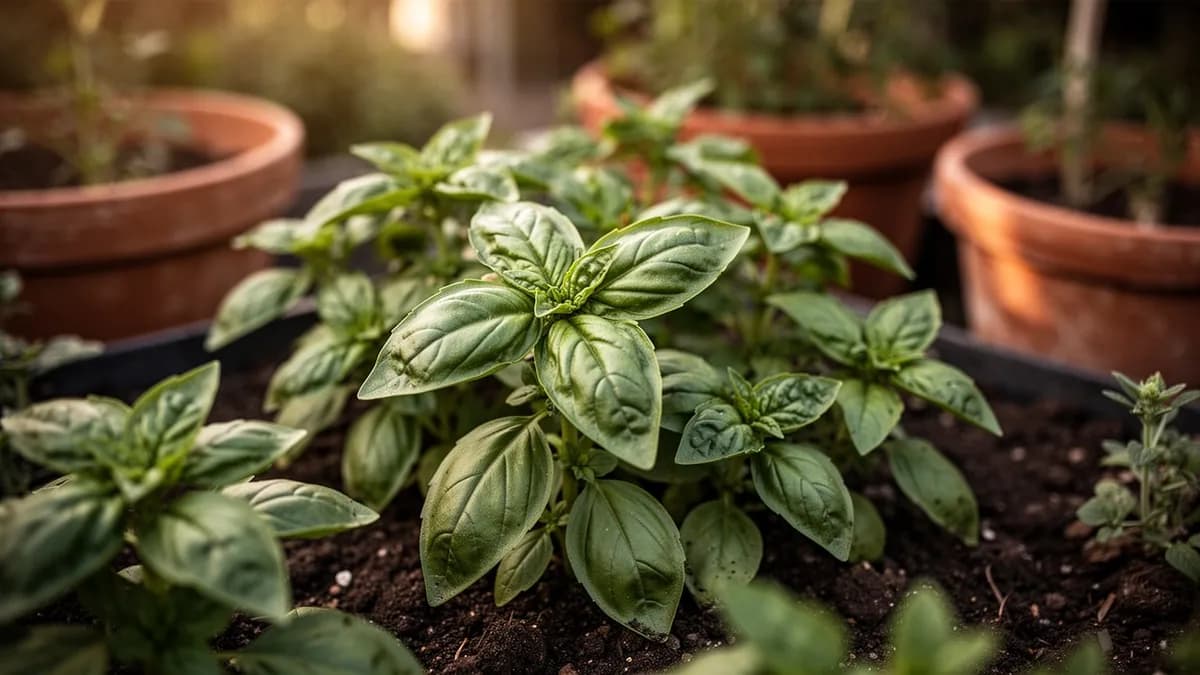
Underplant mandarin trees with nitrogen-fixing cover crops like crimson clover, white clover, or fava beans to naturally enrich the soil. Aromatic herbs such as lemongrass, basil, and rosemary planted nearby help mask citrus scent from pests. Nasturtiums make excellent trap crops for aphids, drawing them away from new citrus growth. Marigolds deter nematodes when planted around the drip line. Comfrey serves as a dynamic nutrient accumulator and living mulch. Avoid bermudagrass and other aggressive grasses that compete heavily for water and nutrients.
Basil belongs beside it. Walnut Tree doesn't.
Old growers' knowledge, checked against Mandarin Orange's real companion table below — test any plant you're growing.
Try Mandarin Orange in a bed — right here
A real planner bed with Mandarin Orange already in it. Tap a companion to place it and watch the pairing checks answer — green for good neighbours, red for a clash.


Related growing guides
Feed it well
Mandarins prefer well-drained sandy loam or loamy soil with a slightly acidic pH of 5.5 to 6.5. Heavy clay must be amended with coarse sand and compost or the tree should be planted in a raised bed to prevent root rot. Apply a citrus-specific fertilizer containing nitrogen, phosphorus, potassium, and micronutrients including iron, zinc, and manganese three times per year. Supplement with Epsom salts if magnesium deficiency appears as yellowing between leaf veins. Maintain organic mulch around the drip line year-round to feed soil biology and retain moisture.
Ideal Temperature
Hardiness Zone Compatibility
From seed to harvest, stage by stage
Planting and Root Establishment
A grafted nursery mandarin tree spends its first 6–8 weeks after planting focusing energy underground, developing the root system that will sustain decades of fruiting. Above-ground growth is slow at first. Seeds germinate in 2–3 weeks in warm moist conditions but seedling trees take 5–7 years to fruit and may not produce true to type.
Vegetative Growth and Canopy Development
The tree begins producing flushes of new growth with characteristically narrow, dark green leaves attached to slightly winged petioles — a distinguishing feature of the mandarin. Multiple growth flushes occur through the warm season. The branching framework that will support future fruiting wood develops during this phase.
First Flowering
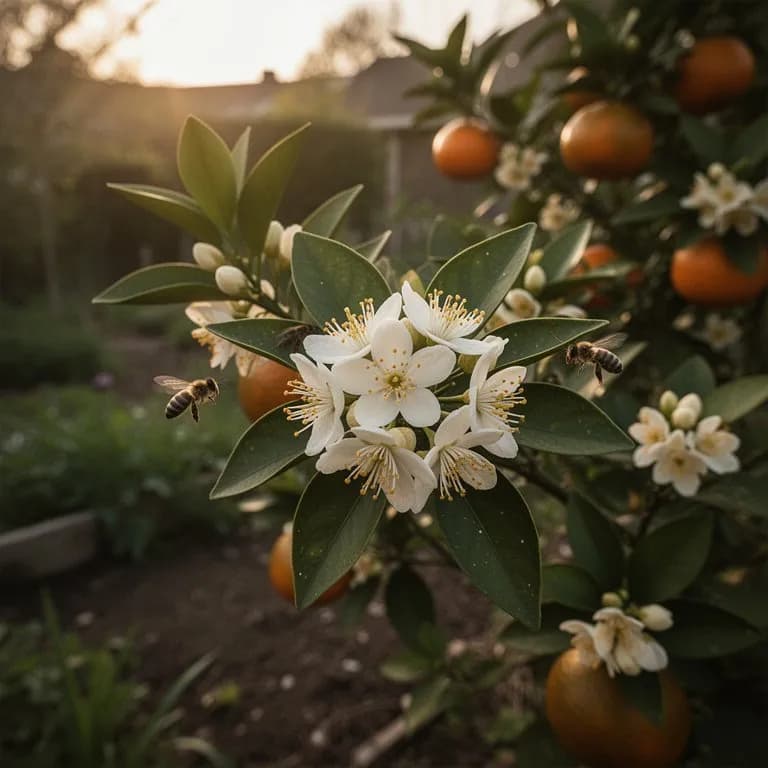
Grafted mandarin trees typically flower for the first time in their second or third year. Flowers are smaller than those of sweet orange but equally fragrant, appearing in clusters or singly in the leaf axils. Flowering is most often triggered by a period of cool temperatures or mild water stress in late winter or early spring. Mandarins are self-fertile.
Fruit Set and Development
After pollination, small green fruitlets form and slowly develop their characteristic flattened shape. The tree naturally sheds many small fruitlets in early summer (natural June drop) — this is a normal self-thinning process. Remaining fruit grows steadily, accumulating sugars and developing the complex aroma compounds that make mandarins so appealing.
Color Break and Ripening
As days shorten and temperatures cool in autumn and early winter, mandarins undergo color break — green chlorophyll in the rind breaks down to reveal the underlying orange-red carotenoids. The skin gradually loosens slightly from the flesh, a characteristic trait of mandarins. Sugar content increases and the aroma intensifies. Most varieties ripen between October and February in the Northern Hemisphere.
Harvest
Harvest time is one of the most rewarding aspects of growing mandarins. Fruit is picked by clipping the stem close to the fruit with sharp pruning shears to avoid tearing the rind. Different varieties ripen at different times — 'Satsuma' is among the earliest (October–December), while 'Clementine' and 'Murcott' ripen later into winter and early spring.
Post-Harvest Rest and Preparation
After the main harvest, the tree enters a quieter growth phase before the cycle restarts with the next flowering triggered by winter cool. This is the ideal time for light structural pruning, fertilizer replenishment, and inspection for pests or diseases. The root system continues growing slowly through mild winters.
Keep soil consistently moist but never waterlogged during establishment. Avoid feeding for the first 4–6 weeks — let roots settle in. Stake the young tree if necessary and protect from strong winds and frost.
Caring for Mandarin Orange month by month
What to do each month for your Mandarin Orange
October
You are hereEarly varieties ready to harvest — 'Satsuma' is typically ripe this month. Harvest with scissors or pruning shears. Prepare frost protection materials for cooler climates. Reduce watering frequency as nights cool. Apply a final slow-release fertilizer application for the season before growth fully stops.
Know exactly what to do in your garden — every month
One email at the start of each month: what to sow, plant, and tackle right now — for your Mandarin Orange and everything growing around it. Plus a short starter course that helps you dodge the classic mistakes.
- What to do, right now
- Matched to your season
- Starter course included
Harvesting Mandarin Orange
Mandarin oranges are ready to harvest when the rind turns fully orange and fruit detaches easily from the stem with a gentle twist. Taste-test before harvesting the full crop, as external color can develop before the sugars fully mature. Most mandarins ripen from November through February depending on cultivar. Use clippers to cut fruit from the tree, leaving a short stem stub to prevent rind tearing. Harvest in the morning for best storage quality. Unlike some citrus, mandarins do not continue to sweeten after picking.
assuming you plant when the window opens — set your real date
Pick Mandarin Orange promptly and the plant keeps producing.
Storage & Preservation
Fresh mandarins keep one to two weeks at room temperature and up to four weeks refrigerated in the crisper drawer. Their easy-peel nature makes them perfect for dehydrating into sweet, chewy snacks. Juice freezes well in ice cube trays for adding to drinks and recipes. Mandarin segments can be canned in light syrup for year-round enjoyment. The zest dries beautifully for use in spice blends and baking. Mandarin marmalade and curd are elegant preserves that showcase the fruit's distinctive floral sweetness.
What goes wrong — and the fix
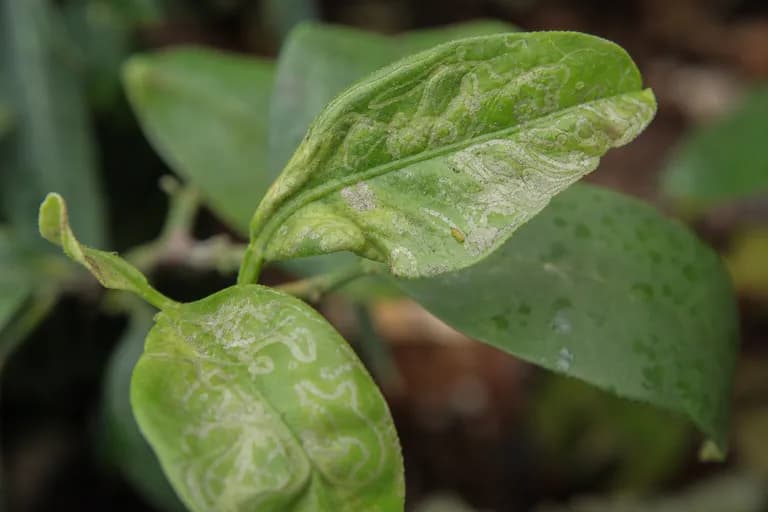
Citrus Leafminer
PestSilvery, serpentine trails on new leaf growth where larvae tunnel between leaf surfaces, causing distorted and curled foliage.
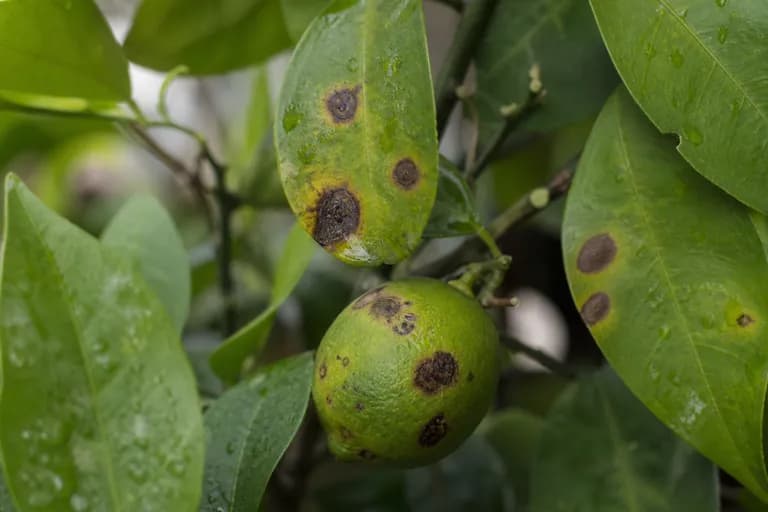
Alternaria Brown Spot
DiseaseDark brown lesions with yellow halos on leaves and fruit rind, premature fruit drop, and twig dieback on susceptible cultivars.
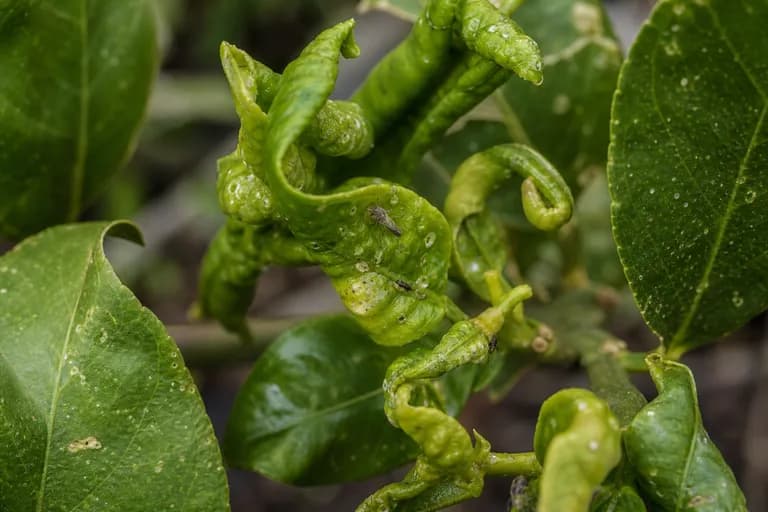
Asian Citrus Psyllid
PestTiny mottled brown insects on new growth tips, waxy tubules on leaf surfaces, and distorted young shoots. Vector for citrus greening disease.
Troubleshooting Common Problems
Alternate bearing is the most common frustration with mandarins, where heavy crops one year are followed by light crops the next. Manage this by thinning fruit in heavy-bearing years to maintain consistent annual production. Puffy, loosely attached rinds develop when fruit is left on the tree too long past peak ripeness. Splitting occurs when heavy rain follows extended drought, so maintain consistent irrigation during fruit development. Sunburn on exposed fruit can be reduced by avoiding excessive pruning that removes protective canopy cover.
Growing Tips
- Always purchase a grafted tree from a reputable nursery rather than attempting to grow from seed. Grafted trees fruit in 3–4 years and produce fruit identical to the parent variety; seed-grown trees may take 7–10 years to fruit and often produce inferior or thornier plants.
- Choose your variety with climate in mind. 'Satsuma' (Citrus unshiu) is the most cold-tolerant mandarin and the best choice for cooler climates, tolerating brief frosts down to about -7°C when mature. 'Clementine' and 'Nules Clementine' suit warm Mediterranean climates. 'Murcott' and 'Honey Mandarin' prefer warm subtropical conditions for best flavor.
- Plant in a position receiving at least 6–8 hours of direct sunlight daily. Mandarins produce their best fruit in full sun; insufficient light reduces fruit sweetness and can prevent flowering. A south- or southwest-facing wall provides ideal warmth and reflected light in cooler temperate gardens.
- Drainage is non-negotiable. Mandarin roots are highly susceptible to Phytophthora root rot in waterlogged conditions. If your soil is heavy clay, plant on a raised mound, incorporate coarse grit and compost, or grow in a raised bed. Container planting in a well-draining citrus compost eliminates this problem entirely.
- Fertilize regularly throughout the growing season with a dedicated citrus fertilizer containing not just NPK but the essential trace elements magnesium, iron, manganese, and zinc. Mandarins on certain rootstocks are particularly prone to magnesium deficiency — yellowing between the veins on older leaves is a classic symptom, remedied by a foliar spray of Epsom salts (magnesium sulfate).
- Mandarin trees need less pruning than many fruit trees — over-pruning reduces yield. Confine pruning to removing dead, diseased, and crossing branches, eliminating suckers below the graft union, and lightly thinning the canopy center to improve light and air circulation. Prune in late winter after the coldest weather has passed.
- Mulch generously around the root zone with wood chips or composted bark, maintaining a 10–15 cm gap from the trunk. Good mulching conserves moisture, moderates soil temperature, gradually improves soil structure, and suppresses competing weeds — all of which directly improve fruit yield and quality.
- For container growing, use a pot of at least 45–60 cm diameter with excellent drainage holes. Use a citrus-specific or loam-based compost rather than peat-heavy mixes. Feed container trees every 2–3 weeks with a liquid citrus fertilizer through the growing season, as nutrients leach rapidly from pots. Repot every 2–3 years into a slightly larger container.
- Mandarins benefit from a mild cool or dry period in late winter to trigger flowering. In consistently warm climates, a brief period of reduced watering in late winter (not drought stress, just reduced frequency) can help stimulate the hormonal changes that lead to bud development and flowering.
- The most damaging pests are citrus leafminer (which disfigures new growth but rarely kills mature trees), scale insects (controlled by dormant oil spray), and the citrus mealybug (treat with neem oil or insecticidal soap). Controlling ants around the tree is important as ants actively farm and protect both scale insects and mealybugs from their natural predators.
Grow your best Mandarin Orange yet — and everything around it.
Start a free plan today. Lay out your beds, drop in your Mandarin Orange, and let PlotMyGarden handle the timing, spacing, companions and reminders from seed to harvest basket.
Pick your Mandarin Orange
Owari Satsuma
The most cold-hardy mandarin, tolerating temperatures into the low twenties. Seedless, easy to peel, with mild sweet flavor. Ripens October to December.
Clementine
Small, seedless mandarin with glossy skin and exceptional sweetness. Extremely popular for fresh eating. Ripens November to January.
Dancy
The classic Christmas tangerine with deep orange-red skin, rich flavor, and a few seeds. A traditional holiday variety ripening in December.
Kishu
Tiny, seedless mandarins about the size of a golf ball with extraordinarily sweet flavor. Easy for children to peel and eat. Ripens January to February.
Gold Nugget
A bumpy-skinned, seedless mandarin with rich, sweet flavor. One of the latest-maturing varieties, extending the mandarin season into spring.
A mature mandarin tree planted in a suitable climate can produce 200–400 fruits per season. At typical retail prices of $0.60–$1.20 per mandarin for quality fresh fruit (premium organic mandarins often cost more), a single productive tree yields $120–$480 worth of fruit annually. Mandarins are among the most popular fruits for children's lunchboxes and snacks — families who regularly buy mandarins will find the savings particularly meaningful. Over a 20–30 year productive lifespan, a single well-cared-for tree represents several thousand dollars in cumulative savings, plus the considerable additional value of fruit picked at peak ripeness with far superior flavor and aroma compared to commercially harvested and shipped fruit.
Quick recipes
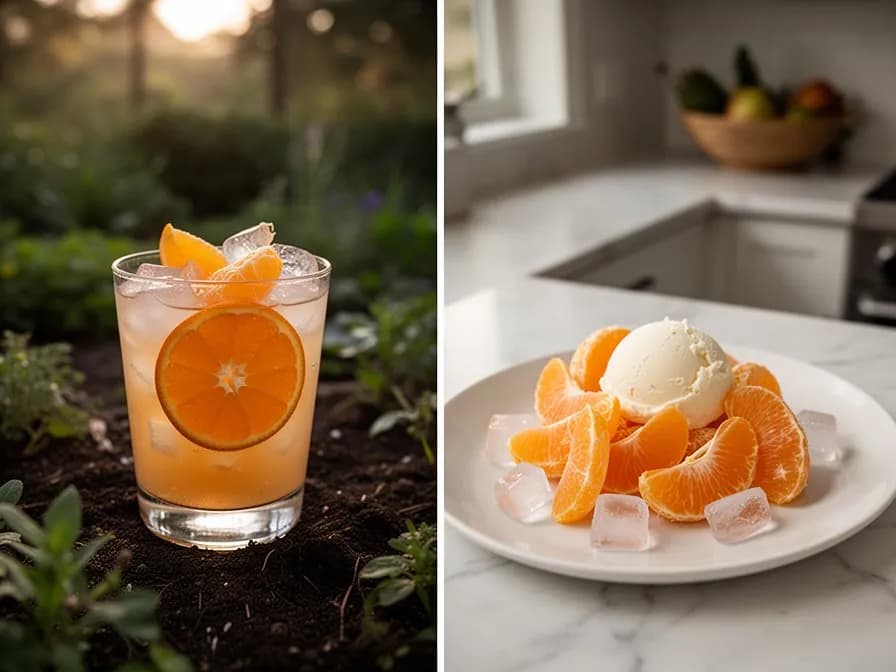
Mandarin and Avocado Salad with Toasted Almonds
15 minutesA vibrant salad that pairs the sweet juiciness of fresh mandarins with creamy avocado and the crunch of toasted almonds. Peel and segment 4 ripe mandarins, removing any pith. Slice 2 ripe avocados. Arrange on a bed of rocket or watercress. Scatter a handful of toasted flaked almonds and thinly sliced red onion over the top. Dress with a simple vinaigrette of 3 tablespoons good olive oil, 1 tablespoon mandarin juice, 1 teaspoon honey, a pinch of sea salt, and cracked black pepper. Serve immediately.
9 ingredients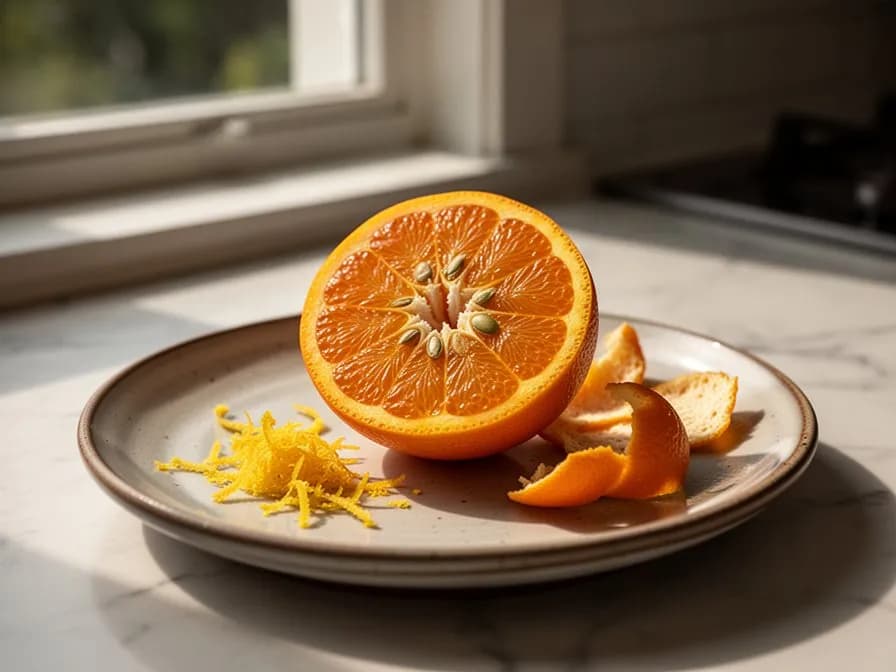
Mandarin Posset (Quick No-Bake Dessert)
15 minutes (plus 4 hours chilling)A silky, elegant dessert that requires no eggs, no gelatine, and no baking. Combine 600ml double cream and 150g caster sugar in a saucepan and bring to a rolling boil. Boil for exactly 3 minutes, stirring constantly. Remove from heat and stir in 100ml freshly squeezed mandarin juice and 1 teaspoon finely grated mandarin zest. The acid in the juice causes the cream to set. Pour into glasses or ramekins and refrigerate for at least 4 hours until set. Serve topped with fresh mandarin segments.
5 ingredientsMandarin Marmalade
2 hours (over 2 days)A beautiful, jewel-bright marmalade that is slightly sweeter and more delicate in flavor than traditional Seville orange marmalade. Thinly slice 1 kg mandarins (unwaxed), removing seeds and reserving them in a muslin bag (the seeds contain pectin needed for setting). Soak the sliced fruit and seed bag in 1.5 liters water overnight. Next day, simmer until rind is completely soft (about 45 minutes), then add 1 kg sugar, stir to dissolve, and boil hard to setting point. Pour into sterilized jars.
6 ingredientsCulinary Uses
Mandarins are superb fresh eating fruits, perfect for lunchboxes and snacks. The segments brighten salads with spinach, avocado, and toasted almonds. Use the juice in Asian-inspired sauces, glazes for duck or pork, and craft cocktails. Mandarin zest adds floral complexity to baked goods, shortbread cookies, and chocolate desserts. The segments can be caramelized for an elegant dessert garnish or blended into smoothies.
What's inside
Health Benefits
- Exceptionally rich in beta-cryptoxanthin, a provitamin A carotenoid that gives mandarin flesh its orange color. Beta-cryptoxanthin is converted to vitamin A in the body and is associated in observational studies with reduced risk of lung cancer and improved joint health
- Good source of vitamin C, which supports immune system function, promotes the synthesis of collagen in skin, cartilage, and bone, and enhances the absorption of non-heme iron from plant-based foods
- Contains nobiletin and tangeretin, flavonoids found at particularly high levels in mandarin peel and juice that have demonstrated anti-inflammatory, neuroprotective, and cholesterol-lowering effects in scientific studies
- Provides hesperidin, a bioflavonoid linked in research to improved cardiovascular health outcomes including reduced blood pressure, better arterial flexibility, and decreased inflammatory markers associated with heart disease
- The natural soluble fiber (pectin) in mandarin segments feeds beneficial gut microbiome bacteria, supports healthy cholesterol levels, and helps moderate the rate of sugar absorption — important for blood glucose management
- Mandarins have a low glycemic index despite their sweetness, meaning they cause a slower and more moderate rise in blood sugar compared to processed sweet foods, making them a suitable fruit choice for those monitoring blood sugar levels
Where Mandarin Orange comes from
The mandarin orange (Citrus reticulata) holds a uniquely central place in the history of citrus cultivation. Originating in the subtropical forests of southern China and northeastern India, it is one of the four original 'founder' citrus species — along with the citron, the pomelo, and the papeda — from which virtually all other cultivated citrus fruits have descended through natural hybridization and millennia of human selection.
Written records of mandarin cultivation in China date back more than 3,000 years, and the fruit appears in ancient Chinese texts as a gift of great prestige. The name 'mandarin' itself is believed to derive from the association of the fruit's deep orange color with the yellow robes of Mandarin officials of the Chinese imperial court, though some etymological accounts link it to the Portuguese word 'mandarin' (meaning a Chinese official), which was applied to the fruit when Portuguese traders first encountered it.
From its origin in China, the mandarin spread gradually westward along the ancient Silk Road trade routes and through the Indian subcontinent. Arab merchants played a key role in introducing it to the Middle East and North Africa. The first recorded arrival of the mandarin in Europe came in the early 19th century — significantly later than the sweet orange and the lemon — when specimens arrived in England from China around 1805. From England, the tree was distributed to Malta, Sicily, and then throughout the Mediterranean basin, where the climate proved ideal.
The arrival of mandarins in the Mediterranean led to a wave of new variety development. In Algeria, the clementine emerged — reportedly as an accidental hybrid between a mandarin and a sweet orange — and quickly became one of the world's most beloved citrus fruits. In Japan, the satsuma mandarin was developed from Chinese mandarin stock into a distinct variety uniquely suited to cooler conditions, becoming one of the most important commercial crops in Japanese agriculture.
The 20th century saw mandarin cultivation spread to every suitable subtropical and warm temperate region of the globe — from California and Florida in North America to South Africa, Australia, Argentina, and Brazil. Today, mandarins are one of the world's top five most produced fruits, with global production exceeding 35 million tonnes annually. China remains by far the largest producer, followed by Spain, Turkey, and Morocco.
For home gardeners, the mandarin offers perhaps the most rewarding of all citrus growing experiences: a tree of manageable size, reliable fruit set, easy-peel fruit adored by children and adults alike, and a fragrance during bloom that elevates any garden into something extraordinary.
Mandarin Orange: did you know?
Fascinating facts about Mandarin Orange
The mandarin orange (Citrus reticulata) is one of the oldest cultivated citrus fruits in the world, with records of its cultivation in China stretching back over 3,000 years. It is named after the Mandarin officials of the Chinese imperial court, to whom the fruit was traditionally given as a gift.
Mandarin Orange questions, answered
When should I plant Mandarin Orange?
What are good companion plants for Mandarin Orange?
What hardiness zones can Mandarin Orange grow in?
How much sun does Mandarin Orange need?
How far apart should I space Mandarin Orange?
What pests and diseases affect Mandarin Orange?
How do I store Mandarin Orange after harvest?
What are the best Mandarin Orange varieties to grow?
What soil does Mandarin Orange need?
What is the difference between mandarins, tangerines, clementines, and satsumas?
When should I harvest mandarins and how do I know when they are ripe?
My mandarin tree is not producing fruit — what is wrong?
Can I grow a mandarin tree in a pot indoors or in a cold climate?
Why are the leaves on my mandarin tree turning yellow?
How do I protect my mandarin tree from frost?
You just read the theory. Now grow it on autopilot.
Everything that makes Mandarin Orange fiddly — the timing, the spacing, the companions, the harvest window — is exactly what PlotMyGarden handles for you, for every plant in your garden.
A plan that knows your weather
Set your location once. Get sow, feed and harvest dates built around your real last-frost date and live forecast — no more guessing from a generic seed packet.
From the “When to plant” sectionDrag-and-drop bed planner
Design beds on a grid. Every plant snaps to its proper spacing, and you can see your whole season laid out before you spend a cent on seed.
From the “Growing guide” sectionCompanion conflicts, caught early
200+ good-and-bad pairings checked live as you plant — so a season-wrecking mistake never makes it into the ground.
From the “Companions” sectionReminders you'll actually act on
“Water the beans.” “Pick today before it turns.” Timely, specific, and tied to the plants you're really growing.
From the “Harvest” sectionSuccession, scheduled
Want a harvest for six weeks, not six days? It spaces your sowings automatically and reminds you when each new block is due.
From the “When to plant” sectionA record that gets smarter
Every harvest you log teaches it your garden. Next year's plan starts from what actually worked in your soil, not a textbook's.
From the “Overview” sectionPlant these alongside Mandarin Orange
More Citrus
Keep Mandarin Orange away from these
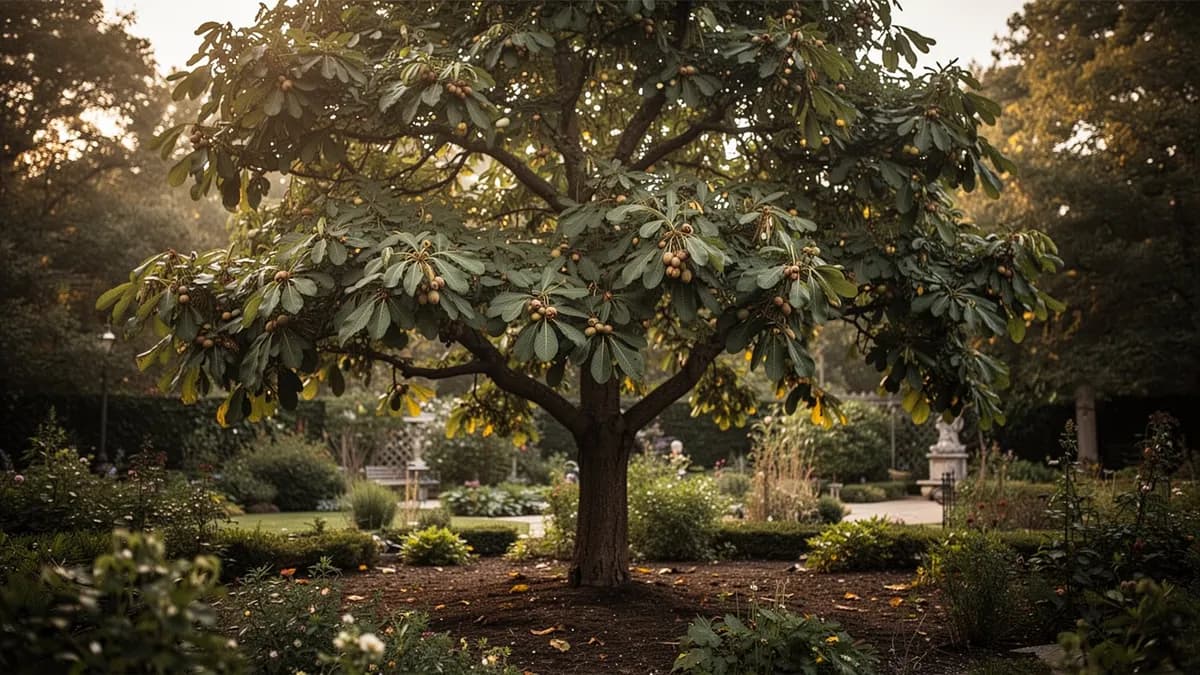
Grow your best Mandarin Orange yet — and everything around it.
Start a free plan today. Lay out your beds, drop in your Mandarin Orange, and let PlotMyGarden handle the timing, spacing, companions and reminders from seed to harvest basket.