Evening Primrose
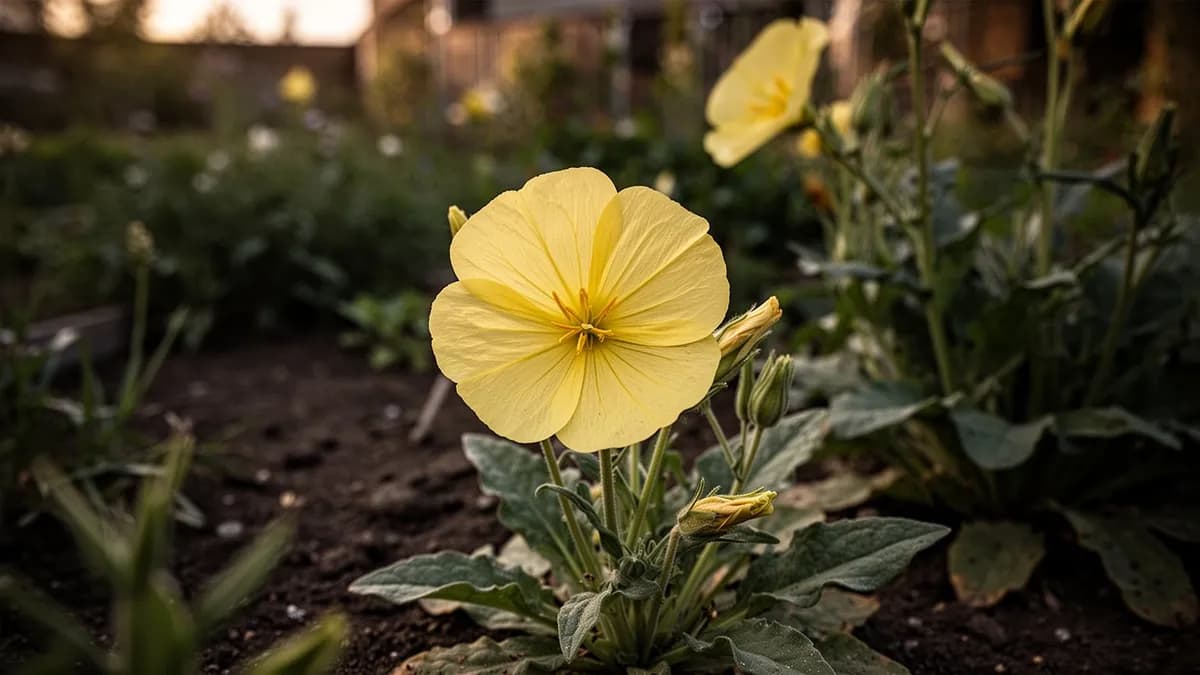
A charming, drought-tolerant perennial with large, cup-shaped pink or white flowers that open in the evening and remain into morning.





On this pageOverview
Meet Evening Primrose
A charming, drought-tolerant perennial with large, cup-shaped pink or white flowers that open in the evening and remain into morning. Evening primrose spreads vigorously by underground runners and is best used in informal settings where it can naturalize freely. It thrives in poor, dry soil and full sun with zero maintenance.
When to plant Evening Primrose
Sow seeds on the surface of well-drained soil in spring or fall—they need light to germinate. Seeds germinate readily in 14-21 days. Plants often flower in their first year. Self-sowing and runner spread mean you rarely need to sow more than once.
Your Evening Primrose Year
Composed for Zone 7 · typical seasons · frost passes Apr 2, returns Nov 1
Plant Evening Primrose Mar – May, pick May – Aug. Check the planting methods below and set your climate to personalize these windows.
How to grow Evening Primrose
Evening primrose is a tough, spreading perennial that produces large cup-shaped flowers in pink or white from late spring through summer. Plant in spring, spacing 18-24 inches apart in full sun. It thrives in poor, dry, well-drained soil and actually performs worse in rich conditions.
The flowers open in the evening and stay through the morning hours, providing interest at a time when most flowers close. In cloudy weather, blooms may remain open all day. Each flower lasts only a day or two, but they are produced in such abundance that the display is continuous.
Be warned: evening primrose spreads aggressively by underground runners and can colonize large areas quickly. Plant where spreading is welcome—meadows, slopes, roadsides, and large informal gardens—or contain with buried barriers. It is not suitable for small, tidy borders.
10 plants fit a 4 × 8 ft bed
Each Evening Primrose wants 45 cm of elbow room. The planner keeps that spacing for you — every plant, every bed.
Evening Primrose's best neighbours
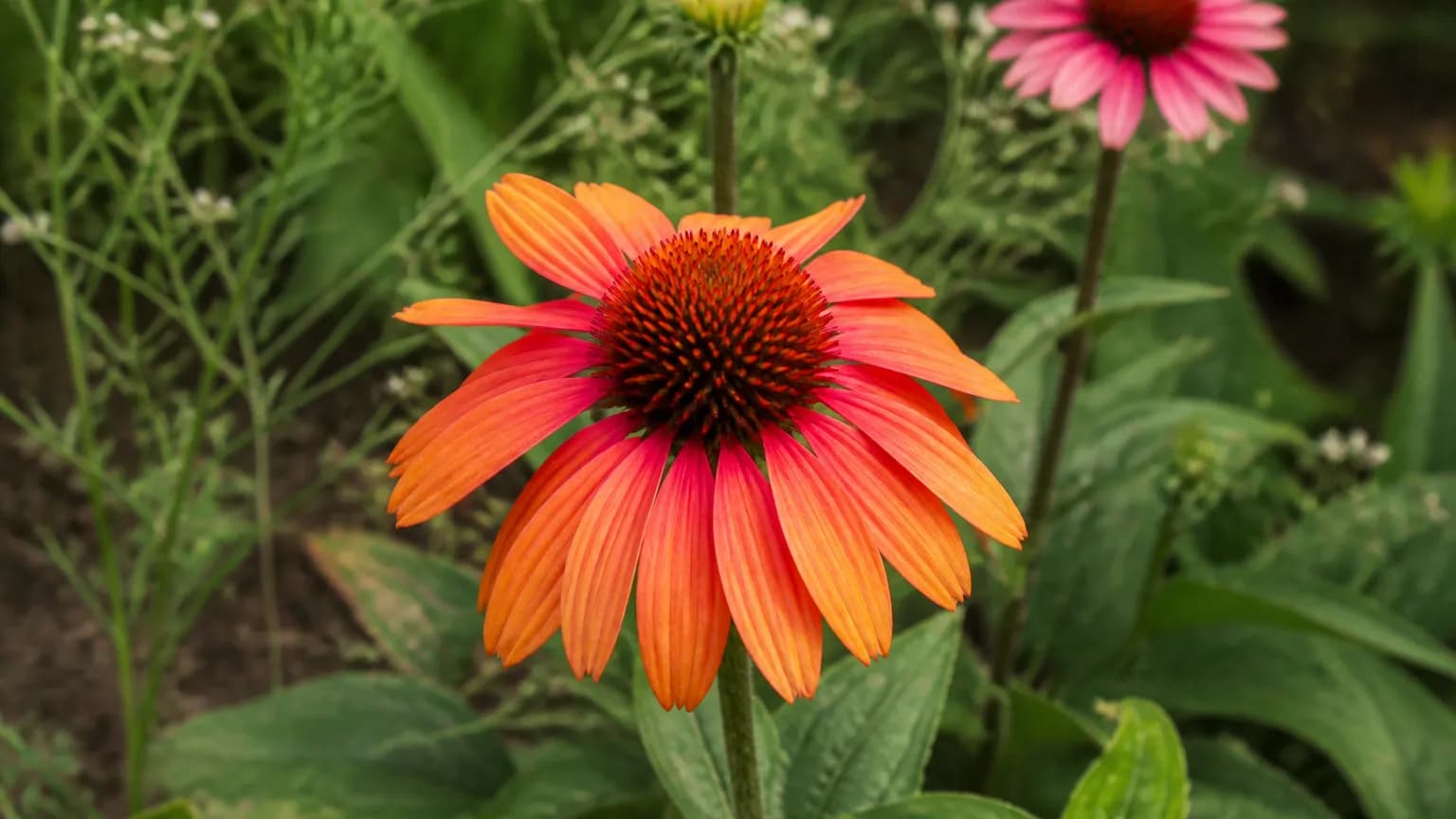
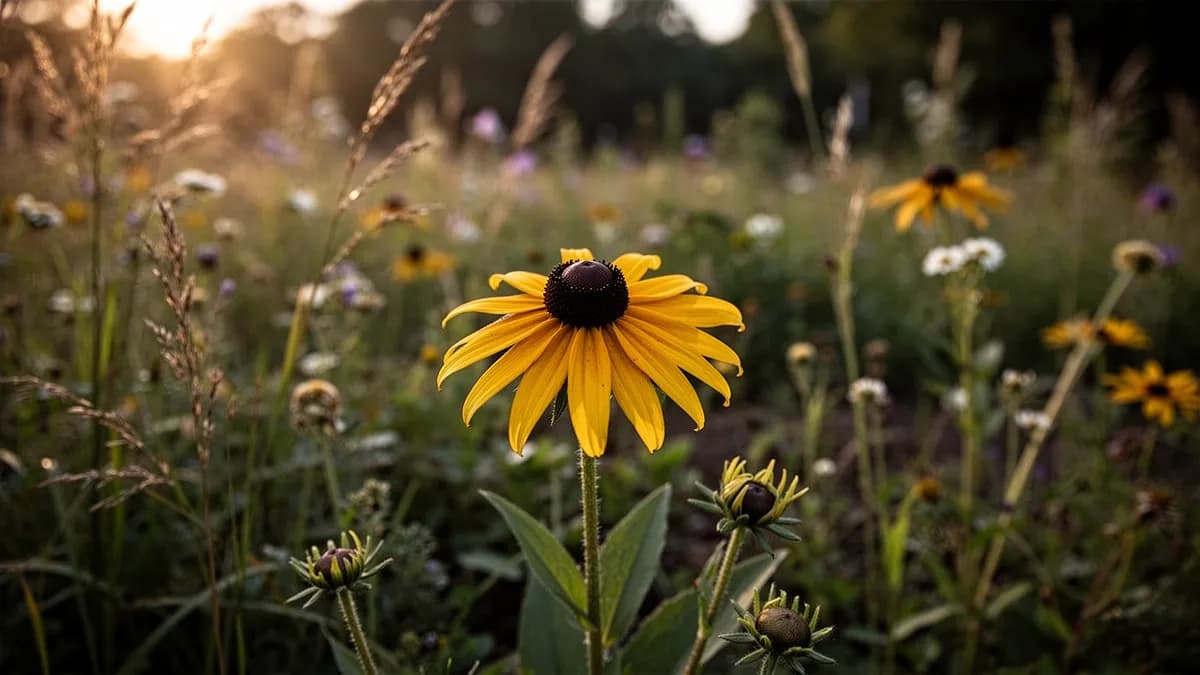
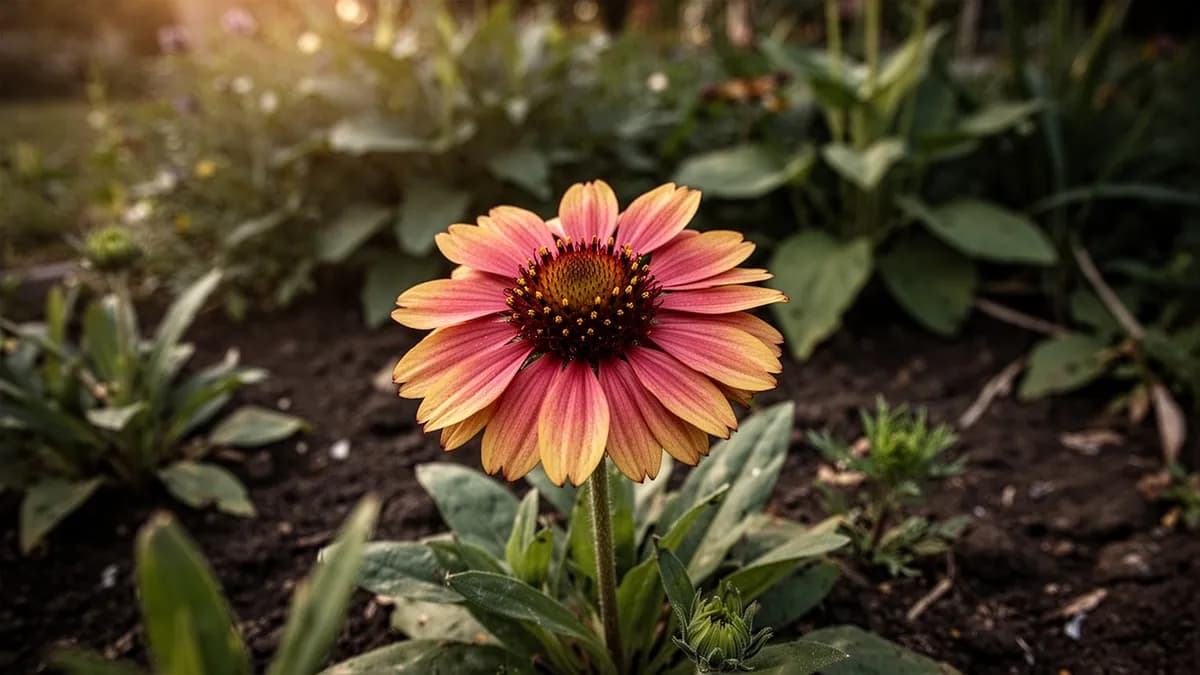
Evening primrose works best in informal, naturalistic settings with other spreading wildflowers and prairie plants. Combine with black-eyed Susans, coneflowers, and native grasses. Excellent for stabilizing slopes and filling large areas quickly.
Coneflower belongs beside it.
Old growers' knowledge, checked against Evening Primrose's real companion table below — test any plant you're growing.
Try Evening Primrose in a bed — right here
A real planner bed with Evening Primrose already in it. Tap a companion to place it and watch the pairing checks answer — green for good neighbours, red for a clash.


Related growing guides
Feed it well
Evening primrose thrives in poor, dry, well-drained soil with a pH of 6.0-8.0. Rich soil promotes aggressive spreading. Never fertilize—this plant performs best with complete neglect. Sandy, rocky, and gravelly soils are ideal.
Ideal Temperature
Hardiness Zone Compatibility
From seed to harvest, stage by stage
Seed Sowing
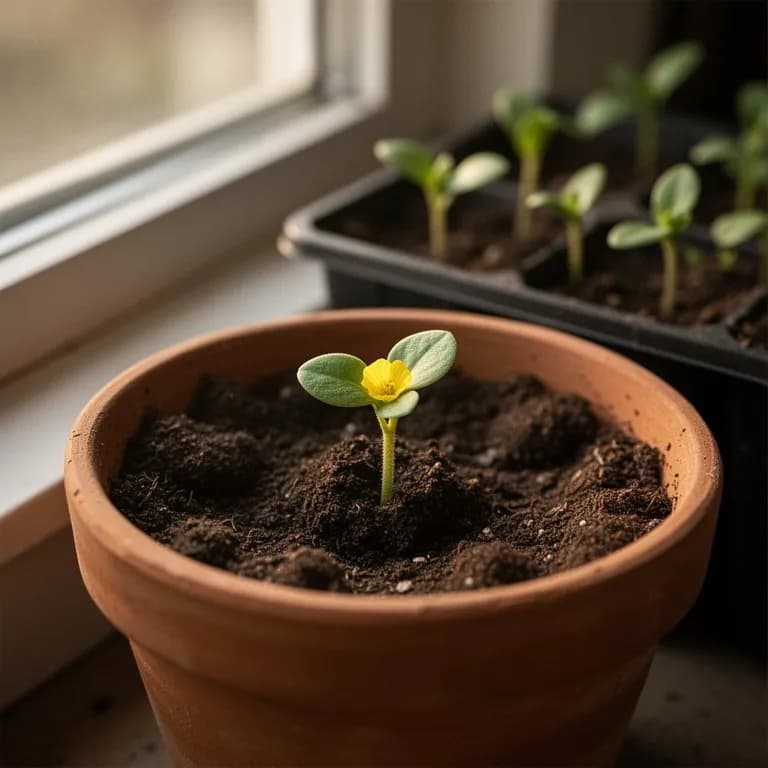
Evening primrose seeds are very small and need light to germinate. Sow on the surface of moist, well-drained soil and press lightly without covering. Seeds can also be cold-stratified in the refrigerator for two to four weeks before sowing to improve germination rates.
Germination and Emergence
Tiny seedlings emerge with a pair of rounded cotyledon leaves. Growth is slow initially as the plant focuses on developing its taproot system. Seedlings form a small basal rosette close to the soil surface during this early phase.
Rosette Formation (Year One)
As a biennial, evening primrose spends its first year forming a low basal rosette of lance-shaped leaves and developing a thick, fleshy taproot. The rosette can reach 15-30 cm across. The plant stores energy in the root for the following year's flowering. Leaves may have a reddish tinge along the midrib.
Bolting and Stem Elongation (Year Two)
In the second spring, the rosette sends up a sturdy, erect flowering stalk that can reach 90-150 cm tall. The stem is often hairy and may have a reddish hue. Leaves become progressively smaller and more narrow as they ascend the stem. Side branches develop near the top, each capable of producing flowers.
Flowering
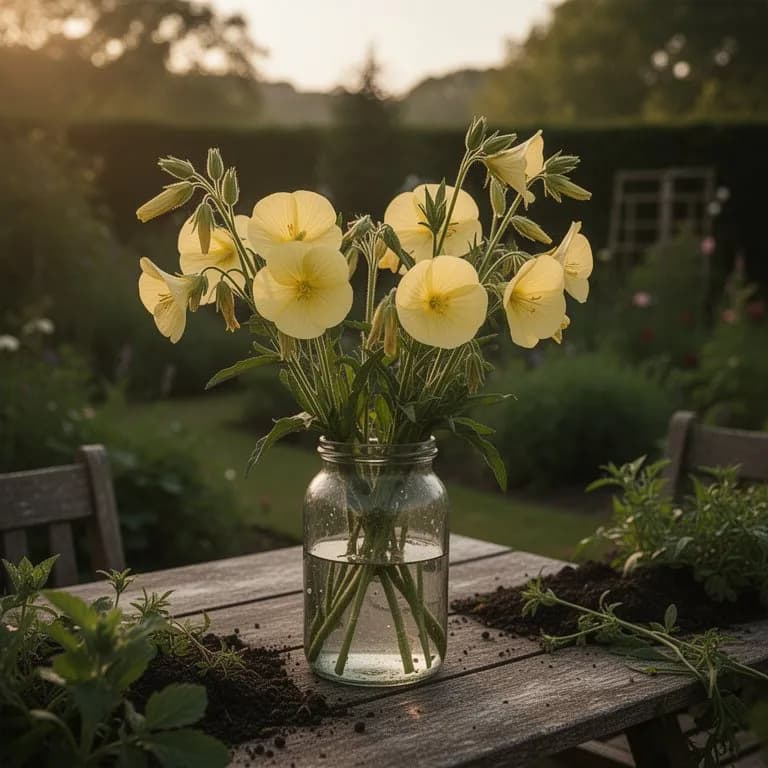
Bright yellow flowers open dramatically at dusk, each bloom lasting only one to two nights before wilting. New flowers open progressively up the spike over several weeks, providing an extended display. The fragrant blossoms attract sphinx moths and other nocturnal pollinators. Each flower has four petals, eight stamens, and a distinctive cross-shaped stigma.
Seed Development and Harvest
After pollination, elongated seed capsules form along the spent flower spike. Each capsule contains dozens of tiny angular seeds that darken from green to brown-black as they mature. The capsules split open at the top when fully ripe, releasing the seeds. These seeds are the source of the medicinally valuable evening primrose oil.
Senescence and Self-Seeding
After setting seed, the biennial plant completes its life cycle and the above-ground parts die back. However, seeds that have fallen around the base will germinate and form new rosettes, ensuring a continuous presence in the garden. In mild climates, some species may behave as short-lived perennials.
Do not bury the seeds deeper than 1-2 mm. They require light exposure for germination. Mist the surface regularly to keep it evenly moist without creating puddles.
Caring for Evening Primrose month by month
What to do each month for your Evening Primrose
October
You are hereSow seeds directly outdoors for natural cold stratification over winter. Mark new rosettes to avoid accidentally weeding them in spring. Apply a light mulch around overwintering rosettes after the first hard frost.
Know exactly what to do in your garden — every month
One email at the start of each month: what to sow, plant, and tackle right now — for your Evening Primrose and everything growing around it. Plus a short starter course that helps you dodge the classic mistakes.
- What to do, right now
- Matched to your season
- Starter course included
Harvesting Evening Primrose
Evening primrose flowers are fleeting and not suitable for traditional cutting. Individual blooms can be floated in shallow dishes for evening table decorations. The seed pods have some ornamental value when dried.
assuming you plant when the window opens — set your real date
Pick Evening Primrose promptly and the plant keeps producing.
Storage & Preservation
Evening primrose is fully hardy and spreads vigorously—no storage needed. Control spread by removing runners. Division is easy at any time during the growing season.
What goes wrong — and the fix

Japanese Beetles
PestSkeletonized leaves and chewed flowers. Metallic green-bronze beetles visible.
Troubleshooting Common Problems
Aggressive spreading is the main issue. Underground runners can be extremely difficult to remove once established. Not suitable for small gardens or borders. Plants in rich soil spread even more vigorously. Consider the clumping O. macrocarpa instead for controlled settings.
Growing Tips
- Choose a site with full sun and well-drained soil. Evening primrose is remarkably tolerant of poor, sandy, or gravelly soils and actually produces more flowers under lean conditions than in rich garden beds.
- Sow seeds directly outdoors in fall for natural cold stratification, or chill seeds in the refrigerator for two to four weeks before spring sowing to break dormancy and improve germination rates.
- Avoid transplanting established evening primrose plants, as they develop deep taproots that resent disturbance. Start seeds in biodegradable pots if you need to begin them indoors.
- Water deeply but infrequently once plants are established. Evening primrose is drought-tolerant once its taproot is developed, and overwatering in heavy soils can lead to root rot.
- Allow strategic self-seeding by leaving some spent flower stalks in place through autumn, but remove excess seedlings in spring to prevent evening primrose from becoming weedy in garden beds.
- If growing primarily for seed oil harvest, space plants 45-60 cm apart in rows to maximize seed production and allow easy access for cutting seed heads.
- Evening primrose has very few serious pest or disease problems. Watch for Japanese beetles on flowers in midsummer and flea beetles on young foliage in spring, handpicking or using row covers as needed.
- Deadhead spent flowers regularly to prolong the blooming season, but leave the final flush of flowers to set seed for both harvest and natural reseeding in the garden.
- Combine evening primrose with other pollinator-friendly plants like lavender, bee balm, and native grasses to create a diverse habitat that supports both nocturnal and diurnal pollinators.
- Harvest edible roots only from first-year rosettes before the plant bolts in its second year. Once the flowering stalk begins to elongate, the root becomes woody and unpalatable.
Grow your best Evening Primrose yet — and everything around it.
Start a free plan today. Lay out your beds, drop in your Evening Primrose, and let PlotMyGarden handle the timing, spacing, companions and reminders from seed to harvest basket.
Pick your Evening Primrose
Oenothera speciosa 'Siskiyou'
Large pink flowers with deeper pink veining on compact plants. Less aggressive than the species.
Oenothera speciosa 'Woodside White'
Pure white flowers that glow in evening light. Vigorous groundcover.
Oenothera macrocarpa (Missouri Primrose)
Large yellow flowers on trailing stems with ornamental seed pods. Non-aggressive clump-former.
Growing evening primrose from seed is extremely economical, as a single packet of seeds can produce dozens of plants that self-sow freely year after year. The edible roots, leaves, and flowers provide free salad ingredients and garnishes throughout the season. Most significantly, harvesting and cold-pressing your own evening primrose seeds can save substantial money compared to purchasing commercial evening primrose oil supplements, which typically cost between 10-25 dollars per bottle. A single mature plant produces thousands of oil-rich seeds, and even a small patch of six to ten plants can yield enough seeds for a year's supply of homemade infused oil.
Quick recipes
Sauteed Evening Primrose Roots
25 minutesFirst-year evening primrose taproots have a mildly sweet, slightly peppery flavor similar to parsnips. Peel and slice the roots, then saute in butter with garlic and fresh herbs until golden and tender. This traditional preparation showcases the root's nutty sweetness and pairs well with roasted meats or grain bowls.
6 ingredients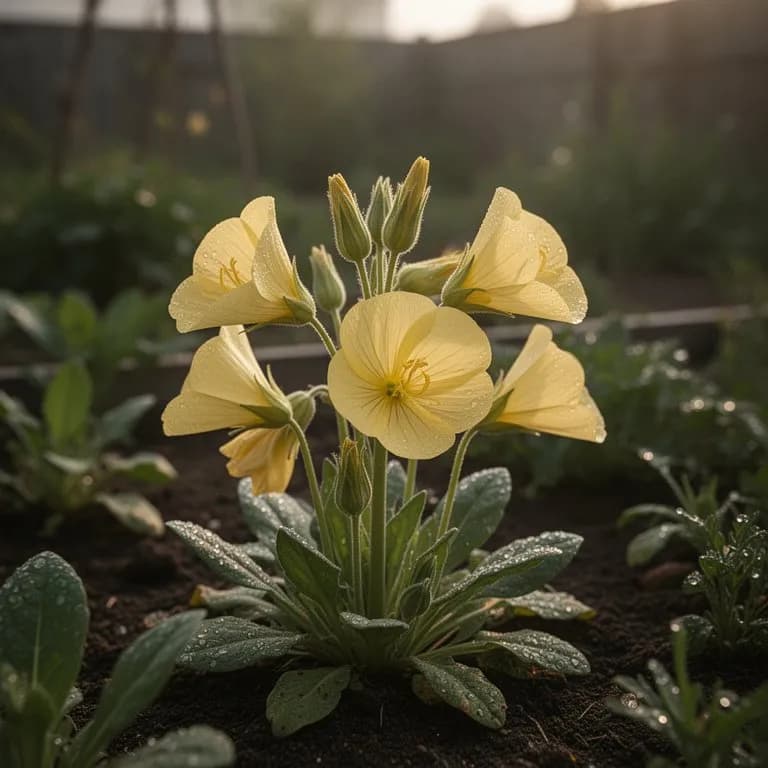
Evening Primrose Petal Salad
10 minutesThe bright yellow petals of evening primrose are mildly sweet with a faint honeyed flavor and make a stunning addition to fresh salads. Combine with peppery arugula, shaved radishes, and a light citrus vinaigrette for a beautiful edible flower salad that captures the essence of a summer evening garden.
7 ingredients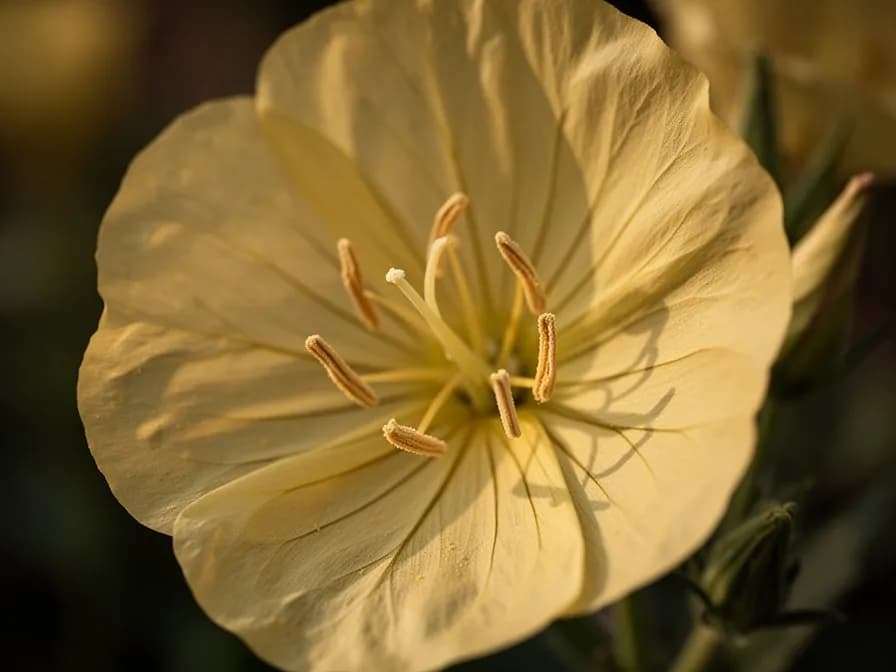
Evening Primrose Seed Oil Infusion
30 minutes plus 2-week infusionWhile commercial cold-pressing requires specialized equipment, you can create a simple infused oil by gently warming dried evening primrose seeds in a carrier oil. This herbal infusion captures some of the beneficial fatty acids and makes a nourishing skin treatment. Use it as a moisturizer, massage oil, or add it to homemade salves and balms.
5 ingredientsWhat's inside
Health Benefits
- Evening primrose oil is one of the richest plant sources of gamma-linolenic acid (GLA), an omega-6 fatty acid that the body converts to anti-inflammatory prostaglandins, supporting the management of conditions like eczema, dermatitis, and general skin inflammation.
- Clinical studies suggest evening primrose oil may help alleviate premenstrual syndrome (PMS) symptoms including breast tenderness, bloating, and mood fluctuations by supporting healthy hormonal balance through GLA metabolism.
- The essential fatty acids in evening primrose oil support cardiovascular health by helping to maintain healthy cholesterol levels and promoting good blood vessel elasticity, contributing to overall circulatory function.
- Topical application of evening primrose oil has been shown to improve skin hydration, elasticity, and barrier function, making it a popular natural remedy for dry skin conditions and age-related skin changes.
- Traditional herbalists have long used evening primrose root and leaf preparations to support digestive health, and modern research suggests the plant's mucilaginous compounds may soothe irritated mucous membranes in the gastrointestinal tract.
- The anti-inflammatory properties of GLA found in evening primrose oil may help reduce joint stiffness and discomfort associated with rheumatoid arthritis, with several clinical trials showing modest improvements in pain and morning stiffness scores.
Where Evening Primrose comes from
Oenothera, commonly known as evening primrose, is a genus of approximately 145 species native to the Americas, ranging from Canada to Patagonia. The most widely cultivated species, Oenothera biennis, originated in eastern and central North America, where it thrived in open meadows, prairies, disturbed ground, and along roadsides. Indigenous peoples across the continent recognized the plant's value long before European contact, using the fleshy taproots as a food source and employing various plant parts in traditional medicine. The Ojibwe soaked the whole plant in warm water to create a poultice for bruises, while the Cherokee used root tea to treat obesity and hemorrhoids. European explorers and colonists encountered the plant in the early 1600s and were captivated by its unusual habit of blooming at dusk. Seeds were sent to the Padua Botanical Garden in Italy around 1614, and the plant rapidly spread through European gardens as a novelty. By the 1700s, it had naturalized widely across Europe and parts of Asia. The common name evening primrose is somewhat misleading, as the plant is not related to true primroses (Primula) but earned the name simply because its flowers open in the evening. In the twentieth century, evening primrose gained enormous commercial significance when researchers discovered that its seeds contain high concentrations of gamma-linolenic acid, a rare essential fatty acid with documented anti-inflammatory properties. Today, evening primrose oil is one of the best-selling herbal supplements globally, used to support skin health, hormonal balance, and cardiovascular function. The plant remains an important subject in botanical research due to its complex genetics and its role in the history of evolutionary theory.
Evening Primrose: did you know?
Fascinating facts about Evening Primrose
Evening primrose flowers can visibly open in just a few minutes at dusk, with the petals unfurling rapidly enough to watch in real time, a phenomenon that fascinated early botanists.
Evening Primrose questions, answered
When should I plant Evening Primrose?
What are good companion plants for Evening Primrose?
What hardiness zones can Evening Primrose grow in?
How much sun does Evening Primrose need?
How far apart should I space Evening Primrose?
What pests and diseases affect Evening Primrose?
How do I store Evening Primrose after harvest?
What are the best Evening Primrose varieties to grow?
What soil does Evening Primrose need?
Is evening primrose oil safe to take as a supplement?
Why do evening primrose flowers open at night instead of during the day?
Can I eat all parts of the evening primrose plant?
How do I prevent evening primrose from spreading too aggressively in my garden?
What is the difference between biennial and perennial evening primrose species?
When is the best time to harvest evening primrose seeds for oil?
You just read the theory. Now grow it on autopilot.
Everything that makes Evening Primrose fiddly — the timing, the spacing, the companions, the harvest window — is exactly what PlotMyGarden handles for you, for every plant in your garden.
A plan that knows your weather
Set your location once. Get sow, feed and harvest dates built around your real last-frost date and live forecast — no more guessing from a generic seed packet.
From the “When to plant” sectionDrag-and-drop bed planner
Design beds on a grid. Every plant snaps to its proper spacing, and you can see your whole season laid out before you spend a cent on seed.
From the “Growing guide” sectionCompanion conflicts, caught early
200+ good-and-bad pairings checked live as you plant — so a season-wrecking mistake never makes it into the ground.
From the “Companions” sectionReminders you'll actually act on
“Water the beans.” “Pick today before it turns.” Timely, specific, and tied to the plants you're really growing.
From the “Harvest” sectionSuccession, scheduled
Want a harvest for six weeks, not six days? It spaces your sowings automatically and reminds you when each new block is due.
From the “When to plant” sectionA record that gets smarter
Every harvest you log teaches it your garden. Next year's plan starts from what actually worked in your soil, not a textbook's.
From the “Overview” sectionPlant these alongside Evening Primrose
More Perennials
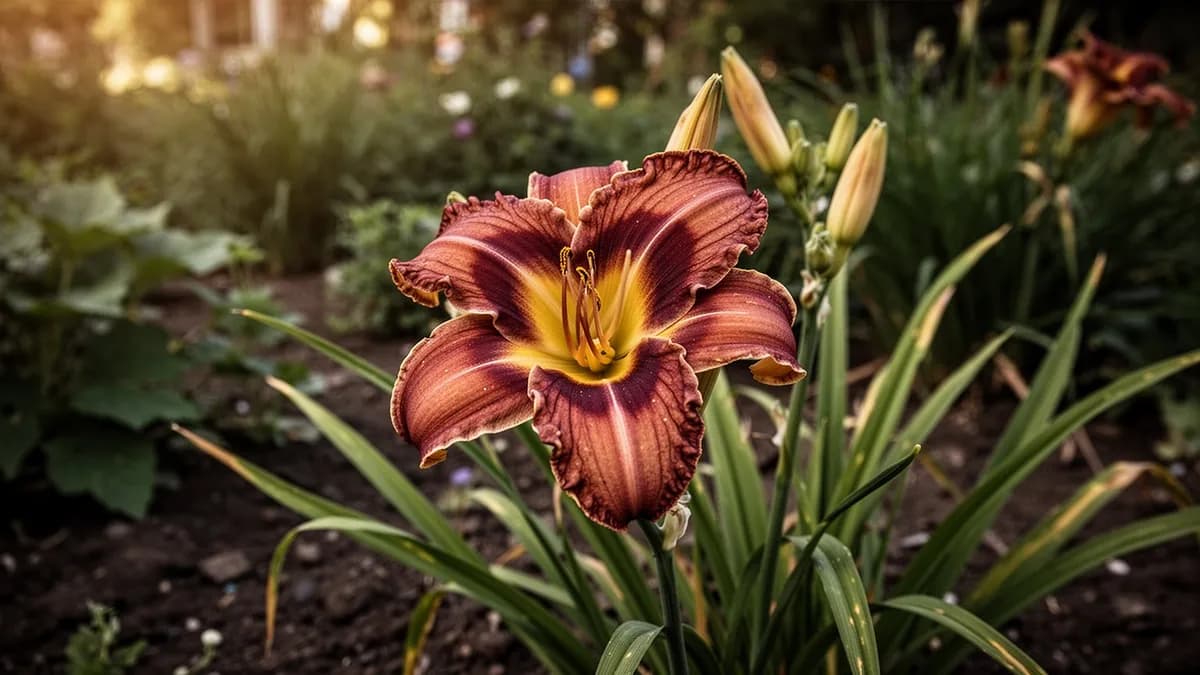
Grow your best Evening Primrose yet — and everything around it.
Start a free plan today. Lay out your beds, drop in your Evening Primrose, and let PlotMyGarden handle the timing, spacing, companions and reminders from seed to harvest basket.