Flor manta
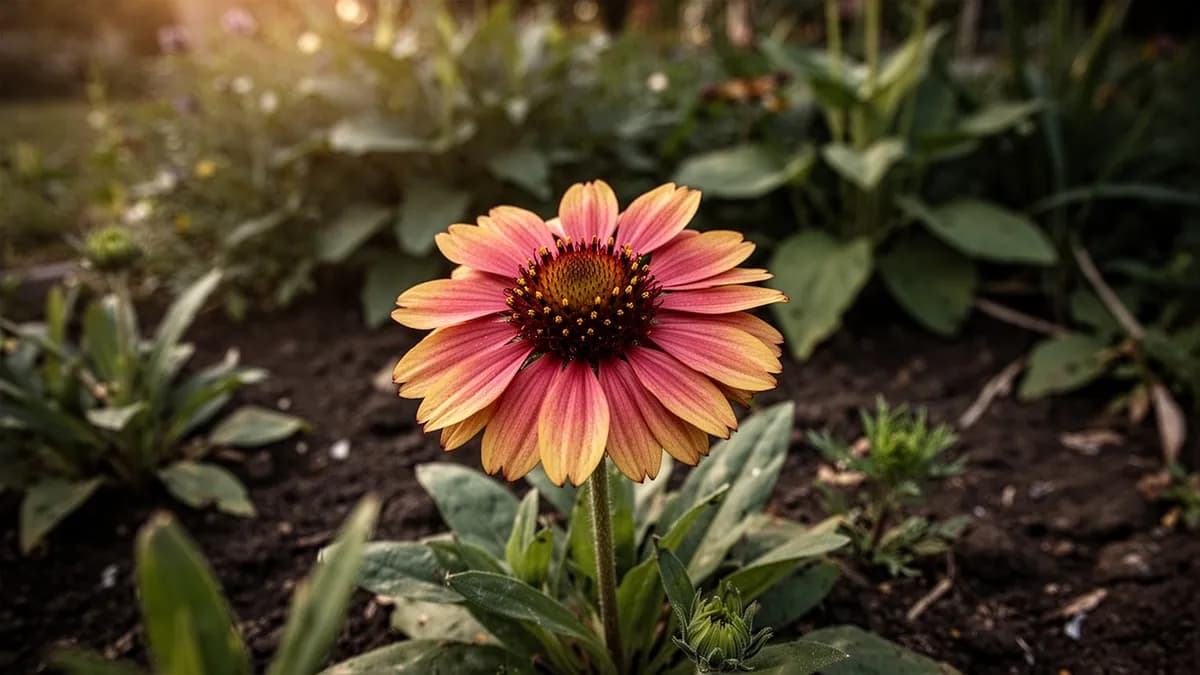
Una perenne alegre y amante del calor, con flores en forma de molinillo de viento rojas y amarillas que florecen sin parar desde comienzos del verano hasta la helada.





En esta páginaResumen
Conoce Flor manta
Una perenne alegre y amante del calor, con flores en forma de molinillo de viento rojas y amarillas que florecen sin parar desde comienzos del verano hasta la helada. Las flores manta prosperan en suelos pobres y secos y son extremadamente tolerantes a la sequía una vez establecidas. Evite los suelos ricos y el exceso de riego, que pueden provocar un crecimiento lacio y una vida más corta.
Cuándo plantar Flor manta
La gaillardia se cultiva fácilmente desde semilla y a menudo florece el primer año si se siembra temprano en interior. Empiece las semillas en interior 6-8 semanas antes de la última helada, presionándolas sobre la superficie de un compost arenoso sin cubrirlas. La germinación tarda 7-14 días a 18-22 °C. Las semillas también pueden sembrarse directamente al aire libre después de la última helada o en otoño para germinar en primavera. Los cultivares nombrados pueden no reproducirse fielmente a partir de semilla; propáguelos por división en primavera o por esquejes de raíz tomados a finales del invierno.
Tu año de Flor manta
Ajustado a Zona 7 · temporada típica · la helada se va hacia el 2 abr y vuelve hacia el 1 nov
Planta Flor manta Mar – Abr, Sep y cosecha Jun – Oct. Consulta los métodos de plantación y elige tu clima para adaptar los periodos.
Cómo cultivar Flor manta
La flor manta es una planta silvestre nativa de Norteamérica que florece con abandono desde comienzos del verano hasta la primera helada intensa, produciendo flores rojas y amarillas parecidas a margaritas que recuerdan a pequeños molinetes. Según la variedad, puede crecer entre 30 y 75 cm de altura, y la gaillardia es una de las vivaces más tolerantes al calor y resistentes a la sequía que existen: de hecho, prospera con el descuido.
Plántela a pleno sol en un suelo pobre y bien drenado. Esto es crucial: la gaillardia es una vivaz de vida corta que muere en condiciones ricas y húmedas. Un suelo pobre, arenoso o pedregoso con materia orgánica mínima produce las plantas más longevas y floríferas. Evite enmendar la zona de plantación con compost o estiércol. Un drenaje excelente es esencial, especialmente en invierno: el suelo encharcado es mortal.
Elimine las flores marchitas con regularidad para mantener una floración continua, aunque esta planta florece tan profusamente que algunos jardineros simplemente la dejan a su aire. La gaillardia es intrínsecamente de vida corta (2-4 años), pero lo compensa con una autosiembra vigorosa que mantiene la plantación. Deje madurar algunas cabezuelas para favorecer la regeneración natural. En condiciones ideales, las plantas individuales pueden persistir más de 5 años.
32 plantas caben en un bancal de 120 × 240 cm
Cada Flor manta pide 30 cm de margen. El planificador guarda ese marco por ti — cada planta, cada bancal.
Los mejores vecinos de Flor manta
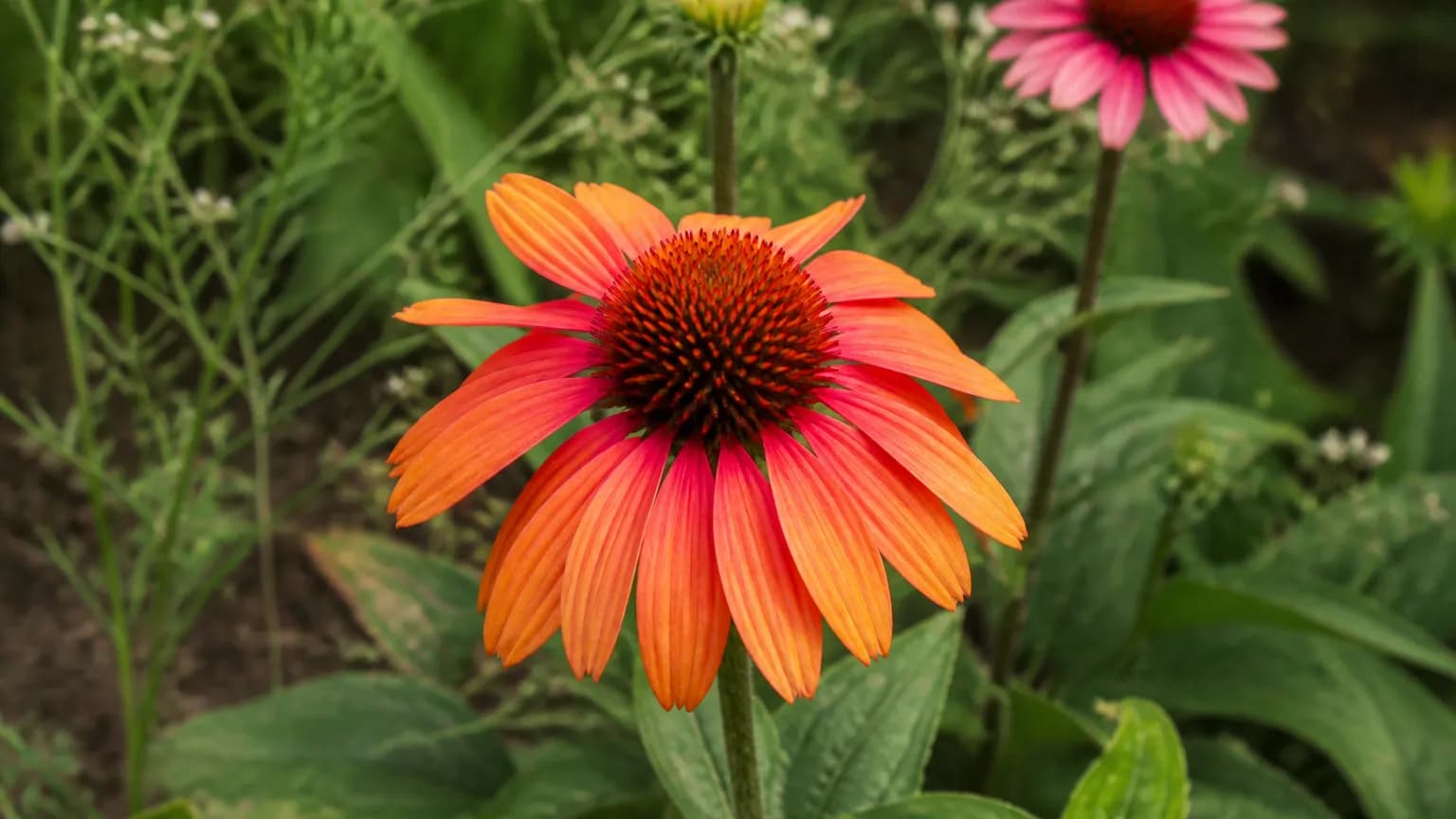
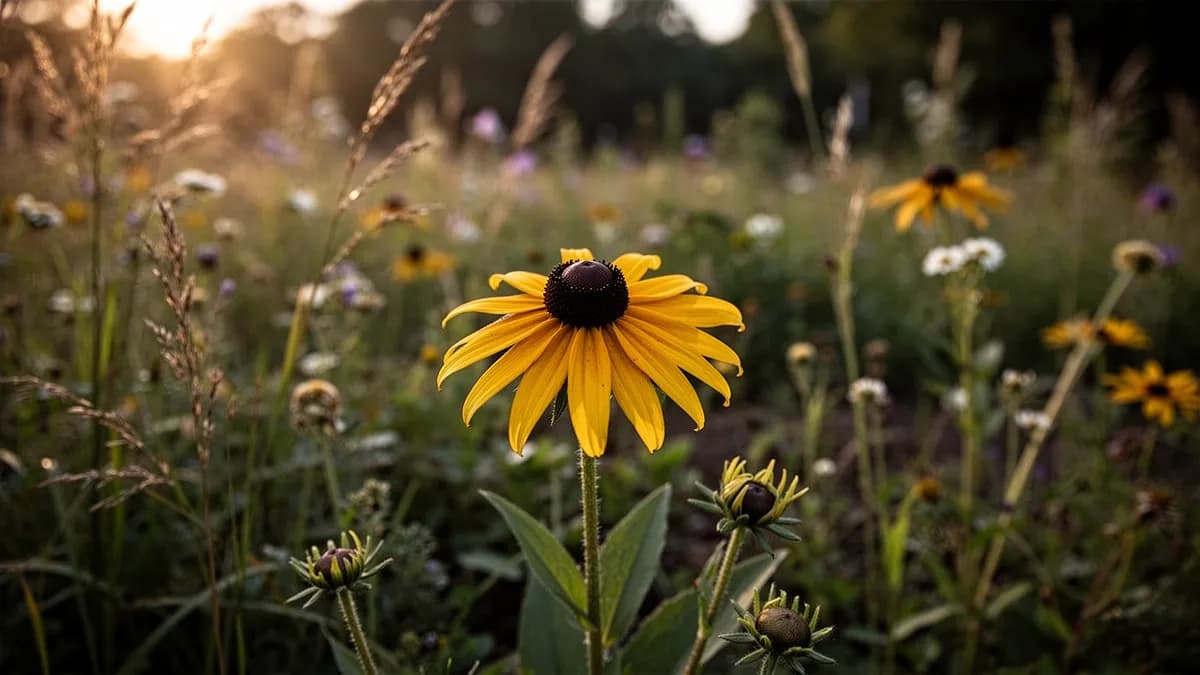
La gaillardia es una compañera natural de otras vivaces amantes del calor y tolerantes a la sequía, como las equináceas, las rudbeckias, la salvia y las gramíneas ornamentales. Las flores rojas y amarillas crean combinaciones de color cálidas y ardientes en plantaciones de pradera y de flores silvestres. En la parte frontal de las borduras, combínela con nepeta azul o lavanda para lograr un contraste complementario. La gaillardia atrae mariposas y es una excelente planta para polinizadores.
Equinácea va a su lado.
Saber de huerto de siempre, cotejado con la tabla real de Flor manta — prueba cualquier planta que cultives.
Prueba Flor manta en un bancal, aquí mismo
Un bancal real del planificador con Flor manta ya plantado. Toca una planta compañera para colocarla y mira cómo responde la comprobación de vecinos: verde para buenos vecinos, rojo si hay conflicto.


Guías de cultivo relacionadas
Abónalo bien
La gaillardia exige un suelo pobre y bien drenado, y rinde mejor en condiciones arenosas o pedregosas con un pH de 6.0-7.5. No enmiende el suelo con compost rico ni abone en exceso: esto acorta la vida de la planta y provoca un crecimiento lacio. Si necesita aportar algo de alimento, una sola aplicación ligera de fertilizante bajo en nitrógeno en primavera es más que suficiente. La planta es nativa de praderas con suelos pobres en nutrientes y se ha adaptado a prosperar con muy poco.
Temperatura ideal
Compatibilidad de zonas de rusticidad
De la semilla a la cosecha, etapa por etapa
Germinación
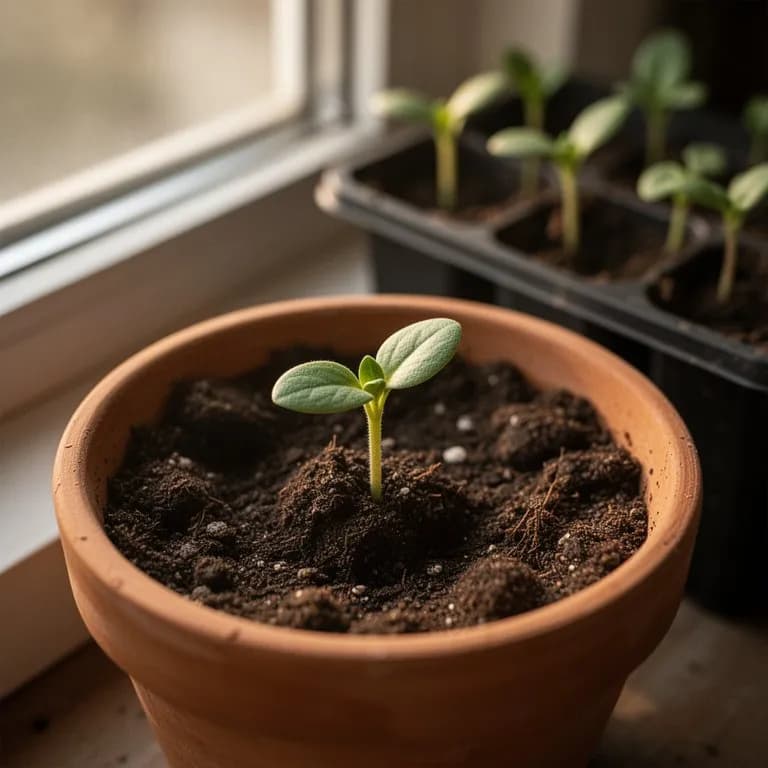
Las semillas germinan mejor si se siembran en superficie o apenas se cubren con una fina capa de tierra fina. Necesitan luz para germinar y humedad constante a temperaturas entre 18 y 24 °C. Las plántulas empiezan a emerger entre siete y catorce días en condiciones óptimas.
Desarrollo de la plántula
Las plántulas jóvenes desarrollan su primer conjunto de hojas verdaderas, que son peludas y ligeramente gris verdosas. El sistema radicular comienza a establecerse y la planta concentra su energía en construir una roseta basal fuerte de follaje antes de emitir tallos florales.
Crecimiento vegetativo y formación de roseta
La planta forma una densa roseta de hojas lanceoladas y vellosas cerca del suelo. Los tallos empiezan a alargarse y ramificarse, creando una mata tupida de follaje. El sistema radicular se profundiza, desarrollando la tolerancia a la sequía por la que la gaillardia es conocida.
Brotación y floración temprana
Los capullos florales se forman en las puntas de los tallos ramificados, cada uno envuelto en sépalos verdes y rígidos. Las primeras flores se abren para mostrar las características flores parecidas a margaritas, con flores tubulares del disco rodeadas de pétalos radiales en tonos rojo, naranja y amarillo.
Plenitud de floración
La planta alcanza su máxima floración con docenas de flores abiertas al mismo tiempo. Cada flor dura unas dos semanas antes de marchitarse. Los polinizadores la visitan con frecuencia y las cabezuelas empiezan a formarse en las primeras flores marchitas. La planta sigue produciendo nuevos capullos durante todo el verano.
Formación de semillas y final de temporada
La floración se ralentiza gradualmente a medida que las temperaturas se enfrían en otoño. Las cabezuelas restantes maduran hasta convertirse en estructuras esféricas espinosas que contienen numerosos aquenios pequeños. El follaje puede adquirir tonos bronceados o rojizos mientras la planta comienza a entrar en reposo.
Reposo invernal y renovación
Las variedades perennes de gaillardia mantienen una roseta basal baja de follaje perenne o semiperenne durante el invierno en climas suaves. En regiones más frías, la planta se seca hasta la corona. El nuevo crecimiento emerge desde la base a comienzos de la primavera cuando la temperatura del suelo sube.
No cubra las semillas en profundidad. Presiónelas suavemente sobre la superficie del suelo y pulverice con delicadeza para mantener la humedad sin desplazar las diminutas semillas.
Cuidar Flor manta mes a mes
Qué hacer cada mes para tu Flor manta
Octubre
Mes actualDeje que algunas cabezuelas permanezcan en pie para alimentar a los jilgueros. Tome esquejes de raíz de plantas vigorosas para propagarlas. Aplique acolchado de grava alrededor de la corona de las variedades perennes para prepararlas para el invierno.
Ten claro qué hacer en tu huerto, cada mes
Un correo al empezar cada mes: qué sembrar, plantar y hacer ahora mismo — para tu Flor manta y todo lo que crece alrededor. Más un breve curso inicial para esquivar los errores clásicos.
- Qué hacer ahora mismo
- Ajustado a tu temporada
- Curso inicial incluido
Cosechar Flor manta
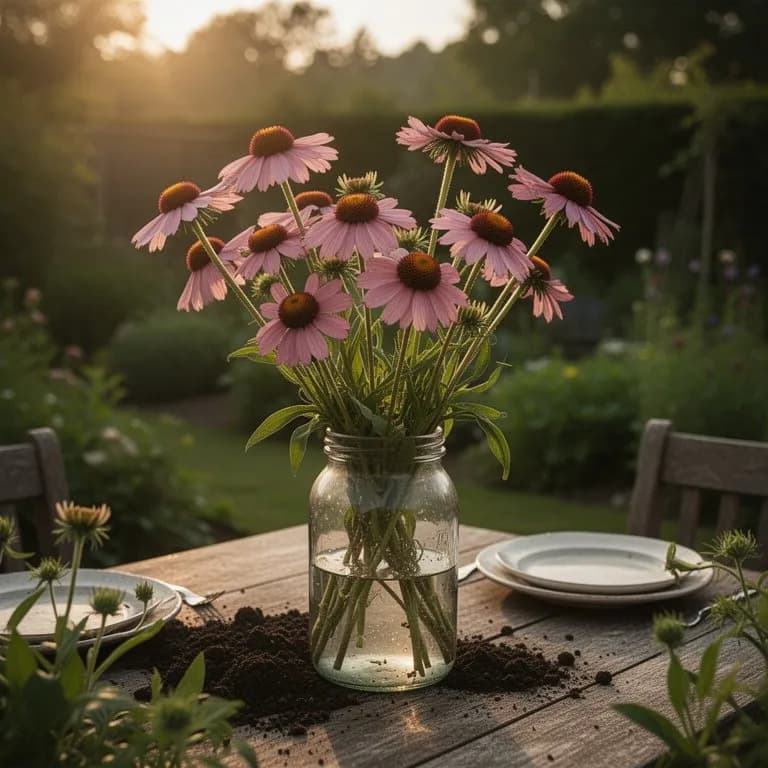
La gaillardia produce alegres flores cortadas. Corte los tallos cuando el primer anillo de flores del radio se haya abierto por completo. Las flores duran de 5 a 7 días en un jarrón. Las cabezuelas redondeadas también son atractivas: déjelas secar en la planta o córtelas cuando las semillas estén maduras para usarlas en arreglos secos. El corte regular favorece una floración continua durante toda la temporada.
se supone que plantas al comenzar el periodo — indica tu fecha real
Cosecha Flor manta a tiempo y la planta sigue produciendo.
Almacenamiento y conservación
Las cabezuelas de semillas con forma de globo se secan bien en la planta y pueden usarse en arreglos secos. Córtelas cuando las semillas estén maduras y marrones, y cuélguelas boca abajo durante una semana para terminar de secarlas. Las flores en sí no se secan bien para arreglos, pero pueden prensarse para manualidades. Guarde semillas de las mejores plantas recogiendo cabezuelas maduras en otoño: almacénelas en sobres de papel en un lugar fresco y seco hasta la siembra de primavera.
Qué falla — y cómo solucionarlo
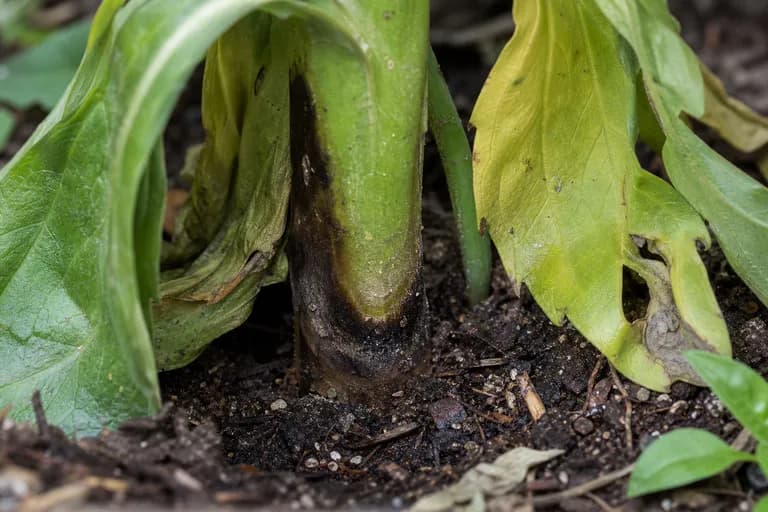
Podredumbre de la corona
EnfermedadLas plantas se marchitan y mueren, con coronas blandas y pastosas al nivel del suelo. Es más común en suelos húmedos y pesados durante el invierno o en periodos prolongados de lluvia.
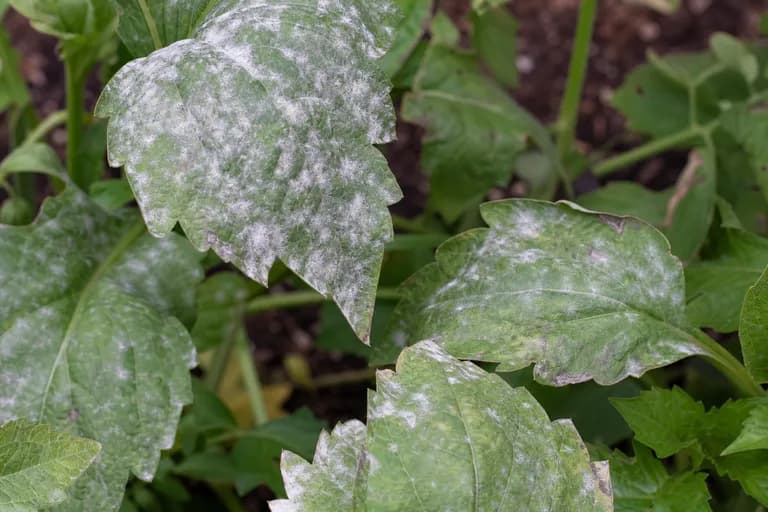
Oídio
EnfermedadCapa blanca y polvorienta sobre las hojas a finales del verano, especialmente en condiciones húmedas. Rara vez mata a las plantas, pero resulta antiestético.
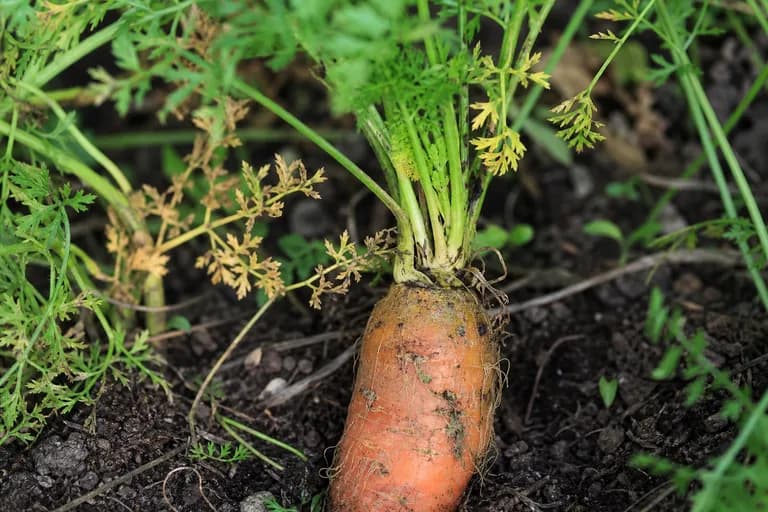
Amarilleos del áster
EnfermedadFlores deformadas, verdes o amarillentas, crecimiento atrofiado y deformaciones foliares extrañas. Lo propagan los saltahojas y no tiene cura.
Solución de problemas comunes
La vida corta es el principal inconveniente: espere de 2 a 4 años por planta. Sin embargo, la autosiembra suele mantener la plantación sin intervención. La podredumbre invernal en suelos húmedos es la principal causa de muerte; asegure un drenaje rápido. El crecimiento lacio indica exceso de fertilidad, humedad o sombra: cultívela en suelo pobre y a pleno sol. Eliminar las flores marchitas prolonga la floración, pero no es estrictamente necesario. En climas húmedos, el oídio puede afear el follaje de final de temporada.
Consejos de cultivo
- Plante la gaillardia en el suelo más pobre y mejor drenado que tenga. El suelo rico y fértil provoca un crecimiento lacio y débil y reduce la producción floral. Los suelos arenosos o pedregosos producen las plantas más firmes y con floraciones más abundantes.
- Evite por completo el riego por encima una vez que las plantas estén establecidas. Si necesita regar, hágalo en la base de la planta a primera hora de la mañana. El follaje mojado favorece las enfermedades fúngicas, especialmente en climas húmedos.
- Quite las flores marchitas cortando el tallo hasta un nudo foliar o una yema lateral, en lugar de limitarse a cortar la cabezuela. Esto favorece la ramificación y produce más flores a lo largo de la temporada.
- Aplique acolchado de grava o piedras pequeñas alrededor de la base de las plantas en lugar de acolchado orgánico. Los acolchados orgánicos retienen la humedad junto a la corona, que es la principal causa de pérdida de gaillardia en el jardín.
- Empiece las semillas en interior bajo luces de cultivo seis a ocho semanas antes de la última helada para obtener floración el primer año. Las semillas necesitan luz para germinar, así que presiónelas sobre la superficie del suelo sin cubrirlas. Mantenga una humedad constante y temperaturas en torno a 21 °C.
- Divida las matas perennes de gaillardia cada dos o tres años a comienzos de la primavera, justo cuando emerge el nuevo crecimiento. Las plantas viejas sin dividir suelen morir desde el centro, y la división regular las mantiene vigorosas y longevas.
- Pellizque las puntas de crecimiento de los trasplantes jóvenes cuando alcancen unos 15 cm de altura para fomentar un crecimiento más tupido y compacto, con más tallos florales en lugar de un único tallo largo y desgarbado.
- Deje algunas cabezuelas en pie al final de la temporada en lugar de cortar toda la planta. Las plántulas nacidas espontáneamente rellenan los huecos de manera natural y suelen ser más vigorosas que la planta madre gracias a la selección natural para las condiciones locales.
- Combine la gaillardia con otras nativas de pradera tolerantes a la sequía, como echinacea, rudbeckia y gramíneas ornamentales, para lograr un diseño naturalista que no necesita prácticamente riego ni abono suplementario una vez establecido.
- Si la cultiva en contenedores, use una mezcla arenosa para cactus y suculentas en lugar de sustrato estándar. Asegúrese de que el contenedor tenga grandes orificios de drenaje y nunca deje las macetas en platos con agua estancada.
Cultiva tu mejor Flor manta — y todo lo que la rodea.
Empieza un plan gratis hoy. Diseña tus bancales, coloca tu Flor manta y deja que PlotMyGarden gestione el momento, el espaciado, las asociaciones y los recordatorios de la semilla a la cesta.
Elige tu Flor manta
Gaillardia 'Goblin' (sin. 'Kobold')
Una variedad compacta enana de 30 cm con grandes flores rojas rematadas en amarillo. Una de las selecciones más populares y fiables.
Gaillardia 'Arizona Sun'
Compacta (30 cm), con grandes flores que presentan centros rojo intenso y puntas amarillo brillante. Florece el primer año desde semilla.
Gaillardia 'Oranges and Lemons'
Una variedad única con flores de color melocotón anaranjado y amarillo suave, una salida del esquema típico rojo y amarillo.
Gaillardia 'Mesa Yellow'
Flores de un amarillo dorado puro sobre plantas compactas, algo inusual en un género dominado por bicolores rojos. Tolerancia excepcional al calor.
La gaillardia es una de las plantas ornamentales más rentables para los jardineros domésticos. Un solo sobre de semillas que cuesta entre dos y cuatro dólares puede producir cincuenta o más plantas que florecen el primer año desde semilla. Las variedades perennes establecidas se autosiembran con libertad y pueden dividirse cada dos o tres años, lo que proporciona un suministro prácticamente ilimitado de nuevas plantas sin coste adicional. Su extrema tolerancia a la sequía elimina gastos de riego, y su resistencia a la mayoría de plagas y enfermedades significa que no hará falta gastar en tratamientos químicos. Una sola inversión inicial puede ofrecer una década o más de color continuo en el jardín.
Recetas rápidas
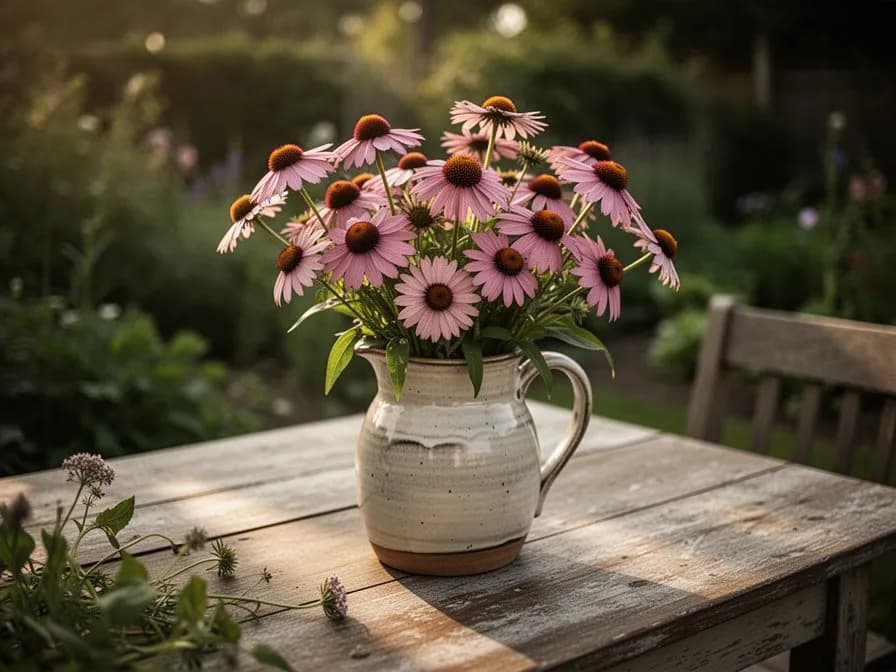
Corona de flores secas de gaillardia
45 minutos más tiempo de secadoCree una impresionante corona de flores secas usando flores de gaillardia cosechadas en su punto de color máximo. Las flores conservan de forma magnífica sus tonos cálidos rojos y amarillos al secarse al aire, produciendo una pieza decorativa duradera que captura la calidez de los jardines de verano durante todo el año.
5 ingredientesArreglo de cabezuelas de gaillardia como comedero para aves
20 minutosRecoja cabezuelas maduras de gaillardia y dispóngalas en una decoración exterior que también funciona como comedero natural para aves. A los jilgueros y a otras pequeñas aves cantoras les atraen especialmente las semillas, aportando vida y movimiento al jardín de invierno.
5 ingredientesRamo de verano fresco de gaillardia
15 minutosPrepare un ramo mixto vibrante con flores de gaillardia recién cortadas combinadas con flores complementarias del jardín. Las flores manta son excelentes flores de corte que duran de siete a diez días en un jarrón, lo que las convierte en un básico fiable para los arreglos florales de verano.
5 ingredientesQué contiene
Beneficios para la salud
- Cultivar gaillardia favorece la salud de los polinizadores al proporcionar una fuente fiable y abundante de néctar y polen para abejas, mariposas y sírfidos durante toda la temporada de floración estival.
- La presencia de flores manta en un jardín aumenta la biodiversidad al atraer a una amplia gama de insectos beneficiosos, incluidas avispas depredadoras y mariquitas, que ayudan a controlar de forma natural las poblaciones de plagas.
- Jardinear con plantas de bajo mantenimiento como la gaillardia reduce el estrés y favorece el bienestar mental, ya que las flores cálidas y vibrantes se han asociado en estudios de terapia hortícola con la elevación del ánimo y la sensación de calidez.
- Las cabezuelas de gaillardia que se dejan en pie durante el invierno proporcionan alimento esencial a aves granívoras como los jilgueros en los meses en que escasean otras fuentes de comida.
- Como planta nativa tolerante a la sequía, cultivar gaillardia reduce la necesidad de riego y de insumos químicos, contribuyendo a un entorno local más sano con menos desperdicio de agua y menos químicos sintéticos en el suelo.
- Incorporar gaillardia a los paisajes residenciales favorece la conectividad del hábitat para los polinizadores nativos, creando corredores de paso que ayudan a sostener poblaciones de abejas silvestres y mariposas en zonas urbanas y suburbanas.
De dónde viene Flor manta
Gaillardia es un género de plantas con flor de la familia Asteraceae, compuesto por unas treinta especies nativas de Norteamérica y Sudamérica. El género se concentra en las praderas, llanuras y hábitats secos y abiertos del centro y oeste de Estados Unidos y México, con algunas especies que se extienden hacia Sudamérica. Las flores manta han sido una parte integral del ecosistema de las praderas norteamericanas durante miles de años, evolucionando junto a los polinizadores nativos y los animales pastadores en hábitats de gramíneas caracterizados por pleno sol, suelos bien drenados y sequías periódicas. Los pueblos nativos americanos conocían profundamente la gaillardia mucho antes del contacto europeo. Varias tribus usaban la planta con fines medicinales, y sus llamativas flores tenían un significado cultural en relatos y tradiciones ceremoniales. El pueblo lakota asociaba la flor manta con el sol y la incluía en distintas prácticas curativas. Los botánicos europeos describieron formalmente el género a finales del siglo XVIII. El botánico francés Auguste Denis Fougeroux de Bondaroy nombró el género en honor a Maître Gaillard de Charentonneau hacia 1786. A comienzos del siglo XIX, las semillas de Gaillardia pulchella y Gaillardia aristata se enviaban a jardines botánicos europeos, donde pronto empezaron los cruces. La forma de jardín más cultivada, Gaillardia x grandiflora, es un híbrido entre la anual G. pulchella y la perenne G. aristata, producido por primera vez por un horticultor belga en la década de 1850. Este híbrido combinó la gama de colores vibrantes de la especie anual con el hábito perenne de la nativa de pradera. A lo largo del siglo XX, los obtentores desarrollaron numerosos cultivares en una paleta ampliada de colores que incluye amarillo puro, burdeos intenso, melocotón y formas bicolores. Los programas de mejora modernos también se han centrado en producir variedades compactas y bien ramificadas, aptas para cultivo en contenedor y espacios urbanos más pequeños.
Flor manta: ¿sabías que?
Datos fascinantes sobre Flor manta
La gaillardia recibe su nombre de Maître Gaillard de Charentonneau, un magistrado francés del siglo XVIII y mecenas de la botánica que apoyó la investigación botánica y las expediciones de recolección de plantas.
Flor manta: preguntas frecuentes
¿Cuándo debo plantar Flor manta?
¿Cuáles son buenas plantas acompañantes para Flor manta?
¿En qué zonas de rusticidad puede crecer Flor manta?
¿Cuánto sol necesita Flor manta?
¿A qué distancia debo espaciar Flor manta?
¿Qué plagas y enfermedades afectan a Flor manta?
¿Cómo almaceno Flor manta después de la cosecha?
¿Cuáles son las mejores variedades de Flor manta para cultivar?
¿Qué suelo necesita Flor manta?
¿La gaillardia es perenne o anual?
¿Por qué murió mi gaillardia durante el invierno?
¿Cómo consigo más flores en mis plantas de gaillardia?
¿Puedo cultivar gaillardia en macetas?
¿Las flores de gaillardia son comestibles o tóxicas?
¿Cómo recojo y guardo las semillas de gaillardia?
Acabas de leer la teoría. Ahora cultívala en piloto automático.
Todo lo que hace que Flor manta sea delicado — el momento, el espaciado, las asociaciones, la ventana de cosecha — es justo lo que PlotMyGarden resuelve por ti, para cada planta de tu huerto.
Un plan que conoce tu clima
Indica tu ubicación una vez. Recibe fechas de siembra, abonado y cosecha basadas en tu última helada real y el pronóstico en vivo — sin adivinar con un sobre genérico.
De la sección “Cuándo plantar”Planificador de bancales de arrastrar y soltar
Diseña bancales sobre una cuadrícula. Cada planta encaja con su espaciado correcto y ves toda la temporada antes de gastar un céntimo en semillas.
De la sección “Cultivo”Conflictos de asociación, detectados a tiempo
Más de 200 buenas y malas combinaciones comprobadas en vivo mientras plantas — para que un error que arruine la temporada nunca llegue a la tierra.
De la sección “Asociaciones”Recordatorios que sí vas a seguir
“Riega las judías.” “Recoge hoy antes de que se pase.” Oportunos, concretos y ligados a las plantas que de verdad cultivas.
De la sección “Cosecha”Escalonado, programado
¿Quieres cosechar seis semanas en vez de seis días? Reparte tus siembras automáticamente y te avisa cuando toca el siguiente lote.
De la sección “Cuándo plantar”Un registro que se vuelve más listo
Cada cosecha que registras le enseña tu huerto. El plan del año que viene parte de lo que de verdad funcionó en tu suelo, no en un manual.
De la sección “Resumen”Planta estos junto a Flor manta
Más Perennes
Diseños de jardín con Flor manta
Cultiva tu mejor Flor manta — y todo lo que la rodea.
Empieza un plan gratis hoy. Diseña tus bancales, coloca tu Flor manta y deja que PlotMyGarden gestione el momento, el espaciado, las asociaciones y los recordatorios de la semilla a la cesta.