Ortiga Mayor
Hierba silvestre altamente nutritiva cuyos brotes jóvenes están repletos de hierro, calcio y vitaminas una vez cocinados o secados para neutralizar el escozor.





En esta páginaResumen
Conoce Ortiga Mayor
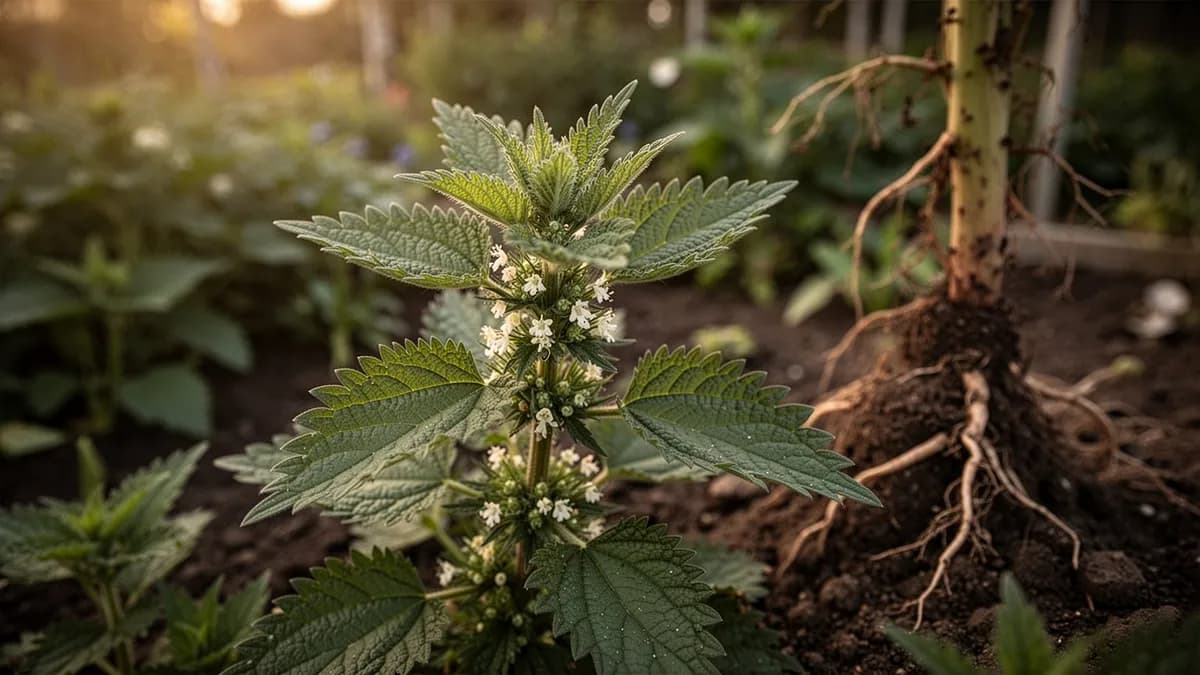
Hierba silvestre altamente nutritiva cuyos brotes jóvenes están repletos de hierro, calcio y vitaminas una vez cocinados o secados para neutralizar el escozor. La ortiga se utiliza en medicina herbal para el alivio de alergias, como tónico nutritivo en infusión y como excelente fertilizante para el huerto. Use guantes al cosecharla y cocínela o séquela antes de consumirla para desactivar el ácido fórmico de los pelos urticantes.
Cuándo plantar Ortiga Mayor
Siembre las semillas de ortiga en superficie sobre sustrato de siembra húmedo en primavera: las semillas necesitan luz para germinar. La estratificación en frío durante 2-4 semanas puede mejorar la germinación. Las semillas germinan en 2-4 semanas a 15-20 °C. Como alternativa, trasplante divisiones de rizomas de parches establecidos en primavera: es más rápido y fiable. Pequeños fragmentos de rizoma amarillo con al menos una yema se establecen con rapidez. Se autosiembre libremente una vez establecida. Las semillas también pueden sembrarse directamente al exterior a principios de primavera.
Tu año de Ortiga Mayor
Ajustado a Zona 7 · temporada típica · la helada se va hacia el 2 abr y vuelve hacia el 1 nov
Planta Ortiga Mayor Mar – Abr y cosecha Abr – Jun. Consulta los métodos de plantación y elige tu clima para adaptar los periodos.
Cómo cultivar Ortiga Mayor
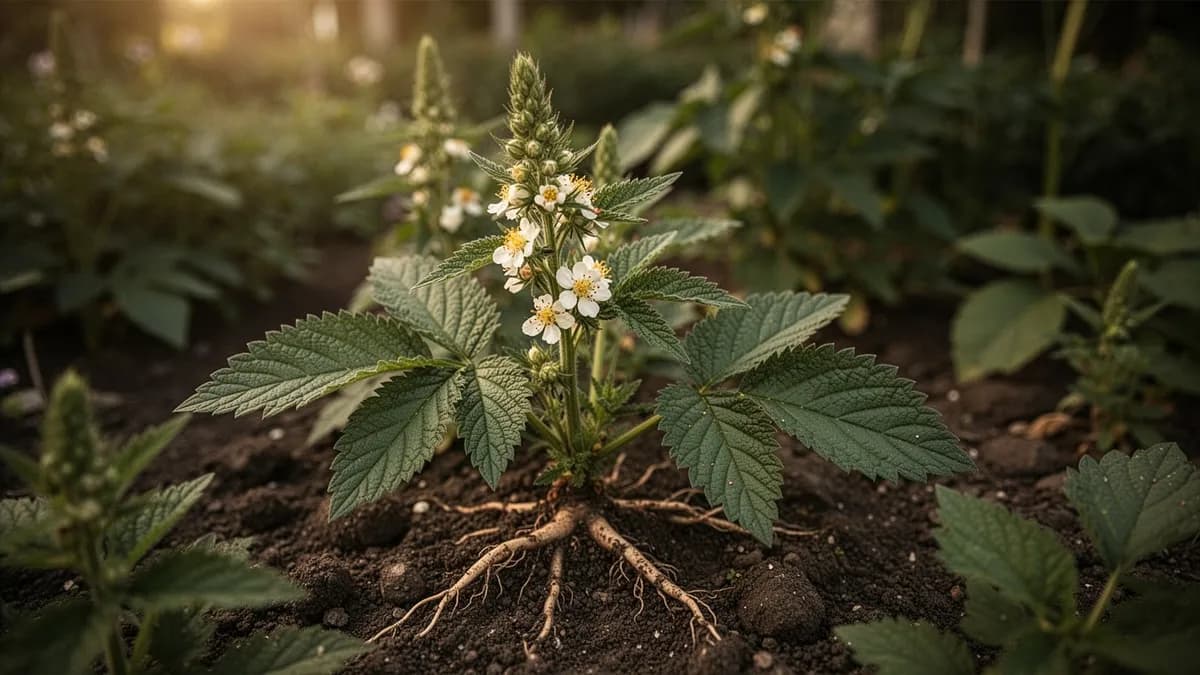
La ortiga mayor es una de las hierbas silvestres más nutritivas del planeta: un superalimento rico en minerales que se ha utilizado como alimento y medicina durante miles de años. La planta crece entre 60 y 120 cm de altura, con hojas dentadas en forma de corazón cubiertas de pelos huecos en forma de aguja que inyectan ácido fórmico e histamina al contacto, provocando el característico escozor. A pesar de este mecanismo defensivo, las ortigas cocinadas o secadas son seguras, deliciosas y extraordinariamente nutritivas. Plántela en semisombra con suelo fértil y húmedo, espaciando las plantas a 30 cm.
La ortiga prospera en suelos ricos en nitrógeno y húmedos; coloniza de forma natural terrenos perturbados y fértiles cerca de asentamientos humanos, pilas de compost y corrales de animales. Proporcione un suelo rico y constantemente húmedo en semisombra para obtener el parche más productivo. La planta se extiende mediante rizomas amarillos subterráneos y puede volverse invasora en condiciones óptimas. Cultívela en un área delimitada o use barreras para raíces.
A pesar de su fama urticante, la ortiga es una planta de huerto extraordinariamente valiosa. Las hojas producen un fertilizante líquido rico en nitrógeno cuando se macerán en agua. Las hojas secas hacen una infusión rica en minerales. Los brotes de primavera cocinados rivalizan con las espinacas en sabor y las superan con creces en densidad nutricional. Además, la planta proporciona hábitat para numerosas especies de mariposas, entre ellas el almirante rojo y la vanesa de los cardos, cuyas orugas se alimentan de sus hojas.
32 plantas caben en un bancal de 120 × 240 cm
Cada Ortiga Mayor pide 30 cm de margen. El planificador guarda ese marco por ti — cada planta, cada bancal.
Los mejores vecinos de Ortiga Mayor
Un parche de ortigas cerca del huerto aporta múltiples beneficios: atrae insectos beneficiosos, alimenta a las orugas de las mariposas (especialmente el almirante rojo y la vanesa de los cardos) y produce un excelente fertilizante líquido. Los pulgones que colonizan las ortigas en primavera atraen a mariquitas y sírfidos que después protegen los cultivos del huerto. Se dice que la infusión de ortiga (hojas maceradas) aplicada en spray sobre las plantas refuerza su resistencia a las enfermedades. Mantenga el parche delimitado y coseche con regularidad para maximizar el beneficio en el jardín.
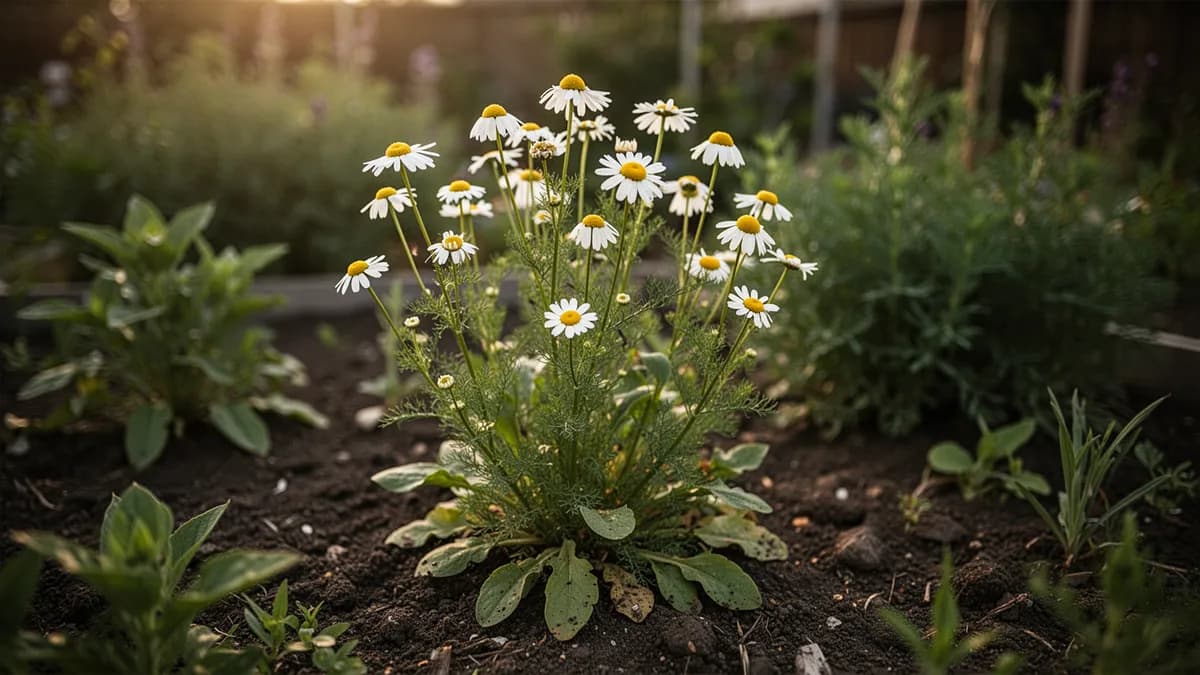
Manzanilla va a su lado.
Saber de huerto de siempre, cotejado con la tabla real de Ortiga Mayor — prueba cualquier planta que cultives.
Prueba Ortiga Mayor en un bancal, aquí mismo
Un bancal real del planificador con Ortiga Mayor ya plantado. Toca una planta compañera para colocarla y mira cómo responde la comprobación de vecinos: verde para buenos vecinos, rojo si hay conflicto.


Guías de cultivo relacionadas
Abónalo bien
Las ortigas prosperan en suelos ricos, con alto contenido en nitrógeno y bien húmedos, con un pH de 5.5-7.5. Son indicadoras de alta fertilidad del suelo: donde crecen de forma natural, el suelo es rico en nitrógeno. No es necesaria la fertilización en suelos de huerto en buen estado. Para el parche de ortiga más productivo, plante cerca de la pila de compost o en una zona enriquecida con estiércol maduro. La humedad constante produce un crecimiento exuberante y muy tierno. La planta enriquece el suelo en el que crece gracias a la extracción de minerales por sus raíces profundas.
Temperatura ideal
Compatibilidad de zonas de rusticidad
De la semilla a la cosecha, etapa por etapa
Emergencia primaveral
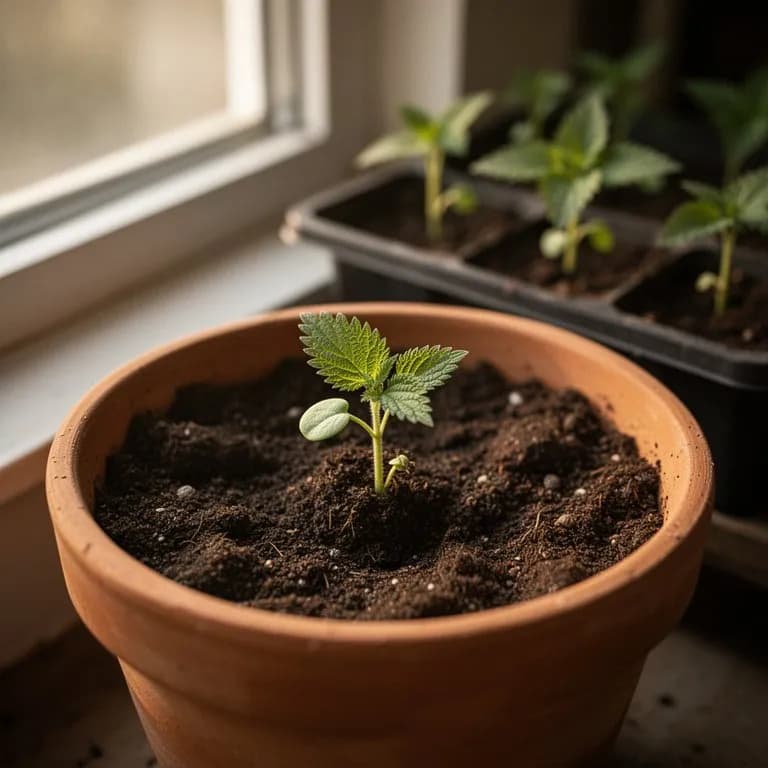
Los brotes de tonos violáceos atraviesan el suelo desde los rizomas que han pasado el invierno cuando las temperaturas del suelo alcanzan los 5-8 °C a principios de primavera. Los primeros pares de hojas bien dentadas y apretadamente plegadas se despliegan en el extremo de cada brote, ya cubiertas de finos tricomas urticantes. Las plántulas de semilla son mucho más lentas: tardan 10-14 días en germinar y aparecen como pequeños cotiledones pareados.
Crecimiento vegetativo rápido
Los brotes crecen rápidamente hacia arriba, produciendo pares de hojas profundamente dentadas en forma de corazón a lo largo de tallos cuadrangulares. Las plantas pueden crecer 3-5 cm al día en condiciones óptimas, alcanzando rápidamente 30-60 cm de altura. Los rizomas subterráneos se extienden en horizontal enviando nuevos brotes y expandiendo la colonia. Esta es la ventana de cosecha más importante: las hojas están más tiernas y son más nutritivas antes de que comience la floración.
Prefloración
Los tallos se alargan y endurecen a medida que la planta se prepara para florecer. Las hojas inferiores comienzan a endurecerse y adquieren una textura más gruesa. Aparecen pequeños botones verdes en las axilas de las hojas en la parte superior de los tallos. La calidad de las hojas para comer disminuye a medida que la planta redirige la energía hacia la reproducción, aunque las puntas siguen siendo aprovechables.
Floración
De las axilas foliares superiores emergen amentos colgantes de diminutas flores verdes. La ortiga mayor es dioica: las plantas individuales son masculinas o femeninas. Las flores masculinas liberan nubes de polen transportado por el viento, mientras que las flores femeninas desarrollan pequeñas semillas aquenio. Los tallos se vuelven duros y fibrosos durante esta fase, alcanzando la altura máxima de 1-2 metros.
Fructificación y latencia
Las plantas femeninas producen miles de semillas diminutas que se dispersan por el viento y la gravedad. Los tallos se secan y ennegrecen a medida que el crecimiento aéreo muere con las primeras heladas intensas. La extensa red de rizomas subterráneos permanece viva y en latencia durante el invierno, acumulando energía para la vigorosa reaparición de la primavera siguiente.
Si siembra a partir de semilla, siembre en superficie sobre compost húmedo y presione suavemente: las semillas de ortiga necesitan luz para germinar. Mantenga una humedad constante a 15-20 °C. Para un establecimiento más rápido, plante divisiones de raíces o esquejes de rizoma de un parche existente a principios de primavera.
Cuidar Ortiga Mayor mes a mes
Qué hacer cada mes para tu Ortiga Mayor
Octubre
Mes actualEl crecimiento aéreo comienza a decaer. Retire los tallos muertos y añádalos al compost. Aplique una generosa capa de compost o estiércol maduro sobre el parche para alimentar el suelo de cara al vigoroso crecimiento de la próxima primavera. Tome divisiones de raíces ahora para establecer nuevos parches.
Ten claro qué hacer en tu huerto, cada mes
Un correo al empezar cada mes: qué sembrar, plantar y hacer ahora mismo — para tu Ortiga Mayor y todo lo que crece alrededor. Más un breve curso inicial para esquivar los errores clásicos.
- Qué hacer ahora mismo
- Ajustado a tu temporada
- Curso inicial incluido
Cosechar Ortiga Mayor
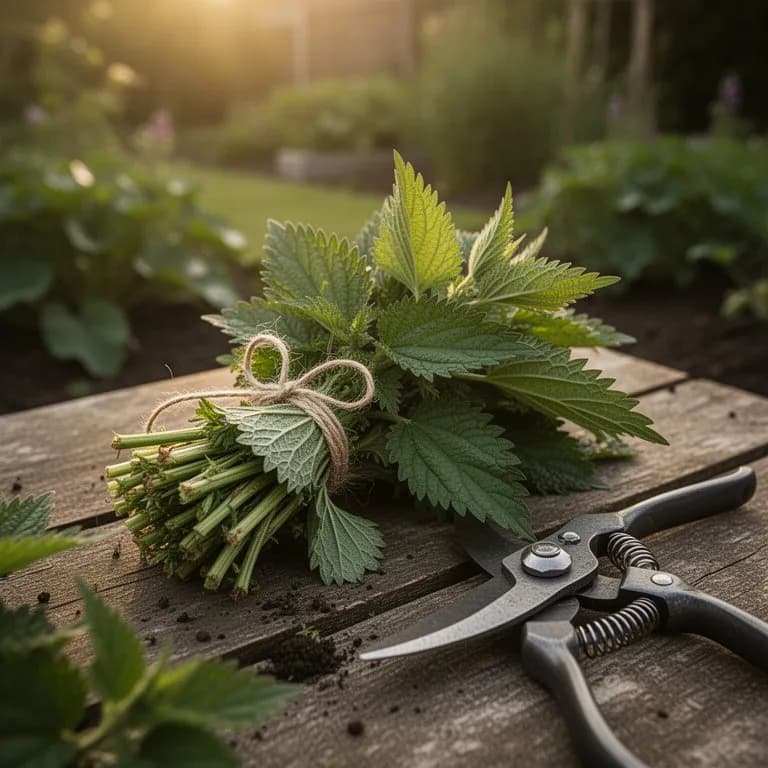
Coseche las puntas de la ortiga (los 10-15 cm superiores del tallo) en primavera, cuando los brotes son jóvenes y tiernos: es cuando resultan más nutritivos y menos fibrosos. Use guantes gruesos y ropa de manga larga para evitar los picores. Corte con tijeras en una bolsa o cesta. Se pueden realizar segunda y tercera cosechas tras el recorte, ya que las plantas rebrotan con vigor. Tras la floración, las hojas se endurecen, se llenan de cristales de carbonato cálcico y pierden palatabilidad. El escozor se neutraliza por completo cocinando, secando o triturando las hojas.
se supone que plantas al comenzar el periodo — indica tu fecha real
Cosecha Ortiga Mayor a tiempo y la planta sigue produciendo.
Almacenamiento y conservación
Seque las hojas de ortiga extendiéndolas sobre mallas en un lugar cálido y oscuro durante 5-7 días, o use un deshidratador a temperatura baja. La infusión de ortiga seca es un suplemento mineral nutritivo. Guarde las hojas secas en tarros herméticos hasta 2 años. Escalde y congele los brotes frescos de primavera como espinacas para su uso culinario durante todo el año. Prepare pesto, crema de ortiga concentrada o mantequilla de ortiga para congelar. Macere en alcohol para preparaciones medicinales. Elabore fertilizante líquido de ortiga macerando plantas frescas en agua durante 2-3 semanas.
Qué falla — y cómo solucionarlo
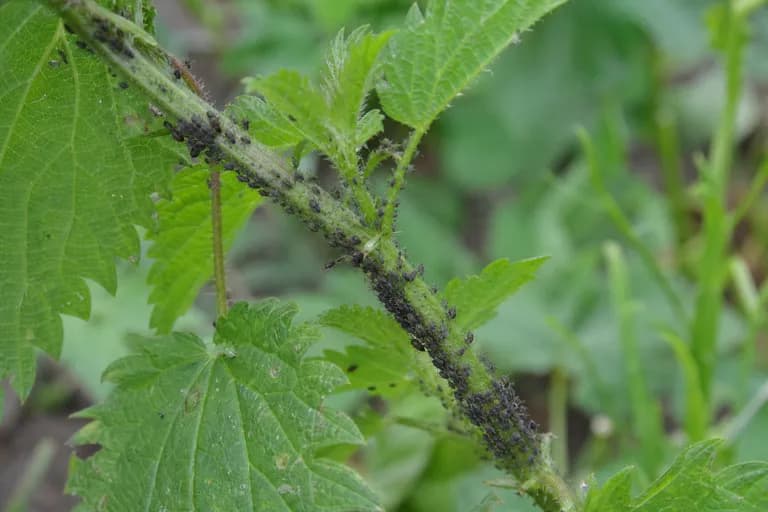
Pulgón de la ortiga
PlagaDensas colonias de pulgones oscuros en tallos y envés de las hojas en primavera. Pueden ser numerosos, pero raramente afectan al vigor de la planta.
Prácticamente libre de enfermedades
EnfermedadLas ortigas son notablemente resistentes a las enfermedades. Los pelos urticantes y las defensas químicas las protegen de la mayoría de los patógenos.
Solución de problemas comunes
Los pelos urticantes son el reto más evidente: use siempre guantes gruesos al manipular plantas frescas. La extensión invasora por rizomas requiere contención mediante barreras físicas. Puede formar un matorral alto y denso si no se cosecha con regularidad. Tras la floración, las hojas se endurecen y se vuelven granulosas: corte las plantas hasta el nivel del suelo para estimular un rebrote fresco. La asociación de la planta con terrenos baldíos le otorga una reputación inmerecida de simple mala hierba.
Consejos de cultivo
- Plante las ortigas en un área dedicada y delimitada: se extienden vigorosamente mediante rizomas subterráneos y pueden volverse invasoras en los bancales del huerto. Un recipiente sin fondo hundido en el suelo, un bancal elevado con paredes sólidas o un rincón aislado bordeado por caminos segados funcionan bien para contenerlas.
- Las ortigas prefieren suelos ricos, húmedos y con alto contenido en nitrógeno y semisombra, aunque toleran el pleno sol con humedad adecuada. Prosperan en lugares donde estuvieron los contenedores de compost, cerca de gallineros o a lo largo de cercas sombreadas: lugares donde los niveles de nitrógeno son naturalmente altos.
- Empiece por divisiones de raíces en lugar de semillas para un establecimiento más rápido. Obtenga un fragmento de rizoma de 15-20 cm con yemas de crecimiento visibles de un parche existente a principios de primavera, plante a 5 cm de profundidad y riegue bien. Las divisiones de raíces se establecen y producen crecimiento cosechable en su primera temporada.
- Use guantes de goma gruesos, mangas largas y pantalones al trabajar cerca de las ortigas. Incluso rozar una hoja puede causar una erupción urticante que dura varias horas. Los guantes de jardinería de cuero suelen ser demasiado finos: los guantes de fregado de goma o los guantes especiales resistentes a espinas funcionan mejor.
- Coseche únicamente los 10-15 cm superiores de los brotes jóvenes y tiernos antes de la floración para obtener la mejor calidad culinaria. Las hojas inferiores más viejas se endurecen, se vuelven granulosas por los cristales de carbonato cálcico y desarrollan un sabor desagradable. La cosecha frecuente de puntas mantiene a la planta produciendo nuevo crecimiento tierno.
- Corte todo el parche a 5-10 cm sobre el suelo 2-3 veces por temporada para forzar rebrotes de crecimiento tierno y ampliar la ventana de cosecha bien entrado el verano. Aplique un abono rico en nitrógeno después de cada corte intenso para impulsar una recuperación rápida.
- Permita que algunas plantas florezcan sin interrupciones si las mariposas visitan su jardín. La ortiga mayor es la única planta alimentaria larvaria de varias especies icónicas de mariposas. Un parche separado, sin cosechar, dedicado a la fauna proporciona hábitat sin sacrificar el suministro culinario.
- Seque las hojas sobrantes en un lugar cálido y bien ventilado alejado de la luz solar directa durante 5-7 días hasta que estén completamente crujientes. Guárdalas en tarros de cristal herméticos alejados de la luz. La ortiga correctamente seca conserva su valor nutricional y medicinal durante 12-18 meses y hace una excelente infusión herbal durante todo el año.
- Las ortigas son un excelente fertilizante líquido para el huerto. Sumerja un cubo de tallos y hojas de ortiga recién cortados en agua durante 2-3 semanas hasta que la mezcla se vuelva oscura y despida un olor intenso. Diluya 1:10 con agua y utilícelo como abono líquido rico en nitrógeno para verduras y flores.
- Si cultiva desde semilla, tenga paciencia: las semillas de ortiga requieren luz, humedad constante y temperaturas de 15-20 °C para germinar, y el proceso puede tardar entre 10 y 21 días. Siembre en superficie sobre compost fino, pulverice regularmente con agua y no cubra con tierra. Trasplante las plántulas cuando tengan 4-6 hojas verdaderas.
Cultiva tu mejor Ortiga Mayor — y todo lo que la rodea.
Empieza un plan gratis hoy. Diseña tus bancales, coloca tu Ortiga Mayor y deja que PlotMyGarden gestione el momento, el espaciado, las asociaciones y los recordatorios de la semilla a la cesta.
Elige tu Ortiga Mayor
Urtica dioica (Ortiga mayor común)
La especie estándar, de crecimiento alto y escozor potente. La más utilizada con fines medicinales y nutricionales.
Urtica dioica subsp. gracilis (Ortiga mayor americana)
La subespecie nativa de América del Norte. Propiedades y usos similares. Ligeramente menos vigorosa que el tipo europeo.
Urtica dioica 'Stingless'
Un raro cultivar sin pelos urticantes. Más fácil de manejar, aunque con menor disponibilidad comercial.
Las hojas de ortiga seca para infusión se venden entre 8 y 20 € por 100 g en tiendas de productos naturales, y las puntas frescas aparecen en los mercados de agricultores por 12-25 € la libra cuando están disponibles. Un único parche de ortiga establecido proporciona cosechas gratuitas e ilimitadas durante décadas con un coste de mantenimiento prácticamente nulo. Los suplementos y cápsulas de ortiga cuestan entre 15 y 30 € por frasco, pero cultivar la propia ortiga ofrece una frescura y potencia superiores. Dado que las ortigas prosperan en los rincones descuidados y ricos en nitrógeno del jardín donde poco más crece bien, transforman el espacio improductivo en una fuente prolífica de alimento y medicina año tras año.
Recetas rápidas
Sopa clásica de ortigas
30 minUna sopa sedosa y de intenso color verde que transforma las ortigas recolectadas en un elegante plato de primavera. El escaldado de las hojas destruye completamente el escozor, dejando únicamente un sabor rico similar a las espinacas con una profundidad terrosa y mineral. Tradicionalmente apreciada en Escandinavia, Gran Bretaña y Europa del Este como uno de los primeros alimentos frescos de la primavera.
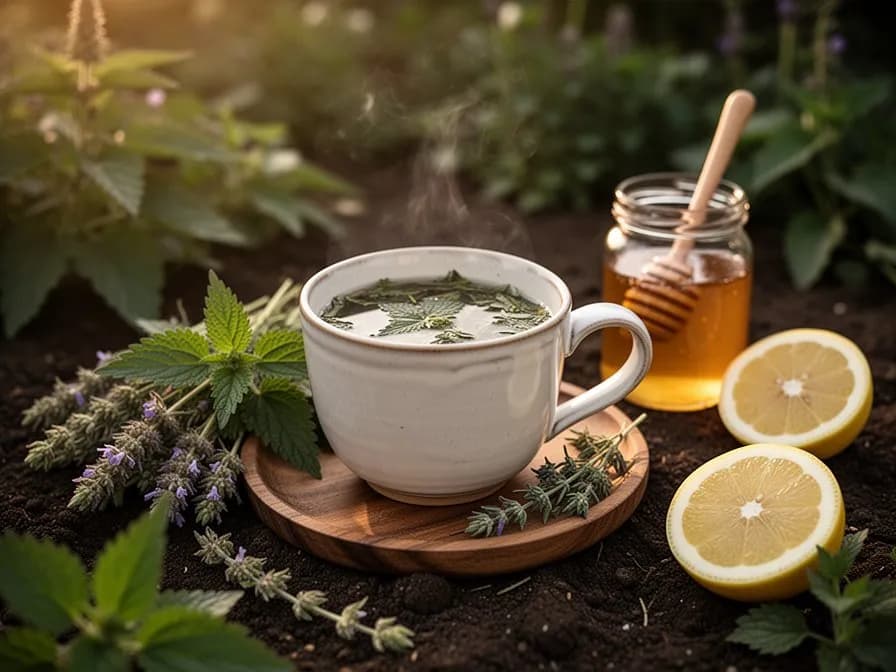
9 ingredientesInfusión de ortiga
10 minUna infusión herbal rica en minerales elaborada con hojas de ortiga secas o frescas, apreciada durante siglos como suave tónico primaveral y tisana diaria para la salud. El sabor es suave, terroso y ligeramente herbáceo sin amargor: una de las infusiones herbales más agradables y nutritivas disponibles.
4 ingredientesPesto de ortiga
15 minUna variante rica en nutrientes del clásico pesto de albahaca que aprovecha brillantemente las ortigas de primavera. Un breve escaldado elimina el escozor por completo, conservando el vivo color verde y el sabor terroso con profundidad mineral. Mezcle con pasta, unte en pan crujiente o añada a un risotto para una experiencia gastronómica silvestre e inolvidable.
7 ingredientesUsos culinarios
Las ortigas de primavera cocinadas tienen un sabor rico y verde intenso, similar a las espinacas pero más complejo, con notas minerales y de hierro. Son clásicas en la sopa de ortigas: sofría con cebolla, añada caldo y triture. Prepare pesto de ortiga con ajo, frutos secos y parmesano. Use ortigas escaldadas en rellenos de pasta, quiches, risottos y tortillas. Seque las hojas para una nutritiva infusión rica en minerales con hierro, calcio, magnesio y vitaminas A, C y K. En la tradición británica, la cerveza de ortiga y el queso de ortiga son especialidades regionales.
Qué contiene
Beneficios para la salud
- Rica en hierro biodisponible y vitamina C: la combinación mejora la absorción del hierro de forma natural, haciendo de la ortiga uno de los remedios vegetales más eficaces para mantener niveles saludables de hierro y prevenir la fatiga asociada a su deficiencia.
- Contiene compuestos antihistamínicos naturales, como la quercetina y otros flavonoides, que según las investigaciones pueden ayudar a reducir los síntomas de alergia estacional: el extracto de hoja de ortiga es uno de los enfoques herbales más estudiados para la fiebre del heno y la rinitis alérgica.
- Excepcionalmente alta en vitamina K (más del 400% VD por 100 g), esencial para la correcta coagulación de la sangre y que desempeña un papel fundamental en el mantenimiento de la densidad mineral ósea y la reducción del riesgo de fracturas osteoporóticas.
- El uso tradicional para la inflamación articular está respaldado por la investigación moderna: los estudios muestran que los extractos de hoja y raíz de ortiga contienen compuestos que inhiben las citocinas inflamatorias y pueden reducir el dolor y la rigidez asociados con la artritis.
- Actúa como diurético natural suave, promoviendo la función renal y ayudando a eliminar el exceso de líquido sin agotar el potasio: a diferencia de los diuréticos farmacéuticos, la ortiga aporta potasio adicional y otros minerales.
- El extracto de raíz de ortiga ha sido ampliamente estudiado por su potencial para apoyar la salud prostática en hombres mayores, con múltiples ensayos clínicos que demuestran beneficios para el flujo urinario y la frecuencia asociados a la hiperplasia benigna de próstata (HBP).
De dónde viene Ortiga Mayor
La ortiga mayor (Urtica dioica) es originaria de Europa, Asia templada y el norte de África, y ha acompañado a la civilización humana por todo el globo durante milenios. La evidencia arqueológica confirma que la ortiga se encuentra entre las primeras plantas utilizadas por los seres humanos: en Dinamarca se han descubierto fragmentos de tela de fibra de ortiga que datan de la Edad de Bronce (hacia 2800 a. C.), y semillas de ortiga aparecen en restos de asentamientos neolíticos de toda Europa. Mucho antes de que el algodón y el lino se convirtieran en cultivos textiles dominantes, la fibra de ortiga era el material principal para cuerdas, redes de pesca, sacos y tejidos gruesos en el norte de Europa.
Los antiguos griegos y romanos valoraban la ortiga tanto como alimento como medicamento. Se cuenta que las legiones romanas llevaron ortigas consigo a Britania, frotando las hojas urticantes sobre la piel para generar calor circulatorio contra el frío y húmedo clima: una práctica llamada urtización que perduró en la medicina popular durante dos mil años. Los herbolarios europeos medievales prescribieron la ortiga para prácticamente todos los males, desde la anemia y la artritis hasta las afecciones renales y la caída del cabello, y los brotes jóvenes de primavera fueron uno de los vegetales frescos más importantes de principio de temporada para las poblaciones rurales que salían de la escasa dieta del invierno.
El papel de la ortiga como alimento de supervivencia resurgió dramáticamente durante ambas Guerras Mundiales, cuando los gobiernos organizaron campañas de recolección a gran escala. En Gran Bretaña, los niños en edad escolar eran pagados para recolectar ortigas destinadas a la extracción de clorofila, la alimentación animal y el consumo humano. En Alemania, la fibra de ortiga se procesó para fabricar textiles militares cuando las importaciones de algodón quedaron bloqueadas. Esta utilidad en tiempos de guerra subrayó lo que las comunidades rurales habían sabido durante siglos: la ortiga es una planta extraordinariamente versátil y valiosa.
En la actualidad, la ortiga mayor crece en todos los continentes excepto en la Antártida, naturalizada allí donde los colonizadores europeos viajaron. Prospera en suelos ricos en nitrógeno cerca de asentamientos humanos: a lo largo de setos, en huertos, junto a establos y en suelos enriquecidos con compost, lo que la convierte en uno de los alimentos silvestres más accesibles disponibles. El interés moderno por la ortiga ha aumentado notablemente junto con los movimientos de recolección y medicina herbal, y la investigación científica valida cada vez más los usos tradicionales para el alivio de alergias, la reducción de la inflamación y el apoyo a la salud prostática.
Ortiga Mayor: ¿sabías que?
Datos fascinantes sobre Ortiga Mayor
La ortiga mayor ha sido utilizada por los humanos durante al menos 3.000 años: en yacimientos arqueológicos europeos se han encontrado tejidos de la Edad de Bronce confeccionados con fibra de ortiga, y la planta fue un importante cultivo textil antes de que el algodón y el lino la desplazaran.
Ortiga Mayor: preguntas frecuentes
¿Cuándo debo plantar Ortiga Mayor?
¿Cuáles son buenas plantas acompañantes para Ortiga Mayor?
¿En qué zonas de rusticidad puede crecer Ortiga Mayor?
¿Cuánto sol necesita Ortiga Mayor?
¿A qué distancia debo espaciar Ortiga Mayor?
¿Qué plagas y enfermedades afectan a Ortiga Mayor?
¿Cómo almaceno Ortiga Mayor después de la cosecha?
¿Cuáles son las mejores variedades de Ortiga Mayor para cultivar?
¿Qué suelo necesita Ortiga Mayor?
¿Es seguro comer la ortiga mayor y cómo elimino el escozor?
¿Cuándo es el mejor momento para cosechar la ortiga mayor?
¿Cómo evito que la ortiga mayor invada mi jardín?
¿Qué debo hacer si me pica una ortiga?
¿Puedo cultivar ortiga mayor en macetas?
¿Cuáles son los principales usos medicinales de la ortiga mayor?
Acabas de leer la teoría. Ahora cultívala en piloto automático.
Todo lo que hace que Ortiga Mayor sea delicado — el momento, el espaciado, las asociaciones, la ventana de cosecha — es justo lo que PlotMyGarden resuelve por ti, para cada planta de tu huerto.
Un plan que conoce tu clima
Indica tu ubicación una vez. Recibe fechas de siembra, abonado y cosecha basadas en tu última helada real y el pronóstico en vivo — sin adivinar con un sobre genérico.
De la sección “Cuándo plantar”Planificador de bancales de arrastrar y soltar
Diseña bancales sobre una cuadrícula. Cada planta encaja con su espaciado correcto y ves toda la temporada antes de gastar un céntimo en semillas.
De la sección “Cultivo”Conflictos de asociación, detectados a tiempo
Más de 200 buenas y malas combinaciones comprobadas en vivo mientras plantas — para que un error que arruine la temporada nunca llegue a la tierra.
De la sección “Asociaciones”Recordatorios que sí vas a seguir
“Riega las judías.” “Recoge hoy antes de que se pase.” Oportunos, concretos y ligados a las plantas que de verdad cultivas.
De la sección “Cosecha”Escalonado, programado
¿Quieres cosechar seis semanas en vez de seis días? Reparte tus siembras automáticamente y te avisa cuando toca el siguiente lote.
De la sección “Cuándo plantar”Un registro que se vuelve más listo
Cada cosecha que registras le enseña tu huerto. El plan del año que viene parte de lo que de verdad funcionó en tu suelo, no en un manual.
De la sección “Resumen”Planta estos junto a Ortiga Mayor
Más Hierbas medicinales
Cultiva tu mejor Ortiga Mayor — y todo lo que la rodea.
Empieza un plan gratis hoy. Diseña tus bancales, coloca tu Ortiga Mayor y deja que PlotMyGarden gestione el momento, el espaciado, las asociaciones y los recordatorios de la semilla a la cesta.