Julep Mint
The preferred spearmint variety for making classic Kentucky Derby mint juleps, with large, crinkled, intensely flavored leaves.





On this pageOverview
Meet Julep Mint
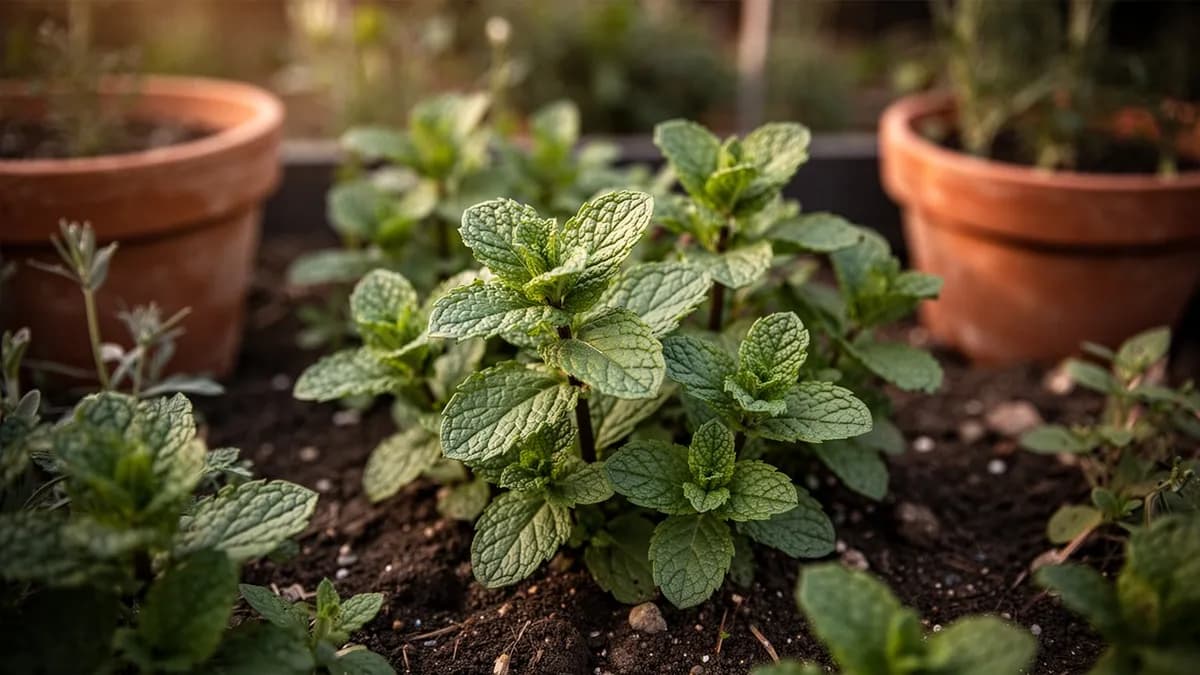
The preferred spearmint variety for making classic Kentucky Derby mint juleps, with large, crinkled, intensely flavored leaves. Kentucky Colonel produces rounder, broader leaves than standard spearmint with a sweeter, less sharp taste. Grow in moist soil with partial shade and harvest generously, as frequent cutting encourages fresh tender growth.
When to plant Julep Mint
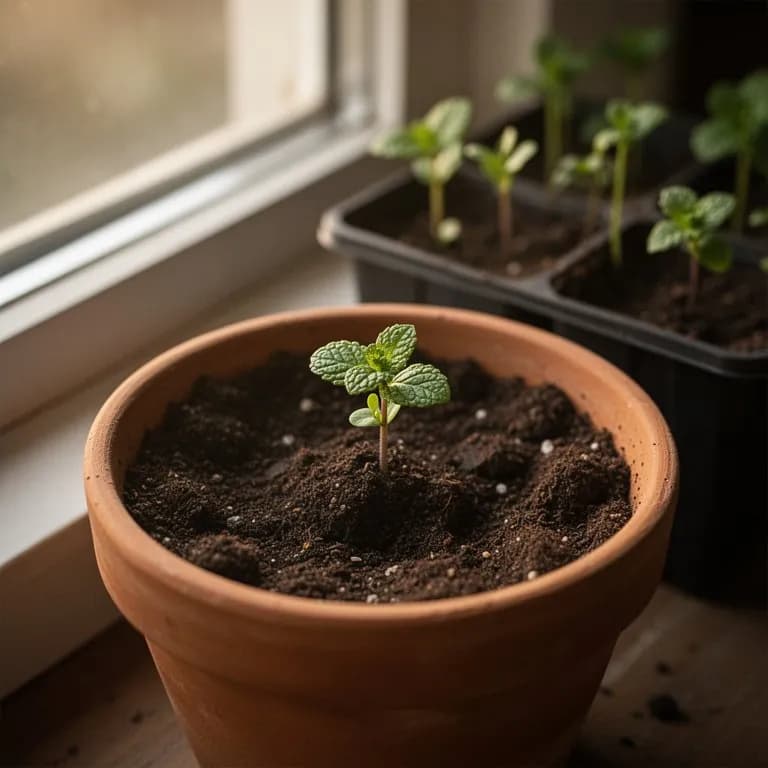
Mint julep mint is best propagated vegetatively rather than from seed, as seeds produce variable offspring. Take 10cm stem cuttings in spring or summer, strip lower leaves, and root in water or moist potting mix. Divisions of established clumps in spring or fall are the easiest method. Root cuttings also work—lay 5cm root pieces horizontally in moist compost and cover lightly. New plants establish quickly and can be harvested within 4-6 weeks.
Your Julep Mint Year
Composed for Zone 7 · typical seasons · frost passes Apr 2, returns Nov 1
Plant Julep Mint Mar – May, pick May – Oct. Check the planting methods below and set your climate to personalize these windows.
How to grow Julep Mint
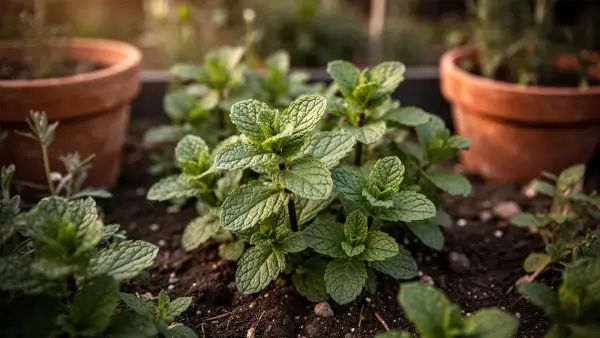
Mint Julep mint, also known as Kentucky Colonel spearmint, thrives in moist, fertile soil with consistent watering. Plant divisions or runners in spring after the last frost, spacing them 45cm apart in a location with morning sun and afternoon shade. This variety spreads vigorously through underground stolons, so always plant in containers sunk into the ground or use root barriers to prevent garden takeover.
Provide rich, humus-amended soil and maintain even moisture throughout the growing season. Mulch around plants to keep roots cool and retain soil moisture. Feed monthly with a balanced liquid fertilizer during active growth. Cut stems back to ground level in late autumn after frost kills the top growth.
Harvest frequently by cutting stems just above a leaf node to encourage bushy, compact growth. Regular harvesting prevents flowering, which reduces leaf flavor. For the most intense flavor, harvest in the morning after dew has dried but before the heat of the day. This variety produces the large, rounded, intensely flavored leaves prized for authentic mint juleps and mojitos.
10 plants fit a 4 × 8 ft bed
Each Julep Mint wants 45 cm of elbow room. The planner keeps that spacing for you — every plant, every bed.
Julep Mint's best neighbours
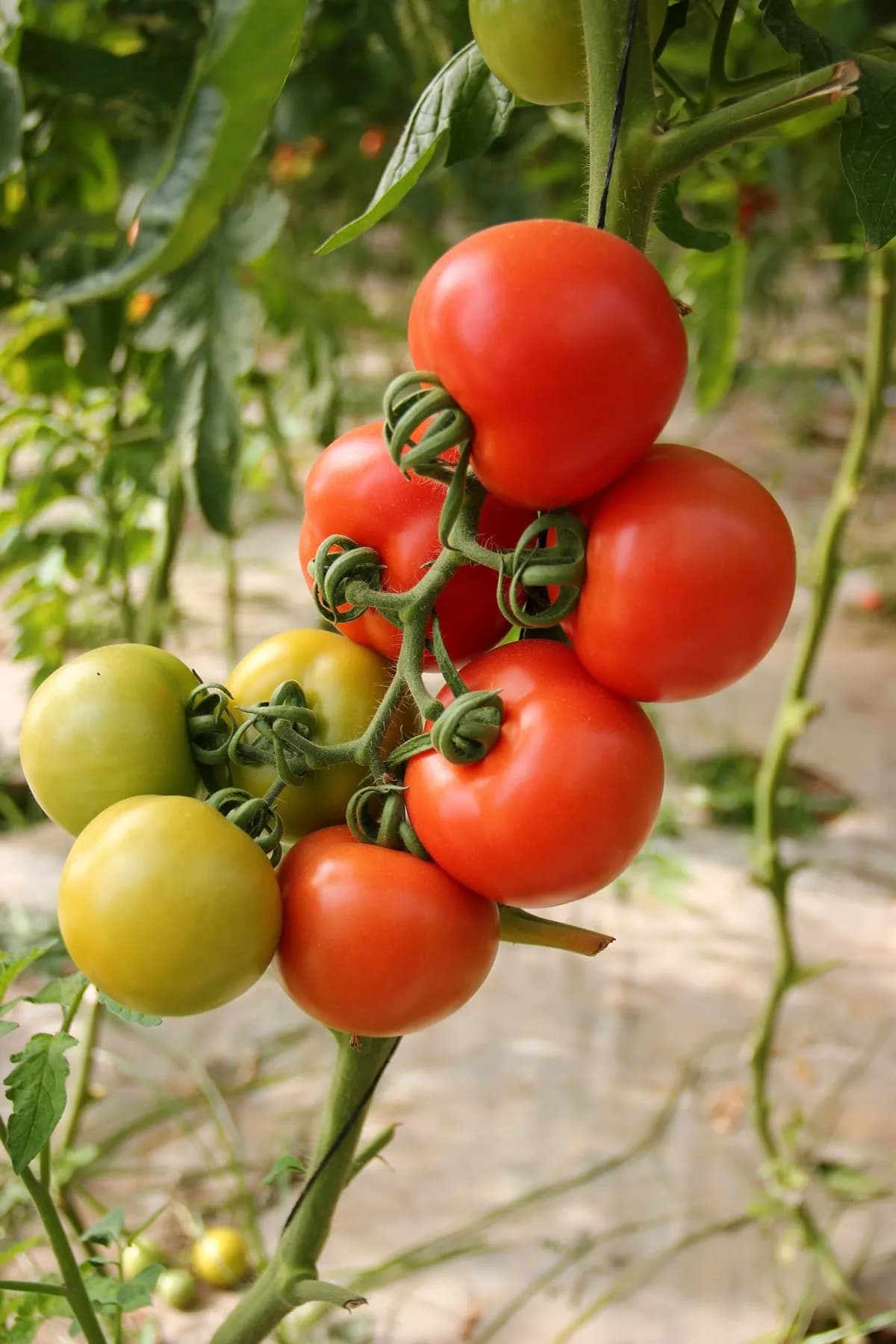
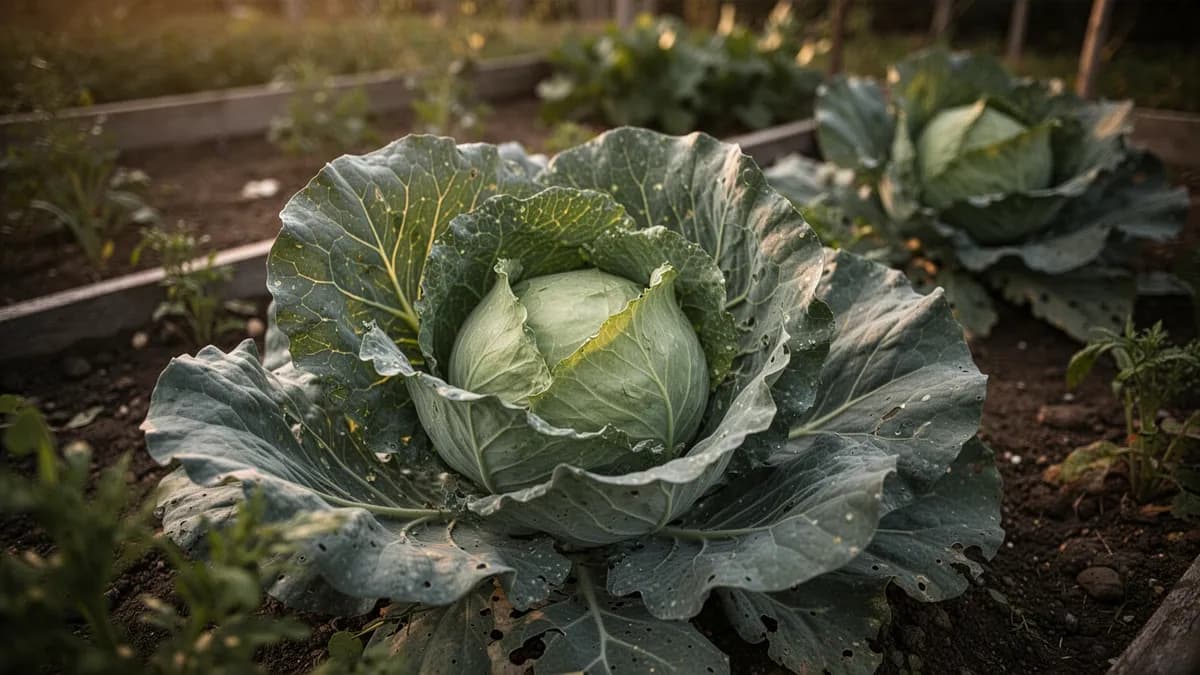
Mint julep mint repels aphids, flea beetles, and cabbage moths, making it beneficial near brassicas and tomatoes. The strong scent confuses pests searching for host plants by masking their chemical signals. Plant in containers near susceptible crops rather than directly in beds to prevent mint from overtaking companions. Attracts hoverflies and beneficial wasps that prey on common garden pests.
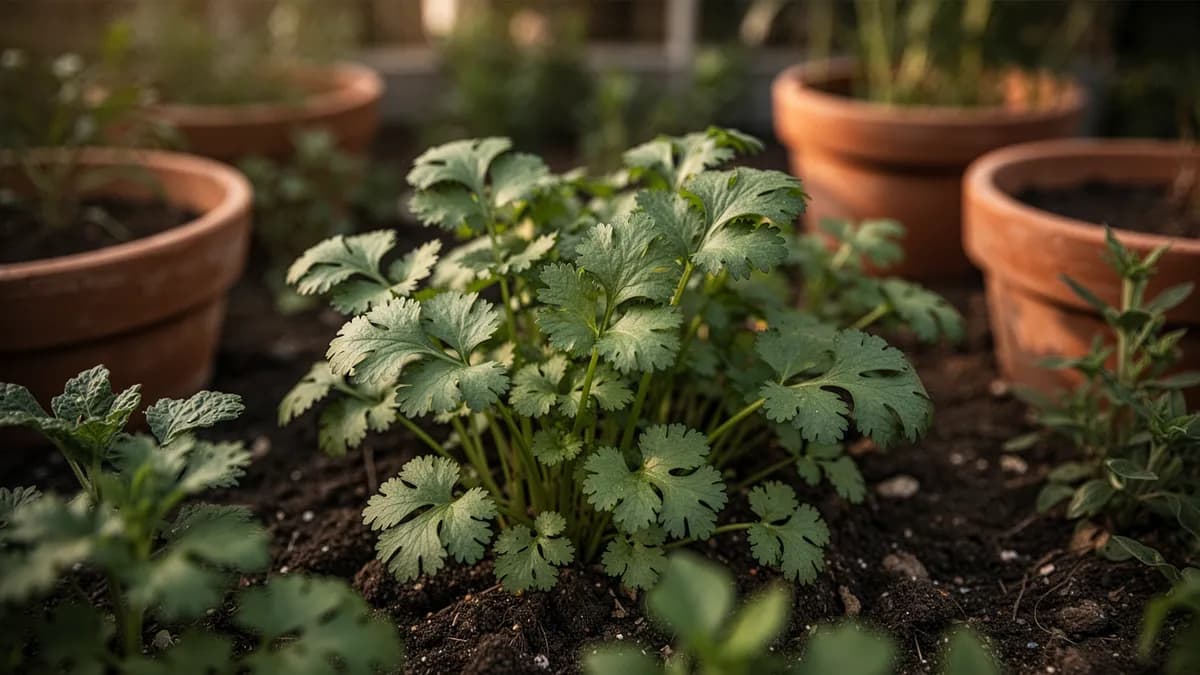
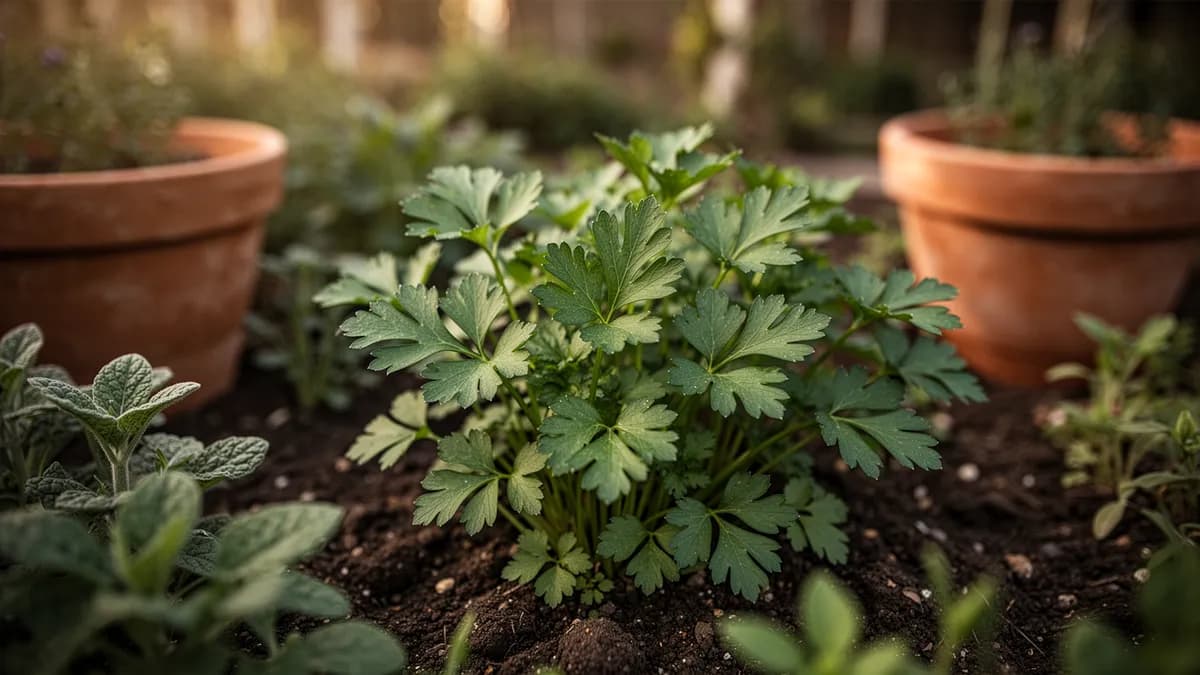
Tomato belongs beside it. Parsley doesn't.
Old growers' knowledge, checked against Julep Mint's real companion table below — test any plant you're growing.
Try Julep Mint in a bed — right here
A real planner bed with Julep Mint already in it. Tap a companion to place it and watch the pairing checks answer — green for good neighbours, red for a clash.


Related growing guides
Feed it well
Grow in rich, moisture-retentive soil amended with plenty of compost or well-rotted manure. Ideal pH is 6.0-7.0. Apply a balanced 10-10-10 fertilizer monthly during the growing season, or feed every two weeks with diluted liquid fish emulsion. Top-dress with compost in early spring as new growth emerges. Avoid excessive nitrogen, which produces lush growth with diminished essential oil content.
Ideal Temperature
Hardiness Zone Compatibility
From seed to harvest, stage by stage
Cutting/Division
Julep Mint is almost always propagated from cuttings or root divisions rather than seed. Place stem cuttings in water or moist soil, where roots develop within one to two weeks.
Root Establishment
The young plant develops a network of shallow, fibrous roots and stolons. Initial leaf pairs emerge from each node, and the plant begins to anchor itself firmly.
Vegetative Growth
Rapid above-ground growth occurs as stems elongate and produce the large, crinkled leaves characteristic of Kentucky Colonel. Underground runners begin to spread outward.
Active Spreading
The plant enters its most vigorous phase, sending out runners aggressively in all directions. Leaf production is at its peak, and the aromatic oil concentration is highest before flowering.
Flowering
Terminal flower spikes of pale lavender to white blooms appear at stem tips. Flowering reduces leaf oil concentration, and the plant directs energy toward seed production.
Late Season Decline
As temperatures cool, above-ground growth slows and stems may become woody. The root system remains viable underground, storing energy for the following spring.
Change water every two days for water-rooted cuttings to prevent bacterial buildup.
Caring for Julep Mint month by month
What to do each month for your Julep Mint
October
You are hereOctober: Perform a final large harvest before frost. Cut remaining stems to ground level. Pot up a division and bring it indoors for fresh winter mint.
Know exactly what to do in your garden — every month
One email at the start of each month: what to sow, plant, and tackle right now — for your Julep Mint and everything growing around it. Plus a short starter course that helps you dodge the classic mistakes.
- What to do, right now
- Matched to your season
- Starter course included
Harvesting Julep Mint
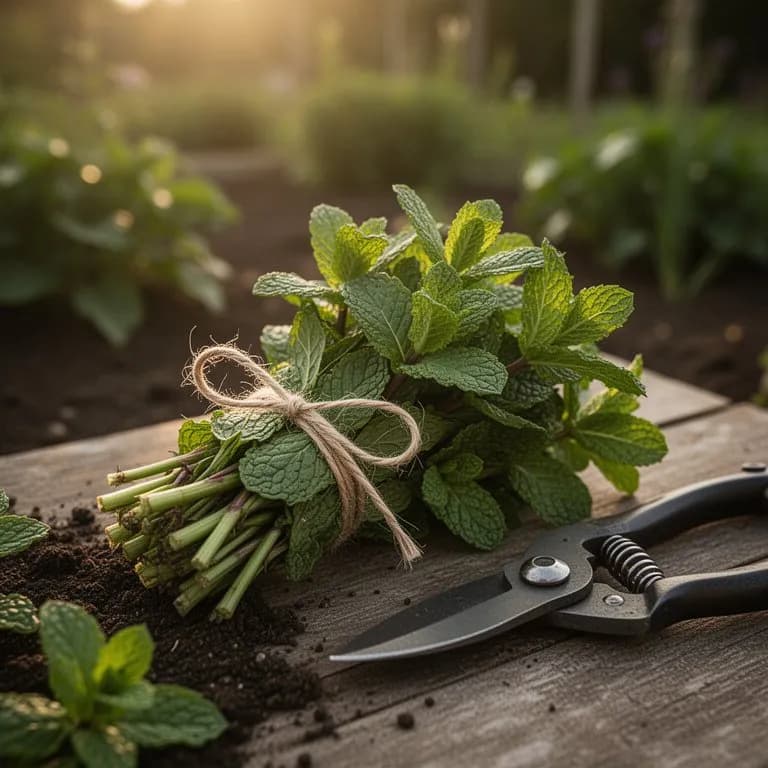
Begin harvesting once stems reach 15-20cm tall, cutting just above a leaf node to promote branching. For mint juleps, select the largest, most aromatic top leaves. Harvest in the morning for peak essential oil content. Cut up to two-thirds of the plant at once; it will regrow quickly. For the best continuous harvest, stagger cutting across different sections of your mint patch every few weeks.
assuming you plant when the window opens — set your real date
Pick Julep Mint promptly and the plant keeps producing.
Storage & Preservation
Fresh mint julep mint keeps 7-10 days in a glass of water on the counter or refrigerated with stems in damp paper towels in a sealed bag. Freeze leaves in ice cube trays with water for ready-made cocktail additions. Dry leaves in a single layer away from direct light, though dried mint loses much of its fresh character. Mint simple syrup preserves the flavor well for beverages—steep fresh leaves in hot sugar syrup and refrigerate for up to one month.
What goes wrong — and the fix
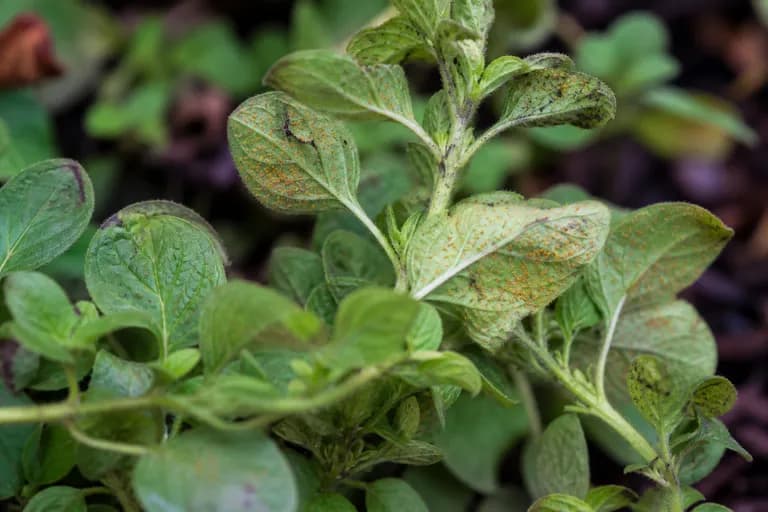
Mint Rust
DiseaseSmall orange-brown pustules on undersides of leaves, yellowing and distorted foliage.
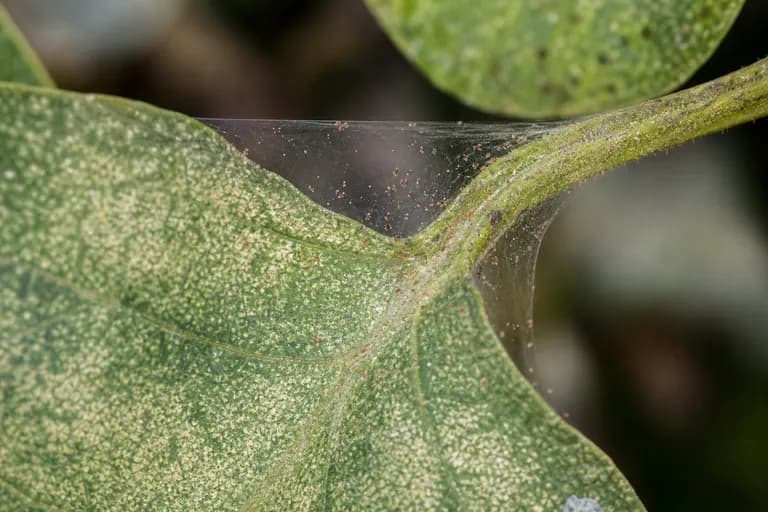
Spider Mites
PestFine webbing on leaf undersides, stippled or bronzed foliage, overall plant decline during hot dry weather.
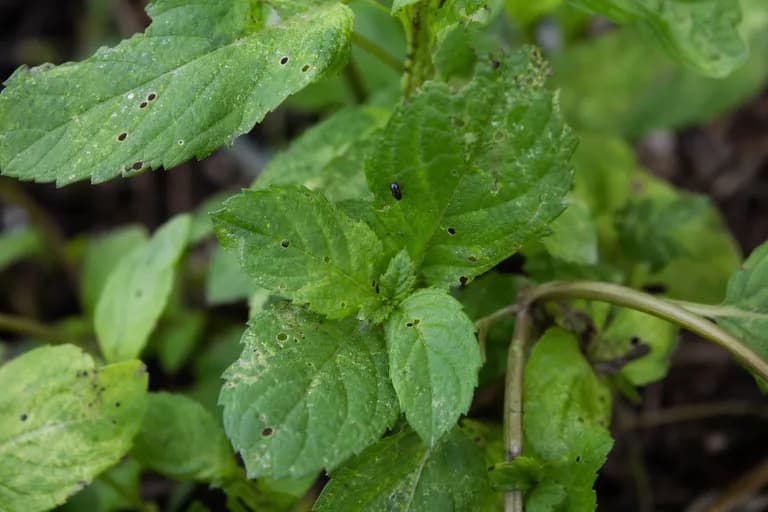
Mint Flea Beetle
PestSmall round holes shot through leaves, tiny dark beetles that jump when disturbed.
Troubleshooting Common Problems
Leggy, sparse growth usually indicates insufficient light—move to a brighter location with at least 4 hours of direct sun. Wilting despite moist soil suggests root rot from waterlogged conditions; improve drainage. Pale or yellowing leaves may indicate nutrient deficiency; feed with balanced fertilizer. Plants that flower heavily lose leaf flavor—pinch flower buds promptly. Aggressive spreading is the most common complaint; always use root barriers or containers.
Growing Tips
- Plant in containers or use buried barriers at least 30 cm deep to prevent underground runners from invading other garden areas.
- Provide morning sun with afternoon shade in hot climates to maintain the best leaf quality and oil concentration.
- Water deeply and consistently, keeping soil evenly moist but never waterlogged, as mint is susceptible to root rot in standing water.
- Harvest by cutting entire stems rather than picking individual leaves, which encourages vigorous regrowth from the base.
- Pinch off flower buds as soon as they appear to redirect the plant's energy into producing more aromatic foliage.
- Divide established clumps every two to three years in early spring to prevent the center from becoming woody and unproductive.
- Apply a thin layer of compost as a top dressing in mid-spring and again after a major harvest to replenish nutrients.
- Grow near cabbage, tomatoes, or peppers to help repel aphids and flea beetles with mint's strong aromatic oils.
- Root stem cuttings in a glass of water on a windowsill for an easy and reliable method of propagation at any time during the growing season.
- Monitor for mint rust, which appears as small orange pustules on the underside of leaves, and remove affected stems immediately to prevent spread.
Grow your best Julep Mint yet — and everything around it.
Start a free plan today. Lay out your beds, drop in your Julep Mint, and let PlotMyGarden handle the timing, spacing, companions and reminders from seed to harvest basket.
Pick your Julep Mint
Kentucky Colonel
The classic mint julep spearmint with large, crinkled, intensely sweet leaves. The standard for Southern cocktails.
Mojito Mint
Very similar to Kentucky Colonel with slightly more pointed leaves. Popular in Cuban-style cocktails and Caribbean cooking.
Julep Spearmint
A selected strain with especially large leaves and vigorous growth, bred specifically for beverage use.
A single Julep Mint plant purchased for two to four dollars will produce enough fresh mint for an entire household throughout the growing season and beyond. Grocery store mint typically costs three to five dollars for a small bundle that wilts within days. A home-grown plant yields continuous harvests from late spring through fall, easily replacing twenty or more store-bought bundles per year and saving sixty to one hundred dollars annually. Surplus can be dried or frozen at no additional cost, eliminating off-season purchases as well.
Quick recipes
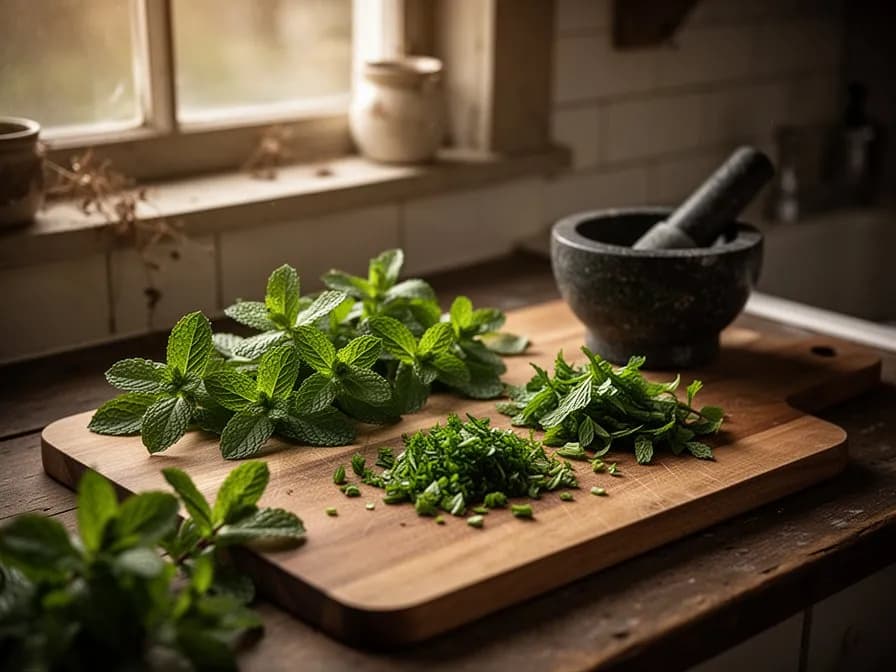
Classic Mint Julep
5 minutesThe quintessential bourbon cocktail that showcases Kentucky Colonel mint at its finest. Muddled fresh leaves release their oils into a sweet bourbon base, served over crushed ice in a frosted silver or pewter cup.
5 ingredientsMint and Cucumber Yogurt Dip
10 minutesA refreshing dip inspired by Indian raita and Greek tzatziki. The cool crunch of cucumber pairs naturally with the bright flavor of freshly chopped Julep Mint, making a versatile accompaniment for grilled meats and flatbreads.
6 ingredients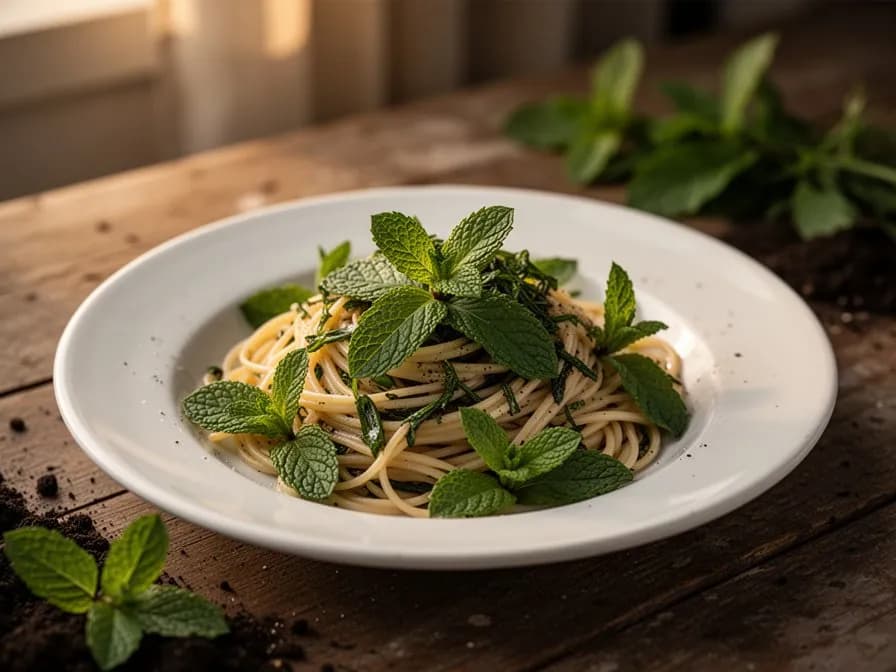
Fresh Mint and Watermelon Salad
10 minutesA simple summer salad that highlights the cooling properties of mint against sweet watermelon and salty feta cheese. A drizzle of lime juice ties the flavors together for a light side dish or snack.
6 ingredientsCulinary Uses
The premier mint for classic mint juleps, with leaves sweet enough for muddling without bitterness. Excellent in mojitos, mint tea, tabbouleh, lamb dishes, and fresh spring rolls. The large leaves work well as wraps for fresh cheese appetizers. Chop finely for tzatziki, raita, and Vietnamese pho garnish. Makes outstanding mint-infused chocolate desserts.
What's inside
Health Benefits
- Relieves digestive discomfort including bloating, gas, and indigestion by relaxing smooth muscle tissue in the gastrointestinal tract
- Contains rosmarinic acid, which has demonstrated anti-inflammatory and antioxidant effects in clinical studies
- May help alleviate symptoms of seasonal allergies by inhibiting histamine release from mast cells
- Supports oral health by reducing bacteria associated with bad breath and gum disease when used in rinses or chewed fresh
- The aroma of spearmint has been shown in research to improve focus, memory, and alertness during cognitive tasks
- Provides a natural source of iron, manganese, and folate that contribute to healthy red blood cell formation and energy metabolism
Where Julep Mint comes from
Julep Mint, formally known as Mentha spicata 'Kentucky Colonel,' is a cultivar of spearmint that was selected and refined in the American South, where it became inseparable from the culture of bourbon and horse racing. Spearmint itself is native to Europe and parts of western Asia, where it has been cultivated for thousands of years. Ancient Greeks and Romans valued it as a culinary herb, a medicinal plant, and a symbol of hospitality. Sprigs were strewn on floors to freshen rooms, and mint tea was prescribed for digestive complaints. When European settlers brought spearmint to North America in the seventeenth century, the herb naturalized readily in the temperate climate of the eastern states. Over generations, Southern gardeners selected strains with especially large, fragrant leaves suited to the mint julep, a cocktail whose earliest written recipe appeared in a Virginia publication in 1803. The Kentucky Colonel cultivar emerged from this tradition, prized for its broad, deeply veined leaves that release an intense, sweet spearmint aroma without the sharpness of peppermint. By the early twentieth century, the mint julep had become the signature drink of Churchill Downs, and Kentucky Colonel mint was the variety of choice for bartenders and home gardeners alike. Today this cultivar is grown around the world, not only for cocktails but for teas, desserts, salads, and Middle Eastern cuisine. Its vigorous, spreading habit makes it one of the easiest herbs to cultivate, though its enthusiasm for colonizing garden space means it is best grown in containers or with physical root barriers. Kentucky Colonel remains a living piece of culinary history, connecting the herb gardens of the ancient Mediterranean to the verandas of the American South.
Julep Mint: did you know?
Fascinating facts about Julep Mint
Kentucky Colonel spearmint was selected in the American South specifically for its superior flavor in mint juleps, the official drink of the Kentucky Derby since 1938.
Julep Mint questions, answered
When should I plant Julep Mint?
What are good companion plants for Julep Mint?
What hardiness zones can Julep Mint grow in?
How much sun does Julep Mint need?
How far apart should I space Julep Mint?
What pests and diseases affect Julep Mint?
How do I store Julep Mint after harvest?
What are the best Julep Mint varieties to grow?
What soil does Julep Mint need?
How do I keep Julep Mint from taking over my garden?
What is the difference between Kentucky Colonel mint and regular spearmint?
Can I grow Julep Mint indoors year round?
When is the best time to harvest Julep Mint for maximum flavor?
Why are my mint leaves turning yellow?
Is Julep Mint safe for pets?
You just read the theory. Now grow it on autopilot.
Everything that makes Julep Mint fiddly — the timing, the spacing, the companions, the harvest window — is exactly what PlotMyGarden handles for you, for every plant in your garden.
A plan that knows your weather
Set your location once. Get sow, feed and harvest dates built around your real last-frost date and live forecast — no more guessing from a generic seed packet.
From the “When to plant” sectionDrag-and-drop bed planner
Design beds on a grid. Every plant snaps to its proper spacing, and you can see your whole season laid out before you spend a cent on seed.
From the “Growing guide” sectionCompanion conflicts, caught early
200+ good-and-bad pairings checked live as you plant — so a season-wrecking mistake never makes it into the ground.
From the “Companions” sectionReminders you'll actually act on
“Water the beans.” “Pick today before it turns.” Timely, specific, and tied to the plants you're really growing.
From the “Harvest” sectionSuccession, scheduled
Want a harvest for six weeks, not six days? It spaces your sowings automatically and reminds you when each new block is due.
From the “When to plant” sectionA record that gets smarter
Every harvest you log teaches it your garden. Next year's plan starts from what actually worked in your soil, not a textbook's.
From the “Overview” sectionPlant these alongside Julep Mint
More Culinary Herbs
Keep Julep Mint away from these
Garden plans featuring Julep Mint
Grow your best Julep Mint yet — and everything around it.
Start a free plan today. Lay out your beds, drop in your Julep Mint, and let PlotMyGarden handle the timing, spacing, companions and reminders from seed to harvest basket.