Linden Tree
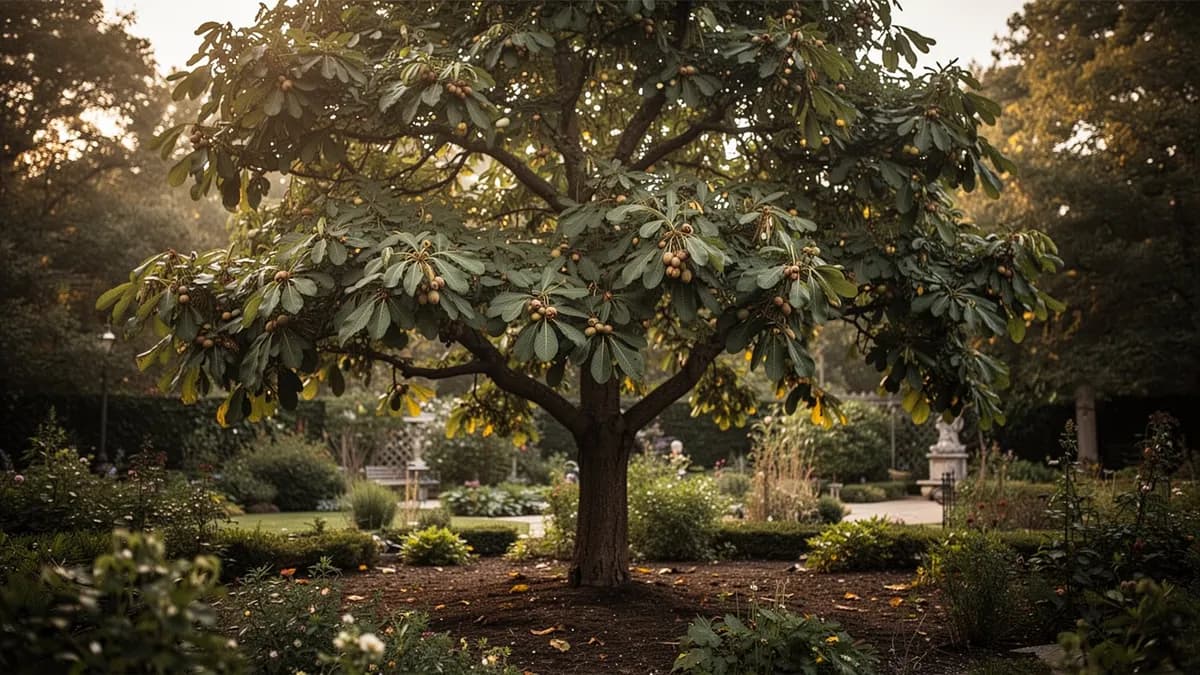
An elegant shade tree with a dense, symmetrical canopy and intensely fragrant small flowers in midsummer that attract countless bees and are harvested for linden flower tea.






On this pageOverview
Meet Linden Tree
An elegant shade tree with a dense, symmetrical canopy and intensely fragrant small flowers in midsummer that attract countless bees and are harvested for linden flower tea. Lindens are excellent formal landscape trees and have been planted along European boulevards for centuries. They tolerate moderate urban conditions and pruning well, responding with dense regrowth. Japanese beetles and aphids can be problematic, with aphids producing honeydew that drips onto surfaces beneath the canopy.
When to plant Linden Tree
Linden seeds have a hard coat and deep dormancy requiring both warm and cold stratification. Soak seeds in warm water for 24 hours, then place in moist peat at 70 degrees Fahrenheit for 3 months, followed by cold stratification at 40 degrees for 3 to 4 months. Sow stratified seeds in spring, covering with a quarter inch of soil. Germination is often slow and erratic, sometimes taking two seasons. Named cultivars are propagated by grafting or layering, as seedlings are variable and slow to flower.
Your Linden Tree Year
Composed for Zone 7 · typical seasons · frost passes Apr 2, returns Nov 1
Plant Linden Tree Mar – Apr, Oct – Nov, pick Jun – Jul. Check the planting methods below and set your climate to personalize these windows.

How to grow Linden Tree
Plant linden trees in full sun to partial shade in moist, well-drained soil with a pH between 6.5 and 7.5. They prefer deep, fertile loam but adapt to clay and sandy soils if adequate moisture is available. Space trees 30 to 40 feet apart for landscape use or 15 to 20 feet for a formal allee. Plant balled-and-burlapped specimens in spring or fall, setting the root flare at grade level.
Water deeply once a week during the first two growing seasons and during dry spells thereafter. Lindens are moderately drought-tolerant once established but perform best with consistent moisture. Apply 3 to 4 inches of organic mulch over the root zone, keeping it away from the trunk. Lindens respond well to annual applications of compost spread beneath the drip line in early spring.
Prune in late winter to maintain a central leader and remove any crossing or low-hanging branches. Lindens tolerate heavy pruning and have historically been pollarded in European cities. Watch for aphid infestations in summer, which produce sticky honeydew that drips onto surfaces below. Japanese beetles can also defoliate lindens in midsummer, so monitor and handpick or treat as needed.
Linden Tree needs more room than a 4 × 8 ft bed gives
Each Linden Tree wants 800 cm of elbow room. The planner keeps that spacing for you — every plant, every bed.
Linden Tree's best neighbours
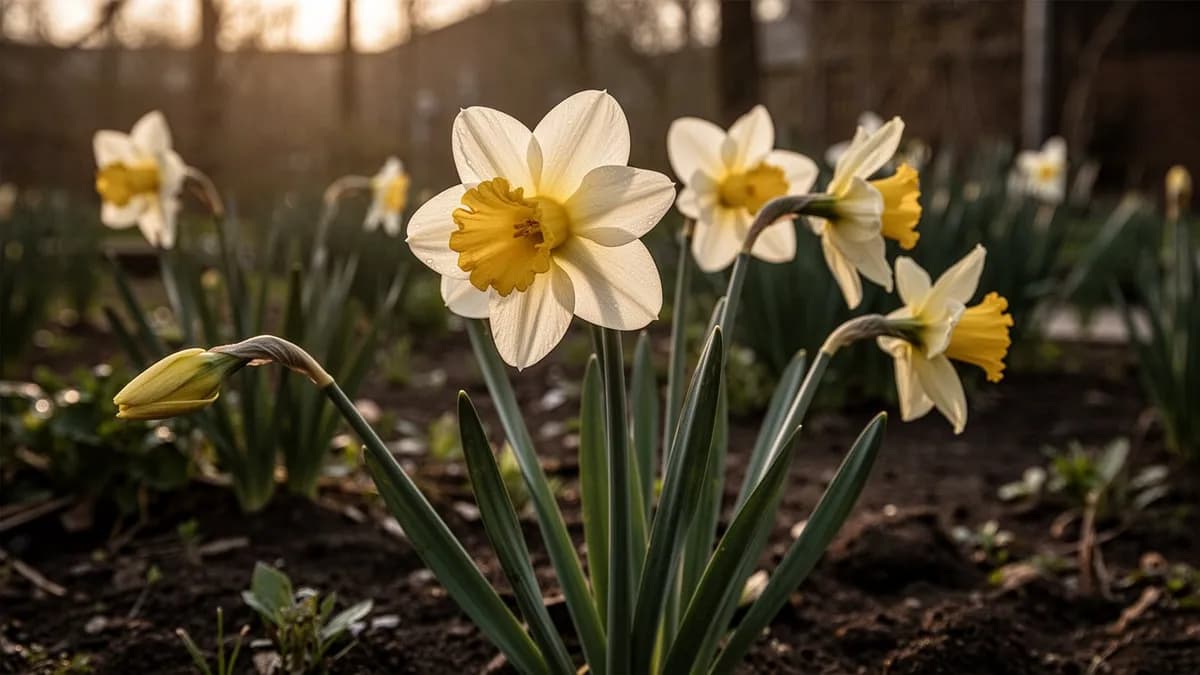
Lindens cast dense shade that limits understory options to shade-tolerant plants. Hostas, ferns, astilbe, and shade-loving groundcovers like vinca and pachysandra thrive beneath linden canopies. Spring bulbs such as daffodils and snowdrops perform well, blooming before the canopy fills in. The abundant flowers attract bees, so pair with other pollinator-friendly plantings nearby. Avoid planting under lindens if aphid honeydew drip is a concern, as it can coat lower plants with sticky residue.
Daffodil belongs beside it. Walnut Tree doesn't.
Old growers' knowledge, checked against Linden Tree's real companion table below — test any plant you're growing.
Try Linden Tree in a bed — right here
A real planner bed with Linden Tree already in it. Tap a companion to place it and watch the pairing checks answer — green for good neighbours, red for a clash.


Related growing guides

Feed it well
Lindens grow best in moist, well-drained loamy soil with a pH of 6.5 to 7.5 but adapt to moderately acidic or alkaline conditions. Amend heavy clay with compost to improve drainage and fertility. Apply a balanced slow-release fertilizer in early spring for the first five years at a rate of 2 pounds per inch of trunk diameter. Mature lindens benefit from annual topdressing with composted leaf mulch. Avoid excessive nitrogen, which promotes lush growth highly attractive to aphids and Japanese beetles.
Ideal Temperature
Hardiness Zone Compatibility
From seed to harvest, stage by stage
Dormancy and Bud Swell
The linden tree stands leafless through winter, its smooth reddish-brown buds tightly sealed against cold. As soil temperatures rise in late winter, the root system reactivates, drawing moisture upward through the trunk. Buds begin to swell visibly, with scales loosening and the first hint of green emerging at the tips. The tree's energy reserves stored in root tissue and sapwood fuel this initial awakening.
Leaf Emergence and Canopy Expansion
Buds burst in mid-spring, releasing tightly folded heart-shaped leaves that are initially pale green and slightly sticky with a fine covering of short hairs. Over three to four weeks the leaves expand to full size, typically 5-10 cm across for Tilia cordata and up to 15 cm for Tilia platyphyllos. The canopy fills rapidly, casting deep shade below. Photosynthesis drives vigorous shoot extension during this phase.
Flowering
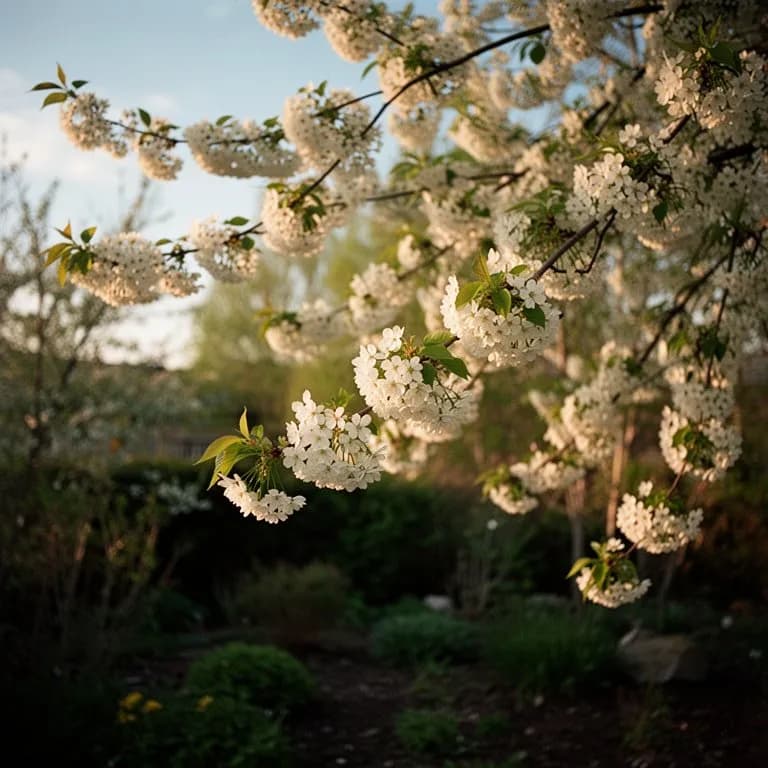
In early to midsummer, linden produces pendulous clusters of five to twelve small, fragrant, pale yellow flowers, each cluster attached to an elongated wing-shaped bract. The blossoms are extremely rich in nectar and produce a powerful, sweet, honey-like fragrance that can perfume an entire garden. A single mature linden tree may carry tens of thousands of individual flowers, creating an intense buzzing hive of pollinator activity at peak bloom. Flowering typically lasts ten to fourteen days.
Seed Development
After pollination, small round nutlets develop at the base of each flower cluster, attached to the persistent papery bract. The nutlets are hard, woody, and roughly pea-sized, ripening from green to grey-brown through summer and into early autumn. The wing-shaped bract serves as a natural helicopter blade, enabling wind dispersal of the seeds when they detach from the tree. Seeds require a long period of cold stratification before they will germinate.
Autumn Colour and Leaf Drop
As day length shortens and temperatures fall, chlorophyll breaks down in the leaves, revealing warm golden-yellow pigments beneath. Linden is one of the more reliable trees for autumn colour in temperate gardens. Leaf abscission occurs progressively over three to four weeks, typically beginning in October. The fallen leaves decompose rapidly due to their thin texture and high calcium content, improving soil structure and returning nutrients efficiently.
Winter Dormancy
The linden tree enters full dormancy, having withdrawn nutrients and carbohydrates from foliage into root and trunk storage tissues. The elegant silhouette of the bare crown reveals the symmetrical branching architecture. Reddish-brown buds are set tightly against next year's growth. Root activity slows dramatically but does not cease entirely, maintaining the tree's readiness to respond when temperatures rise in late winter.
Late winter is the ideal time for structural pruning on young linden trees. Remove any crossing branches, competing leaders, or dead wood while the branching architecture is fully visible. Apply a fresh ring of mulch around the base extending to the drip line, keeping mulch at least 15 cm away from the trunk to prevent collar rot.
Caring for Linden Tree month by month
What to do each month for your Linden Tree
October
You are hereAutumn colour develops — linden leaves turn warm golden-yellow. Allow fallen leaves to remain in place as mulch where possible, as they break down rapidly and return calcium to the soil. Plant new container-grown or bare-root linden trees while soil still retains warmth. Water newly planted trees thoroughly after planting. Remove and destroy any leaves showing signs of fungal disease rather than composting them.
Know exactly what to do in your garden — every month
One email at the start of each month: what to sow, plant, and tackle right now — for your Linden Tree and everything growing around it. Plus a short starter course that helps you dodge the classic mistakes.
- What to do, right now
- Matched to your season
- Starter course included
Harvesting Linden Tree
Harvest linden flowers in early to midsummer when the clusters are fully open and fragrant, typically in June or July. Pick entire flower clusters including the attached bract on a dry morning after the dew has evaporated. The flowers lose their medicinal and flavor qualities quickly after full bloom, so timing is critical. Select flowers that are pale yellow and freshly opened rather than those beginning to brown. Each tree produces abundant flowers for approximately two weeks.
assuming you plant when the window opens — set your real date
Pick Linden Tree promptly and the plant keeps producing.
Storage & Preservation
Dry linden flowers immediately after harvest by spreading them in a single layer on screens or hanging in small bunches in a warm, dark, well-ventilated area. Flowers should be completely dry and crumbly within five to seven days. Store dried flowers in airtight glass jars away from light and heat, where they retain their flavor and aroma for up to one year. For best quality, use within six months. Flowers can also be frozen fresh in sealed bags for later tea preparation.
What goes wrong — and the fix
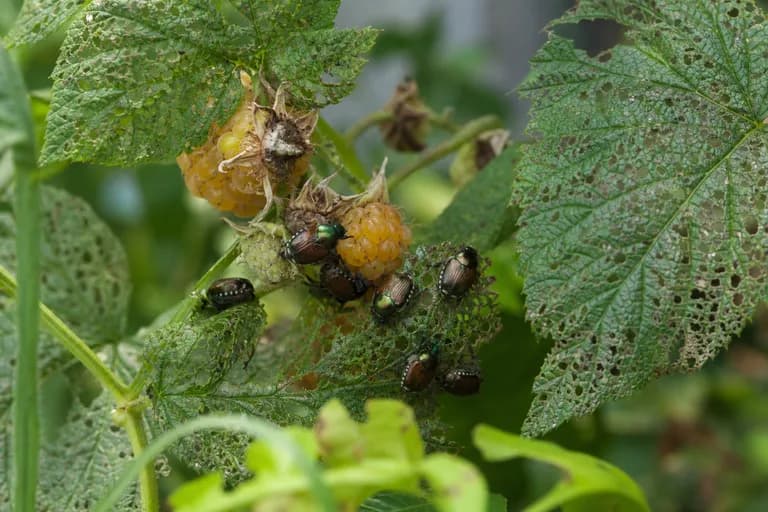
Japanese Beetle
PestAdults skeletonize leaves, eating tissue between veins and leaving a lace-like pattern. Heavy infestations can defoliate large portions of the canopy by midsummer.
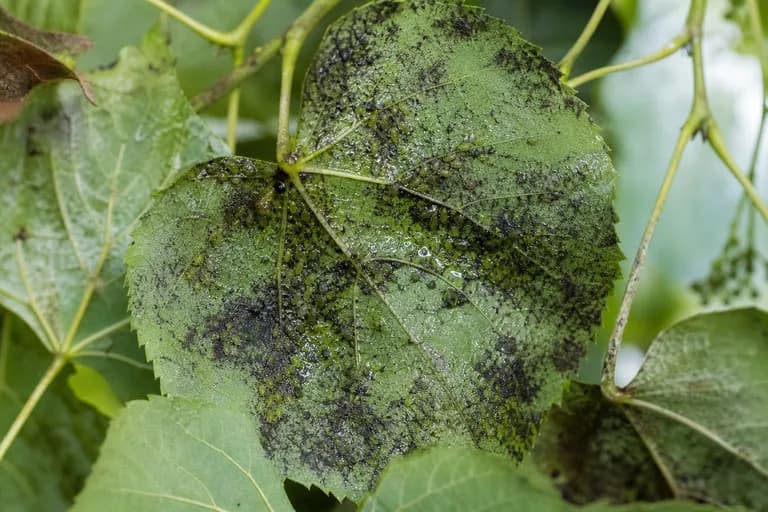
Linden Aphid
PestColonies of small green or yellow insects on leaf undersides that produce copious honeydew, leading to sticky residue on surfaces below and black sooty mold growth on leaves.
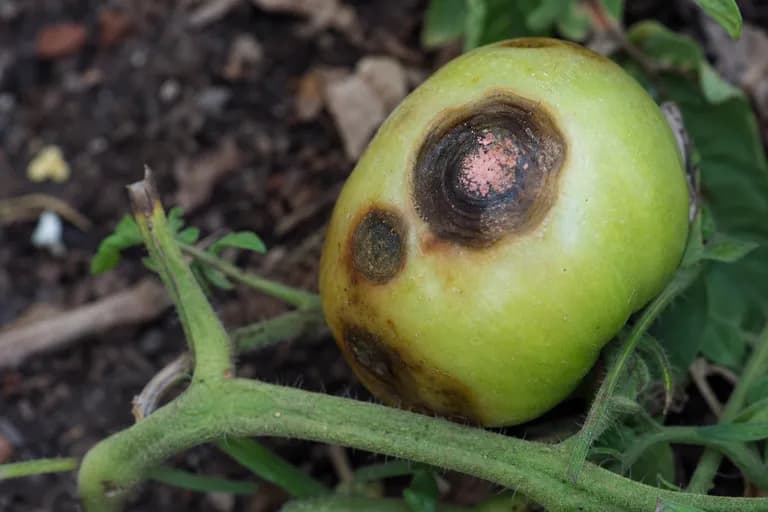
Anthracnose
DiseaseIrregular brown spots on leaves, often following leaf veins. Severe infections cause early defoliation and twig dieback, particularly in cool, wet spring weather.
Troubleshooting Common Problems
Aphid-produced honeydew is the most frequent complaint, creating a sticky mess on cars, patios, and walkways beneath the canopy. Japanese beetles can severely defoliate lindens in regions where beetle populations are high. Surface roots may develop in compacted or shallow soils, interfering with mowing. Lindens are sensitive to road salt and may show leaf scorch in heavily salted areas. Drought stress causes early leaf browning and drop, particularly in shallow or compacted soils.
Growing Tips
- Select a planting site with full sun to light partial shade and deep, moist, well-drained soil. Linden tolerates a wide range of soil types including clay, loam, and chalky soils, but performs best in deep, fertile, slightly alkaline to neutral conditions with a pH of 6.0-7.5.
- Plant linden trees with generous spacing — allow at least 10-12 metres from buildings, driveways, and other large trees. The mature canopy of Tilia cordata can spread 8-12 metres, and the root system extends well beyond the drip line. Lindens are excellent shade trees but need room to develop their natural rounded form.
- Water young linden trees deeply and consistently during their first three to five years of establishment, providing 20-30 litres per week during dry periods. Once established, linden is reasonably drought-tolerant but benefits from supplemental watering during sustained heatwaves to prevent leaf scorch and premature leaf drop.
- Prune linden trees in late winter while fully dormant, focusing on establishing a strong central leader and well-spaced scaffold branches in the first decade. Linden responds well to pruning and can be pollarded, pleached, or trained as a formal hedge — it has been used in European formal garden design for centuries due to its tolerance of heavy cutting.
- Be aware that linden trees are highly attractive to aphids, particularly the lime aphid (Eucallipterus tiliae), which feeds on leaf sap and excretes large quantities of sticky honeydew. Avoid planting directly over parked cars, outdoor seating areas, or light-coloured paving where honeydew drip would be problematic.
- Harvest linden flowers for tea at peak bloom, when approximately two-thirds of the small pale yellow flowers in each cluster are fully open. Cut entire clusters including the attached wing-shaped bract. Dry them quickly in a warm, well-ventilated area out of direct sunlight to preserve the volatile aromatic oils. Store in airtight containers away from light.
- Linden trees fix calcium in the soil through their leaf litter, which decomposes rapidly and is notably high in calcium content. This makes them excellent companion trees for orchards and woodland gardens, naturally improving soil structure and pH over time.
- Propagation from seed requires patience — linden seeds have complex dormancy requiring 18 months of warm followed by cold stratification. For faster results, propagate named cultivars by grafting onto Tilia cordata rootstock, or take softwood cuttings in early summer under mist propagation with rooting hormone.
- Consider planting linden as a deliberate resource for honeybees if you keep hives or wish to support local pollinators. Position the tree within 500 metres of hives and avoid all pesticide applications during the two-week flowering period to protect foraging bees and maximise linden honey production.
- Mulch young linden trees with a 10 cm layer of wood chips, bark mulch, or leaf mould extending from 15 cm away from the trunk to well beyond the drip line. This mimics the tree's natural forest-floor habitat, conserves moisture, moderates soil temperature, and suppresses competing grass and weeds that slow establishment.
Grow your best Linden Tree yet — and everything around it.
Start a free plan today. Lay out your beds, drop in your Linden Tree, and let PlotMyGarden handle the timing, spacing, companions and reminders from seed to harvest basket.
Pick your Linden Tree
Greenspire
The most popular littleleaf linden cultivar with a uniform pyramidal shape and strong central leader. Excellent street tree reaching 40 to 50 feet with consistent oval form.
Glenleven
A fast-growing selection with a broader, more open canopy than Greenspire. Develops a handsome spreading form at maturity and tolerates urban conditions well.
Sterling Silver
Selected for superior resistance to Japanese beetles and a dense, symmetrical canopy. Silver-backed leaves create an attractive shimmer in the wind.
Corinthian
A compact, narrow cultivar ideal for tight spaces and street plantings. Dense branching and small leaves create a refined, formal appearance with minimal maintenance.
A single mature linden tree can yield 2-5 kg of dried flowers annually, which at retail prices for high-quality organic dried linden blossoms ($40-80 per kg) represents $80-400 in dried flower value per season. Premium linden flower tea retails for $6-15 per 50g packet; a home harvest can produce the equivalent of 40-100 packets worth $240-1,500 annually. Linden honey from a nearby beehive adds further value — linden monofloral honey commands $15-30 per 500g jar at specialty markets. Over the tree's multi-century lifespan, the cumulative yield of flowers, honey, shade, and timber represents extraordinary long-term value from a single planting.
Quick recipes

Classic Linden Flower Tea (Tilleul)
10 minutesThe quintessential preparation for linden blossoms — a fragrant, golden, mildly sweet tisane that has been drunk across Europe for centuries as a calming evening drink and a traditional remedy for restlessness, mild anxiety, and the early stages of colds. The tea has a delicate honey-like sweetness and a faintly floral, slightly musky aroma. Brew gently to preserve the volatile aromatic compounds.
4 ingredientsLinden Flower Honey Syrup
30 minutes plus overnight steepingA fragrant floral syrup made by infusing dried linden blossoms into a light honey syrup. Excellent drizzled over pancakes, stirred into yoghurt, mixed into cocktails or sparkling water, or used as a base for homemade linden sorbet. The syrup captures the delicate honey-like aroma of the flowers in a versatile liquid form that keeps for several weeks refrigerated.
5 ingredients
Linden Leaf and Flower Salad
15 minutesA delicate spring salad using the tender young leaves and fresh flowers of the linden tree, dressed simply with good olive oil and lemon. The young leaves have a mild, slightly mucilaginous texture that works well combined with peppery salad greens. This unusual salad celebrates an ancient European foraging tradition and makes an elegant seasonal starter when linden is in bloom.
6 ingredientsCulinary Uses
Linden flowers make one of the most beloved herbal teas in Europe, known as tilleul in France. The dried flowers produce a mild, honey-sweet infusion with calming properties traditionally used to relieve anxiety and promote sleep. Fresh flowers can be added to salads, desserts, and infused into honey or syrup. Young linden leaves are edible and mild-flavored, suitable for salads in spring. The flowers are also excellent for producing a delicate, highly prized monofloral honey when beehives are placed near blooming lindens.
What's inside
Health Benefits
- Linden flower tea has been used as a mild sedative and anxiolytic across European herbal traditions for centuries, and modern pharmacological research has identified farnesol and other volatile compounds in the flowers that demonstrate measurable calming effects on the central nervous system in animal studies
- Traditional European herbalism prescribes linden blossom tisane as a diaphoretic — a substance that promotes perspiration — making it a standard recommendation for managing fevers during colds and influenza by supporting the body's natural thermoregulatory response
- The mucilage content in linden flowers and bracts provides a soothing demulcent effect on irritated mucous membranes of the throat and upper respiratory tract, making linden tea a gentle and effective gargle and drink during sore throats and dry coughs
- Flavonoid compounds in linden flowers, particularly tiliroside and quercetin, have demonstrated antioxidant and anti-inflammatory activity in laboratory studies, suggesting potential cardiovascular protective effects through reduction of oxidative stress and modulation of inflammatory pathways
- European clinical herbal practice traditionally uses linden flower preparations to support mild cases of elevated blood pressure, with some preliminary human studies suggesting modest hypotensive effects — though this use should be discussed with a healthcare provider
- The antispasmodic properties of linden flower tea have made it a traditional remedy for digestive discomfort, bloating, and intestinal cramping across French, German, and Eastern European folk medicine, supported by the presence of smooth-muscle-relaxing volatile compounds in the flowers
Where Linden Tree comes from
The linden tree (Tilia) is native to the temperate regions of the Northern Hemisphere, with species distributed across Europe, eastern North America, and eastern Asia. The European lindens — primarily Tilia cordata (small-leaved linden) and Tilia platyphyllos (large-leaved linden) — have been integral to human culture for millennia. Pollen records and fossil evidence place Tilia among the dominant woodland trees of post-glacial Europe, flourishing in the warm Atlantic period around 5000-3000 BCE when it formed extensive forests across what are now Britain, Scandinavia, and Central Europe. Archaeological evidence from Neolithic lake dwellings in Switzerland reveals that early Europeans harvested linden bast fibre for cordage and textile production, while carbonised linden fruits have been found at Bronze Age settlement sites across Germany and Denmark. The ancient Greeks and Romans valued the tree for its honey and its shade; Pliny the Elder described linden as producing excellent honey and noted the medicinal properties of its flowers. In medieval Europe, the linden became one of the most culturally significant trees. Germanic and Slavic peoples regarded it as sacred, associating it with Freya, the Norse goddess of love, and with truth and justice. Village courts and councils convened beneath large lindens — the so-called Gerichtslinden — and many of these historic trees still stand today in German, Austrian, and Swiss towns. The tradition of planting linden avenues along streets and promenades reached its height in the seventeenth and eighteenth centuries, when the tree became the defining ornamental species of European civic landscapes. Unter den Linden in Berlin, established in 1647, remains the most famous example. The medicinal use of linden flowers as a tisane, known as tilleul in French, has been continuously documented since at least the fourteenth century and remains deeply embedded in European herbal tradition today. French pharmacies have stocked dried tilleul for centuries, and it remains among the most widely consumed herbal teas in France, Germany, and Eastern Europe. European colonists introduced cultivated linden species to North America, where they joined the native Tilia americana (American basswood), a closely related species long used by Indigenous peoples for fibre and medicine.
Linden Tree: did you know?
Fascinating facts about Linden Tree
Linden trees are among the most important honey plants in the world — a single mature specimen can produce enough nectar in a two-week bloom period to support the production of over 15 kg of distinctively flavoured linden honey, which is prized across Central and Eastern Europe as one of the finest monofloral honeys available.
Linden Tree questions, answered
When should I plant Linden Tree?
What are good companion plants for Linden Tree?
What hardiness zones can Linden Tree grow in?
How much sun does Linden Tree need?
How far apart should I space Linden Tree?
What pests and diseases affect Linden Tree?
How do I store Linden Tree after harvest?
What are the best Linden Tree varieties to grow?
What soil does Linden Tree need?
How long does it take for a linden tree to start flowering?
Is linden flower tea safe, and are there any side effects?
Why is my linden tree dripping sticky sap onto everything beneath it?
What is the difference between Tilia cordata and Tilia platyphyllos?
Can I grow a linden tree in a small garden?
When and how should I harvest linden flowers for the best quality tea?
You just read the theory. Now grow it on autopilot.
Everything that makes Linden Tree fiddly — the timing, the spacing, the companions, the harvest window — is exactly what PlotMyGarden handles for you, for every plant in your garden.
A plan that knows your weather
Set your location once. Get sow, feed and harvest dates built around your real last-frost date and live forecast — no more guessing from a generic seed packet.
From the “When to plant” sectionDrag-and-drop bed planner
Design beds on a grid. Every plant snaps to its proper spacing, and you can see your whole season laid out before you spend a cent on seed.
From the “Growing guide” sectionCompanion conflicts, caught early
200+ good-and-bad pairings checked live as you plant — so a season-wrecking mistake never makes it into the ground.
From the “Companions” sectionReminders you'll actually act on
“Water the beans.” “Pick today before it turns.” Timely, specific, and tied to the plants you're really growing.
From the “Harvest” sectionSuccession, scheduled
Want a harvest for six weeks, not six days? It spaces your sowings automatically and reminds you when each new block is due.
From the “When to plant” sectionA record that gets smarter
Every harvest you log teaches it your garden. Next year's plan starts from what actually worked in your soil, not a textbook's.
From the “Overview” sectionPlant these alongside Linden Tree
More Shade Trees

Keep Linden Tree away from these
Grow your best Linden Tree yet — and everything around it.
Start a free plan today. Lay out your beds, drop in your Linden Tree, and let PlotMyGarden handle the timing, spacing, companions and reminders from seed to harvest basket.