Laurel / Laurel común
El verdadero laurel culinario, fuente de las hojas de laurel esenciales en la cocina mediterránea, sopas, estofados y el bouquet garni.





En esta páginaResumen
Conoce Laurel / Laurel común
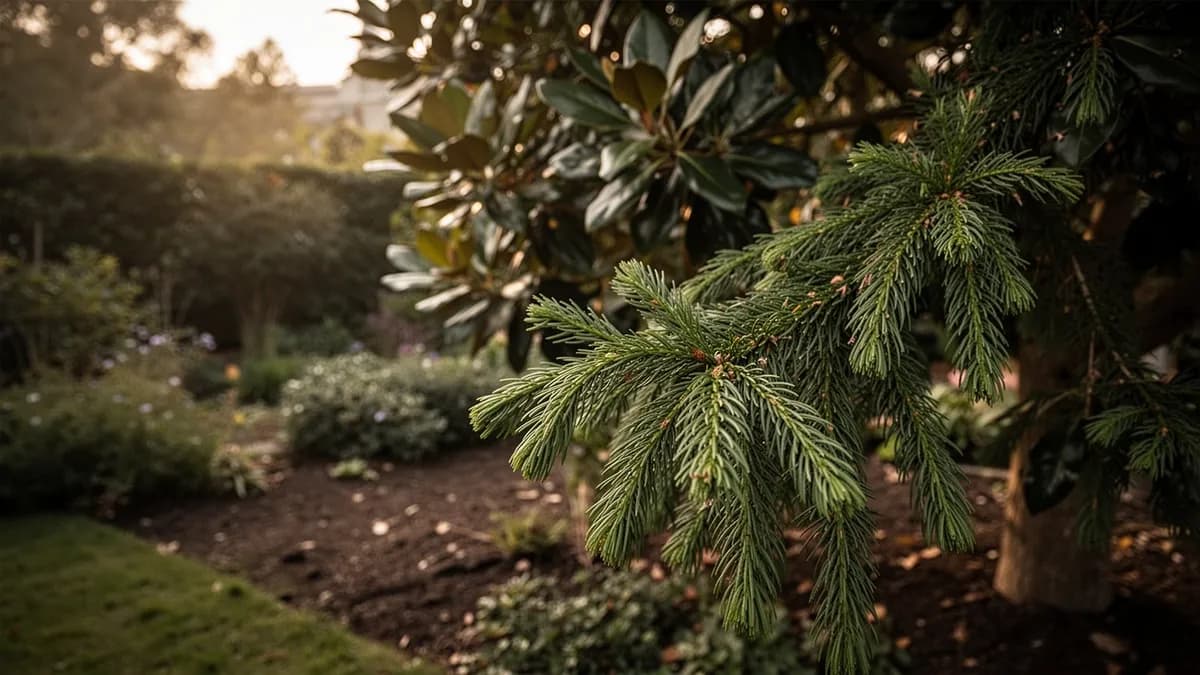
El verdadero laurel culinario, fuente de las hojas de laurel esenciales en la cocina mediterránea, sopas, estofados y el bouquet garni. El laurel crece formando un árbol perennifolio denso y aromático en climas cálidos o puede mantenerse como topiaria en contenedor en regiones más frías. Tolera bien el recorte y se moldea tradicionalmente en pirámides, ejemplares en copa y formas formales. Lleve los especímenes en contenedor al interior antes de las heladas y colóquelos en un lugar luminoso y fresco durante los meses de invierno.
Cuándo plantar Laurel / Laurel común
Las semillas de laurel están contenidas en pequeñas bayas de color negro púrpura que maduran en otoño. Retire la cubierta exterior carnosa y siembre las semillas inmediatamente, ya que pierden viabilidad rápidamente cuando se secan. Las semillas frescas requieren 6-12 meses para germinar e incluso entonces las tasas de germinación suelen ser inferiores al 30 por ciento. Siembre las semillas a 1.2 cm de profundidad en mezcla húmeda para semillas y mantenga a 18-21 grados Celsius. Cubra el recipiente sin apretar con plástico para mantener la humedad y colóquelo en luz indirecta brillante. Sea paciente, ya que la germinación es extremadamente lenta e irregular. La mayoría de los jardineros prefieren la propagación por esquejes de semidura tomados a finales del verano, aunque incluso los esquejes enraízan lentamente durante 3-6 meses.
Tu año de Laurel / Laurel común
Ajustado a Zona 7 · temporada típica · la helada se va hacia el 2 abr y vuelve hacia el 1 nov
Planta Laurel / Laurel común Mar – May y cosecha Ene – Dic. Consulta los métodos de plantación y elige tu clima para adaptar los periodos.
Cómo cultivar Laurel / Laurel común
El laurel es un perennifolio versátil que sirve tanto como árbol ornamental como elemento esencial del jardín de hierbas culinarias. En las zonas 8 a 11, crece formando un hermoso árbol de varios troncos que alcanza 7-12 metros de altura con un follaje denso y aromático. En climas más fríos, cultive el laurel en contenedores que puedan moverse al interior en invierno. Elija un sitio con pleno sol a sombra parcial y suelo bien drenado con un pH de 6.0 a 7.0.
Plante especímenes cultivados en contenedor en primavera después de la última helada. El laurel se trasplanta fácilmente y se establece rápidamente con un riego regular durante el primer año. En el suelo, espacie los árboles a 3-4.5 metros para un seto o pantalla. Para el cultivo en contenedor, use una mezcla de plantación bien drenante en una maceta de al menos 45 cm de diámetro con agujeros de drenaje adecuados.
El laurel crece moderadamente a 30-45 cm por año y responde excelentemente a la poda y el moldeado. Recorte en topiaria o setos formales en primavera y verano. Coseche hojas durante todo el año para cocinar. Los especímenes en contenedor deben invernar en un lugar luminoso y fresco a 7-13 grados Celsius, regando con moderación pero sin dejar nunca que el suelo se seque completamente. Mueva gradualmente al exterior en primavera después de la última helada.
Para Laurel / Laurel común un bancal de 120 × 240 cm se queda corto
Cada Laurel / Laurel común pide 500 cm de margen. El planificador guarda ese marco por ti — cada planta, cada bancal.
Los mejores vecinos de Laurel / Laurel común
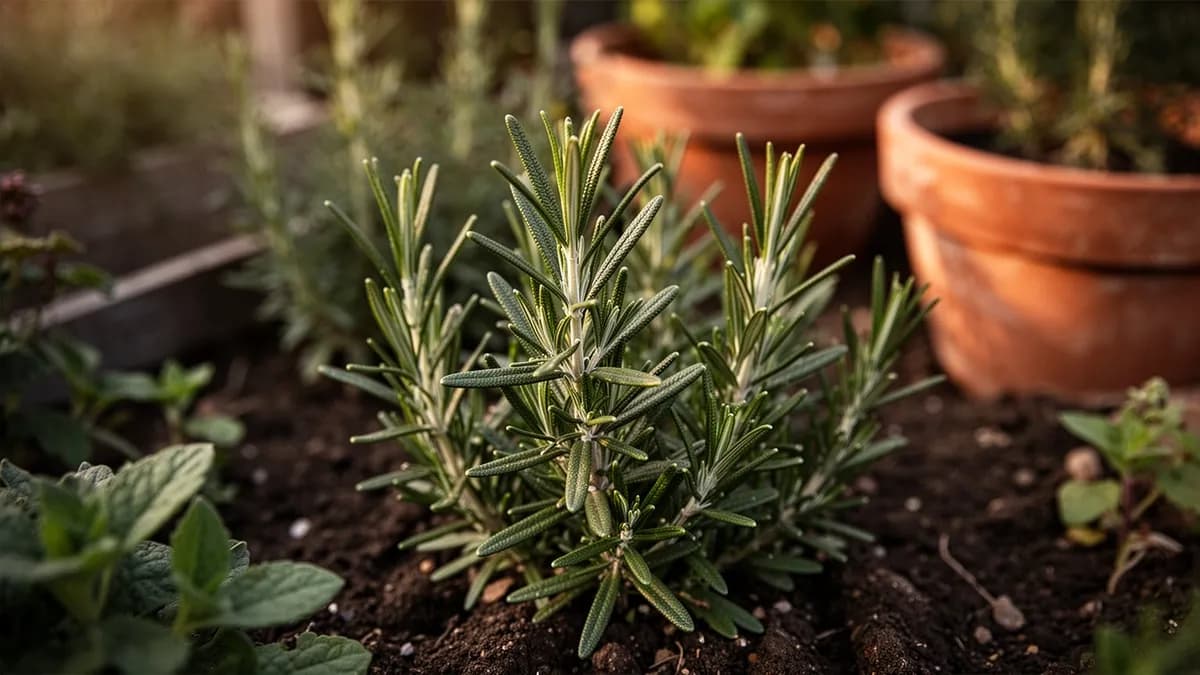
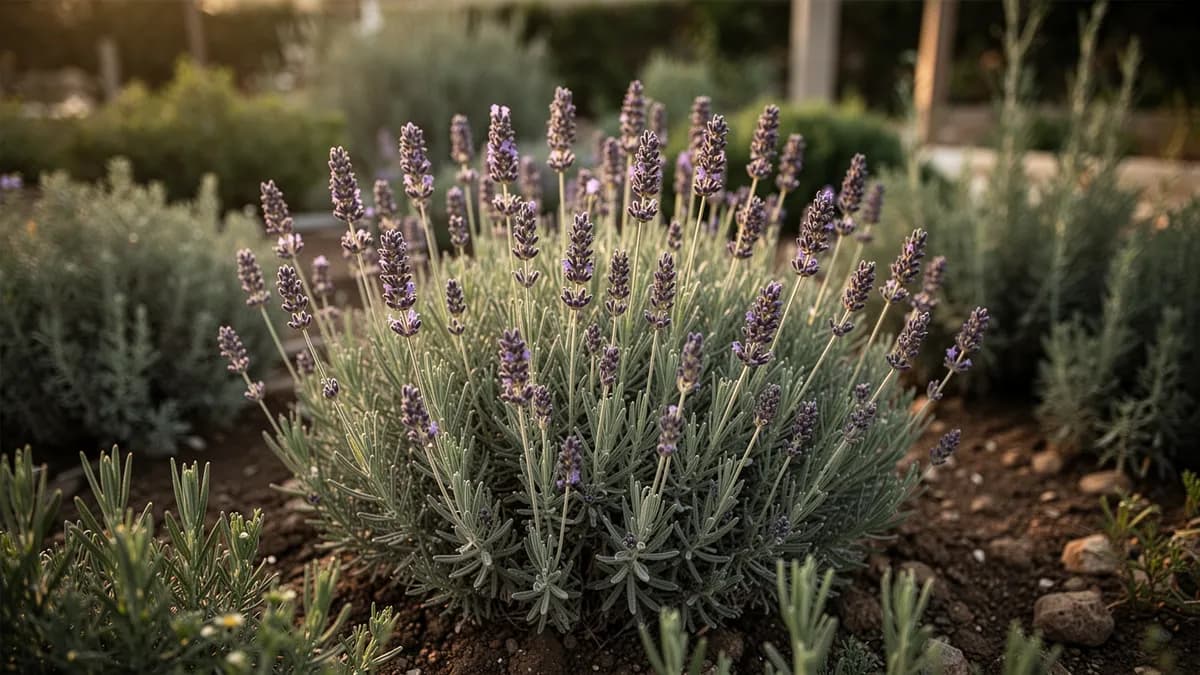
El laurel combina naturalmente con otras hierbas mediterráneas incluyendo el romero, la lavanda, el tomillo y la salvia, que comparten su preferencia por el suelo bien drenado y el pleno sol. En el suelo, el laurel hace un excelente cortavientos o telón de fondo para un jardín de hierbas. El denso dosel proporciona sombra moteada para las hierbas del sotobosque como el perejil y el perifollo que prefieren condiciones más frescas. El laurel también es un compañero tradicional en los jardines de cocina, donde su aromático follaje puede ayudar a repeler ciertas plagas de las plantaciones de verduras cercanas.
Romero va a su lado.
Saber de huerto de siempre, cotejado con la tabla real de Laurel / Laurel común — prueba cualquier planta que cultives.
Prueba Laurel / Laurel común en un bancal, aquí mismo
Un bancal real del planificador con Laurel / Laurel común ya plantado. Toca una planta compañera para colocarla y mira cómo responde la comprobación de vecinos: verde para buenos vecinos, rojo si hay conflicto.


Guías de cultivo relacionadas
Abónalo bien
El laurel prospera en suelo bien drenado con un pH de 6.0 a 7.0 y tolera una variedad de tipos de suelo desde arenoso hasta arcilloso si el drenaje es adecuado. Para el cultivo en contenedor, use una mezcla de plantación de alta calidad enmendada con perlita o arena gruesa para un drenaje extra. Alimente los árboles en el suelo con un fertilizante orgánico equilibrado a principios de primavera y a mediados del verano. Las plantas en contenedor se benefician de la alimentación mensual con un fertilizante líquido durante la temporada de crecimiento, retirando el fertilizante de octubre a febrero cuando el crecimiento se ralentiza. Evite las condiciones encharcadas, que causan podredumbre de raíz rápidamente.
Temperatura ideal
Compatibilidad de zonas de rusticidad
De la semilla a la cosecha, etapa por etapa
Germinación de semillas
Las semillas de laurel son notoriamente lentas para germinar. Las semillas frescas requieren condiciones cálidas y húmedas y temperaturas constantes de entre 20-25°C. La germinación es irregular y puede tardar entre uno y seis meses, por lo que la paciencia es esencial durante esta etapa.
Desarrollo de plántula
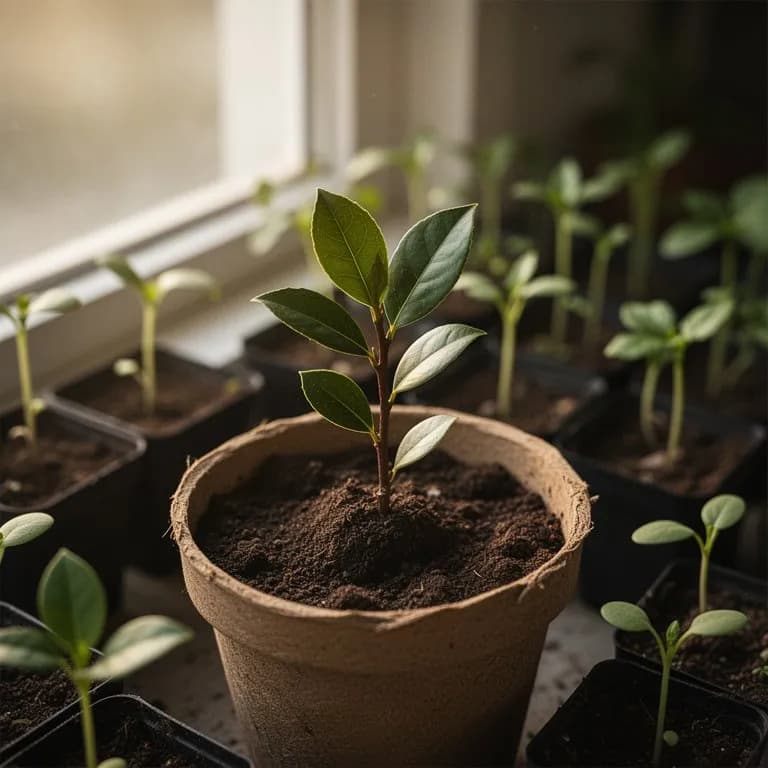
Una vez germinadas, las plántulas de laurel crecen lentamente, produciendo sus primeros pares de hojas verdaderas. Las plantas jóvenes son delicadas y necesitan protección del sol directo, el viento y las fluctuaciones de temperatura durante esta fase vulnerable.
Crecimiento juvenil
El laurel joven comienza a desarrollar un tallo leñoso y produce un crecimiento de hojas más vigoroso. Durante esta fase la planta establece su sistema radicular y puede trasplantarse a su posición permanente en el jardín o a un contenedor más grande.
Árbol establecido
El laurel es ahora un pequeño árbol establecido o arbusto grande, que alcanza típicamente 1.5-3 metros de altura. Produce follaje aromático abundante adecuado para la cosecha regular y puede comenzar a mostrar las primeras señales de botones florales en climas más cálidos.
Ejemplar maduro
Un laurel totalmente maduro puede alcanzar 7-12 metros si se deja sin podar en condiciones favorables. El árbol produce pequeñas flores verde amarillento en primavera seguidas de bayas de color púrpura oscuro en los árboles femeninos. Las hojas están en su momento más aromático y sabroso durante esta etapa.
Árbol legado
El laurel es un árbol de larga vida que puede sobrevivir durante décadas o incluso siglos con el cuidado adecuado. Los especímenes legado desarrollan troncos gruesos y doseles densos, convirtiéndose en puntos focales ornamentales en el jardín mientras siguen proporcionando una generosa cosecha de hojas culinarias.
Remoje las semillas en agua tibia durante 24 horas antes de sembrar. Mantenga el medio de crecimiento consistentemente húmedo pero no encharcado, y mantenga el calor usando una alfombrilla de calor si es necesario.
Cuidar Laurel / Laurel común mes a mes
Qué hacer cada mes para tu Laurel / Laurel común
Octubre
Mes actualMueva el laurel cultivado en contenedor a un lugar protegido como un invernadero sin calefacción o contra una pared orientada al sur. Reduzca el riego gradualmente a medida que el crecimiento se ralentiza. Coseche un último lote de hojas para secar antes de la dormancia invernal.
Ten claro qué hacer en tu huerto, cada mes
Un correo al empezar cada mes: qué sembrar, plantar y hacer ahora mismo — para tu Laurel / Laurel común y todo lo que crece alrededor. Más un breve curso inicial para esquivar los errores clásicos.
- Qué hacer ahora mismo
- Ajustado a tu temporada
- Curso inicial incluido
Cosechar Laurel / Laurel común
Las hojas de laurel pueden cosecharse durante todo el año de las plantas establecidas. Seleccione hojas maduras de color verde oscuro del crecimiento del año actual o anterior para obtener el sabor más fuerte. Coseche hojas individuales a mano o corte pequeñas ramas. Las hojas de laurel frescas tienen un sabor más sutil que las secas; use aproximadamente el doble de hojas frescas que de secas en las recetas. El mejor momento para grandes cosechas es a mediados del verano cuando la concentración de aceites esenciales alcanza su punto máximo. Evite cosechar más de un tercio del follaje a la vez para mantener el vigor de la planta.
se supone que plantas al comenzar el periodo — indica tu fecha real
Cosecha Laurel / Laurel común a tiempo y la planta sigue produciendo.
Almacenamiento y conservación
Las hojas de laurel frescas se conservan bien en bolsas de plástico selladas en el refrigerador durante 1-2 semanas. Para secarlas, extiéndalas en una sola capa sobre rejillas en un área cálida, seca y bien ventilada fuera de la luz solar directa. Las hojas se secan en 10-14 días y deben almacenarse en frascos de vidrio herméticos en un lugar fresco y oscuro. Las hojas de laurel secas retienen un buen sabor durante 1-2 años pero pierden potencia gradualmente. Alternativamente, congele las hojas frescas en una sola capa en una bandeja para hornear, luego transfiera a bolsas para congelador donde se conservan durante 6 meses o más con una mejor retención del sabor que el secado.
Qué falla — y cómo solucionarlo
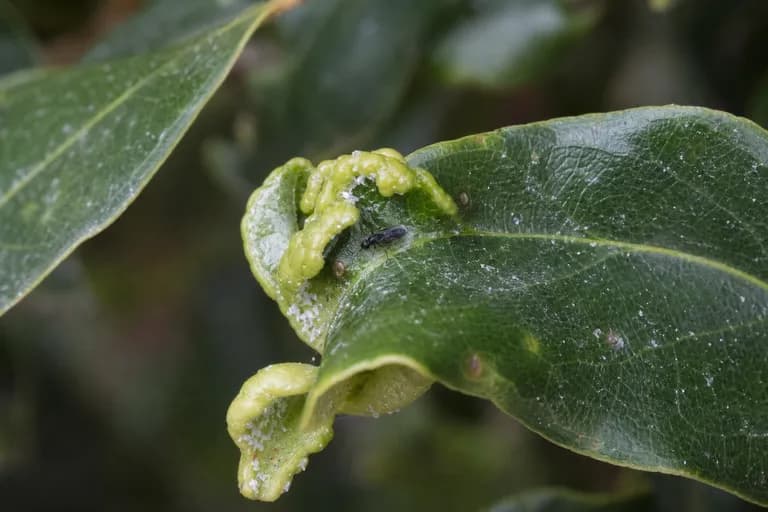
Psila del laurel (Trioza alacris)
PlagaLos márgenes de las hojas se rizan, se engrosan y se vuelven amarillos a verde pálido, formando estructuras parecidas a las agallas. Las ninfas se alimentan dentro del tejido enrollado, produciendo secreciones cerosas blancas y melaza pegajosa.
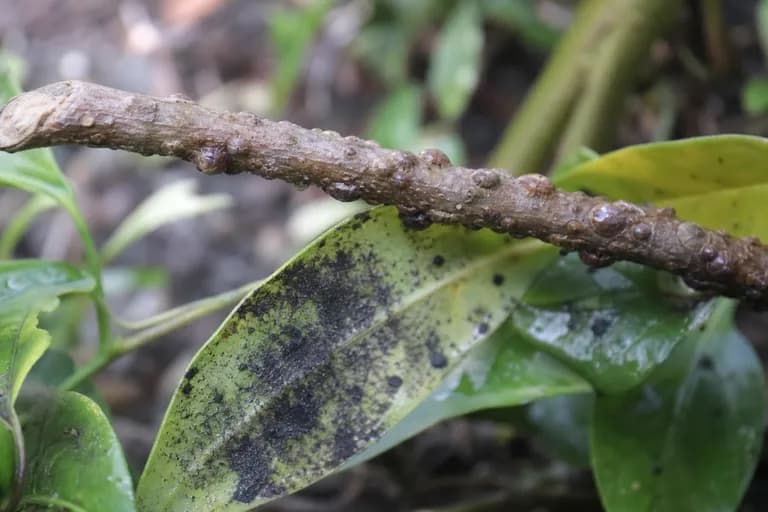
Cochinillas
PlagaProtuberancias ovaladas marrones o tostadas en tallos y la parte inferior de las hojas. Las hojas se amarillean, se marchitan y caen. La secreción de melaza conduce a la fumagina negra en el follaje.
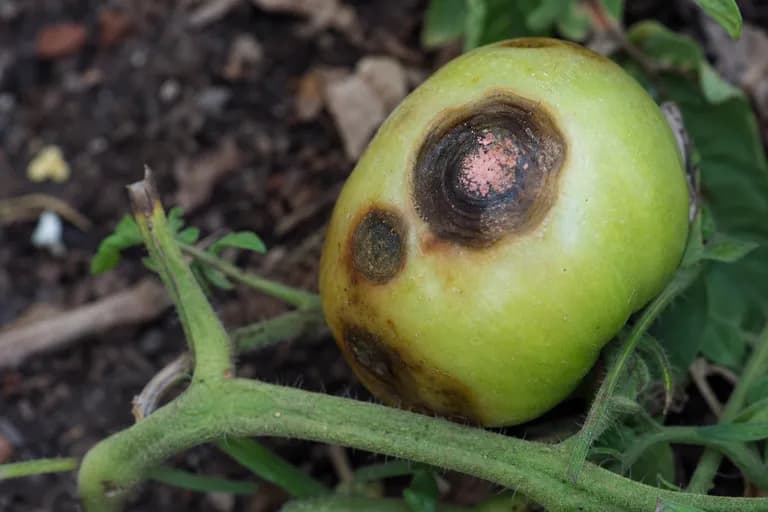
Antracnosis
EnfermedadManchas irregulares marrón oscuras a negras en las hojas, a menudo después del tiempo húmedo y frío. Las manchas pueden fusionarse y causar un importante oscurecimiento y caída de hojas en casos graves.
Solución de problemas comunes
El exceso de riego es la causa más común del declive del laurel, particularmente en contenedores, lo que lleva a la podredumbre de raíz, el amarillamiento de las hojas y la eventual muerte. Por el contrario, permitir que las plantas en contenedor se sequen completamente causa caída de hojas de la que pueden necesitar meses para recuperarse. Las hojas amarillas generalmente indican exceso de riego, falta de riego o deficiencia de nutrientes. La distorsión por la psila del laurel es cosméticamnete poco atractiva pero rara vez amenaza la salud de la planta. Los especímenes de interior a menudo sufren de aire seco, poca luz e infestaciones de ácaros araña durante el invierno. Los cambios repentinos de temperatura al mover las plantas al interior o al exterior causan caída de hojas.
Consejos de cultivo
- Elija una posición protegida orientada al sur o al oeste que reciba al menos seis horas de luz solar diaria. El laurel tolera la sombra parcial pero produce las hojas más aromáticas a pleno sol con buena circulación del aire.
- Plante en suelo bien drenante con un pH ligeramente ácido a neutro entre 6.0 y 7.0. Los suelos de arcilla pesada deben enmendarse con arena gruesa y materia orgánica para evitar el encharcamiento, que el laurel no puede tolerar.
- Riegue profundamente pero con poca frecuencia, permitiendo que los centímetros superiores del suelo se sequen entre riegos. El exceso de riego es la causa más común del declive del laurel, lo que lleva a la podredumbre de raíz y al amarillamiento de las hojas.
- Alimente el laurel cultivado en contenedor con un fertilizante líquido equilibrado cada dos o tres semanas durante la temporada de crecimiento de abril a septiembre. Los árboles plantados en el jardín se benefician de una sola aplicación de fertilizante de liberación lenta a principios de primavera.
- Pode anualmente a finales de primavera o principios del verano después de que haya pasado el riesgo de heladas. Retire las ramas cruzadas, aclarree el crecimiento interior denso y dé forma al árbol como desee. El laurel responde bien a la poda intensa si se necesita rejuvenecimiento.
- Propague a partir de esquejes semileñosos tomados a finales del verano. Seleccione brotes sanos sin florecer de unos 10-15 centímetros de largo, sumerja en hormona de enraizamiento y coloque en una mezcla de compost arenoso bajo un propagador o bolsa de plástico transparente.
- Esté atento a la psila del laurel (Trioza alacris), que causa distintivos márgenes de hojas engrosados y rizados. Retire y destruya las hojas afectadas con prontitud y trate con un insecticida sistémico o spray de aceite de neem si las infestaciones son graves.
- En regiones donde las temperaturas invernales caen regularmente por debajo de -5°C, cultive el laurel en un contenedor que pueda moverse a un invernadero sin calefacción, una conservatoria o una habitación fresca y luminosa durante los meses más fríos.
- Al cosechar hojas, recoja hojas maduras individuales de diferentes partes del árbol en lugar de despojar ramas enteras. Este enfoque fomenta el continuo crecimiento compacto y evita estresar la planta innecesariamente.
- Seque las hojas de laurel cosechadas extendiéndolas en una sola capa en una rejilla de alambre en un área cálida y bien ventilada alejada de la luz solar directa. Las hojas generalmente tardan una o dos semanas en secarse completamente y deben almacenarse en recipientes herméticos alejados de la luz y el calor.
Cultiva tu mejor Laurel / Laurel común — y todo lo que la rodea.
Empieza un plan gratis hoy. Diseña tus bancales, coloca tu Laurel / Laurel común y deja que PlotMyGarden gestione el momento, el espaciado, las asociaciones y los recordatorios de la semilla a la cesta.
Elige tu Laurel / Laurel común
Saratoga
Un cultivar compacto con hojas más anchas y un hábito naturalmente denso y redondeado. Excelente para el cultivo en contenedor y jardines pequeños. El sabor aromático rico lo convierte en un favorito para el uso culinario.
Angustifolia (Laurel hoja de sauce)
Las hojas estrechas y alargadas dan una apariencia más refinada y textural. Ligeramente más resistente al frío que la especie. A menudo se usa en plantaciones ornamentales y jardines de estilo mediterráneo.
Aurea
El nuevo crecimiento amarillo dorado madura hasta el verde, creando un llamativo efecto de dos tonos en primavera y verano. Los mismos usos culinarios que la especie. Crece algo más pequeño y lento.
Undulata
Las hojas de bordes ondulados añaden interés visual al tiempo que conservan todo su valor culinario. Un vigoroso crecedor que responde bien al moldeado en topiaria. Hace una atractiva planta ornamental en contenedor.
Un solo árbol de laurel puede proporcionar a un hogar un suministro de hojas de laurel frescas y secas para toda la vida. Dado que un pequeño frasco de hojas de laurel secas cuesta entre 2 y 5 euros en el supermercado y un hogar típico usa varios frascos por año, un árbol de laurel cultivado en casa puede ahorrar 10-20 euros anuales en compras de hierbas. A lo largo de una vida útil de 20 años, eso se traduce en ahorros de 200-400 euros desde una inversión inicial de tan sólo 8-20 euros para una planta joven. El laurel cultivado en contenedor también sirve como ornamental atractivo, añadiendo valor estético a terrazas y entradas.
Recetas rápidas

Caldo de pollo clásico infusionado con laurel
15 minutos activos, 2 horas a fuego lentoUn caldo de pollo casero profundamente aromático que muestra las sutiles notas florales y ligeramente picantes de las hojas de laurel fresco. Este versátil caldo sirve como base para sopas, risottos y salsas durante toda la semana.
8 ingredientesPatatas asadas con laurel y ajo
10 minutos de preparación, 45 minutos de asadoPatatas doradas y crujientes infusionadas con el cálido aroma herbal de las hojas de laurel y el ajo asado. Las hojas de laurel se colocan entre las patatas durante el asado, liberando sus aceites esenciales y creando una fragancia irresistible.
6 ingredientesPudín de leche con laurel y miel
10 minutos de preparación, 30 minutos de cocción más enfriamientoUn delicado postre cremoso donde la leche entera se calienta suavemente con hojas de laurel para extraer su sutil esencia floral. La leche infusionada se cuaja entonces formando un suave pudín y se rocía con miel local para un acabado simple pero elegante.
8 ingredientesUsos culinarios
Las hojas de laurel son fundamentales en las cocinas mediterránea, francesa y muchas otras del mundo. Son esenciales en el bouquet garni, utilizadas para aromatizar sopas, estofados, caldos, brasados y salsas. Añada las hojas enteras al principio de la cocción y retírelas antes de servir, ya que permanecen duras y desagradables para comer. El laurel combina excelentemente con frijoles, lentejas, arroces y salsas de tomate. Las hojas frescas ofrecen un sabor más complejo y ligeramente floral en comparación con la versión seca más concentrada. Las hojas de laurel también añaden una sutil profundidad a las natillas, los líquidos de pochado para frutas e incluso algunos panes.
Qué contiene
Beneficios para la salud
- Las hojas de laurel contienen compuestos como la partenolida y el eugenol que han demostrado reducir la inflamación y pueden ayudar a aliviar los síntomas del dolor articular y la artritis cuando se usan en cataplasmas o infusiones.
- Los aceites esenciales de las hojas de laurel poseen documentadas propiedades antibacterianas y antifúngicas, lo que convierte al té de laurel en un remedio tradicional para apoyar la salud respiratoria durante la temporada de resfriados y gripe.
- Los estudios sugieren que los extractos de hojas de laurel pueden ayudar a regular los niveles de azúcar en la sangre mejorando la función de los receptores de insulina, lo que podría beneficiar a las personas que controlan la diabetes tipo 2 como parte de una dieta equilibrada.
- Las hojas de laurel son ricas en antioxidantes incluyendo vitamina C, vitamina A y varios compuestos polifenólicos que ayudan a proteger las células del estrés oxidativo y apoyan la función general del sistema inmunológico.
- Los compuestos aromáticos del laurel, particularmente el linalool, se han asociado con efectos calmantes sobre el sistema nervioso, y el té de laurel ha sido utilizado tradicionalmente para aliviar la ansiedad y promover un sueño reparador.
- Las hojas de laurel contienen cantidades significativas de hierro y otros minerales que apoyan la producción saludable de glóbulos rojos, convirtiéndolas en un suplemento dietético útil para las personas en riesgo de anemia por deficiencia de hierro.
De dónde viene Laurel / Laurel común
El laurel (Laurus nobilis) es originario de la región mediterránea, donde ha sido cultivado durante miles de años en el sur de Europa, el norte de África y el oeste de Asia. La evidencia arqueológica sugiere que el laurel se encontraba entre las primeras plantas utilizadas por los humanos tanto con fines culinarios como ceremoniales, con restos encontrados en asentamientos antiguos que datan del período Neolítico. Los antiguos griegos tenían al laurel en extraordinaria reverencia, dedicándolo a Apolo, el dios de la luz, la música y la profecía. Los templos dedicados a Apolo estaban adornados con ramas de laurel, y los vencedores en los Juegos Píticos recibían coronas tejidas con sus fragantes hojas. Esta tradición se trasladó a la cultura romana, donde las coronas de laurel se convirtieron en símbolos de triunfo y autoridad imperial. Los generales romanos llevaban coronas de laurel durante las procesiones de victoria, y la palabra 'laureado' deriva directamente del nombre latino de la planta. A lo largo del período medieval, el laurel se extendió por toda Europa a través de los jardines de los monasterios, donde los monjes lo cultivaban tanto por sus propiedades medicinales como por ser una hierba culinaria esencial. Se convirtió en un ingrediente fundamental en la cocina francesa, italiana y española, formando parte del clásico bouquet garni junto con el tomillo y el perejil. Durante la Edad de la Exploración, los colonos europeos introdujeron el laurel en América, donde se adaptó bien a los climas costeros de California y el sureste de los Estados Unidos. Hoy en día, Laurus nobilis sigue siendo una de las hierbas culinarias más ampliamente cultivadas del mundo, valorada por igual por sus aromáticas hojas, su atractivo follaje perennifolio y su profunda importancia cultural que abarca más de tres milenios de civilización humana.
Laurel / Laurel común: ¿sabías que?
Datos fascinantes sobre Laurel / Laurel común
En la antigua Grecia y Roma, las coronas de laurel se otorgaban a los vencedores en competiciones atléticas, campañas militares y concursos de poesía, dando origen a los términos 'laureado' y 'bachillerato' que todavía usamos hoy en día.
Laurel / Laurel común: preguntas frecuentes
¿Cuándo debo plantar Laurel / Laurel común?
¿Cuáles son buenas plantas acompañantes para Laurel / Laurel común?
¿En qué zonas de rusticidad puede crecer Laurel / Laurel común?
¿Cuánto sol necesita Laurel / Laurel común?
¿A qué distancia debo espaciar Laurel / Laurel común?
¿Qué plagas y enfermedades afectan a Laurel / Laurel común?
¿Cómo almaceno Laurel / Laurel común después de la cosecha?
¿Cuáles son las mejores variedades de Laurel / Laurel común para cultivar?
¿Qué suelo necesita Laurel / Laurel común?
¿Puedo cultivar laurel en interior como planta de casa?
¿Cuál es la diferencia entre las hojas de laurel frescas y secas en la cocina?
¿Cómo protejo mi árbol de laurel del daño por heladas?
¿Por qué las hojas de mi laurel se están volviendo amarillas?
¿Cuánto tiempo tarda un árbol de laurel en alcanzar un tamaño cosechable?
¿Es el laurel lo mismo que el laurel cerezo u otras especies de laurel?
Acabas de leer la teoría. Ahora cultívala en piloto automático.
Todo lo que hace que Laurel / Laurel común sea delicado — el momento, el espaciado, las asociaciones, la ventana de cosecha — es justo lo que PlotMyGarden resuelve por ti, para cada planta de tu huerto.
Un plan que conoce tu clima
Indica tu ubicación una vez. Recibe fechas de siembra, abonado y cosecha basadas en tu última helada real y el pronóstico en vivo — sin adivinar con un sobre genérico.
De la sección “Cuándo plantar”Planificador de bancales de arrastrar y soltar
Diseña bancales sobre una cuadrícula. Cada planta encaja con su espaciado correcto y ves toda la temporada antes de gastar un céntimo en semillas.
De la sección “Cultivo”Conflictos de asociación, detectados a tiempo
Más de 200 buenas y malas combinaciones comprobadas en vivo mientras plantas — para que un error que arruine la temporada nunca llegue a la tierra.
De la sección “Asociaciones”Recordatorios que sí vas a seguir
“Riega las judías.” “Recoge hoy antes de que se pase.” Oportunos, concretos y ligados a las plantas que de verdad cultivas.
De la sección “Cosecha”Escalonado, programado
¿Quieres cosechar seis semanas en vez de seis días? Reparte tus siembras automáticamente y te avisa cuando toca el siguiente lote.
De la sección “Cuándo plantar”Un registro que se vuelve más listo
Cada cosecha que registras le enseña tu huerto. El plan del año que viene parte de lo que de verdad funcionó en tu suelo, no en un manual.
De la sección “Resumen”Planta estos junto a Laurel / Laurel común
Más Perennifolios
Cultiva tu mejor Laurel / Laurel común — y todo lo que la rodea.
Empieza un plan gratis hoy. Diseña tus bancales, coloca tu Laurel / Laurel común y deja que PlotMyGarden gestione el momento, el espaciado, las asociaciones y los recordatorios de la semilla a la cesta.