Kiwi ártico
La especie de kiwi más resistente al frío, capaz de sobrevivir a menos 40 grados y producir frutos pequeños y dulces, del tamaño de uvas grandes.





En esta páginaResumen
Conoce Kiwi ártico
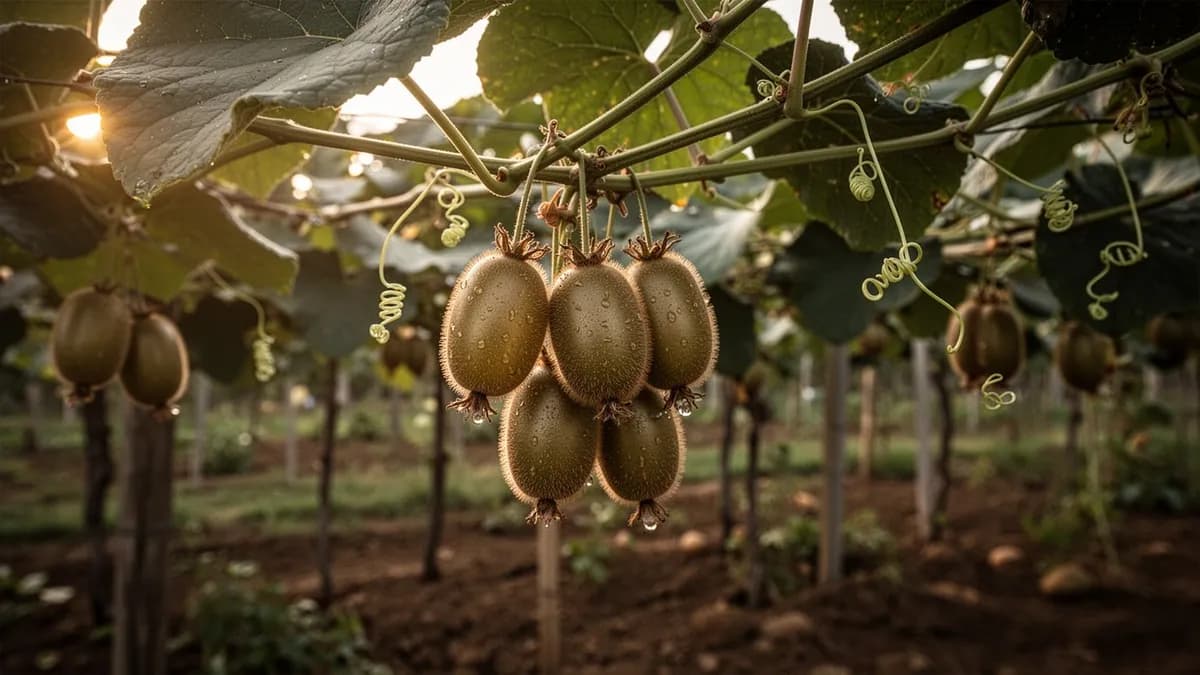
La especie de kiwi más resistente al frío, capaz de sobrevivir a menos 40 grados y producir frutos pequeños y dulces, del tamaño de uvas grandes. Su follaje ornamental destaca por una llamativa variegación rosa y blanca en las plantas macho, que aporta un gran valor decorativo al jardín. El kiwi ártico es menos vigoroso que otras especies, lo que facilita su manejo en estructuras pequeñas.
Cuándo plantar Kiwi ártico
El kiwi ártico puede cultivarse desde semilla con estratificación en frío durante 60 a 90 días a 4 grados, en arena húmeda. Siembre en mezcla estéril bajo luces a 21 grados. Las plántulas crecen lentamente y su sexo no puede determinarse hasta la floración, entre tres y cinco años después. Para resultados fiables, compre variedades nombradas propagadas por esquejes de madera blanda tomados en junio y enraizados bajo nebulización.
Tu año de Kiwi ártico
Ajustado a Zona 7 · temporada típica · la helada se va hacia el 2 abr y vuelve hacia el 1 nov
Planta Kiwi ártico Mar – Abr y cosecha Ago – Sep. Consulta los métodos de plantación y elige tu clima para adaptar los periodos.
Cómo cultivar Kiwi ártico
El kiwi ártico tolera temperaturas de hasta menos 40 grados, lo que lo convierte en el kiwi más resistente. Plántelo en semisombra o pleno sol, en un suelo bien drenado y rico en humus, con pH de 5.0 a 6.5. A diferencia de otras especies de kiwi, el kiwi ártico rinde mejor con algo de sombra por la tarde, lo que protege su follaje ornamental. Separe las plantas entre 2.4 y 3 metros.
Para obtener fruta se necesitan plantas macho y hembra. Las plantas macho presentan hojas variegadas de rosa y blanco muy llamativas. Guíe las vides sobre un emparrado moderado, una valla o un cenador. El kiwi ártico es menos vigoroso que Actinidia arguta, por lo que resulta adecuado para jardines y estructuras más pequeños.
Pode durante el reposo, recortando las laterales fructíferas hasta dejar unas pocas yemas más allá del punto donde se formó el fruto. Riegue con regularidad, pero asegúrese de que el drenaje sea bueno, ya que las raíces son susceptibles a la pudrición. Aplique en primavera un fertilizante ligero y equilibrado. Espere los primeros frutos entre tres y cuatro años después de la plantación.
Para Kiwi ártico un bancal de 120 × 240 cm se queda corto
Cada Kiwi ártico pide 240 cm de margen. El planificador guarda ese marco por ti — cada planta, cada bancal.
Los mejores vecinos de Kiwi ártico
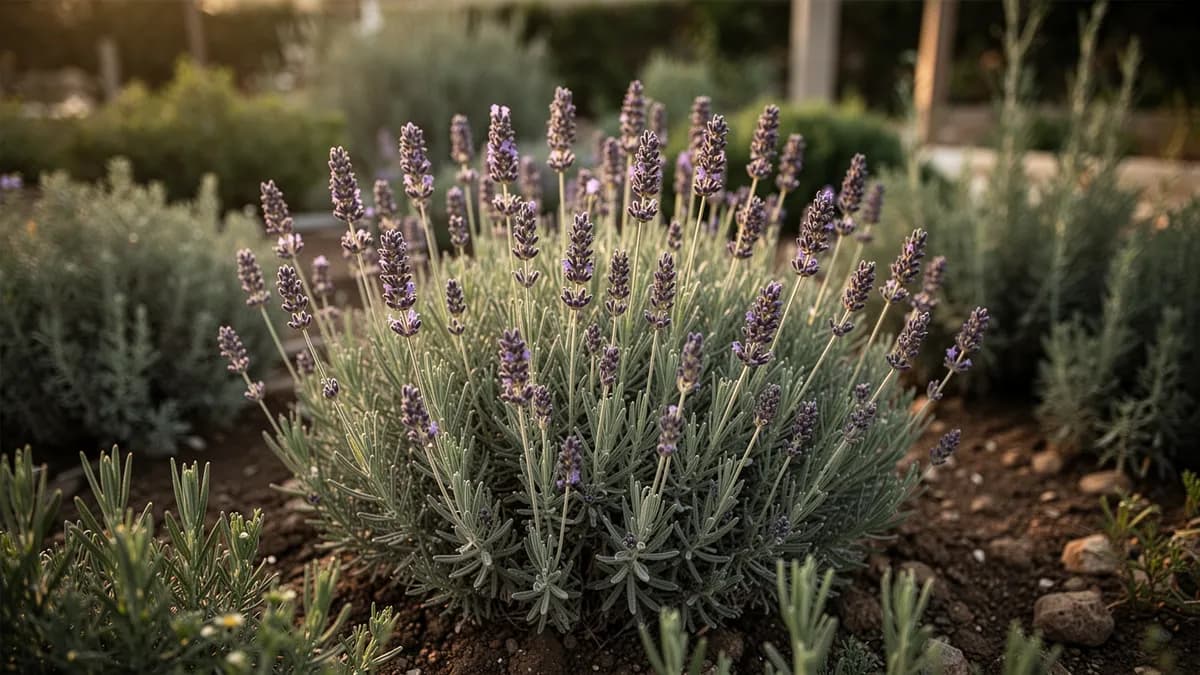
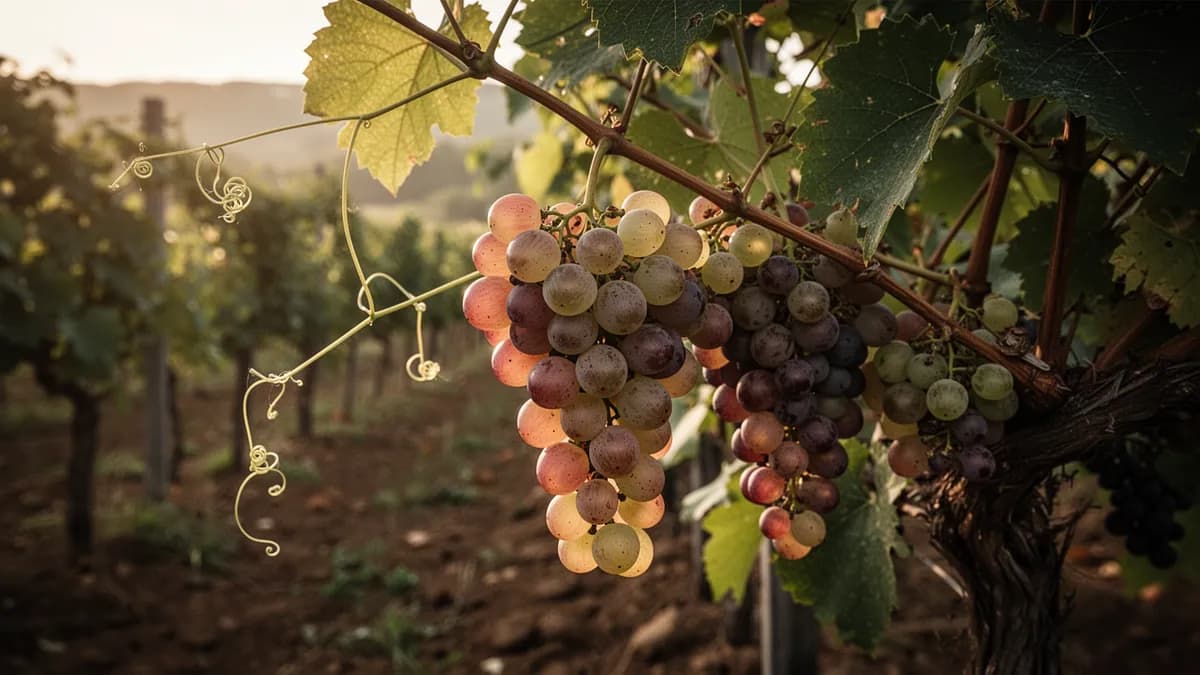
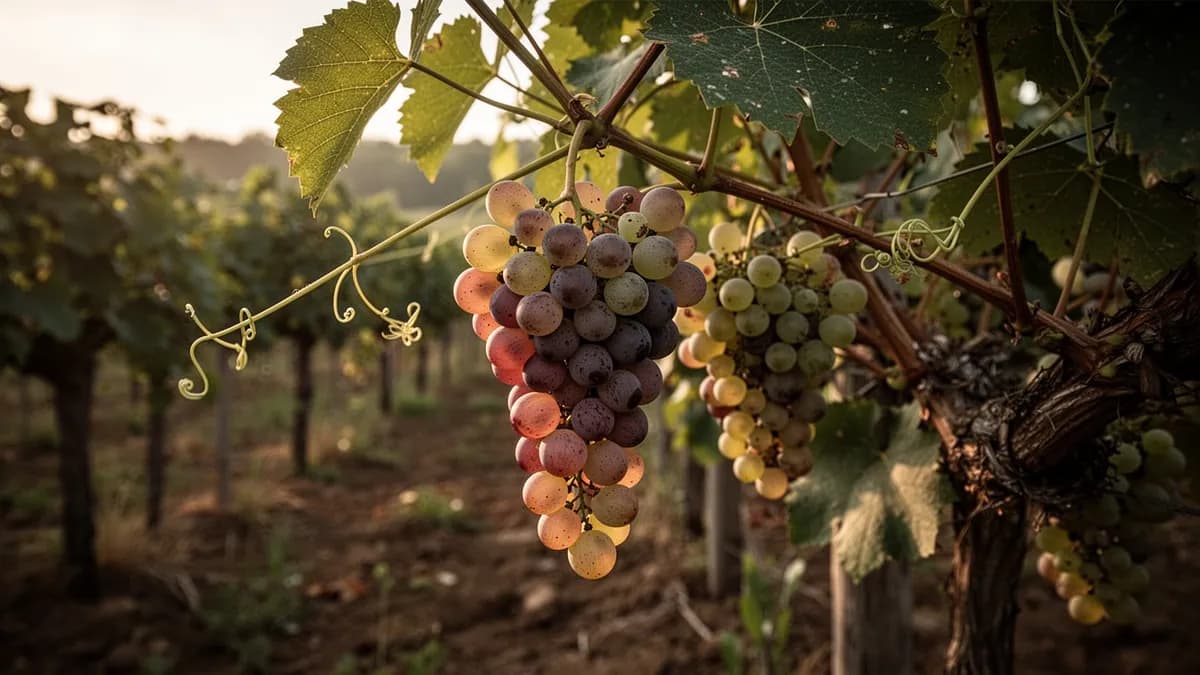
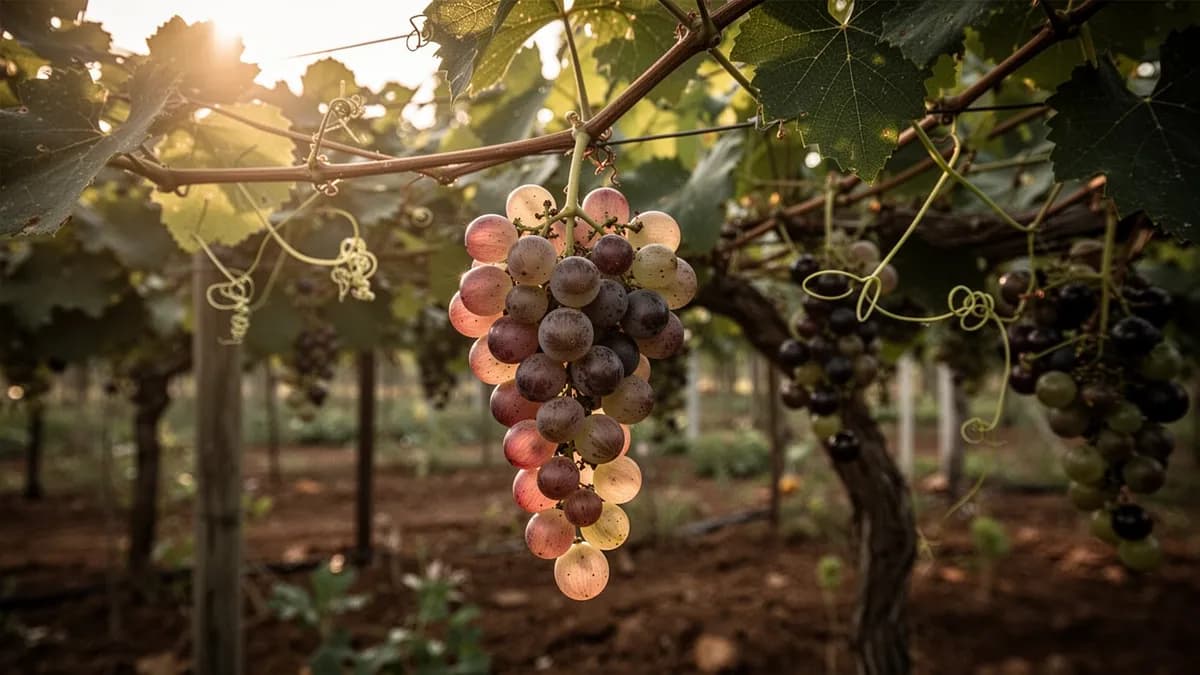
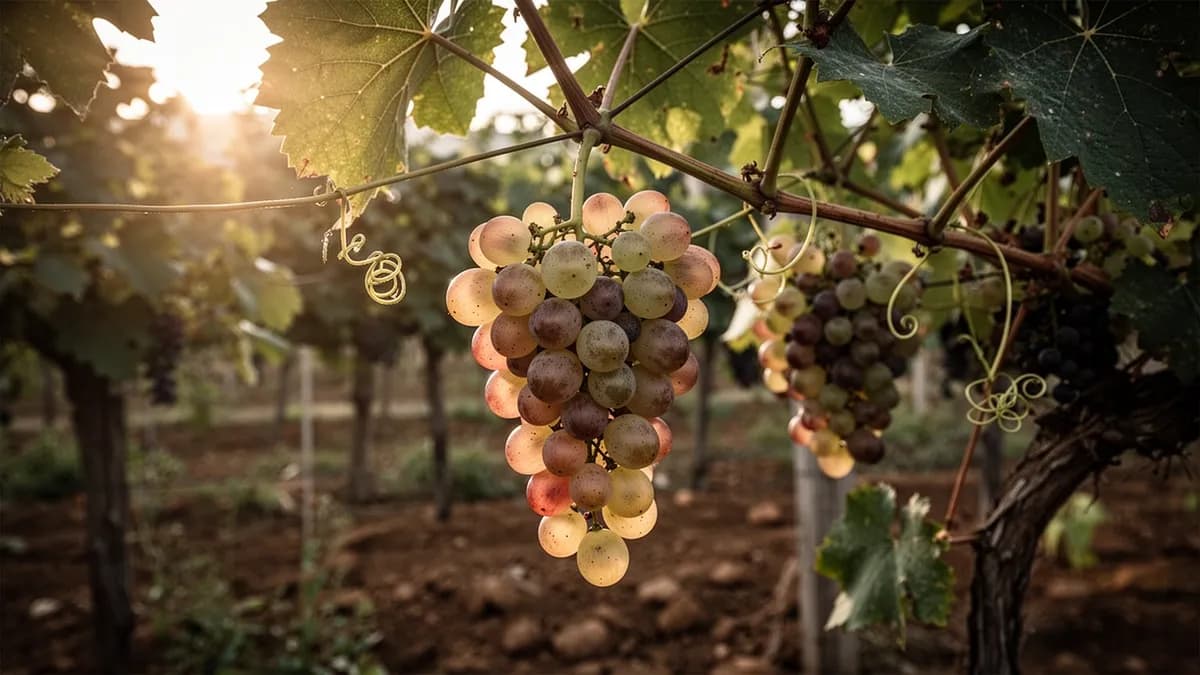
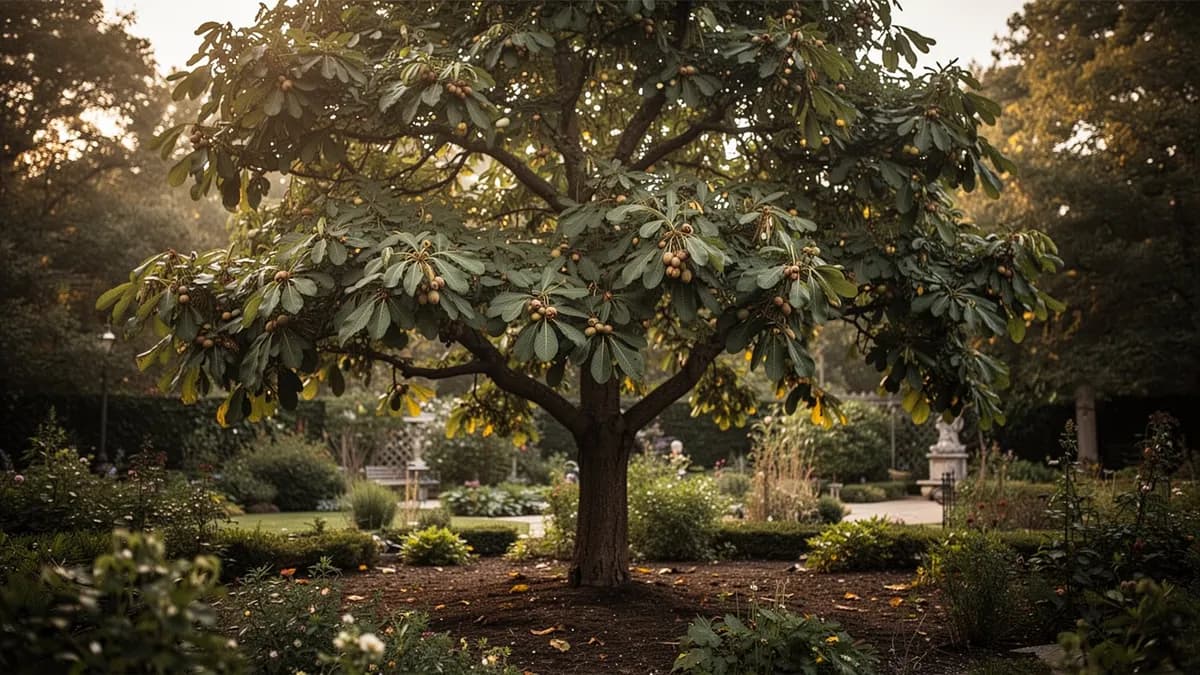
Plante lavanda y hierbas bajas cerca para atraer polinizadores esenciales para el cuajado. Las vides de uva son buenas compañeras en emparrados adyacentes. Evite los nogales, que producen juglona tóxica. El consuelda bajo las vides acumula nutrientes para el acolchado. Las cubresuelos tolerantes a la sombra ayudan a conservar la humedad del suelo.
Lavanda va a su lado. Nogal no.
Saber de huerto de siempre, cotejado con la tabla real de Kiwi ártico — prueba cualquier planta que cultives.
Prueba Kiwi ártico en un bancal, aquí mismo
Un bancal real del planificador con Kiwi ártico ya plantado. Toca una planta compañera para colocarla y mira cómo responde la comprobación de vecinos: verde para buenos vecinos, rojo si hay conflicto.


Guías de cultivo relacionadas
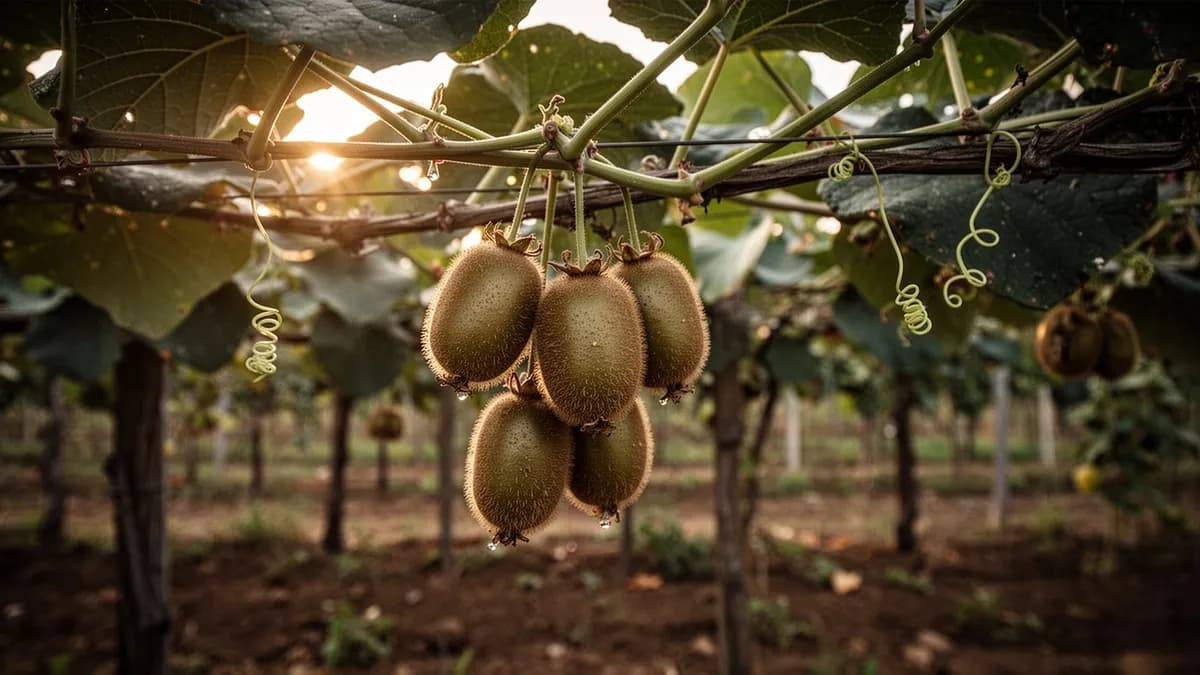
Abónalo bien
El kiwi ártico prefiere un suelo bien drenado y rico en humus, con pH de 5.0 a 6.5. Estas vides requieren menos nutrientes que Actinidia arguta. Aplique a comienzos de primavera un fertilizante orgánico ligero y equilibrado. Añada compost alrededor de la planta cada año. Evite el exceso de nitrógeno, que favorece el crecimiento de hojas en detrimento de la fructificación. En suelos alcalinos puede aparecer clorosis férrica; corríjala con hierro quelatado.
Temperatura ideal
Compatibilidad de zonas de rusticidad
De la semilla a la cosecha, etapa por etapa
Plantación y establecimiento radicular
Las vides de kiwi ártico recién plantadas concentran la mayor parte de su energía en establecer un sistema radicular profundo y fibroso antes de producir un crecimiento aéreo significativo. A diferencia del kiwi común, Actinidia kolomikta es relativamente compacta en sus primeros años. Las plantas a raíz desnuda se establecen especialmente bien cuando se plantan a comienzos de la primavera, justo cuando las temperaturas empiezan a subir. Espere un crecimiento moderado de 30 a 60 cm en la primera temporada.
Crecimiento vegetativo rápido
Durante los años uno y dos, la vid emite brotes vigorosos y enroscados que deben conducirse sobre un emparrado, una valla o una pérgola. Es entonces cuando el espectacular follaje ornamental empieza a hacerse evidente; en especial, las hojas de las plantas macho desarrollan su característica variegación rosa y blanca a medida que avanza la temporada. La vid está construyendo la estructura leñosa permanente de la que fructificará durante décadas.
Maduración de la estructura y primeras flores
En el tercer año, la estructura permanente ya está bien establecida y la vid empieza a florecer con regularidad. Las pequeñas flores blancas y dulcemente perfumadas aparecen a finales de mayo o comienzos de junio en espolones cortos que nacen del crecimiento del año anterior. La fructificación suele ser ligera durante el primer año de floración, pero esta temporada es importante para que la planta ajuste su potencial productivo. El follaje variegado alcanza ahora su máximo valor ornamental.
Desarrollo y maduración del fruto
A partir del tercer o cuarto año, las flores fecundadas se convierten en los característicos frutos de piel lisa y tamaño de uva que maduran a finales del verano y comienzos del otoño. A diferencia del kiwi común, los frutos del kiwi ártico maduran por completo en la planta y deben vigilarse con cuidado, ya que en un otoño cálido pueden pasar de perfectos a demasiado maduros con rapidez. Los frutos maduros son intensamente dulces, aromáticos y pueden comerse directamente de la vid.
Plena madurez productiva
Una vid de kiwi ártico plenamente madura entra desde el quinto año en su fase de máxima producción, que puede durar entre 30 y 50 años con un buen manejo anual. Los rendimientos aumentan de forma constante a medida que se desarrolla el sistema de espolones fructíferos. Al mismo tiempo, la vid es una de las plantas frutales más valiosas desde el punto de vista ornamental para jardines en climas templados frescos, aportando interés durante tres estaciones gracias al follaje variegado de primavera, las flores de verano y los frutos de otoño.
Cosecha de finales de verano y otoño
A diferencia del kiwi común, que se cosecha firme y madura fuera de la vid, los frutos del kiwi ártico deben permanecer en la planta hasta madurar por completo. Maduran de forma progresiva desde finales de agosto hasta septiembre, ablandándose de manera visible y desarrollando una dulzura profunda, casi parecida a la miel, en su punto óptimo. Los frutos demasiado maduros caen solos, por lo que conviene revisar a diario durante la ventana de cosecha para recogerlos en su mejor momento.
Plante en un suelo húmedo, bien drenado y ligeramente ácido (pH 5.5–6.5), enriquecido con compost bien descompuesto. Riegue con constancia durante la primera temporada de crecimiento para evitar que se seque el sistema radicular superficial. Coloque un tutor temporal y proteja la planta joven de los vientos fuertes, que pueden romper los brotes delicados. No permita que florezca durante su primer año.
Cuidar Kiwi ártico mes a mes
Qué hacer cada mes para tu Kiwi ártico
Octubre
Mes actualRecoja los frutos restantes antes de las primeras heladas fuertes, ya que los frutos maduros se dañan con temperaturas inferiores a -2 °C. Retire las hojas caídas y cualquier fruto desprendido bajo la vid para reducir el riesgo de enfermedades fúngicas invernantes. Aplique una última capa de compost acolchado sobre la zona radicular para proteger las raíces durante el invierno.
Ten claro qué hacer en tu huerto, cada mes
Un correo al empezar cada mes: qué sembrar, plantar y hacer ahora mismo — para tu Kiwi ártico y todo lo que crece alrededor. Más un breve curso inicial para esquivar los errores clásicos.
- Qué hacer ahora mismo
- Ajustado a tu temporada
- Curso inicial incluido
Cosechar Kiwi ártico
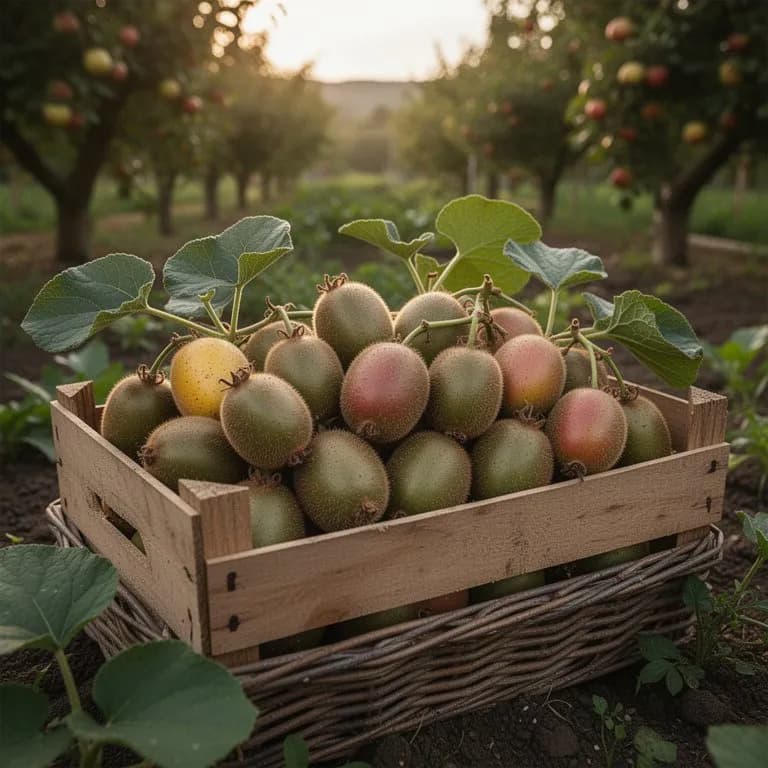
Los kiwis árticos maduran entre agosto y septiembre, antes que el kiwi resistente. Los frutos tienen el tamaño de una uva grande y deben cosecharse cuando se ablandan ligeramente y se desprenden con facilidad. La piel es lisa y totalmente comestible. Pruebe algunos frutos para confirmar la dulzura plena. Coseche antes de las heladas intensas, ya que la fruta congelada se vuelve blanda. Tras la recolección, los frutos continúan madurando a temperatura ambiente.
se supone que plantas al comenzar el periodo — indica tu fecha real
Cosecha Kiwi ártico a tiempo y la planta sigue produciendo.
Almacenamiento y conservación
El kiwi ártico fresco se conserva de tres a cuatro semanas en el refrigerador si se recoge firme. Deje que madure a temperatura ambiente dentro de una bolsa de papel con una manzana. Una vez maduro, consúmalo en dos o tres días. Congélelo entero sobre bandejas y después guárdelo en bolsas para batidos y repostería. Deshidrate los frutos para obtener pequeños bocados secos. El kiwi ártico también da una mermelada delicada y un cuero de fruta con un sabor dulce y concentrado a kiwi.
Qué falla — y cómo solucionarlo
Daños por gatos
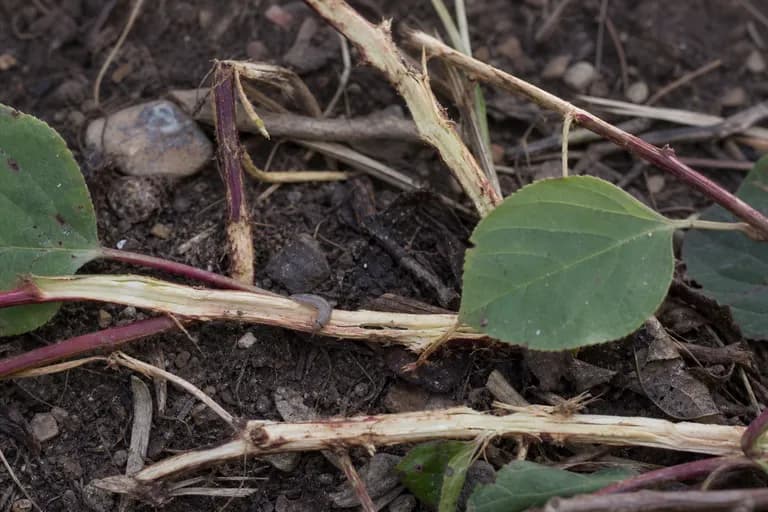
PlagaLas vides jóvenes quedan sin corteza, los tallos se rompen y las plantas se arrancan al revolcarse los gatos sobre los tallos que contienen actinidina.
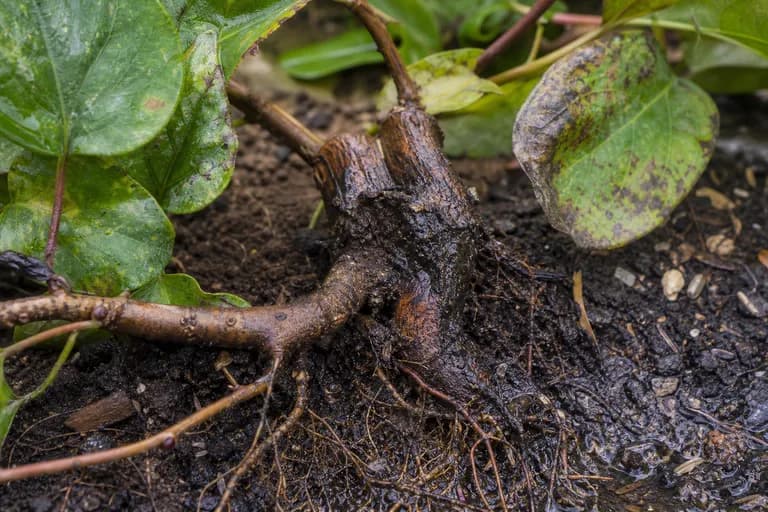
Pudrición del cuello por Phytophthora
EnfermedadMarchitez repentina, zonas oscuras y empapadas de agua en la base del tronco y descomposición de las raíces en suelos con mal drenaje.
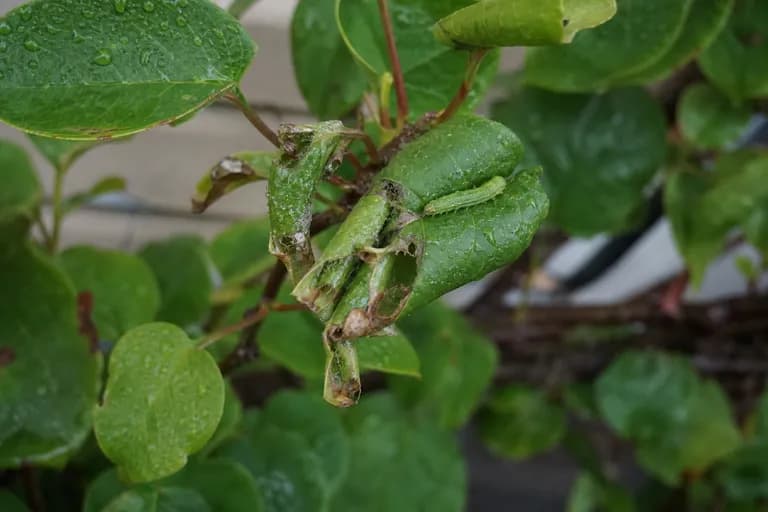
Oruga enrolladora de hojas
PlagaHojas enrolladas en tubos con telarañas de seda, daños por alimentación dentro de las hojas enrolladas y menor vigor de la vid.
Solución de problemas comunes
Las heladas tardías de primavera destruyen las yemas en brotación a pesar de la extrema resistencia invernal. Los daños causados por gatos son graves en plantas jóvenes por la presencia de actinidina en los tallos. La producción de fruta decepciona sin polinizadores macho adecuados cerca. La variegación ornamental de las plantas macho a veces desaparece en sombra profunda. El exceso de riego provoca pudrición de raíces. Las aves pueden comerse los frutos maduros antes de la cosecha.
Consejos de cultivo
- Proteja de inmediato las vides de kiwi ártico recién plantadas contra los gatos. La planta contiene compuestos químicamente relacionados con la nepetalactona, el principio activo de la hierba gatera, y resulta muy atractiva para los gatos del vecindario, que pueden destrozar una planta joven en una sola visita al revolcarse sobre ella, morder los tallos o desenterrar las raíces. Una simple jaula temporal de alambre o un cilindro de malla gallinera alrededor de la planta ofrece una protección eficaz hasta que el tallo se haya endurecido lo suficiente para soportar la atención felina.
- A pesar de su excepcional resistencia a las heladas en dormancia, el kiwi ártico es vulnerable a las heladas tardías de primavera una vez que comienza el crecimiento activo. Los brotes nuevos y las flores abiertas pueden morir por debajo de -2 °C en abril o mayo. Plantarlo junto a una pared orientada al sur o al oeste ofrece tanto resguardo del viento como calor, lo que retrasa la salida de los brotes sensibles al frío en climas marginales. Tenga tela antiheladas a mano para las previsiones de heladas primaverales.
- La mayoría de las variedades de kiwi ártico son dioicas y necesitan una planta macho polinizadora aparte para formar fruto. Al comprar, confirme con el vivero que su variedad macho florece al mismo tiempo que su cultivar hembra. La excepción notable es el cultivar japonés "Issai", que es autofértil y puede cuajar una cosecha razonable sin pareja macho, lo que lo convierte en la opción ideal para jardineros con espacio limitado.
- El kiwi ártico prefiere un pH de suelo ligeramente ácido, entre 5.5 y 6.5. En suelos alcalinos, la vid mostrará amarilleo entre las nervaduras de las hojas (clorosis interveinal), lo que indica carencia de hierro y manganeso. Antes de plantar, enmiende los suelos alcalinos con corteza de pino compostada, chips de azufre o sustrato para acidófilas. En plantas establecidas con clorosis, aplique en primavera un drenaje de hierro quelatado y oligoelementos.
- Guié la vid con cuidado desde el principio sobre una estructura de soporte robusta. El kiwi ártico es bastante menos vigoroso que el kiwi común (Actinidia deliciosa), pero con el tiempo desarrolla cañas leñosas pesadas que requieren un soporte sólido. Un emparrado de cables galvanizados tensados en una valla o pared funciona bien, igual que una pérgola o un arco. Asegúrese de que la estructura pueda soportar al menos 40 a 60 kg antes de plantar, ya que una vid madura con todo su follaje pesa más de lo que parece.
- La poda anual de invierno es esencial para mantener la producción de fruta y evitar que la vid se convierta en una maraña impenetrable. A finales de enero o en febrero, mientras la vid está completamente dormida, recorte todo el crecimiento lateral hasta dejar espolones cortos de 2 a 3 yemas en los brazos permanentes de la estructura. Los espolones fructíferos se desarrollan en la madera de la temporada anterior, así que evite podar en verano o eliminará sin querer la madera que habría dado fruto al año siguiente.
- Abone con generosidad, pero prestando atención al equilibrio estacional de nutrientes. Los abonos ricos en nitrógeno en primavera y comienzos del verano favorecen el crecimiento vegetativo sano que la vid necesita para construir su estructura. Desde mediados del verano, cambie a un fertilizante rico en potasio para dirigir la energía hacia el desarrollo y la maduración del fruto, y para ayudar a endurecer la madera nueva antes del invierno. El exceso de nitrógeno a finales del verano produce crecimiento blando y sensible a las heladas, y retrasa la dormancia.
- El kiwi ártico es una planta excepcionalmente longeva si cuenta con buenas condiciones. A diferencia de los cultivos anuales o de las perennes de vida corta, decidir dónde plantar esta vid es prácticamente una decisión permanente: superará a las plantas vecinas durante 30 a 50 años. Invierta el tiempo necesario al plantar para elegir la ubicación correcta, preparar bien el suelo e instalar soportes adecuados, ya que mover una vid adulta de kiwi no es práctico y rara vez tiene éxito.
- Coseche los frutos en varias pasadas durante una ventana de 3 a 5 semanas, ya que no todos maduran al mismo tiempo. La fruta madura desde las partes exteriores y más expuestas al sol de la vid hacia el interior. Revise a diario durante la temporada de cosecha y recoja los frutos en cuanto cedan a una presión suave: se deterioran rápido una vez maduros y los sobremaduros caerán. Cualquier fruto que haya caído por sí solo está en su punto máximo de madurez y debe consumirse en las 24 horas siguientes.
- El kiwi ártico es una excelente opción para paredes orientadas al norte o parcialmente sombreadas, donde muchas otras plantas frutales tendrían dificultades. Aunque el pleno sol da los mejores rendimientos y la variegación más viva del follaje, la planta es realmente productiva en semisombra. Esta versatilidad la convierte en una de las pocas trepadoras frutales capaces de transformar una orientación difícil y sombría en un elemento del jardín productivo y de gran belleza ornamental.
Cultiva tu mejor Kiwi ártico — y todo lo que la rodea.
Empieza un plan gratis hoy. Diseña tus bancales, coloca tu Kiwi ártico y deja que PlotMyGarden gestione el momento, el espaciado, las asociaciones y los recordatorios de la semilla a la cesta.
Elige tu Kiwi ártico
Arctic Beauty
La variedad más disponible, con un asombroso follaje variegado de tres colores en las plantas macho y frutos dulces y aromáticos en las plantas hembra.
September Sun
Una variedad hembra que produce frutos más grandes de lo habitual, con excelente dulzura, que maduran a comienzos de septiembre.
Pasha
Un polinizador macho muy ornamental, con una intensa variegación rosa y blanca en las hojas, esencial para polinizar las plantas hembra.
Los frutos del kiwi ártico rara vez están disponibles en supermercados convencionales y, cuando aparecen en tiendas especializadas o mercados de agricultores, suelen tener precios premium de 3 a 6 libras por 100 g o más debido a su escasez y su corta vida útil. Cultivar su propia vid de kiwi ártico elimina por completo ese coste y, además, proporciona un producto fresquísimo y totalmente maduro que es prácticamente imposible de comprar de forma comercial. Una vid madura y bien gestionada que produzca entre 3 y 8 kg al año representa, a precios minoristas especializados, un ahorro potencial de 90 a 480 libras por vid y año. Más allá del ahorro directo, la vid aporta un gran valor ornamental al jardín durante las cuatro estaciones, funcionando a la vez como pantalla visual, atrayente de polinizadores y una de las trepadoras de follaje más llamativas para jardines de clima templado fresco.
Recetas rápidas
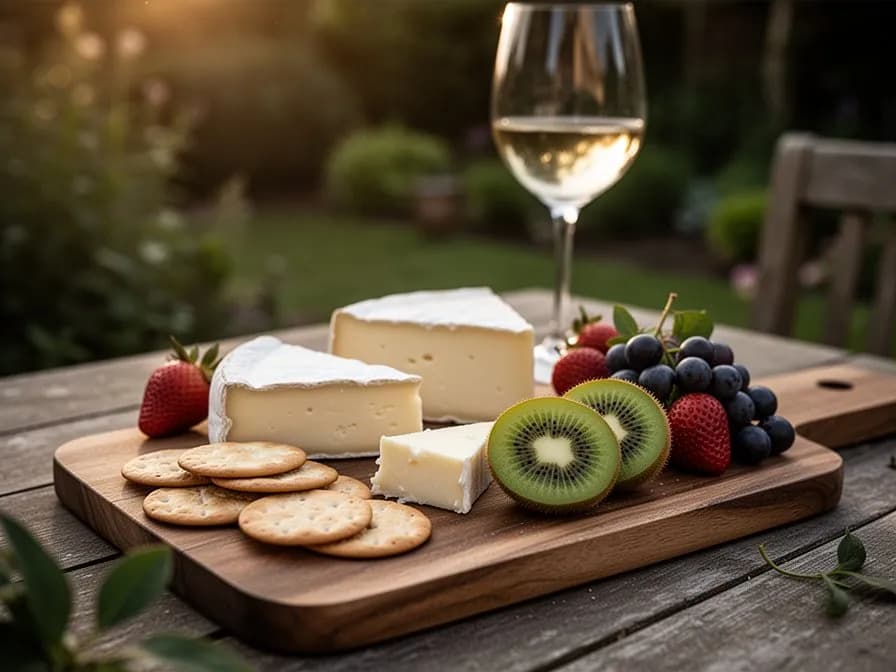
Parfait de yogur, kiwi ártico y miel
5 minutesUn desayuno o postre sencillo y elegante que deja brillar la dulzura extraordinaria del kiwi ártico plenamente maduro. Como los frutos se comen enteros con piel, esta receta no requiere más preparación que un enjuague. Sírvalo en capas generosas con yogur griego espeso y un hilo de miel de flores silvestres para obtener un plato nutritivo y visualmente precioso.
6 ingredientesMermelada de kiwi ártico
30 minutesEl kiwi ártico produce una mermelada excelente gracias a su contenido naturalmente alto de azúcar y pectina. La mermelada terminada tiene un color esmeralda brillante, un sabor intensamente tropical y dulce con un toque ácido, y cuaja muy bien sin pectina añadida cuando se usan frutos algo menos maduros. Es una forma ideal de conservar una cosecha abundante de una vid productiva.
5 ingredientesAgua fresca de kiwi ártico y pepino
10 minutesUna bebida refrescante, ligeramente endulzada y a base de agua que resalta la dulzura floral y delicada del kiwi ártico. Esta bebida sin alcohol es ideal para reuniones de verano y una alternativa elegante al zumo o al cordial. El pepino aporta una nota fresca y limpia que equilibra muy bien la intensidad de la fruta.
6 ingredientesUsos culinarios
Los frutos del kiwi ártico se comen enteros, como las uvas. Su sabor intensamente dulce los hace excelentes en ensaladas de fruta, sobre yogur y mezclados en batidos. Los frutos pequeños resultan muy atractivos como adorno para postres y cócteles. También dan una mermelada delicada y se deshidratan en bocados concentrados con mucho sabor.
Qué contiene
Beneficios para la salud
- Extraordinaria densidad de vitamina C: el kiwi ártico es una de las fuentes vegetales más ricas conocidas por gramo, con concentraciones que pueden alcanzar 400–800 mg por 100 g de fruta fresca. Es muy superior a la de las naranjas, el kiwi común o los escaramujos, y apoya la función inmunitaria, la síntesis de colágeno y la absorción de hierro en una sola ración pequeña
- Su alto contenido en polifenoles, incluidos el ácido clorogénico y las catequinas, aporta una potente actividad antioxidante que ayuda a neutralizar radicales libres, reducir la inflamación crónica y disminuir a largo plazo el riesgo de enfermedades cardiovasculares y de ciertos cánceres
- El consumo regular favorece la salud cardiovascular mediante una combinación de potasio, que ayuda a regular la presión arterial, vitamina C, que mantiene la integridad de la pared arterial y reduce la oxidación del colesterol LDL, y polifenoles antiinflamatorios que disminuyen la formación de placas arteriales
- El contenido de vitamina E contribuye a la salud de la piel y a la protección celular, actuando en sinergia con la vitamina C para defender contra el daño cutáneo inducido por la radiación UV, apoyar la cicatrización y mantener la integridad estructural de las membranas celulares en todo el cuerpo
- Su fibra alimentaria favorece un microbioma intestinal saludable y la regularidad, mientras que la fracción prebiótica de esta fibra alimenta de forma específica especies beneficiosas de Lactobacillus y Bifidobacterium asociadas con mejor salud digestiva, menos hinchazón y una función inmunitaria más fuerte
- La combinación de vitaminas C y E junto con antioxidantes carotenoides ofrece un apoyo significativo para la salud ocular, reduciendo el daño oxidativo en la mácula y el cristalino asociado con la degeneración macular relacionada con la edad y la formación de cataratas en personas mayores
De dónde viene Kiwi ártico
Actinidia kolomikta, conocida de diversas formas como kiwi ártico, vid kolomikta o kiwi del Amur, procede de los bosques fríos templados y boreales del Lejano Oriente ruso, el norte de China, Corea y Japón. Su área nativa abarca algunas de las condiciones climáticas más extremas habitadas por cualquier vid frutal, desde los valles fluviales cubiertos de nieve del este de Siberia hasta los bosques montañosos volcánicos de la isla japonesa de Hokkaido. En estos entornos, la planta evolucionó como una trepadora de borde forestal, ascendiendo por árboles y arbustos con sus tallos retorcidos y produciendo sus pequeños frutos dulces a finales del verano, tras una estación de crecimiento breve pero intensa.
La planta ha sido conocida y utilizada por los pueblos indígenas de su área nativa durante siglos. En la medicina popular rusa tradicional, los frutos se valoraban como tónico y alimento energético, mientras que las hojas y la corteza se usaban en distintas preparaciones. Recolectores japoneses y coreanos recogían los frutos silvestres en los márgenes del bosque como una delicia estacional. A pesar de esta larga historia de uso humano, Actinidia kolomikta apenas llamó la atención de los botánicos occidentales hasta mediados del siglo XIX.
La especie fue descrita formalmente por la ciencia occidental tras las expediciones botánicas del Imperio ruso en Siberia y el Lejano Oriente durante las décadas de 1850 y 1860. El botánico germano-ruso Franz Josef Ruprecht realizó la primera descripción botánica formal de la planta en 1857, y más tarde pasó a colecciones botánicas europeas como una curiosidad ornamental y no como una planta alimentaria. Los jardineros victorianos y eduardianos la cultivaron sobre todo por su extraordinario follaje variegado, tratándola más como una trepadora decorativa que como una vid frutal productiva.
Fue la ciencia hortícola soviética del siglo XX la que primero reconoció y desarrolló de forma sistemática el potencial frutal de Actinidia kolomikta. A partir de la década de 1930, los investigadores del Instituto Hortícola de toda Rusia y del Instituto Vavilov de Recursos Genéticos Vegetales en Leningrado comenzaron a seleccionar formas frutales superiores a partir de poblaciones silvestres, desarrollando cultivares con frutos más grandes, mayor contenido de azúcar y rendimientos más fiables. El horticultor soviético pionero Iván Michurin fue fundamental en la promoción de las especies de Actinidia como cultivos frutales para climas fríos, y varios de los cultivares desarrollados en esa época siguen cultivándose hoy.
En Europa occidental y Norteamérica, el kiwi ártico ganó reconocimiento como planta frutal seria sobre todo durante finales del siglo XX, a medida que crecía entre los cultivadores especializados el interés por frutas inusuales y resistentes al frío. Hoy se valora por igual como trepadora ornamental y como vid frutal productiva y de bajo mantenimiento, y es especialmente apreciado en jardines del norte de Europa, Canadá y el norte de Estados Unidos, donde el kiwi común no puede fructificar con fiabilidad.
Kiwi ártico: ¿sabías que?
Datos fascinantes sobre Kiwi ártico
El kiwi ártico (Actinidia kolomikta) es una de las vides frutales más resistentes del mundo, con tolerancia a temperaturas de hasta -40 °C cuando está completamente dormido. Esto lo convierte en el único miembro de la familia del kiwi que puede cultivarse de forma fiable en la zona USDA 3, que abarca gran parte de Canadá, Escandinavia y Rusia.
Kiwi ártico: preguntas frecuentes
¿Cuándo debo plantar Kiwi ártico?
¿Cuáles son buenas plantas acompañantes para Kiwi ártico?
¿En qué zonas de rusticidad puede crecer Kiwi ártico?
¿Cuánto sol necesita Kiwi ártico?
¿A qué distancia debo espaciar Kiwi ártico?
¿Qué plagas y enfermedades afectan a Kiwi ártico?
¿Cómo almaceno Kiwi ártico después de la cosecha?
¿Cuáles son las mejores variedades de Kiwi ártico para cultivar?
¿Qué suelo necesita Kiwi ártico?
¿Cuál es la diferencia entre el kiwi ártico y el kiwi común?
¿Necesito una planta macho y una hembra de kiwi ártico?
¿Cómo sé cuándo los frutos del kiwi ártico están lo bastante maduros para cosecharlos?
¿Por qué mi kiwi ártico no está produciendo fruta?
¿Se puede cultivar kiwi ártico en contenedor?
¿El follaje variegado del kiwi ártico indica enfermedad o carencia nutricional?
Acabas de leer la teoría. Ahora cultívala en piloto automático.
Todo lo que hace que Kiwi ártico sea delicado — el momento, el espaciado, las asociaciones, la ventana de cosecha — es justo lo que PlotMyGarden resuelve por ti, para cada planta de tu huerto.
Un plan que conoce tu clima
Indica tu ubicación una vez. Recibe fechas de siembra, abonado y cosecha basadas en tu última helada real y el pronóstico en vivo — sin adivinar con un sobre genérico.
De la sección “Cuándo plantar”Planificador de bancales de arrastrar y soltar
Diseña bancales sobre una cuadrícula. Cada planta encaja con su espaciado correcto y ves toda la temporada antes de gastar un céntimo en semillas.
De la sección “Cultivo”Conflictos de asociación, detectados a tiempo
Más de 200 buenas y malas combinaciones comprobadas en vivo mientras plantas — para que un error que arruine la temporada nunca llegue a la tierra.
De la sección “Asociaciones”Recordatorios que sí vas a seguir
“Riega las judías.” “Recoge hoy antes de que se pase.” Oportunos, concretos y ligados a las plantas que de verdad cultivas.
De la sección “Cosecha”Escalonado, programado
¿Quieres cosechar seis semanas en vez de seis días? Reparte tus siembras automáticamente y te avisa cuando toca el siguiente lote.
De la sección “Cuándo plantar”Un registro que se vuelve más listo
Cada cosecha que registras le enseña tu huerto. El plan del año que viene parte de lo que de verdad funcionó en tu suelo, no en un manual.
De la sección “Resumen”Planta estos junto a Kiwi ártico
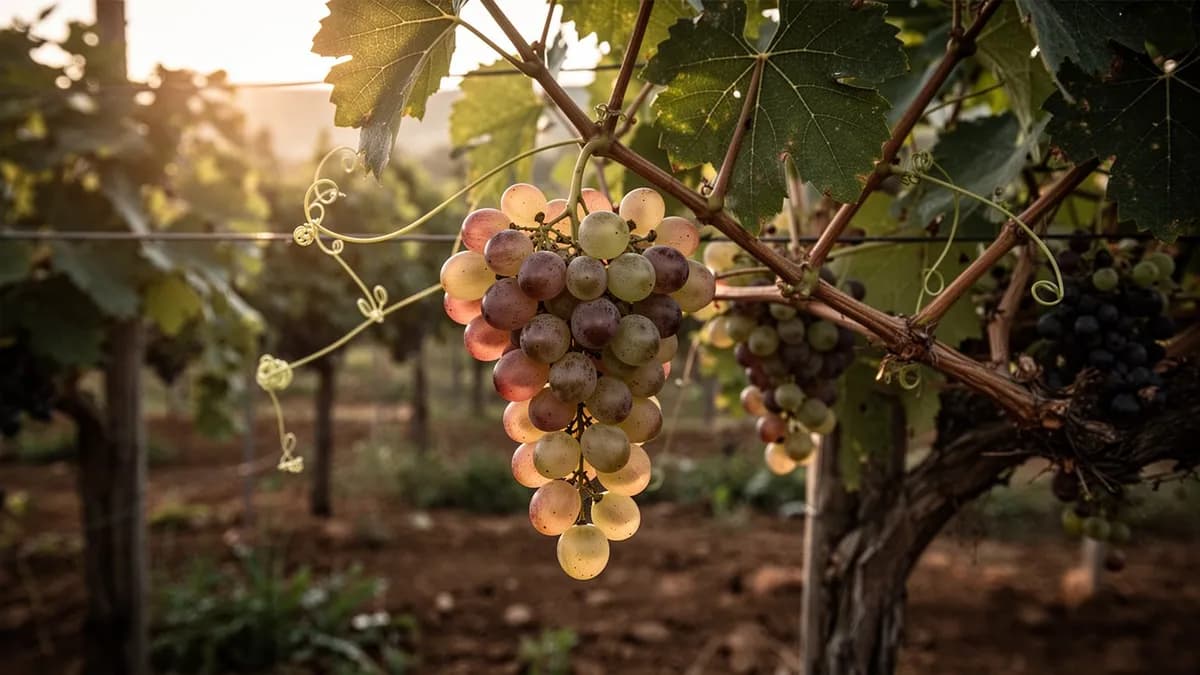
Más Frutas de vid
Mantén Kiwi ártico lejos de estos
Cultiva tu mejor Kiwi ártico — y todo lo que la rodea.
Empieza un plan gratis hoy. Diseña tus bancales, coloca tu Kiwi ártico y deja que PlotMyGarden gestione el momento, el espaciado, las asociaciones y los recordatorios de la semilla a la cesta.