Hinojo de Florencia
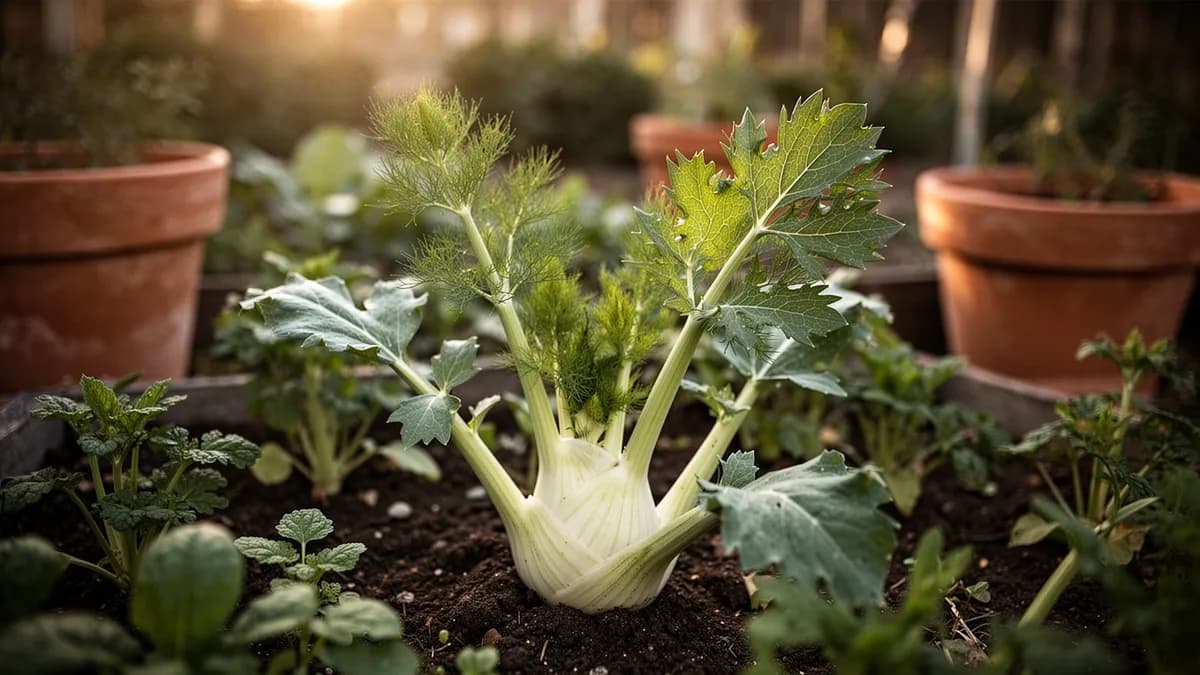
Variedad de hinojo que forma bulbo, cultivada por su crujiente y dulce bulbo con sabor a anís, que se consume crudo en ensaladas o braseado como verdura.





En esta páginaResumen
Conoce Hinojo de Florencia
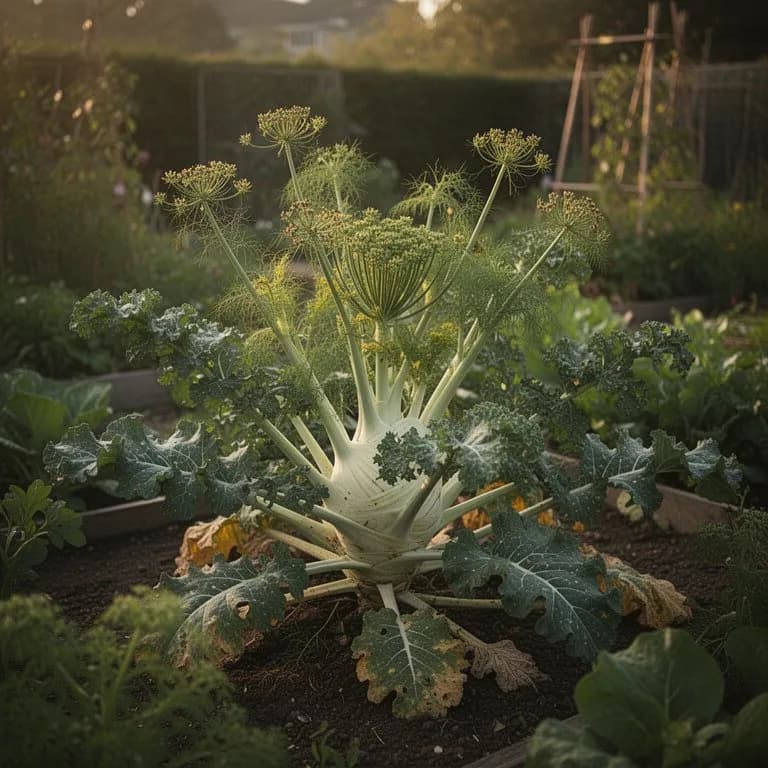
Variedad de hinojo que forma bulbo, cultivada por su crujiente y dulce bulbo con sabor a anís, que se consume crudo en ensaladas o braseado como verdura. Se aporrea tierra alrededor del bulbo en desarrollo para blanquearlo y suavizar el sabor. El hinojo de Florencia espiga fácilmente con el calor, por lo que conviene plantarlo a principios de primavera o a finales del verano para obtener bulbos de la mejor calidad.
Cuándo plantar Hinojo de Florencia
Siembre las semillas de hinojo de Florencia directamente para evitar el choque del trasplante, que desencadena el espigado. Siembre a un centímetro de profundidad en suelo preparado, espaciando las semillas 5 cm entre sí. Aclare a 25-30 cm cuando las plántulas tengan 7-8 cm de altura. Para la cosecha de primavera, siembre de 4 a 6 semanas antes de la última helada. Para la cosecha de otoño, siembre a mediados o finales del verano. Las semillas germinan en 7 a 14 días a 15-21 °C. Si inicia en interior, utilice macetas biodegradables para minimizar la perturbación de las raíces durante el trasplante.
Tu año de Hinojo de Florencia
Ajustado a Zona 7 · temporada típica · la helada se va hacia el 2 abr y vuelve hacia el 1 nov
Planta Hinojo de Florencia Mar – Abr, Jul – Ago y cosecha Jun – Jul, Oct – Nov. Consulta los métodos de plantación y elige tu clima para adaptar los periodos.
Cómo cultivar Hinojo de Florencia
El hinojo de Florencia, también llamado finocchio, es una variedad especializada cultivada por su base de tallo ensanchada y bulbosa, más que por sus hojas o semillas. El bulbo crujiente, dulce y con sabor a anís es una verdura básica en la cocina italiana y mediterránea. El hinojo de Florencia es más difícil de cultivar que el hinojo herbáceo porque espiga fácilmente ante el calor, los días largos o el estrés del trasplante.
Para la siembra de primavera, siembre directamente de 4 a 6 semanas antes de la última helada para cosechar antes de que llegue el calor estival. Para la cosecha de otoño, siembre a mediados o finales del verano para que los bulbos se desarrollen durante el frescor del otoño. Plante en pleno sol con suelo rico, húmedo y bien drenado, con un pH de 6.0 a 7.0. Espacie las plantas de 20 a 30 cm entre sí en filas separadas 45 cm.
Mantenga el suelo uniformemente húmedo para favorecer un desarrollo constante del bulbo; el estrés hídrico desencadena el espigado. A medida que los bulbos comiencen a engrosar, aporque tierra a su alrededor para blanquear la parte inferior y suavizar el sabor. Los bulbos están listos para cosechar cuando alcanzan el tamaño de una pelota de tenis o mayor, generalmente entre 80 y 90 días tras la siembra. No deje que los bulbos sobremadurezcan, ya que se vuelven fibrosos y duros.
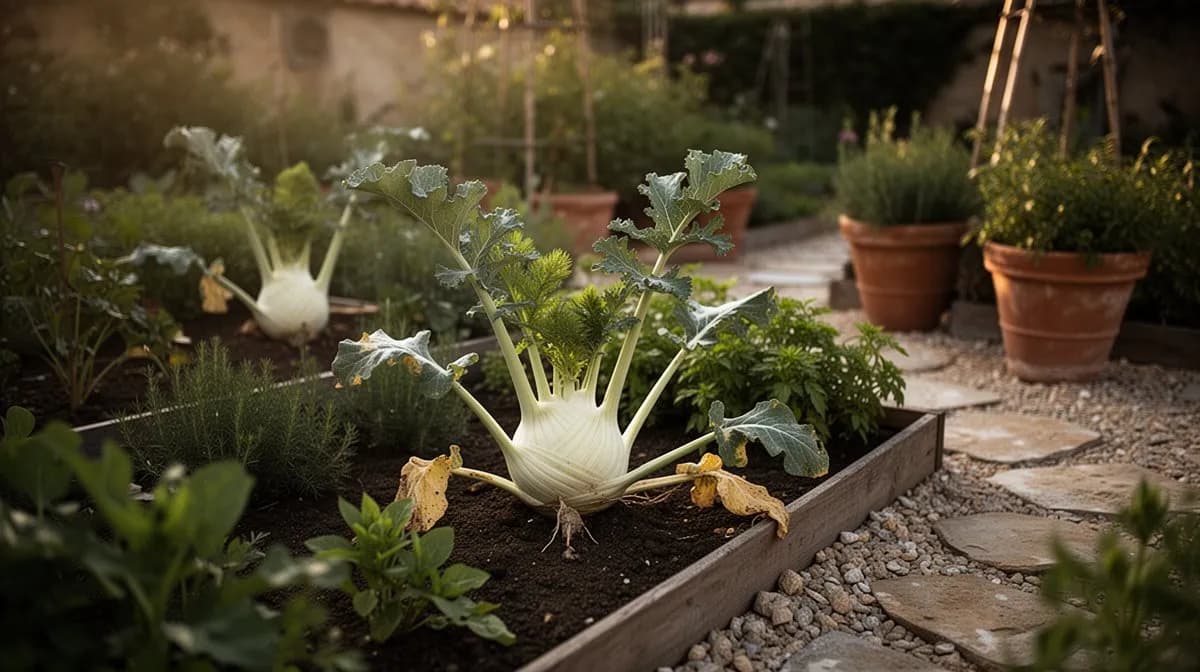
32 plantas caben en un bancal de 120 × 240 cm
Cada Hinojo de Florencia pide 30 cm de margen. El planificador guarda ese marco por ti — cada planta, cada bancal.
Los mejores vecinos de Hinojo de Florencia
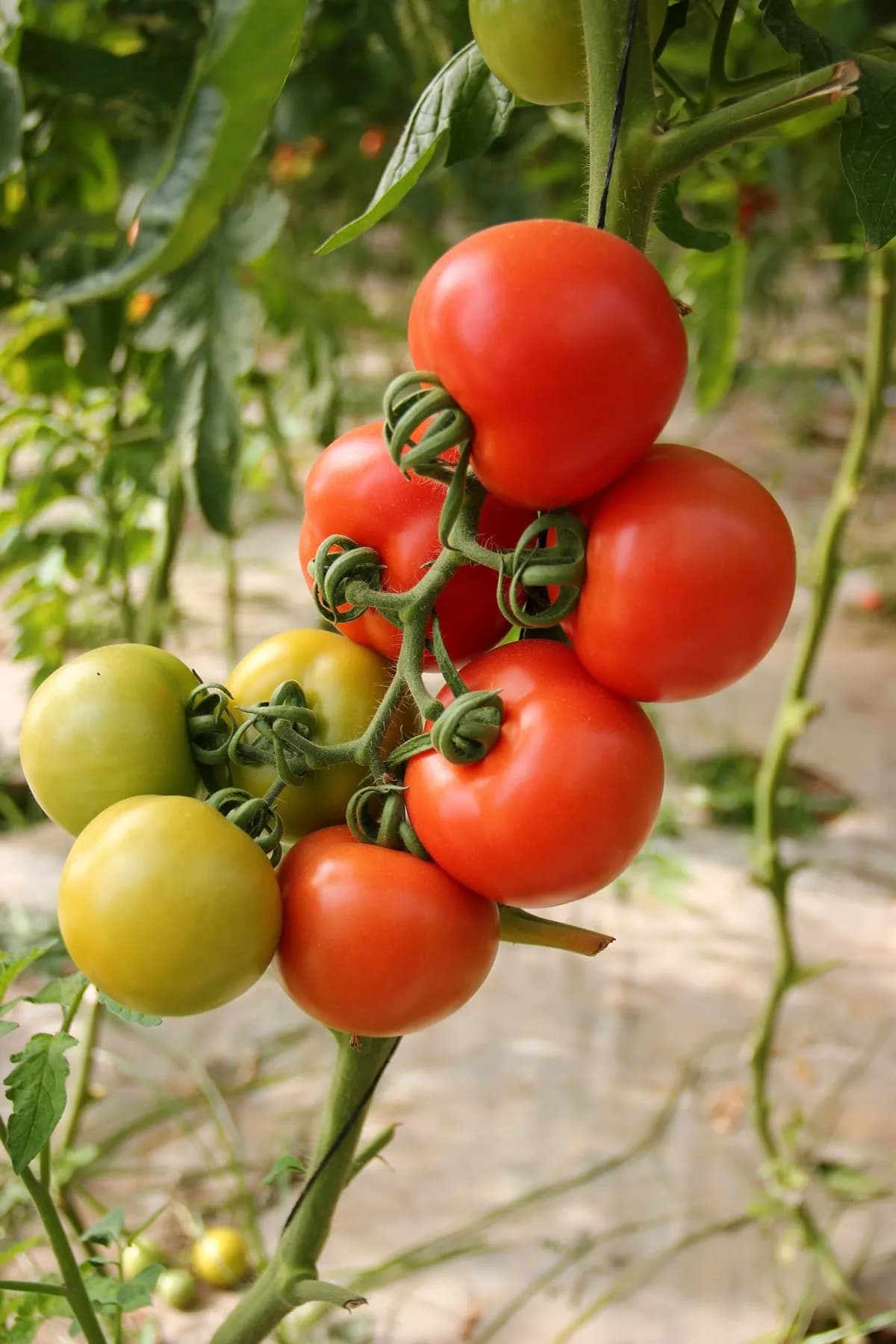
Como todo el hinojo, el hinojo de Florencia es alelopático y debe plantarse alejado de la mayoría de las verduras, especialmente tomates, judías y pimientos. Crece bien junto a otras plantas mediterráneas. Las flores atraen insectos beneficiosos si se permite que alguna planta espigue. Manténgalo alejado del eneldo y el cilantro para evitar la polinización cruzada y la inhibición del crecimiento.
Eneldo va a su lado. Tomate no.
Saber de huerto de siempre, cotejado con la tabla real de Hinojo de Florencia — prueba cualquier planta que cultives.
Prueba Hinojo de Florencia en un bancal, aquí mismo
Un bancal real del planificador con Hinojo de Florencia ya plantado. Toca una planta compañera para colocarla y mira cómo responde la comprobación de vecinos: verde para buenos vecinos, rojo si hay conflicto.


Guías de cultivo relacionadas
Abónalo bien
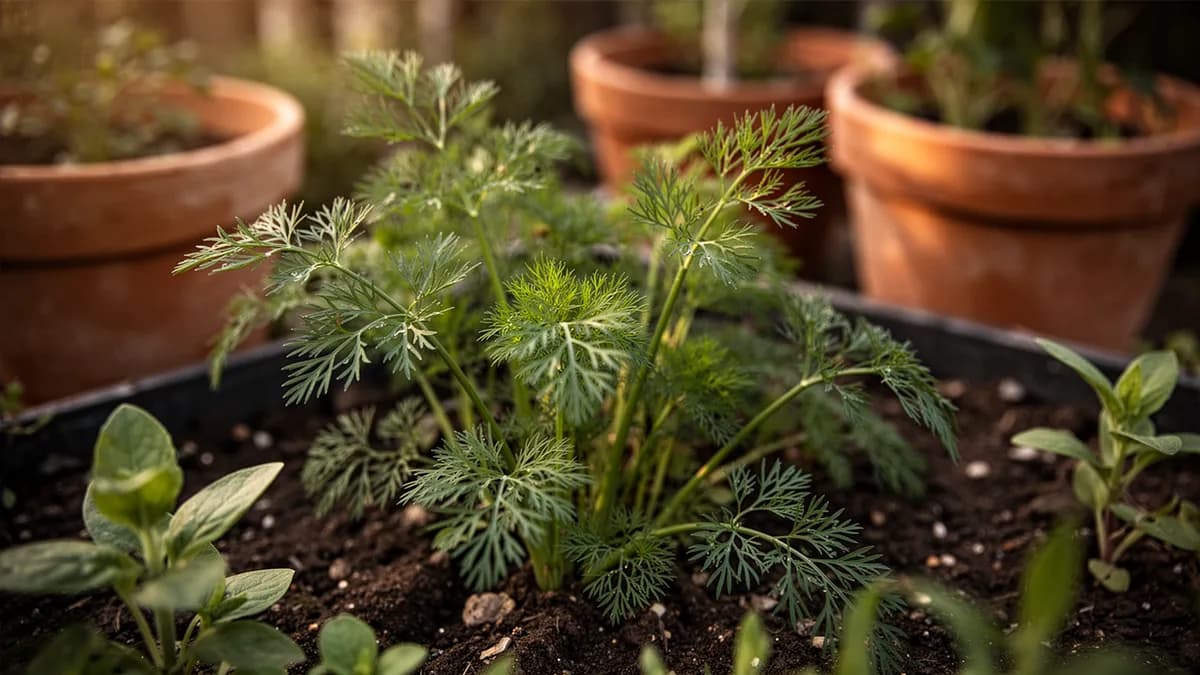
El hinojo de Florencia requiere un suelo rico, húmedo y bien drenado con un pH de 6.0 a 7.0 para un buen desarrollo del bulbo. Enmiende el suelo generosamente con compost antes de plantar. Aplique un fertilizante orgánico equilibrado en el momento de la siembra y abone lateralmente con fertilizante rico en nitrógeno cuando los bulbos comiencen a engrosar. La humedad constante es fundamental para la calidad del bulbo; el riego irregular provoca grietas y un desarrollo deficiente. Aplique mantillo para mantener una humedad uniforme en el suelo.
Temperatura ideal
Compatibilidad de zonas de rusticidad
De la semilla a la cosecha, etapa por etapa
Germinación de la semilla
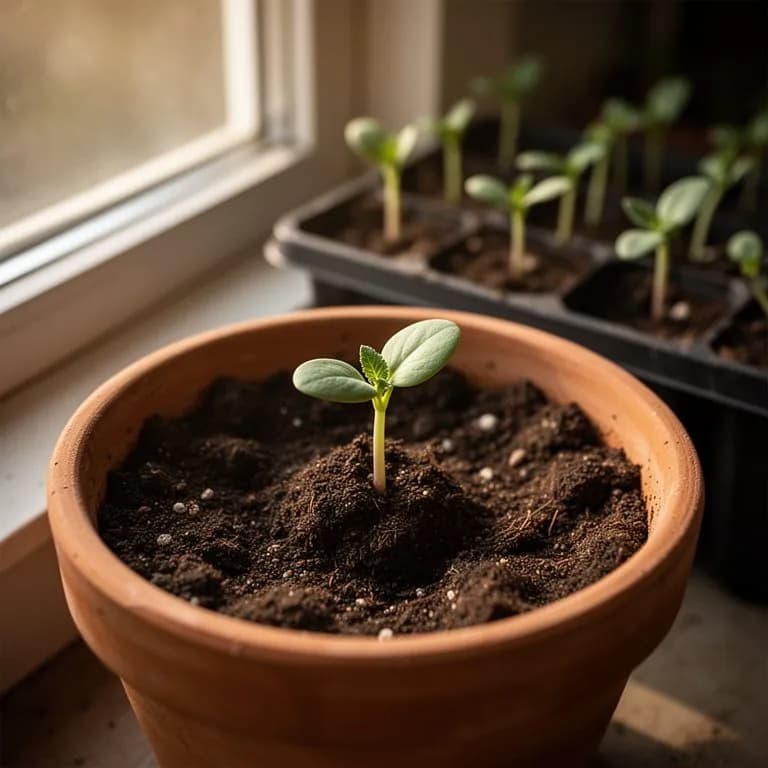
Las semillas de hinojo germinan de forma lenta y algo irregular. Las pequeñas semillas estriadas absorben humedad durante varios días antes de emitir una delgada radícula blanca. El primer brote emerge como un tallo delgado coronado por un par de hojas cotiledonarias estrechas, similares a la hierba. La germinación tarda entre 7 y 14 días y se beneficia de una humedad constante del suelo y temperaturas de entre 15 y 20 °C.
Desarrollo de plántulas
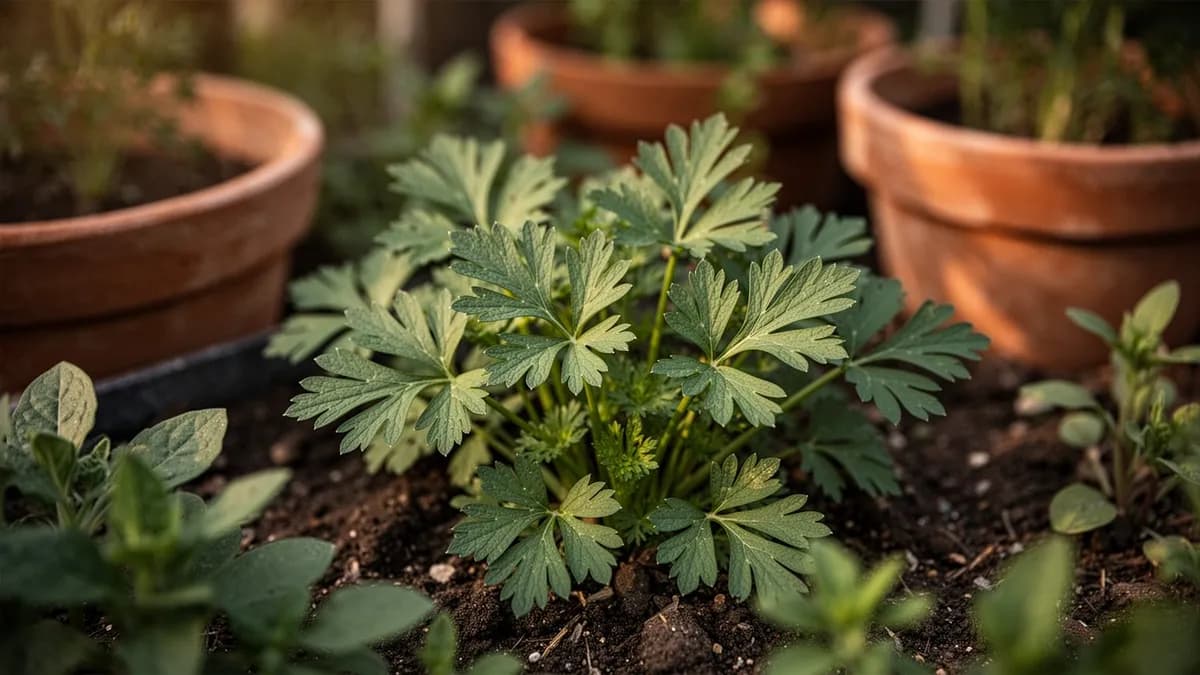
Las primeras hojas verdaderas emergen como frondas plumosas finamente divididas, características de la familia de las zanahorias (Apiaceae). La plántula desarrolla una raíz pivotante y comienza a construir una roseta de follaje cada vez más complejo. Las bases aplanadas de las hojas empiezan a superponerse en la línea del suelo, anticipando la futura estructura del bulbo.
Crecimiento vegetativo
La planta crece vigorosamente, produciendo una densa roseta de altas frondas plumosas que pueden alcanzar de 45 a 60 cm de altura. Las vainas foliares superpuestas en la base comienzan a hincharse y aplanarse, formando gradualmente la distintiva estructura del bulbo. La raíz pivotante se alarga y ancla la planta firmemente en el suelo.
Formación del bulbo
La fase de crecimiento crítica en la que las vainas foliares superpuestas se hinchan drásticamente para formar el denso y crujiente bulbo. El bulbo crece del tamaño de una nuez al de una pelota de tenis o de sóftbol en un período de 3 a 4 semanas, volviéndose progresivamente más firme y blanco. Las frondas superiores siguen creciendo, pero la energía de la planta se desplaza hacia la expansión del bulbo.
Cosecha
Los bulbos alcanzan su tamaño máximo, normalmente de 7 a 13 cm de diámetro, y están firmes al apretarlos suavemente. Las capas externas son lisas y blancas con un brillo satinado. Si no se cosechan, el tallo central comienza a elongarse hacia arriba — señal de que el espigado es inminente y el bulbo debe cosecharse de inmediato antes de que se vuelva duro y fibroso.
Siembre las semillas a 5-10 mm de profundidad en suelo húmedo y bien drenado. No las cubra en exceso, ya que el hinojo necesita algo de luz para germinar. Mantenga la superficie del suelo uniformemente húmeda con riegos suaves en nebulización hasta que aparezcan las plántulas. Es posible iniciar en módulos en interior, pero trasplante con cuidado — el hinojo resiente la perturbación de las raíces, que puede desencadenar un espigado prematuro.
Cuidar Hinojo de Florencia mes a mes
Qué hacer cada mes para tu Hinojo de Florencia
Octubre
Mes actualMes principal de cosecha para el hinojo sembrado en otoño. Los bulbos deben estar firmes, blancos y medir de 7 a 13 cm de diámetro. Corte al nivel del suelo y recorte las frondas dejando 5 cm de tallo. Guarde las frondas plumosas para guarnición — tienen un sabor excelente. Almacene los bulbos cosechados en el cajón del frigorífico.
Ten claro qué hacer en tu huerto, cada mes
Un correo al empezar cada mes: qué sembrar, plantar y hacer ahora mismo — para tu Hinojo de Florencia y todo lo que crece alrededor. Más un breve curso inicial para esquivar los errores clásicos.
- Qué hacer ahora mismo
- Ajustado a tu temporada
- Curso inicial incluido
Cosechar Hinojo de Florencia
Coseche los bulbos de hinojo de Florencia cuando alcancen de 7 a 10 cm de diámetro, generalmente de 80 a 90 días después de la siembra. Corte el bulbo al nivel del suelo con un cuchillo afilado, dejando las raíces en su lugar. En climas suaves, el tocón puede rebrotar con pequeños brotes secundarios. Las frondas sobre el bulbo también son comestibles y tienen el mismo sabor a anís que el hinojo herbáceo. No demore la cosecha, ya que los bulbos sobremaduros se vuelven duros y fibrosos, especialmente con el calor.
se supone que plantas al comenzar el periodo — indica tu fecha real
Cosecha Hinojo de Florencia a tiempo y la planta sigue produciendo.
Almacenamiento y conservación
Los bulbos de hinojo fresco se conservan en el cajón del frigorífico hasta 2 semanas dentro de una bolsa de plástico. Retire las frondas antes de guardar, ya que extraen humedad del bulbo. Las propias frondas duran solo de 2 a 3 días refrigeradas. Para una conservación más larga, corte los bulbos en láminas y escáldelos durante 3 minutos; luego congélelos en bolsas herméticas hasta 6 meses. El hinojo también puede encurtirse en vinagre con especias para obtener un condimento ácido. El hinojo asado se congela bien para usarlo posteriormente en sopas y gratinados.
Qué falla — y cómo solucionarlo
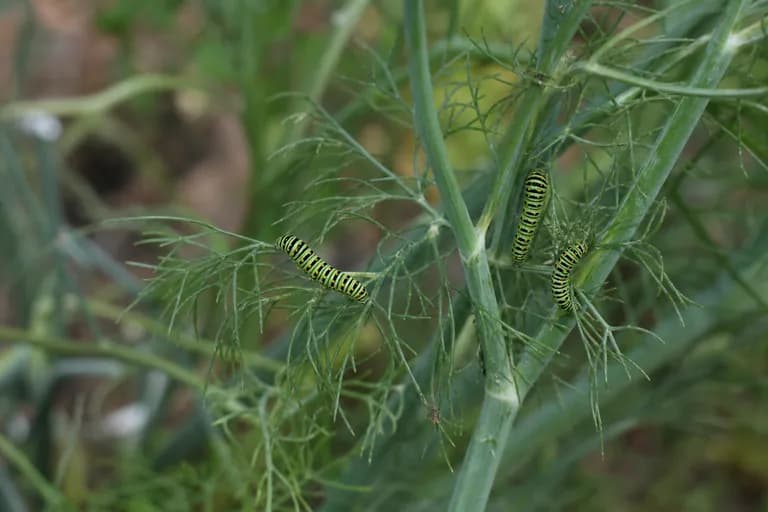
Oruga del perejil
PlagaOrugas de rayas verdes, negras y amarillas que se alimentan del follaje. El daño suele ser menor en el hinojo de Florencia porque el valor de la cosecha está en el bulbo, no en las hojas.
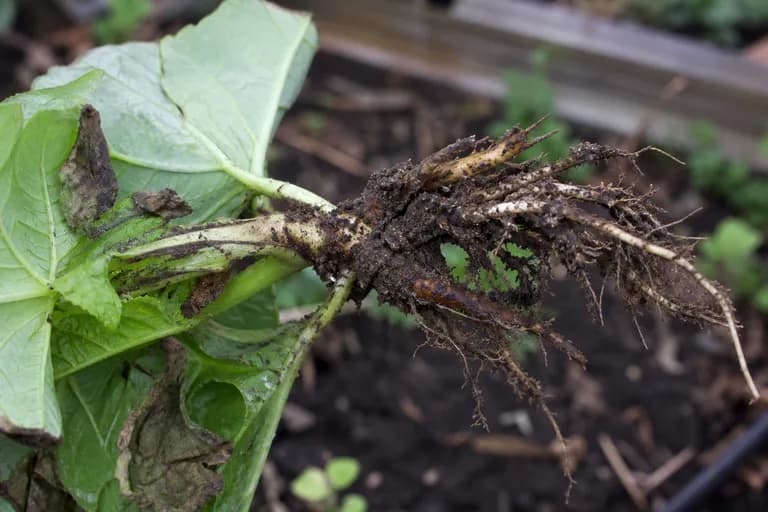
Pudrición de raíz
EnfermedadMarchitamiento y amarillamiento a pesar de que el suelo está húmedo. La base del bulbo se vuelve blanda y pastosa. Frecuente en condiciones de encharcamiento.
Solución de problemas comunes
El espigado prematuro es la frustración más habitual con el hinojo de Florencia. Los desencadenantes incluyen el estrés por calor, el choque del trasplante, el riego irregular y la duración larga del día. Prefiera la siembra directa al trasplante para obtener mejores resultados. Los cultivos de otoño suelen producir mejores bulbos que los de primavera, porque las temperaturas descienden a medida que los bulbos se desarrollan. Los bulbos pequeños y planos indican espigado prematuro o nutrición insuficiente. El hinojo no debe plantarse cerca del eneldo debido al riesgo de polinización cruzada.
Consejos de cultivo
- Cultive el hinojo como cultivo de otoño para obtener los resultados más fiables. Siembre las semillas a mediados o finales del verano (de 10 a 12 semanas antes de la primera helada) para que la formación del bulbo se produzca durante los días que se acortan y las temperaturas que descienden en otoño. Esto reduce drásticamente los problemas de espigado que afectan al hinojo sembrado en primavera.
- Elija variedades resistentes al espigado criadas específicamente para la siembra de primavera si desea un cultivo temprano. Variedades como Zefa Fino, Finale y Solaris han sido seleccionadas por su reducida sensibilidad a la duración del día y pueden producir buenos bulbos incluso cuando se siembran en primavera, aunque los cultivos de otoño suelen ser más grandes.
- Evite el choque del trasplante, que es el desencadenante número uno del espigado prematuro. Si inicia semillas en interior, utilice módulos profundos o bloques de tierra y trasplante antes de que las plantas queden raíz-estranguladas. Riegue los trasplantes de inmediato y proporcione sombra durante los primeros días. La siembra directa evita este problema por completo.
- AporcheaporcheaporcheaporcheaporcheaporcheaporcheaporcheaporcheAporcheaporcheAporcheaAporcheAporque tierra alrededor de los bulbos a medida que se hinchan, de forma similar al blanqueado de puerros o apio. Amontonar de 5 a 8 cm de tierra alrededor del bulbo en desarrollo lo mantiene blanco, tierno y suave. Sin el aporcado, los bulbos expuestos desarrollan un tinte verdoso y un sabor más fuerte, a veces amargo.
- Mantenga el hinojo bien alejado del eneldo en el jardín — las dos plantas están estrechamente emparentadas y se polinizarán mutuamente con facilidad si ambas florecen, produciendo semillas con sabores mezclados y desagradables. Mantenga al menos 150 metros de separación si recoge semilla de cualquiera de los dos cultivos.
- Riegue profunda y consistentemente a lo largo de toda la temporada de cultivo. El hinojo tiene una larga raíz pivotante, pero las bases de las hojas que forman el bulbo necesitan humedad constante para hincharse adecuadamente. El riego irregular provoca que los bulbos se agrieten, se partan o desarrollen una textura leñosa. El riego por goteo con temporizador es ideal.
- Coseche prontamente cuando los bulbos alcancen de 7 a 10 cm de diámetro y antes de que el tallo central comience a elongarse hacia arriba. Una vez que el tallo floral comienza a crecer, el bulbo se vuelve duro y fibroso en cuestión de días. Revise las plantas a diario durante la ventana de cosecha para no perderse el momento óptimo.
- Tras cortar el bulbo al nivel del suelo, deje la raíz y el tocón en el suelo. En climas suaves, el tocón rebrotará y producirá varios bulbos secundarios más pequeños en las semanas siguientes — una cosecha adicional gratuita de tierno hinojo bebé ideal para asar entero.
- Plante el hinojo cerca de los bancales donde desee atraer insectos beneficiosos. Las cabezuelas florales en forma de paraguas (si se permite que las plantas espiguen) son de los mejores atractores de avispas parasitarias, crisopas, sírfidos y mariquitas — depredadores naturales que ayudan a controlar los pulgones y las orugas en todo el jardín.
- Guarde las frondas de hinojo y úselas como usaría el eneldo fresco — son deliciosas picadas sobre pescado, incorporadas a ensaladas, mezcladas en pestos o usadas como cama para asar marisco. Las frondas se marchitan rápidamente tras el corte, así que córtelas justo antes de usarlas o guárdelas en un vaso de agua en el frigorífico.
Cultiva tu mejor Hinojo de Florencia — y todo lo que la rodea.
Empieza un plan gratis hoy. Diseña tus bancales, coloca tu Hinojo de Florencia y deja que PlotMyGarden gestione el momento, el espaciado, las asociaciones y los recordatorios de la semilla a la cesta.
Elige tu Hinojo de Florencia
Orion
Híbrido con bulbos gruesos y redondeados y excelente resistencia al espigado. Uno de los hinojos bulbosos más fiables para la siembra de primavera y otoño. Bulbos de color blanco limpio con un mínimo de desperdicio.
Zefa Fino
Variedad de maduración rápida con bulbos aplanados y tiernos. Buena resistencia al espigado. Rinde bien tanto en siembras de primavera como de otoño. Sabor suave y dulce.
Perfection
Bulbos grandes y pesados, de textura crujiente y sabor dulce. Algo resistente al espigado. Ideal para la siembra de otoño, cuando las temperaturas en descenso desincentivan el espigado.
Los bulbos de hinojo fresco se venden a entre 2 y 4 euros la unidad en los supermercados y entre 3 y 6 euros en los mercados de productores, con el hinojo ecológico a menudo con un precio aún más alto. Un sobre de semillas que cuesta de 2 a 4 euros puede producir de 20 a 30 bulbos con un valor minorista de 40 a 120 euros. El ahorro se multiplica al tener en cuenta las frondas (vendidas como hierba de especialidad a 3-5 euros el manojo) y el polen de hinojo que los proveedores de alta gama venden a entre 15 y 30 euros la onza — una sola planta espigada en el jardín produce este ingrediente de lujo de forma gratuita. Cultivar un cultivo de otoño también significa cosechar hinojo en su mejor momento de temporada, cuando los precios comerciales suelen ser más altos.
Recetas rápidas
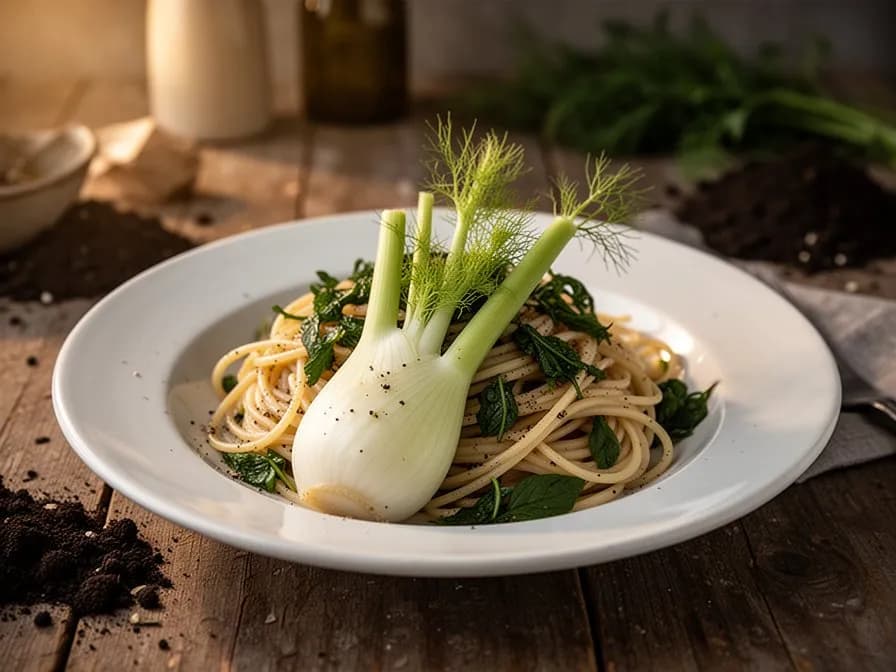
Hinojo asado con parmesano
35 minCuñas de hinojo asadas a alta temperatura hasta caramelizarse y tiernizarse, luego cubiertas con parmesano recién rallado. El calor transforma las notas intensas de anís del hinojo en una dulzura profunda y suave que convierte incluso a los escépticos. Un elegante acompañamiento que marida a la perfección con pollo asado o pescado a la plancha.
6 ingredientesEnsalada de hinojo laminado con cítricos
15 minUna ensalada ligera y refrescante al estilo italiano con láminas de hinojo finísimas mezcladas con gajos de cítricos brillantes y rúcula picante. El crujiente sabor a anís del hinojo crudo combina a la perfección con la naranja agridulce y el buen aceite de oliva. Se prepara mejor justo antes de servir para que el hinojo mantenga su crocante.
7 ingredientesSopa de hinojo y alubias blancas
45 minUna reconfortante sopa de inspiración toscana en la que el bulbo de hinojo se cuece lentamente con alubias blancas, ajo y un buen caldo hasta que todo se funde en un cuenco cremoso y aromático. Se termina con un chorrito de aceite de oliva intenso y migas de pan tostado para contrastar las texturas.
9 ingredientesUsos culinarios
El bulbo de hinojo de Florencia es una de las verduras más versátiles de la cocina italiana. Córtelo crudo en ensaladas con naranjas y aceitunas para la clásica preparación siciliana. Brasee en mantequilla o aceite de oliva hasta caramelizar y ablandar. Áselo al horno con aceite de oliva y parmesano como guarnición. Tuéstelo a la plancha en mitades para obtener un dulzor ahumado. Añádalo a risottos, pastas y sopas. El dulce sabor a anís se suaviza y endulza con la cocción. Las frondas son excelentes como guarnición y se pueden usar como el hinojo herbáceo en salsas y platos de pescado.
Qué contiene
Beneficios para la salud
- Rico en anetol, un compuesto natural con propiedades antiinflamatorias y antioxidantes bien documentadas que pueden ayudar a reducir la inflamación en los tejidos digestivos y en todo el organismo.
- Utilizado tradicionalmente durante siglos como digestivo — el té de hinojo y masticar semillas de hinojo después de las comidas son remedios consagrados por el tiempo para la hinchazón, los gases y la indigestión en las culturas mediterráneas e indias.
- Contiene una combinación única de fitoquímicos, como glucósidos de rutina, quercetina y kaempferol, que actúan como potentes antioxidantes, ayudando a neutralizar los radicales libres y proteger las células del daño oxidativo.
- Buena fuente de fibra dietética que favorece la diversidad del microbioma intestinal saludable y promueve la función intestinal regular, mientras que los compuestos prebióticos del hinojo ayudan a alimentar a las bacterias intestinales beneficiosas.
- Aporta vitamina C y otros nutrientes que refuerzan el sistema inmunitario en un paquete muy bajo en calorías, lo que convierte al hinojo en un alimento ideal para quienes buscan densidad de nutrientes sin densidad calórica durante el control del peso.
- Contiene cantidades apreciables de calcio, manganeso y magnesio — minerales esenciales para la salud ósea — lo que hace del hinojo un contribuidor valioso a la ingesta de minerales óseos, especialmente para quienes evitan los productos lácteos.
De dónde viene Hinojo de Florencia
El hinojo de Florencia (Foeniculum vulgare var. azoricum) desciende del hinojo silvestre, una hierba perenne robusta nativa de la costa mediterránea y ampliamente naturalizada en el sur de Europa, el oeste de Asia y el norte de África. El hinojo silvestre ha sido utilizado por los humanos desde la antigüedad — se han encontrado semillas en tumbas del antiguo Egipto, y tanto escritores griegos como romanos elogiaron sus propiedades culinarias y medicinales de manera extensa. Los antiguos romanos extendieron el cultivo del hinojo por todo su imperio, y la planta se naturalizó con tanta facilidad que se convirtió en una mala hierba común a los bordes de los caminos desde Portugal hasta Turquía.
El desarrollo de la variedad bulbosa de Florencia fue un logro italiano, que probablemente tuvo lugar en la región de Florencia y Nápoles durante los siglos XVI y XVII. Los hortelanos italianos seleccionaron plantas con bases de hoja cada vez más gruesas y ensanchadas hasta que la forma de bulbo característica surgió como una variedad estable. El nombre 'finocchio' se convirtió en sinónimo de este tipo bulboso en los mercados italianos, diferenciándolo del hinojo herbáceo silvestre utilizado principalmente por sus semillas y frondas. El hinojo de Florencia se convirtió rápidamente en una piedra angular de la cocina italiana, apreciado por su textura crujiente y su delicado sabor a anís.
La variedad se extendió lentamente más allá de Italia, llegando a Francia y otras partes del sur de Europa en el siglo XVIII, pero seguía siendo relativamente desconocida en el norte de Europa y las Américas hasta el siglo XX. Los inmigrantes italianos llevaron su amor por el finocchio a Estados Unidos, Argentina y Australia, donde inicialmente seguía siendo un ingrediente de especialidad que solo se encontraba en los mercados italianos. El mundo culinario occidental más amplio descubrió el hinojo de Florencia durante el movimiento de la dieta mediterránea de los años 1980 y 1990, y desde entonces se ha vuelto ampliamente disponible en supermercados de Norteamérica y Europa.
Hoy en día, el hinojo de Florencia se cultiva comercialmente en Italia, España, Francia, Estados Unidos (principalmente California) y, cada vez más, en invernaderos en el norte de Europa. Su popularidad sigue creciendo a medida que chefs y cocineros domésticos aprecian su versatilidad — igualmente en casa consumido crudo en ensaladas, braseado, asado, a la plancha o utilizado como base aromática en sopas y guisos. La capacidad de la planta para atraer insectos beneficiosos, en particular mariposas cola de golondrina y avispas parasitarias, también la ha convertido en una favorita entre los hortelanos ecológicos y de cultivo biológico de todo el mundo.
Hinojo de Florencia: ¿sabías que?
Datos fascinantes sobre Hinojo de Florencia
El hinojo de Florencia es en realidad una variedad cultivada (var. azoricum) del hinojo común, criada selectivamente por hortelanos italianos a lo largo de siglos para producir una base ensanchada y bulbosa. El hinojo silvestre, presente en todo el Mediterráneo, no forma ningún bulbo — solo frondas plumosas y semillas.
Hinojo de Florencia: preguntas frecuentes
¿Cuándo debo plantar Hinojo de Florencia?
¿Cuáles son buenas plantas acompañantes para Hinojo de Florencia?
¿En qué zonas de rusticidad puede crecer Hinojo de Florencia?
¿Cuánto sol necesita Hinojo de Florencia?
¿A qué distancia debo espaciar Hinojo de Florencia?
¿Qué plagas y enfermedades afectan a Hinojo de Florencia?
¿Cómo almaceno Hinojo de Florencia después de la cosecha?
¿Cuáles son las mejores variedades de Hinojo de Florencia para cultivar?
¿Qué suelo necesita Hinojo de Florencia?
¿Por qué mi hinojo sigue espigando en lugar de formar un bulbo?
¿Puedo comer el hinojo que ha espigado y comenzado a florecer?
¿El hinojo de Florencia es el mismo que el hinojo del que se obtienen las semillas de hinojo?
¿Cómo conservo los bulbos de hinojo cosechados para mantenerlos frescos?
¿El hinojo crece bien en macetas?
¿El hinojo rebrota año tras año como planta perenne?
Acabas de leer la teoría. Ahora cultívala en piloto automático.
Todo lo que hace que Hinojo de Florencia sea delicado — el momento, el espaciado, las asociaciones, la ventana de cosecha — es justo lo que PlotMyGarden resuelve por ti, para cada planta de tu huerto.
Un plan que conoce tu clima
Indica tu ubicación una vez. Recibe fechas de siembra, abonado y cosecha basadas en tu última helada real y el pronóstico en vivo — sin adivinar con un sobre genérico.
De la sección “Cuándo plantar”Planificador de bancales de arrastrar y soltar
Diseña bancales sobre una cuadrícula. Cada planta encaja con su espaciado correcto y ves toda la temporada antes de gastar un céntimo en semillas.
De la sección “Cultivo”Conflictos de asociación, detectados a tiempo
Más de 200 buenas y malas combinaciones comprobadas en vivo mientras plantas — para que un error que arruine la temporada nunca llegue a la tierra.
De la sección “Asociaciones”Recordatorios que sí vas a seguir
“Riega las judías.” “Recoge hoy antes de que se pase.” Oportunos, concretos y ligados a las plantas que de verdad cultivas.
De la sección “Cosecha”Escalonado, programado
¿Quieres cosechar seis semanas en vez de seis días? Reparte tus siembras automáticamente y te avisa cuando toca el siguiente lote.
De la sección “Cuándo plantar”Un registro que se vuelve más listo
Cada cosecha que registras le enseña tu huerto. El plan del año que viene parte de lo que de verdad funcionó en tu suelo, no en un manual.
De la sección “Resumen”Planta estos junto a Hinojo de Florencia
Más Hierbas culinarias
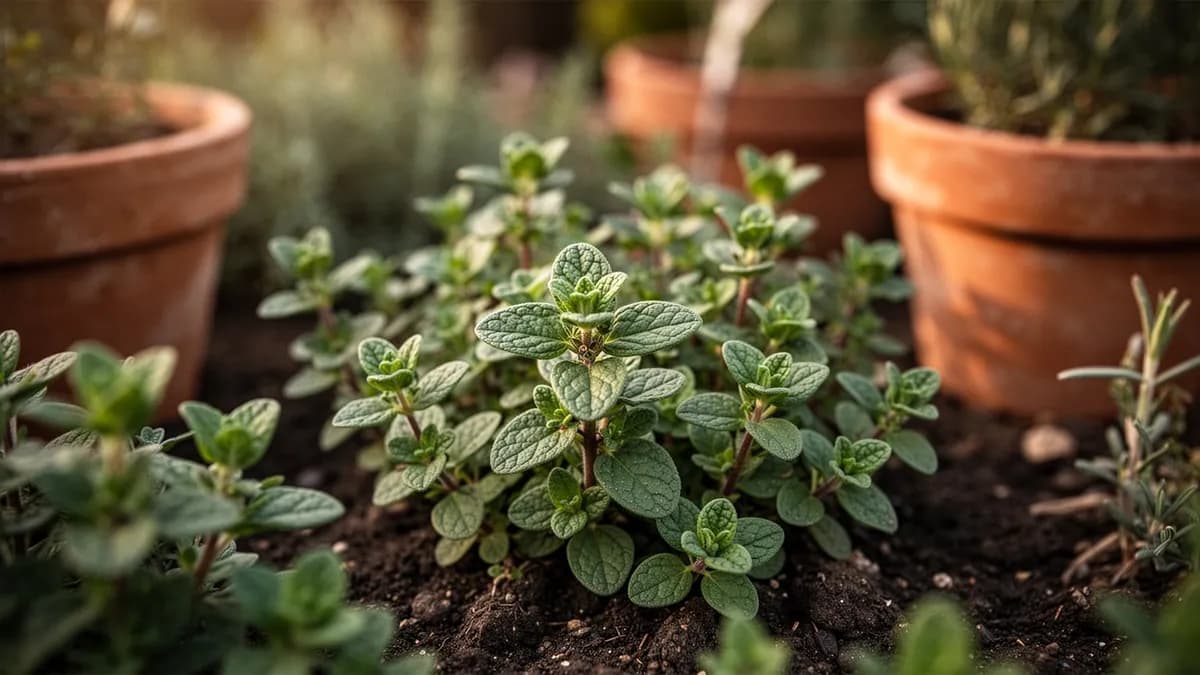
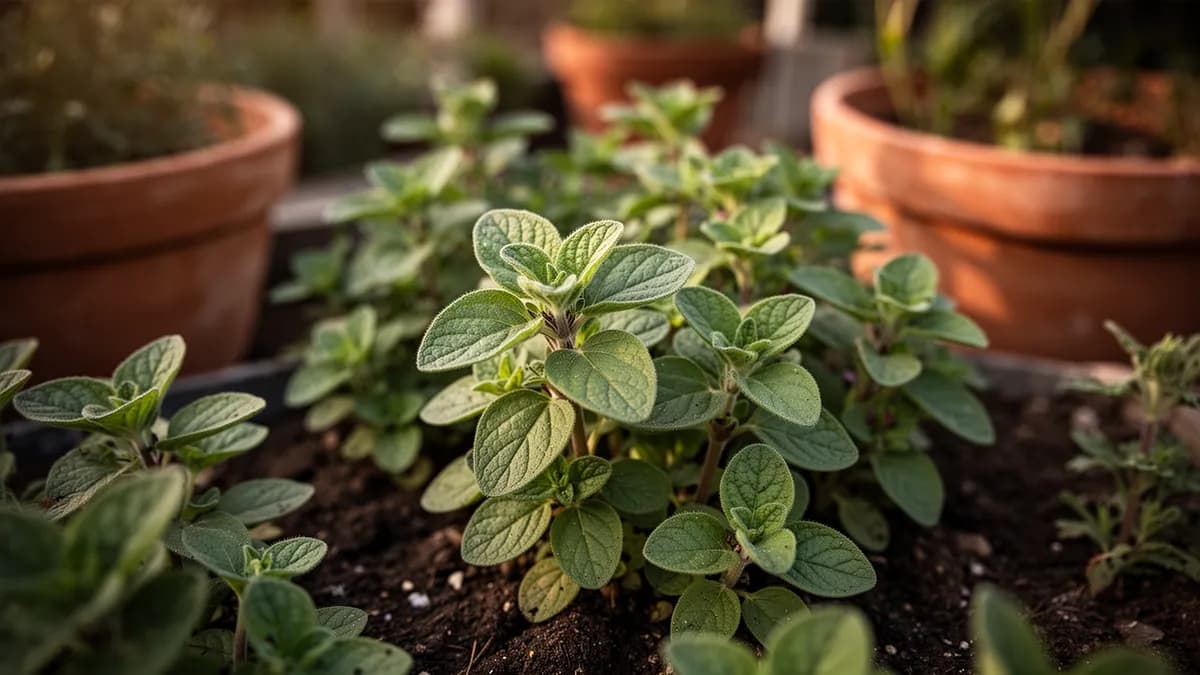
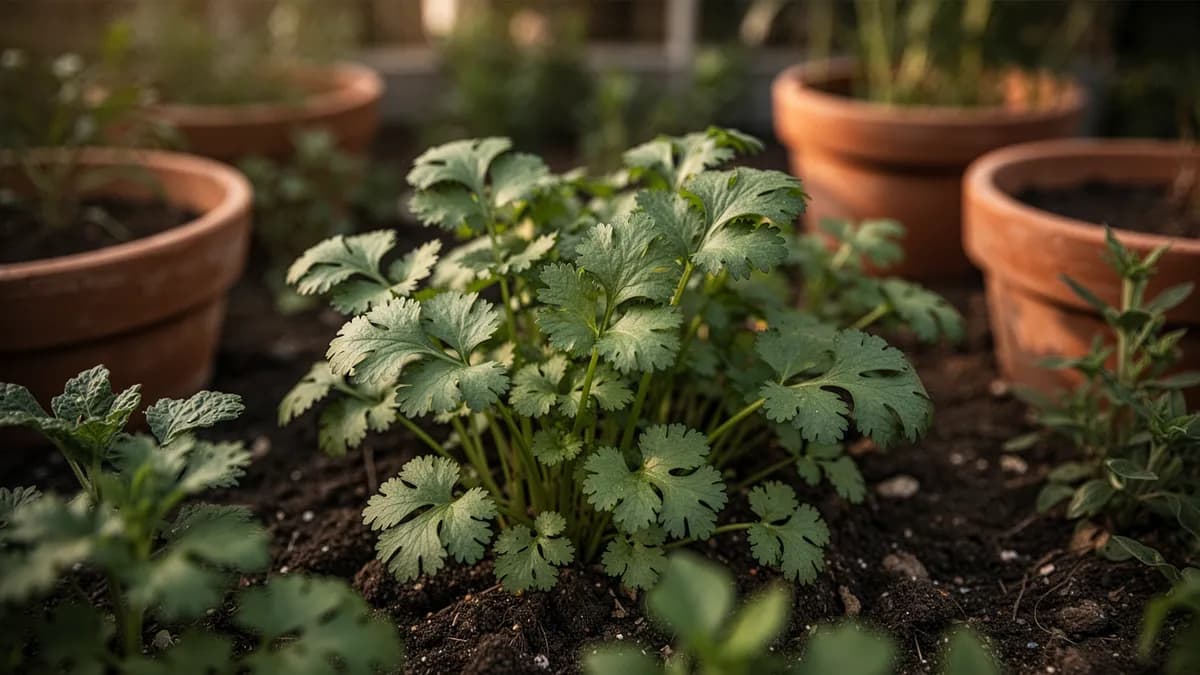
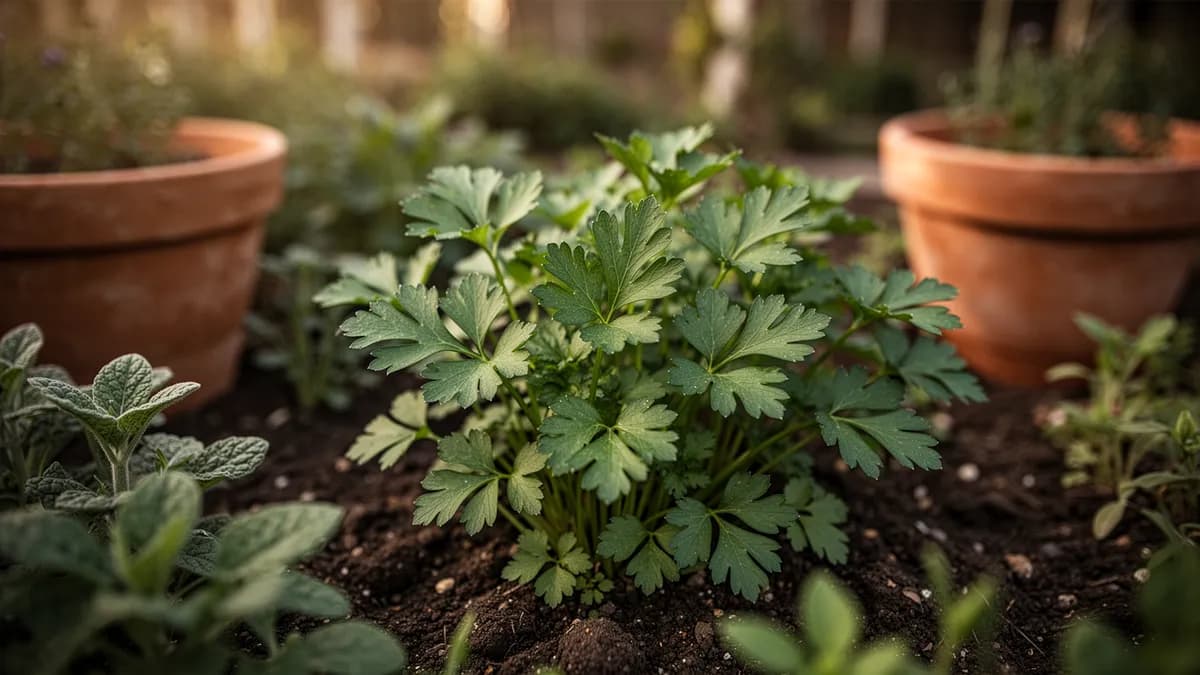
Mantén Hinojo de Florencia lejos de estos
Diseños de jardín con Hinojo de Florencia
Cultiva tu mejor Hinojo de Florencia — y todo lo que la rodea.
Empieza un plan gratis hoy. Diseña tus bancales, coloca tu Hinojo de Florencia y deja que PlotMyGarden gestione el momento, el espaciado, las asociaciones y los recordatorios de la semilla a la cesta.