Culantro
Una hierba tropical de hojas largas y aserradas con un sabor similar al cilantro pero diez veces más intenso, y que no florece prematuramente con el calor.





En esta páginaResumen
Conoce Culantro
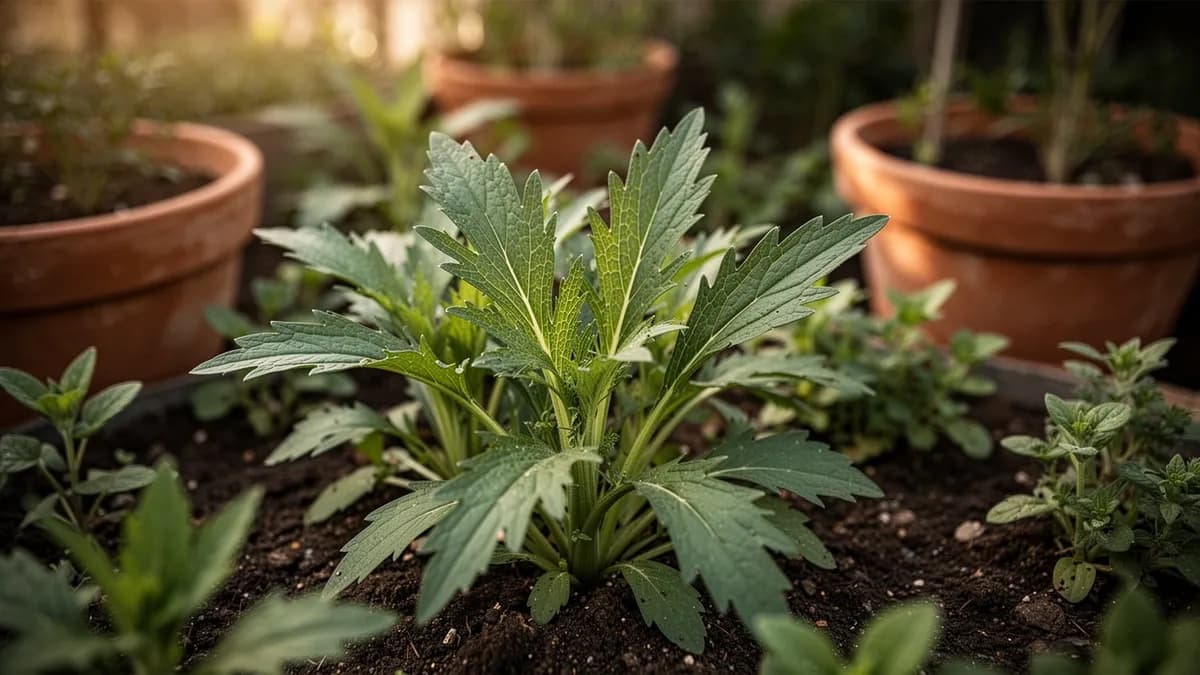
Una hierba tropical de hojas largas y aserradas con un sabor similar al cilantro pero diez veces más intenso, y que no florece prematuramente con el calor. El culantro se emplea ampliamente en las cocinas caribeña, centroamericana y del sudeste asiático donde se desea el sabor del cilantro durante todo el año. Prefiere la sombra y la humedad, lo que lo convierte en una excelente hierba de sotobosque en jardines tropicales.
Cuándo plantar Culantro
Siembre las semillas de culantro en interiores sobre la superficie de un sustrato húmedo para siembra, 8 a 10 semanas antes del trasplante al exterior. Las semillas son muy pequeñas; presiónelas suavemente sin cubrirlas, pues necesitan luz para germinar. Mantenga la temperatura del sustrato entre 24 y 30 °C y una alta humedad cubriendo las bandejas con una cúpula transparente. La germinación es lenta e irregular, y tarda de 14 a 28 días. Mantenga el sustrato constantemente húmedo, pero no encharcado. Aclare las plántulas a 5-8 cm de distancia. Trasplante al exterior a un lugar sombreado y húmedo una vez que haya pasado todo riesgo de helada y las temperaturas sean constantemente cálidas.
Tu año de Culantro
Ajustado a Zona 7 · temporada típica · la helada se va hacia el 2 abr y vuelve hacia el 1 nov
Planta Culantro Abr – Jun y cosecha Jun – Oct. Consulta los métodos de plantación y elige tu clima para adaptar los periodos.
Cómo cultivar Culantro
El culantro (Eryngium foetidum) es una hierba tropical bienal que suele confundirse con el cilantro, aunque tiene una apariencia muy diferente y un sabor mucho más intenso. Crece como una roseta baja de hojas largas, aserradas y en forma de lanza, en lugar de las hojas redondeadas y lobuladas del cilantro. Inicie las semillas en interiores 8 a 10 semanas antes del trasplante, ya que la germinación es lenta e irregular, y puede tardar de 2 a 4 semanas.
Siembre las pequeñas semillas en la superficie de un sustrato húmedo para siembra, presionando suavemente sin cubrirlas, pues necesitan luz para germinar. Mantenga temperaturas cálidas de entre 24 y 30 °C y una alta humedad. Trasplante las plántulas a un lugar sombreado y húmedo en el exterior una vez que haya pasado todo riesgo de helada. Espacie las plantas a 20-30 cm de distancia.
El culantro prospera en condiciones que la mayoría de las hierbas rechazan: sombra, calor y alta humedad. Es una hierba de sotobosque ideal en jardines tropicales, ya que crece bien bajo plantas más altas. A diferencia del cilantro, el culantro no florece prematuramente con el calor y produce hojas cosechables durante todo el año en climas tropicales. En zonas templadas, cultívelo como anual de verano en el rincón más sombreado y húmedo del jardín, o en macetas que puedan llevarse al interior antes de las heladas.
72 plantas caben en un bancal de 120 × 240 cm
Cada Culantro pide 20 cm de margen. El planificador guarda ese marco por ti — cada planta, cada bancal.
Los mejores vecinos de Culantro
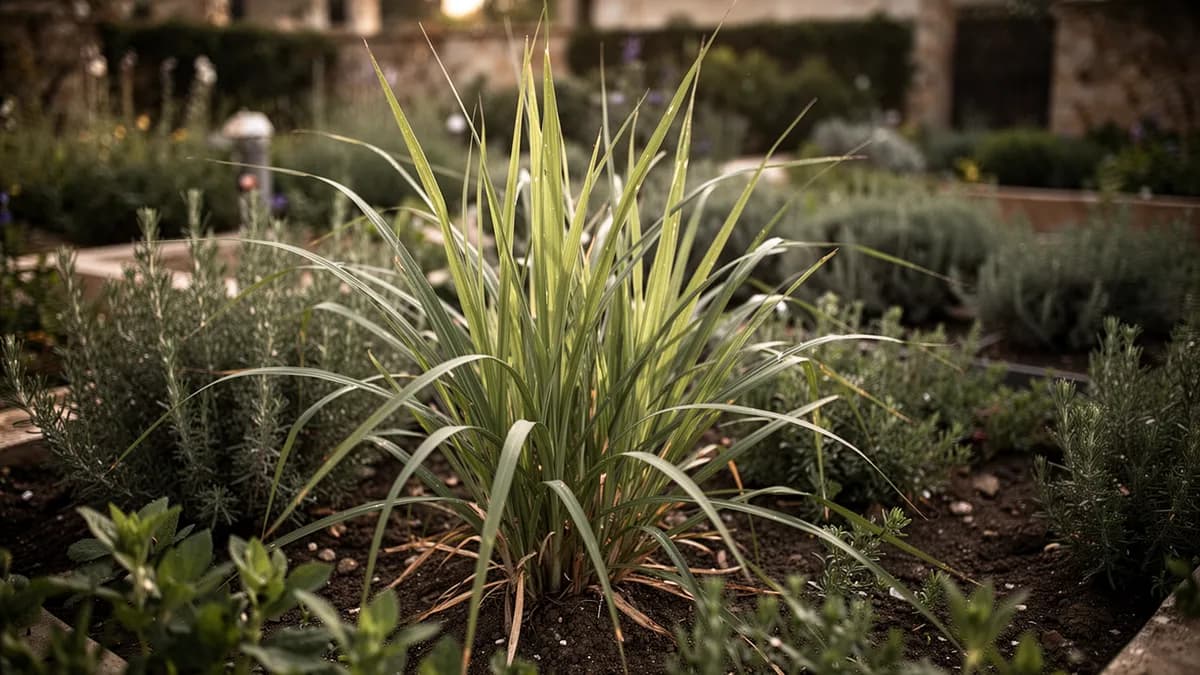
Las preferencias por la sombra y la humedad del culantro lo convierten en un compañero de sotobosque ideal para plantas tropicales más altas como la hierba limón, la albahaca tailandesa y el banano. Plántelo bajo jaulas de tomate o judías en espaldera, donde se beneficia de la luz filtrada. El culantro combina naturalmente con el cilantro en el jardín, prolongando la temporada del sabor a cilantro durante el calor cuando este espiga. Evite plantarlo cerca del hinojo. Su hábito de roseta rastrera lo convierte en una buena cubierta vegetal que ayuda a retener la humedad del suelo para las plantas vecinas.
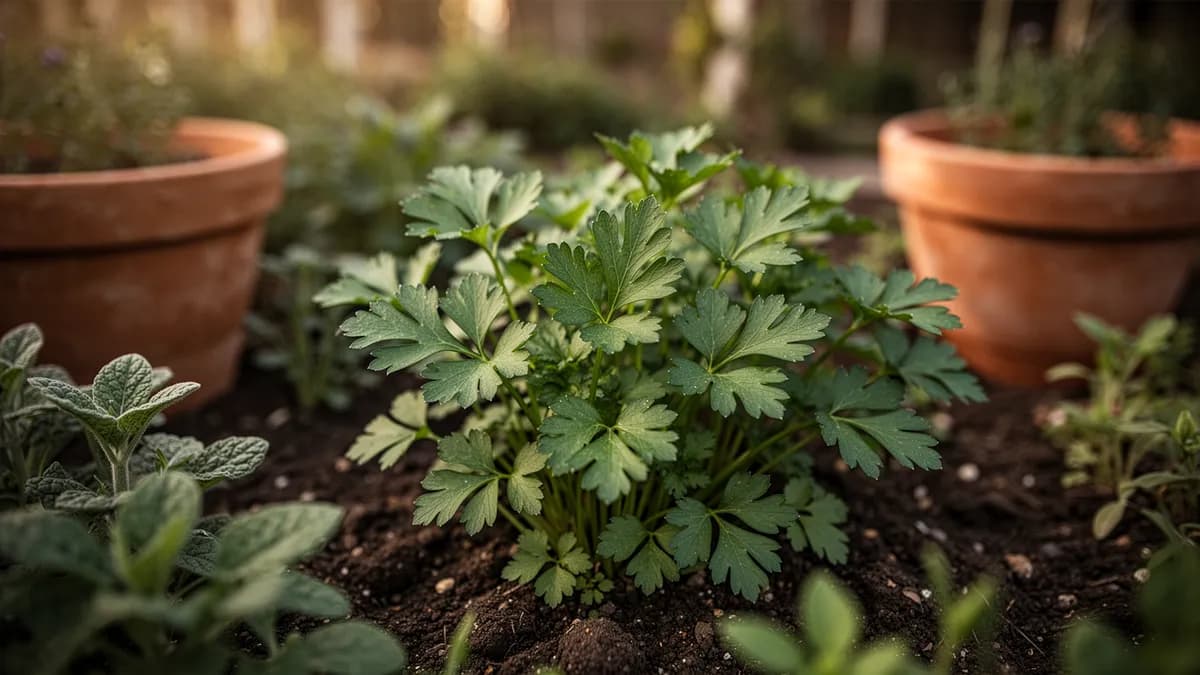
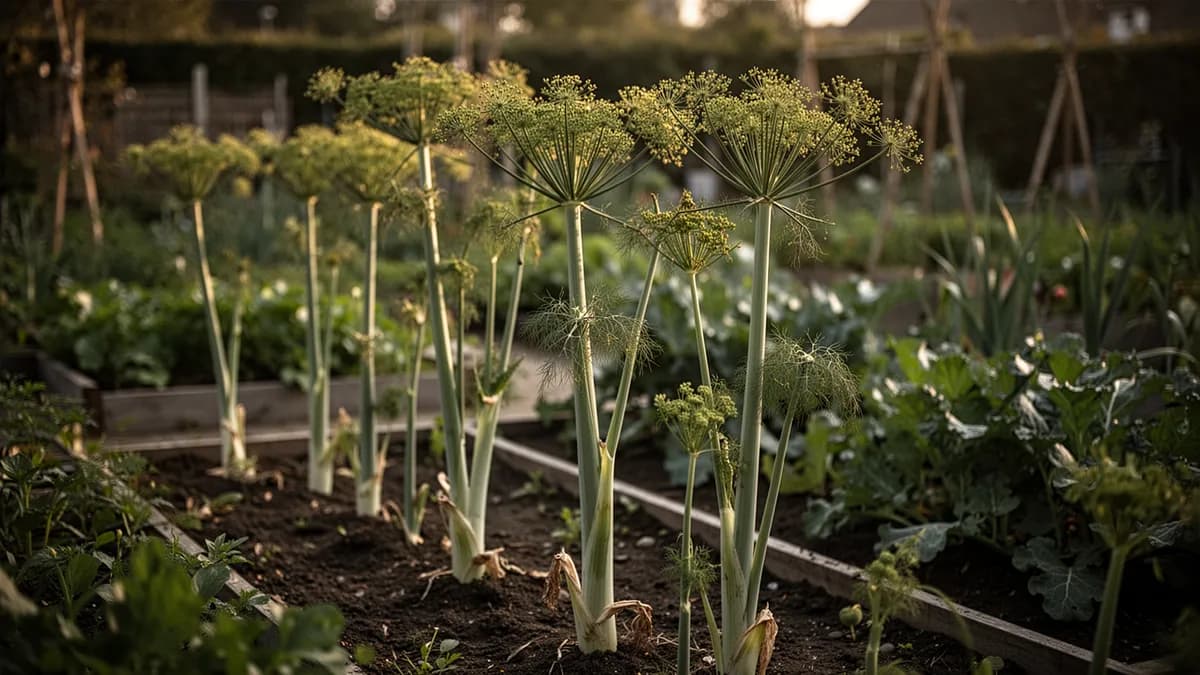
Cilantro va a su lado. Hinojo no.
Saber de huerto de siempre, cotejado con la tabla real de Culantro — prueba cualquier planta que cultives.
Prueba Culantro en un bancal, aquí mismo
Un bancal real del planificador con Culantro ya plantado. Toca una planta compañera para colocarla y mira cómo responde la comprobación de vecinos: verde para buenos vecinos, rojo si hay conflicto.


Guías de cultivo relacionadas
Abónalo bien
El culantro prospera en suelos ricos, húmedos y bien drenados con un pH de 6.0 a 7.0 y un alto contenido de materia orgánica. Incorpore generosas cantidades de compost en el área de siembra. Abóne cada 2 a 3 semanas con un fertilizante líquido rico en nitrógeno o emulsión de pescado para estimular un exuberante crecimiento foliar. El culantro requiere más nutrientes que el cilantro y responde bien a condiciones fértiles. En macetas, use una mezcla de sustrato con alta retención de humedad y abóne cada dos semanas. Mantenga el suelo constantemente húmedo, pero nunca encharcado, ya que la corona es susceptible a la pudrición.
Temperatura ideal
Compatibilidad de zonas de rusticidad
De la semilla a la cosecha, etapa por etapa
Germinación de la semilla
Las semillas de culantro son notoriamente lentas en germinar y suelen necesitar de 14 a 21 días en condiciones cálidas y constantemente húmedas. Las pequeñas semillas necesitan luz para germinar y deben sembrarse en la superficie o apenas cubiertas con una fina capa de vermiculita. Las tasas de germinación mejoran notablemente cuando las semillas se mantienen a 25-30 °C y nunca se dejan secar.
Desarrollo de plántulas
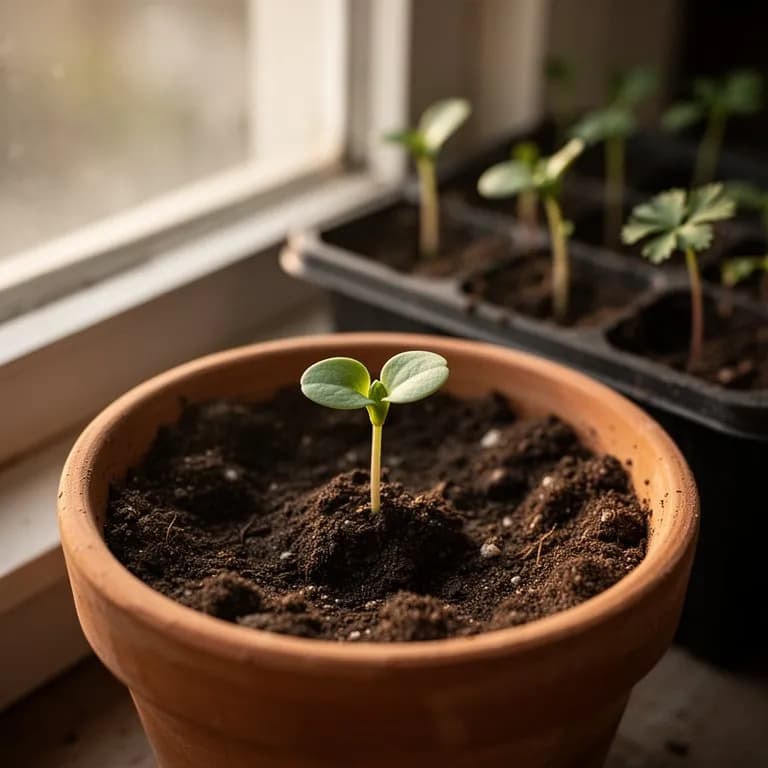
Las primeras hojas son diminutas, de bordes lisos y apenas se parecen a la planta adulta. En las semanas siguientes comienzan a desarrollarse las características hojas aserradas en forma de lanza. El crecimiento es lento en esta fase y las pequeñas plántulas son vulnerables a la desecación y al ahogamiento. Comienza a establecerse un sistema radicular con raíz pivotante poco profunda.
Formación de la roseta
La planta desarrolla su característica roseta plana de hojas largas y aserradas que irradian hacia afuera desde una corona central pegada al suelo. Las hojas alcanzan de 15 a 25 cm de longitud y de 3 a 5 cm de ancho, con márgenes espinoso-dentados bien definidos. El sabor se intensifica a medida que las hojas maduran, desarrollando el potente aroma similar al cilantro que es de 8 a 10 veces más fuerte que el de las hojas de cilantro.
Fase productiva de cosecha
La planta alcanza su plena productividad y produce continuamente nuevas hojas desde la corona central a medida que se cosechan las exteriores. En condiciones ideales de temperaturas cálidas, sombra parcial y humedad constante, una sola planta puede mantenerse productiva durante varios meses. Las hojas de verde más intenso en esta etapa son las que tienen el sabor y el aroma más concentrados.
Espigado y producción de semillas
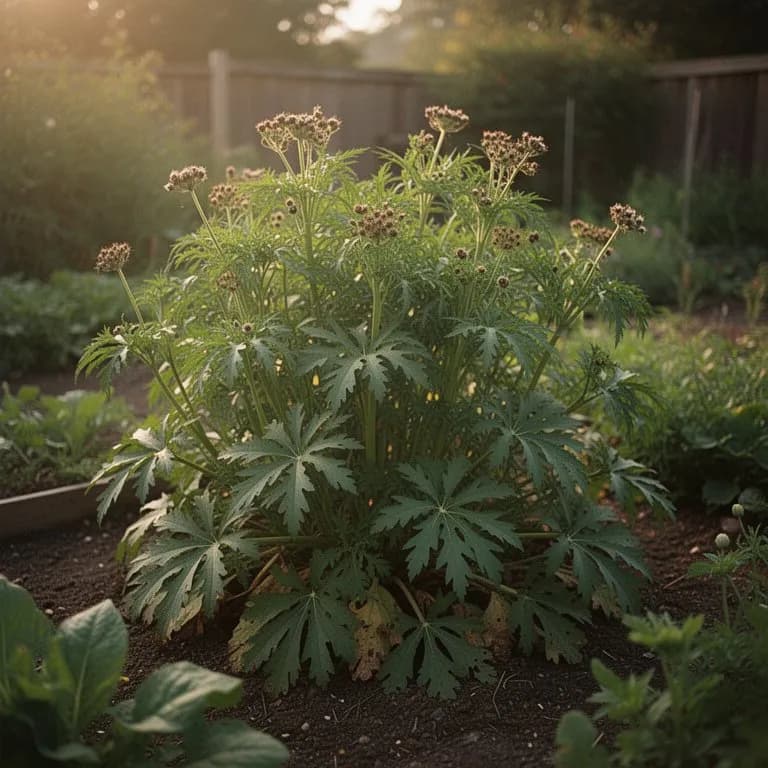
Eventualmente la planta emite un tallo floral rígido y erecto de 20 a 40 cm de altura que porta pequeñas cabezuelas florales cilíndricas de color verde con diminutas flores blancas o verde pálido. Una vez que comienza el espigado, la producción de hojas se ralentiza y las hojas existentes se vuelven más duras y amargas. Las flores atraen pequeños insectos benéficos y producen pequeñas semillas que pueden recogerse para el siguiente ciclo de siembra.
Siembre las semillas en la superficie de un sustrato húmedo para siembra y presiónelas suavemente sin enterrarlas. Cubra la bandeja con plástico transparente o una cúpula de humedad para mantener la humedad. Colóquela en un lugar cálido con luz indirecta — una esterilla de calor regulada a 27 °C mejora significativamente la velocidad y uniformidad de la germinación.
Cuidar Culantro mes a mes
Qué hacer cada mes para tu Culantro
Octubre
Mes actualLleve el culantro en macetas al interior antes de la primera helada. Colóquelo bajo luces de cultivo o en un alféizar luminoso. Aumente la humedad alrededor de las plantas de interior con una bandeja de guijarros o pulverizaciones regulares. En zonas tropicales, el culantro sigue creciendo vigorosamente durante la temporada seca y más fresca.
Ten claro qué hacer en tu huerto, cada mes
Un correo al empezar cada mes: qué sembrar, plantar y hacer ahora mismo — para tu Culantro y todo lo que crece alrededor. Más un breve curso inicial para esquivar los errores clásicos.
- Qué hacer ahora mismo
- Ajustado a tu temporada
- Curso inicial incluido
Cosechar Culantro
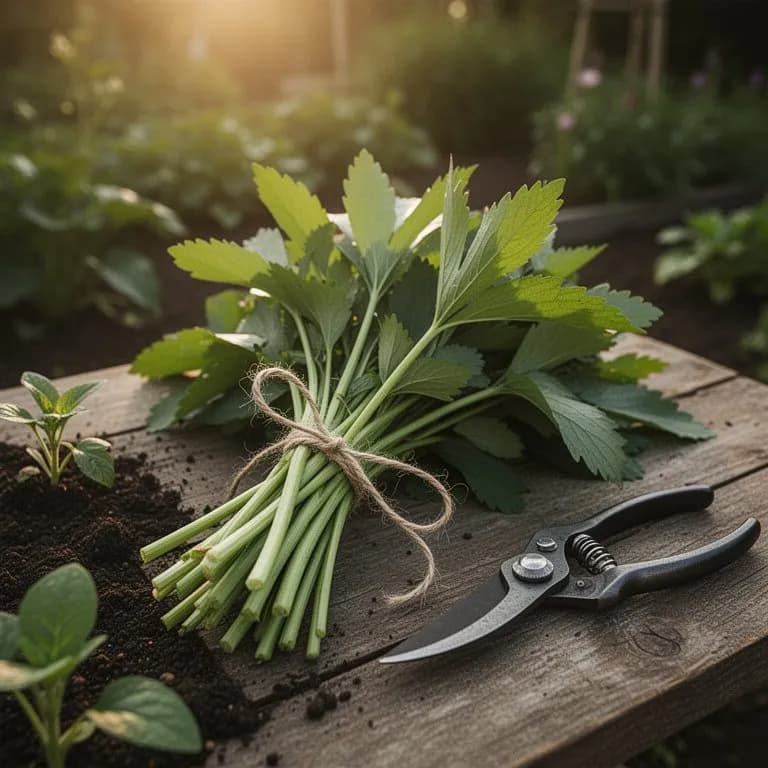
Coseche las hojas de culantro una vez que la roseta tenga 6 a 8 hojas bien desarrolladas, generalmente entre 50 y 60 días desde la siembra. Corte las hojas exteriores desde la base, dejando intacto el centro en crecimiento para una producción continuada. Las hojas jóvenes tienen el mejor sabor; las hojas exteriores más viejas pueden volverse correosas. Cuando la planta emita un tallo floral (un largo tallo central espinoso), córtelo de inmediato para prolongar la producción de hojas. Una vez que comienza el espigado, el sabor de las hojas se vuelve áspero y la producción declina. Una sola planta de culantro aporta mucho más sabor similar al cilantro que varias plantas de cilantro.
se supone que plantas al comenzar el periodo — indica tu fecha real
Cosecha Culantro a tiempo y la planta sigue produciendo.
Almacenamiento y conservación
El culantro se conserva mucho mejor que el cilantro gracias a sus hojas más gruesas y resistentes. Envuélvalo en papel absorbente húmedo y refrigérelo en una bolsa de plástico durante hasta 2 a 3 semanas. Las hojas robustas se congelan bien: píquelas y guárdelas en bolsas herméticas, o congélelas en cubiteras con agua o aceite. El culantro también se seca mejor que el cilantro, conservando más sabor. Séquelo en un deshidratador a 35 °C o al aire en un lugar bien ventilado. Mezcle hojas frescas en sofrito o pasta de recaíto y congélelas en porciones para una cocina caribeña rápida.
Qué falla — y cómo solucionarlo
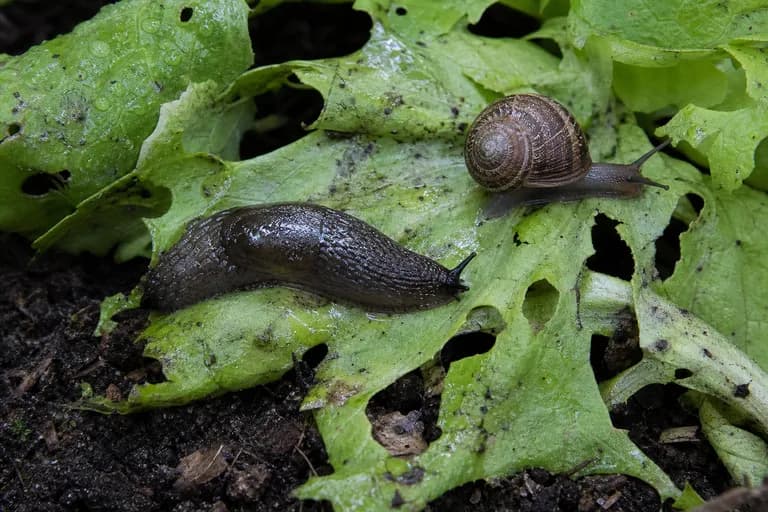
Babosas y caracoles
PlagaAgujeros irregulares en las hojas largas, rastros de baba; los daños son más graves en las condiciones húmedas y sombreadas que el culantro prefiere.
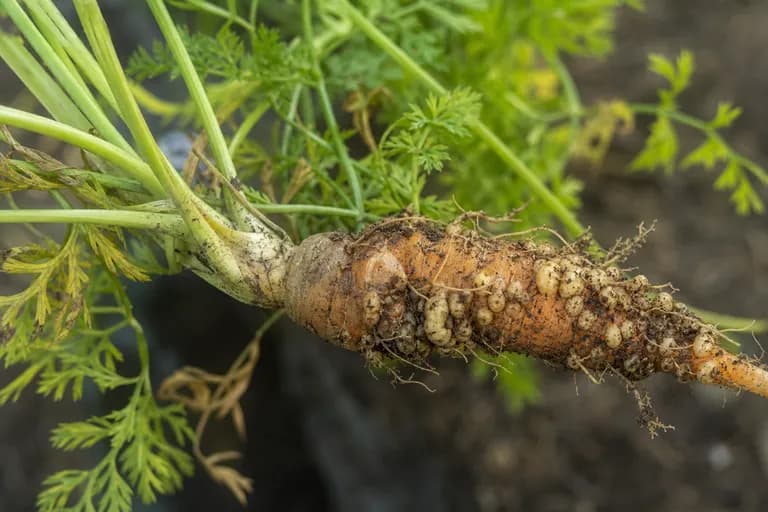
Nematodos agalladores
PlagaCrecimiento lento, hojas amarillentas, raíces con agallas y engrosadas al arrancar las plantas.
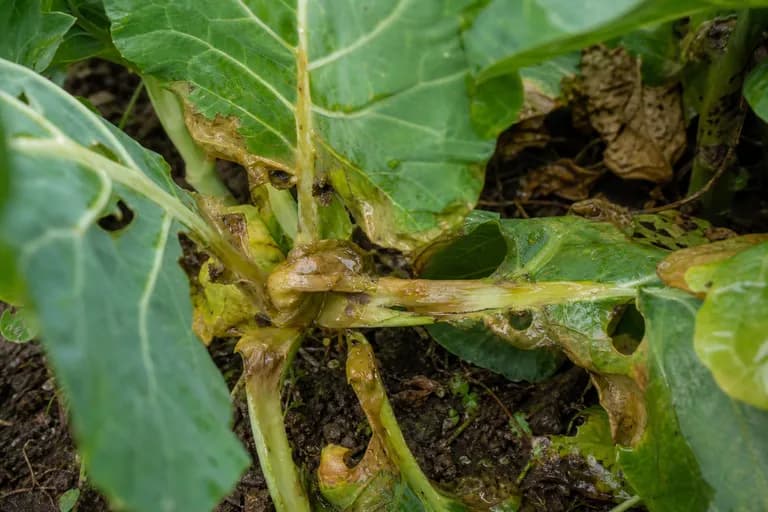
Podredumbre bacteriana blanda
EnfermedadZonas blandas y encharcadas en la base de las hojas, olor fétido y colapso de la planta a nivel de la corona.
Solución de problemas comunes
La germinación lenta es el mayor desafío, pues suele tardar de 2 a 4 semanas con una emergencia irregular. Use semillas frescas y mantenga condiciones cálidas y húmedas. El espigado lo desencadena la duración larga del día y el estrés, produciendo un tallo floral central que pone fin a la cosecha productiva de hojas; retire los tallos florales de inmediato. El culantro no tolera las heladas y muere al primer congelamiento. Los bordes aserrados de las hojas pueden ser sorprendentemente afilados, así que manéjelo con cuidado. En climas templados, encontrar suficiente sombra y humedad para un crecimiento óptimo puede resultar difícil.
Consejos de cultivo
- Inicie las semillas en interiores 10 a 12 semanas antes de su última fecha de helada. Las semillas de culantro son lentas en germinar (14-21 días) y necesitan luz, calor y humedad constante. Siembre en superficie sobre un sustrato fino para siembra, presiónelas suavemente y cubra con una cúpula de humedad transparente. Una esterilla de calor regulada a 27 °C mejora drásticamente las tasas de germinación.
- Cultive el culantro en sombra parcial para obtener la mejor calidad de hoja. Es una de las pocas hierbas que realmente prefiere del 50 al 70 % de sombra — las plantas cultivadas en pleno sol producen hojas más pequeñas, más duras, más amargas y espigas mucho más rápido. El lugar ideal recibe sol matutino y sombra vespertina, o luz tamizada durante todo el día.
- Mantenga el suelo constantemente húmedo, pero nunca encharcado. El culantro es originario de los márgenes de bosques tropicales húmedos y no tolera la sequía. Mulche abundantemente alrededor de las plantas con materia orgánica para mantener una humedad uniforme en el suelo y mantener las raíces frescas. El riego por goteo o las mangueras de remojo son ideales.
- Use un suelo rico en humus, enmendado con abundante compost. El culantro es un consumidor moderadamente intenso que responde bien a suelos fértiles y con alta retención de humedad, con un pH ligeramente ácido a neutro (5.5-7.0). Los suelos arenosos o arcillosos deben enmendarse abundantemente con materia orgánica antes de plantar.
- Retire los tallos florales de inmediato cuando aparezcan para prolongar la cosecha de hojas varias semanas o incluso meses. Una vez que el culantro destina energía a florecer y producir semillas, la calidad y la cantidad de las hojas declinan rápidamente. Pellizque o corte el tallo emergente desde su base en cuanto lo note.
- Coseche primero las hojas exteriores, dejando siempre intacto el punto central de crecimiento y al menos 4-5 hojas interiores. Este enfoque de corte y rebrote estimula la producción continua de nuevas hojas. Use un cuchillo afilado o tijeras para hacer cortes limpios en la base de cada tallo foliar.
- Proteja el culantro de babosas y caracoles, que se sienten fuertemente atraídos por las condiciones húmedas y sombreadas que prefiere la planta. Use barreras de cinta de cobre, tierra de diatomeas o trampas de cerveza alrededor de los cultivos. Revise las plantas al anochecer, cuando estas plagas son más activas.
- Congele el excedente de hojas de culantro para su uso durante todo el año. A diferencia del cilantro, el culantro conserva la mayor parte de su sabor cuando se congela. Extienda las hojas individualmente en plano sobre una bandeja forrada con papel de horno, congele hasta que estén sólidas y luego transfiéralas a bolsas herméticas. Las hojas congeladas pueden añadirse directamente a sopas, guisos y salsas sin descongelar.
- Cultive el culantro como acompañante de sotobosque bajo cultivos más altos como tomates, pimientos, maíz o judías en espaldera. Las plantas más altas proporcionan la sombra que el culantro necesita, mientras este actúa como acolchado vivo, manteniendo el suelo fresco y húmedo. Esto maximiza el espacio del jardín en parcelas pequeñas.
- En climas templados, trasplante algunas plantas sanas a macetas antes de la primera helada y llévelas al interior. El culantro crece bien en un alféizar luminoso o bajo luces de cultivo durante el invierno si se le proporciona calor constante (por encima de 15 °C), humedad y agua. Coloque las macetas sobre bandejas de guijarros llenas de agua para aumentar la humedad alrededor de las plantas.
Cultiva tu mejor Culantro — y todo lo que la rodea.
Empieza un plan gratis hoy. Diseña tus bancales, coloca tu Culantro y deja que PlotMyGarden gestione el momento, el espaciado, las asociaciones y los recordatorios de la semilla a la cesta.
Elige tu Culantro
Culantro común
La variedad tropical estándar, con hojas largas y aserradas y un intenso sabor similar al cilantro. Se utiliza en todo el Caribe y el sudeste asiático.
Recao puertorriqueño
Una selección regional muy apreciada en la cocina puertorriqueña para el recaíto y el sofrito. Hojas ligeramente más anchas con un sabor concentrado.
Ngo gai (culantro vietnamita)
La forma del sudeste asiático empleada en el pho vietnamita, el larb tailandés y el laksa malayo. Es la misma especie, seleccionada para condiciones de cultivo tropical.
El culantro fresco es difícil de encontrar fuera de las tiendas de comestibles caribeñas y asiáticas, donde suele venderse a 2-4 € por pequeño manojo de 8 a 12 hojas. En los supermercados convencionales que lo tienen, los precios pueden alcanzar los 5-6 € por manojo. Un solo sobre de semillas cuesta 2-4 € y produce 20 a 30 plantas o más, cada una con un rendimiento de hojas suficiente durante la temporada para sustituir docenas de manojos comprados. Además, el culantro se congela excepcionalmente bien — a diferencia del cilantro, que pierde todo su sabor al congelarse — lo que facilita conservar la cosecha de verano para su uso durante todo el año a un coste adicional prácticamente nulo.
Recetas rápidas
Recaíto caribeño (sofrito verde)
15 minLa aromática base verde de la cocina puertorriqueña — una vibrante mezcla de culantro, pimientos dulces, ajo y cebollas triturados hasta obtener una pasta fragante. Congélelo en cubiteras para tener una base de sabor instantánea siempre que comience a cocinar frijoles, arroz, sopas o guisos.
7 ingredientes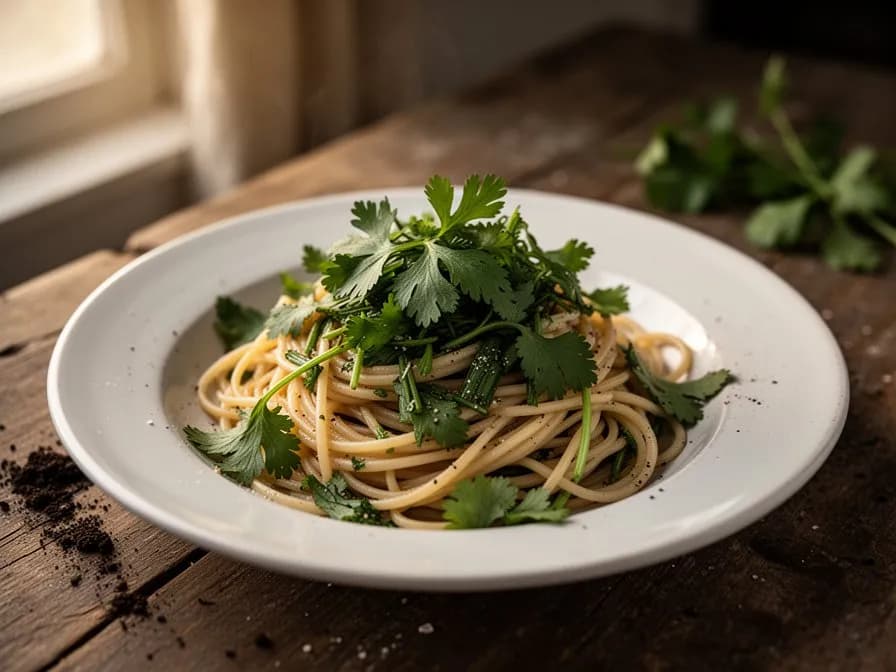
Plato de hierbas frescas para pho vietnamita con culantro
10 minUn plato de hierbas frescas y condimentos que se sirve junto a humeantes cuencos de pho — el culantro añade un intenso toque herbal que aguanta mucho mejor el caldo caliente que el cilantro, que se marchita casi al instante. Trocee las hojas y revuélvalas justo antes de comer.
6 ingredientesSazón verde trinitense
15 minUna marinada y pasta de sazón multiusos de sabor intenso, muy utilizada en Trinidad y Tobago. Esta vibrante mezcla verde sirve para marinar pollo, pescado y carne, o puede añadirse directamente a sopas y currys para aportar una profundidad de sabor instantánea.
9 ingredientesUsos culinarios
El culantro es esencial en la cocina caribeña, ya que forma la base del recaíto y el sofrito puertorriqueño junto con los pimientos y el ajo. Úselo en la sazón verde trinitense, en las marinadas de jerk jamaicanas y en sopas y guisos latinoamericanos. En la cocina del sudeste asiático, añádalo al pho vietnamita, el larb tailandés y el laksa malayo. La intensidad del sabor significa que necesita mucho menos culantro que cilantro. A diferencia del cilantro, el culantro aguanta la cocción y puede añadirse desde el principio del proceso sin perder su fuerza.
Qué contiene
Beneficios para la salud
- Fuente excepcional de vitamina A con 6748 UI por 100 g (135 % VD), principalmente como betacaroteno, que el organismo convierte en retinol para mantener una visión saludable, la defensa inmunitaria y el crecimiento celular — significativamente más alta que la de la mayoría de las hierbas culinarias.
- Contiene compuestos antimicrobianos documentados, incluidos eryngial y trans-2-dodecenal, que estudios de laboratorio han demostrado eficaces contra patógenos alimentarios como la Salmonella y el E. coli — lo que sugiere que su uso tradicional en las cocinas tropicales puede tener beneficios para la seguridad alimentaria.
- Rico en compuestos antiinflamatorios que la medicina herbal tradicional caribeña y latinoamericana ha empleado durante siglos para tratar el dolor articular, la inflamación digestiva y las afecciones respiratorias, con estudios farmacológicos modernos que confirman una actividad antiinflamatoria mensurable.
- Aporta una cantidad significativa de calcio (75 mg por 100 g) para una hierba de hoja, contribuyendo a la densidad ósea y la salud dental cuando se consume regularmente como alimento habitual — tal y como ocurre en todo el Caribe y el sudeste asiático.
- Contiene hierro dietético (2.1 mg por 100 g) junto con vitamina C moderada que ayuda a la absorción del hierro, lo que hace del consumo regular de culantro una estrategia útil para mantener los niveles de hierro en las dietas tropicales de base vegetal.
- El uso tradicional como auxiliar digestivo está respaldado por investigaciones que demuestran que los extractos de hojas de culantro pueden estimular la actividad de las enzimas digestivas y reducir los gases intestinales — la base científica de su reputación centenaria como hierba carminativa en múltiples culturas tropicales.
De dónde viene Culantro
El culantro (Eryngium foetidum) es originario de las regiones tropicales de Centroamérica y el Caribe, y se cree que su centro de origen se encuentra en la zona que abarca el actual México, Belice, Guatemala y las Antillas Mayores. Las poblaciones silvestres aún prosperan en toda esta región en márgenes de bosques húmedos y sombreados, riberas de ríos y hábitats alterados, donde la planta crece como bienal o perenne de vida corta. Los pueblos indígenas de Mesoamérica y el Caribe usaban el culantro tanto como condimento alimentario como hierba medicinal mucho antes del contacto europeo, y sigue profundamente arraigado en las tradiciones culinarias de estas regiones hoy en día.
Tras la colonización europea y la expansión de las rutas comerciales globales en los siglos XVI y XVII, el culantro fue llevado a las regiones tropicales de todo el mundo. Llegó al África Occidental a través de la trata de esclavos del Atlántico y el comercio posterior, naturalizándose rápidamente y siendo adoptado en las cocinas locales. Desde allí se extendió al sudeste asiático a través de redes de comercio marítimo, encontrando una entusiasta acogida en los climas tropicales de Vietnam, Tailandia, Malasia, Camboya e Indonesia, donde quedó integrado en sopas, ensaladas, currys y pastas de condimento. Hoy en día, el culantro está tan naturalizado en toda Asia tropical que muchos lugareños lo consideran una planta autóctona.
En el Caribe, el culantro posee una importancia cultural que va mucho más allá de su papel como condimento. En Trinidad y Tobago es la piedra angular de la 'sazón verde', la pasta aromática que constituye la base de prácticamente toda la cocina sazonada de las islas. En Puerto Rico, el culantro es la hierba definitoria del recaíto, la base de sofrito verde utilizada en innumerables platos tradicionales, desde los frijoles hasta el arroz y los guisos. A lo largo de toda Centroamérica aparece en salsas, ceviches, sopas y arroces. Su nombre de especie, foetidum, que significa 'maloliente', refleja el fuerte aroma que algunos encuentran abrumador pero que millones de cocineros devotos consideran insustituible.
A pesar de su enorme importancia en las cocinas tropicales de todo el mundo, el culantro sigue siendo relativamente desconocido en los países de clima templado, donde a menudo se confunde con el cilantro en los mercados y raramente se encuentra en los supermercados convencionales. Sin embargo, las crecientes comunidades inmigrantes del Caribe, Latinoamérica y el sudeste asiático han incrementado sostenidamente la demanda, y los jardineros aventureros en regiones templadas han descubierto que el culantro puede cultivarse con éxito como anual de temporada cálida o hierba de alféizar, llevando un sabor tropical a las cocinas del norte.
Culantro: ¿sabías que?
Datos fascinantes sobre Culantro
El culantro suele llamarse 'cilantro mexicano' o 'cilantro espinoso', pero botánicamente no está relacionado con el cilantro (Coriandrum sativum). El culantro pertenece a la familia Apiaceae, género Eryngium, mientras que el cilantro está en la misma familia pero en un género completamente distinto — sus sabores similares son un notable caso de evolución convergente en la química vegetal.
Culantro: preguntas frecuentes
¿Cuándo debo plantar Culantro?
¿Cuáles son buenas plantas acompañantes para Culantro?
¿En qué zonas de rusticidad puede crecer Culantro?
¿Cuánto sol necesita Culantro?
¿A qué distancia debo espaciar Culantro?
¿Qué plagas y enfermedades afectan a Culantro?
¿Cómo almaceno Culantro después de la cosecha?
¿Cuáles son las mejores variedades de Culantro para cultivar?
¿Qué suelo necesita Culantro?
¿Cuál es la diferencia entre el culantro y el cilantro?
¿Pueden comer culantro las personas a quienes no les gusta el cilantro?
¿Por qué mi culantro espiga tan rápido?
¿Cómo almaceno las hojas de culantro frescas después de cosecharlas?
¿Se puede cultivar culantro en interiores durante todo el año?
¿El culantro es una planta perenne o anual?
Acabas de leer la teoría. Ahora cultívala en piloto automático.
Todo lo que hace que Culantro sea delicado — el momento, el espaciado, las asociaciones, la ventana de cosecha — es justo lo que PlotMyGarden resuelve por ti, para cada planta de tu huerto.
Un plan que conoce tu clima
Indica tu ubicación una vez. Recibe fechas de siembra, abonado y cosecha basadas en tu última helada real y el pronóstico en vivo — sin adivinar con un sobre genérico.
De la sección “Cuándo plantar”Planificador de bancales de arrastrar y soltar
Diseña bancales sobre una cuadrícula. Cada planta encaja con su espaciado correcto y ves toda la temporada antes de gastar un céntimo en semillas.
De la sección “Cultivo”Conflictos de asociación, detectados a tiempo
Más de 200 buenas y malas combinaciones comprobadas en vivo mientras plantas — para que un error que arruine la temporada nunca llegue a la tierra.
De la sección “Asociaciones”Recordatorios que sí vas a seguir
“Riega las judías.” “Recoge hoy antes de que se pase.” Oportunos, concretos y ligados a las plantas que de verdad cultivas.
De la sección “Cosecha”Escalonado, programado
¿Quieres cosechar seis semanas en vez de seis días? Reparte tus siembras automáticamente y te avisa cuando toca el siguiente lote.
De la sección “Cuándo plantar”Un registro que se vuelve más listo
Cada cosecha que registras le enseña tu huerto. El plan del año que viene parte de lo que de verdad funcionó en tu suelo, no en un manual.
De la sección “Resumen”Planta estos junto a Culantro
Más Hierbas culinarias
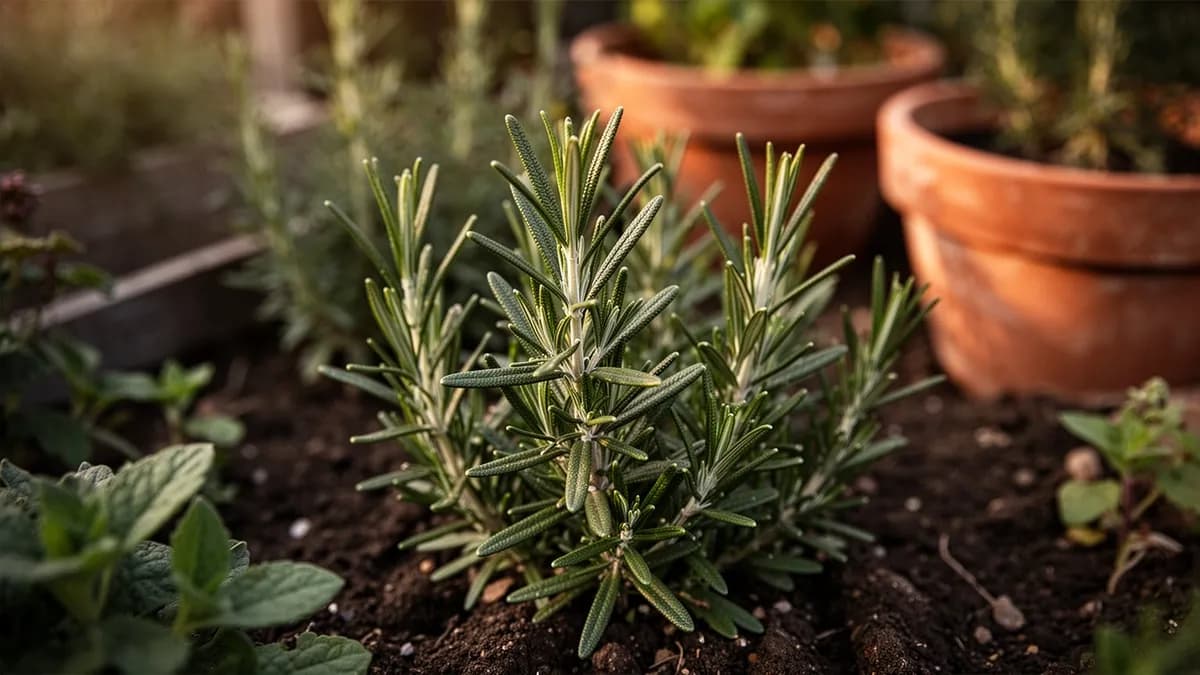
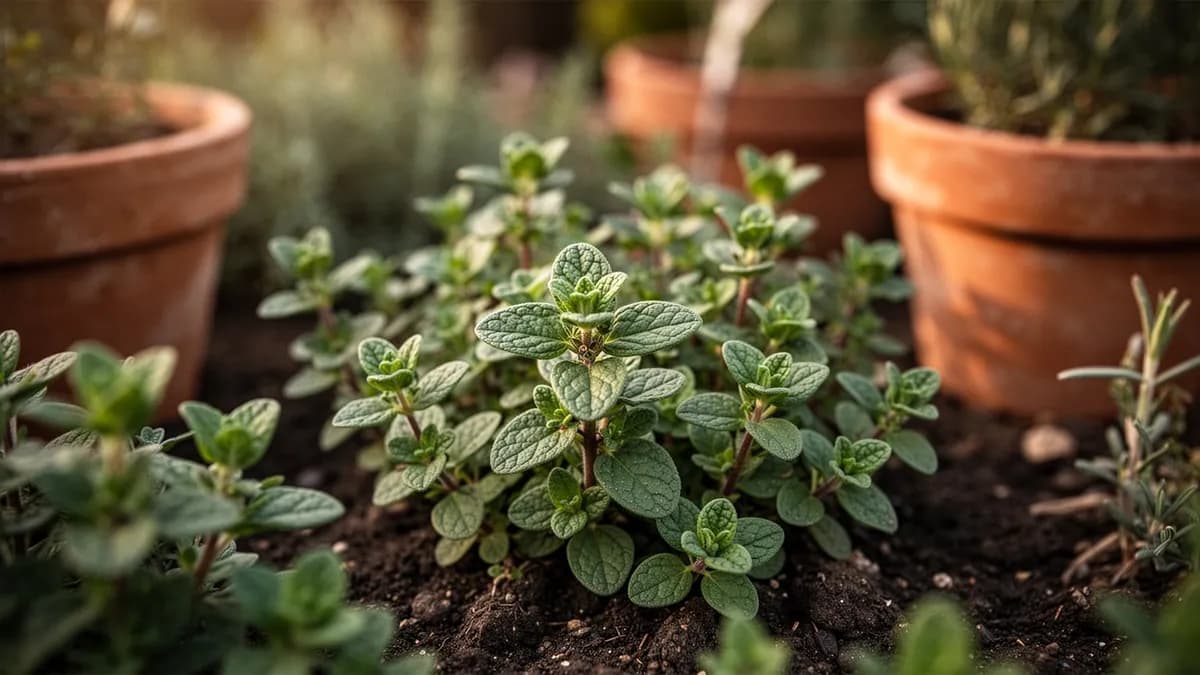
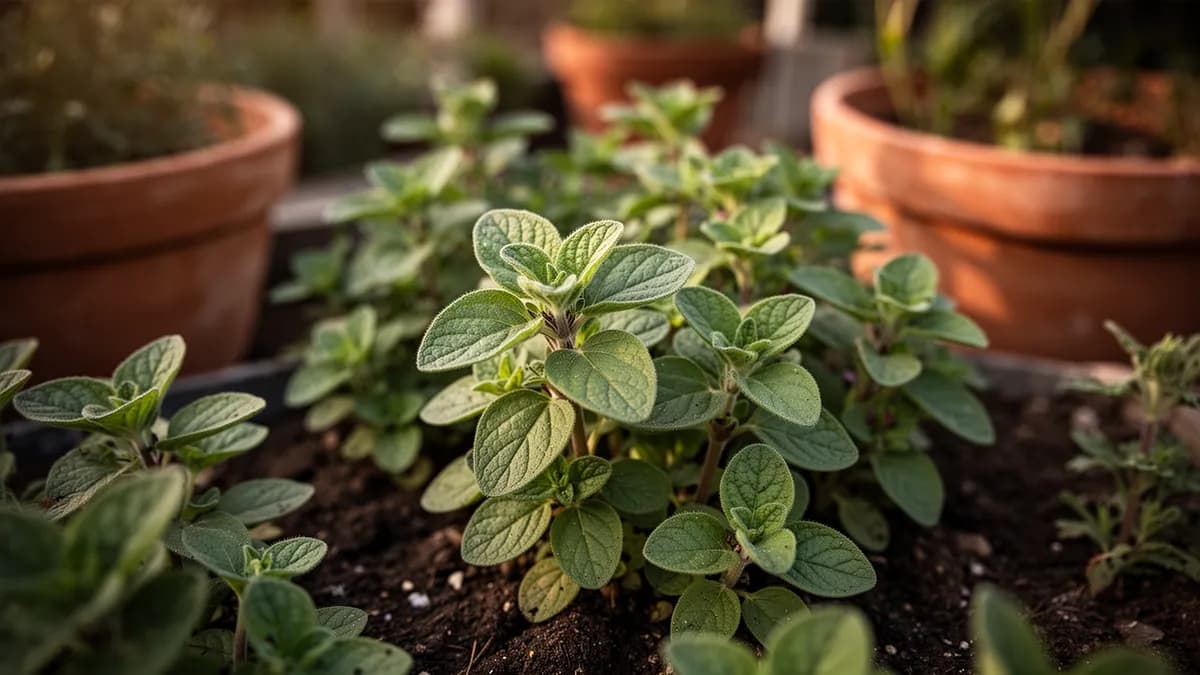
Mantén Culantro lejos de estos
Cultiva tu mejor Culantro — y todo lo que la rodea.
Empieza un plan gratis hoy. Diseña tus bancales, coloca tu Culantro y deja que PlotMyGarden gestione el momento, el espaciado, las asociaciones y los recordatorios de la semilla a la cesta.