Pepino Armenio
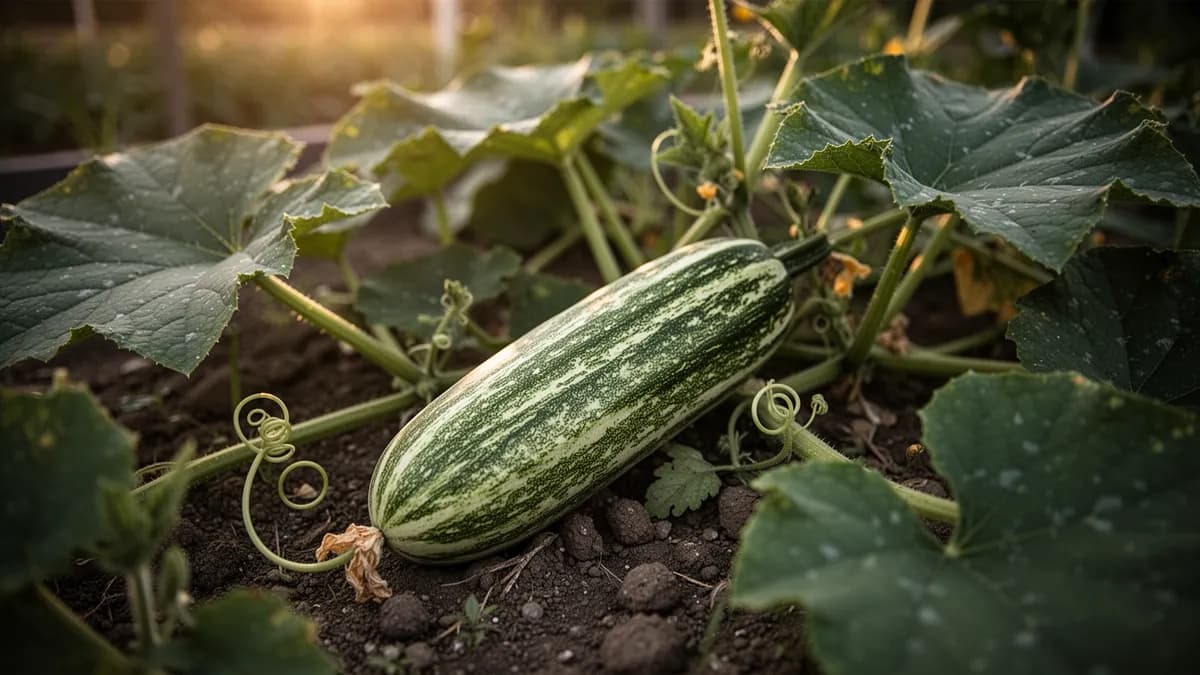
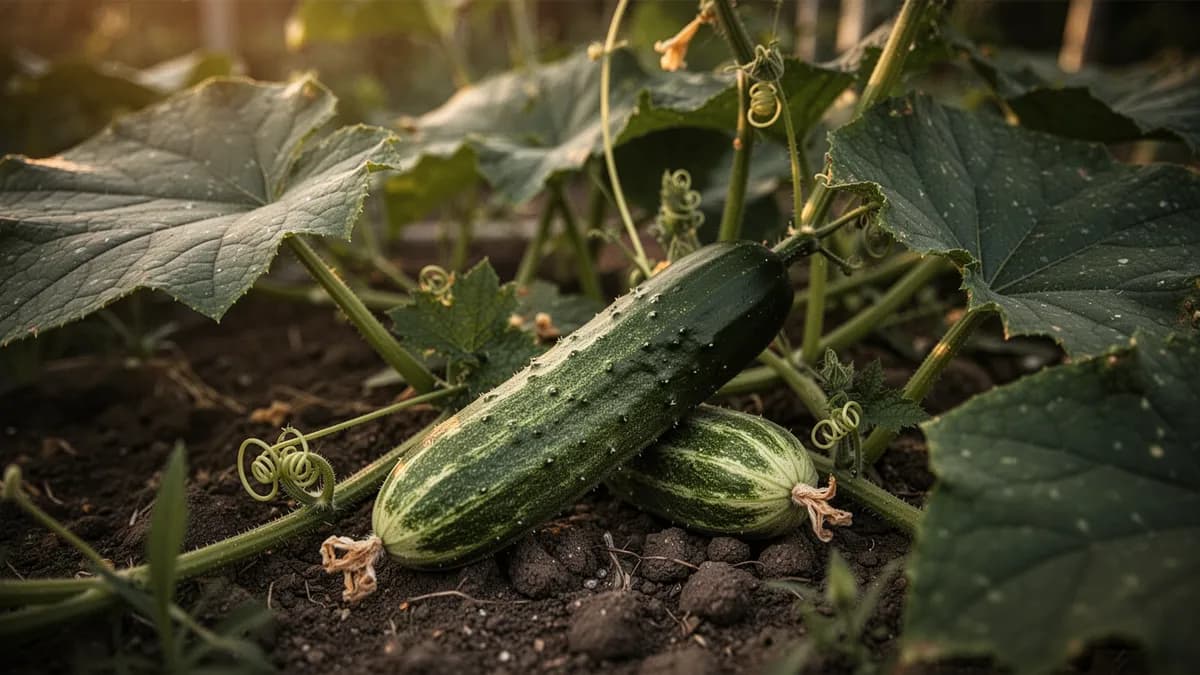
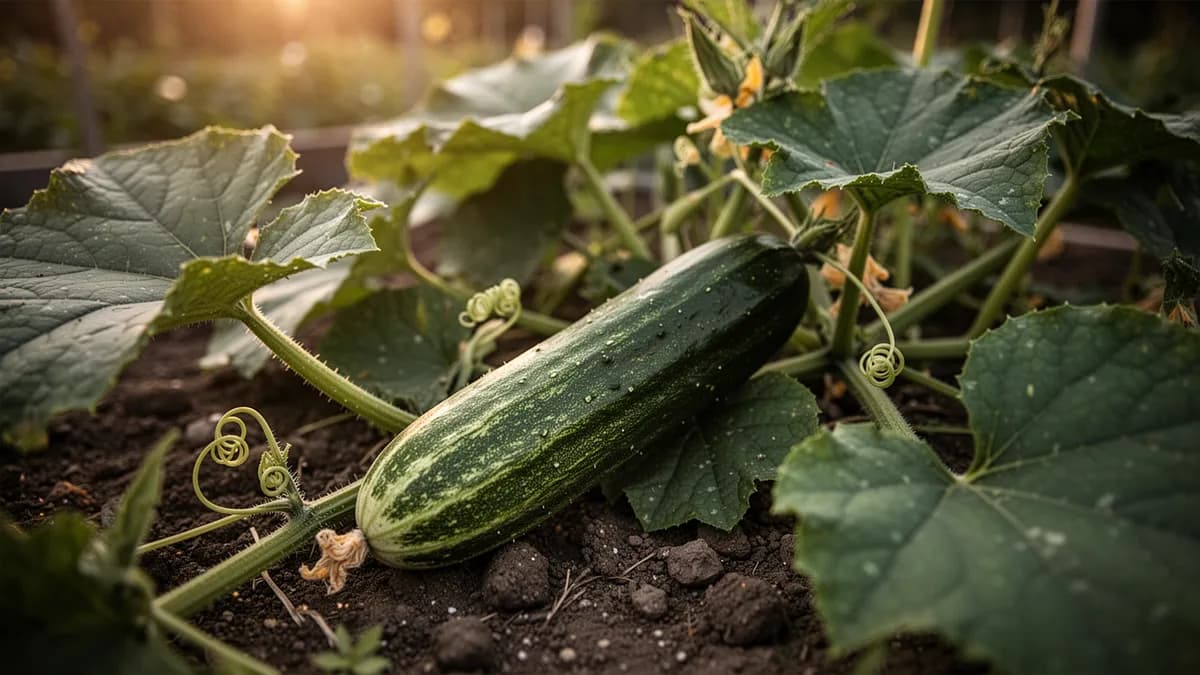
El pepino armenio (Cucumis melo var. flexuosus), también conocido como pepino serpiente o pepino de patio, es en realidad un melón que se consume como pepino.





En esta páginaResumen
Conoce Pepino Armenio
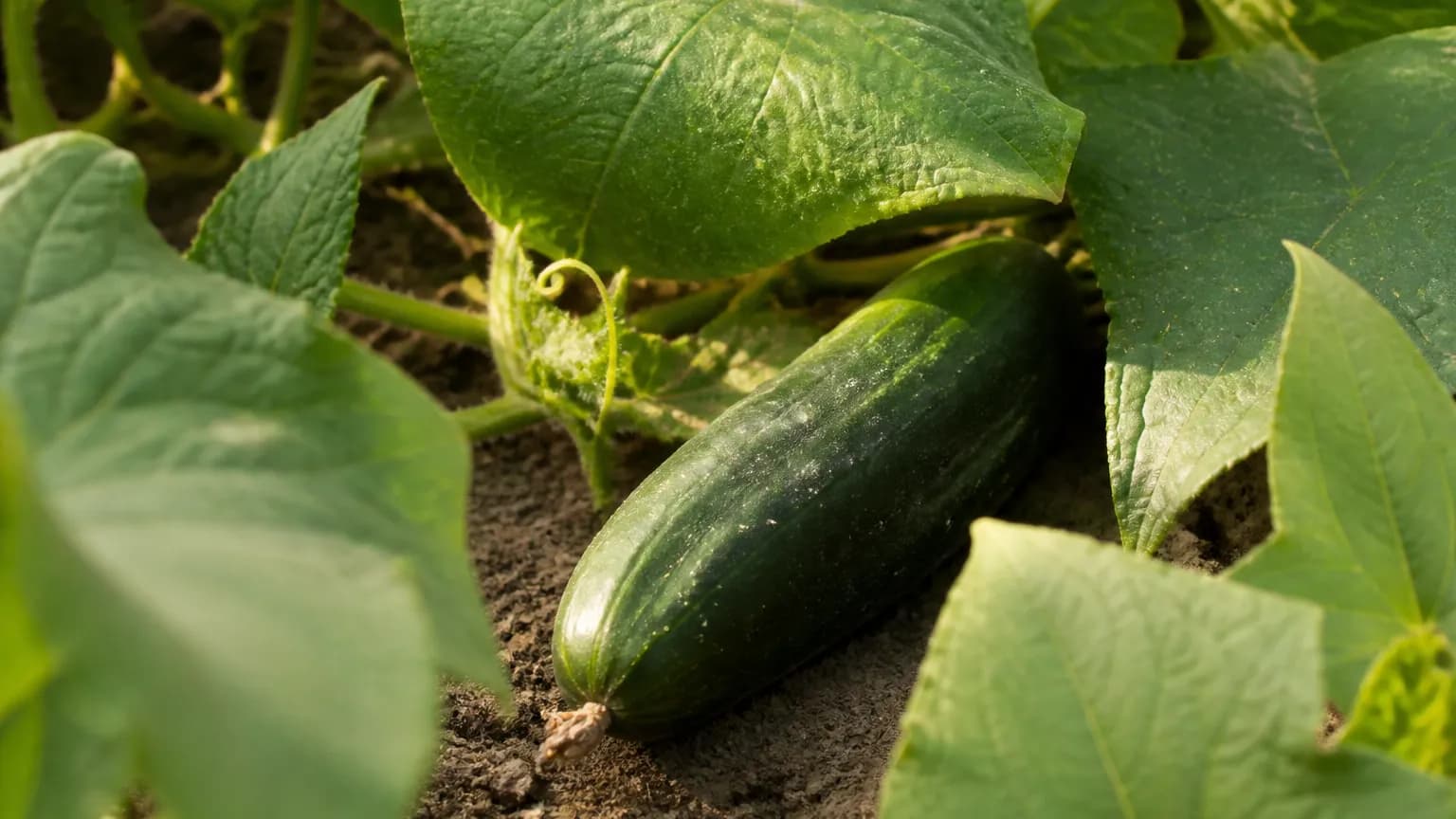
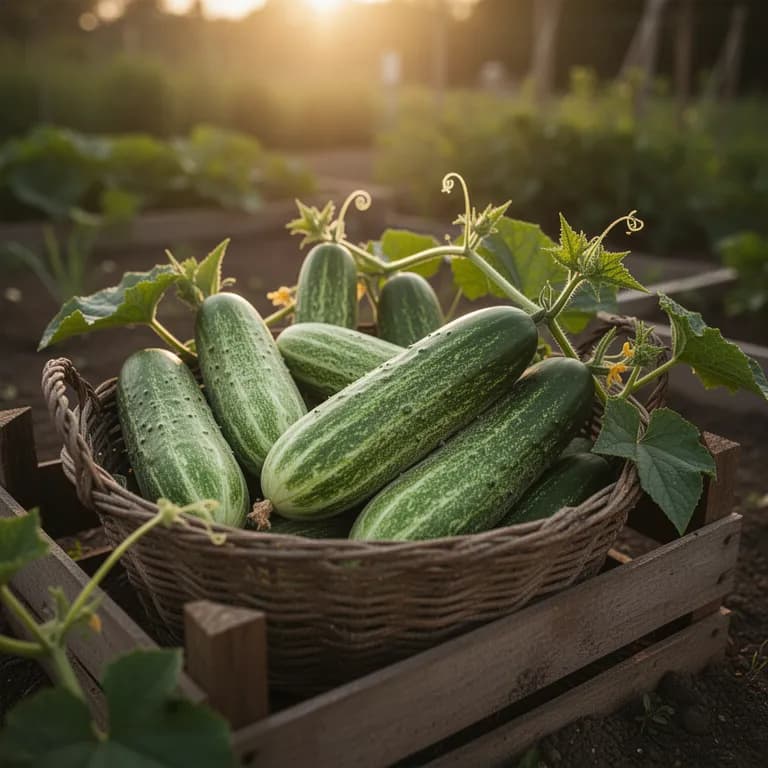
El pepino armenio (Cucumis melo var. flexuosus), también conocido como pepino serpiente o pepino de patio, es en realidad un melón que se consume como pepino. Sus frutos largos y curvados pueden alcanzar 60-90 cm de longitud, con piel fina acanalada y pulpa crujiente que nunca desarrolla amargor, incluso en condiciones de calor extremo y estrés hídrico.
Cuándo plantar Pepino Armenio
Siembre directamente al aire libre cuando la temperatura del suelo supere 20 °C, o inicie en interior 3-4 semanas antes en macetas de turba biodegradables. Plante 2-3 semillas a 2 cm de profundidad por hoyo y aclare a la más vigorosa. La germinación ocurre en 7-10 días a 22-30 °C. Trasplante con cuidado para no perturbar las raíces sensibles.
Tu año de Pepino Armenio
Ajustado a Zona 7 · temporada típica · la helada se va hacia el 2 abr y vuelve hacia el 1 nov
Planta Pepino Armenio Abr – Jun y cosecha Jul – Oct. Consulta los métodos de plantación y elige tu clima para adaptar los periodos.
Cómo cultivar Pepino Armenio
Plante en pleno sol en el lugar más cálido del huerto, ya que esta especie prospera con calor intenso donde los pepinos convencionales sufren. El suelo debe ser fértil, bien drenado y rico en materia orgánica con pH entre 6,0 y 7,0. Prepare montículos elevados o camas altas para mejorar el drenaje y el calentamiento del suelo.
Siembre directamente cuando la temperatura del suelo supere 20 °C, colocando 2-3 semillas a 2 cm de profundidad en montículos espaciados 90-120 cm. Proporcione un enrejado resistente de al menos 1,8 m de altura, ya que las enredaderas vigorosas trepan extensamente y los frutos cuelgan más rectos cuando crecen en vertical.
Riegue profundamente con 3-4 cm semanales mediante riego por goteo. Aplique acolchado orgánico para conservar la humedad y suprimir malezas. Fertilice con compost al plantar y suministre abono líquido equilibrado cada 2-3 semanas durante la producción. La excepcional tolerancia al calor de esta variedad la hace ideal para climas mediterráneos y zonas cálidas.
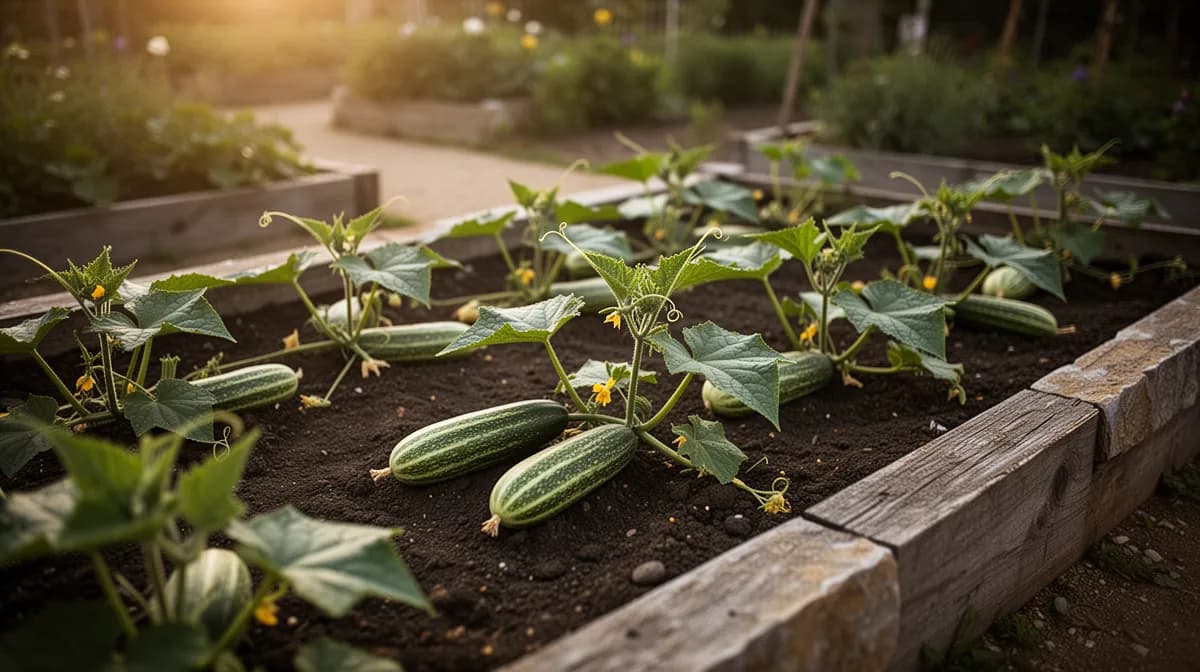
8 plantas caben en un bancal de 120 × 240 cm
Cada Pepino Armenio pide 60 cm de margen. El planificador guarda ese marco por ti — cada planta, cada bancal.
Los mejores vecinos de Pepino Armenio
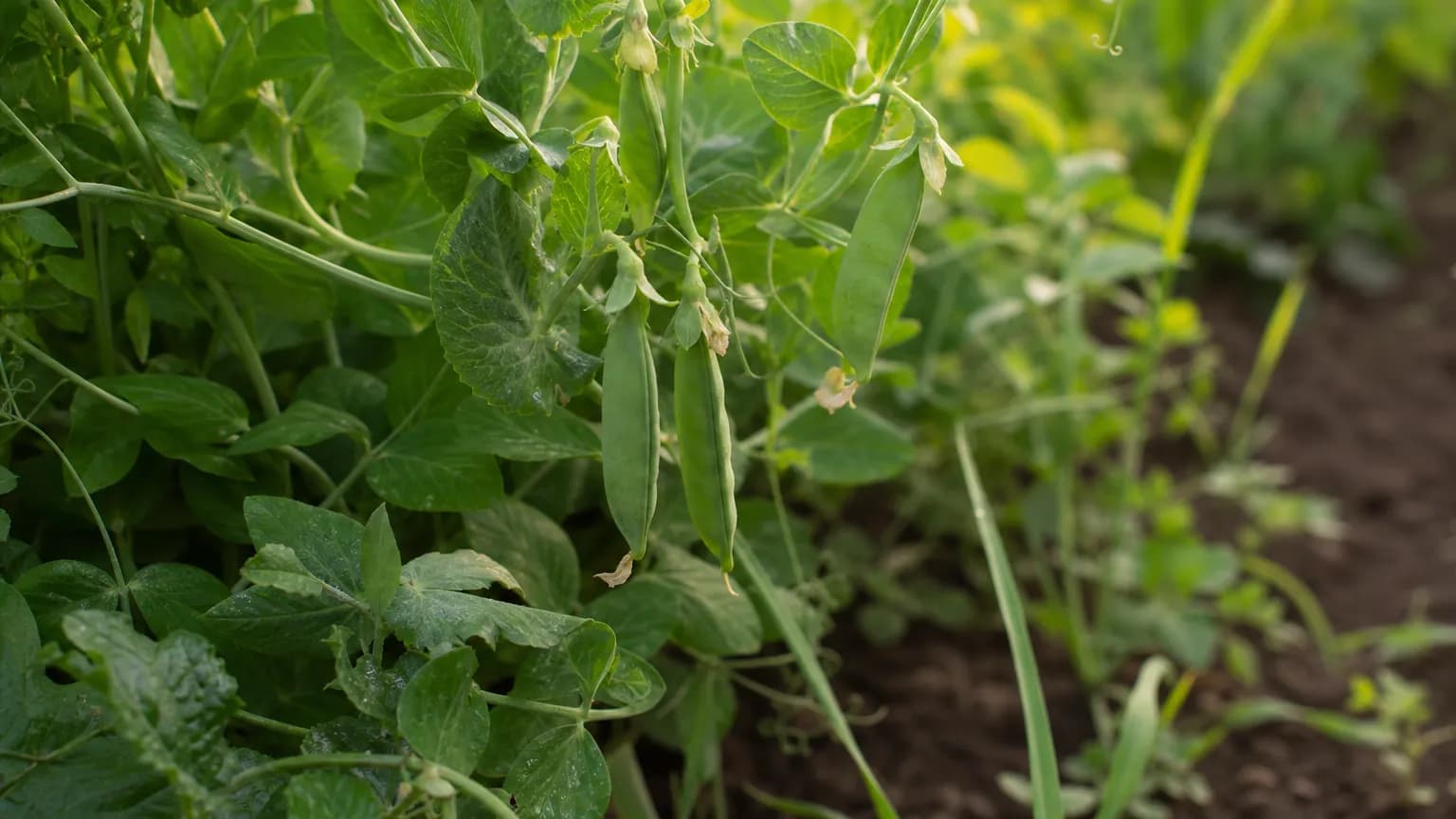
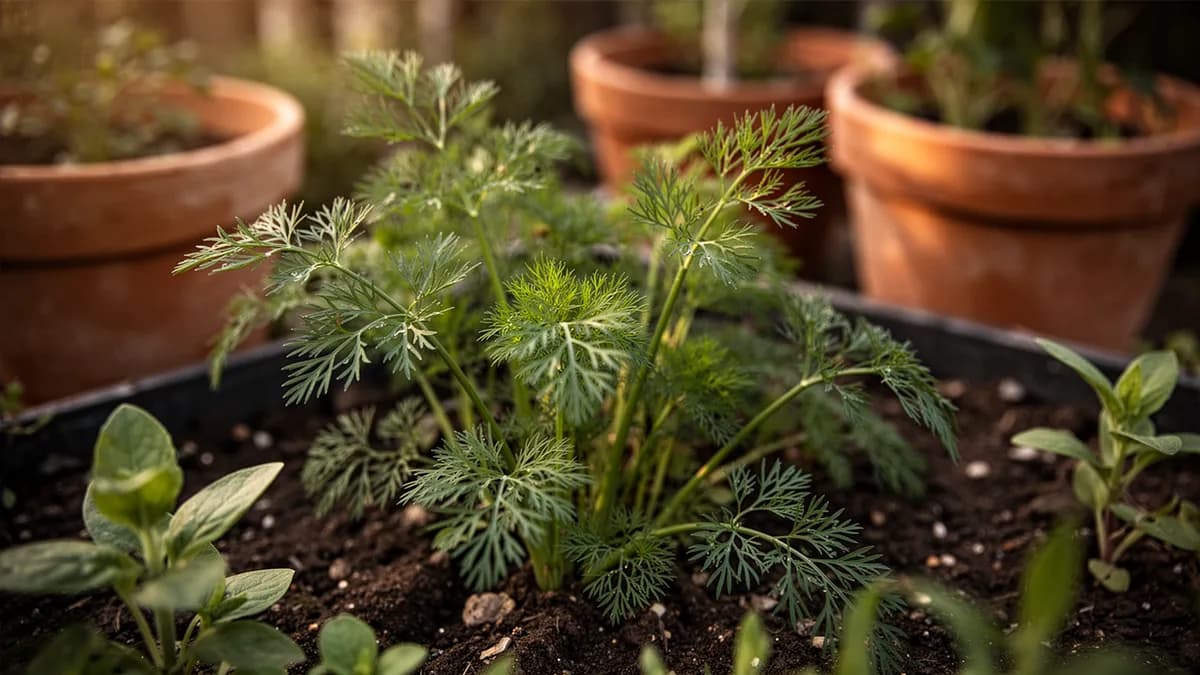
Se beneficia de la compañía de frijoles y guisantes que fijan nitrógeno. El eneldo atrae insectos beneficiosos que favorecen la polinización. Los girasoles proporcionan sombra parcial en climas muy calurosos. Evite plantar cerca de patatas y hierbas aromáticas intensas como la salvia que pueden afectar el sabor.
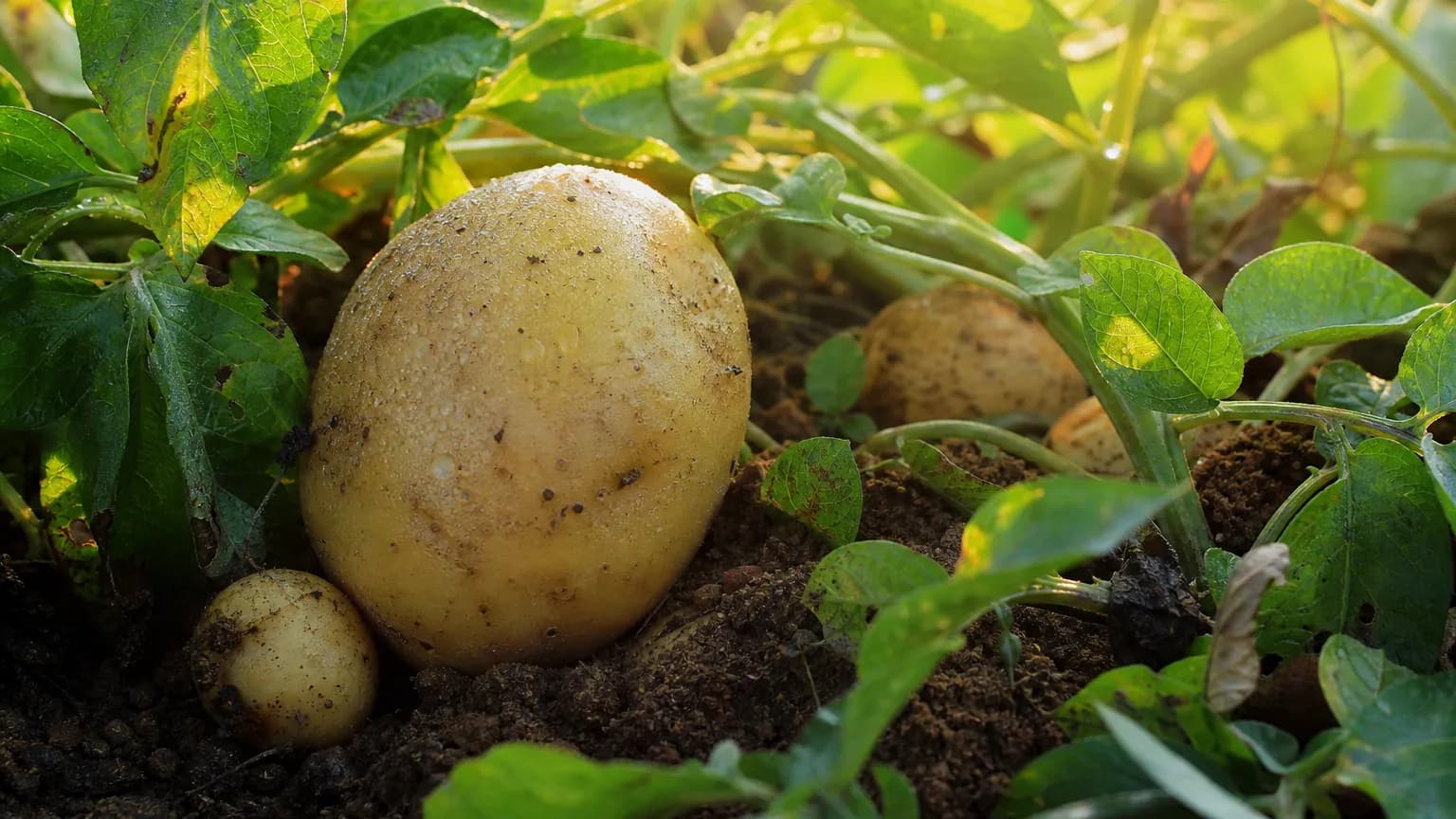
Guisantes va a su lado. Papa no.
Saber de huerto de siempre, cotejado con la tabla real de Pepino Armenio — prueba cualquier planta que cultives.
Prueba Pepino Armenio en un bancal, aquí mismo
Un bancal real del planificador con Pepino Armenio ya plantado. Toca una planta compañera para colocarla y mira cómo responde la comprobación de vecinos: verde para buenos vecinos, rojo si hay conflicto.


Guías de cultivo relacionadas
Abónalo bien
Requiere suelos fértiles, profundos y bien drenados con pH entre 6,0 y 7,0. Incorpore abundante compost o estiércol bien descompuesto antes de la siembra. Aplique fertilizante equilibrado al plantar y suministre abono rico en potasio cuando comience la fructificación. El acolchado orgánico ayuda a conservar la humedad esencial.
Temperatura ideal
Compatibilidad de zonas de rusticidad
De la semilla a la cosecha, etapa por etapa
Germinación
Las semillas germinan rápidamente en suelo cálido, formando un hipocótilo grueso y dos cotiledones grandes y redondeados. Las semillas de pepino armenio son más grandes que las de los pepinos verdaderos y se parecen a semillas pequeñas de melón. La germinación requiere suelo cálido de al menos 21°C y ocurre en 5-7 días en condiciones óptimas de 27-32°C.
Desarrollo de la plántula
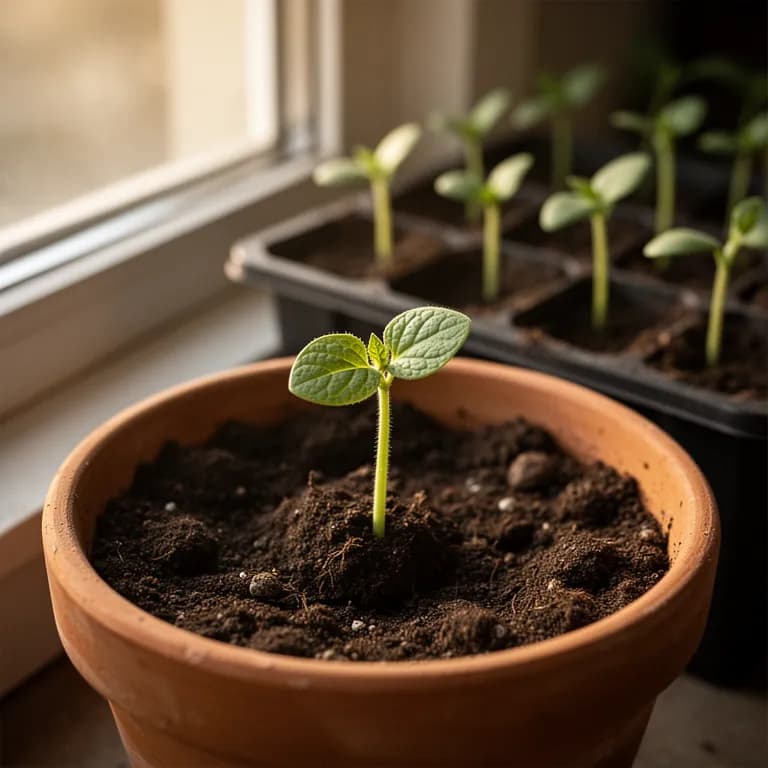
Aparecen las hojas verdaderas con la forma lobulada y ligeramente vellosa característica de la especie Cucumis melo. El tallo se engrosa y comienzan a aparecer zarcillos, señal de que la enredadera está lista para trepar. El desarrollo de las raíces es rápido en suelo cálido y establece la base del crecimiento vigoroso que vendrá después.
Crecimiento de la enredadera
Las enredaderas crecen de forma explosiva con el calor, alargándose 15-30 cm por día durante el pico de crecimiento. Se desarrollan hojas grandes, profundamente lobuladas, que pueden medir 20-25 cm de ancho. Los zarcillos se agarran activamente al soporte y el tallo principal se ramifica en laterales. El dosel de la planta se expande rápidamente hasta cubrir 2-3 metros de espacio en el enrejado.
Desarrollo del fruto
Las flores femeninas polinizadas se desarrollan rápidamente en frutos largos, de color verde pálido y con costillas. El crecimiento es sorprendentemente rápido con calor: los frutos pueden alargarse 5-8 cm por día y alcanzar un tamaño cosechable de 30-45 cm en 7-10 días tras la polinización. La planta florece y fructifica al mismo tiempo, ofreciendo producción continua.
Cosecha máxima
La enredadera entra en una producción sostenida, floreciendo y fructificando de manera continua durante 6-10 semanas en condiciones cálidas. Una sola planta sana puede producir 2-4 frutos por semana durante el pico del verano. La producción es notablemente estable frente al calor en comparación con los pepinos verdaderos, y continúa con fuerza incluso cuando las temperaturas superan los 35°C. La cosecha solo se ralentiza cuando las temperaturas nocturnas bajan de 15°C.
Cosecha máxima
La enredadera entra en una producción sostenida, floreciendo y fructificando de manera continua durante 6-10 semanas en condiciones cálidas. Una sola planta sana puede producir 2-4 frutos por semana durante el pico del verano. La producción es notablemente estable frente al calor en comparación con los pepinos verdaderos, y continúa con fuerza incluso cuando las temperaturas superan los 35°C. La cosecha solo se ralentiza cuando las temperaturas nocturnas bajan de 15°C.
Siembra las semillas a 2,5 cm de profundidad en suelo cálido y húmedo. Una manta térmica acelera mucho la germinación en interior. No riegues en exceso: las semillas se pudren rápido en suelo frío y encharcado. Coloca 2-3 semillas por hoyo y aclara hasta dejar la plántula más fuerte.
Cuidar Pepino Armenio mes a mes
Qué hacer cada mes para tu Pepino Armenio
Octubre
Mes actualFinal harvests in most zones as overnight temperatures approach 10°C (50°F). Collect matured fruits for seed saving — scoop seeds, rinse, and dry on paper towels. Remove spent vines and compost healthy material.
Ten claro qué hacer en tu huerto, cada mes
Un correo al empezar cada mes: qué sembrar, plantar y hacer ahora mismo — para tu Pepino Armenio y todo lo que crece alrededor. Más un breve curso inicial para esquivar los errores clásicos.
- Qué hacer ahora mismo
- Ajustado a tu temporada
- Curso inicial incluido
Cosechar Pepino Armenio
Coseche cuando los frutos tengan 30-45 cm de largo para la mejor textura y sabor, generalmente 60-70 días después de la siembra. No deje que superen los 60 cm ya que las semillas comienzan a endurecerse. Corte con tijeras o cuchillo dejando un trozo de pedúnculo. Coseche frecuentemente cada 2-3 días para estimular la producción continua durante toda la temporada.
se supone que plantas al comenzar el periodo — indica tu fecha real
Cosecha cuando los frutos midan 30-45 cm (12-18 pulgadas) para obtener la mejor textura y sabor.
Almacenamiento y conservación
Los frutos frescos se conservan en el refrigerador durante 5-7 días envueltos en un paño húmedo. Su piel fina los hace más perecederos que los pepinos convencionales, por lo que se recomienda consumirlos frescos. Pueden cortarse en rodajas y encurtirse en vinagre con eneldo y especias. No son ideales para conservas a largo plazo.
Qué falla — y cómo solucionarlo
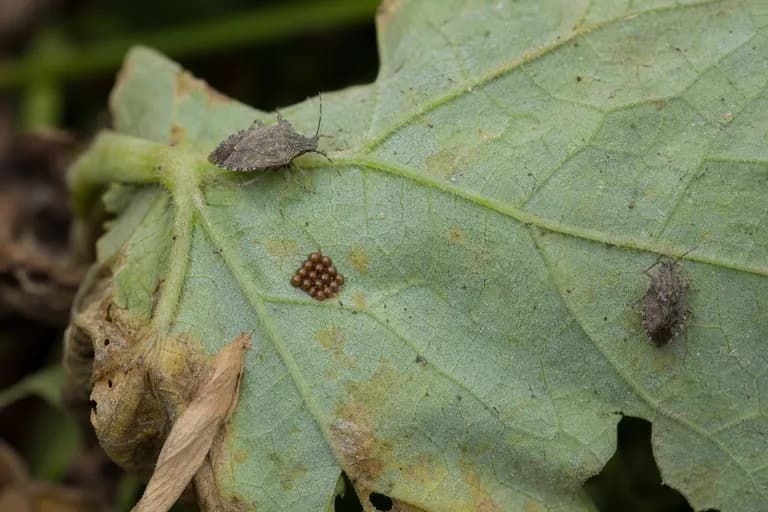
Escarabajo del pepino (Diabrotica spp.)
PlagaMordeduras irregulares en hojas y flores, cicatrices en frutos jóvenes. Los escarabajos pueden transmitir marchitez bacteriana de planta en planta.
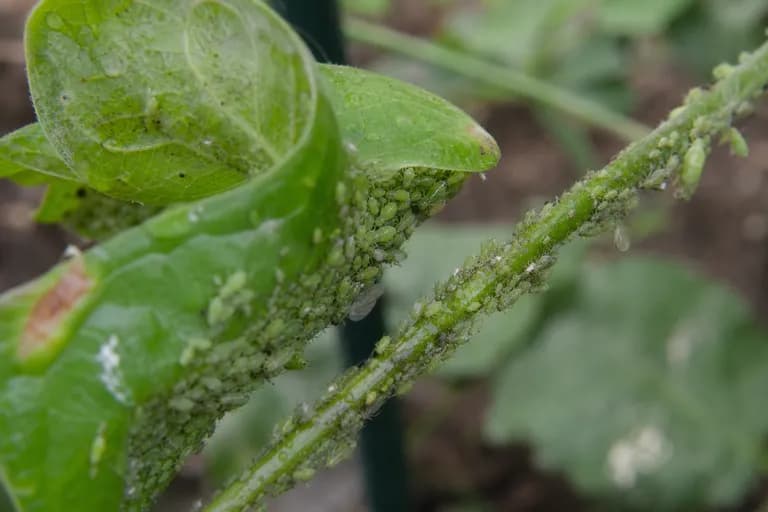
Oídio (Podosphaera xanthii)
EnfermedadPolvo blanco en la superficie de las hojas que progresa a manchas extensas, causando amarillamiento, necrosis y defoliación prematura.
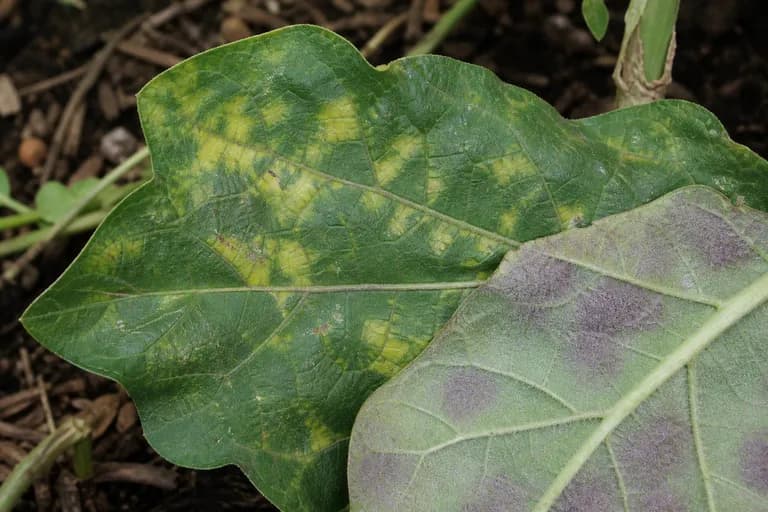
Araña roja (Tetranychus urticae)
PlagaPunteado amarillento fino en las hojas, telarañas finas visibles en el envés, hojas que se secan y caen en infestaciones severas.
Solución de problemas comunes
A diferencia de los pepinos verdaderos, el pepino armenio rara vez desarrolla amargor, lo que lo hace más fiable en climas cálidos. Sin embargo, no se almacena bien debido a su piel fina y alto contenido de agua. Las enredaderas necesitan mucho espacio o un soporte muy resistente. La polinización deficiente puede causar frutos deformes.
Consejos de cultivo
- Always grow on a trellis at least 1.8 m (6 feet) tall. Armenian cucumbers grown on the ground curl into coiled, serpentine shapes that are harder to harvest and less attractive for fresh eating. Trellis-grown fruits hang straight under their own weight and develop a more uniform shape.
- Do not start too early. Armenian cucumbers are more cold-sensitive than true cucumbers because they are actually melons. Wait until nighttime temperatures are consistently above 13°C (55°F) and soil has reached 21°C (70°F) before sowing or transplanting.
- Water deeply and consistently — 2.5-4 cm per week. Although Armenian cucumbers are more drought-tolerant than regular cucumbers, consistent moisture during flowering and fruiting maximizes yields and maintains the mild, sweet flavor. Drip irrigation on a timer is ideal.
- Harvest at 30-45 cm (12-18 inches) for the perfect balance of size, tenderness, and flavor. At this length the seeds are soft and unnoticeable, the skin is thin and edible, and the flesh snaps crisply. Larger fruits remain edible but develop tougher seeds.
- Provide generous nutrition. Armenian cucumbers are heavy feeders that benefit from rich soil amended with compost before planting, plus side-dressing with balanced fertilizer every 3-4 weeks during active growth. Feed more frequently during peak fruit production.
- Do not plant near cantaloupe, honeydew, or other Cucumis melo varieties. Because Armenian cucumbers are technically melons, they can cross-pollinate with other melons. This does not affect the current season’s fruit but produces unreliable seeds for next year.
- Remove any fruit that grows past 60 cm (2 feet) — overmature fruits divert energy from new flower and fruit production and signal the vine to begin shutting down for the season. Regular harvesting is the single most important factor for sustained yields.
- Use succession planting in long-season climates. Sow a second round of seeds 4-6 weeks after the first planting. The first vines will decline by late summer from age and accumulated pest pressure, and fresh vines ensure production into autumn.
Cultiva tu mejor Pepino Armenio — y todo lo que la rodea.
Empieza un plan gratis hoy. Diseña tus bancales, coloca tu Pepino Armenio y deja que PlotMyGarden gestione el momento, el espaciado, las asociaciones y los recordatorios de la semilla a la cesta.
Elige tu Pepino Armenio
Painted Serpent
Variedad espectacular con frutos acanalados de rayas verdes claras y oscuras alternadas. Sabor dulce y refrescante, textura muy crujiente. 60-65 días.
Striped Armenian
Frutos largos con estrías longitudinales verde claro sobre fondo más oscuro. Pulpa jugosa sin semillas duras. Muy productiva en climas cálidos. 65-70 días.
Light Green Armenian
Variedad de piel verde pálido lisa con ligeras costillas. Sabor muy suave y refrescante. Excelente tolerancia al calor extremo. 60-65 días.
Armenian cucumbers are rarely found in mainstream grocery stores, and when available at specialty or Middle Eastern markets they typically cost $2-4 per fruit. A single vine costing $2-3 as a seedling (or pennies from seed) can produce 15-25 fruits over the season — a harvest worth $30-100 at retail prices. Growing just 2-3 vines provides an abundant summer supply of a specialty vegetable that most gardeners’ neighbors have never tasted, making them excellent for sharing and trading at community gardens.
Recetas rápidas
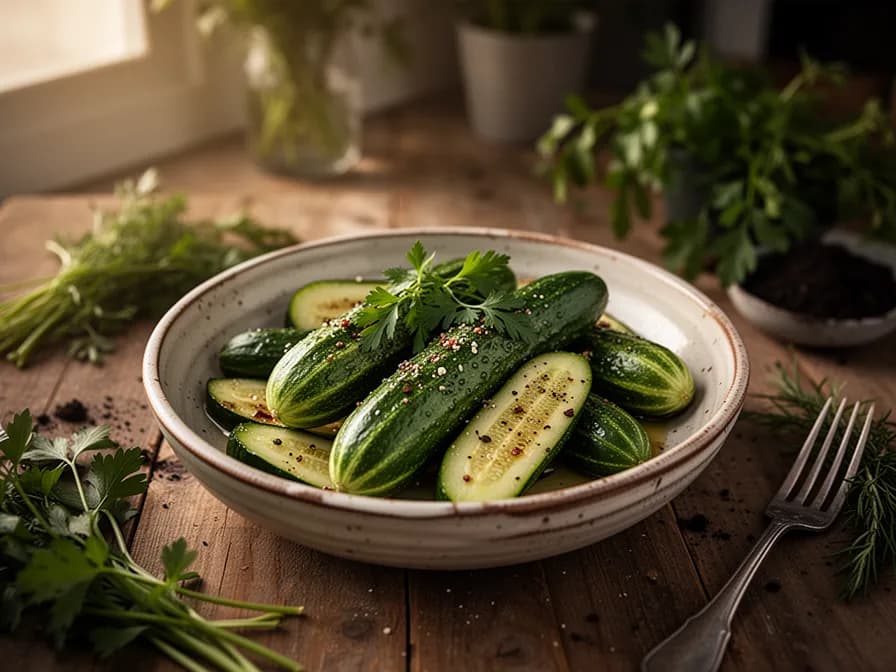
Persian Mast-o-Khiar (Yogurt Cucumber Dip)
10 minA cool, refreshing Iranian dip combining diced Armenian cucumber with thick yogurt, dried mint, and walnuts. The mild sweetness of Armenian cucumber makes it superior to regular cucumber in this classic Persian appetizer served with warm flatbread.
8 ingredientesArmenian Cucumber Fattoush Salad
20 minA vibrant Levantine bread salad featuring chunky Armenian cucumber with toasted pita, fresh herbs, and a tangy sumac-lemon dressing. The fluted cucumber slices add both flavor and visual appeal to this classic Middle Eastern dish.
9 ingredientesQuick Refrigerator Pickles
15 minCrisp, tangy pickles that showcase the Armenian cucumber’s beautiful fluted cross-section. The naturally mild, never-bitter flesh absorbs brine flavors beautifully and the decorative star-shaped slices make these pickles as pretty as they are delicious.
9 ingredientesUsos culinarios
Se consume fresco como pepino, cortado en rodajas para ensaladas, tzatziki y sándwiches. Su textura crujiente y ausencia de amargor lo hacen ideal para consumo directo. Excelente en gazpacho, agua fresca saborizada y como sustituto del pepino en cualquier receta. Las rodajas finas son perfectas para enrollar con queso crema y salmón ahumado.
Qué contiene
Beneficios para la salud
- Exceptional hydration food — at 96% water content, Armenian cucumbers help maintain hydration during hot summer months when fluid needs are highest, while providing electrolytes like potassium that plain water lacks.
- Extremely low calorie density (only 12 calories per 100g) with satisfying crunch and volume, making Armenian cucumber an ideal snack for weight management and calorie-conscious diets without any sense of deprivation.
- The edible skin contains silica, a trace mineral that supports collagen production, joint health, and connective tissue integrity — contributing to healthier skin, hair, and nails with regular consumption.
- Contains lignans and other polyphenolic compounds that function as antioxidants, helping to neutralize free radicals and reduce oxidative stress associated with chronic inflammation.
- Naturally free of the cucurbitacin compounds responsible for bitterness in regular cucumbers — these compounds can cause digestive discomfort in sensitive individuals, making Armenian cucumber a gentler alternative.
- Provides a modest but meaningful amount of vitamin K (about 8% DV per serving), essential for proper blood clotting and bone metabolism, particularly important for older adults.
De dónde viene Pepino Armenio
The Armenian cucumber (Cucumis melo var. flexuosus) traces its origins to the ancient agricultural heartlands of the Near East, specifically the fertile regions between the Tigris and Euphrates rivers in modern-day Iraq, Syria, and Turkey. Archaeological evidence suggests that snake melons — the broader group to which Armenian cucumbers belong — have been cultivated in Mesopotamia for at least 3,000 years, making them one of humanity’s oldest garden crops. The warm, arid climate of the region provided ideal growing conditions for this heat-loving vine, and its ability to produce abundantly through scorching summers made it indispensable to early farmers.
From its Mesopotamian origins, the Armenian cucumber spread along ancient trade routes in multiple directions. Arab merchants carried it across North Africa and into the Iberian Peninsula. Persian traders introduced it throughout Central Asia and into the Indian subcontinent, where related snake melon varieties are still widely grown today. Armenian traders, who controlled key segments of the Silk Road, are credited with introducing this fruit to the broader Mediterranean and European markets — hence the common Western name 'Armenian cucumber.' In Turkey, where it is called 'acur,' it remains a summer staple served in salads, pickled, or eaten fresh with salt.
The Armenian cucumber arrived in the Americas through multiple waves of immigration from the eastern Mediterranean and the Middle East in the 19th and early 20th centuries. It found a natural home in the hot, dry climates of California, Texas, and the American Southwest, where it thrives in conditions that stress true cucumbers. Today, it is experiencing a renaissance among home gardeners and market farmers worldwide who value its remarkable heat tolerance, disease resistance, zero bitterness, and long productive season. Seed companies have begun offering named varieties like Painted Serpent and Metki Dark Green, though the traditional pale green, lightly ribbed form remains the most widely grown.
Pepino Armenio: ¿sabías que?
Datos fascinantes sobre Pepino Armenio
Despite its name and cucumber-like taste, the Armenian cucumber is botanically a melon (Cucumis melo var. flexuosus) — it belongs to the same species as cantaloupe and honeydew, not to the cucumber species (Cucumis sativus) at all.
Pepino Armenio: preguntas frecuentes
¿Cuándo debo plantar Pepino Armenio?
¿Cuáles son buenas plantas acompañantes para Pepino Armenio?
¿En qué zonas de rusticidad puede crecer Pepino Armenio?
¿Cuánto sol necesita Pepino Armenio?
¿A qué distancia debo espaciar Pepino Armenio?
¿Qué plagas y enfermedades afectan a Pepino Armenio?
¿Cómo almaceno Pepino Armenio después de la cosecha?
¿Cuáles son las mejores variedades de Pepino Armenio para cultivar?
¿Qué suelo necesita Pepino Armenio?
Are Armenian cucumbers really cucumbers?
Why are my Armenian cucumbers curling instead of growing straight?
Can I save seeds from Armenian cucumbers?
Why is my Armenian cucumber vine growing lots of leaves but few fruits?
How do Armenian cucumbers compare to regular cucumbers for pickling?
Do Armenian cucumbers need a lot of space to grow?
Acabas de leer la teoría. Ahora cultívala en piloto automático.
Todo lo que hace que Pepino Armenio sea delicado — el momento, el espaciado, las asociaciones, la ventana de cosecha — es justo lo que PlotMyGarden resuelve por ti, para cada planta de tu huerto.
Un plan que conoce tu clima
Indica tu ubicación una vez. Recibe fechas de siembra, abonado y cosecha basadas en tu última helada real y el pronóstico en vivo — sin adivinar con un sobre genérico.
De la sección “Cuándo plantar”Planificador de bancales de arrastrar y soltar
Diseña bancales sobre una cuadrícula. Cada planta encaja con su espaciado correcto y ves toda la temporada antes de gastar un céntimo en semillas.
De la sección “Cultivo”Conflictos de asociación, detectados a tiempo
Más de 200 buenas y malas combinaciones comprobadas en vivo mientras plantas — para que un error que arruine la temporada nunca llegue a la tierra.
De la sección “Asociaciones”Recordatorios que sí vas a seguir
“Riega las judías.” “Recoge hoy antes de que se pase.” Oportunos, concretos y ligados a las plantas que de verdad cultivas.
De la sección “Cosecha”Escalonado, programado
¿Quieres cosechar seis semanas en vez de seis días? Reparte tus siembras automáticamente y te avisa cuando toca el siguiente lote.
De la sección “Cuándo plantar”Un registro que se vuelve más listo
Cada cosecha que registras le enseña tu huerto. El plan del año que viene parte de lo que de verdad funcionó en tu suelo, no en un manual.
De la sección “Resumen”Planta estos junto a Pepino Armenio
Más Cucurbitáceas
Mantén Pepino Armenio lejos de estos
Diseños de jardín con Pepino Armenio
Cultiva tu mejor Pepino Armenio — y todo lo que la rodea.
Empieza un plan gratis hoy. Diseña tus bancales, coloca tu Pepino Armenio y deja que PlotMyGarden gestione el momento, el espaciado, las asociaciones y los recordatorios de la semilla a la cesta.