Mora de los pantanos
Una apreciada baya ártica que crece en suelos pantanosos y ácidos, y produce frutos ámbar dorado con un sabor rico y complejo.





En esta páginaResumen
Conoce Mora de los pantanos
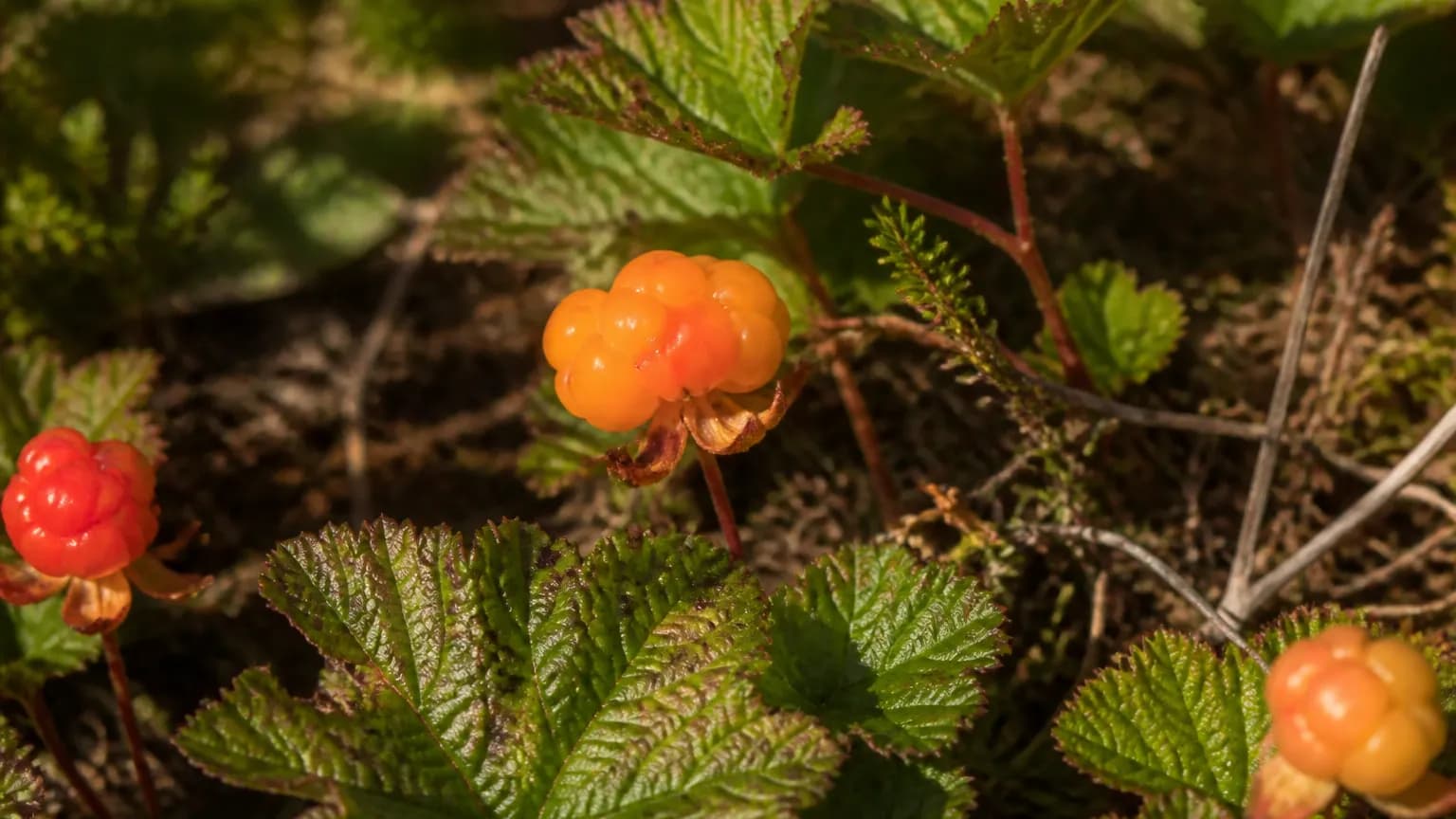
Una apreciada baya ártica que crece en suelos pantanosos y ácidos, y produce frutos ámbar dorado con un sabor rico y complejo. Las moras de los pantanos son extremadamente resistentes al frío, pero exigentes de cultivar, ya que requieren suelo turbio constantemente húmedo y veranos frescos. Son una delicia escandinava, tradicionalmente usada en mermeladas, licores y como cobertura para postres con nata.
Cuándo plantar Mora de los pantanos
La germinación de semillas de mora de los pantanos es difícil e irregular. Limpie las semillas de frutos maduros y estratifíquelas en frío en turba de esfagno húmeda a 1 °C durante al menos 90 días, aunque hasta seis meses puede mejorar los resultados. Siembre las semillas en la superficie de una mezcla de turba y arena, manteniendo humedad constante y temperaturas de 10 a 15 °C. La germinación puede tardar varios meses. El método de propagación más fiable es la división de rizomas a comienzos de la primavera, separando secciones con al menos dos yemas visibles y replantándolas de inmediato en condiciones de turbera.
Tu año de Mora de los pantanos
Ajustado a Zona 7 · temporada típica · la helada se va hacia el 2 abr y vuelve hacia el 1 nov
Planta Mora de los pantanos Abr – May y cosecha Jul – Ago. Consulta los métodos de plantación y elige tu clima para adaptar los periodos.
Cómo cultivar Mora de los pantanos
La mora de los pantanos es una de las bayas más difíciles de cultivar, ya que requiere condiciones de crecimiento muy específicas que imitan su hábitat natural de turbera subártica. La planta necesita suelo turbio, ácido y constantemente húmedo, con un pH de 3.5 a 5.0 y temperaturas frescas en verano. Plántela en semisombra, en un jardín de pantano o en un bancal elevado relleno con una mezcla de turba de esfagno, arena y corteza de pino. Separe las plantas 30 cm, ya que la mora de los pantanos es una cubierta vegetal rastrera que apenas alcanza entre 15 y 25 cm de altura.
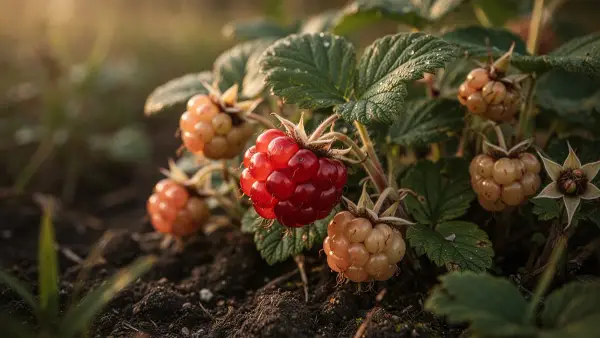
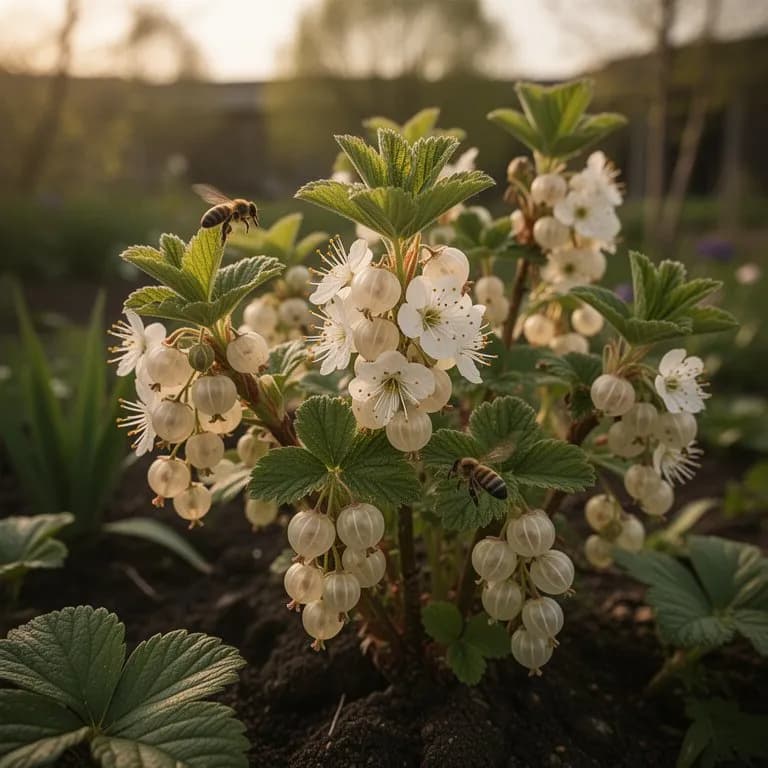
La mora de los pantanos es dioica, lo que significa que las flores masculinas y femeninas aparecen en plantas separadas. Plante ambos sexos en una proporción de un macho por cada tres o cuatro hembras para lograr producción de fruta. Las plantas se extienden lentamente mediante rizomas subterráneos. Florecen a finales de la primavera con flores blancas solitarias y el fruto madura a mediados del verano, pasando de rojo a ámbar dorado cuando está listo.
Mantenga siempre una humedad constante; la mora de los pantanos no tolera que se seque. El suelo debe permanecer siempre húmedo, pero sin encharcarse. Las temperaturas frescas de verano por debajo de 24 °C son esenciales, por lo que esta planta no es adecuada para climas cálidos. En invierno, la planta muere hasta el rizoma y es extremadamente resistente al frío, hasta -40 °C. No hace falta fertilizarla si la turba se mantiene en buenas condiciones.
32 plantas caben en un bancal de 120 × 240 cm
Cada Mora de los pantanos pide 30 cm de margen. El planificador guarda ese marco por ti — cada planta, cada bancal.
Los mejores vecinos de Mora de los pantanos
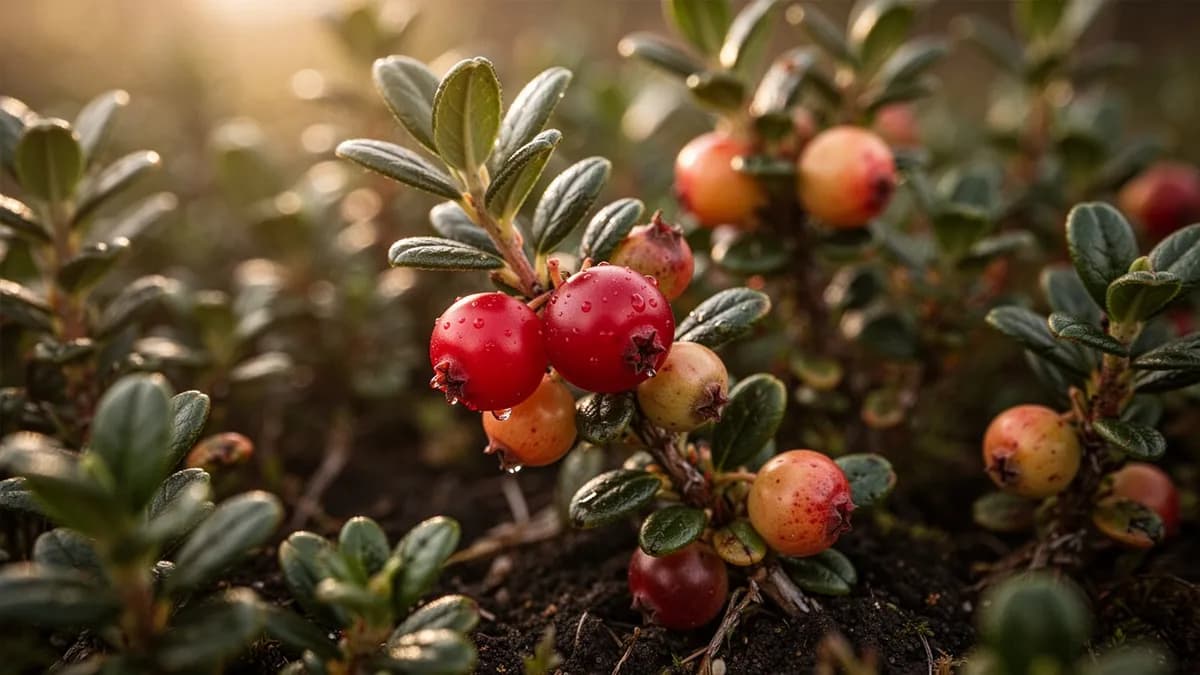
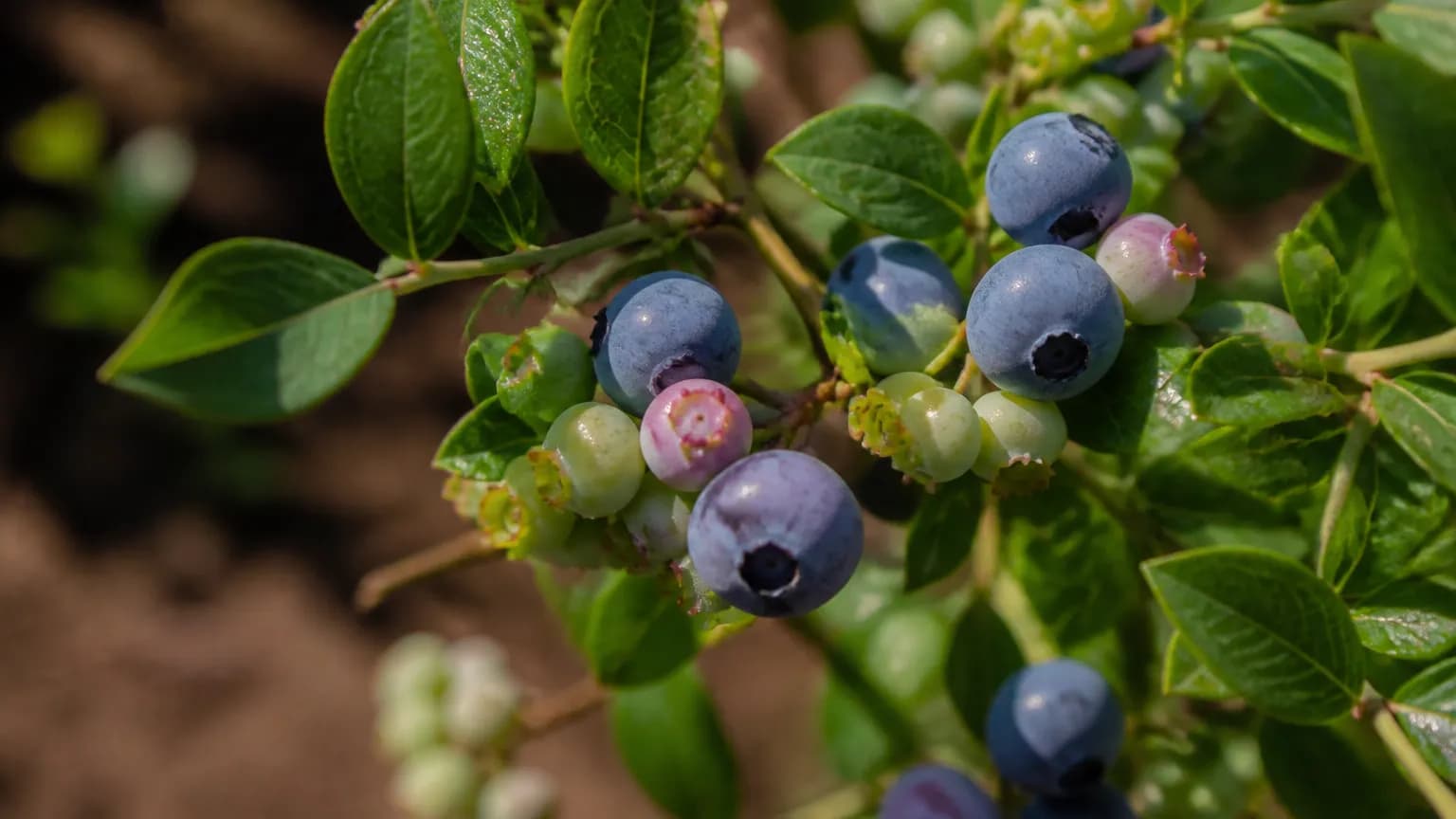
La mora de los pantanos crece de forma natural junto al arándano rojo, el arándano agrio y el té de Labrador en hábitats de turbera. El musgo de esfagno sirve como acolchado vivo que mantiene las condiciones ácidas y húmedas que necesita la mora de los pantanos. El arándano puede cultivarse en zonas adyacentes algo más secas dentro de un jardín frutal ácido combinado. La drosera y las plantas jarra comparten condiciones similares de turbera y crean una asociación interesante. Evite plantar cerca de especies que requieran suelo neutro o alcalino, o condiciones bien drenadas.
Arándano rojo nórdico va a su lado.
Saber de huerto de siempre, cotejado con la tabla real de Mora de los pantanos — prueba cualquier planta que cultives.
Prueba Mora de los pantanos en un bancal, aquí mismo
Un bancal real del planificador con Mora de los pantanos ya plantado. Toca una planta compañera para colocarla y mira cómo responde la comprobación de vecinos: verde para buenos vecinos, rojo si hay conflicto.


Guías de cultivo relacionadas
Abónalo bien
La mora de los pantanos requiere un suelo muy ácido y turbio, con un pH de 3.5 a 5.0, similar a las condiciones de cultivo del arándano o la arándana, pero más húmedo. Cree un bancal de turbera usando una depresión revestida y rellena con una mezcla de 80 por ciento de turba de esfagno y 20 por ciento de arena gruesa. El suelo debe permanecer de húmedo a mojado durante todo el año. No hace falta fertilizante adicional y, de hecho, puede ser perjudicial, ya que la mora de los pantanos está adaptada a condiciones de turbera pobres en nutrientes. Mantenga la acidez regando con agua de lluvia en lugar de agua del grifo alcalina, si es posible.
Temperatura ideal
Compatibilidad de zonas de rusticidad
De la semilla a la cosecha, etapa por etapa
Reposo y establecimiento de raíces
Los rizomas o divisiones recién plantados permanecen en reposo mientras establecen una red de raíces en el suelo fresco y húmedo. El crecimiento aéreo es mínimo o inexistente durante esta fase.
Primer brote de hojas
Las primeras hojas con forma de riñón atraviesan la superficie del suelo. Las plantas concentran su energía en construir masa vegetativa. No aparecen flores ni frutos durante la primera temporada.
Crecimiento vegetativo
Durante una o dos temporadas de crecimiento, las plantas se extienden mediante rizomas subterráneos y construyen una red robusta. El dosel foliar se expande y las reservas energéticas aumentan para la futura floración.
Floración
En el segundo o tercer año, emergen flores blancas solitarias desde las puntas de los brotes erguidos a finales de la primavera. Las moras de los pantanos son dioicas, lo que significa que las flores masculinas y femeninas se encuentran en plantas separadas; ambas son necesarias para la polinización.
Desarrollo del fruto
Tras la polinización, se forman pequeñas drupas verdes que se agrandan gradualmente. El fruto agregado se vuelve primero rojo y duro, y luego madura lentamente hasta alcanzar el característico color ámbar dorado en cuatro a seis semanas.
Cosecha y poscosecha
Las moras de los pantanos maduras se recogen a mano cuando están completamente doradas y blandas. La ventana de cosecha es breve, a menudo solo de una a dos semanas. Tras la cosecha, las plantas siguen fotosintetizando y almacenan energía para el año siguiente.
Senescencia otoñal
Las hojas se vuelven amarillas y rojas en otoño antes de morir hasta el nivel del suelo. Los rizomas siguen vivos bajo tierra y se regenerarán la primavera siguiente. Las plantas resisten plenamente los inviernos subárticos.
Mantenga el suelo constantemente húmedo y no fertilice durante esta etapa. Acolche con musgo de esfagno o corteza de pino para retener la humedad y conservar la acidez.
Cuidar Mora de los pantanos mes a mes
Qué hacer cada mes para tu Mora de los pantanos
Octubre
Mes actualEl follaje se seca de forma natural. Todavía no retire los tallos muertos. Si las plantas mostraron poco crecimiento esta temporada, aplique un fertilizante equilibrado ligero y bajo en nitrógeno, y riegue bien.
Ten claro qué hacer en tu huerto, cada mes
Un correo al empezar cada mes: qué sembrar, plantar y hacer ahora mismo — para tu Mora de los pantanos y todo lo que crece alrededor. Más un breve curso inicial para esquivar los errores clásicos.
- Qué hacer ahora mismo
- Ajustado a tu temporada
- Curso inicial incluido
Cosechar Mora de los pantanos
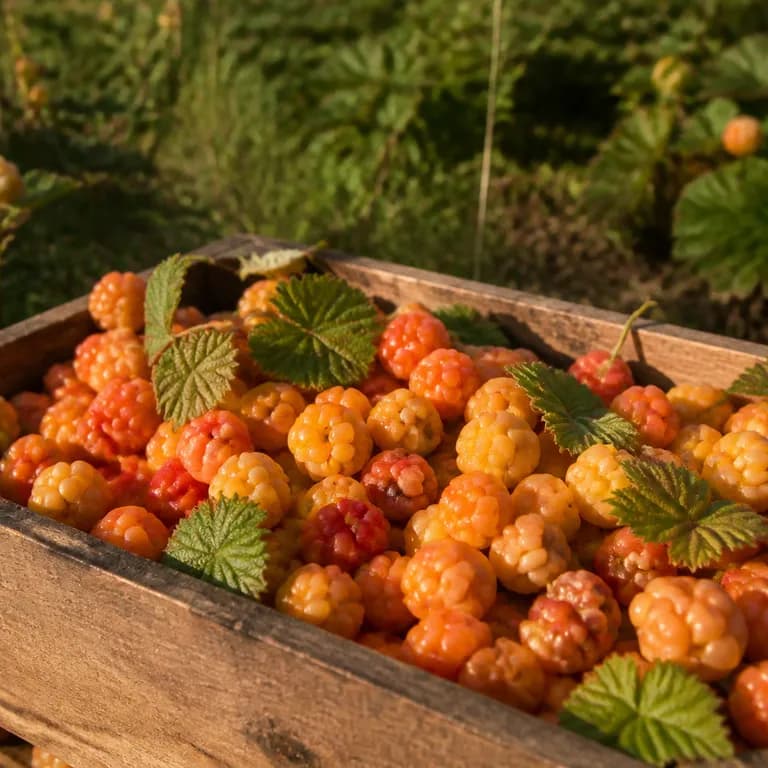
Las moras de los pantanos maduran de julio a agosto, pasando de verde a rojo y luego a ámbar dorado cuando están completamente maduras. El fruto maduro es blando, dorado y se desprende con facilidad del tallo. Recoja con cuidado, porque las bayas son extremadamente delicadas y se aplastan con facilidad. Coseche en recipientes poco profundos, con no más de dos bayas de profundidad. Cada planta produce solo una baya por tallo, así que el rendimiento es modesto en comparación con otras zarzas. Las bayas maduras tienen un sabor rico y complejo, con notas de miel, cítricos y flores que se intensifican cuando están en plena madurez.
se supone que plantas al comenzar el periodo — indica tu fecha real
Cosecha Mora de los pantanos a tiempo y la planta sigue produciendo.
Almacenamiento y conservación
Las moras de los pantanos frescas son extraordinariamente perecederas: duran solo uno o dos días a temperatura ambiente y de tres a cuatro días en refrigeración. Su alto contenido de ácido benzoico actúa como conservante natural en las formas procesadas. La mermelada de mora de los pantanos es una delicia escandinava de sabor rico y complejo, incomparable con cualquier otra baya. Congelan excepcionalmente bien y conservan su calidad durante meses. El licor de mora de los pantanos, llamado lakkalikööri en finés, es un apreciado espirituoso nórdico. También se conservan en almíbar para cubrir postres y tortitas.
Qué falla — y cómo solucionarlo
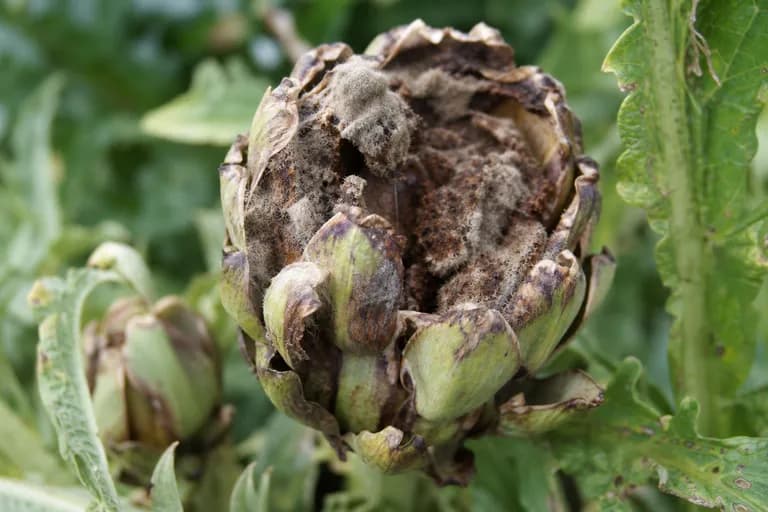
Moho gris de Botrytis
EnfermedadMoho gris y algodonoso en frutos y flores en desarrollo durante tiempo fresco y húmedo; el fruto se pudre antes de madurar.
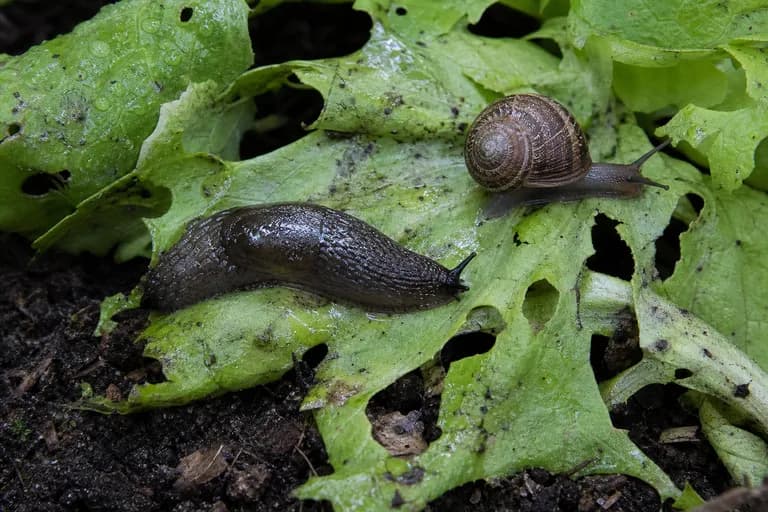
Babosas y caracoles
PlagaAgujeros irregulares en las hojas y daños en los frutos colgantes bajos; rastros de baba visibles sobre las plantas y alrededor de ellas.
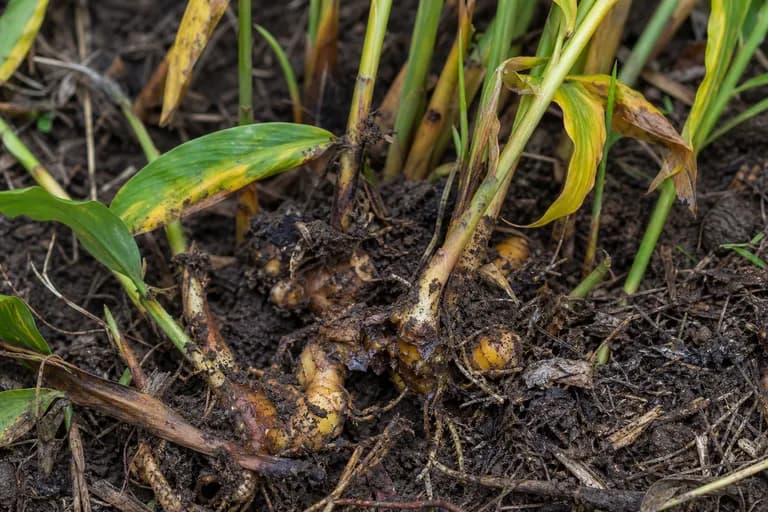
Podredumbre del rizoma
EnfermedadAmarilleo y marchitez de tallos aislados; los rizomas se vuelven blandos y marrones al desenterrarlos; las matas de plantas desaparecen.
Solución de problemas comunes
La mora de los pantanos es notoriamente difícil de cultivar fuera de su área subártica nativa. El calor del verano por encima de 24 °C provoca estrés y un mal cuajado del fruto. La exigencia estricta de contar con plantas masculinas y femeninas, junto con la lenta expansión de los rizomas, hace que la paciencia sea esencial. Los rendimientos son intrínsecamente bajos, con cada tallo produciendo solo una baya. Las plantas son prácticamente imposibles de cultivar en climas cálidos, independientemente de las condiciones del suelo. Establecer una colonia autosuficiente puede llevar cinco o más años. Los productos comerciales de mora de los pantanos proceden casi por completo de turberas silvestres de Escandinavia y Canadá.
Consejos de cultivo
- Las moras de los pantanos son estrictamente plantas de climas frescos y rinden mal al sur de las zonas de rusticidad USDA 3 o 4; los jardineros de regiones más cálidas no deberían intentar cultivarlas al aire libre sin un microclima excepcionalmente fresco y sombreado.
- El pH del suelo es crítico: las moras de los pantanos requieren condiciones realmente ácidas, entre pH 4.0 y 5.5. Analice el suelo antes de plantar y corríjalo con azufre elemental o grandes cantidades de turba de esfagno si el pH supera 5.5.
- Plante las moras de los pantanos en un lugar que imite una turbera natural: suelo constantemente húmedo, pero no encharcado, con un excelente contenido de materia orgánica. Un bancal elevado de turba con un revestimiento enterrado para retener la humedad funciona excepcionalmente bien.
- Plante siempre plantas masculinas y femeninas, ya que las moras de los pantanos son dioicas; sin plantas macho cercanas, las hembras florecerán pero no producirán fruto. Se recomienda una proporción de una planta macho por cada tres a cinco hembras.
- Las moras de los pantanos se extienden mediante rizomas subterráneos y con el tiempo pueden colonizar una amplia zona; planifique el espacio de plantación en consecuencia y use barreras radiculares enterradas si necesita contener la expansión.
- Evite todos los fertilizantes sintéticos ricos en nitrógeno, ya que fomentan un follaje exuberante en detrimento de la fructificación. Si necesita nutrición adicional, use un fertilizante de liberación lenta formulado para arándanos o plantas ericáceas a la mitad de la dosis recomendada.
- Acolchar con musgo de esfagno en lugar de astillas de madera cumple la doble función de retener la humedad y mantener el pH, creando condiciones que replican de cerca el hábitat natural de turbera de la mora de los pantanos.
- Las heladas tardías de primavera son la principal amenaza para la cosecha de moras de los pantanos; las flores son sensibles a las heladas y hasta una breve bajada a -2 °C puede eliminar toda la producción de la temporada. Tenga a mano manta térmica durante la floración en mayo y junio.
- Las moras de los pantanos tienen raíces muy superficiales, por lo que todo el deshierbe debe hacerse con cuidado a mano. Incluso un laboreo ligero con una azada puede seccionar rizomas y retrasar mucho la planta.
- La paciencia es la herramienta más importante en el cultivo de moras de los pantanos: normalmente no florecen ni fructifican durante los dos o tres primeros años tras plantarlas a partir de rizomas, y la productividad máxima suele alcanzarse a partir del quinto año o más tarde.
Cultiva tu mejor Mora de los pantanos — y todo lo que la rodea.
Empieza un plan gratis hoy. Diseña tus bancales, coloca tu Mora de los pantanos y deja que PlotMyGarden gestione el momento, el espaciado, las asociaciones y los recordatorios de la semilla a la cesta.
Elige tu Mora de los pantanos
Rubus chamaemorus
La especie silvestre, ya que no se han desarrollado comercialmente cultivares con nombre; seleccione plantas silvestres vigorosas.
Selecciones finlandesas
Instituciones de investigación de Finlandia y Noruega han seleccionado formas silvestres mejoradas con frutos más grandes y mayores rendimientos.
Ecotipos de turbera noruegos
Plantas recogidas en turberas noruegas y adaptadas a condiciones locales específicas; las mejores para jardines del norte.
Las moras de los pantanos frescas alcanzan precios extraordinarios en los mercados especializados, donde suelen venderse entre 40 y 80 USD por kilogramo cuando están disponibles. Incluso la mermelada y las conservas de mora de los pantanos son productos premium, a menudo valorados entre 15 y 30 USD por un tarro pequeño. Cultivar su propio bancal de mora de los pantanos, aunque requiere varios años de dedicación, puede producir kilogramos de fruta al año una vez establecido, lo que supone un ahorro importante y acceso a una fruta que de otro modo es casi imposible conseguir fresca fuera de Escandinavia y el norte de Canadá.
Recetas rápidas
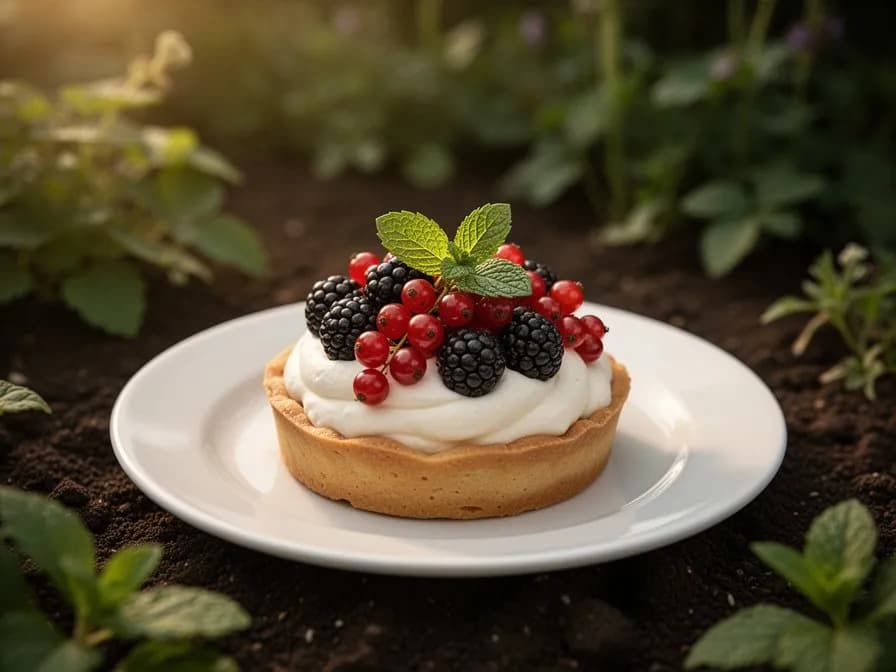
Mermelada nórdica clásica de mora de los pantanos
30 minutosUna conserva tradicional escandinava que captura la acidez intensa y el aroma floral de las moras de los pantanos. Es extraordinaria tibia sobre gofres con nata espesa, o mezclada con yogur.
4 ingredientesFool de mora de los pantanos
15 minutosUn postre nórdico lujosamente sencillo, con moras de los pantanos ligeramente machacadas y envueltas en nata montada ligeramente endulzada. Elegante para una cena y rápido para un capricho entre semana.
5 ingredientesVinagreta de mora de los pantanos
10 minutosUn aliño brillante y afrutado que destaca la acidez natural de las moras de los pantanos. Combina muy bien con hojas amargas, pescado ahumado y ensaladas con queso tierno.
6 ingredientesUsos culinarios
La mermelada de mora de los pantanos es una de las conservas más valoradas de la cocina escandinava y se sirve en ocasiones especiales y celebraciones tradicionales. Su sabor rico y complejo combina dulzor de miel con sutiles notas de cítricos y albaricoque. Sirva la mermelada sobre helado de vainilla, en gofres recién hechos o junto con queso crema para un postre lujoso. La crema de mora de los pantanos, llamada multekrem en noruego, es un querido postre navideño de nata montada mezclada con mermelada de mora de los pantanos. Las bayas dan licores excepcionales, salsas para carnes de caza y añadidos para tarta de queso.
Qué contiene
Beneficios para la salud
- Su extraordinario contenido de vitamina C favorece la función inmunitaria, la síntesis de colágeno y la salud de la piel, aportando aproximadamente el 176 % del valor diario recomendado en una porción de 100 g.
- Las altas concentraciones de ácido elágico y quercetina ejercen potentes efectos antioxidantes y antiinflamatorios que pueden reducir el riesgo de enfermedades crónicas, incluidas las cardiovasculares y algunos tipos de cáncer.
- Su excepcional contenido de fibra, de unos 7 g por 100 g, favorece un microbioma intestinal saludable, apoya la digestión regular y contribuye a la saciedad, lo que ayuda al control del peso.
- El aceite de semillas de mora de los pantanos contiene una proporción beneficiosa de ácidos grasos omega-3 y omega-6, que puede favorecer la salud cardiovascular y ayudar a mantener niveles saludables de colesterol cuando se consume con regularidad.
- El ácido benzoico natural presente en las moras de los pantanos ha demostrado propiedades antimicrobianas leves y puede contribuir a la salud de las vías urinarias de manera similar a los arándanos rojos.
- La combinación de ácido cítrico, ácido málico y polifenoles en las moras de los pantanos contribuye a un equilibrio ácido-alcalino saludable en el cuerpo y puede favorecer la salud renal al reducir la probabilidad de ciertos tipos de cálculos renales.
De dónde viene Mora de los pantanos
La mora de los pantanos (Rubus chamaemorus) es una de las frutas silvestres más antiguas y culturalmente significativas del norte circumpolar. Su área natural se extiende por las regiones árticas y subárticas del norte de Europa, Escandinavia, Rusia, Canadá y Alaska, donde ha crecido durante milenios en tundras pantanosas, turberas y bordes de bosques de coníferas. El nombre del género Rubus la sitúa firmemente dentro de la familia de las rosas junto con frambuesas y moras, mientras que el epíteto específico chamaemorus deriva del griego y significa "moral de tierra", una alusión al porte bajo de la planta y al parecido superficial de su fruto con una mora pálida.
Para los pueblos indígenas del Ártico, incluidos los sami de Escandinavia, los inuit de Canadá y Alaska y varios pueblos siberianos, las moras de los pantanos han sido un pilar alimentario durante milenios. Ricas en vitamina C y fáciles de conservar por congelación en el frío natural, se consumían frescas a finales del verano y se almacenaban en aceite de foca o en su propio jugo durante el largo invierno ártico. Su alto contenido natural de ácido benzoico permitía conservarlas durante meses sin estropearse, una ventaja crucial en una época anterior a la refrigeración.
Los primeros exploradores nórdicos y vikingos valoraban mucho las moras de los pantanos y se cree que llevaban preparaciones conservadas en sus viajes por mar como medio para prevenir el escorbuto. Los textos medievales escandinavos mencionan las bayas con varios nombres locales, y en los siglos XVII y XVIII los botánicos europeos describieron formalmente la planta durante expediciones al extremo norte. Carl Linneo, el botánico sueco que desarrolló la nomenclatura taxonómica moderna, documentó las moras de los pantanos en detalle en el siglo XVIII y señaló su importancia para las economías locales de Laponia.
En Noruega, Finlandia y Suecia, las moras de los pantanos siguen profundamente integradas en las tradiciones culinarias y culturales. La mermelada noruega de mora de los pantanos servida con gofres y nata montada se considera una delicia nacional, mientras que el licor finlandés de mora de los pantanos es un producto especial reconocido internacionalmente. La escasez de la baya, su potencial limitado de cultivo y su dependencia de hábitats pantanosos fríos y ácidos la han mantenido en gran medida como un cultivo recolectado en estado silvestre, lo que añade a su aura de misterio y a su valor premium en el mercado. Los esfuerzos botánicos modernos por domesticar las moras de los pantanos para cultivo comercial han tenido solo un éxito parcial, ya que los complejos requisitos ecológicos de la planta hacen que la agricultura a gran escala sea extraordinariamente difícil.
Mora de los pantanos: ¿sabías que?
Datos fascinantes sobre Mora de los pantanos
A veces se llama a las moras de los pantanos oro ártico por su intenso color dorado y su extrema rareza en el mercado; las bayas frescas pueden superar los 50 € por kilogramo en tiendas especializadas.
Mora de los pantanos: preguntas frecuentes
¿Cuándo debo plantar Mora de los pantanos?
¿Cuáles son buenas plantas acompañantes para Mora de los pantanos?
¿En qué zonas de rusticidad puede crecer Mora de los pantanos?
¿Cuánto sol necesita Mora de los pantanos?
¿A qué distancia debo espaciar Mora de los pantanos?
¿Qué plagas y enfermedades afectan a Mora de los pantanos?
¿Cómo almaceno Mora de los pantanos después de la cosecha?
¿Cuáles son las mejores variedades de Mora de los pantanos para cultivar?
¿Qué suelo necesita Mora de los pantanos?
¿Puedo cultivar moras de los pantanos en un clima cálido o templado?
¿Por qué mis plantas de mora de los pantanos no producen fruto después de tres años?
¿Cómo sé cuándo las moras de los pantanos están lo bastante maduras para recogerlas?
¿Cuál es la mejor manera de conservar las moras de los pantanos después de la cosecha?
¿Las moras de los pantanos necesitan mucha agua?
¿Puedo cultivar moras de los pantanos en contenedores?
Acabas de leer la teoría. Ahora cultívala en piloto automático.
Todo lo que hace que Mora de los pantanos sea delicado — el momento, el espaciado, las asociaciones, la ventana de cosecha — es justo lo que PlotMyGarden resuelve por ti, para cada planta de tu huerto.
Un plan que conoce tu clima
Indica tu ubicación una vez. Recibe fechas de siembra, abonado y cosecha basadas en tu última helada real y el pronóstico en vivo — sin adivinar con un sobre genérico.
De la sección “Cuándo plantar”Planificador de bancales de arrastrar y soltar
Diseña bancales sobre una cuadrícula. Cada planta encaja con su espaciado correcto y ves toda la temporada antes de gastar un céntimo en semillas.
De la sección “Cultivo”Conflictos de asociación, detectados a tiempo
Más de 200 buenas y malas combinaciones comprobadas en vivo mientras plantas — para que un error que arruine la temporada nunca llegue a la tierra.
De la sección “Asociaciones”Recordatorios que sí vas a seguir
“Riega las judías.” “Recoge hoy antes de que se pase.” Oportunos, concretos y ligados a las plantas que de verdad cultivas.
De la sección “Cosecha”Escalonado, programado
¿Quieres cosechar seis semanas en vez de seis días? Reparte tus siembras automáticamente y te avisa cuando toca el siguiente lote.
De la sección “Cuándo plantar”Un registro que se vuelve más listo
Cada cosecha que registras le enseña tu huerto. El plan del año que viene parte de lo que de verdad funcionó en tu suelo, no en un manual.
De la sección “Resumen”Planta estos junto a Mora de los pantanos
Más Bayas
Cultiva tu mejor Mora de los pantanos — y todo lo que la rodea.
Empieza un plan gratis hoy. Diseña tus bancales, coloca tu Mora de los pantanos y deja que PlotMyGarden gestione el momento, el espaciado, las asociaciones y los recordatorios de la semilla a la cesta.