Lingonberry
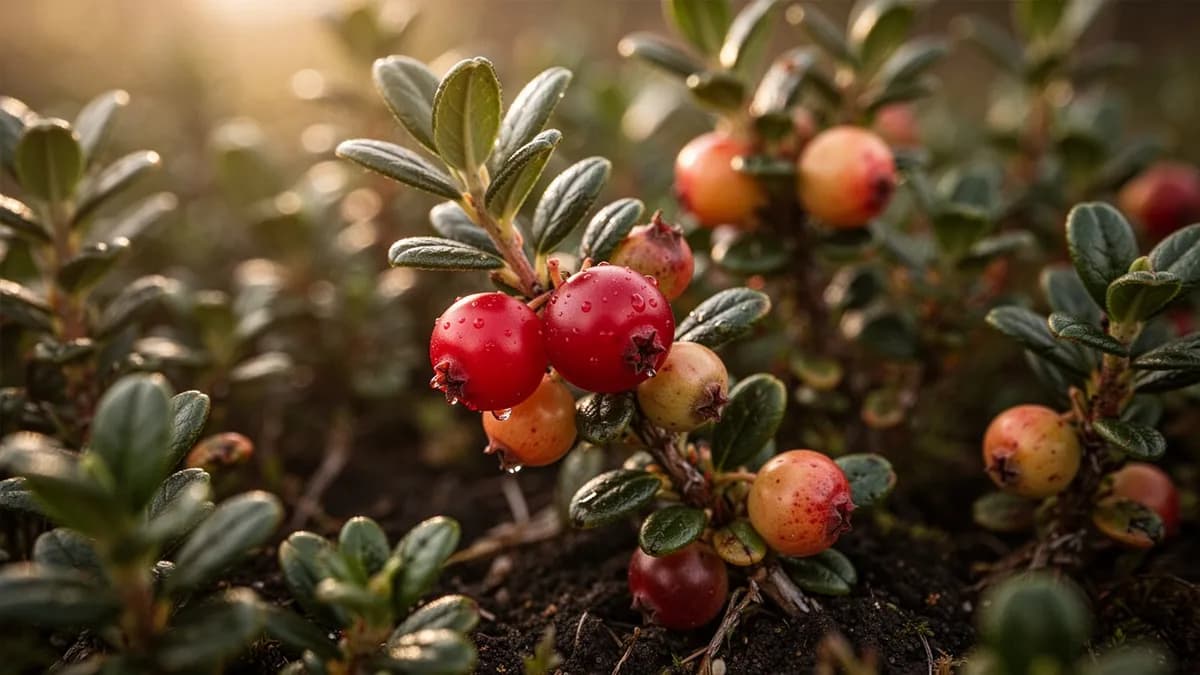
A compact, evergreen ground cover native to Scandinavian forests, producing small, tart red berries essential to Nordic cuisine.





On this pageOverview
Meet Lingonberry
A compact, evergreen ground cover native to Scandinavian forests, producing small, tart red berries essential to Nordic cuisine. Lingonberries thrive in acidic soil and partial shade, making them excellent companions under blueberry bushes. They typically produce two crops per year and spread slowly by underground runners.
When to plant Lingonberry
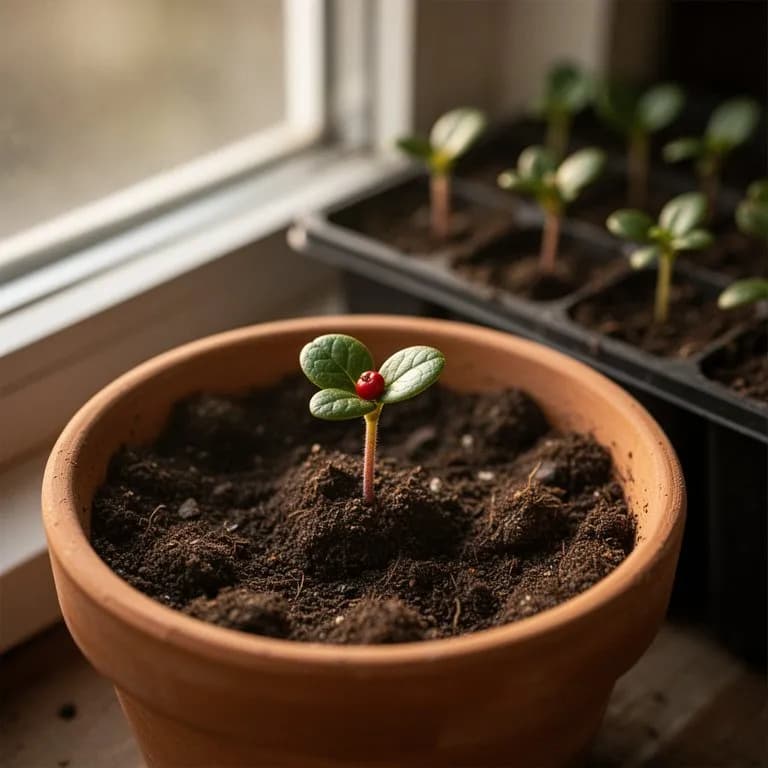
Lingonberries can be grown from seed, though the process is slow and most gardeners prefer divisions or purchased transplants. Seeds require cold stratification for three to four months in a moist medium in the refrigerator. Sow stratified seeds on the surface of acidic seed-starting mix and keep moist under grow lights. Germination takes four to eight weeks and is often uneven. Seedlings grow very slowly and require two to three years before transplanting to the garden. Division of established clumps in early spring is a much faster propagation method.
Your Lingonberry Year
Composed for Zone 7 · typical seasons · frost passes Apr 2, returns Nov 1
Plant Lingonberry Mar – May, pick Aug – Oct. Check the planting methods below and set your climate to personalize these windows.
How to grow Lingonberry
Lingonberries are adapted to cool, northern climates and perform best in acidic soil with a pH of 4.5 to 5.5. They tolerate partial shade well and are ideal for planting beneath taller acid-loving shrubs like blueberries or in woodland garden settings. Prepare the planting area by amending soil with peat moss and coarse sand to create a light, acidic, well-drained medium.
Plant young transplants in spring, spacing them twelve to eighteen inches apart. Lingonberries spread slowly by underground rhizomes and will gradually fill in to form a dense, attractive ground cover. Water consistently during the first growing season to establish roots, then maintain moderate moisture levels.
Lingonberries typically produce two flushes of fruit each year: a lighter crop in midsummer and a heavier crop in autumn. Mulch with pine needles or wood chips to maintain soil acidity and suppress weeds. Fertilize sparingly with an acid-loving plant formula in early spring, as lingonberries are adapted to nutrient-poor soils and excessive feeding reduces fruit quality. Protect autumn fruit from early frost with row cover if needed.
32 plants fit a 4 × 8 ft bed
Each Lingonberry wants 30 cm of elbow room. The planner keeps that spacing for you — every plant, every bed.
Lingonberry's best neighbours
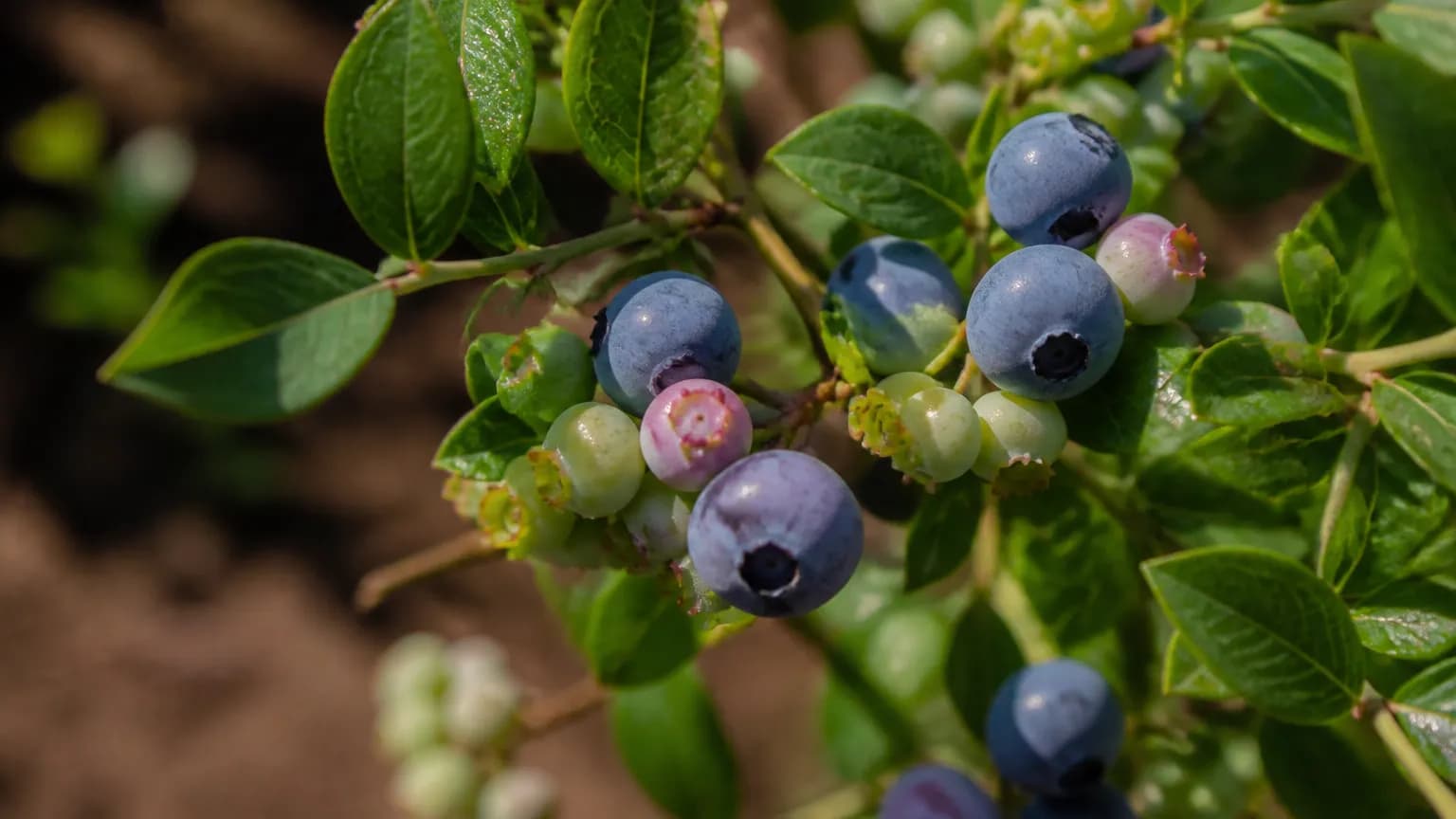
Lingonberries thrive when planted beneath blueberry bushes, sharing similar acidic soil requirements while serving as an attractive, productive ground cover. Cranberries make natural companions in acidic garden beds. Rhododendrons and azaleas create a compatible woodland garden environment. Avoid planting near plants that prefer alkaline conditions or those with aggressive root systems that could overwhelm the shallow-rooted lingonberry.
Blueberry belongs beside it.
Old growers' knowledge, checked against Lingonberry's real companion table below — test any plant you're growing.
Try Lingonberry in a bed — right here
A real planner bed with Lingonberry already in it. Tap a companion to place it and watch the pairing checks answer — green for good neighbours, red for a clash.


Related growing guides
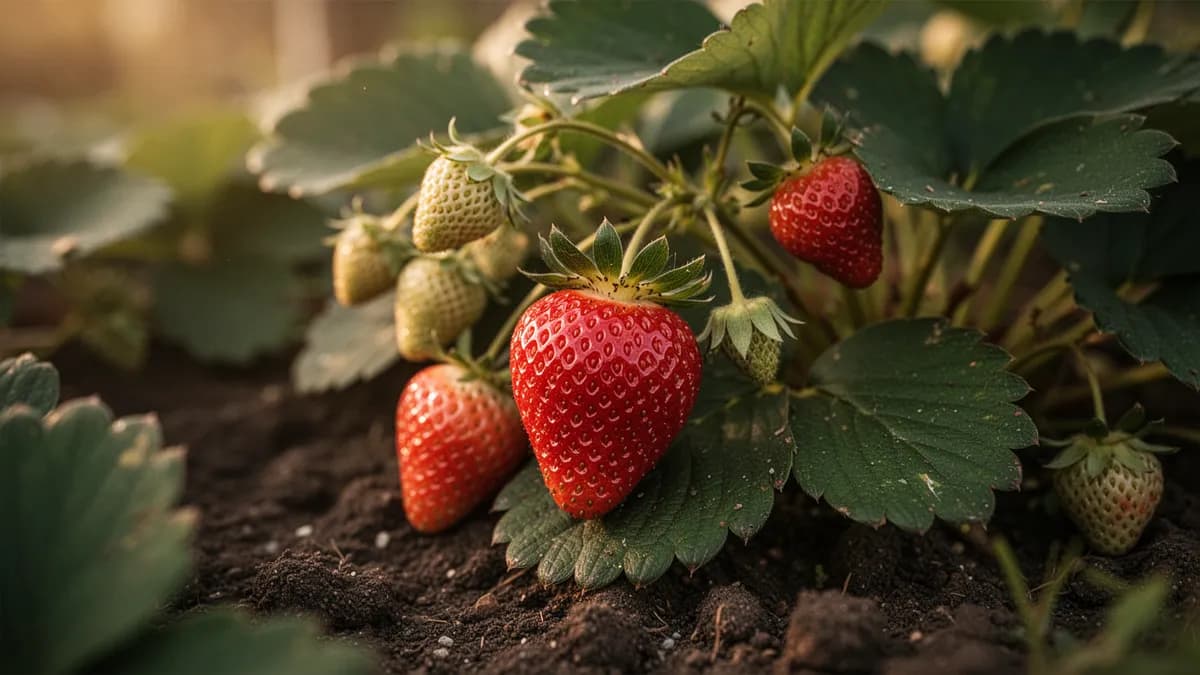
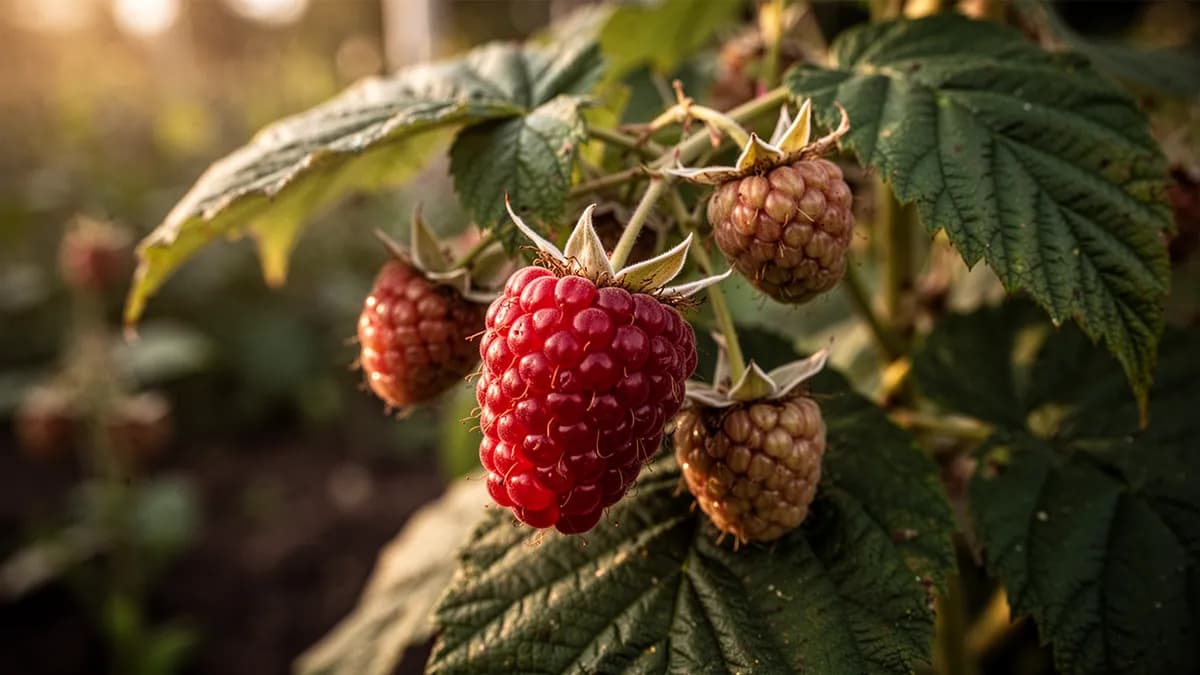
Feed it well
Lingonberries require acidic soil with a pH between 4.5 and 5.5, similar to blueberries but with better tolerance for poor, sandy conditions. Amend planting areas with peat moss and coarse sand for ideal drainage and acidity. Fertilize very lightly with an acid-forming fertilizer in early spring; lingonberries are naturally adapted to low-nutrient environments and over-fertilizing causes excessive vegetative growth. Mulch with pine needles or acidic bark to maintain soil acidity and moisture.
Ideal Temperature
Hardiness Zone Compatibility
From seed to harvest, stage by stage
Dormancy and Establishment
Lingonberry is most commonly started from nursery divisions or rooted cuttings rather than seed, as seed germination is slow and variable. When planted in spring, the young plant focuses entirely on establishing a root system in its first weeks. Visible above-ground growth is minimal at this stage, but root development is critical for long-term vigor. The plant requires consistently moist, acidic soil with a pH of 4.5-5.5 to thrive.
Vegetative Growth
The plant begins producing new shoots and expanding its spread through shallow underground stolons. Leaves are small, oval, thick, and leathery with a distinctive glossy upper surface and pale underside dotted with tiny black glands. Young lingonberry plants may not flower in their first year, instead channeling all energy into establishing a robust root network and building crown mass.
First Bloom (Spring Flush)
Established plants produce their first flush of small, nodding, urn-shaped flowers in late spring or early summer. The flowers are white to pale pink, held in short terminal clusters, and are a valuable early-season nectar source for bumblebees. Lingonberry is self-fertile but cross-pollination between two different cultivars significantly improves berry set and overall yield.
Berry Development
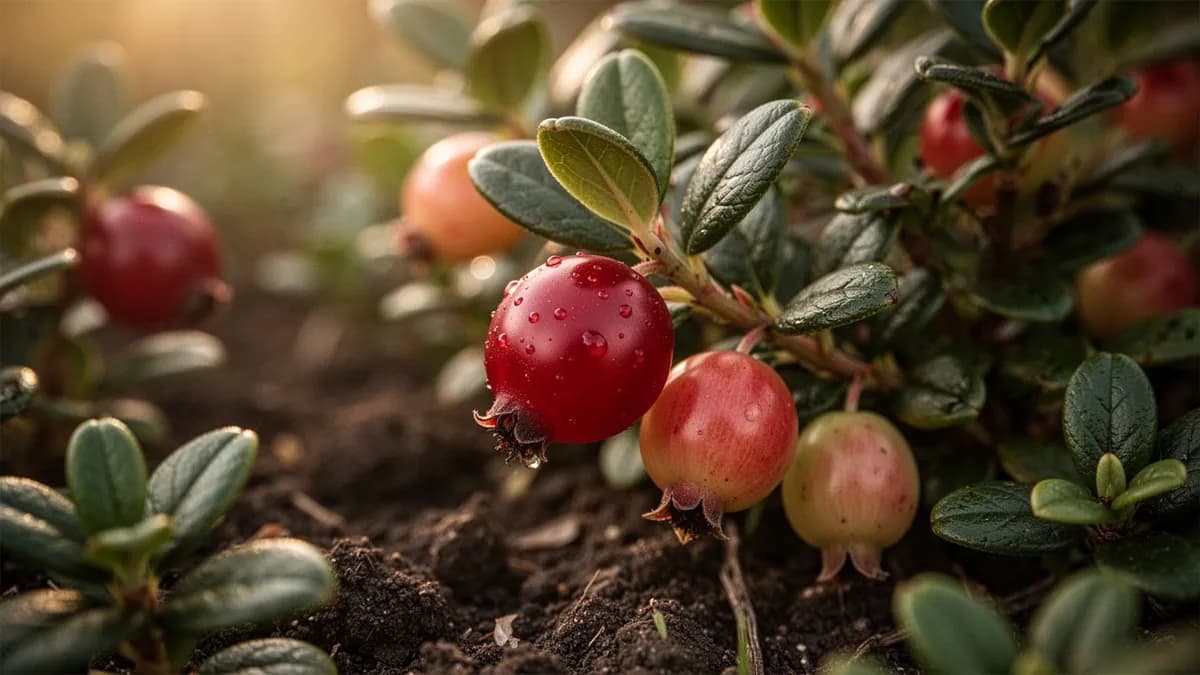
After pollination, small green berries develop at the tips of the branches over summer. In some everbearing varieties, a second flush of flowers can appear in midsummer, which will produce a later crop in early autumn. As summer progresses, the berries gradually swell and begin the process of ripening, slowly transitioning from pale green to a deep, glossy red. Berries are rich in benzoic acid, a natural preservative that gives lingonberries their exceptional shelf life after harvest.
Harvest and Second Bloom
The main harvest occurs in late summer to mid-autumn when berries reach their deepest red color and develop a pleasantly tart, complex flavor. Many modern cultivars, particularly everbearing types, will produce a second round of flowers in July and a second crop of berries in October. At the end of the growing season, the plant begins preparing for dormancy while retaining its evergreen foliage.
Winter Dormancy
Lingonberry is exceptionally cold-hardy, tolerating temperatures as low as -35°C when dormant. Unlike most fruiting plants, it remains evergreen throughout winter, providing an attractive dark green groundcover. In regions with reliable snow cover, the foliage stays particularly lush; in areas with harsh freeze-thaw cycles without snow insulation, some leaf browning can occur but the plant typically recovers fully in spring.
Water newly planted specimens regularly to prevent the shallow root system from drying out. Do not fertilize in the first few weeks to avoid burning the delicate roots. Apply a 5-8 cm layer of pine bark mulch or conifer needle mulch around the plant to retain moisture and naturally acidify the soil.
Caring for Lingonberry month by month
What to do each month for your Lingonberry
October
You are hereHarvest second-crop berries from everbearing varieties before the first hard frost. Apply a generous top-dressing of acidic pine bark or conifer needle compost after harvest. Begin reducing watering as temperatures cool. Move container plants to a sheltered position.
Know exactly what to do in your garden — every month
One email at the start of each month: what to sow, plant, and tackle right now — for your Lingonberry and everything growing around it. Plus a short starter course that helps you dodge the classic mistakes.
- What to do, right now
- Matched to your season
- Starter course included
Harvesting Lingonberry
Lingonberries produce two harvests per year. The summer crop ripens in July and is typically lighter, while the main autumn crop matures in September through October with larger and more flavorful berries. Pick berries when they are uniformly deep red and slightly soft. Lingonberries can be harvested by hand or by using a berry-picking comb, a traditional Scandinavian tool. The autumn crop sweetens after the first light frost, so waiting for a frost before picking concentrates their flavor.
assuming you plant when the window opens — set your real date
Pick Lingonberry promptly and the plant keeps producing.
Storage & Preservation
Fresh lingonberries contain natural benzoic acid, which acts as a preservative, allowing them to keep in the refrigerator for up to eight weeks. They freeze exceptionally well spread on trays and transferred to bags. The most traditional preservation method is raw-stirred lingonberries, where crushed berries are mixed with sugar without cooking. They also make outstanding jam, syrup, and compote. Dried lingonberries are excellent in baking and trail mixes.
What goes wrong — and the fix
Phytophthora Root Rot
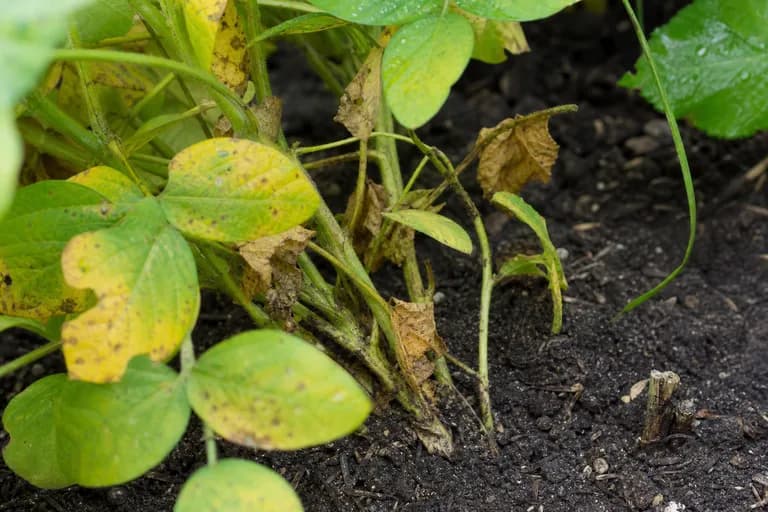
DiseaseWilting and yellowing of foliage despite adequate moisture; roots turn dark brown and mushy when inspected.
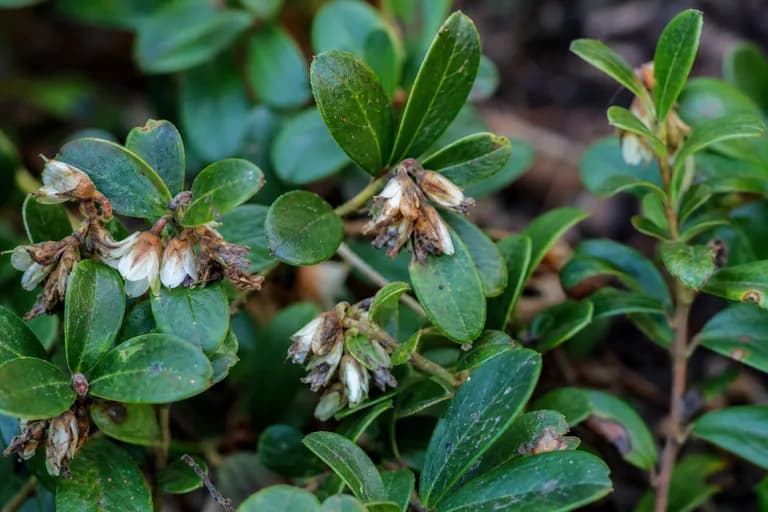
Flower Blight
DiseaseFlowers turn brown and collapse rapidly during bloom; infected blossoms may develop gray fuzzy mold in humid conditions.
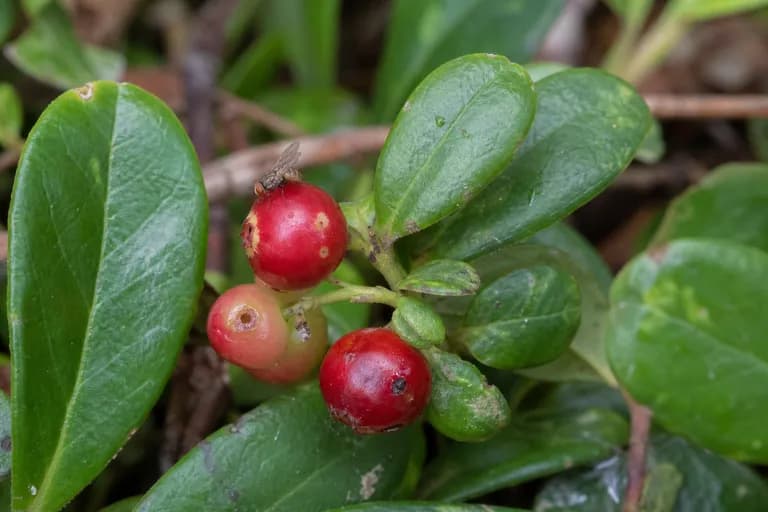
Lingonberry Fruit Fly
PestSmall puncture marks on ripening berries; larvae feed inside fruit causing premature softening and drop.
Troubleshooting Common Problems
Poor fruiting is the most frequent complaint and usually results from soil pH being too high. Test annually and adjust with elemental sulfur as needed. Plants that fail to spread may be too dry or planted too deeply. Lingonberries have shallow roots and suffer in prolonged drought, so consistent moisture is essential. In warmer zones, heat stress can reduce the autumn crop. Slugs may damage berries in wet conditions and can be controlled with iron phosphate bait.
Growing Tips
- Soil pH is the single most critical factor for lingonberry success. Test your soil before planting and amend it to a pH of 4.5-5.5 using elemental sulfur, acidic peat, or pine bark. Plants grown in neutral or alkaline soil will develop chlorosis (yellowing from iron deficiency) and produce little to no fruit regardless of other care.
- Choose a planting site with morning sun and light afternoon shade, particularly in warmer climates. Lingonberry naturally grows on the forest floor under partial tree cover and dislikes the heat stress of full afternoon sun in summer months above 25°C.
- Plant two or more cultivars together for significantly improved cross-pollination and berry set. Reliable pairings include 'Koralle' with 'Red Pearl,' or 'Erntedank' with 'Sussi.' Even two plants of different cultivars will substantially outperform a single self-pollinated plant.
- Mulch generously and permanently. Lingonberry has a very shallow, fibrous root system that is highly sensitive to soil moisture fluctuations and competition from weeds. A 7-10 cm layer of pine bark chips, conifer needles, or shredded oak leaves should be maintained year-round and replenished annually.
- Avoid using regular garden fertilizers that contain nitrates or high phosphorus. Use only fertilizers specifically formulated for acid-loving plants such as blueberry fertilizer, or apply small quantities of ammonium sulfate in spring, which simultaneously feeds the plant and acidifies the soil.
- Lingonberry spreads naturally through underground stolons and will gradually form a dense weed-suppressing mat over several years. Allow this natural expansion in permanent beds; it is a feature rather than a problem and dramatically increases yield over time without any additional planting cost.
- Do not prune heavily or reshape lingonberry plants. The plant fruits on second-year wood, so cutting back hard will eliminate the following season's crop. Limit pruning to removing dead stems, crossing branches, and any shoots that stray beyond the desired planting area.
- Water with rain water or acidified tap water whenever possible. In areas with hard (alkaline) tap water, long-term irrigation can gradually raise soil pH and stunt growth. Collect rainwater for irrigation or add a small amount of citric acid or apple cider vinegar to tap water to lower its pH before watering.
- In containers, use a mix of 50% acidic peat-free ericaceous compost and 50% coarse pine bark to ensure both the right pH and excellent drainage. Repot every three years into a slightly larger container and refresh the growing medium to prevent pH drift and salt buildup.
- Lingonberry is relatively pest and disease resistant compared to other soft fruits, but watch for the lingonberry fruit worm moth in larger plantings. Its larvae burrow into developing berries. Remove and destroy any worm-infested berry clusters immediately to prevent the pest from overwintering in the soil.
Grow your best Lingonberry yet — and everything around it.
Start a free plan today. Lay out your beds, drop in your Lingonberry, and let PlotMyGarden handle the timing, spacing, companions and reminders from seed to harvest basket.
Pick your Lingonberry
Koralle
The most widely grown cultivar, producing heavy crops of large berries twice per year on compact, vigorous plants.
Red Pearl
A Dutch variety with large, bright red berries and excellent flavor, well-suited to garden cultivation.
Regal
A vigorous selection from the University of Wisconsin known for heavy yields and good cold hardiness to zone 2.
Sanna
A Swedish variety producing exceptionally sweet berries, preferred for fresh eating and raw-stirred preserves.
Premium fresh lingonberries at specialty grocery stores and Scandinavian import shops typically sell for $12-20 per 500g when available, while lingonberry jam and sauces are priced at $6-12 per jar. A single established lingonberry plant in a mature patch can yield 1-2 kg of fresh berries per season, representing $24-80 in fresh berry value. A modest planting of five plants costing $40-70 to establish can yield 5-10 kg annually after three years, providing $120-400 worth of premium fruit plus the priceless convenience of having this specialty ingredient available fresh in your own garden.
Quick recipes
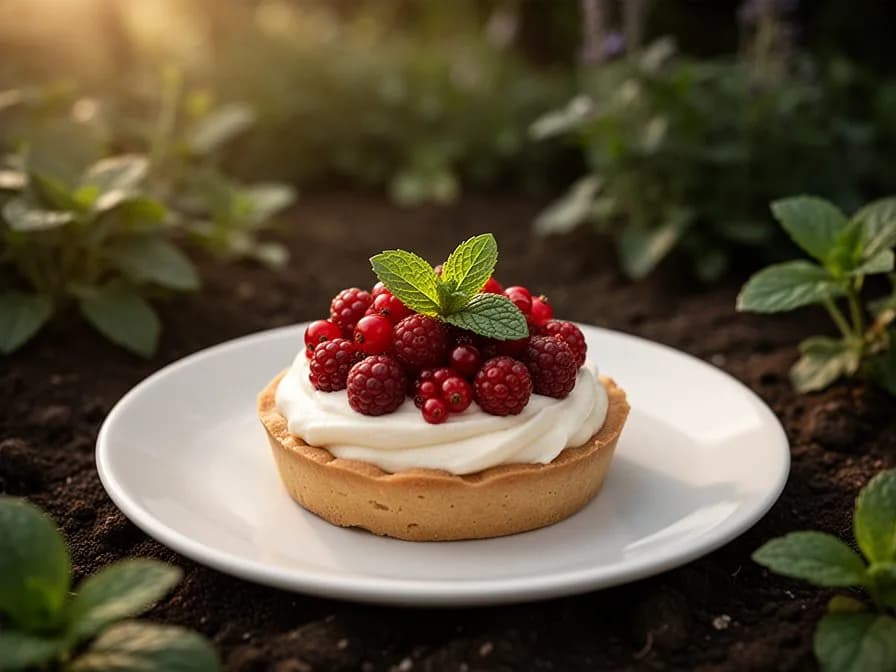
Classic Swedish Lingonsylt (Lingonberry Jam)
25 minutesThe iconic Scandinavian condiment that accompanies everything from Swedish meatballs to pancakes and roasted game meats. Unlike most jams, traditional lingonsylt uses far less sugar than the berries, preserving the characteristic tartness that makes it so versatile as both a sweet spread and a savory condiment. No pectin is needed as lingonberries are naturally high in their own pectin.
5 ingredients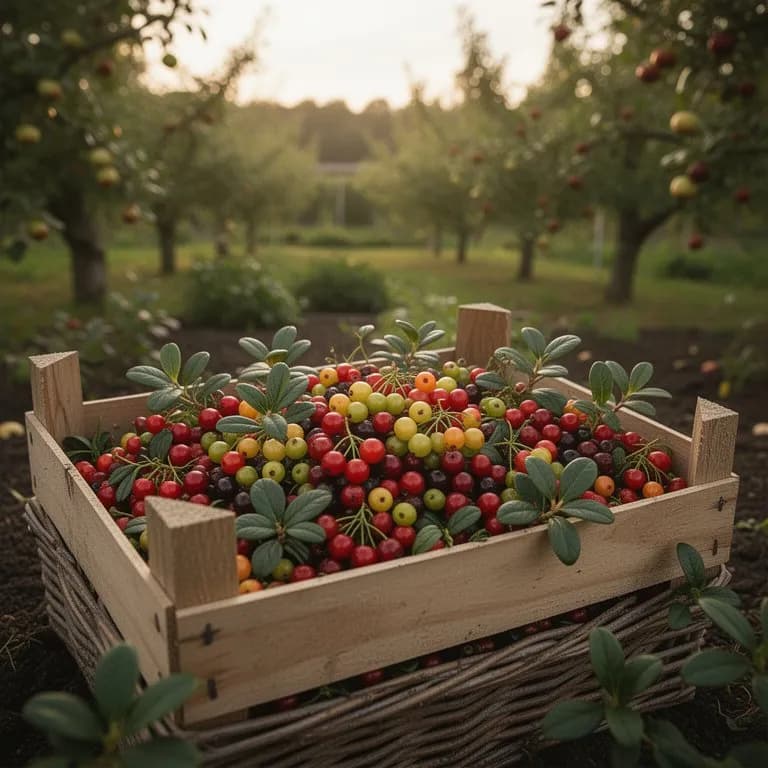
Lingonberry Sauce for Game and Roasts
15 minutesA rich, glossy sauce that pairs beautifully with venison, duck, pork, or any richly flavored roasted meat. The tartness of the lingonberries cuts through fatty or gamey flavors while adding a deep fruity complexity. This sauce can be made in minutes using either fresh or frozen berries and prepared lingonberry jam as a shortcut base.
8 ingredientsLingonberry Overnight Oats
5 minutes (plus overnight soaking)A quick, nourishing breakfast that highlights the bright tartness of lingonberries against creamy oats. The berries soften overnight into the oats, infusing the entire bowl with their vibrant ruby-red color and complex fruity flavor. This recipe works equally well with fresh, frozen, or rehydrated dried lingonberries and requires no cooking whatsoever.
7 ingredientsCulinary Uses
Lingonberries are a staple of Scandinavian cuisine, served as a sauce alongside meatballs, pancakes, and game meats. Their tart, slightly bitter flavor pairs well with rich, savory dishes. They make excellent jam, juice, and syrup. Raw-stirred lingonberry preserve is a traditional preparation requiring only berries and sugar. They are rich in vitamins A, C, and E, as well as powerful antioxidants.
What's inside
Health Benefits
- Lingonberries contain some of the highest concentrations of proanthocyanidins among all commonly consumed berries, compounds extensively studied for their ability to prevent certain bacteria from adhering to the urinary tract lining, potentially reducing the frequency of urinary tract infections
- The anthocyanins responsible for lingonberry's deep red pigmentation have been associated in multiple clinical studies with reduced markers of cardiovascular inflammation, improved arterial flexibility, and modest reductions in LDL cholesterol oxidation
- Regular consumption of lingonberries has been studied in relation to gut microbiome health, with research suggesting that their polyphenol content promotes the growth of beneficial Bifidobacterium and Lactobacillus species while inhibiting certain pathogenic bacteria
- Lingonberries are a meaningful source of quercetin, a flavonoid with well-documented antiviral activity and anti-inflammatory properties that may support the immune response to seasonal respiratory infections
- The combination of high dietary fiber, low sugar content, and polyphenol compounds in lingonberries contributes to improved postprandial blood glucose regulation, making them a particularly valuable fruit for those managing insulin sensitivity or type 2 diabetes risk
- Traditional Scandinavian and Russian folk medicine has long used lingonberry preparations as a natural remedy for gout and rheumatic conditions, a practice supported by emerging research indicating that their anthocyanins and organic acids can help reduce uric acid levels and joint inflammation
Where Lingonberry comes from
The lingonberry (Vaccinium vitis-idaea) is a native circumpolar plant with a range encompassing the boreal forests and arctic tundra of the entire Northern Hemisphere. Its wild distribution spans from Labrador in eastern Canada across Alaska, through Iceland, Greenland, Northern and Central Europe, the Urals, Siberia, and eastward to Japan and the Korean peninsula. This remarkable geographic spread reflects the plant's extraordinary cold tolerance and its ability to thrive in the nutrient-poor, acidic soils of conifer forests, bogs, and heathlands where few other fruit-bearing plants can survive. Archaeological evidence from Scandinavian peat bogs suggests that humans have been gathering wild lingonberries for at least 10,000 years, making it one of the oldest known foraged foods of northern Europe. For indigenous communities and early settlers across the boreal zone, lingonberries represented an irreplaceable source of vitamins and antioxidants through long winters when other plant foods were unavailable. Their exceptional keeping qualities due to naturally occurring benzoic acid meant that fresh-picked berries stored in cool cellars could feed families through the darkest months of the year. Systematic cultivation of lingonberry began in earnest in Sweden and Finland in the 1960s and 1970s, driven by a desire to reduce dependence on wild harvesting and to stabilize the commercial supply for the jam, juice, and confectionery industries. Swedish and Norwegian horticultural programs developed the first named cultivars during this period, selecting for heavier yields, improved berry size, and everbearing habits. The cultivar 'Koralle,' developed in Germany in the 1970s, became one of the first widely planted commercial varieties and remains popular today. North American commercial interest in lingonberry grew significantly in the 1990s, particularly in the Pacific Northwest of the United States and British Columbia in Canada, where the acidic soils and mild, cool maritime climate proved ideal for cultivation. Today, lingonberry has transitioned from a foraged wild food to a sophisticated cultivated crop, with modern breeding programs in Sweden, Finland, Germany, and the United States continuing to develop improved varieties with higher yields, superior flavor, and broader climate adaptability. Its growing reputation as a functional food with documented health benefits has driven a surge of consumer interest that shows no signs of slowing.
Lingonberry: did you know?
Fascinating facts about Lingonberry
Lingonberry has one of the longest harvesting traditions of any wild fruit in the Northern Hemisphere. In Sweden, Finland, and Norway, the right to pick wild lingonberries on any land regardless of ownership is protected by a centuries-old legal principle known as 'Allemansrätten,' the Freedom to Roam.
Lingonberry questions, answered
When should I plant Lingonberry?
What are good companion plants for Lingonberry?
What hardiness zones can Lingonberry grow in?
How much sun does Lingonberry need?
How far apart should I space Lingonberry?
What pests and diseases affect Lingonberry?
How do I store Lingonberry after harvest?
What are the best Lingonberry varieties to grow?
What soil does Lingonberry need?
Why is my lingonberry plant not producing berries?
Can I grow lingonberry in a container or on a balcony?
How is lingonberry different from cranberry, and can I substitute one for the other?
When is the right time to harvest lingonberries, and how do I know they are ripe?
What is the best way to store and preserve a lingonberry harvest?
How long does it take for a lingonberry plant to produce a full harvest?
You just read the theory. Now grow it on autopilot.
Everything that makes Lingonberry fiddly — the timing, the spacing, the companions, the harvest window — is exactly what PlotMyGarden handles for you, for every plant in your garden.
A plan that knows your weather
Set your location once. Get sow, feed and harvest dates built around your real last-frost date and live forecast — no more guessing from a generic seed packet.
From the “When to plant” sectionDrag-and-drop bed planner
Design beds on a grid. Every plant snaps to its proper spacing, and you can see your whole season laid out before you spend a cent on seed.
From the “Growing guide” sectionCompanion conflicts, caught early
200+ good-and-bad pairings checked live as you plant — so a season-wrecking mistake never makes it into the ground.
From the “Companions” sectionReminders you'll actually act on
“Water the beans.” “Pick today before it turns.” Timely, specific, and tied to the plants you're really growing.
From the “Harvest” sectionSuccession, scheduled
Want a harvest for six weeks, not six days? It spaces your sowings automatically and reminds you when each new block is due.
From the “When to plant” sectionA record that gets smarter
Every harvest you log teaches it your garden. Next year's plan starts from what actually worked in your soil, not a textbook's.
From the “Overview” sectionPlant these alongside Lingonberry
More Berries
Grow your best Lingonberry yet — and everything around it.
Start a free plan today. Lay out your beds, drop in your Lingonberry, and let PlotMyGarden handle the timing, spacing, companions and reminders from seed to harvest basket.