Clementina
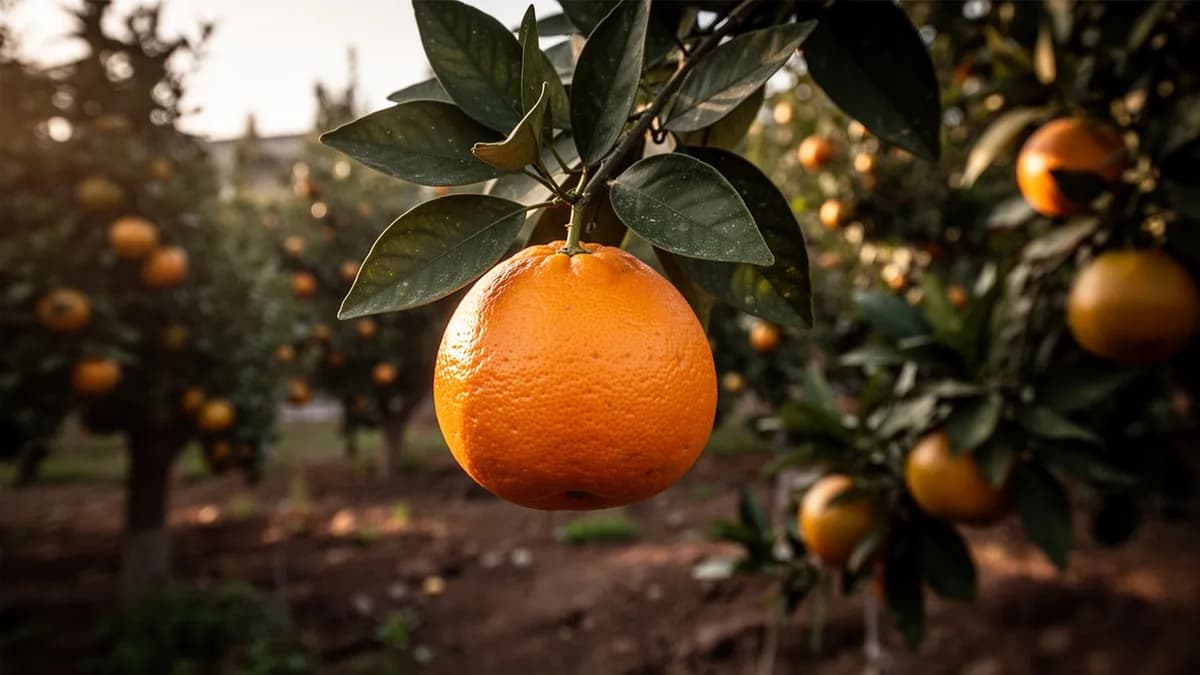
Una variedad pequeña y sin semillas de mandarina, apreciada por su dulzura excepcional y su piel brillante de color naranja, fácil de pelar.





En esta páginaResumen
Conoce Clementina
Una variedad pequeña y sin semillas de mandarina, apreciada por su dulzura excepcional y su piel brillante de color naranja, fácil de pelar. Las clementinas son autofértiles, pero producen frutos más grandes cuando se cruzan con otras variedades, aunque eso introduce semillas en la fruta que normalmente no las tiene. Maduran antes que la mayoría de los cítricos, por lo que ofrecen fruta de noviembre a enero.
Cuándo plantar Clementina
Las clementinas auténticas son casi sin semillas y se propagan exclusivamente por injerto para conservar sus rasgos deseables. Compre árboles injertados en viveros sobre patrones como Carrizo citrange para mayor vigor, Trifoliata para resistencia al frío o Flying Dragon para enanismo natural. Los árboles injertados suelen empezar a fructificar en tres o cuatro años. Si obtiene semillas de clementinas polinizadas de forma cruzada, puede sembrarlas a 2.5 cm de profundidad en sustrato húmedo a 21-27 °C, pero los árboles resultantes serán híbridos con calidad de fruto imprevisible y pueden tardar muchos años en producir.
Tu año de Clementina
Ajustado a Zona 7 · temporada típica · la helada se va hacia el 2 abr y vuelve hacia el 1 nov
Planta Clementina Mar – May y cosecha Ene, Nov – Dic. Consulta los métodos de plantación y elige tu clima para adaptar los periodos.
Cómo cultivar Clementina
Las clementinas crecen mejor en las zonas USDA 9 a 11, a pleno sol y protegidas de los vientos fríos. Plante árboles injertados a principios de primavera, dejando entre 3 y 3.6 metros de separación para árboles estándar o entre 1.5 y 2.1 metros para variedades enanas. Coloque la unión del injerto 7.5 cm por encima del nivel del suelo y riegue profundamente al plantar. Las clementinas son excelentes árboles de contenedor y se desarrollan muy bien en macetas de 60 a 95 litros con buen drenaje.
Riegue los árboles ya establecidos en profundidad cada siete a diez días, ajustando la frecuencia durante episodios de calor extremo o sequía. Las clementinas son autofértiles, pero plantarlas cerca de otras mandarinas mejora el tamaño del fruto y el rendimiento gracias a la polinización cruzada. Tenga en cuenta que la polinización cruzada introducirá semillas en una fruta que, de otro modo, sería sin semillas, así que aisle las clementinas de otros cítricos si prioriza la fruta sin semillas.
Fertilice con una fórmula específica para cítricos tres veces al año, a finales del invierno, a finales de la primavera y a comienzos del otoño. Pode ligeramente después de la cosecha para dar forma a la copa y eliminar ramas muertas o cruzadas. Las clementinas cargan mucho fruto y pueden beneficiarse de un aclareo para evitar roturas de ramas y favorecer frutos individuales más grandes. En zonas frías limítrofes, protéjalas con manta antihielo cuando la temperatura baje de -2 °C.
Para Clementina un bancal de 120 × 240 cm se queda corto
Cada Clementina pide 300 cm de margen. El planificador guarda ese marco por ti — cada planta, cada bancal.
Los mejores vecinos de Clementina
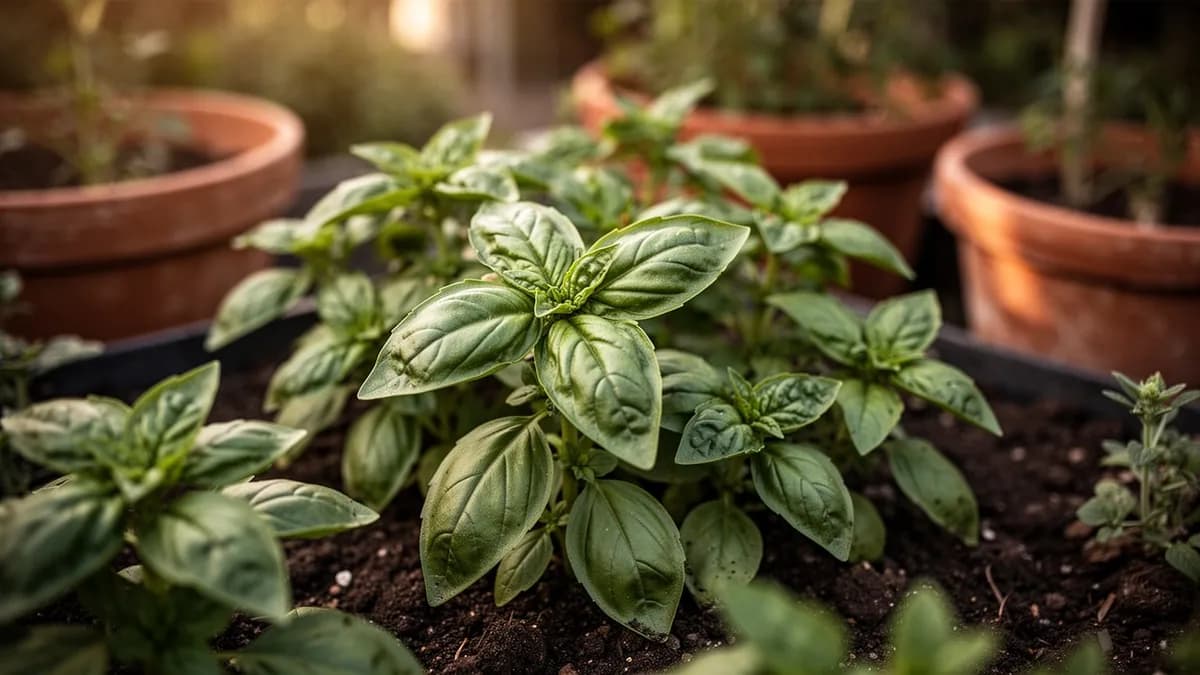
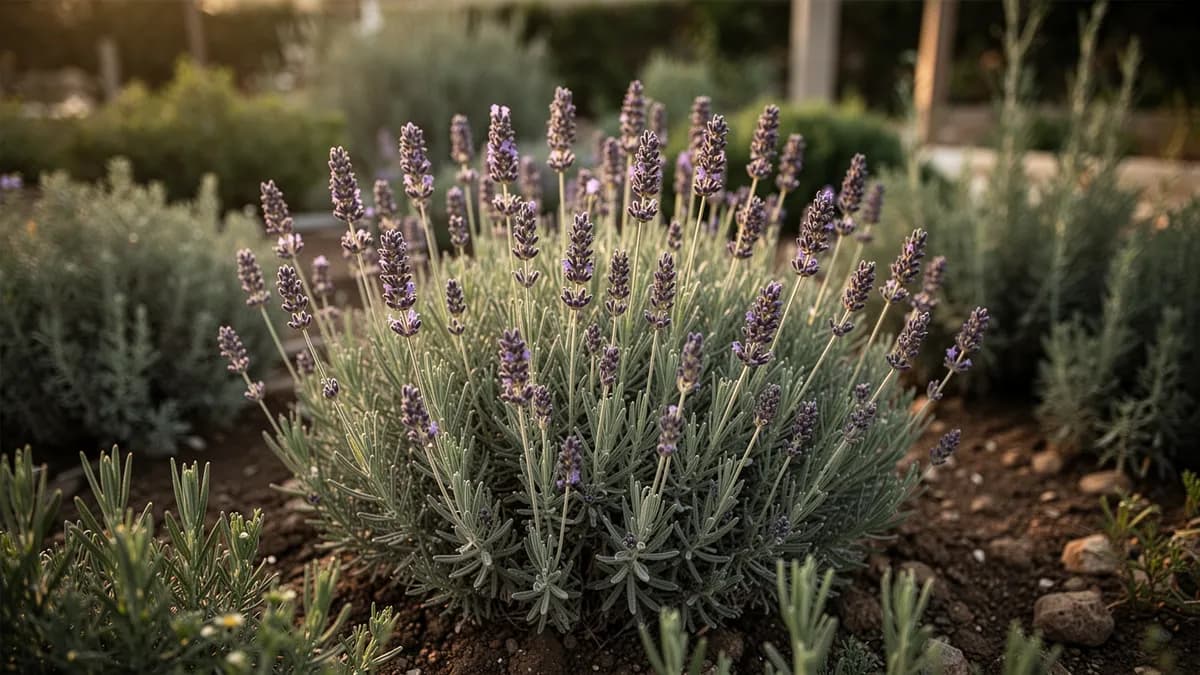
Rodee los clementinos con hierbas que atraen polinizadores, como lavanda, romero y orégano, para mejorar el cuajado. Plante trébol blanco fijador de nitrógeno como cobertura vegetal bajo la copa. Las capuchinas atraen a los pulgones lejos de los brotes tiernos de los cítricos. El ajo y el cebollino pueden ayudar a disuadir a los barrenadores si se plantan cerca del tronco. Si cultiva clementinas sin semillas, aíslelas de otros cítricos al menos 30 metros para minimizar la polinización cruzada por las abejas. Evite la gramilla bermuda y otras gramíneas invasoras alrededor de los cítricos.
Albahaca va a su lado. Nogal no.
Saber de huerto de siempre, cotejado con la tabla real de Clementina — prueba cualquier planta que cultives.
Prueba Clementina en un bancal, aquí mismo
Un bancal real del planificador con Clementina ya plantado. Toca una planta compañera para colocarla y mira cómo responde la comprobación de vecinos: verde para buenos vecinos, rojo si hay conflicto.


Guías de cultivo relacionadas
Abónalo bien
Las clementinas prefieren suelos francoarenosos o francos con buen drenaje y un pH de 5.5 a 6.5. Son especialmente sensibles al encharcamiento, que provoca rápidamente podredumbre de raíz. Enmiende los suelos arcillosos generosamente con compost y perlita, o plante en bancales elevados. Aplique tres veces al año un fertilizante equilibrado para cítricos con micronutrientes como hierro, zinc y manganeso. Las pulverizaciones foliares de micronutrientes en primavera corrigen rápidamente pequeñas carencias. Mantenga una capa de acolchado de 5 a 7.5 cm alrededor del árbol, pero sin que toque el tronco.
Temperatura ideal
Compatibilidad de zonas de rusticidad
De la semilla a la cosecha, etapa por etapa
Establecimiento a partir de árbol injertado
Las clementinas casi siempre se cultivan a partir de plantones injertados y no de semilla. Los árboles nacidos de semilla pueden tardar entre 7 y 10 años en fructificar y no reproducen fielmente la variedad madre. Durante los primeros 3 meses tras la plantación, el árbol concentra su energía en establecer raíces y produce poco o ningún crecimiento aéreo nuevo. El sistema radicular se expande en silencio para anclar el árbol y empezar a absorber agua y nutrientes del suelo circundante.
Crecimiento vegetativo y desarrollo de la copa
El árbol entra en una fase de crecimiento vegetativo activo y produce varios brotes de hojas nuevas y brillantes a lo largo de la estación cálida. El crecimiento nuevo suele aparecer con un tono ligeramente rojizo o bronce antes de madurar a verde intenso. Durante esta fase se establece la estructura de ramas que sostendrá años de producción de fruta. En climas cálidos, los árboles pueden ganar entre 30 y 50 cm de crecimiento por año.
Primera floración
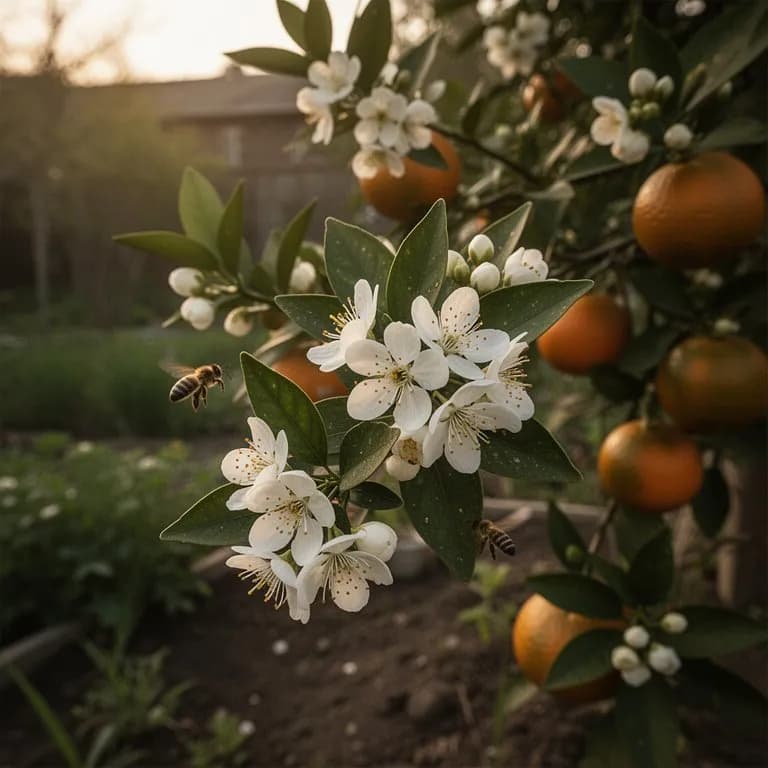
Los clementinos injertados suelen producir sus primeras flores entre 18 meses y 3 años después de la plantación, según la variedad y las condiciones de cultivo. La floración de las clementinas suele concentrarse en un único brote primaveral (de marzo a mayo en el hemisferio norte), desencadenado por temperaturas invernales más frescas. Las flores blancas puras, de cinco pétalos, aparecen en racimos entre las hojas y llenan el aire con un perfume intenso, parecido al jazmín. Las clementinas no son completamente autofértiles y dan las mejores cosechas cuando se polinizan cruzadamente con otra variedad de mandarina o clementina, aunque algunas variedades cuajan una pequeña cosecha sin semillas con su propio polen.
Cuajado y desarrollo del fruto
Tras la polinización, los pequeños frutos verdes se desarrollan con rapidez. Las clementinas pierden de forma natural una parte de sus pequeños frutos al comienzo del verano, la llamada 'caída de junio'; es un mecanismo normal de aclareo natural y no una señal de mala salud. El fruto restante crece de manera constante durante el verano y comienzos del otoño, acumulando azúcares y desarrollando su característico color naranja intenso a medida que las temperaturas descienden en otoño. La corteza fina y suelta que hace tan fáciles de pelar a las clementinas se desarrolla en esta fase.
Maduración y cosecha
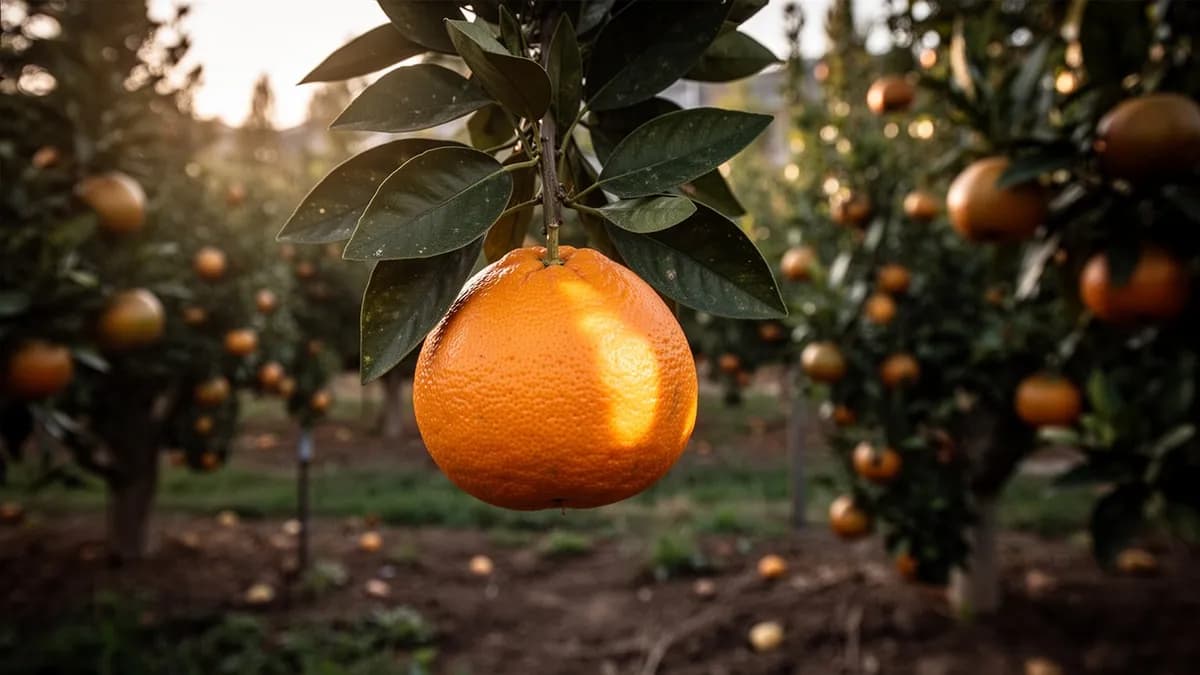
Las clementinas maduran entre octubre y enero en el hemisferio norte, según la variedad, y la mayoría alcanza su dulzor óptimo entre noviembre y diciembre. La corteza pasa de verde a un naranja brillante y profundo a medida que la clorofila se descompone y se desarrollan los pigmentos carotenoides. A diferencia de las naranjas navel, las clementinas pueden reverdecer con el calor incluso cuando están plenamente maduras; el sabor, no el color, es la mejor guía de madurez. Las clementinas totalmente maduras son pesadas para su tamaño, ceden ligeramente a una presión suave y se separan del árbol con poco esfuerzo.
Reposo poscosecha y renovación
Una vez completada la cosecha principal, el árbol entra en una fase más tranquila durante los meses fríos del invierno. Este período de reposo, en especial las noches frescas invernales, es importante para preparar al árbol para la floración de la primavera siguiente. Es el momento ideal para realizar cualquier poda estructural necesaria, inspeccionar y tratar posibles problemas de plagas o enfermedades detectados durante la temporada, y aplicar un fertilizante de liberación lenta para reponer los nutrientes gastados en la cosecha.
Plena madurez y producción máxima
A partir de los años 5 a 7 aproximadamente, un clementino bien establecido en un clima adecuado entra en su fase más productiva. Un árbol maduro en condiciones favorables puede rendir entre 50 y 200 kg de fruta al año y seguirá produciendo durante 30 a 50 años o más con los cuidados adecuados. Los ciclos anuales de floración primaveral y cosecha de otoño-invierno se vuelven fiables y predecibles. El árbol desarrolla cada vez más resistencia a los breves descensos de temperatura y a la sequía a medida que su sistema radicular madura y profundiza.
Riegue con regularidad, pero sin encharcar; el objetivo es un suelo húmedo, no saturado. Proteja los árboles recién plantados de vientos fuertes y heladas. Entutele si es necesario. Evite una fertilización intensa durante el primer mes para no quemar las raíces; introduzca un fertilizante cítrico diluido después de las primeras 4 a 6 semanas, cuando empiece a verse nuevo crecimiento.
Cuidar Clementina mes a mes
Qué hacer cada mes para tu Clementina
Octubre
Mes actualLas variedades tempranas de clementina, como 'Clemenules', empiezan a madurar: pruebe el sabor en lugar de confiar solo en el color. Reduzca la frecuencia de riego a medida que bajan las temperaturas. Aplique un último fertilizante de liberación lenta para la temporada para apoyar la actividad radicular durante el invierno. Mueva los árboles en contenedor a un lugar resguardado ante la llegada de noches más frías.
Ten claro qué hacer en tu huerto, cada mes
Un correo al empezar cada mes: qué sembrar, plantar y hacer ahora mismo — para tu Clementina y todo lo que crece alrededor. Más un breve curso inicial para esquivar los errores clásicos.
- Qué hacer ahora mismo
- Ajustado a tu temporada
- Curso inicial incluido
Cosechar Clementina
Las clementinas maduran de noviembre a enero, antes que la mayoría de las variedades de cítricos. Coseche cuando la piel se haya vuelto completamente naranja y el fruto se desprenda del tallo con un suave giro. El fruto debe sentirse pesado para su tamaño, señal de buen contenido de zumo. Córtelo del árbol con tijeras de podar, dejando un tallo corto. Las clementinas no siguen endulzándose después de la recolección, así que pruebe el sabor antes de cosechar toda la producción. La fruta que permanece demasiado tiempo en el árbol desarrolla una corteza abombada y un interior seco.
se supone que plantas al comenzar el periodo — indica tu fecha real
Cosecha Clementina a tiempo y la planta sigue produciendo.
Almacenamiento y conservación
Guarde las clementinas frescas a temperatura ambiente hasta una semana o refrigérelas durante tres o cuatro semanas. Su piel fina y fácil de pelar las hace propensas a deshidratarse, así que consérvelas en una bolsa perforada en el cajón de verduras. El zumo de clementina congela muy bien en cubiteras. Los gajos pueden conservarse en almíbar ligero o deshidratarse para obtener bocados dulces y masticables. La ralladura es excelente deshidratada para usarla en mezclas de té, repostería y mezclas de especias. Prepare mermelada o curd de clementina para un conserva delicadamente dulce.
Qué falla — y cómo solucionarlo
Trips de los cítricos
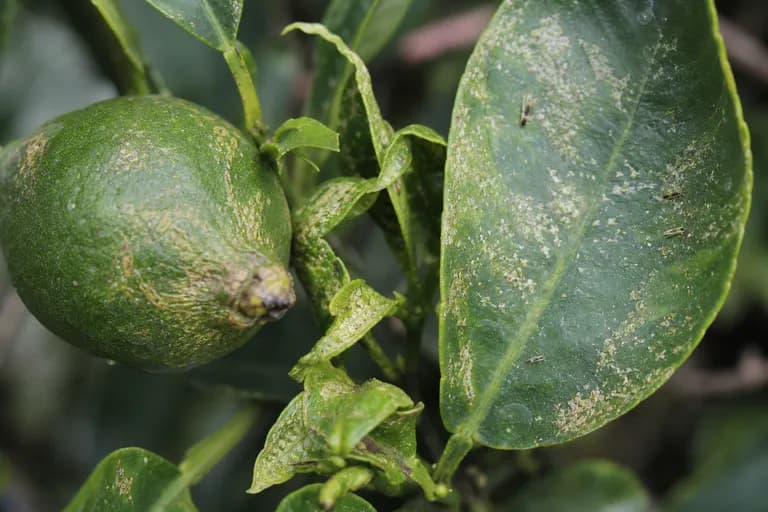
PlagaCicatrices y rayas plateadas en frutos jóvenes y deformación de las hojas nuevas. Causan más daño durante la floración y el cuajado inicial en primavera.
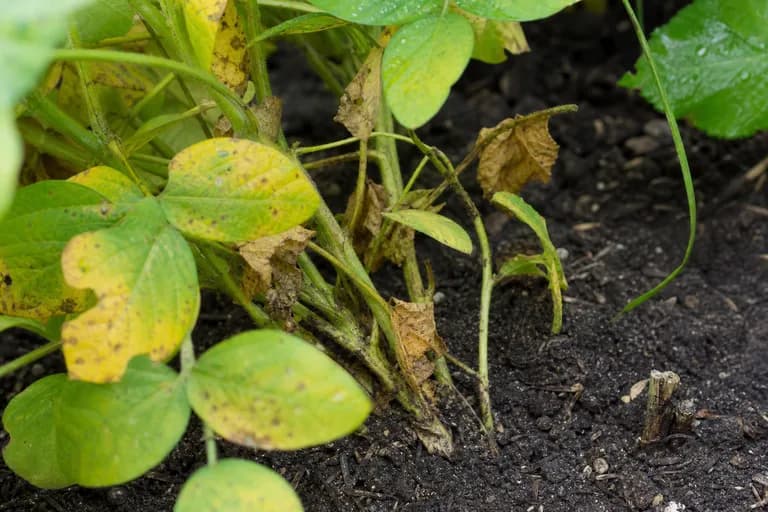
Podredumbre de raíz por Phytophthora
EnfermedadHojas amarillentas, marchitez pese a disponer de agua suficiente, zonas oscuras y empapadas en la parte baja del tronco, exudaciones gomosas y un declive lento del árbol durante meses o años.
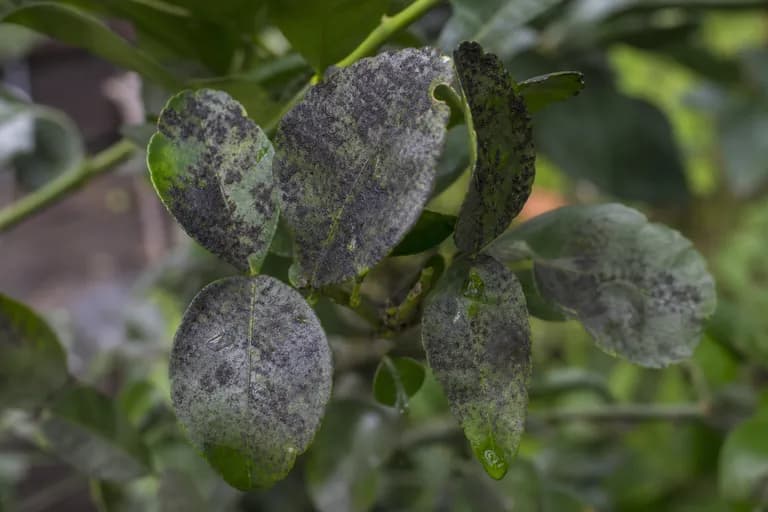
Negrilla
EnfermedadCapa fúngica negra y polvorienta sobre hojas y superficies de los frutos. No infecta directamente la planta, pero bloquea la luz y reduce la fotosíntesis.
Solución de problemas comunes
El mayor reto con las clementinas es producir fruta sin semillas, lo que exige aislarlas de otras variedades de cítricos que se polinizan de forma cruzada. Las abejas que transportan polen de naranjos cercanos u otras mandarinas provocarán la formación de semillas. La vecería puede controlarse aclarando frutos en los años de gran carga. El rajado del fruto aparece cuando una lluvia intensa sigue a un periodo seco durante el desarrollo. El daño por viento sobre la fruta de piel fina se reduce plantando en lugares resguardados o usando cortavientos. El corrugado, cuando la corteza desarrolla líneas hundidas, aumenta en los frutos sobremaduros.
Consejos de cultivo
- Compre siempre un árbol injertado en un vivero cítrico de confianza en lugar de intentar cultivarlo desde semilla. Los clementinos cultivados a partir de semilla rara vez producen frutos fieles al tipo, tardan entre 7 y 10 años en fructificar y la fruta resultante suele tener semillas y ser de calidad inferior. Un árbol injertado fructificará en 2 a 3 años.
- Elija una variedad adecuada para su clima. Las variedades tempranas, como 'Marisol' y 'Oronules', están listas desde octubre y son adecuadas para regiones con temporadas cálidas más cortas. La variedad de media estación 'Clemenules' (Nules) es la más plantada del mundo y produce frutos grandes, dulces y prácticamente sin semillas. La variedad tardía 'Hernandina' prolonga la cosecha hasta enero o febrero en zonas suaves.
- Plántelo en el lugar más cálido y resguardado de su jardín, idealmente junto a un muro orientado al sur que irradie calor y proteja de las heladas. Las clementinas necesitan veranos largos y cálidos para desarrollar todo su contenido de azúcar y noches frescas de otoño para adquirir su color naranja intenso.
- El drenaje no es negociable. Las clementinas son muy susceptibles a la podredumbre de raíz por Phytophthora en suelos encharcados. Plántelas sobre un pequeño montículo si su suelo es pesado o arcilloso, e incorpore grandes cantidades de gravilla gruesa y compost al hoyo de plantación para asegurar un drenaje excelente.
- Para cultivo en contenedor, elija una maceta grande de al menos 45 a 50 cm de diámetro y use un sustrato específico para cítricos. Coloque el contenedor sobre ruedas o un carro para poder moverlo fácilmente; llevar el árbol al interior antes de la primera helada y devolverlo al exterior en primavera es la clave del éxito en climas fríos.
- Las clementinas no son completamente autofértiles y producen más abundantemente cuando se polinizan cruzadamente con otra variedad de mandarina o clementina cercana. Si tiene espacio, plante dos variedades distintas de clementina o cultive una satsuma como polinizador compañero. Tenga en cuenta que la polinización cruzada introducirá semillas en una fruta que de otro modo sería sin semillas, un intercambio que merece la pena por una cosecha mucho más abundante.
- Fertilice con regularidad durante toda la estación de crecimiento (de marzo a septiembre) con un fertilizante específico para cítricos que contenga no solo nitrógeno, fósforo y potasio, sino también los oligoelementos magnesio, hierro, manganeso y zinc. Las clementinas que crecen en suelos alcalinos suelen desarrollar clorosis interveinal, con amarilleo entre las nervaduras, lo que indica carencia de hierro o manganeso; trátela acidificando el suelo y aplicando hierro quelatado.
- Riegue de forma profunda y constante durante el periodo de desarrollo del fruto, de junio a septiembre. El riego irregular, alternando sequía e inundación, es la principal causa del rajado del fruto, que arruina la cosecha. Un sistema de riego por goteo o una manguera exudante con temporizador es una inversión excelente para quienes cultivan clementinas.
- Pode ligeramente a finales del invierno o principios de la primavera, una vez pasado el riesgo de heladas. Elimine ramas muertas, enfermas o cruzadas y abra las zonas de la copa que estén demasiado densas para mejorar la circulación de aire y la penetración de la luz. Evite una poda severa: las clementinas fructifican en la madera de la temporada anterior y un corte excesivo reduce drásticamente el rendimiento.
- En climas fríos (por debajo de -3 °C en invierno), traslade los árboles en contenedor a un espacio fresco y sin heladas, como un invernadero sin calefacción, un invernadero acristalado o un garaje con una ventana luminosa. La temperatura ideal de mantenimiento invernal es de 5 a 10 °C: lo bastante cálida para evitar daños por helada, pero lo bastante fresca para proporcionar el periodo de reposo que el árbol necesita para florecer con productividad en primavera.
Cultiva tu mejor Clementina — y todo lo que la rodea.
Empieza un plan gratis hoy. Diseña tus bancales, coloca tu Clementina y deja que PlotMyGarden gestione el momento, el espaciado, las asociaciones y los recordatorios de la semilla a la cesta.
Elige tu Clementina
Clemenules (Nules)
La clementina más cultivada del mundo, con dulzura excelente, pelado fácil y producción constante de frutos sin semillas. Madura de noviembre a diciembre.
Fina
Una clementina española clásica de piel lisa y fina, con sabor dulce y delicado. Es algo más pequeña que Clemenules, pero ofrece una calidad de zumo excelente.
Caffin
Una clementina de maduración tardía que alarga la temporada hasta enero. Tiene buena dulzura y pocas semillas cuando se cultiva aislada de otros cítricos.
De Nules
Prácticamente idéntica a Clemenules en casi todos los aspectos, pero con un color de piel naranja ligeramente más intenso. Muy popular en los mercados europeos por su calidad constante.
Un clementino maduro que cuesta entre 30 y 60 € en un vivero puede producir de 50 a 150 frutos al año una vez establecido, y los árboles grandes y maduros rinden mucho más. Con precios de supermercado típicos de 0.50 a 1.00 € por clementina (o de 4 a 8 € por una pequeña malla), un árbol productivo representa un valor de fruta de 50 a 200 € o más por temporada. A lo largo de una vida productiva de 30 años, el valor acumulado de la fruta de un solo árbol bien cuidado puede superar cómodamente los 2.000 a 4.000 €, muchas veces la inversión inicial. Las clementinas de cultivo propio también eliminan los residuos de embalaje asociados a la fruta comprada comercialmente, que casi siempre se vende en redes o bolsas de plástico, lo que supone un ahorro medioambiental adicional.
Recetas rápidas
Pastel de clementina y almendra
20 minutos de preparación, 55 minutos de horneadoUn pastel maravillosamente jugoso y naturalmente sin gluten, elaborado cocinando clementinas enteras hasta que estén tiernas y luego triturando la fruta completa -piel incluida- en una masa aromática con almendra molida, huevos y azúcar. La piel aporta una profundidad extraordinaria de sabor cítrico que ningún extracto puede replicar. Esta receta clásica es una de las mejores formas de aprovechar un excedente de clementinas del huerto y se conserva perfectamente durante varios días.
7 ingredientesEnsalada invernal de clementina y granada
15 minutosUna ensalada vibrante, brillante como una joya, que aprovecha las clementinas frescas en el punto álgido de su temporada. Los dulces gajos de clementina combinan de maravilla con las semillas ácidas de granada, el feta cremoso, la rúcula picante y las nueces tostadas, todo unido con una vinagreta de miel y zumo de clementina. Un plato ideal para lucir fruta cultivada en casa en su mejor momento.
8 ingredientes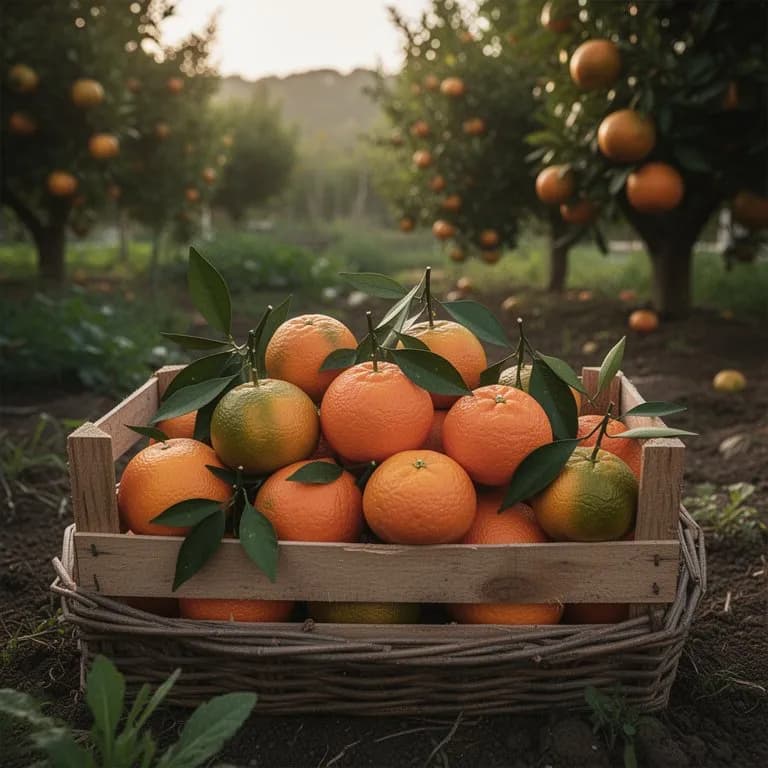
Mermelada de clementina
30 minutos de preparación, 1 hora de cocciónUna alternativa más ligera, dulce y menos amarga que la mermelada tradicional de naranja amarga de Sevilla, ideal para aprovechar las clementinas sobrantes del jardín. La piel fina de las clementinas produce una mermelada delicada, de corte fino y con un sabor floral y brillante. Rinde aproximadamente de 4 a 5 tarros estándar y se conserva hasta un año si se cierra correctamente.
5 ingredientesUsos culinarios
Las clementinas son el cítrico ideal para picar entre horas, perfectas para fiambreras y meriendas después del colegio por su tamaño pequeño, su fácil pelado y sus gajos sin semillas. Su zumo dulce y delicado funciona de maravilla en cócteles, vinagretas y limonadas frescas. Los gajos alegran ensaladas de invierno con endibia, nueces y queso azul. Use la ralladura de clementina en shortbread, scones y salsas cremosas. Las rodajas confitadas de clementina son adornos elegantes para postres.
Qué contiene
Beneficios para la salud
- Excelente fuente de vitamina C, un potente antioxidante hidrosoluble que favorece la función del sistema inmunitario, promueve la rápida cicatrización y es esencial para la síntesis de colágeno que mantiene la integridad de la piel, los vasos sanguíneos y el tejido conectivo
- Aporta carotenoides como el betacaroteno y la beta-criptoxantina, que el organismo convierte en vitamina A y que favorecen una visión sana, la renovación de las células de la piel y las defensas inmunitarias; destaca entre los cítricos por su contenido relativamente alto de vitamina A
- Rica en flavonoides como la hesperidina y la nobiletina, que en estudios clínicos y de laboratorio han mostrado capacidad para reducir la inflamación sistémica, mejorar la función endotelial y favorecer perfiles saludables de presión arterial y colesterol
- Aporta folato, una vitamina B crítica para la replicación y reparación del ADN, lo que convierte a las clementinas en una contribución dietética especialmente valiosa para mujeres embarazadas y para quienes planean un embarazo, ya que una ingesta adecuada de folato al principio de la gestación reduce el riesgo de defectos del tubo neural
- La fibra soluble pectina presente en los gajos y membranas de la clementina alimenta a bacterias beneficiosas del intestino, favorece una función intestinal saludable y se ha demostrado que ayuda a moderar el aumento de la glucosa en sangre después de comer, un beneficio importante para la salud metabólica
- El limoneno y otros compuestos terpénicos concentrados en los aceites esenciales de la piel de la clementina han mostrado una actividad antimicrobiana significativa y están siendo investigados activamente por sus posibles propiedades preventivas frente al cáncer, especialmente en relación con líneas celulares de cáncer de mama y de colon
De dónde viene Clementina
La clementina (Citrus × clementina) tiene un origen discutido pero fascinante. La versión más repetida atribuye al padre Clément Rodier, misionero francés que trabajaba en un orfanato de Misserghin, cerca de Orán, Argelia, el descubrimiento del fruto como plántula espontánea en su jardín hacia 1902. Se cree que surgió como híbrido espontáneo entre una mandarina (Citrus reticulata) y una naranja dulce (Citrus sinensis) o una naranja amarga de Sevilla (Citrus aurantium). El padre Rodier reconoció sus cualidades excepcionales - su ausencia de semillas, su piel fácil de pelar, su sabor dulce e intenso y su producción abundante - y compartió esquejes con productores locales. El investigador francés en cítricos Louis Charles Trabut lo describió y bautizó formalmente en su honor en 1902. Sin embargo, algunos historiadores botánicos sostienen que una fruta idéntica ya se cultivaba en la región china de Cantón con el nombre de 'mandarina de Cantón' mucho antes del supuesto descubrimiento del padre Rodier, lo que sugiere que la clementina quizá solo fue introducida desde Oriente a Argelia y redescubierta de forma independiente. Sea cual sea su origen exacto, la clementina se extendió con rapidez por el norte de África a comienzos del siglo XX. Argelia siguió siendo el principal productor mundial durante décadas, y la fruta se convirtió en sinónimo de la temporada de cítricos de invierno en Francia y el sur de Europa. Los productores españoles, al reconocer el extraordinario potencial comercial de la clementina, iniciaron su cultivo a gran escala en las regiones de Valencia y Murcia a mediados del siglo XX. A través de programas intensivos de mejora, los horticultores españoles desarrollaron decenas de variedades nombradas adaptadas a las condiciones locales, desde la muy temprana 'Marisol' en octubre hasta la tardía 'Hernandina' en enero. España pasó rápidamente a ser y sigue siendo el principal exportador mundial de clementinas, abasteciendo a la mayoría de los mercados europeos y norteamericanos. La clementina llegó a los estantes minoristas de Norteamérica en cantidades significativas durante los años ochenta y explotó en popularidad en los noventa, cuando un marketing ingenioso bajo la marca 'Cuties' (y más tarde 'Halos') la posicionó como el tentempié ideal para niños: portátil, dulce, fácil de pelar y prácticamente sin semillas. Hoy en día, las clementinas se cultivan comercialmente en toda la cuenca mediterránea, California, Sudáfrica, China y Australia, y se han convertido en uno de los cultivos cítricos de mayor importancia económica del mundo. Para el jardinero doméstico, representan uno de los árboles cítricos más gratificantes de cultivar: relativamente compactos, fiables en su producción y con una calidad y frescura de fruta que las alternativas compradas en tienda simplemente no pueden igualar.
Clementina: ¿sabías que?
Datos fascinantes sobre Clementina
Se cree ampliamente que la clementina fue descubierta por accidente en el jardín de un orfanato de un misionero francés en Argelia, el padre Clément Rodier, hacia 1902, y de él toma su nombre; aunque algunos historiadores sostienen que ya se conocía en China siglos antes.
Clementina: preguntas frecuentes
¿Cuándo debo plantar Clementina?
¿Cuáles son buenas plantas acompañantes para Clementina?
¿En qué zonas de rusticidad puede crecer Clementina?
¿Cuánto sol necesita Clementina?
¿A qué distancia debo espaciar Clementina?
¿Qué plagas y enfermedades afectan a Clementina?
¿Cómo almaceno Clementina después de la cosecha?
¿Cuáles son las mejores variedades de Clementina para cultivar?
¿Qué suelo necesita Clementina?
¿Por qué mi clementino florece pero no cuaja frutos?
Mis clementinas siguen verdes aunque ya parecen maduras. ¿Hay algo mal?
¿Cómo protejo mi clementino de las heladas?
¿Cuál es el mejor momento para cosechar clementinas y cómo sé que están listas?
¿Puedo cultivar un clementino en interior de forma permanente?
¿Cuáles son las mejores variedades de clementina para huertos domésticos?
Acabas de leer la teoría. Ahora cultívala en piloto automático.
Todo lo que hace que Clementina sea delicado — el momento, el espaciado, las asociaciones, la ventana de cosecha — es justo lo que PlotMyGarden resuelve por ti, para cada planta de tu huerto.
Un plan que conoce tu clima
Indica tu ubicación una vez. Recibe fechas de siembra, abonado y cosecha basadas en tu última helada real y el pronóstico en vivo — sin adivinar con un sobre genérico.
De la sección “Cuándo plantar”Planificador de bancales de arrastrar y soltar
Diseña bancales sobre una cuadrícula. Cada planta encaja con su espaciado correcto y ves toda la temporada antes de gastar un céntimo en semillas.
De la sección “Cultivo”Conflictos de asociación, detectados a tiempo
Más de 200 buenas y malas combinaciones comprobadas en vivo mientras plantas — para que un error que arruine la temporada nunca llegue a la tierra.
De la sección “Asociaciones”Recordatorios que sí vas a seguir
“Riega las judías.” “Recoge hoy antes de que se pase.” Oportunos, concretos y ligados a las plantas que de verdad cultivas.
De la sección “Cosecha”Escalonado, programado
¿Quieres cosechar seis semanas en vez de seis días? Reparte tus siembras automáticamente y te avisa cuando toca el siguiente lote.
De la sección “Cuándo plantar”Un registro que se vuelve más listo
Cada cosecha que registras le enseña tu huerto. El plan del año que viene parte de lo que de verdad funcionó en tu suelo, no en un manual.
De la sección “Resumen”Planta estos junto a Clementina
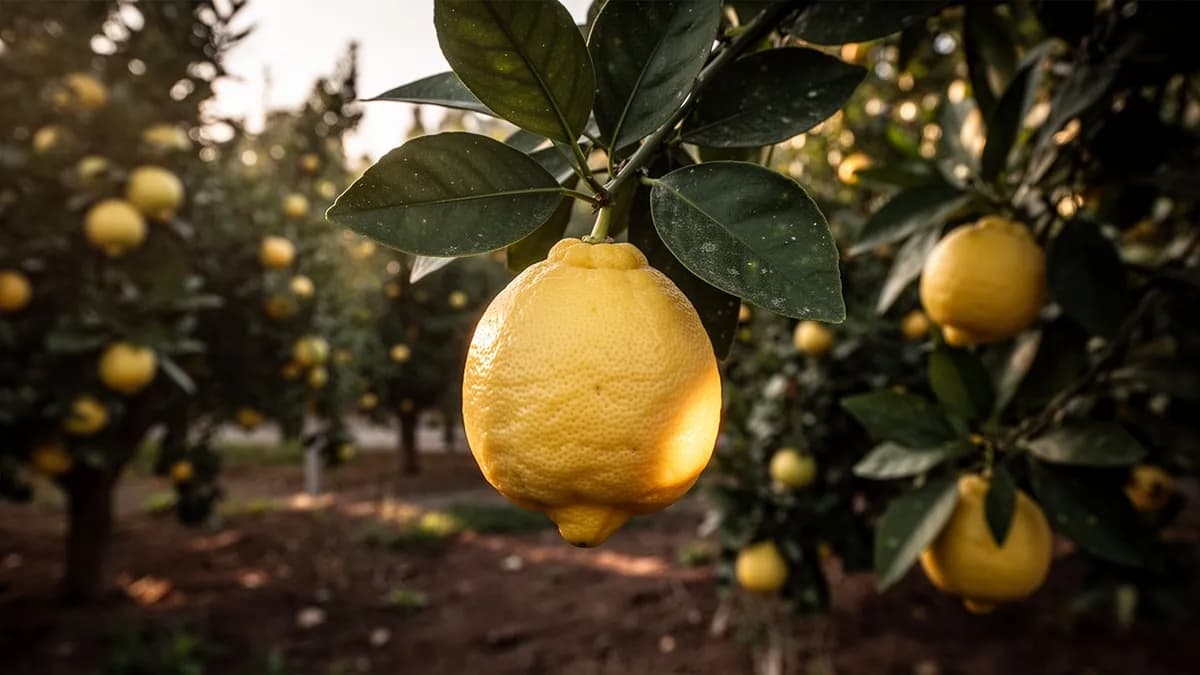
Más Cítricos
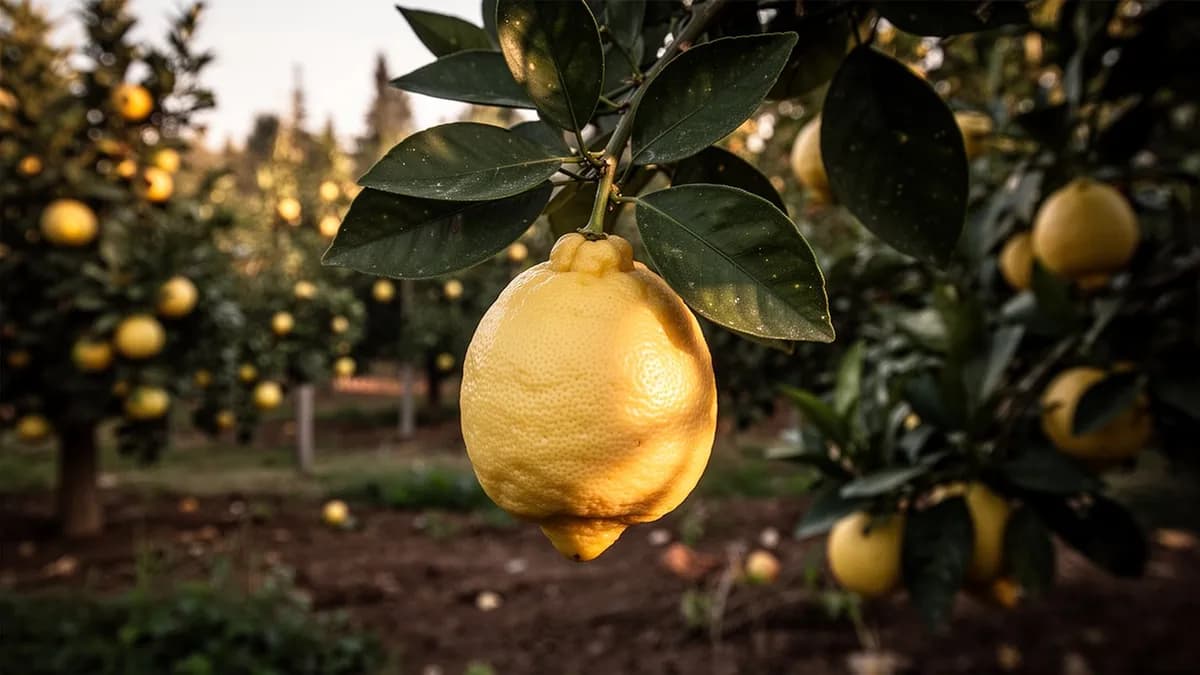
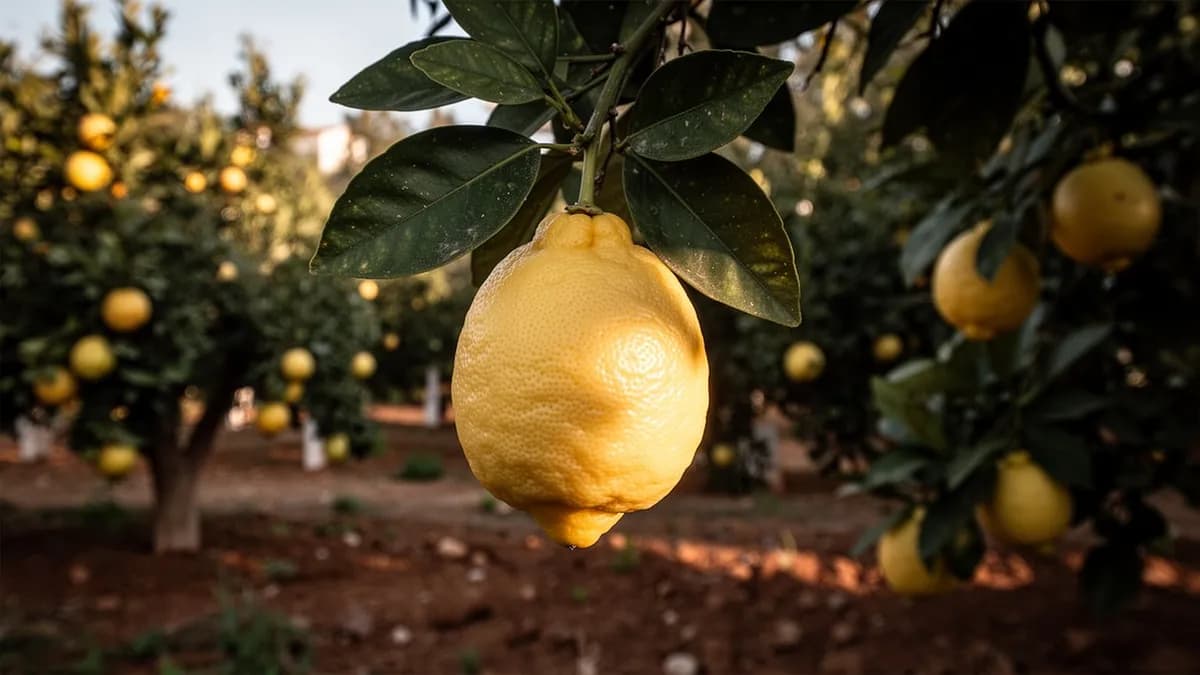
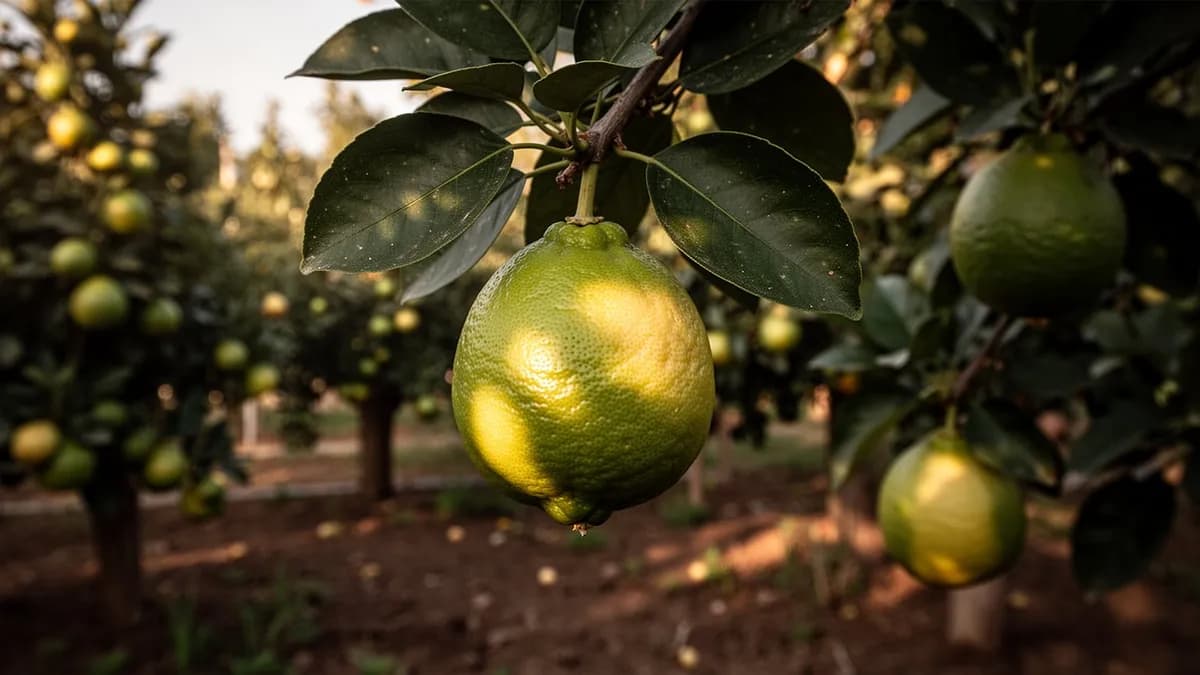
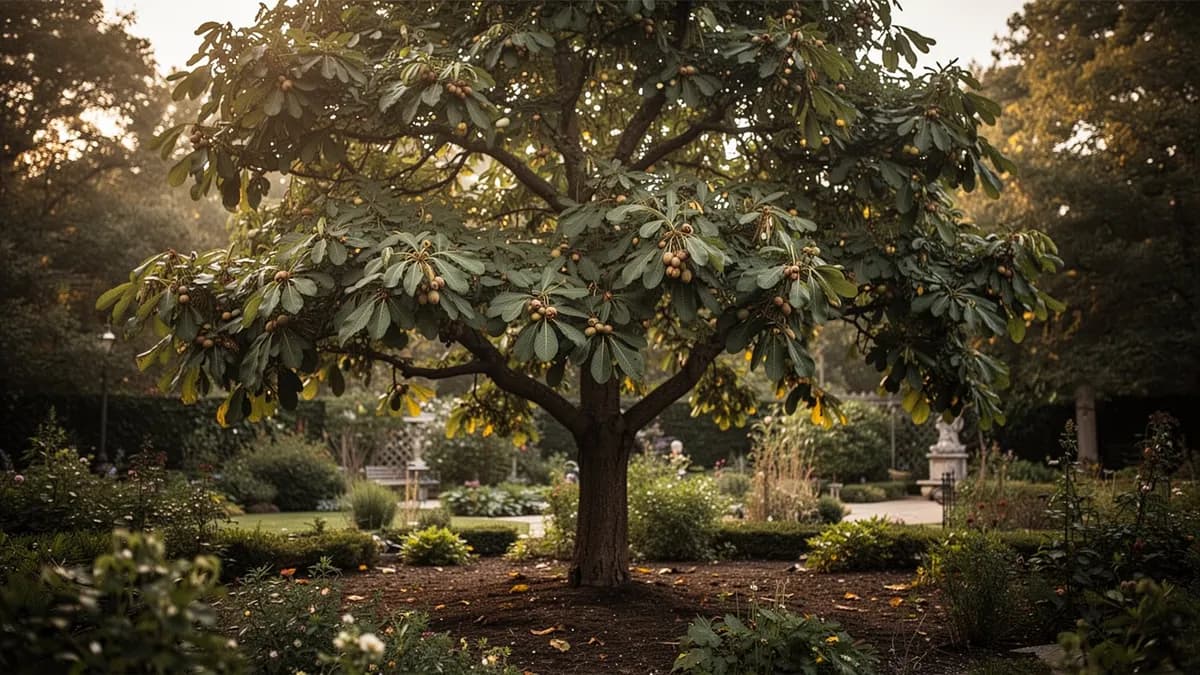
Mantén Clementina lejos de estos
Cultiva tu mejor Clementina — y todo lo que la rodea.
Empieza un plan gratis hoy. Diseña tus bancales, coloca tu Clementina y deja que PlotMyGarden gestione el momento, el espaciado, las asociaciones y los recordatorios de la semilla a la cesta.