Callaloo
A Caribbean staple green used in the signature stew of the same name, with large, nutritious leaves rich in iron and calcium.





On this pageOverview
Meet Callaloo
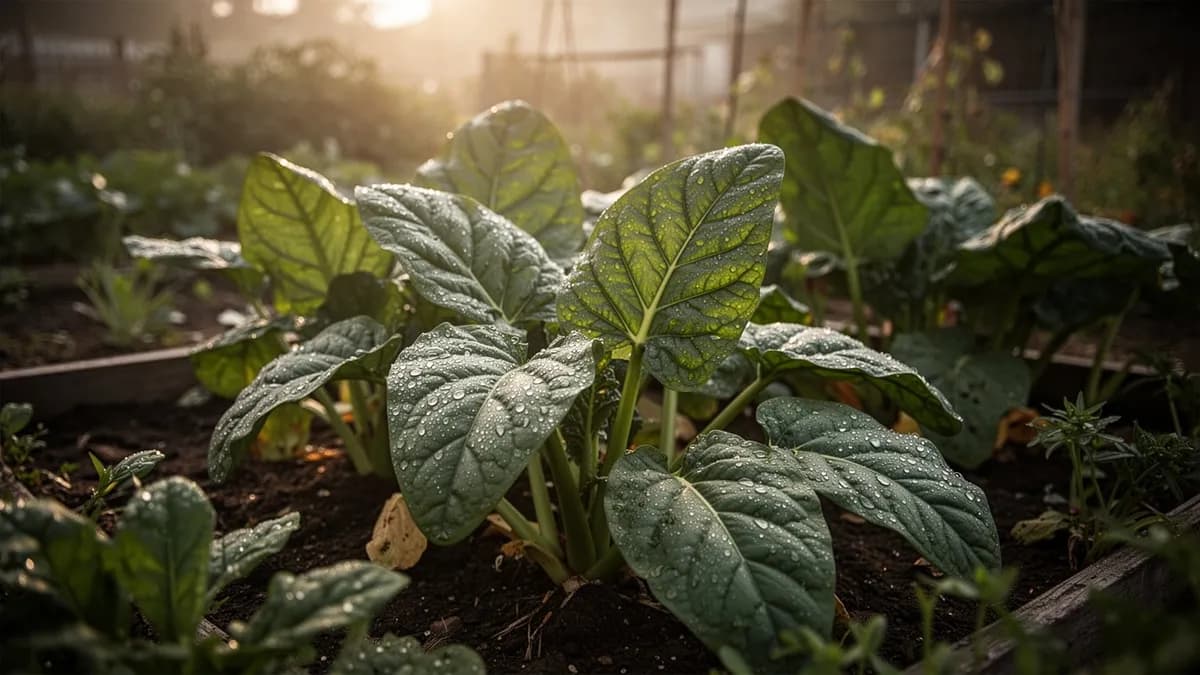
A Caribbean staple green used in the signature stew of the same name, with large, nutritious leaves rich in iron and calcium. Plants grow quickly in warm weather and can reach five feet tall if left to mature. Harvest young leaves and tender stem tips regularly to encourage bushy growth and delay flowering. Flavor is similar to spinach but heartier, and leaves hold up well in soups and stews.
When to plant Callaloo
Direct sow after last frost when soil is at least 65 degrees Fahrenheit. Scatter seeds on the surface and press gently without covering, as light aids germination. Keep soil surface moist until germination in 7 to 14 days. Thin seedlings to 6 to 8 inches apart. For an early start, sow in cell trays indoors 4 weeks before last frost at 70 to 75 degrees and transplant carefully after hardening off.
Your Callaloo Year
Composed for Zone 7 · typical seasons · frost passes Apr 2, returns Nov 1
Plant Callaloo Apr – Jun, pick Jun – Sep. Check the planting methods below and set your climate to personalize these windows.
How to grow Callaloo
Callaloo is a Caribbean term for several leafy greens, most commonly amaranth or taro leaves, used in the iconic one-pot dish. The amaranth type is easiest to grow in temperate gardens. Direct sow seeds after last frost when soil temperatures reach 65 degrees Fahrenheit. Scatter seeds on the surface and press lightly, as they need light to germinate.
Thin seedlings to 6 to 8 inches apart once they reach 2 inches tall. Callaloo thrives in hot, humid conditions that cause most salad greens to bolt. Water regularly and provide fertile soil amended with compost for the most tender, productive plants.
Begin harvesting young leaves and tender stem tips when plants are 6 to 8 inches tall. Regular harvesting of the top growth encourages bushy side shoot development and extends production. Plants grow 3 to 5 feet tall if allowed to mature. In tropical and subtropical zones, callaloo can be grown year-round as a perennial green.
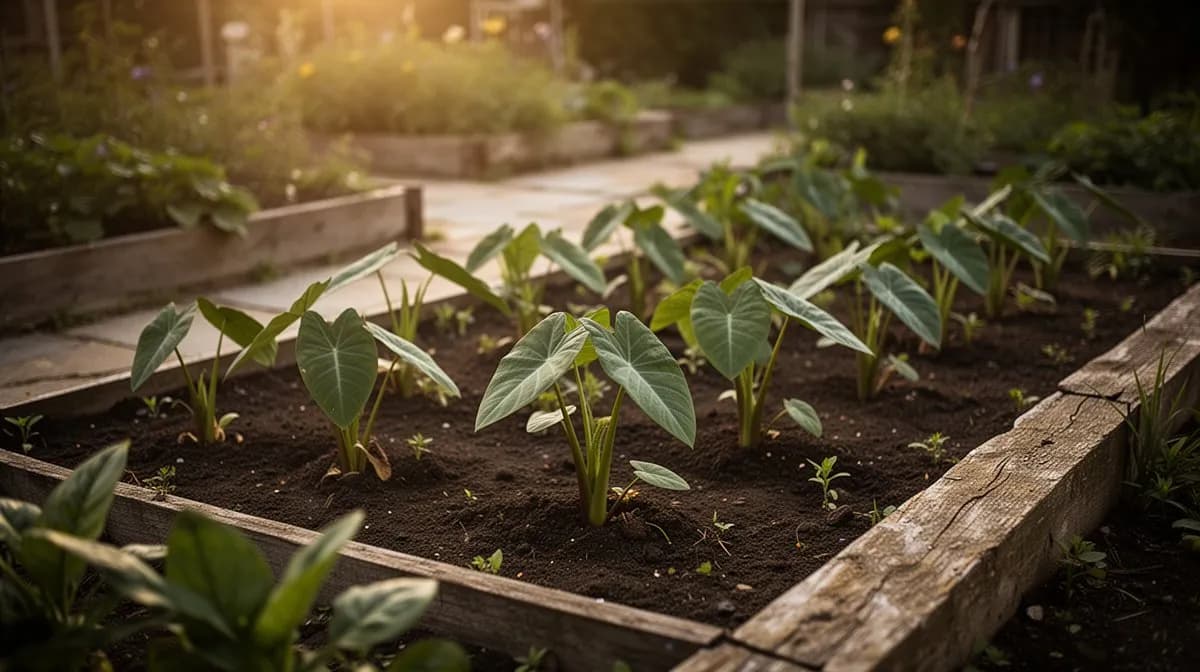
32 plants fit a 4 × 8 ft bed
Each Callaloo wants 30 cm of elbow room. The planner keeps that spacing for you — every plant, every bed.
Callaloo's best neighbours
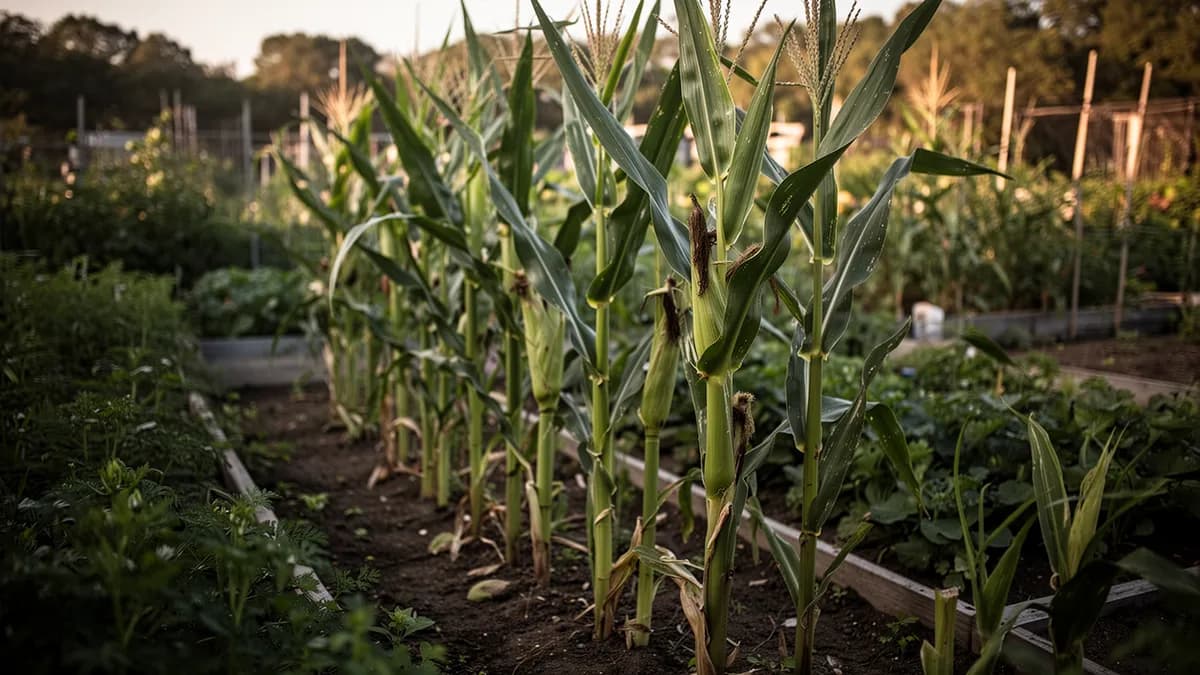
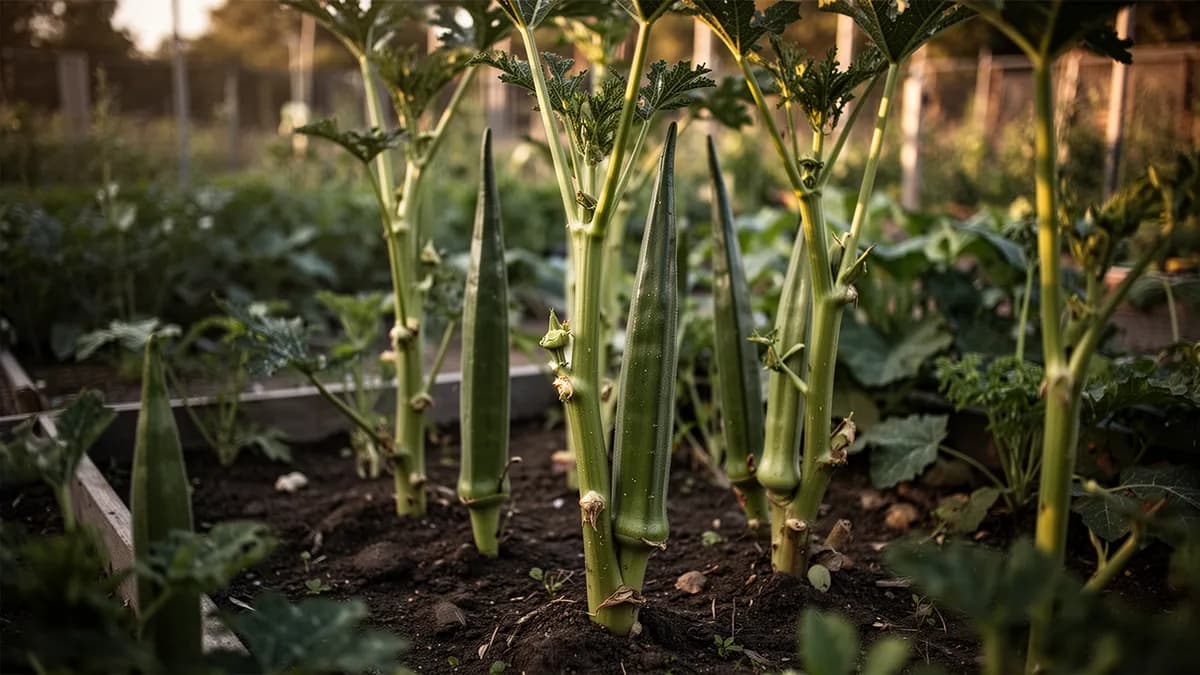
Callaloo grows well alongside okra, sweet potatoes, and hot peppers in a traditional Caribbean garden layout. Corn provides some shade and wind protection. Avoid planting near other tall leafy greens that compete for light. Basil and marigolds planted nearby help repel common pest insects.
Corn belongs beside it.
Old growers' knowledge, checked against Callaloo's real companion table below — test any plant you're growing.
Try Callaloo in a bed — right here
A real planner bed with Callaloo already in it. Tap a companion to place it and watch the pairing checks answer — green for good neighbours, red for a clash.


Related growing guides
Feed it well
Callaloo grows in most well-drained soils with a pH between 5.5 and 7.5. It tolerates poorer soils than most leafy greens but produces the most tender leaves in fertile, compost-rich conditions. Apply balanced liquid fertilizer every 2 to 3 weeks. Avoid excessive nitrogen which can cause overly soft growth prone to stem rot. Mulch to retain moisture in hot weather.
Ideal Temperature
Hardiness Zone Compatibility
From seed to harvest, stage by stage
Seed Germination
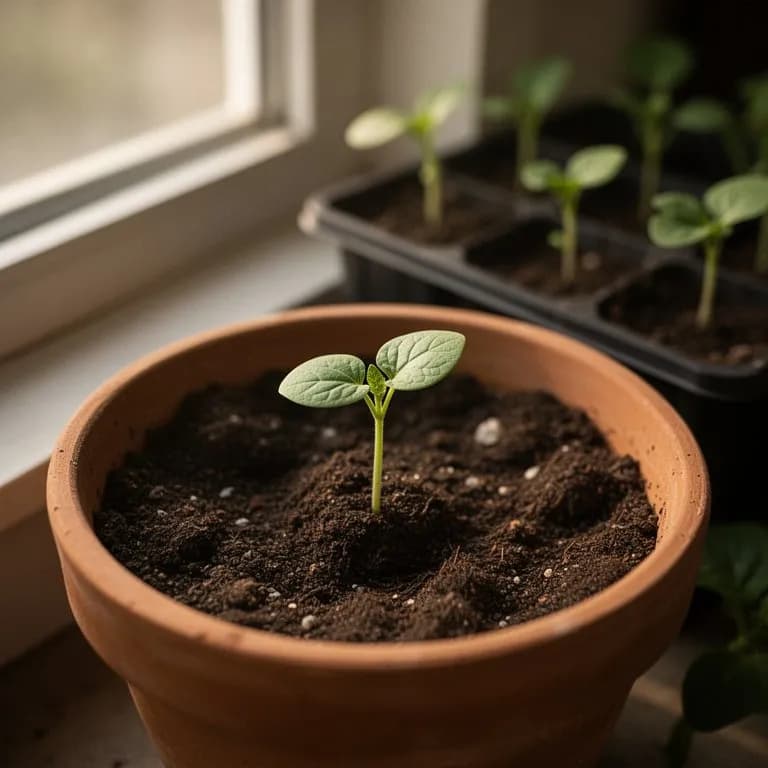
Tiny black or dark brown seeds are surface-sown or barely covered in warm, moist soil. In tropical temperatures above 24°C (75°F), germination occurs rapidly within 5-7 days. The seedlings emerge with small, rounded cotyledon leaves that are pale green and delicate.
Seedling Development
True leaves develop with the characteristic broad, oval shape and slightly wavy edges. Seedlings grow quickly in warm conditions, developing a sturdy central stem. This is the stage where overcrowded seedlings should be thinned to allow strong individual growth.
Rapid Vegetative Growth
Plants enter vigorous upward growth, producing large, broad leaves at a rapid pace. The stem thickens and may develop red or purple pigmentation depending on variety. In ideal heat and moisture, plants can grow 5-8 cm per week during this phase.
Peak Harvest
Plants reach 60-120 cm tall and produce abundant large leaves ready for continuous harvesting. The cut-and-come-again approach works beautifully — removing outer leaves stimulates new growth from the center. A single plant provides multiple harvests over several weeks.
Flowering and Seed Set
As day length shifts or the plant matures, it sends up tall flower spikes with dense, upright plumes that range from green to deep burgundy-red. Leaf quality declines once flowering begins as the plant redirects energy to seed production. Each flower head produces thousands of tiny, round seeds.
Sow seeds very shallowly — no more than 3mm deep — as they need light to germinate. Keep the soil surface consistently moist with a fine mist spray. A soil temperature of 24-30°C (75-86°F) ensures the fastest, most even germination.
Caring for Callaloo month by month
What to do each month for your Callaloo
October
You are hereFinal harvests in temperate zones before frost kills plants. Gather and clean seeds from dried flower heads — store in a cool, dry place in paper envelopes. Pull spent plants and add healthy material to the compost pile.
Know exactly what to do in your garden — every month
One email at the start of each month: what to sow, plant, and tackle right now — for your Callaloo and everything growing around it. Plus a short starter course that helps you dodge the classic mistakes.
- What to do, right now
- Matched to your season
- Starter course included
Harvesting Callaloo
Begin harvesting callaloo leaves and tender stem tips when plants reach 6 to 8 inches tall, about 30 to 40 days after sowing. Cut the top 4 to 6 inches of growth to encourage branching and continued production. Young leaves are most tender. For a single large harvest, cut entire plants at ground level. Regular picking every few days keeps plants productive through the entire summer.
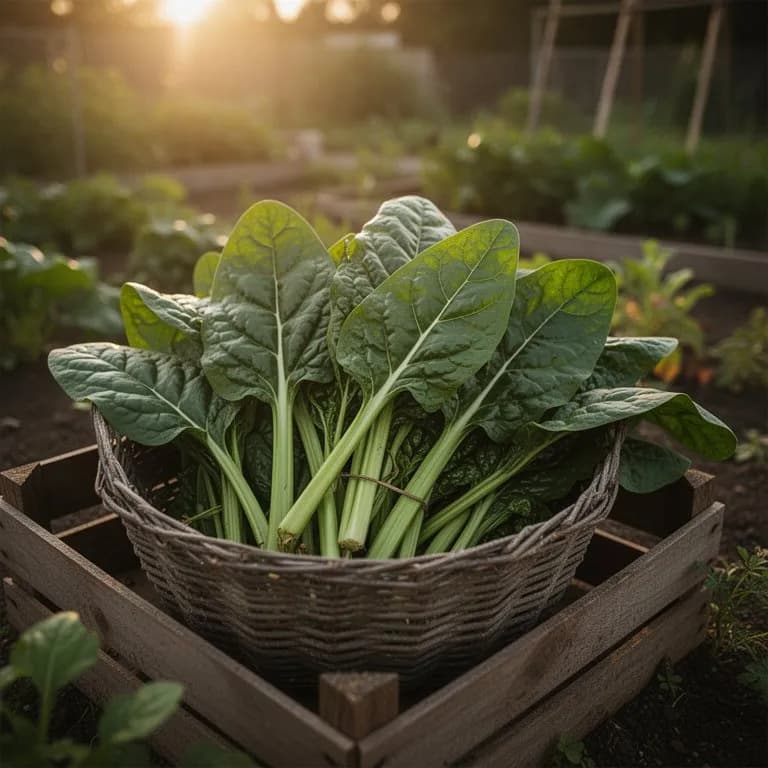
assuming you plant when the window opens — set your real date
Pick Callaloo promptly and the plant keeps producing.
Storage & Preservation
Fresh callaloo leaves wilt quickly and should be used within 2 to 3 days of harvest. Store in the refrigerator in a damp towel inside a sealed bag. For preserving, blanch leaves for 1 minute, squeeze out water, and freeze in portions for up to 6 months. Frozen callaloo works well in soups and stews. The leaves can also be dried for later reconstitution in cooking.
What goes wrong — and the fix
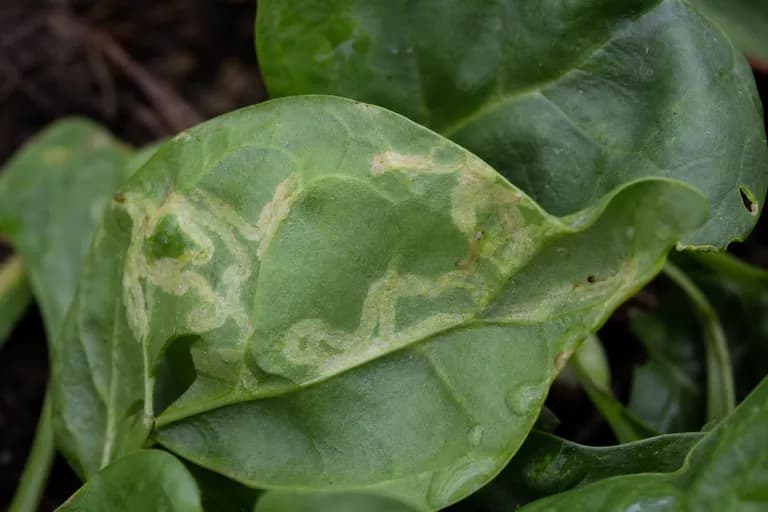
Leaf Miners
PestWhite or tan winding tunnels within leaves where larvae feed between surfaces.
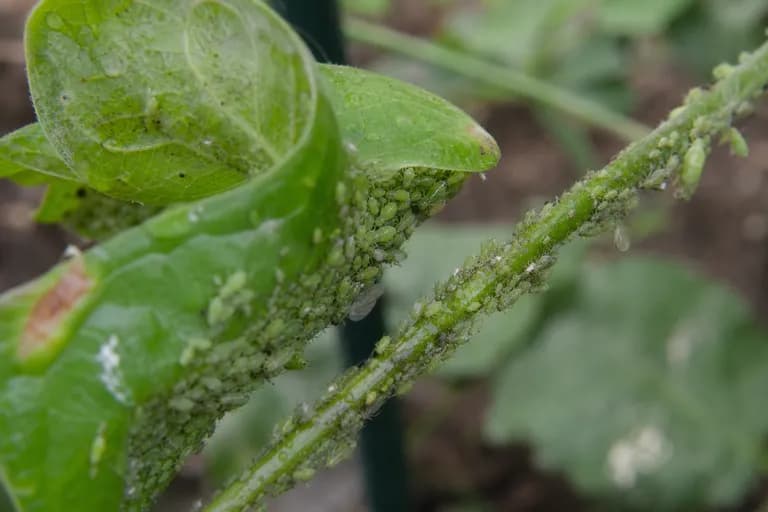
Aphids
PestClusters of small insects on young growth and stem tips, causing distorted new leaves.
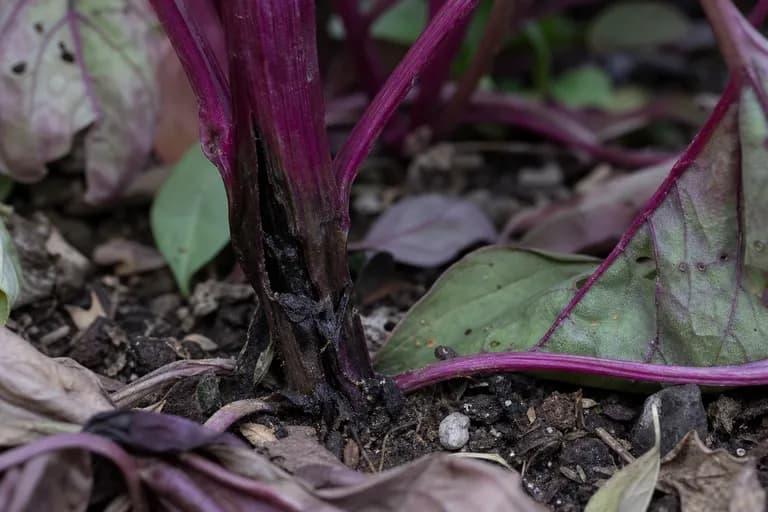
Stem Rot
DiseaseDark, mushy lesions at the base of stems, wilting, and plant collapse.
Troubleshooting Common Problems
Seeds require warm soil to germinate and will fail in cold, wet conditions. Plants may self-seed aggressively if allowed to flower and set seed. Stem rot develops in waterlogged soil during periods of heavy rain. Leaf miners can make leaves unsightly though the damage is mostly cosmetic. Some callaloo varieties contain oxalates that should be reduced by cooking.
Growing Tips
- Sow callaloo seeds shallowly and do not bury them. The tiny seeds need light to trigger germination — press them gently into moist soil surface or cover with no more than 3mm of fine vermiculite. Deeply buried seeds will not germinate.
- Succession sow every 3-4 weeks from late spring through midsummer for a continuous harvest of tender young leaves. Older plants become tougher and more likely to bolt, so fresh plantings ensure the best eating quality.
- Embrace dense planting. Unlike most vegetables, callaloo performs well at close spacing of 15-20 cm apart. The dense canopy shades out weeds, conserves soil moisture, and produces more tender leaves due to mild competition for light.
- Use the cut-and-come-again harvesting method for maximum productivity. Cut or snap outer leaves at the base of the petiole, always leaving the central growing point and at least 4-6 inner leaves. The plant will regenerate new leaves within a week.
- Pinch out flower buds the moment they appear if you want to extend the leafy harvest. Once callaloo begins flowering, leaf production drops sharply and remaining leaves become tougher and less palatable. Removing flower buds can extend harvesting by several weeks.
- Callaloo is a heavy nitrogen feeder. Prepare beds with generous compost before planting and side-dress every two weeks with compost tea, fish emulsion, or balanced liquid fertilizer during the growing season. Pale or yellowing lower leaves indicate nitrogen deficiency.
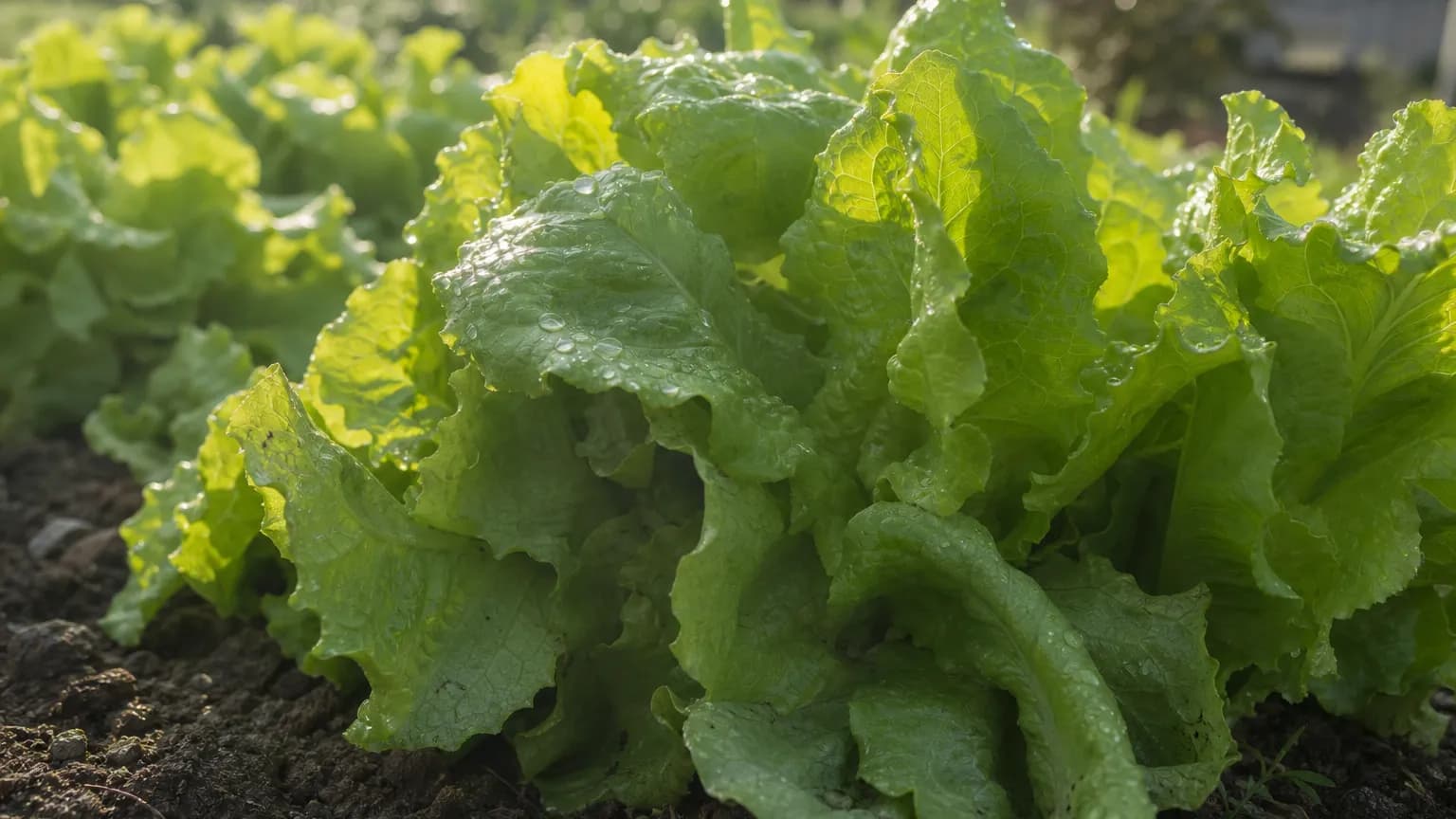
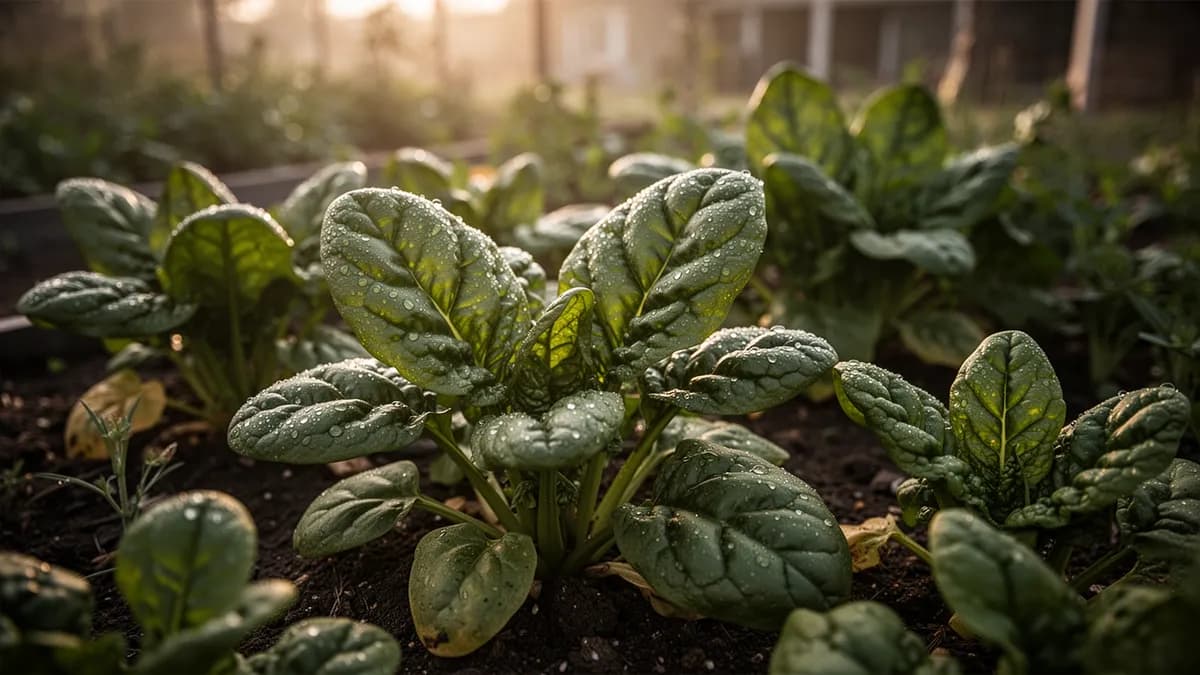
- Grow callaloo as a hot-weather spinach substitute. When lettuce and spinach bolt in summer heat, callaloo is just hitting its stride. Plant it specifically to fill the summer leafy-green gap in your garden rotation.
- Save seeds from your best plants for future seasons. Allow one or two robust plants to flower fully and set seed. Harvest the dry seed heads into a paper bag, crush gently to release the tiny seeds, and winnow away chaff. Stored in a cool, dry place, callaloo seeds remain viable for 3-5 years.
Grow your best Callaloo yet — and everything around it.
Start a free plan today. Lay out your beds, drop in your Callaloo, and let PlotMyGarden handle the timing, spacing, companions and reminders from seed to harvest basket.
Pick your Callaloo
Red Stripe Leaf
An amaranth callaloo with red-striped green leaves and vigorous growth in hot weather.
Green Callaloo
The classic Caribbean variety with large, smooth green leaves and mild, spinach-like flavor.
Jamaican Callaloo
A tall, robust variety producing abundant tender leaves throughout the hot summer months.
Callaloo is rarely found in mainstream supermarkets outside Caribbean and African grocery stores, where a single bunch sells for $3-5. A packet of seeds costs $2-4 and produces 200+ plants. Growing just 10-15 plants from a single seed packet provides 3-8 kg of fresh greens over the season — the equivalent of $30-80 worth of purchased bunches. The savings are even greater considering callaloo's status as a specialty green that commands premium prices at farmers markets ($6-10 per bunch in many areas).
Quick recipes
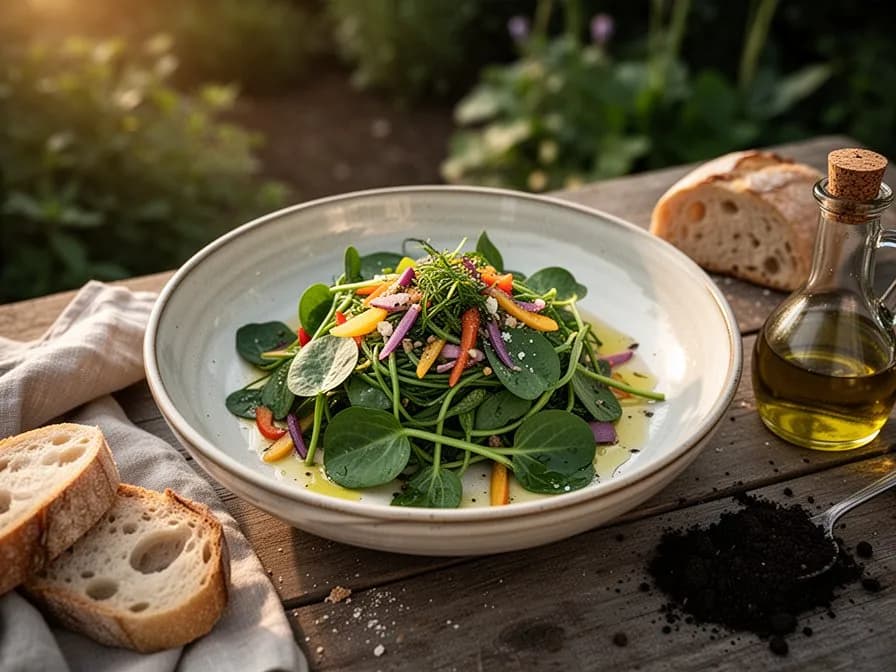
Traditional Caribbean Callaloo Soup
40 minThe iconic one-pot dish of the Caribbean — silky callaloo leaves simmered with coconut milk, okra, Scotch bonnet pepper, and aromatics until lusciously smooth. Every island has its own version, but the heart is always the rich, earthy green base.
10 ingredientsSauteed Callaloo with Garlic and Tomatoes
15 minA quick, vibrant side dish where callaloo leaves are flash-sauteed with garlic, tomatoes, and a squeeze of lime. Cooks down rapidly like spinach but retains a silkier texture and deeper mineral flavor.
8 ingredientsCallaloo and Saltfish Fritters
30 minCrispy, savory fritters packed with wilted callaloo and flaked saltfish — a beloved Caribbean street food and breakfast staple. The batter is light and the flavor is deeply savory with a gentle background heat.
10 ingredientsCulinary Uses
Callaloo is traditionally cooked in a one-pot Caribbean dish with coconut milk, okra, hot peppers, and crab or salt fish. Steam or saute leaves like spinach as a simple side dish. Add to soups, stews, and curries. The leaves can be blended into green smoothies. In many Caribbean cultures, callaloo is considered essential comfort food.
What's inside
Health Benefits
- Callaloo is one of the richest plant sources of beta-carotene (provitamin A), providing over 100% of the daily value per 100g serving — essential for maintaining healthy vision, robust immune function, and skin integrity.
- Outstanding calcium content at approximately 215mg per 100g rivals dairy sources and supports bone density, muscle function, and nerve signaling — particularly valuable for those who are lactose intolerant or follow plant-based diets.
- High iron content (2.7mg per 100g) combined with exceptional vitamin C levels creates an ideal pairing for maximum non-heme iron absorption, helping to prevent iron-deficiency anemia common in tropical populations.
- Rich in dietary folate (vitamin B9), critical for DNA synthesis, red blood cell formation, and fetal neural tube development — making callaloo an important food for women of childbearing age.
- Contains potent antioxidant compounds including polyphenols, flavonoids, and betalains (in red varieties) that combat oxidative stress and may help reduce the risk of chronic inflammatory diseases.
- High potassium content (611mg per 100g) supports healthy blood pressure regulation and cardiovascular function, counterbalancing dietary sodium intake — a benefit recognized in traditional Caribbean dietary practices.
Where Callaloo comes from
Callaloo traces its roots to the amaranth genus (Amaranthus), one of the oldest cultivated plant families on Earth. Amaranth was domesticated independently in Mesoamerica over 8,000 years ago by the ancestors of the Aztec and Maya civilizations, and separately in tropical Africa and South Asia, where different species were cultivated for both their nutritious leaves and protein-rich seeds. The Aztecs considered amaranth a sacred crop, using it alongside maize and beans as a dietary staple and incorporating amaranth-seed dough into religious ceremonies. When Spanish colonizers suppressed Aztec religious practices in the 16th century, they banned amaranth cultivation — but the resilient plant survived in dooryard gardens and wild populations across the tropics.
The journey of callaloo to the Caribbean is inseparable from the history of the transatlantic slave trade. Enslaved West Africans carried familiar food plants — including amaranth greens — to the islands, where the tropical climate proved ideal for their cultivation. Over centuries, these greens became the foundation of a new culinary tradition. The word 'callaloo' evolved from various West African and indigenous Caribbean terms, and the dish itself became a defining element of Caribbean identity — a creolized creation blending African cooking techniques, indigenous Caribbean ingredients like crab and hot peppers, and European influences.
Today, callaloo is cultivated throughout the tropics and subtropics on every inhabited continent. In the Caribbean, it remains a cornerstone crop grown in home gardens and small farms from Trinidad to Jamaica to Barbados. In West Africa, amaranth greens are a daily staple sold in enormous bundles at every market. In South and Southeast Asia, related species are cultivated on commercial scales for both leaf and grain production. Modern nutritional science has confirmed what traditional cultures knew for millennia — callaloo is among the most nutrient-dense greens available, rivaling or exceeding spinach and kale in calcium, iron, and beta-carotene content. Interest in callaloo has surged in temperate-climate countries as gardeners discover how easily it grows in hot summer conditions where lettuce and spinach fail.
Callaloo: did you know?
Fascinating facts about Callaloo
The word 'callaloo' refers not to a single plant species but to an entire family of leafy greens used across the Caribbean — depending on the island, callaloo may be amaranth (Amaranthus species), taro leaves (dasheen), or water spinach, though amaranth is the most common.
Callaloo questions, answered
When should I plant Callaloo?
What are good companion plants for Callaloo?
What hardiness zones can Callaloo grow in?
How much sun does Callaloo need?
How far apart should I space Callaloo?
What pests and diseases affect Callaloo?
How do I store Callaloo after harvest?
What are the best Callaloo varieties to grow?
What soil does Callaloo need?
What exactly is callaloo — is it one plant or many?
Can I grow callaloo in a temperate climate with cold winters?
Is callaloo safe to eat raw, or must it be cooked?
How is callaloo different from spinach?
Why is my callaloo bolting and flowering so quickly?
Can I grow callaloo in containers on a balcony?
You just read the theory. Now grow it on autopilot.
Everything that makes Callaloo fiddly — the timing, the spacing, the companions, the harvest window — is exactly what PlotMyGarden handles for you, for every plant in your garden.
A plan that knows your weather
Set your location once. Get sow, feed and harvest dates built around your real last-frost date and live forecast — no more guessing from a generic seed packet.
From the “When to plant” sectionDrag-and-drop bed planner
Design beds on a grid. Every plant snaps to its proper spacing, and you can see your whole season laid out before you spend a cent on seed.
From the “Growing guide” sectionCompanion conflicts, caught early
200+ good-and-bad pairings checked live as you plant — so a season-wrecking mistake never makes it into the ground.
From the “Companions” sectionReminders you'll actually act on
“Water the beans.” “Pick today before it turns.” Timely, specific, and tied to the plants you're really growing.
From the “Harvest” sectionSuccession, scheduled
Want a harvest for six weeks, not six days? It spaces your sowings automatically and reminds you when each new block is due.
From the “When to plant” sectionA record that gets smarter
Every harvest you log teaches it your garden. Next year's plan starts from what actually worked in your soil, not a textbook's.
From the “Overview” sectionPlant these alongside Callaloo
More Leafy Greens
Grow your best Callaloo yet — and everything around it.
Start a free plan today. Lay out your beds, drop in your Callaloo, and let PlotMyGarden handle the timing, spacing, companions and reminders from seed to harvest basket.