Bay Laurel
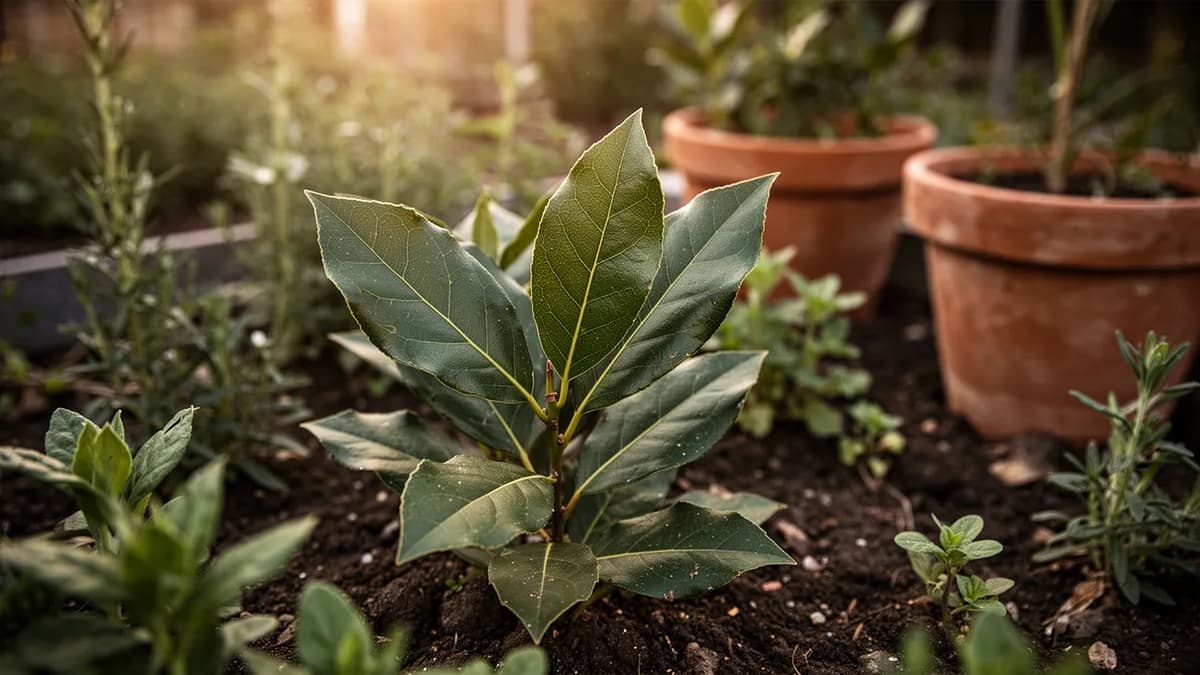
An evergreen shrub or small tree producing aromatic leaves essential for soups and stews, slow-growing but long-lived.





On this pageOverview
Meet Bay Laurel
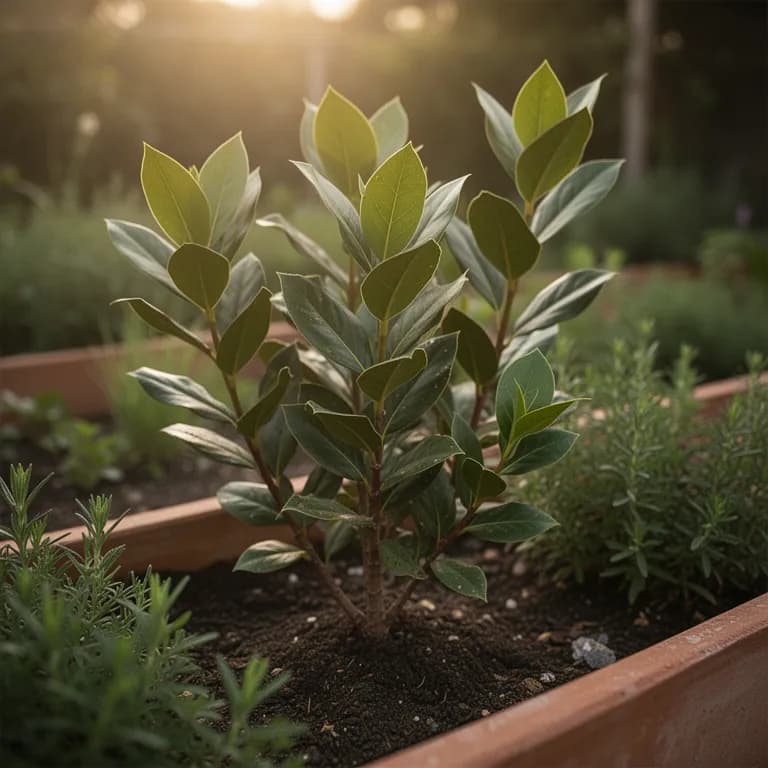
An evergreen shrub or small tree producing aromatic leaves essential for soups and stews, slow-growing but long-lived. Bay laurel is excellent in containers, which helps control its size and allows moving it indoors in regions with harsh winters. Provide well-drained soil and protect from cold winds, as sustained freezes below 20 degrees Fahrenheit can damage or kill the plant. Harvest individual leaves as needed and dry them for a more concentrated flavor that intensifies over the first few weeks of storage.
When to plant Bay Laurel
Bay laurel seed is extremely difficult to germinate, requiring patience of 3-6 months or more. Fresh seed has the best germination rate; remove the outer fruit pulp and sow immediately. Plant seeds 1/2 inch deep in moist seed-starting mix and maintain temperature at 65-70°F. Keep soil moist but not wet. Germination is sporadic and may occur over several months. For faster results, propagate from 6-inch semi-hardwood cuttings taken in late summer. Apply rooting hormone and maintain high humidity; cuttings root in 2-3 months.
Your Bay Laurel Year
Composed for Zone 7 · typical seasons · frost passes Apr 2, returns Nov 1
Plant Bay Laurel Mar – May, pick Jan – Dec. Check the planting methods below and set your climate to personalize these windows.
How to grow Bay Laurel
Start bay laurel from nursery transplants or stem cuttings, as seed germination is extremely slow and unreliable, often taking 3-6 months. If taking cuttings, select 6-inch semi-hardwood stems in late summer, dip in rooting hormone, and root in a warm, humid environment. Cuttings may take 2-3 months to root fully. Purchase established plants for the fastest results.
Plant in well-drained soil with partial to full sun. Bay laurel is adaptable but prefers a rich, slightly acidic to neutral soil with a pH of 6.0-7.0. In regions colder than zone 8, grow bay laurel in large containers (at least 10 gallons) that can be moved indoors for winter. Container culture also naturally limits the tree's size, as bay laurel can reach 40-60 feet in the ground in mild climates.
Water moderately, keeping soil evenly moist but not waterlogged. Bay laurel is somewhat drought-tolerant once established but performs best with consistent moisture. Prune annually in spring to maintain desired shape and size. Bay can be trained as a standard tree, topiary, or kept as a multi-stemmed shrub. Feed with balanced slow-release fertilizer in spring and midsummer. Protect from cold winds and sustained freezes below -5°C, which can cause leaf burn and branch dieback.
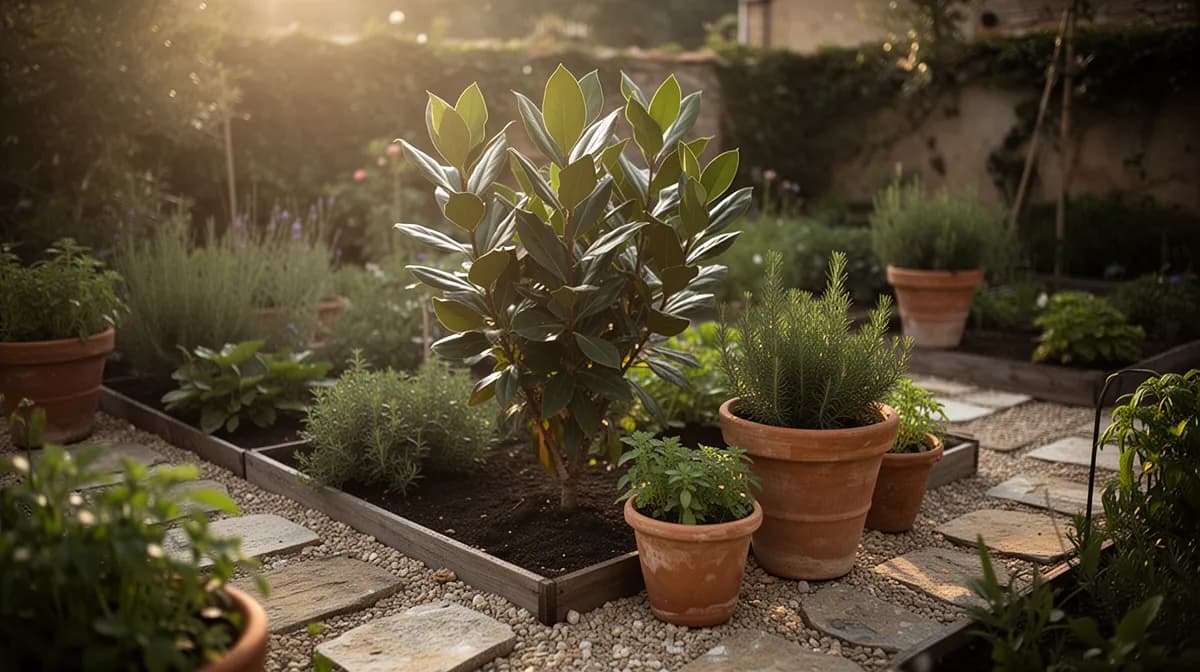
2 plants fit a 4 × 8 ft bed
Each Bay Laurel wants 120 cm of elbow room. The planner keeps that spacing for you — every plant, every bed.
Bay Laurel's best neighbours
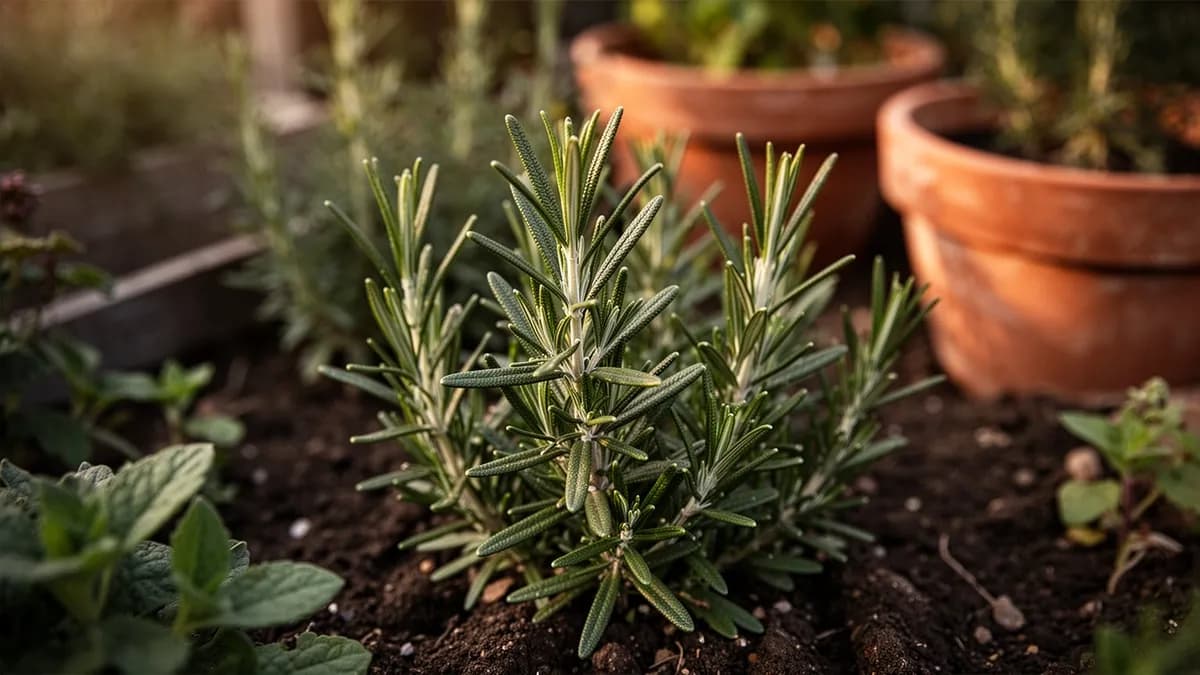
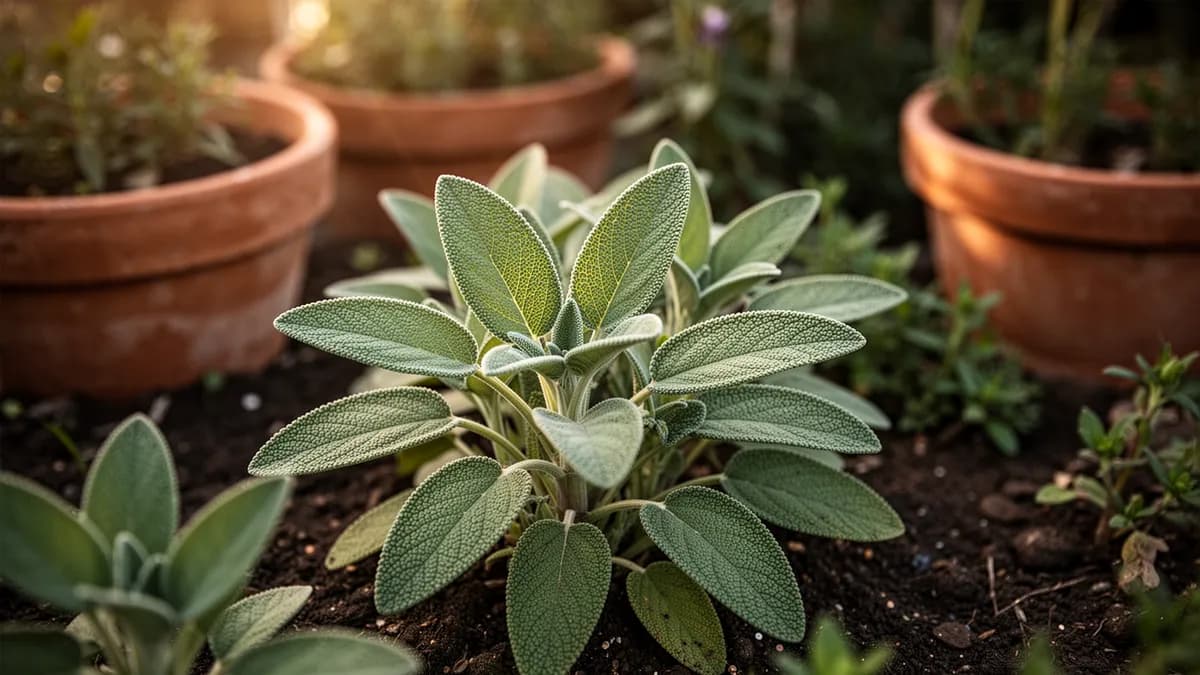
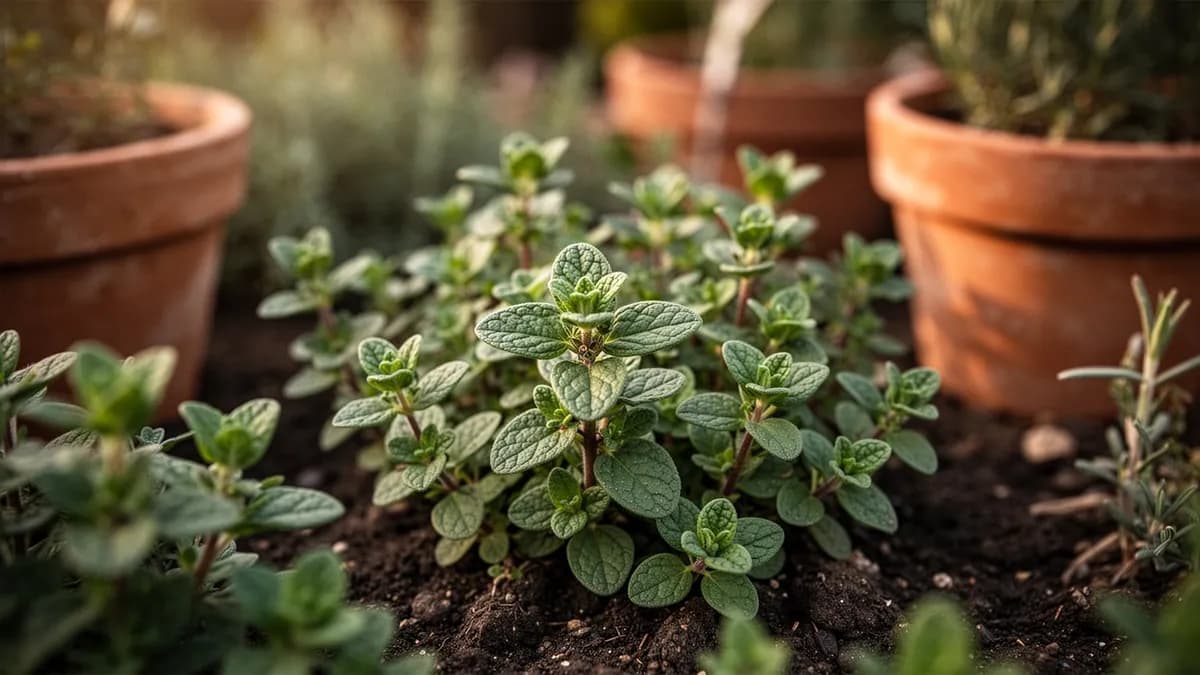
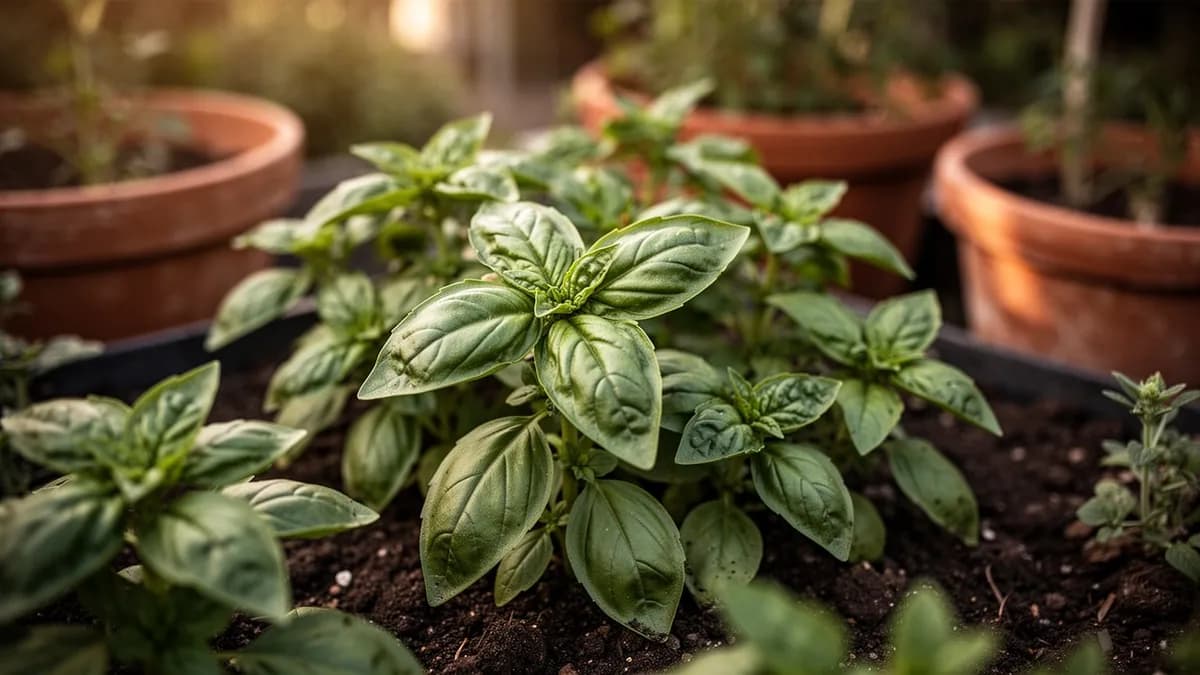
Bay laurel's aromatic oils reportedly repel moths, flies, and some beetle species, making dried leaves useful for pantry pest prevention. As a large, slow-growing tree or shrub, bay laurel functions more as a standalone specimen than a traditional companion plant. In container gardens, it can be grouped with other Mediterranean herbs that share similar watering preferences, such as rosemary and sage. Its dense evergreen canopy can provide shelter for smaller plants growing beneath it.
Rosemary belongs beside it. Fennel doesn't.
Old growers' knowledge, checked against Bay Laurel's real companion table below — test any plant you're growing.
Try Bay Laurel in a bed — right here
A real planner bed with Bay Laurel already in it. Tap a companion to place it and watch the pairing checks answer — green for good neighbours, red for a clash.


Related growing guides
Feed it well
Bay laurel prefers rich, well-drained soil with a pH of 6.0-7.0. In containers, use a high-quality potting mix amended with perlite for drainage. Feed established plants with a balanced slow-release fertilizer in spring and midsummer. Container plants benefit from monthly liquid fertilizer during the growing season. Bay laurel is a moderate feeder and does not need heavy fertilization. Avoid letting container soil become compacted; repot every 2-3 years with fresh mix. Add compost or well-rotted manure annually in ground plantings.
Ideal Temperature
Hardiness Zone Compatibility
From seed to harvest, stage by stage
Seed Germination
Bay laurel seeds are notoriously slow and erratic to germinate, often taking 1-3 months or longer. Fresh seeds with the outer fruit pulp removed germinate most reliably. The seed sends down a taproot before any shoot appears above the soil surface. Patience is essential — many growers prefer starting from cuttings or nursery plants instead.
Seedling Establishment
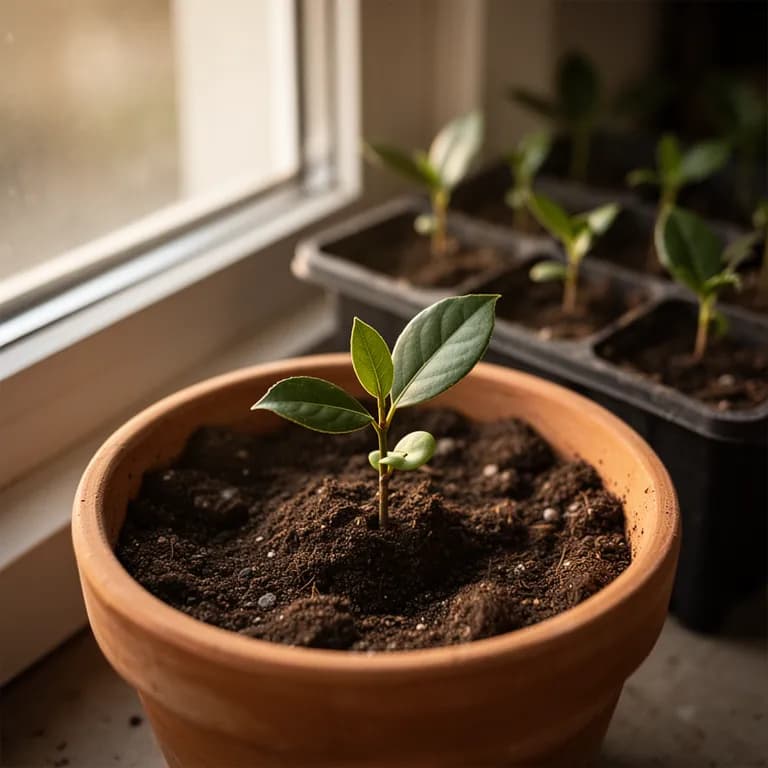
Once germinated, the seedling grows slowly, producing its first pairs of small, glossy, lance-shaped leaves. Growth is measured in centimeters during the first year, with the plant reaching 15-30 cm tall. The woody stem begins to harden at the base and the characteristic aromatic oils develop in the foliage.
Juvenile Growth
Over years 2-3, the bay laurel develops a bushy, multi-stemmed habit unless trained to a single trunk. Annual growth increases to 15-30 cm per year. The bark transitions from green to grey-brown. Leaves reach full size at 5-10 cm long, becoming thick, leathery, and richly aromatic. The root system expands significantly and the plant becomes more drought-tolerant.
Mature Production
From year 3-5 onward, the bay laurel is a productive specimen producing abundant aromatic foliage for culinary use. In mild climates, the tree can reach 3-5 meters in height. The canopy fills out and the plant may begin flowering — small pale yellow blooms appear in clusters in spring on mature specimens, followed by dark purple berries on female plants.
Established Specimen
After 5 years, a bay laurel becomes a low-maintenance, long-lived garden fixture. Trees grown in the ground in suitable climates can reach 10-15 meters over many decades. The trunk thickens, bark becomes fissured, and the tree requires minimal care beyond annual shaping. A single mature tree provides a lifetime supply of bay leaves for a household and many to share.
Sow fresh seeds in moist, well-drained seed compost and cover lightly. Maintain temperatures of 20-25°C (68-77°F) and keep consistently moist. Cold stratification for 4-6 weeks before sowing can improve germination rates. Do not discard pots too early — seeds may sprout after several months.
Caring for Bay Laurel month by month
What to do each month for your Bay Laurel
October
You are hereIn zones 7 and below, move container bay laurel indoors to a bright, cool location (ideally 5-12°C / 41-54°F) before the first hard frost. In milder zones, protect garden trees with horticultural fleece if temperatures drop below -8°C (18°F). Reduce watering significantly as growth stops.
Know exactly what to do in your garden — every month
One email at the start of each month: what to sow, plant, and tackle right now — for your Bay Laurel and everything growing around it. Plus a short starter course that helps you dodge the classic mistakes.
- What to do, right now
- Matched to your season
- Starter course included
Harvesting Bay Laurel
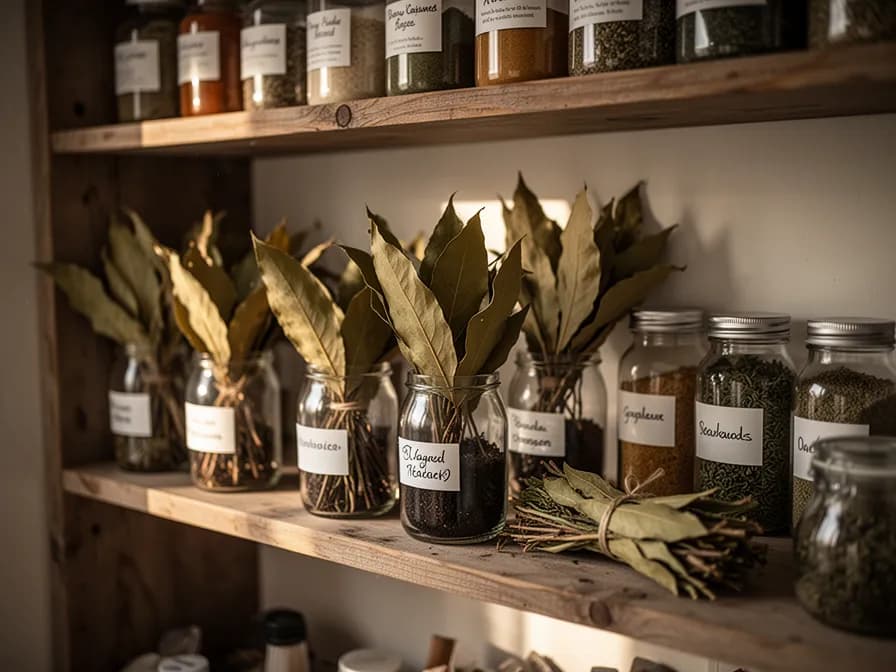
Harvest bay leaves individually as needed throughout the year once the tree is at least 2 years old. Select mature, dark green leaves from established growth rather than tender new shoots, as mature leaves have more concentrated flavor. Pluck leaves by hand or snip with scissors. Bay leaves can be used fresh, but their flavor actually intensifies during the first few weeks of drying. Dry leaves between paper towels pressed under a heavy book for flat, attractive dried leaves, or air-dry on screens.
assuming you plant when the window opens — set your real date
Pick Bay Laurel promptly and the plant keeps producing.
Storage & Preservation
Fresh bay leaves keep for 1-2 weeks in the refrigerator in a sealed plastic bag. Dried bay leaves store for 1-2 years in airtight containers away from light. To dry, spread leaves in a single layer on a screen in a warm, dark location for 2 weeks, or press between paper towels under a weighted book. Dried bay leaves are more concentrated in flavor than fresh. Whole dried leaves maintain their potency much longer than crumbled leaves. Bay leaves can also be frozen in sealed bags, which preserves their green color and fresh flavor.
What goes wrong — and the fix
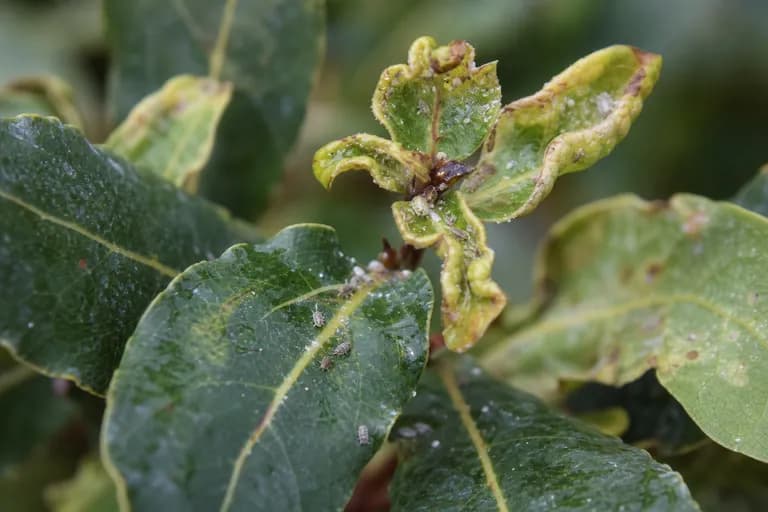
Bay Sucker (Psyllid)
PestThickened, curled, yellowed leaf margins, waxy white residue on leaf undersides, distorted new growth.
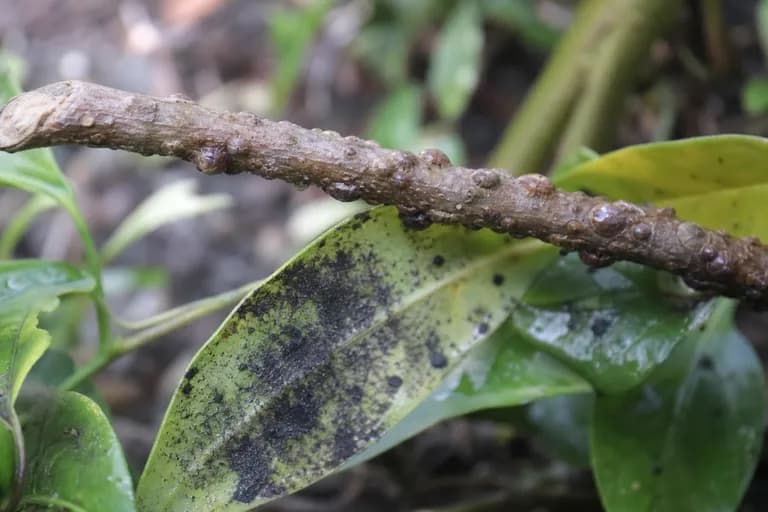
Scale Insects
PestBrown or white bumps on stems and leaf undersides, sticky honeydew, sooty mold growth, weakened plant.
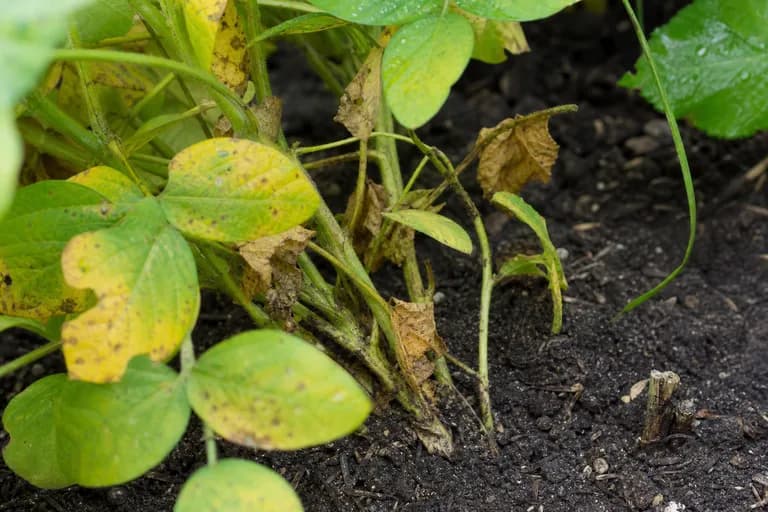
Phytophthora Root Rot
DiseaseYellowing leaves, wilting, dark brown roots, gradual decline of the entire plant.
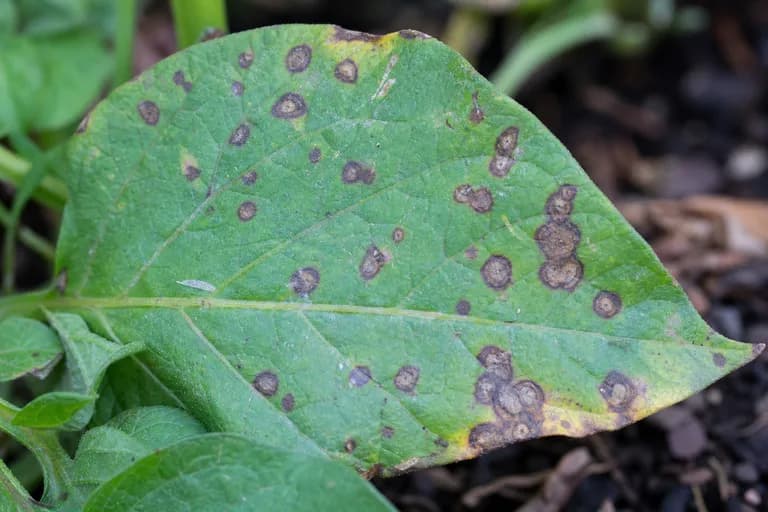
Leaf Spot
DiseaseBrown or black spots on leaves, sometimes with yellow halos, leaf drop in severe cases.
Troubleshooting Common Problems
Brown leaf edges and leaf drop in winter usually result from cold wind damage or dry indoor air. Move container plants away from heating vents and mist regularly during winter. Yellow leaves often indicate overwatering or poor drainage. Bay sucker is the most common pest, causing characteristic leaf curling; remove affected growth promptly. Slow growth is normal for bay laurel and not a sign of problems. Sudden leaf drop can occur when moving plants between indoor and outdoor environments; transition gradually over 1-2 weeks.
Growing Tips
- Start with a nursery-grown plant rather than seeds unless you have extraordinary patience. Bay laurel seeds can take 3-6 months to germinate and the resulting seedlings grow very slowly. A small nursery plant gives you a 2-3 year head start and begins producing harvestable leaves immediately.
- Choose a large, heavy container with excellent drainage for potted bay laurel. A minimum 40-50 cm diameter pot with drainage holes is essential. Use a well-draining potting mix — combine standard potting soil with 25% perlite or grit to prevent waterlogging, which is the most common cause of bay laurel death in containers.
- Position bay laurel in full sun to partial shade. While the tree tolerates light shade, the essential oil content of the leaves — and therefore their culinary quality — is highest when the plant receives at least 6 hours of direct sunlight daily.
- Water deeply but infrequently, allowing the top few centimeters of soil to dry between waterings. Bay laurel is Mediterranean in origin and prefers a dry-wet cycle over constant moisture. Overwatering leads to root rot, yellowing leaves, and a weakened plant far more often than underwatering.
- Feed container-grown bay laurel monthly during the growing season (April-September) with a balanced liquid fertilizer at half strength. Garden-planted trees need minimal feeding — an annual top-dressing of compost in spring is usually sufficient for healthy growth and aromatic leaf production.
- Prune bay laurel in late spring or early summer after the first flush of new growth. The tree responds extremely well to pruning and can be shaped into balls, pyramids, standards, or informal hedges. Regular pruning also encourages fresh, aromatic new growth that is ideal for culinary use.
- Protect from harsh winter winds, which desiccate the evergreen foliage and cause leaf browning even in zones where the tree is otherwise hardy. A sheltered south-facing wall is the ideal planting location in borderline-hardy areas, providing warmth and wind protection.
- Watch for bay sucker (Trioza alacris), the most common pest of bay laurel. This small psyllid insect causes leaf margins to curl, thicken, and turn yellow. Remove and destroy affected leaves promptly. Scale insects can also appear on leaf undersides — treat with horticultural oil or neem oil spray.
- Harvest older, mature leaves for the best flavor — they contain higher concentrations of essential oils than young, tender leaves. The best leaves for drying are dark green, glossy, and from the previous year's growth. Fresh leaves have a stronger, sharper flavor than dried and can be used directly from the tree year-round.
- Propagate bay laurel from semi-ripe cuttings taken in late summer. Select healthy shoots of the current season's growth, about 10-15 cm long, and root in a mix of perlite and peat with bottom heat and humidity. Rooting takes 2-4 months and success rates are moderate — take more cuttings than you need to account for failures.
Grow your best Bay Laurel yet — and everything around it.
Start a free plan today. Lay out your beds, drop in your Bay Laurel, and let PlotMyGarden handle the timing, spacing, companions and reminders from seed to harvest basket.
Pick your Bay Laurel
Sweet Bay (Laurus nobilis)
The true culinary bay laurel, an evergreen tree with aromatic dark green leaves. Slow-growing and long-lived, the standard variety for all cooking uses.
Angustifolia (Willow-Leaf Bay)
A narrow-leaved variety with slightly more pungent flavor. More ornamental with slender, lance-shaped leaves, excellent for topiary and container growing.
Aurea (Golden Bay)
An ornamental variety with golden-yellow young foliage that matures to green. Slightly less hardy than the species but a stunning container specimen.
A small jar of dried bay leaves (about 10-15 leaves) costs $3-6 at the supermarket, and the quality of mass-produced dried bay leaves is often poor — many are harvested from Laurus nobilis relatives that lack the true aromatic complexity. A young bay laurel plant costs $10-25 from a nursery and will provide fresh, superior-quality bay leaves for decades with minimal care. Over a 10-year lifespan, a single container bay laurel easily saves $50-100 in purchased bay leaves while delivering dramatically better flavor. The dried leaves also make wonderful homemade gifts.
Quick recipes
Classic Bay Leaf Infused Stock
120 minA rich, aromatic stock where fresh bay leaves play a starring role alongside root vegetables and herbs. The slow simmering extracts the complex essential oils from the leaves, creating a deeply flavored foundation for soups, risottos, and sauces that store-bought stock cannot match.
9 ingredientsBay Leaf and Lemon Roasted Potatoes
45 minCrispy roasted potatoes infused with the warm, herbal fragrance of fresh bay leaves and bright lemon zest. The bay leaves are tucked among the potatoes during roasting, releasing their aromatic oils directly into the dish for an elevated side that pairs with any roasted meat or fish.
7 ingredientsBay Leaf and Vanilla Rice Pudding
50 minA creamy, comforting rice pudding gently infused with bay leaf and vanilla — the bay adds a subtle eucalyptus-like warmth that elevates this humble dessert into something elegant. The bay leaves are simmered in the milk before adding rice, allowing their essential oils to perfume every spoonful.
8 ingredientsCulinary Uses
Bay leaves are essential in soups, stews, stocks, and braises, where they impart a subtle, herbaceous, slightly floral background flavor. Add whole leaves at the start of cooking and remove before serving. Bay leaves are a key component of bouquet garni, pickling spice blends, and many classic sauces including bechamel. They pair well with beans, lentils, potatoes, tomato sauces, and slow-cooked meats. Ground bay can be used sparingly in spice rubs and marinades.
What's inside
Health Benefits
- Contains cineole and eugenol, essential oil compounds with demonstrated anti-inflammatory properties that may help reduce joint pain and swelling when consumed regularly as part of a balanced diet.
- Traditional digestive aid — bay leaf tea and bay-infused broths have been used for centuries to ease bloating, gas, and indigestion, with modern research supporting the carminative effects of its volatile oils.
- Research suggests that bay leaf compounds may help improve insulin sensitivity and support healthy blood sugar regulation, with studies showing modest reductions in fasting glucose when bay leaf extract is consumed regularly.
- Rich in antioxidant compounds including catechins, rutin, and caffeic acid, which help neutralize free radicals and may reduce oxidative stress associated with chronic disease and aging.
- Natural antimicrobial properties — bay leaf essential oils have shown effectiveness against several strains of bacteria and fungi in laboratory studies, supporting the traditional use of bay leaves as a food preservative.
- Contains parthenolide and other sesquiterpene lactones that research has linked to potential headache and migraine relief, supporting the traditional folk remedy of applying bay leaf poultices to the forehead.
Where Bay Laurel comes from
Bay laurel (Laurus nobilis) is native to the Mediterranean basin, with its ancestral range spanning from the coastal regions of Turkey, Syria, and the eastern Mediterranean westward through Greece, Italy, and the Iberian Peninsula. Fossil records indicate that Laurus species once covered much of southern Europe before the last ice age, retreating to Mediterranean refugia and re-expanding as the climate warmed. The species thrives in the mild, maritime climates of its homeland, where it grows as an evergreen tree in maquis shrublands and mixed forests alongside olive, myrtle, and arbutus.
Bay laurel holds a uniquely exalted position in Western civilization. In ancient Greek mythology, the nymph Daphne was transformed into a laurel tree to escape the pursuit of Apollo, who then declared the tree sacred and wore its leaves as a crown. This mythological origin elevated bay laurel to a symbol of honor, victory, and artistic achievement throughout the classical world. Greek athletes at the Pythian Games received laurel wreaths, Roman generals wore them during triumphal processions, and scholars were crowned with laurel upon completing their studies — a tradition that survives in the modern academic titles 'baccalaureate' and 'laureate.'
Beyond its symbolic power, bay laurel was one of the most important medicinal and culinary plants of the ancient world. Hippocrates prescribed bay leaf preparations for various ailments, and Roman cooks used the leaves extensively in sauces, stews, and preserved meats. As the Roman Empire spread, bay laurel was planted in gardens and temple grounds across Europe, establishing populations far beyond its native range. Medieval monastery gardens maintained bay laurel for both kitchen and apothecary use.
During the Age of Exploration, bay laurel traveled with European colonists to the Americas, South Africa, and Australasia, where it naturalized in suitable climates. Today it is cultivated commercially in Turkey, which dominates global dried bay leaf production, as well as in Greece, Italy, France, and California. The tree remains a cornerstone of Mediterranean, French, and global cuisine, and its symbolic association with achievement continues to resonate across cultures.
Bay Laurel: did you know?
Fascinating facts about Bay Laurel
In ancient Greece and Rome, wreaths of bay laurel were placed on the heads of victors, scholars, and poets — the word 'laureate' (as in Nobel Laureate or Poet Laureate) derives directly from Laurus, the Latin name for bay laurel.
Bay Laurel questions, answered
When should I plant Bay Laurel?
What are good companion plants for Bay Laurel?
What hardiness zones can Bay Laurel grow in?
How much sun does Bay Laurel need?
How far apart should I space Bay Laurel?
What pests and diseases affect Bay Laurel?
How do I store Bay Laurel after harvest?
What are the best Bay Laurel varieties to grow?
What soil does Bay Laurel need?
Can I grow bay laurel indoors year-round?
How cold-hardy is bay laurel?
Why are my bay laurel leaves turning yellow?
What is the difference between fresh and dried bay leaves?
Is my bay laurel the same as California bay laurel?
How do I dry bay leaves at home for storage?
You just read the theory. Now grow it on autopilot.
Everything that makes Bay Laurel fiddly — the timing, the spacing, the companions, the harvest window — is exactly what PlotMyGarden handles for you, for every plant in your garden.
A plan that knows your weather
Set your location once. Get sow, feed and harvest dates built around your real last-frost date and live forecast — no more guessing from a generic seed packet.
From the “When to plant” sectionDrag-and-drop bed planner
Design beds on a grid. Every plant snaps to its proper spacing, and you can see your whole season laid out before you spend a cent on seed.
From the “Growing guide” sectionCompanion conflicts, caught early
200+ good-and-bad pairings checked live as you plant — so a season-wrecking mistake never makes it into the ground.
From the “Companions” sectionReminders you'll actually act on
“Water the beans.” “Pick today before it turns.” Timely, specific, and tied to the plants you're really growing.
From the “Harvest” sectionSuccession, scheduled
Want a harvest for six weeks, not six days? It spaces your sowings automatically and reminds you when each new block is due.
From the “When to plant” sectionA record that gets smarter
Every harvest you log teaches it your garden. Next year's plan starts from what actually worked in your soil, not a textbook's.
From the “Overview” sectionPlant these alongside Bay Laurel
More Culinary Herbs
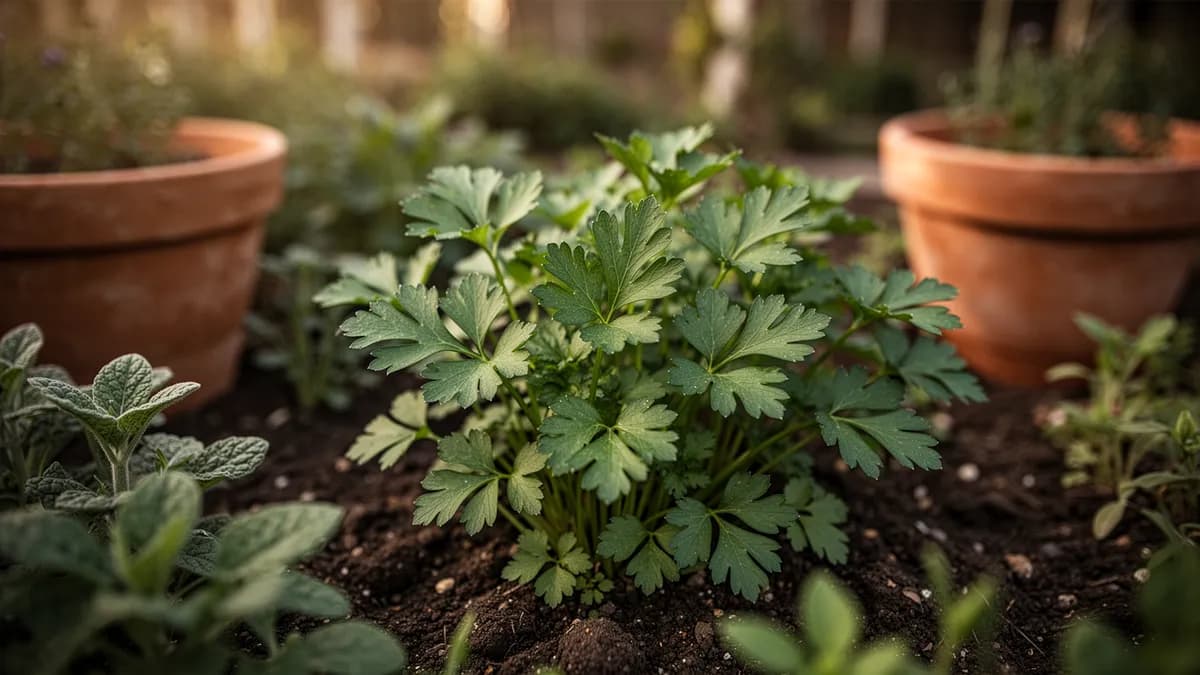
Keep Bay Laurel away from these
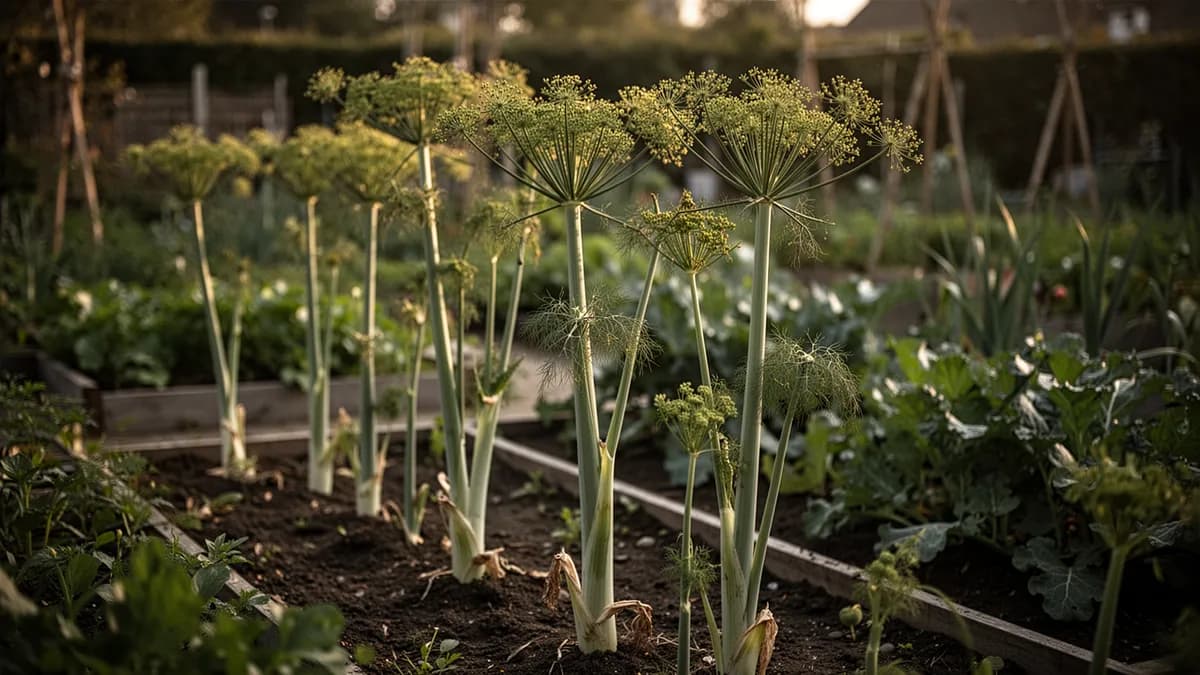
Garden plans featuring Bay Laurel
Grow your best Bay Laurel yet — and everything around it.
Start a free plan today. Lay out your beds, drop in your Bay Laurel, and let PlotMyGarden handle the timing, spacing, companions and reminders from seed to harvest basket.