Atemoya
A hybrid between sugar apple and cherimoya, combining the best qualities of both parents: creamy, custard-like flesh with tropical sweetness and better cold tolerance.





On this pageOverview
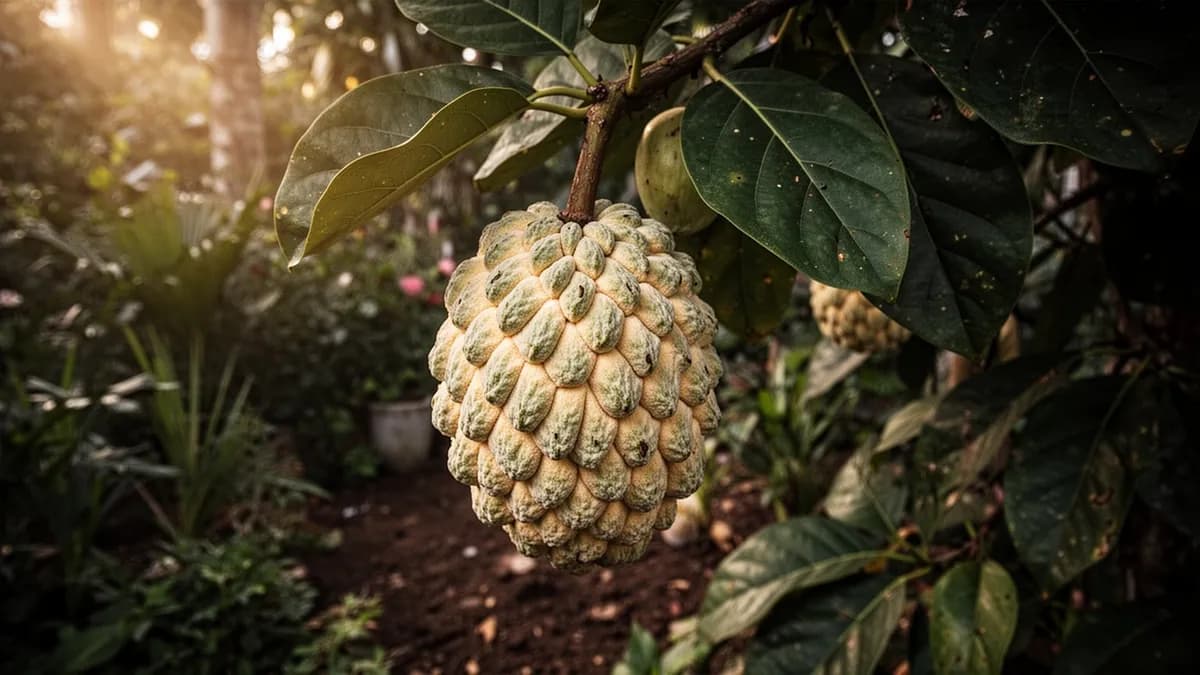
Meet Atemoya
A hybrid between sugar apple and cherimoya, combining the best qualities of both parents: creamy, custard-like flesh with tropical sweetness and better cold tolerance. Atemoya fruits have a smoother skin than sugar apple and do not fall apart when ripe. Hand pollination is usually necessary for good fruit set in home gardens.
When to plant Atemoya
Atemoya seeds should be planted fresh from ripe fruit for best germination rates. Soak seeds in water for 48 hours or scarify the hard seed coat with a file. Plant seeds one inch deep in a well-drained potting mix and maintain temperatures of 75 to 85 degrees Fahrenheit. Germination is irregular and may take three to eight weeks. Seedling trees are slow-growing initially and may take four to five years to bear fruit. For true-to-type varieties, grafted trees are strongly recommended over seedlings.
Your Atemoya Year
Composed for Zone 7 · typical seasons · frost passes Apr 2, returns Nov 1
Plant Atemoya Mar – May, pick Sep – Nov. Check the planting methods below and set your climate to personalize these windows.
How to grow Atemoya
Choose a planting site with full sun, good air circulation, and protection from strong winds that can damage the brittle branches. Atemoya tolerates more cold than sugar apple, surviving brief dips to 26 degrees Fahrenheit when mature, but young trees need frost protection. Plant in spring after the last frost, spacing trees 15 to 20 feet apart in well-drained soil amended with compost.
Water deeply once or twice per week during the growing season, allowing the top few inches of soil to dry between irrigations. Atemoya trees are semi-deciduous and may drop leaves in winter or during dry spells. Reduce watering during dormancy and resume when new growth appears in spring. Mulch around the root zone with organic material to conserve moisture and moderate soil temperature.
Hand pollination is essential for consistent fruiting. The protogynous flowers open in the female stage in the afternoon and transition to the male pollen-shedding stage the following morning. Collect pollen from male-stage flowers and apply it to the sticky stigma of female-stage flowers using a small paintbrush. Fertilize three to four times per year with a balanced fertilizer including micronutrients. Prune after harvest to remove dead wood and maintain an open canopy structure.
Atemoya needs more room than a 4 × 8 ft bed gives
Each Atemoya wants 450 cm of elbow room. The planner keeps that spacing for you — every plant, every bed.
Atemoya's best neighbours
Plant atemoya alongside other Annona family members for cross-pollination potential, particularly cherimoya. Low-growing ground covers like perennial peanut or sweet potato help retain moisture and suppress weeds beneath the canopy. Nitrogen-fixing cover crops such as cowpea or sunn hemp can be grown between young trees. Avoid planting near black walnut or other allelopathic trees. Windbreak plants like banana or moringa protect atemoya from damaging gusts.
Cherimoya belongs beside it.
Old growers' knowledge, checked against Atemoya's real companion table below — test any plant you're growing.
Try Atemoya in a bed — right here
A real planner bed with Atemoya already in it. Tap a companion to place it and watch the pairing checks answer — green for good neighbours, red for a clash.


Related growing guides
Feed it well
Atemoya grows best in well-drained, slightly acidic to neutral soil with a pH of 6.0 to 7.0. It tolerates sandy and rocky soils but performs poorly in heavy clay or waterlogged conditions. Apply a balanced fertilizer with micronutrients three to four times per year, increasing potassium during fruiting for better fruit quality. Iron deficiency is common in alkaline soils and shows as yellowing between leaf veins on new growth. Apply chelated iron as a soil drench or foliar spray to correct deficiencies.
Ideal Temperature
Hardiness Zone Compatibility
From seed to harvest, stage by stage
Seed Germination and Seedling Stage
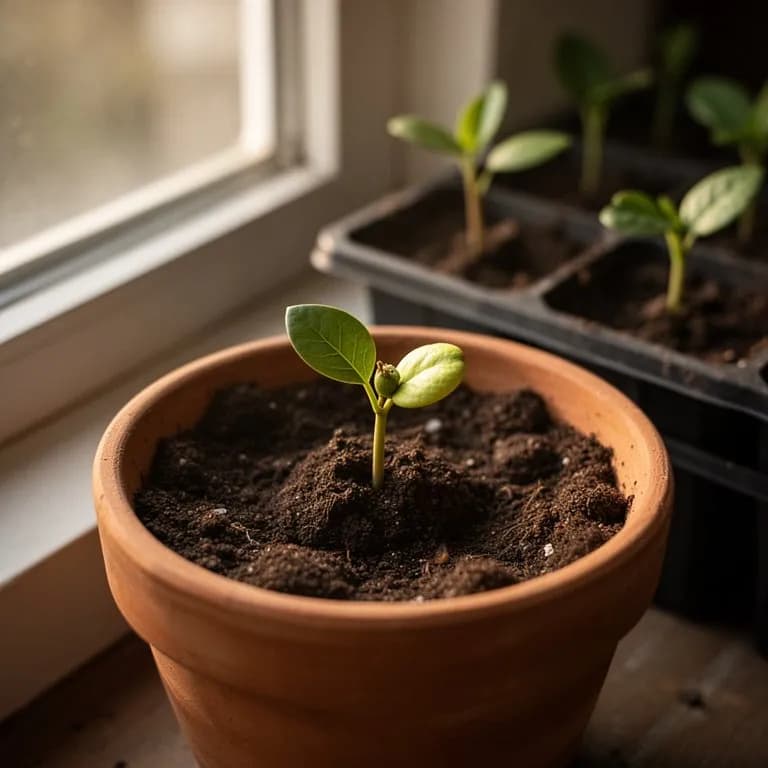
Atemoya seeds have a hard outer coat that can delay germination for several weeks. Once scarified or soaked, seeds typically sprout within 20 to 40 days under warm conditions. Seedlings emerge with small oval cotyledons followed by glossy, elliptical true leaves. Growth is slow at this stage as the young plant focuses on root establishment in warm, well-drained soil. Grafted trees from nurseries skip this stage and begin growing much sooner.
Vegetative Growth and Canopy Development
During this prolonged juvenile phase the atemoya tree focuses on building a strong branch framework and extensive root system. The tree develops a semi-deciduous canopy of alternately arranged, oblong leaves that can reach 10 to 15 centimeters in length. Annual growth can be 60 to 90 centimeters under ideal subtropical conditions. The tree may naturally shed some leaves during cooler or drier months, which is normal behavior for Annona hybrids and helps the tree regulate water loss.
First Flowering
Atemoya trees typically begin flowering two to four years after planting for grafted specimens. Flowers are protogynous dichogamous, meaning each flower opens first in a female-receptive stage with sticky stigmas, then closes overnight and reopens the next day in the male pollen-shedding stage. The fleshy, three-petaled flowers are borne singly or in small clusters on both old wood and new growth. Natural pollinators such as nitidulid beetles are often scarce outside the tree's native range, making hand pollination essential for consistent fruit set.
Fruit Development and Sizing
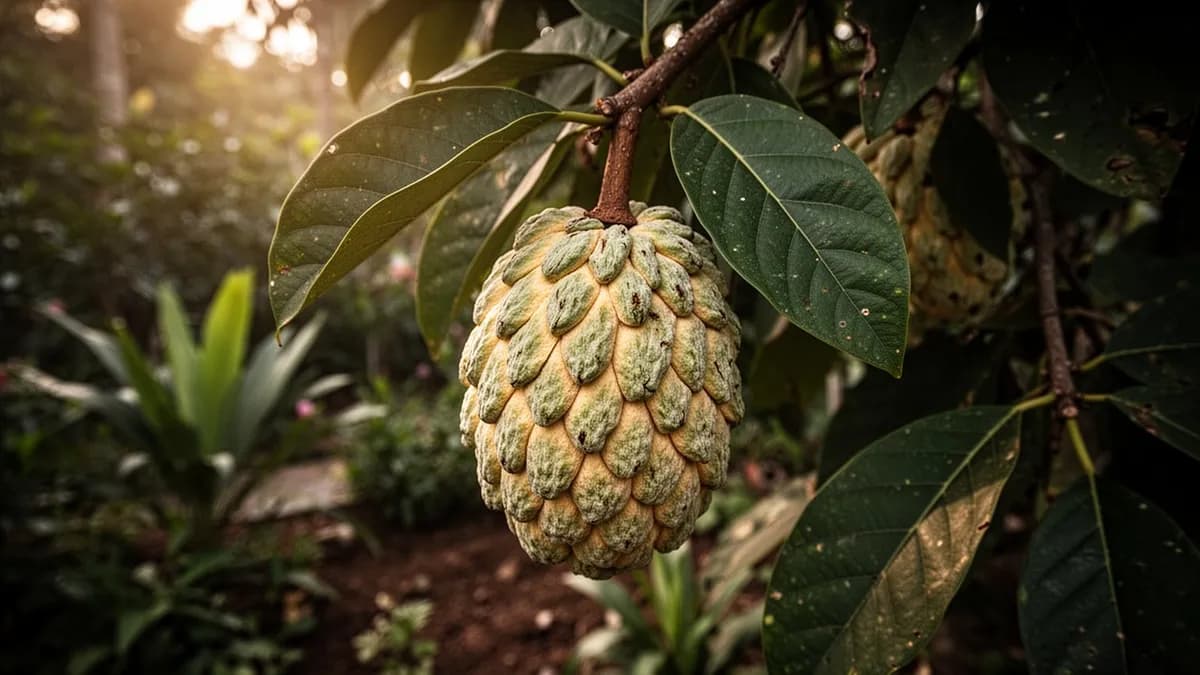
After successful pollination, fruitlets begin to swell within two weeks. The developing atemoya fruit takes on its characteristic heart shape with a bumpy, pale-green rind made up of fused carpels. Full fruit development from pollination to harvest-ready maturity takes approximately 120 to 150 days. Individual fruits can weigh 250 to 800 grams at maturity. Even pollination across all stigmas is important for symmetrical fruit development, as unfertilized carpels can result in lopsided or misshapen fruit.
Ripening and Harvest
Atemoya fruits do not ripen fully on the tree and must be harvested when mature but still firm. Ripeness indicators include a slight color change from dark green to pale yellowish-green, slight softening near the stem end, and the areoles or bumps on the skin beginning to spread apart slightly. After picking, fruits ripen at room temperature over three to five days, developing their signature creamy, custard-like flesh with a flavor often described as a blend of pineapple, vanilla, and coconut.
Soak seeds in warm water for 48 to 72 hours or lightly nick the seed coat with a file before planting. Start in small pots with a well-draining mix of peat and perlite. Keep soil consistently moist but not waterlogged at 25 to 30 degrees Celsius. Provide bright indirect light and protect seedlings from direct midday sun until they develop four or more true leaves.
Caring for Atemoya month by month
What to do each month for your Atemoya
October
You are hereLate harvest continues for fruit from later pollination rounds. Gradually reduce watering frequency as temperatures cool and fruit load decreases. Clean up all fallen or unharvested fruit from the ground to reduce fruit fly breeding sites. Note which branches produced the best fruit for next season's pruning decisions. Compost healthy leaf litter and fallen fruit.
Know exactly what to do in your garden — every month
One email at the start of each month: what to sow, plant, and tackle right now — for your Atemoya and everything growing around it. Plus a short starter course that helps you dodge the classic mistakes.
- What to do, right now
- Matched to your season
- Starter course included
Harvesting Atemoya
Atemoya fruits are ready when they change from dark green to a lighter yellowish-green color and yield slightly to gentle thumb pressure. Unlike sugar apple, atemoya does not separate into segments on the tree. Clip the fruit from the branch with a short stem attached and ripen at room temperature for two to five days until the flesh is soft and custard-like. A fully ripe atemoya gives when pressed like a ripe avocado. Do not allow fruit to over-ripen on the tree, as it becomes mushy and attracts fruit flies.
assuming you plant when the window opens — set your real date
Pick Atemoya promptly and the plant keeps producing.
Storage & Preservation
Ripe atemoya is best eaten within two to three days and can be refrigerated for up to five days. For longer storage, scoop out the flesh, remove seeds, and freeze in airtight containers for up to six months. Frozen atemoya pulp makes excellent ice cream, smoothies, and sorbets. The flesh can also be pureed and strained into juice. Atemoya does not can well due to its delicate texture but can be used in frozen desserts year-round.
What goes wrong — and the fix
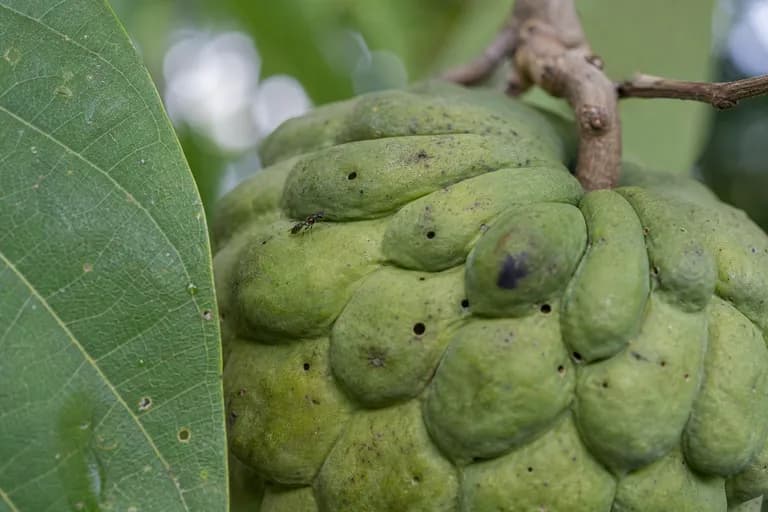
Chalcid Wasp (Seed Borer)
PestTiny exit holes in fruit skin; larvae develop inside seeds causing internal fruit damage, off flavors, and premature drop.
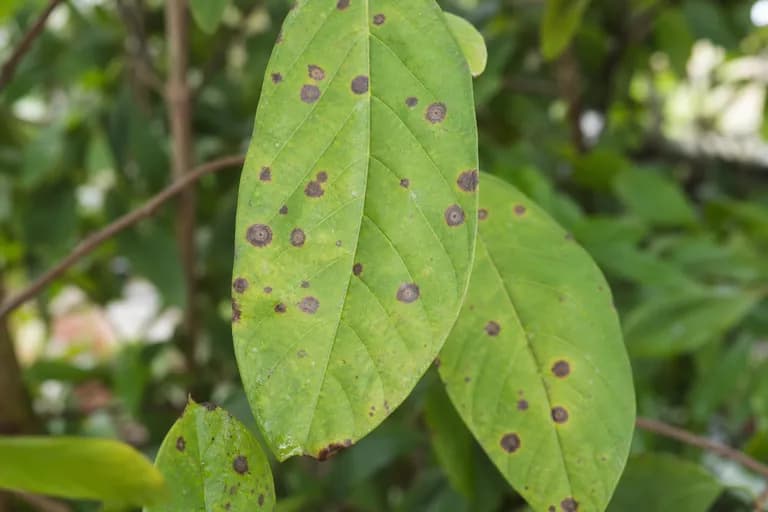
Leaf Spot (Cercospora)
DiseaseSmall, circular brown spots with gray centers on leaves; heavy infection causes premature leaf drop and weakened growth.
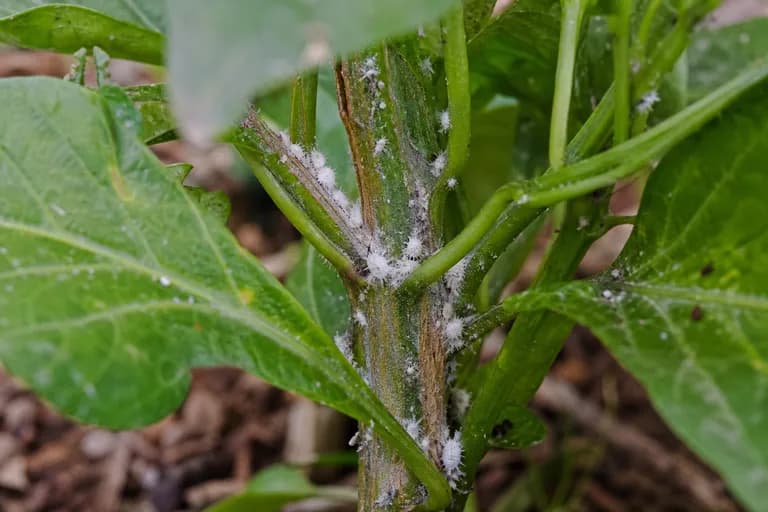
Mealybugs
PestWhite, cottony clusters in fruit crevices, leaf axils, and on stems; honeydew promotes sooty mold growth.
Troubleshooting Common Problems
Low fruit set despite abundant flowering is the primary frustration, nearly always due to poor pollination. Hand pollination is the reliable solution. Branch breakage under heavy fruit loads is common, so thin fruit clusters and support laden branches. Wind damage can be severe due to brittle wood. Trunk splitting during winter freeze-thaw cycles affects trees in marginal cold zones. Apply trunk wraps and mulch heavily before winter in zone 9 locations.
Growing Tips
- Plant atemoya trees in a location that receives full sun for at least six to eight hours daily and is protected from strong winds, which can desiccate flowers and snap brittle branches loaded with heavy fruit.
- Ensure excellent soil drainage by planting on a slight mound or raised bed if your soil contains any clay component, as Annona species are highly susceptible to root rot in waterlogged conditions.
- Hand pollination is essentially mandatory for reliable fruit production in most regions. Collect pollen from male-stage flowers in the morning and apply it to female-stage flowers in the late afternoon for highest success rates.
- Water deeply but infrequently during the growing season, allowing the top few centimeters of soil to dry between waterings. Reduce irrigation significantly during the semi-dormant winter period when the tree drops some leaves.
- Apply a balanced fertilizer with micronutrients including zinc, manganese, and magnesium three to four times per year during the active growing season, tapering off applications in autumn to allow the tree to harden growth before winter.
- Prune annually during the semi-dormant period to maintain an open vase shape with three to five main scaffold branches. Remove interior crossing branches to improve air circulation and light penetration throughout the canopy.
- Protect young trees from any frost by covering them with frost cloth or using string lights for supplemental heat when temperatures are forecast to drop below 5 degrees Celsius, as young atemoya trees are especially cold-sensitive.
- Bag developing fruit with mesh or paper bags approximately four weeks after pollination to protect against fruit-piercing moths, fruit flies, and birds while still allowing air circulation to prevent fungal issues.
- Monitor for common pests including mealybugs, scale insects, and spider mites by inspecting the undersides of leaves and branch junctions weekly during warm months. Treat early infestations with horticultural oil or insecticidal soap before populations explode.
- Harvest fruit when the skin lightens from dark green to pale yellowish-green and the bumps on the surface begin to spread apart slightly. Allow harvested fruit to ripen at room temperature for three to five days before eating, and never store unripe atemoya in the refrigerator as cold temperatures halt the ripening process permanently.
Grow your best Atemoya yet — and everything around it.
Start a free plan today. Lay out your beds, drop in your Atemoya, and let PlotMyGarden handle the timing, spacing, companions and reminders from seed to harvest basket.
Pick your Atemoya
Gefner
The most widely planted atemoya variety, producing large heart-shaped fruits with exceptional sweetness and the ability to set some fruit without hand pollination.
Lisa
A cold-hardy selection from Florida with smooth green skin, dense creamy flesh, and good wind resistance, ideal for home gardens.
Priestly
An Australian cultivar known for large fruit size, excellent flavor, and vigorous tree growth with good disease resistance.
African Pride
A heavy-bearing variety popular in Australia and South Africa, with medium-sized fruits and reliably sweet, smooth flesh.
Fresh atemoyas sell for $8 to $15 per pound at specialty markets and tropical fruit vendors when available, and their extreme perishability means they rarely appear in standard grocery stores. A single productive backyard tree can yield 50 to 75 fruits per season once established, representing $200 to $500 or more in annual retail value from a tree that requires minimal inputs beyond water, occasional fertilizer, and the rewarding hands-on practice of hand pollination during the flowering season.
Quick recipes
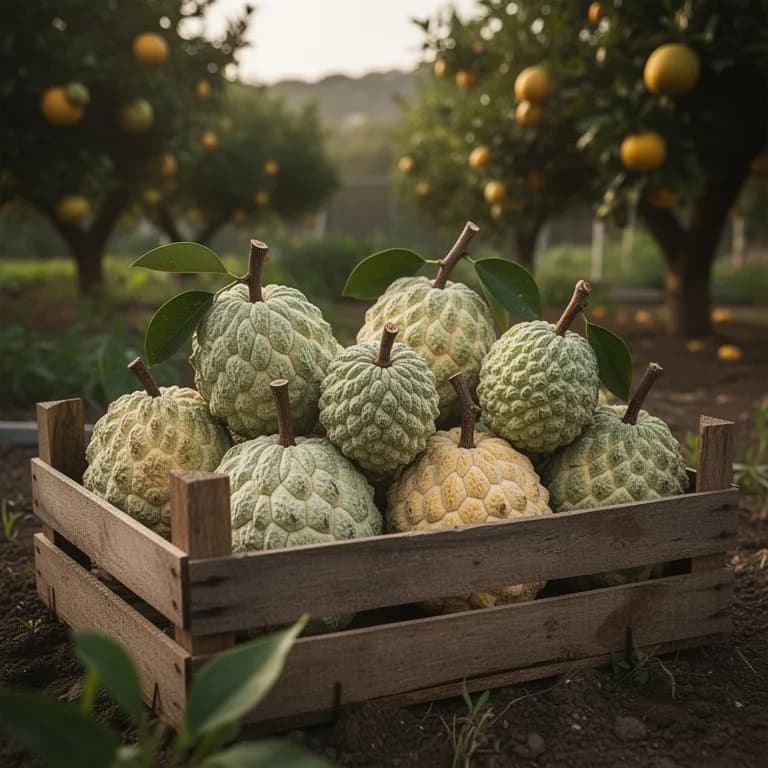
Atemoya Tropical Smoothie Bowl
10 minutesA thick, creamy smoothie bowl that showcases the natural custard-like texture of fresh atemoya, topped with tropical fruits and crunchy granola for a satisfying breakfast or afternoon treat that tastes like dessert but delivers genuine nutrition.
5 ingredients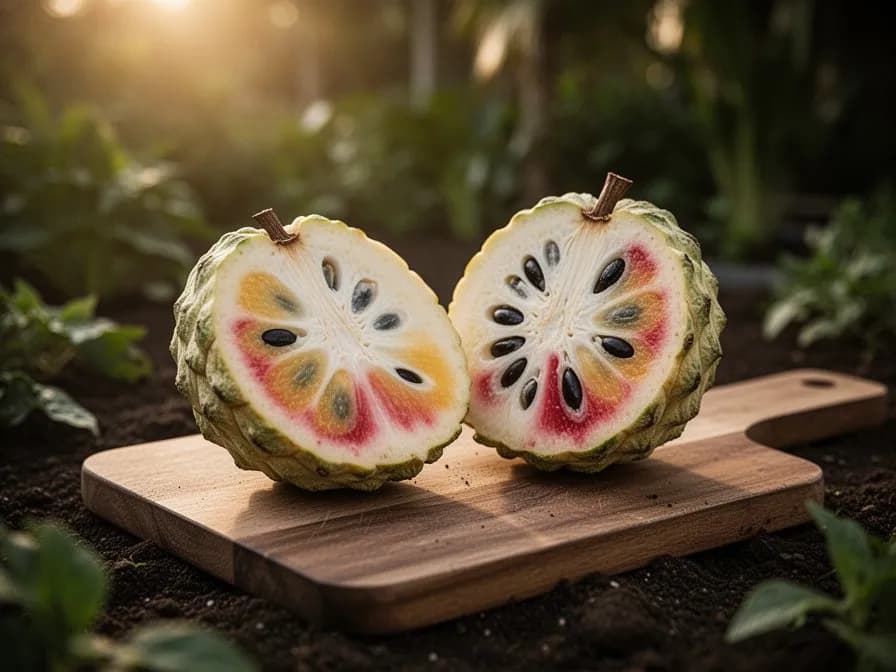
Atemoya Coconut Panna Cotta
20 minutes plus 4 hours chillingAn elegant chilled dessert that pairs the delicate vanilla and pineapple notes of fresh atemoya with rich coconut cream, set into silky individual portions that melt on the tongue and make a sophisticated finish to any meal.
6 ingredientsAtemoya and Lime Sorbet
15 minutes plus 4 hours freezingA refreshing dairy-free frozen treat that captures the exotic, perfumed sweetness of ripe atemoya balanced by bright lime juice, creating a palate-cleansing sorbet perfect for hot summer days or as a light intermezzo between courses.
5 ingredientsCulinary Uses
Atemoya is superb eaten fresh, with the chilled custard-like flesh scooped out with a spoon. It makes exceptional ice cream, mousse, and milkshakes. The flavor pairs well with lime, coconut, and vanilla. In tropical regions it is blended into smoothies or used as a topping for shaved ice desserts. The pulp can be strained for juice or frozen for later use.
What's inside
Health Benefits
- Rich in vitamin C which strengthens the immune system, promotes collagen synthesis for healthy skin, and enhances the absorption of iron from plant-based foods in the diet.
- High potassium content supports cardiovascular health by helping regulate blood pressure, maintaining proper fluid balance, and supporting normal heart rhythm and muscle contractions.
- Dietary fiber in atemoya promotes healthy digestion by adding bulk to stool, feeding beneficial gut bacteria, and helping maintain stable blood sugar levels after meals.
- Contains B-complex vitamins including thiamine and niacin that play essential roles in converting food into cellular energy and supporting the healthy function of the nervous system.
- Natural antioxidant compounds including polyphenols and flavonoids found in atemoya flesh help neutralize free radicals and may reduce oxidative stress linked to chronic disease.
- Low glycemic impact compared to many tropical fruits makes atemoya a suitable occasional treat for individuals managing blood sugar levels, especially when consumed as part of a balanced meal.
Where Atemoya comes from
The atemoya is a relatively modern fruit, first deliberately created in 1908 by horticulturist P.J. Wester at the United States Department of Agriculture Subtropical Laboratory in Miami, Florida. Wester crossed the cherimoya (Annona cherimola), a fruit native to the highland valleys of Ecuador, Peru, and Colombia, with the sugar apple (Annona squamosa), which originated in the tropical lowlands of Central America and the Caribbean. The goal was to combine the cherimoya's superb custard-like flavor and smooth texture with the sugar apple's tolerance for hot, humid lowland conditions. The resulting hybrid proved remarkably successful, inheriting the best traits of both parents: the rich, complex flavor reminiscent of vanilla, pineapple, and coconut from the cherimoya, and the heat tolerance and vigorous growth habit of the sugar apple. Following Wester's initial crosses, atemoya cultivation spread to tropical and subtropical regions worldwide throughout the twentieth century. Israel became an important center of atemoya development, where the Gefner cultivar was bred for improved fruit quality and partial self-fertility. Australia, particularly Queensland and New South Wales, developed a significant commercial atemoya industry beginning in the 1960s, with the cultivars African Pride and Pinks Mammoth becoming regional favorites. In South Florida, the fruit found a devoted following among home gardeners and small-scale farmers in the Homestead and Redland agricultural districts. Taiwan, South Africa, and parts of Southeast Asia also adopted atemoya cultivation, each region selecting or breeding cultivars suited to local conditions. Today the atemoya remains a specialty fruit prized by tropical fruit enthusiasts and gourmet markets, valued for its extraordinary flavor that many consider among the finest of all tropical fruits.
Atemoya: did you know?
Fascinating facts about Atemoya
The atemoya is a human-made hybrid first created in 1908 by P.J. Wester at the USDA Subtropical Laboratory in Miami, Florida, by crossing cherimoya (Annona cherimola) with sugar apple (Annona squamosa).
Atemoya questions, answered
When should I plant Atemoya?
What are good companion plants for Atemoya?
What hardiness zones can Atemoya grow in?
How much sun does Atemoya need?
How far apart should I space Atemoya?
What pests and diseases affect Atemoya?
How do I store Atemoya after harvest?
What are the best Atemoya varieties to grow?
What soil does Atemoya need?
Why do my atemoya flowers fall off without setting fruit?
Can I grow an atemoya tree in a container?
How long does it take for an atemoya tree to produce fruit?
Is the atemoya tree cold hardy?
What is the best atemoya variety for home growing?
Are atemoya seeds toxic?
You just read the theory. Now grow it on autopilot.
Everything that makes Atemoya fiddly — the timing, the spacing, the companions, the harvest window — is exactly what PlotMyGarden handles for you, for every plant in your garden.
A plan that knows your weather
Set your location once. Get sow, feed and harvest dates built around your real last-frost date and live forecast — no more guessing from a generic seed packet.
From the “When to plant” sectionDrag-and-drop bed planner
Design beds on a grid. Every plant snaps to its proper spacing, and you can see your whole season laid out before you spend a cent on seed.
From the “Growing guide” sectionCompanion conflicts, caught early
200+ good-and-bad pairings checked live as you plant — so a season-wrecking mistake never makes it into the ground.
From the “Companions” sectionReminders you'll actually act on
“Water the beans.” “Pick today before it turns.” Timely, specific, and tied to the plants you're really growing.
From the “Harvest” sectionSuccession, scheduled
Want a harvest for six weeks, not six days? It spaces your sowings automatically and reminds you when each new block is due.
From the “When to plant” sectionA record that gets smarter
Every harvest you log teaches it your garden. Next year's plan starts from what actually worked in your soil, not a textbook's.
From the “Overview” sectionPlant these alongside Atemoya
More Tropical Fruits
Grow your best Atemoya yet — and everything around it.
Start a free plan today. Lay out your beds, drop in your Atemoya, and let PlotMyGarden handle the timing, spacing, companions and reminders from seed to harvest basket.