Cherimoya
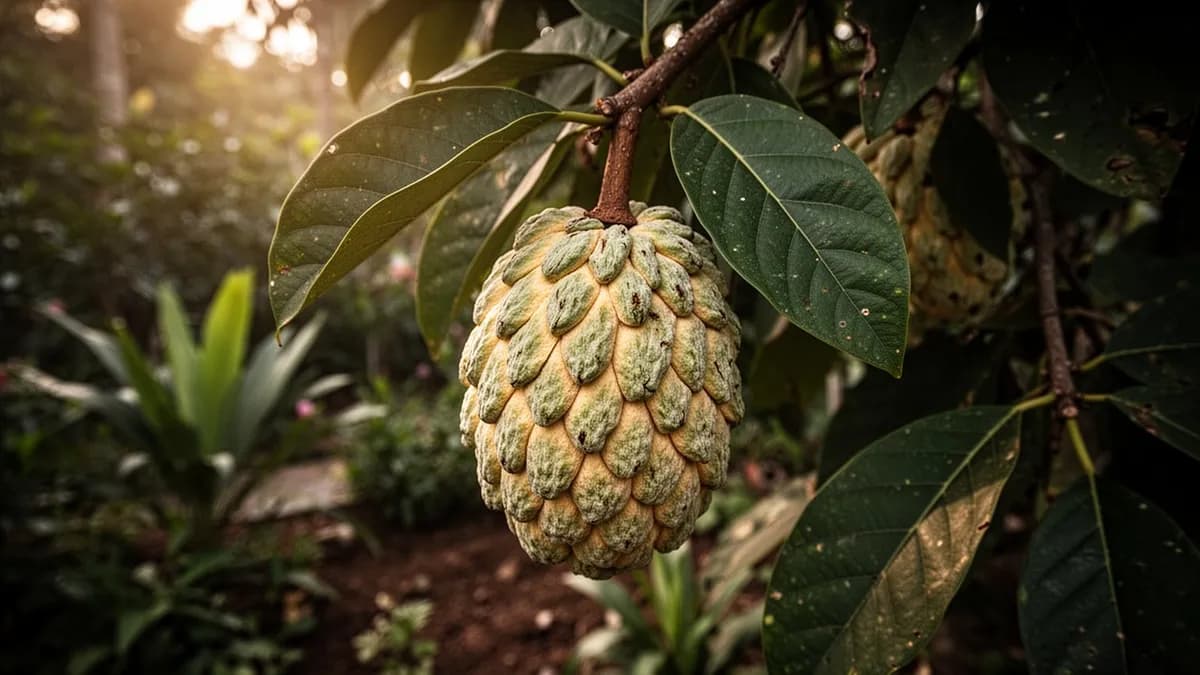
Often called the ice cream fruit for its creamy, custard-like texture and sweet flavor blending banana, pineapple, and vanilla.





On this pageOverview
Meet Cherimoya
Often called the ice cream fruit for its creamy, custard-like texture and sweet flavor blending banana, pineapple, and vanilla. Cherimoya is more cold-tolerant than most tropical fruits, surviving brief freezes to 25 degrees Fahrenheit once established. Hand-pollination is essential in most growing regions as the natural pollinating beetles are not present outside South America.
When to plant Cherimoya
Cherimoya seeds germinate more reliably after scarification. Nick the seed coat with a file or sandpaper and soak for twenty-four to forty-eight hours. Plant one inch deep in moist, well-draining potting mix. Keep at 70 to 80 degrees Fahrenheit with consistent moisture. Germination takes two to five weeks. Seedlings are slow-growing and take four to seven years to fruit. Grafted trees produce fruit in two to three years and are true to the parent variety.
Your Cherimoya Year
Composed for Zone 7 · typical seasons · frost passes Apr 2, returns Nov 1
Plant Cherimoya Mar – May, pick Jan – Feb, Oct – Dec. Check the planting methods below and set your climate to personalize these windows.
How to grow Cherimoya
Cherimoya thrives in Mediterranean and subtropical climates with cool but frost-free winters and warm dry summers. The tree grows twenty to thirty feet tall and prefers a sunny, sheltered location. Plant in well-draining soil amended with compost, spacing trees at least twenty-five feet apart. Water regularly during establishment, then reduce to moderate irrigation once the root system is developed.
Unlike most tropical fruit trees, cherimoya requires cool winter temperatures between 40 and 60 degrees Fahrenheit to trigger flowering and leaf drop. Mature trees tolerate brief freezes to 25 degrees Fahrenheit but young trees need frost protection. Fertilize three times per year with a balanced fertilizer, increasing potassium during fruiting. The trees are semi-deciduous in cooler climates, losing leaves in late winter before flowering on bare wood.
Hand-pollination is essential for good fruit set in most regions. Cherimoya flowers are protogynous, meaning the female parts mature before the male parts. Collect pollen from older flowers in the afternoon and apply to newly opened flowers using a small brush. Prune annually after harvest to maintain an open vase shape that facilitates pollination and harvesting. Remove water sprouts and thin crowded interior branches.
Cherimoya needs more room than a 4 × 8 ft bed gives
Each Cherimoya wants 360 cm of elbow room. The planner keeps that spacing for you — every plant, every bed.
Related growing guides
Feed it well
Cherimoya grows best in well-draining, slightly acidic to neutral soil with a pH of 6.0 to 7.0 and moderate organic matter content. It tolerates clay soils better than most Annonas if drainage is adequate. Apply a balanced fertilizer three times per year, with extra phosphorus and potassium during flowering and fruiting. Iron and zinc deficiencies may occur in alkaline soils and should be corrected with chelated supplements. Annual applications of compost improve soil structure.
Ideal Temperature
Hardiness Zone Compatibility
From seed to harvest, stage by stage
Germination & Seedling
Seeds germinate in 3–4 weeks under warm conditions (20–25°C). Seedlings emerge with two smooth cotyledon leaves followed by the first true leaves. Growth is slow at first as the root system establishes.
Vegetative Establishment
The young tree puts on significant leafy growth during its first year, developing a woody trunk and branching framework. Leaves are large, velvety, and bright green. This stage is critical for root development.
Canopy Development & Pre-Flowering
By the second year, the tree develops its characteristic spreading canopy. Side branches extend and the tree begins to build the energy reserves needed for flowering. Some trees may produce a small number of flowers in their second year.
Flowering & Pollination
Mature trees produce small, pendant, fragrant flowers. Each flower passes through a female stage (receptive stigma) followed by a male stage (pollen release), typically over two consecutive days. Natural pollinators are rare in most growing regions.
Fruit Development
After successful pollination, fruit develops over 5–7 months. The skin remains green and scale-like, gradually enlarging from marble-sized to the final fruit weighing 150–500g or more. The flesh firms up before softening at maturity.
Ripening & Harvest
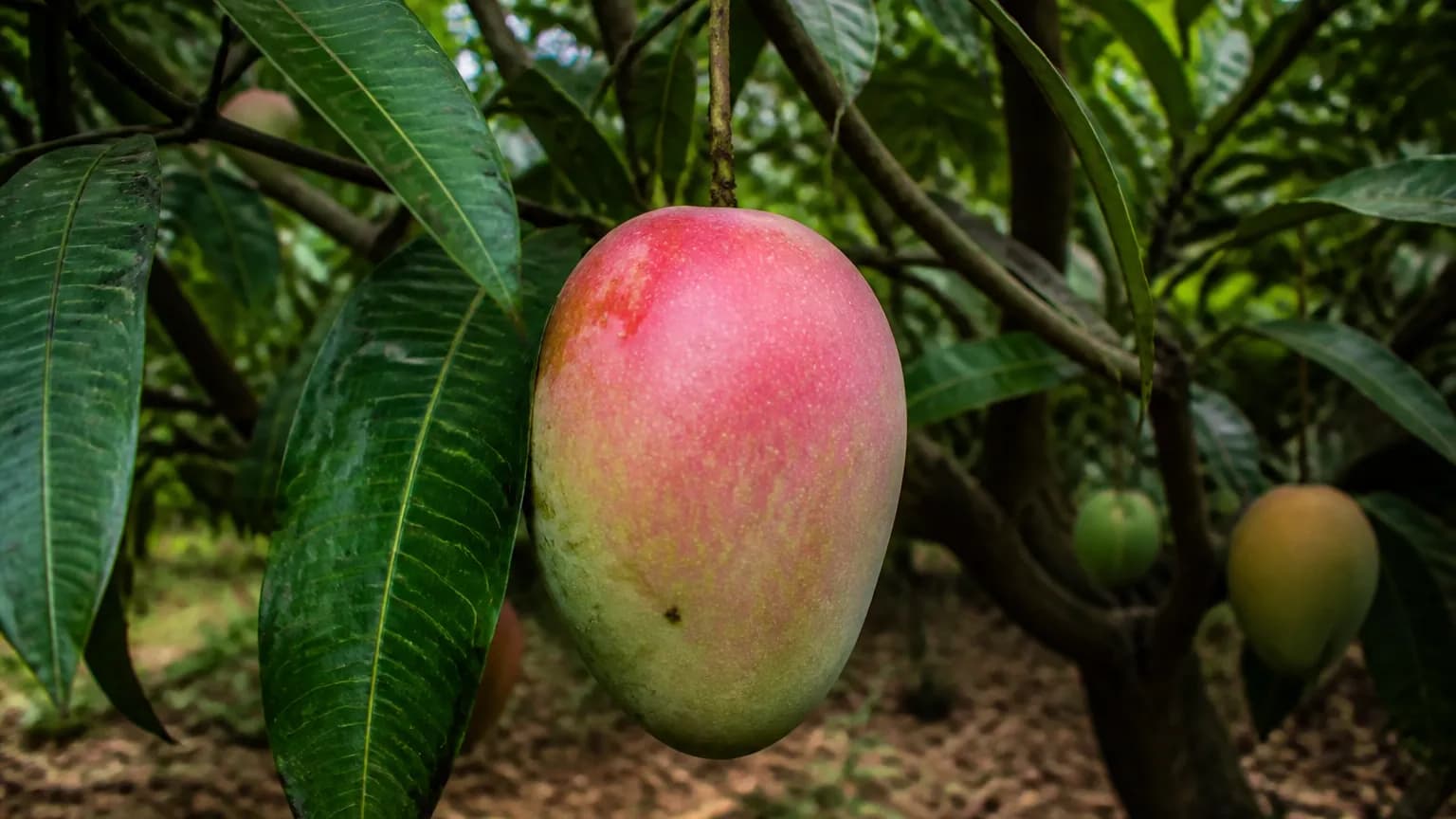
Ripe fruit transitions from deep green to a yellow-green hue and gives slightly under gentle thumb pressure. Once harvested, cherimoya ripens to eating stage within 2–5 days at room temperature. The flesh becomes custardy and intensely sweet.
Keep soil consistently moist but not waterlogged. Place in a warm, bright spot away from direct afternoon sun. Thin to the strongest seedling if multiple seeds were sown.
Caring for Cherimoya month by month
What to do each month for your Cherimoya
October
You are hereMain harvest period for most cherimoya varieties. Harvest regularly as fruit ripen. After the main harvest flush, apply a post-harvest fertilizer feed to replenish tree reserves. Begin light pruning of finished fruiting wood.
Know exactly what to do in your garden — every month
One email at the start of each month: what to sow, plant, and tackle right now — for your Cherimoya and everything growing around it. Plus a short starter course that helps you dodge the classic mistakes.
- What to do, right now
- Matched to your season
- Starter course included
Harvesting Cherimoya
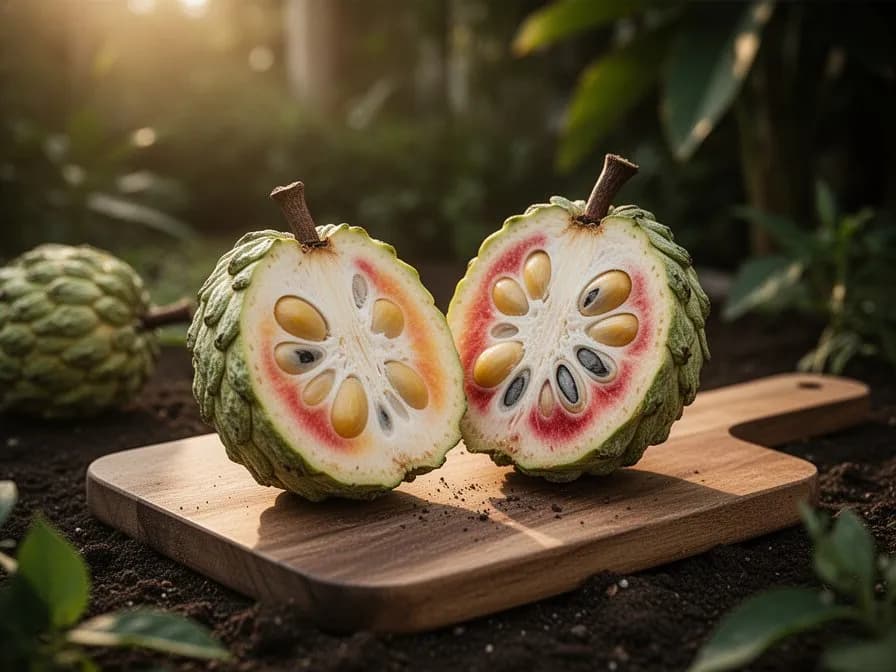
Cherimoya is ready to harvest when the skin changes from dark green to a lighter, yellowish green and the segments begin to separate slightly. The fruit should yield to gentle thumb pressure but not feel mushy. Cut the stem with pruning shears, leaving a short stub attached. Cherimoya continues to ripen after picking and should be harvested while still firm. Allow fruit to soften at room temperature for three to five days before eating.
assuming you plant when the window opens — set your real date
Pick Cherimoya promptly and the plant keeps producing.
Storage & Preservation
Firm cherimoya ripens at room temperature in three to five days. Once ripe, refrigerate and consume within two to three days, as the flesh darkens quickly. The pulp can be scooped out, seeded, and frozen for up to three months for use in smoothies and ice cream. Cherimoya does not dry or can well due to its delicate texture. For the best experience, eat the fruit fresh when perfectly ripe and slightly chilled.
What goes wrong — and the fix
Annona Seed Borer
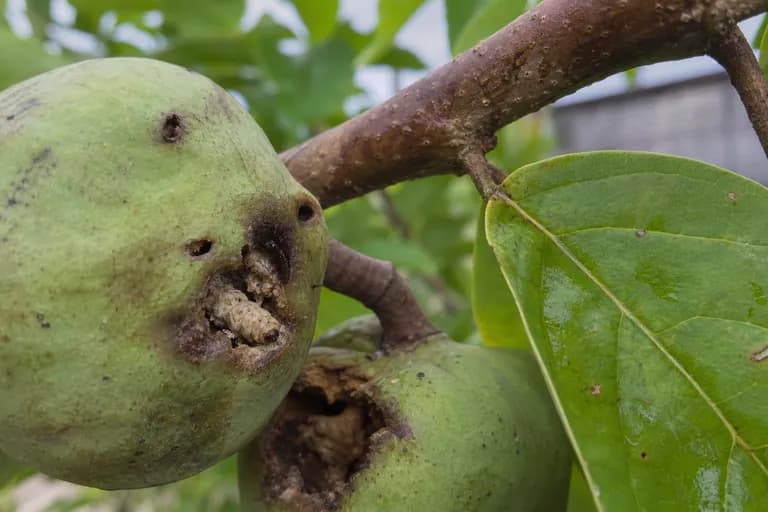
PestSmall holes in the fruit skin, larvae feeding inside the seeds and surrounding flesh, premature fruit drop.
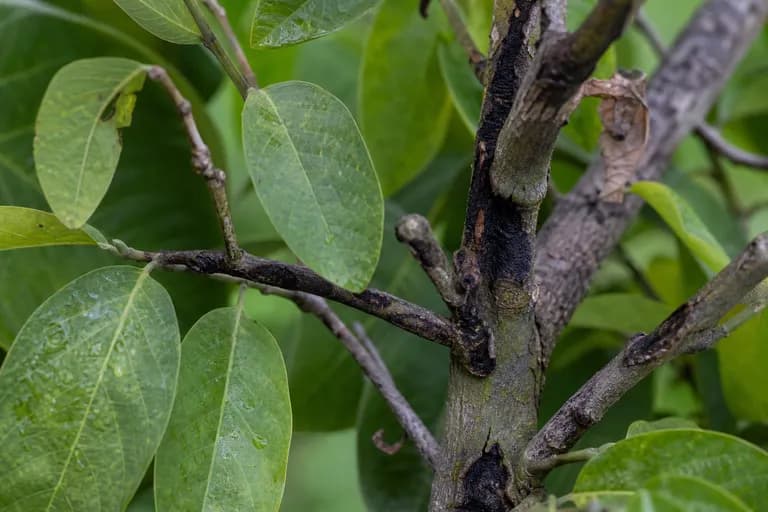
Black Canker
DiseaseDark, sunken cankers on branches and trunk, bark cracking and peeling, branch dieback above infected areas.
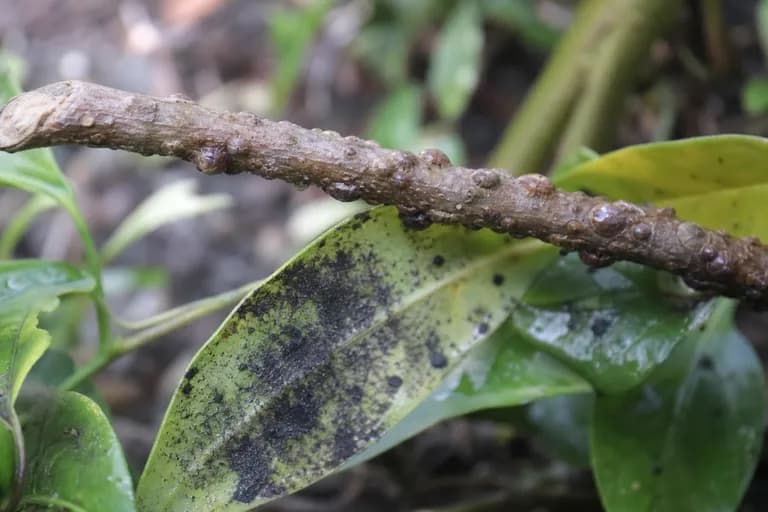
Scale Insects
PestBrown or white bumps on leaves and branches, honeydew secretion, sooty mold, reduced tree vigor and yellowing leaves.
Troubleshooting Common Problems
The primary challenge is achieving reliable fruit set without hand-pollination, as natural pollinators are absent outside the tree's native range. Frost damage to flowers and young fruit limits production in colder areas. The fruit bruises extremely easily and has a short shelf life. Sunburn can damage exposed fruit, so maintain adequate canopy density. In humid climates, fungal diseases are more prevalent and require preventive management.
Growing Tips
- Hand-pollination is the single biggest factor affecting yield — check flowers every morning during the blooming period and transfer pollen from male-stage flowers to female-stage flowers using a fine artist's brush or a cotton swab.
- Plant in a location sheltered from strong winds, which can damage the large, velvety leaves and cause flower and fruit drop; a south-facing wall or courtyard provides ideal warmth and wind protection in temperate climates.
- Cherimoya demands excellent drainage — plant in raised beds or mounded soil if your garden has heavy clay, as waterlogged roots are one of the most common causes of decline and death in home-grown trees.
- Apply a thick layer (7–10 cm) of organic mulch around the base each spring to retain moisture, suppress weeds, and gradually improve soil structure, keeping mulch well clear of the trunk to prevent collar rot.
- Fertilize with a balanced NPK fertilizer (such as 10-10-10) monthly during the growing season, then switch to a low-nitrogen, high-potassium formula in late summer to encourage flower bud formation rather than leafy growth.
- Prune annually after harvest to remove inward-facing, crossing, and downward-growing branches — an open vase shape maximizes light penetration and airflow, reducing fungal disease risk and improving fruit size.
- In climates with cold winters, grow cherimoya in a large container (minimum 100-liter pot) so it can be moved to a frost-free greenhouse or conservatory; container-grown trees are smaller but can still produce generous crops with attentive care.
- Never store an unripe cherimoya in the refrigerator — cold temperatures permanently halt the ripening process; instead, leave fruit at room temperature and only refrigerate once it has reached eating ripeness, consuming within 1–2 days.
- If your tree fails to set fruit despite flowering, try collecting pollen from a different cherimoya tree or variety — cross-pollination between two different trees often results in better fruit set and larger, more uniform fruit than self-pollination.
- Watch for signs of mealybug infestation around fruit clusters and new growth; treat early with neem oil spray or introduce beneficial insects such as lacewings, as heavy infestations can significantly reduce fruit quality and tree vigor.
Grow your best Cherimoya yet — and everything around it.
Start a free plan today. Lay out your beds, drop in your Cherimoya, and let PlotMyGarden handle the timing, spacing, companions and reminders from seed to harvest basket.
Pick your Cherimoya
Fino de Jete
A Spanish variety considered the gold standard, producing large fruit with smooth, creamy flesh and excellent sweet flavor. Heavy bearer with good cold tolerance.
White
A California selection with medium to large smooth-skinned fruit. Very sweet, creamy white flesh with few seeds. Reliable producer in coastal climates.
Bays
An early-ripening variety producing medium-sized fruit with sweet, flavorful flesh. Compact tree habit suitable for home gardens and container growing.
El Bumpo
Named for its bumpy skin texture, this variety has excellent flavor with a balance of sweet and tangy. Vigorous tree with consistent annual production.
Ripe cherimoyas at specialty grocery stores and farmers' markets typically retail for $5–$12 per kilogram, and premium imported fruit can cost considerably more. A mature, well-cared-for cherimoya tree in a suitable climate can produce 25–70 kg of fruit annually, representing a potential savings of $125–$840 per year at mid-range prices — often recouped within two to three full-harvest seasons after the initial planting investment.
Quick recipes
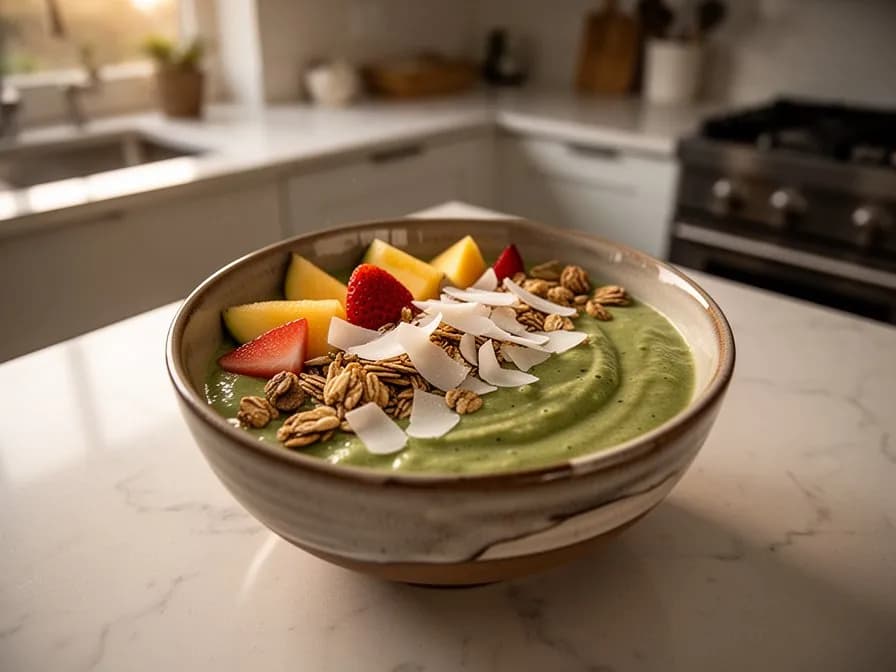
Cherimoya & Lime Smoothie Bowl
10 minutesA luxuriously thick, naturally sweet smoothie bowl that showcases cherimoya's custardy texture. The lime adds brightness that balances the fruit's richness, while toppings provide contrasting crunch.
5 ingredientsFresh Cherimoya Sorbet
15 minutes (plus 4 hours freezing)A three-ingredient sorbet that lets the cherimoya's natural vanilla-banana-pineapple flavor shine. No ice cream maker required — just a food processor and a freezer. Serve in chilled bowls for an elegant dessert.
4 ingredientsCherimoya, Avocado & Arugula Salad
15 minutesA sophisticated salad that pairs cherimoya's sweet creaminess with peppery arugula and buttery avocado. The honey-lime vinaigrette ties everything together without overwhelming the delicate fruit flavor.
5 ingredientsCulinary Uses
Cherimoya is best eaten fresh, scooped from the halved fruit with a spoon, discarding the large black seeds. The creamy flesh has flavors of banana, pineapple, and vanilla. It makes excellent smoothies, milkshakes, and ice cream when blended. The pulp can be mixed into fruit salads, used as a topping for yogurt, or incorporated into mousses and custards. Cherimoya pairs beautifully with citrus and other tropical fruits.
What's inside
Health Benefits
- Excellent source of vitamin B6, which plays a key role in neurotransmitter synthesis and may support mood regulation and cognitive function.
- High potassium content helps maintain healthy blood pressure by counteracting the effects of sodium and supporting proper heart muscle function.
- Dietary fiber aids digestive health by promoting regular bowel movements and feeding beneficial gut bacteria, potentially reducing the risk of colorectal issues.
- Antioxidant compounds including flavonoids and polyphenols help neutralize free radicals, potentially reducing oxidative stress linked to chronic disease.
- Vitamin C content supports immune defense, promotes collagen synthesis for skin health, and enhances the absorption of non-heme iron from plant-based foods.
- Contains riboflavin (B2) and niacin (B3) that contribute to energy metabolism, helping cells convert nutrients into usable fuel efficiently.
Where Cherimoya comes from
The cherimoya (Annona cherimola) is native to the inter-Andean valleys of Ecuador, Peru, and Bolivia, where it has been cultivated at elevations between 1,500 and 2,500 meters for thousands of years. Archaeological evidence from ancient Andean cultures, including remnants found at Peruvian coastal burial sites, suggests the fruit was prized well before the arrival of European colonizers. The Quechua word 'chirimuya' — meaning 'cold seeds' — reflects the plant's remarkable adaptation to cool, highland subtropical conditions, setting it apart from most tropical fruits that demand year-round heat.
Spanish conquistadors encountered the cherimoya in the early sixteenth century and were captivated by its extraordinary flavor. By the late 1700s, Spanish missionaries and traders had introduced it throughout Central America, the Caribbean, and across the Atlantic to southern Spain and Portugal. The Madeira Islands became an early center of cherimoya cultivation in Europe, and Spain's Andalusia region — particularly the coastal provinces of Granada and Málaga — eventually developed into the world's leading commercial producer, a position it still holds today.
The fruit reached California in the mid-nineteenth century, where it found an ideal microclimate along the Southern California coast. Santa Barbara became known for its cherimoya orchards, and the fruit gained a devoted following among horticulturalists and food writers. Mark Twain's famous endorsement during his visit to Hawaii in the 1860s helped elevate the cherimoya's profile in the English-speaking world, and it has retained a reputation as one of the finest fresh fruits available wherever it can be grown.
Despite its remarkable flavor, the cherimoya has never achieved widespread global commercial distribution. Its short shelf life after ripening, sensitivity to mechanical damage, and the labor-intensive requirement for hand-pollination have kept it firmly in the category of specialty and artisan fruits. Today, it is grown in Mediterranean climates worldwide — including California, Chile, Israel, New Zealand, and parts of Australia — and commands premium prices at farmers' markets and gourmet grocers. For the home gardener in a suitable climate, growing cherimoya is a rewarding endeavor that connects directly to one of the oldest cultivated fruit traditions of the Americas.
Cherimoya: did you know?
Fascinating facts about Cherimoya
Mark Twain called the cherimoya "the most delicious fruit known to men" after tasting one in Hawaii — a quote that has been repeated for over 150 years.
Cherimoya questions, answered
When should I plant Cherimoya?
What hardiness zones can Cherimoya grow in?
How much sun does Cherimoya need?
How far apart should I space Cherimoya?
What pests and diseases affect Cherimoya?
How do I store Cherimoya after harvest?
What are the best Cherimoya varieties to grow?
What soil does Cherimoya need?
Why is my cherimoya tree flowering but not setting any fruit?
How do I know when a cherimoya is ready to pick from the tree?
Can cherimoya be grown in a pot or container?
Are cherimoya seeds edible, and can I grow a new tree from them?
What climate does cherimoya need, and can it survive frost?
How long does it take for a cherimoya tree to produce fruit?
You just read the theory. Now grow it on autopilot.
Everything that makes Cherimoya fiddly — the timing, the spacing, the companions, the harvest window — is exactly what PlotMyGarden handles for you, for every plant in your garden.
A plan that knows your weather
Set your location once. Get sow, feed and harvest dates built around your real last-frost date and live forecast — no more guessing from a generic seed packet.
From the “When to plant” sectionDrag-and-drop bed planner
Design beds on a grid. Every plant snaps to its proper spacing, and you can see your whole season laid out before you spend a cent on seed.
From the “Growing guide” sectionCompanion conflicts, caught early
200+ good-and-bad pairings checked live as you plant — so a season-wrecking mistake never makes it into the ground.
From the “Companions” sectionReminders you'll actually act on
“Water the beans.” “Pick today before it turns.” Timely, specific, and tied to the plants you're really growing.
From the “Harvest” sectionSuccession, scheduled
Want a harvest for six weeks, not six days? It spaces your sowings automatically and reminds you when each new block is due.
From the “When to plant” sectionA record that gets smarter
Every harvest you log teaches it your garden. Next year's plan starts from what actually worked in your soil, not a textbook's.
From the “Overview” sectionMore Tropical Fruits
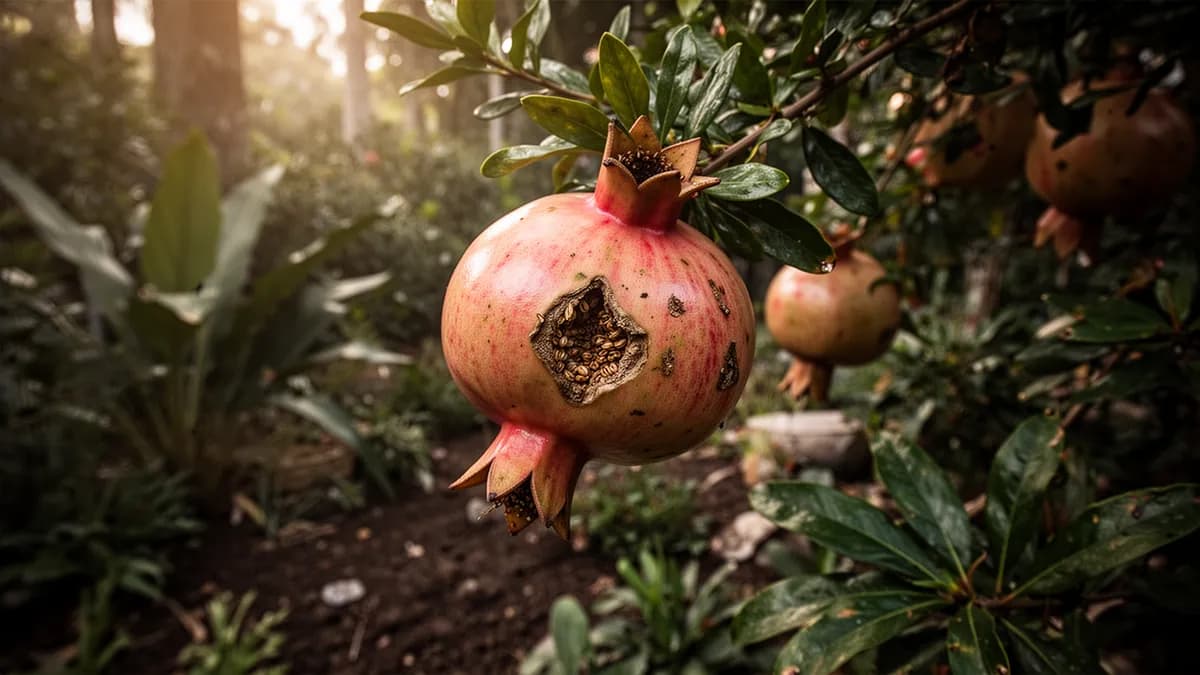
Grow your best Cherimoya yet — and everything around it.
Start a free plan today. Lay out your beds, drop in your Cherimoya, and let PlotMyGarden handle the timing, spacing, companions and reminders from seed to harvest basket.