Agapanthus
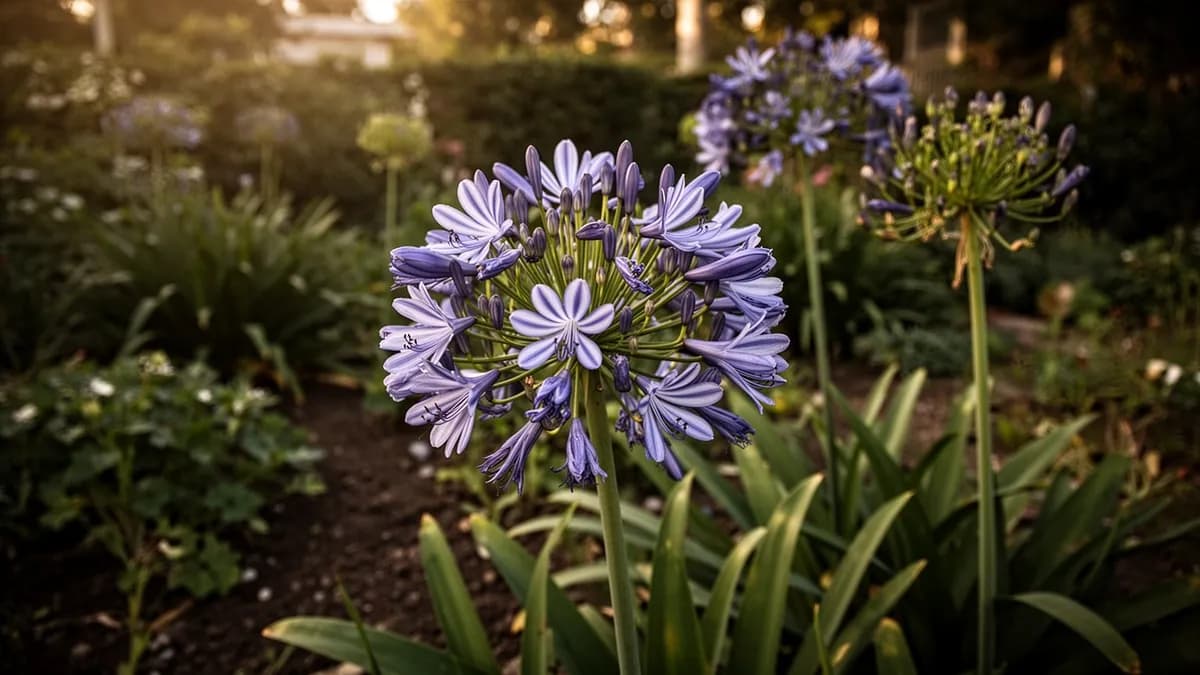
Una vivaz sudafricana que produce racimos globosos de flores azules o blancas en forma de trompeta sobre tallos altos y desnudos.





En esta páginaResumen
Conoce Agapanthus
Una vivaz sudafricana que produce racimos globosos de flores azules o blancas en forma de trompeta sobre tallos altos y desnudos. El agapanthus prospera en contenedores, donde la restriccion de raices en realidad favorece una floracion mas abundante. En climas frios, cultivelo en macetas y paselo el invierno en un lugar libre de heladas o elija las variedades caducas mas resistentes.
Cuándo plantar Agapanthus
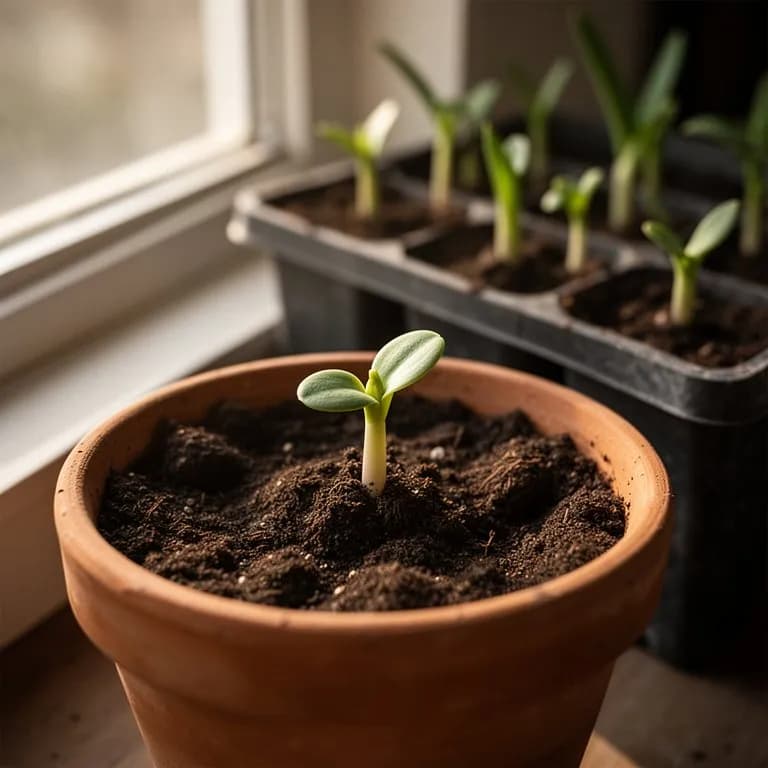
El agapanthus puede cultivarse a partir de semilla, aunque las plantas tardan 2-4 anos en alcanzar el tamano de floracion. Siembre semillas frescas en primavera en sustrato para semilleros humedo y bien drenado a 15-20°C. La germinacion tarda 3-6 semanas. Los plantones varian en el color de la flor, lo que puede ser una loteria emocionante. Para variedades con nombre, la division es la unica opcion: saque las matas apretadas en primavera, lave las raices y separelas en secciones con al menos 4-5 puntos de crecimiento cada una. Replante de inmediato y riegue bien. Las plantas recien divididas pueden tardar un ano en establecerse antes de florecer libremente.
Tu año de Agapanthus
Ajustado a Zona 7 · temporada típica · la helada se va hacia el 2 abr y vuelve hacia el 1 nov
Planta Agapanthus Mar – Abr, Sep y cosecha Jun – Ago. Consulta los métodos de plantación y elige tu clima para adaptar los periodos.
Cómo cultivar Agapanthus
El agapanthus, conocido comunmente como lirio del Nilo o lirio africano, produce espectaculares globos de flores en forma de trompeta sobre largos tallos sin hojas, por encima de un follaje perenne o caducifolio en forma de cintas. Originarias de Sudafrica, estas plantas prosperan en lugares calidos y soleados y se cuentan entre las vivaces de floracion estival mas agradecidas para climas suaves y cultivo en contenedor.
Plante a pleno sol en un suelo bien drenado y moderadamente fertile. El agapanthus funciona de manera extraordinaria en macetas, donde la restriccion de raices favorece una floracion mas profusa: un agapanthus apretado en la maceta florecera mucho mas libremente que uno plantado en un bancal abierto. Para el cultivo en contenedor, elija una maceta solo un poco mas grande que el cepellon y no tenga prisa por trasplantar. Abone con regularidad con un fertilizante liquido alto en potasio durante la temporada de crecimiento para impulsar la produccion floral.
En climas frios (por debajo de la zona 7), cultive el agapanthus exclusivamente en contenedores que puedan trasladarse a un invernadero libre de heladas o a un jardin de invierno fresco durante el invierno. Las variedades caducas (los hibridos Headbourne y similares) son mas resistentes que las de hoja perenne y pueden sobrevivir al aire libre hasta la zona 7 con un acolchado invernal abundante. En zonas suaves, el agapanthus crea una plantacion de bordura permanente espectacular, especialmente eficaz en jardines costeros donde se necesita tolerancia a la sal.
10 plantas caben en un bancal de 120 × 240 cm
Cada Agapanthus pide 45 cm de margen. El planificador guarda ese marco por ti — cada planta, cada bancal.
Los mejores vecinos de Agapanthus
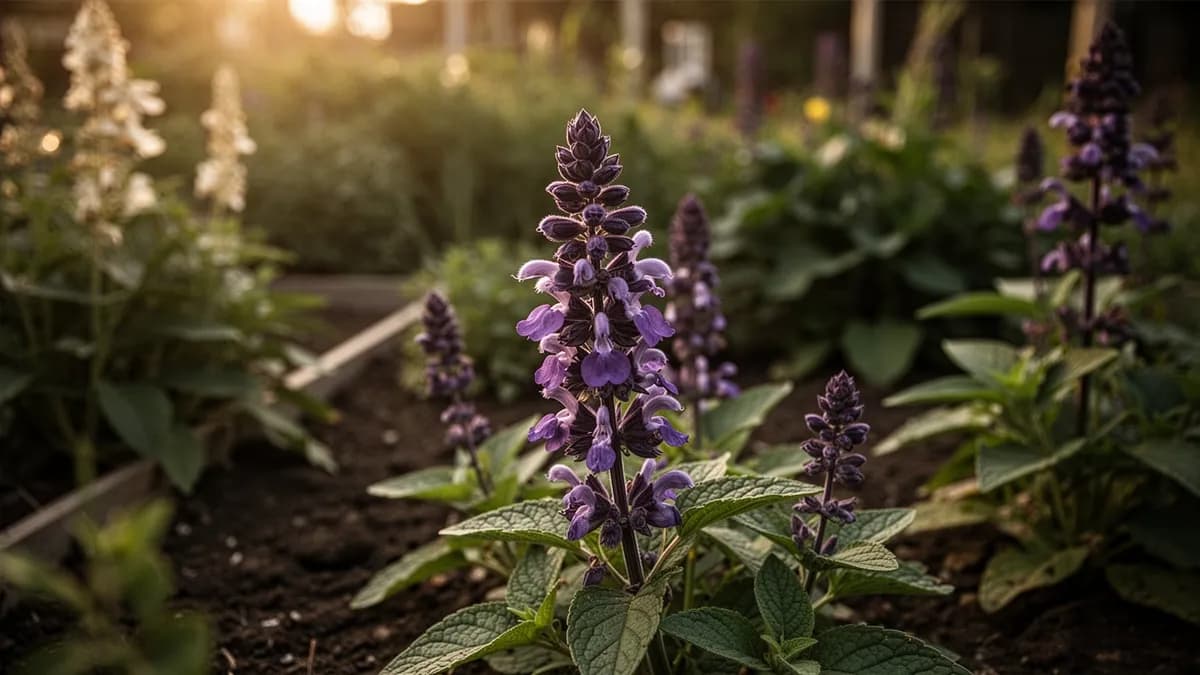
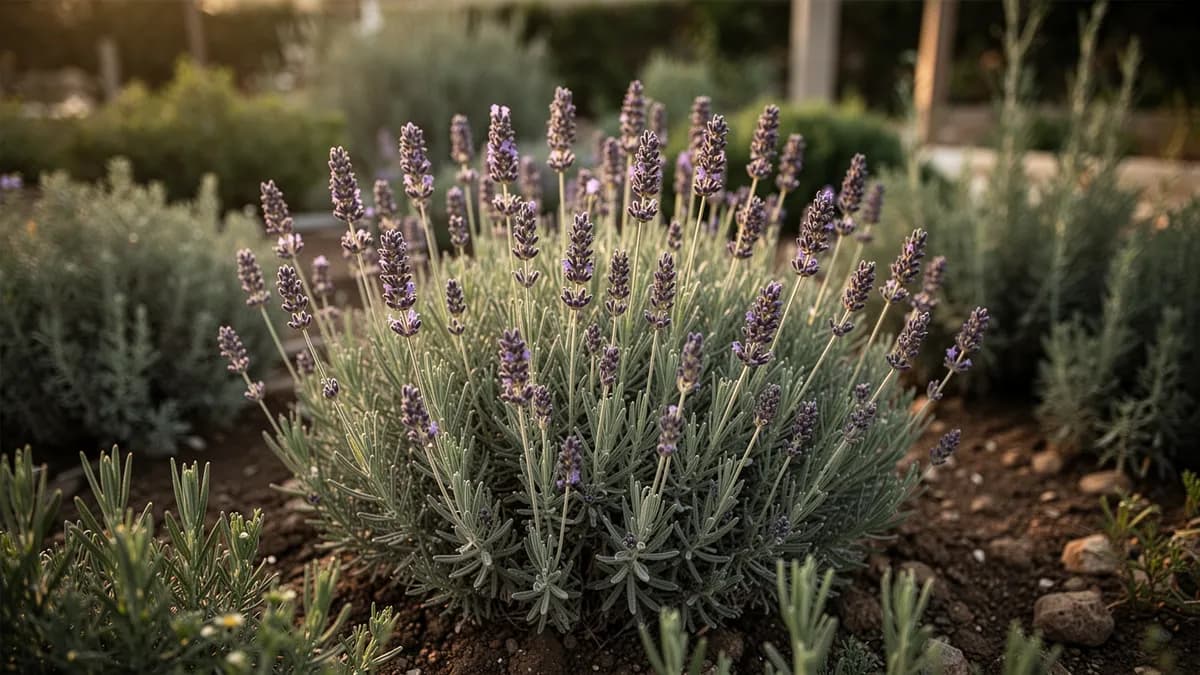
El agapanthus crea combinaciones espectaculares en borduras y contenedores. Los globos azules se combinan magnificamente con crocosmia naranja, lirios de un dia amarillos y rosas rosas. En jardines de estilo mediterraneo, combinalo con lavanda, salvia y graminias ornamentales. El agapanthus blanco brilla en jardines de atardecer junto a plantas de follaje plateado. Para contenedores, rodee una gran maceta de agapanthus con macetas mas pequenas de lobelia colgante, geranios y helichrysum plateado. En jardines costeros, el agapanthus prospera junto a adelfas, romero y margaritas de la costa.
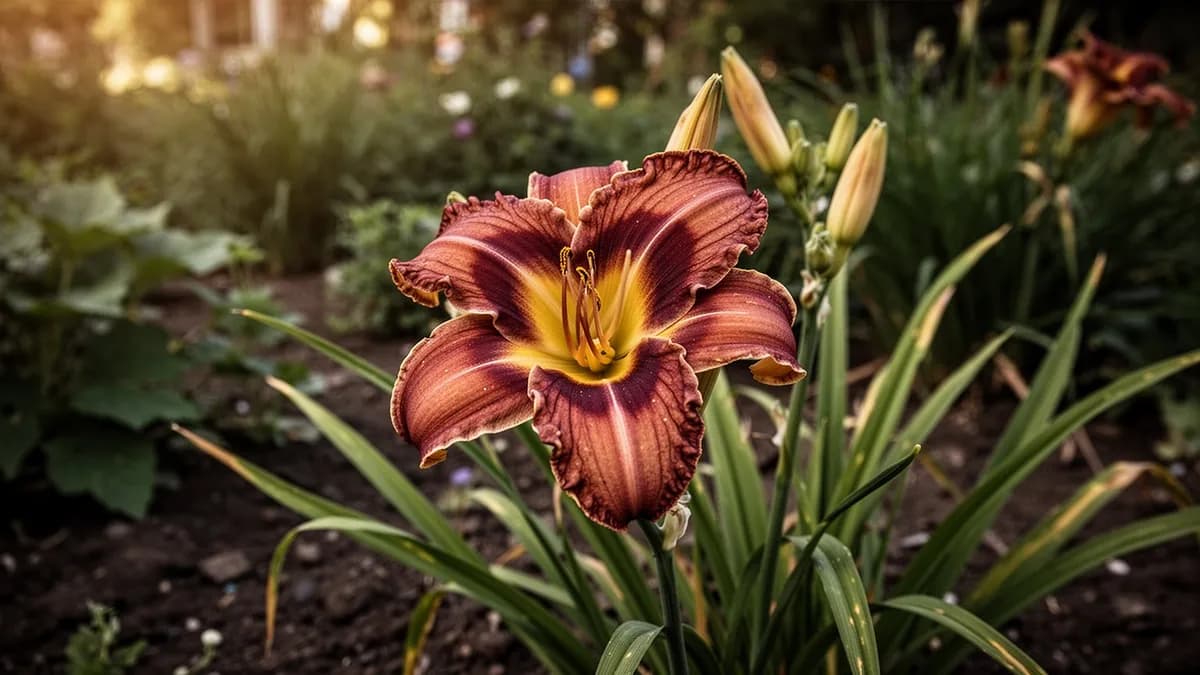
Lirio de un día va a su lado.
Saber de huerto de siempre, cotejado con la tabla real de Agapanthus — prueba cualquier planta que cultives.
Prueba Agapanthus en un bancal, aquí mismo
Un bancal real del planificador con Agapanthus ya plantado. Toca una planta compañera para colocarla y mira cómo responde la comprobación de vecinos: verde para buenos vecinos, rojo si hay conflicto.


Guías de cultivo relacionadas
Abónalo bien
El agapanthus funciona bien en un suelo moderadamente fertile y bien drenado, con un pH de 6.0-7.5. El buen drenaje es esencial, especialmente para sobrevivir al invierno en climas limite. Mejore la arcilla pesada con material grueso y materia organica. Para el cultivo en contenedor, use una mezcla de calidad a base de tierra franca. Abone cada dos semanas durante la temporada de crecimiento con un fertilizante liquido alto en potasio (el abono para tomates funciona bien) para favorecer la floracion. Reduzca el abonado a finales del verano y suspendalo por completo en otono. Cubra las plantas en suelo con compost en primavera.
Temperatura ideal
Compatibilidad de zonas de rusticidad
De la semilla a la cosecha, etapa por etapa
Dormancia y crecimiento inicial
El agapanthus emerge de la dormancia invernal (en los tipos caducos) o reanuda el crecimiento activo (en los tipos perennes) a medida que las temperaturas se suavizan en primavera. Las nuevas hojas en forma de cinta brotan del rizoma carnoso y el sistema radicular empieza a expandirse. Las variedades perennes mantienen su follaje todo el ano, pero ralentizan su crecimiento durante los meses mas frescos.
Crecimiento vegetativo
La planta produce un denso abanico de hojas largas, arqueadas y en forma de cinta que pueden alcanzar 30-60 cm de longitud segun el cultivar. La mata de follaje se espesa a medida que el rizoma se expande bajo tierra, y la planta almacena energia para el periodo de floracion que se aproxima. Durante esta fase el desarrollo de raices es vigoroso, y las matas establecidas pueden empezar a producir divisiones hijas.
Emergencia de las varas florales
Las varas florales altas y robustas empiezan a elevarse desde el centro de la mata de hojas, creciendo con rapidez hasta alturas de 60-120 cm segun la variedad. Cada vara termina en un gran capullo redondeado encerrado en una bractea papirácea. El capullo se hincha poco a poco a medida que se desarrollan en su interior docenas de florecillas individuales. Esta es una de las etapas mas emocionantes, porque el jardin anticipa un espectaculo floral dramatico.
Plena floracion
Las bracteas papiráceas se abren para revelar impresionantes umbelas esfericas compuestas por 20 a 100 florecillas individuales en forma de trompeta, segun la especie y el cultivar. Los colores van del azul violeta intenso al azul cielo palido y al blanco puro. Cada cabezuela puede medir 15-25 cm de ancho. Las flores atraen a polinizadores como abejas y mariposas, y las cabezuelas permanecen vistosas durante tres o cuatro semanas.
Formacion de semillas y declive
Si se dejan en la planta, las cabezas florales marchitas se convierten en atractivas vainas papiráceas de semillas que se abren para revelar semillas planas y negras. El follaje permanece verde y sigue fotosintetizando para reponer el rizoma de cara a la siguiente temporada. Las variedades caducas empiezan a amarillear y a secarse al bajar las temperaturas otoñales, mientras que los tipos perennes conservan su follaje pero detienen el crecimiento activo.
Dormancia invernal
Las especies caducas de Agapanthus entran en dormancia completa, con todo el follaje aereo muriendo por completo. Los rizomas carnosos permanecen vivos bajo tierra, almacenando los nutrientes y la energia necesarios para el crecimiento de la proxima temporada. Las especies perennes mantienen una roseta reducida de follaje, pero detienen el crecimiento activo. Este periodo de descanso es esencial para desencadenar la iniciacion de los nuevos capullos dentro del rizoma.
Empiece a regar con regularidad cuando aparezca el nuevo crecimiento. Aplique un fertilizante equilibrado de liberacion lenta en la base de la planta cuando surjan las primeras hojas. Retire cualquier follaje muerto o dañado que haya quedado del invierno para que el crecimiento nuevo se desarrolle sin impedimentos.
Cuidar Agapanthus mes a mes
Qué hacer cada mes para tu Agapanthus
Octubre
Mes actualCorte las varas florales muertas y cualquier follaje totalmente pardecido de las variedades caducas. Aplique una capa protectora de 10-15 cm de mantillo alrededor de la corona en climas mas frios. Traslade las plantas en contenedor a una posicion resguardada junto a una pared orientada al sur.
Ten claro qué hacer en tu huerto, cada mes
Un correo al empezar cada mes: qué sembrar, plantar y hacer ahora mismo — para tu Agapanthus y todo lo que crece alrededor. Más un breve curso inicial para esquivar los errores clásicos.
- Qué hacer ahora mismo
- Ajustado a tu temporada
- Curso inicial incluido
Cosechar Agapanthus
El agapanthus produce unas flores cortadas excelentes. Corte los tallos cuando se hayan abierto las primeras florecillas de la umbela y otras ya muestren color. Corte por la manana y coloque de inmediato en agua profunda. Las umbelas florales duran 7-14 dias en un jarron, y las florecillas individuales se abren sucesivamente. Las cabezas de semillas redondeadas y verdes tambien resultan atractivas en arreglos y se secan bien. Para recoger semillas, deje algunos tallos en la planta hasta que las capsulas se abran y muestren las semillas negras.
se supone que plantas al comenzar el periodo — indica tu fecha real
Cosecha Agapanthus a tiempo y la planta sigue produciendo.
Almacenamiento y conservación
Las cabezas de semillas del agapanthus se secan con mucha belleza para arreglos. Corte los tallos cuando las semillas esten maduras pero antes de que las capsulas se abran por completo, y coloquelas erguidas en un jarron seco para que se sequen al aire. Las umbelas arquitectonicas conservan su forma durante meses. Las semillas pueden recogerse y almacenarse secas para la siembra de primavera. Para almacenar los rizomas en climas frios, saque las plantas en contenedor antes de las heladas, recorte el follaje a la mitad y guardelas en un lugar fresco (5-10°C), libre de heladas y con poca luz. Riegue con moderacion durante la dormancia invernal, solo lo justo para evitar que las raices se sequen por completo.
Qué falla — y cómo solucionarlo
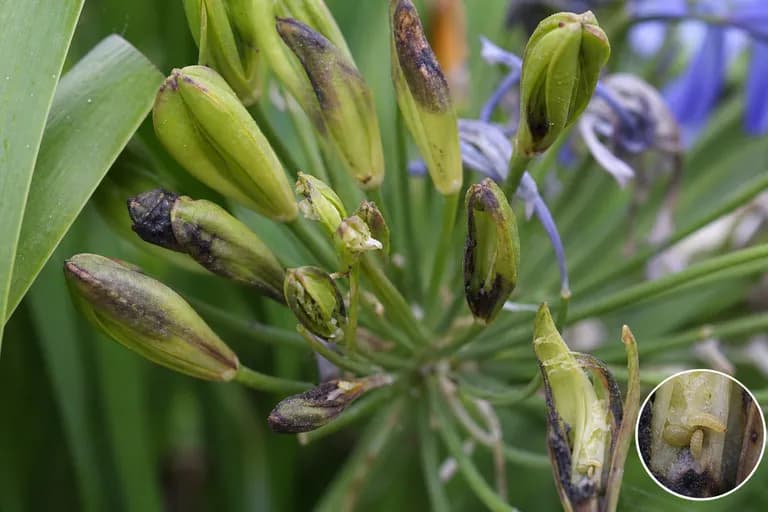
Mosca de agallas del agapanthus
PlagaCapullos florales hinchados y deformados que no llegan a abrirse correctamente. Al abrirlos, pueden verse pequenas larvas en el interior.
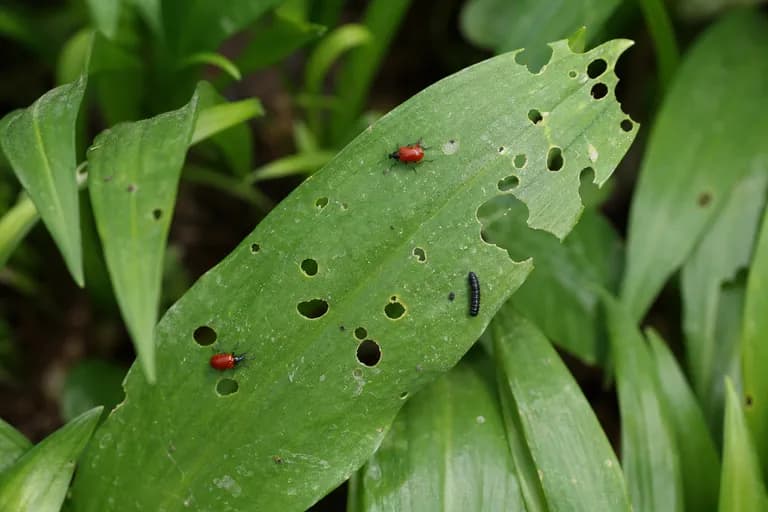
Escarabajo del lirio
PlagaEscarabajos rojos brillantes y sus larvas negras y viscosas alimentandose de las hojas, dejando agujeros y desfoliacion. Los adultos son faciles de ver, pero se dejan caer al suelo cuando se les molesta.
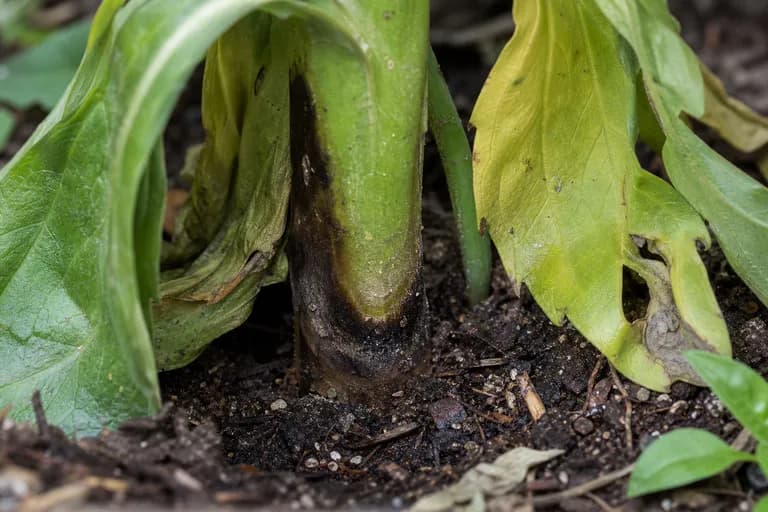
Pudricion de la corona
EnfermedadBase blanda y pastosa con olor a podredumbre. Las hojas amarillean y se desprenden facilmente de la corona. Es mas frecuente en condiciones humedas de invierno.
Solución de problemas comunes
La queja mas comun es la falta de floracion, que suele deberse a poco sol, exceso de nitrogeno, plantacion demasiado profunda o a que la planta es aun joven. El agapanthus cultivado desde semilla puede tardar de dos a cuatro anos en alcanzar la madurez floral. Asegurese de que reciba al menos seis horas de sol directo al dia, use un fertilizante alto en potasio en lugar de uno alto en nitrogeno y compruebe que la corona del rizoma queda al nivel del suelo o apenas por debajo. Paradójicamente, las plantas algo apretadas de raices o ligeramente estresadas suelen florecer mas profusamente que las que estan en un suelo generosamente enmendado.
Consejos de cultivo
- Plante Agapanthus a pleno sol para obtener la mejor floracion. Las plantas cultivadas en semisombra produciran menos tallos florales y los tallos pueden inclinarse hacia la luz, dando lugar a una exhibicion menos atractiva.
- Agapanthus florece mejor cuando esta ligeramente apretado de raices, asi que evite pasarlo a una maceta demasiado grande. Elija solo un recipiente una talla mayor al trasplantar y deje que las raices llenen la maceta antes de dividir.
- Mejore el drenaje en suelos arcillosos pesados anadiendo abundante material grueso, perlita o arena gruesa antes de plantar. Los rizomas de Agapanthus son muy susceptibles a la pudricion en condiciones encharcadas, especialmente durante la dormancia invernal.
- Abone con un fertilizante alto en potasio, como el abono para tomates, desde finales de primavera hasta mediados de verano para fomentar una floracion vigorosa. Evite los abonos altos en nitrogeno, que promueven un follaje exuberante a costa de las flores.
- Quite las varas florales marchitas cortandolas por la base justo despues de la floracion. Esto evita que la planta gaste energia en producir semillas y redirige los recursos a construir el rizoma para la floracion de la proxima temporada.
- Proteja las plantas en las zonas USDA 7 y mas frias aplicando una capa gruesa de mantillo (15-20 cm) sobre la corona despues de que el follaje se haya secado en otono. Retire el mantillo poco a poco en primavera a medida que emerge el crecimiento nuevo para evitar que los brotes se etiolen.
- Riegue de forma profunda pero poco frecuente durante la temporada de crecimiento, procurando un buen remojo semanal en lugar de riegos ligeros y frecuentes. Esto favorece el desarrollo profundo de las raices y mejora la resistencia a la sequia de las plantas establecidas.
- Divida las matas demasiado densas en primavera, cuando el nuevo crecimiento apenas empieza. Use una pala afilada para partir la mata, asegurandose de que cada division tenga al menos tres o cuatro puntos de crecimiento y una buena masa de raices. Replante de inmediato y riegue bien.
- Al cultivar Agapanthus en contenedores, use un compost a base de tierra franca como John Innes No. 3 mezclado con material grueso adicional para mejorar el drenaje. Evite los compost a base de turba, que pueden encharcarse en invierno y secarse en exceso en verano.
- En regiones propensas a heladas tardias de primavera, retrase la retirada de la proteccion invernal hasta que haya pasado todo riesgo de helada fuerte. Los brotes emergentes y los capullos jovenes son mas vulnerables al dano por heladas que el follaje maduro.
Cultiva tu mejor Agapanthus — y todo lo que la rodea.
Empieza un plan gratis hoy. Diseña tus bancales, coloca tu Agapanthus y deja que PlotMyGarden gestione el momento, el espaciado, las asociaciones y los recordatorios de la semilla a la cesta.
Elige tu Agapanthus
Agapanthus 'Headbourne Hybrids'
La estirpe mas resistente, de hoja caduca y apta para la zona 7 con proteccion. Disponible en varios azules y blanco, seleccionada en Inglaterra por su tolerancia al frio.
Agapanthus 'Northern Star'
Flores azul violeta intenso sobre tallos robustos de 90 cm con una resistencia al frio excepcional. Una de las mejores opciones para jardines en el limite del area de cultivo del agapanthus.
Agapanthus africanus 'Albus'
El agapanthus blanco clasico, con globos florales blancos puros sobre un follaje perenne verde oscuro. Espectacular en jardines de luz de luna.
Agapanthus 'Twister'
Una variedad bicolor llamativa con flores blancas que se abren desde capullos azules, creando un efecto de dos tonos. Porte compacto ideal para contenedores.
Un solo rizoma de Agapanthus adquirido por aproximadamente 8-15 € se multiplicara hasta formar una mata considerable en tres o cuatro anos, produciendo docenas de tallos florales cada verano. Las matas establecidas pueden dividirse cada cuatro o cinco anos, obteniendo 5-10 plantas nuevas por division sin coste adicional. A lo largo de un periodo de diez anos, una sola compra inicial puede generar 30 o mas plantas valoradas en 240-450 € a precios de vivero. Su bajo consumo de agua, los minimos problemas de plagas y su larga vida util de 20 anos o mas hacen del Agapanthus una de las vivaces ornamentales mas rentables para borduras, contenedores y plantaciones masivas.
Recetas rápidas
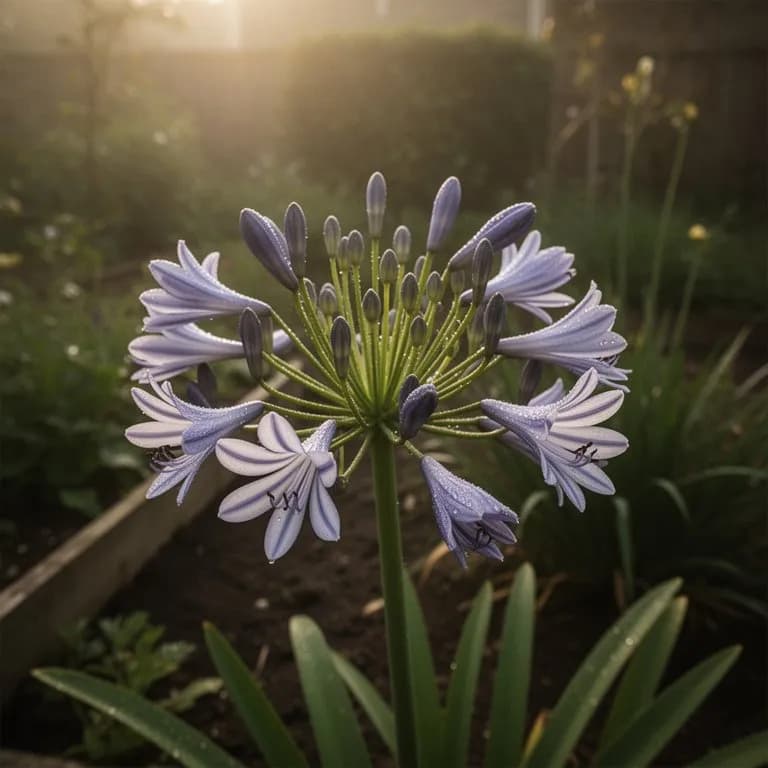
Impresionante arreglo de flor cortada de agapanthus
15 minutosCree una composicion floral dramaticamente elegante usando tallos de agapanthus recien cortados. Su forma alta y arquitectonica y sus cabezas florales esfericas los convierten en flores focales ideales para grandes arreglos en jarron. Las flores duran hasta dos semanas en agua si se cortan en el momento adecuado y se acondicionan bien antes de colocarlas.
5 ingredientes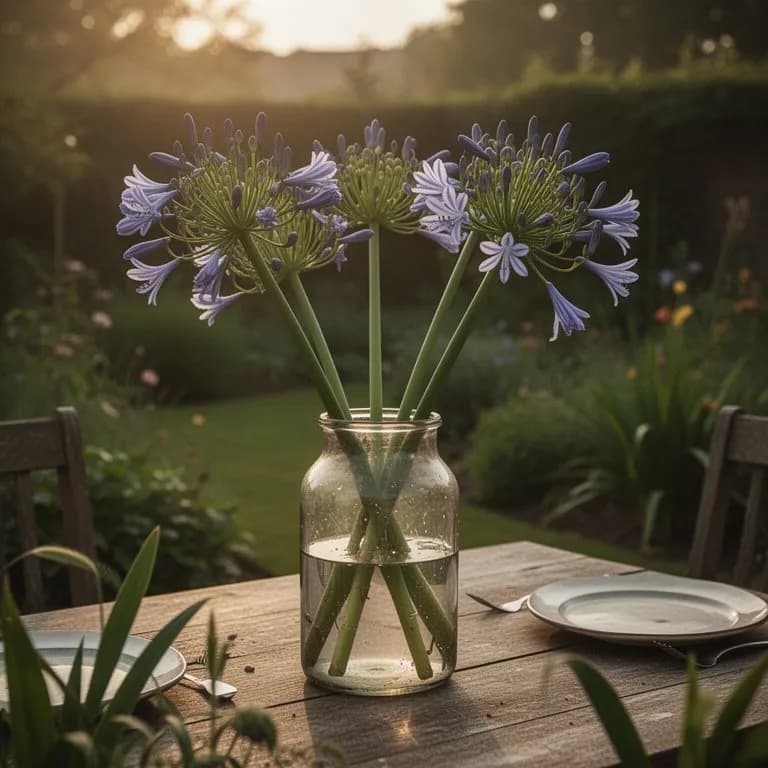
Corona de cabezas de semilla secas de agapanthus
45 minutosTransforme las cabezas de semilla secas de agapanthus en una bonita corona natural para la puerta o la pared. Las vainas arquitectonicas conservan su forma con gran belleza al secarse y pueden dejarse naturales o rociarse con pintura metalizada para un aspecto contemporaneo que dura toda la temporada de invierno.
5 ingredientes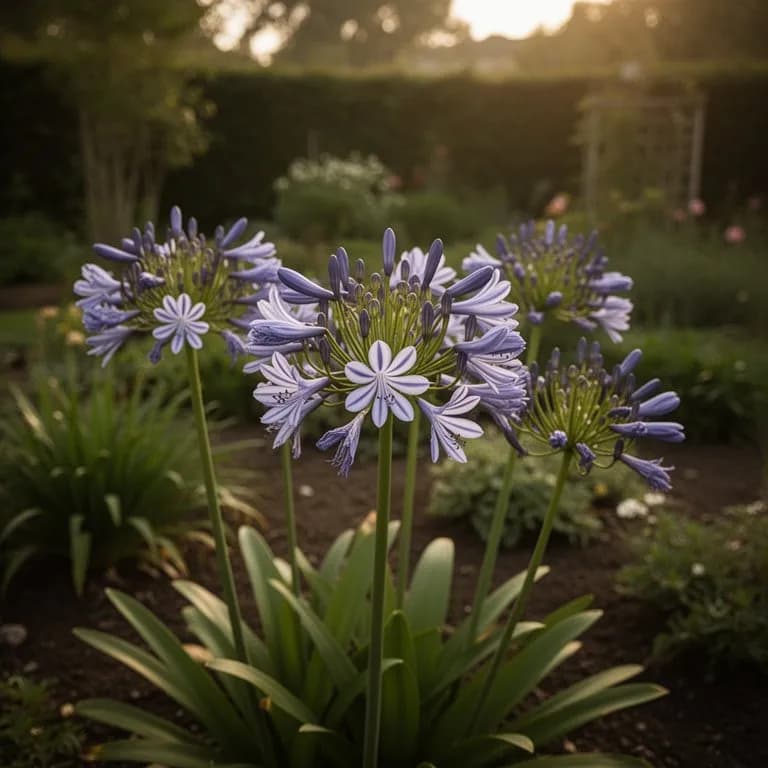
Arte floral prensado de agapanthus
30 minutos activos mas 3 semanas de secadoPrense florecillas y hojas individuales de agapanthus para crear elegantes piezas de arte botanico. Las pequenas flores en forma de trompeta se aplastan con gran belleza y conservan gran parte de su color azul o blanco cuando se prensan y secan correctamente. Enmarque los resultados para obtener arte mural duradero o uselos en tarjetas artesanales.
5 ingredientesQué contiene
Beneficios para la salud
- La medicina tradicional zulú y xhosa usa preparaciones de raiz de Agapanthus como expectorante para la tos, los resfriados y la congestion toracica, aunque estos remedios solo deberian usarse bajo la guia de curanderos tradicionales cualificados.
- Las investigaciones han identificado sapogeninas y saponinas en las raices de Agapanthus que muestran propiedades antiinflamatorias en estudios de laboratorio, aunque las aplicaciones clinicas en humanos aun no se han establecido.
- En las practicas tradicionales del parto en el sur de Africa, las decocciones de raiz de Agapanthus se administraban a mujeres embarazadas como tónico protector durante las ultimas semanas de embarazo y para facilitar el parto.
- Algunos estudios han encontrado que los extractos de Agapanthus muestran actividad antimicrobiana contra ciertas cepas bacterianas in vitro, lo que contribuye a la investigacion continua sobre agentes antimicrobianos basados en plantas.
- Cultivar Agapanthus en jardines domesticos proporciona beneficios de salud mental bien documentados asociados a la jardineria ornamental, incluidos la reduccion del estres, la mejora del estado de animo y un aumento de la actividad fisica a traves del cuidado de las plantas.
- Las abundantes flores ricas en nectar del Agapanthus apoyan la salud de los polinizadores al proporcionar una importante fuente de alimento de pleno verano para abejas meliferas, abejorros y sírfidos beneficiosos en el ecosistema del jardin.
De dónde viene Agapanthus
Agapanthus es un genero de plantas vivaces herbaceas nativas exclusivamente del sur de Africa, donde crece de forma silvestre en Sudafrica, Mozambique, Lesoto y Eswatini (antes Suazilandia). El genero comprende aproximadamente 10 especies reconocidas, desde el gran Agapanthus praecox perenne hasta el compacto Agapanthus campanulatus caducifolio. Las poblaciones silvestres prosperan en laderas rocosas, pendientes herbosas y a lo largo de arroyos, desde regiones costeras hasta altitudes de 2.000 metros en las montanas Drakensberg. Los pueblos indigenas zulú, xhosa y sotho han usado Agapanthus con fines medicinales durante siglos, empleando preparaciones de raiz para tratar afecciones que van desde la tos y las infecciones toracicas hasta problemas cardiacos y la salud prenatal. Los botanicos europeos encontraron la planta por primera vez a finales del siglo XVII, cuando los colonos neerlandeses del Cabo de Buena Esperanza empezaron a enviar ejemplares a los jardines botanicos de Leiden y Amsterdam. La primera especie descrita formalmente fue Agapanthus africanus por el botanico frances Michel Adanson en 1763, aunque la planta se cultivaba en jardines europeos al menos desde la decada de 1690. Durante los siglos XVIII y XIX, Agapanthus se convirtio en una planta de invernadero de moda en toda Europa, especialmente en Gran Bretana, donde se cultivaba en grandes recipientes y se pasaba el invierno en orangeries. Los esfuerzos importantes de hibridacion comenzaron a mediados del siglo XX, liderados por obtentores como Lewis Palmer en la finca Headbourne de Hampshire, Inglaterra, quien desarrollo a partir de la decada de 1940 los famosos hibridos Headbourne resistentes al frio. Hoy existen cientos de cultivares con nombre en un amplio espectro de tonos azules, violetas y blancos, ademas de formas enanas adecuadas para jardines pequenos y contenedores. Agapanthus se ha convertido en una de las vivaces ornamentales mas plantadas de las regiones templadas y subtropicales de todo el mundo, apreciada por sus espectaculares floraciones estivales y su bajo mantenimiento.
Agapanthus: ¿sabías que?
Datos fascinantes sobre Agapanthus
El nombre Agapanthus procede de las palabras griegas agape, que significa amor, y anthos, que significa flor, lo que le da el romantico nombre comun de flor del amor, ademas del mas conocido lirio del Nilo.
Agapanthus: preguntas frecuentes
¿Cuándo debo plantar Agapanthus?
¿Cuáles son buenas plantas acompañantes para Agapanthus?
¿En qué zonas de rusticidad puede crecer Agapanthus?
¿Cuánto sol necesita Agapanthus?
¿A qué distancia debo espaciar Agapanthus?
¿Qué plagas y enfermedades afectan a Agapanthus?
¿Cómo almaceno Agapanthus después de la cosecha?
¿Cuáles son las mejores variedades de Agapanthus para cultivar?
¿Qué suelo necesita Agapanthus?
Por que mi Agapanthus no florece?
Agapanthus es venenoso para mascotas y ninos?
Puede Agapanthus sobrevivir a las heladas y a los inviernos frios?
Como divido y propago Agapanthus?
Cuales son las mejores plantas companeras para Agapanthus?
Debo cultivar Agapanthus en macetas o en tierra?
Acabas de leer la teoría. Ahora cultívala en piloto automático.
Todo lo que hace que Agapanthus sea delicado — el momento, el espaciado, las asociaciones, la ventana de cosecha — es justo lo que PlotMyGarden resuelve por ti, para cada planta de tu huerto.
Un plan que conoce tu clima
Indica tu ubicación una vez. Recibe fechas de siembra, abonado y cosecha basadas en tu última helada real y el pronóstico en vivo — sin adivinar con un sobre genérico.
De la sección “Cuándo plantar”Planificador de bancales de arrastrar y soltar
Diseña bancales sobre una cuadrícula. Cada planta encaja con su espaciado correcto y ves toda la temporada antes de gastar un céntimo en semillas.
De la sección “Cultivo”Conflictos de asociación, detectados a tiempo
Más de 200 buenas y malas combinaciones comprobadas en vivo mientras plantas — para que un error que arruine la temporada nunca llegue a la tierra.
De la sección “Asociaciones”Recordatorios que sí vas a seguir
“Riega las judías.” “Recoge hoy antes de que se pase.” Oportunos, concretos y ligados a las plantas que de verdad cultivas.
De la sección “Cosecha”Escalonado, programado
¿Quieres cosechar seis semanas en vez de seis días? Reparte tus siembras automáticamente y te avisa cuando toca el siguiente lote.
De la sección “Cuándo plantar”Un registro que se vuelve más listo
Cada cosecha que registras le enseña tu huerto. El plan del año que viene parte de lo que de verdad funcionó en tu suelo, no en un manual.
De la sección “Resumen”Planta estos junto a Agapanthus
Más Perennes
Cultiva tu mejor Agapanthus — y todo lo que la rodea.
Empieza un plan gratis hoy. Diseña tus bancales, coloca tu Agapanthus y deja que PlotMyGarden gestione el momento, el espaciado, las asociaciones y los recordatorios de la semilla a la cesta.