Tomate San Marzano
Considerado el tomate definitivo para salsas italianas, el San Marzano produce frutos alargados y cilíndricos con pulpa extraordinariamente espesa, pocas semillas y una acidez equilibrada perfecta para la passata y el sugo napoletano.





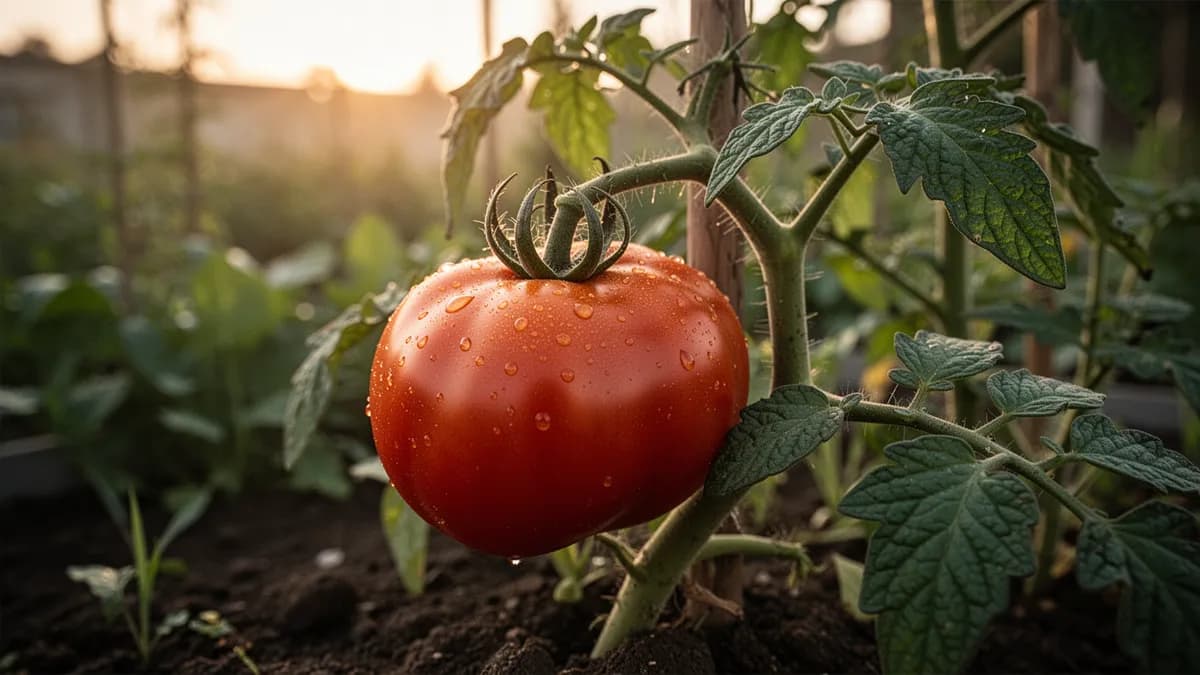
En esta páginaResumen
Conoce Tomate San Marzano
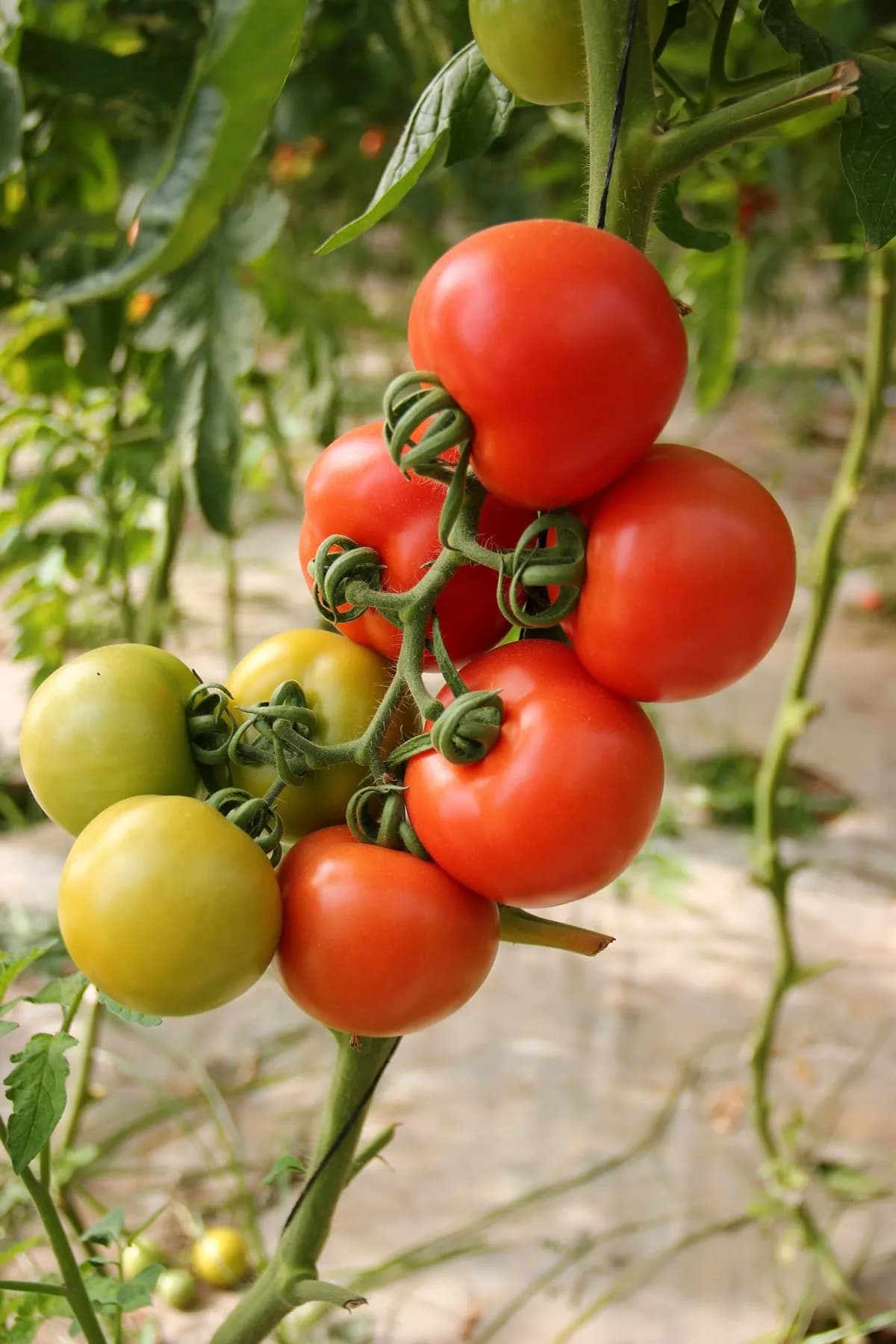
Considerado el tomate definitivo para salsas italianas, el San Marzano produce frutos alargados y cilíndricos con pulpa extraordinariamente espesa, pocas semillas y una acidez equilibrada perfecta para la passata y el sugo napoletano. Originario de las faldas del Vesubio en Campania, esta variedad indeterminada requiere tutores fuertes y una temporada cálida prolongada.
Cuándo plantar Tomate San Marzano
Siembre las semillas en interior 6-8 semanas antes de la última helada prevista, a 6 mm de profundidad en mezcla estéril, manteniendo la temperatura a 21-27 °C. La germinación ocurre en 5-10 días. Proporcione 14-16 horas de luz intensa diaria. Trasplante a macetas individuales de 8 cm cuando aparezca el primer par de hojas verdaderas y endurezca las plántulas 7-10 días antes del trasplante definitivo.
Tu año de Tomate San Marzano
Ajustado a Zona 7 · temporada típica · la helada se va hacia el 2 abr y vuelve hacia el 1 nov
Planta Tomate San Marzano Feb – May y cosecha Jul – Sep. Consulta los métodos de plantación y elige tu clima para adaptar los periodos.
Cómo cultivar Tomate San Marzano
El tomate San Marzano es una variedad indeterminada vigorosa que puede alcanzar 1,5-1,8 metros de altura, necesitando tutores robustos o jaulas de gran tamaño desde el trasplante. Inicie las semillas en interior 6-8 semanas antes de la última helada, sembrando a 6 mm de profundidad en sustrato estéril a 21-27 °C. Trasplante al exterior cuando las temperaturas nocturnas superen los 13 °C de forma constante, enterrando el tallo hasta las primeras hojas verdaderas.
Plante con un espaciado de 60-75 cm entre plantas en hileras separadas 90 cm en una ubicación con al menos 8 horas de sol directo. Pode los chupones laterales regularmente para dirigir la energía hacia la producción de frutos y mejorar la circulación de aire, reduciendo la incidencia de enfermedades fúngicas. El acolchado con paja orgánica de 8-10 cm mantiene la humedad uniforme.
Riegue de forma profunda y constante, aportando 2,5-4 cm de agua por semana preferiblemente mediante riego por goteo. Evite mojar el follaje para prevenir el tizón. Fertilice con un abono rico en fósforo y potasio una vez que los primeros frutos comiencen a cuajar, reduciendo el nitrógeno para evitar crecimiento vegetativo excesivo a expensas de la fructificación.
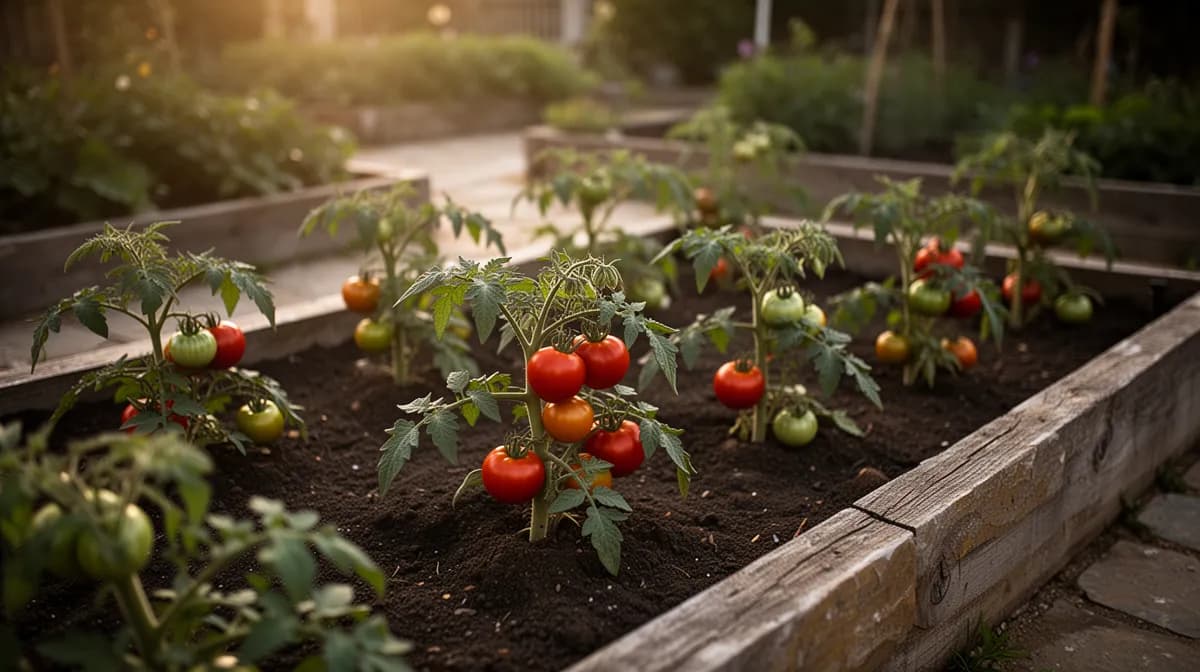
8 plantas caben en un bancal de 120 × 240 cm
Cada Tomate San Marzano pide 60 cm de margen. El planificador guarda ese marco por ti — cada planta, cada bancal.
Los mejores vecinos de Tomate San Marzano
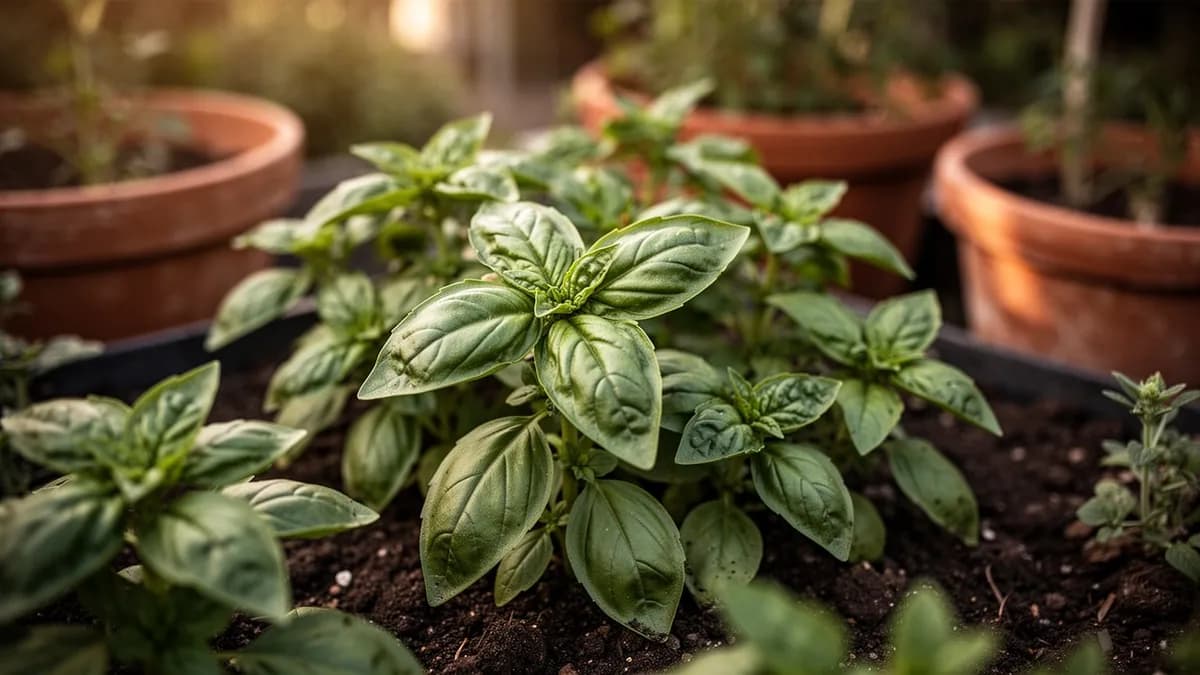
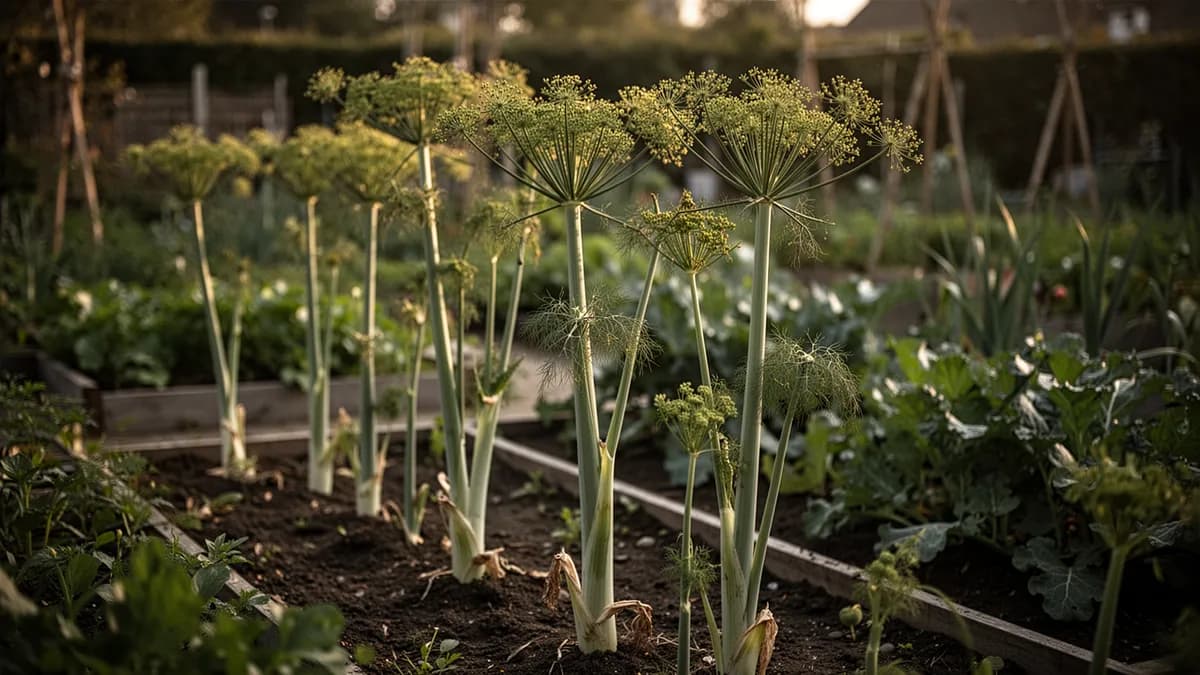
La albahaca es su compañera por excelencia, cuyos aceites volátiles repelen pulgones y, según la tradición, mejoran el sabor del tomate. Las caléndulas francesas liberan exudados radiculares que suprimen nematodos del suelo. Las zanahorias aflojan la tierra circundante. Evite plantar cerca de hinojo o kohlrabi.
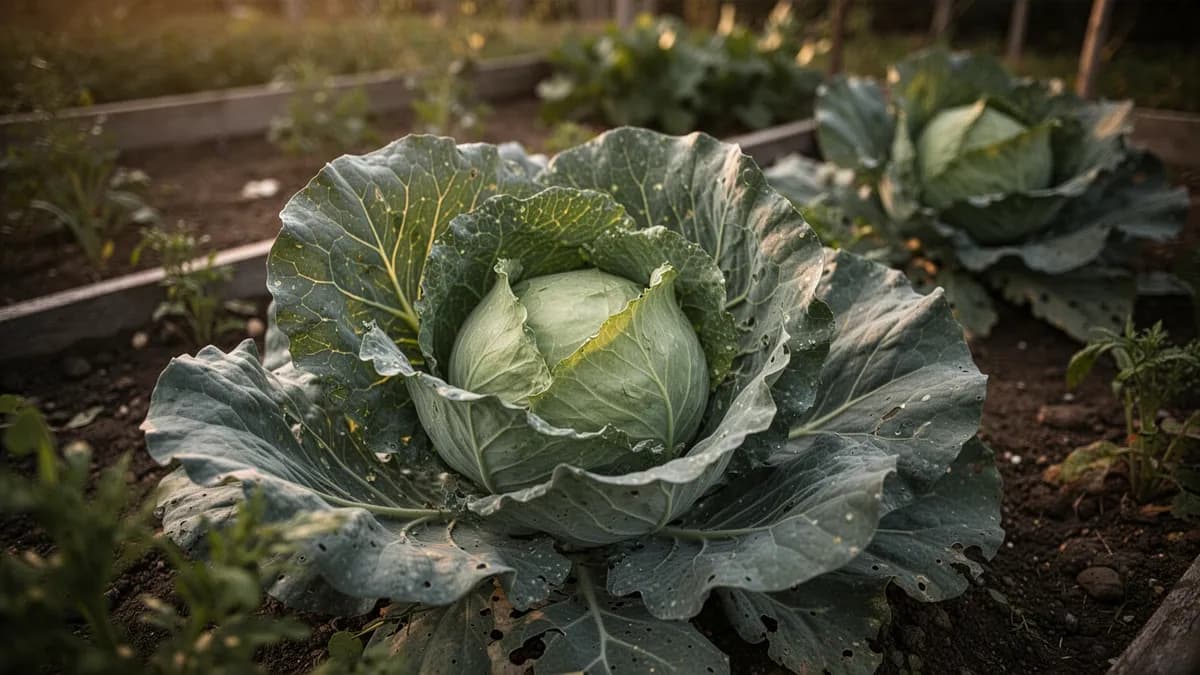
Albahaca va a su lado. Repollo no.
Saber de huerto de siempre, cotejado con la tabla real de Tomate San Marzano — prueba cualquier planta que cultives.
Prueba Tomate San Marzano en un bancal, aquí mismo
Un bancal real del planificador con Tomate San Marzano ya plantado. Toca una planta compañera para colocarla y mira cómo responde la comprobación de vecinos: verde para buenos vecinos, rojo si hay conflicto.


Guías de cultivo relacionadas
Abónalo bien
Prospera en suelo franco bien drenado con alto contenido de materia orgánica y pH entre 6,0-6,8. Incorpore 5-8 cm de compost maduro antes del trasplante y añada harina de hueso para aportar fósforo. Una vez que los frutos comiencen a cuajar, fertilice cada 3 semanas con abono bajo en nitrógeno y rico en potasio.
Temperatura ideal
Compatibilidad de zonas de rusticidad
De la semilla a la cosecha, etapa por etapa
Siembra
Las semillas germinan en un sustrato de siembra cálido y húmedo. Primero emerge la radícula, luego el hipocótilo arqueado atraviesa la superficie y despliega dos cotiledones lisos y ovalados. Las semillas de San Marzano pueden tardar más en germinar que los híbridos modernos, a menudo necesitan 10-14 días incluso con temperaturas óptimas de 24-29°C.
Desarrollo de plántula
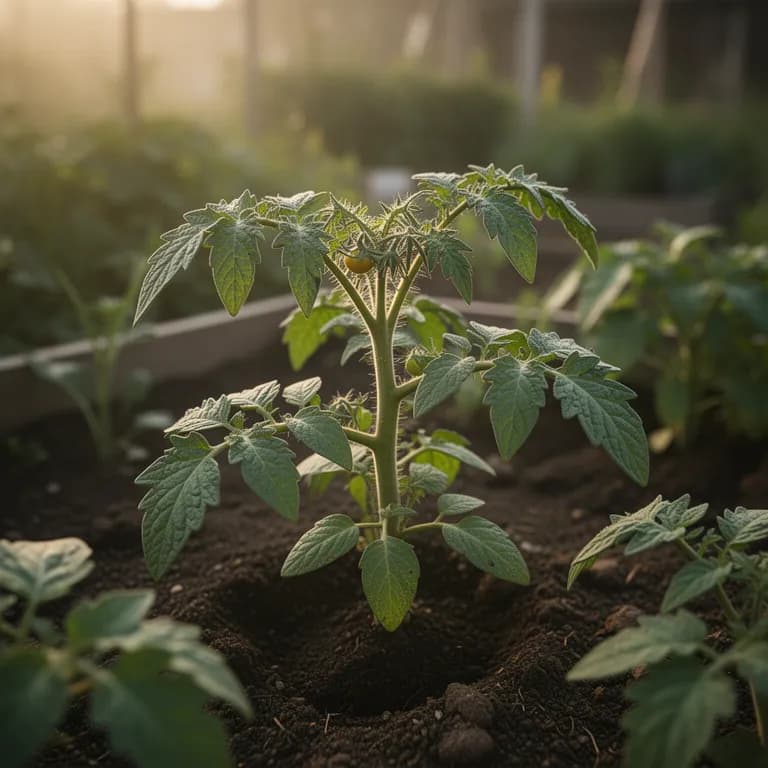
Las hojas verdaderas desarrollan la forma característica de hoja de tomate, compuesta y serrada, y al tocarlas desprenden el aroma típico del tomate. El tallo se engrosa y aparecen finos pelos. Las plántulas se pasan a recipientes más grandes a medida que las raíces llenan sus celdas.
Crecimiento vegetativo
Después del endurecimiento y el trasplante al exterior, las plantas crecen con vigor como una enredadera indeterminada, produciendo nuevas hojas, brotes laterales y alargándose rápidamente. El tallo principal se engrosa y la planta empieza a trepar por su soporte.
Floración y cuajado
Pequeñas flores amarillas aparecen en racimos a lo largo del tallo. Cada flor se autopoliniza, pero se beneficia del viento o de una vibración suave para liberar el polen. Una polinización exitosa produce pequeños frutos verdes y alargados en la base de las flores marchitas.
Desarrollo del fruto
Los frutos verdes se alargan hasta adoptar la clásica forma de ciruela, creciendo 8-12 cm de largo con paredes gruesas y cavidades pequeñas de semillas. A medida que maduran, aparece un leve rubor en el extremo floral que se extiende gradualmente hacia arriba.
Temporada de cosecha
Los frutos maduran hasta un rojo intenso y uniforme, con pulpa firme y carnosa. Al ser una variedad indeterminada, San Marzano sigue produciendo nuevas flores y frutos mientras maduran los racimos anteriores, ofreciendo una cosecha continua hasta las heladas.
Mantén una temperatura constante del sustrato de 24-29°C con una manta térmica. No riegues en exceso: el sustrato debe estar húmedo, no encharcado. Proporciona luz fuerte inmediatamente después de la emergencia para evitar plántulas débiles y alargadas.
Cuidar Tomate San Marzano mes a mes
Qué hacer cada mes para tu Tomate San Marzano
Octubre
Mes actualFinal harvests in most zones as frost threatens. Pick all remaining fruit, including green tomatoes, before the first hard frost. Green San Marzanos ripen well indoors in a paper bag at room temperature. Pull spent plants and compost disease-free material.
Ten claro qué hacer en tu huerto, cada mes
Un correo al empezar cada mes: qué sembrar, plantar y hacer ahora mismo — para tu Tomate San Marzano y todo lo que crece alrededor. Más un breve curso inicial para esquivar los errores clásicos.
- Qué hacer ahora mismo
- Ajustado a tu temporada
- Curso inicial incluido
Cosechar Tomate San Marzano
Coseche los tomates San Marzano cuando hayan alcanzado un color rojo intenso y uniforme, generalmente entre 78-85 días después del trasplante. Los frutos deben sentirse firmes pero ceder ligeramente a una presión suave. Recolecte por la mañana cortando el pedúnculo con tijeras de podar limpias.
se supone que plantas al comenzar el periodo — indica tu fecha real
Cuando los frutos estén totalmente maduros en la planta, de un rojo intenso y uniforme, y se desprendan fácilmente con un tirón suave.
Almacenamiento y conservación
Los frutos frescos se conservan a temperatura ambiente durante 5-7 días; no los refrigere ya que temperaturas por debajo de 10 °C destruyen los compuestos de sabor. Para conservación a largo plazo, el San Marzano es insuperable para enlatar, preparar passata, secar al sol o deshidratar. Puede escaldar, pelar y congelar enteros o triturados para usar durante el invierno.
Qué falla — y cómo solucionarlo
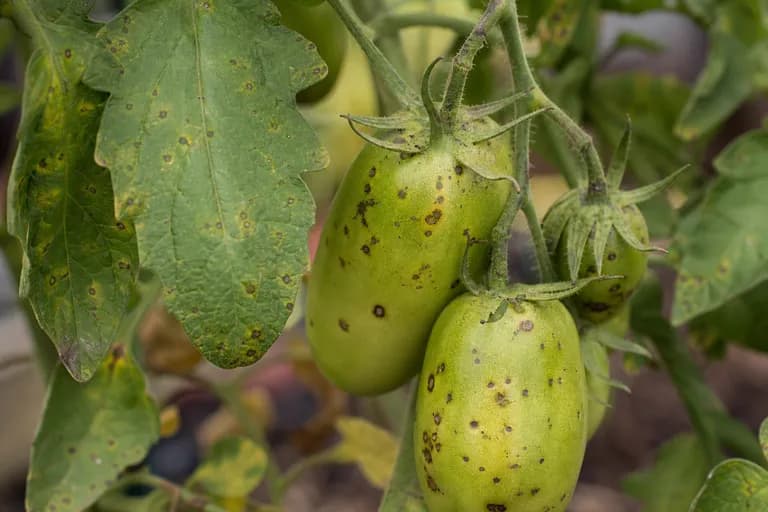
Tizón tardío
EnfermedadManchas grandes, irregulares y oscuras de aspecto acuoso en hojas y tallos que se expanden rápidamente en condiciones frescas y húmedas. Puede aparecer moho blanquecino en el envés de las hojas.
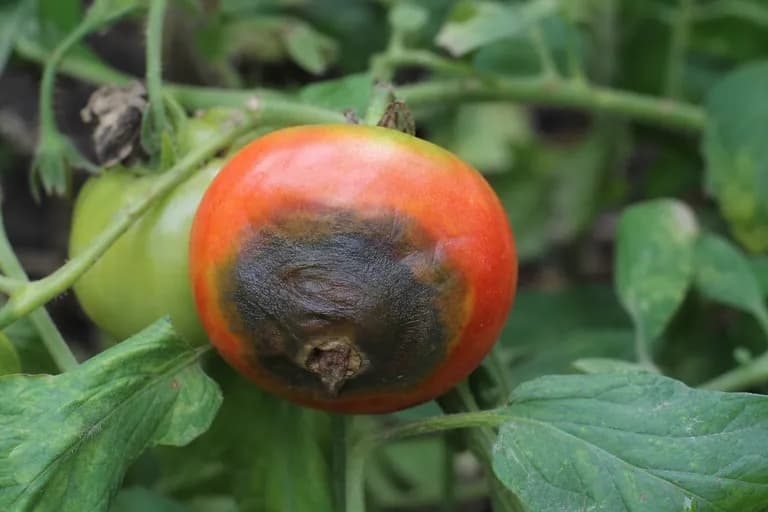
Podredumbre apical
EnfermedadManchas oscuras, hundidas y coriáceas en el extremo inferior de los frutos en desarrollo, especialmente los primeros racimos de la temporada.
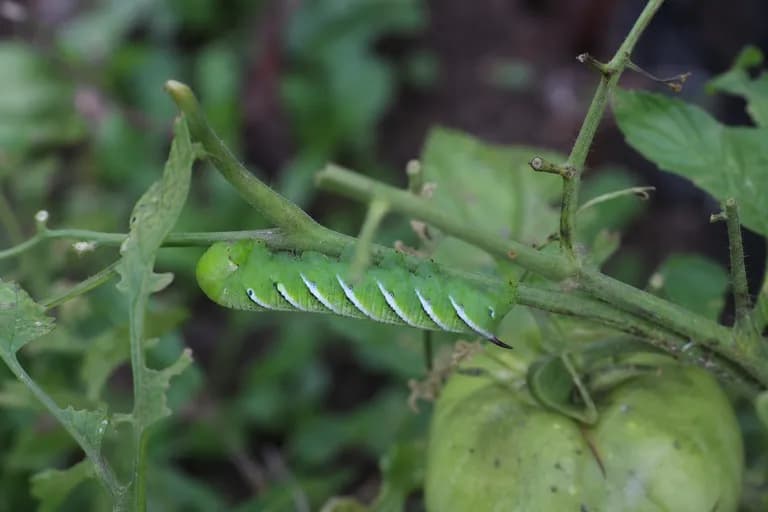
Gusano del tomate
PlagaOrugas grandes y verdes con rayas diagonales blancas que devoran rápidamente el follaje, pudiendo consumir hojas enteras en pocos días. Excrementos oscuros visibles en hojas inferiores.
Solución de problemas comunes
La podredumbre apical es el problema más frecuente, causada por riego irregular que impide la absorción de calcio. El agrietamiento de los frutos ocurre tras lluvias intensas después de periodos de sequía. Las hojas inferiores amarillentas son normales conforme la planta madura. El enrollamiento foliar sin otros síntomas suele indicar estrés por calor excesivo.
Consejos de cultivo
- Plant San Marzano seedlings deeply — bury at least two-thirds of the stem at transplanting. Tomatoes produce adventitious roots along any buried stem, creating a massive root system that improves drought resistance, nutrient uptake, and overall plant vigor.
- San Marzano is an indeterminate (vining) variety that requires strong, tall support. Use sturdy 180-210 cm stakes, heavy-duty cages, or a string trellis system. Flimsy supports will collapse under the weight of a fully loaded plant by mid-season.
- Remove all suckers (side shoots) below the first flower cluster to create a clean lower stem with good air circulation. Above the first cluster, you can choose to let 1-2 additional leaders develop for more fruit, or maintain a single leader for earlier, larger tomatoes.
- Consistent watering is critical — San Marzanos are particularly susceptible to blossom end rot (a calcium uptake disorder caused by irregular watering). Water deeply 2-3 times per week rather than shallowly every day. Drip irrigation is ideal.
- Mulch heavily with straw or shredded leaves once the soil has warmed to at least 18°C. Mulch conserves moisture, suppresses weeds, and prevents soil-borne disease spores from splashing onto lower leaves during rain.
- Remove lower leaves progressively as the plant grows — by midsummer, strip all foliage below the lowest ripening fruit cluster. This dramatically reduces early blight infection, improves air circulation, and redirects energy to fruit production.
- For the best sauce tomatoes, reduce watering slightly (by about 25%) once fruits begin to color. Mild water stress concentrates sugars and flavor compounds in the flesh, producing a more intensely flavored tomato for cooking.
- If your growing season is short (under 120 frost-free days), choose a San Marzano hybrid like 'San Marzano Redorta' or 'Granadero' that matures 10-15 days earlier than the traditional open-pollinated variety while retaining most of the classic flavor and shape.
Cultiva tu mejor Tomate San Marzano — y todo lo que la rodea.
Empieza un plan gratis hoy. Diseña tus bancales, coloca tu Tomate San Marzano y deja que PlotMyGarden gestione el momento, el espaciado, las asociaciones y los recordatorios de la semilla a la cesta.
Elige tu Tomate San Marzano
San Marzano 2
Selección mejorada del clásico italiano con mayor resistencia a enfermedades, especialmente al virus del mosaico del tabaco. Frutos alargados de 10-12 cm con pulpa densa. Indeterminada, 78-85 días.
San Marzano Redorta
Variante más alargada y estrecha con sabor excepcionalmente dulce y concentrado, muy apreciada para salsas artesanales. Indeterminada, 80-90 días.
Lungo di Napoli
Variedad napolitana emparentada que produce frutos aún más largos (hasta 15 cm) con pulpa carnosa y sabor intenso. Indeterminada, 85-90 días.
Granadero
Híbrido moderno de tipo San Marzano con excelente resistencia a fusarium y verticillium. Produce abundantes racimos uniformes perfectos para enlatar. Indeterminada, 73 días.
A single San Marzano plant costing $3-5 (or pennies from seed) can produce 4-6 kg of tomatoes per season. Authentic DOP San Marzano canned tomatoes retail for $5-8 per 800g can, and premium domestic San Marzano-type cans cost $3-5 each. Growing just 6-8 plants produces enough to can 20-30 jars of sauce, representing $80-150 in equivalent store-bought product. The savings are even greater when you consider that homemade sauce from vine-ripened San Marzanos is superior in flavor to any canned product available at retail.
Recetas rápidas
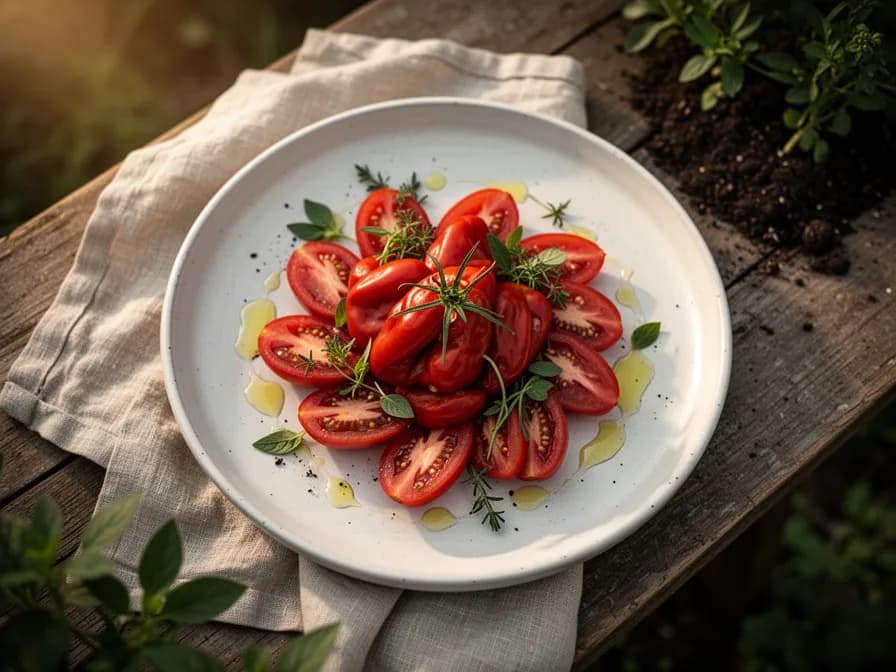
Classic San Marzano Marinara
30 minThe quintessential Italian tomato sauce — crushed San Marzano tomatoes simmered gently with garlic, olive oil, and fresh basil. The naturally thick, sweet flesh of San Marzanos means this sauce needs no added sugar, minimal cooking time, and produces a velvety consistency that clings to pasta perfectly.
7 ingredientesOven-Roasted San Marzano Bruschetta
25 minSan Marzano tomatoes halved and slow-roasted until concentrated and caramelized, then piled onto garlic-rubbed grilled bread with fresh mozzarella and torn basil. The roasting intensifies the tomato's natural sweetness and creates an unforgettable appetizer.
8 ingredientesSan Marzano Pizza Sauce (Neapolitan Style)
5 minAuthentic Neapolitan pizza sauce is uncooked — ripe San Marzano tomatoes are simply crushed by hand with salt, a drizzle of olive oil, and nothing else. The sauce cooks directly on the pizza in the hot oven, preserving the bright, fresh tomato flavor that defines true Neapolitan pizza.
5 ingredientesUsos culinarios
El tomate San Marzano es la base indiscutible de la cocina italiana: imprescindible para la salsa napolitana, passata, pizza margherita y toda clase de sugos lentos. Su pulpa espesa y baja humedad lo hacen ideal para enlatar y preparar conservas caseras. También se seca magníficamente al sol para obtener tomates secos intensamente aromáticos.
Qué contiene
Beneficios para la salud
- San Marzano tomatoes are exceptionally rich in lycopene, a carotenoid antioxidant strongly linked to reduced risk of prostate cancer, cardiovascular disease, and age-related macular degeneration. Cooking tomatoes with olive oil — as in traditional Italian sauce — increases lycopene bioavailability by up to five-fold.
- Rich in vitamin C (14% DV per 100g), supporting collagen synthesis, immune function, and enhancing absorption of non-heme iron from plant foods when eaten together.
- Contains significant beta-carotene (provitamin A), which the body converts to vitamin A for healthy vision, immune function, and skin cell turnover.
- Provides potassium (237mg per 100g), an essential electrolyte that helps regulate blood pressure by counteracting the effects of dietary sodium — particularly important given typical Western diets high in sodium.
- Tomatoes contain naringenin and chlorogenic acid, phenolic compounds with anti-inflammatory properties that may help reduce chronic inflammation associated with heart disease, diabetes, and arthritis.
- Very low in calories (18 kcal per 100g) and virtually fat-free, making tomato-based sauces an excellent foundation for calorie-conscious meals that are still deeply satisfying and nutrient-dense.
De dónde viene Tomate San Marzano
The San Marzano tomato (Solanum lycopersicum 'San Marzano') traces its origins to the small town of San Marzano sul Sarno in the Campania region of southern Italy, nestled between Naples and Salerno in the shadow of Mount Vesuvius. According to tradition, the first seeds arrived in Italy around 1770 as a gift from the Viceroyalty of Peru to the Kingdom of Naples, though the exact historical record is uncertain. What is certain is that the volcanic soil of the Agro Sarnese-Nocerino plain — enriched over millennia by periodic eruptions of Vesuvius — proved to be the perfect terroir for this particular cultivar.
The unique growing conditions of the San Marzano region — mineral-rich volcanic soil, warm Mediterranean climate, reliable rainfall patterns, and proximity to the sea — produced a tomato of exceptional quality that could not be replicated elsewhere. By the late 19th century, the San Marzano tomato had become the foundation of Neapolitan cuisine and the Italian canning industry. The first commercial canning of San Marzano tomatoes began in the early 1900s, and the variety became synonymous with Italian tomato sauce worldwide. The distinctive elongated plum shape, thick flesh, low seed count, and balanced sweet-acid flavor made it the gold standard for cooking tomatoes.
In 1996, San Marzano tomatoes from the Agro Sarnese-Nocerino region received DOP (Protected Designation of Origin) status from the European Union, legally protecting the name and establishing strict production standards. Only tomatoes of the San Marzano type grown in designated municipalities, hand-harvested, and processed according to traditional methods can carry the DOP seal. Today, San Marzano seeds have been distributed worldwide and the variety is grown by home gardeners and small farms on every continent, though purists maintain that only the Vesuvian-grown product achieves the authentic flavor profile. The variety remains the most sought-after paste tomato in the world and continues to command premium prices in international markets.
Tomate San Marzano: ¿sabías que?
Datos fascinantes sobre Tomate San Marzano
San Marzano tomatoes hold DOP (Denominazione di Origine Protetta) status from the European Union — only tomatoes grown in the volcanic soil of the Agro Sarnese-Nocerino region near Mount Vesuvius in Italy can legally bear the 'San Marzano dell'Agro Sarnese-Nocerino' DOP label on canned products.
Tomate San Marzano: preguntas frecuentes
¿Cuándo debo plantar Tomate San Marzano?
¿Cuáles son buenas plantas acompañantes para Tomate San Marzano?
¿En qué zonas de rusticidad puede crecer Tomate San Marzano?
¿Cuánto sol necesita Tomate San Marzano?
¿A qué distancia debo espaciar Tomate San Marzano?
¿Qué plagas y enfermedades afectan a Tomate San Marzano?
¿Cómo almaceno Tomate San Marzano después de la cosecha?
¿Cuáles son las mejores variedades de Tomate San Marzano para cultivar?
¿Qué suelo necesita Tomate San Marzano?
What is the difference between authentic DOP San Marzano and regular San Marzano tomatoes?
Why are my San Marzano tomatoes getting blossom end rot?
How do I know when San Marzano tomatoes are ripe enough to pick?
Can I save seeds from my San Marzano tomatoes for next year?
Why are my San Marzano plants so tall but producing very little fruit?
How many San Marzano plants do I need to make enough sauce for the year?
Acabas de leer la teoría. Ahora cultívala en piloto automático.
Todo lo que hace que Tomate San Marzano sea delicado — el momento, el espaciado, las asociaciones, la ventana de cosecha — es justo lo que PlotMyGarden resuelve por ti, para cada planta de tu huerto.
Un plan que conoce tu clima
Indica tu ubicación una vez. Recibe fechas de siembra, abonado y cosecha basadas en tu última helada real y el pronóstico en vivo — sin adivinar con un sobre genérico.
De la sección “Cuándo plantar”Planificador de bancales de arrastrar y soltar
Diseña bancales sobre una cuadrícula. Cada planta encaja con su espaciado correcto y ves toda la temporada antes de gastar un céntimo en semillas.
De la sección “Cultivo”Conflictos de asociación, detectados a tiempo
Más de 200 buenas y malas combinaciones comprobadas en vivo mientras plantas — para que un error que arruine la temporada nunca llegue a la tierra.
De la sección “Asociaciones”Recordatorios que sí vas a seguir
“Riega las judías.” “Recoge hoy antes de que se pase.” Oportunos, concretos y ligados a las plantas que de verdad cultivas.
De la sección “Cosecha”Escalonado, programado
¿Quieres cosechar seis semanas en vez de seis días? Reparte tus siembras automáticamente y te avisa cuando toca el siguiente lote.
De la sección “Cuándo plantar”Un registro que se vuelve más listo
Cada cosecha que registras le enseña tu huerto. El plan del año que viene parte de lo que de verdad funcionó en tu suelo, no en un manual.
De la sección “Resumen”Planta estos junto a Tomate San Marzano
Más Solanáceas
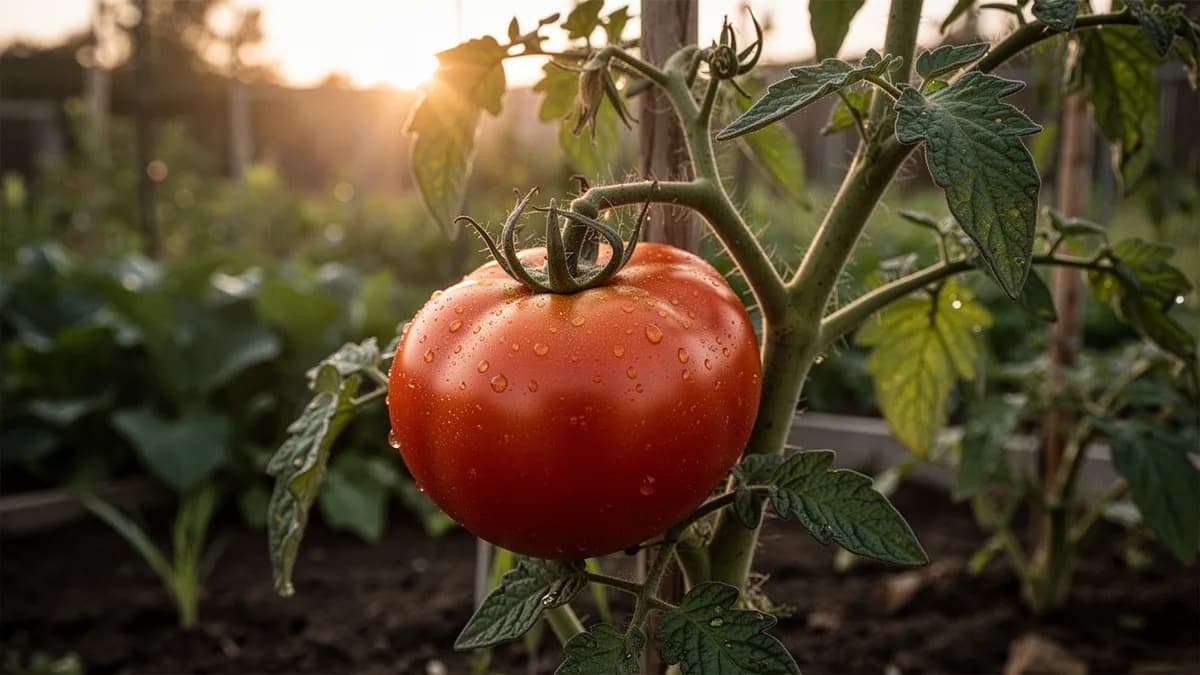
Mantén Tomate San Marzano lejos de estos
Diseños de jardín con Tomate San Marzano
Cultiva tu mejor Tomate San Marzano — y todo lo que la rodea.
Empieza un plan gratis hoy. Diseña tus bancales, coloca tu Tomate San Marzano y deja que PlotMyGarden gestione el momento, el espaciado, las asociaciones y los recordatorios de la semilla a la cesta.