Radicchio
Una verdura de hoja italiana con hojas rojas y venas blancas.





En esta páginaResumen
Conoce Radicchio
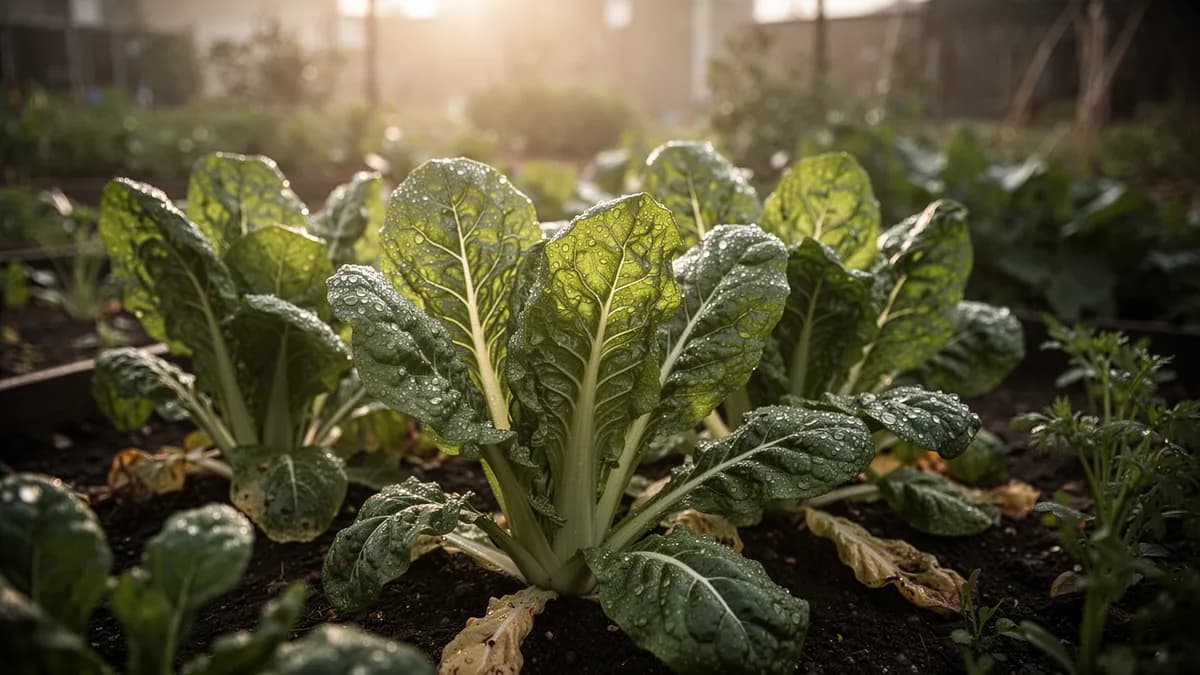
Una verdura de hoja italiana con hojas rojas y venas blancas. Sabor amargo que se suaviza al cocinarse.
Cuándo plantar Radicchio
Inicie en semillero a mediados de verano o siembre directamente en el exterior 10-12 semanas antes de la primera helada esperada.
Tu año de Radicchio
Ajustado a Zona 7 · temporada típica · la helada se va hacia el 2 abr y vuelve hacia el 1 nov
Planta Radicchio Jul – Ago y cosecha Oct – Dic. Consulta los métodos de plantación y elige tu clima para adaptar los periodos.
Cómo cultivar Radicchio
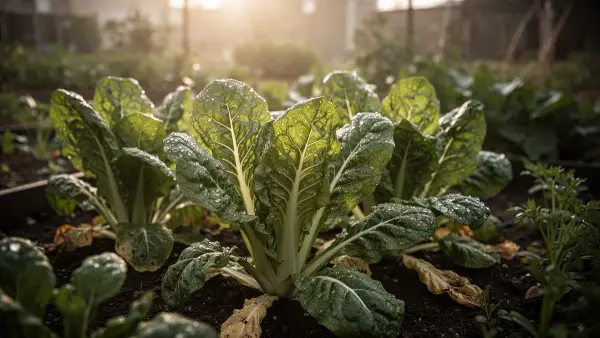
Elija un lugar con sol pleno o semisombra y suelo fértil bien drenado con pH 6,0-7,0. Mejore el suelo con compost antes de sembrar.
Siembre a mediados de verano para cosecha de otoño, o en primavera en zonas de inviernos suaves. Plante semillas a 1 cm de profundidad y 30 cm de separación. Las cabezas necesitan frío para formarse correctamente.
Riegue de forma uniforme para evitar el espigado. Abone con fertilizante nitrogenado al inicio del desarrollo. Las heladas suaves mejoran el sabor reduciendo el amargor.
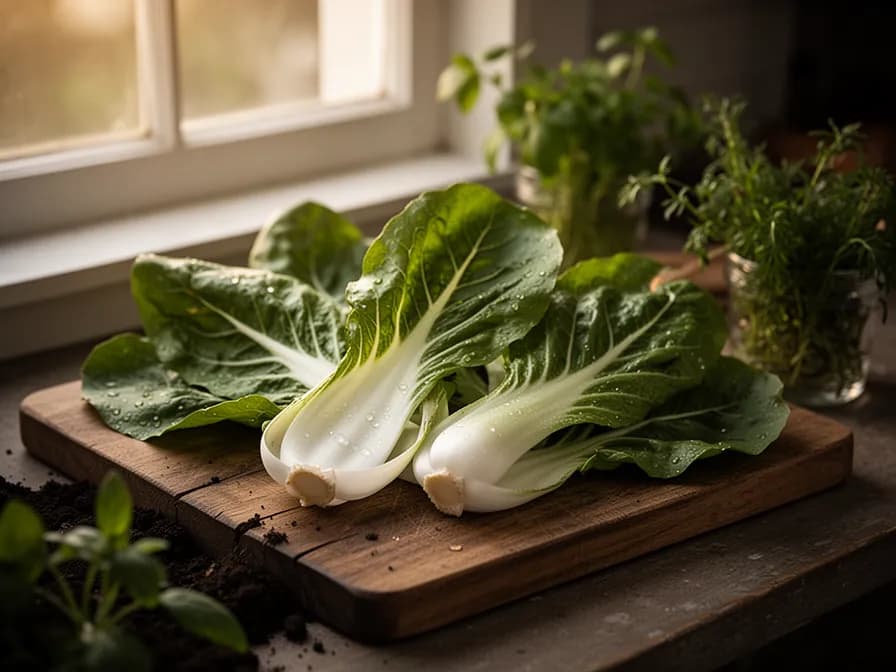
36 plantas caben en un bancal de 120 × 240 cm
Cada Radicchio pide 25 cm de margen. El planificador guarda ese marco por ti — cada planta, cada bancal.
Los mejores vecinos de Radicchio
Se asocia bien con col, lechuga y zanahoria. Evite plantar cerca de borraja o girasol.
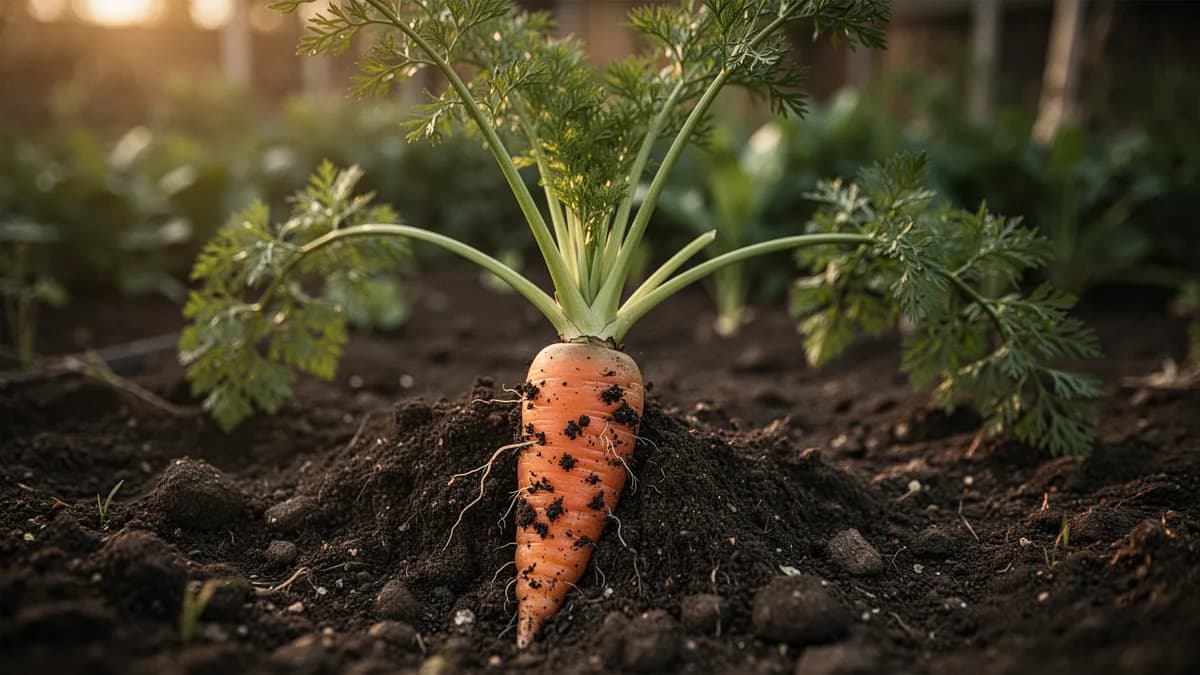
Zanahoria va a su lado.
Saber de huerto de siempre, cotejado con la tabla real de Radicchio — prueba cualquier planta que cultives.
Prueba Radicchio en un bancal, aquí mismo
Un bancal real del planificador con Radicchio ya plantado. Toca una planta compañera para colocarla y mira cómo responde la comprobación de vecinos: verde para buenos vecinos, rojo si hay conflicto.


Guías de cultivo relacionadas
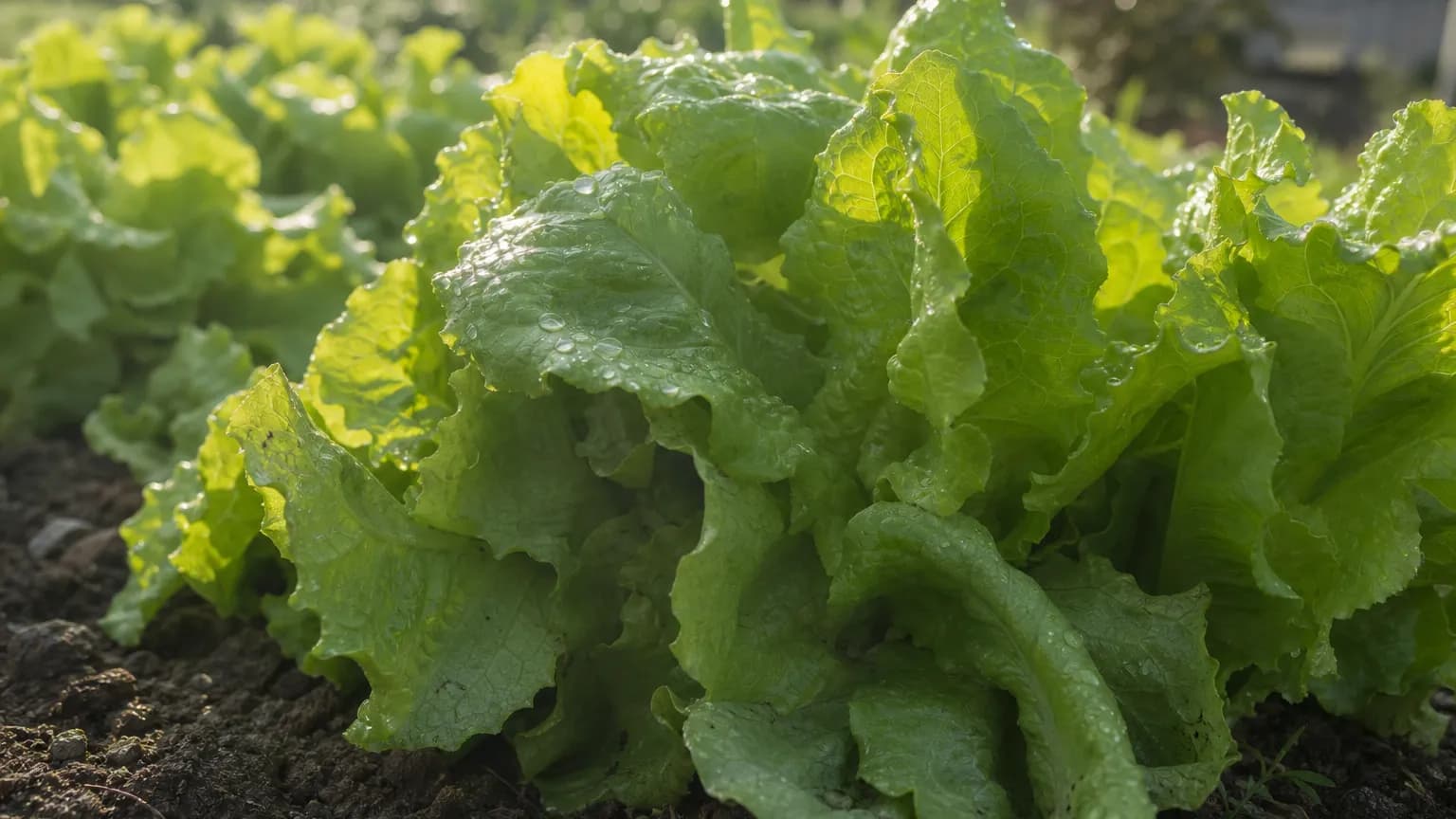
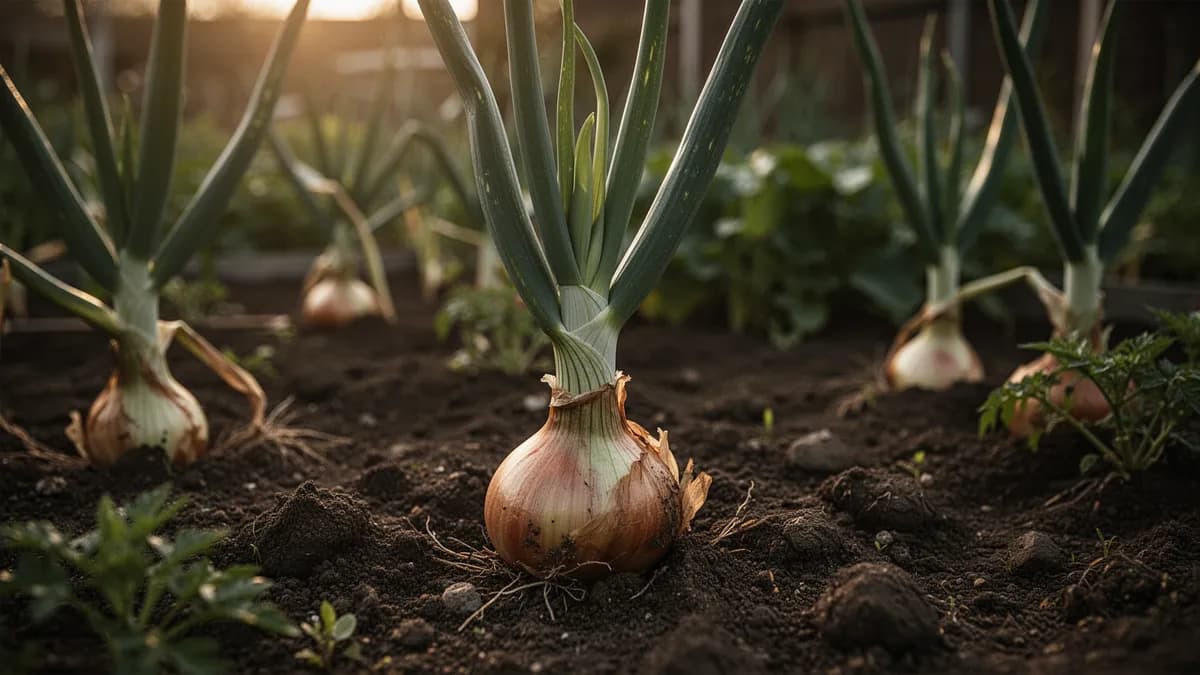
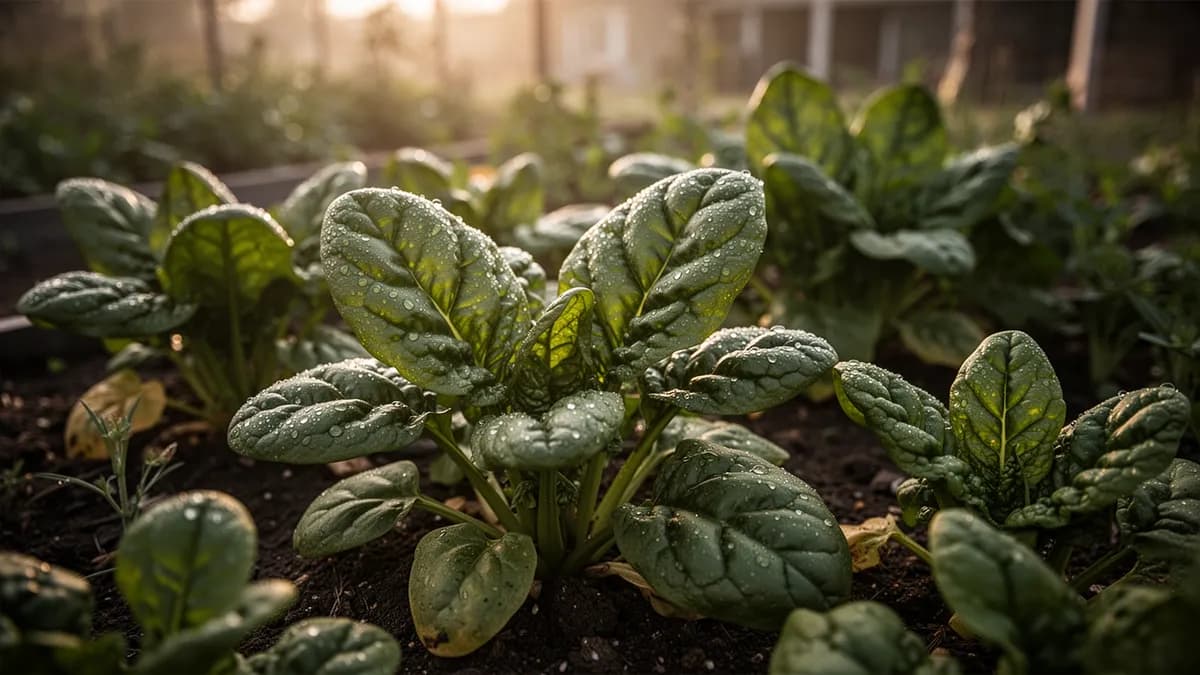
Abónalo bien
Prefiere suelo profundo y fértil con pH 6,0-7,0, rico en materia orgánica. Abone con fertilizante balanceado al trasplantar y a mitad de cultivo.
Temperatura ideal
Compatibilidad de zonas de rusticidad
De la semilla a la cosecha, etapa por etapa
Germinación de semillas
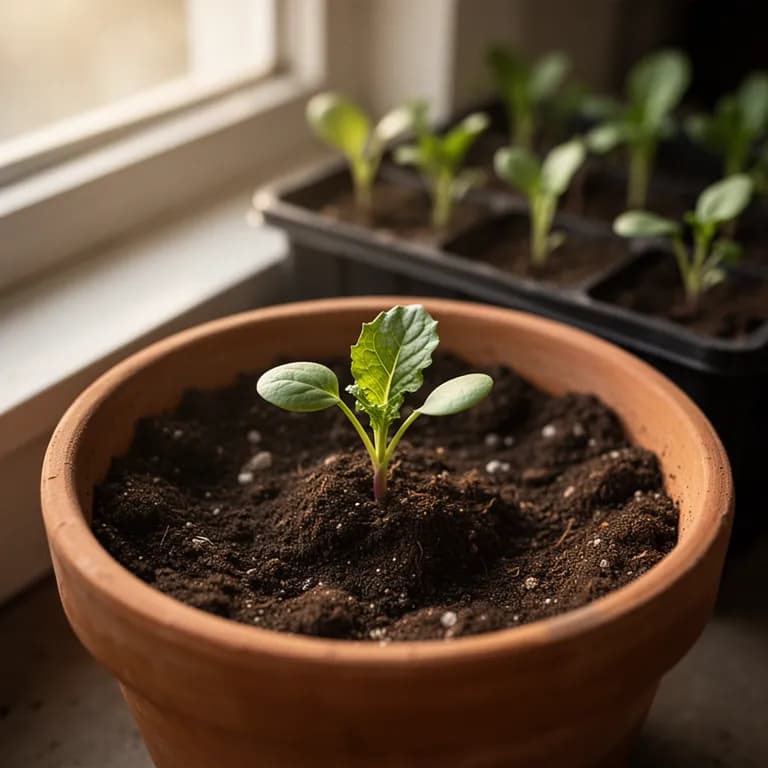
Las semillas diminutas germinan con rapidez en temperaturas frescas a moderadas del suelo de 15-20°C. La primera señal visible es un par de cotiledones pequeños y redondeados que se parecen a plántulas de lechuga o escarola. La germinación suele tardar 5-10 días y es fiable cuando el suelo se mantiene constantemente húmedo pero no encharcado.
Establecimiento de plántulas
Las hojas verdaderas desarrollan un borde ligeramente dentado y siguen siendo completamente verdes en esta etapa. La plántula establece un sistema fuerte de raíz pivotante heredado de su ascendencia de achicoria. El crecimiento es constante, pero discreto; todavía no hay señales visibles de la transformación dramática que vendrá después.
Crecimiento en roseta
La planta forma una roseta amplia y abierta de hojas verdes grandes que puede medir 30-40 cm de ancho. Esta fase vegetativa ocurre durante la parte más cálida de la temporada de cultivo. Las hojas son completamente verdes y están dispuestas de forma suelta; muchos jardineros se preocupan en esta etapa pensando que algo va mal, pero es totalmente normal.
Maduración y cosecha
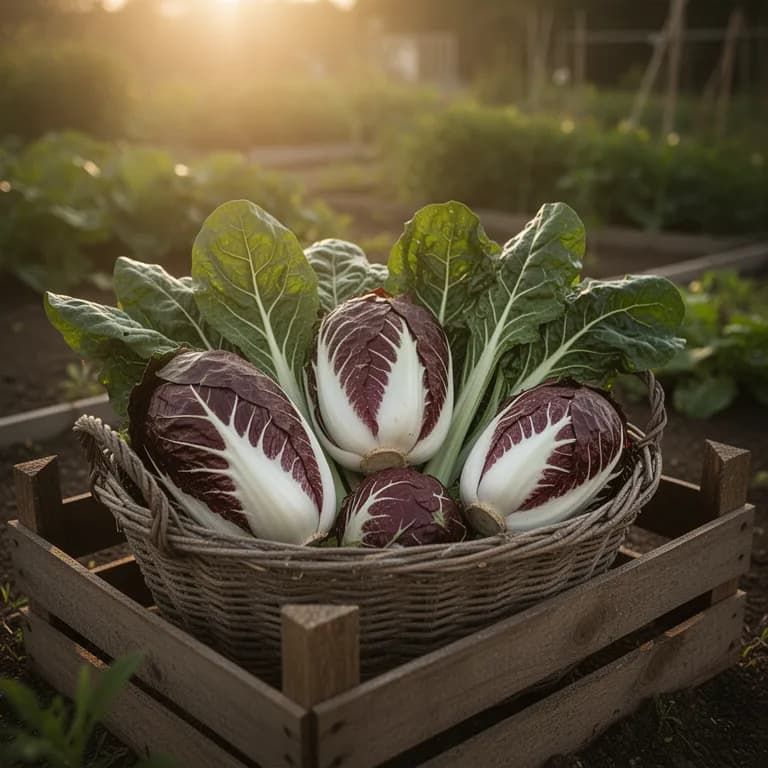
La cabeza alcanza su máxima densidad y color: una bola firme y compacta de hojas burdeos intensas con nervaduras blancas crujientes. Las heladas ligeras de hasta -4°C son en realidad beneficiosas, porque hacen que la planta convierta los almidones en azúcares como un anticongelante natural, lo que endulza notablemente el sabor. La cabeza debe sentirse sólida al presionarla suavemente, similar a una col pequeña.
Después de la cosecha
Después de la cosecha, la radicchio normalmente termina su ciclo para la temporada, aunque una planta cortada puede producir una segunda cabeza más pequeña en algunas variedades. Las semillas se pueden guardar para futuras siembras si se conservan en un lugar fresco y seco.
Siembra las semillas superficialmente, con solo 0,6 cm de profundidad, porque necesitan algo de luz para germinar bien. Mantén el suelo uniformemente húmedo con nebulización suave. Evita sembrar en suelo caliente por encima de 25°C, ya que provoca mala germinación y floración temprana.
Cuidar Radicchio mes a mes
Qué hacer cada mes para tu Radicchio
Octubre
Mes actualThe transformation begins as nights drop below 10°C (50°F). Inner leaves curl inward and develop deep red pigmentation. Light frosts are beneficial — do not cover plants unless a hard freeze below -7°C (20°F) is forecast. Begin checking head firmness by gentle squeezing. Early varieties may be ready for harvest.
Ten claro qué hacer en tu huerto, cada mes
Un correo al empezar cada mes: qué sembrar, plantar y hacer ahora mismo — para tu Radicchio y todo lo que crece alrededor. Más un breve curso inicial para esquivar los errores clásicos.
- Qué hacer ahora mismo
- Ajustado a tu temporada
- Curso inicial incluido
Cosechar Radicchio
Coseche las cabezas firmes y compactas tras la primera helada suave, que mejora el sabor. Corte a nivel del suelo dejando las hojas exteriores.
se supone que plantas al comenzar el periodo — indica tu fecha real
Cosecha cuando las cabezas estén firmes y completamente coloreadas, alrededor de 70-80 días después de la siembra, después de unas pocas heladas ligeras para obtener mejor sabor.
Almacenamiento y conservación
Conserve en el refrigerador hasta 2 semanas envuelto en papel húmedo. Puede escabecharse o asarse y congelarse.
Qué falla — y cómo solucionarlo
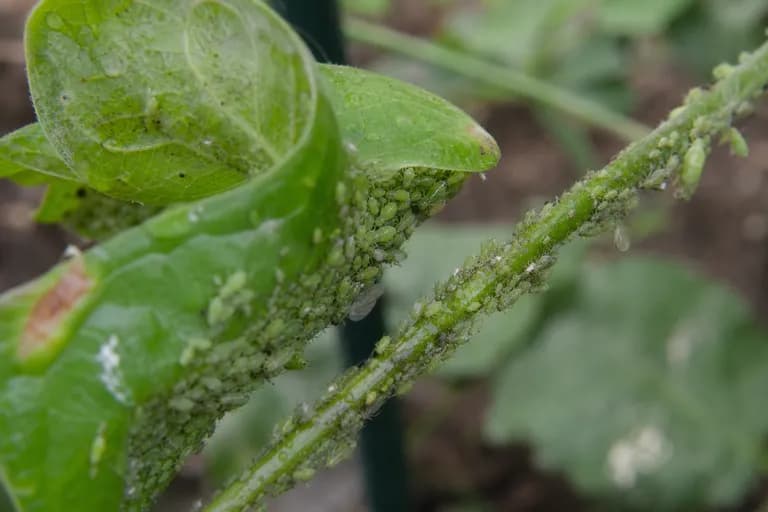
Pulgones
PlagaColonias en el envés de las hojas que causan amarillamiento y secreción pegajosa.
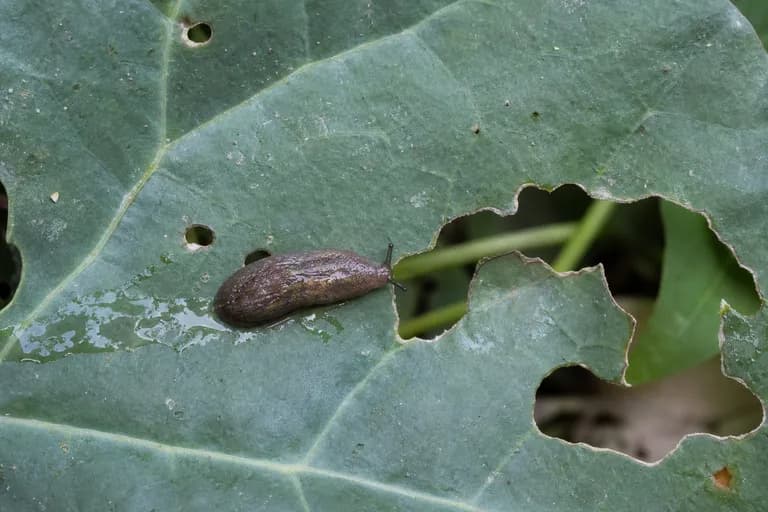
Babosas
PlagaAgujeros irregulares en hojas, especialmente en tiempo húmedo.
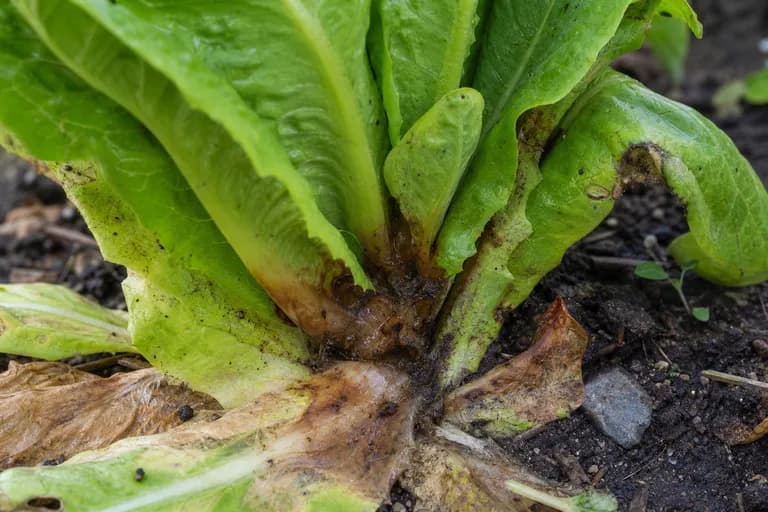
Pudrición de raíz
EnfermedadAmarillamiento y marchitamiento por exceso de humedad en el suelo.
Solución de problemas comunes
El calor provoca espigado prematuro con hojas muy amargas. Las cabezas no se forman bien sin suficiente frío otoñal.
Consejos de cultivo
- Timing is everything with radicchio. The single most important factor for success is sowing in midsummer (July-August) so that the heading phase coincides with autumn's cool temperatures. Spring-sown radicchio in hot-summer climates almost always bolts without forming heads.
- Do not panic when your radicchio looks like a loose, green lettuce all summer long. The dramatic transformation to tight, red-and-white heads only occurs when nighttime temperatures consistently drop below 10°C (50°F). Patience is the radicchio grower's greatest virtue.
- Choose modern self-heading varieties like Chioggia or Palla Rossa if you are growing radicchio for the first time. Traditional forcing varieties like Treviso Tardivo require the specialized imbianchimento process and are best attempted by experienced growers.
- Avoid excessive nitrogen fertilizer, especially after midsummer. Too much nitrogen produces lush, loose foliage that refuses to form tight heads. A single application of balanced fertilizer at planting is sufficient — potassium and phosphorus matter more than nitrogen for head development.
- Embrace frost rather than fearing it. Light frosts down to -4°C (25°F) dramatically improve radicchio's flavor by triggering the conversion of starches to sugars. Do not cover plants unless a hard freeze below -7°C (20°F) is forecast. The best-tasting radicchio has been kissed by frost.
- Use row covers or cold frames to extend the harvest well into winter in zones 5-7. Radicchio is far more cold-tolerant than most gardeners realize, and a simple low tunnel can keep plants productive through December and even January in many climates.
- Water consistently but do not overwater, especially as heads form. Uneven watering causes head splitting, and waterlogged soil promotes bottom rot — the most common disease issue with radicchio. Drip irrigation and mulch provide the ideal combination of consistent moisture and dry foliage.
- Leave a 2.5 cm (1 inch) stub when harvesting. The root system of radicchio is robust, and in mild weather the stub will resprout to produce a smaller but perfectly usable second head within 3-4 weeks — essentially a free bonus harvest.
Cultiva tu mejor Radicchio — y todo lo que la rodea.
Empieza un plan gratis hoy. Diseña tus bancales, coloca tu Radicchio y deja que PlotMyGarden gestione el momento, el espaciado, las asociaciones y los recordatorios de la semilla a la cesta.
Elige tu Radicchio
Chioggia
La variedad más popular, con cabezas redondas y compactas de color rojo intenso. Madura en 85 días.
Castelfranco
Hojas veteadas en rojo y crema, sabor más suave. Muy apreciada en cocina italiana.
Treviso
Cabezas alargadas similares a la endivia, sabor amargo pronunciado. Excelente a la parrilla.
Radicchio is one of the most expensive salad greens at retail, typically priced at $4-7 per head in grocery stores, and premium Treviso varieties can cost $8-12 per head or more at specialty markets. A single packet of seeds ($3-5) produces 20-40 plants, each yielding a head that would cost $4-7 at the store. Growing just 10 plants saves $35-65 per season on radicchio alone. The savings are even greater if you value the superior freshness and flavor of garden-grown radicchio compared to heads that have traveled thousands of miles from California or Italy.
Recetas rápidas
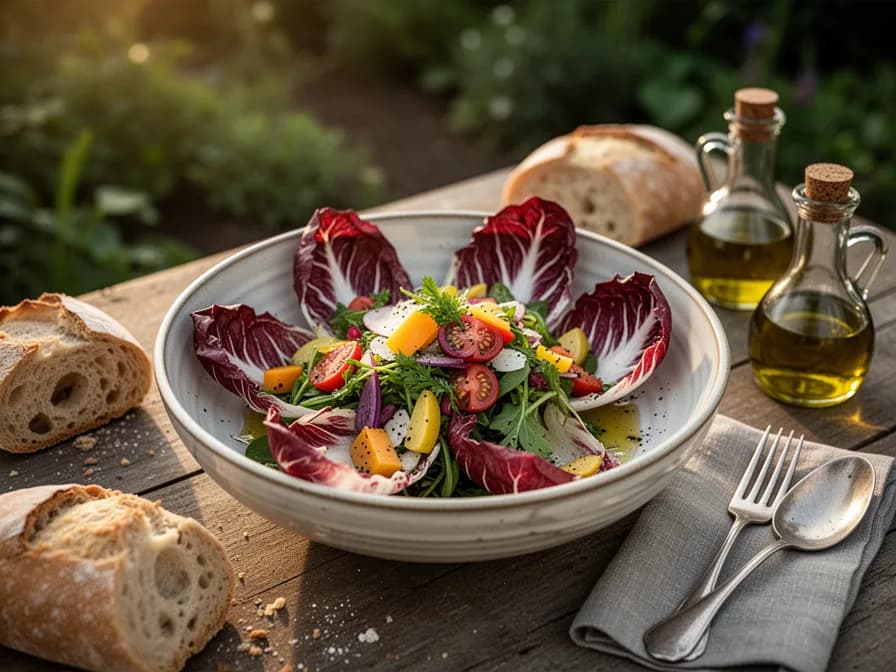
Grilled Radicchio with Balsamic Glaze
15 minThe quintessential Italian preparation — quartered radicchio heads charred on a hot grill until the edges are crispy and the core is tender. The high heat caramelizes the natural sugars and transforms the sharp bitterness into a rich, smoky complexity. A drizzle of aged balsamic and a shower of shaved Parmigiano complete this elegant side dish.
6 ingredientesRadicchio, Pear, and Gorgonzola Salad
10 minA classic Italian winter salad that balances radicchio's assertive bitterness with the sweetness of ripe pears, the creaminess of gorgonzola dolce, and the crunch of toasted walnuts. A simple honey-lemon vinaigrette ties everything together into a sophisticated first course worthy of any dinner party.
8 ingredientesRisotto al Radicchio
35 minA beloved Veneto classic where shredded radicchio is stirred into creamy risotto in the final minutes of cooking, turning the rice a stunning pink-purple color. The bitter leaves melt into the starchy rice, creating a deeply savory dish that showcases radicchio at its most refined. Finished with butter and Parmigiano for luxurious texture.
9 ingredientesUsos culinarios
Excelente a la parrilla con aceite de oliva, en ensaladas mixtas, risotto, pasta o como guarnición. El amargor se suaviza al cocinarse.
Qué contiene
Beneficios para la salud
- Exceptionally high in vitamin K, providing approximately 170% of the daily value per 100g — essential for proper blood clotting and increasingly recognized for its role in bone density and cardiovascular health.
- Rich in bitter sesquiterpene lactones (intybin and lactucopicrin) that stimulate digestive enzyme and bile production, genuinely aiding digestion — these compounds are being studied for potential anti-inflammatory and pain-relieving properties.
- Contains high levels of anthocyanin antioxidants — the same heart-protective pigments found in blueberries and red wine — which help neutralize free radicals and may reduce the risk of cardiovascular disease.
- Good source of folate (B9) at 60mcg per 100g, critical for DNA synthesis, cell division, and neural tube development during pregnancy.
- The prebiotic fiber inulin, found naturally in all chicory family plants, feeds beneficial Bifidobacterium in the gut, supporting a healthy microbiome and improving mineral absorption.
- Very low in calories (23 per 100g) with 93% water content and meaningful fiber, making radicchio an excellent food for satiety and weight management without sacrificing nutritional density.
De dónde viene Radicchio
Radicchio (Cichorium intybus var. foliosum) is a cultivated form of common chicory, a species native to the Mediterranean basin and widely naturalized across Europe. Wild chicory has been gathered as a food and medicinal plant since ancient Egyptian and Roman times — Pliny the Elder wrote about chicory cultivation in the 1st century AD, noting its bitter tonic properties and its use as both food and medicine.
The transformation of wild chicory into the tight-headed, ruby-red vegetable we know today occurred primarily in the Veneto region of northeastern Italy, beginning in earnest during the 15th and 16th centuries. Italian farmers in the areas around Treviso, Chioggia, Verona, and Castelfranco developed distinct local varieties through careful selection, each adapted to its specific microclimate and culinary tradition. The round Chioggia type, the elongated Treviso type, and the speckled Castelfranco type all emerged as distinct cultivars during this period, each with its own growing technique and flavor profile.
A pivotal innovation came in the 1860s when Belgian agronomist Francesco Van den Borre introduced the technique of forcing Treviso radicchio in dark, water-fed rooms during winter — a method adapted from Belgian endive (witloof) production. This 'imbianchimento' process produced exceptionally tender, elegantly shaped heads with a refined bitterness that became the hallmark of premium Radicchio di Treviso Tardivo, still considered the finest and most expensive variety today.
Radicchio remained almost exclusively an Italian specialty until the 1980s, when the growing interest in Italian cuisine among American and European chefs created international demand. California's Salinas Valley emerged as the primary North American production region, where cool Pacific fog provides conditions similar to the Venetian plain. Today, radicchio is cultivated commercially in Italy, the United States, France, Spain, and increasingly in South America and Australia. Italy remains the world's largest producer and consumer, with the three classic Veneto varieties — Chioggia, Treviso, and Castelfranco — all holding Protected Geographical Indication (IGP) status under EU law, recognizing their unique terroir and centuries-old cultivation traditions.
Radicchio: ¿sabías que?
Datos fascinantes sobre Radicchio
Radicchio's deep red color comes from anthocyanins — the same powerful antioxidant pigments found in blueberries, red wine, and pomegranates. These pigments develop as a direct response to cold stress, which is why radicchio grown in warm weather stays stubbornly green.
Radicchio: preguntas frecuentes
¿Cuándo debo plantar Radicchio?
¿Cuáles son buenas plantas acompañantes para Radicchio?
¿En qué zonas de rusticidad puede crecer Radicchio?
¿Cuánto sol necesita Radicchio?
¿A qué distancia debo espaciar Radicchio?
¿Qué plagas y enfermedades afectan a Radicchio?
¿Cómo almaceno Radicchio después de la cosecha?
¿Cuáles son las mejores variedades de Radicchio para cultivar?
¿Qué suelo necesita Radicchio?
Why is my radicchio all green and loose instead of forming a red head?
Can I grow radicchio in spring instead of fall?
Is radicchio too bitter to eat? How do I reduce the bitterness?
What is the difference between Chioggia, Treviso, and Castelfranco radicchio?
Does radicchio come back after cutting, or do I need to replant?
Can I grow radicchio in containers?
Acabas de leer la teoría. Ahora cultívala en piloto automático.
Todo lo que hace que Radicchio sea delicado — el momento, el espaciado, las asociaciones, la ventana de cosecha — es justo lo que PlotMyGarden resuelve por ti, para cada planta de tu huerto.
Un plan que conoce tu clima
Indica tu ubicación una vez. Recibe fechas de siembra, abonado y cosecha basadas en tu última helada real y el pronóstico en vivo — sin adivinar con un sobre genérico.
De la sección “Cuándo plantar”Planificador de bancales de arrastrar y soltar
Diseña bancales sobre una cuadrícula. Cada planta encaja con su espaciado correcto y ves toda la temporada antes de gastar un céntimo en semillas.
De la sección “Cultivo”Conflictos de asociación, detectados a tiempo
Más de 200 buenas y malas combinaciones comprobadas en vivo mientras plantas — para que un error que arruine la temporada nunca llegue a la tierra.
De la sección “Asociaciones”Recordatorios que sí vas a seguir
“Riega las judías.” “Recoge hoy antes de que se pase.” Oportunos, concretos y ligados a las plantas que de verdad cultivas.
De la sección “Cosecha”Escalonado, programado
¿Quieres cosechar seis semanas en vez de seis días? Reparte tus siembras automáticamente y te avisa cuando toca el siguiente lote.
De la sección “Cuándo plantar”Un registro que se vuelve más listo
Cada cosecha que registras le enseña tu huerto. El plan del año que viene parte de lo que de verdad funcionó en tu suelo, no en un manual.
De la sección “Resumen”Planta estos junto a Radicchio
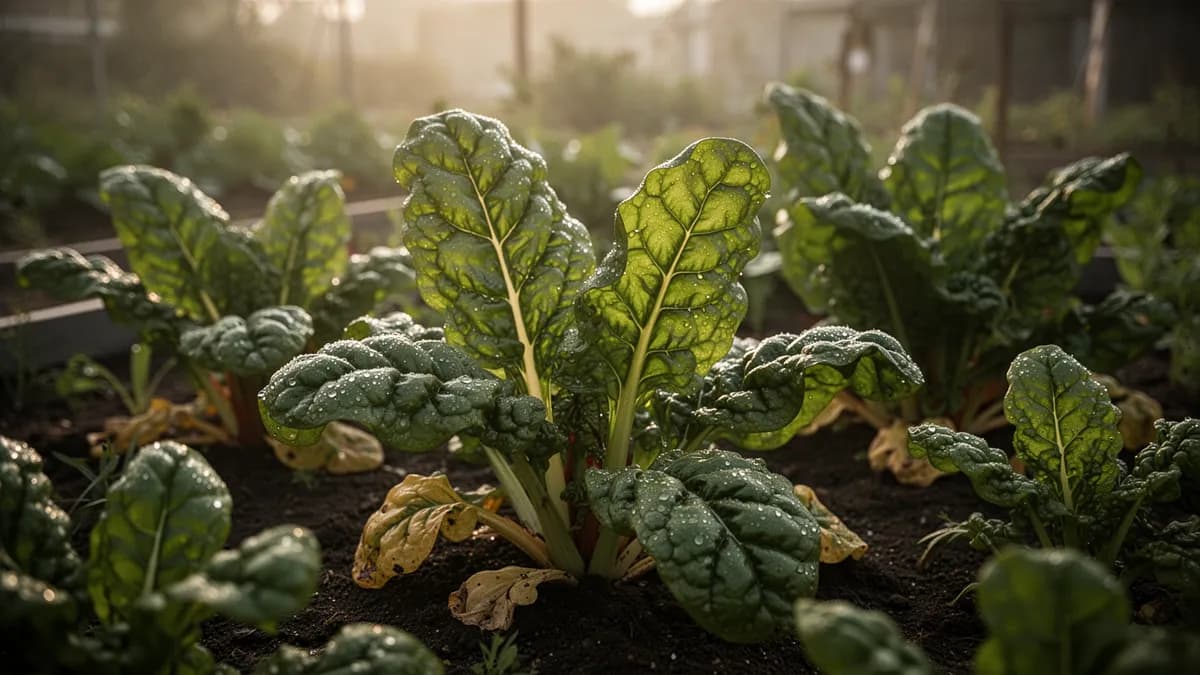
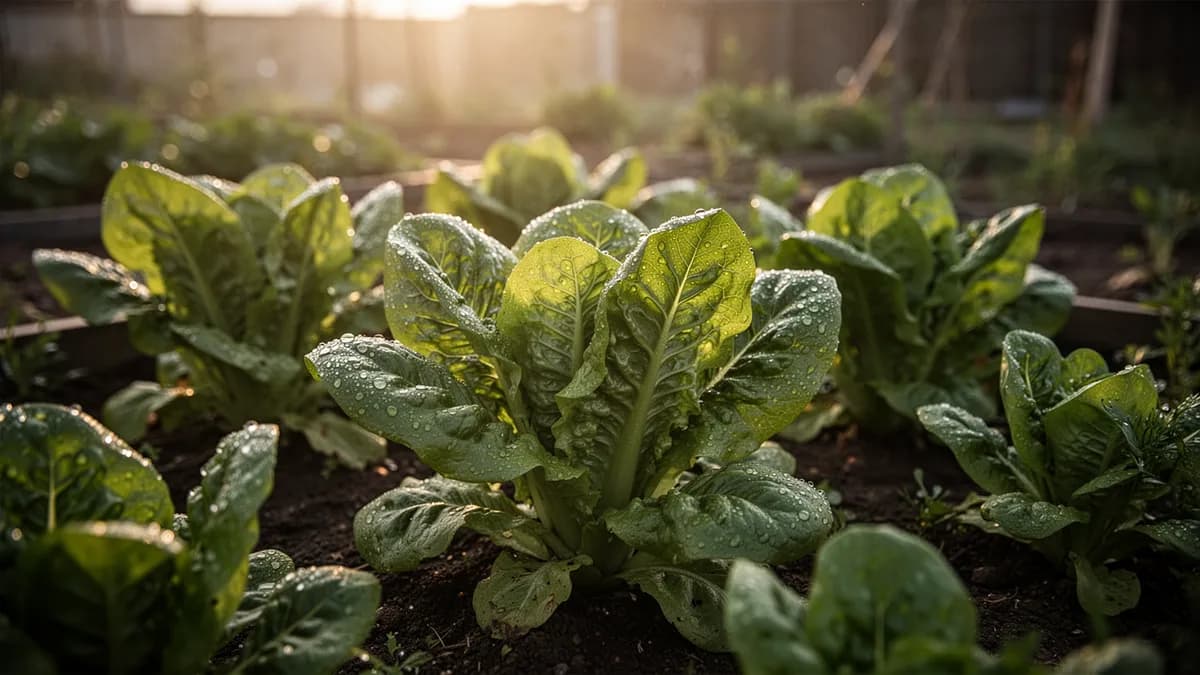
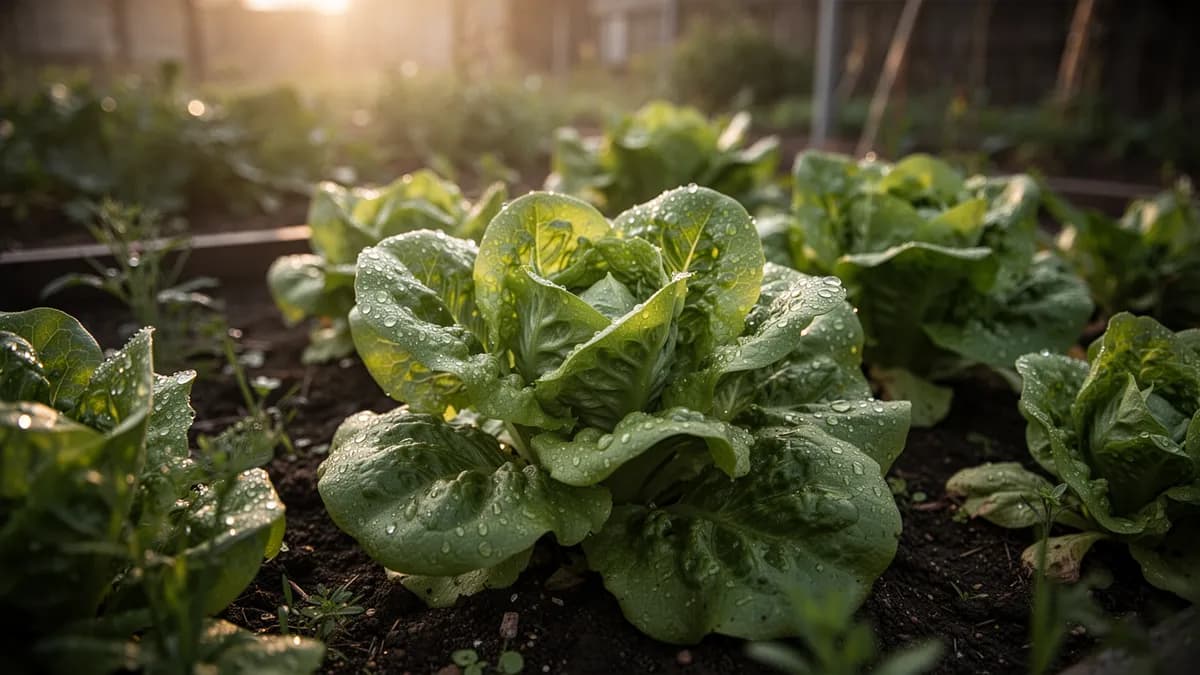
Más Hortalizas de hoja
Diseños de jardín con Radicchio
Cultiva tu mejor Radicchio — y todo lo que la rodea.
Empieza un plan gratis hoy. Diseña tus bancales, coloca tu Radicchio y deja que PlotMyGarden gestione el momento, el espaciado, las asociaciones y los recordatorios de la semilla a la cesta.