Jengibre
El jengibre (Zingiber officinale) es una planta tropical perenne cultivada por su rizoma aromático y picante, utilizado desde hace milenios en la cocina y la medicina tradicional asiática.





En esta páginaResumen
Conoce Jengibre
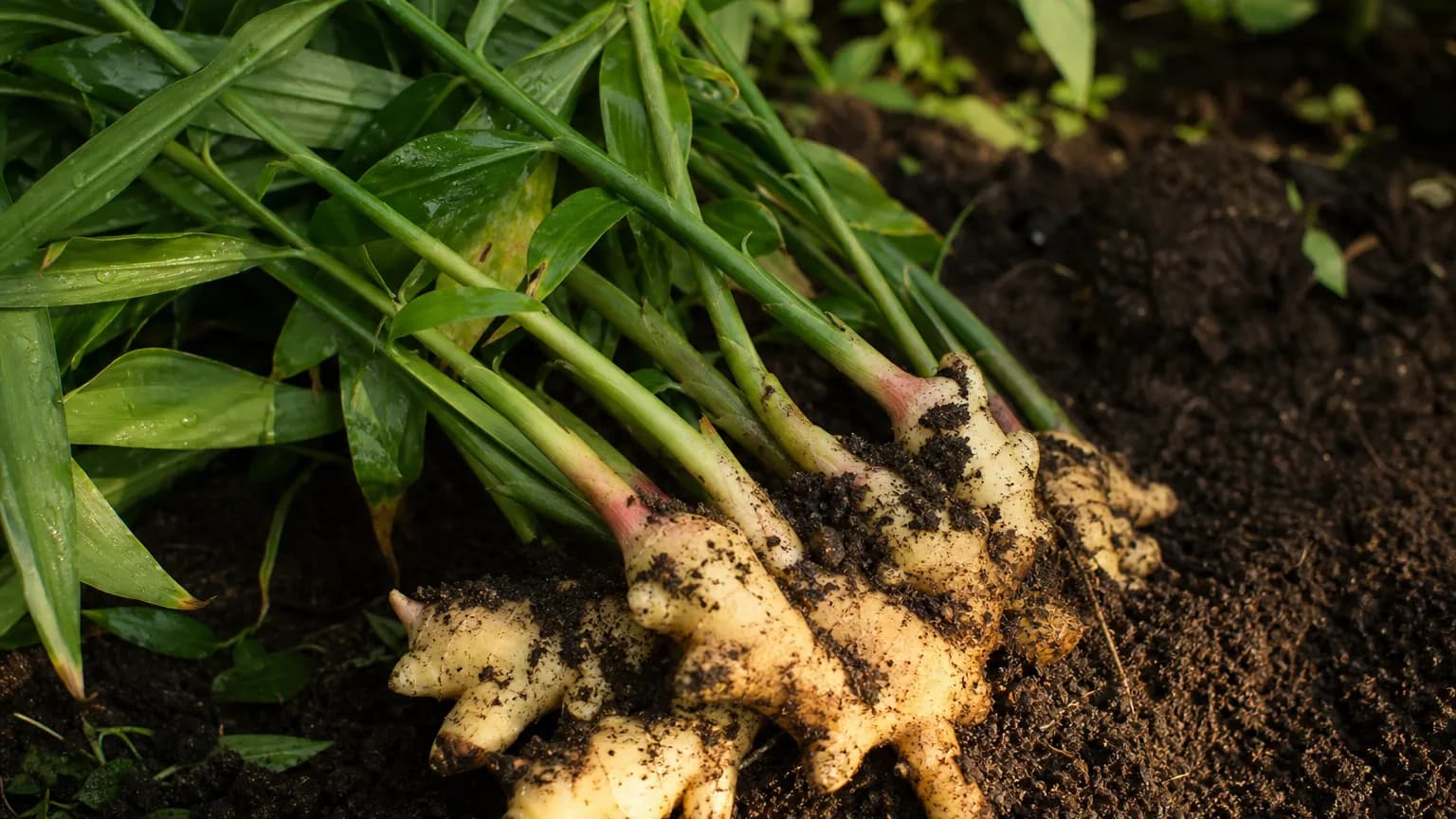
El jengibre (Zingiber officinale) es una planta tropical perenne cultivada por su rizoma aromático y picante, utilizado desde hace milenios en la cocina y la medicina tradicional asiática. Su sabor cálido, especiado y ligeramente cítrico lo convierte en un ingrediente indispensable en cocinas de todo el mundo.
Cuándo plantar Jengibre
Adquiere rizomas frescos y orgánicos con yemas prominentes de un proveedor confiable o del mercado. Remoja los rizomas en agua tibia durante 12-24 horas para hidratarlos y estimular la brotación. Córtalos en trozos de 3-5 cm con al menos 2 yemas cada uno, deja secar los cortes un día y plántalos a 5 cm de profundidad en sustrato húmedo y cálido.
Tu año de Jengibre
Ajustado a Zona 7 · temporada típica · la helada se va hacia el 2 abr y vuelve hacia el 1 nov
Planta Jengibre Mar – May y cosecha Oct – Nov. Consulta los métodos de plantación y elige tu clima para adaptar los periodos.
Cómo cultivar Jengibre
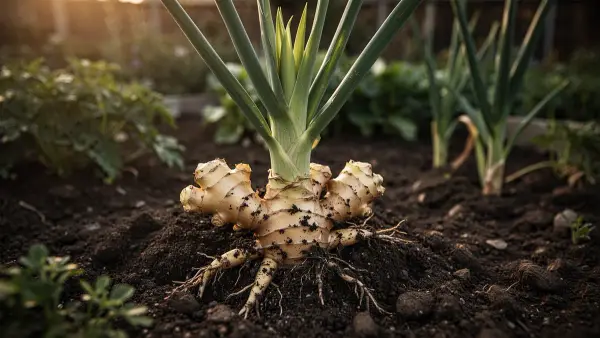
El jengibre se propaga vegetativamente mediante trozos de rizoma con al menos 2-3 yemas (ojos) visibles. Planta los rizomas a 5 cm de profundidad con las yemas hacia arriba en primavera, cuando las temperaturas nocturnas superen los 15°C de forma estable. Espacía los trozos 20-25 cm entre sí en hileras separadas 30-40 cm.
El jengibre necesita calor constante (22-30°C), humedad alta y luz filtrada o semisombra. Riega frecuentemente para mantener el suelo constantemente húmedo pero nunca encharcado. Aplica un acolchado grueso de 8-10 cm de material orgánico para mantener la humedad y temperatura del suelo, renovándolo según sea necesario.
En climas templados donde las temperaturas bajan de 10°C, cultiva en macetas grandes que puedas trasladar al interior en otoño. Fertiliza cada 2-3 semanas con un fertilizante líquido equilibrado durante la temporada de crecimiento activo, desde primavera hasta que el follaje comience a amarillear naturalmente en otoño.
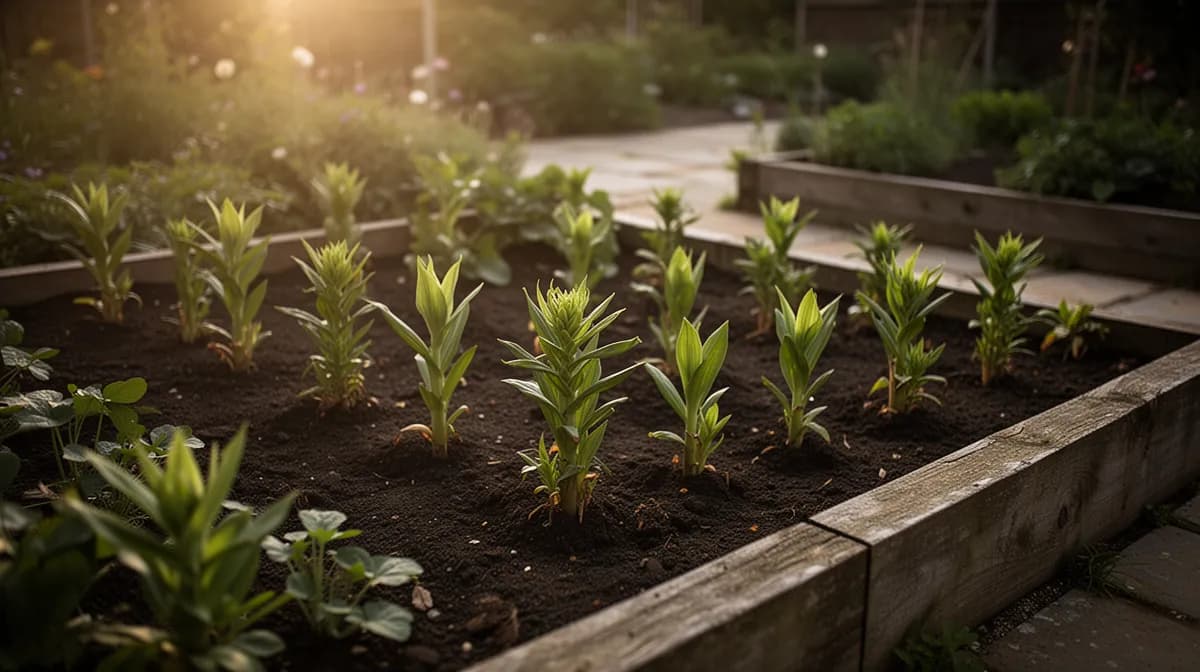
32 plantas caben en un bancal de 120 × 240 cm
Cada Jengibre pide 30 cm de margen. El planificador guarda ese marco por ti — cada planta, cada bancal.
Los mejores vecinos de Jengibre
El jengibre crece bien bajo la sombra parcial de árboles frutales tropicales como plátanos, papayas y cítricos. Las leguminosas fijan nitrógeno beneficioso en el suelo cercano. El lemongrass y la cúrcuma son compañeros naturales con requisitos de cultivo similares. Evita plantarlo junto a nogales cuya juglona inhibe el crecimiento.
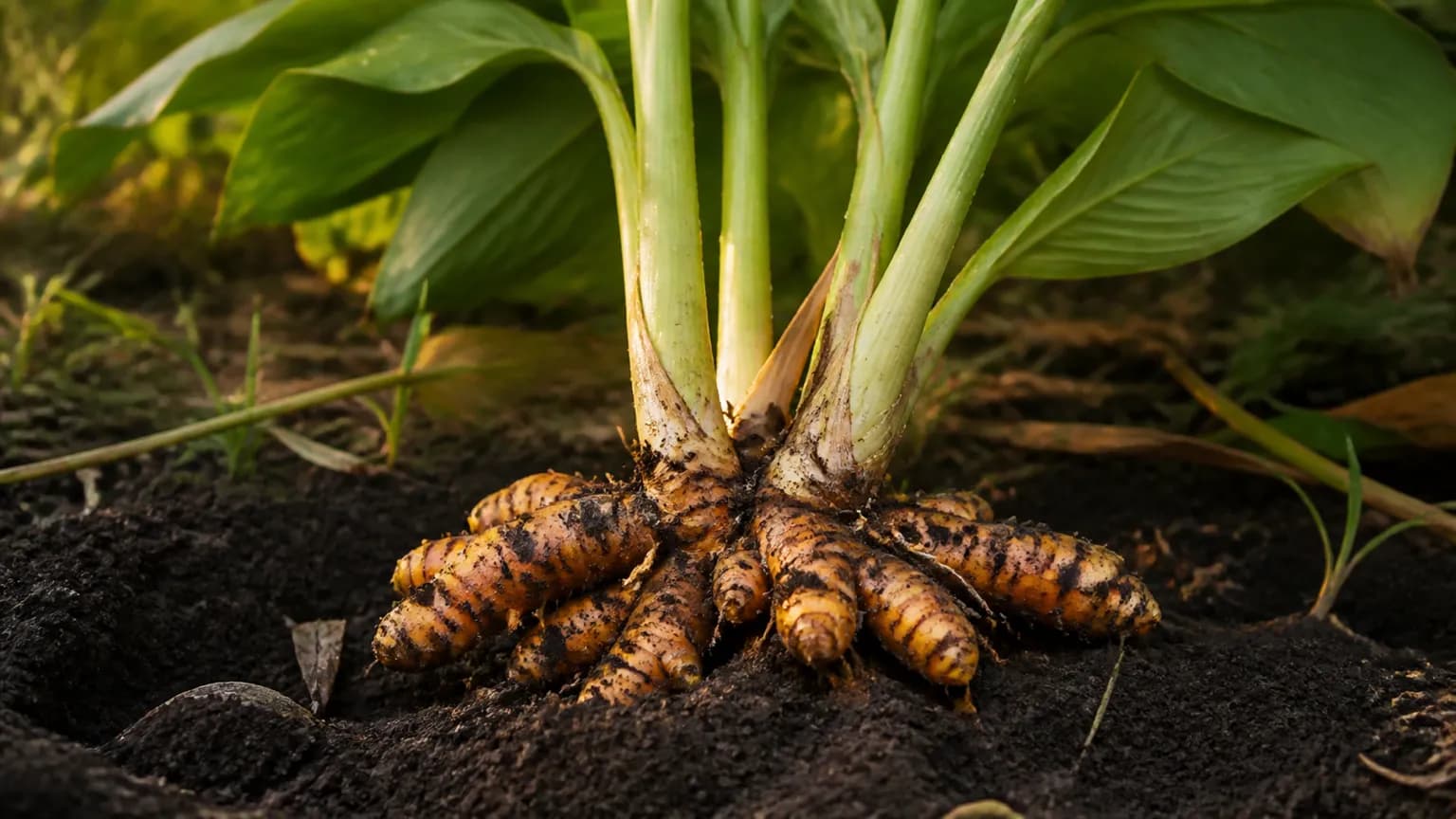
Raíz de Cúrcuma va a su lado.
Saber de huerto de siempre, cotejado con la tabla real de Jengibre — prueba cualquier planta que cultives.
Prueba Jengibre en un bancal, aquí mismo
Un bancal real del planificador con Jengibre ya plantado. Toca una planta compañera para colocarla y mira cómo responde la comprobación de vecinos: verde para buenos vecinos, rojo si hay conflicto.


Guías de cultivo relacionadas
Abónalo bien
El jengibre requiere suelo suelto, ligero y rico en humus con pH entre 5,5 y 6,5. Los suelos arcillosos pesados causan pudrición del rizoma y deben enmendarse generosamente con compost, fibra de coco y perlita. Fertiliza regularmente con un abono orgánico líquido equilibrado, aumentando el potasio a partir del sexto mes para favorecer el desarrollo del rizoma.
Temperatura ideal
Compatibilidad de zonas de rusticidad
De la semilla a la cosecha, etapa por etapa
Brote del rizoma
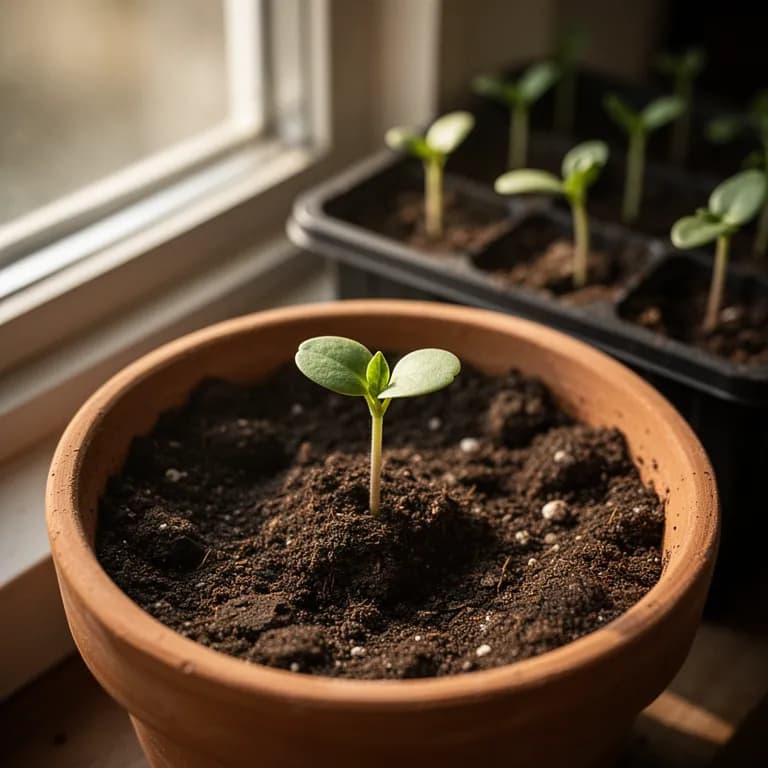
Las yemas de crecimiento del rizoma se hinchan y emiten brotes verde pálido o rosados. Las raíces comienzan a extenderse hacia abajo en el medio de plantación cálido y húmedo. La brotación es lenta y requiere calor constante de al menos 22°C (72°F); las temperaturas más frescas retrasan mucho la emergencia.
Crecimiento inicial de brotes
Los brotes verdes emergen por encima de la superficie del suelo y despliegan hojas estrechas, lanceoladas, dispuestas de forma alterna a lo largo de un pseudotallo similar a una caña. La planta crece lentamente al principio y alcanza 15-25 cm de altura. Bajo tierra, el rizoma original comienza a producir pequeñas yemas laterales.
Crecimiento vegetativo vigoroso
A medida que se intensifica el calor del verano, el crecimiento se acelera drásticamente. Del rizoma en expansión surgen múltiples pseudotallos, cada uno con hojas largas y arqueadas. Las plantas alcanzan 60-90 cm de altura con un follaje tropical y exuberante. La red de rizomas se expande rápidamente bajo tierra, formando los característicos dedos nudosos.
Maduración del rizoma
El crecimiento del rizoma continúa bajo tierra mientras los dedos se engrosan y desarrollan sus compuestos aromáticos picantes. El jengibre tierno puede cosecharse desde los bordes en esta etapa para obtener un producto más suave, jugoso y con piel fina y comestible. El follaje se mantiene exuberante y verde mientras los rizomas engordan.
Senescencia y cosecha
A medida que bajan las temperaturas en otoño, las puntas de las hojas empiezan a amarillear y el follaje se marchita gradualmente. Esto indica que los rizomas han alcanzado su madurez completa, con máxima pungencia, textura fibrosa y piel gruesa adecuada para un almacenamiento prolongado. La planta dirige la energía restante hacia los rizomas.
Mantén el medio de cultivo constantemente húmedo, pero sin encharcarlo. Si empiezas en interior, usa una manta térmica ajustada a 25-27°C (77-80°F). No disturbes el rizoma durante esta fase crítica de enraizamiento.
Cuidar Jengibre mes a mes
Qué hacer cada mes para tu Jengibre
Octubre
Mes actualWatch for foliage beginning to yellow — this is the natural signal that rhizomes are maturing. Reduce watering further. In zones 7-8, harvest before the first frost by lifting entire clumps with a garden fork. Cure harvested rhizomes in a warm, dry place for several days.
Ten claro qué hacer en tu huerto, cada mes
Un correo al empezar cada mes: qué sembrar, plantar y hacer ahora mismo — para tu Jengibre y todo lo que crece alrededor. Más un breve curso inicial para esquivar los errores clásicos.
- Qué hacer ahora mismo
- Ajustado a tu temporada
- Curso inicial incluido
Cosechar Jengibre
El jengibre joven puede cosecharse a partir de los 4-5 meses para uso fresco con sabor más suave y piel fina. Para rizomas maduros con sabor más intenso y fibra más desarrollada, espera 8-10 meses hasta que las hojas se amarilleen y se marchiten naturalmente. Excava cuidadosamente con una horquilla para no dañar los rizomas.
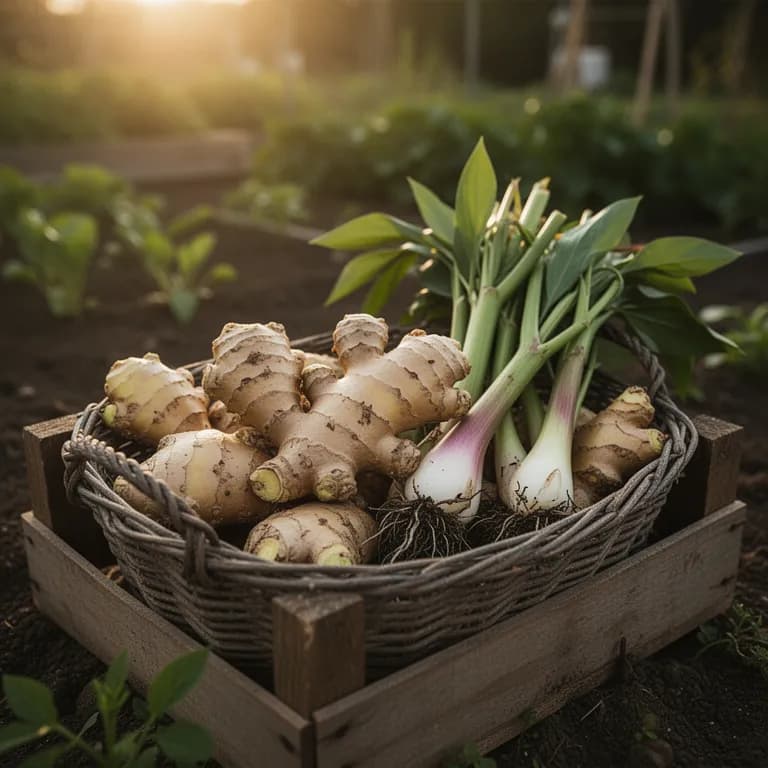
se supone que plantas al comenzar el periodo — indica tu fecha real
A partir de bulbos, tubérculos o dientes
El jengibre tierno puede cosecharse en esta etapa; el jengibre maduro no está completamente listo hasta alrededor de los ocho meses.
Almacenamiento y conservación
El jengibre fresco se conserva en el refrigerador envuelto en papel absorbente dentro de una bolsa perforada durante 3-4 semanas. Para conservación prolongada, pela y congela trozos que puedes rallar directamente congelados. También se conserva en vinagre (gari), en almíbar, deshidratado en rodajas, o pulverizado para uso como especia seca.
Qué falla — y cómo solucionarlo
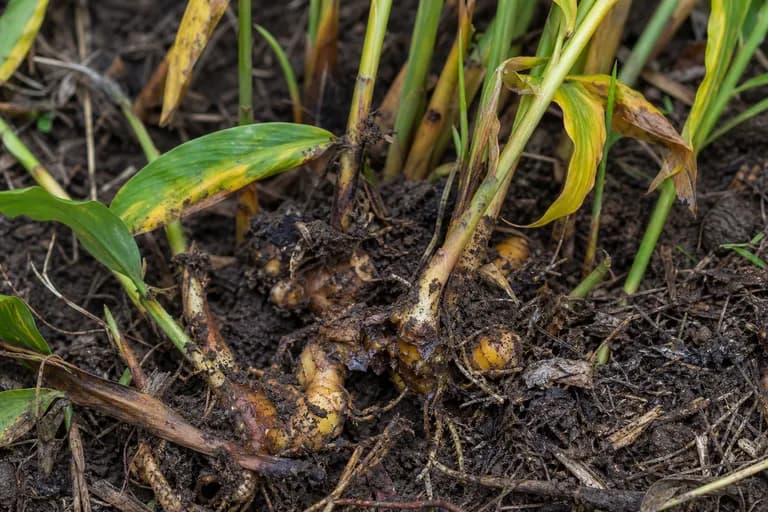
Pudrición bacteriana del rizoma
EnfermedadMarchitez repentina de las hojas inferiores que progresa hacia arriba. El rizoma al cortarlo muestra tejido acuoso, marrón oscuro y con olor fétido. La base del tallo se ablanda.
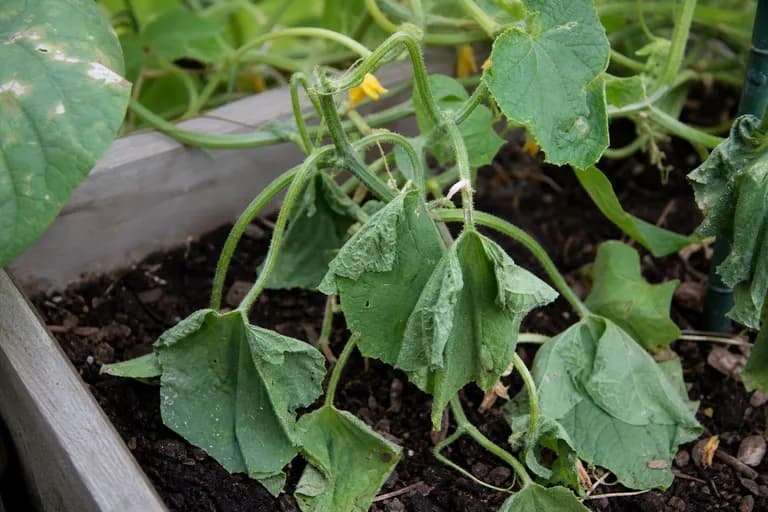
Marchitez por Fusarium
EnfermedadAmarillamiento progresivo de las hojas que comienza por las puntas y avanza hacia la base. El pseudotallo se seca y el rizoma muestra decoloración interna marrón-rojiza en anillos concéntricos.
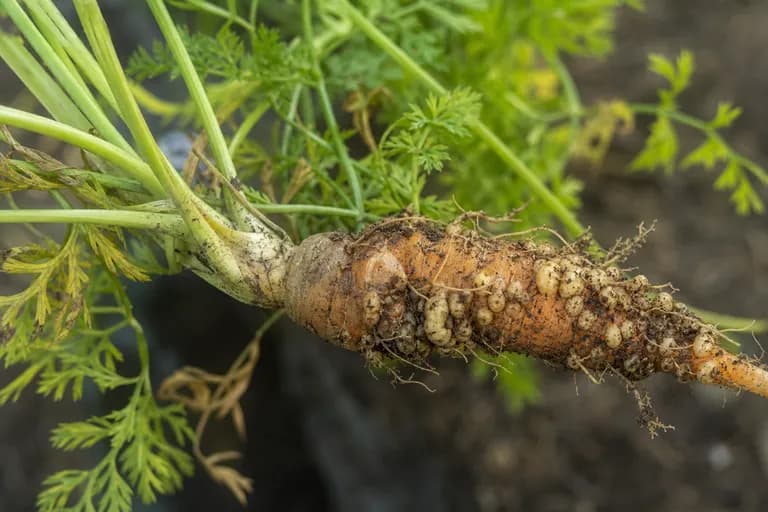
Barrenador del rizoma
PlagaGalerías irregulares dentro del rizoma causadas por larvas que se alimentan del tejido interno. Los brotes se marchitan y al extraer el rizoma se observan perforaciones con excremento oscuro.
Solución de problemas comunes
La sensibilidad al frío es el mayor desafío en climas templados; el jengibre no tolera temperaturas por debajo de 10°C y detiene completamente su crecimiento bajo 15°C. El exceso de riego en suelos pesados provoca pudrición rápida del rizoma. La falta de humedad ambiental causa puntas marrones en las hojas y reduce el vigor general de la planta.
Consejos de cultivo
- Always use organic seed ginger from a reputable source. Conventional grocery store ginger is often treated with growth inhibitors (chlorpropham or maleic hydrazide) that prevent sprouting. Organic ginger from health food stores or specialty suppliers sprouts much more reliably.
- Pre-sprout rhizomes indoors 4-6 weeks before planting — this is critical in temperate climates where the growing season is shorter. Place rhizome pieces on moist coconut coir on a heat mat at 25°C (77°F) until green shoots appear, then pot up individually.
- Choose wide, shallow containers rather than deep, narrow pots. Ginger rhizomes grow horizontally, spreading outward just below the soil surface. A container at least 35 cm wide and 25 cm deep is ideal for a single rhizome piece.
- Provide filtered light or morning sun with afternoon shade. Despite its tropical origins, ginger naturally grows as an understory plant in dappled forest light. Full midday sun, especially in hot climates, scorches leaves and stresses the plant.
- Maintain consistently moist but never waterlogged soil throughout the growing season. Ginger's worst enemy is standing water around the rhizomes, which causes rapid rot. Water when the top 2 cm of soil feels dry, and ensure pots have excellent drainage.
- Mulch heavily with 8-10 cm of straw, shredded leaves, or cocoa hulls. This retains soil moisture, keeps roots at a consistent temperature, suppresses weeds, and adds organic matter as it decomposes — all critical for healthy ginger production.
- Harvest baby ginger from the edges of the clump starting at 4-5 months for the most tender, juiciest product with edible skin. For mature, pungent ginger suitable for drying and long storage, wait the full 8-10 months until foliage dies back naturally.
- Save your best rhizome pieces for replanting next year. Select firm, plump sections with at least two healthy growth buds and store in slightly damp peat moss or sand at 12-15°C (55-60°F) over winter. This becomes your free seed stock for expanding production year after year.
Cultiva tu mejor Jengibre — y todo lo que la rodea.
Empieza un plan gratis hoy. Diseña tus bancales, coloca tu Jengibre y deja que PlotMyGarden gestione el momento, el espaciado, las asociaciones y los recordatorios de la semilla a la cesta.
Elige tu Jengibre
Jengibre Común (Chinese)
La variedad más extendida comercialmente, con rizomas grandes de piel marrón claro y pulpa amarilla fibrosa. Sabor picante equilibrado y aroma intenso. Ideal para cocina y uso medicinal. 8-10 meses.
Baby Ginger
Cosechado joven a los 4-5 meses, ofrece rizomas tiernos de piel rosácea, sin fibra y con sabor delicado. Perfecto para encurtidos, ensaladas y preparaciones donde se consume crudo. 4-5 meses.
Blue Ring (Hawaiian)
Variedad con anillo azulado visible al cortar el rizoma. Sabor más floral y menos picante que el jengibre común. Muy apreciado en la cocina hawaiana y japonesa. 8-10 meses.
Galangal (Alpinia galanga)
Pariente cercano del jengibre con rizomas de piel clara y pulpa blanca. Sabor más cítrico y pino que el jengibre, esencial en la cocina tailandesa para currys y sopas tom kha. 10-12 meses.
Organic fresh ginger costs $6-12 per pound at grocery stores, and organic seed ginger runs $15-25 per pound. A single $3-5 seed rhizome piece can produce 500-700 grams of fresh ginger worth $8-15 at retail organic prices. Growing 4-6 plants in containers or a garden bed can yield 2-4 kg of fresh ginger worth $30-60 — and the flavor of freshly harvested ginger is dramatically more aromatic and pungent than store-bought rhizomes that may have spent weeks in transit and cold storage. The savings multiply further when you factor in homemade ginger tea, pickled ginger, and dried ground ginger that would cost $5-15 per jar commercially.
Recetas rápidas
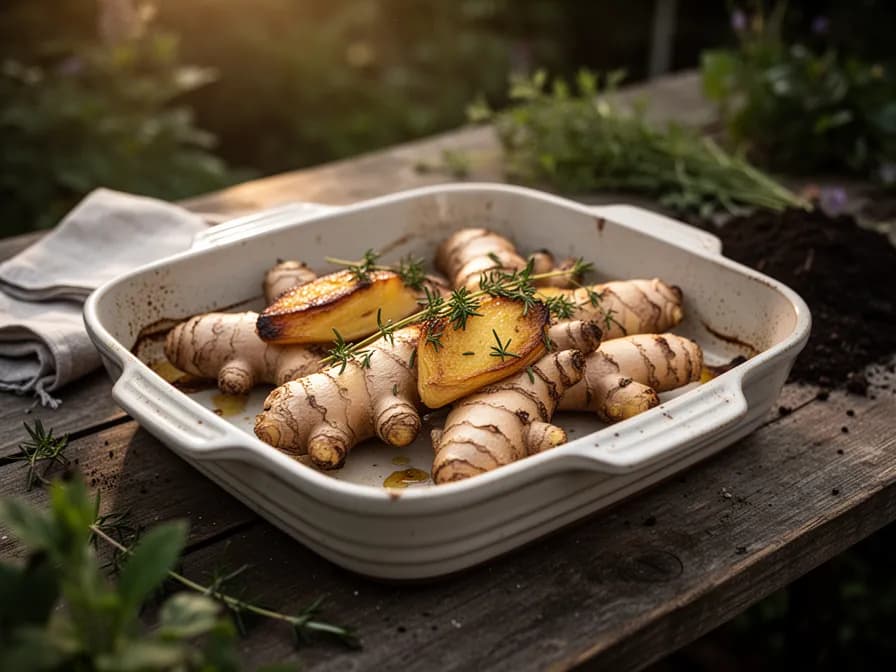
Fresh Ginger Lemon Honey Tea
10 minA warming, soothing beverage that showcases fresh ginger at its simplest and best. The combination of spicy ginger, bright lemon, and sweet honey is a time-honored remedy for cold symptoms and an invigorating daily tonic.
5 ingredientesQuick Pickled Ginger (Gari)
15 min + 1 hour restingHomemade sushi ginger that is far superior to store-bought — delicate, tangy, and naturally pink when made with young ginger. Serve alongside sushi, rice bowls, or grilled fish as a palate cleanser.
5 ingredientesGinger Garlic Stir-Fry Sauce
10 minA versatile all-purpose sauce that transforms any combination of vegetables, tofu, or protein into a restaurant-quality stir-fry. Make a batch ahead and keep it in the fridge for fast weeknight meals.
7 ingredientesUsos culinarios
El jengibre es un pilar de la cocina asiática, esencial en curris, salteados, sopas y marinadas. Fresco se ralla o lamina para infusiones y tés medicinales. En repostería se usa tanto fresco como en polvo para galletas, pasteles y pan de jengibre. El jengibre encurtido (gari) acompaña al sushi, mientras que el jengibre confitado es un delicioso aperitivo.
Qué contiene
Beneficios para la salud
- Gingerol, the primary bioactive compound in fresh ginger, has powerful anti-inflammatory effects comparable to ibuprofen in some studies — regular consumption may help reduce muscle pain, joint stiffness, and exercise-induced soreness.
- Extensively studied and clinically proven to reduce nausea from multiple causes including morning sickness during pregnancy, chemotherapy-induced nausea, and motion sickness — as effective as pharmaceutical antiemetics in many trials.
- May significantly lower blood sugar levels and improve heart disease risk factors. Studies show that 2 grams of ginger powder daily can lower fasting blood sugar by up to 12% in people with type 2 diabetes.
- Contains potent antioxidants that may help prevent oxidative stress and reduce the risk of chronic diseases. Ginger ranks among the highest antioxidant-content spices, alongside turmeric and cloves.
- Supports digestive health by accelerating gastric emptying — the speed at which the stomach empties into the small intestine. This can help relieve chronic indigestion, bloating, and stomach discomfort after meals.
- Emerging research suggests ginger may have anti-cancer properties, with gingerol and its derivatives showing ability to inhibit the growth of various cancer cell lines in laboratory studies, particularly colorectal and ovarian cancers.
De dónde viene Jengibre
Ginger (Zingiber officinale) originated in the tropical rainforests of Southeast Asia, most likely in the region spanning modern-day southern China, northeastern India, and the Malay Archipelago. Archaeological and linguistic evidence suggests ginger was among the first spices cultivated by humans, with domestication dating back at least 5,000 years in southern China and the Indian subcontinent. The plant has been so thoroughly domesticated that no true wild population exists today — all ginger descends from cultivated stock.
Ginger was one of the earliest spices to travel the ancient trade routes. By 500 BCE it was well established in Indian Ayurvedic and Chinese traditional medicine, prescribed for digestive ailments, respiratory conditions, and inflammation. Arab traders brought ginger westward, and by the 1st century CE it was a prized commodity in the Roman Empire, taxed at the port of Alexandria. When Rome fell, ginger largely disappeared from European kitchens until the medieval spice trade revived demand. By the 13th century, a pound of ginger cost roughly the same as a live sheep in England.
Spanish conquistadors introduced ginger to the Caribbean and Central America in the 16th century, where the tropical climate proved ideal. Jamaica became one of the world's premier ginger producers, and Jamaican ginger was long considered the finest quality available. Portuguese traders simultaneously carried ginger to West Africa and Brazil. Today, ginger is cultivated commercially in tropical and subtropical regions across every inhabited continent. India leads global production with over 2 million tonnes annually, followed by Nigeria, China, Indonesia, and Nepal. The global ginger market exceeds $4 billion annually, driven by growing demand for both culinary and health applications.
Jengibre: ¿sabías que?
Datos fascinantes sobre Jengibre
Ginger (Zingiber officinale) has been cultivated for so long — over 5,000 years — that it no longer exists in a true wild form. Every ginger plant alive today is descended from cultivated stock, making it one of the earliest plants domesticated by humans.
Jengibre: preguntas frecuentes
¿Cuándo debo plantar Jengibre?
¿Cuáles son buenas plantas acompañantes para Jengibre?
¿En qué zonas de rusticidad puede crecer Jengibre?
¿Cuánto sol necesita Jengibre?
¿A qué distancia debo espaciar Jengibre?
¿Qué plagas y enfermedades afectan a Jengibre?
¿Cómo almaceno Jengibre después de la cosecha?
¿Cuáles son las mejores variedades de Jengibre para cultivar?
¿Qué suelo necesita Jengibre?
Can I grow ginger from grocery store ginger?
How long does ginger take to grow, and can I speed it up?
Can ginger survive winter outdoors?
Why are the tips of my ginger plant's leaves turning brown?
What is the difference between baby ginger and mature ginger?
Acabas de leer la teoría. Ahora cultívala en piloto automático.
Todo lo que hace que Jengibre sea delicado — el momento, el espaciado, las asociaciones, la ventana de cosecha — es justo lo que PlotMyGarden resuelve por ti, para cada planta de tu huerto.
Un plan que conoce tu clima
Indica tu ubicación una vez. Recibe fechas de siembra, abonado y cosecha basadas en tu última helada real y el pronóstico en vivo — sin adivinar con un sobre genérico.
De la sección “Cuándo plantar”Planificador de bancales de arrastrar y soltar
Diseña bancales sobre una cuadrícula. Cada planta encaja con su espaciado correcto y ves toda la temporada antes de gastar un céntimo en semillas.
De la sección “Cultivo”Conflictos de asociación, detectados a tiempo
Más de 200 buenas y malas combinaciones comprobadas en vivo mientras plantas — para que un error que arruine la temporada nunca llegue a la tierra.
De la sección “Asociaciones”Recordatorios que sí vas a seguir
“Riega las judías.” “Recoge hoy antes de que se pase.” Oportunos, concretos y ligados a las plantas que de verdad cultivas.
De la sección “Cosecha”Escalonado, programado
¿Quieres cosechar seis semanas en vez de seis días? Reparte tus siembras automáticamente y te avisa cuando toca el siguiente lote.
De la sección “Cuándo plantar”Un registro que se vuelve más listo
Cada cosecha que registras le enseña tu huerto. El plan del año que viene parte de lo que de verdad funcionó en tu suelo, no en un manual.
De la sección “Resumen”Planta estos junto a Jengibre
Más Hortalizas de raíz
Diseños de jardín con Jengibre
Cultiva tu mejor Jengibre — y todo lo que la rodea.
Empieza un plan gratis hoy. Diseña tus bancales, coloca tu Jengibre y deja que PlotMyGarden gestione el momento, el espaciado, las asociaciones y los recordatorios de la semilla a la cesta.