Callaloo
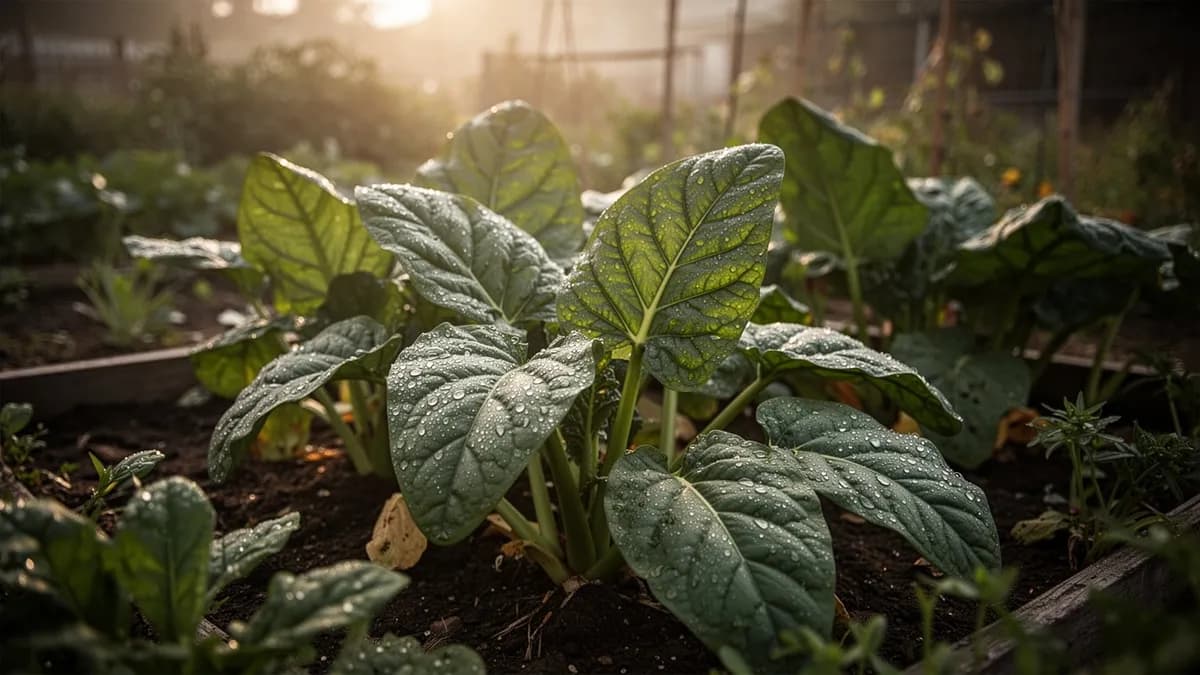
Callaloo es el nombre dado en el Caribe a las hojas comestibles de varias especies de Amaranthus, principalmente Amaranthus viridis y A. dubius.





En esta páginaResumen
Conoce Callaloo
Callaloo es el nombre dado en el Caribe a las hojas comestibles de varias especies de Amaranthus, principalmente Amaranthus viridis y A. dubius. Es la verdura de hoja más importante de la cocina caribeña, especialmente en Trinidad y Jamaica, donde se prepara como guiso cremoso con leche de coco, cangrejo y especias, constituyendo un plato nacional.
Cuándo plantar Callaloo
Siembre en superficie del suelo húmedo cubriendo apenas con 0,3 cm de tierra. Las semillas son diminutas; mezcle con arena fina para distribución uniforme. Germinación en 5-10 días a 20-30 °C. Aclare a 15-20 cm. No trasplanta bien; prefiera siembra directa.
Tu año de Callaloo
Ajustado a Zona 7 · temporada típica · la helada se va hacia el 2 abr y vuelve hacia el 1 nov
Planta Callaloo Abr – Jun y cosecha Jun – Sep. Consulta los métodos de plantación y elige tu clima para adaptar los periodos.
Cómo cultivar Callaloo
Siembre directamente cuando la temperatura del suelo supere 18 °C. Esparza las diminutas semillas en la superficie del suelo húmedo y cubra apenas con 0,3 cm de tierra fina, ya que necesitan algo de luz. Espacie 15-20 cm entre plantas en filas de 30-40 cm.
Las plantas crecen rápidamente en clima cálido, alcanzando 60-120 cm en pocas semanas. Riegue regularmente con 2-3 cm semanales. El callaloo es tolerante al calor y prospera donde la espinaca se espiga.
Fertilice cada 2-3 semanas con abono rico en nitrógeno para hojas abundantes y tiernas. Puede hacer siembras sucesivas cada 3 semanas para cosecha continua. Pellizque los brotes terminales para fomentar ramificación y más hojas. Las plantas se resiembran fácilmente.
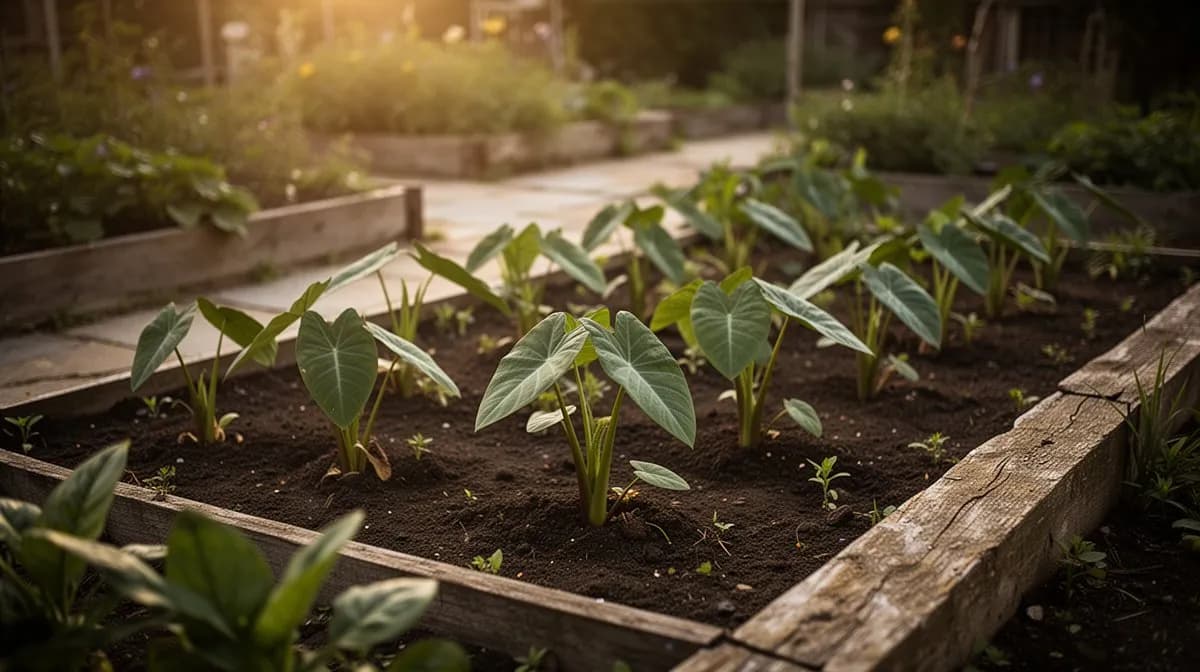
32 plantas caben en un bancal de 120 × 240 cm
Cada Callaloo pide 30 cm de margen. El planificador guarda ese marco por ti — cada planta, cada bancal.
Los mejores vecinos de Callaloo
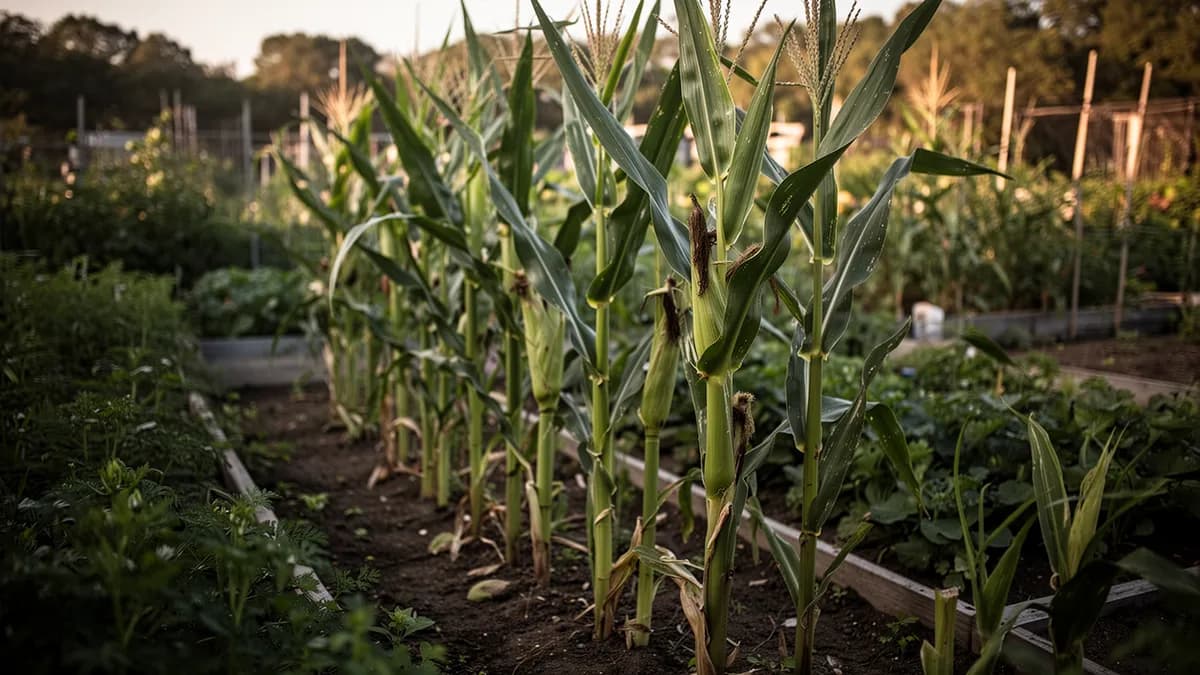
Crece bien junto a maíz, calabazas y frijoles. Las hierbas aromáticas como albahaca y cilantro son buenos compañeros. Las caléndulas repelen plagas. Evite plantar junto a otras amarantáceas como la remolacha y la espinaca.
Maíz va a su lado.
Saber de huerto de siempre, cotejado con la tabla real de Callaloo — prueba cualquier planta que cultives.
Prueba Callaloo en un bancal, aquí mismo
Un bancal real del planificador con Callaloo ya plantado. Toca una planta compañera para colocarla y mira cómo responde la comprobación de vecinos: verde para buenos vecinos, rojo si hay conflicto.


Guías de cultivo relacionadas
Abónalo bien
Suelos ricos y bien drenados con pH 6,0-7,5. Muy adaptable a diferentes tipos de suelo. Enmiende con compost y fertilice con nitrógeno para hojas abundantes. Tolera suelos algo pobres mejor que la espinaca.
Temperatura ideal
Compatibilidad de zonas de rusticidad
De la semilla a la cosecha, etapa por etapa
Germinación de semillas
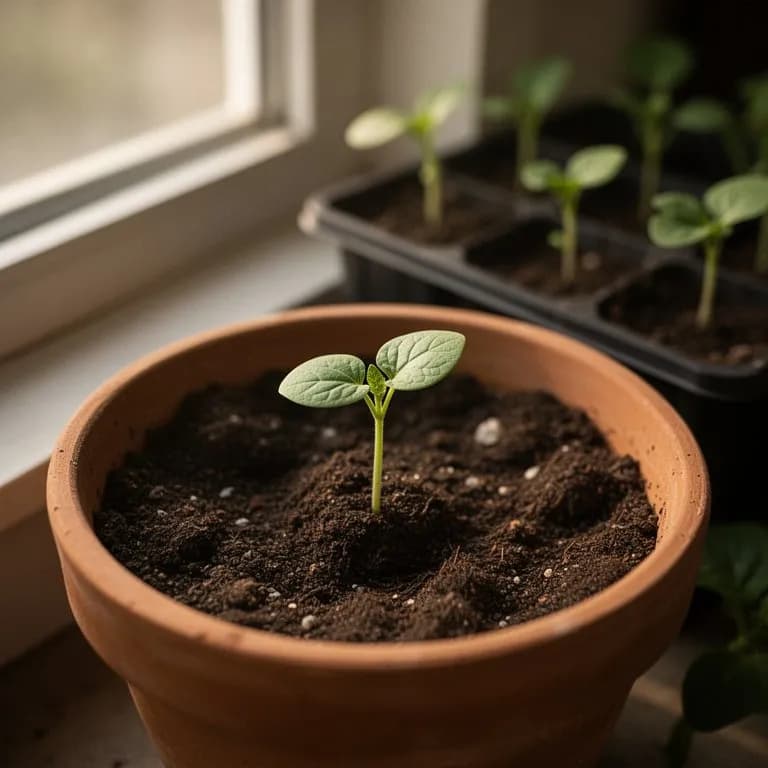
Las diminutas semillas negras o marrón oscuro se siembran en la superficie o apenas se cubren en suelo cálido y húmedo. En temperaturas tropicales superiores a 24°C, la germinación ocurre rápidamente en 5-7 días. Las plántulas emergen con cotiledones pequeños y redondeados, de color verde pálido y delicados.
Desarrollo de plántulas
Se desarrollan las hojas verdaderas con la forma ancha y ovalada característica y bordes ligeramente ondulados. Las plántulas crecen rápido en condiciones cálidas, formando un tallo central fuerte. En esta etapa se deben aclarar las plántulas demasiado densas para permitir un crecimiento individual vigoroso.
Crecimiento vegetativo rápido
Las plantas entran en un crecimiento ascendente vigoroso y producen hojas grandes y anchas a gran velocidad. El tallo se engrosa y puede desarrollar pigmentación roja o púrpura según la variedad. Con calor y humedad ideales, las plantas pueden crecer de 5 a 8 cm por semana en esta fase.
Cosecha máxima
Las plantas alcanzan entre 60 y 120 cm de altura y producen abundantes hojas grandes listas para una cosecha continua. El método de cortar y volver a cosechar funciona muy bien: al quitar las hojas externas se estimula un nuevo crecimiento desde el centro. Una sola planta proporciona múltiples cosechas durante varias semanas.
Floración y formación de semillas
A medida que cambia la duración del día o la planta madura, emite altas espigas florales con plumas densas y erguidas que van del verde al rojo burdeos intenso. La calidad de las hojas disminuye cuando comienza la floración, ya que la planta redirige su energía a la producción de semillas. Cada cabeza floral produce miles de semillas diminutas y redondas.
Siembra las semillas muy superficialmente — no más de 3 mm de profundidad — porque necesitan luz para germinar. Mantén la superficie del suelo constantemente húmeda con una niebla fina. Una temperatura del suelo de 24-30°C garantiza una germinación más rápida y uniforme.
Cuidar Callaloo mes a mes
Qué hacer cada mes para tu Callaloo
Octubre
Mes actualFinal harvests in temperate zones before frost kills plants. Gather and clean seeds from dried flower heads — store in a cool, dry place in paper envelopes. Pull spent plants and add healthy material to the compost pile.
Ten claro qué hacer en tu huerto, cada mes
Un correo al empezar cada mes: qué sembrar, plantar y hacer ahora mismo — para tu Callaloo y todo lo que crece alrededor. Más un breve curso inicial para esquivar los errores clásicos.
- Qué hacer ahora mismo
- Ajustado a tu temporada
- Curso inicial incluido
Cosechar Callaloo
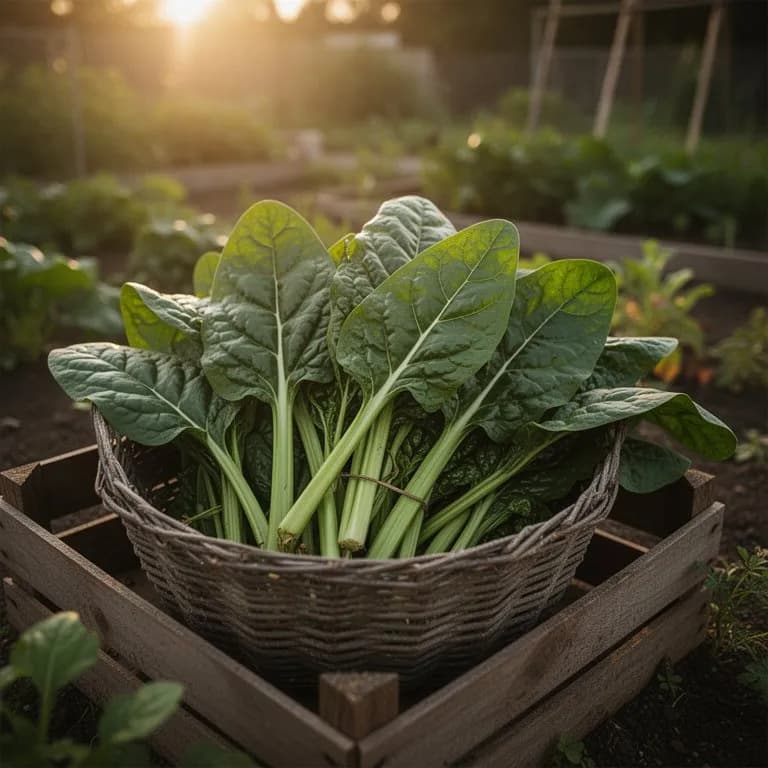
Coseche las hojas y brotes tiernos cuando las plantas tengan 20-30 cm de alto, unos 40-60 días tras la siembra. Corte los brotes superiores con 15-20 cm de tallo y hojas; la planta rebrota para múltiples cosechas. Las hojas jóvenes son más tiernas que las maduras.
se supone que plantas al comenzar el periodo — indica tu fecha real
Cosecha cuando las plantas midan entre 30 y 60 cm; empieza antes si quieres las hojas más tiernas.
Almacenamiento y conservación
Las hojas frescas se conservan en refrigerador en bolsa perforada 3-5 días. Para conservación, escalde brevemente y congele. Las hojas se marchitan rápidamente; use lo antes posible tras la cosecha.
Qué falla — y cómo solucionarlo
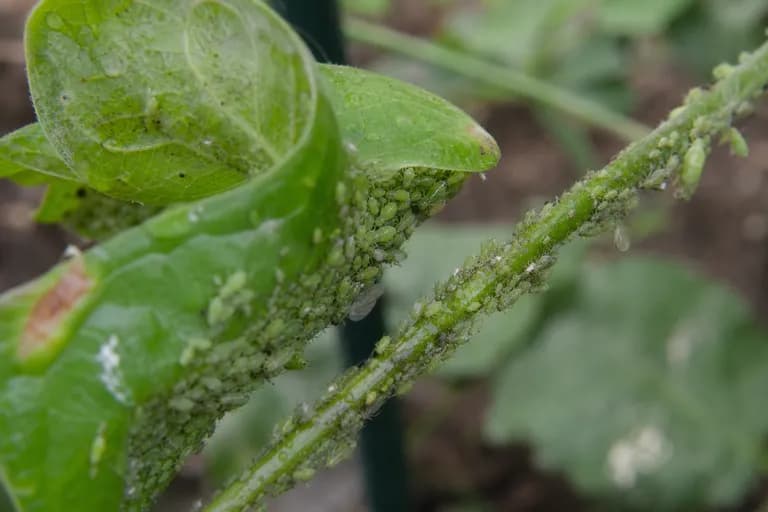
Pulgón (Aphis spp.)
PlagaColonias en brotes tiernos y envés de hojas, deformación.
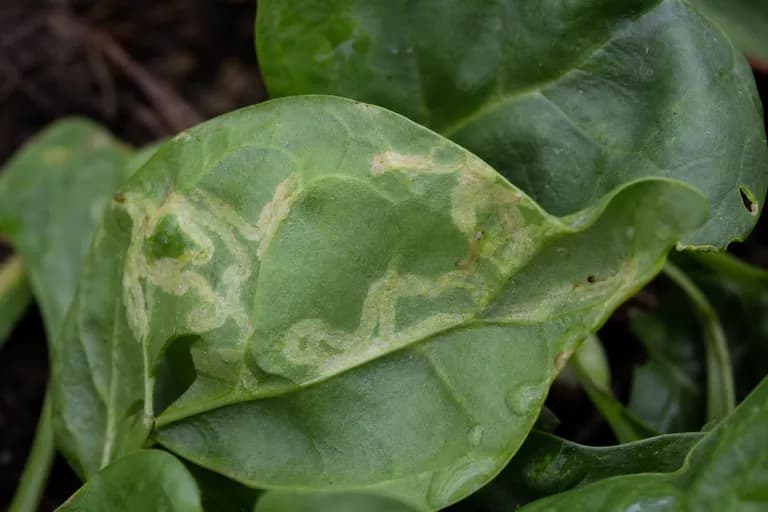
Minador de hojas (Liriomyza spp.)
PlagaGalerías serpenteantes en hojas.
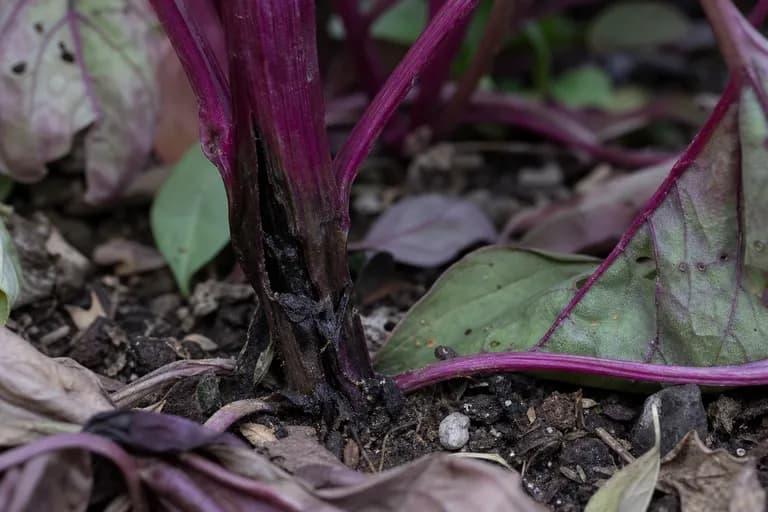
Oídio (Erysiphe spp.)
EnfermedadPolvo blanco en hojas en condiciones secas.
Solución de problemas comunes
La resiembra agresiva puede convertirlo en maleza si no se controla la producción de semillas. Las plantas se espigan con días cortos (foto-periodo). Las hojas maduras se vuelven fibrosas. Necesita calor y no tolera heladas.
Consejos de cultivo
- Sow callaloo seeds shallowly and do not bury them. The tiny seeds need light to trigger germination — press them gently into moist soil surface or cover with no more than 3mm of fine vermiculite. Deeply buried seeds will not germinate.
- Succession sow every 3-4 weeks from late spring through midsummer for a continuous harvest of tender young leaves. Older plants become tougher and more likely to bolt, so fresh plantings ensure the best eating quality.
- Embrace dense planting. Unlike most vegetables, callaloo performs well at close spacing of 15-20 cm apart. The dense canopy shades out weeds, conserves soil moisture, and produces more tender leaves due to mild competition for light.
- Use the cut-and-come-again harvesting method for maximum productivity. Cut or snap outer leaves at the base of the petiole, always leaving the central growing point and at least 4-6 inner leaves. The plant will regenerate new leaves within a week.
- Pinch out flower buds the moment they appear if you want to extend the leafy harvest. Once callaloo begins flowering, leaf production drops sharply and remaining leaves become tougher and less palatable. Removing flower buds can extend harvesting by several weeks.
- Callaloo is a heavy nitrogen feeder. Prepare beds with generous compost before planting and side-dress every two weeks with compost tea, fish emulsion, or balanced liquid fertilizer during the growing season. Pale or yellowing lower leaves indicate nitrogen deficiency.
- Grow callaloo as a hot-weather spinach substitute. When lettuce and spinach bolt in summer heat, callaloo is just hitting its stride. Plant it specifically to fill the summer leafy-green gap in your garden rotation.
- Save seeds from your best plants for future seasons. Allow one or two robust plants to flower fully and set seed. Harvest the dry seed heads into a paper bag, crush gently to release the tiny seeds, and winnow away chaff. Stored in a cool, dry place, callaloo seeds remain viable for 3-5 years.
Cultiva tu mejor Callaloo — y todo lo que la rodea.
Empieza un plan gratis hoy. Diseña tus bancales, coloca tu Callaloo y deja que PlotMyGarden gestione el momento, el espaciado, las asociaciones y los recordatorios de la semilla a la cesta.
Elige tu Callaloo
Amaranthus viridis (Callaloo verde)
La especie más común en el Caribe. Hojas verdes suaves y de sabor delicado. Crecimiento rápido en 40-50 días.
Amaranthus dubius (Callaloo rojo)
Hojas con tonos rojos y morados. Sabor ligeramente más intenso. Muy decorativo. 45-55 días.
Chinese Spinach (Yin Tsai)
Variedad asiática de amaranto con hojas más redondeadas y sabor suave. Ideal para stir-fry. 40 días.
Red Stripe Leaf
Variedad con hojas verdes con venas rojas brillantes. Muy atractiva y sabrosa. 45 días.
Callaloo is rarely found in mainstream supermarkets outside Caribbean and African grocery stores, where a single bunch sells for $3-5. A packet of seeds costs $2-4 and produces 200+ plants. Growing just 10-15 plants from a single seed packet provides 3-8 kg of fresh greens over the season — the equivalent of $30-80 worth of purchased bunches. The savings are even greater considering callaloo's status as a specialty green that commands premium prices at farmers markets ($6-10 per bunch in many areas).
Recetas rápidas
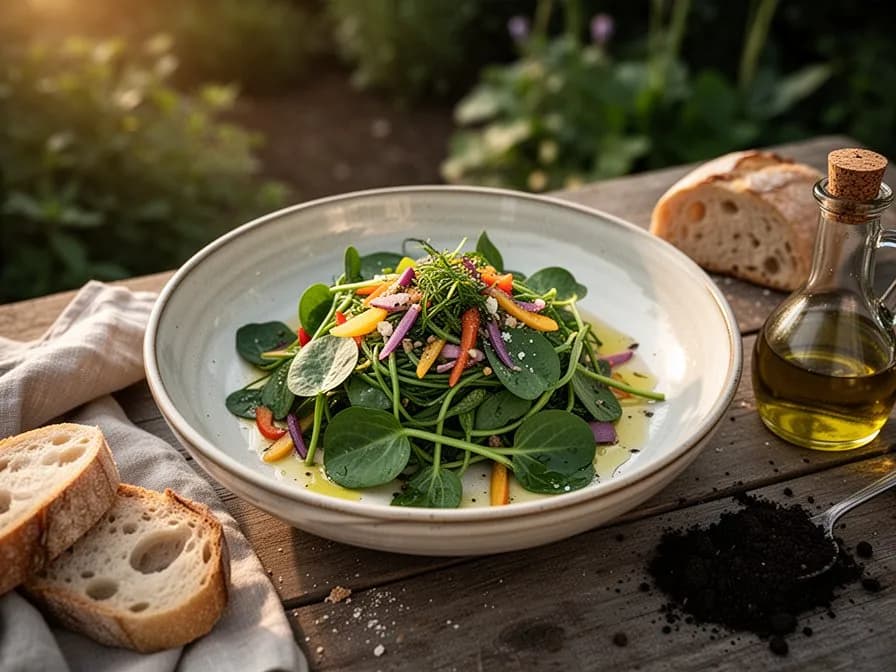
Traditional Caribbean Callaloo Soup
40 minThe iconic one-pot dish of the Caribbean — silky callaloo leaves simmered with coconut milk, okra, Scotch bonnet pepper, and aromatics until lusciously smooth. Every island has its own version, but the heart is always the rich, earthy green base.
10 ingredientesSauteed Callaloo with Garlic and Tomatoes
15 minA quick, vibrant side dish where callaloo leaves are flash-sauteed with garlic, tomatoes, and a squeeze of lime. Cooks down rapidly like spinach but retains a silkier texture and deeper mineral flavor.
8 ingredientesCallaloo and Saltfish Fritters
30 minCrispy, savory fritters packed with wilted callaloo and flaked saltfish — a beloved Caribbean street food and breakfast staple. The batter is light and the flavor is deeply savory with a gentle background heat.
10 ingredientesUsos culinarios
El callaloo se prepara tradicionalmente como guiso espeso con leche de coco, cangrejo, okra, ajo, cebolla y chile en Trinidad. En Jamaica se saltea con saltfish (bacalao salado) y scotch bonnet. También se usa como sustituto de espinaca en cualquier receta, en sopas, y salteado con ajo al estilo asiático.
Qué contiene
Beneficios para la salud
- Callaloo is one of the richest plant sources of beta-carotene (provitamin A), providing over 100% of the daily value per 100g serving — essential for maintaining healthy vision, robust immune function, and skin integrity.
- Outstanding calcium content at approximately 215mg per 100g rivals dairy sources and supports bone density, muscle function, and nerve signaling — particularly valuable for those who are lactose intolerant or follow plant-based diets.
- High iron content (2.7mg per 100g) combined with exceptional vitamin C levels creates an ideal pairing for maximum non-heme iron absorption, helping to prevent iron-deficiency anemia common in tropical populations.
- Rich in dietary folate (vitamin B9), critical for DNA synthesis, red blood cell formation, and fetal neural tube development — making callaloo an important food for women of childbearing age.
- Contains potent antioxidant compounds including polyphenols, flavonoids, and betalains (in red varieties) that combat oxidative stress and may help reduce the risk of chronic inflammatory diseases.
- High potassium content (611mg per 100g) supports healthy blood pressure regulation and cardiovascular function, counterbalancing dietary sodium intake — a benefit recognized in traditional Caribbean dietary practices.
De dónde viene Callaloo
Callaloo traces its roots to the amaranth genus (Amaranthus), one of the oldest cultivated plant families on Earth. Amaranth was domesticated independently in Mesoamerica over 8,000 years ago by the ancestors of the Aztec and Maya civilizations, and separately in tropical Africa and South Asia, where different species were cultivated for both their nutritious leaves and protein-rich seeds. The Aztecs considered amaranth a sacred crop, using it alongside maize and beans as a dietary staple and incorporating amaranth-seed dough into religious ceremonies. When Spanish colonizers suppressed Aztec religious practices in the 16th century, they banned amaranth cultivation — but the resilient plant survived in dooryard gardens and wild populations across the tropics.
The journey of callaloo to the Caribbean is inseparable from the history of the transatlantic slave trade. Enslaved West Africans carried familiar food plants — including amaranth greens — to the islands, where the tropical climate proved ideal for their cultivation. Over centuries, these greens became the foundation of a new culinary tradition. The word 'callaloo' evolved from various West African and indigenous Caribbean terms, and the dish itself became a defining element of Caribbean identity — a creolized creation blending African cooking techniques, indigenous Caribbean ingredients like crab and hot peppers, and European influences.
Today, callaloo is cultivated throughout the tropics and subtropics on every inhabited continent. In the Caribbean, it remains a cornerstone crop grown in home gardens and small farms from Trinidad to Jamaica to Barbados. In West Africa, amaranth greens are a daily staple sold in enormous bundles at every market. In South and Southeast Asia, related species are cultivated on commercial scales for both leaf and grain production. Modern nutritional science has confirmed what traditional cultures knew for millennia — callaloo is among the most nutrient-dense greens available, rivaling or exceeding spinach and kale in calcium, iron, and beta-carotene content. Interest in callaloo has surged in temperate-climate countries as gardeners discover how easily it grows in hot summer conditions where lettuce and spinach fail.
Callaloo: ¿sabías que?
Datos fascinantes sobre Callaloo
The word 'callaloo' refers not to a single plant species but to an entire family of leafy greens used across the Caribbean — depending on the island, callaloo may be amaranth (Amaranthus species), taro leaves (dasheen), or water spinach, though amaranth is the most common.
Callaloo: preguntas frecuentes
¿Cuándo debo plantar Callaloo?
¿Cuáles son buenas plantas acompañantes para Callaloo?
¿En qué zonas de rusticidad puede crecer Callaloo?
¿Cuánto sol necesita Callaloo?
¿A qué distancia debo espaciar Callaloo?
¿Qué plagas y enfermedades afectan a Callaloo?
¿Cómo almaceno Callaloo después de la cosecha?
¿Cuáles son las mejores variedades de Callaloo para cultivar?
¿Qué suelo necesita Callaloo?
What exactly is callaloo — is it one plant or many?
Can I grow callaloo in a temperate climate with cold winters?
Is callaloo safe to eat raw, or must it be cooked?
How is callaloo different from spinach?
Why is my callaloo bolting and flowering so quickly?
Can I grow callaloo in containers on a balcony?
Acabas de leer la teoría. Ahora cultívala en piloto automático.
Todo lo que hace que Callaloo sea delicado — el momento, el espaciado, las asociaciones, la ventana de cosecha — es justo lo que PlotMyGarden resuelve por ti, para cada planta de tu huerto.
Un plan que conoce tu clima
Indica tu ubicación una vez. Recibe fechas de siembra, abonado y cosecha basadas en tu última helada real y el pronóstico en vivo — sin adivinar con un sobre genérico.
De la sección “Cuándo plantar”Planificador de bancales de arrastrar y soltar
Diseña bancales sobre una cuadrícula. Cada planta encaja con su espaciado correcto y ves toda la temporada antes de gastar un céntimo en semillas.
De la sección “Cultivo”Conflictos de asociación, detectados a tiempo
Más de 200 buenas y malas combinaciones comprobadas en vivo mientras plantas — para que un error que arruine la temporada nunca llegue a la tierra.
De la sección “Asociaciones”Recordatorios que sí vas a seguir
“Riega las judías.” “Recoge hoy antes de que se pase.” Oportunos, concretos y ligados a las plantas que de verdad cultivas.
De la sección “Cosecha”Escalonado, programado
¿Quieres cosechar seis semanas en vez de seis días? Reparte tus siembras automáticamente y te avisa cuando toca el siguiente lote.
De la sección “Cuándo plantar”Un registro que se vuelve más listo
Cada cosecha que registras le enseña tu huerto. El plan del año que viene parte de lo que de verdad funcionó en tu suelo, no en un manual.
De la sección “Resumen”Planta estos junto a Callaloo
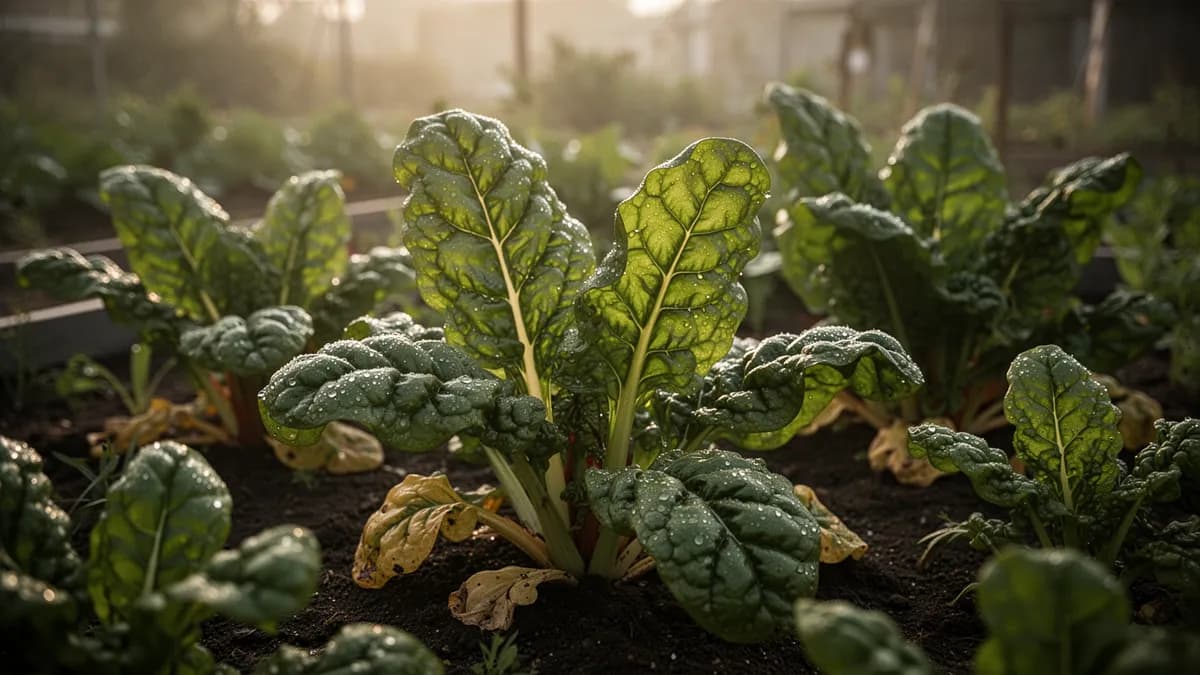
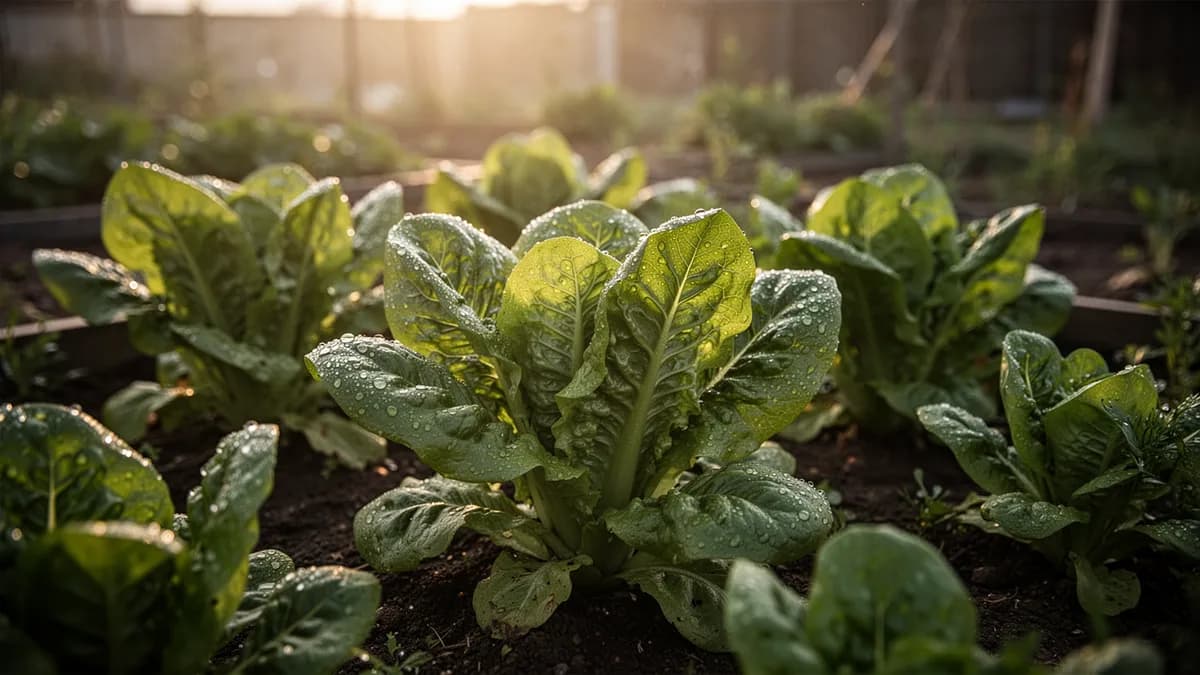
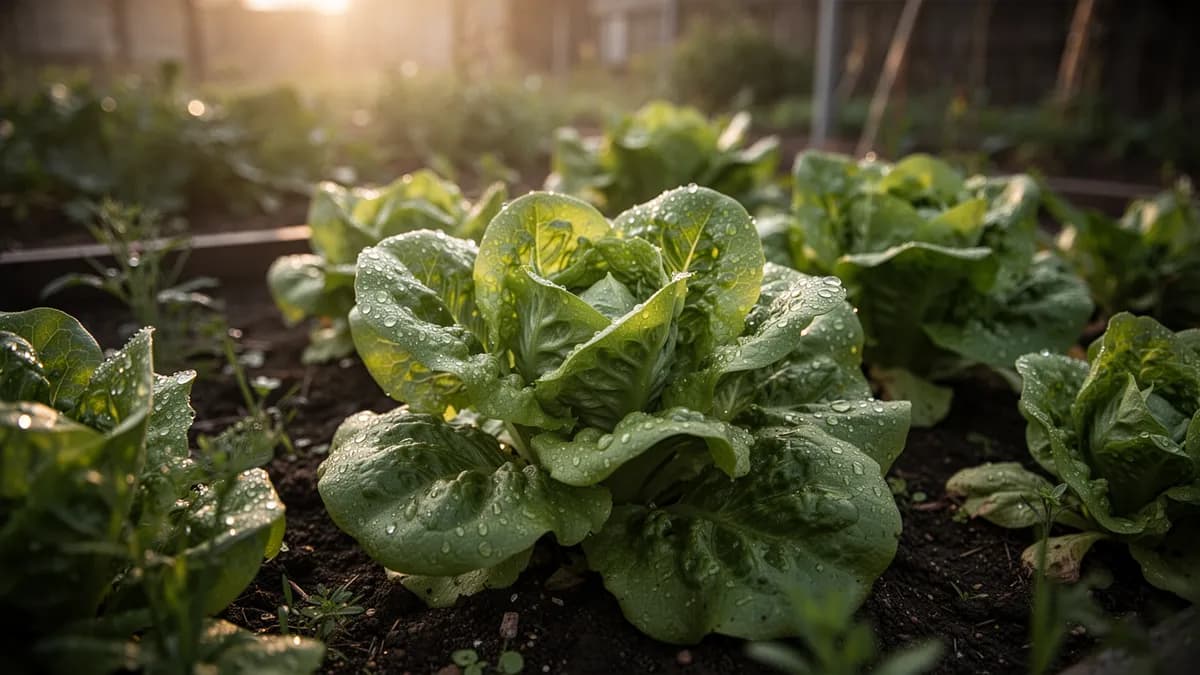
Más Hortalizas de hoja
Cultiva tu mejor Callaloo — y todo lo que la rodea.
Empieza un plan gratis hoy. Diseña tus bancales, coloca tu Callaloo y deja que PlotMyGarden gestione el momento, el espaciado, las asociaciones y los recordatorios de la semilla a la cesta.