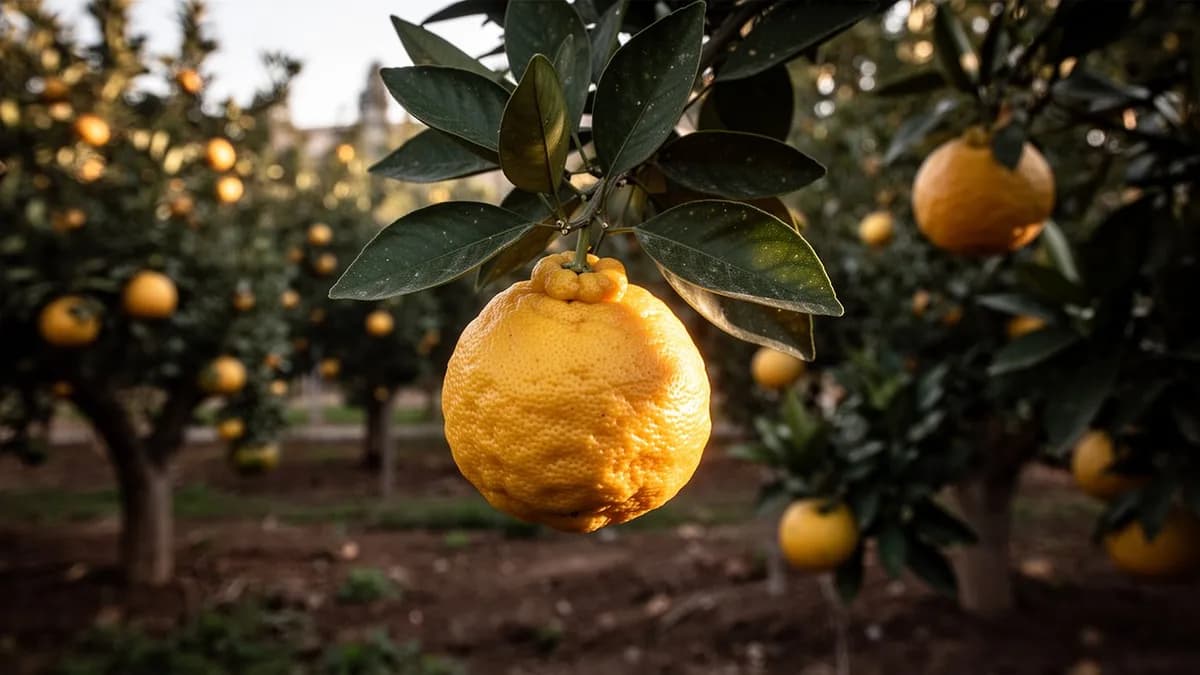
Yuzu
Citrus junos
At a Glance
It's planting season for Yuzu! Start planning your garden now.
A highly aromatic Japanese citrus prized for its complex zest that combines lemon, mandarin, and grapefruit flavors. Yuzu is one of the most cold-hardy citrus species, tolerating temperatures down to 15 degrees Fahrenheit once established. The bumpy, yellow-green fruits are rarely eaten fresh but their zest and juice are indispensable in Japanese cuisine.
Planting & Harvest Calendar
Growth Stages
From Seed to Harvest
Seed or Graft Establishment
Days 0–30
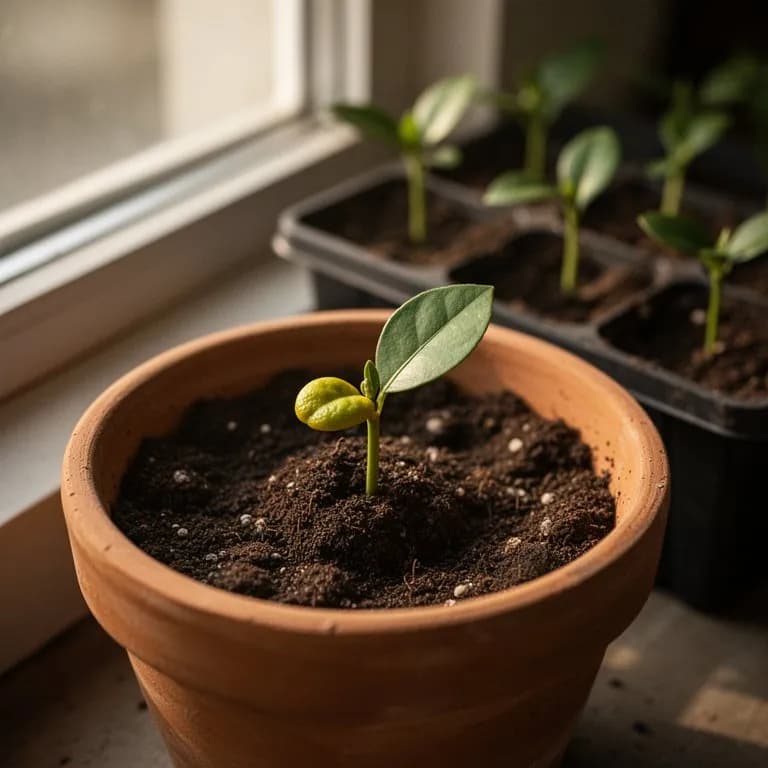
Yuzu can be grown from seed, which germinates in 2-4 weeks when kept warm and moist, but seed-grown trees may take 8-12 years to bear fruit and often carry thorns in abundance. Grafted trees purchased from specialist citrus nurseries are strongly preferred, as they fruit within 4-6 years and deliver more consistent performance. Grafting onto Poncirus trifoliata rootstock greatly improves cold hardiness, one of yuzu's key advantages over other citrus.
💡 Care Tip
If starting from seed, soak in warm water for 24 hours before sowing 1 cm deep in moist citrus seed-starting mix at 21-26°C. For faster results and reliable fruiting, purchase a grafted specimen from a specialist nursery. Ensure the graft union remains above the soil line when planting.
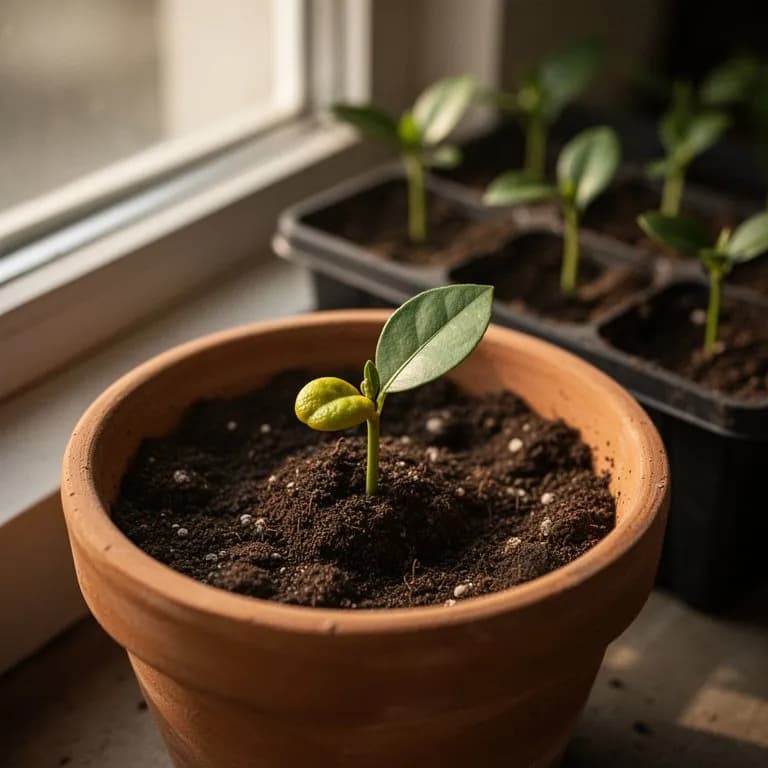
A juvenile yuzu seedling beginning to establish itself — patience is rewarded as this long-lived citrus tree will produce for decades
Monthly Care Calendar
What to do each month for your Yuzu
May
You are hereMove container yuzu trees outdoors to a sheltered, sunny position once night temperatures remain reliably above 5°C. Flowering typically occurs this month — maintain consistent watering and hand-pollinate indoor trees if needed. Mulch around the base of in-ground trees.
Did You Know?
Fascinating facts about Yuzu
Yuzu is one of the most cold-hardy citrus plants in cultivation — grafted onto Poncirus trifoliata rootstock, it can survive temperatures as low as -9°C to -12°C, allowing it to be grown outdoors in parts of the UK, northern France, and the US Pacific Northwest where other citrus would perish.
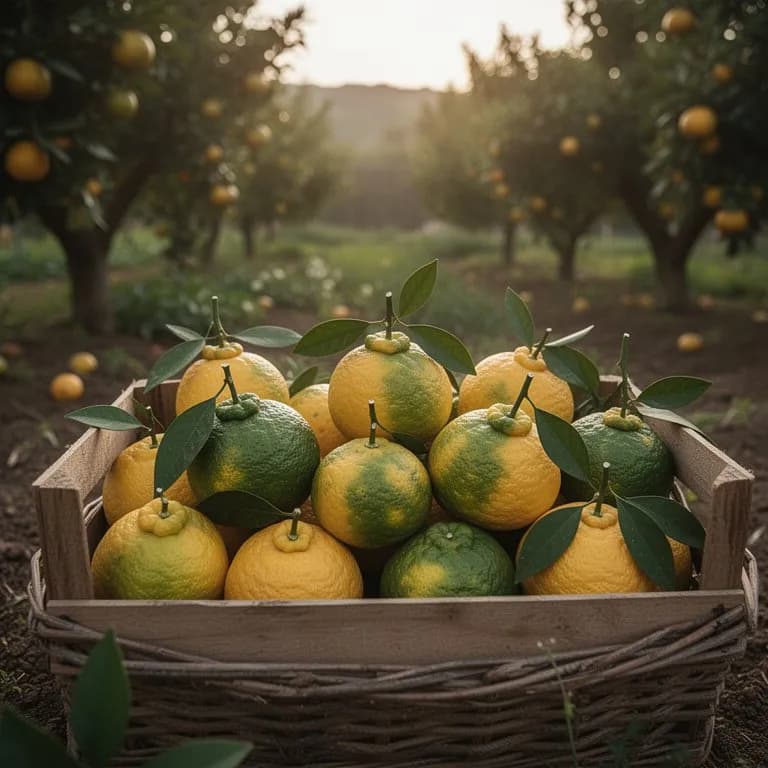
Ripe yuzu fruits are smaller than a lemon, with a knobby skin packed with highly fragrant essential oils
Yuzu is remarkably cold-hardy for a citrus, surviving temperatures as low as 15 degrees Fahrenheit once established, making it viable in USDA zones 7 through 10. Plant in full sun in well-drained soil, spacing trees 12 to 15 feet apart. Yuzu grows slowly as a thorny, upright tree reaching 15 to 20 feet tall. Plant in spring after frost danger has passed and water deeply.
The tree bears prolifically once established, but patience is required as seed-grown trees can take a decade to fruit. Grafted specimens bear in three to five years. Yuzu blooms in spring with fragrant white flowers. The fruit develops through summer and ripens in late fall, turning from green to golden yellow. Green yuzu has its own culinary applications in Japanese cuisine, so the harvest season spans several months.
Fertilize three times per year with a balanced citrus formula. Yuzu is more pest-resistant than many citrus species due to its Ichang papeda parentage. The thorns are formidable, so wear heavy gloves when pruning or harvesting. Prune to maintain shape and remove interior dead wood. In zone 7, plant against a south-facing wall and mulch heavily around the root zone to insulate roots from deep freezes.
Yuzu (Citrus junos) is one of the oldest cultivated citrus fruits in East Asia and is believed to have originated as a natural hybrid between the mandarin (Citrus reticulata) and the ichang papeda (Citrus cavaleriei) in central China and the Tibetan plateau, where its wild ancestors still grow at high elevations. Unlike virtually all other commercial citrus, yuzu evolved in a temperate rather than tropical climate, which accounts for its remarkable cold hardiness compared with lemons, oranges, and limes. The fruit was introduced to Korea and Japan during the Tang Dynasty (618–907 AD), likely carried by Buddhist monks and scholars travelling along cultural exchange routes. Japanese records from the Nara period (710–794 AD) document yuzu cultivation in the imperial gardens, and the fruit became deeply embedded in Japanese culinary and cultural tradition over the following centuries. In Korea, yuja-cha — a sweet yuzu marmalade dissolved in hot water to make a warming tea — has been a cherished winter beverage for over a thousand years. Japanese cooks developed an extraordinary range of uses for yuzu: the juice acidulates ponzu dipping sauce, the zest perfumes clear soups and sashimi, yuzu kosho (a vibrant fermented paste of yuzu zest and green chillies) seasons grilled meats and noodles, and whole fruits float in winter solstice baths. Despite being prized for over a millennium in East Asia, yuzu remained almost completely unknown in the Western world until the 1990s and 2000s, when a wave of interest in Japanese cuisine brought it to the attention of chefs in Europe and North America. Once it appeared on the menus of high-profile restaurants, demand exploded — but the slow-fruiting nature of the tree and the limited acreage of established orchards in Japan, Korea, and China meant supply could not keep pace. This scarcity drove yuzu to become one of the most expensive citrus fruits in international trade, sometimes selling for more than prime quality saffron by weight. Today, small-scale commercial yuzu cultivation has begun in California, New Zealand, Australia, and parts of southern Europe as growers respond to global demand. For home gardeners, yuzu represents a uniquely rewarding long-term investment: a cold-hardy, ornamental, and extraordinarily fragrant citrus tree that produces one of the world's most sought-after culinary ingredients year after year for decades.
Yuzu can be grown from seed but takes an extremely long time to bear fruit, typically ten to fifteen years. Seeds are polyembryonic and produce some nucellar seedlings that are genetic clones. For faster fruiting, purchase grafted trees on Trifoliata rootstock, which maximizes cold hardiness, or on Flying Dragon for dwarfing. Grafted trees fruit in three to five years. If growing from seed, plant fresh seeds one inch deep in moist potting mix, keep warm at 70 to 80 degrees, and expect germination in three to six weeks. Seedlings are thorny from an early age.
Yuzu adapts to a wide range of soils but performs best in well-drained loam with a pH of 5.5 to 6.5. The tree is more tolerant of clay soils than most citrus thanks to its Ichang papeda ancestry. Apply a balanced citrus fertilizer three times per year at moderate rates. Yuzu is not a heavy feeder compared to oranges and grapefruit. Supplement with chelated iron in alkaline soils. Organic matter worked into the planting area improves soil structure and water retention. Mulch with three inches of composted bark or leaf mold.
Check Your Zone
See if Yuzu is suitable for your location.
-9°C – 35°C
16°F – 95°F
Yuzu is the most cold-tolerant of all edible citrus, withstanding temperatures as low as -9°C to -12°C when grafted onto Poncirus trifoliata rootstock and when cold is brief. It thrives in temperate climates with warm summers and cool winters, with optimal growth between 15-28°C (59-82°F). Unlike tropical citrus, yuzu benefits from a cool winter rest period of 5-12°C that helps initiate the following spring's flowering. It can suffer heat stress above 38°C and appreciates afternoon shade in the hottest climates.
Common issues affecting Yuzu and how to prevent and treat them organically.
The most common frustration with yuzu is the extremely long time to fruit from seed, often ten to fifteen years or more. Always purchase grafted trees for reasonable bearing timelines. The heavy thorns make pruning and harvesting painful and potentially dangerous without proper protection. Yuzu produces relatively little juice compared to other citrus, so it is primarily a zest fruit. Trees can become quite large and thorny if not regularly pruned, making management difficult in small gardens.
Yuzu's thorny growth habit makes it an effective barrier or hedge plant. Its cold hardiness allows it to be planted in locations where other citrus cannot survive. Underplant with shade-tolerant herbs like parsley and chervil. Nitrogen-fixing clover or vetch as ground cover benefits soil health. Yuzu's flowers attract pollinators, benefiting nearby fruit trees and vegetables. The tree works well at the back of a mixed orchard, providing wind protection for more tender citrus in front.
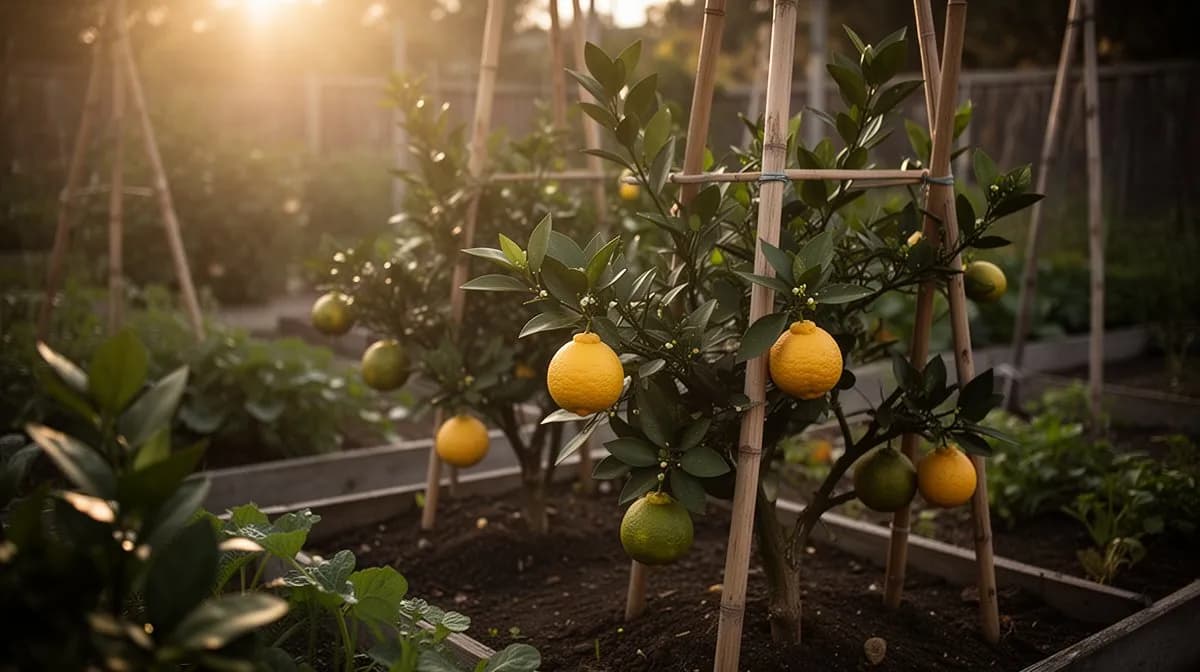
Yuzu adapts well to container growing, allowing gardeners in cooler climates to bring it indoors during winter
- 1Always purchase a grafted yuzu tree from a specialist citrus nursery rather than attempting to grow from seed. Seed-grown trees can take 10-12 years to produce their first fruit, while a good grafted specimen will begin fruiting in 4-6 years. Ask specifically for trees grafted onto Poncirus trifoliata rootstock for maximum cold hardiness.
- 2Choose the sunniest, most sheltered spot in your garden — ideally against a south-facing wall that absorbs heat and provides frost protection. Yuzu tolerates more cold than any other edible citrus, but a warm microclimate significantly improves fruit set and flavour development.
- 3Respect the thorns. Yuzu trees, especially young specimens, bear long, sharp thorns that can cause serious injury. Always wear thick leather gloves when pruning or harvesting. Thorns reduce in number as the tree matures but never disappear entirely.
- 4Yuzu needs excellent drainage above all else. Plant in well-draining soil amended with coarse grit or horticultural sand if your soil is heavy. In containers, use a citrus-specific compost blended with 20-30% perlite. Root rot from waterlogged conditions is the most common cause of failure in home-grown yuzu.
- 5Be patient. Yuzu rewards long-term thinking. The tree grows slowly in its early years and may seem unproductive, but once established it is exceptionally long-lived and increasingly productive each season. Gardeners who give up and discard their tree at year three miss the flowering that often begins at year four or five.
- 6Feed with a citrus-specific fertiliser that includes trace elements in spring and early summer, then switch to a low-nitrogen, high-potassium fertiliser from midsummer to encourage fruit development and flavour over vegetative growth. Avoid high-nitrogen feeds in late summer as these can reduce cold hardiness.
- 7Harvest both green and yellow yuzu for different culinary uses. Green yuzu picked from late summer has a sharper, more intense acidity and a distinctive vegetal-citrus flavour used specifically in traditional Japanese cooking. Yellow ripe yuzu has a rounder, more floral aroma. Growing your own lets you use both stages — a luxury impossible with expensive imported fruit.
- 8Freeze yuzu zest and juice immediately after harvest. Because the fruiting season is short and fruit is precious, process the harvest promptly: zest all fruits before cutting and freeze the zest flat on a tray before transferring to bags. Pour juice into ice cube trays and freeze. This gives you a year-round supply of fresh yuzu flavour.
- 9If growing in a colder climate, apply a thick mulch of bark chippings 10-15 cm deep around the root zone in autumn, keeping it clear of the trunk. This insulates the roots — often more vulnerable to cold than the canopy — and can make the difference between a tree that survives winter and one that does not.
- 10Yuzu is relatively pest-resistant compared with other citrus, but monitor for scale insects on stems and leaf undersides throughout the growing season. A winter application of horticultural oil spray on the dormant tree is one of the most effective and least disruptive ways to manage scale populations before they establish.
Yuzu can be harvested at two stages. Green yuzu is picked in summer for its sharp, limey fragrance used in ponzu and other Japanese preparations. Ripe yellow yuzu is harvested from October through December when the fruit turns golden and the aromatic oils are at their peak. Clip fruit with pruning shears, wearing heavy gloves to protect against the substantial thorns. Each fruit yields relatively little juice, but the zest is the primary culinary prize. Handle gently to preserve the aromatic oil glands in the rind.
Fresh yuzu keeps one to two weeks refrigerated. The zest freezes exceptionally well and retains its complex aroma for months. Grate or strip the zest before freezing, as thawed fruit is difficult to zest cleanly. Yuzu juice freezes well in ice cube trays. Yuzu kosho, a fermented paste of yuzu zest, chili, and salt, is a traditional Japanese condiment that keeps for months refrigerated. Yuzu marmalade, yuzu-infused honey, and yuzu salt are other excellent preservation methods.
Plan your garden with ease
Love growing Yuzu? Use our free garden planner to design your beds, track planting dates, and get personalized care reminders.
Nutritional Info
Per 100g serving
53
Calories
Health Benefits
- Extraordinary vitamin C content — yuzu juice provides roughly 150 mg of vitamin C per 100 ml, approximately three times the concentration found in lemon juice, delivering well over the daily recommended intake in a small serving
- Exceptionally rich in citrus flavonoids including hesperidin, naringenin, and nobiletin, which have demonstrated anti-inflammatory, neuroprotective, and cardiovascular protective effects in research studies
- Contains unique aromatic compounds including yuzu-specific terpenes (linalool, limonene, alpha-terpineol) in concentrations higher than any other cultivated citrus, contributing both flavour and potential antioxidant activity
- The seeds and pith of yuzu are rich in pectin, a soluble dietary fibre that supports healthy cholesterol levels, promotes satiety, and feeds beneficial gut bacteria
- Provides a meaningful source of potassium at 210 mg per 100 ml juice, supporting healthy blood pressure regulation and muscle function
- Low in calories and sugar relative to sweeter citrus fruits, making yuzu juice and zest a way to add intense flavour to dishes without significantly increasing caloric content
💰 Why Grow Your Own?
Fresh yuzu fruits are among the most expensive citrus in international markets, routinely selling for $15-30 per kilogram at specialist greengrocers and Asian food stores, when they can be found at all. A single bottle of yuzu juice (200 ml) costs $15-25 in most Western countries. A mature home-grown yuzu tree producing 150-300 fruits per year represents $200-600 worth of fresh fruit at retail prices annually. Yuzu kosho and ponzu made from home-grown fruit cost a fraction of the premium artisan products sold in specialist shops. Given the tree's lifespan of 50 or more years, a single grafted tree costing $60-120 from a specialist nursery can represent thousands of dollars in savings and access to a level of fresh yuzu quality that money cannot easily buy.
Quick Recipes
Simple recipes using fresh Yuzu

Classic Ponzu Dipping Sauce
5 minutes (plus 24 hours resting)Ponzu is the foundational Japanese citrus-soy sauce that depends on yuzu for its unmistakable bright, floral depth. This versatile condiment elevates sashimi, dumplings, grilled meats, and tofu. Making it at home from fresh yuzu is transformative — the commercial bottled version cannot compare to the brightness of freshly squeezed juice.
Yuzu Kosho (Fermented Yuzu Chilli Paste)
20 minutes (plus 3-7 days fermentation)Yuzu kosho is a pungent, intensely flavoured Japanese condiment made by fermenting yuzu zest with fresh green or red chillies and salt. A tiny amount — no more than a pea-sized portion — transforms grilled chicken, ramen, udon noodles, or a simple bowl of rice into something extraordinary. It keeps refrigerated for months and improves with age.
Yuzu Curd
20 minutesYuzu curd is a Japanese-inflected take on the classic British lemon curd, with a more complex, floral, and aromatic character that makes it exceptional spread on toast, swirled through yoghurt, or used as a tart filling. The small amount of juice yielded by each yuzu fruit means this is a true special-occasion treat — a jar made with home-grown fruits becomes a genuinely precious ingredient.

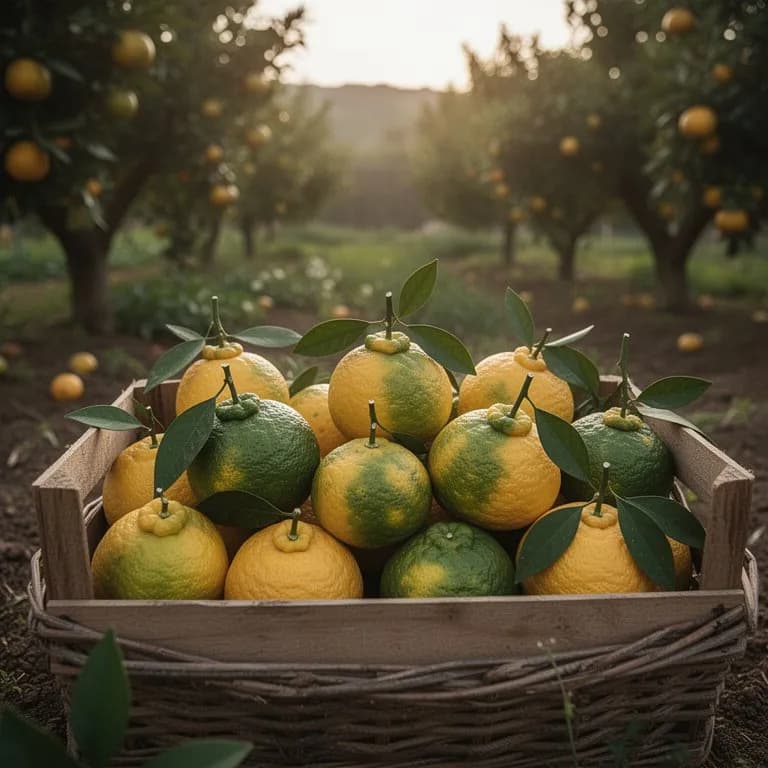
Yuzu zest is the most valued part of the fruit, delivering a complex floral-citrus aroma unmatched by any other citrus variety
Yield & Spacing Calculator
See how many Yuzu plants fit in your garden bed based on the recommended 300cm spacing.
0
Yuzu plants in a 4×4 ft bed
0 columns × 0 rows at 300cm spacing
Popular Varieties
Some of the most popular yuzu varieties for home gardeners, each with unique characteristics.
Seedless Yuzu
A grafted selection that produces fewer seeds than standard yuzu, making juice extraction easier. Same cold hardiness and aromatic quality as seeded types.
Sudachi
A closely related citrus sometimes classified separately, with smaller green fruit and a sharper, more limey flavor. Extremely popular in Tokushima Prefecture, Japan.
Yuzu Hana
A compact, thornless selection suitable for container growing. Slightly less cold-hardy than standard yuzu but much easier to manage in small spaces.
Ichang Lemon
A yuzu relative with similar cold hardiness and aromatic qualities. Larger fruit with more juice. Useful as a cold-hardy lemon substitute.
Yuzu zest and juice are cornerstones of Japanese cuisine. The zest perfumes soups, particularly the winter favorite yuzu-bath inspired dishes. Yuzu juice is the key ingredient in ponzu sauce, the ubiquitous Japanese citrus-soy dipping condiment. Use the zest in desserts, cocktails, ice creams, and vinaigrettes. Yuzu kosho, made from zest, chili peppers, and salt, is a versatile condiment for grilled meats and fish. The juice adds complexity to dressings and marinades.
When should I plant Yuzu?
Plant Yuzu in March, April, May. It takes approximately 730 days to reach maturity, with harvest typically in October, November, December.
What are good companion plants for Yuzu?
Yuzu grows well alongside Basil, Lavender. Companion planting can improve growth, flavor, and natural pest control.
What hardiness zones can Yuzu grow in?
Yuzu thrives in USDA hardiness zones 7 through 10. With greenhouse protection, it may be grown in zones 5 through 11.
How much sun does Yuzu need?
Yuzu requires Full Sun (6-8h+). This means at least 6-8 hours of direct sunlight daily.
How far apart should I space Yuzu?
Space Yuzu plants 300cm (118 inches) apart for optimal growth and air circulation.
What pests and diseases affect Yuzu?
Common issues include Citrus Leafminer, Citrus Tristeza Virus, Cold Damage. Prevention through good garden practices like crop rotation, proper spacing, and companion planting is the best approach. See the detailed pests and diseases section above for symptoms, prevention, and treatment for each.
How do I store Yuzu after harvest?
Fresh yuzu keeps one to two weeks refrigerated. The zest freezes exceptionally well and retains its complex aroma for months. Grate or strip the zest before freezing, as thawed fruit is difficult to zest cleanly. Yuzu juice freezes well in ice cube trays. Yuzu kosho, a fermented paste of yuzu zest, ...
What are the best Yuzu varieties to grow?
Popular varieties include Seedless Yuzu, Sudachi, Yuzu Hana, Ichang Lemon. Each has unique characteristics suited to different growing conditions and culinary preferences. See the varieties section above for detailed descriptions.
What soil does Yuzu need?
Yuzu adapts to a wide range of soils but performs best in well-drained loam with a pH of 5.5 to 6.5. The tree is more tolerant of clay soils than most citrus thanks to its Ichang papeda ancestry. Apply a balanced citrus fertilizer three times per year at moderate rates. Yuzu is not a heavy feeder co...
How cold-hardy is yuzu compared with other citrus, and can I grow it in the UK or northern Europe?
Yuzu is significantly more cold-hardy than any other productive citrus. When grafted onto Poncirus trifoliata rootstock, it can survive temperatures as low as -9°C to -12°C briefly, making it viable outdoors in sheltered positions throughout the south of England, coastal areas of the British Isles, the Pacific Northwest of North America, and much of central France and Germany. It is regularly grown outdoors in commercial orchards in northern Japan and Korea where temperatures regularly fall well below freezing. For best results in marginal climates, plant against a south-facing wall and protect with horticultural fleece during the coldest spells. Container growing also works well, allowing you to bring the tree into a cool greenhouse or conservatory during the harshest winter weeks.
Why is my yuzu tree not flowering or fruiting after several years?
Yuzu is a slow-maturing citrus and grafted trees typically require 4-6 years before producing significant crops — patience is essential. However, if your tree has passed that threshold and still is not flowering, the most common causes are insufficient sunlight (yuzu needs a full 6-8 hours of direct sun daily), excessive nitrogen fertilisation (which promotes leafy growth over flowering), or a lack of the mild cold period during winter that triggers flower initiation. Container trees kept in a warm house all winter may fail to flower for this reason. Try giving the tree a cooler winter rest at 5-12°C, ease off nitrogen fertiliser from midsummer onward, and ensure it is in the sunniest position possible.
Can I substitute yuzu with lemon or lime if I cannot find yuzu at a shop?
You can approximate yuzu's flavour using a combination of lemon zest and juice, grapefruit zest, and a small amount of mandarin juice — roughly 2 parts lemon to 1 part grapefruit — but no single citrus or combination captures the full floral complexity of genuine yuzu. The unique terpene profile, particularly the linalool and other aromatic compounds concentrated in the rind, is what makes yuzu irreplaceable in dishes where it is the star ingredient, such as ponzu or yuzu kosho. For background citrus notes in baked goods or salad dressings, a lemon-grapefruit blend works reasonably well. For traditional Japanese preparations, however, growing your own is ultimately the most reliable way to access real yuzu flavour.
Should I grow yuzu in a container or in the ground?
Both approaches work well, and the best choice depends on your climate. In climates where winters regularly fall below -10°C, container growing is safer as you can move the tree into a sheltered frost-free space during the coldest months. In USDA Zone 8 or warmer, or in the milder parts of the UK and Europe, in-ground planting in a sunny, sheltered spot will produce a larger, more productive tree over time. In-ground trees establish a deeper root system, handle drought and heat more capably, and can ultimately grow larger and more fruitful. Container trees need careful attention to watering and feeding and require repotting every 2-3 years. Choose a container that is larger than you think you need — at least 50-60 cm diameter — to allow adequate root development.
How do I harvest and store yuzu to get the most from a small crop?
Harvest yuzu by cutting the stem cleanly with pruning shears when the fruit reaches full golden-yellow colour and yields slightly to gentle pressure. Work carefully to avoid the thorns. For maximum flavour, zest all fruits before cutting or juicing — the aromatic oils in the rind are the most volatile and are best captured fresh. Freeze grated zest immediately on a flat tray, then transfer to small bags or an airtight container; frozen zest retains its aroma for up to 12 months. Juice the remaining fruit and freeze in ice cube trays for convenient year-round portions. Whole ripe yuzu keeps at room temperature for about 2 weeks and refrigerated for up to 6 weeks. Even a small harvest of 20-30 fruits, carefully processed and frozen, can supply a keen cook with yuzu flavour throughout the year.
What is the difference between green and yellow yuzu, and which should I use in cooking?
Both the unripe green fruit (harvested from late summer) and the fully ripe yellow fruit (harvested in autumn and winter) are used in Japanese and Korean cooking, but they have distinct flavour profiles and different traditional applications. Green yuzu has a sharper, more intensely acidic flavour with a distinctive fresh, almost herbal quality and a vivid green zest. It is the preferred base for green yuzu kosho and is used to season fresh fish and sashimi in late summer. Yellow ripe yuzu has a rounder, more floral, and complex aroma with a slightly softer acidity. Yellow zest and juice are used in ponzu, yuzu miso, baked goods, and hot dishes. Growing your own tree gives you access to both forms — a genuine culinary advantage over relying on expensive imported bottled juice, which is always made from ripe yellow fruit.
Ready to Grow Yuzu?
Add Yuzu to your garden plan and start designing your perfect layout.

Vladimir Kusnezow
Gardener and Software Developer
Zone 6b gardener. Growing vegetables and fruits in soil and hydroponics for 6 years. I built PlotMyGarden to plan my own gardens.
Jump to Section