
Willow Tree
Salix alba
At a Glance
A fast-growing moisture-loving tree ideal for planting near ponds, streams, and wet areas where other trees struggle. Willows have aggressive, water-seeking root systems that should be kept well away from sewer lines, septic systems, and building foundations. They grow extremely quickly but are relatively short-lived and prone to storm damage from brittle wood. The bark contains salicin, a natural precursor to aspirin, and willow branches are traditional materials for basket weaving.
Planting & Harvest Calendar
Growth Stages
From Seed to Harvest
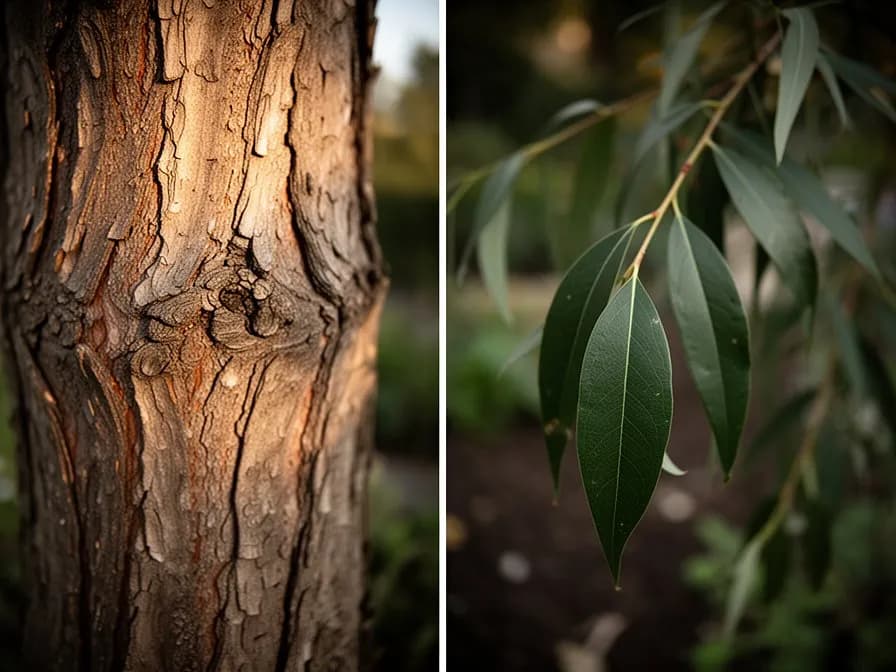
Cutting Establishment
Days 0–30
Willow is one of the easiest trees to propagate — simply push a fresh cutting 20-30 cm into moist soil and it will almost certainly root. Within 2-4 weeks, roots emerge along the buried stem and the first leaves unfurl from buds. This remarkable rooting ability is due to naturally high concentrations of indolebutyric acid (a rooting hormone) in willow tissue. Cuttings taken in late winter during dormancy root most reliably.
💡 Care Tip
Take hardwood cuttings 30-50 cm long from healthy one-year-old growth in late winter. Push at least half the cutting's length into consistently moist soil. No rooting hormone is needed — willow produces its own. Keep soil moist but not waterlogged during the first month. Multiple cuttings can be started in a bucket of water and transplanted once roots appear.

A mature weeping willow creates an iconic silhouette — its graceful curtain of branches can sweep the ground or trail into water
Monthly Care Calendar
What to do each month for your Willow Tree
June
You are hereThe canopy is now in full leaf providing dense shade. Ensure young trees receive adequate water during dry spells — willows are exceptionally thirsty trees. Prune any unwanted watersprouts or suckers from the base of mature trees. Harvest willow bark for herbal preparations from young branches, peeling the inner bark and drying it in a well-ventilated area.
Did You Know?
Fascinating facts about Willow Tree
Willow bark is the original aspirin — in 1828, German pharmacist Johann Buchner isolated salicin from willow bark, and in 1897 Felix Hoffmann at Bayer synthesized acetylsalicylic acid (aspirin) from a related compound. But humans had been using willow bark for pain relief for at least 3,500 years before that, with references in ancient Sumerian, Egyptian, and Greek medical texts.
Plant willow trees in full sun in moist to wet soil near natural water features such as ponds, streams, and drainage swales. Willows thrive in heavy clay soils and bottomlands where other trees fail. They tolerate a wide pH range of 5.5 to 8.0. Plant hardwood cuttings or container-grown trees in spring, spacing trees 30 to 50 feet apart depending on species. Keep willows at least 50 feet from buildings, sewer lines, septic systems, and underground utilities to avoid root damage.
Willow trees are among the fastest-growing trees available, often adding 3 to 6 feet of height per year. They establish extremely quickly and provide shade faster than almost any other species. Supplemental watering during dry spells keeps willows healthy and vigorous, though trees planted near permanent water sources are largely self-sufficient.
Prune willows regularly to remove dead, damaged, and crossing branches, as the brittle wood is prone to breakage during storms. Coppicing, or cutting the entire tree back to a low stump every few years, is a traditional management technique that produces abundant straight shoots for basket weaving, living fences, and biomass. Willows root readily from cuttings, making propagation nearly effortless.
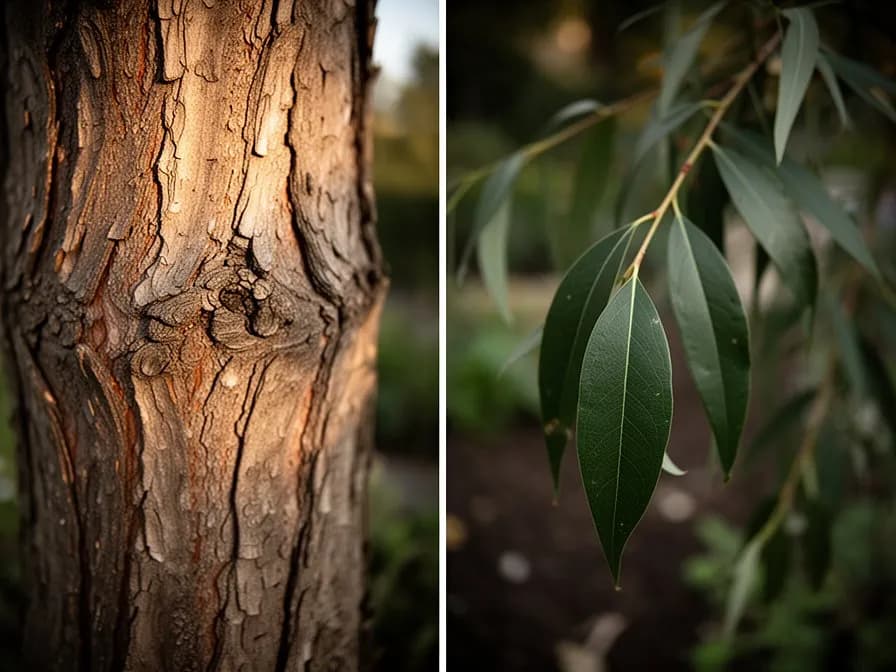
Willow roots are incredibly vigorous and water-seeking, making these trees excellent for erosion control along streams and riverbanks
Willows (Salix) are among the most ancient and widespread of temperate trees, with fossil records dating back over 50 million years to the Eocene epoch. The genus is native across the entire Northern Hemisphere, from the Arctic tundra to subtropical lowlands, spanning North America, Europe, Asia, and parts of North Africa. Willows thrive wherever water is abundant — along rivers, streams, lakeshores, and in wet meadows — and their presence has been intertwined with human civilization since its earliest days.
The medicinal use of willow bark is one of the oldest documented plant remedies in history. Sumerian clay tablets from around 3000 BCE reference willow leaf extracts for treating pain and fever. The ancient Egyptian Ebers Papyrus (circa 1550 BCE) prescribes willow bark for inflammation, and Hippocrates wrote in the 5th century BCE about using willow bark tea to reduce fever and ease pain during childbirth. These ancient practitioners had unknowingly discovered salicin, the compound that would eventually lead to the development of aspirin — arguably the most important pharmaceutical drug in history.
Beyond medicine, willows shaped practical life across cultures. The ancient Britons wove willow into coracles — lightweight boats used for river fishing. Celtic traditions revered the willow as a tree of enchantment and intuition, associating it with the moon, water, and feminine energy. In China, willow branches were placed over doorways to ward off evil spirits, and willow pattern porcelain became one of the most iconic ceramic designs in history. Native American peoples used willow bark medicinally, wove it into baskets, and fashioned it into tools and fish traps.
The pivotal moment in willow's scientific legacy came in 1828 when Johann Buchner extracted salicin crystals from willow bark. By 1838, Italian chemist Raffaele Piria had converted salicin to salicylic acid, and in 1897 Felix Hoffmann at Bayer created acetylsalicylic acid — marketed as Aspirin — launching one of the world's first blockbuster drugs. Today, over 100 billion aspirin tablets are consumed annually worldwide, all descendants of the humble willow tree's natural chemistry.
Willows are most easily propagated from hardwood cuttings taken in late winter while dormant. Cut 8 to 12 inch sections of pencil-thick one-year-old wood and push them halfway into moist soil or place in jars of water. Roots develop within 2 to 3 weeks. This method is far more reliable and faster than growing from seed. Willow seeds are tiny, short-lived, and require specific moist conditions for germination. For living willow structures, insert fresh-cut branches directly into moist ground in late winter.
Willows are exceptionally tolerant of wet, heavy, and poorly drained soils where most other trees fail. They prefer a pH of 5.5 to 8.0 and grow vigorously in rich, moist loam. In average garden soil, supplemental watering during dry periods is essential. Young trees benefit from balanced fertilizer in spring to promote rapid establishment. Willows are heavy feeders and respond well to annual compost top-dressing. Avoid planting in extremely dry, sandy sites where willows will struggle without irrigation.
Check Your Zone
See if Willow Tree is suitable for your location.
-30°C – 35°C
-22°F – 95°F
Willows are remarkably cold-hardy trees, with most species tolerating winter temperatures down to -30°C (-22°F) or below during dormancy, making them suitable for USDA zones 2-9 depending on species. The optimal growing temperature range is 15-25°C (59-77°F), with vigorous growth occurring whenever temperatures exceed 10°C (50°F) and soil moisture is adequate. Willows tolerate summer heat up to 35°C (95°F) provided their roots have access to moisture. Their primary requirement is consistent water availability rather than specific temperature ranges — willows grow from subarctic regions to warm-temperate zones as long as moisture is sufficient.
Common issues affecting Willow Tree and how to prevent and treat them organically.
Brittle wood makes willows highly susceptible to storm damage, requiring frequent cleanup of broken branches. Aggressive, far-reaching root systems invade sewer lines, septic systems, and drainage pipes, causing expensive damage. Willows are relatively short-lived, typically 30 to 50 years. Multiple pest and disease issues can cause unsightly defoliation. Prolific suckering and self-seeding make some species weedy. The combination of fast growth and weak wood creates an ongoing maintenance commitment.
Plant moisture-loving perennials near willows including iris, astilbe, ligularia, and marsh marigold. Native sedges and rushes complement willows in wet areas. Rain garden plants like Joe Pye weed, cardinal flower, and blue flag iris thrive in the moist conditions willows prefer. Avoid planting near vegetable gardens or septic systems due to invasive roots. Living willow fences can incorporate interplanted clematis and honeysuckle for additional seasonal interest.
- 1Start willow from hardwood cuttings rather than seeds — it is absurdly easy. Cut 30-40 cm lengths of one-year-old stems in late winter, push half their length into moist soil, and you will have a rooted tree within weeks. No rooting hormone, special equipment, or horticultural skill is required.
- 2Plant willow at least 12-15 meters from buildings, drains, septic systems, and underground pipes. Willow roots are among the most aggressive of any tree species and will find and infiltrate any source of moisture, including cracked pipes, foundations, and drainage systems. This is their greatest liability in garden settings.
- 3Choose the right species for your space. Weeping willows (Salix babylonica) need large open areas near water. For smaller gardens, consider shrubby species like purple willow (Salix purpurea) or the compact dwarf arctic willow (Salix arctica). Corkscrew willow (Salix matsudana 'Tortuosa') provides dramatic twisted stems in a moderate-sized tree.
- 4Willows are the thirstiest of all common garden trees. Ensure your planting site has reliable moisture — near a pond, stream, or in naturally damp soil is ideal. If planting in average garden soil, plan to water deeply and regularly during the first two years and during any dry spells thereafter.
- 5Pollard or coppice willow regularly to maintain a manageable size and produce a steady supply of useful rods. Pollarding (cutting to a head on a clear trunk) or coppicing (cutting to ground level) every 1-3 years keeps even large willow species to a compact size and prevents the brittle-wood breakage problems common in unpruned mature willows.
- 6Use willow as a living construction material. Fresh willow rods pushed into moist soil in late winter will root and grow, allowing you to create living fences (fedges), arbors, tunnels, and domes that become green structures covered in leaves by summer. Weave rods in a diamond pattern for the strongest living willow structures.
- 7Make your own free rooting hormone by soaking chopped willow twigs in water for 24-48 hours. This 'willow water' contains natural indolebutyric acid and salicylic acid, which stimulate root growth and help prevent fungal infections in cuttings of other plant species. Use it to water freshly planted cuttings of roses, shrubs, and other woody plants.
- 8Plant willow for erosion control along ponds, streams, and slopes. The extensive, fibrous root system binds soil more effectively than almost any other tree, and willows establish quickly in the wet, disturbed soils where erosion is most problematic. Bioengineering techniques using willow stakes and bundles are widely used in professional stream restoration.
- 9Prune willow during dormancy (November through February) to minimize stress and disease risk. Avoid pruning in spring when sap is rising, as willow bleeds heavily from cuts. Always use sharp, clean tools and make cuts just outside the branch collar to promote rapid healing. Sterilize tools if working on trees showing signs of disease.
- 10Accept that willows are relatively short-lived trees — most species reach 50-75 years before declining. However, their extraordinary growth rate means you enjoy a full-sized tree far sooner than with slower-growing species, and replacement is as simple as pushing a fresh cutting into the ground where the old tree stood.
Willow is primarily harvested for its flexible young shoots used in basketry, living fences, and garden structures. Cut one-year-old shoots in late winter while dormant, selecting straight rods of even thickness. Bundle and dry for basket weaving, or use fresh for living structures. Willow bark can be harvested in spring when sap is flowing; strip it from pruned branches for traditional salicin extraction. Coppiced willows produce the best straight-growth material for craft and biomass use.

Willow bark has been harvested for millennia as a natural pain reliever — it contains salicin, the chemical precursor to modern aspirin
Dry willow rods thoroughly in bundles standing upright with good air circulation for several weeks before storing. Dried willow keeps indefinitely in a cool, dry location. Before use in basket weaving, soak dried rods in water for several days to restore pliability. Fresh-cut willow stakes for living fences and garden borders should be planted immediately while dormant in late winter or early spring. Willow bark for herbal use should be dried in thin strips and stored in airtight containers away from light.
Plan your garden with ease
Love growing Willow Tree? Use our free garden planner to design your beds, track planting dates, and get personalized care reminders.
Nutritional Info
Per 100g serving
0
Calories
Health Benefits
- Willow bark is the original source of salicin, a compound the body converts to salicylic acid — the active metabolite of aspirin. Inner bark contains 1-11% salicin depending on species, with white willow (Salix alba) having the highest concentration
- Willow bark extract provides a complex mixture of polyphenols, flavonoids, and tannins that work synergistically with salicin, which may explain why traditional willow bark preparations have fewer gastrointestinal side effects than synthetic aspirin
- Young willow leaves contain small amounts of vitamin C and were historically consumed as emergency forage, though they are too bitter and astringent for regular dietary use
- Willow bark contains anti-inflammatory tannins including catechin and epicatechin, the same beneficial compounds found in green tea and dark chocolate
- The salicin content varies significantly by species — Salix alba (white willow), Salix purpurea (purple willow), and Salix daphnoides (violet willow) have the highest medicinal concentrations and are preferred for herbal preparations
- Willow is not a food crop — its nutritional value lies entirely in its medicinal compounds rather than caloric or macronutrient content
💰 Why Grow Your Own?
Willow is one of the most economical trees to establish — a single purchased whip or cutting costs $2-5, and most gardeners can obtain cuttings for free from existing trees since they root so readily. Dried willow bark supplements cost $10-20 per 100g in health food stores, while a single garden willow provides a perpetual supply of bark from annual pruning. Willow withies for basket-making cost $15-40 per bundle commercially, but a single coppiced or pollarded tree produces enough rods each winter for multiple projects. Over 10 years, a productive willow easily saves $200-500 in purchased bark, craft materials, and erosion control services compared to commercial alternatives.
Quick Recipes
Simple recipes using fresh Willow Tree

Traditional Willow Bark Pain-Relief Tea
25 minA time-honored herbal tea made from dried white willow bark, used for centuries as a natural analgesic and anti-inflammatory. The salicin in willow bark is gentler on the stomach than synthetic aspirin and takes longer to act but provides sustained relief. Always consult a healthcare provider before using medicinally, especially if taking blood thinners or aspirin-sensitive.
Willow Bark Anti-Inflammatory Tincture
20 min active (4-6 weeks steeping)A concentrated willow bark extract made by steeping dried bark in alcohol over several weeks. This traditional tincture preserves the salicin and supporting polyphenols in a shelf-stable form that can be taken in small doses diluted in water. A classic preparation from Western herbal medicine traditions. Consult a qualified herbalist for proper dosage guidance.
Willow Bark and Meadowsweet Soothing Blend
15 minA gentle herbal tea combining willow bark with meadowsweet — another natural source of salicylates — along with peppermint and chamomile for flavor and additional soothing properties. This blend has a long history in European folk herbalism for easing minor aches, headaches, and tension. Not suitable for those with aspirin sensitivity or on blood-thinning medication.
Willow bark tea has been used as a traditional pain remedy since ancient Egyptian and Sumerian times — the original natural aspirin
Yield & Spacing Calculator
See how many Willow Tree plants fit in your garden bed based on the recommended 900cm spacing.
0
Willow Tree plants in a 4×4 ft bed
0 columns × 0 rows at 900cm spacing
Popular Varieties
Some of the most popular willow tree varieties for home gardeners, each with unique characteristics.
White Willow (Salix alba)
Large shade tree reaching 70 to 80 feet with silvery green foliage. The species most associated with salicin production and traditional medicine.
Corkscrew Willow (Salix matsudana Tortuosa)
Distinctive twisted and contorted branches that create dramatic winter silhouettes. Excellent specimen tree and cut branch material for floral arrangements.
Pussy Willow (Salix discolor)
Large shrub or small tree grown for its soft, fuzzy catkins in early spring. One of the first signs of spring and a popular cut branch for indoor arrangements.
Golden Willow (Salix alba var. vitellina)
Brilliant golden-yellow bark on young shoots provides outstanding winter color. Often coppiced regularly to produce maximum young colorful growth.
When should I plant Willow Tree?
Plant Willow Tree in March, April, October, November. It takes approximately 1825 days to reach maturity, with harvest typically in .
What are good companion plants for Willow Tree?
Willow Tree grows well alongside Daffodil. Companion planting can improve growth, flavor, and natural pest control.
What hardiness zones can Willow Tree grow in?
Willow Tree thrives in USDA hardiness zones 4 through 9. With greenhouse protection, it may be grown in zones 2 through 10.
How much sun does Willow Tree need?
Willow Tree requires Full Sun (6-8h+). This means at least 6-8 hours of direct sunlight daily.
How far apart should I space Willow Tree?
Space Willow Tree plants 900cm (354 inches) apart for optimal growth and air circulation.
What pests and diseases affect Willow Tree?
Common issues include Willow Scab, Willow Leaf Beetle, Crown Gall. Prevention through good garden practices like crop rotation, proper spacing, and companion planting is the best approach. See the detailed pests and diseases section above for symptoms, prevention, and treatment for each.
How do I store Willow Tree after harvest?
Dry willow rods thoroughly in bundles standing upright with good air circulation for several weeks before storing. Dried willow keeps indefinitely in a cool, dry location. Before use in basket weaving, soak dried rods in water for several days to restore pliability. Fresh-cut willow stakes for livin...
What are the best Willow Tree varieties to grow?
Popular varieties include White Willow (Salix alba), Corkscrew Willow (Salix matsudana Tortuosa), Pussy Willow (Salix discolor), Golden Willow (Salix alba var. vitellina). Each has unique characteristics suited to different growing conditions and culinary preferences. See the varieties section above for detailed descriptions.
What soil does Willow Tree need?
Willows are exceptionally tolerant of wet, heavy, and poorly drained soils where most other trees fail. They prefer a pH of 5.5 to 8.0 and grow vigorously in rich, moist loam. In average garden soil, supplemental watering during dry periods is essential. Young trees benefit from balanced fertilizer ...
Can I use willow bark from my garden tree as a natural aspirin substitute?
White willow (Salix alba) bark does contain salicin, the natural precursor to aspirin, and has been used medicinally for thousands of years. You can make a simple tea by simmering 1-2 teaspoons of dried inner bark in hot water for 10-15 minutes. However, the salicin concentration varies significantly between willow species and individual trees, making dosage imprecise. Always consult a healthcare provider before using willow bark medicinally, especially if you take blood thinners, have aspirin sensitivity, or are pregnant. Do not give willow bark preparations to children due to the same Reye's syndrome risk associated with aspirin.
How far should I plant a willow tree from my house and plumbing?
Plant willow at least 12-15 meters (40-50 feet) from any building foundation, sewer line, septic system, drainage pipe, or underground utility. Willow roots are exceptionally aggressive moisture-seekers and can extend 2-3 times the width of the canopy. They will exploit the smallest crack in a pipe or foundation to access water, causing expensive damage. If you have a small garden, choose compact shrub willows like Salix purpurea or grow willow in large containers rather than planting a full-sized tree near structures.
Why is my willow tree dropping branches or splitting apart?
Willow wood is naturally soft, lightweight, and brittle — this is an inherent characteristic of the genus, not a sign of disease. Large branches can snap in high winds, ice storms, or under heavy snow load. Regular maintenance pruning during dormancy reduces this risk by removing weak branch unions and balancing the canopy. Pollarding every 2-3 years prevents branches from growing large enough to cause damage when they break. If your willow has significant splitting, consult an arborist — mature willows with structural failure can be hazardous.
What is the difference between pollarding and coppicing a willow?
Both are traditional techniques for managing willow growth and producing useful rods. Coppicing means cutting the tree back to ground level every 1-3 years, causing it to regrow as a multi-stemmed shrub. Pollarding means cutting back to a head on a clear trunk at 2-3 meters height, keeping regrowth above browsing animals. Both methods keep willows at a manageable size indefinitely and produce straight, flexible rods for basketry and living structures. Coppicing is easier but creates ground-level regrowth; pollarding maintains a tree form but requires working at height.
Is willow good for wildlife and the environment?
Willow is one of the most ecologically valuable trees in temperate regions. Its catkins are among the earliest sources of pollen and nectar in spring, providing critical food for bees, hoverflies, and other pollinators when little else is in bloom. The foliage supports over 450 species of insects in Britain alone, including many moths and butterflies. Dense willow growth provides nesting habitat for birds including warblers, and fallen willow in streams creates habitat for fish and invertebrates. Willows also excel at phytoremediation — absorbing heavy metals and filtering pollutants from contaminated soil and water.
How do I make willow water rooting hormone at home?
Collect a handful of young willow stems (current or previous year's growth) and chop them into 2-3 cm pieces. Place the chopped stems in a bucket and cover with boiling water — the heat helps release the indolebutyric acid and salicylic acid from the bark. Let the mixture steep for 24-48 hours, then strain out the willow pieces. Use the resulting amber-colored liquid to water freshly planted cuttings of other plants, or soak the base of cuttings in the solution for several hours before planting. The willow water remains effective for about two weeks if stored in a cool, dark place.
Ready to Grow Willow Tree?
Add Willow Tree to your garden plan and start designing your perfect layout.

Vladimir Kusnezow
Gardener and Software Developer
Zone 6b gardener. Growing vegetables and fruits in soil and hydroponics for 6 years. I built PlotMyGarden to plan my own gardens.
Jump to Section