Scorzonera
A black-skinned root vegetable also known as black salsify, with delicate, sweet white flesh and a subtle artichoke-like flavor.





On this pageOverview
Meet Scorzonera
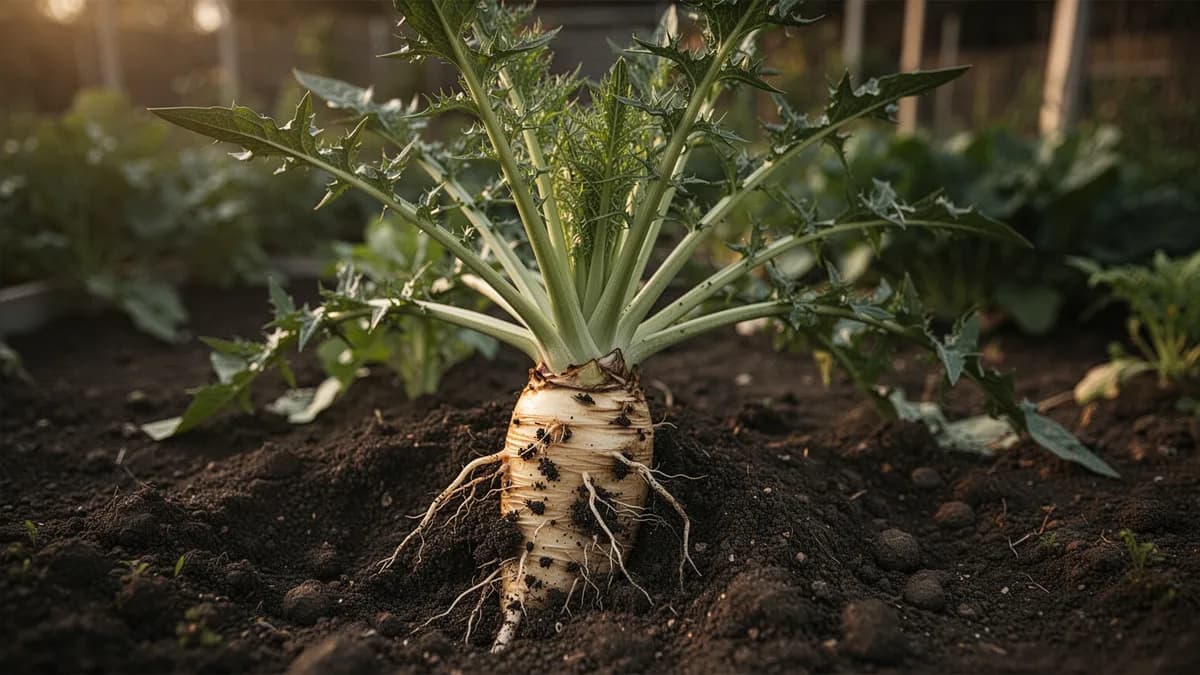
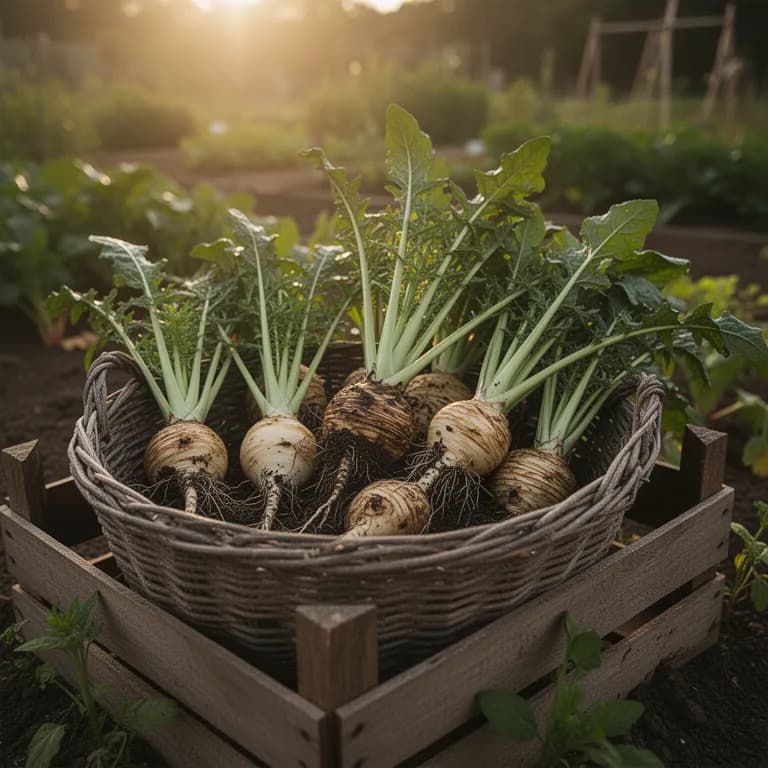
A black-skinned root vegetable also known as black salsify, with delicate, sweet white flesh and a subtle artichoke-like flavor. Scorzonera is a perennial that can be left in the ground to grow larger in subsequent years, unlike most root crops. The dark skin peels away to reveal tender white flesh that exudes a milky sap, so peel under water to prevent staining. Roast or saute the peeled roots for a nutty, delicate side dish that is highly prized in European winter cuisine.
When to plant Scorzonera
Always direct sow scorzonera, as the taproot does not tolerate transplanting. Use only fresh seed purchased for the current season, as viability drops dramatically after one year. Sow seeds half an inch deep and 1 inch apart in early spring as soon as the ground can be worked. Germination takes 14-21 days and requires consistent moisture. Thin seedlings to 4-6 inches apart when they reach 3 inches tall. In mild climates, a fall sowing can produce a spring harvest. Keep the seedbed evenly moist during germination and mark rows clearly, as scorzonera seedlings resemble grass.
Your Scorzonera Year
Composed for Zone 7 · typical seasons · frost passes Apr 2, returns Nov 1
Plant Scorzonera Mar – Apr, pick Oct – Dec. Check the planting methods below and set your climate to personalize these windows.
How to grow Scorzonera
Scorzonera is sown directly in the garden in early spring, as soon as the soil can be worked. Like salsify, it needs deeply cultivated, stone-free soil to develop long, straight roots. Sow seeds half an inch deep in rows 12 inches apart and thin to 4-6 inches between plants once seedlings are established.
Unlike most root crops, scorzonera is a true perennial and roots left in the ground will continue to enlarge in subsequent years. First-year roots are typically pencil-thin, so many gardeners leave plants for a second season to achieve larger, more worthwhile roots. Keep beds weeded and water regularly during dry spells, though established plants are reasonably drought-tolerant thanks to their deep taproots.
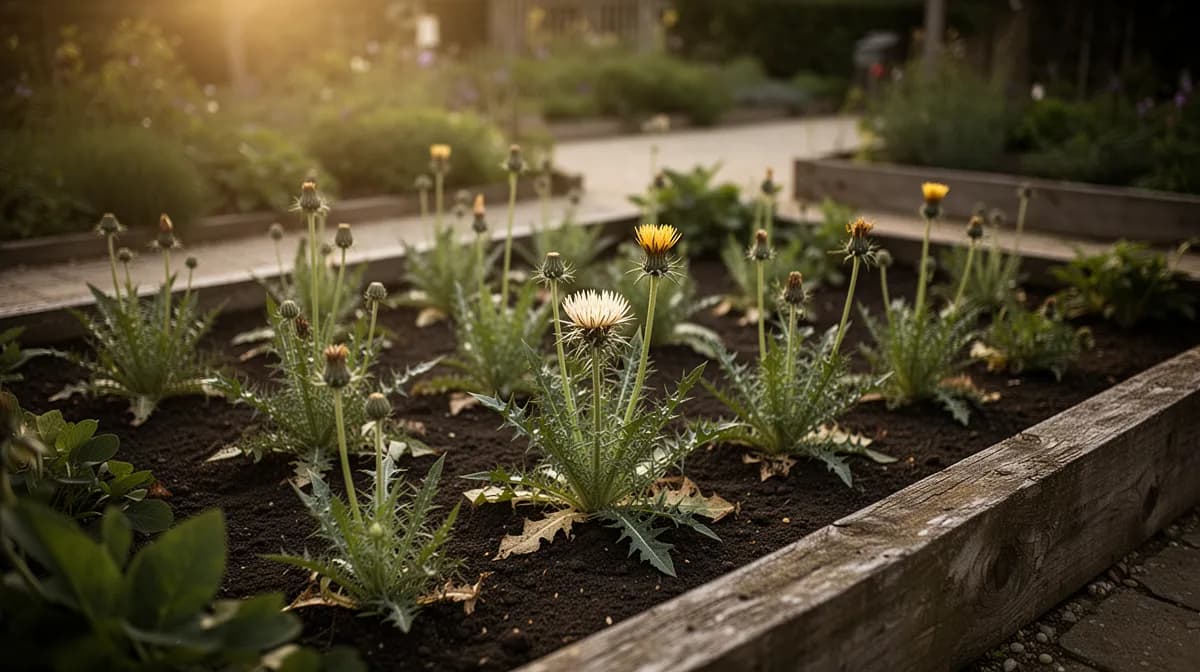
Scorzonera grows best in full sun with cool to moderate temperatures. The plants produce attractive yellow dandelion-like flowers if allowed to bloom in the second year, and these are also edible. In harsh winter climates, mulch heavily over the root zone to prevent the ground from freezing solid, allowing harvest throughout winter. Scorzonera tolerates a wide range of conditions and is one of the easiest specialty root vegetables to grow.
288 plants fit a 4 × 8 ft bed
Each Scorzonera wants 10 cm of elbow room. The planner keeps that spacing for you — every plant, every bed.
Scorzonera's best neighbours
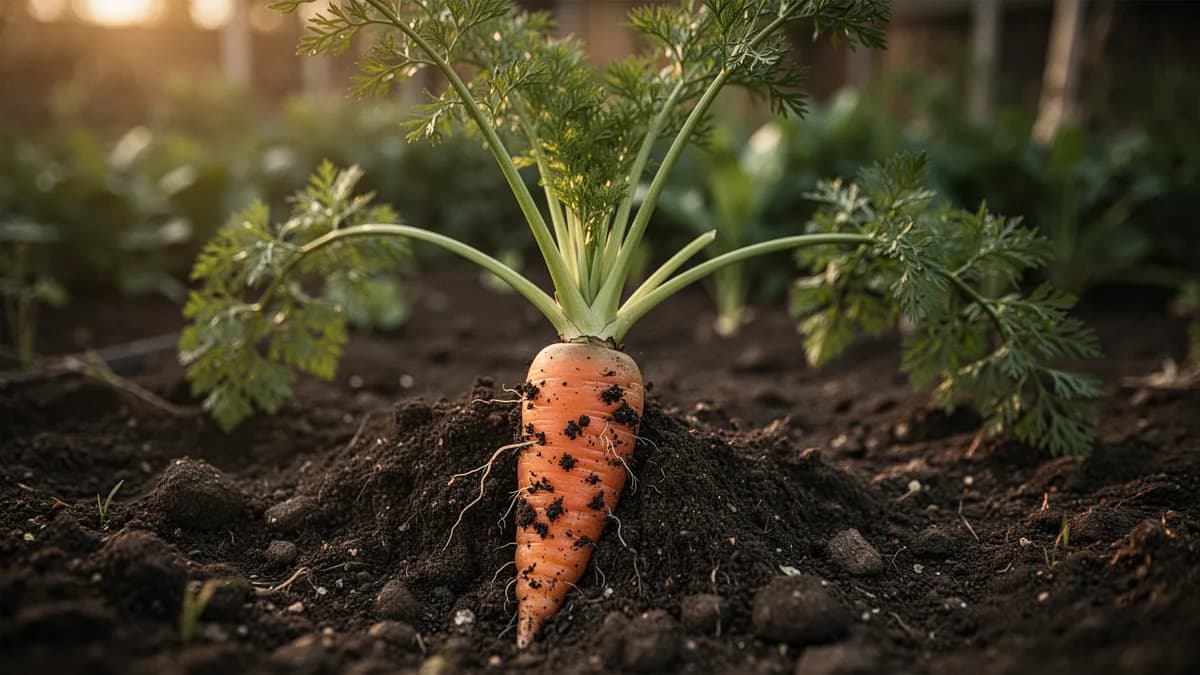
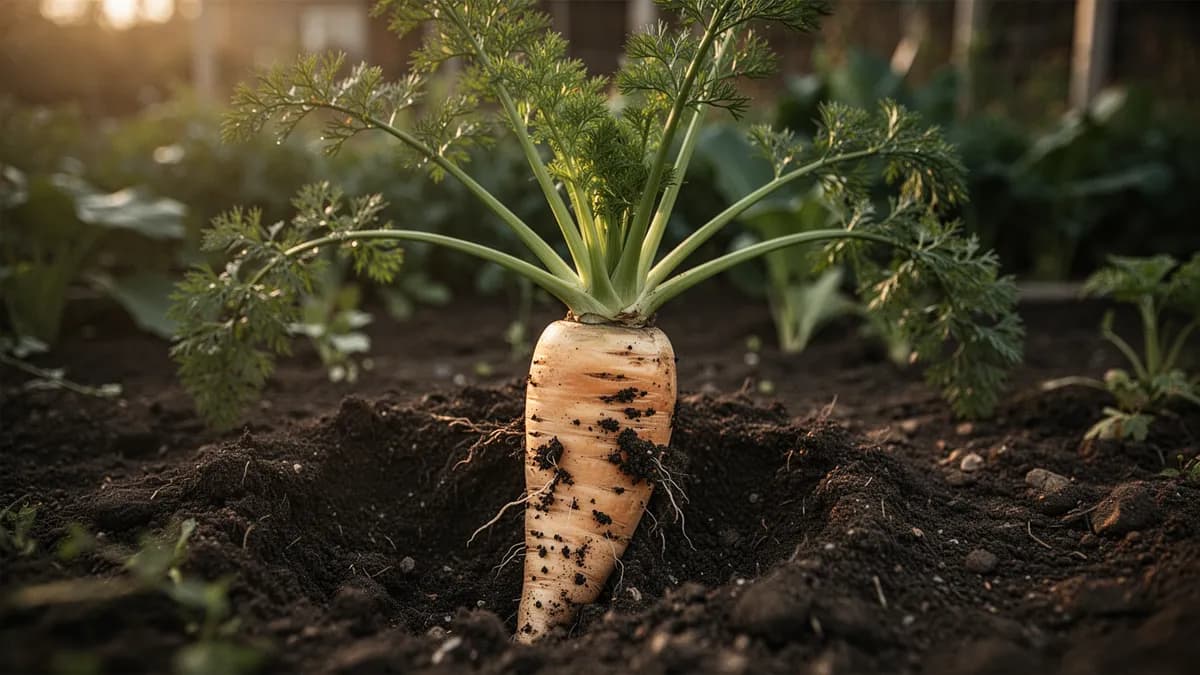
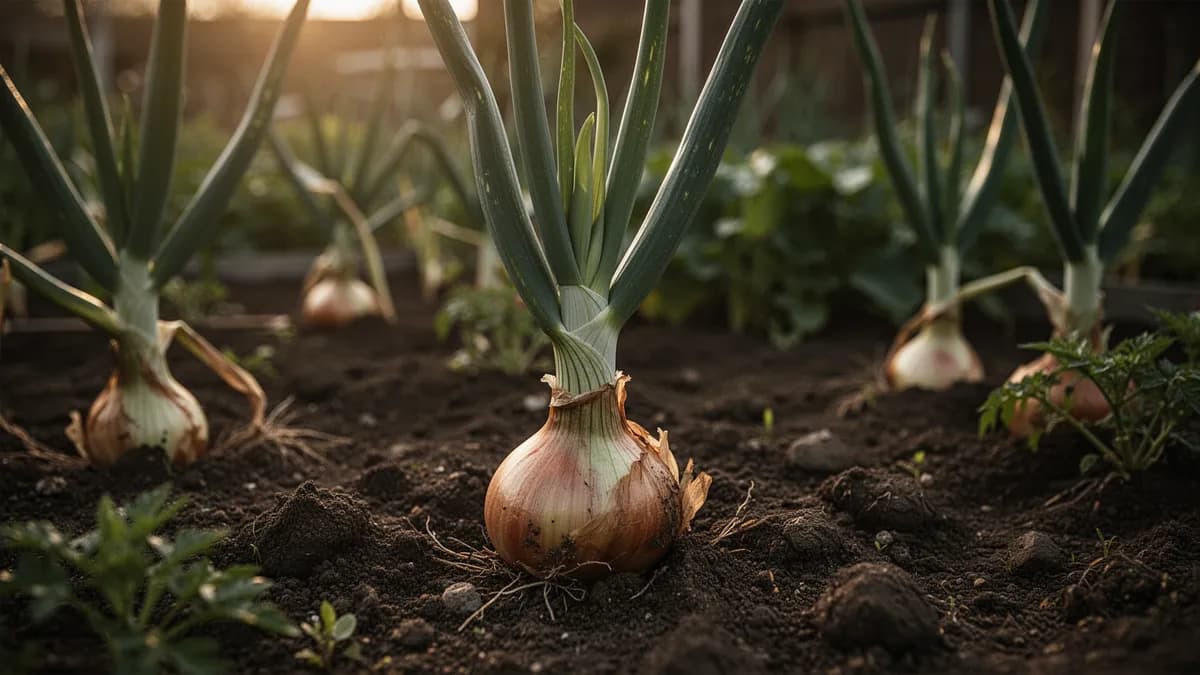
Scorzonera pairs well with other root vegetables like salsify, carrots, and parsnips that share similar soil requirements. Onions and leeks make good neighbors, helping to deter carrot rust fly with their strong scent. Lettuce and radishes can be interplanted as fast-growing catch crops between the slow-establishing scorzonera rows. Avoid planting near heavy feeders like brassicas that compete for soil nutrients. As a deep-rooted perennial, scorzonera helps improve soil structure for future crops.
Carrot belongs beside it.
Old growers' knowledge, checked against Scorzonera's real companion table below — test any plant you're growing.
Try Scorzonera in a bed — right here
A real planner bed with Scorzonera already in it. Tap a companion to place it and watch the pairing checks answer — green for good neighbours, red for a clash.


Related growing guides
Feed it well
Scorzonera needs deep, loose, well-drained soil free of stones for straight root development. Sandy loam is ideal with a pH of 6.0-7.5. Incorporate well-rotted compost into the top 12-18 inches of soil before planting, but avoid fresh manure which causes forking. Apply a low-nitrogen fertilizer (5-10-10) at planting to promote root growth over foliage. For second-year plants, top-dress with compost in early spring. Scorzonera is not a heavy feeder and excessive fertilization produces leafy growth at the expense of root quality.
Ideal Temperature
Hardiness Zone Compatibility
From seed to harvest, stage by stage
Germination
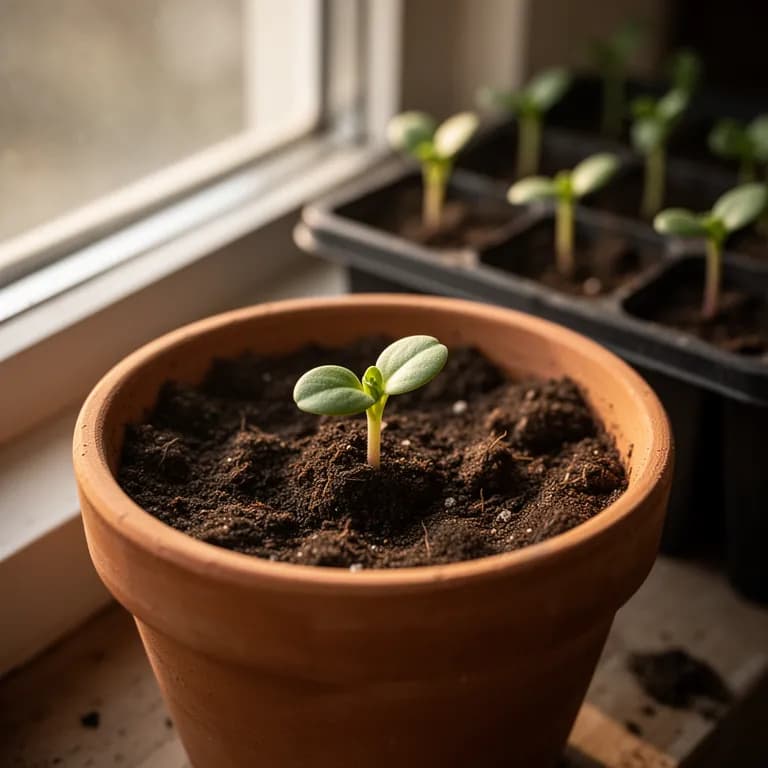
Seeds are sown directly in early spring. Germination is slow and erratic, taking 14-21 days. Seedlings emerge as thin, grass-like shoots that are easy to mistake for weeds. Consistent soil moisture is critical during this phase.
Seedling Establishment
Seedlings develop their first true leaves — narrow, lance-shaped, and pointed. Growth is slow at this stage as the plant prioritizes root development over top growth. Thin seedlings to 10-15cm apart to reduce competition.
Vegetative Growth
The plant forms a rosette of long, dark green leaves while the taproot steadily thickens underground. By late summer, the root reaches 20-30cm in length but remains relatively slender in the first year. Foliage may reach 40-50cm tall.
Overwintering
Foliage dies back after the first hard frosts, but the roots remain alive underground. Frost exposure converts starches to sugars, significantly improving flavor. The dormant roots continue to slowly expand through winter if the ground does not freeze solid.
Second-Year Growth and Flowering
In spring, the overwintered roots push up vigorous new foliage and eventually send up tall flowering stalks bearing yellow dandelion-like blooms. The roots reach their full size of 30-40cm and 2-4cm diameter. Flower buds are edible before they open.
Mark rows clearly with stakes or plant a fast-germinating marker crop like radish alongside. Keep the seedbed evenly moist with light daily watering. Do not let the soil crust over, as the delicate seedlings struggle to push through compacted surfaces.
Caring for Scorzonera month by month
What to do each month for your Scorzonera
October
You are hereApply 15-20cm of straw or leaf mulch over the root zone before hard frosts arrive. The first light frosts will begin sweetening the roots. Begin harvesting second-year roots or any first-year roots that have reached usable size.
Know exactly what to do in your garden — every month
One email at the start of each month: what to sow, plant, and tackle right now — for your Scorzonera and everything growing around it. Plus a short starter course that helps you dodge the classic mistakes.
- What to do, right now
- Matched to your season
- Starter course included
Harvesting Scorzonera
Scorzonera can be harvested from late fall through winter and into early spring before new growth resumes. The flavor is best after frost exposure, which sweetens the roots. Use a garden fork to deeply loosen soil alongside the roots, then gently lift them out. The roots are fragile and snap easily, so work carefully. For the largest roots, leave plants for a second growing season. Trim the foliage to about 1 inch above the root crown after lifting. The young flower buds and shoots in spring are also edible and considered a delicacy.
assuming you plant when the window opens — set your real date
Pick Scorzonera promptly and the plant keeps producing.
Storage & Preservation
Store freshly harvested scorzonera roots in the refrigerator wrapped in a damp cloth inside a plastic bag for up to 2 weeks. For extended storage, pack unwashed roots in damp sand in a root cellar at 32-40°F, where they keep for 3-4 months. Alternatively, leave roots in the ground under heavy mulch and dig as needed through winter. Scorzonera can be peeled, blanched for 2 minutes, and frozen for up to 6 months. Peel under running water to prevent the milky sap from staining hands and surfaces.
What goes wrong — and the fix
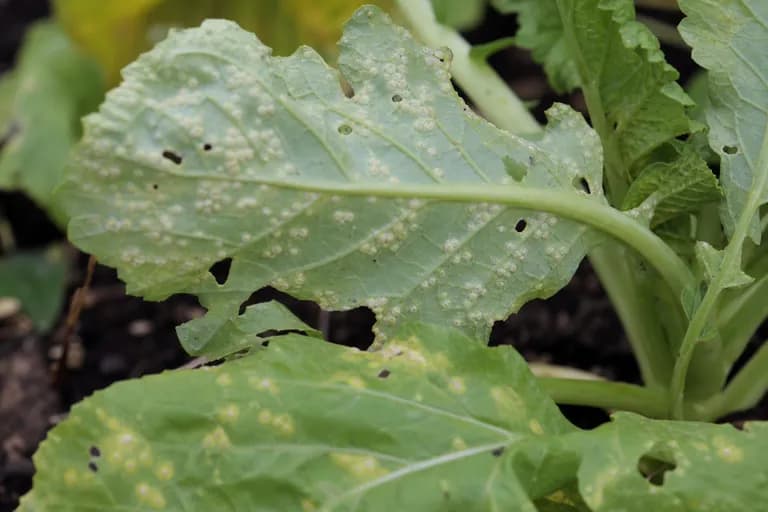
White Rust
DiseaseWhite pustules on leaf undersides that release powdery spores, causing yellowing and weakening of foliage.
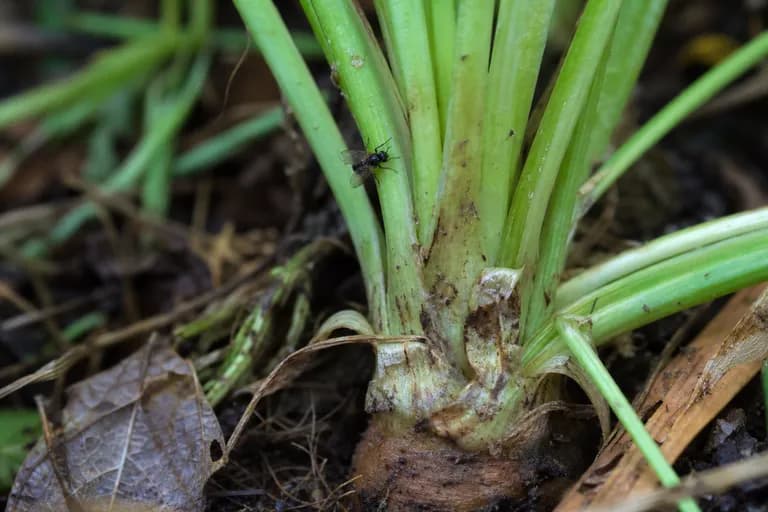
Carrot Rust Fly
PestRusty tunnels in roots, with brown scarring on the root surface. Plants may wilt or show stunted growth.
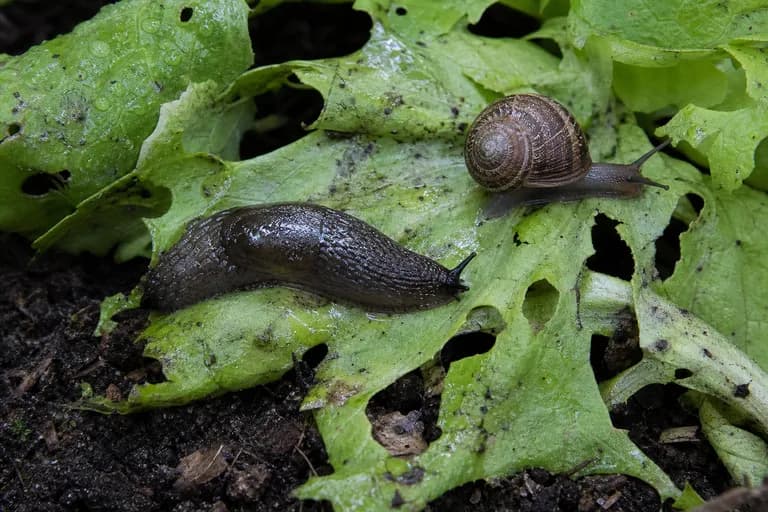
Slugs and Snails
PestIrregular holes in leaves and silvery slime trails on foliage and soil surface, particularly in damp conditions.
Troubleshooting Common Problems
Thin, disappointing first-year roots are the most common frustration for new growers. Patience is key, as scorzonera often needs two growing seasons to produce worthwhile roots. Rocky or compacted soil causes forked and misshapen roots. The milky sap stains hands and clothing, so wear gloves when handling. Seeds lose viability quickly and should be purchased fresh each year. Bolting in the first year occasionally occurs after cold snaps followed by warm weather. Roots left too long in the ground without mulch protection may become woody.
Growing Tips
- Always use fresh seed — scorzonera seed viability drops below 50% after just one year in storage. Buy new seed each season and sow generously to account for the naturally erratic germination rate.
- Prepare soil to at least 45cm (18 inches) deep before planting. Remove all stones and break up compacted layers with a broadfork. Forked, stunted roots are almost always caused by rocky or shallow soil. Raised beds filled with loose sandy loam are ideal.
- Be patient with first-year roots — they are often pencil-thin and disappointing. The real payoff comes in the second year when overwintered roots thicken dramatically. Treat scorzonera as a biennial crop for the best harvest.
- Mark your rows clearly at sowing time. Scorzonera seedlings look almost identical to grass, and many gardeners accidentally weed out their entire crop. Interplant with radish seeds as quick-germinating row markers.
- Harvest carefully using a garden fork inserted 15cm away from the plant and levered deeply. Scorzonera roots are long, brittle, and snap easily — a broken root releases milky sap and will not store well. Never try to pull roots by hand.
- Peel roots under running water or submerge in a bowl of water immediately after peeling. The sticky white latex sap stains hands and cutting boards brown. Wear gloves and drop peeled pieces into acidulated water (with lemon juice or vinegar) to prevent oxidation.
- Mulch heavily before winter with 15-20cm of straw or shredded leaves. This insulates the soil enough to allow harvesting throughout winter even in cold climates, and the frost exposure dramatically sweetens the roots.
- Allow a few plants to flower in the second year — the yellow blooms attract pollinators and the plant will self-seed, providing a self-sustaining patch that produces new roots each year with no additional sowing required.
Grow your best Scorzonera yet — and everything around it.
Start a free plan today. Lay out your beds, drop in your Scorzonera, and let PlotMyGarden handle the timing, spacing, companions and reminders from seed to harvest basket.
Pick your Scorzonera
Russian Giant
The most commonly available variety with long, black-skinned roots and excellent sweet, nutty flavor after frost exposure.
Duplex
An improved selection with thicker roots and good uniformity, offering reliable yields in a range of soil conditions.
Hoffmanns Schwarze Pfahl
A German heirloom variety prized for its long, straight roots with particularly fine flavor and tender flesh.
Lange Jan
A Dutch variety producing long, smooth roots with consistent quality, popular among European market gardeners.
Scorzonera is rarely found in North American grocery stores and commands premium prices of $8-15 per kg at European specialty markets and fine dining suppliers. A single $3 packet of seeds can produce 50+ plants yielding 5-10 kg of roots over two seasons — a value of $40-150 at retail. Because the plant is perennial and self-seeds readily, a one-time planting investment can provide harvests for years with minimal ongoing cost.
Quick recipes
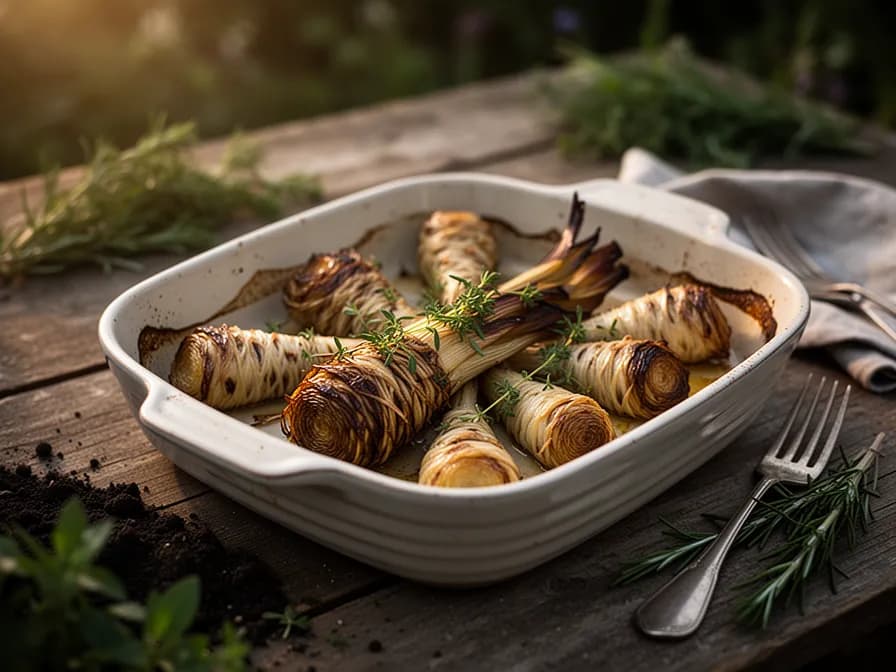
Roasted Scorzonera with Brown Butter and Hazelnuts
35 minRoasting transforms scorzonera into a caramelized, nutty delicacy. The creamy white roots turn golden and sweet in the oven, then are finished with brown butter and toasted hazelnuts for an elegant winter side dish.
7 ingredientsCreamy Scorzonera Soup
40 minA velvety winter soup that showcases scorzonera's subtle artichoke-like flavor. The roots are simmered until tender then blended into a silky puree with a hint of nutmeg — pure comfort on a cold day.
8 ingredientsScorzonera Gratin
50 minA rich, bubbling gratin that turns this humble root into a showstopping side dish. Blanched scorzonera is layered with a creamy Gruyere sauce and baked until golden and irresistible.
8 ingredientsCulinary Uses
Scorzonera has a delicate, slightly sweet flavor reminiscent of artichoke hearts. Peel the black skin under running water and immediately place roots in acidulated water to prevent browning. Roast with olive oil until caramelized for a rich, nutty side dish. Slice and saute in butter, or simmer in cream sauce. Scorzonera is excellent in gratins, soups, and stews. The young spring shoots and flower buds can be steamed or stir-fried as a seasonal delicacy.
What's inside
Health Benefits
- Exceptionally high in inulin, a prebiotic soluble fiber that feeds beneficial gut bacteria (Bifidobacteria and Lactobacilli), promoting a healthy microbiome and improved digestive function.
- Contains notable amounts of iron for a root vegetable — important for oxygen transport in blood and preventing anemia, especially valuable for plant-based diets.
- Rich in potassium (380mg per 100g), which helps regulate blood pressure, supports heart rhythm, and counteracts the effects of excess sodium in the diet.
- The inulin content means scorzonera has a very low glycemic index despite its sweet taste, making it an excellent root vegetable choice for people managing blood sugar levels or following diabetic-friendly diets.
- Provides manganese, a trace mineral essential for bone formation, blood clotting, and the metabolism of amino acids, carbohydrates, and cholesterol.
- Contains antioxidant compounds including polyphenols concentrated in the dark skin, which may help reduce inflammation and protect cells from oxidative stress.
Where Scorzonera comes from
Scorzonera hispanica is native to southern Europe and western Asia, where it grew wild across the Mediterranean basin. The plant was first cultivated in Spain and Italy during the 1500s, initially valued not as food but as a medicinal herb. Early herbalists prescribed scorzonera root as a cure for plague and snakebite — its common name may trace back to the Catalan 'escurso' (viper) or the Italian 'scorza nera' (black bark), both referencing its reputed antivenom properties or its dark skin.
By the early 1600s, scorzonera had transitioned from apothecary curiosity to kitchen staple across northern Europe, particularly in Belgium, the Netherlands, and Germany, where its sweet, delicate flavor found enthusiastic audiences. It became a fixture of winter cuisine, prized for its ability to remain in the ground through freezing weather and be harvested fresh when little else was available. French and Belgian market gardeners refined cultivation techniques, selecting for longer, straighter roots with improved flavor.
Today, scorzonera remains a beloved specialty vegetable in northern European cuisine, though it is relatively unknown in North America and much of the English-speaking world. Belgium is the largest commercial producer, with significant cultivation also in France, the Netherlands, and Germany. A growing interest in heritage and forgotten vegetables has sparked renewed attention from adventurous gardeners and chefs worldwide, and scorzonera is increasingly appearing on restaurant menus and in seed catalogs outside its traditional European heartland.
Scorzonera: did you know?
Fascinating facts about Scorzonera
Scorzonera was originally cultivated in Spain and Italy in the 16th century as a medicinal plant — it was believed to be an antidote to snake venom, and its name may derive from the Old French 'escorzon' meaning viper.
Scorzonera questions, answered
When should I plant Scorzonera?
What are good companion plants for Scorzonera?
What hardiness zones can Scorzonera grow in?
How much sun does Scorzonera need?
How far apart should I space Scorzonera?
What pests and diseases affect Scorzonera?
How do I store Scorzonera after harvest?
What are the best Scorzonera varieties to grow?
What soil does Scorzonera need?
Why are my first-year scorzonera roots so thin and small?
How do I prevent the milky sap from staining everything?
Can I grow scorzonera in containers?
Is scorzonera the same as salsify?
When is the best time to harvest scorzonera for the best flavor?
You just read the theory. Now grow it on autopilot.
Everything that makes Scorzonera fiddly — the timing, the spacing, the companions, the harvest window — is exactly what PlotMyGarden handles for you, for every plant in your garden.
A plan that knows your weather
Set your location once. Get sow, feed and harvest dates built around your real last-frost date and live forecast — no more guessing from a generic seed packet.
From the “When to plant” sectionDrag-and-drop bed planner
Design beds on a grid. Every plant snaps to its proper spacing, and you can see your whole season laid out before you spend a cent on seed.
From the “Growing guide” sectionCompanion conflicts, caught early
200+ good-and-bad pairings checked live as you plant — so a season-wrecking mistake never makes it into the ground.
From the “Companions” sectionReminders you'll actually act on
“Water the beans.” “Pick today before it turns.” Timely, specific, and tied to the plants you're really growing.
From the “Harvest” sectionSuccession, scheduled
Want a harvest for six weeks, not six days? It spaces your sowings automatically and reminds you when each new block is due.
From the “When to plant” sectionA record that gets smarter
Every harvest you log teaches it your garden. Next year's plan starts from what actually worked in your soil, not a textbook's.
From the “Overview” sectionPlant these alongside Scorzonera
More Root Vegetables
Grow your best Scorzonera yet — and everything around it.
Start a free plan today. Lay out your beds, drop in your Scorzonera, and let PlotMyGarden handle the timing, spacing, companions and reminders from seed to harvest basket.