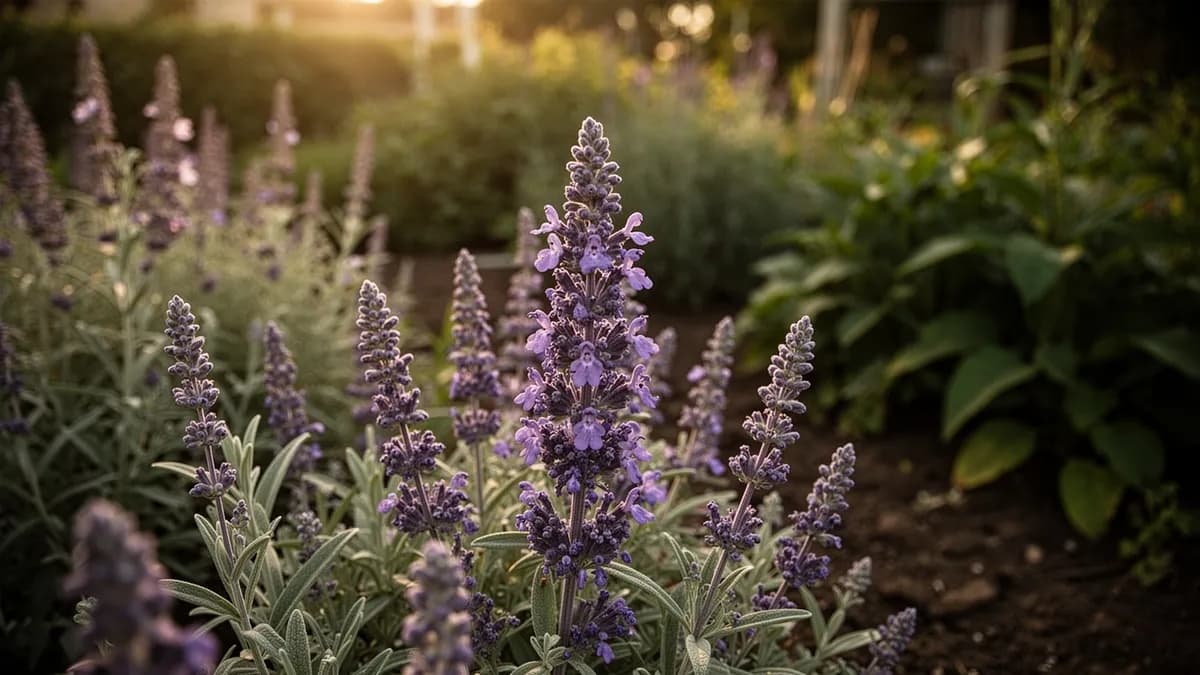
Russian Sage
Salvia yangii
At a Glance
It's planting season for Russian Sage! Start planning your garden now.
A tall, airy perennial with silvery foliage and clouds of tiny lavender-blue flowers that create a hazy effect in the garden. Russian sage is extremely drought-tolerant and heat-resistant, thriving in poor, dry soil where many plants struggle. Cut stems back hard in spring to encourage strong, upright growth and prevent the plant from becoming leggy.
Planting & Harvest Calendar
Growth Stages
From Seed to Harvest
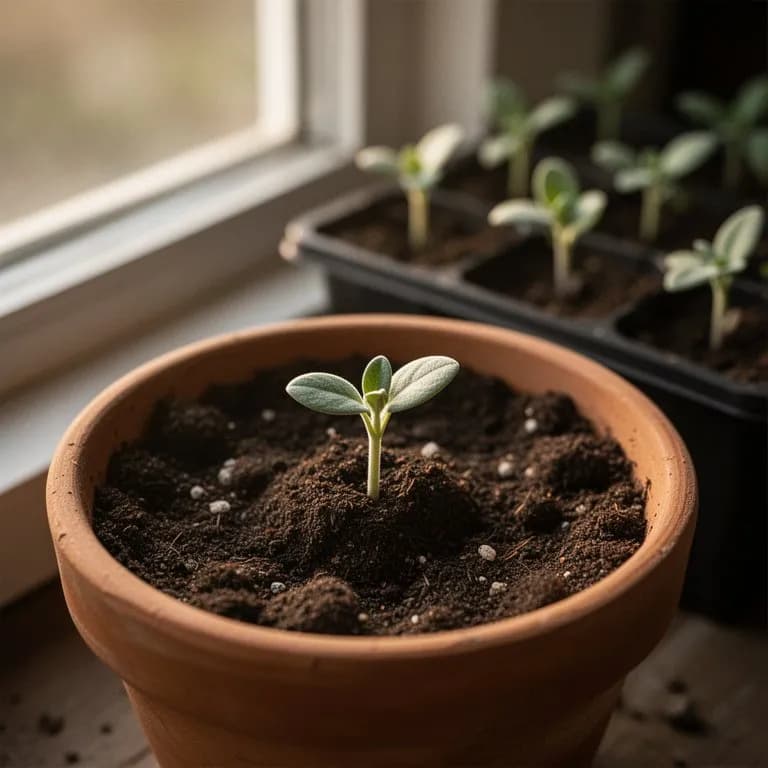
Dormancy and Spring Emergence
Days 0–30
Russian sage is a woody-based sub-shrub that dies back to its base in winter. In early to mid-spring, new growth emerges from the woody stems as small silvery-green buds. The plant appears dead during dormancy, but the root system remains alive and vigorous underground. New shoots are covered in fine silvery hairs that give them a frosted appearance.
💡 Care Tip
Cut back the previous year's stems to 15-30 cm (6-12 inches) above ground level in early spring before new growth begins. Do not cut into old wood below the lowest visible buds, as this can prevent regrowth. Avoid pruning in autumn, as the old stems help protect the crown from winter cold.
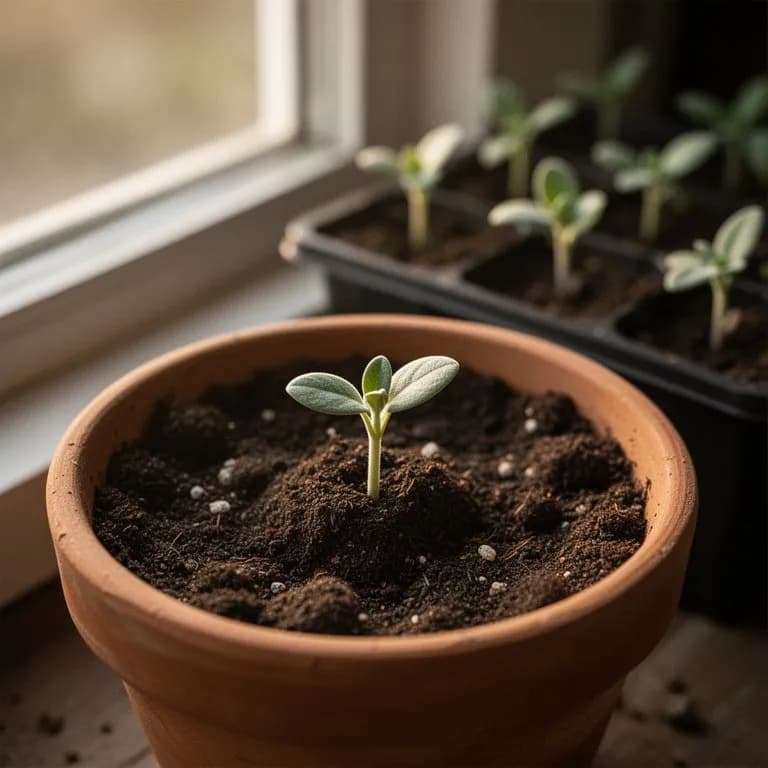
A young Russian sage plant establishing its root system with characteristic finely dissected grey-green leaves
Monthly Care Calendar
What to do each month for your Russian Sage
April
You are hereNo specific care tasks for this month.
Did You Know?
Fascinating facts about Russian Sage
Russian sage was reclassified from Perovskia atriplicifolia to Salvia yangii in 2017 after molecular phylogenetic studies revealed it belongs within the genus Salvia, making it a true sage rather than a separate genus.
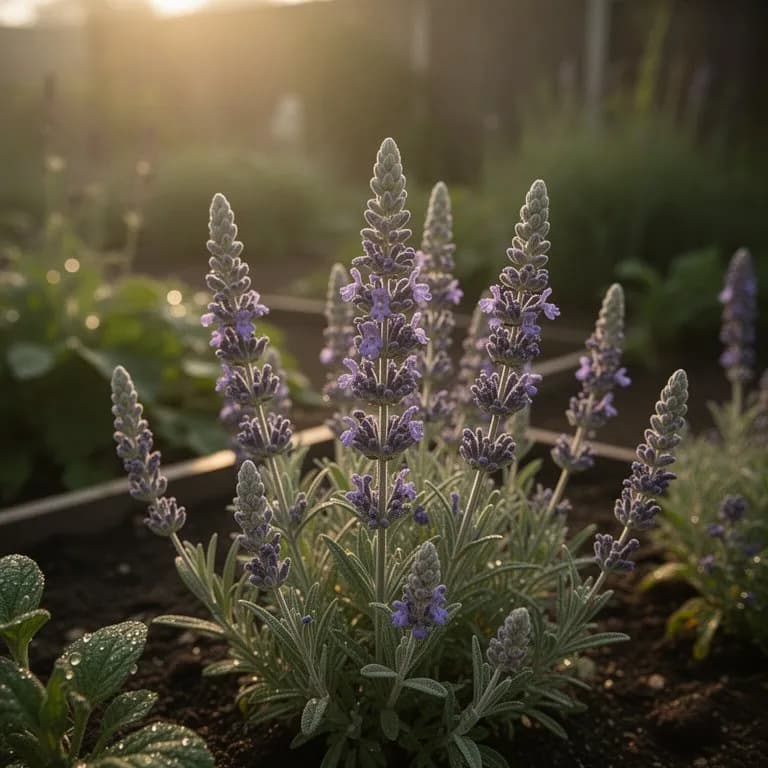
Russian sage is a pollinator magnet, attracting honeybees, bumblebees, and butterflies throughout its long bloom season
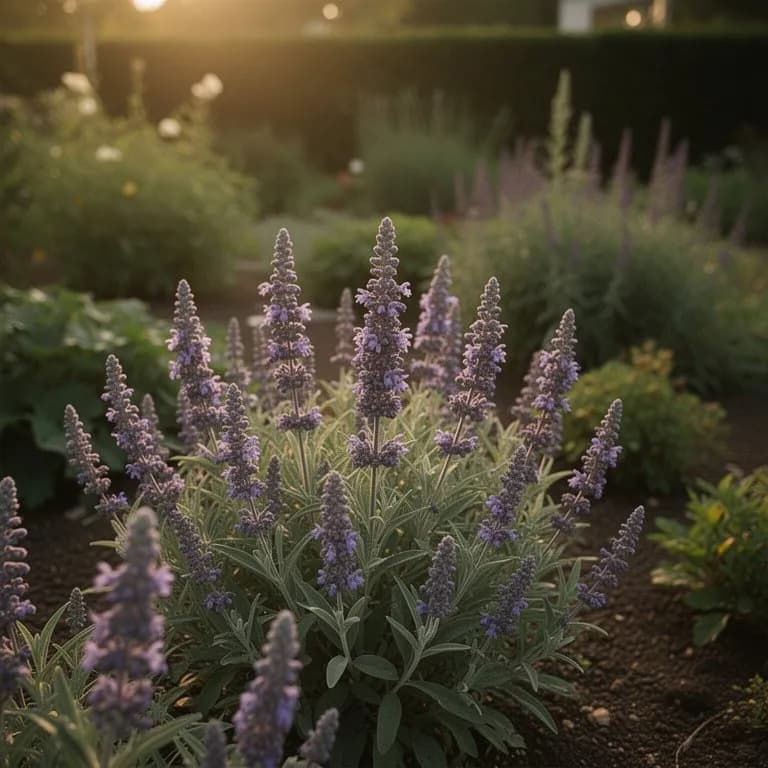
Russian sage (now reclassified as Salvia yangii) is a sub-shrub that creates one of the most striking effects in the late-summer garden—a haze of tiny lavender-blue flowers on silvery-white stems that seems to shimmer and glow in the sunlight. Growing 90-150cm tall and wide, it has a light, airy quality that softens any planting scheme. Originally from the dry mountains of Central Asia, it is supremely adapted to heat, drought, and poor soil.
Plant in full sun in lean, well-drained soil. This is a plant that actually suffers in rich, moist garden conditions—too much fertility and water produces weak, floppy growth prone to splitting open. Poor, gravelly, or sandy soil and a hot, sunny position produce the tightest, most floriferous specimens. Space 60-90cm apart, allowing room for the mature plant's airy spread.
Russian sage is a woody-based perennial that requires specific pruning for best results. In early spring, cut all stems back hard to 15-20cm from the ground, just above the lowest pair of emerging buds. This encourages strong, upright new growth and prevents the woody base from becoming tall and leggy. New shoots emerge late—don't be alarmed if the plant shows no life until mid-spring. The aromatic silvery foliage smells of sage when brushed, and the plant is completely deer-proof and rabbit-resistant.
Russian sage (Salvia yangii, formerly Perovskia atriplicifolia) is native to the arid steppes, rocky hillsides, and gravelly slopes of Central Asia, ranging from Afghanistan and Pakistan through Iran and into the western Himalayas and Tibet. It grows naturally at elevations between 1,500 and 3,000 metres in conditions of intense sunlight, poor alkaline soils, and limited rainfall.
The plant was first described scientifically in 1848 by the German-Russian botanist Alexander Bunge, who named the genus Perovskia in honour of Vasily Alekseevich Perovsky, the Russian general and governor of the Orenburg territory who championed botanical expeditions across Central Asia. The species name atriplicifolia refers to its leaves, which resemble those of the Atriplex (saltbush) genus.
In its native range, Russian sage has a long history of traditional medicinal use. Local healers in Afghanistan and Pakistan used infusions of the leaves and flowers to treat fevers, headaches, digestive ailments, and respiratory infections. The aromatic foliage was also burned as a fumigant and insect repellent in dwellings.
Russian sage was introduced to Western horticulture in the mid-19th century through botanical collections, but it remained relatively obscure until the late 20th century. Its rise to garden prominence accelerated after it was selected as the Perennial Plant of the Year in 1995 by the Perennial Plant Association. Breeders developed improved cultivars such as 'Blue Spire', 'Little Spire', and 'Lacey Blue', offering more compact forms and enhanced flower colour. In 2017, molecular phylogenetic research demonstrated that Perovskia is nested within the genus Salvia, leading to its reclassification as Salvia yangii, honouring the Chinese botanist Yang Changji. Today, Russian sage is widely planted across North America, Europe, and Australia as a drought-tolerant, low-maintenance ornamental valued for its long bloom season and resilience in challenging growing conditions.
Russian sage is most reliably propagated from softwood or semi-ripe cuttings rather than seed. Take 10-15cm cuttings from non-flowering side shoots in summer, strip lower leaves, dip in rooting hormone, and insert into gritty compost with bottom heat. Cuttings root in 3-4 weeks. Seed starting is possible but slow—sow on the surface of gritty compost at 18-20°C, as seeds need light to germinate. Germination is erratic, taking 2-6 weeks. Seedlings are slow-growing and may take 2 years to reach flowering size.
Russian sage demands lean, well-drained soil and performs best in poor, gravelly, or sandy conditions with a pH of 6.5-8.0—it is very alkaline-tolerant. Do not amend the soil with rich compost or manure; excessive fertility causes floppy, weak growth. If planting in heavy clay, add abundant gravel or create a raised bed with gritty, free-draining soil. No regular fertilizing is needed or desirable. Container plants need a very gritty, free-draining mix with minimal organic matter.
Check Your Zone
See if Russian Sage is suitable for your location.
-34°C – 38°C
-29°F – 100°F
Russian sage is exceptionally cold-hardy (USDA zones 4-9) and heat-tolerant. It thrives in hot, dry summers and can survive winter temperatures down to -34°C (-30°F) when planted in well-drained soil. The plant performs best with daytime temperatures between 20-35°C (68-95°F) during the growing season. It tolerates extreme heat and drought far better than excessive moisture or humidity. Winter cold is rarely a problem; waterlogged soil in winter is the primary cause of plant death.
Common issues affecting Russian Sage and how to prevent and treat them organically.
Floppy growth that splits open to reveal bare woody stems is the most common complaint. This is almost always caused by insufficient sunlight, overly rich soil, or failure to cut back hard in spring. Prune to 15-20cm annually in early spring. Late emergence in spring can alarm gardeners—Russian sage is slow to break dormancy and may not show growth until May. Do not assume the plant is dead and dig it up prematurely. In cold winter areas (Zone 4-5), stems may die back further than usual; mulch the root zone in late autumn for extra protection.
Russian sage creates magnificent combinations with other late-summer and autumn perennials. It pairs brilliantly with coneflowers, black-eyed Susans, sedum, ornamental grasses, and asters in naturalistic plantings. The silvery foliage and airy blue flowers provide a cooling counterpoint to the warm oranges, reds, and golds of autumn. Use as a backdrop for lower-growing perennials or as a stunning companion to ornamental grasses like Miscanthus and switchgrass. Russian sage also pairs beautifully with roses and flowering shrubs.
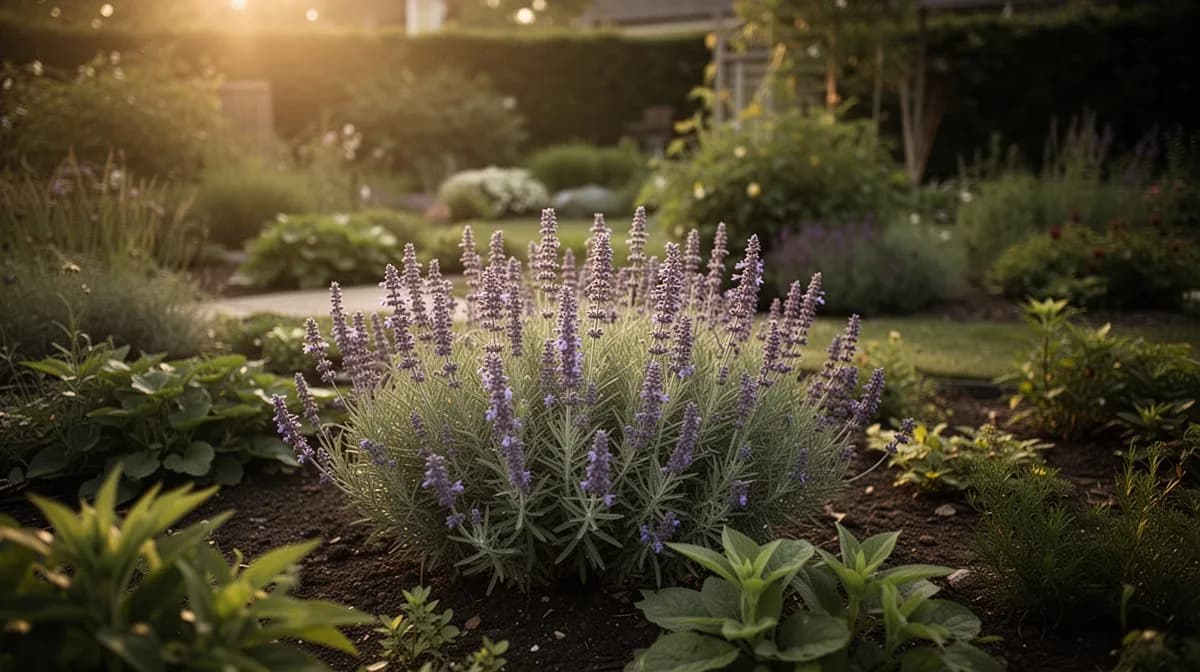
Russian sage creates a stunning airy border along walkways with its tall, arching habit and hazy blue flowers
- 1Plant Russian sage in the poorest, driest, most sun-baked spot in your garden. It genuinely performs better in lean, gravelly soil than in rich, amended beds, where it tends to produce weak, floppy growth.
- 2Ensure absolutely excellent drainage at the planting site. Russian sage can tolerate extreme cold and heat but will rot and die in waterlogged soil, especially during winter dormancy. Raised beds or sloped sites work well.
- 3Prune stems hard in early spring to 15-30 cm above ground level, cutting just above visible new buds. This annual cutback is essential for maintaining a compact, vigorous plant with strong flowering stems.
- 4Never fertilise Russian sage. Nitrogen-rich soil or added fertiliser produces lush vegetative growth at the expense of flowers and causes the stems to become weak and collapse outward.
- 5Space plants 60-90 cm apart to allow for their mature spread and to ensure good air circulation, which helps prevent the rare occurrence of fungal issues in humid climates.
- 6If your Russian sage is flopping over by midsummer, it is likely receiving too much water, too much shade, or growing in overly rich soil. Move it to a hotter, drier, leaner location for best results.
- 7Propagate Russian sage from softwood cuttings taken in late spring or semi-ripe cuttings in midsummer. Dip the cut end in rooting hormone and insert into a gritty, free-draining propagation mix. Roots typically develop in 3-4 weeks.
- 8Pair Russian sage with other drought-tolerant companions such as ornamental grasses (Miscanthus, Panicum), Echinacea, Sedum, Rudbeckia, and Salvia nemorosa for a cohesive, low-water garden design.
- 9In USDA zones 4-5, plant Russian sage on the south or west side of a wall or fence for radiant heat and wind protection. Apply a 5-8 cm mulch of gravel or crushed stone around the crown rather than organic mulch to keep the base dry.
- 10Leave spent stems standing through winter rather than cutting them back in autumn. The old growth protects the crown from extreme cold, provides winter garden structure, and the seed heads offer food for small birds.
Russian sage stems make unusual, airy additions to fresh flower arrangements—cut when the flower spikes are about half-open and condition in water for several hours before arranging. The silvery stems and lavender flowers complement bolder blooms like sunflowers, coneflowers, and dahlias. For drying, cut stems at peak bloom and hang upside down in a warm, dark room for 2-3 weeks. The dried stems retain their silvery color and make attractive additions to dried arrangements and wreaths.
Dried Russian sage stems maintain their silvery appearance for many months and work beautifully in dried arrangements and wreaths. Hang-dry bundles for 2-3 weeks in a warm, dark location. The aromatic stems and leaves can be included in sachets and potpourri. For garden propagation, take semi-ripe cuttings in late summer from side shoots, inserting them into gritty compost with bottom heat. Cuttings root in 3-4 weeks and should be overwintered in a protected spot before planting out the following spring.
Plan your garden with ease
Love growing Russian Sage? Use our free garden planner to design your beds, track planting dates, and get personalized care reminders.
Nutritional Info
Per 100g serving
5
Calories
Health Benefits
- Russian sage is not commonly consumed as a food plant; its primary value is ornamental and aromatic
- The leaves contain rosmarinic acid, a polyphenolic compound with antioxidant and anti-inflammatory properties
- Essential oils in the foliage include camphor, borneol, cineole, and pinene, which contribute to its strong aroma
- Traditional herbal preparations use small quantities of dried leaves as a tea for digestive and respiratory support
- The plant is not considered edible in the culinary sense and should not be consumed in large quantities
- All parts of the plant contain volatile aromatic compounds that may cause irritation in sensitive individuals
💰 Why Grow Your Own?
Russian sage is one of the most cost-effective ornamental perennials for the home garden. A single plant purchased for approximately $8-15 can live for 10-20 years or more, spreading to fill a 90-120 cm area. It requires virtually no irrigation once established, saving significantly on water costs compared to thirstier ornamentals. The plant needs no fertiliser and is unbothered by deer, rabbits, and most insect pests, eliminating the need for repellents or pesticides. It is easily propagated from softwood or semi-ripe cuttings at no cost, allowing gardeners to fill large areas inexpensively. Its long bloom season (8-12 weeks) means fewer plants are needed to maintain continuous garden colour throughout the summer and early autumn months.
Quick Recipes
Simple recipes using fresh Russian Sage
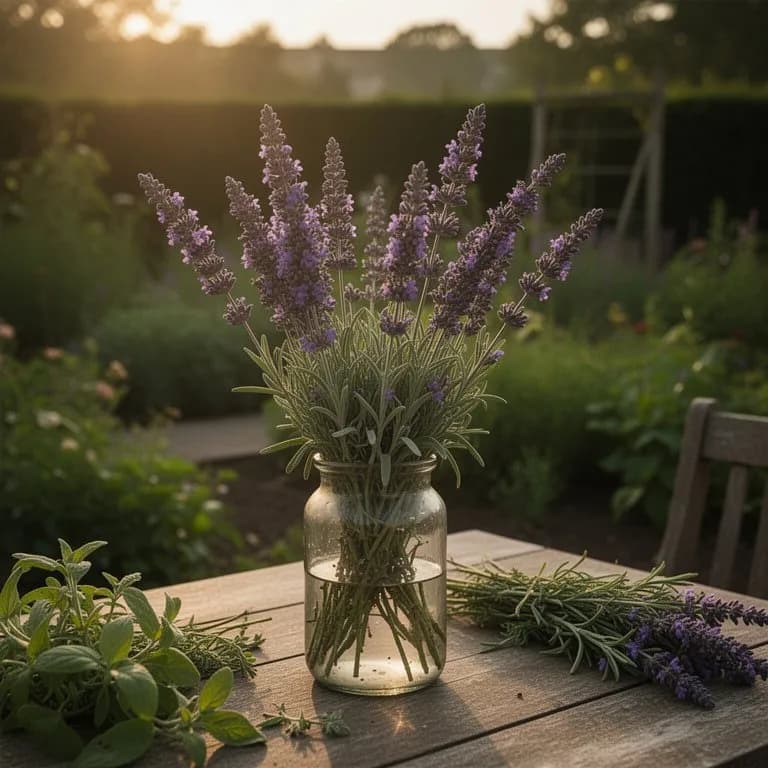
Russian Sage Aromatherapy Sachets
20 minutesHarvest and dry Russian sage leaves and flower buds to create fragrant sachets for drawers, wardrobes, and linen closets. The aromatic oils naturally repel moths and other textile pests while imparting a pleasant herbal scent to stored fabrics.
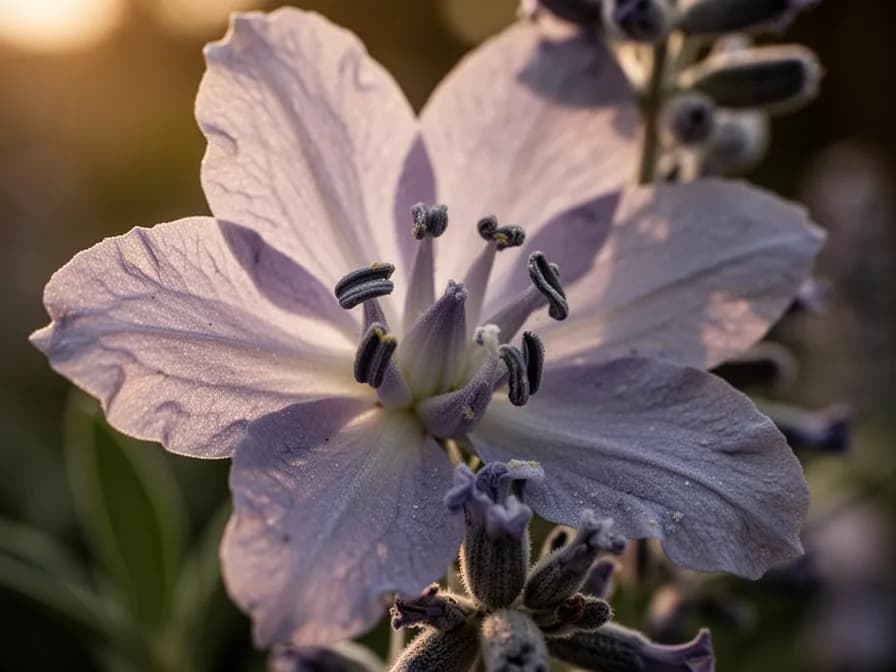
Russian Sage Herbal Tea Blend
10 minutesA soothing herbal tea made with dried Russian sage leaves blended with complementary herbs. Used in traditional Central Asian medicine to ease mild digestive discomfort and promote relaxation. Use sparingly, as Russian sage has a strong camphoraceous flavour.
Russian Sage Infused Vinegar for Cleaning
15 minutes plus 2 weeks infusionHarness the natural antiseptic and aromatic properties of Russian sage by infusing white vinegar with fresh stems and leaves. The resulting herbal vinegar makes an effective, pleasantly scented all-purpose household cleaning solution.
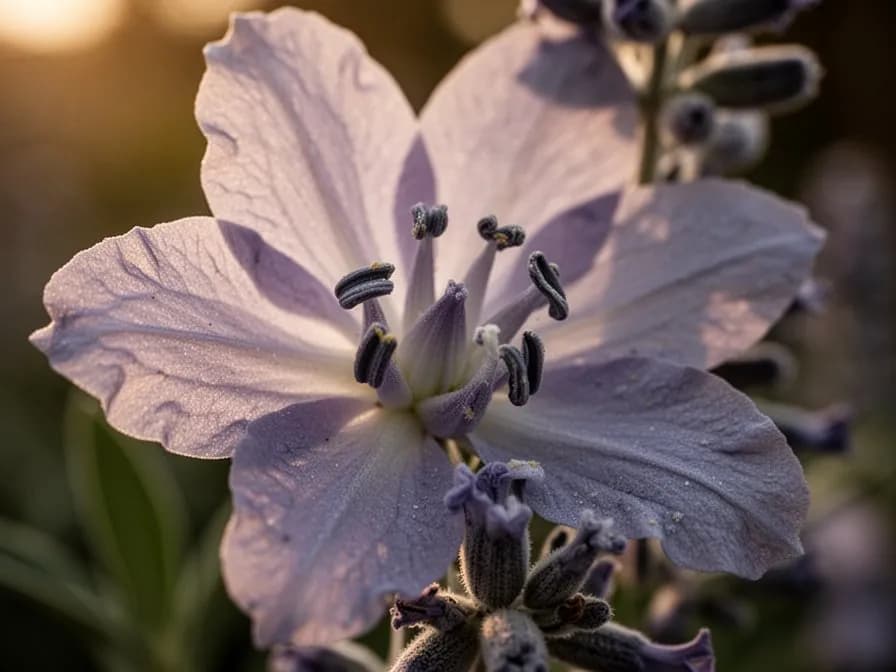
Russian sage flower spikes dry beautifully and retain their colour for use in dried floral arrangements
Yield & Spacing Calculator
See how many Russian Sage plants fit in your garden bed based on the recommended 60cm spacing.
4
Russian Sage plants in a 4×4 ft bed
2 columns × 2 rows at 60cm spacing
Popular Varieties
Some of the most popular russian sage varieties for home gardeners, each with unique characteristics.
Salvia yangii 'Blue Spire'
The most widely grown cultivar with deeply cut silvery foliage and abundant deep violet-blue flowers on sturdy 120cm stems.
Salvia yangii 'Little Spire'
A more compact variety at 60-75cm, ideal for smaller gardens and the front of borders while maintaining the same airy quality.
Salvia yangii 'Lacey Blue'
A compact, non-flopping selection at 45-60cm with lacy, deeply dissected foliage and profuse blue flowers. Excellent for containers.
Salvia yangii 'Silvery Blue'
Selected for particularly silvery-white stems and foliage that contrast beautifully with the soft blue flowers.
The pale woody stems of Russian sage add structural interest to the winter garden, especially when touched by frost
When should I plant Russian Sage?
Plant Russian Sage in March, April, September. It takes approximately 365 days to reach maturity, with harvest typically in July, August, September, October.
What are good companion plants for Russian Sage?
Russian Sage grows well alongside Coneflower, Black-eyed Susan, Sedum. Companion planting can improve growth, flavor, and natural pest control.
What hardiness zones can Russian Sage grow in?
Russian Sage thrives in USDA hardiness zones 4 through 9. With greenhouse protection, it may be grown in zones 2 through 10.
How much sun does Russian Sage need?
Russian Sage requires Full Sun (6-8h+). This means at least 6-8 hours of direct sunlight daily.
How far apart should I space Russian Sage?
Space Russian Sage plants 60cm (24 inches) apart for optimal growth and air circulation.
What pests and diseases affect Russian Sage?
Common issues include Root Rot, Stem Dieback, Aphids. Prevention through good garden practices like crop rotation, proper spacing, and companion planting is the best approach. See the detailed pests and diseases section above for symptoms, prevention, and treatment for each.
How do I store Russian Sage after harvest?
Dried Russian sage stems maintain their silvery appearance for many months and work beautifully in dried arrangements and wreaths. Hang-dry bundles for 2-3 weeks in a warm, dark location. The aromatic stems and leaves can be included in sachets and potpourri. For garden propagation, take semi-ripe c...
What are the best Russian Sage varieties to grow?
Popular varieties include Salvia yangii 'Blue Spire', Salvia yangii 'Little Spire', Salvia yangii 'Lacey Blue', Salvia yangii 'Silvery Blue'. Each has unique characteristics suited to different growing conditions and culinary preferences. See the varieties section above for detailed descriptions.
What soil does Russian Sage need?
Russian sage demands lean, well-drained soil and performs best in poor, gravelly, or sandy conditions with a pH of 6.5-8.0—it is very alkaline-tolerant. Do not amend the soil with rich compost or manure; excessive fertility causes floppy, weak growth. If planting in heavy clay, add abundant gravel o...
Why is my Russian sage falling over and flopping open in the centre?
Flopping is almost always caused by too much shade, overly rich soil, or excessive watering. Russian sage needs at least 6-8 hours of direct sun and poor to average, very well-drained soil to produce strong, upright stems. Avoid fertilising, reduce watering, and consider moving the plant to a sunnier, leaner location. You can also cut the plant back by one-third in early June to produce a shorter, bushier form, though this delays flowering slightly.
Is Russian sage actually a sage, and can I cook with it?
Russian sage was reclassified into the genus Salvia in 2017, making it technically a true sage. However, it is not a culinary herb and should not be used as a substitute for common sage (Salvia officinalis) in cooking. The leaves contain strong camphoraceous essential oils with a very different flavour profile. While small amounts have been used in traditional herbal teas in Central Asia, Russian sage is best regarded as an ornamental and aromatic plant rather than a culinary one.
When should I prune Russian sage, and how far back should I cut it?
Prune Russian sage once in early spring, just as you see new buds beginning to swell at the base of the stems. Cut all stems back to 15-30 cm (6-12 inches) above ground level, making cuts just above a visible bud. Never prune in autumn or early winter, as the old stems insulate the crown against cold and help prevent winter dieback. The plant blooms on new wood produced in the current season, so hard spring pruning encourages vigorous flowering.
Does Russian sage spread aggressively or become invasive?
Russian sage spreads slowly by underground runners (stolons) and can gradually expand its footprint over the years, but it is not considered invasive in most regions. The spread is generally manageable, and unwanted shoots can be easily removed by pulling or digging. In very sandy or loose soils, the plant may spread more freely. It is not listed as invasive by any major North American or European invasive species authority. If containment is a concern, planting in a border edged with stone or metal will limit its lateral spread.
Why did my Russian sage die over winter even though it is rated as cold-hardy?
Winter death in Russian sage is almost never caused by cold temperatures but rather by wet, poorly drained soil around the crown during winter dormancy. The plant is hardy to -34°C (-30°F) in well-drained conditions. To prevent winter losses, ensure the planting site has excellent drainage, use gravel or grit mulch rather than moisture-retaining organic mulch, and avoid low-lying areas where water collects. In heavy clay soils, plant Russian sage in a raised bed or amend the site heavily with coarse sand and gravel.
How do I propagate Russian sage from cuttings?
Take 8-10 cm softwood cuttings in late May to early June from the tips of new growth, or semi-ripe cuttings in July to August from side shoots. Remove the lower leaves, dip the cut end in powdered rooting hormone, and insert the cutting into a pot filled with a 50/50 mix of perlite and peat-free compost. Keep the cuttings in bright indirect light, mist regularly, and maintain consistent moisture without waterlogging. Roots typically develop in 3-4 weeks. Harden off and transplant into the garden the following spring for best results.
Ready to Grow Russian Sage?
Add Russian Sage to your garden plan and start designing your perfect layout.

Vladimir Kusnezow
Gardener and Software Developer
Zone 6b gardener. Growing vegetables and fruits in soil and hydroponics for 6 years. I built PlotMyGarden to plan my own gardens.
Jump to Section