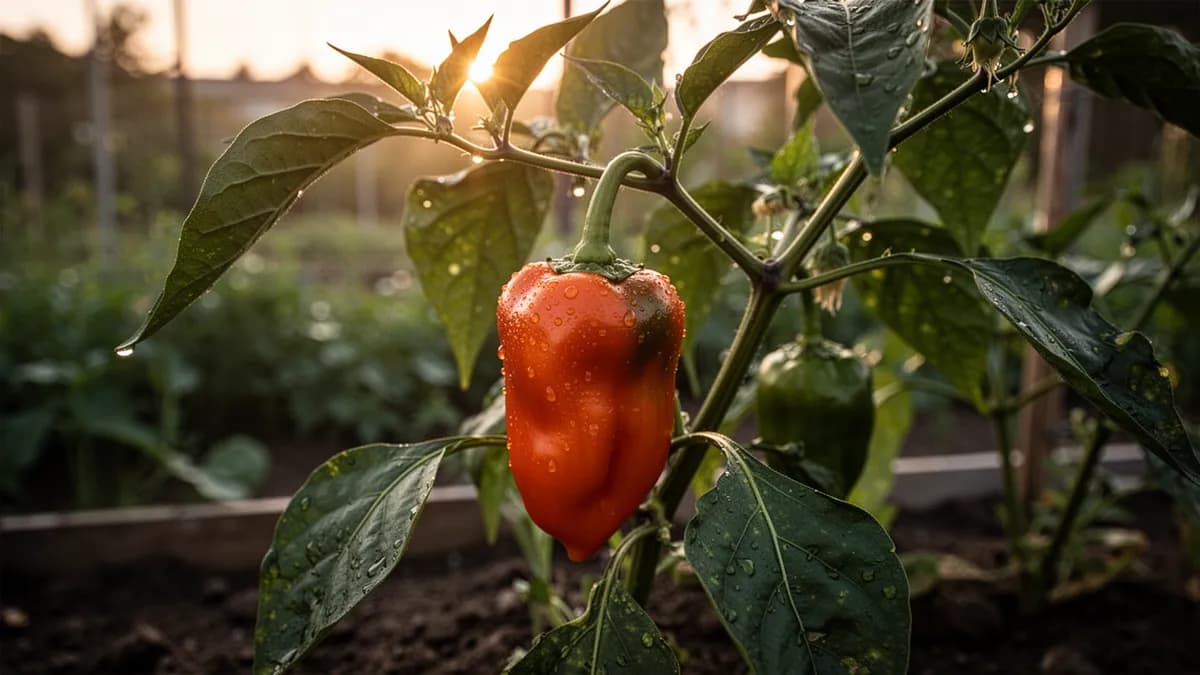
Datil Pepper
Capsicum chinense
At a Glance
It's planting season for Datil Pepper! Start planning your garden now.
A fiery heirloom pepper from St. Augustine, Florida, with fruity, sweet heat comparable to habaneros. Plants thrive in hot, humid climates and need a long growing season of at least 90 days. Start seeds indoors 8 to 10 weeks before last frost and transplant into rich, well-drained soil. Fruits ripen from green to golden yellow and are excellent in hot sauces and jellies.
Planting & Harvest Calendar
Growth Stages
From Seed to Harvest
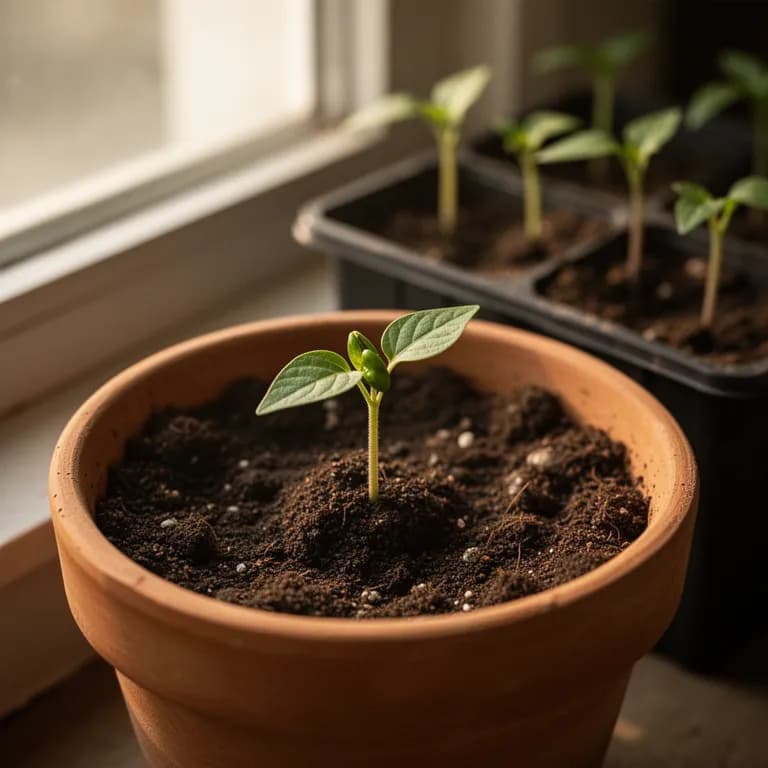
Seed Germination
Days 0–28
Datil pepper seeds are among the slowest to germinate in the pepper family, taking 14-28 days even under ideal conditions. The hard seed coat benefits from pre-soaking in warm water or a dilute hydrogen peroxide solution. A white radicle emerges first, followed by small cotyledon leaves.
💡 Care Tip
Use a heat mat to maintain soil temperature at 27-32°C (80-90°F). Keep the medium consistently moist but never waterlogged. Do not give up — germination is erratic and seeds may sprout over a 2-week window.
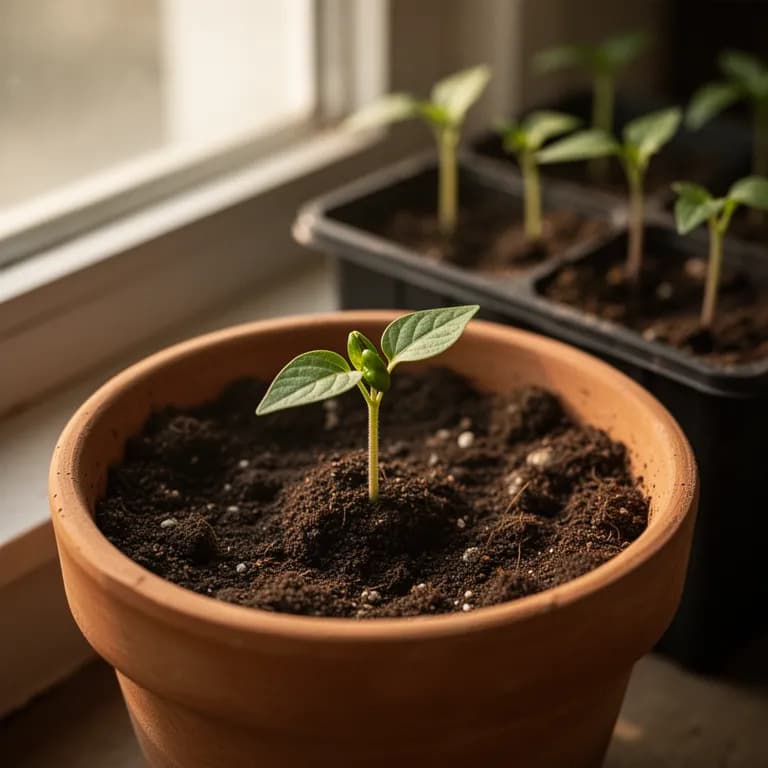
Datil seedlings are slow to emerge — patience and bottom heat are key
Monthly Care Calendar
What to do each month for your Datil Pepper
May
You are hereTransplant hardened-off seedlings after all frost danger has passed and nighttime temperatures are reliably above 15°C (60°F). Choose the warmest, most sheltered garden spot with full sun. Space plants 45-60 cm apart. Mulch with dark material.
Did You Know?
Fascinating facts about Datil Pepper
Datil peppers are almost exclusively associated with St. Augustine, Florida — the oldest continuously occupied European settlement in the United States — where they have been grown for over 100 years and are considered a cultural treasure of the city.
Datil peppers are fiery heirloom peppers with fruity, sweet heat, historically associated with St. Augustine, Florida. They rate 100,000-300,000 Scoville units, similar to habaneros, but with a distinctive sweet, tropical flavor. Start seeds indoors 10-12 weeks before the last frost as datils are slow to germinate and grow. Transplant after soil reaches 70°F and nighttime temperatures are consistently above 60°F.
Plants grow 2-3 feet tall with a bushy habit and produce small, elongated yellow-orange peppers 2-3 inches long. Space plants 24 inches apart in a warm, sunny location. Water consistently but avoid overwatering as datils are somewhat drought-tolerant once established. Mulch to maintain soil warmth and moisture.
Datil peppers are adapted to hot, humid conditions and produce best in long, warm summers. They may be grown as perennials in zones 9-12, where they can become small shrubs producing for several years. In cooler climates, maximize production by starting seeds very early and providing the warmest possible growing location. Each plant produces 50-100 small peppers when well-cared-for. Fruits ripen from green to golden yellow-orange.
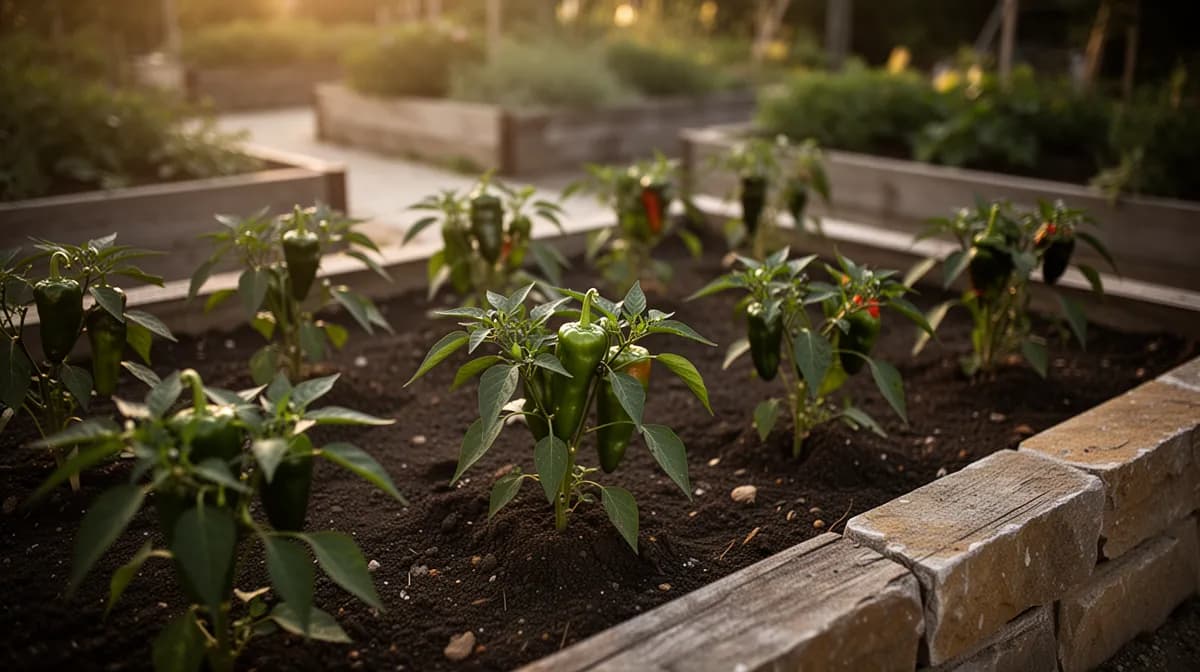
A healthy datil plant in full production can yield 50-100 small peppers per season
The datil pepper (Capsicum chinense) is one of the most geographically specific heirloom peppers in North America, deeply tied to St. Augustine, Florida, the oldest European-established city in the United States. The pepper's arrival in St. Augustine is the subject of ongoing historical debate. The most popular theory credits Minorcan settlers who came to Florida in the late 1700s as indentured laborers for the British colonial New Smyrna plantation. These Mediterranean colonists may have brought pepper seeds from their homeland or acquired them through trade networks connecting the Caribbean, West Africa, and southern Europe.
An alternative theory suggests the datil arrived via Cuban or Caribbean trade routes, which is botanically plausible since Capsicum chinense species originated in the Amazon basin and spread throughout the Caribbean and Central America long before European contact. Linguistic evidence supports multiple possible paths — the name 'datil' may derive from the Spanish word for 'date' (dátil), referring to the pepper's elongated shape resembling a date fruit.
Regardless of its exact arrival, the datil pepper became firmly established in the Minorcan community of St. Augustine by the mid-1800s and has been continuously cultivated there for well over a century. The pepper remained almost unknown outside northeast Florida until the late 20th century, when local hot sauce makers and food writers began spreading awareness. Today, datil peppers are experiencing a renaissance among chili enthusiasts and heirloom gardeners, but St. Augustine remains the undisputed heartland of datil culture, with the pepper woven into the city's culinary identity, festival traditions, and local economy.
Start datil pepper seeds very early, 10-12 weeks before the last frost, as they are slow to germinate and grow. Plant seeds one-quarter inch deep at 85°F using a heat mat. Germination is slow and irregular, taking 14-28 days. Keep soil consistently moist but not waterlogged. Provide strong light for 14-16 hours daily. Pot up to larger containers as roots fill their pots. Harden off for 2 weeks before transplanting when nighttime temperatures are reliably above 60°F. Patience is essential with datil seedlings.
Datil peppers prefer sandy, well-drained soil with a pH of 6.0-6.8, reflecting their Florida coastal origins. Work in compost before planting and apply balanced fertilizer at transplanting. Side-dress with a phosphorus-rich fertilizer at bloom time. These peppers are adapted to sandy soils and do not require the rich conditions some pepper varieties demand. In containers, use a well-draining potting mix. Avoid excessive nitrogen which promotes leaf growth at the expense of pepper production.
Check Your Zone
See if Datil Pepper is suitable for your location.
21°C – 35°C
70°F – 95°F
As a Capsicum chinense variety, datil peppers demand sustained warmth throughout their long growing season. Growth stalls below 15°C (60°F) and plants suffer damage below 10°C (50°F). Seeds require soil temperatures of at least 21°C (70°F) to germinate and perform best at 27-32°C (80-90°F). Optimal fruit production occurs between 24-35°C (75-95°F) with warm nights above 18°C (65°F). Datils tolerate the hot, humid conditions of Florida summers exceptionally well but struggle in cool-summer climates.
Common issues affecting Datil Pepper and how to prevent and treat them organically.
Slow germination is the biggest challenge; datil seeds can take 2-4 weeks to sprout even with bottom heat. Be patient and keep soil consistently moist and warm. In cool-summer climates, datils may not produce well; grow in containers that can be moved to the warmest locations. Fruit drop in cool weather is common as these tropical peppers need consistent warmth. The extreme heat of the peppers requires careful handling; always wear gloves and avoid touching eyes or face after harvest.
Datil peppers grow well alongside other heat-loving crops like tomatoes, eggplant, and okra. Basil is a classic companion that may help deter pests and improve flavor. Marigolds and nasturtiums attract beneficial insects and repel common pepper pests. Avoid planting near fennel. In their native Florida growing region, datils are often grown alongside herbs and other peppers in dedicated hot pepper gardens. Their compact size works well in intensive planting arrangements.
- 1Start seeds absurdly early — 10-12 weeks before last frost is the minimum. Datil peppers are the slowest-germinating common garden pepper, and seedlings grow at a pace that tests patience. Rushed timing is the number-one reason for poor datil harvests.
- 2Bottom heat is non-negotiable for germination. A seedling heat mat maintaining soil at 27-32°C (80-90°F) transforms germination rates from 30% to 80%+. Without it, seeds may rot before sprouting.
- 3Choose the single warmest microclimate in your garden — south-facing walls, raised beds with dark soil, or spots sheltered from wind. Datil peppers respond dramatically to even small temperature advantages during the growing season.
- 4Avoid overwatering young transplants. Datil peppers are adapted to Florida's sandy, well-drained soils and are surprisingly drought-tolerant once established. Waterlogged roots cause far more problems than mild drought stress.
- 5In zones 8 and cooler, grow datils in large black containers (20+ liters) that absorb solar heat. Move containers to maximize sun exposure and shelter from cool evenings. Container culture can add 2-3 effective heat zones.
- 6Always wear nitrile gloves when harvesting and handling datil peppers. The capsaicin concentration is extreme — bare-handed contact causes painful burns lasting hours, and touching your face or eyes after handling can cause serious irritation.
- 7If you live in zones 9-12, overwinter your best datil plant by cutting it back to 20-30 cm, mulching the root zone heavily, and protecting from hard freezes. Second-year plants produce earlier and more heavily than first-year plants.
- 8Save seeds from your most productive, best-flavored plants. Let 2-3 peppers ripen fully to deep orange on the plant, then dry seeds on a paper towel for a week. Stored in a cool, dry place, datil seeds remain viable for 3-4 years.
Harvest datil peppers when they turn from green to golden yellow-orange and are slightly soft to the touch. At full ripeness, they have the best balance of fruity sweetness and intense heat. Cut from the plant with scissors. Green datils are edible but lack the characteristic sweet flavor. Plants produce continuously through warm weather, with peak production in late summer and fall. Always wear gloves when handling datil peppers as their oils can cause severe skin burns. Each plant produces 50-100 peppers over the season.
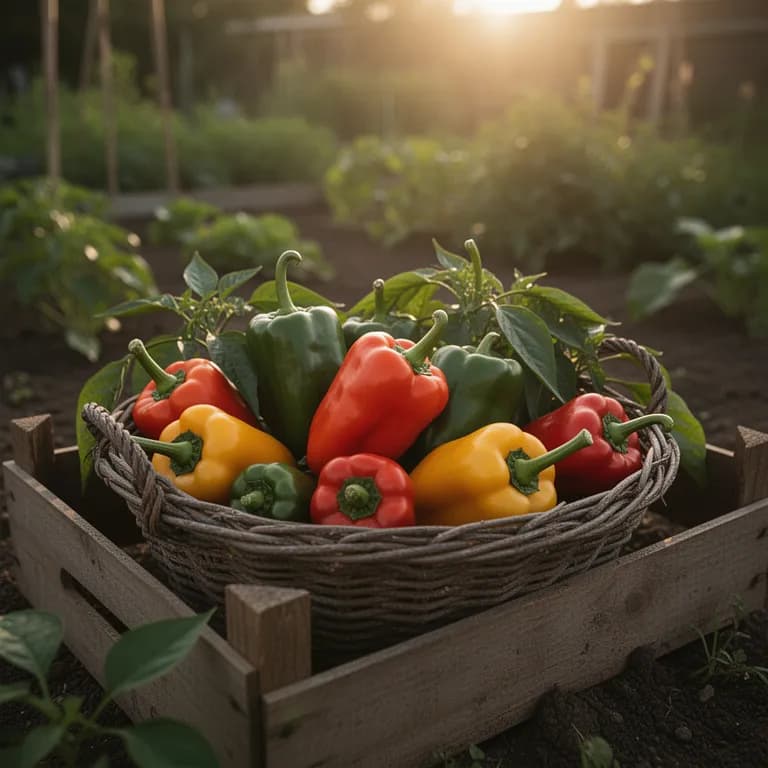
A generous cluster of fully ripe datil peppers with their characteristic elongated shape
Fresh datil peppers keep in the refrigerator for 2-3 weeks. They are most famously used in datil pepper sauce, a hot sauce tradition in St. Augustine that combines peppers with vinegar, mustard, and sugar. Freeze whole peppers in bags for later use. Dry in a dehydrator for datil pepper flakes. They make excellent hot pepper jelly with their natural fruity sweetness. Datil pepper relish and chutney are popular preserves. The high heat level means a few peppers go a very long way in preservation.
Plan your garden with ease
Love growing Datil Pepper? Use our free garden planner to design your beds, track planting dates, and get personalized care reminders.
Nutritional Info
Per 100g serving
40
Calories
Health Benefits
- Extremely rich in vitamin C — hot peppers like datils contain significantly more vitamin C per gram than sweet peppers, providing over 160% of the daily value per 100g
- Contains capsaicin at 100,000-300,000 Scoville units, which has documented pain-relieving, anti-inflammatory, and metabolism-boosting properties
- Good source of vitamin A and beta-carotene, particularly in ripe golden-orange fruits, supporting eye health and immune function
- Provides vitamin B6 (pyridoxine), important for protein metabolism and neurotransmitter synthesis
- Contains potassium, manganese, and small amounts of iron and copper that support cardiovascular and metabolic health
- Low calorie with virtually no fat — the intense flavor means a tiny amount seasons an entire dish, adding nutrition without significant calories
💰 Why Grow Your Own?
Datil pepper seeds or plants cost $3-8, but the peppers themselves are rarely found in grocery stores and command premium prices of $15-30 per pound at specialty markets and online retailers when available. A single productive plant yielding 50-100 peppers can provide enough raw material for 10-15 bottles of homemade hot sauce (retail value $8-15 per bottle) or 8-12 jars of pepper jelly ($6-10 per jar). Growing your own datils is essentially the only reliable way to have a steady supply, as commercial availability outside St. Augustine is extremely limited.
Quick Recipes
Simple recipes using fresh Datil Pepper
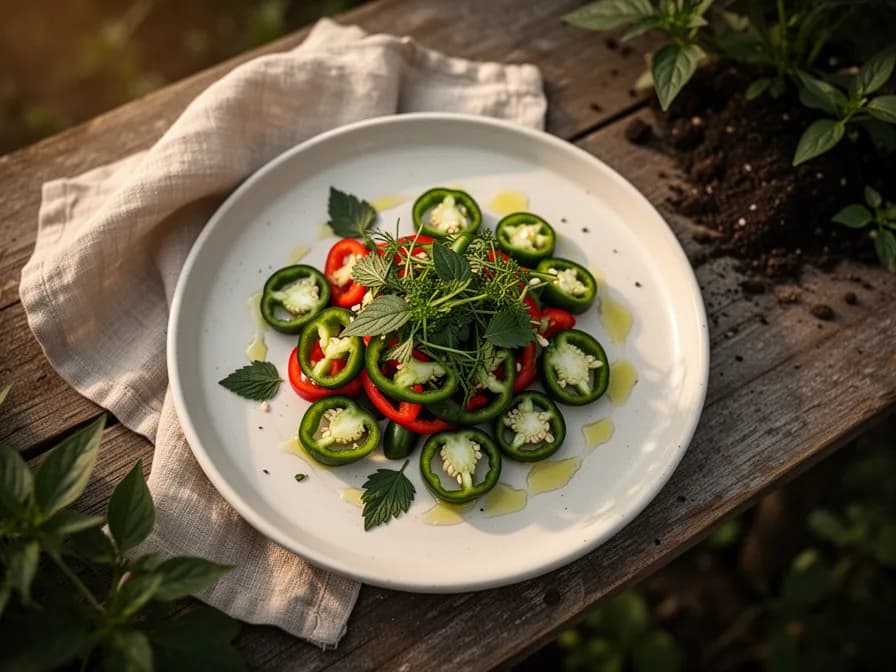
Classic St. Augustine Datil Pepper Hot Sauce
30 minThe signature recipe of St. Augustine, Florida — a tangy, sweet, fiery hot sauce that balances the datil's fruity heat with vinegar and a touch of mustard. This shelf-stable sauce keeps for months and improves with age.
Datil Pepper Jelly
45 minA beautiful golden jelly that captures the datil's unique fruity-sweet heat in a spreadable form. Legendary served over cream cheese with crackers as an appetizer, or glazed over grilled chicken and pork.
Datil Mango Salsa
15 minA tropical salsa that pairs the datil's fruity heat perfectly with sweet mango and bright lime. Use sparingly — the datil's intense heat sneaks up. Outstanding with grilled fish tacos or alongside tortilla chips.
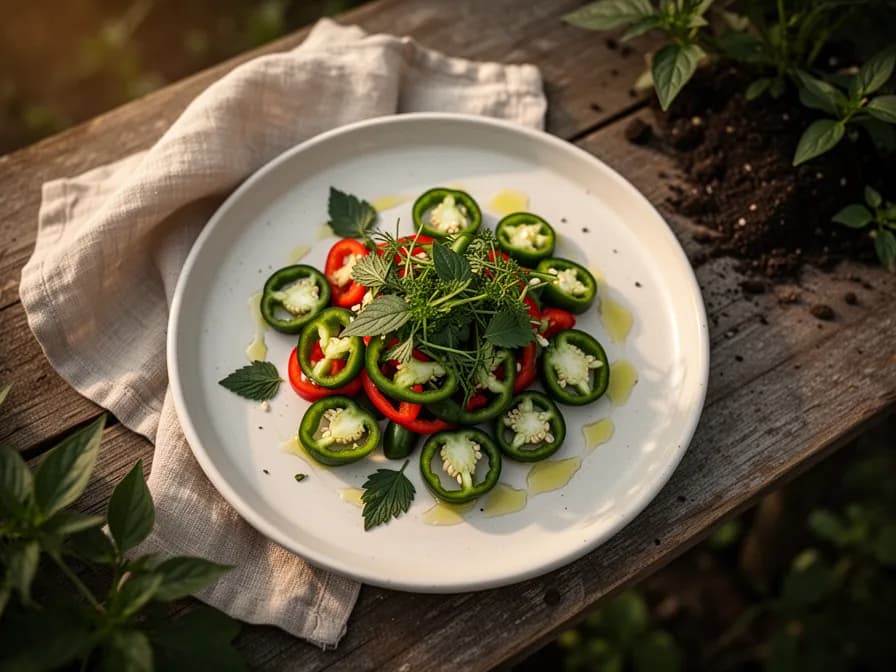
St. Augustine-style datil hot sauce — the most famous use for this heirloom pepper
Yield & Spacing Calculator
See how many Datil Pepper plants fit in your garden bed based on the recommended 45cm spacing.
4
Datil Pepper plants in a 4×4 ft bed
2 columns × 2 rows at 45cm spacing
Popular Varieties
Some of the most popular datil pepper varieties for home gardeners, each with unique characteristics.
Datil
The standard St. Augustine heirloom with golden-orange fruits and fruity, intense heat. The definitive variety.
Sweet Datil
Milder selection with more sweetness and less heat, making it accessible to those who prefer less fire.
Datil Do-It
Productive selection with slightly larger fruits and vigorous growth. Good heat and classic datil flavor.
Datil peppers are the key ingredient in St. Augustine-style hot sauces that balance intense heat with fruity sweetness. They excel in pepper jellies, relishes, and chutneys where their natural sugar content creates complex sweet-hot flavors. Mince into tropical fruit salsas with mango, pineapple, and lime. Add sparingly to seafood dishes, marinades, and BBQ sauces. The fruity heat complements Caribbean and Latin American flavors beautifully. A single datil pepper can spice an entire pot of soup or stew.
When should I plant Datil Pepper?
Plant Datil Pepper in March, April, May. It takes approximately 90 days to reach maturity, with harvest typically in August, September, October.
What are good companion plants for Datil Pepper?
Datil Pepper grows well alongside Tomato, Basil, Marigold. Companion planting can improve growth, flavor, and natural pest control.
What hardiness zones can Datil Pepper grow in?
Datil Pepper thrives in USDA hardiness zones 8 through 12. With greenhouse protection, it may be grown in zones 6 through 13.
How much sun does Datil Pepper need?
Datil Pepper requires Full Sun (6-8h+). This means at least 6-8 hours of direct sunlight daily.
How far apart should I space Datil Pepper?
Space Datil Pepper plants 45cm (18 inches) apart for optimal growth and air circulation.
What pests and diseases affect Datil Pepper?
Common issues include Aphids, Bacterial Spot, Root-Knot Nematode. Prevention through good garden practices like crop rotation, proper spacing, and companion planting is the best approach. See the detailed pests and diseases section above for symptoms, prevention, and treatment for each.
How do I store Datil Pepper after harvest?
Fresh datil peppers keep in the refrigerator for 2-3 weeks. They are most famously used in datil pepper sauce, a hot sauce tradition in St. Augustine that combines peppers with vinegar, mustard, and sugar. Freeze whole peppers in bags for later use. Dry in a dehydrator for datil pepper flakes. They ...
What are the best Datil Pepper varieties to grow?
Popular varieties include Datil, Sweet Datil, Datil Do-It. Each has unique characteristics suited to different growing conditions and culinary preferences. See the varieties section above for detailed descriptions.
What soil does Datil Pepper need?
Datil peppers prefer sandy, well-drained soil with a pH of 6.0-6.8, reflecting their Florida coastal origins. Work in compost before planting and apply balanced fertilizer at transplanting. Side-dress with a phosphorus-rich fertilizer at bloom time. These peppers are adapted to sandy soils and do no...
Why are my datil pepper seeds taking so long to germinate?
This is completely normal. Datil peppers are Capsicum chinense, a species notorious for slow, erratic germination. Expect 14-28 days with bottom heat at 27-32°C (80-90°F), and sometimes longer. Pre-soaking seeds for 12-24 hours in warm water helps, as does a brief soak in dilute hydrogen peroxide (1 tsp per cup of water) to soften the seed coat. Do not discard trays for at least 5 weeks — late-emerging seedlings are common.
Can I grow datil peppers outside of Florida?
Yes, but you need to provide the long, warm growing season that datils require. In zones 7-8, start seeds very early (January-February), use black plastic mulch and row covers to boost soil temperature, and grow in containers that can be moved to capture maximum warmth. In zones 5-6, container culture in a greenhouse or sunny south-facing location is the most reliable approach. The key limiting factor is total accumulated heat units, not just frost-free days.
How hot are datil peppers compared to other varieties?
Datil peppers rate 100,000-300,000 on the Scoville scale, making them roughly equivalent to habaneros and Scotch bonnets. They are approximately 20-60 times hotter than a jalapeno (2,500-8,000 SHU) and 10-30 times hotter than a serrano (10,000-25,000 SHU). What distinguishes datils is their pronounced fruity sweetness underneath the heat — a flavor profile that makes them prized for sauces and jellies rather than just raw heat.
Can I overwinter datil pepper plants indoors?
Yes, datil peppers overwinter well indoors. Before the first frost, prune the plant back by about one-third, check carefully for pests, and bring indoors to a sunny window or under grow lights. Water sparingly through winter — just enough to keep the soil from completely drying out. The plant will drop most of its leaves and go semi-dormant. In spring, resume regular watering and fertilizing, then harden off and move back outdoors once nighttime temperatures are above 15°C (60°F). Overwintered plants produce earlier and more prolifically in their second season.
What is the best way to preserve datil peppers?
The most iconic preservation method is St. Augustine-style datil hot sauce (peppers simmered with vinegar, mustard, and sugar, then blended). Datil pepper jelly is another classic that showcases the fruity sweetness. For simple preservation, freeze whole peppers in a single layer on a tray, then transfer to bags — they keep for 12 months and can be used directly from frozen. Dehydrating and grinding into datil pepper flakes is also excellent. A single plant's harvest can fill your pantry for the year.
Ready to Grow Datil Pepper?
Add Datil Pepper to your garden plan and start designing your perfect layout.

Vladimir Kusnezow
Gardener and Software Developer
Zone 6b gardener. Growing vegetables and fruits in soil and hydroponics for 6 years. I built PlotMyGarden to plan my own gardens.
Jump to Section