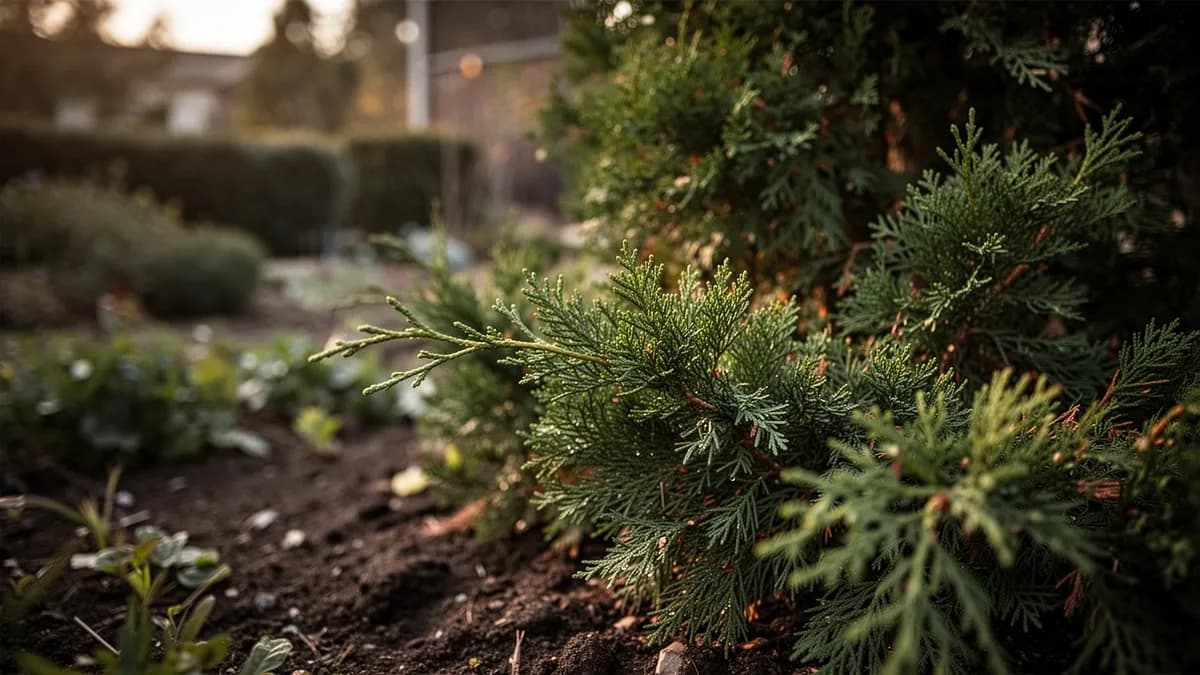
Juniper Tree
Juniperus communis
At a Glance
It's planting season for Juniper Tree! Start planning your garden now.
An extremely versatile evergreen ranging from ground-hugging spreaders to upright columnar trees, all remarkably drought and cold tolerant. Junipers thrive in poor, rocky, alkaline soil where other plants struggle and need minimal maintenance once established. The aromatic berry-like cones are used to flavor gin and various culinary preparations. Avoid planting near apple trees, as junipers are alternate hosts for cedar-apple rust disease.
Planting & Harvest Calendar
Growth Stages
From Seed to Harvest
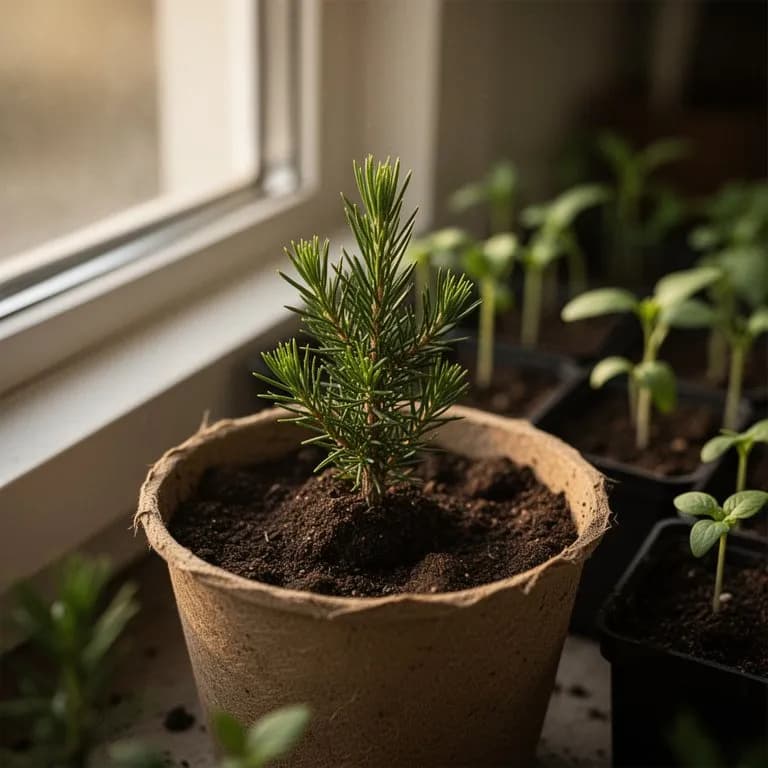
Seed Germination
Days 0–90
Juniper seeds require cold stratification for 90 to 120 days before germination. Seeds are slow to sprout and germination rates can be low, making patience essential during this phase.
💡 Care Tip
Stratify seeds in moist sand in the refrigerator for at least three months before sowing. Keep the medium consistently moist but not waterlogged.
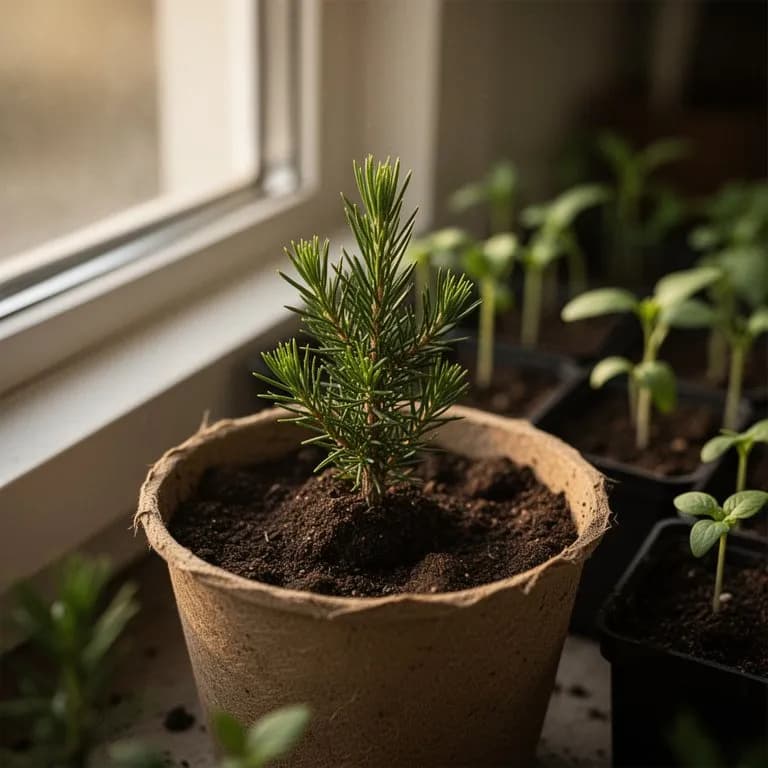
A young juniper seedling establishing its root system in well-drained soil.
Monthly Care Calendar
What to do each month for your Juniper Tree
April
You are hereNo specific care tasks for this month.
Did You Know?
Fascinating facts about Juniper Tree
Juniper berries are the key botanical ingredient that gives gin its distinctive piney flavor. The word gin itself is derived from the Dutch word jenever, which comes from the Latin juniperus.
Junipers are among the toughest and most adaptable evergreens, thriving in poor soil, drought, extreme cold, and urban conditions where other conifers fail. Plant in full sun with well-drained soil — junipers tolerate rocky, sandy, and alkaline conditions but will not survive wet feet.
Once established, junipers need almost no care. They are extremely drought-tolerant and rarely need supplemental watering. Avoid pruning into old bare wood as junipers cannot regenerate from leafless branches. Shape by selectively thinning branch tips. Keep junipers away from apple and crabapple trees to prevent cedar-apple rust disease.
Juniper (Juniperus) is an ancient genus of evergreen coniferous trees and shrubs belonging to the cypress family Cupressaceae. With over 60 recognized species, junipers are among the most widely distributed conifers on Earth, found throughout the Northern Hemisphere from the Arctic Circle to tropical Africa and Central America. The genus has existed for millions of years, with fossil evidence dating back to the Triassic period. Common juniper (Juniperus communis) holds the distinction of having the largest geographical range of any woody plant, spanning across North America, Europe, and Asia. Throughout human history, juniper has held significant cultural, medicinal, and culinary importance. Ancient civilizations including the Egyptians, Greeks, and Romans used juniper berries for medicinal purposes and as a spice. The berries were burned as incense and used in purification rituals across many cultures. Native American tribes used various juniper species for food, medicine, and ceremonial purposes, brewing teas from the foliage and eating berries during winter months. The most famous modern use of juniper berries is in the production of gin, a tradition that began in the Netherlands in the 16th century when juniper-flavored spirits were originally sold as medicine. Dutch physician Franciscus Sylvius is often credited with creating the precursor to modern gin around 1550. The spirit evolved from a medicinal tonic into a popular beverage that spread across Europe and eventually the world. Today juniper berries remain essential in premium gin production and are also widely used in Scandinavian and Central European cooking, particularly with game meats, sauerkraut, and hearty stews.
Juniper berries contain 1 to 3 seeds that require extensive stratification. Clean seeds from ripe berries and warm-stratify for 60 to 90 days, then cold-stratify for 90 to 120 days. Germination is slow and erratic. Named cultivars are propagated by semi-hardwood cuttings taken in fall, which root with rooting hormone and bottom heat over 8 to 12 weeks.
Junipers thrive in lean, well-drained soil and actually perform poorly in rich, moist conditions that promote disease. They tolerate pH from 5.5 to 8.0 — one of the few conifers that handle alkaline soil. No fertilizer needed for established plants. Young junipers benefit from a light application of balanced slow-release fertilizer in spring. Never amend planting holes with rich compost.
Check Your Zone
See if Juniper Tree is suitable for your location.
-40°C – 35°C
-40°F – 95°F
Junipers are exceptionally cold-hardy and can withstand temperatures as low as -40 degrees Celsius depending on species. They thrive in cool to moderate climates with daytime temperatures between 15 and 25 degrees Celsius during the growing season. Most species tolerate heat well up to 35 degrees Celsius provided they have adequate drainage. Their remarkable temperature tolerance makes them suitable for USDA hardiness zones 2 through 9.
Common issues affecting Juniper Tree and how to prevent and treat them organically.
Cedar-apple rust is a serious concern near apple orchards. Interior browning is natural needle shedding but alarming to new gardeners. Bagworms can defoliate junipers if not controlled. Spider mites cause bronzing in hot, dry weather. Junipers cannot regenerate from old wood — pruning too hard creates permanent bare spots.
Drought-tolerant plants complement junipers: lavender, rosemary, ornamental grasses, and sedum. Rock garden plants like hens-and-chicks, thyme, and dianthus thrive in the same lean, dry conditions. Do NOT plant near apple trees, crabapples, or hawthorns due to cedar-apple rust disease transmission.
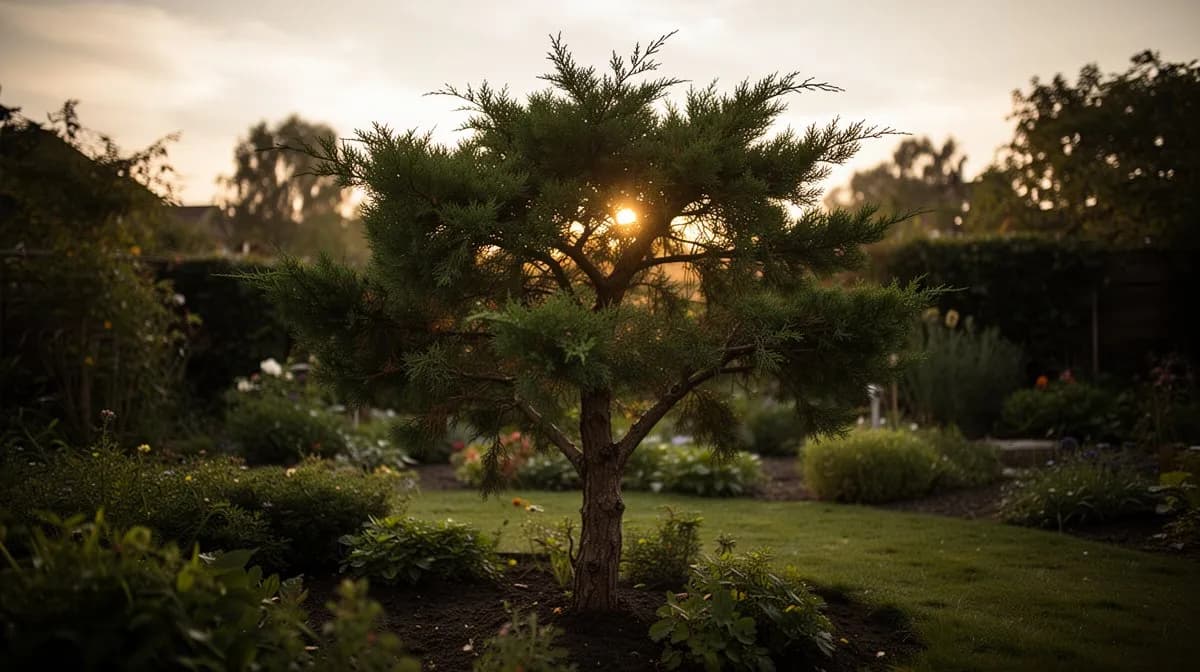
Junipers serve as excellent windbreaks and privacy screens in home landscapes.
- 1Plant juniper in full sun for the best growth and berry production. These trees tolerate partial shade but become sparse and leggy without at least six hours of direct sunlight daily.
- 2Ensure excellent soil drainage as junipers are highly susceptible to root rot in waterlogged conditions. Sandy, gravelly, or rocky soils are ideal. Amend heavy clay soils with coarse sand and gravel before planting.
- 3Purchase both male and female plants if you want berry production. Junipers are dioecious, meaning individual trees are either male or female. Ask your nursery to identify the sex of the plants.
- 4Space juniper trees at least 2 to 4 meters apart depending on the species and mature size. Adequate spacing ensures good air circulation which helps prevent fungal diseases.
- 5Water young junipers regularly during their first two growing seasons to help establish a deep root system. Once established, most species are remarkably drought-tolerant and rarely need supplemental watering.
- 6Avoid planting junipers near apple trees or crabapples if cedar-apple rust is a concern in your region. Junipers serve as an alternate host for this fungal disease that can damage apple crops.
- 7Never prune juniper branches back to bare wood as they will not regenerate new growth from old leafless stems. Always cut back to a point where green foliage remains on the branch.
- 8Apply gravel or stone mulch rather than wood chips or bark mulch around juniper trees. Mineral mulches better mimic the tree's natural growing conditions and prevent moisture from accumulating against the trunk.
- 9Protect young junipers from deer browsing with fencing or repellent sprays during the first few years. While mature junipers are generally deer-resistant, young tender growth can be damaged.
- 10Harvest ripe berries by gently shaking branches over a tarp or sheet in late autumn. Wear gloves as some people experience skin irritation from the resinous foliage and berries.
Juniper berries are actually modified cones that take 2 to 3 years to ripen from green to blue-black. Harvest ripe blue berries in fall by placing a sheet under branches and gently shaking. Only female plants produce berries. Juniper berries are the essential flavoring in gin and are used in European meat dishes. Harvest selectively to leave plenty for wildlife.
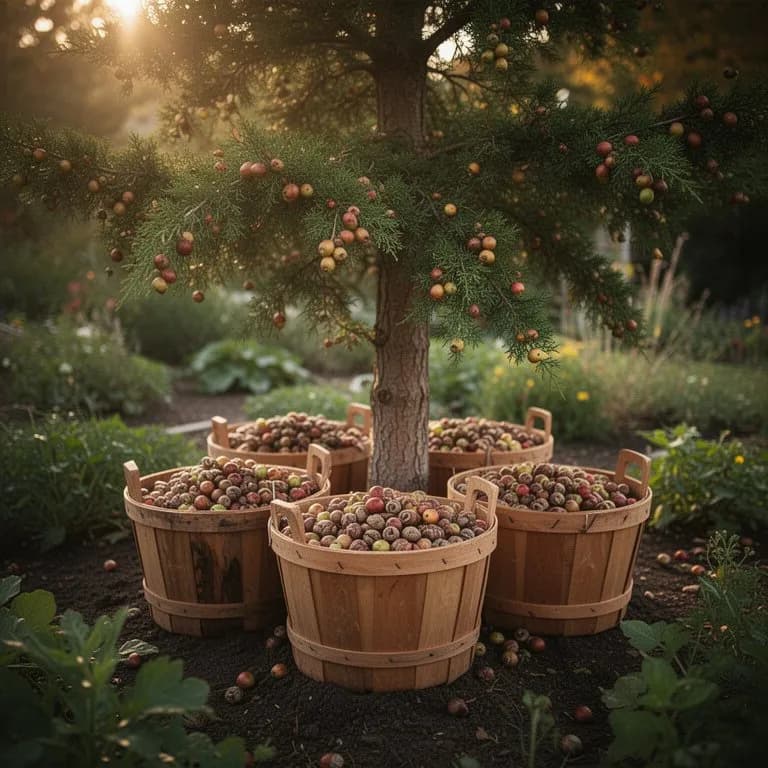
Fully ripe juniper berries display a deep blue-purple color with a waxy bloom after two to three years of maturation.
Dry juniper berries on screens in a warm, airy location for 2 to 3 weeks. Store dried berries in airtight glass jars away from light — they keep for up to 3 years. Crush or bruise berries just before use to release their aromatic oils. Fresh berries can be frozen for later use. Juniper wood chips are used for smoking meats.
Plan your garden with ease
Love growing Juniper Tree? Use our free garden planner to design your beds, track planting dates, and get personalized care reminders.
Nutritional Info
Per 100g serving
10
Calories
Health Benefits
- Rich in volatile essential oils including alpha-pinene, myrcene, and sabinene which contribute to their distinctive aroma and potential health benefits.
- Contains flavonoid antioxidants such as rutin, luteolin, and apigenin that may help reduce oxidative stress in the body.
- Good source of vitamin C relative to serving size, historically used by northern peoples as a winter source of this essential nutrient.
- Contains natural monoterpenes that have been studied for their anti-inflammatory and antimicrobial properties.
- Low in calories and used primarily as a flavoring agent, so nutritional impact comes mainly from bioactive compounds rather than macronutrients.
💰 Why Grow Your Own?
A single mature female juniper tree can produce several hundred grams of dried berries annually once established, worth approximately $15 to $25 at retail spice prices per year. Juniper trees are extremely long-lived and virtually maintenance-free once established, requiring no irrigation, little to no fertilization, and minimal pruning. The dried berries store well for up to three years, and the aromatic branches can replace purchased evergreen decorations during the holiday season. Growing your own juniper also provides a steady supply for homemade gin infusions, saving significantly compared to purchasing premium botanical spirits.
Quick Recipes
Simple recipes using fresh Juniper Tree
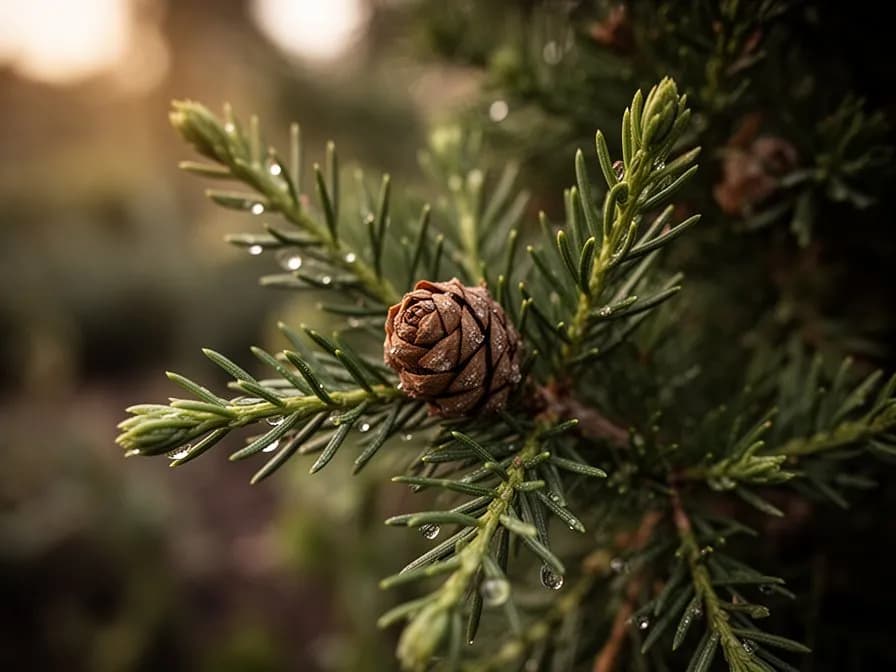
Juniper Berry Crusted Venison
25 minutes plus 2 hours marinatingCrushed juniper berries combined with garlic, rosemary, and black pepper create an aromatic crust for pan-seared venison loin. The piney resinous flavor of juniper complements game meats exceptionally well, cutting through richness while adding depth.

Homemade Juniper and Citrus Gin Infusion
15 minutes plus 48 hours infusingCreate your own botanical gin infusion by steeping crushed juniper berries with complementary botanicals in a neutral spirit. This produces a fragrant and nuanced spirit perfect for craft cocktails and makes an excellent homemade gift.
Juniper Berry Sauerkraut
30 minutes plus 3 to 4 weeks fermentationTraditional German-style sauerkraut flavored with juniper berries, caraway seeds, and bay leaves. The juniper adds a subtle resinous depth to the tangy fermented cabbage, creating a classic accompaniment to pork and sausages.
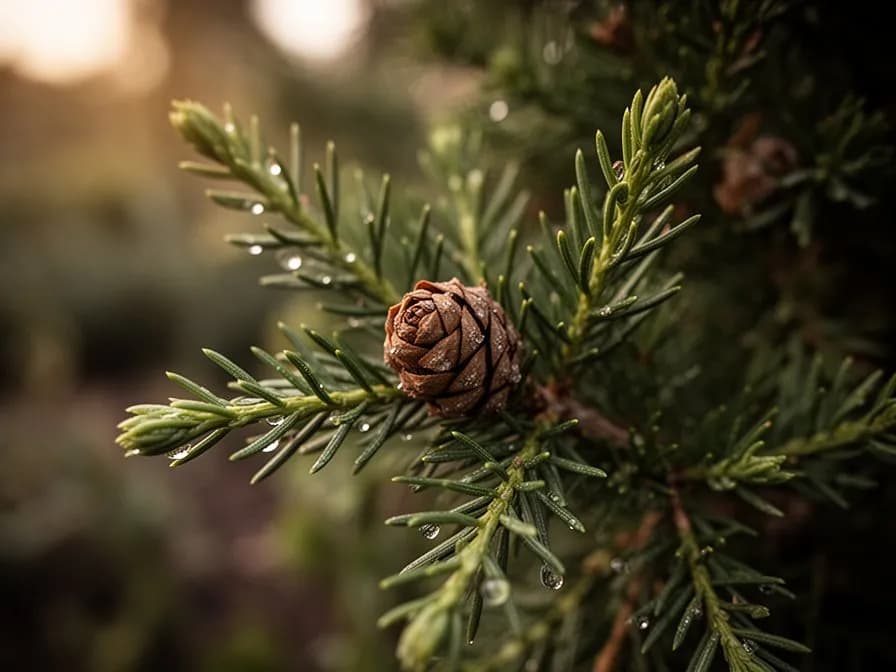
Dried juniper berries are the key botanical flavoring in gin and a prized spice in European cuisine.
Yield & Spacing Calculator
See how many Juniper Tree plants fit in your garden bed based on the recommended 500cm spacing.
0
Juniper Tree plants in a 4×4 ft bed
0 columns × 0 rows at 500cm spacing
Popular Varieties
Some of the most popular juniper tree varieties for home gardeners, each with unique characteristics.
Blue Star Juniper
Compact rounded shrub with striking silvery-blue needles reaching only 2-3 feet. Excellent rock garden and container plant.
Skyrocket Juniper
Extremely narrow columnar form reaching 15-20 feet tall but only 2 feet wide. Perfect vertical accent for tight spaces.
Spartan Juniper
Dense, dark green pyramidal form reaching 15-20 feet. Excellent for formal hedging and screening. Good disease resistance.
Bar Harbor Juniper
Low-spreading groundcover juniper with blue-green foliage turning purple in winter. Excellent for slopes and erosion control.
Juniper berries are the defining flavor of gin and are used throughout European cuisine. They pair excellently with game meats, pork, sauerkraut, and root vegetables. Crush berries before adding to braises and stews. Only common juniper (Juniperus communis) berries are used culinarily — some other species produce toxic berries.
When should I plant Juniper Tree?
Plant Juniper Tree in March, April, October, November. It takes approximately 1825 days to reach maturity, with harvest typically in September, October.
What are good companion plants for Juniper Tree?
Juniper Tree grows well alongside Lavender, Rosemary. Companion planting can improve growth, flavor, and natural pest control.
What hardiness zones can Juniper Tree grow in?
Juniper Tree thrives in USDA hardiness zones 2 through 8. With greenhouse protection, it may be grown in zones 1 through 9.
How much sun does Juniper Tree need?
Juniper Tree requires Full Sun (6-8h+). This means at least 6-8 hours of direct sunlight daily.
How far apart should I space Juniper Tree?
Space Juniper Tree plants 500cm (197 inches) apart for optimal growth and air circulation.
What pests and diseases affect Juniper Tree?
Common issues include Cedar-Apple Rust, Juniper Scale, Phomopsis Tip Blight. Prevention through good garden practices like crop rotation, proper spacing, and companion planting is the best approach. See the detailed pests and diseases section above for symptoms, prevention, and treatment for each.
How do I store Juniper Tree after harvest?
Dry juniper berries on screens in a warm, airy location for 2 to 3 weeks. Store dried berries in airtight glass jars away from light — they keep for up to 3 years. Crush or bruise berries just before use to release their aromatic oils. Fresh berries can be frozen for later use. Juniper wood chips ar...
What are the best Juniper Tree varieties to grow?
Popular varieties include Blue Star Juniper, Skyrocket Juniper, Spartan Juniper, Bar Harbor Juniper. Each has unique characteristics suited to different growing conditions and culinary preferences. See the varieties section above for detailed descriptions.
What soil does Juniper Tree need?
Junipers thrive in lean, well-drained soil and actually perform poorly in rich, moist conditions that promote disease. They tolerate pH from 5.5 to 8.0 — one of the few conifers that handle alkaline soil. No fertilizer needed for established plants. Young junipers benefit from a light application of...
How long does it take for juniper berries to ripen?
Juniper berries take two to three years to fully ripen on the branch. They start as small green cones and gradually develop into their characteristic dark blue-purple color with a waxy bloom. This means a mature tree will carry green, partially ripe, and fully ripe berries simultaneously. Only harvest berries that have turned completely dark blue-purple, as green berries are bitter and not suitable for culinary use.
Can I use any juniper species for cooking and making gin?
Not all juniper species are safe for culinary use. Common juniper (Juniperus communis) is the species traditionally used for gin production and cooking. Some other species like Juniperus drupacea are also edible. However, certain species such as Juniperus sabina (savin juniper) are toxic and should never be consumed. Always positively identify your juniper species before using the berries for food or drink. When in doubt, purchase culinary juniper berries from a reputable spice supplier.
Do I need more than one juniper tree to get berries?
Yes, you need at least one male and one female juniper tree for berry production. Junipers are dioecious, meaning each tree is either male or female. Only female trees produce the fleshy berry-like cones. Male trees produce small pollen cones that release wind-borne pollen to fertilize the female cones. Plant a male tree within about 30 meters of your female tree for reliable pollination. Some nurseries sell named female cultivars specifically selected for heavy berry production.
How do I dry and store juniper berries after harvesting?
Spread freshly harvested ripe berries in a single layer on a drying screen or paper-lined tray in a cool, well-ventilated area away from direct sunlight. Allow them to air dry for two to three weeks, turning occasionally, until they feel firm and slightly wrinkled. Properly dried berries should be dark in color and aromatic when crushed. Store dried berries in airtight glass jars in a cool dark place where they will retain their flavor for up to three years. Crush or grind berries just before use for the strongest flavor.
Are juniper trees low-maintenance once established?
Junipers are among the most low-maintenance trees and shrubs you can grow. Once established after two to three years, they are highly drought-tolerant, require little to no fertilization, and need only minimal pruning to remove dead or damaged wood. They are resistant to most pests and diseases, tolerate poor and rocky soils, withstand extreme cold, and maintain their evergreen foliage year-round with no seasonal cleanup required. The primary maintenance task is the optional annual harvest of berries from female trees.
Why is my juniper turning brown and what should I do?
Browning in junipers can have several causes. Winter desiccation occurs when cold dry winds pull moisture from foliage faster than frozen roots can replace it. Spider mites cause stippled yellowing that progresses to bronze discoloration, especially in hot dry conditions. Fungal diseases like tip blight cause individual branch tips to turn brown. Overwatering and poor drainage lead to root rot which causes widespread browning. Identify the cause first by checking for pests, examining roots and drainage, and assessing recent weather conditions. Prune out dead brown branches as junipers will not regrow from bare stems.
Ready to Grow Juniper Tree?
Add Juniper Tree to your garden plan and start designing your perfect layout.

Vladimir Kusnezow
Gardener and Software Developer
Zone 6b gardener. Growing vegetables and fruits in soil and hydroponics for 6 years. I built PlotMyGarden to plan my own gardens.
Jump to Section