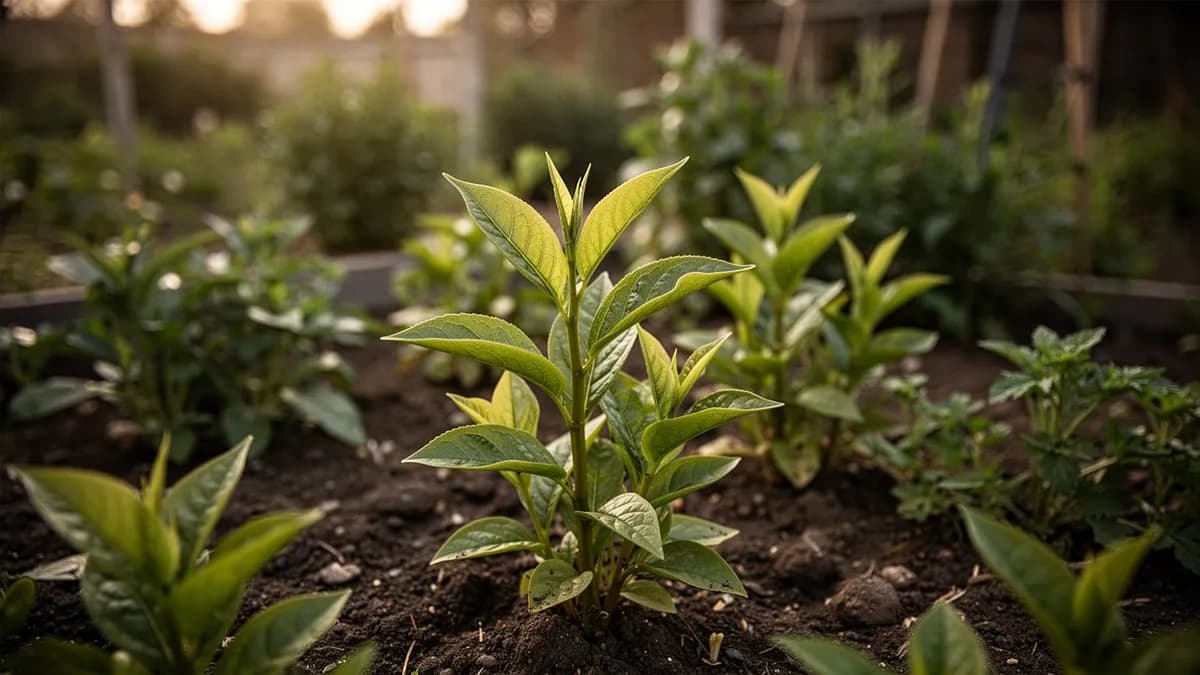
Ginger (Tea)
Zingiber officinale
At a Glance
It's planting season for Ginger (Tea)! Start planning your garden now.
The warming tropical rhizome used fresh or dried in teas for digestive comfort and cold relief around the world. Fresh ginger tea is made by simmering sliced rhizome in water and sweetening with honey and lemon. Plant rhizome pieces in spring in rich, moist soil with partial shade and harvest when leaves begin to yellow in autumn.
Planting & Harvest Calendar
Growth Stages
From Seed to Harvest
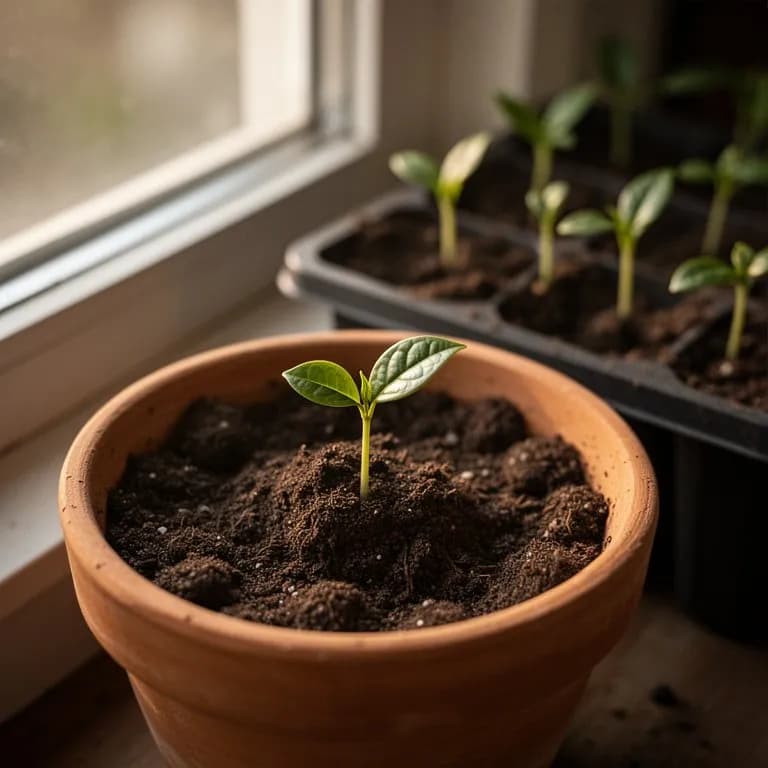
Rhizome Sprouting
Days 0–21
Ginger is propagated vegetatively from rhizome pieces, each containing at least one or two growth buds (eyes). When placed in warm, moist conditions, these eyes swell and begin sending up pointed green shoots. Root development occurs simultaneously beneath the soil surface.
💡 Care Tip
Pre-sprout rhizomes by placing them on a tray of damp sphagnum moss in a warm spot (25-28°C) for 2-3 weeks before planting. Plant pieces 5 cm deep with the eyes facing upward. Keep the soil consistently moist but never waterlogged to prevent rot.
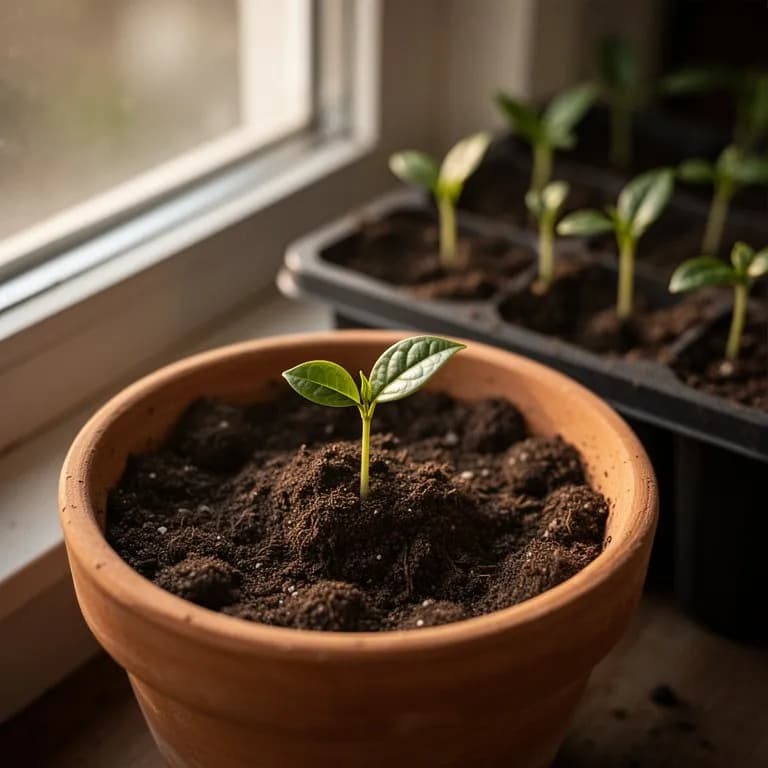
A plump ginger rhizome showing vigorous sprout buds ready for planting in warm soil
Monthly Care Calendar
What to do each month for your Ginger (Tea)
May
You are hereMove containers outdoors to a sheltered, partially shaded location once nighttime temperatures stay above 15°C. In warm climates, plant directly into garden beds enriched with aged compost. Mulch heavily with straw or shredded leaves to maintain soil moisture and warmth.
Did You Know?
Fascinating facts about Ginger (Tea)
Ginger has been cultivated for so long that it no longer exists as a truly wild plant. Every ginger plant alive today is descended from rhizomes selected and propagated by human growers over thousands of years of cultivation across tropical Asia.
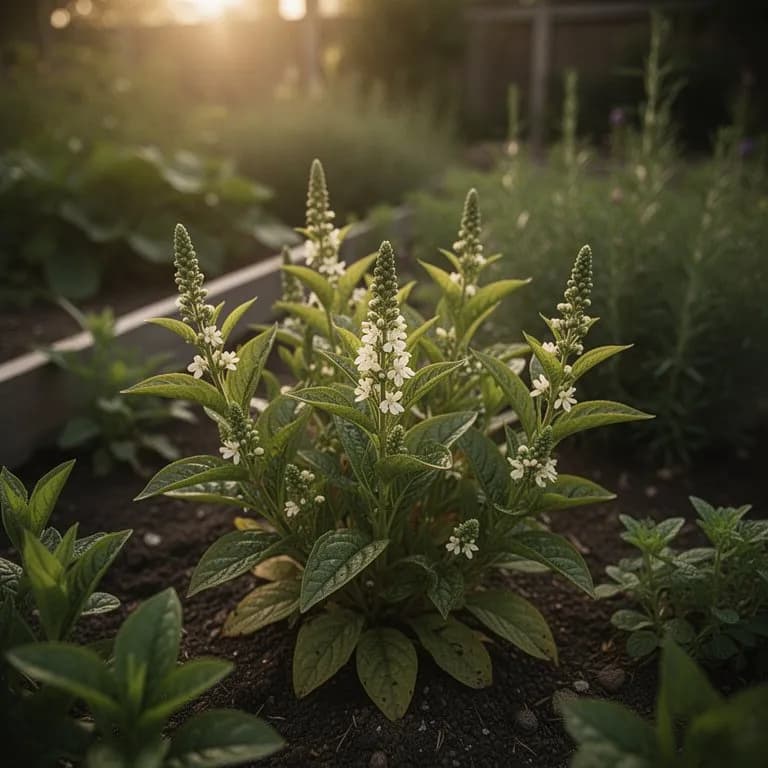
An uncommon ginger bloom displaying its exotic torch-like flower spike in tropical conditions
Ginger is grown from rhizome pieces, not seeds. In early spring, select fresh, plump ginger rhizomes with visible growth buds or eyes from a garden supplier or organic grocery store. Cut rhizomes into 5 cm pieces, each with at least one or two buds, and allow cut surfaces to callus overnight before planting. Plant pieces 5 cm deep with buds facing upward in rich, well-drained soil.
Ginger prefers warm, humid conditions with dappled shade or filtered light. In cooler climates (below zone 9), grow in large containers indoors or in a greenhouse, moving plants outdoors only when nighttime temperatures consistently exceed 15 degrees Celsius. Keep soil consistently moist throughout the growing season with regular watering but ensure pots drain freely.
Apply a thick organic mulch to retain moisture, suppress weeds, and keep soil temperatures warm. As rhizomes grow, they push toward the soil surface, so mound additional mulch or compost around the base. The growing season is long at eight to ten months, so patience is essential. Leaves yellowing and stems dying back in autumn signal that rhizomes are ready for harvest.
Ginger (Zingiber officinale) originated in the tropical rainforests of Maritime Southeast Asia, most likely on the islands of modern-day Indonesia or Malaysia, where the greatest genetic diversity of the Zingiber genus is found. Archaeological evidence from pottery residues suggests ginger was among the earliest spices used by humans, with cultivation dating back at least 5,000 years in the Indo-Malayan region. Ancient Austronesian peoples carried ginger rhizomes aboard their outrigger canoes as they colonized the Pacific Islands, spreading the plant across Oceania long before recorded history. Indian traders brought ginger westward along maritime spice routes, and it became one of the first Asian spices to reach the Mediterranean world. Ancient Sanskrit, Chinese, and Greek texts all reference ginger prominently as both a culinary spice and a medicinal remedy. Confucius reportedly never ate a meal without ginger, and the Greek physician Dioscorides prescribed it for digestive ailments in the first century CE. During the medieval period, ginger was one of the most commonly traded spices in Europe, second only to black pepper. Arab merchants carefully guarded the origins of their ginger supply, telling European buyers fantastical stories about the plant growing in the land of the Troglodytes to maintain their trade monopoly. Spanish conquistadors introduced ginger to the Caribbean and Central America in the 16th century, where it flourished in the tropical climate. Jamaica quickly became a major ginger exporter, and Jamaican ginger remains prized for its refined aroma to this day. The plant's journey continued to West Africa, Brazil, and eventually Queensland, Australia. Today, India produces nearly a third of the world's ginger supply, followed by Nigeria, China, and Indonesia. Ginger remains one of the most economically important spice crops globally, with annual production exceeding four million tonnes and uses spanning fresh culinary applications, dried spice production, essential oil extraction, and pharmaceutical preparations.
Ginger is not grown from seed but from rhizome divisions. Purchase organic seed ginger from garden suppliers in late winter. Soak rhizome pieces in warm water overnight to break dormancy and encourage budding. Pre-sprout pieces on a tray of moist peat moss in a warm location at 25-30 degrees Celsius for two to three weeks until green shoots appear. Transplant sprouted pieces into pots or garden beds once shoots are 2-3 cm tall. In cool climates, start indoors six to eight weeks before outdoor planting time.
Ginger thrives in rich, loose, well-drained soil with a pH of 5.5 to 6.5. Heavy clay soils produce stunted, misshapen rhizomes. Amend with generous amounts of aged compost, coconut coir, and coarse sand. Feed monthly with a balanced organic fertilizer or compost tea during the growing season. Side-dress with additional compost every six weeks. Potassium-rich fertilizers encourage rhizome development in the latter half of the growing season.
Check Your Zone
See if Ginger (Tea) is suitable for your location.
20°C – 32°C
68°F – 90°F
Ginger thrives in warm, humid conditions between 20-32°C (68-90°F) and cannot tolerate frost or prolonged cold. Growth ceases entirely below 15°C (59°F), and rhizome rot becomes a serious risk in cold, wet soils. Optimal growth and rhizome development occurs between 25-30°C (77-86°F) with warm, humid nights above 20°C. Soil temperatures should remain consistently above 20°C for successful cultivation.
Common issues affecting Ginger (Tea) and how to prevent and treat them organically.
The most common problem is rot from overwatering or poorly drained soil, causing mushy rhizomes and wilting foliage. Insufficient warmth slows growth dramatically and may prevent rhizome development entirely. Dry air and low humidity cause brown leaf tips and edges. Sunburn occurs in direct afternoon sun, causing bleached or scorched leaves. Container-grown ginger may become rootbound, requiring repotting into larger containers mid-season.
Ginger grows well under the canopy of taller plants that provide dappled shade, such as fruit trees and tall legumes. It is an excellent companion for turmeric, galangal, and lemongrass, which share similar growing requirements. Plant alongside basil and cilantro in partially shaded herb gardens. Avoid planting near walnut trees, whose juglone toxin inhibits ginger growth. Legumes planted nearby can fix nitrogen to benefit ginger.
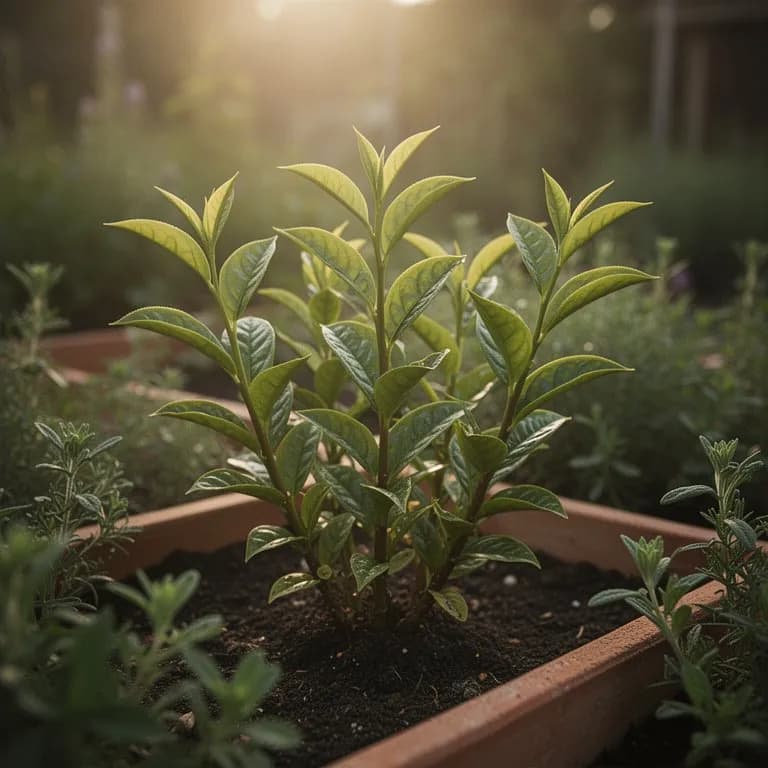
Fully established ginger plants forming a dense clump of aromatic foliage in partial shade
- 1Select plump, firm ginger rhizomes with well-developed growth buds (eyes) from an organic source. Conventional supermarket ginger is often treated with growth inhibitors that prevent sprouting, so organic or seed-stock ginger is essential for successful cultivation.
- 2Pre-sprout rhizomes indoors by placing them on damp sphagnum moss or paper towels in a warm location (25-28°C) for two to three weeks before planting. This gives shoots a head start and improves establishment rates significantly.
- 3Plant ginger in rich, loose, well-draining soil amended with generous amounts of aged compost. Heavy clay soils cause rhizome rot, so raised beds or containers filled with a mix of compost, coco coir, and perlite work best in non-tropical climates.
- 4Choose a location with filtered light or dappled shade. Ginger naturally grows as an understory plant in tropical forests and prefers protection from intense midday sun, which can scorch the leaves and stunt growth.
- 5Maintain consistent soil moisture throughout the growing season without allowing the soil to become waterlogged. Ginger's shallow root system is sensitive to both drought and standing water, so regular light watering is preferable to infrequent deep soaking.
- 6Apply a thick layer of organic mulch such as straw, shredded leaves, or sugarcane mulch around the plants to conserve moisture, regulate soil temperature, and gradually add nutrients as it decomposes over the season.
- 7Feed ginger every two to three weeks during active growth with a liquid fertilizer high in potassium and phosphorus to promote robust rhizome development. Reduce feeding in late summer to encourage maturation and flavor concentration.
- 8In cooler climates, grow ginger in large containers that can be moved indoors when temperatures drop below 15°C. A 40-liter pot with drainage holes provides ample space for a productive single plant to develop a sizeable rhizome network.
- 9Harvest young ginger at any point after four months for a milder, less fibrous product perfect for fresh use in teas and cooking. Wait eight to ten months for fully mature ginger with a more intense flavor and tougher skin suitable for drying and long-term storage.
- 10After harvesting, cure rhizomes in a warm, well-ventilated area for three to five days to toughen the skin for storage. Store cured ginger in a cool spot at 12-14°C with moderate humidity, or freeze unpeeled pieces for up to six months of convenient use.
Harvest young ginger for tea after four to six months when rhizomes are tender and mildly flavored, or wait eight to ten months for mature ginger with stronger, spicier flavor. Carefully dig around the base of the plant with a garden fork, loosening soil without damaging rhizomes. For partial harvest, uncover the edge of the clump and snap off what you need, re-covering the rest. Save a few healthy pieces with buds for replanting next season.
Fresh ginger keeps for two to three weeks in the refrigerator wrapped loosely in a paper towel inside a zip-lock bag. For longer storage, peel and freeze whole rhizomes for up to six months, grating as needed from frozen. Slice thinly and dehydrate at 60 degrees Celsius for eight to ten hours to make dried ginger for tea. Store dried slices in airtight jars for up to one year. Ginger can also be preserved in honey, vinegar, or spirits.
Plan your garden with ease
Love growing Ginger (Tea)? Use our free garden planner to design your beds, track planting dates, and get personalized care reminders.
Nutritional Info
Per 100g serving
80
Calories
Health Benefits
- Contains gingerols and shogaols, bioactive compounds with potent anti-inflammatory and antioxidant properties studied extensively in clinical research
- Good source of potassium (415 mg per 100g) which supports healthy blood pressure regulation, muscle function, and nerve signaling
- Provides manganese (0.23 mg per 100g), a trace mineral essential for bone formation, blood clotting, and carbohydrate metabolism
- Contains magnesium (43 mg per 100g) which plays a vital role in over 300 enzymatic reactions in the body including energy production
- Rich in dietary fiber (2.0g per 100g) that supports digestive health and promotes the growth of beneficial gut bacteria
- Low in calories (80 per 100g) while delivering concentrated flavor, making it an ideal ingredient for adding depth to dishes without excess energy
💰 Why Grow Your Own?
A single organic ginger rhizome costing $3-5 at a grocery store can be planted to yield 500-700g of fresh ginger worth $15-25 at retail prices, representing a four to five times return on investment in a single growing season. By saving the best rhizome pieces for replanting each year, gardeners can establish a self-sustaining supply that eliminates the need to purchase ginger entirely. Organic fresh ginger retails for $8-15 per pound in many markets, making home-grown ginger one of the highest-value crops a home gardener can produce per square foot of growing space.
Quick Recipes
Simple recipes using fresh Ginger (Tea)
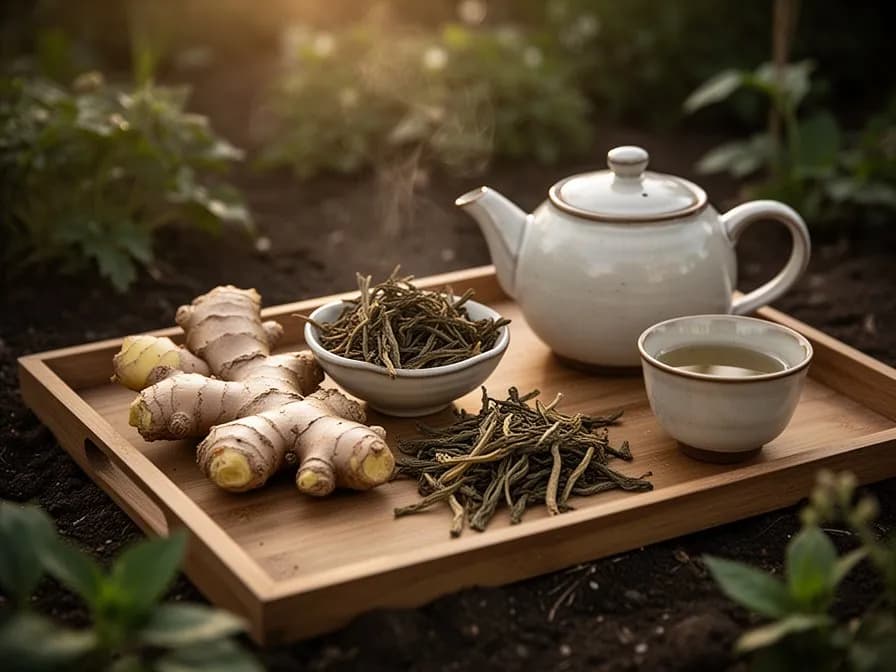
Classic Fresh Ginger Tea
10 minutesA soothing and aromatic ginger tea brewed from freshly sliced rhizomes. This warming beverage is renowned for its ability to aid digestion, soothe sore throats, and provide a gentle energy lift. The addition of honey and lemon rounds out the sharp ginger heat with natural sweetness and brightness.
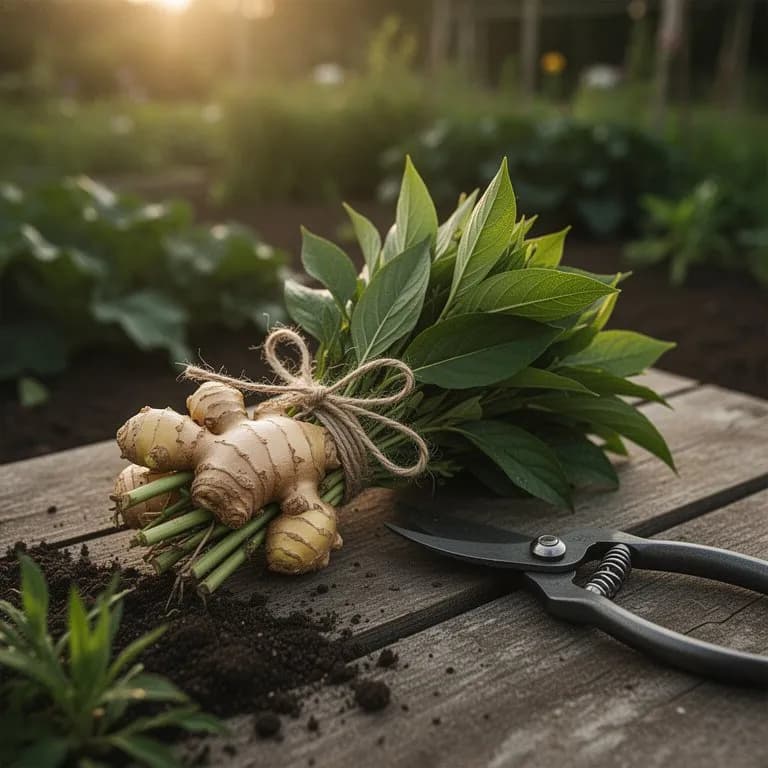
Quick Pickled Ginger (Gari)
15 minutes plus 1 hour restingA delicate Japanese-style pickled ginger that turns naturally pink when made with young, freshly harvested ginger. This crisp, tangy condiment is traditionally served alongside sushi as a palate cleanser, but it also brightens salads, grain bowls, and grilled fish dishes beautifully.
Ginger Stir-Fry Paste
10 minutesA versatile aromatic paste that forms the flavor foundation for countless Asian stir-fries, soups, and marinades. This batch can be portioned and frozen in ice cube trays for months of instant flavor. Simply drop a cube into a hot wok with oil to start any weeknight stir-fry.
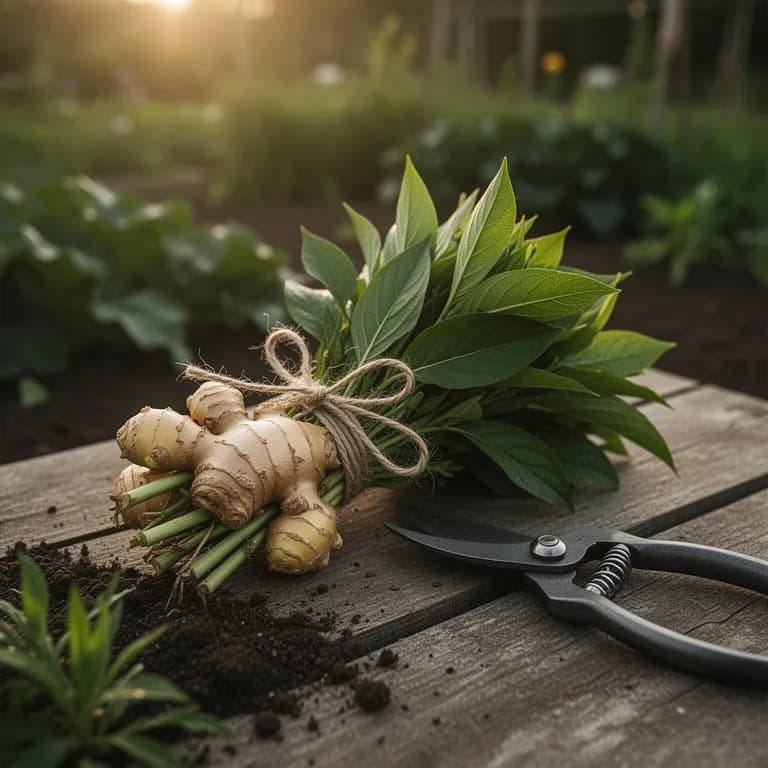
Harvesting ginger rhizomes by carefully lifting the entire clump from the ground in late autumn
Yield & Spacing Calculator
See how many Ginger (Tea) plants fit in your garden bed based on the recommended 30cm spacing.
16
Ginger (Tea) plants in a 4×4 ft bed
4 columns × 4 rows at 30cm spacing
Popular Varieties
Some of the most popular ginger (tea) varieties for home gardeners, each with unique characteristics.
Common Culinary Ginger
The standard Zingiber officinale found worldwide, producing large, knobby rhizomes with a sharp, warm flavor ideal for fresh ginger tea and cooking, widely available as seed rhizome.
Baby Ginger (Spring Ginger)
Harvested young before the skin toughens, with a milder, juicier flavor and no need to peel, excellent for fresh tea slices and pickling.
Blue Ring Ginger
A Hawaiian variety with a distinctive blue-grey ring visible when sliced, offering a particularly spicy, pungent flavor prized for strong ginger tea.
Chinese Ginger
Larger rhizomes with a slightly milder heat than common ginger, widely used in Chinese cuisine and traditional medicine teas, high-yielding in warm climates.
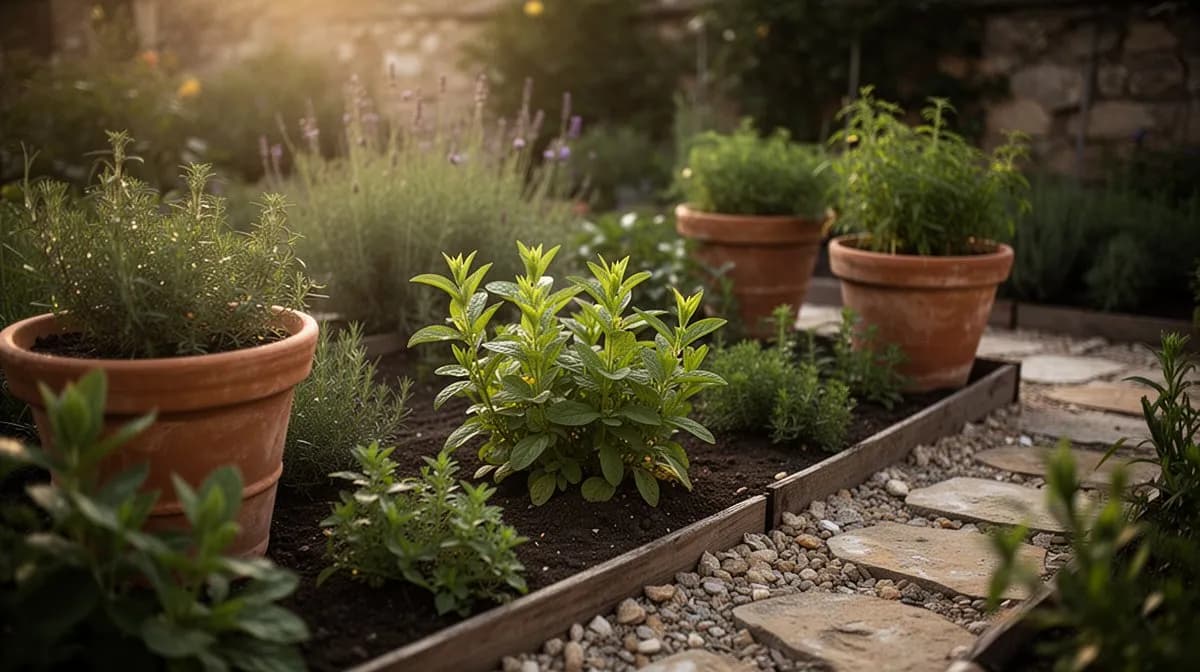
Container-grown ginger thriving in a wide pot with well-draining potting mix and consistent moisture
Slice fresh ginger thinly and simmer in water for ten to fifteen minutes for classic ginger tea. Add honey, lemon, and turmeric for a soothing wellness drink. Combine with green tea leaves for a warming blend. Use fresh ginger in stir-fries, curries, soups, and marinades. Candy crystallized ginger slices for snacking. Make ginger syrup for cocktails and sodas.
When should I plant Ginger (Tea)?
Plant Ginger (Tea) in March, April, May. It takes approximately 240 days to reach maturity, with harvest typically in October, November, December.
What are good companion plants for Ginger (Tea)?
Ginger (Tea) grows well alongside Lemongrass, Thai Basil. Companion planting can improve growth, flavor, and natural pest control.
What hardiness zones can Ginger (Tea) grow in?
Ginger (Tea) thrives in USDA hardiness zones 9 through 12. With greenhouse protection, it may be grown in zones 7 through 13.
How much sun does Ginger (Tea) need?
Ginger (Tea) requires Partial Sun (3-6h). This means 3-6 hours of sunlight, ideally morning sun with afternoon shade.
How far apart should I space Ginger (Tea)?
Space Ginger (Tea) plants 30cm (12 inches) apart for optimal growth and air circulation.
What pests and diseases affect Ginger (Tea)?
Common issues include Rhizome Rot (Pythium), Shoot Borer, Leaf Spot (Phyllosticta). Prevention through good garden practices like crop rotation, proper spacing, and companion planting is the best approach. See the detailed pests and diseases section above for symptoms, prevention, and treatment for each.
How do I store Ginger (Tea) after harvest?
Fresh ginger keeps for two to three weeks in the refrigerator wrapped loosely in a paper towel inside a zip-lock bag. For longer storage, peel and freeze whole rhizomes for up to six months, grating as needed from frozen. Slice thinly and dehydrate at 60 degrees Celsius for eight to ten hours to mak...
What are the best Ginger (Tea) varieties to grow?
Popular varieties include Common Culinary Ginger, Baby Ginger (Spring Ginger), Blue Ring Ginger, Chinese Ginger. Each has unique characteristics suited to different growing conditions and culinary preferences. See the varieties section above for detailed descriptions.
What soil does Ginger (Tea) need?
Ginger thrives in rich, loose, well-drained soil with a pH of 5.5 to 6.5. Heavy clay soils produce stunted, misshapen rhizomes. Amend with generous amounts of aged compost, coconut coir, and coarse sand. Feed monthly with a balanced organic fertilizer or compost tea during the growing season. Side-d...
Can I grow ginger from a piece bought at the supermarket?
Yes, but choose organic ginger whenever possible. Conventionally grown supermarket ginger is often treated with growth inhibitors (like chlorpropham) that prevent sprouting. Organic ginger from grocery stores or farmers' markets works well. Look for plump, firm pieces with visible growth buds or small green points at the tips of the fingers. Soak the rhizome in warm water overnight before planting to help wash off any residual treatment and hydrate the tissue.
How long does ginger take to grow from planting to harvest?
Ginger requires 8-10 months from planting to full maturity in most conditions. However, you can harvest 'stem ginger' or 'baby ginger' as early as 4-5 months after planting. This young ginger has thin, pink-tinged skin, a milder flavor, and virtually no fibers, making it ideal for fresh use in teas and cooking. For mature ginger with full pungency and a thicker skin suitable for drying and long storage, wait until the foliage begins yellowing and dying back naturally, typically around 8-10 months.
Why are the leaves on my ginger plant turning brown at the tips?
Brown leaf tips on ginger usually indicate one of three issues: insufficient humidity, inconsistent watering, or excess direct sunlight. Ginger naturally thrives in humid tropical conditions, so dry indoor air or arid climates cause leaf tip burn. Mist the foliage regularly, place the pot on a pebble tray with water, or use a humidifier nearby. Ensure consistent soil moisture without waterlogging, and move the plant to a location with bright indirect light rather than harsh direct afternoon sun.
Can I grow ginger indoors year-round?
Absolutely. Ginger makes an excellent indoor plant and is well-suited to container growing. Use a wide, shallow pot (at least 30 cm diameter) with good drainage, filled with a rich, loose potting mix. Place it near a bright window with indirect light, maintain temperatures above 20°C, and keep humidity levels up by misting or using a pebble tray. Indoor ginger grows more slowly than outdoor plants but can still produce a worthwhile harvest of 300-500g per pot after 10-12 months. The lush tropical foliage is also ornamentally attractive.
What is the difference between fresh ginger and dried ground ginger?
Fresh and dried ginger differ significantly in both flavor chemistry and culinary application. Fresh ginger contains high levels of gingerol, which provides a bright, sharp, juicy heat with citrus-like undertones. When ginger is dried and ground, the gingerols convert to shogaols, which are about twice as pungent and deliver a drier, more warming heat. As a general substitution guide, use one-quarter teaspoon of ground ginger for every tablespoon of fresh grated ginger, though the flavor profiles are distinct enough that they are not always interchangeable in recipes.
How do I store fresh ginger to keep it from going bad?
Unpeeled fresh ginger keeps for 2-3 weeks in the refrigerator when wrapped loosely in a paper towel and placed in a resealable bag with the air pressed out. For longer storage, freeze unpeeled ginger for up to 6 months; frozen ginger grates easily without thawing and the texture change is irrelevant when cooking. You can also store peeled ginger submerged in a jar of vodka or dry sherry in the refrigerator for up to 2 months. Avoid storing ginger at room temperature for more than a week, as it will dry out and develop mold.
Ready to Grow Ginger (Tea)?
Add Ginger (Tea) to your garden plan and start designing your perfect layout.

Vladimir Kusnezow
Gardener and Software Developer
Zone 6b gardener. Growing vegetables and fruits in soil and hydroponics for 6 years. I built PlotMyGarden to plan my own gardens.
Jump to Section