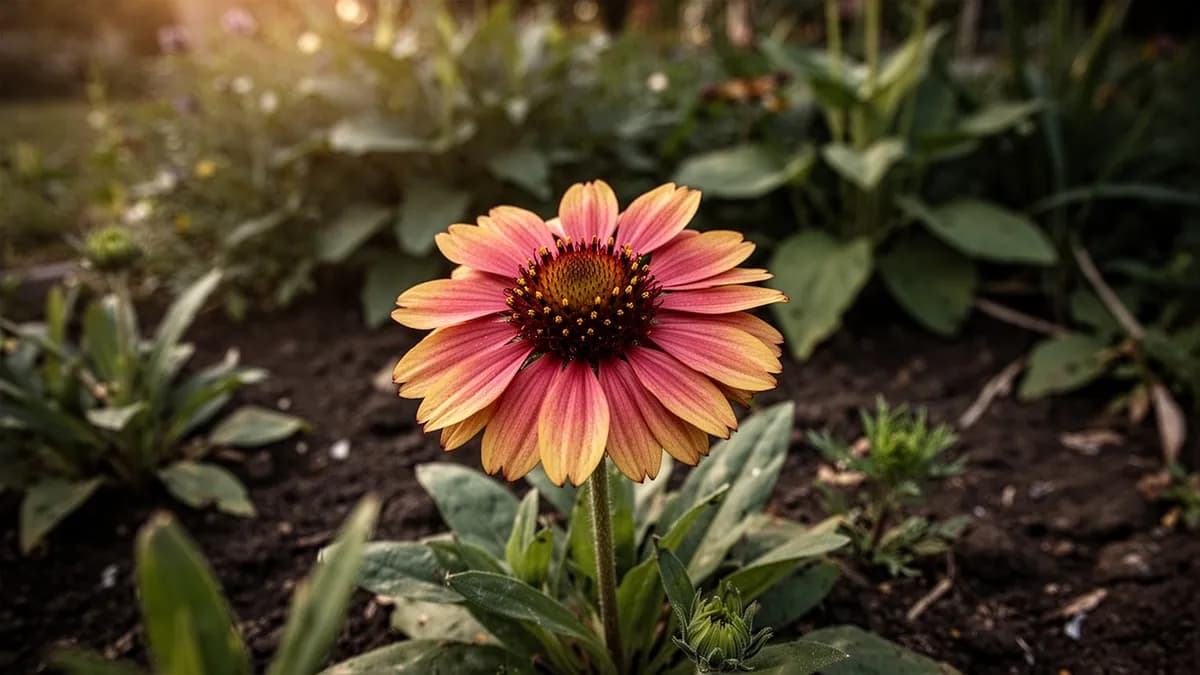
Blanket Flower
Gaillardia x grandiflora
At a Glance
A cheerful, heat-loving perennial with red and yellow pinwheel flowers that bloom non-stop from early summer to frost. Blanket flowers thrive in poor, dry soil and are extremely drought-tolerant once established. Avoid rich soil and overwatering, which can cause floppy growth and shortened lifespan.
Planting & Harvest Calendar
Growth Stages
From Seed to Harvest
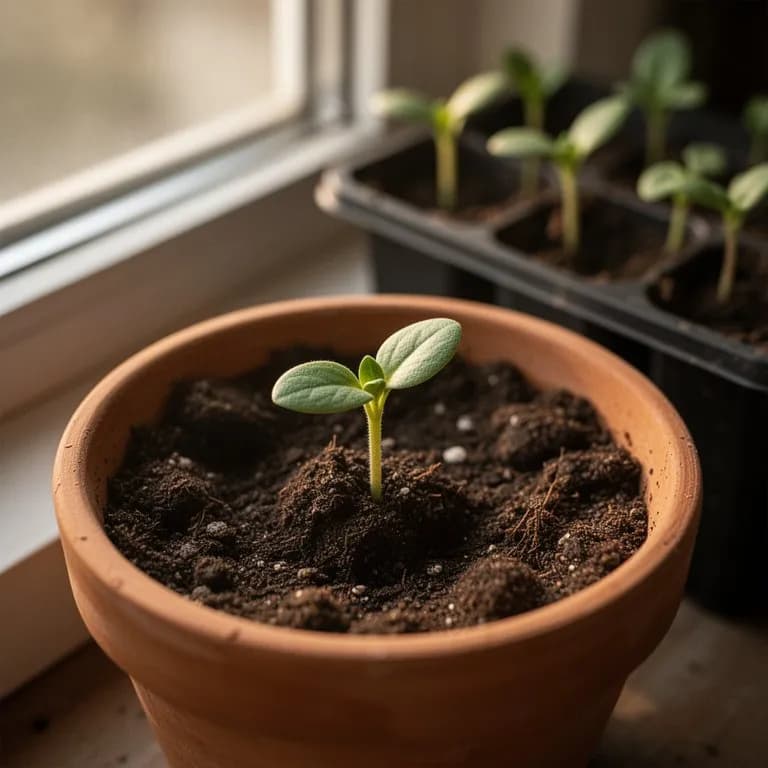
Germination
Days 0–14
Seeds germinate best when surface-sown or barely covered with a thin layer of fine soil. They require light to germinate and consistent moisture at temperatures between 65-75°F (18-24°C). Seedlings begin to emerge within seven to fourteen days under optimal conditions.
💡 Care Tip
Do not cover seeds deeply. Press them lightly onto the soil surface and mist gently to maintain moisture without displacing the tiny seeds.
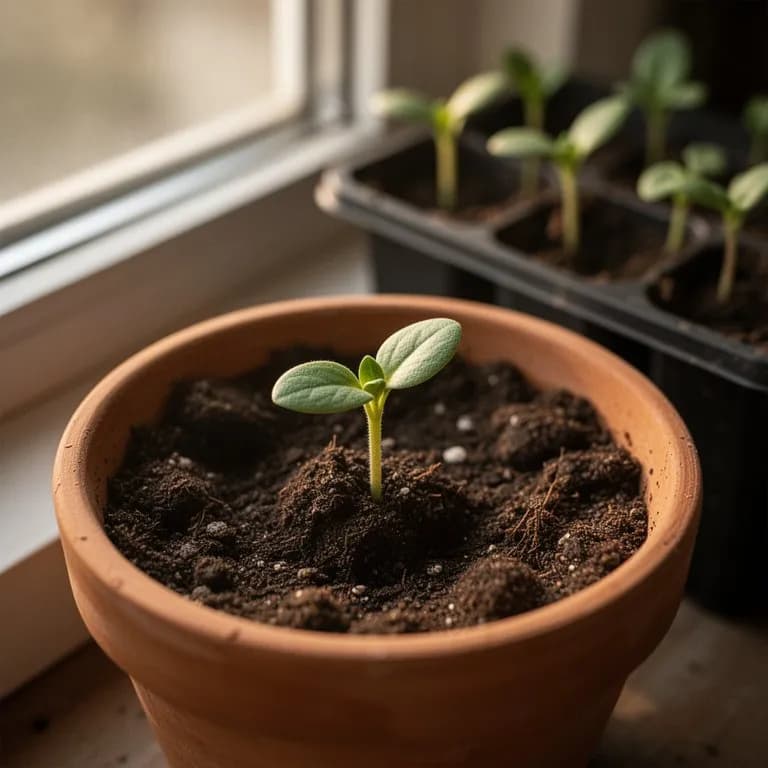
Young gaillardia seedlings showing their first true leaves after about two weeks of growth.
Monthly Care Calendar
What to do each month for your Blanket Flower
May
You are hereMonitor newly transplanted seedlings for adequate establishment. Water deeply but infrequently to encourage deep root development. Apply a thin layer of gravel mulch around plants to improve drainage.
Did You Know?
Fascinating facts about Blanket Flower
Gaillardia is named after Maître Gaillard de Charentonneau, an eighteenth-century French magistrate and patron of botany who supported botanical research and plant collection expeditions.
Blanket flower is a North American native wildflower that blooms with reckless abandon from early summer right through to hard frost, producing red and yellow daisy-like flowers that resemble tiny pinwheels. Growing 30-75cm tall depending on variety, gaillardia is one of the most heat-tolerant and drought-resistant perennials available—it actually thrives on neglect.
Plant in full sun in lean, well-drained soil. This is critically important: gaillardia is a short-lived perennial that is killed by rich, moist conditions. Poor, sandy, or gravelly soil with minimal organic matter produces the longest-lived, most floriferous plants. Avoid amending the planting area with compost or manure. Excellent drainage is essential, particularly in winter—waterlogged soil is fatal.
Deadhead regularly to maintain continuous bloom, though this plant flowers so prolifically that some gardeners simply let it go. Gaillardia is inherently short-lived (2-4 years) but compensates with vigorous self-seeding that maintains the planting. Allow some seed heads to mature for natural regeneration. In ideal conditions, individual plants may persist for 5+ years.
Gaillardia is a genus of flowering plants in the sunflower family Asteraceae, comprising roughly thirty species native to North and South America. The genus is centered in the prairies, plains, and dry open habitats of the central and western United States and Mexico, with a few species extending into South America. Blanket flowers have been an integral part of the North American prairie ecosystem for thousands of years, evolving alongside native pollinators and grazing animals in grassland habitats characterized by full sun, well-drained soils, and periodic drought. Native American peoples had deep familiarity with gaillardia long before European contact. Several tribes used the plant medicinally, and its striking flowers held cultural significance in storytelling and ceremonial traditions. The Lakota people associated the blanket flower with the sun and included it in various healing practices. European botanists first formally described the genus in the late eighteenth century. The French botanist Auguste Denis Fougeroux de Bondaroy named the genus in honor of Maître Gaillard de Charentonneau around 1786. By the early nineteenth century, seeds of Gaillardia pulchella and Gaillardia aristata were being sent to European botanical gardens, where hybridization efforts soon began. The most widely grown garden form, Gaillardia x grandiflora, is a hybrid between the annual G. pulchella and the perennial G. aristata, first produced by Belgian horticulturist in the 1850s. This hybrid combined the vibrant color range of the annual species with the perennial habit of the prairie native. Throughout the twentieth century, plant breeders developed numerous cultivars in an expanded palette of colors including pure yellow, deep burgundy, peach, and bicolor forms. Modern breeding programs have also focused on producing compact, well-branched varieties suited to container gardening and smaller urban spaces.
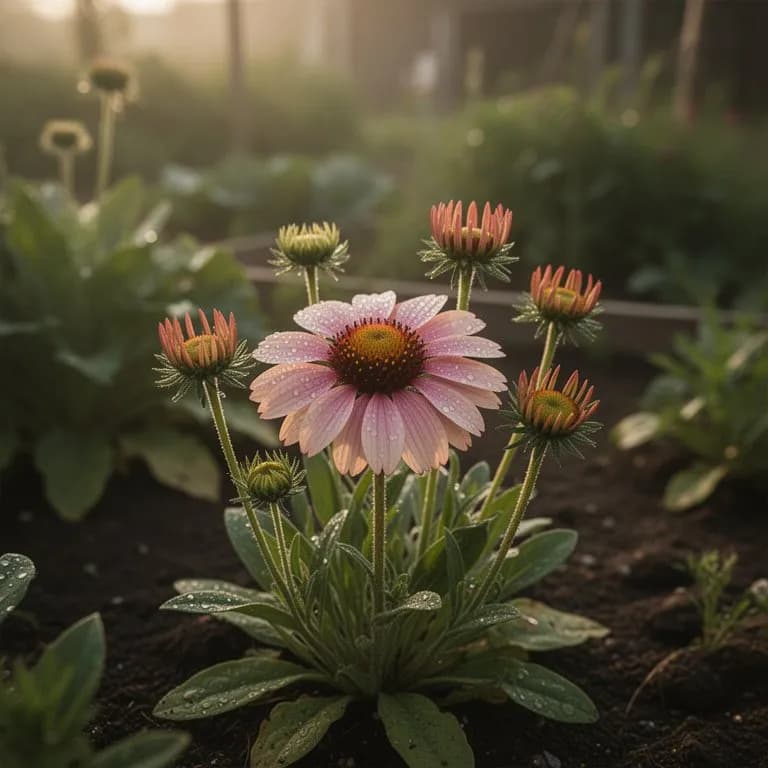
The iconic blanket flower displays fiery red petals tipped in golden yellow, resembling a Native American blanket pattern.
Gaillardia is easily grown from seed and often flowers in the first year from an early indoor sowing. Start seeds indoors 6-8 weeks before the last frost, pressing them into the surface of gritty compost without covering. Germination takes 7-14 days at 18-22°C. Seeds can also be direct-sown outdoors after the last frost or in autumn for spring germination. Named cultivars may not come true from seed; propagate by division in spring or by root cuttings taken in late winter.
Gaillardia demands lean, well-drained soil and performs best in poor, sandy, or gravelly conditions with a pH of 6.0-7.5. Do not amend soil with rich compost or fertilize heavily—this shortens the plant's lifespan and causes floppy growth. If any feeding is needed, a single light application of low-nitrogen fertilizer in spring is more than sufficient. The plant is native to prairies with nutrient-poor soils and has adapted to thrive on very little.
Check Your Zone
See if Blanket Flower is suitable for your location.
-30°C – 38°C
-22°F – 100°F
Gaillardia is remarkably temperature tolerant, thriving in USDA hardiness zones 3 through 10. Established perennial varieties can survive winter lows down to minus thirty degrees Celsius with proper drainage, while actively growing plants perform best in daytime temperatures between twenty and thirty-two degrees Celsius. They tolerate summer heat exceptionally well and actually prefer warm, dry conditions over cool, humid environments. Prolonged wet cold is far more damaging than extreme dry cold.
Common issues affecting Blanket Flower and how to prevent and treat them organically.
Short lifespan is the main drawback—expect 2-4 years per plant. However, self-seeding typically maintains the planting without intervention. Winter rot in wet soil is the number one killer; ensure sharp drainage. Floppy growth indicates too much fertility, moisture, or shade—grow lean and in full sun. Deadheading extends bloom but is not strictly necessary. In humid climates, powdery mildew can disfigure late-season foliage.
Gaillardia is a natural companion for other heat-loving, drought-tolerant perennials including coneflowers, black-eyed Susans, salvia, and ornamental grasses. The red and yellow flowers create warm, fiery color combinations in prairie and wildflower plantings. In the front of borders, pair with blue catmint or lavender for complementary contrast. Gaillardia attracts butterflies and is an excellent pollinator plant.
Blanket flowers are highly attractive to bees, butterflies, and other beneficial pollinators throughout the growing season.
- 1Plant gaillardia in the poorest, most well-drained soil you have. Rich fertile soil causes floppy, weak growth and reduces flower production. Sandy or gravelly soil produces the sturdiest plants with the most abundant blooms.
- 2Avoid overhead watering entirely once plants are established. Water at the base of the plant early in the morning if irrigation is needed. Wet foliage promotes fungal diseases, especially in humid climates.
- 3Deadhead spent flowers by cutting the stem back to a leaf node or lateral bud rather than just snipping off the flower head. This encourages branching and results in more flowers over the season.
- 4Apply gravel or pea stone mulch around the base of plants instead of organic mulch. Organic mulches retain moisture against the crown, which is the leading cause of gaillardia plant loss in gardens.
- 5Start seeds indoors under lights six to eight weeks before the last frost for first-year blooms. Seeds need light to germinate so press them onto the soil surface without covering. Maintain consistent moisture and temperatures around seventy degrees Fahrenheit.
- 6Divide perennial gaillardia clumps every two to three years in early spring just as new growth emerges. Older undivided plants tend to die out from the center, and regular division keeps them vigorous and long-lived.
- 7Pinch back the growing tips of young transplants when they reach six inches tall to encourage bushier, more compact growth with more flowering stems rather than a single tall leggy stem.
- 8Leave some seed heads standing at the end of the season rather than cutting the entire plant back. Self-sown seedlings fill gaps naturally and are often more vigorous than the parent plant due to natural selection for local conditions.
- 9Pair gaillardia with other drought-tolerant prairie natives like echinacea, rudbeckia, and ornamental grasses for a naturalistic planting scheme that requires virtually no supplemental water or fertilizer once established.
- 10If growing in containers, use a gritty cactus and succulent potting mix rather than standard potting soil. Ensure the container has large drainage holes and never let pots sit in saucers of standing water.
Gaillardia makes cheerful cut flowers. Cut stems when the first ring of ray florets has fully opened. The flowers last 5-7 days in a vase. The rounded seed heads are also attractive—dry on the plant or cut when seeds are mature for use in dried arrangements. Regular cutting encourages continued flowering throughout the season.
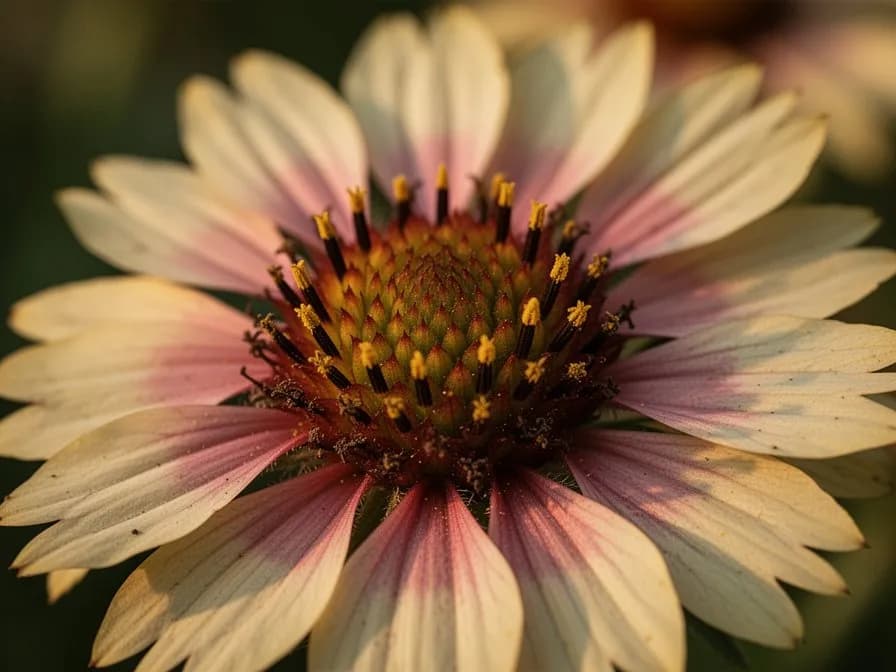
Spent flowers develop into distinctive round seed heads that provide winter interest and food for goldfinches.
The globe-shaped seed heads dry well on the plant and can be used in dried arrangements. Cut when seeds are mature and brown, and hang upside down for a week to finish drying. The flowers themselves do not dry well for arrangements but can be pressed for crafts. Save seeds from the best plants by collecting mature seed heads in autumn—store in paper envelopes in a cool, dry place until spring sowing.
Plan your garden with ease
Love growing Blanket Flower? Use our free garden planner to design your beds, track planting dates, and get personalized care reminders.
Nutritional Info
Per 100g serving
0
Calories
Health Benefits
- Gaillardia is grown as an ornamental and is not consumed as a food crop.
- The flowers are not considered edible and should not be eaten.
- Some Native American tribes used root preparations medicinally but this is not recommended without expert guidance.
- The primary value of gaillardia is ecological, providing nectar and pollen resources for pollinators throughout the growing season.
- Dried flower heads provide seeds that are an important food source for goldfinches and other seed-eating songbirds in autumn and winter.
💰 Why Grow Your Own?
Gaillardia is one of the most cost-effective ornamental plants for home gardeners. A single packet of seeds costing two to four dollars can produce fifty or more plants that bloom the first year from seed. Established perennial varieties self-sow freely and can be divided every two to three years, providing an essentially unlimited supply of new plants at no additional cost. Their extreme drought tolerance eliminates irrigation expenses, and their resistance to most pests and diseases means no spending on chemical treatments. A single initial investment can yield a decade or more of continuous garden color.
Quick Recipes
Simple recipes using fresh Blanket Flower
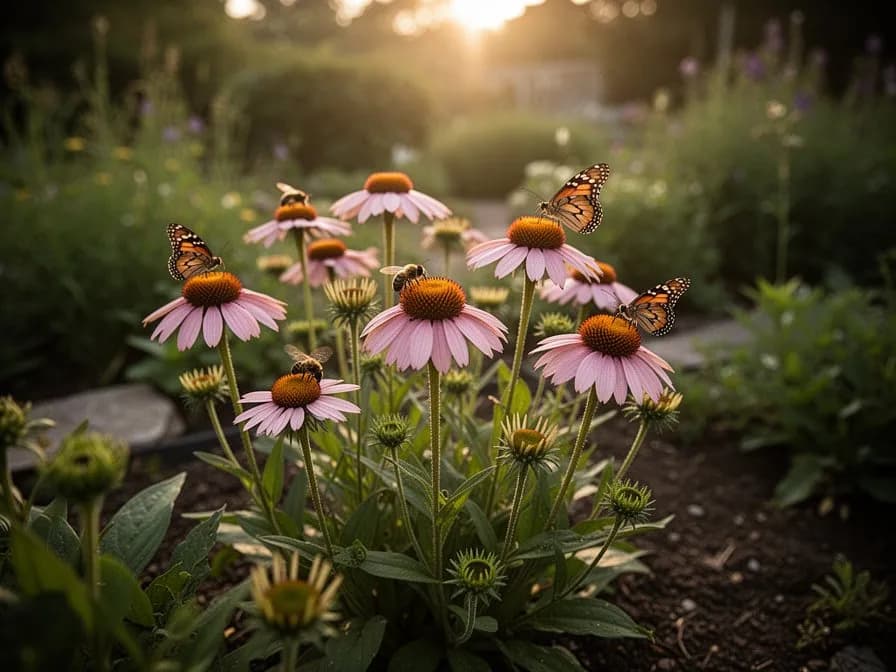
Dried Gaillardia Flower Wreath
45 minutes plus drying timeCreate a stunning dried flower wreath using gaillardia blooms harvested at peak color. The flowers retain their warm red and yellow hues beautifully when air-dried, producing a long-lasting decorative piece that captures the warmth of summer gardens year-round.
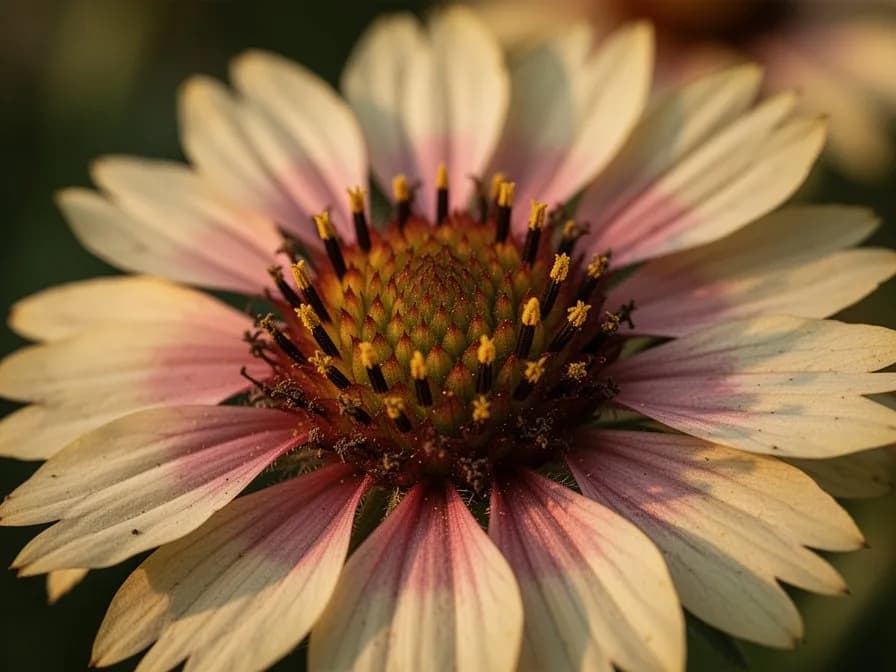
Gaillardia Seed Head Bird Feeder Arrangement
20 minutesGather mature gaillardia seed heads and arrange them in a decorative outdoor display that doubles as a natural bird feeder. Goldfinches and other small songbirds are especially attracted to the seeds, bringing life and movement to the winter garden.
Fresh Gaillardia Summer Bouquet
15 minutesArrange a vibrant mixed bouquet featuring freshly cut gaillardia flowers combined with complementary garden blooms. Blanket flowers are excellent cut flowers that last seven to ten days in a vase, making them a reliable staple for summer floral arrangements.
Blanket flowers make excellent long-lasting cut flowers, holding their vivid colors for up to ten days in a vase.
Yield & Spacing Calculator
See how many Blanket Flower plants fit in your garden bed based on the recommended 30cm spacing.
16
Blanket Flower plants in a 4×4 ft bed
4 columns × 4 rows at 30cm spacing
Popular Varieties
Some of the most popular blanket flower varieties for home gardeners, each with unique characteristics.
Gaillardia 'Goblin' (syn. 'Kobold')
A compact dwarf variety at 30cm with large red flowers tipped in yellow. One of the most popular and reliable selections.
Gaillardia 'Arizona Sun'
Compact (30cm) with large flowers featuring deep red centers and bright yellow tips. First-year flowering from seed.
Gaillardia 'Oranges and Lemons'
A unique variety with peach-orange and soft yellow flowers—a departure from the typical red and yellow color scheme.
Gaillardia 'Mesa Yellow'
Pure golden-yellow flowers on compact plants, unusual in a genus dominated by red bicolors. Exceptional heat tolerance.
When should I plant Blanket Flower?
Plant Blanket Flower in March, April, September. It takes approximately 365 days to reach maturity, with harvest typically in June, July, August, September, October.
What are good companion plants for Blanket Flower?
Blanket Flower grows well alongside Coneflower, Black-eyed Susan, Salvia. Companion planting can improve growth, flavor, and natural pest control.
What hardiness zones can Blanket Flower grow in?
Blanket Flower thrives in USDA hardiness zones 3 through 10. With greenhouse protection, it may be grown in zones 1 through 11.
How much sun does Blanket Flower need?
Blanket Flower requires Full Sun (6-8h+). This means at least 6-8 hours of direct sunlight daily.
How far apart should I space Blanket Flower?
Space Blanket Flower plants 30cm (12 inches) apart for optimal growth and air circulation.
What pests and diseases affect Blanket Flower?
Common issues include Crown Rot, Powdery Mildew, Aster Yellows. Prevention through good garden practices like crop rotation, proper spacing, and companion planting is the best approach. See the detailed pests and diseases section above for symptoms, prevention, and treatment for each.
How do I store Blanket Flower after harvest?
The globe-shaped seed heads dry well on the plant and can be used in dried arrangements. Cut when seeds are mature and brown, and hang upside down for a week to finish drying. The flowers themselves do not dry well for arrangements but can be pressed for crafts. Save seeds from the best plants by co...
What are the best Blanket Flower varieties to grow?
Popular varieties include Gaillardia 'Goblin' (syn. 'Kobold'), Gaillardia 'Arizona Sun', Gaillardia 'Oranges and Lemons', Gaillardia 'Mesa Yellow'. Each has unique characteristics suited to different growing conditions and culinary preferences. See the varieties section above for detailed descriptions.
What soil does Blanket Flower need?
Gaillardia demands lean, well-drained soil and performs best in poor, sandy, or gravelly conditions with a pH of 6.0-7.5. Do not amend soil with rich compost or fertilize heavily—this shortens the plant's lifespan and causes floppy growth. If any feeding is needed, a single light application of low-...
Is gaillardia a perennial or an annual?
It depends on the species. Gaillardia pulchella is a true annual that completes its life cycle in one season. Gaillardia aristata is a short-lived perennial hardy to USDA zone 3. The most common garden form, Gaillardia x grandiflora, is a perennial hybrid that typically lives three to four years. All types self-sow readily, so even the short-lived varieties tend to persist in the garden indefinitely through volunteer seedlings.
Why did my gaillardia die over winter?
The most common cause of winter loss in gaillardia is not cold temperatures but wet soil around the crown. Blanket flowers have excellent cold hardiness but very poor tolerance for waterlogged soil, especially during cold dormant months. Improve drainage by amending the planting area with coarse sand or gravel, mulching with stone rather than organic material, and planting in raised beds or slopes where water drains away quickly from the root zone.
How do I get more flowers from my gaillardia plants?
Consistent deadheading is the single most effective way to increase flower production. Remove spent blooms every few days by cutting stems back to a lateral bud. Additionally, avoid fertilizing with nitrogen-rich products which promote leafy growth at the expense of flowers. Plant in full sun with at least six to eight hours of direct sunlight daily, and keep the soil on the lean and dry side for the best bloom performance.
Can I grow gaillardia in containers?
Yes, gaillardia grows well in containers provided you use a very well-drained potting mix such as a cactus and succulent blend. Choose compact cultivars like Arizona Sun or Mesa series for the best container performance. Use pots with generous drainage holes and never allow containers to sit in saucers of standing water. Container-grown plants may need winter protection in cold climates since roots in pots are more exposed to freezing temperatures than those in the ground.
Are gaillardia flowers edible or toxic?
Gaillardia flowers are not considered edible and should not be consumed. While they are not classified as highly toxic, the plant contains sesquiterpene lactones that can cause skin irritation in sensitive individuals and gastrointestinal discomfort if ingested. Keep the plant away from areas where small children might be tempted to eat the colorful flowers, and wear gloves when handling if you have sensitive skin.
How do I collect and save gaillardia seeds?
Allow flower heads to remain on the plant until they are completely dry and brown, which usually takes three to four weeks after the petals drop. Cut the dried seed heads and place them in a paper bag. Crush the heads gently to release the small achenes, then separate the seeds from the chaff by winnowing. Store cleaned seeds in a labeled paper envelope in a cool dry location. Seeds remain viable for two to three years when stored properly and benefit from a brief cold stratification period before spring sowing.
Ready to Grow Blanket Flower?
Add Blanket Flower to your garden plan and start designing your perfect layout.

Vladimir Kusnezow
Gardener and Software Developer
Zone 6b gardener. Growing vegetables and fruits in soil and hydroponics for 6 years. I built PlotMyGarden to plan my own gardens.
Jump to Section