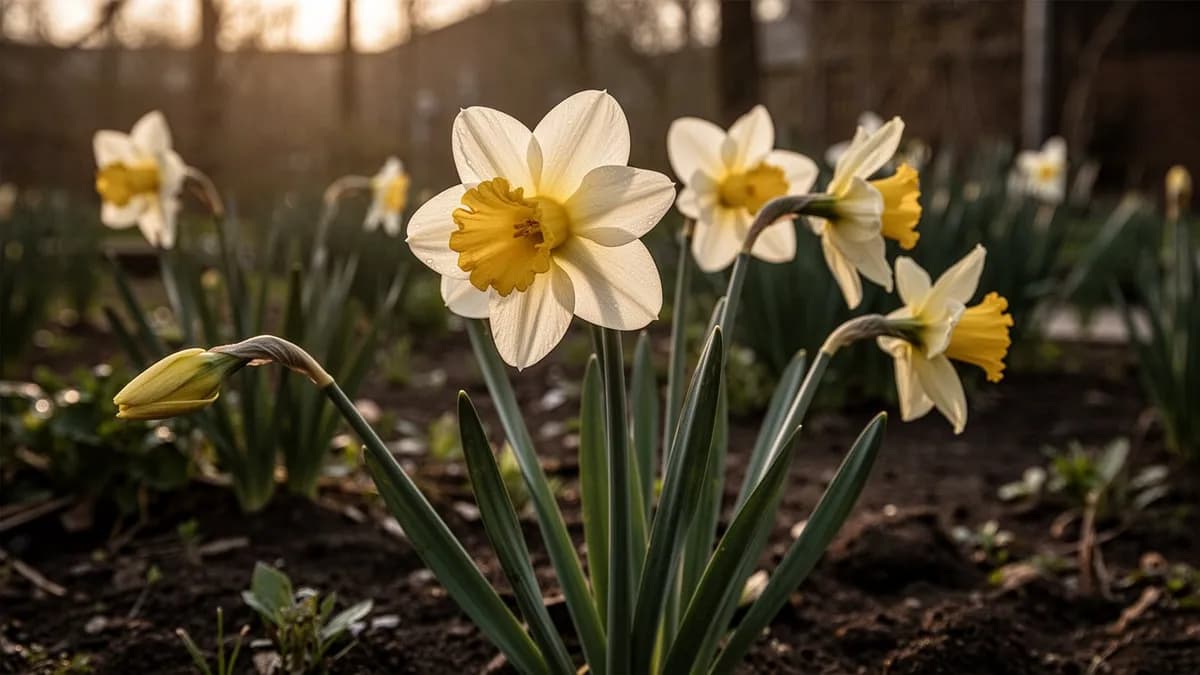
Daffodil
Narcissus pseudonarcissus
At a Glance
A reliable spring bulb with trumpet-shaped flowers that naturalizes well and is deer-resistant due to its toxic alkaloids. Plant bulbs in autumn at a depth of about six inches in well-drained soil, and they will multiply and spread year after year with minimal care. Daffodils are among the easiest bulbs to grow and are virtually pest-free, making them an ideal choice for beginning gardeners. After blooming, leave the foliage intact for at least six weeks to feed the bulb for next season's flowers.
Planting & Harvest Calendar
Growth Stages
From Seed to Harvest
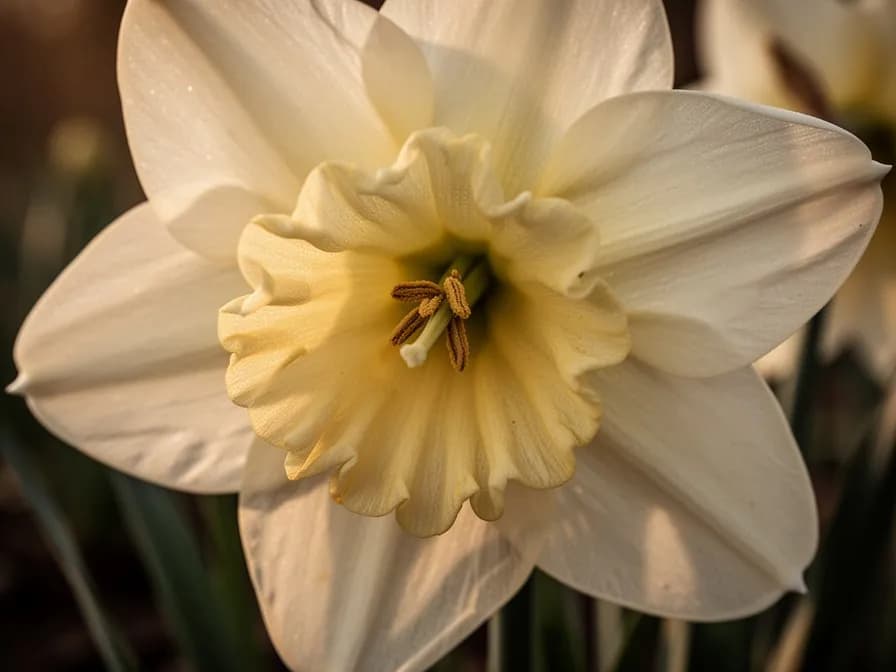
Bulb Planting
Days 0–14
Plant daffodil bulbs in autumn, typically September through November, before the ground freezes. Set bulbs pointed-end up at a depth of approximately three times the bulb height, usually 10-15 cm deep. Space bulbs 10-15 cm apart in groups of five or more for the most natural-looking display. Daffodils prefer well-drained soil enriched with compost or bone meal worked into the planting hole.
💡 Care Tip
Water bulbs thoroughly after planting to initiate root growth. Choose a site with full sun to partial shade and avoid areas where water pools, as bulbs will rot in waterlogged conditions.
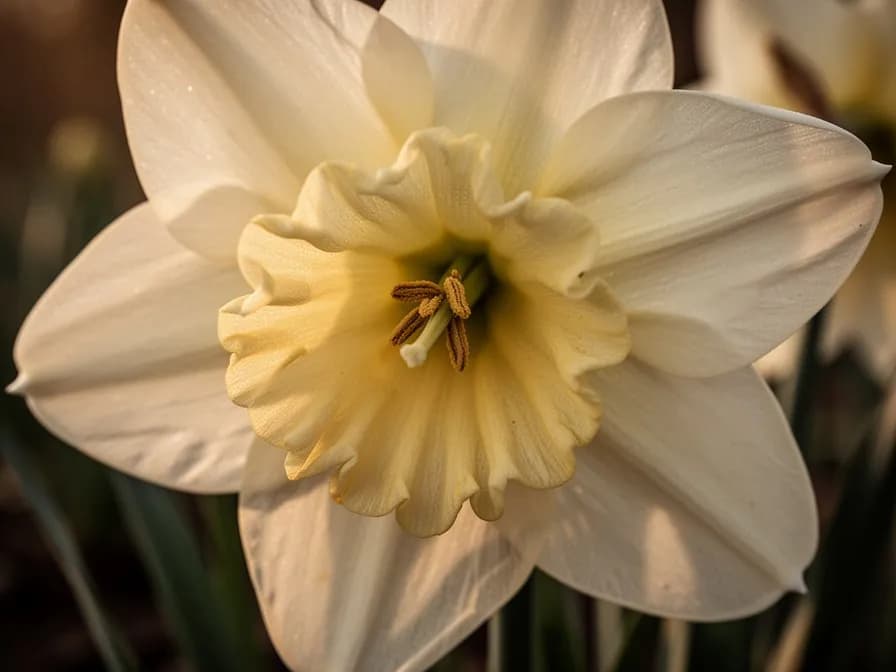
Healthy daffodil bulbs are firm, heavy for their size, and free of soft spots or mold
Monthly Care Calendar
What to do each month for your Daffodil
May
You are hereAllow foliage to ripen naturally even though it looks untidy. Interplant with annuals or emerging perennials to camouflage yellowing leaves. Apply a final light feeding of potassium-rich fertilizer to support bulb replenishment.
Did You Know?
Fascinating facts about Daffodil
Daffodils contain lycorine and other alkaloids that make them toxic to most animals, which is why deer, rabbits, squirrels, and voles leave them completely alone — making them one of the most reliable pest-proof bulbs for gardens.
Plant daffodil bulbs in early to mid-autumn, about two to four weeks before the ground freezes. Choose a site with full sun to partial shade and well-drained soil. Dig holes or a trench six inches deep for standard bulbs and eight inches deep for large exhibition varieties. Place bulbs pointed end up and space them three to six inches apart, planting in groups of at least a dozen for a natural look.
Water thoroughly after planting and apply a light mulch after the ground begins to cool. Daffodils establish roots in fall and require adequate moisture during this period. In spring, shoots emerge early and tolerate frost and even snow without damage, making them one of the most reliable spring flowers.
After flowering, deadhead the spent blooms to prevent seed formation but leave the foliage completely intact for at least six weeks. The leaves photosynthesize and replenish the bulb for the following year. Do not braid, fold, or rubber-band the foliage, as this reduces its effectiveness. Once leaves have yellowed and collapsed naturally, they can be gently pulled away or mowed. Daffodils naturalize readily, increasing in number each year with virtually no maintenance.
Daffodils (Narcissus spp.) are native to the meadows, woodlands, and rocky hillsides of southwestern Europe and North Africa, with the greatest diversity of wild species found in the Iberian Peninsula. The genus has been cultivated for thousands of years, with ancient Egyptians using narcissus flowers in funeral wreaths and the Romans growing them in their gardens across the empire. Arab traders and scholars helped spread narcissus cultivation throughout the Mediterranean and into Persia during the medieval period, where the flowers became an important symbol in poetry and art. The Dutch began serious commercial cultivation and hybridization of daffodils in the 16th and 17th centuries, building on their expertise with tulips and other bulbs. By the 18th century, hundreds of named cultivars existed in European gardens, and the flower had become a staple of English cottage gardening. Colonists brought daffodil bulbs to North America, where they naturalized readily in the temperate eastern states. The poet William Wordsworth immortalized the flower in his 1804 poem that opens with the famous line about wandering lonely as a cloud. In the 20th century, breeders in England, Ireland, the Netherlands, and the United States developed thousands of new cultivars in an extraordinary range of colors, forms, and sizes. Today, the Netherlands remains the largest commercial producer, growing billions of bulbs annually for export worldwide. Modern breeding continues to push boundaries with pink-cupped, green-eyed, and red-rimmed varieties that would have astonished gardeners of earlier centuries.
Daffodils are planted as bulbs in early to mid-autumn. Set bulbs six inches deep and three to six inches apart with the pointed end up. For naturalizing, toss bulbs gently on the ground and plant them where they fall for a random, natural pattern. In heavy clay soil, add a handful of coarse sand beneath each bulb to improve drainage and prevent basal rot. After several years, clumps become congested and flowering declines. Dig and divide these clumps in early summer after foliage has died, separate the offset bulbs, and replant immediately at the proper depth.
Daffodils thrive in average to fertile, well-drained soil with a pH of 6.0 to 7.0. They tolerate a wide range of soil types but perform poorly in waterlogged clay. Incorporate bone meal or bulb fertilizer into the planting hole at autumn planting time. Top-dress with a balanced granular fertilizer in early spring as shoots emerge and again just after flowering to replenish the bulb. Avoid high-nitrogen fertilizers, which promote soft leaf growth at the expense of bulb development.
Check Your Zone
See if Daffodil is suitable for your location.
-20°C – 20°C
-4°F – 68°F
Daffodils are extremely cold-hardy perennial bulbs that thrive in USDA zones 3-9. They require a sustained cold period of at least 12-16 weeks with soil temperatures below 10°C to properly vernalize and initiate flower bud development. Optimal growing temperatures during the spring active season range from 10-15°C during the day. Daffodils perform poorly in climates with mild winters that do not provide adequate chilling, and they also struggle in extreme summer heat above 30°C, which can damage dormant bulbs underground. In warmer climates (zones 8-9), choose heat-tolerant tazetta and jonquilla types that require shorter cold periods.
Common issues affecting Daffodil and how to prevent and treat them organically.
The most common complaint is daffodils that produce foliage but no flowers, called being blind. This typically results from overcrowded clumps that need dividing, premature removal of foliage in previous years, or too much shade from maturing trees. Shallow planting can also cause blindness, so ensure bulbs are set at least six inches deep. All parts of the daffodil are toxic to humans and animals, which makes them deer and rodent-proof but means they should be kept away from children and pets.
Daffodils are ideal companions for tulips because their toxic bulbs deter squirrels and voles from digging in the area. Plant them among hostas, daylilies, and ferns whose emerging spring foliage hides the ripening daffodil leaves. In lawns, naturalize daffodils in informal drifts through grass that is not mowed until six weeks after flowering. Their early bloom provides essential nectar for emerging pollinators when few other flowers are available.
With over 13,000 registered cultivars across 13 divisions, daffodils offer remarkable diversity in form and color
- 1Plant daffodil bulbs at a depth of three times the bulb height, typically 10-15 cm deep, with the pointed end facing upward. Deeper planting provides better cold insulation and helps prevent bulbs from splitting into many small non-flowering offsets.
- 2Choose a planting site with full sun to light dappled shade. Daffodils perform beautifully beneath deciduous trees because they complete their growth cycle before the tree canopy leafs out and blocks sunlight.
- 3Ensure excellent soil drainage by amending heavy clay soils with coarse sand, perlite, or compost before planting. Daffodil bulbs sitting in waterlogged soil over winter will develop basal rot and fail to emerge in spring.
- 4Never remove or mow daffodil foliage until it has turned completely yellow and pulls away from the bulb easily, usually six to eight weeks after flowering ends. Premature removal starves the bulb and reduces or eliminates next year's bloom.
- 5Apply a balanced slow-release bulb fertilizer in early spring as shoots emerge and again immediately after flowering. Avoid high-nitrogen feeds, which promote leaf growth at the expense of flower bud formation inside the bulb.
- 6Interplant daffodils with later-emerging perennials such as hostas, daylilies, hardy geraniums, or ornamental grasses to mask the ripening foliage and keep garden beds looking attractive through the transition to summer.
- 7When cutting daffodils for indoor arrangements, condition the stems by placing them in their own container of cool water for at least 12 hours before mixing with other flowers. The sap that exudes from fresh-cut stems contains alkaloids that shorten the vase life of other blooms.
- 8Plant a succession of early, mid, and late-season daffodil cultivars to extend the blooming period from as early as February through late April. Pair early trumpet types with mid-season large-cupped varieties and finish with late poeticus cultivars.
- 9Protect newly planted bulbs from being dug up by curious pets or wildlife by laying chicken wire or hardware cloth flat over the planting area and covering it with mulch. Remove the wire in spring as shoots emerge, or use mesh with openings large enough for shoots to pass through.
- 10If naturalizing daffodils in lawn areas, delay mowing the naturalized section until foliage has fully ripened, typically six weeks after the last flowers fade. Consider creating a designated wildflower meadow area where delayed mowing is part of the aesthetic.
Cut daffodils for arrangements when buds are in the pencil or goose-neck stage, with color showing but flowers not yet open. Cut stems at the base with a sharp knife rather than pulling, which damages the bulb. Place stems in shallow water for several hours before arranging, as freshly cut daffodil stems exude a slimy sap that is harmful to other flowers. After conditioning separately, daffodils can then be mixed with other flowers. Deadhead spent flowers in the garden but always leave the foliage to ripen.
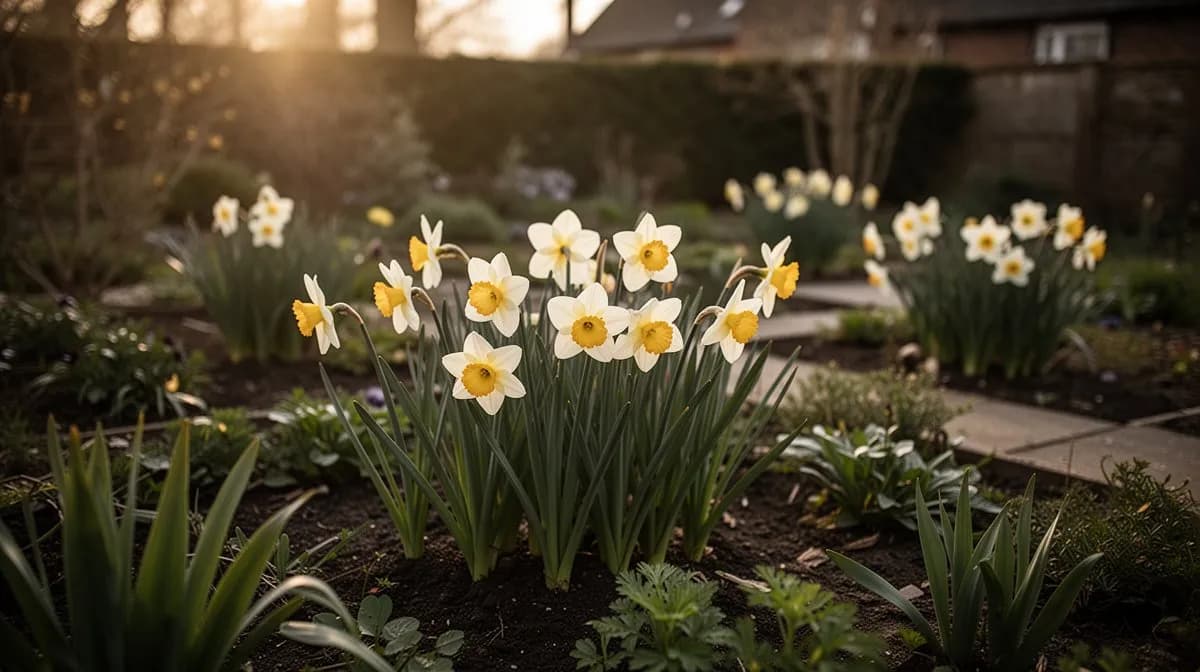
Cut daffodils last 5-10 days in a vase but should be conditioned separately as their sap can harm other cut flowers
Fresh daffodils last seven to ten days in a vase. Condition stems separately before mixing with other flowers, as their sap can shorten the life of companion blooms. To preserve daffodils, press individual flowers between sheets of parchment paper under heavy books for three to four weeks. Daffodils do not dry well due to their trumpet shape. Store dormant bulbs after lifting in mesh bags in a cool, dry, well-ventilated location at 60 to 68 degrees Fahrenheit until replanting in fall.
Plan your garden with ease
Love growing Daffodil? Use our free garden planner to design your beds, track planting dates, and get personalized care reminders.
Nutritional Info
Per 100g serving
0
Calories
Health Benefits
- WARNING: All parts of the daffodil plant are toxic and must never be consumed. Bulbs, leaves, flowers, and sap contain lycorine, galantamine, and other alkaloids.
- Ingestion causes severe nausea, vomiting, abdominal pain, and diarrhea. In serious cases, cardiac arrhythmias and respiratory depression can occur.
- Daffodil bulbs are sometimes mistaken for onions, and leaves for chives or leeks — always keep them clearly separated from edible plants in the kitchen and garden.
- Contact with daffodil sap can cause skin irritation and dermatitis in sensitive individuals. Wear gloves when handling large quantities of cut stems or bulbs.
- Despite their toxicity to humans and animals, daffodils are valued in medicine: galantamine extracted from Narcissus bulbs is an FDA-approved treatment for Alzheimer's disease.
- The ornamental value of daffodils far outweighs any culinary consideration. They provide essential early-spring color and attract pollinators when few other food sources are available.
💰 Why Grow Your Own?
Daffodils are among the most cost-effective perennial bulbs available. A single bulb costing $0.30-$1.00 will naturalize and multiply over the years, potentially producing dozens of blooms annually for decades with virtually no ongoing cost. Compared to purchasing fresh-cut daffodils at $8-$15 per bunch each spring, a planting of 50 bulbs (approximately $15-$40) can yield hundreds of cut flowers per year within three to four seasons. Their deer and rodent resistance eliminates the need for fencing or repellents that other garden plants require, and their toxicity means no pesticide expenditure for animal damage. Forced paperwhite bulbs grown indoors also replace expensive winter floral arrangements at a fraction of the cost.
Quick Recipes
Simple recipes using fresh Daffodil
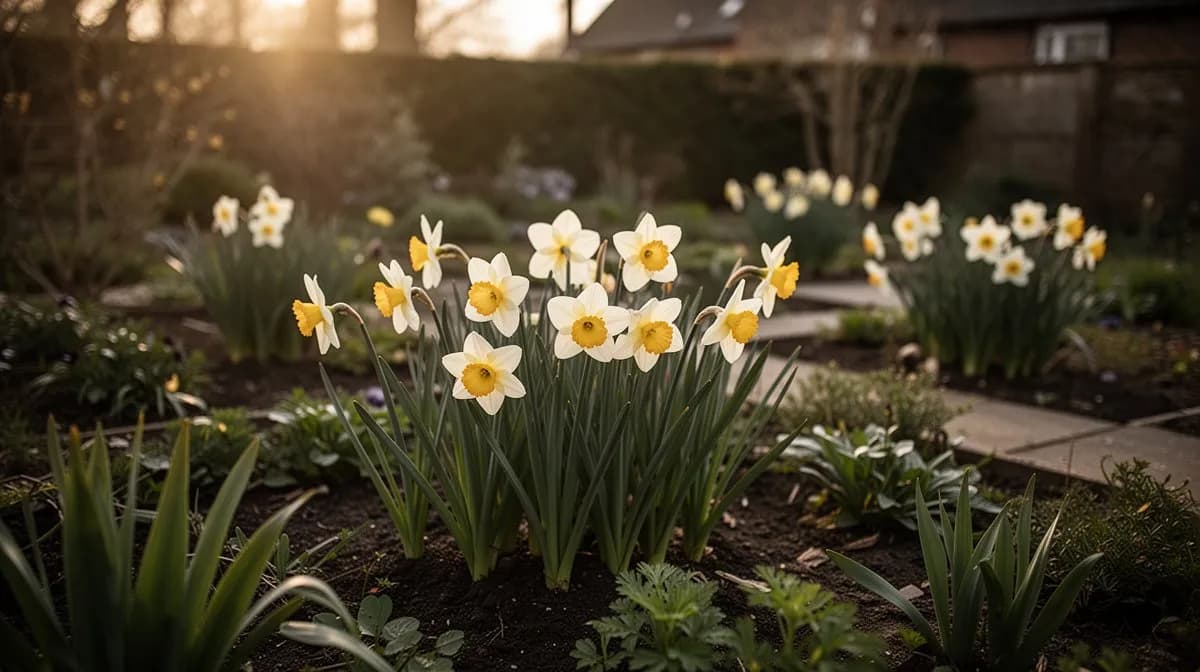
Daffodil-Inspired Spring Table Centerpiece
15 minutesCreate a stunning spring centerpiece using freshly cut daffodils. This decorative arrangement brightens any table and celebrates the season. Important: condition daffodil stems in their own water for at least 12 hours before combining with other flowers, as their sap contains compounds that can wilt other blooms.
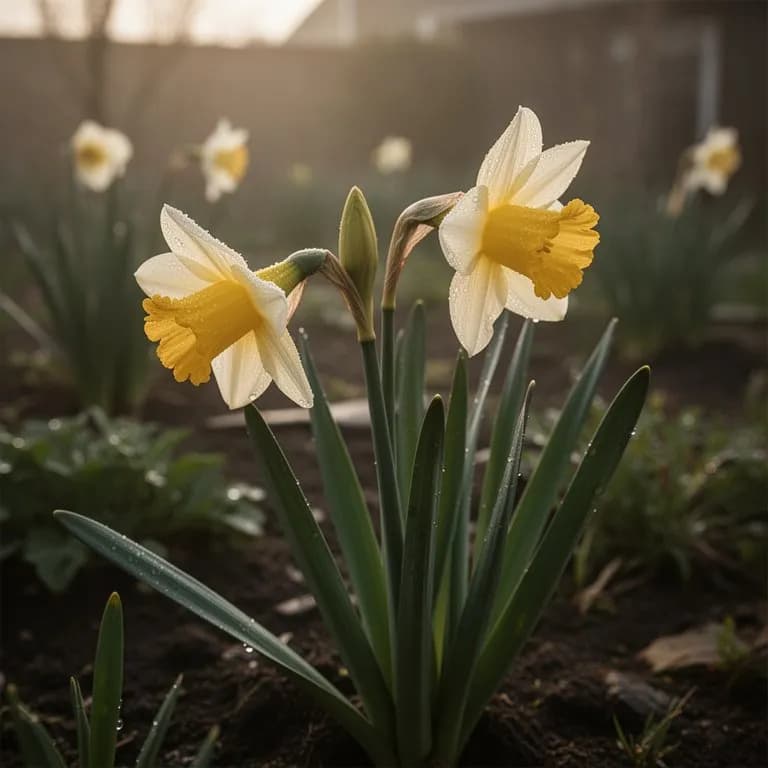
Pressed Daffodil Botanical Art
10 minutes active (2-3 weeks pressing time)Preserve the beauty of daffodil blooms by pressing them for use in framed botanical art, greeting cards, or bookmarks. This craft project captures spring flowers for year-round enjoyment. Handle flowers with gloves as sap may irritate skin.
Daffodil Bulb Forcing for Indoor Winter Blooms
20 minutes active (12-16 weeks chilling)Force daffodil bulbs to bloom indoors during the winter months for a cheerful reminder that spring is on its way. Paperwhite narcissus varieties can be forced without a cold period and bloom in as little as 4-6 weeks, while standard daffodils require 12-16 weeks of refrigeration before being brought into warmth to trigger flowering.
Yield & Spacing Calculator
See how many Daffodil plants fit in your garden bed based on the recommended 15cm spacing.
64
Daffodil plants in a 4×4 ft bed
8 columns × 8 rows at 15cm spacing
Popular Varieties
Some of the most popular daffodil varieties for home gardeners, each with unique characteristics.
King Alfred
The classic large golden-yellow trumpet daffodil. Though the original cultivar is rarely sold today, its name is used for similar vigorous yellow trumpets that naturalize well.
Ice Follies
A large-cupped daffodil with white petals and a wide, ruffled pale yellow cup that fades to creamy white. Extremely vigorous and one of the best for naturalizing.
Tete-a-Tete
A miniature daffodil standing only six inches tall with clusters of small yellow flowers. Perfect for containers, rock gardens, and the front of borders.
Thalia
A graceful triandrus daffodil bearing two to three pure white, nodding, fragrant flowers per stem. Elegant in shaded woodland gardens.
Cheerfulness
A double-flowered daffodil with clusters of creamy white, rose-like blooms with a sweet fragrance. Blooms late in the season and naturalizes reliably.
When should I plant Daffodil?
Plant Daffodil in September, October, November. It takes approximately 180 days to reach maturity, with harvest typically in March, April.
What are good companion plants for Daffodil?
Daffodil grows well alongside Tulip, Peony, Lily. Companion planting can improve growth, flavor, and natural pest control.
What hardiness zones can Daffodil grow in?
Daffodil thrives in USDA hardiness zones 3 through 10. With greenhouse protection, it may be grown in zones 1 through 11.
How much sun does Daffodil need?
Daffodil requires Full Sun (6-8h+). This means at least 6-8 hours of direct sunlight daily.
How far apart should I space Daffodil?
Space Daffodil plants 15cm (6 inches) apart for optimal growth and air circulation.
What pests and diseases affect Daffodil?
Common issues include Narcissus Bulb Fly, Basal Rot (Fusarium), Narcissus Nematode. Prevention through good garden practices like crop rotation, proper spacing, and companion planting is the best approach. See the detailed pests and diseases section above for symptoms, prevention, and treatment for each.
How do I store Daffodil after harvest?
Fresh daffodils last seven to ten days in a vase. Condition stems separately before mixing with other flowers, as their sap can shorten the life of companion blooms. To preserve daffodils, press individual flowers between sheets of parchment paper under heavy books for three to four weeks. Daffodils...
What are the best Daffodil varieties to grow?
Popular varieties include King Alfred, Ice Follies, Tete-a-Tete, Thalia, Cheerfulness. Each has unique characteristics suited to different growing conditions and culinary preferences. See the varieties section above for detailed descriptions.
What soil does Daffodil need?
Daffodils thrive in average to fertile, well-drained soil with a pH of 6.0 to 7.0. They tolerate a wide range of soil types but perform poorly in waterlogged clay. Incorporate bone meal or bulb fertilizer into the planting hole at autumn planting time. Top-dress with a balanced granular fertilizer i...
Why did my daffodils produce leaves but no flowers this year?
This condition, known as 'going blind,' is usually caused by overcrowded clumps that need dividing, premature removal of foliage in a previous year, planting bulbs too shallowly, or insufficient sunlight. Lift and divide congested clumps in summer, replant at the correct depth, and always allow foliage to die back naturally after flowering to restore blooming in subsequent years.
Are daffodils poisonous to pets and children?
Yes, all parts of the daffodil are toxic, with the highest concentration of alkaloids found in the bulbs. Ingestion can cause severe vomiting, diarrhea, abdominal pain, and in rare cases, cardiac issues. The bulbs are most dangerous because they can be mistaken for onions. Keep bulbs out of reach of children and pets, and plant them where dogs are unlikely to dig.
Can I plant daffodils in the spring instead of autumn?
Daffodils require a 12-16 week cold vernalization period to develop flower buds, so autumn planting is strongly recommended. Spring-planted bulbs will typically produce only foliage in their first year and may flower the following spring. If you purchase pre-chilled bulbs, you can pot them indoors in late winter for forced blooms, but for garden planting, October through November is the ideal window.
How do I stop daffodil sap from harming other flowers in a mixed arrangement?
Freshly cut daffodil stems exude a slimy sap containing alkaloids that can cause other flowers to wilt prematurely. To prevent this, condition daffodil stems by standing them in their own container of cool water for 12-24 hours. Once conditioned, do not re-cut the stems before adding them to a mixed arrangement, as cutting reopens the sap channels. This simple step allows daffodils to be safely combined with tulips, roses, and other spring flowers.
How often should I divide my daffodil clumps?
Most daffodil clumps benefit from division every three to five years, or whenever you notice a decline in flowering despite healthy foliage production. Lift clumps after the foliage has fully died back in late spring or early summer, separate the bulbs, discard any that are soft or diseased, and replant the largest healthy bulbs at the proper depth and spacing. Smaller offset bulbs can be planted in a nursery row and will reach flowering size in one to two years.
Do daffodils really repel deer and other garden pests?
Yes, the toxic alkaloids in daffodils make them unpalatable to deer, rabbits, voles, squirrels, and most other garden pests. Planting daffodils in rings around other vulnerable bulbs like tulips and crocuses provides some protective benefit, though determined rodents may tunnel past them. Daffodils are one of the most reliably pest-proof flowering bulbs available and are an excellent choice for gardens with heavy deer pressure.
Ready to Grow Daffodil?
Add Daffodil to your garden plan and start designing your perfect layout.

Vladimir Kusnezow
Gardener and Software Developer
Zone 6b gardener. Growing vegetables and fruits in soil and hydroponics for 6 years. I built PlotMyGarden to plan my own gardens.
Jump to Section