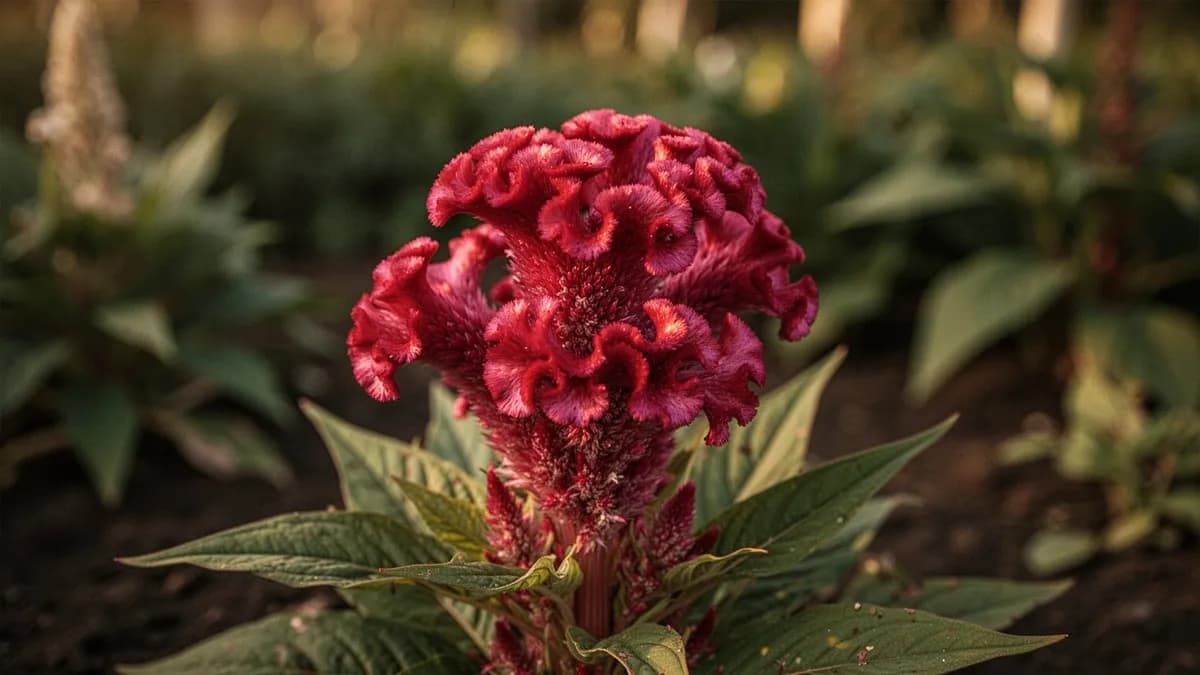
Celosia Flamingo Feather
Celosia spicata
At a Glance
It's planting season for Celosia Flamingo Feather! Start planning your garden now.
A specialty cut flower variety with elegant, slender pink plumes that fade to silvery-white, adding movement and texture to fresh and dried arrangements. Celosia Flamingo Feather thrives in heat and produces prolifically when succession planted every two to three weeks. Harvest when the plumes are half-open for the longest vase life.
Planting & Harvest Calendar
Growth Stages
From Seed to Harvest
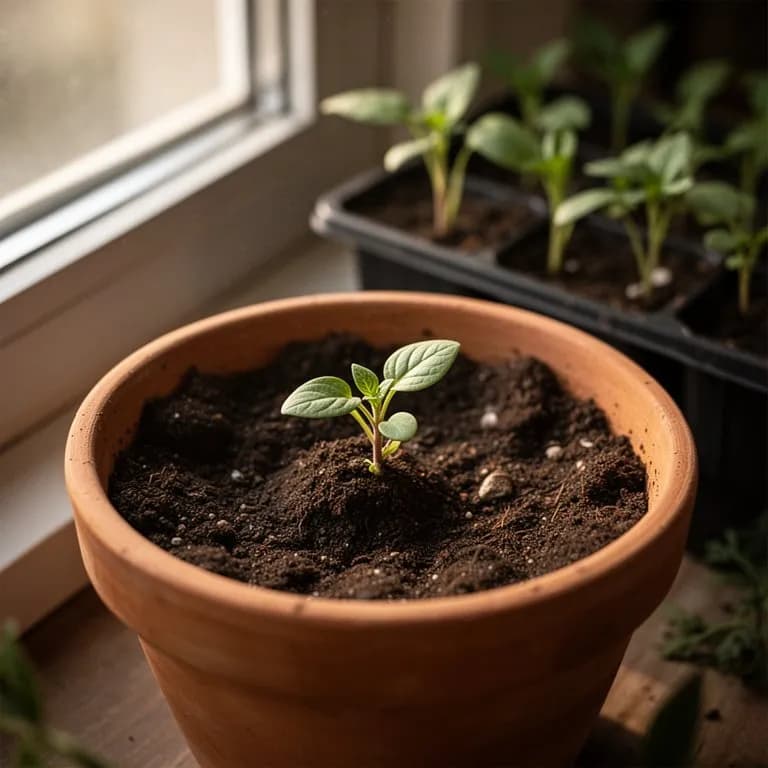
Seed Starting
Days 0–10
Celosia seeds are very small and round. Sow them on the surface of a warm, moist seed-starting mix and press gently without covering, as they benefit from light exposure during germination. Maintain a soil temperature of 21 to 27 degrees Celsius for optimal results. Seeds typically germinate within five to ten days under ideal conditions.
💡 Care Tip
Use a heat mat to maintain consistent soil warmth. Celosia seeds will not germinate well in cool soil below 18 degrees Celsius. Mist the surface gently to avoid displacing the tiny seeds.
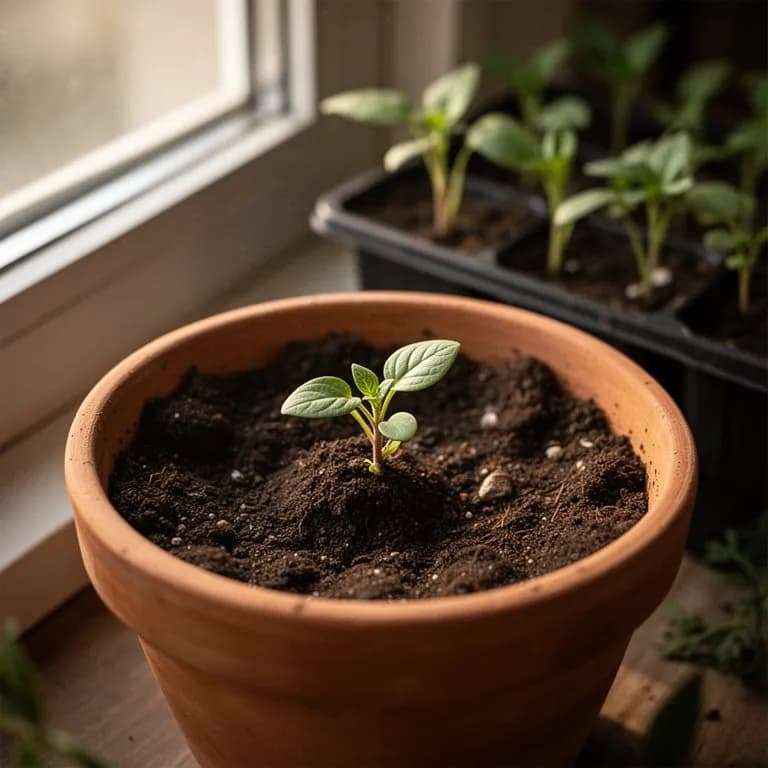
Celosia seedlings develop quickly in warm conditions and are ready to transplant within four to six weeks
Monthly Care Calendar
What to do each month for your Celosia Flamingo Feather
May
You are hereComplete transplanting outdoors. Pinch growing tips when plants reach 15 to 20 centimeters to encourage branching. Apply a balanced slow-release granular fertilizer at planting time and mulch to retain moisture.
Did You Know?
Fascinating facts about Celosia Flamingo Feather
Celosia leaves are one of the most important leafy vegetables in West Africa, where they are known as soko in Yoruba and are cooked similarly to spinach in stews and soups throughout Nigeria, Cameroon, and Ghana.
Start celosia Flamingo Feather seeds indoors four to six weeks before the last frost date, sowing on the surface of warm, moist seed-starting mix. Do not cover seeds, as they require light for germination. Maintain temperatures of 70 to 80 degrees Fahrenheit for fastest sprouting, which occurs in seven to fourteen days. Transplant outdoors after all danger of frost has passed and nighttime temperatures consistently exceed 55 degrees.
Plant in full sun in rich, well-drained soil, spacing six to eight inches apart. Celosia is a heat-loving tropical annual that thrives in hot summer conditions where many other flowers struggle. Water regularly to keep soil evenly moist but avoid overhead watering which can damage the developing plumes. Feed every two to three weeks with a balanced liquid fertilizer.
Succession plant every two to three weeks from late spring through midsummer for a continuous harvest of fresh plumes through autumn. Pinch the first flower bud to encourage branching and more stems per plant. The elegant, slender pink plumes that fade to silvery-white are prized by florists for both fresh and dried arrangements. Celosia is extremely frost sensitive and should be harvested before the first fall frost arrives.
Celosia argentea originated in tropical regions of Africa, where it has been cultivated as both an ornamental plant and a vital food crop for centuries. Wild populations still grow across the savannas and forest margins of West and Central Africa, as well as parts of South and Southeast Asia where the plant naturalized long ago. In Nigeria alone, celosia ranks among the most commonly consumed leafy green vegetables, particularly in the southwestern states where Yoruba communities have cultivated selected varieties with tender, abundant foliage for generations. The plant was introduced to European gardens in the sixteenth century, where breeders became fascinated by its unusual flower forms and began selecting for larger, more vivid blooms. The crested cockscomb type, known as Celosia argentea var. cristata, became especially popular during the Victorian era as a bedding plant and conservatory specimen. Meanwhile, the plumed type, var. plumosa, gained favor for its graceful feathery spikes that resembled flames rising from the garden bed. In the twentieth century, celosia breeding expanded dramatically in Japan, the Netherlands, and the United States, producing modern cut flower cultivars with strong straight stems reaching sixty to ninety centimeters tall. Series like Chief, Century, Bombay, and Sunday have been specifically developed for the commercial and specialty cut flower market. Today celosia occupies a unique position in horticulture as one of the few plants that serves equally well as a high-value ornamental cut flower, a dried everlasting, and a nutritious edible green, bridging the gap between flower farming and food production in a way that few other cultivated species can match.
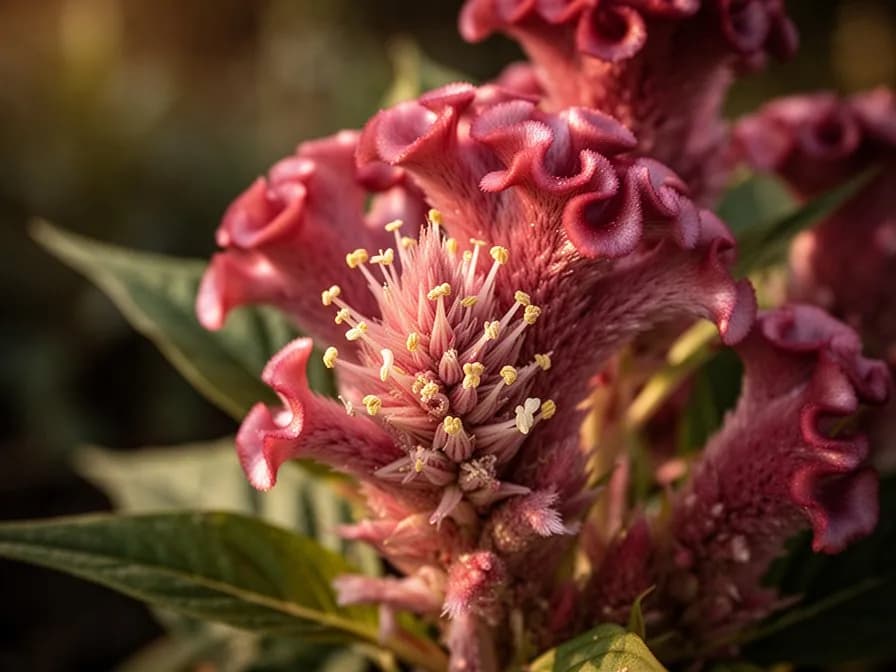
The cristata group produces fascinating crested flower heads prized by florists for their unusual texture
Start seeds indoors four to six weeks before the last frost date. Surface sow on warm, moist seed-starting mix without covering, as seeds need light. Maintain temperatures of 70 to 80 degrees Fahrenheit for germination in seven to fourteen days. Keep seedlings in bright light to prevent stretching. Harden off gradually over one to two weeks before transplanting outdoors when night temperatures stay above 55 degrees Fahrenheit. Direct sowing outdoors is also successful in warm climates.
Celosia thrives in rich, well-drained soil with a pH of 6.0 to 7.0. Amend the planting area with compost before planting. Feed every two to three weeks with a balanced liquid fertilizer, or apply slow-release granules at planting time. Celosia is a heavy feeder that requires consistent nutrition for maximum flower production. In containers, use a premium potting mix and feed weekly. Maintain even soil moisture throughout the growing season.
Check Your Zone
See if Celosia Flamingo Feather is suitable for your location.
15°C – 35°C
59°F – 95°F
Celosia thrives in warm to hot conditions and performs best when daytime temperatures range between 24 and 35 degrees Celsius with nighttime temperatures remaining above 15 degrees Celsius. Plants suffer visible stress and stunted growth when temperatures drop below 10 degrees Celsius and will be killed outright by any frost. In hot climates celosia grows vigorously and flowers prolifically, making it an excellent choice for summer gardens in warm temperate to tropical zones.
Common issues affecting Celosia Flamingo Feather and how to prevent and treat them organically.
The most critical issue is cold sensitivity. Even a light frost will kill celosia plants instantly, and cold soil temperatures at transplant time cause permanent stunting. Wait until soil has warmed thoroughly before planting out. Overwatering seedlings causes damping off, which can be devastating. Root-bound transplants that have been held too long in cell packs may not develop well. Plant out promptly when seedlings have four true leaves.
Celosia Flamingo Feather works beautifully in cutting gardens alongside zinnias, sunflowers, gomphrena, and other warm-season cut flowers. The airy plumes provide textural contrast with more solid flower forms. Plant in rows for easy harvest or mix into borders for visual interest. The pink plumes complement purple and blue companions like salvia and ageratum. Succession planting with other annuals ensures continuous production.
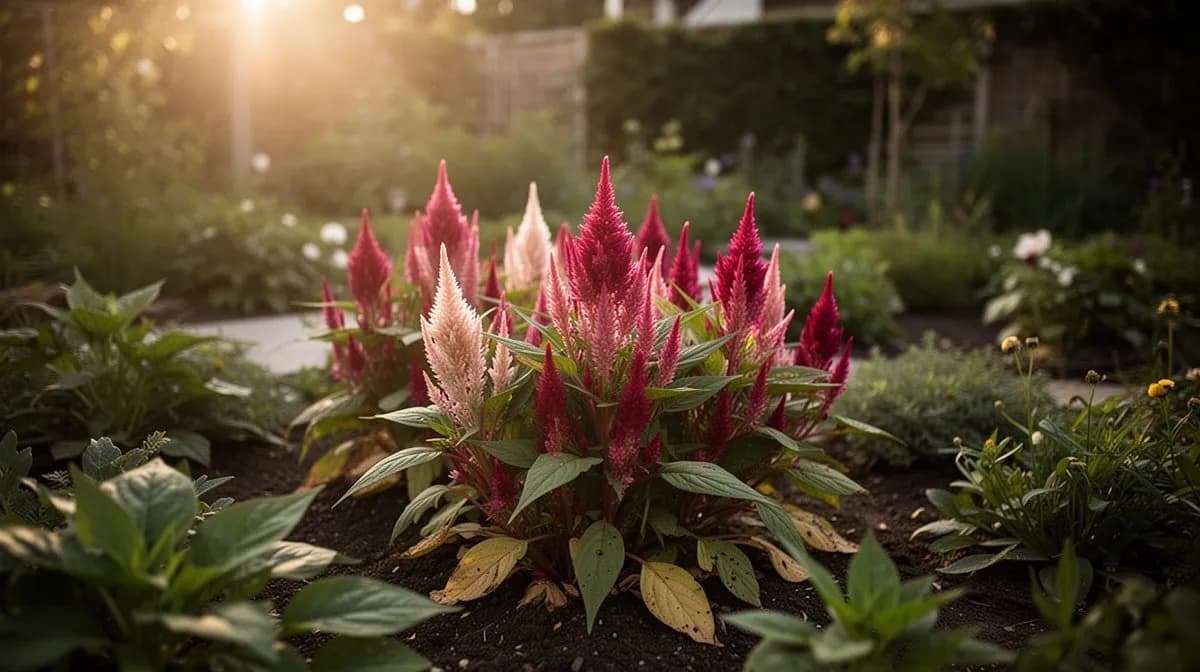
Succession planting celosia every two to three weeks ensures a continuous supply of fresh blooms all summer
- 1Start celosia seeds indoors six to eight weeks before the last frost date using bottom heat of 21 to 27 degrees Celsius, as germination rates drop dramatically in cool soil below 18 degrees Celsius.
- 2Never allow celosia seedlings to become root-bound in their pots before transplanting, as this triggers premature flowering on stunted stems that are too short for cutting.
- 3Pinch the central growing tip when plants reach 15 to 20 centimeters tall to force multiple branching stems, which dramatically increases the total number of harvestable cut flower stems per plant.
- 4Plant celosia in full sun with at least six to eight hours of direct sunlight daily, as insufficient light produces weak floppy stems and pale washed-out flower colors unsuitable for arrangements.
- 5Water deeply at the base of plants once or twice per week rather than frequent overhead watering, which promotes fungal diseases on the dense flower heads and can cause premature petal browning.
- 6Install horizontal netting at about 30 centimeters height over the planting bed when growing tall cut flower varieties to keep stems perfectly straight and upright as they grow through the grid.
- 7Harvest celosia stems in the early morning while they are fully turgid and place them immediately in clean cool water with commercial floral preservative to maximize vase life of two to three weeks.
- 8Succession plant celosia every two to three weeks from late spring through early summer to ensure a continuous supply of fresh stems rather than one overwhelming flush followed by a gap in production.
- 9For drying celosia, harvest stems at peak color, strip the lower leaves, bundle three to five stems with a rubber band, and hang them upside down in a dark well-ventilated space for two to three weeks.
- 10Grow celosia in well-drained fertile soil amended with compost, as the plants are heavy feeders that respond well to supplemental feeding with balanced fertilizer every two to three weeks during active growth.
Cut celosia Flamingo Feather stems when the plumes are about half to three-quarters developed for the longest vase life. Cut too early and the plumes will not fully develop in water; cut too late and vase life is shortened. Harvest in the cool of early morning and place immediately in warm water. Strip lower foliage and change water every two days. Fresh-cut plumes last seven to twelve days. For drying, cut when plumes are fully developed and hang upside down in a dark, well-ventilated space.
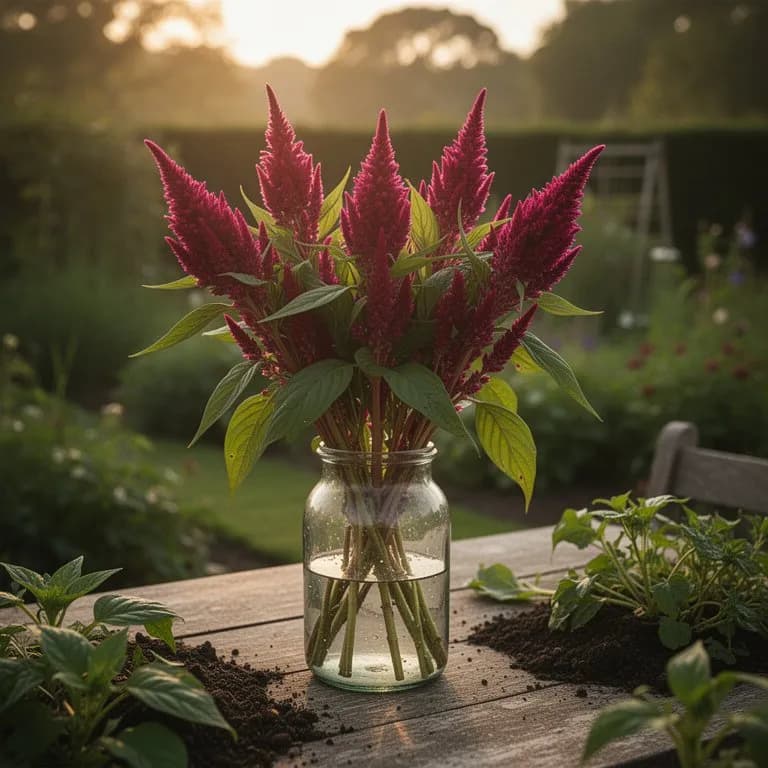
Harvest celosia stems when about three-quarters of the florets on the spike have opened for longest vase life
Celosia dries beautifully and is one of the best flowers for everlasting arrangements. Hang stems upside down in small bunches in a dark, warm, well-ventilated space for two to three weeks. The plumes maintain their shape and color well when dried, fading only slightly from pink to a soft mauve. Store dried stems upright in vases or boxes. Seeds can be collected from mature flower heads and stored in paper envelopes for spring sowing.
Plan your garden with ease
Love growing Celosia Flamingo Feather? Use our free garden planner to design your beds, track planting dates, and get personalized care reminders.
Nutritional Info
Per 100g serving
31
Calories
Health Benefits
- Exceptionally high in beta-carotene, providing more vitamin A precursor than most common leafy greens including spinach and kale
- Rich in iron at approximately 3.5 mg per 100 g, making it a valuable plant-based iron source in regions where anemia is prevalent
- Contains significant amounts of calcium at roughly 180 mg per 100 g, supporting bone health alongside its other mineral content
- Good source of plant-based protein at about 3.5 g per 100 g, higher than many other leafy vegetables commonly grown in tropical regions
- Provides folate and other B vitamins essential for cell division and particularly important during pregnancy and early childhood development
- Contains beneficial antioxidant compounds including betalains and phenolic acids that may help reduce oxidative stress and inflammation
💰 Why Grow Your Own?
A single packet of celosia seeds costing around three to five dollars can produce 50 to 100 plants, each yielding 8 to 15 cut flower stems over the season. At specialty florist prices of two to four dollars per stem, a small home planting can easily produce several hundred dollars worth of cut flowers. The dual-purpose nature of celosia adds further value, as young leaves harvested during pinching and side shoot management provide a nutritious cooking green at no additional cost.
Quick Recipes
Simple recipes using fresh Celosia Flamingo Feather
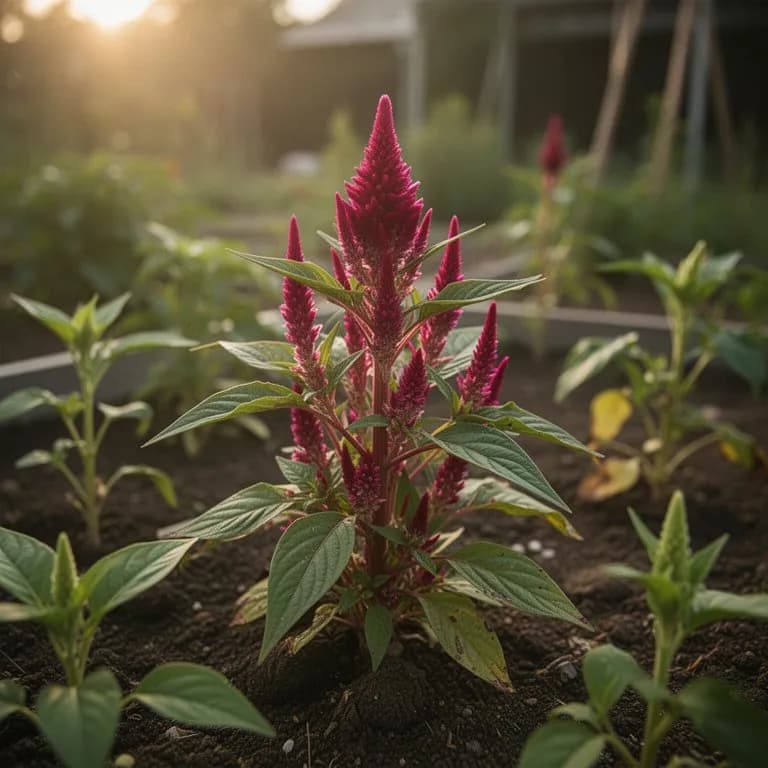
Nigerian Soko Stew with Celosia Leaves
30 minutesA traditional Yoruba vegetable stew using fresh celosia leaves simmered in a rich tomato and pepper base with palm oil. This hearty dish is typically served over pounded yam, fufu, or steamed rice and is one of the most popular ways to enjoy celosia greens in West African cuisine.
Celosia and Sesame Stir-Fry
15 minutesA quick and nutritious stir-fry that highlights the mild spinach-like flavor of celosia leaves. The sesame oil and garlic complement the natural sweetness of the young leaves, creating a simple side dish that works well alongside grilled chicken, fish, or tofu.
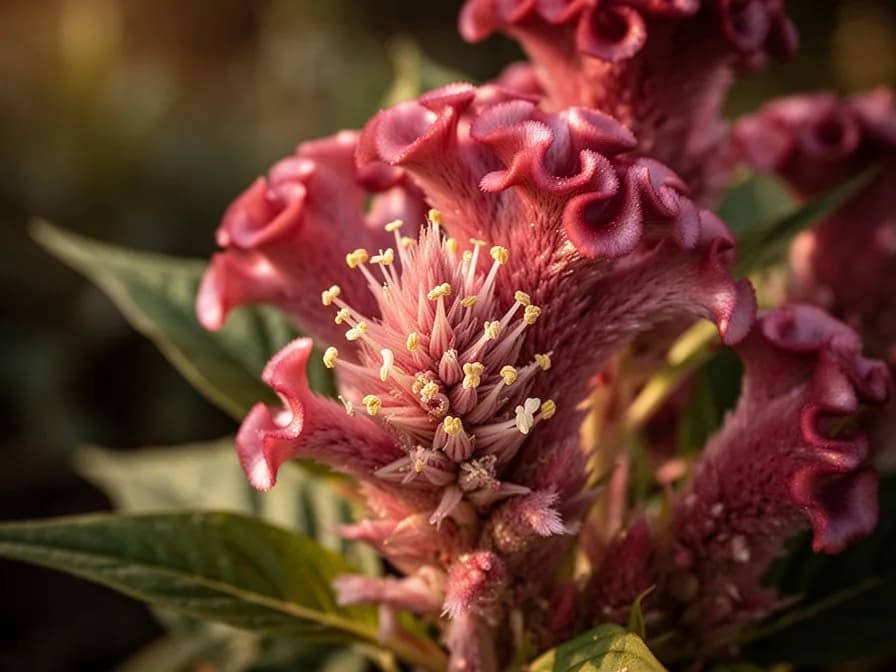
Dried Celosia Everlasting Bouquet
10 minutes active plus 2 to 3 weeks drying timeCelosia is one of the finest flowers for drying, retaining nearly all its vivid color when preserved properly. This method produces stunning everlasting arrangements that can last for years without fading, making it an excellent project for preserving summer's bounty through winter.
Celosia retains its vivid color when air-dried, making it one of the best everlasting flowers available
Yield & Spacing Calculator
See how many Celosia Flamingo Feather plants fit in your garden bed based on the recommended 20cm spacing.
36
Celosia Flamingo Feather plants in a 4×4 ft bed
6 columns × 6 rows at 20cm spacing
Popular Varieties
Some of the most popular celosia flamingo feather varieties for home gardeners, each with unique characteristics.
Flamingo Feather
The classic selection with elegant, slender pink plumes that fade to silvery white, the standard for professional cut flower production.
Flamingo Purple
A related selection with deep purple-magenta plumes, adding dramatic color contrast to mixed celosia plantings.
Celway Mix
A blend of wheat-type celosia in pink, purple, and cream, producing airy, branching stems perfect for bouquet filler.
Celosia leaves and young shoots are a popular vegetable in West Africa and parts of Asia, where they are known as soko or quail grass. The leaves are cooked like spinach, added to soups and stews, or stir-fried with seasonings. They are rich in vitamins A and C, iron, and calcium. The flowers are also edible and make colorful garnishes. Harvest young leaves and tender shoot tips throughout the growing season for culinary use.
When should I plant Celosia Flamingo Feather?
Plant Celosia Flamingo Feather in April, May. It takes approximately 65 days to reach maturity, with harvest typically in July, August, September, October.
What are good companion plants for Celosia Flamingo Feather?
Celosia Flamingo Feather grows well alongside Zinnia, Celosia, Globe Amaranth. Companion planting can improve growth, flavor, and natural pest control.
What hardiness zones can Celosia Flamingo Feather grow in?
Celosia Flamingo Feather thrives in USDA hardiness zones 2 through 11. With greenhouse protection, it may be grown in zones 1 through 12.
How much sun does Celosia Flamingo Feather need?
Celosia Flamingo Feather requires Full Sun (6-8h+). This means at least 6-8 hours of direct sunlight daily.
How far apart should I space Celosia Flamingo Feather?
Space Celosia Flamingo Feather plants 20cm (8 inches) apart for optimal growth and air circulation.
What pests and diseases affect Celosia Flamingo Feather?
Common issues include Damping Off, Aphids, Leaf Spot. Prevention through good garden practices like crop rotation, proper spacing, and companion planting is the best approach. See the detailed pests and diseases section above for symptoms, prevention, and treatment for each.
How do I store Celosia Flamingo Feather after harvest?
Celosia dries beautifully and is one of the best flowers for everlasting arrangements. Hang stems upside down in small bunches in a dark, warm, well-ventilated space for two to three weeks. The plumes maintain their shape and color well when dried, fading only slightly from pink to a soft mauve. Sto...
What are the best Celosia Flamingo Feather varieties to grow?
Popular varieties include Flamingo Feather, Flamingo Purple, Celway Mix. Each has unique characteristics suited to different growing conditions and culinary preferences. See the varieties section above for detailed descriptions.
What soil does Celosia Flamingo Feather need?
Celosia thrives in rich, well-drained soil with a pH of 6.0 to 7.0. Amend the planting area with compost before planting. Feed every two to three weeks with a balanced liquid fertilizer, or apply slow-release granules at planting time. Celosia is a heavy feeder that requires consistent nutrition for...
Can you really eat celosia leaves, and what do they taste like?
Yes, celosia leaves are widely eaten across West Africa, particularly in Nigeria where they are called soko. The young leaves and tender stem tips have a mild flavor similar to spinach with a slightly mucilaginous texture when cooked. They are highly nutritious, rich in vitamins A and C, iron, and calcium. Harvest the youngest leaves for the best texture and flavor, and cook them in stews, stir-fries, or soups just as you would use spinach or amaranth greens.
Why did my celosia flower prematurely on very short stems?
Premature flowering on short stems is the most common problem with celosia and is almost always caused by root stress during transplanting. Celosia plants that become root-bound in small pots or cell trays, experience transplant shock from cold soil, or suffer drought stress during establishment will bolt immediately and produce tiny flowers on stunted plants. To prevent this, transplant seedlings before roots circle the container, wait until soil is thoroughly warm, and keep plants consistently watered during the transition period.
What is the best way to dry celosia flowers so they keep their color?
Air drying is the simplest and most effective method for preserving celosia color. Cut stems at peak bloom when colors are most intense, remove all foliage, and bundle three to five stems together with a rubber band. Hang the bundles upside down in a dark, dry, well-ventilated room for two to three weeks. The key to color retention is darkness during drying, as light exposure causes fading. Properly dried celosia can retain vivid color for one to three years in arrangements kept out of direct sunlight.
Should I pinch celosia plants, and when is the right time?
Pinching is essential for cut flower celosia production. When the plant reaches 15 to 20 centimeters tall, remove the top growing point just above a leaf node. This forces the plant to produce multiple lateral branches, each of which will develop its own flower stem. Without pinching, you get one single large flower per plant. With pinching, you can harvest eight to fifteen stems per plant over the season. Time the pinch carefully as doing it too late after the bud has already formed will not produce the desired branching response.
How long do cut celosia stems last in a vase?
Celosia is one of the longest-lasting cut flowers, typically remaining fresh and vibrant for two to three weeks in a vase when properly conditioned. For best results, cut stems in the early morning, strip leaves that would sit below the water line, recut stems at an angle under water, and place in clean water with commercial floral preservative. Change the water every two to three days and keep the arrangement away from direct heat and fruit bowls which emit ethylene gas that shortens vase life.
What pests and diseases commonly affect celosia?
Celosia is relatively pest and disease resistant compared to many garden flowers. The most common pests are spider mites and aphids, which tend to appear during hot dry weather and can be managed with strong water sprays or insecticidal soap. Fungal leaf spot and stem rot can occur in humid conditions with poor air circulation or overhead watering. Ensure adequate plant spacing, water at the base rather than overhead, and remove any affected foliage promptly. In rare cases, celosia can be affected by root-knot nematodes in warm sandy soils where nematode populations are high.
Ready to Grow Celosia Flamingo Feather?
Add Celosia Flamingo Feather to your garden plan and start designing your perfect layout.

Vladimir Kusnezow
Gardener and Software Developer
Zone 6b gardener. Growing vegetables and fruits in soil and hydroponics for 6 years. I built PlotMyGarden to plan my own gardens.
Jump to Section