Celosia
Una anual tropical con cabezuelas florales espectaculares en forma de pluma, cresta o espiga, en tonos ardientes de rojo, naranja y dorado.





En esta páginaResumen
Conoce Celosia
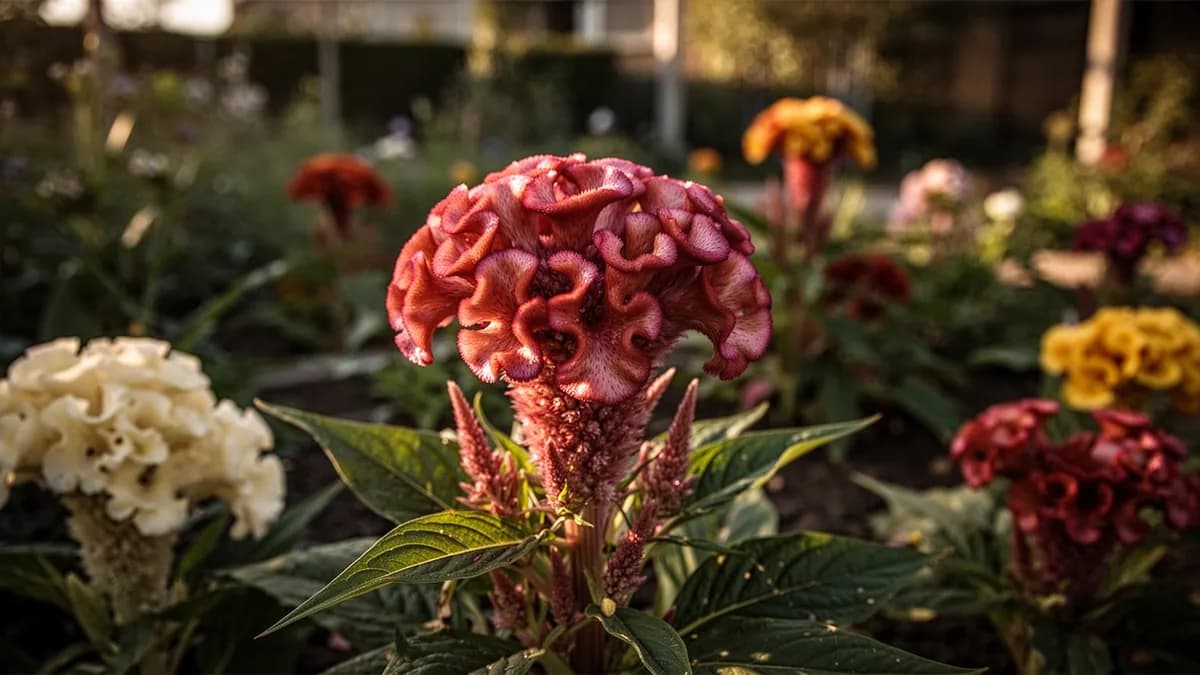
Una anual tropical con cabezuelas florales espectaculares en forma de pluma, cresta o espiga, en tonos ardientes de rojo, naranja y dorado. La celosia prospera con el calor y aporta un toque llamativo a borduras, macetas y arreglos de flores secas. Corta los tallos para secarlos cuando las flores hayan alcanzado su color pleno, pero antes de que las semillas empiecen a desprenderse.
Cuándo plantar Celosia
Empieza las semillas de celosia en interior de cuatro a seis semanas antes de la última helada. Siémbralas sobre la superficie de un sustrato húmedo para semilleros y presiona ligeramente sin cubrirlas, ya que la luz favorece la germinación. Mantén una temperatura de 21 a 27 °C para que germinen en ocho a catorce días. Trasplanta las plántulas con cuidado a alvéolos individuales cuando aparezcan las primeras hojas verdaderas, manipulando las raíces con suavidad para no provocar una floración prematura. Endurece bien las plantas y colócalas en exterior solo cuando el suelo esté cálido y haya pasado todo riesgo de heladas.
Tu año de Celosia
Ajustado a Zona 7 · temporada típica · la helada se va hacia el 2 abr y vuelve hacia el 1 nov
Planta Celosia May – Jun y cosecha Jul – Oct. Consulta los métodos de plantación y elige tu clima para adaptar los periodos.
Cómo cultivar Celosia
Planta los trasplantes de celosia al aire libre solo después de que haya pasado todo riesgo de heladas y la temperatura del suelo se mantenga de forma constante por encima de los 15 °C. La celosia es una planta tropical que no tolera el frío y se resentirá o se detendrá si se planta demasiado pronto. Coloca las plantas a 15-30 cm de distancia, según la variedad, a pleno sol y en un suelo fértil y bien drenado.
La celosia se presenta en tres formas florales distintas: las de tipo plumoso, con cabezuelas plumosas y con aspecto de llama; las de tipo cresta o cresta de gallo, con abanicos densos, aterciopelados y parecidos a un cerebro; y las de tipo espiga o trigo, con cabezuelas cilíndricas y esbeltas. Las tres formas están disponibles en una gama de alturas que va desde plantas compactas de borde de 20 cm hasta variedades para flor cortada de casi un metro.
Riega de manera constante durante el establecimiento y, después, mantén una humedad moderada del suelo durante toda la temporada de crecimiento. La celosia tolera breves periodos secos, pero produce sus mejores flores con humedad uniforme. Abona cada tres o cuatro semanas con un fertilizante líquido equilibrado. Evita el estrés por trasplante manejando las plántulas con suavidad y minimizando la alteración de las raíces, ya que una celosia enraizada o debilitada al trasplantarla puede producir cabezuelas prematuras y pequeñas que nunca alcanzan su pleno potencial.
36 plantas caben en un bancal de 120 × 240 cm
Cada Celosia pide 25 cm de margen. El planificador guarda ese marco por ti — cada planta, cada bancal.
Los mejores vecinos de Celosia
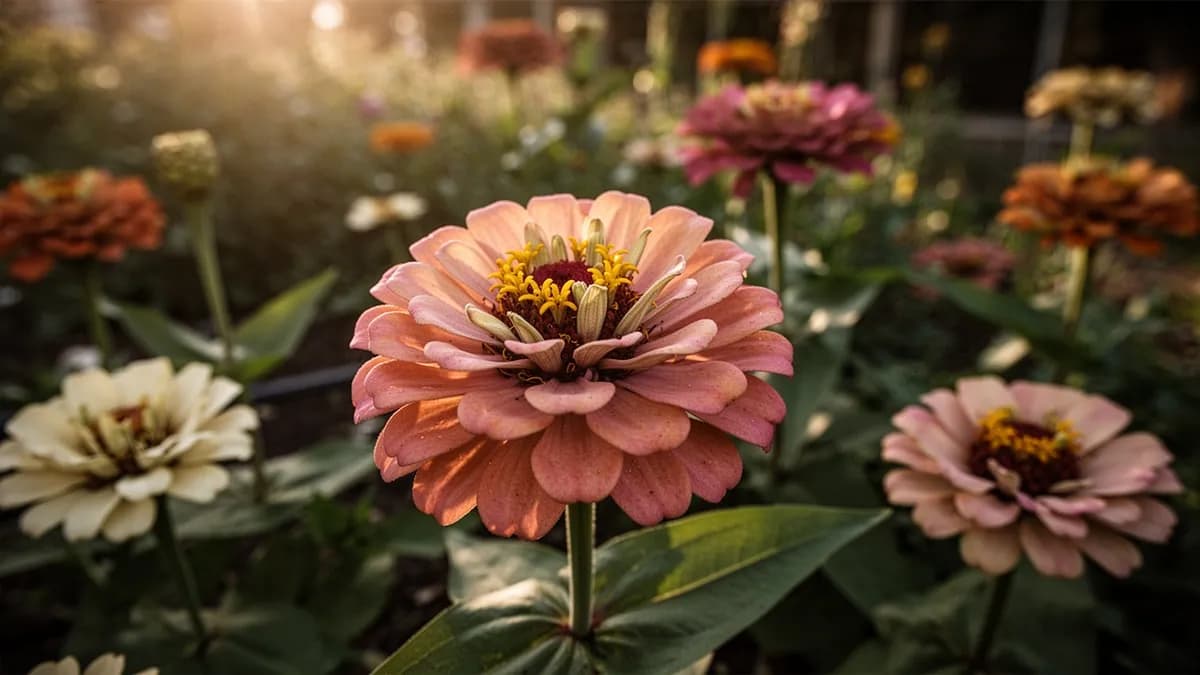
La celosia combina de forma espectacular con otras anuales de estación cálida como zinnias, tagetes y gramíneas ornamentales en plantaciones audaces de aire tropical. Sus colores ardientes contrastan de maravilla con los azules de la salvia y el agerato. Plántala junto a girasoles y dalias para crear un jardín de flor cortada lleno de calidez y dramatismo. En macetas, combínala con batata ornamental y coleo para lograr una composición tropical amante del calor que resista los meses más calurosos del verano.
Zinnia va a su lado.
Saber de huerto de siempre, cotejado con la tabla real de Celosia — prueba cualquier planta que cultives.
Prueba Celosia en un bancal, aquí mismo
Un bancal real del planificador con Celosia ya plantado. Toca una planta compañera para colocarla y mira cómo responde la comprobación de vecinos: verde para buenos vecinos, rojo si hay conflicto.


Guías de cultivo relacionadas
Abónalo bien
La celosia crece mejor en un suelo fértil y bien drenado, con un pH de 6.0 a 6.5. Incorpora de cinco a ocho centímetros de compost en la zona de plantación antes de colocar los trasplantes. Aplica un fertilizante equilibrado de liberación lenta al plantar y completa con fertilizante líquido cada tres o cuatro semanas durante la temporada de crecimiento. Las plantas en maceta necesitan abonados más frecuentes. La celosia responde bien a condiciones ricas, a diferencia de otras anuales tolerantes a la sequía, y produce sus cabezuelas más impresionantes en suelos fértiles.
Temperatura ideal
Compatibilidad de zonas de rusticidad
De la semilla a la cosecha, etapa por etapa
Germinación
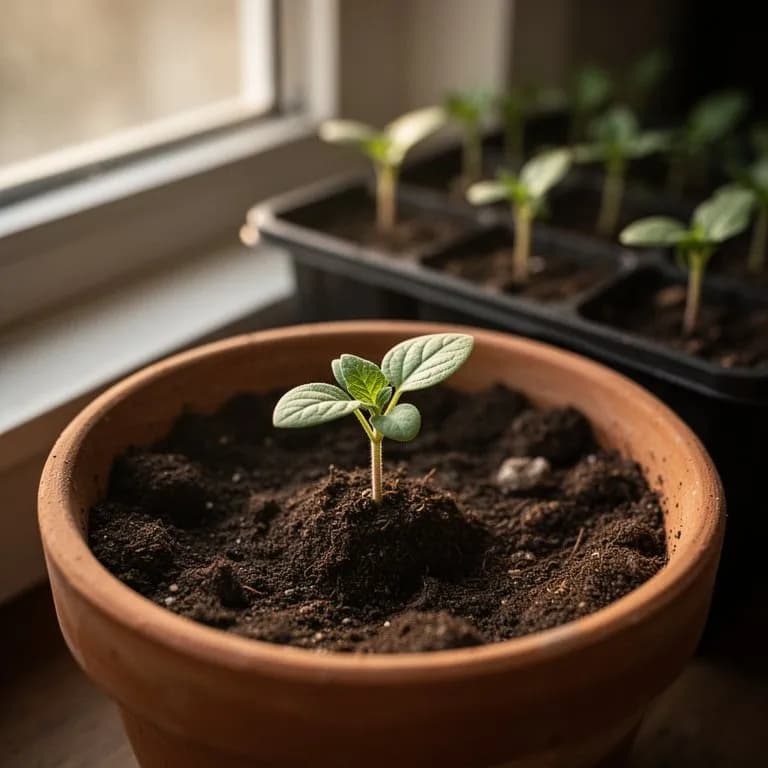
Las semillas de celosia son extremadamente finas, casi como polvo, y necesitan temperaturas de suelo cálidas de 21-27 °C para germinar de manera fiable. Las semillas necesitan luz para germinar y deben sembrarse sobre la superficie de un sustrato húmedo y bien drenado para semilleros, sin cubrirlas con tierra. Las plántulas emergen en 7-10 días como tallos delgados de color verde pálido con pequeños cotiledones redondeados.
Desarrollo de plántula
Las hojas verdaderas se desarrollan con forma lanceolada u ovalada y un color verde medio, a veces con un ligero tono rojizo a lo largo de las nervaduras. Las plántulas crecen despacio al principio y son sensibles a las corrientes frías, al exceso de riego y a la enfermedad del damping-off. Esta es una fase crítica en la que el calor constante y el riego cuidadoso determinan la salud futura de la planta.
Crecimiento vegetativo
Las plantas entran en una fase vigorosa de producción de hojas, desarrollando un crecimiento frondoso con tallos centrales fuertes y numerosas ramas laterales. Las hojas alcanzan entre 10 y 15 cm de longitud y están en su punto óptimo de ternura para la cosecha culinaria. Los tallos se engrosan y adquieren una cualidad ligeramente suculenta. Los sistemas radiculares se expanden rápidamente en suelo cálido y anclan firmemente las plantas.
Formación de botones
El punto de crecimiento central y las puntas de las ramas empiezan a formar la estructura floral característica. En los tipos cristata (cresta de gallo), la punta del tallo se aplana y ensancha hasta adoptar la típica forma de abanico crestado. En los tipos plumosa, surgen botones alargados y puntiagudos que se abrirán en penachos plumosos. La producción de hojas se ralentiza cuando la planta redirige su energía hacia la reproducción.
Plena floración
Las flores alcanzan su máxima intensidad de color y muestran, según la variedad, rojos, naranjas, amarillos, rosas y magentas muy vivos. Los tipos de cresta de gallo desarrollan por completo su forma aterciopelada de cresta, que puede medir entre 10 y 15 cm de ancho, mientras que las variedades plumosas producen espigas de aspecto plumoso de 15-25 cm de altura. Las floraciones son extraordinariamente duraderas y mantienen color y forma durante 6-8 semanas en la planta.
Formación de semillas y madurez
Las flores empiezan a producir semillas como pequeños granos negros y redondos incrustados dentro de la estructura floral. Una sola cabezuela de cresta de gallo puede contener miles de semillas. A medida que avanza la maduración, el color de la flor puede desvanecerse ligeramente y la textura se vuelve papirácea. La planta declina de forma natural a medida que la energía se destina a la producción de semillas.
Presiona suavemente las semillas sobre la superficie del sustrato previamente humedecido y pulveriza ligeramente con un atomizador. Cubre las bandejas con una cúpula transparente de humedad para conservar la humedad. Si la temperatura ambiente baja de 21 °C, utiliza calor de fondo. No dejes que la superficie se seque durante la germinación.
Cuidar Celosia mes a mes
Qué hacer cada mes para tu Celosia
Octubre
Mes actualRecoge las semillas maduras de las cabezuelas secas antes de que las dañen las lluvias fuertes o las heladas Arranca las plantas agotadas después de la primera helada fuerte y composta el follaje sano Anota qué variedades destacaron por color, vigor y calidad culinaria para orientar las elecciones del próximo año
Ten claro qué hacer en tu huerto, cada mes
Un correo al empezar cada mes: qué sembrar, plantar y hacer ahora mismo — para tu Celosia y todo lo que crece alrededor. Más un breve curso inicial para esquivar los errores clásicos.
- Qué hacer ahora mismo
- Ajustado a tu temporada
- Curso inicial incluido
Cosechar Celosia
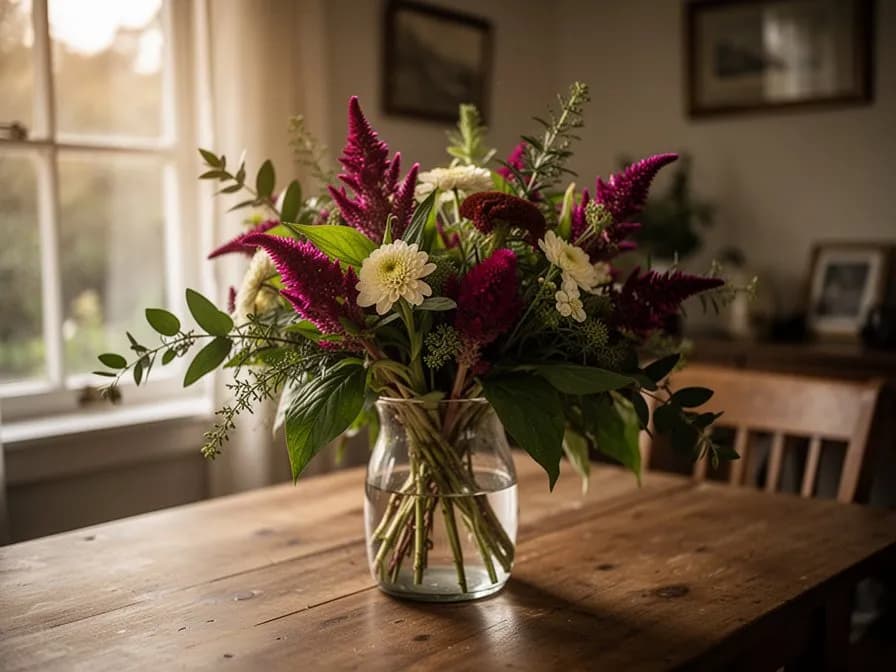
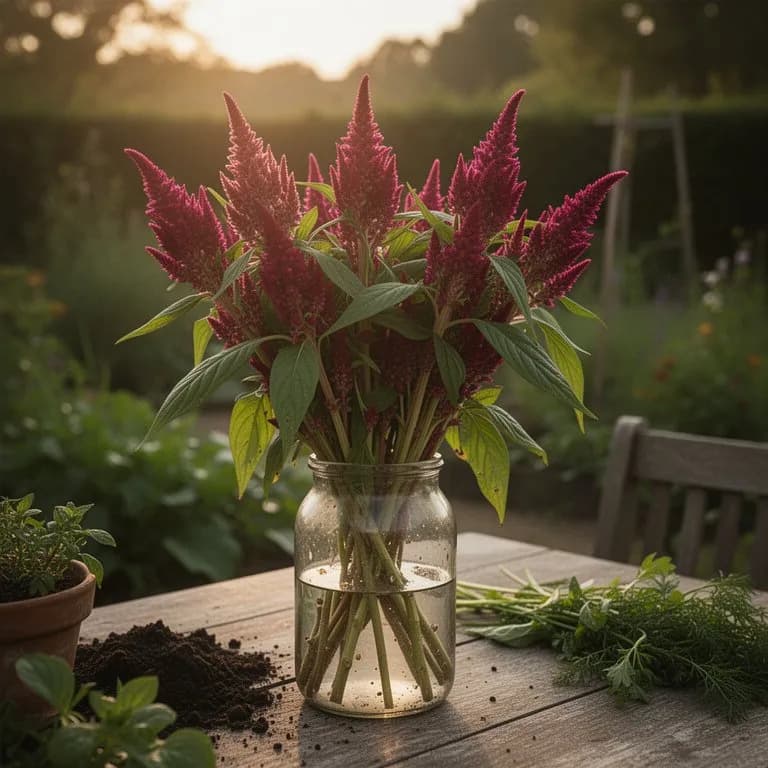
Corta los tallos de celosia para arreglos frescos o secos cuando las cabezuelas estén en su punto máximo de color, pero antes de que las semillas empiecen a desprenderse de la base de la flor. Corta los tallos por la mañana y elimina las hojas inferiores. Para secarlos, cosecha cuando las flores estén completamente desarrolladas y cuélgalas boca abajo, solas o en pequeños ramilletes, en un lugar cálido, oscuro y bien ventilado. La celosia es una de las mejores flores para secar, ya que conserva casi indefinidamente su color vivo y su forma. Para guardar semillas, deja una o dos cabezuelas en la planta hasta que maduren por completo y las semillas empiecen a caer libremente.
se supone que plantas al comenzar el periodo — indica tu fecha real
Cosecha Celosia a tiempo y la planta sigue produciendo.
Almacenamiento y conservación
La celosia recién cortada dura de siete a catorce días en un jarrón con agua limpia y conservante floral, lo que la convierte en una flor de corte excepcionalmente duradera. Para secarla, cuelga los tallos boca abajo en un espacio cálido, oscuro y bien ventilado durante dos o tres semanas. La celosia seca conserva su color brillante durante meses o incluso años y es muy apreciada para arreglos eternos, coronas y manualidades. Las semillas pueden guardarse de dos a tres años en sobres de papel, en un lugar fresco y seco.
Qué falla — y cómo solucionarlo
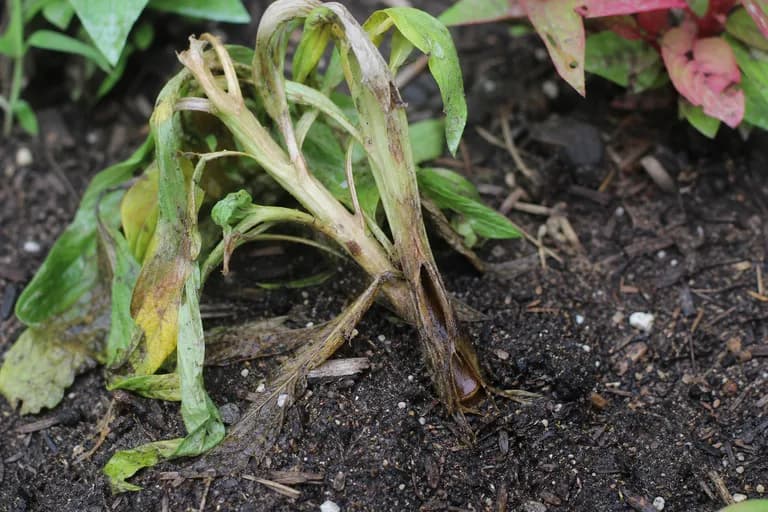
Podredumbre del tallo (Fusarium)
EnfermedadLos tallos se vuelven blandos, marrones y pastosos en la línea del suelo o cerca de ella, lo que hace que las plantas se marchiten y se derriben. Es más frecuente en suelos húmedos y mal drenados o durante un tiempo fresco y húmedo.
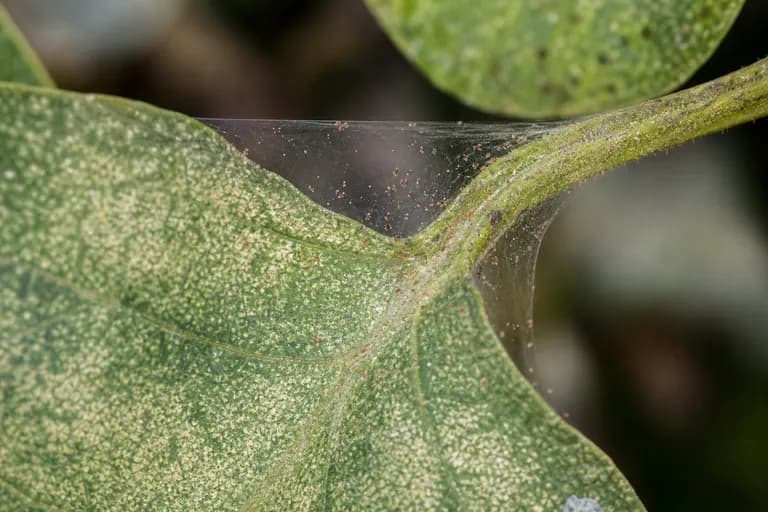
Arañas rojas
PlagaHojas punteadas y bronceadas con finas telarañas en el envés, especialmente con tiempo caluroso y seco. Las plantas pueden verse apagadas y perder vigor.
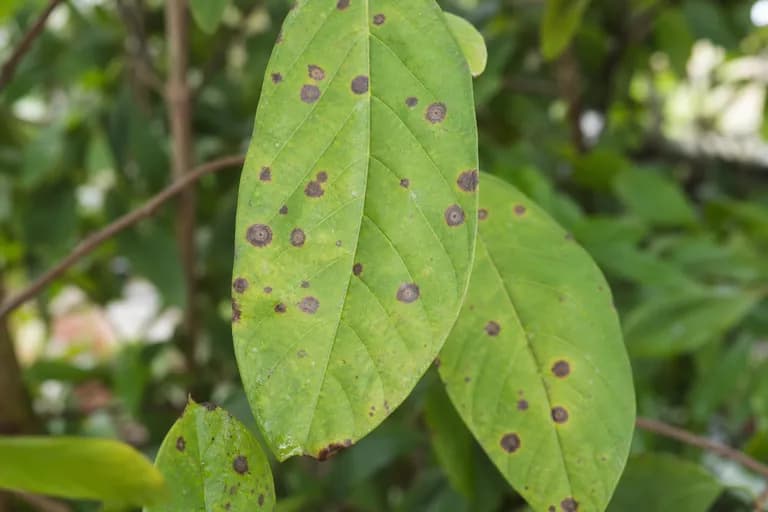
Mancha foliar (Cercospora)
EnfermedadPequeñas manchas circulares marrones o púrpuras en las hojas inferiores, que poco a poco se agrandan y se unen. Las hojas muy afectadas amarillean y caen, lo que reduce el vigor de la planta.
Solución de problemas comunes
El problema más común son las cabezuelas prematuras y pequeñas causadas por el estrés del trasplante o por plántulas que han quedado enmarañadas en la maceta. Manipula los trasplantes con suavidad y planta antes de que las raíces empiecen a dar vueltas en el alveolo. Plantar demasiado pronto en suelo frío provoca un crecimiento enano del que las plantas rara vez se recuperan. El exceso de riego en suelos pesados favorece la podredumbre del tallo. En veranos frescos y lluviosos, la celosia puede rendir mal, ya que necesita calor para prosperar. Las variedades de cresta pueden volverse pesadas en la parte superior y quizá necesiten tutorado después de la lluvia.
Consejos de cultivo
- Empieza las semillas en interior 6-8 semanas antes de la última helada usando calor de fondo ajustado a 24 °C: las semillas de celosia necesitan calor constante y no germinan en suelo frío por debajo de 18 °C.
- Siembra en superficie las semillas extremadamente finas sin cubrirlas, ya que la celosia necesita luz para germinar. Pulveriza con suavidad y usa una cúpula de humedad para mantener la superficie húmeda sin mover las semillas.
Cultiva tu mejor Celosia — y todo lo que la rodea.
Empieza un plan gratis hoy. Diseña tus bancales, coloca tu Celosia y deja que PlotMyGarden gestione el momento, el espaciado, las asociaciones y los recordatorios de la semilla a la cesta.
Elige tu Celosia
Serie Century
Celosias plumosas altas que alcanzan entre 60 y 90 cm, con enormes cabezuelas plumosas en rojo, amarillo y naranja, ideales para jardines de corte.
Serie Bombay
Tipo de cresta de gallo con grandes cabezuelas aterciopeladas y en forma de abanico sobre tallos firmes, sobresaliente tanto para arreglos frescos como secos.
Flamingo Feather
Elegante celosia de tipo espiga con esbeltas espigas rosas y púrpuras sobre tallos de 60 cm, favorita de los floristas contemporáneos.
Serie Armor
Celosias plumosas compactas de 20 a 25 cm en colores vivos, perfectas para macetas, borduras y plantaciones masivas.
Serie Twisted
Singular celosia de cresta con crestas enrolladas y retorcidas en rojo, naranja y amarillo intensos sobre plantas compactas, muy llamativa en macetas.
Un solo sobre de semillas de celosia (unas 200-500 semillas) cuesta entre 2 y 4 dólares y puede producir docenas de plantas, cada una de las cuales ofrece varias cosechas de hojas comestibles nutritivas durante varios meses. En lugares donde las hojas de celosia se venden a 3-5 dólares por manojo en mercados especializados, una pequeña plantación doméstica de 10-15 plantas puede proporcionar fácilmente verduras frescas por valor de 40-60 dólares por temporada. Además, las plantas también sirven como bordura ornamental y como flor cortada de primera calidad, sustituyendo arreglos florales comprados por valor de 10-20 dólares cada uno. La celosia se resiembra con facilidad en climas cálidos, proporcionando plantas voluntarias gratuitas en temporadas posteriores sin necesidad de comprar más semillas.
Recetas rápidas
Efo Soko nigeriano (guiso de hojas de celosia)
35 minutosUn guiso tradicional yoruba en el que tiernas hojas de celosia se cocinan a fuego lento en una base rica de tomates triturados, aceite de palma rojo y chiles scotch bonnet. Las hojas sedosas absorben de maravilla la salsa especiada, creando un plato muy sabroso que suele servirse sobre ñame machacado, fufu o arroz al vapor. Esta es la receta de celosia más emblemática de África occidental.
8 ingredientesSalteado de hojas de celosia y cacahuete
15 minutosUn salteado rápido y nutritivo que combina hojas jóvenes de celosia con cacahuetes tostados, ajo y un toque de salsa de soja. Las hojas se marchitan enseguida, como la espinaca, manteniendo un sabor suave y agradable y una textura sedosa. Los cacahuetes machacados aportan proteína y un crujiente satisfactorio que complementa a la perfección las verduras tiernas.
7 ingredientes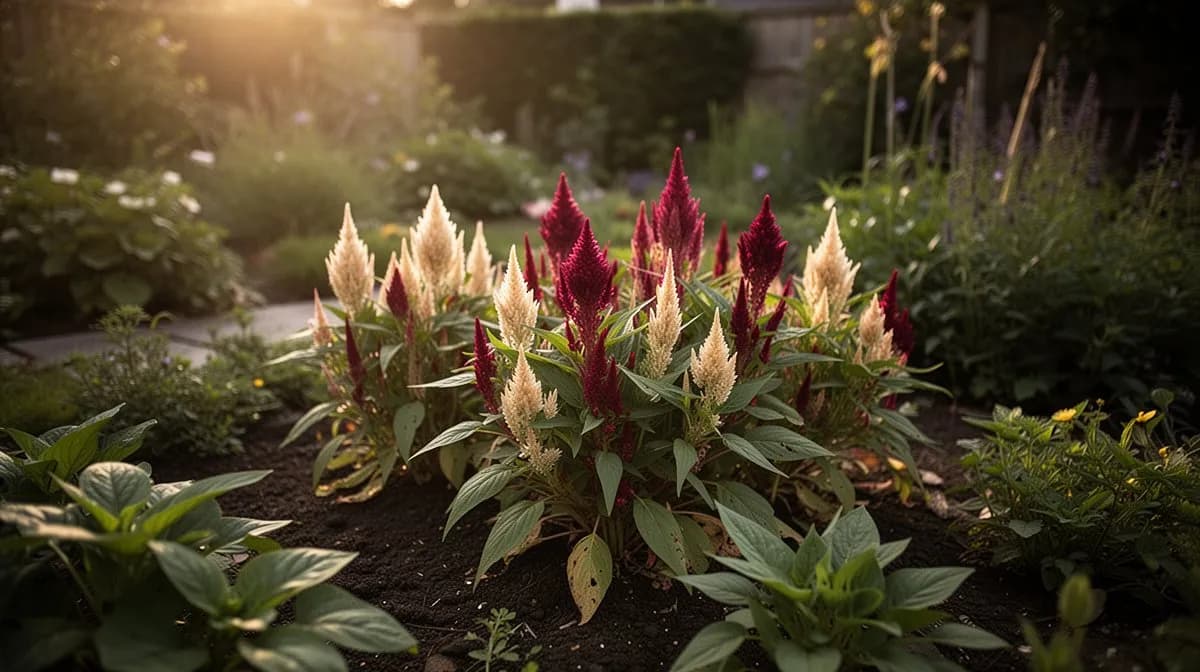
Sopa de celosia y batata
40 minutosUna sopa sustanciosa y reconfortante en la que las hojas de celosia se incorporan a una base cremosa de batata condimentada con jengibre, comino y un toque de leche de coco. Las hojas de celosia aportan un verde vibrante, nutrición extra y un sabor suave parecido al de la espinaca que combina de maravilla con la dulzura natural de la batata.
8 ingredientesQué contiene
Beneficios para la salud
- Rica en vitamina A y betacaroteno, favorece una visión saludable, la integridad de la piel y una función inmunitaria robusta: 100 g de hojas de celosia aportan más del 80 % de la ingesta diaria recomendada de vitamina A.
- Su alto contenido en hierro, de unos 6.5 mg por 100 g, ayuda a combatir la anemia por deficiencia de hierro, una preocupación nutricional muy extendida en muchas regiones tropicales donde la celosia es un alimento básico.
- Contiene cantidades significativas de calcio y fósforo que apoyan la densidad ósea y la salud dental, lo que convierte a la celosia en un componente valioso de las dietas vegetales que no incluyen lácteos.
- Las hojas aportan una cantidad notable de fibra dietética que favorece una digestión sana, apoya a las bacterias intestinales beneficiosas y contribuye a regular el azúcar en sangre después de las comidas.
- La celosia es una fuente de proteína vegetal, con aproximadamente 4.5 g por 100 g de peso fresco, más que la mayoría de las verduras de hoja comunes, por lo que resulta especialmente valiosa en comunidades donde la proteína animal es limitada.
- Contiene flavonoides y compuestos fenólicos con actividad antioxidante documentada, que pueden ayudar a reducir el estrés oxidativo y disminuir el riesgo de afecciones inflamatorias crónicas.
De dónde viene Celosia
La celosia (Celosia argentea) es originaria de África tropical, donde se ha cultivado durante siglos como verdura de hoja y como cultivo de grano. La planta prospera en las condiciones cálidas y húmedas de su tierra natal y está profundamente integrada en las tradiciones agrícolas y en el patrimonio culinario de las comunidades de África occidental, especialmente en Nigeria, Ghana, Benín y Camerún. La evidencia arqueológica y etnobotánica sugiere que la celosia estuvo entre las primeras verduras de hoja domesticadas del África subsahariana, valorada por su abundante producción de hojas durante la estación lluviosa, cuando otras verduras escaseaban. Desde África, la celosia se extendió por antiguas rutas comerciales hacia el sur y el sudeste asiático, donde llegó a ser tanto una planta ornamental de jardín como una verdura ocasional. Los jardineros de India y China estuvieron entre los primeros en seleccionar la celosia por sus formas florales ornamentales, desarrollando los dramáticos tipos cresta de gallo (cristata) y plumosos (plumosa) que cautivaron a los coleccionistas europeos de plantas en los siglos XVI y XVII. Los comerciantes portugueses y neerlandeses llevaron semillas de celosia a Europa, donde la planta se convirtió rápidamente en una curiosidad de los jardines botánicos y de las propiedades aristocráticas. Los horticultores de la era victoriana adoptaron la forma de cresta de gallo como pieza de exhibición en parterres formales y vitrinas de invernadero, diversificando aún más el tamaño de la flor, el color y el porte de la planta. En el siglo XX, los obtentores desarrollaron variedades compactas enanas adecuadas para la jardinería en macetas y la producción masiva de plantas de temporada. Hoy la celosia tiene una doble identidad en todo el mundo: en África y en partes de Asia sigue siendo un cultivo alimentario importante que aporta nutrición asequible, mientras que en América y Europa se cultiva principalmente como anual ornamental y flor cortada de alta gama. El interés reciente por cultivos diversos y densos en nutrientes ha renovado la atención hacia la celosia como planta comestible en los mercados occidentales, donde sus hojas empiezan a aparecer en tiendas especializadas y en restaurantes de la granja a la mesa.
Celosia: ¿sabías que?
Datos fascinantes sobre Celosia
Las hojas de celosia son una de las verduras de hoja más consumidas en toda África occidental; en yoruba se conocen como 'soko yokoto' y en hausa como 'farar alayyahu', donde forman un alimento básico diario para millones de personas.
Celosia: preguntas frecuentes
¿Cuándo debo plantar Celosia?
¿Cuáles son buenas plantas acompañantes para Celosia?
¿En qué zonas de rusticidad puede crecer Celosia?
¿Cuánto sol necesita Celosia?
¿A qué distancia debo espaciar Celosia?
¿Qué plagas y enfermedades afectan a Celosia?
¿Cómo almaceno Celosia después de la cosecha?
¿Cuáles son las mejores variedades de Celosia para cultivar?
¿Qué suelo necesita Celosia?
Are celosia leaves really edible, and how do they taste?
What is the difference between cockscomb, plumed, and wheat celosia?
Why did my celosia flower prematurely while still very small?
Can I save seeds from my celosia plants for next year?
How do I dry celosia flowers for long-lasting arrangements?
Is celosia a perennial or do I need to replant every year?
Acabas de leer la teoría. Ahora cultívala en piloto automático.
Todo lo que hace que Celosia sea delicado — el momento, el espaciado, las asociaciones, la ventana de cosecha — es justo lo que PlotMyGarden resuelve por ti, para cada planta de tu huerto.
Un plan que conoce tu clima
Indica tu ubicación una vez. Recibe fechas de siembra, abonado y cosecha basadas en tu última helada real y el pronóstico en vivo — sin adivinar con un sobre genérico.
De la sección “Cuándo plantar”Planificador de bancales de arrastrar y soltar
Diseña bancales sobre una cuadrícula. Cada planta encaja con su espaciado correcto y ves toda la temporada antes de gastar un céntimo en semillas.
De la sección “Cultivo”Conflictos de asociación, detectados a tiempo
Más de 200 buenas y malas combinaciones comprobadas en vivo mientras plantas — para que un error que arruine la temporada nunca llegue a la tierra.
De la sección “Asociaciones”Recordatorios que sí vas a seguir
“Riega las judías.” “Recoge hoy antes de que se pase.” Oportunos, concretos y ligados a las plantas que de verdad cultivas.
De la sección “Cosecha”Escalonado, programado
¿Quieres cosechar seis semanas en vez de seis días? Reparte tus siembras automáticamente y te avisa cuando toca el siguiente lote.
De la sección “Cuándo plantar”Un registro que se vuelve más listo
Cada cosecha que registras le enseña tu huerto. El plan del año que viene parte de lo que de verdad funcionó en tu suelo, no en un manual.
De la sección “Resumen”Planta estos junto a Celosia
Más Anuales
Diseños de jardín con Celosia
Cultiva tu mejor Celosia — y todo lo que la rodea.
Empieza un plan gratis hoy. Diseña tus bancales, coloca tu Celosia y deja que PlotMyGarden gestione el momento, el espaciado, las asociaciones y los recordatorios de la semilla a la cesta.