Detroit Dark Red Beet
typical season: sow Mar – Sep · harvest Jun – Nov · set your climate
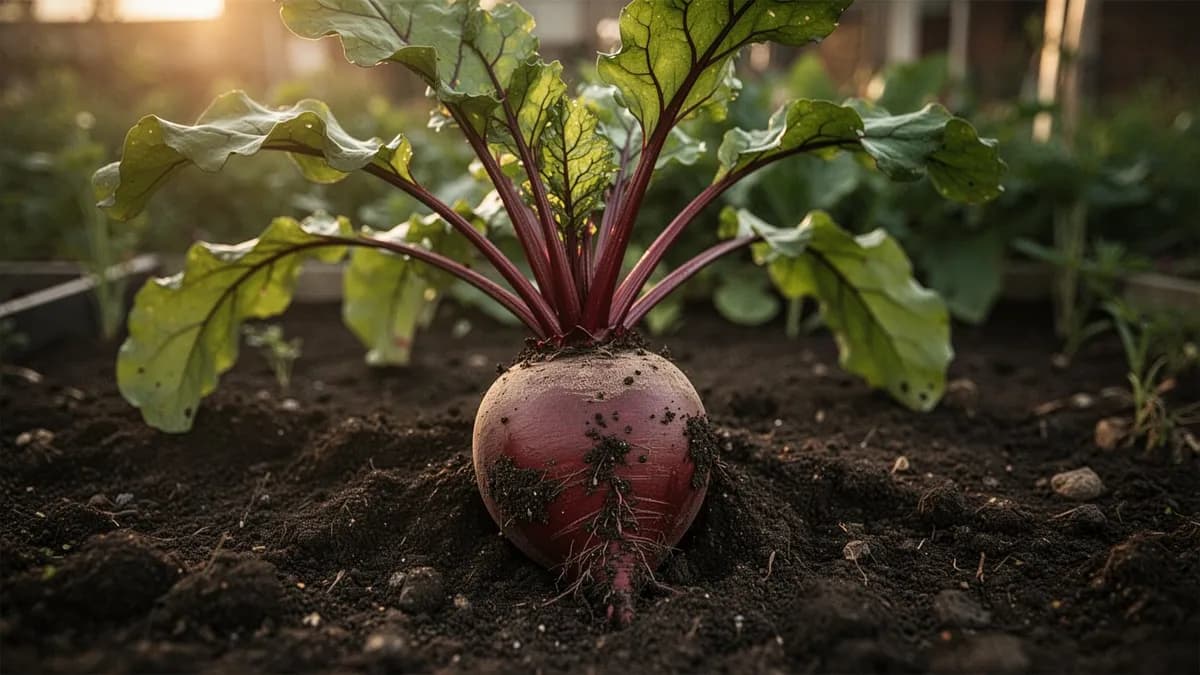
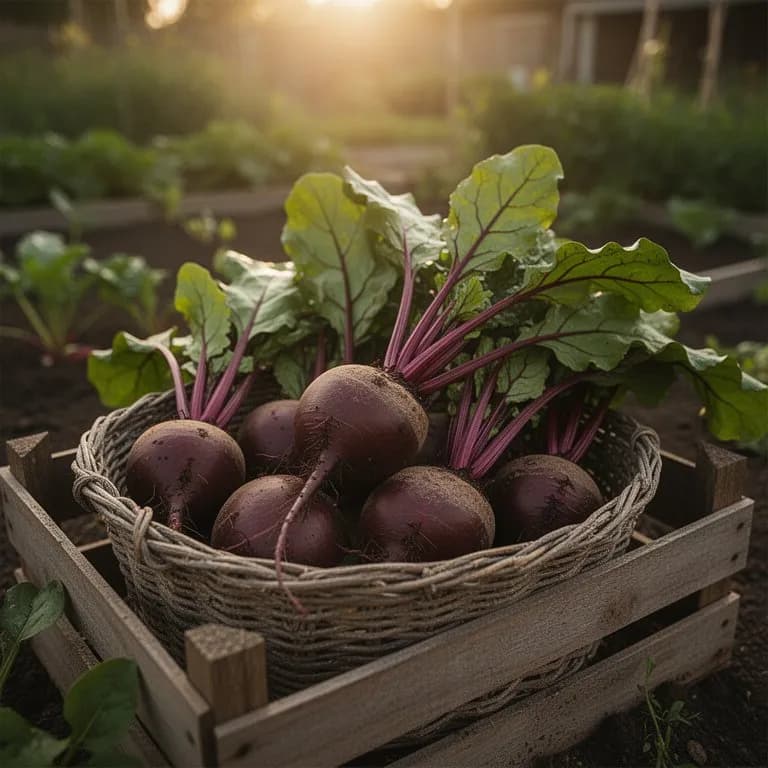
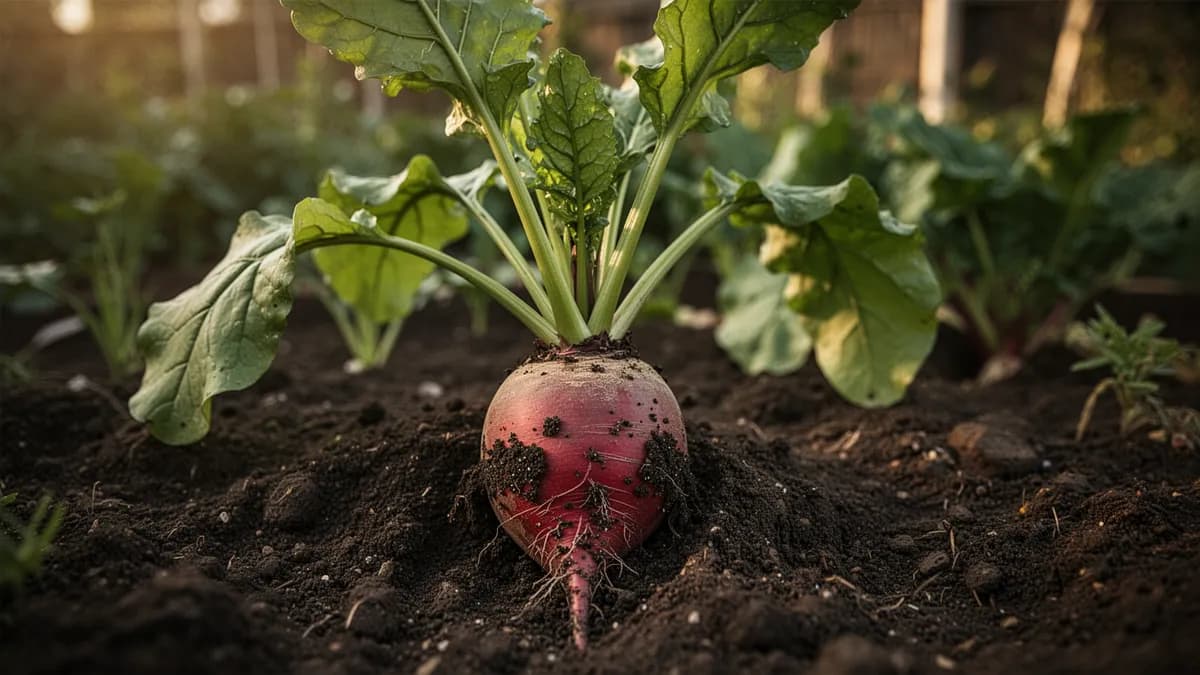
The quintessential beet variety since 1892, producing uniformly round roots with deep crimson flesh and excellent sweet flavor.
On this pageOverview
Meet Detroit Dark Red Beet
The quintessential beet variety since 1892, producing uniformly round roots with deep crimson flesh and excellent sweet flavor. Tops are edible and nutritious, making this a dual-purpose crop for both roots and greens. Direct sow seeds as soon as soil can be worked in spring and thin seedlings to prevent crowding. Consistent moisture prevents woody, fibrous texture and zoning rings in the flesh.
When to plant Detroit Dark Red Beet
Sow seeds directly outdoors from March to July, 2 cm deep in rows 30 cm apart. Each multi-germ seed cluster produces several seedlings, so thin to 10 cm apart when plants are 5 cm tall. Soaking seeds for 30 minutes in warm water before sowing speeds germination. For early crops, sow bolt-resistant varieties under cloches from late February. Alternatively, start seeds in deep modules indoors, transplanting carefully to avoid root disturbance. Seeds remain viable for four to five years when stored in cool, dry conditions.
Your Detroit Dark Red Beet Year
Composed for Zone 7 · typical seasons · frost passes Apr 2, returns Nov 1
Plant Detroit Dark Red Beet Mar – Apr, Aug – Sep, pick Jun – Jul, Oct – Nov. Check the planting methods below and set your climate to personalize these windows.
Picking Detroit Dark Red Beet this season? Get next year's dates
One email when the next sowing window opens where you garden, and one before the first autumn frost.
Set your climate above so the dates are yours, not the typical-season default.
One email per milestone, never more than one a week. Unsubscribe with one tap. No account needed.
How to grow Detroit Dark Red Beet
Detroit Dark Red is the benchmark beet variety, prized for its reliable performance and deep red color since its introduction in 1892. Sow seeds directly outdoors from March to July, placing them 2 cm deep and 10 cm apart in rows 30 cm apart. Each beet seed is actually a cluster containing multiple embryos, so thin to one seedling per station when plants are 5 cm tall. Seeds germinate in 10-14 days at 10-25°C.
Beetroot is a cool-season crop that performs best when temperatures are between 10-20°C. In warmer areas, focus on spring and autumn sowings. Keep soil consistently moist throughout the growing period, as irregular watering leads to woody, fibrous roots with white zoning rings. Mulch around plants to conserve moisture and keep roots cool. Succession sow every three weeks from March through July for a continuous harvest.
Beets are relatively trouble-free and grow well in most garden soils. They tolerate light frost and actually develop sweeter flavor after exposure to cool temperatures. Thin seedlings carefully, as disturbing neighboring roots can cause forking. The thinnings are edible and make excellent baby salad greens. For the sweetest roots, harvest at golf ball to tennis ball size rather than letting them grow too large, when they can become tough and woody.
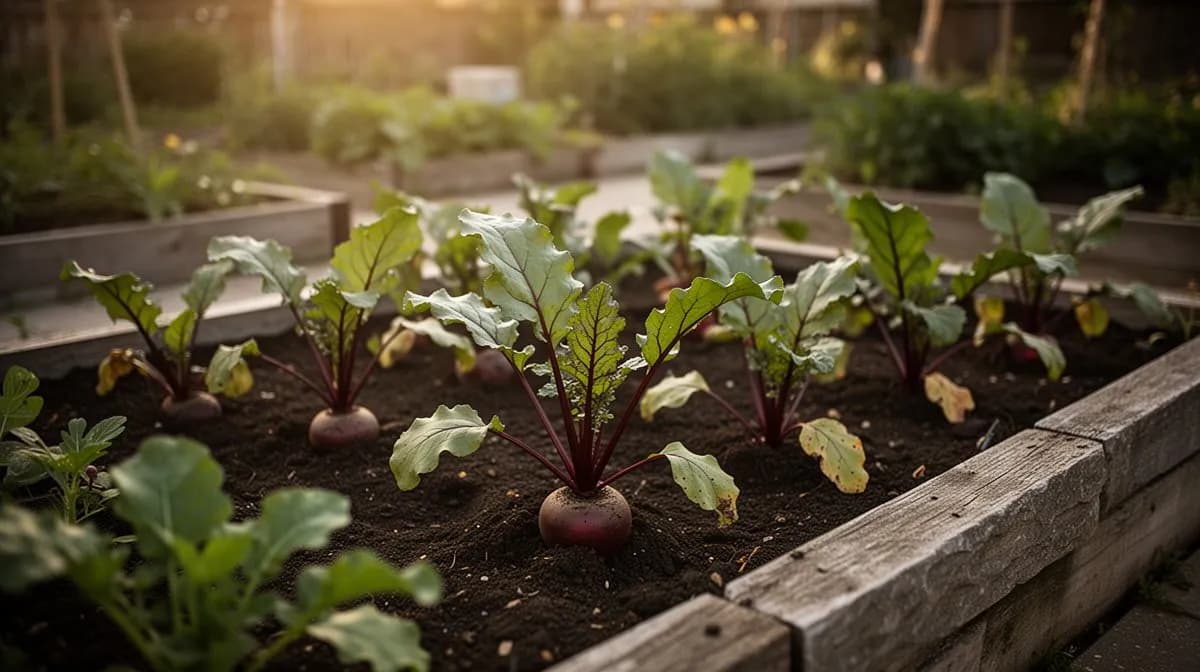
288 plants fit a 4 × 8 ft bed
Each Detroit Dark Red Beet wants 10 cm of elbow room. The planner keeps that spacing for you — every plant, every bed.
Detroit Dark Red Beet's best neighbours
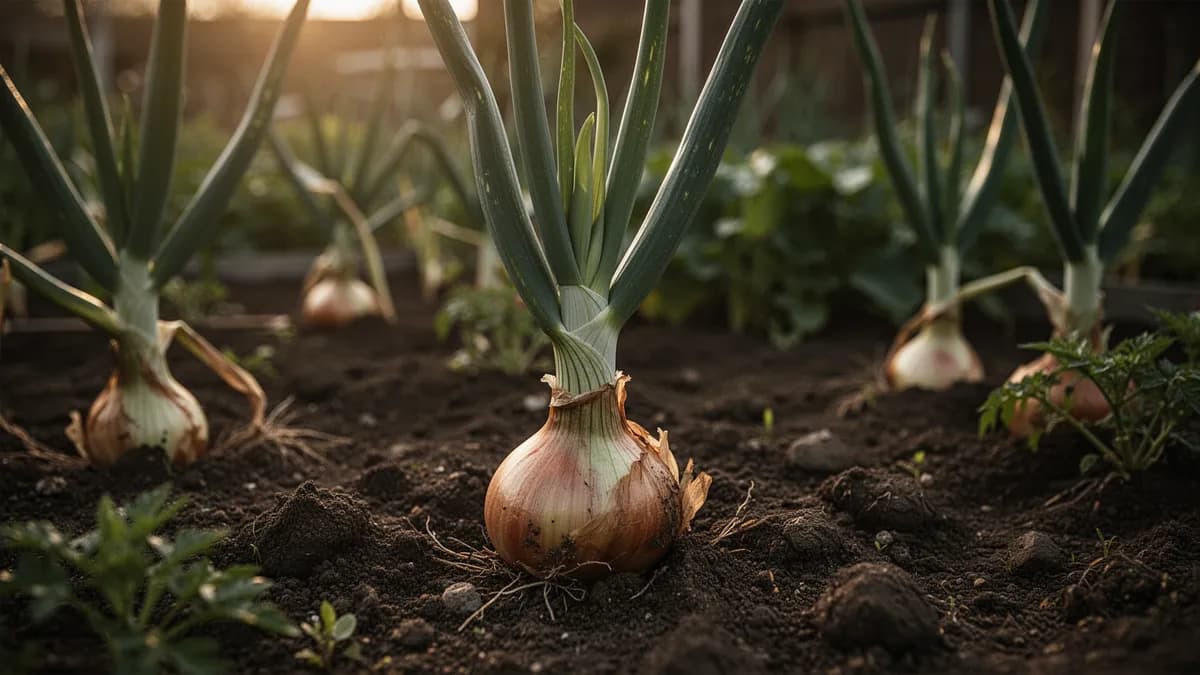
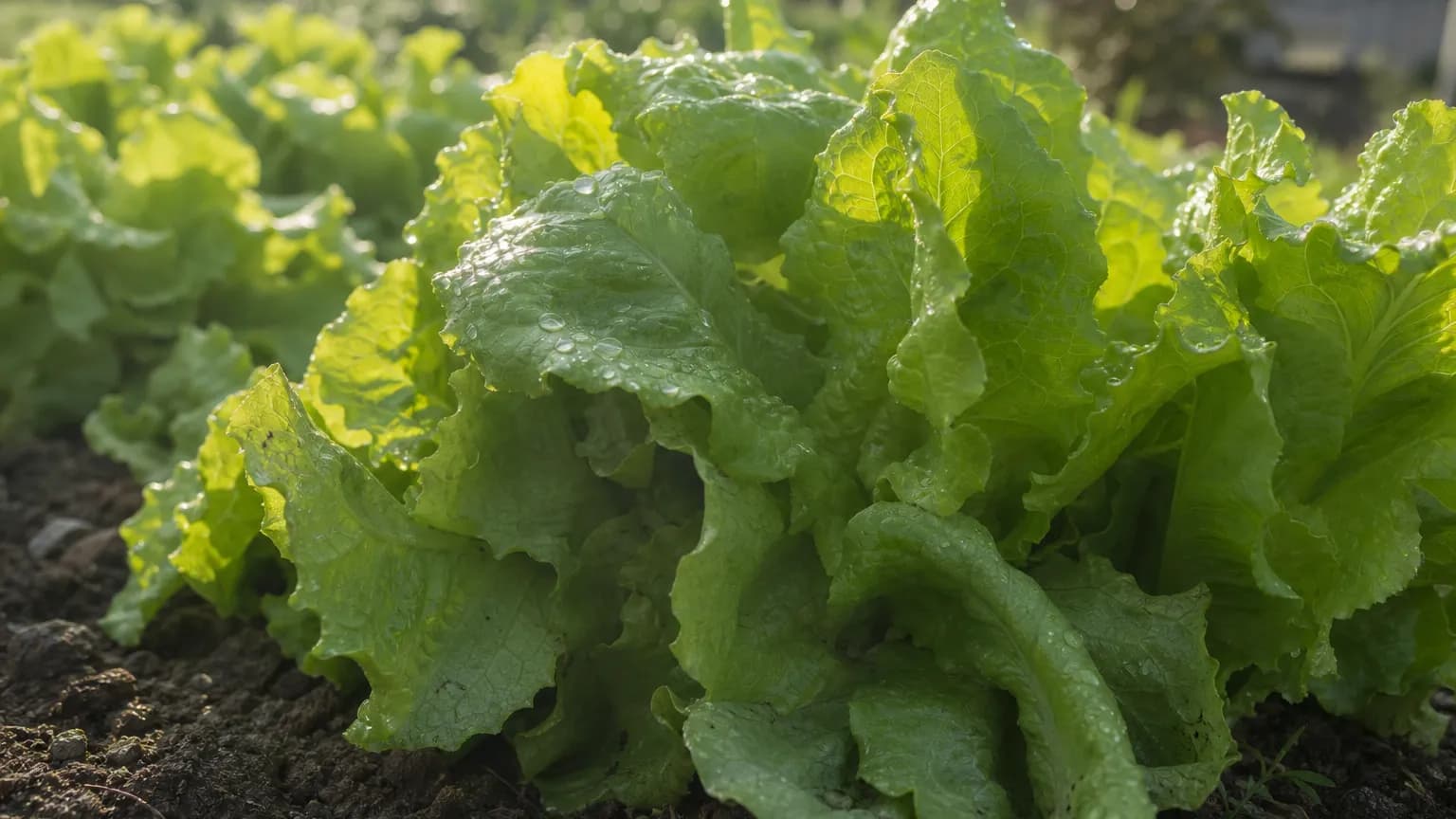
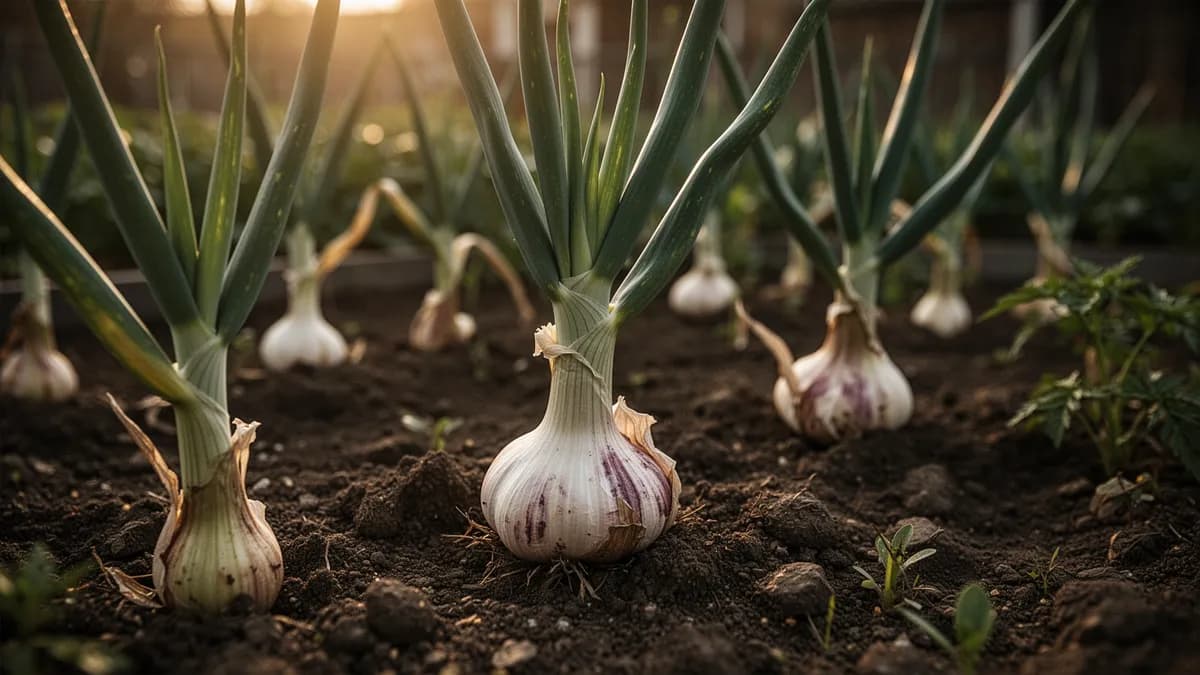
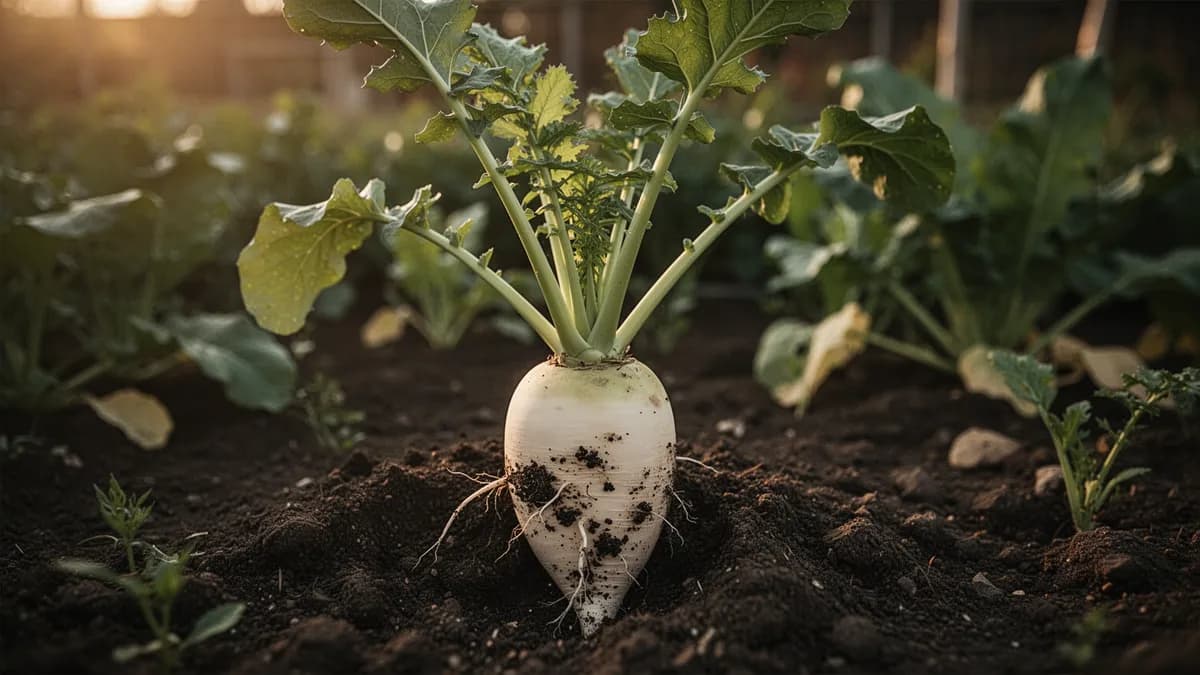
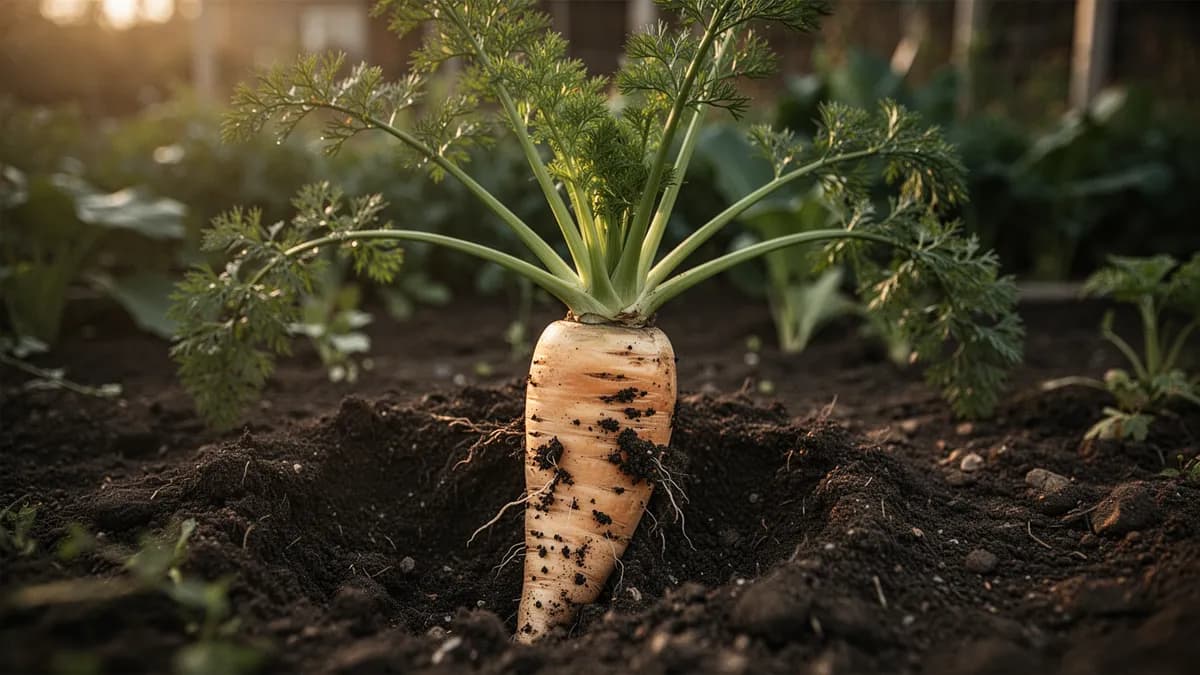
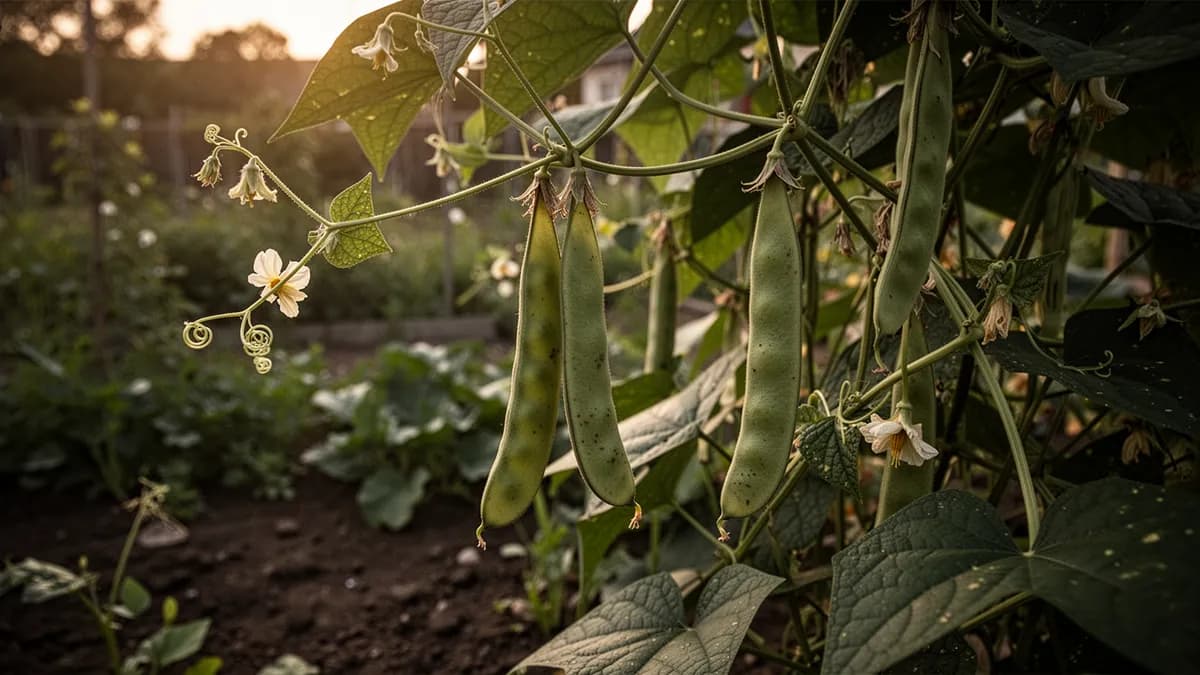
Detroit beets grow well alongside onions, garlic, and lettuce. Alliums help deter aphids and other pests. Lettuce provides useful ground cover that shades beet roots and conserves moisture. Avoid planting near runner beans, as they inhibit beet growth. Brassicas are generally compatible neighbors. Beets benefit from being planted after nitrogen-fixing crops like peas and beans. Marigolds planted nearby attract beneficial insects and may help deter nematodes in the soil.
Onion belongs beside it. Runner Bean doesn't.
Old growers' knowledge, checked against Detroit Dark Red Beet's real companion table below — test any plant you're growing.
Related growing guides
Feed it well
Detroit beets grow best in deep, loose, stone-free soil with a pH of 6.0-7.5. Work the soil well before sowing, removing large stones that can cause root deformity. Incorporate well-rotted compost but avoid fresh manure which causes forking. Apply a balanced granular fertilizer before sowing. Beets have a moderate need for boron, so apply borax at 1 gram per square meter if deficiency is suspected. Avoid excessive nitrogen which promotes leaf growth at the expense of root development.
Ideal Temperature
Hardiness Zone Compatibility
From seed to harvest, stage by stage
Seed Germination
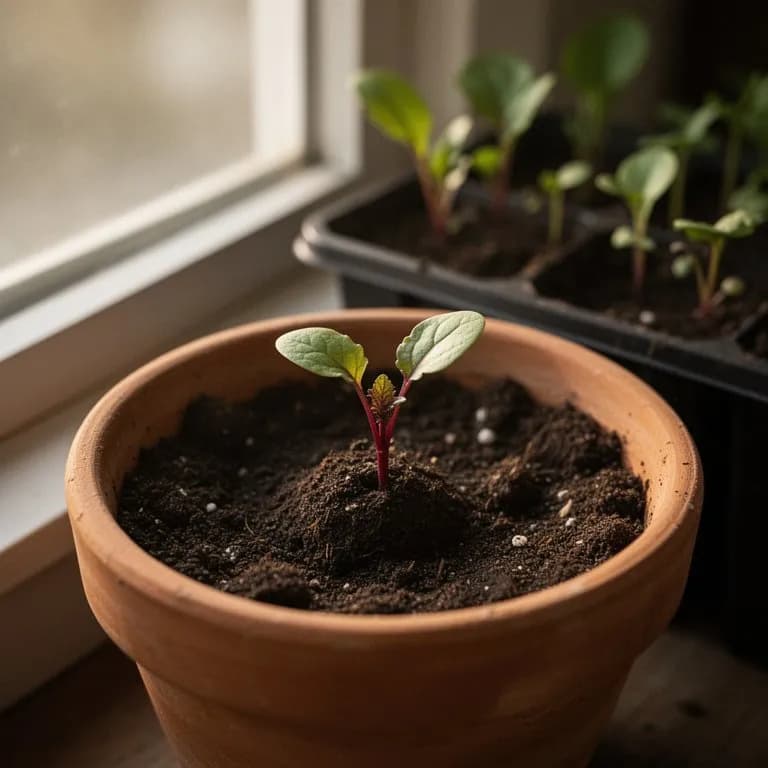
Beet seeds are actually dried fruit clusters (multigerm seed balls) that each contain 2-4 true seeds, which is why multiple seedlings emerge from each sowing point. Germination takes 7-14 days depending on soil temperature, with optimal emergence at 10-25°C (50-77°F). The first structures to appear are small, reddish-stemmed cotyledon leaves.
Seedling & Thinning
Multiple seedlings emerge from each seed cluster, producing crowded clumps that must be thinned. True leaves develop with the characteristic glossy dark green surface and deep red-purple veining. The tiny taproot begins to form below the soil surface.
Leaf Development
The rosette of leaves expands rapidly, producing 6-10 large, glossy leaves with prominent red stems and veins. The foliage canopy shades the soil and helps suppress weeds. Below ground, the taproot begins to swell noticeably as the plant stores sugars produced by its growing leaf area.
Root Bulking
The root swells rapidly into the characteristic round, deep crimson globe. The root shoulders begin to push above the soil surface, making it easy to monitor size. Sugar content increases steadily as the root matures, developing the sweet, earthy flavor Detroit Dark Red is prized for.
Harvest Window
Roots reach ideal harvest size of 5-8 cm (2-3 inches) in diameter. The flesh is uniformly deep crimson with minimal lighter zoning rings. The sweetest, most tender beets are harvested at this stage — larger beets become increasingly fibrous and woody at the core.
Soak seed clusters in warm water for 2-4 hours before planting to soften the corky outer shell and speed germination. Sow 1-2 cm deep and keep soil consistently moist but never waterlogged during the germination period.
Caring for Detroit Dark Red Beet month by month
What to do each month for your Detroit Dark Red Beet
October
You are hereHarvest fall beets as they reach desired size. For storage beets, leave in the ground until just before a hard freeze — light frosts actually increase sugar content. Harvest, trim tops to 2-3 cm, and store unwashed in damp sand or peat at 0-4°C (32-39°F).
Harvesting Detroit Dark Red Beet
Harvest Detroit beets when roots reach 5-8 cm in diameter, typically 55-70 days from sowing. Gently pull or lever roots from the soil using a fork to avoid breaking them. Twist off the leaf tops about 3 cm above the root rather than cutting, as cutting causes the beet to bleed and lose color. Baby beets can be harvested at 3-4 cm for a sweeter, more tender eating experience. Leave late-sown beets in the ground until needed, as they tolerate light frost.
assuming you plant when the window opens — set your real date
Pick Detroit Dark Red Beet promptly and the plant keeps producing.
Storage & Preservation
Fresh beets store in the refrigerator for up to three weeks with tops removed. For longer storage, pack unwashed roots in boxes of damp sand in a cool, frost-free place where they keep for up to four months. Beets preserve exceptionally well by pickling in vinegar with spices. Roast or boil beets, then slice and freeze for up to eight months. Beet greens should be used fresh within a few days or blanched and frozen separately. Dehydrated beet chips make a nutritious snack.
What goes wrong — and the fix
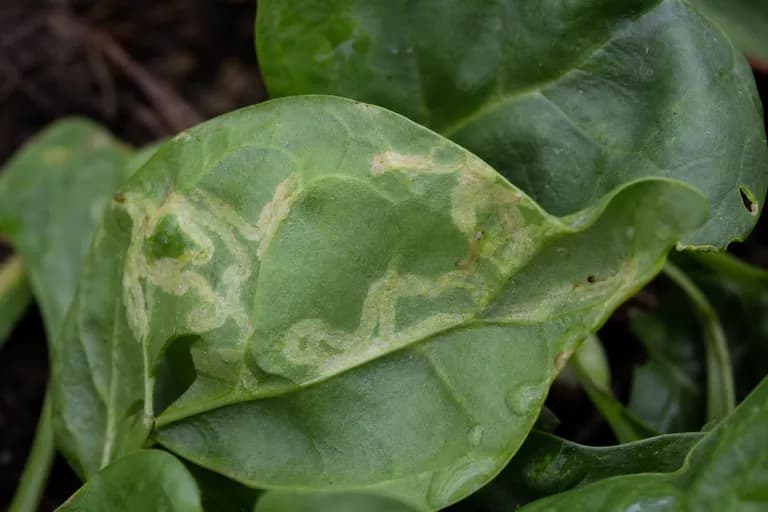
Leaf Miners
PestBrown or white blotchy mines within leaf tissue where larvae feed. Leaves become papery and unsightly in affected areas.
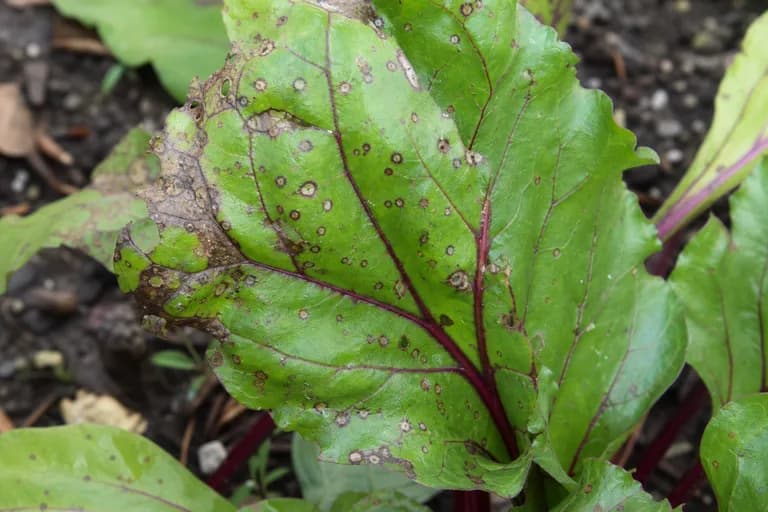
Cercospora Leaf Spot
DiseaseSmall, round spots with light grey centers and dark reddish-brown borders on leaves. Severe cases cause significant leaf loss.
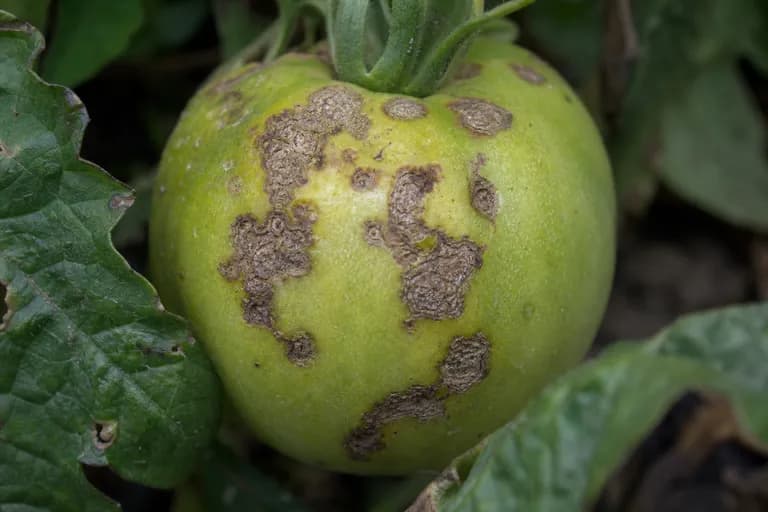
Scab
DiseaseRough, corky patches on the root surface. Roots remain edible but are cosmetically damaged and harder to peel.
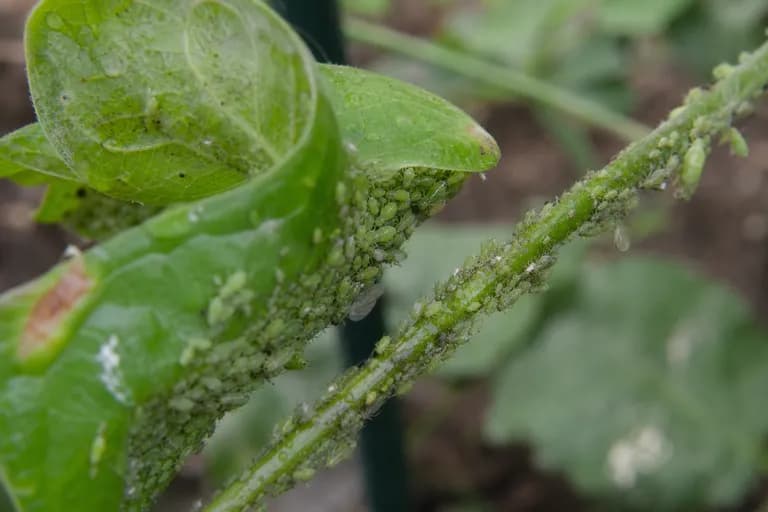
Aphids
PestBlack bean aphids clustering on leaves and stems, causing curling, stunted growth, and sticky honeydew deposits.
Troubleshooting Common Problems
White zoning rings inside the root result from inconsistent watering, so maintain even soil moisture throughout the growing period. Bolting occurs when spring-sown seeds experience a cold snap followed by warmth. Use bolt-resistant strains for early sowings. Small, tough roots result from overcrowding, so thin seedlings diligently. Leaf miner damage is unsightly but does not affect root quality significantly. Forked or misshapen roots are caused by stony soil or fresh manure. Pale roots indicate insufficient sunlight.
Growing Tips
- Sow seeds directly in the garden rather than starting indoors and transplanting. Beets develop a sensitive taproot that resents disturbance, and transplanted beets often produce misshapen, forked roots. Direct sowing is faster, easier, and produces better-shaped roots.
- Thin seedlings without guilt and without delay. Because each beet seed cluster contains multiple seeds, thinning is unavoidable. Snip extras at soil level at the 5 cm stage — crowded beets produce only leaves and tiny, worthless roots. Use the thinnings in salads.
- Maintain absolutely even soil moisture throughout the growing period. The single most common cause of tough, woody beets with light internal rings is inconsistent watering. Mulch with straw or shredded leaves and water to deliver 2.5 cm per week if rain is insufficient.
- Avoid high-nitrogen fertilizers and fresh manure, which promote lush, oversized foliage at the expense of root development. Beets perform best in soil amended with well-aged compost and a balanced or slightly phosphorus-heavy fertilizer.
- Succession plant every 2-3 weeks from early spring through late summer for continuous harvest rather than sowing one large crop. A 2-meter row sown every 3 weeks provides a steady supply of perfectly sized beets all season long.
- Harvest at 5-8 cm (2-3 inches) in diameter for the sweetest, most tender roots. Larger beets become increasingly fibrous and woody at the core. Check root size by brushing soil away from the shoulder — if the visible portion looks golf-ball sized, it is ready.
- Grow beets in the cool seasons for superior flavor. Spring and autumn beets grown in temperatures between 10-20°C (50-68°F) are noticeably sweeter than those that mature in midsummer heat. Light frost exposure actually triggers sugar accumulation in the roots.
- Do not discard the greens — beet tops are nutritionally superior to the roots, containing significantly more iron, calcium, and vitamin A. Harvest outer leaves throughout the growing season for sauteing, and use the entire crown of greens when you pull the root.
Pick your Detroit Dark Red Beet
Detroit Dark Red
The classic heirloom with perfectly round, deep crimson roots and sweet, earthy flavor since 1892.
Detroit Supreme
An improved strain with extra-smooth skin, uniform shape, and intense dark red interior color.
Detroit 2 Nero
Dark-skinned selection with exceptionally deep red flesh and strong bolt resistance for extended harvest.
Boltardy
Bred from Detroit stock with excellent bolt resistance, ideal for early spring sowings.
Pablo F1
Modern hybrid with Detroit-type round roots, very uniform size and excellent storage qualities.
A packet of Detroit Dark Red beet seeds costs $2-4 and contains 200-400 seeds — enough for several succession plantings. Fresh beets sell for $3-5 per bunch (3-4 roots) at grocery stores and $4-7 at farmers markets. A single 3-meter row can produce $15-30 worth of roots, and the bonus harvest of nutritious beet greens (sold separately for $3-5 per bunch) effectively doubles the value. Pickled beets ($5-8 per jar) and beet juice ($6-10 per bottle) made from your harvest add even more savings. Growing 3-4 rows across multiple sowings can easily save $100-150 per season.
Quick recipes
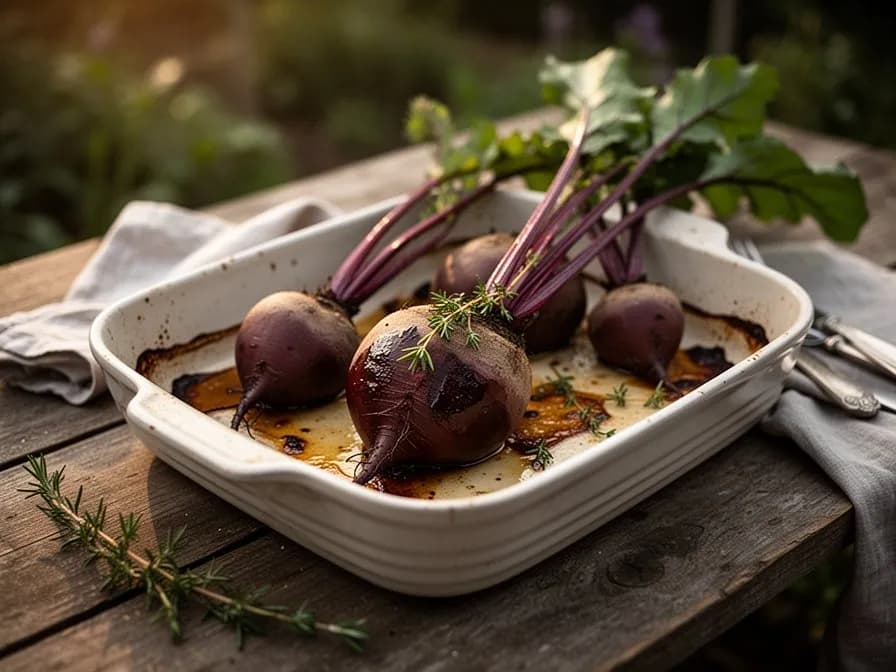
Classic Roasted Beets with Goat Cheese and Walnuts
50 minThe gold standard of beet preparation — roasting concentrates the natural sugars and transforms the earthy roots into tender, caramelized jewels. Paired with creamy goat cheese and toasted walnuts, this dish converts even self-proclaimed beet skeptics.
8 ingredientsQuick Refrigerator Pickled Beets
30 minTangy, sweet, and brilliantly colored pickled beets that are ready in 24 hours and keep for weeks in the refrigerator. This no-canning method preserves the harvest without specialized equipment and makes a stunning addition to salads, charcuterie boards, and sandwiches.
10 ingredientsBeet and Red Lentil Soup
40 minA vibrant, silky-smooth soup that showcases beet's natural sweetness balanced with warming spices. Red lentils add protein and body while melting into a velvety puree. Stunning color and deeply satisfying flavor make this a cold-weather staple.
10 ingredientsCulinary Uses
Detroit Dark Red beets are versatile in the kitchen. Roast whole with olive oil and herbs to concentrate their earthy sweetness. Grate raw into salads or slaws for vibrant color and crunch. Boil or steam for classic preparations with butter and vinegar. Make traditional borscht soup. Pickle in vinegar with spices for a tangy accompaniment. The tops are delicious sauteed with garlic and olive oil like chard. Beet juice is increasingly popular as a health drink and natural food coloring.
What's inside
Health Benefits
- Dietary nitrates in beets are converted to nitric oxide in the body, which relaxes blood vessels and lowers blood pressure — multiple clinical studies show that drinking 250ml of beet juice daily can reduce systolic blood pressure by 4-10 mmHg within hours.
- Betalain pigments unique to beets are potent antioxidants and anti-inflammatory compounds that have been shown to reduce markers of oxidative stress and may help protect against chronic inflammatory conditions.
- Rich in folate (27% DV per 100g), essential for DNA synthesis, red blood cell formation, and critical during pregnancy for preventing neural tube defects — beets are one of the best whole-food folate sources available.
- The betaine in beets supports liver function by helping process fats and preventing fatty liver disease, while also reducing homocysteine levels in the blood — an independent risk factor for cardiovascular disease.
- Athletic performance benefits are well-documented — the nitrates in beet juice improve oxygen efficiency during exercise, and studies show endurance athletes can extend time to exhaustion by 15-25% with regular beet juice consumption.
- The combination of fiber, water content, and low calorie density (43 calories per 100g) makes beets excellent for weight management, while their natural sugars provide a satisfying sweetness that can reduce cravings for processed sweets.
Where Detroit Dark Red Beet comes from
The beet (Beta vulgaris) descends from the wild sea beet (Beta vulgaris subsp. maritima), a scraggly coastal plant native to the shores of the Mediterranean, the Atlantic coast of Europe, and parts of western Asia. Ancient civilizations in Mesopotamia, Egypt, Greece, and Rome initially cultivated the plant solely for its leaves — what we now call chard and beet greens are essentially the same species selected in different directions. The ancient Greeks offered beets to Apollo at his temple at Delphi, and Hippocrates recommended beet leaves for binding wounds.
The swollen root we associate with modern beets did not emerge as a distinct crop until the late Roman period and was not widely cultivated until the 1500s in Germany and Italy. Early root beets were long and turnip-shaped with pale flesh. The round, deeply pigmented globe beet was developed through selective breeding in Northern Europe between the 16th and 19th centuries. Detroit Dark Red, introduced by D.M. Ferry & Company of Detroit, Michigan around 1892, represented a breakthrough in uniformity, color depth, and sweetness. Its perfectly round shape, uniform deep crimson flesh with minimal lighter ring zoning, and exceptional canning quality made it the definitive American beet.
For over 130 years, Detroit Dark Red has maintained its position as the most widely grown beet variety in North America. It earned an All-America Selections award and remains the standard against which all other red beets are judged. Its influence extends beyond the garden — Detroit Dark Red genetics form the foundation of many modern beet cultivars. Today, beets are grown commercially across temperate regions worldwide, with the largest producers being Russia, France, the United States, and Germany. The global resurgence of interest in beets since the 2000s has been driven by research into their remarkable nitrate content and cardiovascular health benefits, transforming beets from humble root cellar staple to celebrated superfood.
Detroit Dark Red Beet: did you know?
Fascinating facts about Detroit Dark Red Beet
Detroit Dark Red was developed in Detroit, Michigan around 1892 and has remained the single most popular beet variety in North America for over 130 years — an extraordinary record of dominance that few vegetable cultivars in any species can match.
Detroit Dark Red Beet questions, answered
When should I plant Detroit Dark Red Beet?
What are good companion plants for Detroit Dark Red Beet?
What hardiness zones can Detroit Dark Red Beet grow in?
How much sun does Detroit Dark Red Beet need?
How far apart should I space Detroit Dark Red Beet?
What pests and diseases affect Detroit Dark Red Beet?
How do I store Detroit Dark Red Beet after harvest?
What are the best Detroit Dark Red Beet varieties to grow?
What soil does Detroit Dark Red Beet need?
Why do my beets grow big leafy tops but tiny roots?
Why are my beets tough and woody with pale rings inside?
Can I eat beet greens, and are they nutritious?
How do I store beets to last through winter?
Why do multiple seedlings come up from each spot I planted?
When is the best time to plant beets in my area?
Plant these alongside Detroit Dark Red Beet
More Root Vegetables
Keep Detroit Dark Red Beet away from these
Grow your best Detroit Dark Red Beet yet — and everything around it.
Start a free plan today. Lay out your beds, drop in your Detroit Dark Red Beet, and let PlotMyGarden handle the timing, spacing, companions and reminders from seed to harvest basket.
