Lagergemüse-Garten
Ein 10×4-Beet für den Vorratskeller: Winterkürbis über die ganze Rückseite, Kartoffeln in Menge und Karotten, Bete, Pastinaken und Steckrübe für die Sandkisten.
Über diese Vorlage
Dieses Beet wird im Frühjahr gepflanzt und im Februar gegessen. Der gesamte hintere Abschnitt gehört der Winterkürbis-Riege — Butternut (der längste Lagerkürbis), Eichelkürbis, Spaghettikürbis und ein Zuckerkürbis —, deren Ranken sich über die Nordhälfte ausbreiten, während die Früchte zu Vorratskammer-Klassikern mit sechs Monaten Haltbarkeit heranreifen. Eine Sonnenblume schließt die Ecke für eine Knabberkern-Ernte. Die mittlere Reihe ist die Kartoffelabteilung: acht Pflanzen einer bewährten Lagersorte, zweimal angehäufelt und gerodet, wenn das Laub abgestorben ist. Die vordere Reihe füllt die Sandkisten eines klassischen Vorratskellers: ein langer Karottenstreifen, runde Lagerbete, Pastinaken, die im Boden warten können, Steckrübe — der unterschätzte König der Winterwurzeln — und ein Knoblauchpaar an der Ecke. Mit einem kühlen Keller oder einer Garage trägt dieses eine Beet eine Küche von November bis März.
Vorteile
- 1Eine Frühjahrspflanzung versorgt die Küche von November bis März
- 2Butternut hält sechs Monate im Regal, ganz ohne Verarbeitung
- 3Wurzeln lagern in feuchten Sandkisten — kein Gefrierschrank, kein Einkochen nötig
- 4Steckrübe und Pastinaken lachen über Fröste, die den Rest des Gartens beenden
- 5Der Plan mit den meisten Kalorien pro Quadratmeter im ganzen Katalog
Anbautipps
- 1Lassen Sie Kürbisse zwei sonnige Wochen nachhärten, bis die Stiele verholzt sind, und lagern Sie sie dann bei 10–15 °C
- 2Lagern Sie nur makellose Wurzeln ein; eine angestoßene Bete verdirbt die ganze Kiste
- 3Drehen Sie das Karottenlaub sofort ab — die Blätter ziehen Feuchtigkeit aus der Wurzel
- 4Kontrollieren Sie den Keller monatlich und verkochen Sie zuerst, was zweifelhaft aussieht
Enthaltene Pflanzen (12)
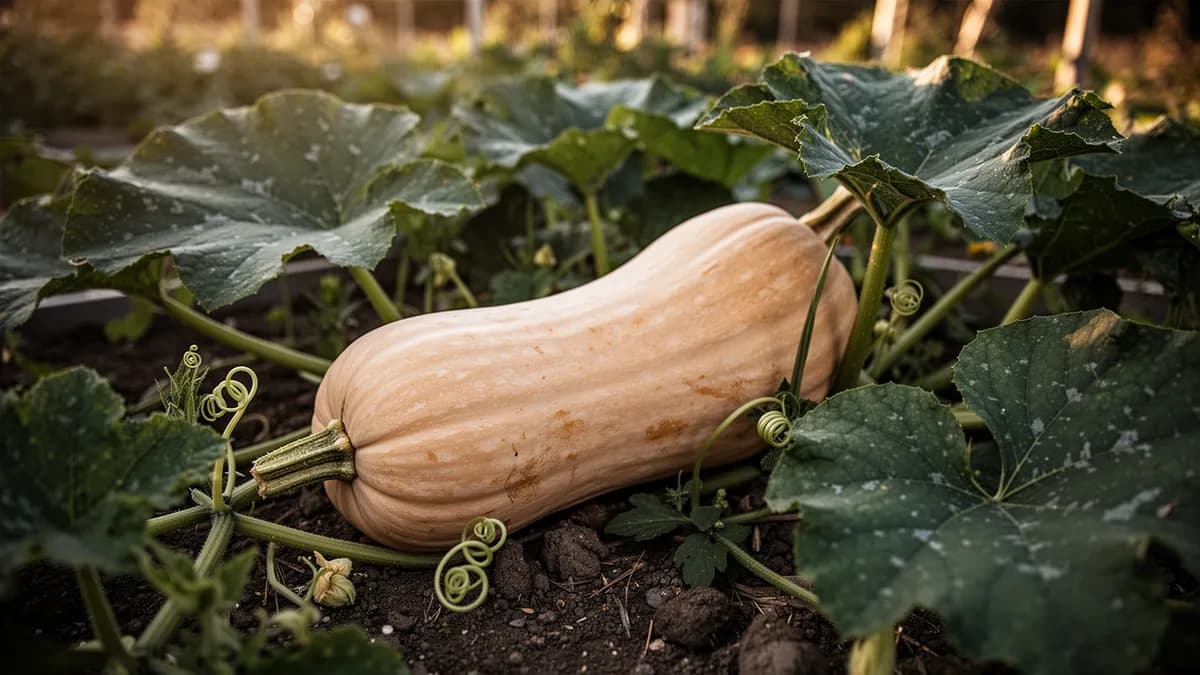
Butternut-Kürbis
Cucurbita moschata
Pflanzabstand: 120 cm · 47 in
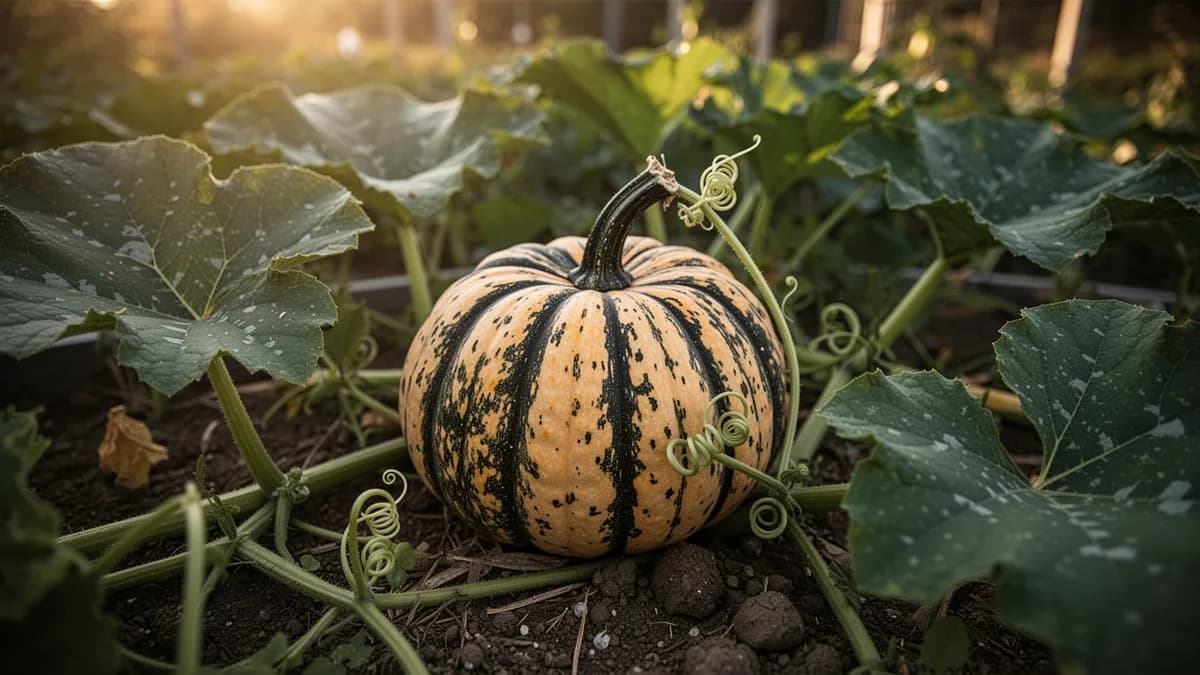
Eichelkürbis
Cucurbita pepo
Pflanzabstand: 100 cm · 39 in
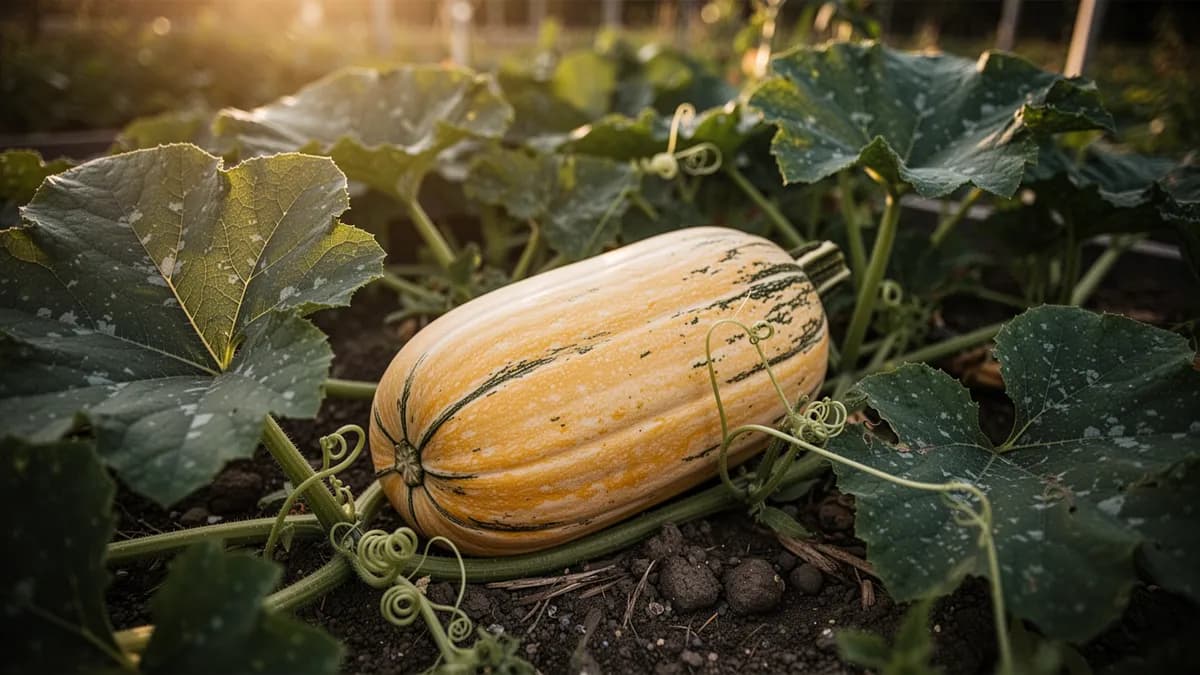
Spaghettikürbis
Cucurbita pepo
Pflanzabstand: 120 cm · 47 in
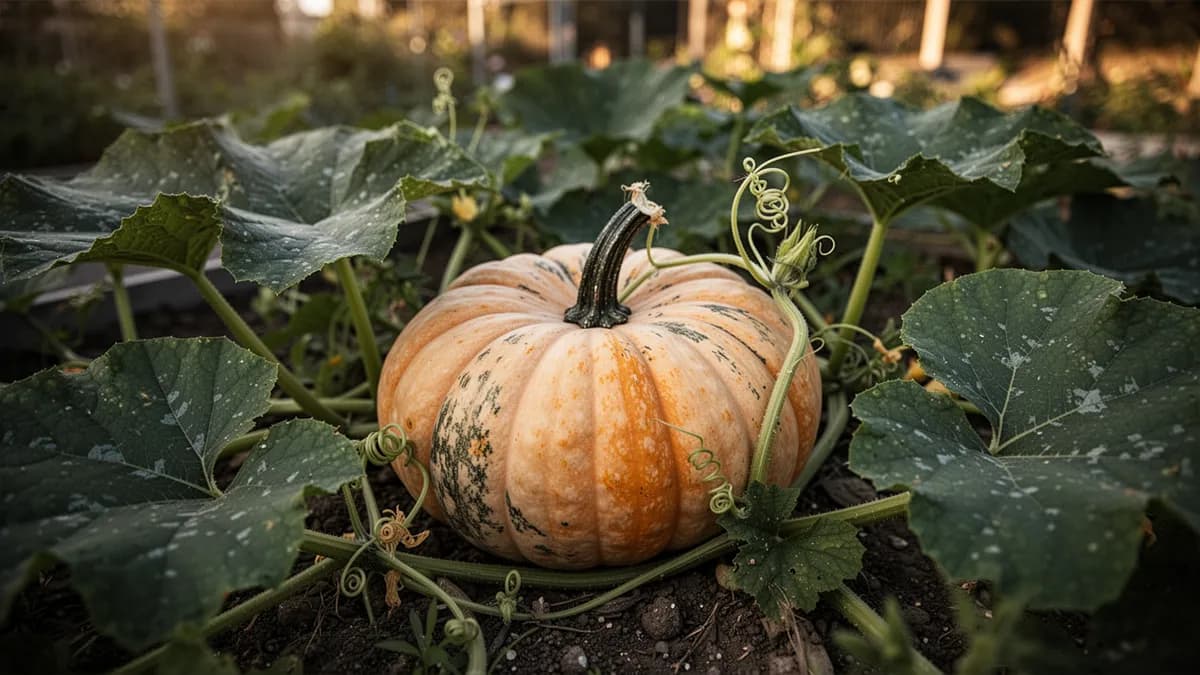
Zuckerkürbis
Cucurbita pepo
Pflanzabstand: 120 cm · 47 in
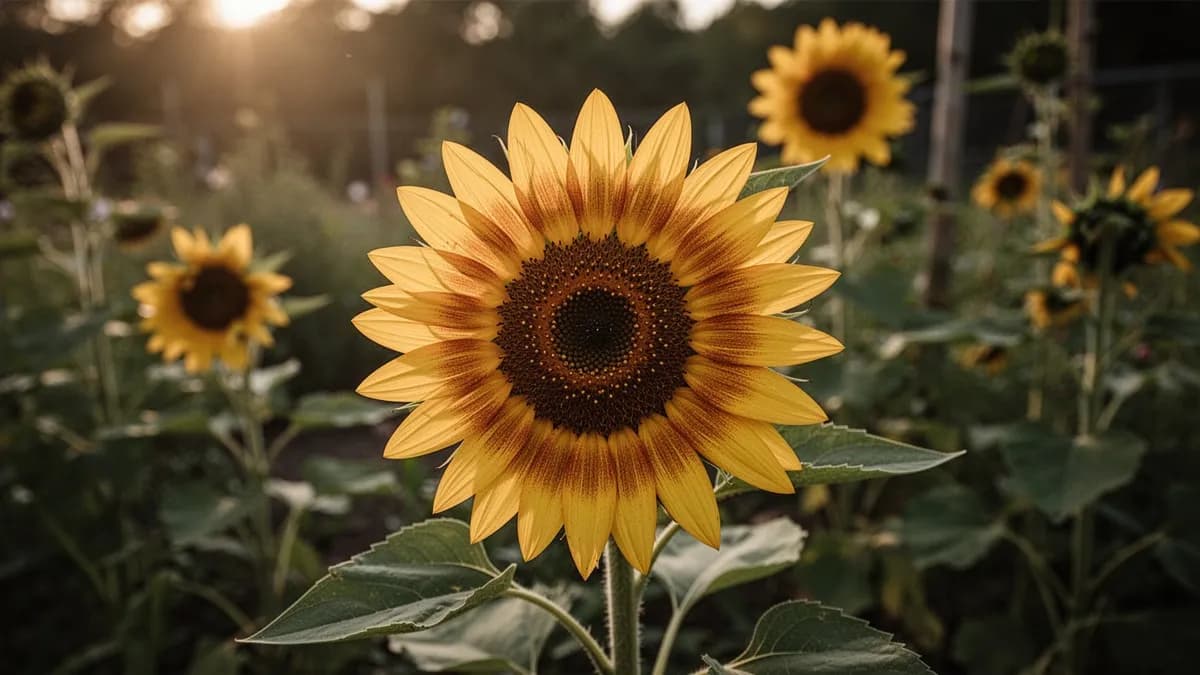
Sonnenblume
Helianthus annuus
Pflanzabstand: 45 cm · 18 in
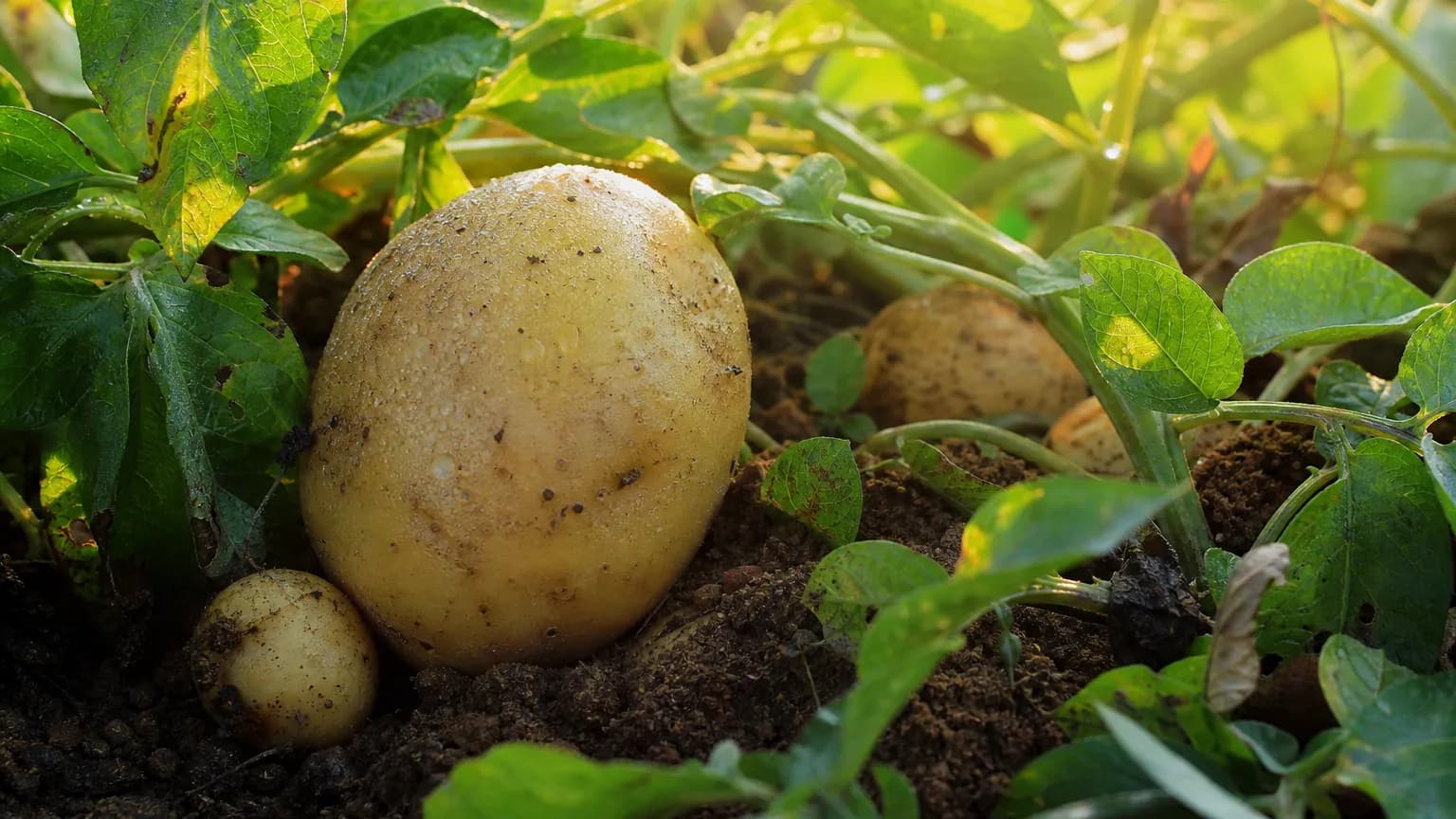
Kartoffel×8
Solanum tuberosum
Pflanzabstand: 30 cm · 12 in
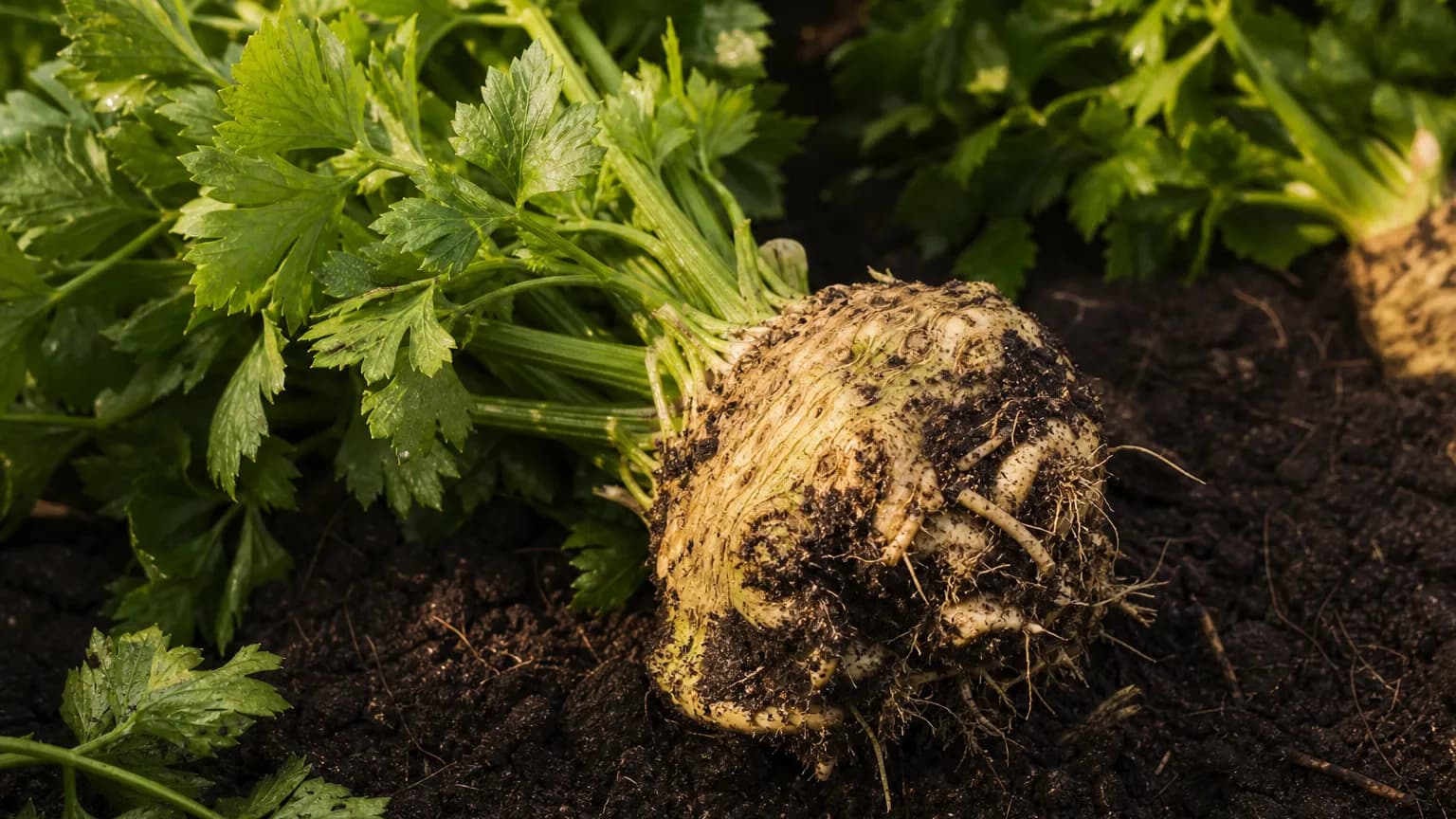
Knollensellerie×2
Apium graveolens var. rapaceum
Pflanzabstand: 30 cm · 12 in
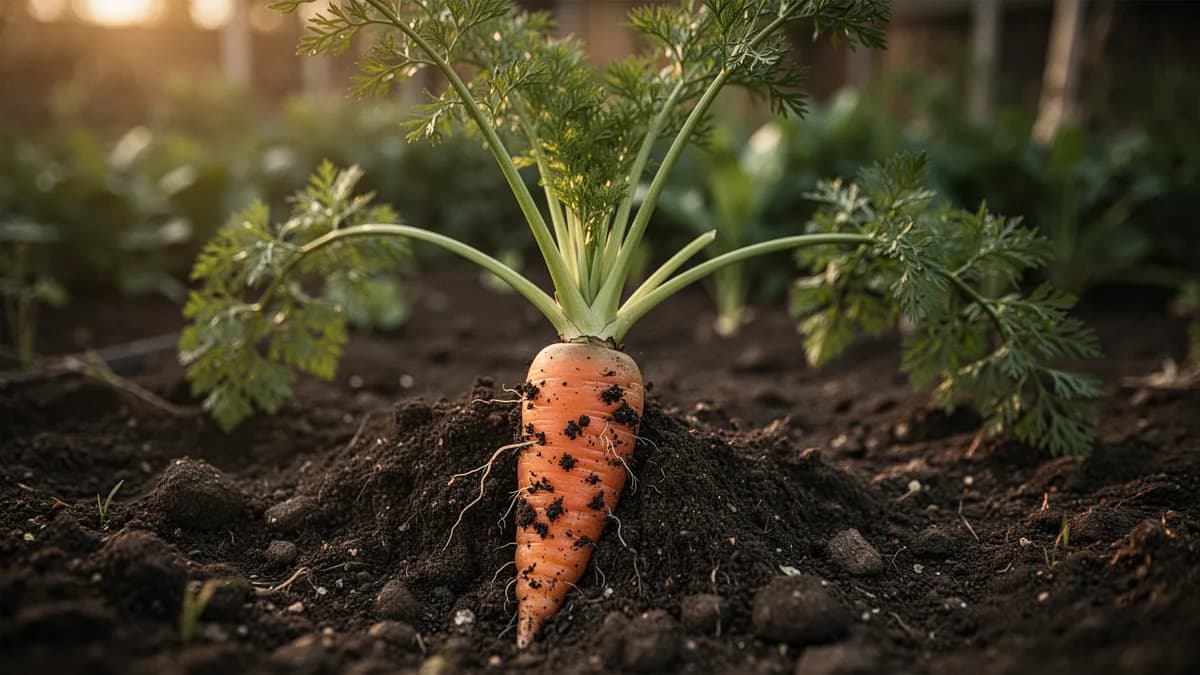
Karotte×12
Daucus carota subsp. sativus
Pflanzabstand: 8 cm · 3 in
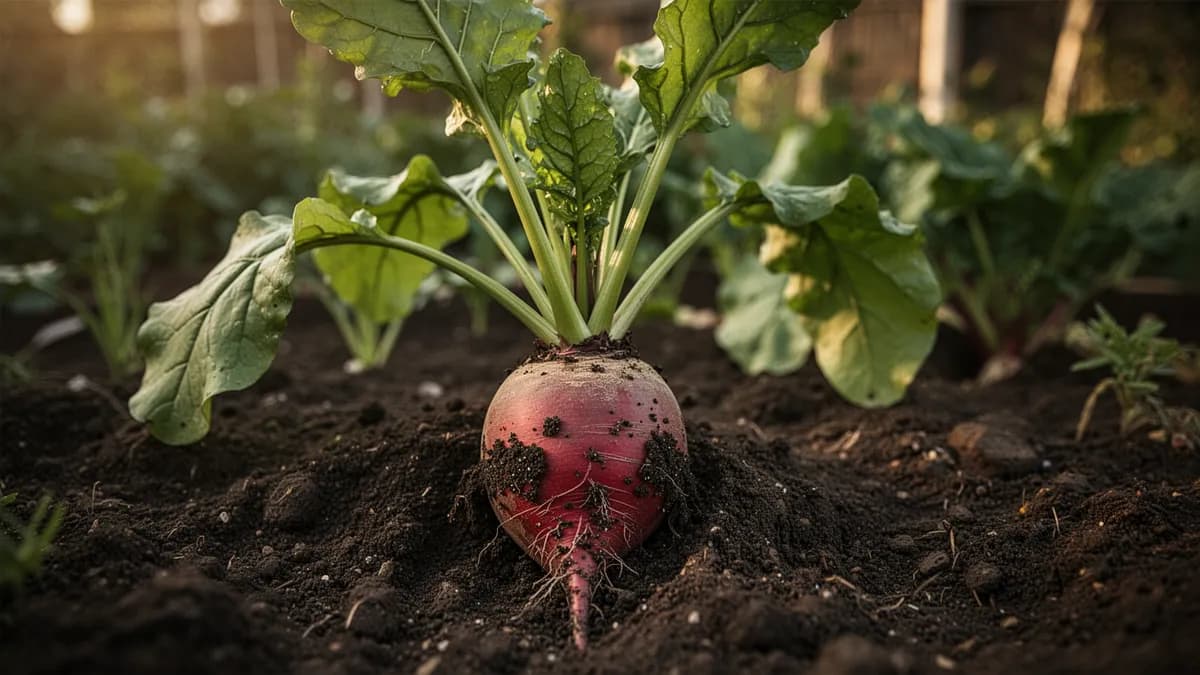
Rote Bete×8
Beta vulgaris
Pflanzabstand: 10 cm · 4 in
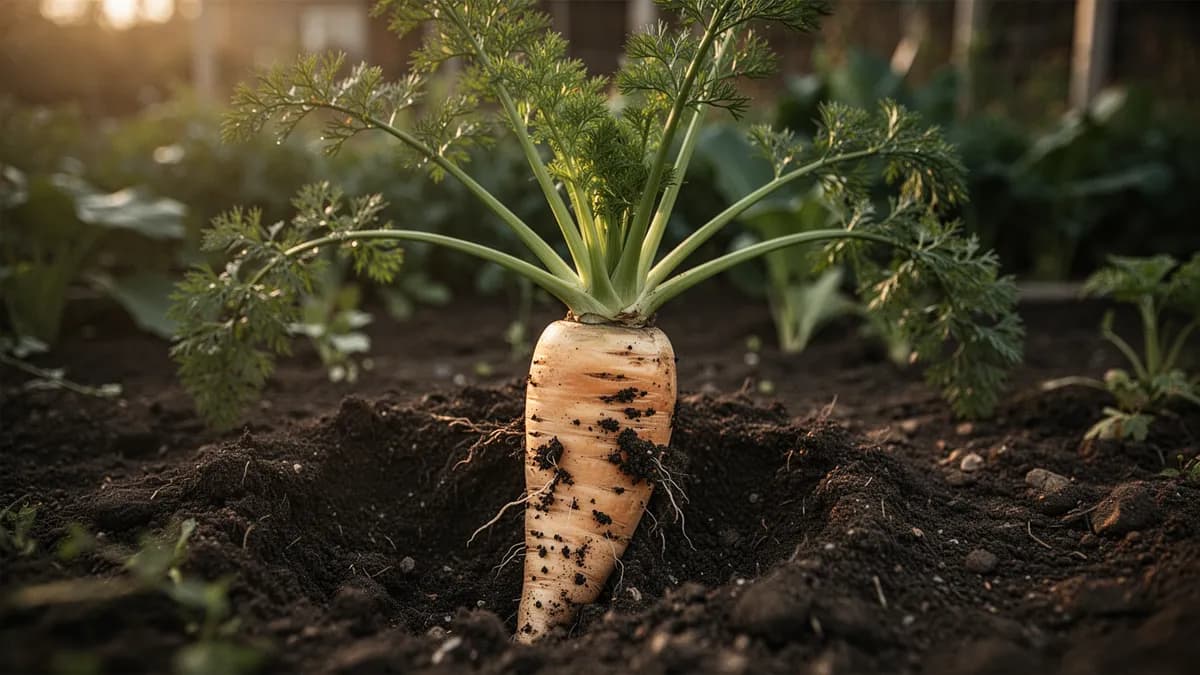
Pastinake×8
Pastinaca sativa
Pflanzabstand: 10 cm · 4 in
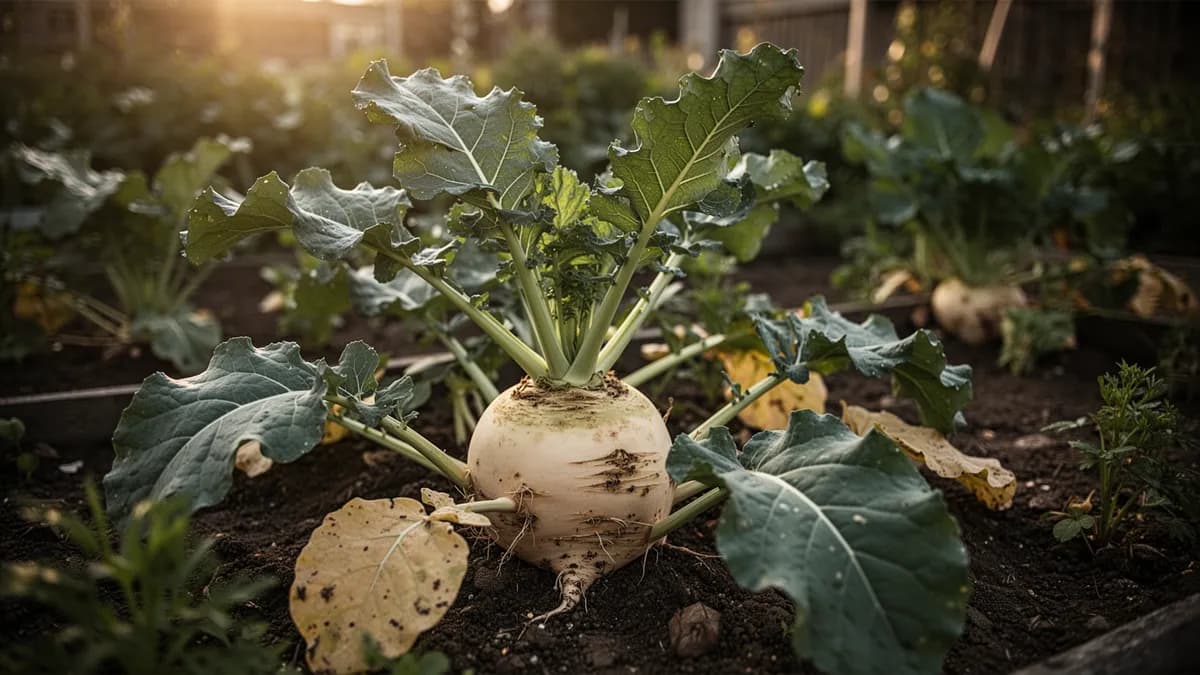
Kohlrübe×4
Brassica napus subsp. rapifera
Pflanzabstand: 20 cm · 8 in
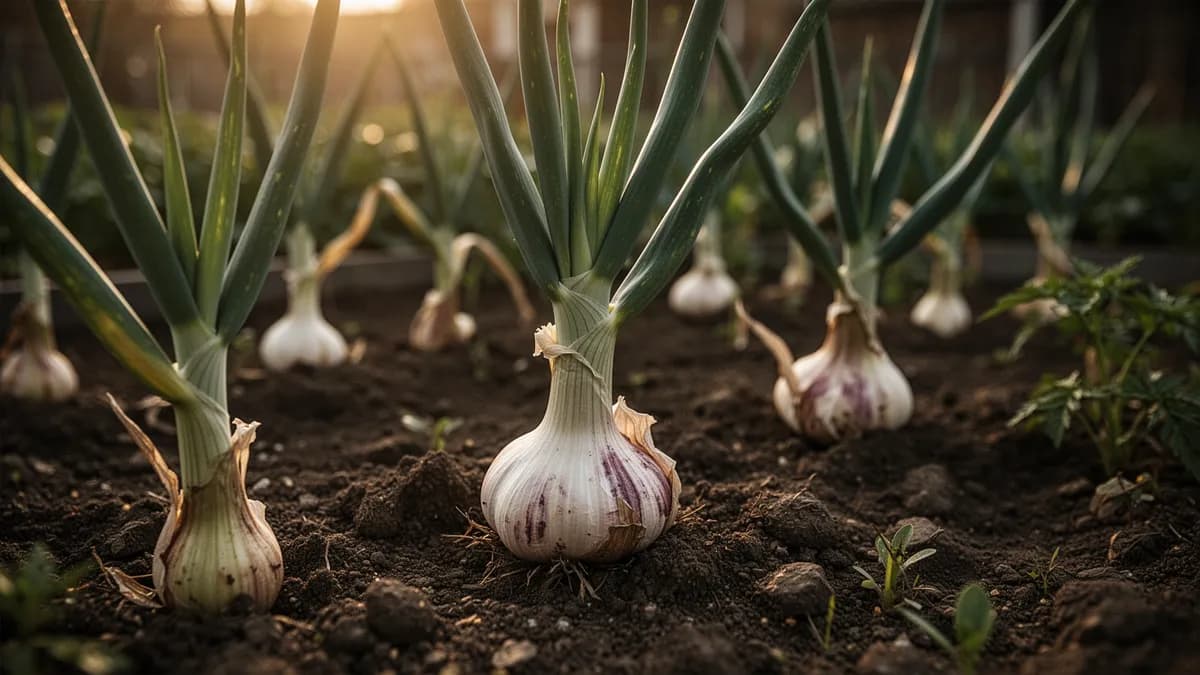
Knoblauch×2
Allium sativum
Pflanzabstand: 15 cm · 6 in
Bereit zum Starten?
Nutzen Sie diese Vorlage als Ausgangspunkt und passen Sie sie im Garten-Editor an.
Ähnliche Gartenpläne
Suppengarten
Ein 8×4-Beet für den Suppentopf: Lauch, Knollensellerie, Kartoffeln, Karotten, Kohl und Grünkohl — plus Thymian, Petersilie und eine Lorbeer-Ecke.
Intensivbeet mit Höchstertrag
Ein 4×4-Beet, getrimmt auf maximalen Ertrag: Erbsen und Gurken in der Vertikalen, dichte Wurzelgemüse-Blöcke und kein verschenkter Zentimeter.
Familien-Versorgerbeet (4×12)
Ein 12×4-Arbeitstier, das eine Familie ernährt: Tomaten, Bohnen, Kürbis, Kohl, Salate und ein Wurzelbereich — alles in einem Plan.