Za'atar
Das authentische Kraut hinter der berühmten nahöstlichen Gewürzmischung, mit einem Geschmack, der Oregano, Thymian und Majoran vereint.





Auf dieser SeiteÜberblick
Za'atar im Überblick
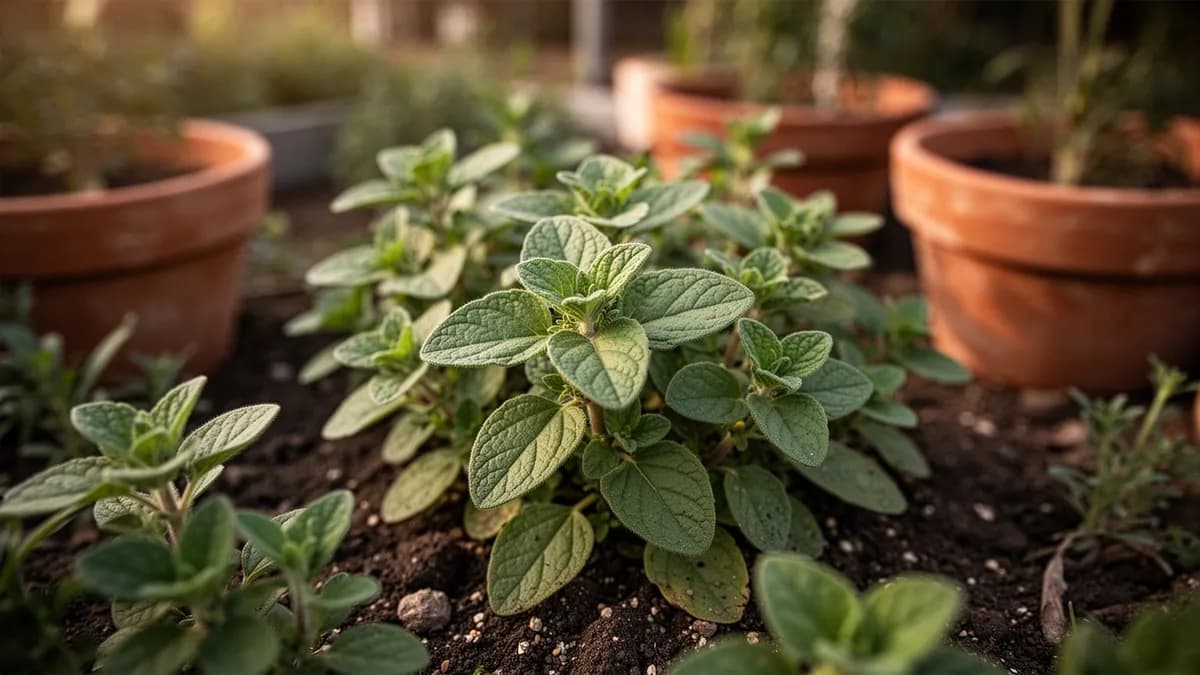
Das authentische Kraut hinter der berühmten nahöstlichen Gewürzmischung, mit einem Geschmack, der Oregano, Thymian und Majoran vereint. Der biblische Ysop soll diese Art sein, die im gesamten Levante-Gebiet wild wächst. Pflanzen Sie ihn in voller Sonne mit ausgezeichneter Drainage und ernten Sie die Blätter zum Trocknen, um sie mit Sumach und Sesamsamen zu mischen.
Wann Za'atar pflanzen
Za'atar-Samen sind sehr fein und keimen am besten auf der Erdoberfläche bei Licht. Säen Sie 8 bis 10 Wochen vor dem letzten Frost drinnen aus, indem Sie die Samen auf feuchte Aussaaterde streuen und leicht andrücken. Bedecken Sie die Samen nicht. Halten Sie Temperaturen von 18 bis 21 Grad ein und halten Sie die Oberfläche gleichmäßig feucht. Die Keimung dauert 7 bis 14 Tage und kann unregelmäßig sein. Vereinzeln Sie die Sämlinge auf 5 cm Abstand und topfen Sie sie in einzelne Töpfe um, wenn sie 4 echte Blätter haben. Härten Sie sie ab und pflanzen Sie sie nach Ende der Frostgefahr ins Freie.
Dein Za'atar-Jahr
Abgestimmt auf Zone 7 · typische Saison · Frost geht um den 2. Apr. und kehrt um den 1. Nov. zurück
Za'atar Mär – Mai pflanzen, Mai – Okt ernten. Beachte die Pflanzmethoden unten und wähle dein Klima für passende Zeiträume.
So baust du Za'atar an
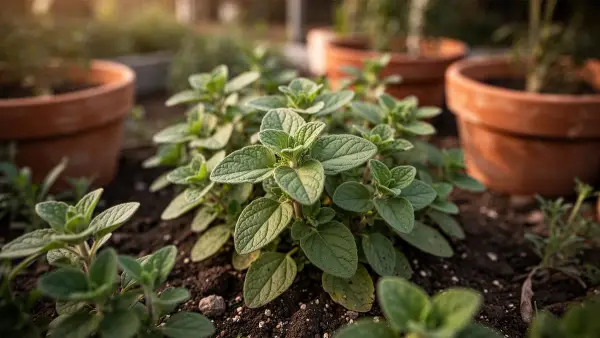
Za'atar, auch als Syrischer Oregano oder Biblischer Ysop bekannt, ist die authentische Pflanze hinter der berühmten nahöstlichen Gewürzmischung. Sein Geschmack ist eine komplexe Kombination aus Oregano, Thymian und Majoran mit einer unverwechselbaren warmen, herzhaften Tiefe. Pflanzen Sie ihn in voller Sonne mit ausgezeichneter Drainage in Erde mit einem pH-Wert von 6,5 bis 8,0. Dieser mediterrane Einheimische gedeiht unter heißen, trockenen Bedingungen und hat Schwierigkeiten in feuchten oder nassen Umgebungen.
Beginnen Sie mit der Aussaat drinnen 6 bis 8 Wochen vor dem letzten Frost oder verwenden Sie Jungpflanzen aus der Gärtnerei im Frühling. Setzen Sie die Pflanzen im Garten in einem Abstand von 30 bis 45 cm oder verwenden Sie eine Pflanze pro 25-cm-Topf. Za'atar wächst als kleiner, verholzender Halbstrauch und erreicht eine Höhe von 30 bis 60 cm bei gleicher Breite. Gießen Sie sparsam nach dem Anwachsen; wie andere mediterrane Kräuter entwickelt er bei trockeneren Bedingungen einen stärkeren Gehalt an ätherischen Ölen.
Ernten Sie regelmäßig, um ein kompaktes, buschiges Wachstum zu fördern. Schneiden Sie die Stängel im späten Frühling um ein Drittel zurück, um frische Verzweigung anzuregen. In Zone 6 und darüber ist Za'atar mehrjährig und kann den Winter bei guter Drainage und Schutz vor nasskaltem Wetter überstehen. In kälteren Zonen kultivieren Sie ihn in Töpfen und überwintern ihn an einem kühlen, hellen Standort im Haus. Die kleinen weißen Blüten locken Bestäuber an und sind ebenfalls essbar.
32 Pflanzen passen in ein Beet von 120 × 240 cm
Za'atar braucht 30 cm Platz pro Pflanze. Der Planer hält diesen Abstand für dich ein — jede Pflanze, jedes Beet.
Die besten Nachbarn für Za'atar
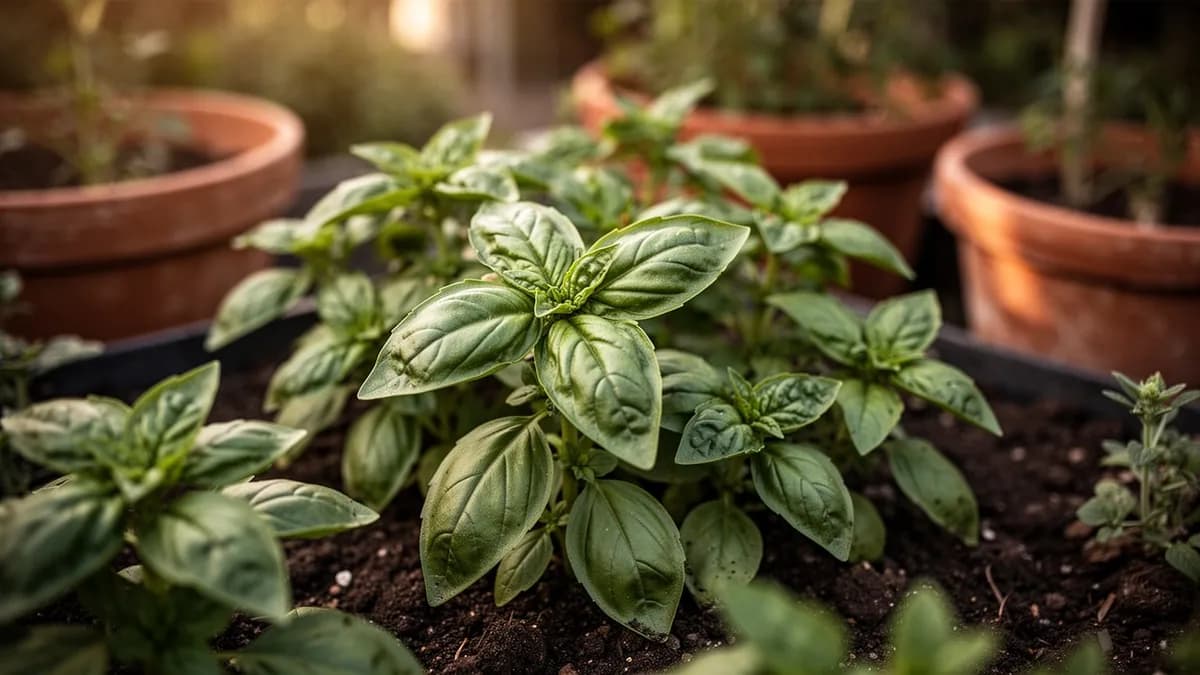
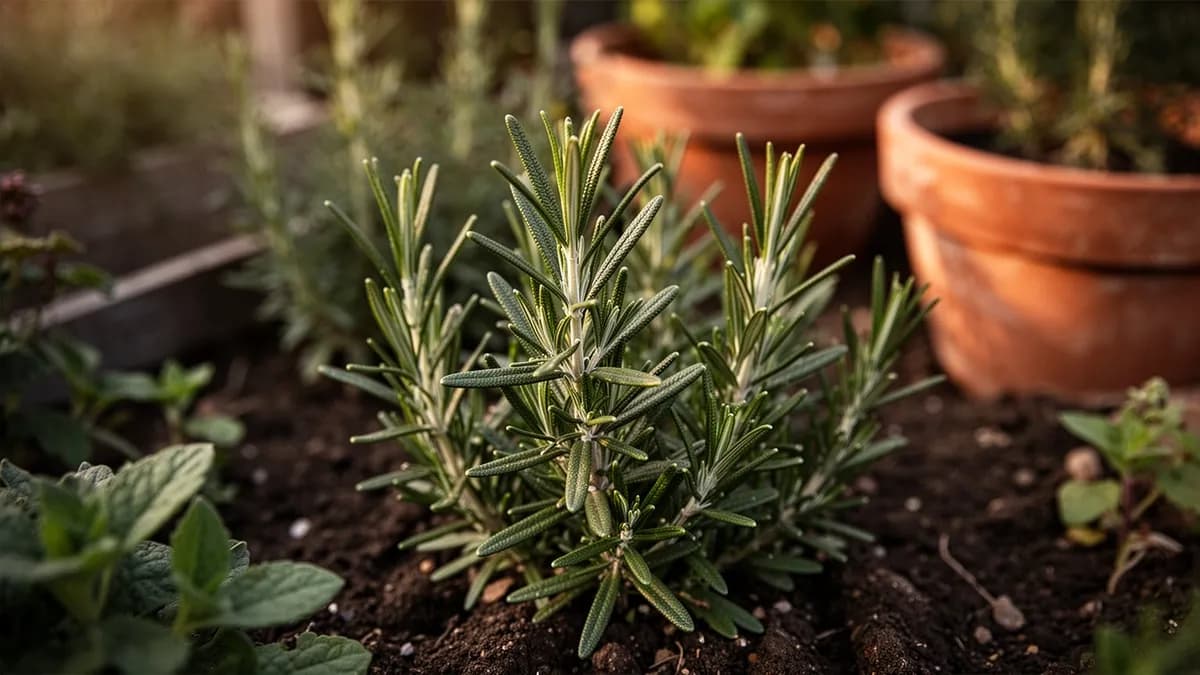
Za'atar wächst gut neben anderen mediterranen Kräutern, die seine Vorliebe für Sonne, Wärme und mageren Boden teilen. Pflanzen Sie ihn zusammen mit Thymian, Oregano, Salbei und Rosmarin in einem sonnigen Kräutergarten oder Kiesgarten. Er passt auch gut zu Lavendel und Santolina in dekorativen Kräuterrabatten. Halten Sie ihn fern von feuchtigkeitsliebenden Kräutern, die nährstoffreichere Bodenverhältnisse benötigen.
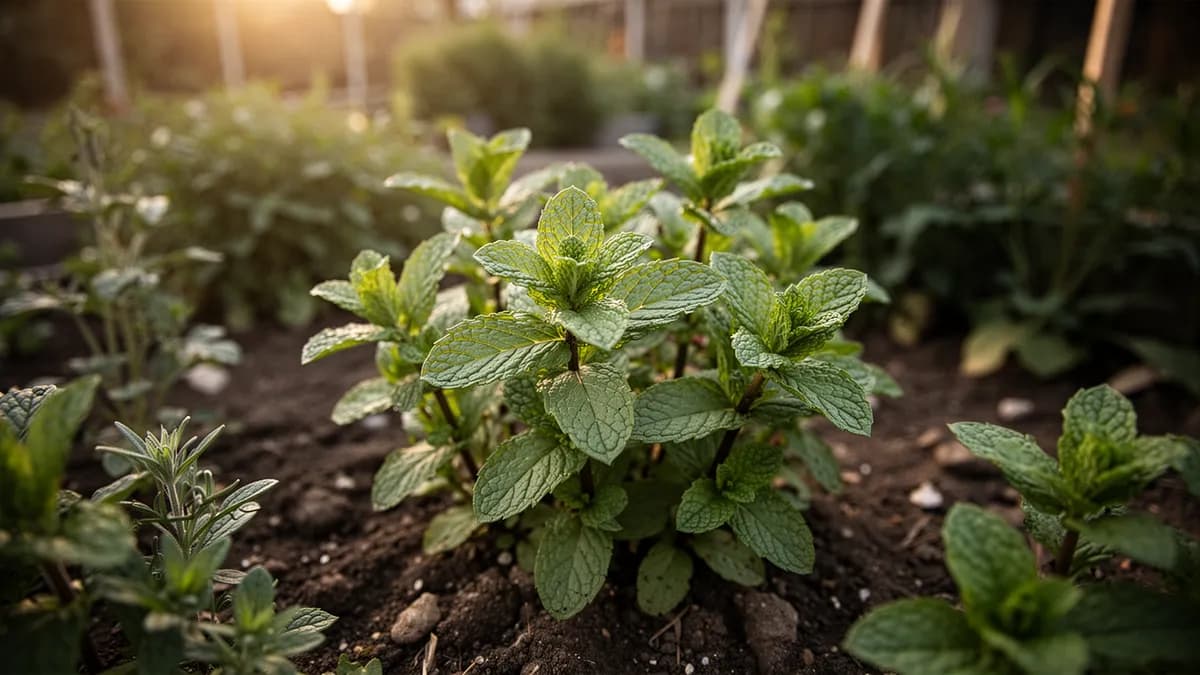
Thymian gehört daneben. Minze nicht.
Altes Gärtnerwissen, geprüft an der echten Nachbartabelle von Za'atar — teste jede Pflanze, die du anbaust.
Probiere Za'atar direkt hier im Beet
Ein echtes Planer-Beet, Za'atar steht schon drin. Tippe einen Begleiter an, platziere ihn und sieh, wie die Nachbarschaftsprüfung antwortet — grün für gute Nachbarn, rot bei Streit.


Passende Anbau-Ratgeber
Richtig düngen
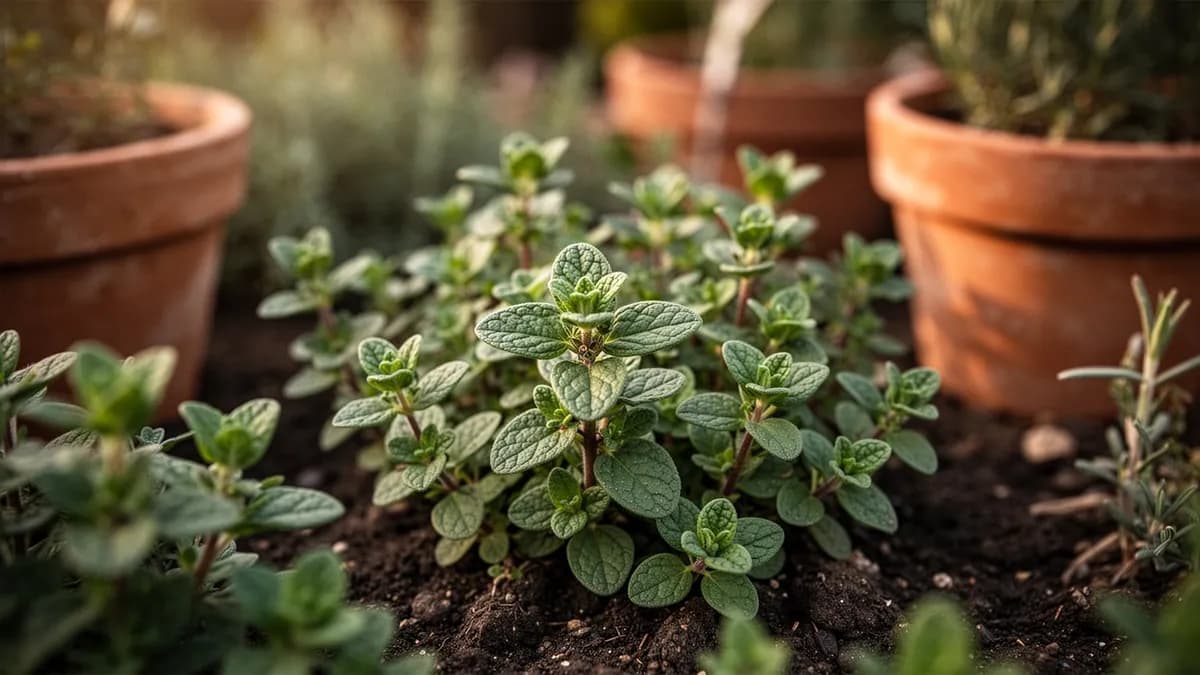
Za'atar benötigt außergewöhnlich gut durchlässigen Boden, idealerweise sandig oder steinig, mit einem pH-Wert von 6,5 bis 8,0. Er gedeiht unter denselben mageren, alkalischen Bedingungen wie in seinem natürlichen mediterranen Lebensraum. Nährstoffreicher, fruchtbarer Boden erzeugt üppiges, aber geschmacklich schwaches Wachstum. Mischen Sie Perlit, groben Sand oder Kies in den Gartenboden, um die Drainage zu verbessern. Düngen Sie sparsam mit einer leichten Gabe von ausgewogenem organischem Dünger einmal im Frühling. Kübelpflanzen können jährlich mit einer dünnen Schicht Kompost als Topdressing versehen werden.
Ideale Temperatur
Winterhärtezone-Kompatibilität
Von der Saat zur Ernte, Schritt für Schritt
Keimung
Winzige Za'atar-Samen werden auf die Oberfläche einer gut durchlässigen Aussaaterde gesät und leicht angedrückt, ohne sie zu bedecken, da sie Licht zur Keimung benötigen. Die Samen sind sehr klein und die Keimung ist oft langsam und unregelmäßig. Bodenwärme von 20–22 °C und gleichmäßige Oberflächenfeuchtigkeit verbessern die Keimrate, die typischerweise bei 50–70 % liegt.
Sämlingsentwicklung
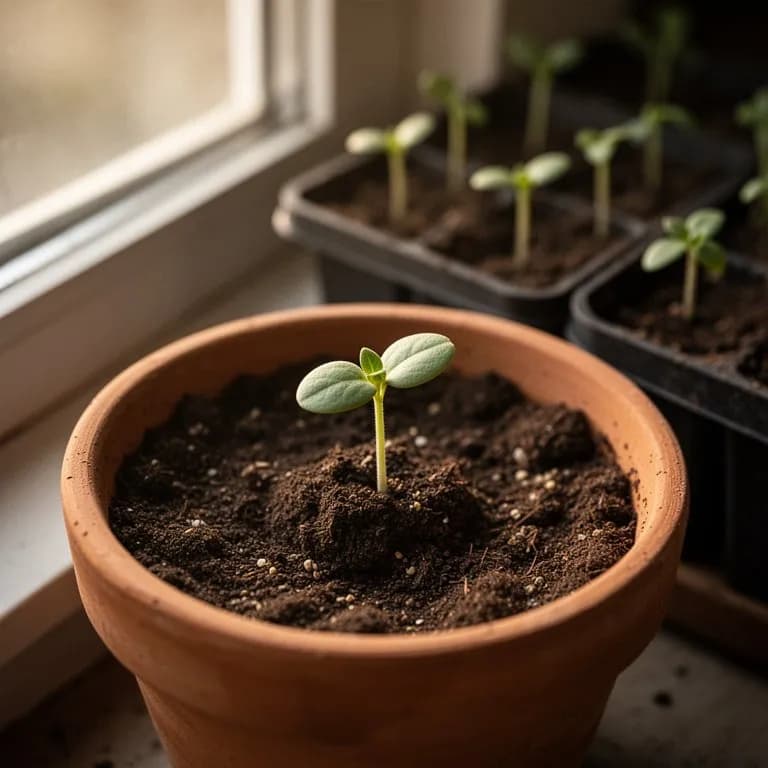
Winzige Sämlinge erscheinen mit ihrem ersten Paar rundlicher Keimblätter, gefolgt von den ersten echten Blättern, die klein, oval und leicht filzig sind. Das Wachstum ist in dieser Phase langsam, da sich das Wurzelsystem aufbaut. Die Sämlinge sind empfindlich und anfällig für Umfallkrankheit bei zu feuchten Bedingungen. Ein Vereinzeln kann notwendig sein, wenn die Samen dicht gesät wurden.
Vegetatives Wachstum
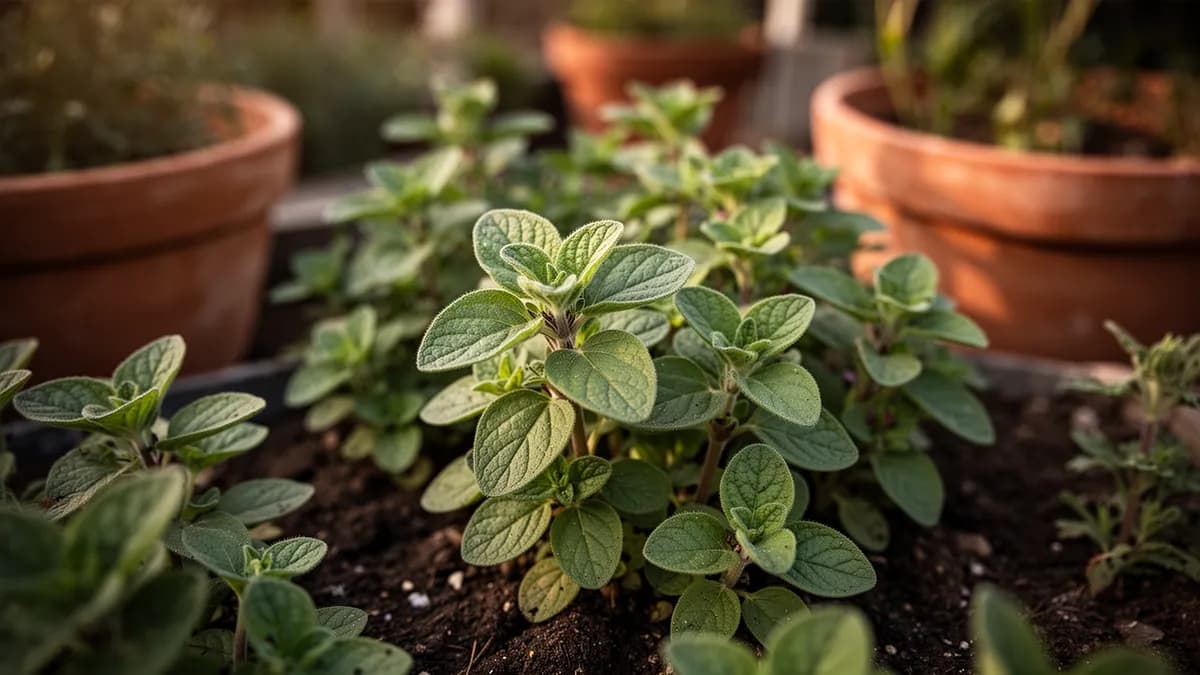
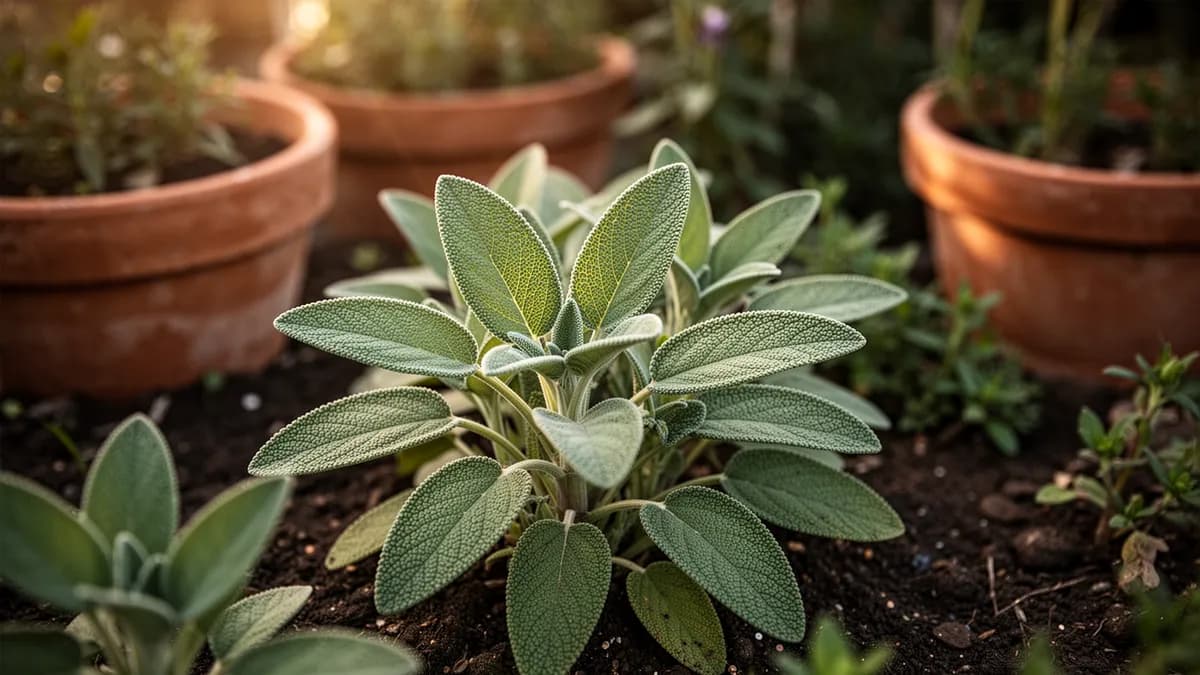
Die Pflanzen entwickeln ihren charakteristischen verzweigten Wuchs und bilden mehrere Stängel mit kleinen, ovalen, graugrünen Blättern mit einer deutlich filzigen Textur. Die aromatischen Öle werden zunehmend intensiver, je reifer die Pflanze wird. An der Basis beginnen sich verholzende Stängel zu bilden, während die Pflanze ihre Halbstrauch-Struktur entwickelt. Das Wachstum beschleunigt sich bei warmen, sonnigen Bedingungen in magerem, gut durchlässigem Boden.
Blüte
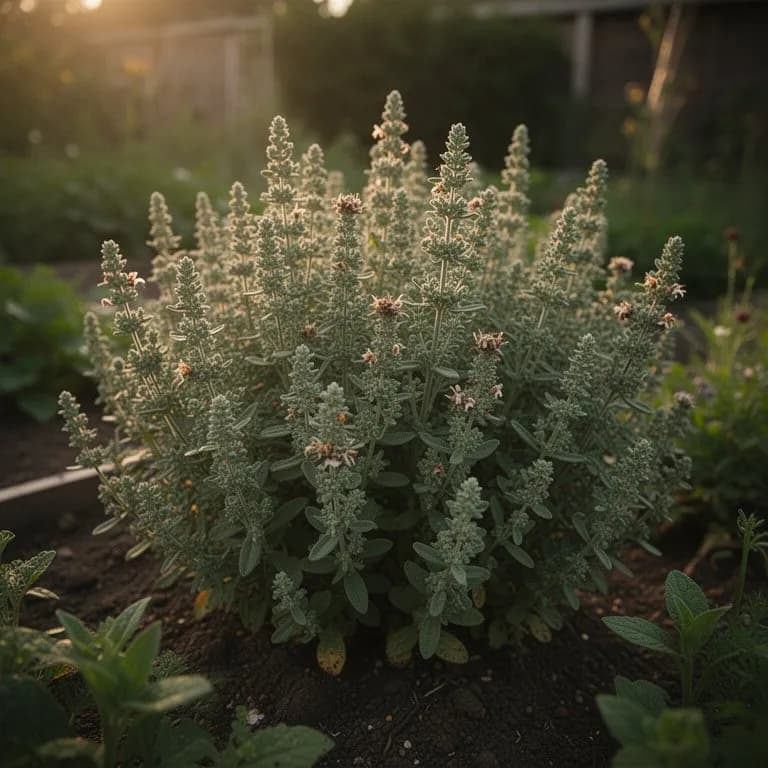
Dichte Trauben kleiner röhrenförmiger Blüten erscheinen an den Stängelspitzen, von reinweiß bis zartrosa, je nach Wachstumsbedingungen. Die Blüten sind reich an Nektar und locken eine Vielzahl von Bestäubern an, darunter Honigbienen, Hummeln und Nützlingswespen. Die Konzentration der aromatischen Öle in den Blättern erreicht ihren Höhepunkt kurz vor und während der frühen Blüte, was dies zum idealen Erntezeitfenster macht.
Samenbildung und Ruhevorbereitung
Nach der Blüte entwickeln sich kleine Samenkapseln mit winzigen braunen Samen. Die Pflanze verlangsamt ihr Wachstum, da die Energie auf die Samenproduktion gelenkt wird. In ihrem natürlichen mediterranen Klima tritt Za'atar während der heißen, trockenen Sommermonate in einen halbdormanten Zustand ein und reduziert den Wasserbedarf erheblich. Die verholzenden Basisstängel härten weiter aus und bilden die Grundlage für den Neuaustrieb in der folgenden Saison.
Mehrjähriger Neuaustrieb
Wenn die Temperaturen im Herbst sinken, produziert Za'atar oft einen frischen Schub zarter neuer Triebe von der verholzten Basis. Dieses spätjahreszeitliche Laub ist aromatisch und kann leicht beerntet werden. In milden Winterklimaten (Zonen 8–11) bleibt die Pflanze halbimmergrün mit reduziertem Wachstum. In kälteren Gebieten kann der oberirdische Teil absterben, aber die verholzte Basis und das Wurzelsystem überleben und treiben im folgenden Frühling kräftig wieder aus.
Besprühen Sie die Oberfläche sanft mit einer Sprühflasche, anstatt von oben zu gießen, da dies die winzigen Samen wegspülen oder begraben kann. Bedecken Sie die Schalen locker mit Klarsichtfolie, um die Luftfeuchtigkeit zu halten und gleichzeitig Licht an die Samen zu lassen. Entfernen Sie die Abdeckung, sobald die Sämlinge erscheinen.
Za'atar Monat für Monat pflegen
Was du jeden Monat für deine Za'atar tun solltest
Oktober
Aktueller MonatStellen Sie in kalten Zonen Kübelpflanzen ins Haus auf die hellste Fensterbank oder unter Pflanzenlampen. Bringen Sie einen Kiesmulch um Freilandpflanzen an, um die Kronen vor Winternässe zu schützen. Reduzieren Sie die Bewässerung für Freilandpflanzen, die in die Winterruhe eintreten, auf nahezu null. Stellen Sie Ihre Za'atar-Gewürzmischung mit der getrockneten Ernte her.
Immer wissen, was jetzt im Garten zu tun ist
Eine E-Mail zum Monatsanfang: was du jetzt säen, pflanzen und anpacken solltest — für deine Za'atar und alles, was drumherum wächst. Dazu ein kurzer Startkurs, der dich vor den klassischen Fehlern bewahrt.
- Was jetzt zu tun ist
- Passend zu deiner Saison
- Startkurs inklusive
Za'atar ernten
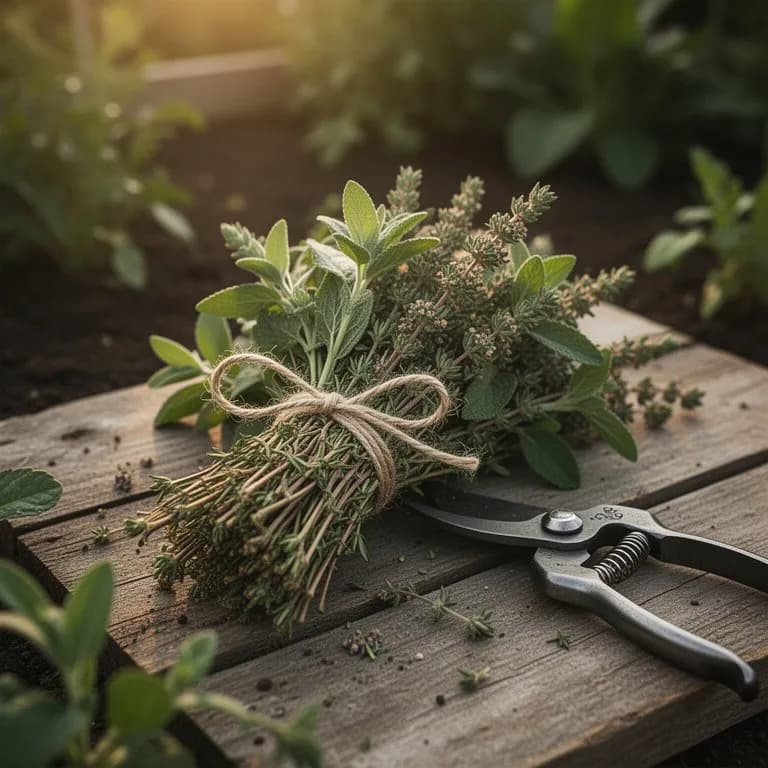
Ernten Sie Za'atar-Blätter vom Frühling bis zum Herbst, indem Sie Stängelspitzen von 7 bis 10 cm Länge abschneiden. Das Aroma ist am stärksten kurz vor der Blüte, wenn der Gehalt an ätherischen Ölen seinen Höhepunkt erreicht. Zum Trocknen, der traditionellen Zubereitungsart, ernten Sie an einem trockenen Morgen, nachdem der Tau verdunstet ist. Schneiden Sie ganze Stängel statt einzelner Blätter ab, um die Handhabung und das Trocknen zu erleichtern. Frische Blätter können ebenfalls verwendet werden, obwohl das Aroma milder ist als bei getrockneten. Sowohl Blätter als auch Blüten sind essbar.
angenommen, du pflanzt zu Beginn des Zeitraums — trage dein tatsächliches Datum ein
Ernte Za'atar zügig, dann trägt die Pflanze weiter.
Lagerung & Konservierung
Frischer Za'atar hält sich etwa eine Woche im Kühlschrank, eingewickelt in feuchte Papiertücher. Für die traditionelle Za'atar-Gewürzmischung trocknen Sie die Blätter gründlich, indem Sie Bündel 1 bis 2 Wochen kopfüber aufhängen oder einen Dörrautomaten bei 35 Grad verwenden. Zerbröseln Sie die getrockneten Blätter und mischen Sie sie mit gerösteten Sesamsamen, gemahlenem Sumach und Salz. Bewahren Sie die Mischung in luftdichten Gläsern lichtgeschützt auf, wo sie bis zu einem Jahr haltbar ist. Getrocknete Blätter allein halten sich 2 Jahre in luftdichten Behältern an einem kühlen, dunklen Ort.
Was schiefgeht — und die Lösung
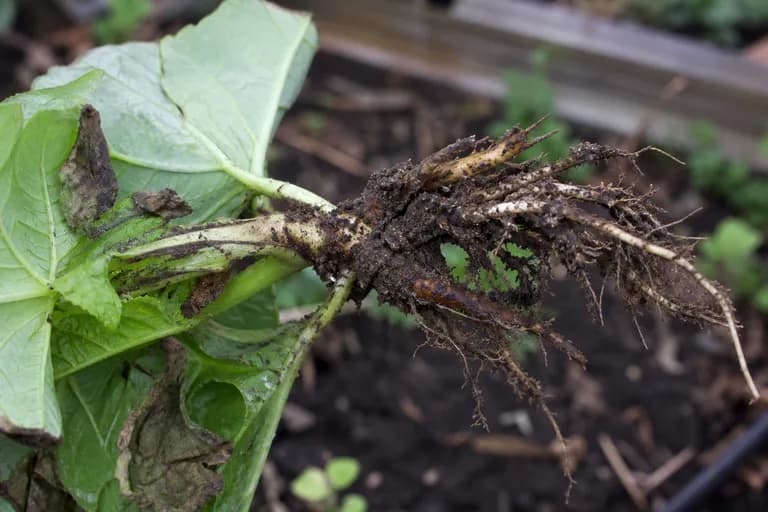
Wurzelfäule
KrankheitWelken trotz feuchter Erde, Vergilben der unteren Blätter und dunkle, matschige Wurzeln. Tödlich in schlecht entwässerten Böden, besonders bei kühlem, nassem Wetter.
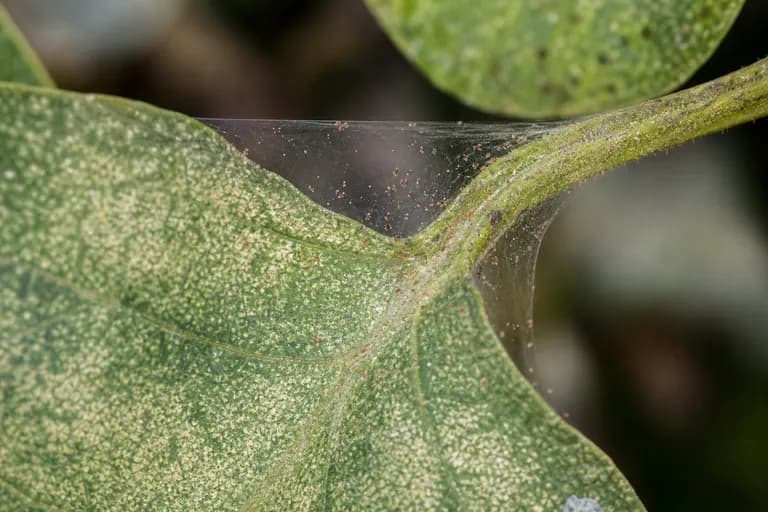
Spinnmilben
SchädlingFeine Sprenkelung auf den Blättern, die dem Laub ein stumpfes, gräuliches Aussehen verleiht. Bei genauer Betrachtung feine Gespinste zwischen den Blättern. Am schlimmsten unter heißen, trockenen Bedingungen in Innenräumen.
Fehlerbehebung bei häufigen Problemen
Überwässerung und schlechte Drainage sind die Hauptursachen für das Absterben von Za'atar-Pflanzen. Nasse Winterbedingungen in kalten Klimazonen können Wurzelfäule verursachen, selbst wenn die Pflanze die kalten Temperaturen übersteht. Luftfeuchtigkeit begünstigt Pilzkrankheiten und schwächt die Pflanze. Zimmerpflanzen können im Winter durch unzureichendes Licht vergeilen. Das Kraut ist in Gartencentern nicht weit verbreitet, was die Beschaffung von Pflanzen oder Samen erschwert; spezialisierte Kräutergärtnereien und Online-Anbieter sind die besten Bezugsquellen.
Anbautipps
- Drainage ist der wichtigste Einzelfaktor für den Erfolg mit Za'atar. Pflanzen Sie in Hochbeeten, Steingärten oder Töpfen mit mindestens 30 % Perlit, grobem Sand oder Splitt im Substrat. Za'atar hat sich an felsigen Kalksteinhängen entwickelt und verträgt keine Staunässe – Wurzelfäule durch schlechte Drainage tötet mehr Za'atar-Pflanzen als Kälte es jemals tut.
- Beginnen Sie mit der Aussaat drinnen 8–10 Wochen vor dem letzten Frost, säen Sie auf die Oberfläche, ohne zu bedecken, da die Samen Licht zum Keimen benötigen. Seien Sie geduldig – die Keimung ist oft langsam und unregelmäßig und dauert 14–21 Tage. Alternativ vermehren Sie über Stängelstecklinge oder Teilung für eine schnellere und zuverlässigere Etablierung.
- Platzieren Sie Za'atar an der heißesten, sonnigsten Stelle in Ihrem Garten. Mindestens 6–8 Stunden direktes Sonnenlicht täglich sind unerlässlich für die Entwicklung der intensiven aromatischen Öle, die seinen Geschmack ausmachen. Südwände, Kiesgärten und mediterrane Pflanzungen sind ideale Standorte.
- Gießen Sie sparsam nach dem Anwachsen. Za'atar ist ein trockenheitsangepasstes mediterranes Kraut, das sein aromatischstes Laub unter mageren, trockenen Bedingungen produziert. Überwässerung verdünnt die Konzentration der ätherischen Öle und fördert Pilzkrankheiten. Lassen Sie die Erde zwischen den Bewässerungen vollständig austrocknen.
- Vermeiden Sie nährstoffreichen, fruchtbaren Boden und starke Düngung. Za'atar entwickelt seinen stärksten Geschmack in magerem, steinigem, alkalischem Boden, ähnlich seinem natürlichen Kalksteinlebensraum. Wenn Ihr Boden sauer ist, geben Sie Gartenkalk hinzu, um den pH-Wert auf 7,0–8,0 anzuheben. Überschüssiger Stickstoff erzeugt üppiges Wachstum mit schwachem Aroma.
- Ernten Sie, indem Sie Stängel schneiden, anstatt einzelne Blätter zu pflücken. Schneiden Sie nicht mehr als ein Drittel der Pflanze auf einmal, und setzen Sie den Schnitt knapp über einem Blattknoten an, um die Verzweigung zu fördern. Die beste Erntezeit ist am Morgen, nachdem der Tau getrocknet ist, kurz vor oder während der frühen Blüte, wenn die Ölkonzentration ihren Höhepunkt erreicht.
- Trocknen Sie geernteten Za'atar schnell an einem warmen, dunklen, gut belüfteten Ort, um Farbe und Aroma zu bewahren. Bündeln Sie 5–6 Stängel zusammen und hängen Sie sie kopfüber auf, oder verteilen Sie die Blätter auf Trockensieben. Sobald sie vollständig trocken und brüchig sind, streifen Sie die Blätter von den Stängeln und bewahren Sie sie in luftdichten Glasgläsern licht- und hitzegeschützt auf.
- Vermehren Sie Za'atar über halbreife Stängelstecklinge, die im Spätsommer genommen werden, für die schnellsten und zuverlässigsten Ergebnisse. Nehmen Sie 8–10 cm lange Stecklinge von nicht blühenden Trieben, entfernen Sie die unteren Blätter, tauchen Sie sie in Bewurzelungshormon und stecken Sie sie in eine Mischung aus Perlit und Vermiculit. Die Bewurzelung dauert in der Regel 3–4 Wochen.
- Schützen Sie Za'atar in kalten Klimazonen (Zonen 6–7) im Winter, indem Sie die Krone mit Kies oder Splitt mulchen – nicht mit organischem Mulch, der Feuchtigkeit speichert und Fäulnis fördert. Alternativ kultivieren Sie Za'atar in Töpfen, die an einen kühlen, hellen, frostfreien Standort für den Winter umgestellt werden können.
- Pflanzen Sie Za'atar als Begleitpflanze zusammen mit anderen mediterranen Kräutern wie Rosmarin, Thymian, Salbei und Lavendel, die dieselbe Vorliebe für mageren Boden, volle Sonne und ausgezeichnete Drainage teilen. Diese Kräuter profitieren auch gegenseitig von ihren schädlingsabwehrenden ätherischen Ölen und bilden ein visuell stimmiges, pflegeleichtes Gartenbeet.
Bau deine beste Za'atar an — und alles drumherum.
Starte heute kostenlos. Lege deine Beete an, setze deine Za'atar ein und lass PlotMyGarden Timing, Abstände, Begleiter und Erinnerungen von der Saat bis zum Erntekorb übernehmen.
Finde deine Za'atar
Origanum syriacum (Syrischer Za'atar)
Die authentische Art mit dem komplexesten Geschmack. Filzige graugrüne Blätter an verholzenden Stängeln. Der Standard für traditionelle Za'atar-Gewürzmischungen in der gesamten Levante.
Thymbra spicata (Schwarzer Za'atar)
Eine verwandte Art mit dunklerem, thymianartigerem Geschmack, die in türkischen und einigen libanesischen Za'atar-Mischungen verwendet wird. Kompakterer Wuchs mit höherem Gehalt an ätherischen Ölen.
Authentisches getrocknetes Za'atar-Kraut (Origanum syriacum) kostet 15–30 € pro 100 g in spezialisierten orientalischen Geschäften oder Online-Shops, und die Qualität variiert stark. Fertige Za'atar-Gewürzmischungen sind günstiger, verwenden aber oft generischen Oregano oder Thymian als Ersatz, dem der unverwechselbare Geschmack von echtem Za'atar fehlt. Eine einzelne Pflanze für 5–8 € produziert reichlich frisches und getrocknetes Kraut für 5–10 Jahre bei minimalem Pflegeaufwand und liefert jede Saison genug getrocknete Blätter für mehrere Gläser authentischer Za'atar-Mischung. Der eigene Anbau garantiert botanische Authentizität und spart jährlich 30–60 € im Vergleich zum Kauf von hochwertigem importiertem Za'atar.
Schnelle Rezepte
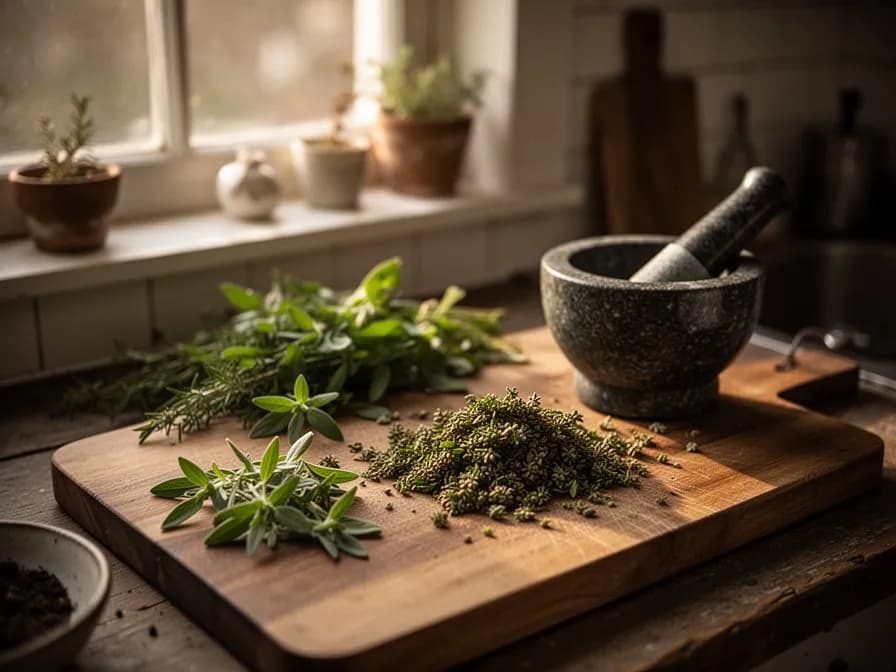
Klassisches Manoushe (Za'atar-Fladenbrot)
25 Min.Das ikonische libanesische Frühstücksfladenbrot, großzügig bestrichen mit einer duftenden Paste aus Za'atar-Gewürzmischung und nativem Olivenöl extra, dann goldbraun und aromatisch gebacken. Am besten warm genossen, um frisches Gemüse gewickelt oder einfach geteilt und gerissen.
5 ZutatenZa'atar-Krustengemüse aus dem Ofen
35 Min.Mediterranes Gemüse mit Olivenöl und einer großzügigen Schicht Za'atar-Mischung vermengt, dann bei hoher Hitze geröstet, bis es karamellisiert und tief aromatisch ist. Der Za'atar bildet eine herzhafte, leicht säuerliche Kruste, die einfaches Gemüse in eine unwiderstehliche Beilage verwandelt.
8 ZutatenZa'atar-Labneh-Dip
10 Min.Eine einfache, aber zutiefst befriedigende levantinische Vorspeise, bei der dickes, säuerliches Labneh mit duftendem Za'atar verrührt und mit dem besten Olivenöl beträufelt wird. Mit warmem Pitabrot serviert, ist es der Inbegriff des Geschmacks des östlichen Mittelmeerraums.
6 ZutatenKulinarische Verwendung
Za'atar ist die Grundlage der berühmten nahöstlichen Gewürzmischung, die mit gerösteten Sesamsamen, gemahlenem Sumach und Salz gemischt wird. Diese Mischung wird auf Fladenbrot gestreut, mit Olivenöl als Dip vermischt und zum Würzen von Fleisch, Gemüse und Eiern verwendet. Das frische oder getrocknete Kraut allein würzt Suppen, Eintöpfe und gegrilltes Fleisch im gesamten östlichen Mittelmeerraum. Es ist ein Schlüsselgewürz in Manakeesh, dem beliebten levantinischen Fladenbrot. Za'atar-Tee wird im gesamten Nahen Osten als Verdauungshilfe getrunken.
Was drinsteckt
Gesundheitsvorteile
- Reich an Carvacrol und Thymol, zwei phenolischen Verbindungen mit starken antimikrobiellen Eigenschaften, die in Laborstudien nachweislich das Wachstum von Bakterien, Pilzen und bestimmten Viren hemmen – was den traditionellen Einsatz von Za'atar als natürliches Mittel gegen Infektionen unterstützt.
- Enthält Rosmarinsäure, ein starkes Antioxidans und entzündungshemmendes Molekül, das dazu beitragen kann, oxidativen Stress und Entzündungen zu reduzieren, die mit chronischen Erkrankungen wie Herz-Kreislauf-Erkrankungen und neurodegenerativen Störungen verbunden sind.
- Traditionell im gesamten Nahen Osten zur Unterstützung der Verdauungsgesundheit verwendet – Za'atar regt die Produktion von Verdauungsenzymen und Galle an und hilft so, Blähungen, Völlegefühl und Verdauungsbeschwerden nach Mahlzeiten zu lindern.
- Vorläufige Forschungsergebnisse deuten darauf hin, dass Carvacrol in Za'atar stimmungsaufhellende und angstlösende Wirkungen haben könnte, indem es die Dopamin- und Serotoninaktivität im Gehirn moduliert – was der Volkstradition wissenschaftliche Unterstützung verleiht, Za'atar zu essen, um die geistige Klarheit zu schärfen.
- Hoher Gehalt an Vitamin A und Flavonoid-Antioxidantien, die die Immunfunktion unterstützen und Zellen vor oxidativen Schäden durch Umweltstressoren und Stoffwechselprozesse schützen.
- Enthält bedeutende Mengen an Kalzium, Eisen und Mangan – essenzielle Mineralstoffe, die die Knochendichte, den Sauerstofftransport im Blut und eine gesunde Stoffwechselenzymaktivität im gesamten Körper unterstützen.
Woher Za'atar stammt
Za'atar (Origanum syriacum) ist im östlichen Mittelmeerraum beheimatet, insbesondere an den felsigen Kalksteinhängen und Berghängen des heutigen Libanon, Syrien, Palästina, Jordanien und der Türkei. Er wächst seit Jahrtausenden wild in diesem Terrain und gedeiht in den dünnen, trockenen Böden und dem intensiven Sonnenlicht der levantinischen Landschaft. Die Pflanze hat sich entwickelt, um die harte mediterrane Sommertrockenheit zu überstehen, indem sie tiefe Wurzeln, kleine ledrige Blätter, die den Wasserverlust minimieren, und eine Fülle aromatischer ätherischer Öle entwickelt hat, die Pflanzenfresser abschrecken und Bestäuber anlocken.
Die Verwendung von Za'atar in der Levante geht der schriftlichen Überlieferung voraus. Archäologische Funde aus altägyptischen Stätten deuten darauf hin, dass verwandte Origanum-Arten medizinisch und rituell verwendet wurden. Zur Zeit der mittelalterlichen islamischen Blütezeit war Za'atar fest als Heil- und Küchenkraut etabliert. Arabische Ärzte, darunter Ibn Sina (Avicenna), beschrieben seine Eigenschaften als wärmendes, trocknendes Kraut, das bei Atemwegserkrankungen, Verdauungsstörungen und Infektionen wohltuend wirkt. Die berühmte Za'atar-Gewürzmischung – getrocknete Kräuterblätter gemischt mit Sumach, Sesamsamen und Salz – hat sich wahrscheinlich über Jahrhunderte entwickelt, als Köche und Heiler lokal verfügbare Zutaten zu einer Zubereitung kombinierten, die gleichzeitig köstlich und gesundheitsfördernd war.
Za'atar wurde tief in die kulturelle Identität der Levante verwoben. In palästinensischen, libanesischen, syrischen und jordanischen Haushalten ist die Za'atar-Mischung mit Olivenöl ein tägliches Grundnahrungsmittel, das mit frischem Brot zum Frühstück und den ganzen Tag über serviert wird. Manoushe, das ikonische libanesische Fladenbrot mit Za'atar-Paste bestrichen, gilt als das nationale Frühstücksgericht. Das Sammeln von wildem Za'atar an Berghängen war eine geschätzte gemeinschaftliche Aktivität, besonders unter Frauen auf dem Land, die Familien mit dem Land und mit Generationen von Tradition verband.
In den letzten Jahrzehnten hat die Übersammlung wilder Za'atar-Bestände zu Naturschutzbedenken und gesetzlichem Schutz in mehreren Ländern geführt. Dies hat den verstärkten Anbau von Origanum syriacum als Nutzpflanze vorangetrieben, sowohl in seiner Heimatregion als auch in Gärten mit Mittelmeerklima weltweit. Heute wird Za'atar kommerziell in Libanon, Palästina, Jordanien, der Türkei und zunehmend in Kalifornien, Australien und Südeuropa angebaut, wo Gärtner entdeckt haben, dass dieses widerstandsfähige Kraut überall gedeiht, wo heiße, trockene Sommer und gut durchlässige Böden seine angestammte Heimat nachahmen.
Za'atar: Schon gewusst?
Faszinierende Fakten über Za'atar
Das Wort Za'atar wird in der nahöstlichen Kultur für drei verschiedene Dinge verwendet: die wilde Kräuterpflanze selbst (Origanum syriacum), die getrockneten Kräuterblätter und die ikonische Gewürzmischung aus getrockneten Blättern mit Sumach, Sesamsamen und Salz – der Kontext bestimmt, welche Bedeutung gemeint ist.
Za'atar: Fragen & Antworten
Wann sollte ich Za'atar pflanzen?
Was sind gute Begleitpflanzen für Za'atar?
In welchen Winterhärtezonen kann Za'atar wachsen?
Wie viel Sonne braucht Za'atar?
Welchen Abstand sollte ich zwischen Za'atar lassen?
Welche Schädlinge und Krankheiten befallen Za'atar?
Wie lagere ich Za'atar nach der Ernte?
Was sind die besten Za'atar-Sorten zum Anbauen?
Welchen Boden braucht Za'atar?
Ist Za'atar dasselbe wie Oregano oder Thymian?
Kann ich Za'atar in Töpfen anbauen?
Wie stelle ich authentische Za'atar-Gewürzmischung zu Hause her?
Warum hat meine Za'atar-Pflanze kein starkes Aroma?
Wie lange lebt eine Za'atar-Pflanze, und wann beginnt sie, nutzbare Ernten zu liefern?
Ist Za'atar während der Schwangerschaft sicher?
Du hast die Theorie gelesen. Jetzt baue sie auf Autopilot an.
Alles, was Za'atar knifflig macht — das Timing, die Abstände, die Begleiter, das Erntefenster — genau das übernimmt PlotMyGarden für dich, für jede Pflanze im Garten.
Ein Plan, der dein Wetter kennt
Standort einmal festlegen. Aussaat-, Dünge- und Erntedaten rund um deinen echten letzten Frosttermin und die Live-Vorhersage — kein Raten mehr nach Saattüte.
Aus dem Abschnitt „Pflanzzeit“Beetplaner per Drag & Drop
Beete auf einem Raster gestalten. Jede Pflanze rastet im richtigen Abstand ein, und du siehst die ganze Saison, bevor du einen Cent für Saatgut ausgibst.
Aus dem Abschnitt „Anbau“Begleiter-Konflikte früh erkannt
Über 200 gute und schlechte Kombinationen werden beim Pflanzen live geprüft — so landet ein saisonruinierender Fehler nie in der Erde.
Aus dem Abschnitt „Begleiter“Erinnerungen, nach denen du wirklich handelst
„Gieß die Bohnen.“ „Heute ernten, bevor's umschlägt.“ Pünktlich, konkret und auf deine echten Pflanzen bezogen.
Aus dem Abschnitt „Ernte“Staffel-Aussaat, geplant
Sechs Wochen ernten statt sechs Tage? Die App verteilt deine Aussaaten automatisch und erinnert dich, wenn der nächste Satz fällig ist.
Aus dem Abschnitt „Pflanzzeit“Ein Verlauf, der schlauer wird
Jede protokollierte Ernte bringt der App deinen Garten bei. Der Plan fürs nächste Jahr startet bei dem, was in deinem Boden wirklich funktioniert hat.
Aus dem Abschnitt „Überblick“Pflanze diese neben Za'atar
Weitere Küchenkräuter
Halte Za'atar von diesen fern
Bau deine beste Za'atar an — und alles drumherum.
Starte heute kostenlos. Lege deine Beete an, setze deine Za'atar ein und lass PlotMyGarden Timing, Abstände, Begleiter und Erinnerungen von der Saat bis zum Erntekorb übernehmen.